Subscribe
Share
Share
Embed
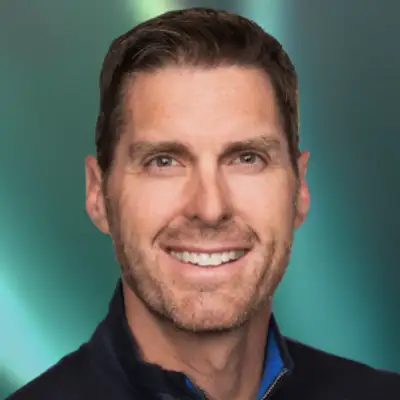
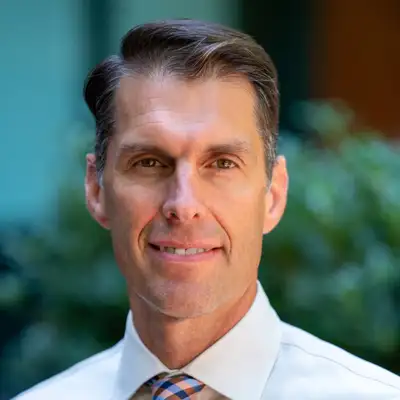
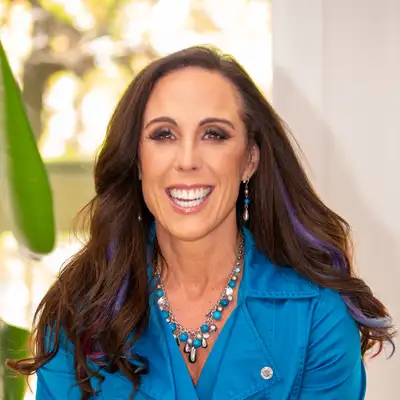
The U.S. healthcare system is at a breaking point—soaring costs, worsening outcomes, and widespread physician burnout. The Root Cause – Business of Medicine podcast, hosted by brothers Dr. Erik Lundquist and Dr. Davin Lundquist, charts a different path: one where healing, fulfillment, and business thrive together.
Each episode shares powerful stories of medical professionals who stepped away from the traditional grind to embrace integrative, functional, and alternative approaches to care. Through candid conversations with practitioners who have redefined success, listeners gain insight into navigating their own transitions, reclaiming a sense of purpose, and reshaping the way they practice medicine.
Erik
Today we have one of my dear friends and exciting guest in Dr. Jill Carnahan. And Jill and I have known each other for oh a while now, but she actually got her medical degree from the University of Chicago, Loyola. at their medical school and then went on to do a family medicine program. Gavin, what what were some of the highlights that you got out of the podcast today?
Davin
Um, she's so authentic. She's so great at storytelling, um, is just a leader and you know, so inspirational in in this field. Um, so I'm excited for people to see what that looks like. Um and then um the other piece is that kind of struck me today is coming at it with curiosity and a creativity. And I think it kind of struck me that as even as we approach patients from a more functional medicine lens, no one size fits all.
Erik
Super excited for you to listen today. And without any further ado, here's our podcast with Dr. Jill Carnahan. Welcome to the Root Cause Business of Medicine podcast, where we explore what's broken in healthcare and what we can do about it. I'm Dr. Erik Lundquist and I've been practicing functional medicine for the past 15 to 20 years. I'm excited to co-host this podcast with my brother, Dr.
Davin
Davin Lundquist, who's just beginning his journey into functional medicine. We come from different points on the path. But we do share a common goal. We want to rethink how medicine is practiced and help others do the same.
Erik
The U. S. healthcare system is in crisis, rising costs, declining outcomes, and physician burnout at an all-time high. Hi. But you know, we found a different way. Another way. A better way.
Davin
On this podcast, we dive into real stories from medical professionals who've stepped away from the traditional model, kinda like me. and have found a new purpose in integrative, functional, and alternative approaches to care.
Erik
These are authentic conversations with practitioners and friends who've redefined success not just for themselves but for their patients and communities.
Davin
Whether you're a clinician feeling stuck, a student seeking direction, or just curious about what is possible,
Erik
You're in the right place. This is the Root Cause Business of Medicine podcast. All right. Well, welcome to our next episode of the Root Cause Business of Medicine podcast. And we're super excited today to have my dear friend. uh Jill Carnahan. And uh Dav Davin, I had the opportunity to introduce Davin and Jill uh a few years ago at a functional one of Davin's first functional medicine conferences. And They they they hit it off. They had hit the more spiritual uh you know leadership type of realm and and we we had a wonderful dinner together. uh that I I will always remember. And we just had such great well, we always have great discussions, Jill, but um that was really, really fun time. But we're we're excited to have you on today. Your you've shared your experience far and wide. And a lot of that has been your personal experience and your journey of how you kind of got into functional medicine. The, you know, I always say, you know. I I love you for being so smart and so sick at the same time so that you can teach us what we need to do, right? So it's but today is a little different. Today we're gonna hear a little more about the business side of it. And and you and I have had some conversations about that as well. But I don't think a lot of people really kind of know uh the process that you went through. And so I'm I'm I'm really excited to have you tell your story today. Davin, any any other things you want to share before we get started?
Davin
Well, no, I I would just reiterate that uh I'm I'm so excited that I got to meet you, Jill. Uh I think I don't think it's been much more than a year, to be honest. Um and uh But yeah, I think you're an inspiration uh to me and and to many others, but I also agree with Erik that I'm excited to hear a little bit more about the business side of things.
Jill
Well, and I just want to say you two brothers are two of my favorite people in the world. And like to have two people that are so incredible and brothers, to me it's just like such an honor to be here and honestly When I think business and I think, oh my gosh, I have a question about my clinic or this, Erik, we've known each other longer and you're one of the first people I call. So it is a true honor. And Davin, you're quickly come becoming as I get to know you, same thing. Like the way you guys do business and do life. is so in line and so full of integrity that I just want to say it is an absolute honor. I think this podcast is a brilliant idea that will help so many people. And you guys have both contributed to my well-being. spiritually, physically, emotionally, and clinically, like in all realms. And I just um I have the greatest respect for both of you. So it's an honor. And then the second thing I want to start off with is being really honest. I can talk all day long to thousands of people about my history. And then we talk about business and I'm a little nervous because this is an area where it's so funny. I have a deep, deep vision and a very divinely guided way about uh showing up in the world. So I'll tell you my story, but what's gonna be very interesting is it's not gonna be like anything you've ever heard before. And I hope that it actually opens up the doors for people to think outside the box of what their business manager or their accountant or those people in their life that are very left brain. Now I'm a bioengineer in background, so I happen to have both very strong right and left brain. I'm very analytical. but I'm also incredibly spiritual and intuitive. And the one thing that I want to kind of grain frown or kind of foundationally bring today is that you can use both for guidance. And my biggest mistakes have been taking the advice of a well-reputable business person or advisor that weren't aligned with my heart. And I want to kind of start there because so often we are not given permission to this thing, this innate wisdom that God has given us that guides probably better than any sort of advisor we could have. And we neglect ourselves in that process and we start to not align. And I think the biggest principle of success is total alignment. My heart, my mind, my spirit, my the way I show up in the world, every day I try to be more aligned. And if I'm not aligned, I'm not manifesting the energy, the resources, the staff, like all the things that we need. really come from alignment. And when we're aligned, it's it's effortless. And so often we're taught that I was grew up on a farm, right? So it was hard work is the only way to success. And I did that for 20 plus years. And then I learned there's another way. And the other way is when you're aligned and you're connected with something greater than yourself, things happen that don't make sense, but they're so much better than how you could do it yourself. So that's kind of the framework I wanted to start with because Some of the stuff I say will sound a little crazy. Um but uh so how it started for me is I in medical school always knew I want to be a healer. I always knew I want to do integrative medicine, but I didn't know about functional medicine until I graduated from medical school and started hearing Jeff. planned as many of us can tell. And so right out of the shoot into residency, I was like, this is what I want to do. I want to go root cause. I want to still and I always wanted to found my practice on great science, like the best science, the best evidence. But also be so open that I was doing the most cutting-edge things that would keep would uh bring people to wellness or create healing. And then as you mentioned, Erik, in med school, I dealt with breast cancer and Crohn's disease. So all of a sudden I had the life course, the earth school, we can call it. And it was probably my best educator. But I came out of that being even more passionate about this functional medicine and saying, how can I do this? So my first business endeavor was a vision that I saw. I was in Pure, Illinois. I graduated from a family medicine residency in this kind of Midwestern town. three big major medical centers there. And one of them was my residency director group. So I knew the CEO at that hospital. And I came out and I thought, and again back then I was somewhat naive, but also beautifully naive because I believed anything was possible. And I went to the CEO, Michael was his name. I won't give away his last name. And I said, hey, Michael, I'm graduating residency. You know me as a good quality resident. I worked hard for you. You know my my integrity is impeccable. And I believe you need to have something different that sets you apart from these other three medical centers. And I can bring that to you. I want to create an integrative medical center. Um, I need the money, I need the financing, I need you to build me a building, but I'll be your medical director because I have the vision. And I cast that vision, 100% believing it was possible. I walked out of his office with a promise for him to build me a clinic, create a new medical directorship, a brand new program, and I had all the resources I needed. So for the NES, this is like a, I don't know, in my early 30s, I had no experience. But for 18 months I sat with architects, engineers, accountants from the hospital. We sat down and I remember time after time after time. And what I did in that business, this is why it's important, is I had this vision of a place. I knew for me the place and the building matters. And I wanted to create this place that you walked in and the patient actually felt that that environment, the bricks, the mortar, the lighting, the artwork. felt different. It felt safe. It felt inspiring. And it felt completely different from anything we've ever seen. And so even though I was an architect, I had enough vision to set this. And we built a multimillion dollar 4,000 square foot, beautiful, like original artwork, incredible lighting. And I realized at that time how much lighting cost. Like all these little things in the process. And it was a seven room, it had five exam rooms, one um large medical office for two practitioners, a full surgical room. And then they hired two medical assistants, one office manager, and two RNs. Now you're already maybe thinking business-minded where I'm going with this because what happened was there's just me. It's my little cash practice. And again, I started it out pretty modestly with my fees. And I have this huge overhead. Now, granted, it was exactly what I envisioned. You walk in, there's a retail store with like We consulted a retail specialist. The products were beautiful. We probably had $150,000 of inventory on day one. We had original artwork. We had the lighting, like like three levels of lighting and like three levels of like the Um what do you call in that round that I mean the I didn't blank it on the name of it, but all the decor. I mean it was spectacular. We had a ribbon cutting ceremony. They put my name and face on the billboard. Um Brand new thing coming to town. So they got what they want as far as the publicity for something new. But all of a sudden I began to practice and what happened was they all they had to compare was a family medical model. So I was getting booked patients 20 to 30 per day And my staff, I had a lot of staff, but they had no clue how to order integrative labs and how to do all the stuff that I needed. They knew this is a basic billing. And so it quickly became evident. Now I was I'm a hard worker because that farm background, so I put in the effort, but after probably um 12 months or so there I was starting to burn out. That's one year, right? Because it was so hard. Like I was working at least 80 to 90 hours a week. And I was I was teaching the staff what they were doing. And I was teaching the And then I had the people, the rheumatologist, the gastroenterologists, all the people in the hospital going, what is this quackery going on on this it under our hospital system? So I was like on all levels. And what I realized at that point was um I needed another doc to help me and to bring in some revenue. And then I also needed um to create a community that actually knew what I was doing. So I started a group of, it was psychiatrists, psychologists, uh physicians, chiropractors. I brought in all the integrative practitioners in the community and did um down by the river this gorgeous like um a you know, bar place where we rented it out and we did lectures. And so I started bringing in gastroenterology and and they'd be like, what are they doing over there? And then the other thing that happened was my patients who, you know, they'd come from the rheumatologist on their immune modulating drugs. and they come to see me and we do something and six months later they'd be off their meds, they're feeling better. And they go back to the rheumatologist and the rheumatologist's like, what is she doing over there? So it started to just like snowball into first of all the reputation was being built. And I think that's important. And then second of all, um, showing them that this was actually quite science-based. But and I'm gonna stop here and let you guys ask some questions, but the biggest thing that you can already see coming is My biggest mistake and my biggest lesson to teach or share out there is you are a slave to your overhead. And I had become a slave to this absolutely astronomical bill that they had put into my clinic. and false expectations around what my productivity would actually be. So I'll pause there for a moment.
Erik
That would that was that's a lot. And that that yeah, there's m many questions that I have. Just I think from a clarification standpoint. And then I just want to highlight a few points. So I think some of the things that you brought up right at the beginning, right, is making sure, and I know this is big, Davin always brings this up. So maybe I won't steal too much of your thunder, but in terms of the alignment, I'll let you talk to that. But in terms of the vision, right? I mean and I shared in my story how, you know, I was in a in a ri uh a health spa and there was a labyrinth and I walked around and it w and it all came to me, right? It just it was like a download But it's because I'd opened my heart and I was really trying to to see it. So I I I think that's critical in terms of getting started. So here's my two questions for you. One Did you guys have a business plan? Like had they gone through and like said, okay, this is how many patients you need to see, this is how much revenue that you're you're going to need to drive. And then you you you mentioned I was a little confused. Was this it sounded like it was more insurance based, but I thought you said it was cash based. So just clarify maybe in terms of how you were generating revenue and if it was insurance based, were you doing anything? to bring in cash. And then were you working with the, you know, the accountant or whoever was kind of overseeing the business aspect of it in terms of profit and loss. And how you were kind of brought into that world and seeing, okay, wow, there's a big there's a big negative discrepancy here. So maybe maybe touch on those three points and I'll let Davin come back in and jump in on the alignment. stuff.
Jill
So yes, we had absolute financial accountability and accountants and everything. And I projected, I actually projected probably over promising what I thought I could do. So I think I was saying 20 patients a day or you know I probably was because again for me I think about when you're just out of family practice residency I didn't know how much time it would take with functional medicine. And again, to those listening, if you don't anticipate, like even when I bring in new mid-levels now, I anticipate they might need two or three hours for a new patient plus some time to review. And that might be two patients a day, which is crazy in the very beginning, right? But that's like unheard of in a family practice setting or an internal medicine setting. So you really have to set the expectation of the volume. Um, and I don't think I had a realistic expectation of what I could do. I mean, the truth is I did it and I could do it, but it wasn't sustainable. And that's the difference, right? And then so we looked at the accounting and we knew that the retail would bring in revenue and a lot of it. And um, but again, that getting up and running and what drives retail is how many providers and people that are referring to that retail, right? So it's just me seeing five to eight patients a day or whatever it is in the beginning, um, you're not necessarily driving that retail right away. So we definitely had projections of no non-profitability for probably the first three years. But what happened that was a bigger deal. I do believe had I stayed longer, I stayed three and a half years, and we'll talk about that transition and what happened after later, but um Had we had another provider which was on the budget, you know, like after 18 months we had another provider. Um, and had I stayed, um, I think we could have been profitable. But it was just that I saw the writing on the wall when I'll tell you this interesting story. So because I'm integrated medical director on all the board meetings at the hospital GI director, rheumatology director, we all met for board meetings with the CEO at the hospital. And when I was in those meetings, I started to realize with a very sinking feeling that I did not belong. And the biggest part of it was I remember when the CEO projected onto the slides he's presenting, he's like, okay, this is beds filled by departments. Because obviously that's what the hospital wants, right? Is people to refer to them to fill their beds. And it was boom, you know, GI and heart and cardiac whatever. And then My clinic was a lot probably like negative. I can't remember, but all I remember is like, oh man, if this is the benchmark, I'm gonna fail big time because my goal is to keep you out of the hospital. hospital and it's just like I had an epiphany on that day in the board meeting like this future is not aligned because if ultimately there I I pitched it thinking What I'm gonna bring may not be super profitable, but it's going to create a unique sphere of influence in the city for something no one else is doing. And that's valuable for marketing, right? That was my pitch. Um, the rest of it was, but what I realized in that board meeting was my days were limited because I was working my butt off. I was working so hard to create this and I had the pressure to be profitable at some point, which I think we could have. But I ultimately realized this is not going to be a line.
Erik
Yeah, because you're and that's why you're the end outcome of what you were driving in the practice was not to have hospitalized patients. Right. So g clarify for me what you mean by retail, first of all.
Jill
Yeah, so this is like a full um uh like a full scripts or Emerson on site. So like a full a line of integrative products, um, protein shakes, smoothies, supplemental products. Um and I don't think at that time we had like accessories like red light or those kinds of things. It was just supplements. So like a nutritional form of stuff.
Erik
And then the other thing um I wanted you to kind of speak to is Tell me a little bit, like so you talked about your vision and all of this, but what's interesting to me is that all of that was patient-centered and not physician-centered. Right? So here you were with you had this vision. I I want to create this wonderful, beautiful clinic, and the patients are going to love it. But from your perspective, you had no idea, zero idea the impact that that kind of environment in an insurance-based model with a hospital backing. Would would be from a an environment for you. Maybe just speak a little bit and then I promise Davin I'll let you hop in with your alignment question.
Jill
Um and you're talking like the physical building for me as a physician or the phys or the project as an overwhelm to just speak to the the
Erik
maybe the oversight that you weren't really thinking about it from your perspective. Like what is this going to how is this business model gonna work for Jill Carnahan? You know what I'm saying?
Jill
Yeah, you're right. I wanted to do something new.
Erik
It was like it was all patient centered, which is not necessarily a bad thing. We want we have that similar mantra at TCIM. You know, the the healing starts from the time you step into the clinic. until the time you step out, right? That that sense of hope and and being heard. Yeah. But in terms of a practitioner, A lot of times these businesses are not set up, these practices, these clinics are not set up based upon, well, all right, you're you're now the provider. What's the quality of life for you in that environment?
Jill
Okay, yes, and you know what we call this? Is the dancing bear. What it means is ultimately if we create a space where we have to dance and perform and do our little thing, and I say that tongue in cheek, but the truth is Everything hinges on us doing the show, us doing the thing, us me going out in the community and creating this camat camaraderie among practitioners and everything was on me. And even my staff, I had this huge, as you can imagine, a brand new practice. That's the biggest lesson. If you're listening out there, do not hire two MAs and two R ands and one office manager. If you're a single practitioner just starting out, you do it all yourself. And I'll tell you the rest of the story of of the opposite of how I learned when I moved to Boulder. But the overhead was way too much. Plus, these were untrained. So the training of my own staff versus like maybe a hospital in a in a gastroenterology part of the clinic, they might have trained those staff. I had to train them because all of the testing, all of the treatments, all of the protocols, the flow of patients, everything. was new. So I created the model, which meant I had to train all the staff and I did over time, but it was still all on me because they did not a typical MA coming out of school, a typical RN coming out of school does not know what you need to know to have a functional practice. So that's another key if you're creating your business. Um, I've learned, I'll just say this little tidbit because I think it's so important in hiring, hiring staff. So I have gone, I've hired many, many, many people in my life different uh roles. And what I learned is I now hire for curiosity and compassion. Everything else is trainable. So I hire people that don't know anything, but they're curious, they love to learn, and they're deeply compassionate. Because I know that that person, I can't train compassion. If they're kind of a jerk on the phone, I'm not going to change that if they're frustrated or upset or they're overwhelmed. And if they're not curious, my practice, everything I do, the mid-levels and everyone I work with, and I you guys share this, but not everybody does. And pretty much, if you're listening out there and you want to do functional medicine, you have to love complexity. And it's the opposite of the traditional family medicine doc is like, I have patients that they have tried to get a primary because I'm a consultant and they'll be like, no, you're too complex for me. That's the standard, right? I'm like, no, bring it on. So I know that my staff, the people that I work with and what I do is complex and you must love to learn, you must love to dive deep, you must love a mystery. Because if you don't, and this goes from the first uh the you know, every employee has value, but every level of employee has to be curious because we're doing something new and different that's never been done before.
Erik
Yep, I love that. That's yeah, I think that's just so important. Um and I love really what you said there that when you're When you're hiring somebody that they're curious and compassionate. And I would I would maybe add passionate about what we're doing. Yeah.
Jill
Maybe competent, maybe the three C is curious, right? Because we want a basic like level of competency, but like I'm like I can train you.
Erik
100%.
Jill
So curious, let's see curious, compassionate, and competent. I like that.
Erik
The three C is but I've I've seen I I'm sure you've seen this too that Part of what makes your practice currently as successful as it is, and I'm sure it's the same with us, is that the staff are so passionate about what we're doing that that gets exuded out in how they care for the patients. So all right, Davin, I promise now I'm I'm stopping. It is now your turn. Hop on.
Davin
Yeah, time to shift gears, a touch. Um, well, I think Jill, you're always so humble in the way that you present things, but Um, what I heard in that early story um was a a lot of business acumen. Um, maybe not in the way that you're maybe framing it, which is the nuts and bolts of running a business or understanding PLs and and accounting and and the you know the legal framework and but What you did was you were a you inspired a system, a hospital system, to believe in something that was actually the opposite of their business models, right? So I mean, if that's not business, I mean, like i from an entrepreneurial standpoint, I mean, part of what I think we're trying to do with this podcast is to inspire other entrepreneurs, right? And And to for people to understand that, you know, there's lots of different ways to do this, to, to practice medicine and to and to be a healer. And so To me, the number one key ingredient of success is inspiring others to follow you. And maybe I I mean, I'm just a little bit curious Where that can I mean, have you always been this way? Like that at a y such a young age in your young time in your career as well, to have that kind of vision to inspire a hospital CEO to do this. That's it.
Jill
Audacity is right. And you know, it's funny, Davin, that you see that. And this is one thing I love about you because you see people deeply. You kind of go right to the point, right to the you penetrate right to the heart of the matter. And I love that because it's so I love going there too. You know, it's funny because um I'm divorced now. My ex-husband and I are very good friends and deepest respect. But when I was with him, he was kind of a He would admit this, probably bipolar and star of the show and louder than life and super inspirational, super visionary. So when I was with him Because that comparison, sometimes we look at people and see stuff in them, we often actually marry and are partnered with people that we see something in them that we actually have in spades. but we don't see it in ourselves. We admire it in someone else. And looking back now, with the lens that I have on my marriage, I saw that in him. He would always shine. He would be, you know, starting a new company and making millions of dollars and then getting everybody inspired around him. And because of that, I didn't think I had that in me. And the truth is, you saw it. I didn't see it back then at all. And it's interesting. I love to reference rocket fuel. There's so many good books out there. But that one in particular I like because the truth is I'm a absolute visionary. But I didn't know it back then. I just kind of um in fact I was a little scared and nervous about doing that. But now I know like you name the project, even like getting my movie and documentary funded and done. It was just literally me going like I believe in this project. Can I have a million dollars to help me? And done. And I was like, whoa whoa, what just happened? And so like it was really crazy to me, but what in those experiences like that When I have a vision, I know I can share and inspire people to that level. And even my staff, I go in there every Monday and we talk and we pray together and we talk about I say every Monday, I could not do I get to I get the spotlight, which is beautiful, but you guys are the ones that every day are taking the phone calls and that everything that I get to experience. would not be possible without the day-to-day that you do and the help that you give the patients. And I share that value with everyone that's around me because I know Yes, I am a visionary, but and I get to shine, but it doesn't mean I'm any better or any more valuable than the team. And to me that matters so much. But I do think that now I've realized if I have a vision, I can share that and inspire people to come alongside.
Davin
Well, thank you. Um and I think the the second sort of piece to this is um I think for all of us that sort of venture outside of, you know, the framework that we've, you know, that is known and understood for, you know, how many decades now of a of a health system culture. um this idea of authenticity. Yeah. Um it I would guess that the the young Dr. Jill compared with today um that you're that you had there's a different version of you today. Um and but talk a little bit about kind of like that early version and how you knew you wanted to do something different. But you also were open to the fact that, you know, you didn't know it all, you you didn't have it all figured out, and you've allowed yourself to evolve and learn from some of these early mistakes.
Jill
So back to the rocket field, this is perfectly applicable because back in the beginning of your clinical experience when probably for you guys as well and for me for sure. You wear all the hats. You do everything because you have it's N of one and then you start to build a staff. And in a minute I'll talk about again what we talked what we did in Boulder because that was because in the medical system I did have accountants and architects and CEO and financial backing and then staff. But many times when you're starting, I would say 80 to 90% of functional medicine practitioners go out on their own and they really start with themselves. And with that, you even if it's not your strength to do the accounting or the look at the PLs, you have to learn all of the things. And then you start to delegate the places where you have weaknesses. And in my again, my experience, I didn't really realize I was a visionary. And because I had the bioengineering background, I could do accounting and I could do P I could do a lot of things. But what you want to do as soon as you're able to financially or otherwise is delegate the things that you are not good at to someone who's really good at it and know your weaknesses and limitations, like you said, Davin. Because what I realized quickly is I do not like to be mocked up in the details. I'd much rather be up here in the sky casting vision and inspiring. But ha but in the beginning early years I did it all and I can do accounting and I can keep my own account like for the very beginning I did my own bookkeeping. I did my own QuickBooks. And you can do that. And in the beginning, just to save overhead, which was the biggest mistake I learned in the early years, you should do whatever you can to start and to keep costs low.
Davin
No, I I think that's great. I I think we definitely want to dig into that aspect. Um, but maybe just one final thought, which is As people venture out, maybe, right? As they're as they're doing something new or they're, you know, sort of having the courage to take that first step, as we talk about here on our podcast. That's the the hardest one, right? Yeah. Um, but maybe just share uh some of your great inspiration for others to say you don't have to necessarily be the person you're going to become in that first step. Because it doesn't necessarily matter. You can adapt and iterate and grow, you know, with the experience. You don't have to have it all figured out is my point. And maybe just talk a little bit about that.
Jill
Okay, I love this because I think that um if you're out there, you never feel ready, right? You never feel ready. I first time I walked on the stage, I was scared to death Um, first time I I mean all of these things, you're never gonna feel you're gonna feel like an impostor and you might feel like an impostor for five or ten years. It's really, really common. I think the more we just like uh talk about authenticity, say, hey guys This is hard stuff and none of us feel ready when we first start. And then we become the version of ourselves that we have envisioned. So we still have a vision of who you want to be. And I'll tell Two quick stories about that. Number one is when I first started my clinic, well, if I can go back, I'll tell you the boulder story real quick. Is that okay? Okay. So I'm in this hospital, I sit in the board meeting, and I realize my days are limited. Shortly after, my ex-husband said, hey, I think we need to move to Colorado. I'm planting a church and I would like for you to come along. And I was like, no way. But very soon I realized this is my new start. I'm ready to do this. We moved, sold everything, and started over in Colorado. And when I first came out here, I interviewed for all kinds of medical directorships for integrated medicine because that wasn't what my experience was. And I thought, how great would it be to go on, get on salary and just do my thing getting paid, right? But I quickly realized, and again, this was almost a God thing for me, where I really like had a inspiration that no, no, no, you need to do your vision and do it yourself. And it's going to be harder, but it's going to be far more rewarding. So I looked in Boulder. I thought that's a great place to be, and I saw Bob Roundtree, our dear friend Bob, was there. He's been around forever. King Bob is what they call him in the functional world. And he was practicing alone in a little tiny um old clinic in the north side of Boulder. So it was like three weeks away. We had a conference. He was at the conference. I literally walked up to him. He didn't know me from anyone. He said, hey Bob, I'm Jill Carnahan. I'm moving to Boulder and I think you need a medical practice partner. He just looked at me and laughed and said, Well, let's have dinner and talk about it. So then I flew out twice and had dinner with him and his partner and I just again cast it up and Hey Bob, I'm here and I want to practice, you know, like in my silly little way that has no clue of the reality of it. And Bob's like, yeah, I think you're right. So why don't you come on board? And Bob, I just to this day, I owe him everything because he was so generous and If I would tell you, I'm not even gonna say it publicly about how much I paid him to to rent a space and to share an office, it was ridiculously low. It was based on what I brought in, so I never went into debt over that He was so kind and so generous. We shared one exam room and a receptionist that answered the phone like one day a week. And what this taught me, this is important, even though it feels like I'm off on a tangent. is all of a sudden I went from the exact opposite to a 4,000 square foot clinic with uh seven dedicated staff to me to just me, just Bob. In fact we didn't have a sink even an exam room. We had to walk around the corner Our supplement was in a closet, like you open the door to a closet and they were just stuffed in there, like all messed up. And it was this old office on the second avenue in Boulder off of Arapaho that we come out at five o'clock and see mountain lions in the parking lot. Because we were like that remote, like we're out there. It was like and it was this old nineteen seventies, like what it was probably full of mold. Like I didn't know back in the day. But dear old Bob, and I was like, really? So I walked into that practice with one thing. Two things, a stethoscope and a laptop. Talk about low overhead. And I literally would look around the first several months and be like If Bob Roundtree's doing this, I can do this too. And this, I'm not in debt. And now granted, like I said, I had to go 18 months before I was profitable. But I didn't take out any loans. I didn't owe Bob a penny. I gave him a tiny little fraction of the people I saw. He shared everything with me. I mean, to this day, like I said, I cannot say enough how That was a God thing. That was a huge generous thing that he allowed me to get started. And guess what Bob does? Bob's like a hermit. We would actually talk more when we'd travel to conferences and have dinner than we would in our own office. We just pass and we both of us were kind of introverted and we're both studying or reading journals all the time. And so we you know, we barely talked, but we we got along great. We're both like we just give each other the space. And he taught me that um, well, first of all, what I was gonna say is he was at the point of like um people would call in and say, Can I see Bob? No, not taking new patients, but you can see Jill. So what would happen is right away I got referrals. Everybody who called for Bob got to see me. And because I had this endorsement of someone people knew and loved. They thought I was pretty good. And Davin, back to your point about thinking I was a clueless, you know, I just started functional medicine. But I had the endorsement of Bob Roundtree. And and I also would talk to him once in a while about t complicated cases. And so very quickly the practice grew. And then I ended up convincing him to move to South Boulder to a bigger office where we both had full suites and a full retail. And all of that. And it was a beautiful start because it started with a handshake and uh going out of my comfort zone to ask someone for a favor. And it was the biggest favor of my life because it started my practice and and obviously since then it's grown a lot. Um, but that was my start in Boulder. And I took the choice from I could be employed by a hospital system with a guaranteed salary. And for me, as I've gone through my motivating factors, autonomy is very high on the list. And that's what if you're out there listening, you have to think about you may not value autonomy, you may more value security and economics. And then you might want to take that directorship, get paid less, have less freedom, but have a guarantee. For me, that was like slavery. I wanted to be my emboss. And as hard as it was, I wanted to create something that I created.
Erik
That's awesome. I love that story and it's it Fits everything I know and love about Bob. So I you know I didn't I didn't have that background on YouTube. I knew you guys would practice a little bit. You know, but I didn't realize how much he actually took you under his wing and mentored you and just was so kind and generous to you. Um, but I mean it totally sounds like the Bob I know and love. So that's really awesome. I I I I'd like to now transition a little bit to all right, so now you move to this, you know, new space Talk a little bit now about the brand of Dr. Jill. Like how did you how did you shift then like what w What in you caused you to say, hey, I wanna I wanna do more than just be uh partner with Bob and just see patience and go to conferences. Like what how did that transition to start to branding who you were? getting on stage, doing presentations, writing a book, which I have right here, this beautifully signed copy of your book, Unexpected, which is really the story of your life. And then even doing a movie. So why why don't you kind of walk us through that next more commercialization of your functional medicine experience?
Jill
So Davin, this goes back to your question last, and I didn't really fully answer it. So it's a perfect segue. Because right in 2010 was the year I moved, so it's been 15 years that I've been in Boulder. in a couple locations and for ten years now I've had my own clinic separate from Bob. But back in 2010, just like you said, Erik, I said, okay, no one knows me here. When you move to a new place. There's so much referral that happens or where someone says, oh, go see this doc. They know you or whatever. At that time no one knew who I was. So first thing I did was go to local clubs, local grocery stores, just places where there would be people that were had health-related interest and do these silly little lectures like just talk about menopause or talk about thyroid. Um and and often there'd be five people who showed up and maybe one of them would be interested in seeing me So it was a very, very slow process of getting in the community. And then I would just try to meet practitioners. And one thing I felt was really important always is there's no competition. And now that I'm known and I have my clinic, people who are lesser known will come, but anything that I can do to help them, even if they practice next door, I never, ever, ever worry about the competition because the more we lift each other up, the more we all um And I think that's a really important thing because so many people are afraid to help one another out because of competition. And there's no competition. There's more than enough patients to go around. But Davin, back to your like before I thought I was ready and also your question, Erik, 2010, two things that I did that I think were the most important for my success. First one was urging by my ex-husband to start telling your story. And believe it or not, now I'm out there in the world, but I was terrified. I was kind of an introvert. I I love my practice.
Erik
I think you still are an introvert.
Jill
Yeah, exactly. At the core, I still I really like to, you know, like study and read and learn and but so sharing my story publicly about cancer and Crohn's was terrifying. But I knew that the real true way to connect on a level where people had faith and trusted that I knew what I was talking about, but also that I had the compassion to help them was starting to share my own journey. So the very first thing I did was write on the website my story. I I've actually had a tab on my website, you know, um, here's the fees, and one tab from 15 years ago till today is my story. Because I realize story drives everything. Even if I'm picking a financial advisor and I know, oh my gosh, they were through this thing and they went through this. I'm like, I trust them because I know their story. I know their why. It's Simon Cynic, right? Like you know the why. So I knew from 2010 on that the story was important. But To your point, Davin, I was terrified to be out there and didn't trust myself to be able to tell the story. But what I realized is number one, that was powerful. And then second, I got a patent very early on. To become what I wasn't yet. And that was back in 20 2010, 2011, I filed a patent, Dr. Jill, your functional medicine expert. Wow. And talk about imposter. I was like, I'm not an expert. I just started. But I decided I knew I would be. And I knew a and and if someone would have asked me, what do you want to be? 15 years ago, I wanted to be the best evidence-based functional medicine practitioner and an expert not only to patients. but teach the teachers and teach the doctors. And I do believe right now I I am that. I mean it's still hard for me to say, but like I'm there. I I think I am an expert. Right? But I had I literally and I think it's important for people to know, I called out what I was becoming and what I wanted as a goal. before I ever felt ready. And I had that on on uh logos, on website, all over the place. And every time I see it, I'm like, oh, I guess I'm the expert. But it there's something with our subconscious that brings about the truth, right? And so you call out what you want to become. And if you're in a place in North Carolina and you want to be the best menopause doctor, Get a branding and you become that because you can be anything you want to be. All you have to do is put it into motion with the action. You have to walk forward. I would say it's like walking forward in the fog on these Toadstools are on stones where you can see one in front of you, but you know where you're going and then you see the next one. And what so often happens is people want to have seven steps ahead. And that seems perfect. But God never ever gives us that, at least not in my experience. He gives us the one we're on and then when we're ready, the next one. And then the next one, and but if you know that, you still have a vision through the fog. You know where you're going. You don't have to see it. You just have to know in your heart that you are going in that direction. And to me, it's actually so humbling and so astounding that I do believe right now at this point I am a functional medicine expert. And it's like, it's like, wow, God, that really happened. And it was because I believed and I had the faith to believe that I could manifest that. And I did the work. But it's fascinating to me that that can happen. And anyone out there can be the same as me I'm not unique.
Erik
Yeah, exactly. I'm gonna interrupt you real quick here. I I I think that this is such an important point, right? They say a goal unwritten is a goal unrealized. And I think there's real power when you put something in writing in terms of manifestation, because now you're putting it out there for accountability. For the entire world.
Jill
Like I better be, or I'm a liar.
Erik
But more, but more importantly, it's accountability to yourself, right? When you put it down and you see the physical presence of that in writing It does something to our psyche. I I love that I love that you shared that. Continue on.
Jill
Well, and Erik, even more, I'd have framed US Office of patents on my wall that said it reminded me the government was I was like, uh okay, I better and so you're right, and so those days When you wake up and you're like, this is so hard. I d I'm not making much money. Is this worth it? And you have to have something to hang your head on where you know where you're headed, where you're going. So because it's a hard road and there was hard times too. But I think that having that clear, clear vision is the thing that will keep you afloat in the difficult times.
Erik
Yeah, I love that. And that that was certainly a step that was hard. And allowed you to, you know, really, really kind of cast your vision. And it w it wasn't fully realized. I think that's the other thing that's important. It wasn't fully realized within the first year, right? This was something that you you said, okay, this is where my trajectory is headed. But by putting it in writing, even to the extent that now it's showing up on your wall, you're looking at it every single time. You interact with a patient, they're seeing it, you're seeing it, you're they're gonna hold you accountable, right?
Jill
Right. This is something I think that's super important.
Erik
I love that you shared that. Go ahead, Davin.
Davin
Well no, I mean I and Jill and I have had some very deep conversations and uh sorry I can't help but go there a little bit. Um And I think in kind of more of a a Zen, you know, philosophy, there's a quote that I love, which is, I already am that which I seek. Yes. And I think there's an application there, right? Of I think, um and and honestly what what pulled me into functional medicine may be different than like you, Jill, and and a lot of people that I meet who've had their own personal health struggle. You know, mine was more of a on on more of a personal struggle, but led to the same conclusion, which is that whether it's, you know, our physiology or our psychology or our spirituality, there's a root cause to any problems in your life that if you begin to kind of look for it, uh you approach the solution differently than you would if you're just trying to treat the symptoms, right? And so I think um I love the idea of bringing in you know, our frequency and our energy and our and our spirituality and our consciousness into this holistic approach to medicine And so I think this idea of putting something out there, right, it it creates energy around this idea that we already are something that we just need to like get out get stuff out of our way. Get out of our own way, right? Yeah, get out of our own way and and it will take us there. But these are little tools that that I love.
Erik
Yeah, exactly. And I think One of the things that's always been helpful for me is, you know, so my in in my belief, you know, we've talked about our beliefs before, but in my belief that God knows the beginning from the end, He already knows who I will continue to become. So if I ask him for help, guess what? He's going to give me some clues. He's going to drop some hints. He's going to give me some suggestions. that are going to help because he wants me to become who I already am, really. I'm just still developing, right? And I so I think that's such a beautiful underpinning. aspect of your story that is so important to to to kind of pass on
Jill
Yeah, I really love that because that's the truth is most of the time we don't do something scary because of our own fear or anxiety. And that fear or anxiety comes from feeling like it's all on our shoulders and we have to work harder, do more. We're not doing enough. And I will tell you, there are a ton of masterminds that I've been involved with. I would say 99% of them out there that create more fear and anxiety. And what they do is they show all of these great programs that you should be doing. And if it's not aligned with you, I remember for years I would go to these places and come back and I'd feel like so inadequate, like I wasn't doing the right thing, I wasn't doing it the right way, I wasn't doing enough, I wasn't doing the right hiring the right And coming back feeling like, and what I realized, and this is also to all of your listeners, you uniquely listening out there, have your way. And the more you can connect with your heart and whatever for you is divine and go your way. Do your thing. Do it your way. So any advice that we're giving you, if it doesn't resonate with you, do it your way. But your way is going to bring about the most impactful change and the most impactful practice, no matter what anyone tells you is the right way. And so often we get again, I got sidetracked many, many times about I should be doing this, and I have spent so many mistaken monies hiring the wrong team. And for me in this life now, finally I'm like, no, my way is different, but it for me, it's the best way. And so regardless of advice, you have to be in alignment with your soul and spirit into how that looks.
Davin
Maybe um I I love this because I think that concept applies to our patients as well, right? I think the traditional model tends to promote fear as sort of a a motivating factor to, you know, like um and so and and even now, even in the functional medicine space online, on, you know, the social media You know, I think there is this idea of like fear of missing out even on like what's the latest trend or the coolest new, you know, biohack. Um so My guess is you don't approach your patients from a fear mindset, but how do you inspire them to have hope and look to more Um, you know, like don't be afraid of disease, but let's approach it positively in terms of getting well.
Jill
Yeah. Just think just yesterday I had a twenty-six year old that I've seen now for about a year. And her first visit, she came in with her mom and dad And she was just in tears because she had been with practitioners who said, we need to treat your tick-borne infection. We need to treat your mold. Here's the protocol. You need to follow it exactly. And she was a super sensitive soul, like me, I can relate to that. And she was getting so sick, but she was a rule follower. She was kind of put that perfectionistic on herself and so she wanted so bla bad to please the practitioners and to do it exactly right. And meanwhile she's doing exactly their protocol. She is just spiraling down Because it's way too much for her sensitive system.
Davin
Yeah.
Jill
And I just looked at her and said, guess what? We get together to create a plan that's gonna work for you, that's going to be the exact right thing. And you get to weigh into that and tell me, this is too much. And I promise you I will always check in. You're in control. I'm here. I always say, if you had a map of anywhere you wanted to go, you give me that destination. I'm your guide. I get to help you find a way through the jungle and hack and all the kinds of things that we do to pull away the things, the weeds that are creating dysfunction, and to give you a clear light, guided path to where you want to go. But I'm just on that path helping you get to where you want to go. I am not mandating anything. And we cried together because she realized she had been very traumatized by this previous to practitioners that she had seen. And even just yesterday when I saw her, something wasn't going well. I said, that's okay, stop that. Let's try this instead. You let me know in a week how that's going. But I gave her back that power. Because when you empower someone to to be on that path, we really are guides. That's we're nothing more. We're just guides. And to me, I take that as a sacred honor. Yeah. But then we empower them to get to where they want to go without the stress of of us creating more trauma.
Erik
That's so beautiful. I I I I actually I am hesitant to ask my next question only because it feels so jarring from where we are. It's such a beautiful moment in what you shared because that intimacy with the patient and recognizing what it is that they need from a foundational standpoint is more important than any protocol or any particular prognosis, diagnosis, protocol. Just So thank you. But I'm gonna ask it anyways because I wanted to ask these questions in this podcast. And I think people will want to know the answers. So it's a two-part question. But first is You you've done many, many lectures now for multiple different organizations. If somebody wants to get into that aspect of functional medicine, kind of what would be your recommendations for how to get started? And then the second Is you va you're an author and a a film producer slash you know storyteller How how do you how did you kind of navigate that? And if if somebody were to go that so kind of two questions, and you know, I think it'd be interesting to hear your answer on that.
Jill
Okay, I love this because back to the conference I met Bob Roundtree went up and shook his hand and like right next to him was Patrick Hanoway. also a uh founder of functional medicine had been around forever. Patrick had been part of a company called Genova Diagnostics. And he heard me, overheard me talk to Bob and he said, Hey Joe, we're looking for speakers for Genova. I might be doing a speaker training. Would you be interested? And again, okay, go back to so so often we've talked a lot about this, but so often we have this image of who we are, and it's not really who we really are. I would have never in a million years. I thought I was gonna be a librarian, not a doctor. Because I love to learn. I thought I'll just stay in the library and read books all day. And it's so funny now to think about that because I'm supposed to be on stages. I'm supposed to be in front of people. I didn't know that. And so even when Patrick said that, I'm like, I'm not a speaker. But what I did is I flew to North Carolina and I did this little speaker training with six other doctors. And guess what? Every one of those other they were all women who just happen to be. They were all vibrant, beautiful, dressed to the hill. I'm this little I I picture myself as this little farm girl from the country going what I Yeah, like I just I mean not quite but like I inside I felt like this little like Pollyanna uh country girl that did not fit in that room And I'll never forget though that speaker trainer went around and he actually gave accolades because these guys were so concise and so slick and so on it and so they just had it together. And at the end of that training, he looked over at me in the corner and he said, but Jill. Now Jill as, you know, she's just starting out. But when you listen to her, You see her heart and you want to lean in and you want to hear her story. And I'll never forget that because it I was like all of a sudden I was like, oh I don't have to be polished and have it all together. I just have to be authentic. I just have to tell the truth. And and if, you know, and so what happened is as I learned to speak. I just put aside that and I said, I want to get to the heart. I want to connect with my audience. And the only way to connect is story. It's our connective tissue. And so I started telling stories and all of my colleagues were out there behind me, behind the studies and the slides of the studies, and we'd all fall asleep because it was study, study, study, study, study, study, study. And then here's me. And my, you know, ball gown that didn't fit at all with the black suits. And starting with a story about breast cancer where people are like crying in the front row. But I connected And then I also the second part so you have to connect with story. And then the second part about that was It was probably five years into speaking that this happened, but I remember one day going up and I'm all nervous about how do I look? What are my shoes like? Is my hair okay? What am I going to say? I'm all focused on me And that day I just said a little prayer before I went up and I said, God, help me to get out of the way. Help the people out there to see the light and the inspiration. Just take me out of the picture. Help them to see you just soul, like soul to soul. And from that moment on, probably 15 years ago, not once when I step on stage do I get nervous. And people are like, really? And even for me, I'm like, this is so unreal and so surreal. I'd never get nervous because it's not about me. And so the power there and then but what happened is to become a great speaker was People connect with story and they connect with authenticity and they connect with heart and soul. They don't connect with how you look, how smart you are, and when you get your ego out of the freaking way.
Davin
Yes.
Jill
You're gonna get more invitations than you can possibly have because people are so hungry for authenticity. And that's where I became a great speaker because I just got myself and I, you know, just you get yourself out of the way.
Davin
I love that one. Great advice. Great advice.
Erik
So transition, it sounds like then that was a natural transition then into putting your story then into a book. And then making a movie. In the book movie.
Jill
Yeah, so the the book was like ten years before it was published, I was um in a time of just prayer meditation and Uh God kept being like, write your story, write your story. And I'm like, I don't know what I'm doing. I'm not an author. I don't know who I don't know any publishers. So once again I was arguing with God, which is not a good idea. And I I but but in that moment I had a download and it was almost as clear as day. I heard All you have to do is tell your story. The resources, the publisher, the money, everything else you need, I will take care of. I'm like, Okay, I can do that. And for me that was a permission then to do what I needed to do. And a lot of the theme you're hearing is this. If you show up with a vision and with authenticity. The resources, the money, the time, the clinic, the miracles will come to you. You don't have to do more than just show up with the vision. You are enough. And to me, that's still magical, but it's true.
Erik
So true. So true. Well, this has been an absolutely fun and unexpected Storytelling with you today. And so I kinda wanna end with this question for you And we we we like to do this with our our guests. So where do you see the biggest opportunities or the future of functional medicine practitioners and leaders and just functional medicine in general. Like where where do you see things heading now in the next 15 years compared to where it was the last 15 years?
Jill
Yeah, so in a nutshell, AI is going to bring so much information that we used to have to use our left brain for. that the only way to survive as a functional medicine practitioner is to create community, create connection, and create an experience Because those are things computers can't do. And they can't. So if you need a protocol from a GI map and you plug it into AI, you're going to get that. That's what I used to do, right? So if we want to be relevant, we have to create connection, probably in person or virtually, but we have to human to human that sole connection no computer will ever take away. We have to create community because people are lonely. They're more lonely than they've ever been before. And it's probably the biggest mortality risk is loneliness and isolation. And computers are not going to help that. And then third, so community, connection. And then we have to bring in the spirituality, whatever you believe, whatever area you are. I'm not, I'm, I'm agnostic on that as far as how you come to it. But you must bring a greater sense of purpose and meaning to your patients because again, the computer is going to do a lot of what we've been doing. And I see that as the future of functional medicine.
Erik
That's awesome. I so love that. And I'm gonna I'm gonna share a quick story because it's relevant to this. And one of the nurse practitioners just shared this with me today even of a clinic that I oversee. And there was a a young man who came into the clinic and he was struggling with alcoholism. And he was um He's he he'd gone to that point, you know, where we all do. We're wrestling with God and God's saying, Look, I have something better for you, but I need to I need you to create a bigger house and a better house than what you're in. So he's like, okay, I'm giving it up. And he went in and he but he needed help. And this nurse practitioner who's still relatively new in integrative and functional medicine just connected with him and just poured her soul out and told him that look I don't know exactly how we're gonna make this work but I'm here to help you and we want you to be here. And he was he was from Puerto Rico and didn't have a lot of family or or connections. He he spoke English so so. But because of her connection with him, And it wasn't any amazing protocol, you know. She just kind of did a foundational functional medicine approach to it and Gave them some IV nutritional therapies to help with kind of the the the consequences of the alcoholism, came back today and basically said, you saved my life I I and just you know in and said you guys are now my family. Like this this clinic is my family And just and he he gave hugs to everybody around. Yeah. And it that's what you're talking about, right? We you know, she can go to the computer and she can figure out what protocol to do, but the computer's not gonna give him a hug Right? The computer's not gonna give him hope. Right. So I just thank you so much, Jill. You're you're like Davin said, you're an inspiration to us. We love you. We're so happy that you came on and shared your story. It has been great.
Jill
Thank you for letting me go into all the other zones. I love it and I appreciate you guys both so much.
Erik
No, so very important.