Subscribe
Share
Share
Embed
The Peri & Pause Podcast is for women in midlife who know something in their body has changed—but haven’t been given real answers, or have been left overwhelmed by conflicting information.
Hosted by Jamie Gallagher, DNP, FNP-C, MSCP, a nurse practitioner specializing in perimenopause and menopause care, the show explores hormones, metabolism, mental health, sleep, sex, weight changes, and chronic conditions through an evidence-based, deeply practical lens. We unpack the physiology of midlife alongside the lived experience of women navigating careers, relationships, finances, and identity during this transition.
Every woman deserves this conversation—and the clarity, language, and confidence to advocate for better care.
Because “Your Labs Are Normal” Is Not the Whole Story.
Welcome back to the Pairing Pause, the podcast.
[00:00:19] Default_2026-03-04_4: I'm super excited today because we're shifting a bit on our topic. We are starting our Meet the Nurse Practitioner series, so we can introduce each nurse practitioner that works with us. You'll get to know them and hear their experiences and philosophy and caring for our patients. Today's episode is really special for me personally because I'm joined by someone
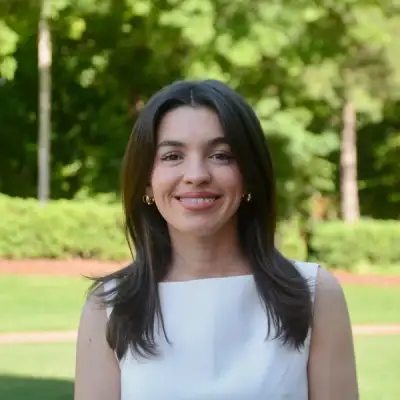
whose journey I've had the privilege of watching from the very beginning. Kristin Nauman is a board certified adult gerontology nurse practitioner and certified through the Menopause Society as a menopause specialist. She is literally the future, no pressure there of midlife women's care around menopause and menopause, but long before she was my colleague here in menopause care, she was actually a graduate student at the University of North Carolina Chapel Hill, and I had the honor of serving as one of her first preceptors.
It has been incredibly rewarding to watch her grow into the thoughtful, compassionate clinician she is today. Kristen also brings a really unique background history and critical care oncology and palliative medicine, which shapes the way she approaches midlife women's health. Kristen, I am so excited to have you today to be the first one on our, on our series.
Yay. So, um, Kristen, before we get into menopause care mm-hmm. I'd love for you to tell our listeners a little bit about you and. Why you decide just to, to be a nurse to begin with. Mm-hmm. Thanks for having me. It's good to be here. Thank you. Um, so I, believe it or not, originally wanted to be a vet, um, because I thought that animals were less scary than people.
Um, and then I started thinking about, um, labor and delivery nursing. Mm-hmm. That's, that was how I became interested in nursing, wanting to help people. I think that's a very common answer for, for nurses. Um, and then as I went throughout the program. Sometimes nursing students will, a lot of times it'll change as they go through the program, um, and their clinicals.
Um, realize labor and delivery nursing was not for me, but I really enjoyed the critical care. Um. And so graduated nursing school, worked in the ICU, um, and did a lot of ICU nursing during the pandemic. Oh yeah. We could cut that part out. Mm-hmm. Um, but, but yes, it was, I thought I was never gonna leave my intensive care nursing job.
Yeah. I worked in medical ICU surgical, ICU. And then I started paying a lot of attention to the palliative care team. Yes. Um, and I really resonated with the palliative care team, um, because what is palliative care? Yeah. Palliative care, um, is just an extra layer of support for patients and families that are going through serious illness.
Mm-hmm. Um, it's not the same thing as hospice. And just because you have palliative care doesn't mean that you are. You know, going to hospice, but it's a really good extra layer of support. Um, while you're in the hospital. They have outpatient as well. Mm-hmm. But it's there for symptom management so that someone is looking at the whole picture, um, really just to be almost like the, an extra family member for the patient.
Yeah. Um, and so what really stood out to me about the palliative care was, um, this focus on the patient's goals and values. Mm-hmm. Mm-hmm. Um, coordinating the communication with all the specialties, how can we get the plan to fit with the patient needs and values? Um, a lot of symptom management. Um a lot of times families and patients in the intensive care units.
Um, when you're on that side, um. It can feel like different specialties are coming into the rooms. Mm-hmm. And nobody's looking at the whole picture when that might not be true on the other side, but it can come across that way. Right. Um, and so, and I, all of these things are important because it shapes what I do now, but Absolutely.
Absolutely. So let's segue into that. So then in the midst of that, what made you think, Hey, I want to. Move to, um, advanced practice. Mm-hmm. And I want to be a nurse practitioner. I went back to school, um, with the goal of becoming a palliative care inpatient, um, nurse practitioner. Mm-hmm. I would be primarily working in intensive care units, doing exactly.
You know, similar thing to what I did as nurse, honorable nurse. Oh my goodness. Um, yeah. And then, so I was in the adult gerontology program at UNC, and Jamie was actually my first preceptor. Um, you let the cat back my first time ever in a clinic, and believe it or not, the little family medicine clinic was so much scarier to me than, than a, um, intensive care unit.
But, um, it was in that family medicine clinic where I saw the relationship that Jamie. Um, built with these patients. Um, it was a, a, a space where the women could felt like I could see the moment when they realized somebody's hearing me. Mm-hmm. Um, and then, you know, seeing them at the first visit and then watching them almost come.
Be a different person the second time they came in. Mm-hmm. Mm-hmm. Um, was life changing for me because, you know, being in the ICU, we don't get to see a lot of that. Yeah. Um, and, and specifically about the women's health, it, once I saw the the menopause care, once I saw the gap there mm-hmm. I couldn't unsee it.
. Was there a specific patient or moment, um, during that time that made you like, elaborate on how it made you want to shift your focus or your intention when you, um. You know, in school to be a nurse practitioner to midlife women's care. I would say, as I was talking through what I wanted to do with my career with my mentor.
Mm-hmm. Um. As I was going through my thesis project, she asked me to really boil down to what my core values as a nurse were. Um, and that would drive where I looked for a job. Mm-hmm. And so I thought about the reasons why I wanted to do palliative care, um, and quality of life, um, and symptom management was really what it came down to.
And I realized that semester that I was doing that in, in family medicine mm-hmm. Working with the perimenopausal menopausal population. Um, it was a lot of talking to these women about what their values are, their goals, um, what quality of life looks like for them, and, um, coming up with a plan to meet them there.
Yep. Meet them where they are. Mm-hmm. Absolutely. And, and you're talking not just quality of life, but. When you're talking about different specialties, sectioning out the human that's in need of care. That's where midlife women kind of get sectioned out themselves, I think. Mm-hmm. Oh, go to gastroenterology, go to gynecology, um, go see a therapist, things like that rather than kind of what we do at Per and Pause, we say that every day.
We look at the whole woman. Mm-hmm. And we come at it from a strong primary care, primary care background, so. Mm-hmm. I remember you messaged me the night before your class on menopause care. Excited to let me know what you learned. Yes. Um, but you did seem to know intuitively that it probably wasn't going to be.
E extensive. Um, and you sent me a picture of one PowerPoint slide. Mm-hmm. Literally, and it said, um night sweats, hot flashes, and mood swings. Um, did you find, um, a gap in what you were taught in graduate school versus what you learned? From that point to today in your own professional development, your own opportunities that you sought, um, to educate yourself in this space.
I remember, um, reading about how the hormones are there to kind of get the woman through the actual transition, and then they should be used for the shortest amount of time, lowest dose.
Um, and that is not always adequate to, um, really improve a woman's quality of life. Yep. Absolutely. Can see symptoms return and, um, it, it's not, it's not an algorithm. Mm-hmm. Absolutely. It's not every woman's an individual. So you're, you're seeing a gap and an inconsistency in what's in the books. Mm-hmm.
Um, versus what you're seeing every day in clinic when midlife women would come in. Mm-hmm. Um, yeah. So, um, I. Tell me about your project that you did. Mm-hmm. There's always the big project in graduate school. Oh my gosh, yes. Yep. Yes. I worked so hard on that, but it was great. You did. Oh my gosh. One, gosh, one of the best things I've I've ever done.
Mm-hmm. Um, but so I, being that I wanted to go into palliative care when I started school mm-hmm. Which again, um, I figured it might change when I was in graduate school 'cause it changed when I was in nursing school. I started wanting to do labor delivery. But anyway, um. So I was in the oncology program as well, um, because we had some extra palliative care lectures through the oncology program.
Mm-hmm. And so my, um, my project had to have something to do with oncology. Um, and I was, at that point I was very interested in, um, the gap in menopause care. So I was looking for a way that I could combine the two. Mm-hmm. , . So I ended up focusing on chemotherapy induced menopause for, um, cancer survivors.
And the population that I was looking at were, um, the group of women that were premenopausal before their diagnosis and treatment. Um, because when we talk about menopause care and the gap there, when you add in a young woman going through cancer, that's an even bigger gap. Yes, absolutely. And even less, um, resources there.
Mm-hmm. Yep. And I, I remember when you were doing, um. Grand finale there, your defense, whatever it's called nowadays, um, you were like, it, it kind of dropped off. Mm-hmm. Because the evidence just disappeared. Like you found the problem, you found people talking about it and validating it's a problem. Yes, it's a problem.
Yes, it's a problem. But at the end of your presentation that day, you were like, so where's the answer? Mm-hmm. You know? Mm-hmm. So that's big in, in the research right now. Yes. Um, a lot of push from the menopause society and, um. Menopause specialist oncologist to really improve the quality of life. It's not just about living longer.
Mm-hmm. It's about the quality of life as well for these survivors. So, yeah. Thanks for that. That's, yeah. One of the things you often talk about, um, and I've seen you talk about for a long time, is the concept of a woman's sense of self. Mm-hmm. So, you know, during perimenopause and menopause, can you explain what that means?
One of the things that I think all of us that work in the clinic there, here, mm-hmm. Most commonly is it's, it's very hard to describe. Mm-hmm. But they just don't feel like themselves. And that goes for a lot of different aspects of their, you know, it can be their mental health. They, they'll come in and say, I don't cry like this, but now I can cry at nothing.
Or I don't recognize what I look like in the mirror. Um, I'm interacting with my family in ways that I'd never used to. Um, things that work are harder to deal with. And it all, all of that boils down to they feel like they're living in a body that isn't even theirs. Mm-hmm. Um, I even had one woman describe to me that they feel like it's a little person living inside them, and they don't even know who that is.
Mm-hmm. Um, and it comes into, um, it's, that's very impactful on, on your mental health. Mm-hmm. Um, and then, um, impactful with your, you know, intimate relationships too. Yep. What's happening biologically there? Like what? Mm-hmm. Explain a bit about. Why that occurs? 'cause women feel almost powerless when this occurs to them.
Mm-hmm. I think that hormones get brushed under the rug a lot of the times, especially as women. Oh, they're just hormonal, you know? Mm-hmm. Um, or they're trying to do too much or, or mm-hmm. You know? Things like that. But hormones are the chemical messengers that tell your cells how to function. Mm-hmm. And so if something, if they are not working the way that they used to, then of course your body's not gonna feel the way that it used to.
Yeah. Um, and so it's not just low levels of hormones, but during the perimenopause transition, um, the chaos of the hormones, they are not on the pattern that they used to be. They are here one day down here the other day, and our bodies just don't do well with, um. With those swings our brains up and down all over.
Go back to, um, your, um, intense study of cancer survivors premenopausal that are thrown into, you know, an induced menopause state. Mm-hmm. Um, just describe how, um, that we could say surgical, but also chemotherapy induced. Menopause is different from natural menopause. Mm-hmm. So with natural menopause, you can have symptoms starting 10 years before you ever stop your periods.
Um, and you might notice things that happen gradually until one day. Now suddenly you don't feel like yourself. Um, but with surgical menopause, chemotherapy induced menopause, I mean, it can, it's overnight. You wake up and a lot of times these. Um, you just have no hormones to function on. Mm-hmm. And so the, the full weight of all of those menopause symptoms, they just hit you?
Yeah. There's no gradual. There's no gradual. Mm-hmm. And then also there's very little preparation. A lot of the women that I've seen that have been through this will tell me that they just were not prepared for it. Right, exactly. And they didn't receive a discussion. Mm-hmm. And then I have had women also reflect, um.
Who is going to have that discussion because they meet with the surgeon whose job is to be in the OR and then they aren't, don't go back to gynecology because they don't have the parts anymore. Mm-hmm. Um, so. Who's gonna do it, you know? Yeah, absolutely. Um, it's a very lost feeling. Mm-hmm. Um, to suddenly be thrown into menopause and then not know where to go.
Yeah. It's not like they can reach back out to the surgeon because he's done his part. Right, exactly. And it, that's, that's not in that wheelhouse. Mm-hmm. And, you know, I, I completely understand that. So what do you wish more clinicians knew about caring for cancer survivors?
Mm-hmm. In menopause or in perimenopause or immediately induced menopause. Mm-hmm. I wish that clinicians had more time. Mm-hmm. Sit and talk with these women, um, and just hear from them. Things that they're worried about, things that they're worried about are changing, um, and what their expectation, what they're expecting after surgery, because a lot of times it's not gonna match up to what the reality is.
And then to also just. Give more information, then you might have a little anticipatory guidance, right? Anticipatory guidance, um, that goes beyond. You may have a little bit of hot flashes, but then also, you know, education on how to keep your bones healthy. Um, the moods changes, sleep changes, all of those things that can happen that will happen, yeah.
Um, that are very hard to figure out on your own, especially when your body no longer responds to the things that used to work for you. Mm-hmm. That's another. Big part of the sense of self. It's like you're relearning how to take care of yourself. Yes, exactly. Something we hear from our patients is, you know, how long can I take this?
Am I going to be dependent upon this? How do you approach that conversation with women when they're like, how long do I have to be on this? Mm-hmm. Like, that question, question makes me go, well, my answer for myself is forever. You know? So what, how do you approach that when a woman asks that? Because I think that kind of comes a little bit with that fear.
Yeah. And then when we're like, I don't want him to be on medicine, and then I, I told a friend, I was like, I don't, is it medicine? Mm-hmm. Or is it, you know, what is it? Explain that. So I think it's definitely very common, and I can understand it's scary to think about committing to something for the rest of your life.
Mm-hmm. Um, so we talk about how, you know, and the thyroid starts changing or if pancreas starts changing and you need a thyroid hormone. Or insulin, um, for quality of life. And because that's a hormone too. Yeah. Yeah. Both of those, um, it's not seen as the same thing as the menopause hormones. Right. Um, it's much more easily accepted.
Yeah. Um, but we talk about, um, if there was a period of time where you would wanna try to come off and see how you do, you know, that's up to you. Yep. Um, but then we talk about how within, I believe it's within six years after you stop the hormones, your bone density can return to. Um, you'll lose a lot of bone density can return to as if you had never even taken Yep.
The estradiol. Mm-hmm. And so it's important to talk about the risks of coming off of the hormones as well. Um, and most of the time when I see ladies back, they're no longer asking me about coming off of the hormones because they feel like themselves again. Yeah. Um, and so I provide reassurance as well.
You. There's not a timeline on this, you're not gonna run out of time where you need to stop. 'cause I, um, have also had women that are, you know, 15, 20 years post menopause coming to see us and they're worried that we're gonna take their hormones away. Right, exactly. Um, yeah, I think, um, yeah, I mean barring, you know, a hormone receptor positive cancer mm-hmm.
Of some sort or some other significant life event, but yeah, exactly. I agree. Mm-hmm. I see the same thing. So what are some of, with your critical care background, what are some of the long-term effects or consequences?
That knowing what you know now, I guess you can attribute, um, to how patients recover, women recover. Mm-hmm. Mm-hmm. Explain more about that. Yeah. Um, I very much value my critical care experience because I. Took care of a lot of women that, you know, didn't have the option to take these hormones. And, and now that I've been in this space, I think about it frequently.
And I wonder how much of that could have been different. Yes. Because I took, I couldn't tell you how many, um, older women that I took care of with osteoporotic fractures. Mm-hmm. Um, after falls. Yes. Oh my gosh. Yeah. And, and how, um, devastating that is. Um, and how much that changes an older woman's life.
Mm-hmm. So fractures falls on fractures, um, sepsis patients that get septic life from a UTI life threaten. How can you die from a u uti? I you can die. Die from a u uti. I. Yep. And the older we are as women, the, that chance increases significantly, um, Alzheimer's and dementia. Mm-hmm. Um, and then heart disease.
Um, heart disease is the number one killer of women. And so, um, obviously. We're not gonna be able to 100% prevent all of those cases. Um, but I do wonder how, how will it look different in the future now that we're mm-hmm. We have this option for women. Yeah. Absolutely agree. Nice. Thank you for that. So you are very knowledgeable in menopause care and I love that so much.
And you are certified through the Menopause Society. Mm-hmm. You're also younger than many of the women you treat, including myself. Um, have you encountered moments where patients initially kind of, you know. I get that they mm-hmm. You know, is she an expert? Does she understand what I'm going through? Is that, you know, sharing a, a lived experience, have you had that experience before?
Yeah. How do you navigate those situations and, and build trust? Mm-hmm. With women who are coming in sometimes having seen four or five, six other practitioners, and they're like, you know, I am. I just, I'm going, why am I doing this again? Mm-hmm. You know, will she get me and, you know, come in? Kind of arms crossed.
Tell me about that. Yeah, that's a very important question. Um, because. Building trust with my patients is the most important thing. Yep. Um, and so I start by sharing my experience, um, starting with critical care background and then how, you know, going into grad school, family medicine, primary care background, um, and then focusing on my research.
Mm-hmm. That was, you know, I spent a lot of time working on that research, um, looking into the studies and it was. So the bulk of my menopause preparation was done on my own time outside of school. Absolutely it was. And oh, it's so amazing to me. Um, and I mean, I could probably recite all of those studies for you, all of Yes you can.
All of that to say Yeah. Um, sharing with them, this is not just a job, there's a reason why I'm here, why I picked this, and why it's important to me. Yes. And then also that I care very deeply about the disparities in women's healthcare. Yes. Um, and also if. Women's healthcare, it's not gonna change if we don't get the younger generation involved.
Mm-hmm. Um, absolutely. And this is, I stand by what I, how I introduced you, which is the future of midlife women's care. Truly the, your, your passion, your desire, your knowledge right now, and where studies and research are going, like you are it you, um, give me hope and you give our women's hope or women's hope, you give our women hope.
Um. For the future and that this is going in one direction. Mm-hmm. We're not gonna go backwards anymore. Right. So I just wanna say thanks for that also. Yeah. And I, I always wanna validate, you know, the way that the, these women are feeling because they do come in very guarded because they have seen a lot of specialties.
Yes. And they just, the most important thing for me is that they feel heard. Mm-hmm. I might not be able to personally relate to the lived experiences, but I believe them and I hear them and I have options for them. Yep. Um, and. You educate them? Yes. I see it every day. They lead more confident education and then also I, I want to empower them to make the decisions that they know are right for their body.
Yep. Um, agree. 'cause women are very in tune with their bodies. Yes, we are. And um, and I trust that. Yep. Yeah. One of the things you mentioned that I loved is how grateful you are for this generation of women that are experiencing perimenopause and menopause right now. What do you mean by that? Mm-hmm. I every day am listening to just incredible stories of women, everything that they're juggling.
I truly believe that midlife women keep the world running. Agreed. And they are doing, there's so much on them. Yeah. These women are leaders in their workplaces sometimes, you know, staying home, homeschooling kids. Mm-hmm. Um, it, you know, being a mom is a full-time job itself. Yeah. Um, some women are working, eating healthy, all of the, being a healthy person is a full-time job.
So really all these women are doing three full-time jobs at once. Oh yeah. And sometimes, um, you know, taking care of aging parents. Yeah. And, um, with everything that's going on their, in their bodies. I wasn't prepared for how many women have told me that they are stepping away or stepping back from jobs that they love because they just can't manage it with, um, you know, with everything that's going on.
Yep. And it doesn't need to be that way. Mm-hmm. Um, so all of that to say these women are keeping the world running and I am what I'm so grateful for, I, um, it's, we sit in the office every day. Mm-hmm. And these women, um, are. Demanding better from healthcare. And that's what's changing women's healthcare because we sit in the in the office all day and we talk to one woman at a time.
But then these women leave the office and as soon as they find something that's helping themselves, they are turning around to help the next woman. And I admire that. I love that. Me too. And also just this generation going through perimenopause this time. Mm-hmm. Um. The threshold for women's suffering is changing.
And it's because of these women. Yes. Um, because they know that it doesn't have to be that way. Right. And they're, um, requiring more from their art, their healthcare providers. And I, I admire that because it's gonna change, um, for the following generations. Yeah. Agree. Agree. If a woman listening today feels like she doesn't recognize herself anymore mm-hmm. What do you want her to know?
First of all, I want her to know that she's not crazy and it's not something she's not doing anything wrong. Yeah. Um. We have women that come in and they're afraid that they have cancer. They have, are afraid they have dementia, they are afraid that they're developing all kinds of things. And I just want them to know, first of all, they're not alone because, um, this is, you know, perimenopause is the one thing that's gonna happen to every woman.
It may look a little bit different for every woman, but they're not alone. They're not crazy. Um, and there's help out there. Yeah, absolutely. Um, if you could change one thing about how menopause is approached in healthcare today, what would it be?
I would want it to be more of a whole person approach. And it's not, um, it's very important to have time with these women because you need to be able to hear about what's important to them. Um, sometimes, you know. You know, the weight changes is the most important thing. Yeah, absolutely. And then for other women, um, it's the energy.
Yeah. They really need to be able to play with their kids, so. Mm-hmm. The first thing needs to be, um, we, there needs to be a space where clinicians are able to spend time with the patient, hear from the patient, and not just it, you know, it needs to be both ways. Yeah. Um, hear what's important to the patient, and then also looking.
This is similar to why I enjoyed palliative care was that you're looking at this woman as a whole person and not just the uterus, you know? Yeah. . Absolutely. Um, what would you say at this point, have your patients taught you about menopause since working with us?
the biggest thing that I've learned from these women listening to their stories, um, is the, how much extra weight is on them going through this transition.
Mm-hmm. Because it's a lot of guilt and, you know, added responsibility. 'cause when you are acting different with your family for reasons that you don't know why that's happening, that cre it becomes a snowball and it becomes with a lot of guilt. And you don't know why this is happening and you feel bad.
And, um, so. The biggest thing that I've learned from these women is that, especially for women that are programmed to take care of everybody else, and your own needs fall by the wayside. The biggest thing would just be the emotional weight. Yeah. And the guilt that can come along with something that's not even your fault, you know? Absolutely. Just from the physical changes. Mm-hmm. Um, again, you're taking that whole person approach and I, I love that.
'cause that's a huge part of it. It's not just, here's 10 minutes, let's, let's start a patch and see how you're doing. I'll see you in six months. We cannot do that. Right. Cannot do that. That is gonna help a few little things, but mm-hmm. Understanding is huge. And that's part of treatment, I think, is having a woman fully understand her body.
Yes. Yep. So. It has been an absolute privilege and honor to watch your journey from student to my colleague. Um, the care you give women reflects your heart, your knowledge, your dedication to this work. And I'm so grateful to have you be a part of per and pause and for the impact you are already making now in midlife women's care.
. I'm super excited to see the impact you'll have for years to come. So thank you so much and thank you for being on the podcast today. Of course. Yeah.
Thank you for joining us today on Perpa the podcast. I'm so glad you're here. As we continue with meet the Nurse Practitioner series, I'm excited for you to meet and learn about all our nps, um, over these next few episodes. Just follow on along with us on socials here on our podcast, and we will see you soon.