Subscribe
Share
Share
Embed
That Transit Show is produced by Community Transit in Everett, WA. It highlights the people, services, and stories behind public transportation in Snohomish County, Washington.
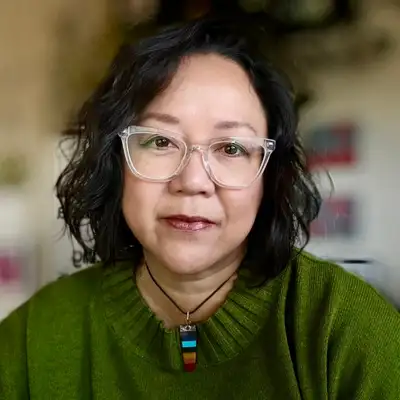
- Hey everyone, welcome to That Transit Show. I'm Monica Spain. Today on the show we're going to be talking about access to food banks in Snohomish County, with Carla Rankin. She's the executive director and CEO of Arlington Community Food Bank. We'll talk about the needs of people in our community, how you can help, and what role transit plays in getting people to food banks, welcome aboard.
- Carla, welcome to That Transit Show.
- Thank you for having me. I'm thrilled to be here to talk about how food banking has a major impact on transit and vice versa.
- Well, one of the things is that food banks have been in the news quite a lot lately, and I'm wondering if you can just kind of tell us-- things are changing rapidly, but can you tell us sort of what's going on right now in that world, space?
- Yeah, we have seen this coming for the last few months, so it wasn't as big of a surprise to us as to the rest of the country it seems like. But definitely, when people found out officially that their SNAP benefits were ending, there was an immediate sense of crisis, and food banks across the country, and especially, you know, we're seeing it directly with us, with Snohomish County and Arlington Food Bank, people calling saying, "How do I come? What do I do? I've never been there." People very anxious to get services. And another thing is there's a bit of a fear factor of people who were already using the food bank, who had SNAP benefits using the combo. And we saw this a lot during the pandemic. People, when they're in the food bank, almost wanting to go into a hoarding mode and take more. So really calming people down saying, we have planned for this. We're working hard to ensure that we can provide enough food for our communities. Please don't take more than what we have designated, and just rest assured that we are going to take care of you. Because definitely people who already are struggling, their anxiety and fear about not being able to eat or provide food for their kids is, you know, really heightened right now. The other major impact is the community wants to help. They hear all of a sudden this has happened. It's like a wake up call and they're, what can we do? They're, you know, I get all kinds of messages, do you take frozen foods? Some people want to go shopping. A lot of people want to have food drives who have never had 'em before. And of course monetary donations are the best. And we definitely have seen a bit of an increase, not like we did during the pandemic, because people are struggling a lot more in general this year to give. Our donations are down across the county, across the state. Our private donations are down about 30% this year based on the economy and kind of the unknown. So we are seeing an increased giving, but not at the level that we would normally expect during the crisis.
- How do you handle that influx of people wanting to help? Because I know people watching today are probably some of those people who do want to help. Right. And they specifically want to help people in their community.
- They do. And we operate, you know, almost solely on volunteers. Every food bank in our county only has a handful of paid staff to kind of keep the organization running. But at Arlington we have a couple hundred volunteers that rotate through and we really like regular stable volunteers because it is a job, even though they're volunteering, and we have very strict food and safety handling guidelines and you know how to handle customers and respect them, and have the whole culture we want. So having a huge influx of volunteers, as great as it is, can be challenging, because it's short time people want to show up and do. And there isn't always one specific thing because we're pretty fine oiled machine. And so we are doing our best. It happens to be holiday time, which we're busier at that time anyway. And we have some major projects that go on that we can use more volunteers. So we have a volunteer coordinator who does a brief interview with everybody and we try and find a good place for them. We also have a lot of businesses and organizations who want to come as a group. So we just try and be really strategic that we have a big shipment of food coming in. We have some pallets of food to work with a day they come because one thing, volunteers don't like to come and then not have a lot to do. So it is a very fine balance. I would say anybody who wanted to help, the best thing is to come in throughout the year, or call and say, I would really love to help. Would it be better in January or February? Because honestly, most food banks have a lot of help during the holidays, but hunger does not take a day of rest that's all year round.
- I am curious, where do food banks get the food?
- We get the food from a lot of different sources. We obviously purchase food ourselves with our donations. And then we're partners with agencies like Food Lifeline, which is Feeding America and Nationwide in Western Washington. They're under the name Food Lifeline, Northwest Harvest Grocery Stores. The Food Lifeline Partnership has contracts with all the major grocery stores and we do grocery rescue. We rescue at our food bank about 60,000 pounds of food every month from grocery stores that would otherwise end up in landfills. And everything that we sort through and we deem is edible, goes out to our customers and everything that's not goes to local farmers. So we actually, our slogan is reduce waste to feed the Hungry, and then our farm waste goes to our farmers.
- And they're using that to compost?
- Yeah, they're using it for their pigs, their chickens, their goats. And then we have farmers who then donate back pork, chicken and eggs. So it's a really beautiful circle.
- It's a, yeah, that's.
- Yeah.
- Very full circle.
- Yes. So we have everything delivered or picked up from stores and banana boxes and those same boxes the customer use for shopping. So we're not using bags, so we just kind of reuse everything we can. And then there's a lot of grants that we work really hard to get for specific things. We have a kids program and we get grants from local rotary clubs. I work with the Rotary Club of Arlington, and they've been very generous supporting our Kids Backpack program and USDA, our federal commodity food is a big source of our food. And during the pandemic, and it looks like, again, we'll be happening, we'll have some special funding to purchase food that's done through the county, that each food bank gets a small allocation of. So a lot of variety. And then of course, personal in kind donations. People drop off donations all the time. We ask that their Best Buy dates are current and nothing's been opened.
- So let's talk about transportation and how the lack of transportation can be a barrier for some people to get food, to get fresh food. How do you see public transportation fitting in and playing a role here?
- Great question. It's a huge barrier for people. People who are struggling below the poverty level, especially, you know, they might have a vehicle that doesn't run. They may have a vehicle but they can't afford the gas for it. They all kinds of circumstances may have mobility issues. People with disabilities, kids, you know, it's really hard to think about the kids that are hungry and are responsible for themselves when they're young. But there's a lot of those out there. And without any way to get to the food bank. And Arlington for instance, we didn't have a bus stop outside of our food bank, but working with Community Transit, I was, you know, honored to be able to work on a focus group to bring the zip line,
- Zip Shuttle.
- Zip Shuttle, right?
- Yeah, and so people can call, get a shuttle, get dropped off at the food bank and shop, and then get picked back up. So that has been a game changer for people in our community. I know they have those in Darrington and Lake Stevens as a study, and hearing the same things, that that was a really big change. 'Cause people could walk to the food bank, ride a bike to the food bank, or maybe somebody drop 'em off. But then what did they do with their groceries? They can't walk three miles home, you know, before we had that option, I had a family come, a mom walking with two little kids and she was six miles from the food bank, and this was in winter and freezing, of course I gave her a ride. But you know, you can't do that to everybody. So I'm really grateful for that service, and just look at continuing to expand transportation because people in need, need transportation to get the services. Everything from medical support, DSHS visits, food support, mental health support, you know, for a lot of those resources that some of us can take for granted. You know, we just get in our car and go and that's not a luxury provided to everybody.
- Yeah, and another thing I wanted to mention is that we through the ORCA program, there are reduced fair programs that people who qualify for SNAP or qualify for WIC, they're eligible for those programs. Also, people who are living with disabilities or people, seniors are also eligible for some of those programs. So on our website there's more information about that. And youth who are 18 and under actually write any transit free which is another, just something I want people to know.
- Absolutely and I think people don't know they're learning more and more. We've been really happy to have a lot of information about Community Transit at our food bank and at our mobile market. And I have a young man who uses the Zip car, Zip Shuttle, to get food, and he also comes and volunteers on it. So it's a benefit to us in many ways.
- Yeah, that's great to hear. Another thing is that, you know, you don't know when you might need access to public transit. You don't know when your car might break down, or maybe you lose your source of transportation. So if anyone is eligible, I would encourage them now to go ahead and get enrolled in those programs so that you have it when you need it. That's great that they can, we recommend that we recommend applying for every service that you're eligible for so that it's available when you need it, not be in the crisis and be, you know, full of anxiety and you feel like you're hitting brick walls all the time because it gets too overwhelming. So it's a really great thing. I agree. People should reach out, get their application in, you know, and then when they need to use it, they have it.
- Yeah, do you connect people to other services? Through Food Bank.
- We do, we try our best. We have a local resource center we refer 'em to, to Washington Connect, 211 is going to be going through some changes. I do have understood that it's still going to be, you can dial 211 for a while and it'll transfer to the new services that they're going to offer. DSHS is very close to us, so we have a partnership with them. You know, they have information available including, you know, domestic violence shelters and you know, the methadone clinic in our community, and some different mental health options. So we would love to expand in the future. It's on our five-year expansion plan, to have more wraparound services on site. But anything we can help provide people with.
- Link to get them connected.
- We do that because people, it's really hard to find those on your own when it's just not your world. You know, a lot of people aren't computer savvy. They don't have, most people do have a cell phone, but they don't always have the wifi to go searching for a bunch of links. You know, they don't have that much time on their phones. So anything we can do to support that, we do our best to do that.
- You mentioned that you get food from grocery stores and one of the things we've seen recently is that some grocery stores are closing in Snohomish County, we lost the Fred Meyer and Everett, the QFC in Mill Creek closed, I'm sure there's others. How does that impact people who maybe are now going to food banks who weren't before, but also how does that impact the food bank?
- Yeah, that's, we've seen a really big impact. You know, notably the Fred Meyer on Casino Road, that area, the demographics, a lot of poverty in that area. And that was really the only grocery store for a lot of people to shop at. And so the food banks have seen a rise since the close. And again, transportation being an issue, you know, a lot of people want to find out if you can deliver to them, which is a real burden on food banks. And so definitely an increase in food bank usage. The other thing is the grocery rescue program we talk about our food banks in that area picked up at Fred Meyer, they picked up at the QFC. There's Albertsons in Marysville, we all picked up from that on the north end. And so that's five days a week, getting anywhere from 500 to 1500 pounds of usable food that the food banks are no longer getting to redistribute that day. So it's, had a multiple impacts have happened because of closing in addition to the people not working anymore. So that's adding to the people in the food bank line. You know, when Boeing was on layoff, any business close, people think, oh, that's too bad. But they don't realize all those people that went to work there, some of them get another job, but they're no longer going to the coffee stand on the way to work. So now that barista is in our food bank line, because she's not getting the hours, and she's not getting the tips. That people aren't stopping at the same gas stations. So this huge ripple effect, every time a business closes, or does a significant layoff, we see that impact.
- What are some other populations who are kind of uniquely affected? We were talking about kids a little bit before we started.
- Right we saw kind of the first push of the SNAP benefits cut through the school system because people on SNAP benefits use free and reduced lunch. And we have a backpack program, many of the food banks in the county do. And we provide supplemental meal bags for the weekends, the days those kids aren't in school where they get free lunch and some of them free breakfast. And last week alone at, in our school district, we saw a hundred new kids sign for that program because of the SNAP cuts. So they were getting free lunch, but didn't feel they need the supplemental meal packs to go home. Now those families are saying get those meal packs. We also have kids that are responsible for themselves, which isn't a fun thing to think about, but in our meal packs it's two breakfasts, two lunch, four snacks, and everything is child friendly. It's the instant cup of macaroni and cheese that a kid can put water in and microwave it, all the cans of soup, or ravioli, or all pop top cans. So they don't have to navigate a can opener, because we have five, six, seven, eight year olds, who are home alone and don't have food to eat other than what they get in their backpack program and the free meals at school.
- Yeah, that is something that I think a lot of people don't think about. And another reason why I think a lot of people in the community want to help. So we talked a little bit about that you have a lot of volunteers, especially around the holidays, especially now with the situation with some people losing SNAP benefits or or partial loss. So again, just tell us what's the best thing that people can do. If they don't have a lot of time, if they're not able to be a volunteer, you know, if there's someone who's just listening to this now and thinking, gosh, I'd like to do something.
- Well, the best thing, and it is almost a cliche, but it's money. And you know, we get asked a lot how much goes to programs or whatever, but in food banking, it's one of the best returns for your buck. So, obviously we have to fall on 990 every year, and 8% of our overall budget is to administration and operations. Everything else is to programs. So it's really tough to find any other charity that can do that. So we operate on a lot of volunteers, a lot of food that's procured through pass through grants. And in kind donations and store donations. And every dollar we can turn into about $6 of groceries. So people who think, well, I want to go buy food, I'll go to Costco, I'll get a deal, we can still get a better deal. So one of our partner agencies, Food Lifeline, we buy food for 3 cents a pound. So they partner with manufacturers. So instead of getting food from grocery stores, what they do that also, it'll be S&W or Del Monte, or somebody like that. And they're getting pallets of canned corn or say canned peaches that they have the next batch coming out and they just have too much to get on the shelves. So we'll buy food for 3 cents a pound that still has a year or more out expiration date. So that's how your dollar donated to a food bank can go so much further. The other benefit of that for us is we can order the food we need when we need it, rather than getting random donations. But we know we need milk. People can't donate milk, food safety and all. We can take those dollars and we can buy milk, we can buy eggs, we can buy fresh meats, we can buy the produce, things like that, that are harder to procure than through our other agencies. So honestly, that's the best way to help is support the food bank by letting them do the work that they're really equipped to do. Now food banks have evolved into large organizations.
- Okay, and I want to say that we have a page on our website, it's communitytransit.org/foodbanks where we have a couple things. So we have a list of all the food banks in Snohomish County that are accessible by bus. So if people are looking to either donate, they can look there and see what food banks are in the area. Also, people who need transportation there are some food banks that are accessible by bus that you can walk to. And I know you said it's not always easy to carry, but maybe for some people this might be an option. And there's an interactive map there too, where people can sort of see what's near them and what bus routes might be able to help them there.
- [Carla] Very helpful. Yeah.
- So what other creative things are you doing at the food bank in terms of mobility to meet people where they're at in the community?
- Well, I'm really excited about our mobile market. It was a crazy dream. I had, I lived in a very rural town and we had a book mobile, not a library. And my first couple of weeks at the food bank, the phone was ringing and ringing. I'm the first staff person our food bank had ever had. And people said, I can't get to the food bank, I don't have a car, I don't have gas, don't have mobility. And a light bulb was just going off saying, we need a book bill, but with food. And I had already converted our food bank the first month I was there to a grocery store option to give people more dignity. And so I thought it has to be a grocery store and it has to be mobile. So the search started, it took about a year, but we have this beautiful mobile market. It has refrigeration, it has water, kind of like a RV types, you know, gray and clear water. And we have fresh produce, we have fresh dairy, fresh meats. And then the canned pantry.
- I'm picturing kind of a, like a food truck. Is that what it looks like?
- It does. It's a 16-foot box. And yeah, this door opens and it's all loaded and people just walk up and shop off it. And then we were very strategic to where we would go. I met with school district, representatives in the city, to find kind of some hot spots, and we made some few adjustments. But we go to a couple of senior communities, we go to several low income apartment communities. We go all the way to Darrington, we go to directly on Tribal Lands. We park in Oso at the Fire Hall. So a lot of places where people have very limited transportation. It's really exciting to see food come to people, meet 'em where they are, and they still can shop with dignity for the things they want.
- Yeah, that's terrific. Well, Carla, thanks so much for being on the show. It's been really interesting hearing about this. Thank you.
- Thank you. Thank you so much for having me and for helping make aware the need for food insecurity and transportation.
- Thanks for watching "That Transit Show." I'm Monica Spain. We'll see you at the next stop.