Subscribe
Share
Share
Embed
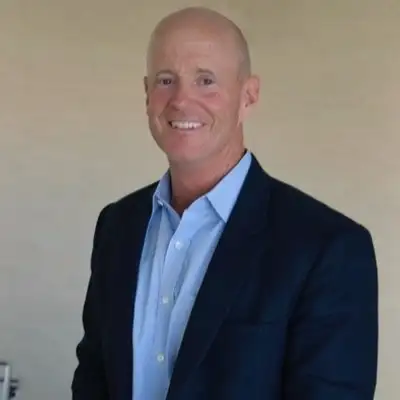
Hot Takes with Jim Baker is where real-world business experience meets honest conversation with Host, Bill LuMaye.
Hosted by entrepreneur, advisor, investor, and CEO Jim Baker, this podcast explores the challenges leaders face every day—from raising capital and managing growth to hiring, firing, sales, culture, leadership, acquisitions, and long-term value creation.
Through the Hot Takes series, Jim sits down with business owners, executives, investors, and industry leaders to discuss timely issues shaping today’s business landscape. These candid conversations offer practical insights, hard-earned lessons, and perspectives you won’t find in a textbook.
The podcast also features the Wisdom Series, in which Jim and Bill interview accomplished guests whose decades of experience offer timeless lessons on business, leadership, success, failure, and life.
Whether you’re a CEO, entrepreneur, business owner, executive, or aspiring leader, Hot Takes with Jim Baker delivers actionable insights to help you build stronger organizations, create greater value, and lead with confidence.
Presented by Sumus Development Group, LLC. Helping organizations enhance value, strengthen leadership, and prepare for what’s next.
30 - Hot Takes -
===
[00:00:00]
Bill: Hello everybody. Welcome to another episode of the 50 Cubs Hot Take. And it's the Wisdom Series, which I really enjoy a lot because quite frankly, as we age, and I'm in that group now, I hope I'm smarter today than I was when I was 20 years old.
But this, of course is brought to you by a 50 Cups tea company. Jim Baker, successful entrepreneur, is also the owner of this particular company and he, he perks us all by bringing in some wonderfully good tea. Yeah. What do we have today? Got this another,
Jim: remember last time we did this a week or so ago and you really loved the cinnamon.[00:01:00]
Yes. Tea. I bought back the same stuff today. I thought it was perfect day for this. I wanna really Decaffeinated it's healthy. Cinnamon's great for you. Yeah. As long as you don't ingest too much of it. Otherwise you. Have some problems, but it's
Bill: all good. And for all those people who are going, my goodness, what can I get for my, my very special person on my list?
What a great idea this would be, wouldn't it? You? Absolutely,
Jim: absolutely. 50 cups tea.com. But today I'm speaking of wisdom. Yes. Um, I have a friend of mine who has a lot of wisdom and he's somewhat reluctant to come on our podcast, but I was able to talk him into it, and I'm happy to have Dave Tomek here today with us.
And I'll let you take it from here. All
Bill: right. Well, David, thank you so much for doing this. Pleasure. Why don't you just start with an easy question. Tell us about yourself. Sure. Who are you, what do you do?
David Tomick: Well right now, not a whole lot of anything, but I did for a long time. So I, right now I live here in Cary.
I have two boys [00:02:00] wife, two boys, one granddaughter. The boys live both from within two miles of me, which I thought was good planning on my part. Yeah, so I grew up in Cleveland, Ohio. I'm a second generation. My grandfather on my dad's side came here in the early 19 hundreds from Croatia without a nickel to his name.
And he, changed the somewhere long name, the name got changed from Tal Chi, which is why people don't automatically recognize I'm Croatian to tal. I guess they thought it sounded a little more upscale. So anyway, my grandfather came here moved to Montana for a while, worked in the mines, and then ended up in Cleveland, Ohio, where he was a bus driver for the city system.
Bill: What about you? You just, growing up, you, you kind mentioned you know, your father and your grandfather. I'm just kind of curious what it was like for you growing up with your family, who was [00:03:00] in your family and
David Tomick: Sure.
Bill: Yeah, go ahead.
David Tomick: Oh, it's, it's a pretty good story, really. We didn't, we, we lived in a, a lower middle class ethnic neighborhood Germans poles, a lot of poles very much working.
I think my dad, who was a purchasing agent back then, he'd originally come outta school and worked at the Y. He was always into physical education and, and he, but he was purchasing agent. I think he was the only guy in the neighborhood that wore, wore tie to work. Everyone else was working in the factories.
So I grew up it was a great way to grow up. We didn't know, we didn't have any money 'cause we still were having fun. We lived on a a one-way street in Cleveland, in the city of Cleveland itself. Not some fancy suburb. It was a one way street that had about four or five houses on each side and, and dead ended into a cemetery, which made it great for Halloween.
Anyway, growing up on a one way street is really fun because, particularly [00:04:00] back then, so most of, almost all the, the mothers stay at home moms. There was only one car in the family, so there was no traffic on our street. Right. Only at eight in the morning and five at night. So we could play. You know, we played wiffle ball and football when it snowed.
We shoveled the street and played hockey in our boots. Um, it was a very, very good way to grow up. Um, and then you know, so got used to, you know, hanging out with people of different ethnic backgrounds and the like, a lot of immigrants like us. Then I was, ended up in a, a public middle school back then they called it a junior high.
That was predominantly African American, and again, not in a great neighborhood. And when the riots broke out the sixties, you know, they were in Cleveland. They were in, you know. LA and Detroit and everywhere and right. It's kind of [00:05:00] a scary time. I remember getting picked up by my grandfather in the middle of the school yard, school day because it was no longer safe.
There were National Guard troops on the street corners, which fortunately or fortunately, we haven't seen until, until today. Um, so, so we moved, um. I got into a new school, and this was kind of interesting. I went from a school that's predominantly African American to one that was almost entirely Jewish.
Um, school started right after Labor Day, and you went to school for three or four days, and then Rosh Hashanah came and there were a thousand students in the school. And then Rosh Hashanah, there were about 50 of us. So you, you, you know, went to a homeroom for a little while, read a book or something, and then by lunchtime you were in the gym shooting baskets.
It was an interesting experience. It was, you know, I look back on it and there were a lot of, you know, parents of [00:06:00] my classmates that were Holocaust survivors, right. So, right.
Jim: It
David Tomick: was a very different milieu to be in the middle of. Um, but I enjoyed it. I made a lot of friends, you know, I was always into sports and that way you make a lot of friends.
Keep yourself busy and outta trouble. I was then, lucky enough, um, I got a scholarship to one of the best prep schools in Ohio today. It's my, one of the best prep schools probably in the country. Um, my dad had had known their athletic director for years and years, and so my older brother and I went to school there and it was great.
It was a phenomenal education. Um. Which led me. Then I ended up at Denison University in Ohio, again on a scholarship again, a great university. Um, so I'm fairly well educated actually, um, for a kid who came off of Proctor Court. , I went to Chicago. My brother was there after school. I [00:07:00] went to Chicago.
I went to work for a pretty large bank who put me through business school, and I spent a lot of time. I was a banker, commercial banker there. Got my MBA at night. Again, I'm pretty well educated, helps, um, and, you know, worked there for a long time. You want me to keep going? Yeah. So when you were,
Jim: when you were at Denison, did you know that you wanted to get into banking or did you just
David Tomick: No, I had absolutely no idea what I wanted to do.
None whatsoever. I was a history major, um, which I always enjoyed. I was always an avid reader. Still am. Um, as a kid, I can remember even in the city, you know, the, the library ran special. You know, during the summer, if you read 10 books, you know, I'd read 50. I, I'm not, we're not talking Faulkner here. I mean, I'm, I'm reading The Hardy Boys and every book about, oh, that's favorite series.
The Hardy Boys and the Hardy, I read every one. The Hardy Boys. I read most, a [00:08:00] lot of Davy Crockett and every one of the Bond books, actually, Uhhuh I read back then, but that was before the movies were even big. Um, so yeah I had no idea. I get outta school. My brother, my older brother was going to Lake Forest College here in Illinois and the CO and, and the bank leased this great big huge house in Lake Forest, which is a very, very wealthy neighborhood.
And my brother decided instead of coming home to Cleveland on his summer break. He would stay up there and he got a job on the grounds crew for the college. Well, the college was right across the street from this big house that the bank was leasing to do executive training sessions. So they had all this valuable furniture in the house.
And so they needed someone to be a caretaker. So my brother as a 20-year-old or 21-year-old, moves into a 12 bedroom house in [00:09:00] Lake Forest, Illinois. Sweet. Wow. So two summers of college when we, when I was still in Cleveland in only 16, I had two factory jobs in the summer. The first one working in a place my dad had worked in that made car antennas.
I was on the assembly line, so I learned how unions work or don't work. And then I worked in a plastic factory. Where they made, like spatulas, for example, one year I think I made a hundred thousand spatulas. So the, this was a hell of a job. The, the door would open and you'd pull this thing off, it was blazing hot, and you'd ski 'em off the cop and you'd close the door and you put that down.
And you did that for eight hours a day. And that's why it was a good
Bill: job, though. I mean, people gravitated to the factory jobs then.
David Tomick: Yeah, no, it, it paid well for a 15, 17-year-old kid. Oh heck yeah. Um. Made me realize that wasn't what I wanted to do though. So so anyway, my brother, so in the [00:10:00] summertime I would, I would work for my brother and, you know, bust dishes or bartend or whatever, whatever they needed.
So I got to know the people. So when my brother moved downtown to work in the bank itself. I needed somebody to live in this house and do the same thing. So I did that for a year and then realized I had to do something better. That's when I went into business school, went into a training program they had for liberal arts.
It was an interesting concept. They had a training program for liberal arts students to come into the banking business and put you through business school and rotate you through four or five different divisions so you could see how it worked. And so I did that and stayed. I ended up I ended up staying there for like 14 years.
I was a commercial banker. Did, did reasonably well at that until I it kind of got a little boring. Um, so luck, you know, a lot of what you guys are talking about here and wisdom and things like that, and there's, there's a lot of things you can do in terms of trying to get ahead, which was [00:11:00] you know, you work hard, read a lot, right?
You pay attention to what's going on. But some of it's luck, right? So I'm in this bank and I'm, I'm bored. Um, I'd had a personal setback, which I'll tell you in about in a bit after I finished this. Um, so I was bored and I, I was lending money at the time to a lot of telecom companies, cable tv, which was still fairly new, but in the eighties.
Um, radio stations, TV stations, things like that. Anyway, these, these two guys that ran a cable brokerage. Approached me about coming to work for them in Denver and I didn't know much about them, so I was out, I was at a cable TV convention standing next to the CEO of one of my customers, and I asked him about these guys.
I was, I was standing next to the guy at the urinal actually, and I asked him about these two guys trying to hire me, and the guy [00:12:00] says, CEO says you'd leave the bank. I said, sure, I need an opportunity. So sure enough, I, I went to work for him in Los Angeles, in the cable TV business in 1988, and I left the Midwest for the first time in my life.
You know, I was 36, I think, and I remember buying my first Christmas tree wearing sandals and a shorts t-shirt.
Bill: Nice. Especially coming from coming from a snowy climber from
David Tomick: Chicago, which got off in the winter. So I I said, well, I'm never going back, um, where it's cold and I haven't, haven't since.
Bill: How did you go from banking into cable? I mean, are they similar in a lot of ways,
David Tomick: or? Well, no, he, I was lending them money.
Bill: Yeah.
David Tomick: The bank was lending them money. So then I went there to be VP finance so I could borrow money from the bank. So I found out it was much more fun to borrow money than to lend money in creative circumstances.
That's what I ended up doing the rest of my life was financing operations of companies. We ended up, [00:13:00] it was an intermediate step, but we ended up here in Cary. Where we started a, a wireless tower company. Just when cell phones, you know, I don't know if you remember, you know, the late eighties, not, you know, the CEO had one, not everyone else had one.
And then they, you know, they were yay big and, and cost, you know, $6 a minute or whatever it was. Yes. So we got in the wireless business just as it was starting to take off, and it was a phenomenal business. Um, we had a very wild ride here. We started it in, um, 97. We raised $10 million. In 2000, we went public with a merger and we were valued at about $3 billion by the market.
No one here in care even knew who we were. And then we got caught up in the tech bubble of the early 2000. And so in about 2000 we were valued at about $3 billion. In 18 months later we filed for bankruptcy. Wow. 'cause we had over levered the company. We went through bankruptcy, fortunately kept our positions 'cause they knew it was a good business.
Just had [00:14:00] been over levered. We came outta bankruptcy about 18 months later, and the year after that it was valued at $4 billion. And so we sold it. Um, but along the way, you know, going back to the luck, I, I had gone when I went to California, I was single. I had been married before. Um, you talked about what I was gonna do outta Denison.
I, I at Denison I had a girlfriend and we got married. Um, and about, I don't know, six, 17 years into it, she realizes she's gay. Right. So it it's kind of a pretty hard hit to the stomach. Right. I, yes, I can imagine that. Yes. So you know, it was terrible situation. It wasn't, you know, it was one of these wasn't anyone's fault.
Right, right. She was a, you know, terrific person and I just wish she'd figured it out early before I went through it. I was very [00:15:00] fortunate. I, you know, my older brother lived in, in Chicago at that time and he and his wife were great. I, I think they had me over for dinner like on Sunday night for like three straight years, every Sunday, you know, just 'cause I wasn't very happy.
Anyway, when I, when I got lucky to meet the guy in the cable business, I also met my wife out there. Um, she was living in New York and I was living in, in la and we were working on a business deal together. So. That, you know, turned out to be a lucky, again, a lucky break both ways around
Bill: it is amazing how something that feels bad can turn around in an instant and it's a whole new life for yourself.
Yeah. And, and it works out well. What motivated you throughout this period of your life? I'm, I'm curious to, was it you were going after something you wanted to do or was it money or was it, what was it?
David Tomick: No, it was never money. Yeah. Although it turned out to be pretty good. I'm better to make some than not, but.
That was never the, it was any things that were interesting. I [00:16:00] was always able to kind of chase those things that were, were the hot new things. Um, you know, cable was coming out big at the time. It was that, you know, most people don't realize. I mean, HBO only came out in like 81 or 82 or something like that.
So that was, you know, when I got into that, it was a growing business. I was very early on as people started using phones, I was very early on financing that stuff. Then there was an intermediate stop before I got here. We went the big phone companies had been deregulated and they were getting into different businesses, and there was a venture firm that opened a shop in Birmingham, Alabama in the home security business.
And that was kinda where these guys were trying to diversify. So that was, for a while, a hot business turned out not to be very good. But anyway, I went there for three years. It was pretty funny. My wife who had moved from Manhattan to Los Angeles where we had our two boys, when I said, um, you know, we're going to Birmingham, I had to pull out a map [00:17:00] and show her where it was.
I used to, when I was a banker, I used to have a lot of customers there and I found that I, you know, I enjoyed, I would travel all over Louisiana and Alabama and South Carolina's pretty, if you get to the right places. And the, the quiet lifestyle. So, so anyway, we went there 'cause that was hot. And then when that got sold, the wireless business, some friends introduced me to the people here in Kerry, where I became the chief finance officer in the fifth employee of the company.
In fact, our offices were here in Executive Circle one. We started, there were five of us.
Jim: Wow.
David Tomick: Um, and I, yeah, I used to go to Beaver's dentist when I was here too. Anyway, um, that was a long time ago. So that's what got us here. It was kind of kind of chasing the idea and a place where I could feel comfortable.
I love to, to finance companies. There's a lot of ways you can do it. You can do, and I've done them all, you know, for this company here, we raised $4 billion along the way. And so I did IPOs and I was in the high yield bond market. I was in the convertible debt market. [00:18:00] If you wanna raise money, I can raise money.
Um, and it was fun.
Jim: Well, raising money outta curiosity. The cable company you worked for, they ended up. Who are they now? Are they Comcast? Are they
David Tomick: they're Charter.
Jim: Oh, charter, okay. Which is
David Tomick: like, there's the three big ones now. Right. So they were charter, they sold out much later. Um, but again, that was a fun atmosphere.
I didn't really like living in Los Angeles. It's a different place. Right? Great weather. But it's, when you come from the Midwest, it just didn't, it didn't feel right.
Jim: Yeah. So I'm gonna digress a little bit just because I just happened to be in Cleveland. Oh. Last weekend. At a wedding, um, at the courthouse.
Stayed across the street in the Hilton. Yeah, could look over and see the football stadium. So pretty much right on the lake, rock and roll hall. Famous to the right, but we walked around a lot on Saturday and you could tell the city was probably vibrant and had a lot of good things going for it, you know, years and years ago.
But unfortunately it's not like it today. Um, a lot of empty storefronts, for [00:19:00] example. Just some high rises, but I'm sure. Like most highrises these days are, you know, 50% vacant or everybody's working from home or whatever. So I know you haven't been there in a long time, but it is your hometown. Like, if you were gonna try to fix Cleveland, what would you do?
David Tomick: I've actually thought about that. Um, I would need more money than what I have, but I think I'd go back to my old neighborhood and I'd start house by house. Right. And provide some, some subsidy here. If you follow my rules, you know, we're gonna clean up this block and then we're gonna clean up this block.
We're gonna clean up this block and we're gonna as you know, 'cause you've been involved, maybe you start a school who's got rules and regulations and address code and you say you're gonna follow this or you're not. Um, 'cause I still remember the old neighborhood. I haven't gone and looked in a long time last time I did.
It's almost scary to drive through. Um, but that, that would be, you know, if I had Bill Gates money, that's what I would do. [00:20:00] I'd go back to the old neighborhood and I'd start here and I'd move block by block by block till you gave people a chance and, you know, an opportunity to do it on their own. So I don't go back there ever since.
My mother passed about 5, 6, 7 years ago, so I don't go back. My, my younger brother was still living in Cleveland, but now he's. Moved out, um, out on about an hour outta there and I see him in Florida. We both go to Florida in the winter, so no need to go back there anymore. I did go to my 50th high school reunion and but now everyone's out in the suburbs.
You don't. Really go downtown other, I was in the stadium and I, I really had like this, really this fortunate, sports watching. I was in the, the stadium in 1964 when the Browns won their last championship. It was really, really, really cold. Um, along [00:21:00] the way, I've been to six Super Bowls. Two final games to the NHLI was watched the finals when Michael Jordan was playing for the Bulls.
I went to the World Series game when the Indians were playing Atlanta. So just kind of the luck of the draw all, all through the business connections.
Jim: Sure.
David Tomick: Um,
Jim: so you're in Alabama. How do you, do you run into the Specter site guys down in Alabama? Like how do you get
David Tomick: Oh no. It was a, a a, an investment banker.
I knew. Okay. So he knew we were selling the company 'cause he was financing it. And he knew that the guys in Kerry were looking for a CFO. So it was just fortunate. I mean, I don't, I don't even think I missed a paycheck between selling one company and coming to work here. , So we worked here. Um, we only, I was only in the company for seven years.
Um, I retired pretty early, um, which, which was fortunate. I, I was the dad that. You know, I, I'll tell you a [00:22:00] good story. So we saw this thing, right? It was pretty valuable, you know, we did pretty well. And I, you know, I'm, I'm not a very, I'm, I'm a pretty laid back guy. I don't have to go chase the next thing.
And so I had some, some offers here, well, one, we had just built our house down outside of Pinehurst. Just finished it. And we had spent a year doing it. And then, you know, we sold the company. And I was approached by a firm in Virginia, Northern Virginia, to do what I always do, which is come raise money.
And, and my wife said, well, you know, that wouldn't be too bad a commute for you. So then the, our old partner at, at Ernst and Young called me about another job that that would've been here, so it would've been okay. And I said, that's fine, but I, I just tell them two things that. You know, one I don't wanna be anywhere on nine o'clock on Monday morning.[00:23:00]
And unless it's cold, I don't like to wear socks. They didn't, they didn't call me back. I was shocked.
Jim: Um, talk a little bit about that Monday morning thing. 'cause I remember you mentioned that to me years ago. When did that start? You're pretty strict about that,
David Tomick: right? No, I mean, if I had to do something one morning, I would.
It's just for your years, your whole career. Right? Right. No matter what you did on Sunday, you're having a great time. You gotta be there Monday morning at nine o'clock. I just said, well, I'm not doing that anymore. I did it for 40 years, or whatever it was. Um, so no, and so I haven't really, what's happened since then though, it makes my life a lot easier, is I got involved in some corporate board work.
So it's fascinating. You only work with the upper levels of the company. You, you work with smart, you know, people trying to work. So I now have, I think on four different board of directors of all size. I'm the lead director of Caesar's Entertainment, the largest [00:24:00] casino and entertainment company in the United States.
I'm on the board of a medical parts company in Grand Rapids. Been with them for 17, 18 years. And a new startup here that I have to get you involved in, which is my rum company rum Seltzer company by Latinos for Latinos. When I started, stopped working I went and taught at NC State in the Entrepreneurs program, and that was a blast.
I still get, you know, kids sending me notes or asking me, you know, they, they appreciated what I did. I came in and said, look, I'm, I'm not a PhD. I'm gonna, I'm gonna tell you what I know, and hopefully that helps you. And they all came back and said, this is a, you know, great class. Thank you. So, so I did do that for a while.
Um, which was also fun. But then I, he's grading papers and stuff. I said, I'm not doing this stuff anymore. It's got better things to do. So that keeps me busy and keeps me active, keeps me in the business world. [00:25:00] I help raise money when it's time to raise money, which I did all my life. So that's, that's a good thing.
But again, you can do it. There's no set time. You know, like, like Caesars has a meeting every quarter and unless something's going on in between, that's all I, you know, I'm not up on Monday morning.
Bill: Wow.
to be in your [00:26:00] position, really. I think most people would love to. To work. To get to that point, and listening to you, it sounds like, you know, you had to take risks throughout your career.
Bill: You didn't seem to hesitate. Was it because the deals were that short or you were just that confident or? A lot of people don't take those kinds of risks.
David Tomick: I think I was probably naive. Oh. Um, to tell you the truth particularly the one here, um, you know, I had built my career and you, you know, every job I had, I made a little more money than the one before and it was getting pretty good.
This one, you know, before the, the sort of tech crash of 2000, you know, we had a lot of paper money. You know, we all, oh my God, we're rich. You know, we're
Jim: mm-hmm.
David Tomick: Buying second homes and all this stuff. We're borrowing, you know, being dumb and borrowing against the stock. Right. Which then became worthless. So there was a point where after all that [00:27:00] I had worked for and I was probably 50 years old.
I was broke. Right. Wow. Build up all this stuff. 'cause you know, we went gungho on what we were doing here. Didn't see what was coming in front of us, you know, it was like on the Titanic.
Bill: So you were broke at 50? What's that like? Pretty much
David Tomick: It was scary 'cause my, my kids were like 10 and two. I'm sorry, 10 and 12.
I would, I would've been working, boy, I tell you, I'd still be getting up on Monday morning at nine o'clock. I can tell you that I would've had, I had to work for a long time and, you know, it wasn't, you know, I still had an IRA, I guess that had a little in it and, and the land I had bought outside of Pines probably had the best value.
I, you know, of course we couldn't build on it after what happened. Until later. Um, but no, that, and it was so, so risky. I talked to my older brother a lot about this. Um, my younger brother has his own company. My older brother was always, you know, [00:28:00] typical oldest brother, a little more serious, just an absolutely incredible guy.
But was security conscious, right? And, I think he looks back now and says, well, maybe he could have taken a little more risk. Yeah. 'cause my younger brother has, has his own company that's done very well. But again, I had to bail him out at one point, um, when his thing got in trouble. So he and I took a lot more risk.
And if it works out, it works out. But if it doesn't now had we lost our job in the middle of that you know, like I said, I'd still be working. So, but I don't think I. I didn't, I don't chase risk, but it doesn't bother me.
Jim: When you were going through the broke stage, how would you weather the storm personally, if you were gonna embark lessons on people that are listening today, you know,
David Tomick: well, yeah.
Cut back your expenses. You know, I, I doubt my younger son would've gone to Kerry Academy you know, which is an expensive little [00:29:00] place. He cut back vacations, you know, Jane and I talked about, she said, well, I can go back to work if I have to go back to work. You know, she had done marketing work for Dean Witter when we met.
Um, yeah, there's a lot of there's a lot of nights you're, you wake up in the middle of the night sweating. Um. I did another dumb investment later on that same thing. I woke up in the middle of the night, I put a little too much in there and said, oh, this isn't working. Yeah. So now I've cut back on my risk.
Bill: You know, everybody I think says, maybe you, maybe you haven't, but it's if only I knew this when I was 20. Have you had those moments looking back over your shoulder where you can go, wow, if I knew today, whit. No, when I was 20 years old, I'd be in a different spot. Is there anything like that?
David Tomick: I don't really think so, other than maybe I'd been a little [00:30:00] more disciplined, you know, exercised a little more, kept myself a little more focused on things, not letting things take me where they did maybe a little more proactive.
Mm-hmm. But after that, I, you know, I look at where I am and what I've done and I go, eh. Pretty good. I'm a pretty lucky guy.
Bill: Yeah. For folks who, who are watching, I mean, almost everybody, honestly, I think has this dream of being where you are or to have themselves, like you, Jim, you know, an entrepreneur, this entrepreneurship that a lot of people have, but will never, ever, ever take that first step.
Would you encourage people to do it? Do you have to have a certain kind of character, an upbringing belief system to, to take that kinda risk?
David Tomick: I think it's kind of the way you're, you're structured is whether, you know, can you handle, can you handle that kinda risk? It's in your personality. I think, [00:31:00] um, again, sometimes you just, you just fall into it.
I, I don't know. I don't know that I would say, yeah, do this or do that. Right. Um, what I'd say is, you know, read a lot, pay attention to what's going on around you, and if you see an opportunity, go after it. But it usually will come from, I think you need a little experience first. Um, you know, you see these 18 year olds in Silicon Valley and they're the CEO of a company.
And I go, I don't know. That's a good idea. You know? Um, so I, I think you need a little experience first, and then depending on where you are, your home situation, what you've got, you know, go at it if you want to. Most guys who do it are much more type A personalities than I am. Right. Um. It's just the way it is.
I've, I've, you know, and I tell people too, you know, look for a mentor, both good and bad. Right? In my career, I, I've worked for a lot of people and, you know, the, the, the ability, the number of good managers [00:32:00] of people out there is negligible, right? Wow. So I think you can look for a mentor. Look both ways.
Look at one person who, you know, you can see screwing it up and say, all right, I won't do what he's doing. And over here, you got the guy's doing it right? And you say that's what he's doing. And, and a lot of it is, you know, follow the people that ha that you can trust, that have integrity. Um, you know, I've worked for some people who were very, very successful.
I mean, you know, millionaires and maybe even a billionaire. I wasn't quite certain that I'd follow the way they did things from a ethical perspective.
Jim: So as an investor, since you were really good at finding the money, raising money for companies, I. How do you know what to invest in now? Because you and I have had some startup, you know, with some of these young, you know, entrepreneurs out of NC State.
And what I've learned [00:33:00] is, is a lot of these potential entrepreneurs, they're really good at raising money, right? Selling the dream, et cetera, et cetera, but they're not very good at executing. Um, and since you were in that fundraising world, how do you get past that? To determine if that person's gonna actually be able to execute what they're raising money for.
David Tomick: What I've learned is I'm not very good at it. Right. I've done a lot of angel investing since I retired and I, you know, it does work like the venture capital model. I did have one big hit that's paying for all the dumb ones that I've done. Um, 'cause most of them that has been the case. You know. I am, I'm better off having someone bring me the deal that they've already vetted.
Jim: Mm-hmm.
David Tomick: And, and you know, 'cause it's not my it's like looking at stocks, right? I used to [00:34:00] that was my job as a public company, CFO, most of what I did. Was to go talk to investors, you know, fidelity and Capital Research and Vanguard and I would go to Wall Street or Boston, all over the country really to tell our story, right?
Because I knew our business really well. But if you asked me to invest in John Deere today, I'd say I, what the hell do I know about the farm tractor business? Um. That was another thing that was interesting. You know, when I look back on all this stuff and what I've been able to do when I was doing that, I, I used to get a call about every six to eight months from Peter Lynch, the famed investor from, from fidelity.
And we would just talk for half an hour, you know, and he'd wait till after hours and. Call me, but I mean, it was, wow, this is who I'm talking to. That was kind of interesting. But for the other stuff, interesting enough, I'm learning more and more as it goes on my rum company right now. [00:35:00] Best, best group of young guys I've ever worked with, they're, they're killing it.
They're, well now just two Latino guys who went to state, they're from Venezuela, and you know, their story is that the Gen Z is at least 25%. Latino in this country, and they're gonna set the, you know, rap music and, you know, they've got some of the large leading music artists and, and everything else, purchasing and whatever.
So their, their whole concept. So I love the concept. These guys are working really hard. They're very, very sharp. But again, it's turned out to be difficult to raise money. And again, because. I bought the story about the Latino angle, but I didn't know anything about the alcohol business and it, you know, you don't throw a couple hundred grand out there and start an alcohol company, it takes.
Millions as we've proven so far
Jim: just because the big guys have a lock on everything.
David Tomick: Yeah. There's, [00:36:00] there's a learning curve. You gotta learn to make the product, you know, and then that takes some money. You gotta get a distributor that becomes the key.
Jim: Mm-hmm.
David Tomick: You know? So we went to one distributor and now it turns out maybe we're better off.
You know, we, we thought maybe you distribute through the liquor distributors. Turns out maybe you should distribute through the beer distributors. There's a big, big learning curve here. Um. So hope, hopefully it works. But it's been a lot of fun, a dedicated group of people. Best I've, best I've worked with, quite frankly.
Jim: That's great. So tell us a little bit about your family, obviously your wife, Jane.
David Tomick: Yeah, I have my wife Jane, who, who I met when I was in California. Um, I think we've been married for 34 or something like that, years. My older son Jack, is here in town. He went to Green Hope High here in Cary, played on two state championship golf teams.
So he's quite a golfer and he's married to Carly, who's a nurse at, at um, not Wake Meds Rex [00:37:00] in the cardiovascular area. Mm-hmm. Which is good 'cause I've been in there for a couple of times at the inside
Jim: scoop. Huh?
David Tomick: Yeah. And so she's been a delightful addition to the family and now we have a 2-year-old granddaughter named Maori, like the golfer.
Jim: Oh, cool.
David Tomick: My youngest son will works for Town Bank here in town. He was buying his first townhouse this this month again, really close to us. So that's, that's a good thing.
Jim: That's great. So was generally a golfer 'cause how did Jack, his talent, 'cause I've golfed with you. Didn't Yeah,
David Tomick: it didn't come from me.
Well, it, there's a difference. I mean, I started when I was 45. He started when he was five. Right. Um, it, it just, I've always thought that golf and snow skiing, you have to start when you're like really young. I went snow skiing for the first time in Colorado when I was like 35. I looked down the hill and said, Jesus, this could hurt.
I know when you're a kid, you're fearless, right? Yeah. When you're five years old, you're low to the ground. It doesn't bother you at all. So I think that in [00:38:00] golf, 'cause the swing's kind of weird to me, so he just started playing early and. He's one of these 30-year-old kids that hits the ball, 315 yards.
So, yeah. But we have a lot of fun. Everyone's here, you know, I knew that, that, you know, my dad, my poor dad, he was, he, he so loved his kids and, you know, and only one of his kids stayed at home after college. I know it made him. Drove him crazy. So I worked real hard to try to make sure the kids stayed here.
Bill: Family's tight. You want a tight family? Oh, yeah, yeah, yeah.
David Tomick: I have actually we just, I have two brothers, an older brother, younger brother, and a sister. And my brothers my sister just retired and moved here so she can go with us. My brothers have come for years to go play golf in Pinehurst, and this year my sister is joining us and they came that week before Halloween.
The week right after Halloween where it rained here every day.
Jim: Mm-hmm.
David Tomick: The morning till night. So that sort of cut the golf off. So we were going to move. But anyway, the four of us [00:39:00] spent like then we said this, this isn't working. So we went to Florida. So I'll bet the four of us spent 10 days together just hanging out.
I, we hadn't done that in maybe 50 years. So that was, that was really, that was really special. Yeah. So we all, we all talk, my younger brothers does his. Company. I'm on his board. My older brother does the marketing for him, and we, we help him run that business. Um, my sister was living in Texas, got divorced, moved here, so she and I have always been close.
And so that, you know, I now, I have some family here. My wife's two of my wife's brothers have moved down here, so we have a lot more family, which makes the holidays a little better.
Jim: It's kind of cool when you move to an area that everybody loves and Oh yeah. Then they all come down. Yeah. It was, it's kind of cool when you're by yourself too, but then it's Oh, yeah.
Better when you have a bunch of family,
David Tomick: rather have them here. Same thing happen
Jim: to me too.
David Tomick: Yeah. I tried to get my older brother to move here and he would've done it for the heartbeat, but he's got, [00:40:00] you know, three daughters and a whole slew of grandkids up there. Sure. Not happening. It's tough to leave.
Yeah. So I love to, one of, one of his son-in-laws, I, I played golf. I, it must have been Saturday. I think it was zero in Chicago. So I, I sent him a note text on Saturday and said, boy, golfing was great here today. Did you play? I send him one of those once a year.
Jim: That's hilarious. Um, just real quick, since you're in the gaming industry right now, I know you gotta be careful what you say, but what does that.
That was like the greatest craze in the world, you know, four or five years ago when everything went digital And with DraftKings. And you could bet everywhere now in your sleep. Yeah. Um, while you're working, whatever, um, what's, what's, where do you, where do you see it going down the road? Do you see it consolidating?
Do you see it expanding more?
David Tomick: Oh, it'll keep going. The sports betting keeps growing and growing 'cause you have to wait, it's licensed at the state, so you're always waiting for a new state to. Ranch, your license. For example, we [00:41:00] just got qualified in Missouri, so now we'll open up shop in Missouri, and so that'll grow.
So th this is a business, um, the sports bet, well, what we call the digital business, which is sports betting, and then online gambling. So playing blackjack, right? Suburban women like to play blackjack, really. So it's, so anyway, we, we started this thing. On the digital side, probably three, three or four years ago, and by the end of this year, we ought to be making about $500 billion, I'm sorry, $500 million.
I so it's, it's growing rapidly. Um, the two, what's going on right now that's very interesting is there's now these new companies that are called, what? The prediction market. The biggest one you name you'd see would be Cash. Cash, E-K-A-S-H-I. They started off taking bets on elections and now they've branched into sports [00:42:00] and it's gonna be very interesting to see what happens because they don't have to have, they've gone through like the Chicago Mercantile Exchange 'cause they're calling these things contracts.
They're not bets, they're contracts. So obviously they're not paying the tax that we pay to the state government. So you can imagine in Nevada if they, if if these people came in and took our business away, the government, the government would lose a ton. Same thing in Illinois. Some of these tax rates, I mean we pay in Illinois, we probably pay 35, 40% of what we make to the state.
Okay? So they don't want this to happen. The offset to that is there's no legal sports betting in California or Texas. So, you know, we could go in using these prediction markets into those markets. But, but until the, the dust settles, we're not going there. But in general, the business keeps going. I mean, people are gonna go to Las Vegas no matter what.
It's, it's become, it's a way different town than when, I remember when I was a young banker, [00:43:00] you went there and you, you get a room for $15, $20 a, you know, they had a, a buffet was the best thing you could eat. Now you've got all these very high end restaurants. Very high end. Yeah. And it's a very expensive place to go, but it's, it's got, you know, sort of a little bit of everything.
Jim: So when you say contracts, how's that different than just betting?
David Tomick: It, it, it isn't, and as a practical matter, but from a legal standpoint it is. And they don't have to pay
Jim: tax. That
David Tomick: they're not paying tax to the state. So,
Jim: so how long before the legislatures figure that out? It'll
David Tomick: go to the Supreme Court.
Jim: Will it?
David Tomick: Yeah, that's our take.
Jim: Wow.
David Tomick: So, but it's a fun business to be involved in. It's easy to understand it's cash not a lot of sophisticated accounting. And I get to go, you know, we have like 52 properties I think, something like that. So we hold the meetings. We don't always go to Las Vegas. We go around, I was in Illinois, in Indiana last month or in October.
Um, [00:44:00] so we, we I see different parts of the world. Not just Las Vegas, although I have to go to Las Vegas at least once or twice a year. Once you've been there 10 times it, it loses a little lower runs.
Jim: So from an online digital perspective, you mentioned the suburban housewife likes to play blackjack.
Are there any other demographic surprises as it relates to gambling as well?
David Tomick: No, nothing, no surprises. I mean, these young kids, you don't, you don't go anywhere. They're not betting, you know, I'm sitting at home watching the game. The kids are over here on the phone. You know, doing parlay bets, but which I told 'em not to do.
The parlay bets are good for us and not so good for the better. You know, you're betting, you can bet 'em now across multiple sport. You could, you could bet that, you know, certain hockey player scores, a goal football player runs for 150 yards and soccer team in London scores two goals. You can, you can make that bet all at one time.
And, and if you, if you hit it, it pays well. The problem is, it's. [00:45:00] We do better than most people.
Jim: Yeah. Yeah. House always wins.
David Tomick: Exactly.
Bill: You have a favorite age, I don't know, hold you now, but look at back over your life and was there a time of your life you, um, you favor more than another or no regrets?
David Tomick: Oh, I, I don't, there's a number of them mean right now it's pretty nice, but I would say when I was 14
Bill: being a kid.
David Tomick: Yeah. Yeah. I was, I was a really good basketball player. And and then the school, this is, you know, the school, the, the one that was predominantly Jewish and they, they didn't play as much basketball as I did, so it was easy to be good. But 'cause I was in the city, I, we played a lot of basketball and I, I was really good.
You know, you had no responsibilities. Mm-hmm. Yeah. You do schoolwork, but schoolwork always came easy to me. So other than that, you didn't have to do anything except, you know, play sports and hang out with your buddies. I had my first [00:46:00] girlfriend. I mean, it, it was a great, you know, once I hit 16, I had to have a job in the summertime.
Um, my basketball career ended quickly. The people got bigger and faster than me really fast. So that didn't go much past high school. I mean, I still played high school, but not like I wasn't as good as. As I was before, so, so no, really that's right. Now it's pretty good, you know? Yeah. Um, although you get older, you start having ailments.
Bill: I've forgotten about 14. 14 was a good year. Really was, yeah. For me anyway. Good for you
Jim: two guys. Yeah. Yeah. That was a late bloomer. So I'll say high school wasn't my, my spot. No.
Bill: Um, do you wanna do takeaways? Yeah, let's do it. You know. This is where your wisdom comes out. Oh, I mean, if you look over your shoulder, this interview, people listening, five takeaways that you might,
David Tomick: I, I saw the notes on that.
I thought five. Holy moly. I got a couple, you know, one, one [00:47:00] I reading. I always thought that reading helped me, you know, I was vociferous reader and so that it makes you aware of things. So you com you combine the reading with, you know, trying to pay attention. I remember when I first went to work for the bank, um, you know, my dad took me this guy he knew in an alley that would get us a suit for, you know, $29 or something.
And, but I paid attention to the other, to the older people. What did they wear? You know, a nice pin. I remember when I got my first pin striped suit, I thought, all right, I'm, I'm getting to where I wanna be. Right? I can see these guys running the division over here. He's wearing that. So you so pay attention to what's going on around you.
Um. I think always, I don't care. There's a lot of people who make money cutting corners and that's not for me. I, I, I think you're still better off in the long run, being ethical, moral. I don't push the moral thing too much, [00:48:00] but being ethical and doing the right thing, I think you'll win in the end.
Bill: Where does that come from?
David Tomick: My parents.
Bill: Yeah. Would
David Tomick: be my
Bill: guess. Yeah.
David Tomick: Kind of taught the right thing to do. None of, none of us ever really went too far off track.
Bill: Yeah.
David Tomick: Um, 'cause they would've pulled us back in. Um, you know, obviously working hard doesn't hurt, you know, you gotta put in the time, um, be considerate. Um, watch, watch for someone you know, who can, who's doing the right thing, who can, a mentor who can help you get somewhere.
Other than that, I don't, I, I couldn't think of five.
Jim: Did good. You did
David Tomick: well.
Bill: I got this sock ball idea in case you guys want to hang after the podcast. We can talk a little bit, but what a pleasure, Dave. Thank you. Thank you. It was nice meeting you and, and the words of wisdom too. Appreciate it. Yeah.
Thank you very much. Was you? Yeah. Now you would [00:49:00] probably say to Jim, Hey, where can I get that tea again? Yeah. Then wouldn't you, wouldn't you? Aren't you curious? Jim, where do we get that tea again?
Jim: Better get it quick 'cause it's about 10 more days in the year. 50 cups tea.com. Beautiful. Thanks, Jim. Dave, thank you.
Thank you. [00:50:00]