Subscribe
Share
Share
Embed
The Hydrocarbon Engineering podcast: a podcast series for professionals in the downstream refining, petrochemical and gas processing industries.
Hello and welcome back to the Hydrocarbon Engineering Podcast. Today we're talking carbon capture and storage with Algert Prifti CCUS Solutions Portfolio Manager at Black and Veatch. Now as we approach a critical turning point for CCS, we'll be getting Algert's thoughts on a wide range of topics from the rise of gas fired power to support the growth of data centers and what this means for the CCS sector to some of the challenges holding back broader CCS adoption and how these can be overcome. We'll also dive into some case studies exploring how Black and Veatch has helped customers assess and implement CCS in their operations.
Advert:This episode of the Hydrocarbon Engineering Podcast is sponsored by Sherwin Williams Protective and Marine. Sherwin Williams Protective and Marine delivers world class industry subject matter expertise, unparalleled technical and specification service, and unmatched regional commercial team support to customers around the globe, including in the energy market. The company's broad portfolio of high performance coatings and systems, including protected liquid and powder coatings as well as fire protection coatings, excel at combating corrosion and help customers achieve smarter, time tested asset protection. For more information, visit protective.sherwin.com.
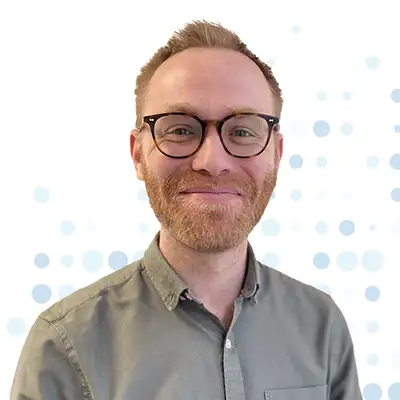
Callum O'Reilly:Welcome to the Podcast, Algert. Please, can you introduce yourself to our listeners and tell us a little bit about your role at Black and Veatch?
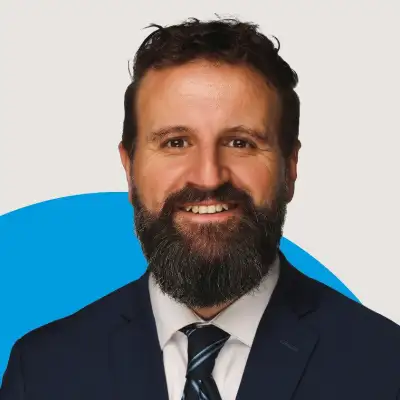
Algert Prifti:Thank you Callum and thank you to all the listeners here, appreciate the opportunity. My name is Algert Prifti, I'm a CCUS Solutions Portfolio Manager for Black and Veatch and what that means is Carbon Capture Utilization and Sequestration, just to clarify the abbreviation here. And I've been with a company here for about twenty years, and in my role I spent a lot of time working with our clients, with different plant owners of the industry, as well as partners in our technology partners, our equipment supplier partners and financial partners as well to help bring these CCUS projects to success. We get involved early from the conceptual phases of the project, we help develop the engineering, the planning, and help try to move those along a front end engineering approach to detail design and then look to execute this project as an engineering procurement and construction or as an EPC in the industry where those abilities exist. Happy to be on the call and talk more around what I do and give a side here or an overview of what the market is looking like these days.
Callum O'Reilly:Great, thank you very much for that Algert. So earlier this year we spoke to DNV for an episode of this podcast and they contended that the turning point for carbon capture and storage has arrived. Would you agree with this and what are you hearing from partners, customers and project developers in the market?
Algert Prifti:Yeah, definitely we see a lot of movement in the industry. I think there's been a lot of momentum built up for the carbon capture space since I would say twenty eighteen-twenty nineteen timeline, which is the second wave of carbon capture here at least in North America and that has resulted in a few commercial scale projects being announced both in The US and as well as in The United Kingdom but across the world as well. In this short amount of time, would say it's less than a decade if you think about it, the industry has gone from doubting the technical readiness of specifically the post combustion carbon capture technologies and processes and also kind of not understanding the necessity of capturing biogenic CO2 from industrial sources like ethanol plants or pulp and paper mills. And so we've gone from that to look into you have real implementing solutions related to developing these utility scale projects and commercially viable execution plans. Although this is something we can all point to and see as a major indicator for the turning point that you mentioned and was discussed in your previous podcast.
Algert Prifti:I think there's still plenty of challenges in the market starting with the lack of funding or regulations from the current US administration using that as an example to the scarcity of labor and limited experience to execute these first of a kind projects in the field. So all of that said is that I think these are factors that are adding a bit more doubt towards ensuring that the turning point for carbon capture is not here just yet. We're all optimistic that it's coming and we're very close but there are few things here underway that have caused a bit of doubt of when that's coming.
Callum O'Reilly:Okay Algert, and yeah I really want to touch upon some of those challenges a little bit later in the podcast so I'm glad that you brought those up but would you say that we're seeing a real shift from pilot scale to commercial deployment of CCS and from an engineering and execution standpoint what does it take to move the projects to final investment decision and into construction, and also what regions are leading this transition?
Algert Prifti:Yeah, the shift from pilot scale to commercial deployment has been in the works I would say in the last few years, In addition to the different testing campaigns at the National Carbon Capture Center here in Alabama, United States, well as the Mongstadt Center in Norway, post combustion carbon capture technology provider or as we refer to licensors in some cases, they are seeking to improve operations and their process efficiencies through pilot and demonstration sized projects. A few recent ones that maybe the audience has heard of or something that come to mind are the SLB Capturi mobile test unit operations at a pulp and paper mill site in Canada, or last year's ION Clean Energy Pilot operations that were initiated there at the Los Medanos Energy Center in Northern California. Other reputable technology providers like MHI or Shell Technologies have already existing commercial applications in The United States focused on coal plant operations and they also offer these mobile test units as proof of concept and performance on various advanced CCS projects. So then the clients can get sort of hands on on these operations and get better confidence And then that helps add more maturity to the project as well.
Algert Prifti:Majority of the projects at this time are currently in the front end engineering stage and are waiting to achieve financial investment decision or FID as known in the market. And there are some other projects that are in the process of bridging to FID, which means they're completing some additional work on engineering and planning to be able to get there. In our experience, we've seen a lot of this project end stage. And what we know and understand is that to move projects to FID and then into construction it requires finalization of engineering and construction planning as a way to identify and address all the potential risks in order to achieve full definition for the project. It's also very important to identify and define all the materials, consumables and costs that are required to execute the project from start to end.
Algert Prifti:In addition to that, these projects require a committed partnership between clients, contractors, the technology licenses that I mentioned. They can all engage into a commercial agreement that can offer real commercial guarantees that are required by the different financial institutions that are in this space and looking to provide that funding. As a global company, Black and Veatch has a preview of the trends and markets for all major regions and we can say that all regions are working towards developing CCUS solutions that pertain to each region's needs and particular considerations. I'll say that while North America still leads the race when it comes to the number of projects announced and the maturity of the hubs that we're all aware of. It should be highlighted that the EMEA region, the Europe And Middle East area and Africa, led specifically by The United Kingdom are pushing through some commercially viable projects given there's government support in the region and there's an agenda in place that's helping that.
Algert Prifti:So definitely something that's changed I would say for that region probably in the last five years and that's very positive. The APAC region, Asia Pacific region is also following suit but and maybe a little bit slower pace I would say as it seek to find more of a full region wide solution rather than each country driving their own agenda or specific projects. So I think they're just trying to put together a program that really helps them for the future. And then lastly, by Brazil, I would say that now we're starting to see South America catching up as well. Brazil has been on the forefront of studying implementation of carbon capture, specifically to ethanol plant based industry since that is a major industry in the country, but also we're seeing some MOUs and some commitments when it comes to developing bioenergy with CCS plants in the country.
Callum O'Reilly:And with the massive boom in AI, Algert, we're seeing significant growth in gas fired power to support data centers. So is that creating a new pool for carbon capture across the regions that you mentioned? And how does that change the approach to integrating CCS for these fast moving power projects?
Algert Prifti:Yeah the data center boom is real and we're all seeing it here and I'll speak from a US perspective but know this is full global consideration but here in The US we understand that this massive power load growth and I'll focus on power but data centers require a lot of resources as well but on power the current power generation assets and the current grid cannot support this low growth demand. So what we're seeing and are also involved ourselves as in many projects, I'll say in the hundreds there are projects there, project considerations as well around The US that are being looked at medium is demand and using a concept that's called behind the meter power generation. Viking Beach does a lot of their work and it's an area that we excel at and have done so in many decades. But in many of these type of projects CCS is being seriously considered for either current or future implementation and that's been done in order to provide the ability to generate low carbon power or free carbon power depending on the terminology used as a mean to meet these data center and AI hyperscalers request and I'll use names like Google, AWS and many others are there that are there that have looked to implement CCS as first movers in the market and are looking to make that realistic as they invest in this project moving forward.
Algert Prifti:So yes, would say low carbon power demand for this type of project and future operations is definitely a driving force for developing CCS project, more importantly, for starting to negotiate and secure CO2 offtake here in The US. There's a chance that if these projects aren't located near CCS capable hubs, and when I say that I mean related transportation and sequestration capabilities, or maybe if these projects are not being currently built with CCS process and technology integration in mind that these new power generation assets can one day become stranded assets and would require major upgrades and additional infrastructure to make them low carbon power capable. We So spend a lot of time talking to clients about that. The approach to integrating CCS really varies by the size of the project, plant design, and mainly when I say that it's the power plant, the turbine manufacturer, and the need to either implement it now or in the future. Integration of carbon capture and sequestration with power generation could mean a lot of things, but most of the time what we see and discuss is is identified in two major areas.
Algert Prifti:First is the flue gas interfacing and integration from the power plant stack. We all have seen the nice stacks of power plants have with the clouds on top, right? So it's integrating that power plant stack with the CCS operations downstream, and the other one is extracting steam and making the steam available from those power plant generation or maybe from a standalone solution, like an ox boiler or something like that, into being able to provide that steam to run amine based technology carbon capture operations. Making sure that both of those areas are addressed early and by making the power generation plan considered CCS ready at this time, in today's time, can significantly ease the implementation of CCS process technologies in the future, and eventually lower costs and potential outages of the both operations as well as hyperscalers database operations now and in the future. That is sort of where we've seen this significant growth and the things that we're doing in that space.
Callum O'Reilly:So when it comes to downstream facilities, and we're talking refineries and gas processing plants, what should engineers and operators be evaluating when selecting a capture technology for their specific flue gas and site conditions? And how are operators balancing energy efficiency upgrades versus carbon capture investments?
Algert Prifti:Yeah, I'll start with the latter part of your question. So I think the energy efficiency upgrades are definitely necessary for plant operations that, in some cases in the industry you're referring to, have been around for a few decades now, and technology is anything from steam power generation or even running plant specific processes. The technologies have greatly advanced since I would say late 80s 90s, and they do offer operation cost savings and ultimately they do come with a lower emission output right. However these activities when we're talking about energy efficiency don't necessarily fully address the scope one, two or three emissions in some kind in some cases there's some avoidance but they don't really necessarily long term provide a solution to it and that's where I think CCS comes into play as it can offer a real time deep decarbonisation solution while allowing the existing operations to remain the same. So electrification is great but in most of these cases due to the experience that these plants have running the operations as they are with more efficient equipment of similar kind is still understood and is still evaluated as being optimal and more cost efficient so building up on that with CCS is really the intent.
Algert Prifti:Selecting a carbon capture technology is definitely something important and can impact the successful outcome of the project or future operations. As a leader in the CCS technology deployment and implementation here at Black and Veatch, we look to support clients in identifying and selecting a technology that's best fit for the application. The type of the flue gas that I was mentioning earlier, as well as the size. We are a technology agnostic company, so we look to work with anyone and ultimately we look to help our clients find what we consider a best athlete to win the game, to win the race, And that that is important to them. And also this is important because process efficiency and operation longevity are important factors in making sure that the right technology is implemented from the beginning.
Algert Prifti:Either if it's a new or an existing facility, In the industry we're talking about gas processing and such, these are more brownfield type application but there are more new facilities coming online as there is this high demand for natural gas now as the data centers require all that for power generation. As an EPC, we're also interested in finding a technically viable and commercial ready partner, so the valuation of technology takes even more importance. As we're looking to for us and the client to find a committed party that is thinking of those commercial agreements ahead of time is ready to negotiate and can be considered bankable as we look to achieve that FID as mentioned earlier.
Callum O'Reilly:Okay, so let's return to some of the challenges that you touched upon earlier then, Algert. So what's holding back broader CCS adoption, and at what stage of a project do you most often see things stall? Is it permitting, financing, technology selection, or something else?
Algert Prifti:I like to start always when I talk to my clients that not all CCS projects are the same, and their variability is dependent on location, type of application, size and the ability to meet environmental condition requirements and obtain permitting. When you think of a CCS project, one has to consider all aspects of the value chain and that adds a level of complexity to developing and executing such project. A full CCS value chain includes the carbon capture technology that I was referring to earlier, the implementation and integration with that host facility that's a gas processing or a power generation plant and then you have to think about CO2 conditioning, compression and transportation as well as the CO2 injection for either underground storage or enhanced oil recovery utilization that's done here in The United States. All of these components of the CCS value chains have their unique challenges when it comes to obtaining things like permitting. Either that could be a class six permitting or a class two permitting for EOR or even so for construction and the infrastructure.
Algert Prifti:There's also challenges with right of way and easements for the pipeline routing as well. Here in The United States, I'll refer to that, nobody wants a pipeline in their backyard, so there's a lot of push and you have to get a lot of community involvement to be able to make these projects work. So that's definitely a barrier and challenge that project teams have to overcome. The other thing to think about that makes these projects even more challenging is the cost. I'm thinking about you know how we can lower this cost low enough to make the business case for these projects viable.
Algert Prifti:I think experienced companies like Viking Beach and others can identify and address these obstacles early and often to make sure the projects don't go down a path of not being viable or not achieving FID. We take a front end loaded approach that touches all topics of the project development and that includes engineering, construction, transportation, environmental reviews and permitting planning throughout the various phases and stages of the project. We're able to identify the viability and address these challenges at each of these predefined stages to make sure that the project is de risked and that our clients are taking the right decisions and steps in moving those forward.
Callum O'Reilly:So for companies that are trying to push through all of these stall points that you mentioned, what does the right project setup look like? And what engineering capabilities and disciplines need to be at the table early to keep a CCS project on track?
Algert Prifti:Yeah, that's a good question this is similar to what I mentioned just above right about earlier here about the given the size and complexity of this project but understanding kind of all the parts and pieces of it it really helps to know why you need multidisciplinary and experienced engineering teams because that's what it will take to really execute these projects from the beginning to the end. You want these teams to jointly work together with the technology provider or the licensor, the equipment suppliers and ultimately the construction teams to develop and define the projects from conceptual phases all the way through execution you want that to be done in a way just like it's been done for known proven industries like gas processing power generation and so on some of the key disciplines required through the lifecycle of the project I'll mention some in specific some in particular include process and mechanical engineering it does include construction and modularization experts and then ultimately permitting environmental professionals led by strong process management team that is what large organizations like Viking Beach and others can bring to the industry right these first of a kind projects require these strong teams with experience and knowledge from all the industries and bringing lessons learned in order to keep the projects on track and successfully deployed.
Callum O'Reilly:And can you provide us with any case studies of how Black and Veatch has helped its customers assess and implement CCS in their operations? What does that process typically look like and where do you find the most value gets added early on?
Algert Prifti:Yeah absolutely, one thing we like to do is get an early in front loaded engineering approach and help out with clients from a process that we call FEL here in the process industry for the audience that probably is familiar with that. So we'd like to get involved with an FEL1 or FEL2 to really start influencing the outcome of the project. We believe that getting early on a project brings the most value to the clients in terms of making decisions, finding partners and initiating successful negotiations with the off takers. As part of that early effort we focus in helping them make sense of the CCS implementation and tie that to their business case evaluation as well as their decision making. We find to be key in making sure that the project starts with a strong foundation so that's the important part of it and one specific case that comes to mind is we recently helped a client looking to develop a power generation project for data center to develop that low carbon power solution as they try to meet the demand and the offtake agreement for a PPA for a purchase power agreement with a hyperscaler.
Algert Prifti:We helped them by conducting a rigorous technology evaluation to help the client as well as us put their offerings in a sort of apples to apples type of comparison but also we were able to transfer that knowledge to a real project cost and planning and that ultimately gave the client a perspective of which technology offered the best life cycle considerations when it comes to cost efficiency operations and implementation so that brought a lot of value to them and not just only looking at this technology and this process and trying to make sense of what those look like in the big picture In addition, we work with their team and focus on the power generation design to implement the CCS Ready Plan that I was talking about earlier and we work with the different providers, the turbine providers, the HRSG provider which is another large equipment in the power generation plant to provide all the proper provisions to make sure that integration with the flue gas as well without steam is being done with purpose and ready for that near term implementation.
Callum O'Reilly:So what does Black and Veatch do in its approach to technology selection and project execution in achieving successful completion?
Algert Prifti:We believe this is very important in that early start of the project and the approach we take we believe in our technology agnostic approach, look to provide a very rigorous evaluation to make sure that we are identifying the best technology for the application as well as that the partner, the commercial partner for the project. One approach that we take is we do analysis we call levelized cost of CO2 capture or LCOC, usually what we use as a term but that LCOC approach provides the most accurate life cycle cost comparison of the technology licenses offering so we will engage the technology licenses through a RFI or an RFP process to be able to gain enough understanding of their offering for them to showcase their strengths and capabilities and really put them in a comparison with their life cycle cost can really be put in perspective of what that particular site or operation needs. So this approach estimates the required levelized cost to construct and operate the CCS facility over the life cycle of the assets so we don't just look at it but what is it cost and here's here the numbers but really we focus on what are these capture rates and how they tie into potential offtake agreements what is total install costs in relation to particular components and how they're assessed but then we look at process consumables the utilities used and we consider long term solvent supplies if it's an aiming solvent technology but long term supply of equipment and areas like that and we look at fixed and variable O and M as well as how do you finance this, how does equity, debt and insurance influence the realistic cost of that project And then we wrap it up with an evaluation matrix, we're able to score how each of the technologies we're able to demonstrate in respect to that particular operation and then work with the client to value those to their best needs and interests such that they can come in with a very accurate evaluation of the process.
Callum O'Reilly:And looking ahead Algert, what needs to come together from a policy infrastructure and project delivery standpoint to scale CCS to the level that the industry needs? And where do you see the strongest near term momentum for real project activity?
Algert Prifti:Yeah I think the strongest near term momentum can be best observed in the industries and applications I've been mentioning throughout this discussion. I think it lies with applying CCS to capture CO2 emissions from power generations as a means to securing this low carbon or free carbon power solution as well as achieving low cost of capture for biogenic CO2 sources, industrial sources such as pulp and paper mills or ethanol plant operations. We see those areas advancing the current momentum that we have built and establishing the know how on how these CCS projects are implemented at scale and are they considered commercially viable going forward. As what it needs to come together from a policy infrastructure and project delivery perspective, I would say that the regional and the global community has to continue pushing and working hard here in the studying implementation and finding effective policy and funding sources that can help these complex and first of a kind projects get de risked, get well defined early and then being able to put them in a position where they're comfortable financial terms that allow project to be viable. I think there's a lot of things as well when it comes to permitting that can be kind of looked at what's happening in the market right now by allowing states here in The United States gain primacy, their own authority to approve these environmental approvals for injecting CO2 underground.
Algert Prifti:By doing so that really helps manage it and debottleneck the permitting process when it comes to that side of the value chain. It's really key that all those components work together in order to make sure that these large projects can really get deployed at the same time and it can be deployed successfully.
Callum O'Reilly:So to conclude today, what advice would you offer to our listeners who are perhaps evaluating carbon capture technology and related projects but are finding it difficult to move forward?
Algert Prifti:Yeah, my main advice would be to suggest to them to look to find experienced partners like Black Game Veatch or others in the market that can help them early in their early path to that CC implementation program. It's a long time and these projects do take anywhere between four to six years and so starting early and bringing together the right partners is really key in making this successful. The other thing that I would recommend is look to be part of that collaborative network of companies. There are many organizations, are a lot of content either available online or through conferences that can be attended to look to learn gain their knowledge in order to think about how these barriers can be resolved and in terms of their own assets in terms of their own operations and then look to support the efforts about implementing standards and practices that are effective that do come from known industries like power or process industries to be able to one day say that the CCS projects are no longer first of a kind and then we all together have done all that we can to make them commercially viable and easy to execute.
Callum O'Reilly:Great thanks so much Algert for sharing your insights and experience with us today it offered a really valuable perspective on where CCS is heading and what it takes to get projects moving from concept to reality so we're really grateful for your time today thank you.
Algert Prifti:Thank you as well Callum and appreciate everybody's time for listening to this discussion.
Callum O'Reilly:So that brings us to the end of today's episode a big thank you once again to Algert Prifti from Black and Veatch for joining us and sharing his insights on the carbon capture and storage market and what is needed to grasp the opportunity that it presents for the downstream sector. And thank you for listening. Be sure to subscribe for more conversations on the future of energy and industrial decarbonization.
Advert:This episode of the Hydrocarbon Engineering Podcast is sponsored by Sherwin Williams Protective and Marine. Sherwin Williams Protective and Marine delivers world class industry subject matter expertise, unparalleled technical and specification service, and unmatched regional commercial team support to customers around the globe, including in the energy market. The company's broad portfolio of high performance coatings and systems, including protected liquid and powder coatings as well as fire protection coatings, excel at combating corrosion and help customers achieve smarter, time tested asset protection. For more information, visit protective.sherwin.com.