Subscribe
Share
Share
Embed
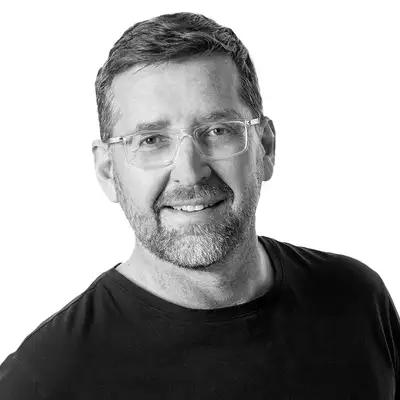

Hosted by Heath Fletcher, The Healthy Enterprise explores how innovation, technology, and leadership are reshaping the life sciences industry—from discovery and development to commercialization and care delivery. Each episode features candid, heart-centered conversations with founders, scientists, executives, and investors, sharing real-world experiences and insights for building resilient, future-ready organizations.
Created and Produced by Bullzeye Global Growth Partners — Let’s build it together!
Heath Fletcher (00:13)
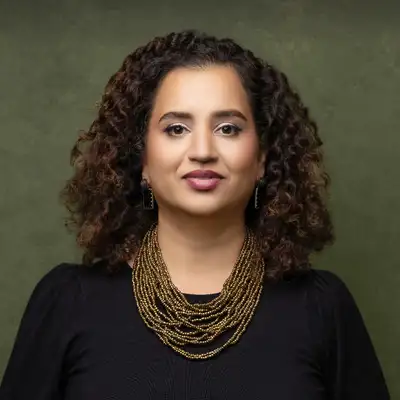
All right, welcome to the Healthy Enterprise podcast. Thank you for joining me today. If you've been here before, well, I'm glad you're back. And if it's your first time, I hope you enjoy today's episode. I'm going to be speaking with Annie Stephanos. She's a certified life and mental health coach. After experiencing burnout and PTSD herself, Annie discovered her high road, a path to balance.
wellness and self discovery. She's guided by her values of hope, trust and compassion. And she now helps others find their own high road, reach their wellness goals and reclaim their wellbeing. So let's dive in and meet Annie. Annie, thank you for joining me today on this episode. I'm looking forward to getting to know more about you and about your business. And so why don't you start there? Like give yourself, give our listeners a little bit of introduction as to who you are and.
in your company.
Annie Stephanos (01:08)
He thank you so much for having me. It's great to be here on your podcast today. So, ⁓ my name is Annie Stefanos and I'm a certified mental health and wellness coach, and I'm the founder of Highroads Coaching here in the Bay area in Silicon Valley. ⁓ and I work mostly with high achieving women who are feeling stuck in burnout, you know, helping them slow down, reconnect with who they are and rebuild a life that, you know, actually feels good again.
And so before this, just briefly, I spent years as a teacher and an instructional coach, which, you know, is for laypeople, the teacher coach, educational coach, and that experience really shaped how I work with people. And I've always been about the whole person. Not really about, not always, you know, only about the goals they're chasing, but really how they're feeling along the way. so, you know, my approach is really about, you know,
built on three things and those are my core values of hope, trust and compassion. ⁓ I believe in people meeting people where they are. helping it. really enjoy helping them see what's possible and then giving them those tools to move forward without the pressure to be perfect. ⁓ so really at the heart of it, Highroads Coaching is about helping women find their high road and that space where they can finally breathe, be themselves.
and thrive again like I did.
Heath Fletcher (02:35)
So what brought you to this? What brought you to this business? What was it that you, what happened that you were like, this is what I want to do. Cause I mean, this is relatively new for you still, right? You're, this is your first business doing this. So you know what, tell us about what brought you to this point in your life.
Annie Stephanos (02:54)
Well, so I had been an elementary educator here in California for 26 years. For the final three years of my career, I was an instructional coach. And, um, in, um, late 2023, early 2024, I experienced, um, severe burnout and, um, lot of the factors were involved. Some things that were in my control, things that some that were not in my control, but experiencing, you know, severe burnout.
I kind of like to say that I, know, was kind of down to the studs emotionally. And, ⁓ after some time in rehab and having lots of support, I, you know, built myself back up and, and, you know, found a new high road. ⁓ and I, you know, thought about going back to education, but realized that, you know, I never lost my love for coaching. So I decided that, you know,
since I had been in education and it kind of, you the reason I burned out is because I was, you know, working in a job that was, you know, high stress and, and you really probably caused my burnout. ⁓ I decided to move on and, I think was the best decision I ever made. But, but once again, what I took with me was wonderful coach training and, I always wanted to be a coach. So what I did was I.
decided to look into how I could help other people recover from burnout and, you know, help them find that piece and, help them through their journey. But I wasn't sure exactly how I was going to do that. So one day I got an email from Kaiser, my insurance saying, have you know, saying, you know, you have headspace for free and have you signed up with a coach? And I was like,
Wait a second, Headspace has coaches. knew of Headspace. knew the app and I knew it was a great, you know, for meditation and support, but I thought, wait. So right then and there, I, went into the Headspace website and found the Headspace training Institute and, ⁓ and I looked up their program and it was everything I was looking for. And so I applied and I was accepted. And in January of this year, I, ⁓
started with the program and in June I became a certified mental health coach. But what was amazing was that I just felt like there was another place for me to go. And that was just such a wonderful opportunity because going through the process and the journey through burnout, ⁓ it changed me. And once again, the reason Highroads Coaching is called Highroads Coaching is because I found a high road. I found a higher road.
doesn't make me better than other people, but basically I found a new way of living. One where I put myself first, where I, you know, put my, you know, I knew my self worth. I lived, I'm living more at peace and I'm free. And I also just, you know, knew that my journey was something different than any journey I had taken before. So Headspace helped me get there and I met some amazing people along the way.
And then in February of this year, I started Highroads Coaching and that's how it all began. I just, as I said, sometimes when one door closes, another one opens, it was a rough road to get there, but sometimes I think things are done. I heard this once and it was an amazing statement, but sometimes things aren't done to you. Sometimes they're done for you.
And so I look at it that way and I haven't looked back.
Heath Fletcher (06:44)
That's an amazing story. And I love the way you described where you were at, where is that down to the studs? I mean, that is a very, very ⁓ clear visual, you know, and those of us who have experienced that know exactly what you're talking about, and can understand at that point where a person is that you really need a hand up, right? And, you we talked about mental health a lot in a lot of conversations all over the world.
like those are the moments when you need a hand up. Uh it's really also inspiring that your insurance company had a hand in that. You know like that's that's where you're you're seeing a system that gets a lot of gets a lot of bad feedback, a lot of negative press, but here's an example where they actually worked on your behalf and and in your favor and actually helped you get from where you are. So I like that
we can have those kinds of stories and talk about how these kinds of programs can work for us and work with us and help us, right?
Annie Stephanos (07:51)
Exactly. And I was blessed to have, you know, very good insurance as an educator. ⁓ and I've always was, I was always grateful for that. ⁓ and I was grateful to have, ⁓ an amazing team of people in my four and a half months in, in outpatient rehabilitation. I didn't do it alone and nobody should have to do it alone. And I also had, you know, a PTSD, I had a trauma therapist as well as a, my own therapist and just, you know, it was really, ⁓
It was a team of people, but also, you know, I did the work. ⁓ but yes, I was supported by a very good system of doctors and, and insurance that, did allow me to, get the help and the, and the care I needed. ⁓ and, ⁓ you know, I, I want to say that, you know, the system does support us. ⁓ you know, when we do need that, ⁓ I was very grateful to have that.
Heath Fletcher (08:48)
And
now you're in a position to sort of help others who are in, find themselves in a similar place, or maybe not even having gotten to that point, but somewhere along that trajectory where there's some sort of need for a change of life or a change of, whether it's personal or professional, and that's where you like to meet people where they're at there.
Annie Stephanos (09:12)
Yes. I mean, much like when I was a teacher, I mean, I always just met my students where they were not necessarily trying to, you one size does not fit all. And it's the same when you're a coach and you're working with your client, right? Every client has a different need or, and for women, you know, this, this idea of burnout, it comes under a very large umbrella. That's why when I chose burnout as my niche, which is so important as a coach, you want to have a niche.
I mean, I can meet with any client about anything. I'm not necessarily limited to burnout, but having it gone through that burnout is something that I can choose as my niche and go with that as I spread the word or put information out, but it comes under a big umbrella. ⁓ Burnout encompassed, there's so many layers to that burnout onion.
⁓ you know, so much of that is, know, and it comes in different places. could be workplace. It could be at home. It could be just, you know, maybe growing up feeling like you had to be perfect all the time. ⁓ you know, just, there's so many reasons for women to burn out, especially women who just in, and we live in a society where I think even now women feel like they have to be able to do it all and have to do it so well. And that, that's just not realistic. And so, ⁓ we really.
You know, have to think hard about how much that affects women's mental health, you know, So definitely, definitely needs to be talked about more. And I have come across people who have said I'm, burned out or I feel like I'm going towards burnout or I'm feeling like I'm, experiencing something like this at work where I'm, you know, ⁓ having workplace, there's workplace abuse or I'm, feeling burned out and I need to leave this situation.
But I can't talk about it with anyone. And that's really, to me, a big concern. And that's why, like I said, being able to talk about this with you today is so important and such an honor because I think we need to be heard. Women need to be heard. There are people who can talk to you about it and you're not alone because it can feel very isolating.
Heath Fletcher (11:29)
Yeah,
I'm sure it can be. Yeah. And there are so many, so many variables and situations that, you know, it's just, it's just understand, like you said, even ⁓ identifying that you might be on, on, on track for something, right? Just having a knowing that something's not quite right. And having that just that, you know, a sounding board to talk to somebody.
Annie Stephanos (11:50)
Well, and I see burnout on different, there's different levels of burnout. If it's okay for me to share that, know, based on, based on my own experience, but also just what I, and in the research that I've done and just even just talking to clients and other women, I see that there are levels of burnout. There's that I'm aware of burnout and I'm going to try and, and not go to that next level. Then there's that level of, ⁓ you know, I do a lot.
But I am, you know, making sure that I'm, I'm, I'm, you know, not overdoing it. Then there's that level that you just discussed. Like I see it in, I'm, it's, it's definitely coming closer to me. I, I really should, I really should cut back. really should, you know, not overbook myself whatnot. And then there's the full blown burnout where you just, you don't realize you're heading towards that. And then it hits you, you know, and it.
And then once that hits, know, it's really, ⁓ it's really hard then, you know, you can't go back unless you definitely are, you know, staying within the lower three.
Heath Fletcher (13:00)
It's a building process. Like it's not something that happens, you know, over a week or a two month period. This is like, you know, you're stacking things on top of things and it's, it is a combination of, you know, lifestyle and choices and all those things. But you know, when you have a lot in your life and you have, you know, kids and parents and job and volunteer work and dogs, I mean, just throw a dog into any mix. Now you gotta go walk a dog twice a day. It's like, well, I didn't have time for that.
I didn't have time to eat now. I gotta walk a dog twice ⁓
Annie Stephanos (13:35)
Right. then,
right. Exactly. have two and yeah, it's a lot of work. But, then, you know, you make a very good point that it's often exacerbated by lots of other things. ⁓ you know, workplace environment, you know, maybe you have children, you know, you have a child with special needs. ⁓ maybe you have children with, ⁓ developmental or, you know, ⁓ needs or, or neurodiverse.
⁓ I have a daughter with ADHD. Yeah, a parent gets it. Maybe you're a caregiver to an older parent.
Heath Fletcher (14:07)
Yeah, and you're just a blind side that comes out of left field that you don't even know you're not even prepared for which most of us are not prepared for those and that's another problem is we're not we're not ready to take on we don't we don't on purposely take on any more things because we're maxed out but when you're forced to take on something like an emergency of some sort of family member or whatever there's there's the there's the tipping point there's the breaking point
Annie Stephanos (14:32)
Well, and if you're a giver anyway, which I was and tend to be, and of course, being a teacher, teachers tend to be givers. But if you're a giver, you tend to be just like, I can do this, and you're juggling all these different things. It's not going to get done if I don't do it, kind of that whole idea, or I can just get it done faster. But no, you're right. It can be exacerbated by many things. that for me, it was just the perfect storm of many different things all at once.
Heath Fletcher (14:45)
I'll it, so I will.
Annie Stephanos (15:02)
So been there, done that, right? But no, you make very good points that yes, these are all different things that, and we often, as I said, we often don't feel we can talk about these things as it's happening. So when it finally happens and we have to then take that huge step back to, you know, then take a look and rebuild from the studs, then we, then that's when we realized, whoa, okay, that wasn't, that wasn't a healthy.
Heath Fletcher (15:31)
And so what you're providing is not only, you know, not only something that, know, in at a state of no return where people like, I don't know what to do next. I got to talk to somebody that, know, which is almost kind of a reactive state. You're kind of at that point already. ⁓ People could actually take, you know, this almost as a bit of a preventative thing. Like, where am I at? Do I even know where I'm on the spectrum of burnout? Right. You know, I'd be more preventative in there in, that.
approach and be able to use coaching like this as a way ⁓ to help, you know, avoid, you know, getting to the to the end of the line with with burnout.
Annie Stephanos (16:13)
100%. And that is where I think, you know, having gone all the way to the, you know, to the, top, to the burnout finish line, I definitely, you know, like I said, down to the studs, right? Um, if anyone can sort of know, it knows what it's like to, you know, really hit the finish line, right. And then have to rebuild from the studs. Um, yes, exactly. It's like, wait for it to happen, you know, right. To get help. And what are the things that, you know,
Heath Fletcher (16:19)
Right?
Annie Stephanos (16:42)
In my practice, High Road Coaching, we offer that really, we offer that for women to step out of sort of that feeling of like, I know it's coming on, but more stepping into balance and then just really getting back into balance. And then with one-on-one coaching and then workshops and some digital resources, we've been able to pass out some information to women about understanding the root causes.
of why they're stressed and exhausted. And then how do we set, you know, how do we rebuild our self-worth and confidence, right? How do we set healthy boundaries without feeling guilty? That's a big one, especially forgivers, right? We are not used to setting those boundaries and not feeling guilty. Like, I feel so bad. I, you know, I told them no, but I really should have said yes because now they're disappointed. You know, that is not a...
That is not setting a healthy boundary. No, we know. And then just reconnecting with your joy, you know, with joyful things, ⁓ with your purpose. And then also embracing rest, which, you know, doers and, you know, givers rest is not on the list. And that is a definite, you know, road to burnout. And, know, we, read something very interesting.
Heath Fletcher (17:57)
Rest is not
So
the association of rusting is not very productive. It's I'm wasting time.
Annie Stephanos (18:06)
No,
I'm getting so much done and that's doer and the go, go, go and the, and the, it's a total recipe for burnout. And as I said, I can, I, you know, I'm, I've got a PhD in burnout here. ⁓ I can attest to the times when I was like, no, I cannot take moment for myself, but I read something very interesting. think it was on Instagram just recently and this will definitely age me, but it says something about Gen X. ⁓
you know, watch their mothers and grandmothers, you know, work without resting. And, and they never, you know, they just kept going and going, right. And, and now we think that that's a normal thing.
Heath Fletcher (18:46)
Yeah, the all glorified work ethic.
Annie Stephanos (18:48)
Right. And the thing is our mothers and our grandmothers, they didn't work full-time and maybe they didn't have two dogs and neurodiverse children and all these other things and a full-time job and all the other things that we've taken on on top of everything that maybe they had also. So it's no wonder that we're feeling exhausted, tired, and there's these thoughts of like, am really, this is not going to go well if I don't.
stop and pay attention and, and really listen to myself. And that was one thing that I think the big, one of the big things that came from my recovery was that I didn't listen to my gut all those years when I was just not listening to myself and you know, Hey, slow down. This isn't, this can't be healthy. know, how come you're doing everything? You know, so that was a big, big takeaway. then
The other thing that we do with clients that, you know, really helps them to prevent burnout from happening, but also recover from burnout is just cause creating these sustainable routines. So that really, that really support their mental health and wellbeing. So, you know, just, you know, deciding what's, what's a no good non-negotiable in your life. Like, what are you willing to tolerate and what are you not willing to tolerate and deciding like, okay, I, you know, I.
I'm not willing to tolerate certain relationships in my life that are draining my energy. What do I want to save my energy for? And what are some things that are not that important to me anymore? What are some things that I really want to put my energy towards and then, you know, my, and feel that joy. And really it's mostly about what brings you, know, what, what do you want to spend your energy on? I call it the emotional piggy bank where, know, you're putting your, you know, your
putting investing in yourself, your energy, you're investing in this piggy bank of, know, I don't know. I just call it that. And what I tell my clients is, you know, every time you do something good for yourself, you're putting in, you're putting in, you're investing in your emotional piggy bank and that's going to pay off in the long run. But when you allow people to drain your piggy bank, if you're taking out of your piggy bank for others, then you're ⁓
Heath Fletcher (21:01)
savings for the future.
Annie Stephanos (21:03)
I smashed my piggy bank and maybe other piggy banks. don't know where I got all that extra, you know, but it certainly is so important. once again, it's a lot of it is. ⁓
Heath Fletcher (21:14)
just
robbing the emotional bank.
Annie Stephanos (21:17)
Yes, and you're going into debt and you're, yeah. So that was definitely all of those things. I didn't have that investment ready for when I needed it.
Heath Fletcher (21:32)
Again, that comes back to prevention, is, you know, being able, knowing how to save for your emotional future.
Annie Stephanos (21:38)
Exactly. Exactly. And we are worth it. And that's coming back to knowing our worth and knowing how important we are to ourselves and knowing our worth and not being apologetic about it. Yeah. Not having to say, I'm sorry to put myself first. It's okay to rest, right? Yeah. It's okay to take a break. It's okay to say no.
Heath Fletcher (22:01)
So is there any tell me this is there clear distinction between coaching and therapy? Because do people sometimes get them mixed up? Or is there is there a line? Is there a clear line for for you?
Annie Stephanos (22:17)
Great question. And I was really hoping you would ask that because I think there is a lot of confusion sometimes about what is coaching like therapy is, you know, gee, anybody can be a coach, but there is a difference. And, and so, yes, I'm happy to explain. So therapy is about looking in the past, right? When we go to therapy, we're often exploring our feelings from a prior event or experience that,
that we have a hard time letting go of or that's affecting our life in general, right? And so we work with a therapist to resolve those issues, maybe work on how we can improve relationships with people, maybe based on an experience or feelings that we've harbored for some time. It varies, obviously between people and their experiences. But the difference, so that's therapy. Coaching is the, really it is about looking ahead.
So coaching is actually great for someone like I graduated from therapy, which I was really, I was sad because I loved my therapist, but at the same time it was a good thing, right? But coaching is moving forward. It's looking ahead. So a client comes to a coach saying, know, have this goal. I want to lose 50 pounds in a year, or I'm looking for to change my career, you know, and just, you know,
Shout out, if you're in mid-career mode and you're ready to do something different, believe me, you can do it. But things like that where maybe you want to change careers ⁓ or you're going through a period of burnout or you're trying to prevent it. So coaching is about looking ahead, setting goals for the future. And then the coach, instead of saying, let's try this or whatever.
The coach is actually giving the client the autonomy to do the work, to find the solution to, you know, reaching their goal. So there's this great video on YouTube that I recommend to everyone who wants to more about coaching. And I think it's called how coaching works and it's an animated video and it shows a client and a coach and it's really cute. kind of like stick figures and the coach has a little cap on and.
He's got a little toolbox, right? And the client is drawing these, it's kind of the client is going up this ladder and the goal is at the top of the ladder. And so the, the coach has this little toolbox and every time the client is, you know, the client is trying to get up the ladder, the client might stumble and then the coach comes out with this cute net and he's catching the client. So. Clutching is about you're really kind of just, you're giving the client tools to move forward with the goal because when the client has that autonomy.
The goal will be reaching that goal ⁓ will be more attainable and sustainable in the long run. ⁓ I like to think of what I do as a coach is sort of like dolphin coaching where I'm not swimming behind the client and pushing them forward. And I'm not swimming in front of them leading the way I'm more swimming alongside the client. And I'm just sort of, you know, alongside with them, just letting them, you know,
letting them lead the way, but kind of giving them that support as they need it. The difference also is that coaching is about positive psychology and that we look for positive ideas and thoughts that the client shares with us. And then we look for strengths and we build on those strengths by asking questions, which we call motivational interviewing. We ask the client questions about
what they might think would work in a situation that they want to, you know, as far as a goal they want to reach, rather than finding a solution or telling them how to fix it. That's not what we want to do. We want to, but we also might, you know, share a suggestion with permission, but only to give them maybe an idea or spark an idea. And that's, and that's
Primarily the difference that the client does the work and that's the way it should be. A good coach allows the client to have the autonomy to solve their, to reach their goal. But we're there to, make sure that they're, you know, that they're not doing it. They're not alone, but that they have the support they need to get there. ⁓
Heath Fletcher (26:53)
someone to to bounce ideas off with and someone to share their maybe their inhibitions or something like that like how do I get past this and so yeah I can see yeah I can see other whereas the therapist is definitely more about yeah what happened to you prior to this point
Annie Stephanos (27:10)
Right? Well,
definitely. And sometimes we have to look back a little bit in the coaching relationship. ⁓ You know, sometimes a client might share a fear or something like, this happened to me before and how do I move past that? And so sometimes, you know, you talk about things that they've experienced that was positive and it's like, well, what happened when this happened? What did you do then that
helped you to get to that point. And then they kind of reflect on some positive experiences that maybe they can tap into to reach this new goal. So, there might be exercises that you can do to sort of shift things to a positive and then that way they're able to move forward. I'm not saying that I don't push a little bit, but I mean, obviously we go.
Heath Fletcher (28:00)
I mean, you kind of have to push. mean, because I mean, really, it's getting out of your own comfort zone, right? Like, I mean, if we're comfortable, you know, we're not necessarily happy, but we're comfortable because you become, you know, like a person gets to a certain point, it's like, well, I want change, but change is uncomfortable. you know, and you know, you might want the change, but you may not want to feel comfortable, but it's actually pushing through that. And that's your job is to help.
Annie Stephanos (28:19)
Definitely.
Heath Fletcher (28:28)
Help them find the tools to push past that that that change that shift in their life
Annie Stephanos (28:35)
I mean, it is work. It always is work, even when you're in therapy or rehab, it's always work. But the coach is there to, you're not alone. The coach is there to cheer you on, help you find ways to find it within yourself because once again, it's more sustainable if it comes from you. If you're more invested if the idea came from you, but the coach is there to say, hey, that sounds like a great idea.
How can you support yourself and what can I do to give you, what are some ideas we can brainstorm together? It's like I said, you have a partner, but at the same time, we're not saying, this is what you should do. That is definitely not coaching. That's the difference. The other thing about coaching is I've heard people say, well, anyone can be a coach, but really,
coaching, there's a great deal of training that goes into becoming a coach. And you have to be an excellent listener. And some people are natural listeners, which is great, but you have to be a very, very intentional listener. You have to be someone who's been trained in the art of, you know, motivational interviewing and questioning. And really it takes a lot of practice. ⁓ but it's, it's so rewarding when you see that people are, you know, ⁓
the questions that you ask, the little things that you pick up on when people are talking to you and the little things that they say about themselves that are really positive or just strengths that they have. And then you are able to help them have a realization about some of the more positive things that are going in their life rather than negative. It really is a very rewarding experience as a coach.
It's not about me, it's about them. But it is very rewarding to see people see things in a little bit more positive light.
Heath Fletcher (30:37)
Well, you clearly you light up when you talk about that. So you must have some examples where that's happened in your in your business so far. So it's cool to see you excited and that you're seeing progress, which is like, oh, I love it when I see this happen. I love it when people reach their goals and then you've been a vital part of that transition for them. So that's very cool.
Annie Stephanos (30:47)
Heh.
Thank you. Yeah, it is really cool. is. But they did the work, but it's great to witness. It's great to see that, I know I'm asking, I know that the training and the questions that I'm coming up with are connecting with people. ⁓ That makes me feel like a really ⁓ valuable coach. And that's what I've always wanted to be.
Heath Fletcher (31:30)
Amazing. And you've I mean, you've had your own transition and your own change process because you have gone from, you know, working for someone else in a job environment to being a solopreneur. You're on your own. You're, you know, and and are you doing it without a coach?
Annie Stephanos (31:51)
That's right. Who coaches the coach,
Heath Fletcher (31:54)
Coach
is the coach!
Annie Stephanos (31:56)
Well, I do have a wonderful coach that I have ⁓ had the great ⁓ pleasure of working with. She is someone that was referred to me by my therapist who ⁓ is a wonderful coach and we've worked together a few times. She's supported me ⁓ in getting started. She's been wonderful. Yes, the coach should have a coach and should never try and do things by themselves. I think that's very important.
Heath Fletcher (32:25)
Don't do this.
Annie Stephanos (32:26)
Yes, don't I do this at home on your own. Never think you're that great that you just can do this by yourself because it takes a village. And I have an assistant, a wonderful assistant as well, who I can bounce things off of. she started out as a friend and somebody I was mentoring and now is my unofficial social media ⁓ manager and assistant. Cool. That's great.
turn into something where I can really actually pay her. But right now she's really just being an amazing friend and colleague. But I think it's very important to definitely not see yourself as a, ⁓ I've got this down, right? I I'm always practicing. I'm still practicing with my coach colleagues from Headspace, the training Institute. that is still, you're just constantly kind of like a
learning an instrument and you're just always practicing and then getting feedback too from not only people you practice with, but from clients too. can say, know, is there something that I could be doing better or helping you with? that's humbling. know, it's hard to take feedback, but it's important. It's an important part of the work.
Heath Fletcher (33:46)
And how are you settling into this entrepreneurial world now?
Annie Stephanos (33:50)
Well, you know, it's really, so I started, um, officially I became an LLC in February of this year. um, you know, it was a lot easier than I thought. I mean, I did have a lot of support with, um, Headspace and there was other coaches that were starting out. Um, and I, know, of course online, makes it a lot easier. You, you know, you go into legal zoom or one of those, you know, the state, you, you know, there were ways to find information. Um, I really.
I really love being able to work on my own schedule, work from home. I have had in-person and virtual clients, I take both, ⁓ most clients do this virtually, so for the convenience. ⁓ I've found that I've had a lot of support. I have several people on my email list and
about, you know, I'm hoping to reach a hundred at some point. mean, it's still early days. only, you know, what are we talking about? You know, eight months here. ⁓ but I am taking clients now, but I had, you know, I've had clients that have graduated or have left and, it's just been a blessing. One of the things that I find that is, you know, a little bit of a challenge is that it is a field that's kind of, ⁓ saturated.
If, if I may say there's a lot of coaches out there, right. you know, that, that there are a lot of coaches and a lot of, ⁓ you know, life coaches. I'm also a certified life coach as well. I did that before I actually left teaching because I was thinking about, know, what do want to do after I retire? ⁓ that came up faster than I thought. Right. So, ⁓ but I really do think that, ⁓ you, how, so how do you stand out in a field that has a lot of coaches? Right. How do you kind of, so.
For me, the name Highroads, for me having a story behind the name really has helped me to stand out. And the fact that I, as a coach, experienced burnout myself, so I'm bringing that to the table as well. ⁓ I think that some of the other challenges that come up like how do you use social media?
And how do you get the word out? How do you get people so people might think, well, I don't need a coach, you know, where I come from the, you know, the school of, know, I think everyone deserves a coach. mean, we think about coaching, we think like sports coaches. We don't yell at our clients like, Hey, you're being benched you like, you know, you threw three interceptions, get your, you're on the bench. No, it's not like that. But you know, we're a lot of people think, well, you know,
Do I invest in that? So how do you show people that this is something that they can invest in and it's worth it? ⁓ in fact, my own coach said it's not necessarily that people are, ⁓ they see the value once they leave the session, what they take with them is what you've said and what they've come, you know, what they, what they've realized. And then when that's all, ⁓ been processed and they've.
and then let that sink in, that's the value in what you do. And so how do you get people, you know, signed up so that they can experience that? So that's another, right. So, ⁓ that's another challenge, but, but once again, so how do you stand out? So some of the things that we're working on, ⁓ my assistant Anya and I, we're working on a lot of different things. One is we're working on, we're going to hopefully eventually do a podcast. ⁓ we are, ⁓
We have a great, you know, ⁓ email list and we use, a company called flow desk for that. And those are mass emails. So we're actually going to start something called better days, which is going to be a weekly, ⁓ little blast out. And what I'm thinking, and this is sort of just in the process, but thinking of having like, reader contributions, like situations that come up for them. And maybe it's just like a little like coaching, like a little, you know,
minute coaching with Coach Annie, just a little bit of like some questions to think about ⁓ and leave people with some things. So it's kind of like, you know, bringing people in things like that, where you're just kind of standing out doing different things and not doing what everyone else is doing. that's, that's, yeah. So a lot of exploring. And then I've also done, I did a signature workshop, which is on my website about burnout. did that in June. And then I'm also working on another couple of workshops, one on flipping the narrative with
taking negative statements and flipping them into positive statements. And then other things that have come up like setting boundaries. So continuing to offer information to people and then down the road, maybe creating some online courses and things. So really just continuing to get the information out there. One of the other things that I've heard and my coach shared this too is sometimes social media isn't always the...
isn't always the place to find your clients. A lot of times it's word of mouth or people who have experienced your services. So definitely testimonials and just getting people to talk about you is probably one of the best ways to market in this business.
Heath Fletcher (39:25)
Yeah
word of mouth has always been and still is the best way to get your information out about you. I do agree with you sharing information and sharing information is also very valuable because not only do they get an opportunity to learn something from you, ⁓ I'm a true believer in that ⁓ connecting with somebody, you know, listening to a podcast.
watching a video on your YouTube channel or, you know, they pick up a little tidbit or a snippet on a short or a reel or something like that, where they see you, they connect with you visually, they hear your voice, they, they make a, you know, there is something about, we all connect with people differently, you know, like, you could say a message one way and five other people can say,
same message and five all five people are all six of you will connect with a different person because of how they said it, the tone of their voice, their personality, what they look like, all those things like all those things. That's how we as humans ⁓ read the information by all our senses. And so there's a there's a frequency that you will hit on somebody that you won't hit on somebody else. And I think that ⁓
you I say, you know, there's a saturation of life coaching or coaches, you know, maybe not. So I don't think there's a coach for every other person. I don't think there's a coach for everyone yet. And if everyone needs a coach, then we're going to run out of coaches.
Annie Stephanos (41:03)
Right. Well, and that's where the whole, the idea that is, women who might be heading towards burnout or it's in their awareness, having, like I said, having the PhD in burnout, I would have never thought, oh, I should just get a coach here. That would not have been in my...
foremost in my mind, right? Like, really should get a coach so can get my act together here so it doesn't happen. So how do you then say, you know, don't wait till it happens, you know, call a coach today, you know, call me, you know, things like that. And, and, and once again, it's like you said, it's about that connection and how do you connect to people? And once again, it comes down to just being yourself and being transparent, opening your heart and your story to people.
Heath Fletcher (41:52)
Yeah
Annie Stephanos (41:56)
not being afraid to tell them how you, what your journey was. And that's why high roads to me, when I was thinking of naming my business, you know, there's so many different names and then they're all taken and you're like, wow. then when high roads came up, was like, Ooh, you know, and I wasn't gone. was like, wow, this is, this is the one I better snap it up, especially on the web. Right. You're like, especially with.com. You're like, gotta, I gotta get this nailed down, but I, ⁓
Heath Fletcher (42:12)
It wasn't done.
Annie Stephanos (42:25)
I'm so glad that that came to mind. And once again, that's what I want people, women to know, people to know that it meant something to me. I hope it means something to them. And I have had clients say, you know, I do feel like I'm traveling a different road, a higher road. And like I said, once again, it's, know, we have that term, you know, take the high road. It's a little bit different than that. It's just more of a very individual type of life that living just for yourself.
Heath Fletcher (42:36)
significance yeah
Annie Stephanos (42:55)
honoring yourself.
Heath Fletcher (42:57)
Yeah, that makes sense. ⁓ When we touched on it briefly, you talked about some doing virtual ⁓ coaching and, of course, that technology is out there. ⁓ If you want to use it, I mean, you will you will do it if that's the only way to reach people. Is that true? you don't? Are you do only do in person?
Annie Stephanos (43:19)
Well, no, I I definitely use, I use both and I, you know, and the thing is, that there's a lot of opportunity to connect with people in person too. You know, we've talked about doing things like, ⁓ there's a local farmer's market that has kind of a health and wellness area. yeah. Connecting with, I've had, ⁓ coach colleagues that I've met through my program that, you know, have connected with, ⁓ other therapy, ⁓ offices and, know, that have,
groups of therapists and they will hire a coach to come in for people who don't want therapy, who want coaching. So there's ways to connect with people that is not without technology. ⁓ So those are some other things I'm exploring too, like women's groups. How do you get involved with women's
Heath Fletcher (44:07)
Yeah,
because you have that niche, you have that ability or that opportunity to speak to those sort of, you know, closed groups where you can really connect with people who are you're looking at. And are you, have you been able to take advantage of AI in any way?
Annie Stephanos (44:22)
Definitely.
mean, AI has been a tool and we definitely don't want it to be a crutch, right? But we want it to be a tool. we actually have, AI has been for me, for my business personally, has been a great time saver in that it helped me to design my first workshop, helped me to lay out the outline, which was really great because you have all these ideas and then you're just like, okay, that's not going to be in the time
Heath Fletcher (44:49)
nine hour course. That's not going to No one's a nine hour course.
Annie Stephanos (44:51)
Right. Nobody wants a night out. No, no. And I know what that's like when you're going
to go 20 minute increments, right? When you were, when I was a teacher, it was like, you know, these kids will go 20 minutes and then that's it. need to take out, know,
Heath Fletcher (45:07)
And
we're all the same kids. just wear bigger clothes. We all have the same. Any more of an attention span as we had in grade two.
Annie Stephanos (45:11)
Exactly.
Yes.
When I was an instructional coach, I was like, I'm not going to do this to the teachers. I'm going to definitely honor the fact that they're just big kids, big learners, and I'm not going to go on and on. Yes, so AI, there's a few things that AI has done to help me streamline my business. One is to help me create material, which is great, especially for Instagram.
to getting information out quickly and formatting and whatnot. And that's been great. And then other things that AI has done for me as well as is helped me to create other, you know, they can help you create courses, they can help you create outlines for ideas that I've had my next workshop. I've already created an outline. Then I can just fill that in with ideas. But it just kind of keeps things concise. ⁓ And what's really cool about a
chat GPT is that they remember the kinds of things you're creating for your business. So you don't have to just go in there and, and, know, go, Hey, did. it, just continues to remember what you've been working on. that's awesome. It's really great. ⁓ as far as the coaching side, ⁓ it's AI has really become a great tool for coaches as far as note taking during.
coaching sessions and they have automated some of that using AI generated, know, like using AI for sessions so that the coach can really focus on the client and then the notes are generated in AI. ⁓
Heath Fletcher (46:55)
That's
been a game changer for so many people.
Annie Stephanos (46:58)
Yeah.
it's just important that we, you know, use AI as a tool, but not as a substitute for the human connect, you know, the human interaction.
Heath Fletcher (47:10)
AI does not become a coach. ⁓
Annie Stephanos (47:12)
Right.
No, because you want someone that... No, we don't want that. Right. I would definitely love to see how that would work because as a coach, I would definitely be listening for certain questions and being like, I don't know if that's a coach question. We definitely are discerning when it comes to the kinds of questions that we hear people ask and we're like, that doesn't sound... Or that might be out of our sphere or out of our scope of practice.
So I probably would, yes, definitely it'd be better to use a human coach and not an AI coach. But I think it is important for us to use the best of AI, use the best of AI for this and hope that that is what we do and honor, like I said, the human connection and not let go of that at all.
Heath Fletcher (48:07)
that high more of a hybrid you know you have that technical automated support but you know you're really driving the change in the ship yeah that's
Annie Stephanos (48:10)
Exactly.
Exactly.
Exactly. think there's
a lot of things we could do hybrid that probably work a lot better. We're not going to do it all. It's either one thing or another. We definitely should just take the best of each thing and go with that and tweak things as we go. Because there has been talk about people saying, well, is your job going to be around? I AI could take it over. It's like, I don't think we'll ever let it get that
Heath Fletcher (48:41)
Yeah, I don't know. think you're probably safe for now. Maybe by the time it gets to that point.
Annie Stephanos (48:51)
I
may be, know, may be, you know, really like, know, I'll be on vacation for. ⁓ I may not be on this planet by that time. Right. Definitely. we don't have to.
Heath Fletcher (48:56)
I think we're good for the next
that
any advice do you have for, ⁓ know, advice or maybe insight or just insights for people who are either looking to venture into your area themselves, you know, maybe someone who's kind of had an experience and come through it and thought, I don't want to share my experience. And or any other advice for someone who is listening, maybe who says, Hmm, I wonder if I'm on my way to burnout.
You know,
Annie Stephanos (49:34)
Okay. Well, okay. So to answer your first question, ⁓ anyone who's interested in becoming a coach, I mean, it's a great, it's a very rewarding career. ⁓ As I said, I fell in love with coaching ⁓ back in 2014 when I was transitioning from one school to another and ⁓ was, you know, had trained myself for about seven years until I finally became a coach. It is.
⁓ a profession where, know, if you want to help people and you want to help people reach their goals, you know, ⁓ I would definitely enroll in a, you know, a good coaching program. are many good coaching programs out there. You don't necessarily have to be a health and wellness coach, but if you're, you know, if you've experienced, ⁓ you know, mental health, you know, ⁓ challenges and you've, you know, gotten through things, difficult things, and you want to help people in that area, you know, that.
I highly recommend the Headspace program. They're really great, but there are a lot of other programs too. But I would highly recommend that you don't just go out and coach on your own. It's really important for your clients to receive the best coaching possible. And to be a certified coach, obviously it does show that you have ⁓ the credibility and it's just important to... Well, do. ⁓
Heath Fletcher (50:58)
I do the work, right?
Become a physiotherapist. ⁓
Annie Stephanos (51:04)
You can't just come in, know, do a surgery on someone without some sort of license, you know? And, as I said, know, see which program works for you. I, you know, I just thought Headspace was great and just, you know, so grateful for all their support and even the support after, they have a lot of support afterwards. In fact, I'm doing my ⁓ burnout workshop on Sunday for their ⁓ summer cohort and other people.
They really do want to support you outside the program too. So anyway, that is my advice. The other advice is have a niche. Make sure that you have a niche for your business because people don't necessarily call you and say, know, I, I'm, I'm in burnout. They may not, they may have other things. I work with clients with every need, ⁓ but have a niche because if you're going to, as I said, you want to have a signature sort of, you know, topic, you want to have a niche, you want to be known for something.
And if you have that niche, people will know you for that and then you can expand on that. Like I said, getting information out, know, workshops, classes, things like that. that's what keeps your business growing. And so you want to make sure you have that established and make sure that's really something that you know a lot about. Don't pick something that you're like, well, I don't really know much about that, but I like that. Make sure you're well versed in it if you do.
You know, women with burnout, I just want to say that you're not alone. Please do not, you know, don't ever think that there isn't someone out there to talk to. I, I went through it. It wasn't easy. ⁓ you know, I, as I said, I know what it was like to, you know, be down to the studs and build myself back up. I, I think that once again, we talked about this earlier. Don't wait till it happens. I mean, for it to happen, ⁓ that you're not alone, that there is, you know,
coaching is available. ⁓ and a coach isn't a therapist. Like I said, you may feel like you don't need a therapist and that's okay, but a coach is not a therapist. We help you look forward. So if you're just in a place where you're like, I just need to feel like I need to look to the future. A coach is a perfect fit for you because it doesn't require, can look back a little bit and, you know, we do that, but it's in a safe space, a place where you can feel that you can be open and.
We really focus on giving you tools that once again, I applied that have, helped me and I'm still, you know, I'm always going to be, ⁓ in prevention mode. It's kind of like anything, right? ⁓ you know, no one wants to relapse. So, ⁓ but the tools and the, and the things that we do in my coaching program for burnout, you know, ⁓ are things that I did myself and I still apply. So that is, you know,
That is, I just wanted you to know it can be done and it can, you know, and with the support of a coach, you know, you can do it. I just think that no one should have to do it by themselves and everyone deserves a coach and it is an investment. It is a good investment in yourself.
Heath Fletcher (54:15)
And I think it's a valid point to bring up that, you you provide tools that are things that you, a person can start applying like today, you know, that they could see some immediate, some immediate advice, a change with, or some immediate, ⁓ they might feel better in tomorrow. You know, ⁓ therapy is important a hundred percent. ⁓ and, and it's, think it's a longer game. You know, it works on a deep, at a deeper level. Whereas this is like,
It's about, well, here's my ops, here's my problems, you know, here and you're providing some actionable things that they can start working on tomorrow and they could see immediate change.
Annie Stephanos (54:52)
Well, and we work with that client at their pace, And we have, like on my website, I have packages, right? So clients can choose from different packages. They can choose a three-month package, a six-month package. They can choose a ⁓ one intensive. They can do weekly, whatever fits for them.
When we work at their pace, if it gets to the point where a client is needing therapy and it's not in my, because I'm not a therapist, and it's not in my scope of practice, then I will say, this is probably something a therapist would be more appropriate for you to speak to a therapist about this. Then I would tell them that and then they can go into that and then they could come back to me when they are feeling more ready to move forward. So it's really not, once again, it's very much ⁓ an individual thing.
It's, you know, it's very tailored to this, the person and it's, it's, once again, it's, it's really all about them. It's the important thing is that you want to, ⁓ you want to feed you just know you have a safe, it's a safe place to talk about this, to open up and to, you know, and to get some really, you know, like you said,
some really valuable tools, actionable tools that you can use right away. And I have some of those things on my website already. ⁓ great. And that women can use as a resource. ⁓ But you are worth it. You are worth it. And when you start to see your self-worth through self-love, that's what helped me get to where I am today. If you said to me like a year ago that I would be doing a podcast about
you know, Highroads Coaching and, and, my recovery from burnout. mean, I would have been like, no way that there's no way. So, you know, I just can't tell you how grateful I feel to be able to talk about this, to help women. And, and I just, I'm so grateful. And I know that it's been a long road, but it's been a road that has been well worth, worth it. And, and I just, ⁓ I just, I just want women to know.
They're not alone, help is here. coaching can be the key to making sure it doesn't happen to other women.
Heath Fletcher (57:18)
Awesome. Well, thank you, Annie, for ⁓ sharing your story with me today and our listeners and talking about Highroads Coaching and your website is highroadscoaching.com, correct? Correct. And people can find you on ⁓ LinkedIn, Annie Stefanos. So ⁓ they can seek you out there if they want to get more information from you as well. So is there anything we missed in our chat today that you wanted to make sure we squeeze in here before we say goodbye?
Annie Stephanos (57:49)
Well, I just want to say thank you again for having me. If you're interested in finding, ⁓ receiving our little weekly newsletter, better days, can go, you can email me directly at Annie at highroadscoaching.com and we'll get you on the email list. ⁓ there's going to be some great things coming up there. I'm really excited about that. And then you can, ⁓ find out about future workshops and other things that are going on. And, know, just really would love to hear from you if you're interested in joining.
our email list, we would love to have you. So thank you so much again for having me today. Like I said, this is a very important topic and I really hope that, that, you know, this reaches a lot of women and that they can connect with this and, you know, seek help if they need it. And we're, taking clients and we'd love to talk to you. And I do offer a free 30 minute, ⁓ complimentary, ⁓ initial session. So please contact.
Heath Fletcher (58:47)
Meet
and connect and yeah, way to do it for sure
Annie Stephanos (58:48)
That's right.
there's no obligation. Definitely. We'd love to talk to you. So thank you again. This has been...
Heath Fletcher (58:57)
You're very
welcome. And Annie, best of success with your business moving forward. And maybe we'll catch up again sometime and see where you're at and ⁓ hear your progress. So thank you for your time today as well.
Annie Stephanos (59:10)
best
to you and I'd love to come back. hopefully we can do that again soon.
Heath Fletcher (59:16)
Okay, big thanks to Annie Stefanos for joining me on this episode from burnout to breakthrough and for reminding us that recovery isn't about pushing harder like we've all tried. It's about slowing down, setting some boundaries and creating that space for self-care. Annie's perspective on coaching as a preventative tool really stood out for me, especially the part about, ⁓ you you don't have to wait until you're completely burnt out to ask for help. So that's a really good... ⁓
really good advice and I think a lot of people will relate to her ⁓ comments on balancing ambition, rest and self-worth especially women who are navigating that non-stop push to do it all so if you want to learn more and and ⁓ get more from Annie you can connect with her at her website highroadscoaching.com thank you for joining me today please subscribe or like the episode if you like it and share it with people you know especially those who you think might be experiencing burnout and ⁓
could use a helping hand. Take care of yourself and we'll see you next time.