Subscribe
Share
Share
Embed
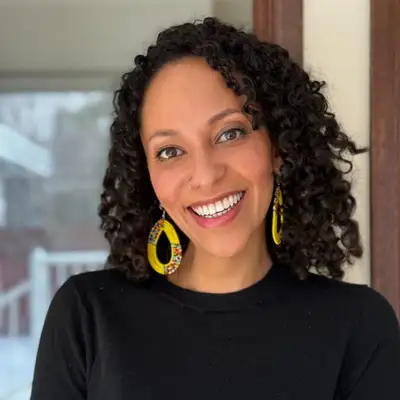
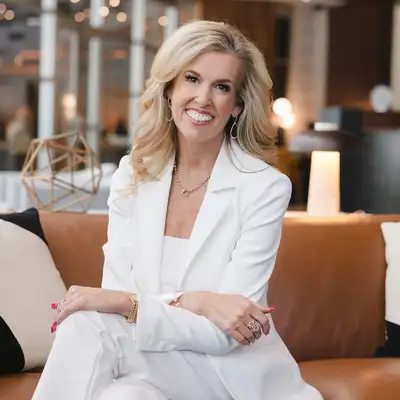
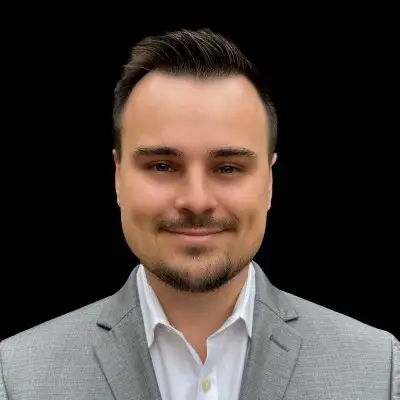
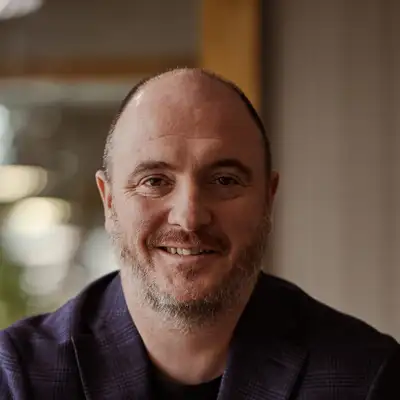
The Unofficial Sage Intacct Podcast is your inside track to the world of Sage Intacct and the broader accounting industry. Hosts Emily Madere, Doug Lewis, and Matt Lescault bring their unique perspectives and expertise to explore the latest trends, challenges, and opportunities in this rapidly evolving space.
In each episode, the trio explores topics like the power of the Sage ecosystem, best practices for CAS, new Sage product features, and the impact of artificial intelligence. They'll be joined by industry experts and Sage insiders who share unfiltered insights you won't find anywhere else.
Whether you're an accountant looking to harness technology, a business exploring Sage solutions, or anyone fascinated by the future of finance, this is your show. Tune in for an unvarnished, unofficial look at the Sage heartbeat powering accounting today.
There's a lot of question. Will there be a channel in the future? Do you need partners to do that? Should AI just replace everything? And and the answer is absolutely not. There will never be a world where it will take away from partners' deep industry understanding and knowledge and customer trust. AI can't develop a customer trust on how they're gonna make something just work. And I think that it is a little naive to think that partners will not have a role. Will the role shift? Yes.
The role will shift.
Welcome to the Unofficial Sage Intacct Podcast, the most official, unofficial podcast in the Intacct ecosystem. Every episode, we bring together Sage Insiders, industry leaders, and global voices, half of them deep inside the Sage ecosystem, half of them bringing a perspective from well outside of it. For honest conversations about accounting, finance, and technology that you won't find anywhere else. I'm Matt Lescault. I'm Salma Kaida.
so we recorded this one in Atlanta right before the big partner kickoff. That's funny. We're here during SKO. we are here during SKO. We are here. we're a little bit You get a little pre brief on what's about to what's about to happen. Yeah. So by now I guess all the big news has come out. But for us, we got a chance to sit down with one of the people behind it all. So let's dive in.
Sage Future just brought thousands of Sage partners together in Atlanta, and our guest today leads the global partner strategy behind them. Gretchen O'Hara is Sage's channel chief and EVP of strategic partnerships, professional services, and business development, which may be the longest title that we've had on the podcast. sounds like a job description, right?
Before Sage, she spent nearly two decades at Microsoft, most recently as vice president of US AI and sustainability strategy, and led worldwide channels and alliances at Splunk. She serves on the Channel Executive Council and the Washington Post Leadership Council. This year she's a finalist for CRN's Best Channel Chief, a Women of the Channel leader and CRN's Power 100, and a Channel Focus Woman and Channel Impact Award honoree. She's also co-founder of Women in Cloud.
Which is working to create $1 billion in economic access and opportunity by 2030. Gretchen, welcome to the Unofficial Sage Intacct Podcast. And that's a lot. That is a lot. Well, thank you. Thank you both for having me. I couldn't be more excited to be here. Wow. So your title? Yes. EVP Strategic Partnerships, Professional Services, and Business Development. So it's a real
It's real mouthful. It's a real mouthful. So, like, explain to me like I'm five what the job is. Yeah, that's what my parents asked. So, like, what do you really do again? just to put it very simply, I'm responsible for our global partners across the ecosystem worldwide. And that includes all of the go-to-market, everything from our enablement to our global partner marketing to the activation and ultimately our professional services organization. So
But I think in in the simplest of terms, what I would say is my job is to make partners more successful, more profitable, and ultimately bring ways in which partners are the first multiplier for Sage. And it's been about a year that you've been here at Sage, right? That's right. About just one year. And so before we get into some of the announcements, can you tell me a little bit about what the year's been like, like coming into Sage and what the journey's been for you?
It's been incredible. so I will say I've always known about Sage coming from the industry and the outside. I've been in the industry for more probably years than we wanna start to to age myself. but Sage has been a a company that I've always kept an eye on. And one of the things that I loved about Sage actually was how unique the partner ecosystem really is. And I think sometimes, you know,
companies try to apply the same playbook to the same type of partner ecosystem and not not that doesn't necessarily work. I knew coming in that this was something very special. the the partners that we have are deeply committed, they are deep expertise in their business, and we we couldn't really grow with without them. So I knew that coming in. and I think one of the things that my goal really was is how do we start to build
Our channel transformation and help our partners get ready for the next wave of innovation, which is around AI. So, what our partners have been working on today with Intacct and X3 and of course all of our other products may not get us to where we need to be on that next step. So, really the opportunity for me and why I was so excited is I fully believe in the AI promise of what Sage is delivering. I've
Been working in the world of AI for a very long time. We could talk about that even back to my time at at Microsoft. But there was something very unique about Sage from my perspective, which is when you look at what AI is gonna ultimately do for business critical, business solutions, financial applications, things that actually have to just get right and be and done.
right and the platform and the amount of transactions and the the platform of which Sage actually has, we were primed in my opinion to be set up to lead in this world of AI and do it right. So it's been a year because again at the same time, one is about helping make our partners be able to do that transformation. And also at the same time, you know, really helping build a way of which it's easier to do business. And so that's it makes it easier for our partners to be able to scale.
And they can be more profitable and we can grow together. So it's it's been a year on the journey and I'm just getting started. Awesome. Do you see like a lot of disparity between the different regions of partners, like in terms of their culture, how they work, how you have to like Yeah. I I think, you know, and that's always when you're in a global role. I think partners always naturally have different cultural requirements. And of course in a world of Sage,
There's very unique requirements that come into tax compliance, regulatory requirements, security posture. These all become changes as you get within the different regions around the globe. And that's important because partners have to be that last mile to the customer. And each of those customers in each region will have sometimes very, very different requirements. So our partners get very specialized. They have a deep understanding of the markets that they're serving.
And I think it's really important at Sage that we realize one size doesn't fit all. we can build global programs and provide that level of predictability for partners so that when they commit with us investment in roadmap and what we're gonna do together, they know where we're going globally as a company, but they also know where we're going to flex at each of the regional levels because we have to meet where the customers are and that's gonna require some differentiation.
Yeah, it really will. It really will. It really will. It really will. Sounds really good. You know, it it's complicated. And I think, you know, it's one thing that I am learning in this space that I will say, in other places it's not so hard. You know, you get to be able to roll out an instance of one thing and you deploy it all over the world. That's just not the case when you're having to deal with so much complexity and requirements and so forth within each country. But here's one thing I would say meeting partners all across the world that I think are in common.
Which is their deep relationship with customers, the longevity that they've had supporting those customers and the passion to grow. Makes a lot of sense. I mean, you know, from my experience, you see sort of like a commonality that creates the foundation. Yeah. But you see a lot of maybe spokes out of the hub that really change what is important from a regional perspective. That's right. And I think, you know, what what we need to make sure that we're doing is that we give consistency to like seventy-five percent.
Of what that looks like from a global perspective, because many of our partners are growing across regions. They're acquiring other businesses, they're expanding that footprint. So what that might work when Rin region, they're now in a different region or even a completely different market from North America all the way to EMEA or or or APAC. and so it's really important, I think, to your point is that we give that predictability, we give enough consistency so things don't feel so different everywhere you go.
But we allow for the last mile then to hold the help them actually reach that that last mile with the customer. That's awesome. so you spent twenty years at Microsoft. I did. So we've seen well, right? I know. I hate I hate when people like that. It's like don't do the math. I know, don't do the math. Don't do the math. And keep it at just twenty plus and then don't don't don't go out on there. But that's right. So you must have seen a a lot of things in your time. I mean, like lots of big developments.
In terms of what you've carried over from that experience, from like the culture of Microsoft, is there anything that kind of stands out as something that you brought into Sage or? Yeah, absolutely. I think one of the things that I led at Microsoft was a couple of very, very big transformations. And I think we're in that inflection point again right now. So now I'm really dating myself, but if you go all the way back to when Microsoft was an on-premise company.
And trying to create a market to believe in something that was called SaaS and something that was PaaS and and basically IaaS. And it was very, very hard to get partners to believe in that future. And it required a fundamental change of how we think about business, how we work with partners in the future, and what actually really matters. And that was a massive transformation that I led on the ecosystem back then.
You move that again, right? So now you have cloud is behind you. Then it became around, you know, bringing more relevancy around industry and bringing more specific business capability into the customer, not just the ability to fulfill licenses or, you know, be able to ultimately transact with the customer. So that transformation has happened.
And and now we're in this next transformation around AI. It's here, it's the fastest thing I've seen in my career, to be honest. Like every day is moving at record speed. And so from a culture perspective, I think the thing that I really have taken from that experience and bring over now to every role and most recently here in Sage is you need to embrace change. You need to be performing every day while you transform.
And it's actually not an option anymore to do one or the other. You have to keep growing and building out that business as a partner, but you have to have a a sight on what's next so that you're disrupting yourselves and not getting disrupted by the market. So I think that's an important one. I I bring into channel transformation from a culture perspective. But also there's just a culture I want to bring into Sage from before, and that is this growth mindset. it's
Being able to recognize that I want to be a learn-it-all and not a know-it-all. I want to ask questions of our partner ecosystem. I want to be able to understand and see what's possible and not be closed in the way that we think about things so that we think big, we have big audacious goals, and that we have a roadway with practicality on how to get there. And so that's the combination I think of both how we'll transform the culture and Sage.
And ultimately how we'll take our partners along on the journey. You're a believer. You're like a believer. I used AI to write a limerick. see? my gosh. I well, you know, I was back in the day when AI we were just trying to figure out how to shorten the time from a grocery, you know, from grocery to ultimately into the grocery store without getting fro produce to get, you know, rotten on the time frame.
And and these little tiny use cases that took months and months and months to build. We're building these things in minutes. We're building it's a different world. And one I'm really excited about. Can I ask you a question just out of curiosity? What was your first role at Microsoft? okay. Well, my first role at Microsoft was actually I was leading compete for Microsoft, which is, you know, I think, you know, something you don't really say so much out out loud. This is gonna really date me now.
but at the time at Microsoft, Linux was on the scene. Linux was a a real potential challenge around the threat of Windows and versus this completely, you know, open source model. And how do you compete with something that costs so much versus something that customers can just get for free? Sounds familiar. That's an important thing, right? That's an important thing because here's here's the thing. You have to shift the conversation to value.
You can't just talk about opportunity in terms of cost. And I think as early as my cre Microsoft running compete, and that was a big, big thing back then. I'm dating myself, it still applies today, which is you've got to lead with customer value. You can't talk about really what the cost of something is. You know, free is sort of what you get. Where's the value for the customer? And they always value that in something outside of like a free versus cost scenario. And so
That's that's how I started and continued on my continued on my way. I mean free is a four letter word in my in in my book. I'm gonna use that. Can I use that next time? Can I use that? Trademark. Yeah. I I did a little internet snooping. Ooh. You know, just 'cause like Ooh. Hopefully we found something good on that. So one of the things I found really interesting was your Women in Cloud initiative. One a billion with a B. You know, that's kinda these are big numbers.
So if you just tell us a little bit about that initiative, I know you started it. It's a it's a passion of mine, absolutely. So I'm a founder of of an initiative called Women in Cloud. And basically it's about giving a billion dollars of access back into the community to really help women entrepreneurs be able to build a book of business to create a go-to-market where they may not have that experience, that network, those connections.
And actually help them see value to grow and build a sustainable business. Because here's the challenge. When on the back of a napkin, I was with my colleague who actually was the co-founder, and I went to a channel event. and I was leading channels back at the time, and I would say 90 some odd percent were men in the audience. In fact, the picture that we showed, come welcome to the next partner global summit.
I don't know if I picked out a female in the audience on the on the pictures. And that was that was a problem. So I'm like, how do we fix this problem? Well, there's a lot of you know, there's a there's a lot of ERGs, there's a lot of things focused on the community and so forth. And we didn't want to take that path because there's a lot of things you could dip into and I was already involved. But how do you make sure that our women entrepreneurs
Which was less than seventeen percent by the way, of all businesses being built in the cloud at the time. When was this about? I'm sorry. In about two thousand seventeen. Well that's recent. It is yeah. And terrifying. It it is it was it i it was coming to a crescendo where it's like not only did we have to build a pipeline of new talent, we had to make sure that the women, female entrepreneurs that were building these businesses didn't go out of business because they weren't building a pipeline of success and business to actually move forward.
So I came in and said, look, let's create something called Women in Cloud. We bring these cohorts together. We take them through a GTM experience and we connect them with executives across the whole industry so that they feel surrounded by not only mentors but sponsorship and be able to build a book of business that openly now has got us to about a billion dollars in access to capital. It's pretty excited, pretty exciting. It's so inspiring.
And so what's the like the next phase of Women in Cloud for you? Yeah, well the next phase now is we went global, right around the pandemic actually is interesting. Went went global and continued to grow in pockets such as India, where we want to see real investment in in female partnership and leadership there. And it's really about continuing now to help that next set of of women be able to
build the pipeline within all of the channel ecosystem for success. And that leads me to not just women in cloud, but some of the work that I'm doing still now that I'm quite passionate about is, you know, first starting in the classroom, which is where all my work started, which was doing a lot of volunteerism and realizing through some of these programs, we were telling our girls, yeah, you can't do those STEM classes. Yeah, don't, don't go to that advanced area. That's a little too tough. Don't do that. And I I
I I have a daughter, I have a daughter in STEM, both my daughters were in STEM. And they're like, well, I'm being told by my teachers not to do this. Well, how is that going to build us the next pipeline of leaders if they don't have the capabilities all the way through from the beginning? So we have to fix the classroom. But then what next thing is that you look at the boardroom. Are we committed to actually building a pipeline of future leaders? And do we have the right set of constructs to make sure that
These women are moving through the funnel. And so that's really, I would say, the encompassing of the Women in Cloud T Channel Leadership Council. How do we make sure that we're bringing girls from the classroom to the boardroom and that we're building a pipeline for success? I for one of the side on the complete opposite demographic of of what this is. But you're my allies. But no, but what I will say is I think a diverse workforce really speaks to
growth of an organization. The more diverse you are, the more ideas you get, the more you propel forward, which I think is if we go back to the beginning of this conversation, is really what your mindset's all about is how do we bring growth to the activity that we do day in and day out. Very well said. And I think that one of the things sometimes we get caught up on is diversity for diversity's sake. The reality in AI, without diverse thought,
You actually aren't going to get to the outcomes that you want. It actually helps with that innovation and absolute growth. And I believe in exactly you said it perfectly. It's great. Okay. So we're really here to talk about Sage Future. We are. I don't know. I'm I'm enjoying this conversation. I'm I have so I have so many questions. Aside. So yeah, our listeners will be very disappointed. Yeah.
If we don't talk about Sage Future, there's some exciting things. I understand. So I was wondering if you could maybe take us through some of the big announcements. Obviously, this would be old news by now, but the first one is Vision for AI workspaces. This is an exciting one. So we've done a lot of work over multiple years on AI. And if you might hear actually from from the keynotes, you know, Sage did AI first. We were first.
But now how do we go and accelerate that in in a in a way of which we can meet customers where they are? So AI workspaces is all about bringing how you naturally work with various LLMs into a single pane of glass for Intacct. So you can work with Intacct and decide what agents you want to work with and what LLMs you might want to best be comfortable with. And it supports that capability right within Intacct, so you never actually have to leave that environment.
So one of the things that I'm seeing, you know, when it comes to the AI that Sage is building is I think it's gonna have a huge impact in how we deliver value, the conversation, how we deliver services, the ongoing solution. And where do you see that kind of going over the next three to six months with workspaces and generally in the marketplace? Yeah, I think it's a huge growth opportunity for partners. this is one where I think a couple of things that are happening.
Customers are expecting real value faster. They want to see things at a pace that maybe we have not actually seen before because they're getting trained that AI can actually help you do these things quite faster. But that's a growth opportunity for partners, as you just mentioned. And we've been building some things and some announcements this week as well around making sure that partners can take advantage of those capabilities as well. So it's not just AI workspaces.
It's around how do we create an environment that has our agentic AI marketplace so that as you're building those agents yourselves, you have a place to be able to build and monetize and support those across the Sage business. Well, trust is such a big issue, right? So you hear customers come to you and they're like, Should I should I do this? Like I want I want to connect these things. And it's like having Sage's backing and support and blessing, really.
Is such a boon for everyone. Well, especially when you're talking about finance, right? Because you cannot just try and get it right. It has to be right every time. And so having the security and control around our agentic marketplace in partnership with AWS and AgentCore, you get the security and the reliability that AWS brings from the infrastructure.
You get all of the capability, the security, the trust in our glass box requirements so that when customers are choosing whether first party agents from Sage or all of the agents that are now being available on our agent marketplace, customers can trust them because Sage has said these are trustworthy agents that you can interact with with Intacct. It's almost like you're an insider.
but one one of one of the things that I wanted to expand on here is like the partnership with AWS has been around for more than just this year. But I think there's an expanded component of that partnership. Can you talk a little bit about where that is going? Absolutely. So about I well, about six months ago, we announced a strategic collaboration with AWS.
We've had a longstanding relationship there, which I think has been very exciting. But this actually takes that relationship to something that I believe is more strategic than what we've ever done before, which means that we're coming together to bring the best of our finance and business application capabilities into AWS and the way that they secure and support from an infrastructure perspective. And together we're going to market to be able to showcase what that looks like.
we provided investments to help our partners build together on these. AWS has come in and run a series of hackathons to help our partners get started. We've built basically AI transformation workshops that are rolling out across the globe that again in partnership with AWS really just helping partners understand not only what is the use case that they can be able to monetize.
But then how do they ultimately get started, build it, and be able to go manage that and roll that out with customers today? The other thing that we're doing with AWS, which is very exciting, we won't make as much of an announcement on this yet, but they are really working with us to reimagine what modernization looks like. So lots of our existing products.
We're working collaboratively, engineering to engineering, to say what is possible in a new world of AI and how do we modernize natively to make sure that our customers are getting the very best in this new world to take the advantage of basically what's coming out from the market. It's an exciting time. You have a very fun job.
It's fun. It's fun. It's busy. It's fun. You know, she has to say that. I'm sure there's days that aren't fun. No, it's not going to be it sounds fun. Like it sounds like you're at the cutting edge. You're seeing you know, you're right there at the top, like involved. You can get your hands dirty. Well, you get you get the opportunity to like really build the art of what's possible. And you know, like you said, we're all having these conversations on what is sort of that next thing. and at the end of the day.
A true partnership is that value exchange. It can't just be right for Sage. It can't just be right for a partner. It can't just be right for AWS. It has to bring equal value so that we go after this together. And this is one where I think AWS and Sage have really nailed that, where it's a true interactive partnership that brings the best capabilities, the joint technology and innovation together, and even how we're actually co-building on the marketplace to be able to deliver that.
Best experience for customers. And I bet some big brains. There's probably some big brains involved. There's a lot of big brains involved. Probably bigger brains than myself, I will say. I probably learned that every day, but it's been fun to fun to be part of that. I think there's one last one we want to talk about, which I think is pretty impactful, is the partnership with Sovos. Yes. It is a very exciting partnership. So we're announcing basically a couple things with Sovos.
The first is that we're having sales and use tax integrated fully into Intacct. So it's just as you think about the complexity and being able to manage sort of that that tax capability and compliance, not having to go out and bring additional parties and third parties together, having that integrated into the workflow is quite exciting. And that's powered by Sovos, who actually does a lot of this for Fortune 500 customers.
So in terms of really getting that right and having deep understanding of the most mission critical things there, that's an exciting thing that we're we're announcing this week. But we're not stopping there. Sovos is also building a very exciting Nexus agent as well. So thinking about as you're continuing to expand on seamless commerce and trying to understand where and how you're bumping up against that nexus requirement, the Sovos agent will be able to
work hand in hand with Intacct to help you sort of manage that and and manage that again that capability in Intacct. I picture like the little paper clip. It's like Ooh, you're about to reach net you're about to reach that. I know. I don't just like Are we bringing Clippy back? I don't know. I kinda missed that guy.
I'm dating myself. Maybe people don't know in this audience what clip is. But no, no. I'm I'm sure you got pretty sure it's a running joke. But it it's very, very exciting. And I think this is an a p opportunity for so many of our ISVs, which is how do we bring that sort of seamless experience, a connected experience through those agents that we trust in a glass box experience where our customers can exactly see not only how the agent works
But I have a complete auditing trail of what and how everything is working behind the scenes. Because again, a lot of times, as you mentioned, a CFO may not trust exactly what's going to happen in on AI or the hallucinations that might happen, or maybe it starts to do a little bit of a run-out zone thinking and you need to bring that back. We want to make sure that we have a clear glass box into how you're seeing all of our agents run.
Whether the agents that we're delivering on Intacct and across our c our our entire franchises, or the third party that's gonna be on on Bedrock and AgentCore. So I'm Canadian, so I have to ask. Do we get it? You get it. I I get the good things. And we have so much more. Canada's getting so much more. We're very excited about that. Very excited. I do have to ask the question because I think it's gonna it is me
Questions are going to coming from a partner ecosystem. Yeah. what does this mean for the partnership with Avalara? it just means that Avalara is going to continue to be a strong partner with us as well. And where there's certain requirements and capabilities that our customers actually need with Avalara, we want to continue and partner with Avalara. But where it's more of a simple integrated use case of you know, sales and and and use tax.
We just want to make that a little bit simpler for our customers along the road. And then there might be more that we need Avalara together that can help customers with some of the most complex challenges. I think there's an opportunity in this ecosystem, my belief, is that our partners play many roles across and it's never just a single one. And I think it would be naive to think that our customers would ever think it's just a single one. So we want to offer choice.
We wanna offer flexibility, we wanna be simple to to do business with and Avalara is gonna continue to be a strong partner for us as well. I don't know about you, but I'm excited about the Sovos piece because I really think that as Intacct has gone to a global arena that the multitask component was lacking in a little bit. And that's and this really elevates that component for cross border companies.
Absolutely. Absolutely. And I think that that's one of the things that we wanted to make sure is that we could make that as easy as possible within the Intacct solution itself. So we're very excited about the announcements there. And again, I think it's it's never just one partner that brings the solution to the table, but the more we can make things easier for our customers, we certainly want to do that. Awesome. Awesome. So next, partners are coming. There's a lot of content, there's a lot of sessions, there's a lot of information.
Is there like one thing that you want every partner to take away from this week and go back to their desk next week and really focus on? I think we're gonna see a lot of excitement around the commitment and the double down across our our product franchises. But I would say probably from my perspective as a partner, the most important thing to take away is learn how all of these products are integrating with AI.
And start to look at how you can take advantage from a growth perspective around AI agent building, what that's gonna look like as your complementary services. Think about the economics of your business and what that can potentially bring in terms of new business models and new opportunities to bring new revenue streams in. So be taking it all in, you're gonna learn a lot across all of the tracks. But I think it's the one thing if you want to take back, how do I take all of this in?
And with the help of Sage, continue to look at how do I evolve my economics and my business model to take advantage of all the new. So I have a I I I have a question that is kind of close to my heart. Okay. Okay. I don't have exactly all the pillars that Steve Hare put out as his focus for twenty twenty seven. You don't have those yet.
I've been told them, but I don't want to have them on this cue card. okay. Okay, got it. You don't know them? I have a good idea. That's a pretty good idea. But I really want to understand how the partner the global partner team is really taking those pillars and enacting them in the in the global sense and into the regions and how that's going to impact us as partners, and generally the the customer base. Yeah. I think the first thing that
I'm very excited about. And one of the things that talking with partners across the globe and listening to both the ambitions of our partners and quite frankly, the frustrations of partners have as well, things that they want to see that that need to be different. And so Sage has to transform to meet the partners and the customers of where they are. And the market is changing, and we need to be able to change with that. So Sage is going to go through its own transformation.
And that transformation is gonna have a huge benefit for partners. It's a GTM transformation that's gonna be around simplicity and making it so much easier to do business with Sage. And so how we operate, how partners engage with us. I want our partners to spend less time on working through internal processes and trying to actually navigate within Sage to actually co-selling with Sage and getting out there with customers. So we're gonna make that so much easier over the course of 27.
But also there's some other things that will impact partners, I think, in a very big way. We're doubling down in Intacct in our mid market with industry and and microverticals. So that opens up a huge opportunity in terms of what partners bring. We can't be the subject matter expert in every vertical, every microvertical, but you all can. And so that is where we bring this like
Big bet for us and it's a massive growth lever for our our partners when we look at Intacct and X3. and of course we brought a lot of now products around that as well that are that are very exciting. So we will be the winner in mid-market. We'll be the winner because it's the the differentiation of microverticals that is going to be the clear winner in the future. Because AI is gonna start to autonomize and anonymize a lot of this stuff.
But you cannot replace partners and that knowledge and that expertise in those use cases. And so to me, I think that's very exciting to be the winner. We also will continue to really win and small and ultimately through embedded and AI capabilities. So we'll see us continuing to do things with fintech and embedded services and other areas where again it just helps Sage be where the customer is at. I think is is is really absolutely critical.
And the one we've touched on for this whole podcast is AI. So, how do we make sure that we're not only protecting and growing our base, but that we're accelerating that base migrations into cloud capabilities and ultimately getting ready for being able to take advantage of all that's out there from an AI front. And so when you think about that from a partner perspective, while those are our big, big bets, right? as a company.
Every single one of those from a global partner perspective from my organization, we carry that accountability from left to right because we transform at Sage, but we have to transform for our partners. And I've got to bring that same capability into the hands of partners. And that's my commitment. I've got to make sure that we're bringing the right predictability, that we're building real profitabilities, that actually our partners make good money with Sage and we grow together and we don't get left behind.
So that whole transformation has to not just be just within Sage, but it has to be with our our partners as well. And that is sort of where I'm at. and then around the rest of the priorities, I really need to make sure that not only that what we land to our partners, but what we work internally at Sage, that it is a partner first culture and that we think of partner first as we build and drive with the end of mind. And that at the end of the day, our partners are our first multiplier.
And we need to be living and breathing that understanding and that DNA in Sage every day. So it's a a reminder that I bring across all of the global teams is making sure that when we are are working to go in, we're doing that with partners. So hold on. Cause some of the play the new players don't even have partner models. Some of them are going away from a little bit the partner approach. Some aren't investing in accountants as much as they used to.
But Sage is doing everything opposite of that right now, as at least is what's being communicated. why? What is what what is what is different about Sage. Why besides Gretchen wants everyone to think harder? No, you br you bring a really good point. I think this is a big differentiator for Sage and one that we believe strongly across Sage.
There's a lot of question. Will there be a channel in the future? Do you need partners to do that? Should AI just replace everything? And the answer is absolutely not. There will never be a world where it will take away from partners' deep industry understanding and knowledge and customer trust. AI can't develop a customer trust on how they're gonna make something just work. And I think that it is a little naive to think that partners will not have a role. Will the role shift? Yes.
The role will shift. We'll start to move from maybe you know, one-time implementation to ongoing recurring engagement and recurring services with our customers for sure. Will we shift to having partners build more of those higher value services around advisory, managed services? A lot of partners are building AI competency within within their practices themselves. Those will shift, but.
A lot of these new par a lot of these new companies like, we can just do this all automated. You don't need any of that. Well, you know what? They keep trying to come to our partners because they recognize that that just isn't gonna work. And I think this is again where we are very unique and we're extremely bullish that we will not do this without partners and it's part of our strategy. Awesome. So good to hear. We're both partners. That's great. That's great. So like what
What separates the winners from the losers and the partners? Yeah. I you know, I'd like to believe that everyone will be winners. but the reality is that some people just may not have it in them for a next transformation. We've been through a lot in this industry and a lot of our partners have been along for a very long time. So it's gonna take, again, a growth mindset. It's gonna take that ability to think bigger and what that's gonna ultimately look like.
Separating the winners from the losers, the winners are partners that are already understanding that they have to do that now. They may not know how, they may not have it all kind of figured out yet, but they've actually already started to say, What got me here isn't gonna what's gonna get me to the next place. And that I think is the glide path you're gonna see for partners that are gonna go running with this in a big way.
I think there will be some partners that are have really important customer relationships. We want to help them to understand how to transform. And we're going to give all the enablement and the transformation workshops and other things to make sure that they can be successful. I think where partners maybe won't make it sort of across this next transformation. Our partners that maybe just, you know, I I've I've been through a lot of those and I'm just maybe not ready to do this once again. And I think those partners will find that the speed of which this is moving so quickly.
If partners aren't willing to make that change, they could be left behind. My personal belief is we're moving into an age of inclusivity instead of exclusivity. And a lot of partners that have been around for a long time believe in the exclusive mindset of we own our IP and protective. And the next wave is how do we work together to to drive a collective goal? Because AI is evening the playing field. Absolutely. In so many ways. Absolutely.
And you know, it's interesting that you're you you say that because a lot of times I think in the past, we think of partners who are sellers, we think of partners who might do service as an implement, we think of partners who build, you know, ISV and repeatable IP. When AI is here, all bets are off. The blending of those models all becomes sort of integrated because at the end of the day, a partner that's traditionally been a VAR, they can build agents all day long and all of a sudden they're off to the market with repeatable IP that
never they thought possible before. ISVs are looking at how to build recurring services around this to do customer success and adoption. service partners are changing delivery models to actually bring in more capabilities of agents. So you know it's going to be a fun and fascinating time to see this ecosystem. And I keep calling it ecosystem versus just our partners because it is going to be so many different types of partners coming together.
And our job is to help understand like how you come together to serve the customer in the best way you can. It's funny. It's like AI is making humanity more important. Right? Can I try to mind that? I'll I'll tell you more about that. Well, well, I will I I will say this. She had two F words, fun and fascinating. Or f I think it was, but we need fast in there because it is all moving. It's all really fast. Super fast. It is moving very fast.
I and like I said, I you know, I I have been in this industry for a very, very long time. I've seen you know, everything from putting mainframe machines into a customer account to all of a sudden, you know, writing basically my own agents to help my own myself. Never thought I would be a a coder. So because you don't have to do that anymore. So fast speed, absolutely critical. But in this space, it has to be accurate, it has to be reliable.
We have to have control. You have to be able to make sure that you can get it right every time. That's the difference. I'm glad that's Sage's job. You guys are kidding We'll have we'll we'll have you do that. But we have a quick lightning round. Yes. You started off. Okay. Do I have a lightning round? No, all right, all right, all right. I do have a lightning round. Yeah, I do have a lightning round. Yeah, I do have one. So on the conference floor, caffeine.
Or hydration. well, if anyone knows me, I'm on my third Starbucks. I'm from Seattle. So, you know, I think that's two Starbucks in the morning and another one to keep me go. It's caffeinated all day and every day. One word to describe sage partners. Growth. Okay. All right. Best career advice you ever got. Think big. Does she get that on this podcast?
All right, all right. Best conference swag you've ever got. Ooh. There's only one right answer. Unbelievable, the Unofficial Sage Intacct Po this is the best swag I've ever had. Amazing best by far. We're out of the conference.
for real? I was like, I I'm saying it's real. Okay, well, I don't want to shame you on the t-shirt. I got one time a Montblanc pen as a swag, and I still have it. And that was about 15 years ago. Why didn't we get those? I think it's different times. I'm not sure if swag's kind of like it used to be there. Yeah, I know. Do they sell actually pens anymore? No. I still have mine. Now a question. Do you remember who gave it to you? Ooh. So yeah, then maybe it isn't a swag. That wow.
I I do think I remember it was actually at a an ISV partner conference where they gave us that swag. So should be our next guest? there's so many people. Okay, lightning round. I think Anon, our chief strategy officer, would be an incredible next guest for you.
He's gonna be a person that we've just brought on that is talking a lot about the transformation internally to Sage and with their partners and you'll gotta have to have a chance to connect with them. So everybody watching or listening, she just promised us Anon. I'll bring him to the podcast. And you'll get to see us in Amsterdam together as well. I will I will hunt you down. Looking forward to That probably didn't come off right, but you
All right. So Gretchen, every podcast we end with a really, really bad dad joke. Now, there's a couple things that are going against you today. We don't have our dad joke guy here, Doug, as one of the co hosts who always has the backup dad joke. Okay. So the first question is, do you have one? I'm the worst at those. do I have a dad joke? Maybe it's good. It doesn't have to be bad.
Maybe you have a great day. Well, in spirit of going big, maybe I'll say, maybe I'll say, I tell my team to think outside of the box and now they don't know where that box is. You can't make these bad ones up. I'm sorry. I don't know. It's the best I got. No, no, no. But I I I I will Do you have better one? I don't know if it's better, but we wrote one just for you. Okay. You wanna hear it? I do. Okay. Why did the channel partner
Bring a ladder to Sage Future. why? They heard it was time to level up. that's bad, that's bad. No, no, no. I think I I'll go with yours. I I like it. I like it. I might have to use it next time. Well, Gretchen, it's been a pleasure. We really appreciated your time. And I think the information was just really helpful. I mean, the partner ecosystem, as you said it, is Sage's
most important initiative. You're leading that from a global perspective. And we gotta hear it first from you. I love it. And I like that I really understand what you do now. So right and for your viewers they'll be able to understand that as well. But no in in all seriousness, thank you for for having me on the podcast. I'm just excited to be able to share the conversation with you and of course
I'm always been my entire career a champion and advocate for partners. I truly believe they are the force multiplier, and so I feel very privileged to have the time to share with your audience today. Sign us off. Well, we're the Unofficial Sage Intacct Podcast. Unfiltered, insightful, and still buzzing from Sage Future. Thank you so much, Gretchen. follow us on LinkedIn and Instagram, pretty exciting. and subscribe wherever you listen. There's plenty more coming out of Sage Future.
See ya next time. See you next time. Thank you so much. Awesome. Thank you.
Displaying edit-gretchen-o-hara-the-unofficial-sage-intacct-podcast-final-edit-corrected.txt.