Subscribe
Share
Share
Embed

Hosted by Heath Fletcher, The Healthy Enterprise explores how innovation, technology, and leadership are reshaping the life sciences industry—from discovery and development to commercialization and care delivery. Each episode features candid, heart-centered conversations with founders, scientists, executives, and investors, sharing real-world experiences and insights for building resilient, future-ready organizations.
Created and Produced by Bullzeye Global Growth Partners — Let’s build it together!
Heath Fletcher (00:13)
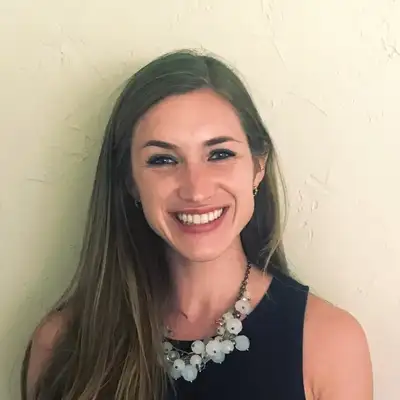
Hey everybody, welcome to the Healthy Enterprise podcast. Thanks for joining me again if you've been here before. And if it's your first time, well, I hope you enjoy today's episode. Katie Saindon is the Senior Director of Product at Qventus, where she helps hospitals and health systems work smarter through AI and automation. A globally experienced product leader, Katie brings radical clarity to every decision, turning strategy into action and driving real impact for patients, providers, and organizations alike.
I'd like you to meet Katie Saindon Katie, thank you for joining me today on this episode. Looking forward to getting to know you and learn more about Qdentist. So yeah, welcome.
Katie Saindon (00:56)
Thank you so much. I'm excited to be here.
Heath Fletcher (00:59)
Well, why don't you start with just sort of introducing yourself to the listeners and tell us about Qventus
Katie Saindon (01:05)
Yes, absolutely. So my name is Katie Saindon. I'm a senior director of product at Qventus. I specifically oversee our inpatient solution as well as our product operations. I've been with the company for about four and a half years now, which is crazy. I feel like in startup land, that's an eternity. But prior to that, I was with GE Healthcare. So I've been in healthcare and in product my full career.
Let's see what else. live in Wisconsin and I am the mom of three kids under three. We've almost made it through our year of madness. They're all about to have a birthday.
Heath Fletcher (01:42)
You're getting it all done, right? Yes. at once.
Katie Saindon (01:44)
work, mom, all of it. ⁓
Heath Fletcher (01:47)
That's crazy. And we were just talking about the germ factory years, which is exactly where you're in right now.
Katie Saindon (01:56)
Yes, one sickness after the next, I'm like, all right, guys, we're about to get to the phase where we have to just wrap you in bubble wrap. We can't take it anymore.
Heath Fletcher (02:07)
Exactly right. So yeah, your background in education was in science and information technology, which is kind of perfectly positioned you where you are right now. But you got yourself into product development and product management. So what drew you to that side of the business?
Katie Saindon (02:26)
Yeah,
I, you know, it's interesting. there's no degree at school around product management, or at least there wasn't when I was going through school. so Tess, you highlighted, I studied marketing and IT. knew I wanted to be more on the business side of things. had a passion for working with people, understanding problems and finding creative ways to solve them. ⁓ when I started at GE, I was more in a program management role.
I'm the oldest of four kids for context. I'm very detailed oriented and I'm good at getting stuff done. So while it was a good fit for my skillset, I found myself wanting to be more responsible and closer for the problems that we were solving and the pieces that I was simply managing and coordinating. So I made the move to a product manager role while still at GE a lot easier to do those transitions in in-house.
⁓ made my way through more of an internal facing product role to an external facing product role, and then had always been intrigued by startups, the Silicon Valley type vibe. ⁓ And actually COVID ended up working to my benefit in that way in the sense that I was able to get a job at Qventus, right based at the time in Silicon Valley, but was able to work remotely.
My husband's job keeps us in different locations, so I didn't have the flexibility to move, but have been blessed to be able to do the role I've been doing, all from my living room as needed.
Heath Fletcher (04:01)
Amazing. And really helpful when you have three kids too. ⁓
Katie Saindon (04:04)
Absolutely,
absolutely. You never know.
Heath Fletcher (04:07)
Or maybe not, help.
Katie Saindon (04:09)
Frozen
cons, for sure.
Heath Fletcher (04:11)
So that's a good segue into Qventus. Tell us about Qventus and about that product that drew you to them. And was it a startup? Like we had it just launched when you started with them?
Katie Saindon (04:24)
Question.
So it was series B when I joined. We're now a series D company. So still a startup, but growing really quickly. The challenge that Qventus has helped solve, know, health systems are facing shrinking margins, staff shortages, declining reimbursements. ⁓ And all of this makes it really difficult for our health systems to meet their mission of delivering excellent care to their patients and their community.
So what Qventus does is we automate those care operations across the entire patient journey to alleviate that administrative burden on staff so they can do what matters most, which is care for patients. And so we do that, I mentioned that I lead our inpatient business. We also have solutions in the surgical growth space. So freeing up OR time for surgeons so that more patients can get elective procedures done.
But also we have a perioperative care coordination solution, which helps the PAT nurses, right, as a patient's getting ready to go into surgery. There's a lot of questions that you have to ask patients to ensure that there isn't going to be a complication. And we help automate a lot of that work. So as far as benefits, right, we benefit both the frontline workers, obviously in reducing a lot of that manual work that they're having today, so they can all work at top of license. We of course help our health system leader.
executives in improving the bottom line, helping drive more revenue growth, improving quality metrics for their systems, and then patients as well, right? Helping ensure that their care is coordinated, that it's of higher quality. You know, I think in today's day and age, what we're seeing is that healthcare is becoming more more specialized in the U.S. And that means that there's that many more handoffs that have to happen.
which every handoff, right? I was a runner in college. I've seen that baton drop. That's just another opportunity for a handoff to fail. And so Qventus really helps ensure that those handoffs happen seamlessly and where possible that it's done automatically in the background without a care team member having to get involved and make sure that those things are happening.
Heath Fletcher (06:37)
right? And that sounds like it's really embracing some of this these major complaints around heavy administrative the burden that goes on that slows processes down makes health care more expensive than necessarily has to be like me. We've heard the complaints over and over and over again from everybody from the top of the system to the to the patient coming in the door that and so sounds like this tackles a lot of what
is a lot that's not working in the healthcare system from a patient care perspective. ⁓ give us an example of where Qventus ⁓ comes in and saves the day.
Katie Saindon (07:21)
Yeah, definitely. So on the inpatient side, which is the business line that I lead, what we try to do with our solution is we help care teams set an appropriate discharge plan. So where is that patient going to discharge? Are they going to need to go to a skilled nursing facility? Are they going to be able to go home? Are they going to need home with some health services? We identify when the patient should discharge. And the unique thing about our solution is we're helping set a target for care teams.
It's not just about predicting when the patient will discharge based on all of the waste that is prevalent in the past, which is what traditional machine learning models would pick up and to continue to propagate. We are saying, hey, here is an aggressive yet still realistic date on when this patient should discharge, looking at a number of factors. And then we also will orchestrate the care to achieve that discharge plan. So we're identifying
hey, this patient's gonna need a physical therapy consult if they're gonna go to a skilled nursing facility. And we're prompting the provider to create that. We're then prioritizing all of the different physical therapy consults for the physical therapy team to make sure that they're seeing patients in a way that optimizes patient flow. And then we have various tools that help ensure that discharges are happening on time, right? Highlighting, here are all the discharges for today. Here are the open barriers. Here are the patients at risk.
and ensuring that the right individuals have the right information, notifications to make all of that happening as seamless as possible.
Heath Fletcher (08:57)
Wow, I mean, it seems like a miracle cure.
Katie Saindon (09:01)
That's definitely what we like to think about it. Yeah, mean, in inpatient specifically, you know, I think we all have either a personal story or a family story where we've seen things fail. You know, I think about my brother ⁓ recently was hospitalized. He had a pneumothorax. So his lung actually collapsed. He's really young. He was in his 20s when this happened. ⁓ But it did happen. And he was told multiple days that he was going to be discharged.
only to not discharge because the pulmonologist was only working certain hours, had to come clear him. They wanted to do another MRI to make sure that the lung had fully expanded. And all these things are steps in the discharge process that if the case manager or the nurse talking to my brother aren't aware of all of that, you're going to have miscommunications. Expectations are going to be set only to fall short. And then everyone's kind of frustrated and upset. So again, I think by
helping it clearly show what those steps are, automating where we can the steps that need to happen. We can help ensure that everyone, patients and staff included, are clear on that plan.
Heath Fletcher (10:14)
I'm glad you said that about automating where we can because this isn't a fully 100 % AI. This is driven, operated by humans, ⁓ infused with the knowledge from humans and human experience, but allowing the technology to take that information and help and help basically map out what that customer journey or that patient journey is going to be right. Yes.
Katie Saindon (10:42)
⁓ We position our solution as AI teammates. And that's definitely our vision is that we believe every care team member deserves their own AI teammate or AI assistant. Lord knows I want one too, right? To help me with all the parts of your day that you have to do. But again, it's not operating at top of license. ⁓ The one role in particular, we think about case managers. We oftentimes think of that role as a glue role.
They're responsible for helping ensure that every milestone that needs to be achieved for that patient gets achieved by the time that they're set to discharge. Well, a lot of those tasks involve following up with a family member on, I need you to submit your three choices for a post-acute facility. And you're calling and you're calling and you're calling. Or you're running around to make sure that ⁓ the MRI is going to get done on time. You're making phone calls. Those are all things that our teammates
can do on the case manager's behalf. They can spend more time with patients talking about some of the more challenging things. Hey, I see that you've got some challenges with transportation or your home situation. How can I help ensure that you have the right resources to handle that? And we're taking care of the stuff on the edges.
Heath Fletcher (12:00)
amazing. And fill and filling in those gaps, like, I mean, people go on holidays, people will get sick, and they go away. And so a case manager, for example, would be like, Okay, well, you're the person that was actually sitting in that seat knows exactly what's going on. But if they're on holidays in a way, well, who's gonna who's gonna fill the gaps? And how easy is that to just slide someone into that role? Whereas you got this system that's already there that's going, All right, well, we know where
know where we were when she went on holiday so you just jump in and most of the most of the navigation's been set up and ready to go you just need a new driver to jump in there and and work it.
Katie Saindon (12:39)
Wow. It's funny you mentioned that we actually have a feature that does just that. So it's part of our case management assistant. And what we'll show is relevant insights from the past five days. And we've even had the ability to narrow it to a 24 hour window or whatnot, but we're looking at both discrete parts of the patient's chart and non-discrete. So looking at all the different notes and we're pulling some of those key pieces that we know are easy to miss.
Or that to your point, if you're covering for someone, they're the quick hits of things that are going to be most relevant to that patient's plan today. So these are things like, is the patient going to need IV antibiotics post discharge? You're going to have to get that arranged, get that authorized. Has all the different consultants cleared the patient yet? Has cardiology cleared them? Have they seen them? Yes or no? Those are things that you have to hunt through notes today. And I've seen case managers spend as much as hours in the morning.
reading through notes and doing it very well, finding these things about patients that's going to cause an issue down the line if it wasn't identified and addressed. But those are all things that technology and our teammates can help do in a second, right? And just gives you that much more time back.
Heath Fletcher (13:51)
Great.
And time. Time is money. Who doesn't need more time? Time for your time for anything but except wasting time on mundane, you know, repetitive activities that definitely could be taken away by a team member. I like how you call it team, a team member. Teammates. I've heard the word agent. The AI agent.
Katie Saindon (14:00)
Yes.
Teammates, yeah certainly.
Heath Fletcher (14:22)
you know, which sounds more FBI-ish or, you like the teammate. That's the first I've heard that reference to that. I like that a lot. how about, ⁓ touch on the surgical side of things, because that's quite a large component of Qventus, right? Is the surgical side of things?
Katie Saindon (14:41)
So we have a solution that will help essentially optimize your block time, right? So able to see when we've got blocks in the OR schedule, help suggest ⁓ how we should fill that time and also predict which surgeons are likely to cancel or not use their block time. ⁓ Obviously helps ensure that the OR is being properly utilized, but it also helps as new and upcoming surgeons are trying to enter that space.
they may not have set block time yet, and they're having to fill into some of these gaps, we can help them grow their practice by identifying where it makes sense for them to fit in ⁓ to, again, it helps the surgeon, it helps the hospital and patients in being able to get a more timely procedure done, knowing that sometimes it can be pretty backed up.
Heath Fletcher (15:32)
Right. And how does it integrate with existing systems? that is that a is that a is that a challenge? I mean, I'm sure it's not easy, but is it something you managed to a way through?
Katie Saindon (15:44)
Definitely. So all of our solutions leverage heavy integration in the EHR. So Epic, Cerner, what have you. We've actually been on a journey, I'll say, over the last couple of years on how we can fully and deeply embed all of our solutions into the EHR. So.
Historically, right? A couple years ago, we had separate standalone systems and particularly as coven was happening, right? Frontline staff is incredibly short staffed. It was becoming more and more of a friction point for them to navigate to these external systems. Now, we weren't unique in that right? There's a lot of systems outside of the that have.
Heath Fletcher (16:14)
Yeah.
Katie Saindon (16:26)
separate systems, even if it's a one click step to go from the EHR, you're still leaving that context, having to orient yourself to what you're looking at and then jump back and usually go back and forth and swivel. So what we did ⁓ is we went deep, right? We learned all the different ways that there are to integrate with Epic and Cerner. We partnered with clients to test out those various ways that we could do that and really wanted to make sure that we were embedding
in their native workflows. So again, I think a key difference, right? A lot of other solutions that I see on the market that do similar things have a tab in the EHR and it's essentially an iframe of a separate system. And so it's not really embedding in their workflow. They're still having to navigate back and forth between the screen that they want to be using and another screen to piece together and stitch together that information.
Contrary, right, our solution, if I give an example, our ancillary leaders on the inpatient solution use our flow prioritization AI teammate to help ensure that they're sequencing patients in the optimal order. So in MRI tech, a CT tech, we'll look through our list and make sure that they're seeing the patients in that order. What we did is we looked at the patient work list that they use on a given day and we added in.
columns with our intelligence for the score and the sequencing that they should follow along with the rationale. So it's not a separate system. It's still Qventus intelligence, but fully and truly embedded in the system that they're already using in the same list that they're using. So they don't have to create a different list or try to look at their main screen and some side panel smart on fire app with some more information, right? We've really gone, for lack of a better word, deep.
and found all these different ways that we can integrate and we're able to select the most optimal way, because there are a lot of different ways ⁓ based on the workflow, the use case, and the users at hand.
Heath Fletcher (18:34)
And you've kind of bridged that gap because if anybody has ever dealt with any kind of integration from one software to another, you know, often there's a third party software. So now you're not just dealing with two softwares, you're dealing with three softwares because the one that's integrating is actually doing the integration on its behalf, you know, and it sounds like you've eliminated that obstacle in the process by really integrating with their existing software, which is a huge task.
Katie Saindon (19:02)
It really is. And a lot of our users, what we say is in some ways you shouldn't even know that you're interfacing with Qventus. Is it Qventus? Is it Epic? You can't really tell in a lot of ways. Some of our parts of our solution more than others, but that's part of the beauty to our end users is that it doesn't matter. Right? It's I'm here to do my job and we, Qventus, are trying to help you do that job as easy and seamlessly as possible.
Heath Fletcher (19:03)
What a major benefit.
And as much as you can tell people, well, once this is installed, and once this is up and running, it's going to do all these amazing things for you, which is great. And people can see that and go, but the first thing they think is, yeah, but how long is it to take me to learn that just to it? Right? I mean, there's a block to that because like, I'm already busy. I already got a lot on my mind. I already don't have enough time on my hands. You want me to give me more time, but I got to learn all this in order to get there. It's daunting, right?
Katie Saindon (19:58)
It really is. turnover is high enough where even if you get a set of users trained the first time, they're going to be out sick. Like you said, we're going to hire new people. And so it's just another task that you're putting on managers, leaders to ensure that the system keeps moving. So to your point, the more embedded, integrated, native you can make it to the workflows that they're already doing, the better for everyone.
Heath Fletcher (20:25)
Yeah. Wow. Cool. It's very exciting. I'm sure so how have how's this rolled out now you've you've ⁓ where are you? Where is it? Where is it happening? Where are people actually using it in the world today?
Katie Saindon (20:38)
Yeah, so ⁓ our solutions are live across the US. ⁓ We're partnered with many, many health systems, ⁓ whether it's large academic centers to small, smaller rural community hospitals, our solutions work in any of those settings. ⁓ And we're driving outcomes, right? I mean, we've had ⁓ massive excess day reductions from our inpatient solution, right? We see. ⁓
30 % reduction in excess days typically across our clients. We help reduce ED boarding time by 10 to 20 % in some of our health systems, which is huge, right? In terms of optimizing flow ⁓ and then driving, of course, more growth to health systems on the OR side.
Heath Fletcher (21:25)
So you said you were in a series D stage right now, which for some listeners, they may not understand what that means. Maybe kind of explain in the trajectory ⁓ of the startup process, where does that position you? Just explain that a little bit.
Katie Saindon (21:40)
Yeah. In a nutshell, I would say that with each stage of growth, as I'll say, every time we move from series B to series C, there's a funding round involved. So it's us signaling to the market that, we're doing well, we're getting more funding to continue our mission and to continue growing. At series D, we're in a phase where we are rapidly growing.
incorporating new solutions, we're exploring new areas where we can add value in the health system space ⁓ and seeing how far we can go, right? I would say what you typically see is that companies might go through series E, series F before going public. So we're getting to a point where that may be in our future at some point, not in the immediate like next year or so, but definitely on the horizon at some point, hopefully.
Heath Fletcher (22:33)
I mean, the destination might be going public, but you're already in the market. Oh, yes. I want to make sure that's clear that you're in the market already and that just because you're at a series defunding means that you are available and usable and accessible, but that you're moving on with growth areas. Yes.
Katie Saindon (22:54)
Yes, good clarification. So even if were Series A, you'd be in the market most likely. I joined, that were live. So I would say, you when I first joined the company, we had our inpatient solution live. We had a couple other legacy solutions that we've sent Sunset or kind of enveloped into the inpatient business.
Heath Fletcher (22:59)
Yeah, if you had those approvals, right?
Katie Saindon (23:13)
The perioperative solution was just going live when I started. And so now, fast forward a couple years, and our perioperative solution is one of the main portions of our portfolio, driving a lot of growth for our clients and for our business. We've since added our perioperative care coordination solution, which does some of the PAT ⁓ automation. And then we're also, we just announced ⁓ more of our platform play.
where we're able to take a lot of these underlying AI teammate components and partner with health systems to create different use cases based on what they want to go solve. So do they want to focus on the post discharge space and ensuring that we're having a seamless transition from inpatient setting to home or home health or what have you? ⁓ Do we want to do more in pulmonary nodules, right? Like whatever use case they want us to focus on, we have
building blocks to do that because we've built that to fuel our business and so we're now offering that as another service. So long way of saying there's been a lot of development in our solutions, the breadth of those solutions, the strength of those solutions, right? They've iterated and evolved over time ⁓ to create that much more value for the market.
Heath Fletcher (24:30)
And I'm glad you brought that up too, because going through these various ⁓ levels of the funding series, you actually, it's an opportunity to introduce more tools and features and benefits. Like you said, you've added on these other components. So it's a great, those are the stepping stones to help produce that and develop more functionality with the software as well, right?
Very exciting. So you mentioned this earlier that it's a competitive space. how are you managing that? mean, you've obviously, you you've taken on this integration piece, which sort of sets you apart a little bit, gets a bit of a unique selling feature for you. But how else do you kind of deal with the competitive business, particularly in the AI world? It's extremely noisy right now. And how do you get through that?
Katie Saindon (25:22)
I would say one of our main differentiators is how much we partner with our clients to make sure that we understand the specific nuance of their business, their patient population, the challenges that they're dealing with. And I think that sets us apart in a number of ways, right? Given that, know, we spoke about this earlier, how much optionality we have and how we embed, we can then select the option that's going to work best based on those workflows.
We also, from a service perspective, ⁓ are right there with you. you ⁓ know, our class ratings are through the roof when it comes to that white glove service that we give our clients and how happy open we are to partnering with them, not only on the solution that they purchased, but we're always, of course, thinking about what's next. And so as we explore new opportunities, we create these, what we call innovation cohort partnerships.
with existing clients typically to say, we're developing this new capability. We want to co-develop that with you so that it meets your needs, but also, you know, because we select a couple, is going to help meet the broader marketing needs. So we offer that at a discount in the beginning. They get value in really helping build it for themselves. It's at a discounted cost. And then we get that value of ensuring that something is going to truly meet a client's needs.
instead of kind of building it in the white factory and hoping that it works. Right. So that's just one example of how closely we partner with our clients to
Heath Fletcher (26:59)
That
would be in a very customized environment or setting. Do you have an example of that?
Katie Saindon (27:05)
I do. So one example, ⁓ we, one of our assistants, I mentioned the case management assistant, we recently rolled out a new capability where we're trying to prevent post-acute denials. So we know that particularly for acute rehab, it's common that it can be denied from payers. So we partnered with one of our existing health systems, knowing that this was a key problem that they wanted to solve. And we heard about it elsewhere too. And we developed
we use large language models in this situation to basically score a patient's readiness for acute rehab. We surfaced that to case managers and specifically we're calling out, Hey, based on the notes and all the things that we're seeing about this patient, unlikely that they're going to be able to withstand three hours of therapy daily, which is what the requirement is for acute rehab. We also though create payer specific versions of some of that information to.
create a compelling case if there is a denial and then a resulting peer to peer where the physician advisor doing that peer to peer has everything they need. The key talking points all written out really clearly to make that compelling case without that physician advisor having to scrub the chart. So that was something that we partnered directly with the health system to build. now we're taking it to other clients, right?
Heath Fletcher (28:29)
That
would be very useful.
Katie Saindon (28:31)
We saw in two months, we saw 6 % reduction in first time denials for acute rehab, is huge. It's huge. I mean, that's time for everyone. That's days that they're wasting the whole system when there is a denial. And of course it's money on the line as well.
Heath Fletcher (28:39)
That's a massive.
and patients who get get that post care that they really need, right? Because in the end, that's them. It's them. It's actually the ones that are affected by all of this, right? It's like, sure, all these people are working in the system. And we're trying to make their jobs better and that job easier. And this go faster. But at the end of the day, it's just like, it's really about getting the patient in the door in the care they need and out and in recovery as quickly as possible without all the drama that
typically traditionally has come with that experience, right? Yes. Yes. Which also lessons I've heard many times, ⁓ increases the the length of recovery under all that stress and all that everything else and just doing that, speeding that up, you get people get better, get better, get better quicker.
Katie Saindon (29:38)
Exactly. mean, to your point, so many benefits for that immediate patient. It also creates more space for other patients that are coming in, right? That's big part of the inpatient solution is that by waste. Yeah, there's patients that are boarding in the ED and we know that patients that were in the ED have a much higher likelihood of readmitting, of passing away, of leaving without being seen. And so by creating that space, we help that patient and
Heath Fletcher (29:51)
to bed then.
Katie Saindon (30:08)
the subsequent patient that's following.
Heath Fletcher (30:11)
Yeah, because you brought and he brought this up earlier was the waiting to be waiting to check out waiting to be discharged is can take days or longer. You know, sometimes if you have if you have everyone who has had that experience, it's like, what are you waiting for? I'm waiting to be discharged because the doctor is not here for the next three days. Or if you didn't get discharged by Friday, you're definitely definitely not getting out. And there's three days of bed that could go to somebody else.
Katie Saindon (30:36)
Yep. Yep.
Heath Fletcher (30:41)
Yeah, is really cool. It's exciting to hear that this has been this is out there for everyone to use. So what is what's Tom talking about the growth? What? are you? How are you getting this out? How are you getting this product into the market?
Katie Saindon (30:57)
Yeah, so we're doing a lot of different things, right? We, of course, attend different conferences. We're doing webinars, conversations like this just to make sure that folks know about our product, who we are. We just actually had our...
first in a couple of years post COVID live, we called it QLive. So our Qventus conference where we brought prospective current clients. It was awesome. We had a really good intimate conversation on the challenges facing us today, how our health system partners are helping address them with the use of our technology. And that just helps spread the news right across other folks. So a lot of different ways that we're
Heath Fletcher (31:38)
And
that was like a webinar. You invited a bunch of people to this live webinar. this in person? ⁓
Katie Saindon (31:44)
No, this was an in-person event. this
one, no, we all joined up in Dallas. We're at a hotel there and we had various sessions. ⁓ We actually also did a 24-hour hackathon where our participants voted on use cases and we built them in 24 hours. And showed off just with our platform, right? What we're able to do, how quickly. And so that was really fun, right? And it kind of fizzles.
I think again, what makes Qventus unique in, hey, we're here to help solve your problems. And this is just another testament to how we do that ⁓ by partnering with you all and making things happen.
Heath Fletcher (32:26)
So all your tech developers, everybody's all in house.
Katie Saindon (32:31)
Yeah, yeah. So we had product managers there. We had engineers on site, our data scientists. We had our clinical leaders all there to help fuel this event. And it was awesome. It really was. It was a good event.
Heath Fletcher (32:47)
What great experience. What else? How else do you find your people?
Katie Saindon (32:55)
You know, healthcare is a small space. so word of mouth is huge. So we, again, focus a lot on keeping our customers happy, ⁓ being there for them in the good times and bad, right? Just like a marriage. want it to be a lifetime commitment. So we're there. Literally, in many facets. ⁓ Exactly. ⁓ And so then we know that those folks talk.
Heath Fletcher (33:15)
embedded yes ⁓
Katie Saindon (33:25)
I mean, it's a small world. We've had leaders at certain health systems that we've had a partnership with leave, go elsewhere, and then that creates opportunity for new relationships and partnerships. ⁓ The other thing I'll say is, you know, we tend to start small, prove out value and expand from there. It's another way that we fuel our growth. We have one system in the Northeast where we actually started by just going live with a couple of units for our inpatient solution.
that quickly expanded to the rest of that particular hospital. And now we're about to finish going live at all 11 hospitals within that system. So it's just, again, how do we, and that's a good product, and I'm a product person. It's a good product discipline. How do you start small, value, make sure, iterate to refine it, and then expand to get bigger, better. And we do that throughout our ways of working as a business.
Heath Fletcher (34:21)
Well, it's not the kind of thing. It's not a quick decision thing. You know, it's not something that you can, oh, I'm going to purchase this this weekend and this event and we'll get it up and running by next Friday. This is a, know, when you do when you are committing to this relationship, I mean, it's a it's a it's a slower journey getting to getting up and running than some other things like, you know, a device or a piece of machinery or something like that. Right. So I can imagine that
the decision making process and getting it implemented ⁓ can probably take months, right? Six months, eight months, 10 months.
Katie Saindon (35:00)
Yep. Our implementation time is about four months. ⁓ So I mean, it's pretty quick. All things considered, we've worked hard at, you know, reducing that time. ⁓ but to your point, I mean, especially with things like AI and, know, Epic is always advancing and sharing where they're going to be going. So I know that these decisions aren't made lightly. ⁓ so we've definitely found success in starting small.
Heath Fletcher (35:03)
Yeah.
Katie Saindon (35:26)
improving that value and then setting up the relationship where it's really easy to expand once we see those results, right? Because no one, not the client or us, wants to go back to contracting purgatory and having to figure out all the documentation. So our relationships are typically, we just set up one with another system where we're going live at a pilot site. It's a pretty big site. It's one of their flagship hospitals, but it's set up where we've already agreed on the outcomes we expect to see.
And once we're seeing those outcomes, we're cleared to expand to the rest of their facilities in their system. ⁓ So I think approaching those relationships like that, knowing that we don't want to put our clients into risk of a situation, right? How do we make it easy for everyone to grow to get that benefit once we're there? And we've all seen that.
Heath Fletcher (36:18)
Yeah. And that's the stepping stones to a long, healthy relationship in business or anywhere else, but ⁓ in business, when you are really working together to ⁓ solve immediate problems. And as soon as that trust in that is established that, we were able to overcome that. mean, how many other obstacles would you potentially be helping with in the future, in future years with that same customer?
Katie Saindon (36:47)
Exactly. that's honestly, oftentimes what we see is that we'll sell one of our solutions, whether it be the inpatient solution or the perioperative solution. And we see a lot that there's cross-sell, right? That's, I've had a good experience with you on your perioperative space. mean, our solutions obviously connect to an extent as well, right? Hey, I'm creating all of this space to see more surgeries and to treat more patients.
You have to go somewhere if they're going to be admitted to the hospital. And now I don't have enough inpatient beds to manage those.
Heath Fletcher (37:20)
Where can
we put this somewhere else? Can we use this?
Katie Saindon (37:23)
Exactly. And
so we can connect those dots and help say, hey, we have a solution for that as well to help you eliminate some of that waste, create more capacity so that you have space to treat those patients from a surgical perspective, but also then help ensure that their care is taken care of on the inpatient side.
Heath Fletcher (37:41)
And that's a sustainable growth model for sure. Yep. Yeah. Cause there's always where he's there'll be always ways to improve and build upon particularly an AI because it's so, it's so fresh. It's still in its infancy stage and we're just starting, but it sounds like you've managed to, uh, QVendors has managed to kind of wrangle it in a way that works for you. Um, where you have the ability to control.
what it has access to and what it can do and where it can be used ⁓ most effectively. So yes. ⁓
Katie Saindon (38:17)
I do
want to touch on something because I think that's a point that, you know, we actually have a slide that shows the spectrum of clinical care automation and like the lowest level of like back office tasks. Think some of the ref cycle billing automation, right? Doesn't impact patient care. Qventus, you know, our mission really puts us kind of square in the middle of that in automating care operations. So you talked about how, you know, and that's why we chose the term AI teammate is that
We're not here to diagnose patients. There is a time and a place for that. And there's, know a lot of good work happening in that space. ⁓ More risk involved, right? So again, there's a lot more effort that goes into ensuring that that's done ⁓ in a good way. ⁓ But our solution is really about augmenting the operational part of care, helping provide providers, case managers, nurses with the intelligence, the information they need.
to make the best decisions, automating them where it makes sense, but always providing that transparency so you can see where that automation happened and you can make adjustments as needed. So I think that's another unique place about where we're wanting to solve that problem and where we think that there can be the most value.
Heath Fletcher (39:38)
Great. I'm glad you added that in there because I it was a nice way to kind of put the bow on the package. lack of better word. Well, this has been an awesome conversation, Katie. ⁓ Is there anything we haven't covered that you want to make sure we get in here before we say goodbye? We cover everything. I mean, we covered a lot.
Katie Saindon (40:00)
We covered a lot. mean, I think it's an exciting time to be in healthcare, right? I think that folks talk a lot about how healthcare can be more lagging when it comes to some of this cutting edge tech. And in many ways, I think that's true and for good reason. Yet I think the way that we're, Qventus, right, approaching that is we have the right building blocks to help accelerate health systems through this transition. We have the relationships, we understand
how to embed all this intelligence and do it in a way that makes sense. It's gonna optimize engagement and therefore optimize outcomes. So I'm just excited to see where it all goes.
Heath Fletcher (40:43)
Well, it sounds like you've kind of struck the balance between human and human and and
Katie Saindon (40:56)
Human and tech.
Heath Fletcher (40:56)
I'm
going to say this. I think what you've managed to do is strike the balance between human and artificial intelligence and how they can work in a a cohesive and complementary ecosystem because I think that's where people are really struggling is that gets either all AI and it's just like it seems like it's like out of anyone's control and you know or it's you know it's
being adopted, but in a very slow and very sort of overly cautious way. so he struck the balance between those two things and allowing it to work seamlessly with humans in a way where we can actually, we can learn from us, but also we can adapt and then integrate it into our human environment without ⁓ taking advantage or damaging what we've built.
up till now, Interesting. Well, Katie, thank you so much for ⁓ spending this time with me and sharing ⁓ your professional journey and also about QVENTUS. I'm looking forward to seeing where QVENTUS goes. I'm going to be paying attention to that. And if people want to learn more about QVENTUS, where do they go?
Katie Saindon (41:52)
Yep, exactly.
Yes, our website is the best place to go. So Qventus.com is the place to be. We're of course also present on LinkedIn. We have an Instagram account. So please follow along. We are, as you mentioned, on an exciting journey of growth and change for the good, for healthcare. So please join us, follow me on LinkedIn. Reach out if you have questions, thoughts. I'm happy to continue the conversation.
Heath Fletcher (42:42)
Amazing. Thank you, Katie. Have a great day.
Katie Saindon (42:46)
You too, thanks, E!
Heath Fletcher (42:49)
Okay, well that wraps my conversation with Katie from Qventus. What a great personality, lots of great energy. We heard how they are infusing AI and automation to help hospitals work smarter ⁓ in so many areas, as well as being very customized in some cases, all while keeping patient care front and center. I think that's the driving force. What really stood out for me with Qventus is their approach of being embedded shoulder to shoulder and supporting their
clients, you know, co developing solutions while staying really closely aligned at every step of the way. It's a much more sustainable relationship for future growth, but a collaborative philosophy that really resonated with me. It's, ⁓ you know, how I've worked a lot in the past and how we actually approach our growth and partnerships, ⁓ in the marketing space. So interesting parallels, and it was fun to chat with her about that.
and I look forward to seeing where Qventus goes in the future. So be sure to check out their website and by all means, reach out to Katie on LinkedIn if you want to have a chat with her. So thank you for listening and be sure to subscribe and don't miss out on future episodes of The Healthy Enterprise. Have a great day.