Subscribe
Share
Share
Embed
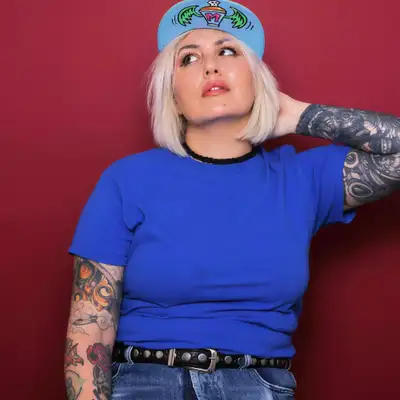
Local Threads is a storytelling podcast documenting the voices of New England's creative community. Artists, organizers, and culture makers who shape spaces, movements, and shared experiences.
Welcome to this week's episode of Local Threads. I'm Molly, your host. And this week I'm sitting down with Dana Campbell. Dana owns Shuttle Press Bindery out of Stonington, Connecticut. Dana makes everything by hand using printing presses from the eighteen hundreds.
molly:And, yes, one of them belonged to her great grandfather. Let's get into it. Welcome all the way from Connecticut. Thank you. What town are you in again?
Dana:I'm in Stonington. And for people
molly:who don't know, that's just outside of Mystic?
Dana:Mhmm. Yeah. Mystic is technically a subset of Stonington. Oh, okay. So, yeah, we're, like, right on the water, right on the border with Rhode Island.
molly:Oh, that's nice. How's it like are you born and raised there?
Dana:Yeah. So I grew up in Stonington, graduated from high school there, and then I actually moved up to Massachusetts, like, North Shore area for a little over a decade, but then I went back after the pandemic.
molly:How did you get into bookbinding and and pressing?
Dana:Yeah. So I went to art school. You know, since I was a little little kid, I was always interested in art. I just never really knew exactly where I was gonna end up. But when it came time for me to choose a college, I knew I wanted to pursue illustration and graphic design.
Dana:That was like, the most practical way that I could get into art professionally. Mhmm. So I attended Montserrat College of Art, which is in Beverly, Massachusetts, and, studied I was a a double major studying both graphic design and illustration, fulfilling all the requirements. And, senior year, it actually turned out that I had credits left over, and so I could kind of explore and do whatever I wanted. And at that time, I was sort of having this realization that if I went the route of graphic design and illustration, I was gonna be sitting behind a computer for the rest of my life.
Dana:Yeah. And that didn't sit well with me. I was kind of having a little sort of identity crisis of, is that really the type of artist I wanna be? Yeah. Fortunately, Montserrat has a book arts department and a letter press printmaking department.
Dana:I took as many classes as I could, fell head over heels in love with both of them. And, of course, these are crafts that have long gone together and sort of intersected, and just, you know, kind of fell in love in that moment. And then later found out that my great grandfather was a letterpress printmaker, and his printing press was stowed away in my grandmother's basement just waiting for me.
molly:So Wow. That is so cool. And honestly, that tears me up because you know how many times I've had this discussion and people have later found out that, oh, this person in my life Right. And it's so, like, serendipitous.
Dana:Yeah. There's something I always say I have ink in my blood. Like, I'm you know, to to stumble into the same thing four generations removed from a person Yeah. Is kind of incredible. That was my side from the universe that
molly:I was
Dana:on the
molly:right path. That's so awesome. So you have your grandfather's equipment I do. In
Dana:your shop? I do. So my my great grandfather's tabletop printing press is the press that I started my business on back in 2014. I was just working out of my home, little tabletop press, selling on Etsy and little, like, church fairs and pop ups and things like that. I do still have that press at my shop.
Dana:I have since upgraded to floor model presses just because the speed and sort of efficiency and the the printing pressure was something I needed when I scaled up. But, yeah, the the press is a part of my fleet still. That's
molly:so cool. Yeah.
Dana:Were you like a reader? Mhmm. Yeah. Big time. Yeah.
Dana:I've been a reader my whole life. I've been a book lover, book appreciator my whole life. And I think, you know, when I was at Montserrat and I discovered this as an art form, it just kind of clicked because it was it was the intersection of things that I I loved. Right? I love working with my hands, and I love being creative, and I love books.
Dana:Yeah. And they all kind of crashed into each other, and it was this place where art and utility met where I could make beautiful things that then go out into the world and serve a purpose. It's somebody's journal. It's somebody's guest book at their wedding. It's a part of a person's life.
Dana:Yeah. And that was just so cool to me to be able to make things that then kind of have life beyond just the creation. Yeah. You know?
molly:That's pretty cool. Yeah. And I love that. I just can't get over that. Yeah.
molly:So when you told your family that you're switching
Dana:Yeah.
molly:Is that how you found out?
Dana:So it was essentially, I had already completed both of my degrees, and it was just like I was playing around with the time I had left.
molly:Mhmm.
Dana:And it was one of those things where, you know, you come home from school and your family's asking you, like, oh, you're ready for graduation, and, like, what have you been up to? What are you excited about? And I just remember having this conversation where I was sort of explaining the the book arts and the letterpress and and my enthusiasm for it. And my grandmother just kind of got this strange look on her face. And, of course, I was worried at first.
Dana:I was like, grandpa, what's going on? Are you okay? And she's like, you know, my father was a printmaker, and I have memories of hearing the little tinkering of the printing press in the basement. And, you know, that was something that he did as a hobby. And she's like, I'm just amazed that of all the things for you to find, that's something that you found.
Dana:And
molly:then and then the discussion never came up before, you know?
Dana:Yeah. Yeah. So it was it was really amazing. And I'm I'm very fortunate because I I think my great grandfather passed away when I was like eight or nine years old. So I do have some memories of him.
Dana:Not a ton. Yeah. But what I wouldn't give to like sit down with him today and just talk about this because I, at the time that I knew him, I never could have imagined that this would be my path. Yeah. Here we are.
Dana:So Do you have
molly:pictures of him and his his I
Dana:have, a picture. I don't have any pictures of him with the press, unfortunately, but I do have a picture of him and my great grandmother, at my studio so that they kind of, like, watch over me. Oh, that's cool. And I actually named the press after my great grandmother kind of in her honor because she was also creative. She used to do tatting, which is making lace by hand.
molly:Oh, that is so difficult.
Dana:And it's
molly:such a dying craft similar to leatherworking Yep. And bookbinding. Yeah, it's just so cool. And it's so funny you say that because I was gonna ask you if you named your press, but I was like, maybe that's weird. I don't know.
Dana:It's not. All of my presses have been. That's so cool. Yeah. I I think that it's it's, you know, it's like naming a ship.
molly:Like, this
Dana:is this is a piece of history first and foremost. But it's also, an item that I forge a relationship with. Yeah. And each press has its own personality and each press that I've had has gone through a restoration process where I've had to kind of get to know the ins and outs of the press. It's it's not like I can call somebody up.
Dana:Like, there's no letterpress mechanics anymore. You know? There's no way to come out and service these things. So for me, it's been a journey of discovery of, like, who the press is and, like, what their strengths are. And so in that way, I've sort of personified them and then given them names.
Dana:Yeah. So, yeah, my first press named after my great grandmother is Imogene. Love that. My big floor press, is from the eighteen eighties. And, that one I named Frida after Frida Kahlo, who's a huge inspiration to me.
Dana:And, yeah, each each press has a different story.
molly:That's that's really interesting.
Dana:So you've you've got
molly:the the graphic design and illustration, so that helps you Yeah. With creating what you wanna so really, you don't have to outsource really anything but material.
Dana:Yeah. Pretty much.
molly:Pretty much. Which is really great. You do your own maintenance on your presses, which is a dying art. Like, I I know that you do classes. It's almost like, would you offer a class on that as well?
molly:Because
Dana:I mean, in theory, I I think the the press maintenance and restoration side is really about research and really about just trying to find other people online who are either in it or going through the same thing. You know, every once in a while, you'll get lucky and you'll strike gold online. As an example, my press, Molly, is a nineteen o four
molly:That's me. Model. Woo
Dana:hoo. And she was actually she came out of a scrap yard. Relatable. It was restoration project, but I was able to actually find someone who had uploaded the original manual for the press online and scanned it in. So I was able to, like, find that and print it off.
molly:Just an example of, like, the Internet being useful for something now.
Dana:Miracle. Right?
molly:You know? Like and that and that's also the beauty of what you do is, like, it can't be taken by AI.
Dana:Yeah. And I love that. Yeah. I'm my stuff is AI proof a 100%. You're AI proof.
Dana:I am AI proof. And what's amazing too is, you know, these printing presses are a 100% human powered. Like, no electricity required. Some people will motorize their letterpress machines and like I that's something for future when I maybe when I get a little older and I don't wanna do it. But for now, you know, my presses are either the tabletop ones are hand operated and the large format ones are foot pedal operated.
molly:That's awesome.
Dana:So even if the lights go out, I can still print away.
molly:Yeah. No worries. In the apocalypse. I'd have to come to you for the for news and create Exactly. Some Yeah.
Dana:Yeah.
molly:Honestly, wouldn't be mad if that happened.
Dana:I know. Right? Let's start over.
molly:Yeah. Hit the control alt Yeah. Delete some of this shit
Dana:and lead Regroup. Mhmm.
molly:I wanna look at some of your books here.
Dana:Yeah. Absolutely. So I brought a few different examples of books that I've made. All of the books that I produce are first and foremost hand bound. So needle and thread.
Dana:We're starting with big reams of paper that are cut down on an antique guillotine into size. Yes. I have a very large guillotine from the early nineteen hundreds with a 26 inch steel blade.
molly:Okay. I'm going over.
Dana:Named named Marie because, of course, a guillotine has
molly:to be
Dana:named Marie. But yeah. So, cutting down paper, folding, punching holes by hand, hand sewing, hand finishing. Everything is a handmade process. Mhmm.
Dana:All of the structures that I bind are based on historic bookbinding structures. I obviously make much more modern design paper, color choices, things like that. But the spirit of all of these bindings is deeply rooted in history.
molly:And that's such and it's so consistent, like the stitching is so consistent. The and maybe it's stupid to say, but like, something that you're doing, it takes so many I hate that term man hours, but Yeah. Workable hours. Yeah. Doing each one of these tasks.
molly:Yep. And then you see stuff that's for sale at, like, Barnes and Noble. Yeah. And it's a disaster.
Dana:Yeah. Yeah. I know the quality standards of mass produced journals is like horrifying.
molly:10 the price point.
Dana:Love what I do. I'm very, very lucky.
molly:And that's rare.
Dana:Yeah.
molly:Especially so early in your life Mhmm. Being able to love what you do Yeah. From the get go. Yeah. And so you always worked for yourself.
Dana:So I started the business in 2014, which was right at the end of college. Mhmm. I did work a couple of corporate jobs that kind of carried me through the early days of the business. Yeah. When I first graduated, I actually worked for a stationary company.
Dana:So I was, like, doing digital, like, wedding invitations and printing those out and doing that type of stuff. And then I pivoted to working for a toy company for a couple of years where I was designing toys in their packaging, which was so much fun. Yeah. It was such a good time. And that really gave me a lot of packaging experience, which I now use for packaging my products.
Dana:Not a ton of stuff that I have has packaging, but the things that do have packaging, it's like, oh, yeah. I've got this. You know?
molly:That's so great. I mean, I love it to see when someone's path not that it wasn't hard because being art school, super hard. Yep. Even just getting into art school, that's hard. I didn't do it.
molly:I got too scared. It's a process for sure.
Dana:Yeah. It really makes you challenge yourself.
molly:Yeah. You know? And I was like, I'm 40. I'm freaking out. Mhmm.
molly:I don't know what to do. Mhmm. I quit. Yeah. I'm gonna do a podcast.
molly:And here we are. But no, like, I love just seeing someone not have to go through the trenches before they figure out where they're supposed to be.
Dana:Yeah. Well, like I said, I for me and it the the privilege of the situation is not lost on me. Like, having a family history is a huge leg up. But for me to to kind of stumble into it, just like, yeah, let's try this class and to have that moment of clarity of like like, it was like I was struck by lightning. You know?
Dana:It was like, wow. Like, this is where I belong, and that is so cool. And then to have the family history that kind of gave me the boost to say, yeah. Like, go get it. Like, pursue this.
Dana:That was that was my sign, you know, and I was able to work corporate jobs long enough that I was able to do this on the side, but still sustain myself. And then it sort of just systematically grew. And then the the real turning point for my business actually came during the pandemic because my corporate packaging job laid me off, and I was home and everybody was shopping online. Yeah. And so I was at my home studio, binding books, putting them on Etsy, and selling them to people while we were all locked down.
Dana:And so, you know, word kinda started to spread, and I was printing, you know, more things at home. And that was just kind of when I think culturally, we also started to shift towards this like, hey. I might get sick and die tomorrow. Like, I want to have something that's nice. Like, if I'm gonna write in a journal, it's not gonna be some, like, mass market, mass produced crap.
Dana:I'm gonna invest in myself because I deserve it because I might not be alive next year. Yeah. I know that that sounds really dark. No. It's real.
Dana:Really did see this sort of shift of people wanting things that were more bespoke and better quality and specifically theirs. Yeah. So And also just wanting
molly:to write Yeah. On a physical thing Yep.
Dana:And not type. And then I think there's a lot of people who are just sort of like entering this space for the first time. I have a a little sign at my studio that says life is short. Use the good paper. And that came from this little old lady who came into my shop.
Dana:And I remember actually, I think it was at a show. And she was, you know, looking at my books and kind of like, oh, you could see she was, like, struggling with making the investment.
molly:Mhmm.
Dana:And, talked to her a little bit, and she's like, yeah. You know, I just I feel like I need a space to really kind of work on my feelings. And so we chatted. She ended up, you know, moving on. But later in the day, she came back, she ended up buying a journal.
Dana:And she said, you know, I was thinking about it, and she said life's too short not to use the good paper.
molly:Mhmm.
Dana:And for her, you know, it was a significant investment. But for her, it was like the first time in her life that she was really making space for herself to express herself and what she was feeling. And to be a part of that is like such an a crime, you know? I know. I know.
molly:Older people are when they're sweet Yeah. God. I love them, you know? Yeah. Because they have so much insight in just a short little Mhmm.
molly:Passing statement. Mhmm.
Dana:Yep. Yeah. There's wisdom in that for sure.
molly:Yeah. And magic. Yep. Honestly. Yep.
molly:You have classes. I do. Let's get to know you a little more before we get into the classes. So what are some of the things that you do for fun outside of bookbinding and
Dana:So such. It kinda changes all the time.
molly:Same.
Dana:I'm one of those artists who is like, oh, piece candy. You know, like I have to go try that. I have to do this. So it's a variety of things. Right now, or at least the last year or so, my main focus has been collage, which is I kind of see that.
Dana:Yeah. Collage cover here. But it's been interesting because last January, a little over a year ago, I the business had really, really grown, and I was, like, not necessarily feeling burnt out, but just the holiday season for a retail centered business is a challenge. And so that January, I was like, alright. I'm just gonna take, like, a week off, and I'm just gonna do what I wanna do.
Dana:I'm not gonna work. I'm not gonna answer emails. And I dove head first into this collage art. And I realized as I returned back to my studio that I spent the entire week off destroying books in the service of art. So it was kind of this sort of ironic twist that, like, I spend my time fixing books and making new books.
Dana:And then on my time off, I'm destroying them in service of making Mhmm. New things. So collage art is one of my sort of, like, primary creative outlets for myself personally.
molly:Mhmm.
Dana:I also make zines.
molly:Oh, fun.
Dana:I love zines and trading zines and doing that type of stuff. Do you
molly:offer that in your
Dana:I'm thinking about it. I'm actually in the process of organizing a zine fest, so more coming on that. I also do, you know, little mini collage artist trading cards. I try to trade with other artists. I love to trade.
Dana:If you're another artist, trading is like the way.
molly:Yeah. Screw capitalism. I'm all
Dana:about trading. And then I also write poetry, and I play ukulele. Oh, nice. So and I embroider, and I pay I mean, really, like Anything. Whatever.
Dana:I dabble in everything.
molly:What is something that's making you laugh lately? So It could be the biggest brain rot. I don't care.
Dana:I know.
molly:Laugh. I'm totally stealing this question from a different podcast, but I thought it was funny. Yeah. Because I love I just love to laugh. I'm a goofball.
Dana:Yeah. I do too. And it's, like, it's sad for me to say that, like, nothing immediately comes to mind right now just because of, like, this hellscape that we're into. You
molly:know what I like? I like it when kids fall down. Really? Me too. Yeah.
molly:Yeah. It could be like, oh, the world's burning and then a kid fall, like, tumbling down. Absolutely. Hilarious.
Dana:Yep. I'm I'm there for it.
molly:Yeah. For sure.
Dana:I haven't seen one of those videos in a while. But when you find one Yeah. Yeah. For sure.
molly:Pretty great. Honestly, I've ran out of shit. Yeah. It's gotta be something really weird Yeah. For me to get into it.
Dana:Right.
molly:Even TV. Right? I think I've watched literally everything. I'd rather watch a vlog. Yep.
molly:Someone learn how to Yeah. Do something weird. Yeah. I watch a lot of artists making shit. Mhmm.
Dana:Yeah. Yeah. Me too. I I like to kinda put on stuff in the background where it's like chat and make, you know, where you kinda have that, like, body doubling, you know, situation going It's really helpful. It's really helpful to just process through things that way.
molly:Yeah. And also it's inspiring. It is. But also can be defeating because, like, when I'm watching a YouTube and it's thirty minutes and I know this thing took weeks to make Yeah. Yeah.
molly:You can so easily
Dana:get frustrated. It's, like, oversimplified. It's like, I know that there's editing in there. Yeah. I know that that didn't happen in thirty minutes.
molly:Yeah. Let's see. In your family, do you have any other artists?
Dana:So, yeah, I would say that there's a lot of creative sort of crafty people in my family. Both of my grandmothers in particular, like, both so I learned sewing and quilting from my grandmother. Mhmm. She helped me make, like, jackets and clothing when I was a teenager, different things that I wanted to to create. So, they've always really nurtured in me that sort of creative side.
Dana:One of my other grandmothers used to always when I was a kid, the the, like, special trip day trip we would take is out to AC Moore, which doesn't even exist anymore, but you might remember their stores, the Michaels kind of. And she would just bring me and let me explore whatever sort of craft or art project I wanted to. Yeah. So, yeah, it's been nice to kinda grow up in a in an environment that nurtured the creative side.
molly:Yeah. Yeah. That's that's a recurring theme I'm noticing from all the all my guests. Mhmm. Which I love that.
molly:Yeah. But also, if you're listening, check-in on your grandparents. Maybe they can teach you something. Yeah.
Dana:But understand that there is a lot to be learned. And I think, you know, that's part of what my business means to me is is the intersection of history and modern practice. Yeah. Because, you know, like I said before, there's structures here that are all historic, and I'm using historic printing presses. And I'm learning a lot from the generations that came before.
Dana:And I think there's a lot to be said for that. Granted, you know, this letterpress in particular, but both letterpress and book arts were always male dominated industries. I mean, the I have a printing press that's quite literally from late eighteen hundreds that was designed and marketed towards boys because that was a promising career to grow up and be a printmaker.
molly:Mhmm.
Dana:So I'm I'm a woman existing in a space that was not originally for me, but we're we're taking it back. Yeah. And there's a lot of, you know, female letterpress printers out there who are kind of taking this this big step for women in printmaking, and I'm just glad to be a part of it. Yeah. So it's it's interesting to to both learn from the past, and there are moments of pushback, but also to, like, forge a new path and be like, yeah.
Dana:This isn't just a boys club anymore. You know? So
molly:Yeah. Well, look at me. I can do what you can do. Yep. Interesting how that works out.
molly:Right? So your classes Yeah. What all do you offer?
Dana:So I teach a variety of bookbinding classes. Things from absolute beginner. I've literally never picked up a needle and thread in my life all the way through to I've taken all of the basics and I wanna do something a little bit more intermediate to advanced. Mhmm. So my, like, beginner bookbinding one zero one is the pamphlet stitch.
Dana:It's very, very easy to learn, very easy to replicate at home. My class lasts about an hour and a half, sometimes two hours depending on how many people are in it. You walk away having made three books at the end of it fully complete. I'm not gonna send you home with anything that you have to finish at home. Mhmm.
Dana:And you'll have a really solid foundation to continue your practice at home. I always send a follow-up email with all the materials you need where you can get things if you don't have them. Taking a step up from there, my, like, more intermediate beginner classes, I do the leather wrap style journal, like the one that you see here. I do it as a slightly smaller one, but it's the same stitching style. This looks really hard.
Dana:It's actually not. It's it's deceptive. It looks a lot more difficult than it is. And then I also offer and I unfortunately didn't bring one today, but I offer a Japanese style binding, which is really fun. The one that's like patchwork?
Dana:It's they're usually very geometric.
molly:Yeah. Yeah. Yeah.
Dana:So those are kind of like my medium beginner classes. And then I most recently, I just started teaching this one with the exposed binding. That one is a two night class, and you learn how to do the different stitching, using some different tools and and things like that. So, as more and more people take my classes, I try to add more so that I can expand upon the skills that we learn. I just
molly:wanna point out. Look at that. How nice that sits.
Dana:Yeah. All of almost all of my bindings with the exception of the Japanese style will open completely flat. I work with a lot of writers and I work with a lot of artists, and that seems to be a nonnegotiable. Everybody wants their books to open flat. I hear you.
molly:I'm left handed. So, like Yeah. Yeah. It's a struggle. Mhmm.
Dana:It's interesting to make This a also opens flat, but this is a historic binding called a do see doe. This is from the Victorian era originally, and it's two books back to back. What? So a lot of people seen anything like of people will use, you know, like I said, writers and artists write in the front, draw in the back. Or I've seen people who will do journals.
Dana:It's like a morning journal and an evening journal or a couple's journal. Like, one person writes in the front, the other person writes in the back. So it's there these are really fun structures to explore. There you go.
molly:Just when you think you've seen everything. Like, this is this is really I thought it was just two books No.
Dana:Next to each other. No. It's one book, but it's well, it's two in one, I guess.
molly:This is do you
Dana:teach this class? I'm going to be. That one's coming up. I've had that one as a request, so I'm planning on writing that for probably later in the year. I would say my fall or winter cycle this year is when I'll start introducing things like that.
molly:Oh, this is really cool. And this is all these are all on your site, though
Dana:Yes. For purchase. I, for the most part, because right now, I have I do have an Etsy. There's not a ton on there, I will admit, because it's just hard to keep up with, especially given that I have a brick and mortar. My studio is a combination retail and work space.
Dana:And then I also travel frequently throughout New England to attend like shows and fairs. Mhmm. But you can see examples of all of these on my website. You can see them on my social media. I take custom orders all the time.
Dana:So if you see something, even if it's from years ago and you go, hey, I really like this style or I really like that paper, whatever it is, I can work with you to try and create whatever it is that you're that you're seeking. So if you don't see it on my Etsy, it doesn't mean it's not available. It just hasn't been made for you yet.
molly:I'm such a journal junkie. And this one is blowing my mind that it's too because for one, I'm a Gemini. Mhmm. And that just this two in one really speaks to me. Yeah.
molly:It really does. I'm blown away. Yeah. So you also do book restoration. I do.
Dana:Yep. How's that work? So this part of the business was born out of people just asking me, hey. Do you repair books? You know, if you go anywhere and you sell handmade books, inevitably, question arises, do you fix them too?
Dana:Mhmm. For the longest time, my answer was no. Reason being, book repair and bookbinding, while closely related, are different crafts. You can imagine that if you're working on a book, the oldest book I've ever worked on was from 1611. Woah.
Dana:Pressure. So pressure. But you have to imagine you crack open a book from 1611. That book was most definitely handbound. Yeah.
Dana:And you need to have the knowledge, the skill, and the material to do that book justice and to understand what the original binder did, how to repair it properly without causing a problem somewhere else. Yeah. So I had to go for additional training that was beyond what I learned at Montserrat. I went to Ramon Townsend down in Pennsylvania, who is a a master bookbinder, book repair person. Did an intensive class with him for a weekend.
Dana:Additionally, have gone for further education at the North Bennett Street School in Boston to do some sort of like leather tooling and things like that. Mhmm. So it required further training. But enough people were asking about it that I was like, okay, this is something I need to invest in. Took the classes, started practicing, and then the book started coming in and word-of-mouth spread.
Dana:And, it's been amazing because, you know, good for me, bad for everybody is that I really don't have a lot of competition in this space. There are people doing this, but we're very few and far between. So once it was established that I can fix your old family bible or your, you know, beloved cookbook or your favorite children's book that you've worn to pieces, it really just became a huge part of the business. Mhmm. And the reality of it, and this is a wonderful thing for me, is that if I wanted to close my doors to the retail side and do nothing but book repair, I very likely could do that.
Dana:And that would sustain me.
molly:Oh, wow.
Dana:But at this point, you know, I I do take on every book pretty much that comes through my doors. That's what helps me to really have time and money to do all of the creative things that I wanna do. It really has boosted my business. So as of right now, I have just about 50 books in my studio for repair. My waitlist is about six months long.
Dana:Wow. So That's something people are interested in. Time is definitely of the essence, but I find that most people, these books have been in disrepair for so many years at this point, they're willing to wait another six to eight months.
molly:Yeah. Because it's not like they're opening it now. Right.
Dana:Right. Exactly.
molly:Exactly. That's fascinating. So do you know if, because I'm a New England transplant Mhmm. Is there, like, a history? I know there's textile history here in New England.
molly:Is there, like, book finding and letterpress history here?
Dana:There is. There is. And and that's one of the really cool things about this is that it feels so true to New England history.
molly:Mhmm.
Dana:As an example, my my primary press, Frieda, that I mentioned to you is, the the actual model name is a Ben Franklin Gordon Peerless Press. So, Phineas Gordon, the person who designed the press, was originally from New Hampshire. The press was manufactured in New York, which is outside of New England, but close enough that we'll, you know, call it the same region. Yeah. Molly was made in Boston.
Dana:Hey. A lot of the presses that I have my original press from my great grandfather was from Meriden, Connecticut, produced in Meriden, Connecticut by the Kelsey company. So, a lot of these machines have not traveled very far from their point of origination, which is really cool. And it's, you know, a testament to the history and the the culture and kind of what brought New England up through the years historically.
molly:So That's really awesome. I would never know that. I mean, I spent a lot of time in the manufacturing industry, so I know that New England has a huge I was on a different side of it. So it's fun to learn about letterpresses, and just all of the textile mills that are out here. Like, your studio is in an old mill as well.
molly:Right?
Dana:Yes. So studio is located in a building called the Velvet Mill.
molly:Oh, cool.
Dana:And that's what it used to be. It was a in the it was built, I believe, in 1885, somewhere around there, was a velvet mill produced some of the most high quality velvet in New England Oh. For a good amount of time. We still if you visit the mill, we have historic photographs and some, you know, sort of like museum pieces of what the mill used to be. It has since been converted into a variety of different small businesses.
Dana:So, we have a beautiful art gallery, a bunch of art studios. We probably got 20 or 30 different artists under one roof. We have bakeries. We have restaurants. We have a distillery.
Dana:We've got a brewery.
molly:That's awesome.
Dana:We've got karate. You know? We've got, like, an indoor you know, our farmer's market is indoors in the winter, outdoors in the summer. There's so much to explore. It's really and, you know, little retail shops, gift shops, things of that nature, lots of antiques.
Dana:Love that. Then a lot of people offering services as well. We've got, like, hair studios. We've got a barber in there. We've got, you know, places where you can have a workout.
Dana:We've got a cycling center. I mean, it's really a very diverse little ecosystem that we've created in Stonington.
molly:Some of these, Massachusetts mills need to listen up. You need food. You need food so that you can stay in the building as long as possible. There needs to be food, for crying out loud. Get a restaurant.
molly:And also, so the artists don't have to leave to get food, it's so annoying. I had my studio at a a mill building, get it going to get food was such a pain.
Dana:It interrupts the whole flow of
molly:your day. And then I just Yeah. I remember one time I was, like, eating I had I just was like, I'm just gonna bring cans of beans because I don't have a microwave. I can't leave anything out because it's an old building. Right.
molly:Mice are gonna find and then I'm just like, I'm just gonna eat cold pinto beans.
Dana:There you go. Whatever. You got you got your protein.
molly:Got Yeah. Exactly. But, like, my neighbor would be like, what are you doing? I'm like And I probably would have, like, not even a fork. I would be eating it with some obscure piece
Dana:of plastic. Or
molly:or just, like, drinking it. Yep. Which is so embarrassing, but whatever. I'm weird. I can't help it.
molly:Good. Good people are the best people. Honestly, it is. So your classes run year round?
Dana:They do. I will say they kind of ebb and flow with the seasons.
molly:Mhmm.
Dana:Part of the challenge of being in an old mill building is that I'm very much subject to the elements. So Yeah. In the summer, it's really hot. Yeah. My studio space in particular, I have, the the way the building is designed, it's, called a sawtooth roof.
Dana:Mhmm. And it's basically like a greenhouse. Like, when I look up in my studio, it's these big windows, which is great because I get tons of sunlight. But in the summer, it's very, very warm. And in the winter, it gets very, very cold.
Dana:So I have to kind of be a little bit intuitive when it comes to planning classes just so that people aren't like super uncomfortable. Mhmm. I also have to plan around show schedules because basically from April through the fall. But then we also have like the holiday fair season. I'm traveling like between here and Portland, Maine trying to go to as many sort of art festivals and craft fairs and things of that nature to kind of get my stuff out there.
molly:So how do you find the time?
Dana:Well, I mean, this is my two every time job. So I know. Is it. You
molly:know? But between making books Yeah. Going to all of these markets Yeah. Teaching classes, repairing did I already say repairing books? I don't know.
molly:Can't remember. I black out as soon as things come out. But also just like updating your website, all this shit Yeah. That artists have to do. And if you have a social media presence, there's that crap too.
molly:And everybody just loves to do that.
Dana:Mhmm. Oh, yeah. I call it when I make it's my daily sacrifice to the social media algorithm. Honestly. But honestly, lately, especially with just kind of the way that the algorithms have been, I'm I've been taking a backseat on my socials.
Dana:Like, I'll post every few days, but at this point, I'm like, I'm done with being chronically online. Like, there's a reason I do what I do. It's because I love being present and in the moment. Like, bookbinding is a meditative present, I'm here now process. Yeah.
Dana:That's really where
molly:Such a physical. It speaks to A mental process. Mhmm. Similar. That's why I like sewing so much.
Dana:Yep.
molly:Less even about the end product for me, just like having to look, pay attention, and use my hands, and that's great. It's therapeutic. Absolutely. And it also just makes you mentally and physically tired, which there's not a lot of things that still do that while everybody's working on the computer or they're just scrolling. Yep.
molly:So my whole thing was like, me talk to ethical businesses. What I've decided is that if you aren't someone who employs thousands of people, if you're a singular business Yep. Whatever that means.
Dana:A sole entity. Yeah.
molly:A single person making things with your hands. I'm not as pressed as how you get your materials as I am for the bigger businesses. Right. Because you guys aren't ruining the planet. Leather is 100% better than vegan leather.
molly:Vegan leather is a scam, and I will die on that hill. I don't give a shit what you think. Right. It is plastic.
Dana:It's terrible for the planet.
molly:It's terrible for the planet, and it's also just another greenwashing lie.
Dana:There's also really sustainable leather out there.
molly:Mhmm.
Dana:Like, I I don't have examples here today, but I do use fish leather
molly:Mhmm.
Dana:In my studio. Oh, that's interesting. Which is a byproduct of the food industry. Like, it's the most often, I believe it's salmon that they end up tanning. Mhmm.
Dana:Beautiful skin. Available in a variety of different textures and colors. They don't smell. You know? They're really beautiful product and very, very sustainable.
molly:I've seen some people recently upcycling or creating like corsets with, like, fish Mhmm. Skin. Yep. I don't know exactly what kind of fish. Yeah.
molly:But I am one thing I'm tired of us as a society being so purity based, come on. We can't be this way and progress. We gotta meet each other where we are. People are still eating meat. Yep.
molly:Myself included. I don't know how I
Dana:feel about that for myself. Yeah. Yeah.
molly:I know it's the one of the number one causes of c o two emissions. Mhmm. Yeah. I'm tired of everyone trying to act like they're saints.
Dana:Right.
molly:Living in a society that makes it really hard for you to do anything correctly.
Dana:Right. Well, and I think part of the responsibility as a person on this planet and especially as a creative is sort of being thoughtful Yeah. About your impact and understanding that you can't save everybody. You can't save everything, but you can make a difference. Yeah.
Dana:So in my studio as an example, some I would say about half of the leather that I use is actually from a handbag maker. It's their scrap that they sell basically in big bags, like buy the bag leather scrap.
molly:Mhmm.
Dana:For them, it's useless. They're creating high end handbags. They don't want the the rough edge. They don't want the brand mark. They don't want the scar.
Dana:For me, that's what gives my books personality.
molly:Mhmm.
Dana:And so to me, that's gold. So I'm taking their scrap. Mhmm. I'm making books out of it that then go off into the world. And then beyond that, as I work with these materials, I have leather bookmarks.
Dana:I have leather key chains. I have products that are progressively more and more smaller pieces until it gets to a point where I can't use it. And then I have a big scrap bin where I sell scrap by the bag at my shop. Yeah. So people come in whether they're into junk journaling or making jewelry or crafting or they need to patch a hole in their leather jacket, you can dig through my leather scrap bin, walk away with whatever you need, and we basically just keep reusing until there's literally no material left.
Dana:Yeah. I take, you know, my paper scraps from my guillotine, and I make paper with them. No. It's it's I think
molly:it needs to be talked about where where, like, especially with everybody, like, on their soap boxes on the internet. Mhmm. They don't know what goes on in the fashion industry or even just, like, the consumer good industries where most things are white labeled and then you stamp your logo on it, and it's made from who knows where. Right. If we all just try to make small changes Mhmm.
molly:Yeah. That's all we can do. Right. And also just supporting small businesses.
Dana:Keeping it hyper local has been such a big topic in the circles that I've been in the creative circles in particular because right now, I think with what's happening in our country, everybody feels really powerless. Mhmm. And we feel really kind of torn apart and and really like there's something deeply wrong. And for me, the healing comes in turning local. Yeah.
Dana:And being like, okay. Like, as a as an example, talking about book repair, I would say that 90% of the books I repair are bibles. I'm a queer lady bookbinder. Yeah. I can't say with confidence that all of my clients have like vote with my best interests in mind.
Dana:Yeah. But providing those people with a good experience where they come in and they talk to me face to face and I help them with this heirloom book that has meant so much in their family history. Even if that doesn't influence someone to vote differently, it at least humanizes me. Because we've now been convinced that, like, the other side is the enemy. Yeah.
Dana:And we've lost that humanity side of things. And so it has been interesting to see people just kind of do the mental gymnastics on that. Yeah. And that goes both ways. Like, I've learned a lot from the people that have come through my shop and the people I've interacted with because there's been a lot of people that I never would have sort of organically approached or had a conversation with.
Dana:But I don't know. Trying to just foster local relationships and and really kind of nurture the fact that, like, we're all human and we're all in it together Yeah. Is really, really important. And I I find that creativity is one of the easiest pathways that we find common ground. That's so true.
Dana:I think too. And and part of what has been so rewarding about teaching as an example is showing people what they're capable of. Like, we spend so much time scrolling and and so much time consuming media that we don't even really want to consume. No. God.
Dana:It's been incredible to, you know, host a class where for two hours or two and a half hours, people put their phones down, and we're all in a room and we're all going through this creative process together. And they have something to show for it at the end that they made with their own two hands. And and we all had a nice conversation, and we all inspired each other. And in particular, it's been very inspiring to see the younger people who have taken my classes go through that process because, you know, I'm I'm 36. So, like, I I came up with the Internet, but, like, my childhood was, like, solidly pre cell phone and, like, pre chronically online.
Dana:And so these the younger kids who come into my classes who have just always known this, it's so meaningful for them to slow down and to unplug and to do something.
molly:They're so sick of it.
Dana:They really excited. It's so inspiring because they're they and and, like, the the hot button word seems to be analog, but them doing, like, these analog crafts. And I'm so excited to nurture that and to have a place where, like, anyone is well my studio is fully accessible to anyone who wants to come in and learn how to do this. Yeah. Like, that's my goal.
Dana:And, you know, bookbinding is kind of a dying art.
molly:Mhmm.
Dana:If I can inspire somebody to continue this Yeah. Then that's what I'm gonna do.
molly:That's really exciting. And, also, there's just this confidence that you get out of making something with your hands that it's irreplaceable. It's magic. It's magic. And that could that confidence sticks with you Yeah.
molly:For weeks. Yep. And inspires you to try something else or do it again. Right.
Dana:And like I said, my goal with teaching these workshops is that you're learning a skill that you can replicate. Like, I want you and you're no way am I forcing you to love it. It's okay if you come in and you decide it's not for you. But my goal is that you come in, you have a positive experience, and you walk away from that experience feeling confident in yourself that you can go home and you can do it again. Yeah.
Dana:And that, you know, if you learn the pamphlet stitch, you're digging through your recycling bin to see what you have for paper materials. I promise you there's treasure in
molly:there.
Dana:And you're making books for everybody you know. And then suddenly, your friend is journaling or just writing about, you know, what's bothering them that day. It it's contagious. Mhmm. It's contagious.
Dana:It is. You know?
molly:And I've I've seen, like, the junk journaling thing Yeah. Start to get popular again, which not really sure how it's different than scrapbooking, but I'm okay with that. I like I like junk journaling better. It's more punk sounding. Whereas, like, when scrapbooking started getting popular way back in the day, it was very, like, I don't know.
Dana:It's I I think that scrapbooking has, like, historically had the image of being more sort of, like, refined. Right? It's like, this is the family vacation. It's it's like the Instagram feed. Right?
Dana:It's highly curated.
molly:Yeah.
Dana:Whereas I think junk journaling is more of the, like, yeah. This is the receipt from the gas station, and, like, here's the straw wrapper from a coffee that was banging. You know? Like, it's there's there's a little bit more of that just sort of day to day realism to junk journaling, and I think that that's so cool.
molly:I love it. I just went to an art show, and they had a a vendor that basically sold little junk journal packets, like stickers, and I bought one. I was like, hell yeah. I need a little tiny one that I can put into my journal that I made that's kinda janky. But also, one thing I'm really bad at is cutting straight lines, and I think that's what intimidates me most about making journals or cutting paper, which I'm sure you're you have like a mistake proof process for people.
molly:Yes
Dana:and no. I mean, I so what I remind people is that more often than not, this is the first time that they're making a book. This is the first time that they're engaging in this process. And I'm there to walk you through it. I'm there to help you through it.
Dana:If you need me to kind of help you refine like cutting an edge or whatever it is, I'm there for you, but I'm also gonna give you the skill. And a lot of it is just repetition.
molly:And
Dana:I I encourage people not to compare themselves to other students or to me. You know, people like, oh my god. You just did that. So, like, in two seconds, it's like, yeah. Well, I've been doing this for, like, you know, twelve, thirteen years.
Dana:Like, I've there's been a lot of practice. I blame the Internet for this
molly:because everybody's got this, like, perfectionism or death. Yeah. And not myself included. Sue, I have made
Dana:tons and tons of ugly books. I have books.
molly:Yeah. I've make a I make You know that. My my specialty is like
Dana:half ass art. That's me.
molly:But I I don't know. Being comfortable with not being perfect. Also, I'm not sick. No. It's fine.
molly:I'm just a smoker. You're good. Picked it back up recently. Yeah. Yeah.
molly:Cigarettes, unfortunately. Yeah. Not weed. Too anxious for that. Yeah.
molly:What do you want people to do after hearing this? Leave it at that.
Dana:My hope is that you feel inspired in some way. You know, the the sort of small business marketing mind in me is like, stop by. Come say hi. Come see my space. It's a dual purpose space.
Dana:It's a retail space, but it's also my workspace. So you can come in. You can see what I'm working on. You can ask me questions. You can see the equipment.
Dana:You can see the process. If you're in the area and you're able, sign up for a class. Like, come hang out with me. Learn how to make a book. There's so much to explore.
Dana:Like, it's it's such an incredible and rewarding process. And so my hope is that if you've been looking for your sign to, like, make something, maybe try this. Yeah. You
molly:know? It's not something that comes up very, you know, in your feed Yeah. Yeah. Or circles. And what I love about having people on this podcast is that it's a 100% self serving.
molly:Am I gonna come to your class? Hell yeah. Am I gonna vlog it? Probably. Yeah.
molly:I'm gonna show people. Yep. But also, I just love seeing people in their element, seeing people just how they work Yeah. Their process Yeah. But also seeing everybody else in the class and how it's just a really great moment that we took for granted before the Internet started.
Dana:Yeah. The energy is amazing. When you get a group of people together who are brave enough to face their curiosity and, like, willing to make a mistake, it the the things that they make surprise them.
molly:What I'm what I love to see too is when people come alone and they're kinda shy at first, but by the end of the class, they've got like friends. Yeah. Everybody's got everybody's number or, you know, or just seeing somebody recognize Mhmm. Maybe that person's a little uncomfortable and they they reach out. Right.
molly:That's humanity that we're missing. I'm gonna cry again. But no, I I just love that. Yeah. Yeah.
Dana:Yeah. Know. It's it's a really for me as as like the teacher, it's a really rewarding process. And I still I always say in my classes, I'm a perpetual student. I am forever learning.
Dana:Like, I learn from my students all the time. And that that exchange of information is like sacred ground, you know, like that is there's something to that, and it's just it's rewarding for anyone who's willing to to show up and put in the work.
molly:Yeah. Well, I thank you so much for coming and just letting me understand your world a little better. Happy
Dana:to be here.
molly:And we'll leave it at that.
Dana:Sounds good.
molly:Thanks for listening to this week's episode. Check the show notes on where to find Dana and the shell press bindery and we will see you next time. Bye bye.