Subscribe
Share
Share
Embed
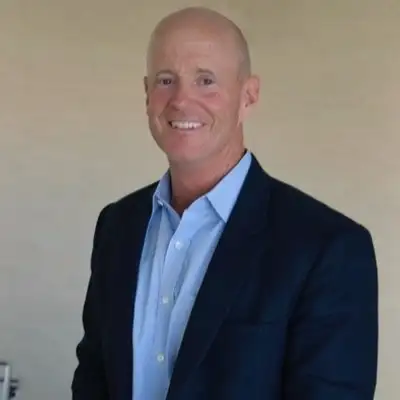
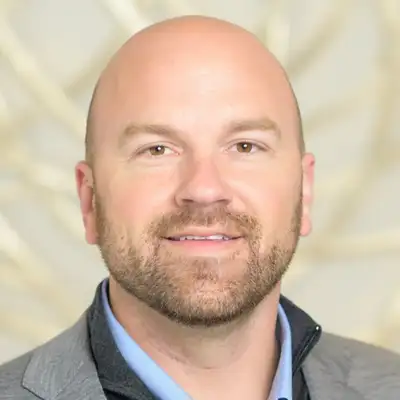
Hot Takes with Jim Baker is where real-world business experience meets honest conversation with Host, Bill LuMaye.
Hosted by entrepreneur, advisor, investor, and CEO Jim Baker, this podcast explores the challenges leaders face every day—from raising capital and managing growth to hiring, firing, sales, culture, leadership, acquisitions, and long-term value creation.
Through the Hot Takes series, Jim sits down with business owners, executives, investors, and industry leaders to discuss timely issues shaping today’s business landscape. These candid conversations offer practical insights, hard-earned lessons, and perspectives you won’t find in a textbook.
The podcast also features the Wisdom Series, in which Jim and Bill interview accomplished guests whose decades of experience offer timeless lessons on business, leadership, success, failure, and life.
Whether you’re a CEO, entrepreneur, business owner, executive, or aspiring leader, Hot Takes with Jim Baker delivers actionable insights to help you build stronger organizations, create greater value, and lead with confidence.
Presented by Sumus Development Group, LLC. Helping organizations enhance value, strengthen leadership, and prepare for what’s next.
[00:00:00] Speaker 5: Welcome to Hot Takes with Jim Baker, presented by Summus Development Group. Each week we sit down with entrepreneurs, executives, investors, and experienced business leaders to discuss the challenges, opportunities, and decisions shaping today's business world. From leadership and culture to sales, growth, acquisitions, and value creation, you'll hear practical insights from people who have been there and done it.
So grab a notebook, settle in, and let's get started
[00:00:28] Speaker: Ladies and gentlemen, welcome back once again to another Hot Takes, presented by Soomas. And of course you know my good friend and a man who is the CEO of Soomas, and we'll get into what that is all about in just a second.
Jim Baker is with me, and we're here to inform and enlighten people, especially those in businesses and who want to grow.
[00:00:48] Speaker 2: Absolutely. Glad we can get back together today.
[00:00:50] Speaker: Yeah. You're looking good, by the way.
[00:00:52] Speaker 2: You as well.
[00:00:52] Speaker: Yeah. Well, thank you.
[00:00:53] Speaker 2: All tanned up
[00:00:54] Speaker: this summer. I am. You know, I wish it was because I was on the beach, but, But you
[00:00:58] Speaker 2: weren't
[00:00:59] Speaker: well, no, I was on a coyote tractor mowing my, my lawn, so-
[00:01:03] Speaker 2: Well, at least it's gr-
[00:01:03] Speaker: Just as much fun, but-
[00:01:05] Speaker 2: Hey, at least it's growing again, so we got some rain, right?
[00:01:06] Speaker: Yeah, that's right. Thanks a lot.
[00:01:08] Speaker 2: So what's cool about the weather though is I'm honored to have this guest here. He's a good friend, um, got to know him through the Vistage Network a number of years ago.
Mm-hmm. And his name is Chase Hazelwood, and he owns a pest control company.
[00:01:21] Speaker: Oh, I need that.
[00:01:22] Speaker 2: Yeah. And bugs love drought, and they also love water, so he's thriving no matter what the conditions are.
[00:01:28] Speaker 3: That's right, as long as it's warm. You know what I mean? So yes, it's been a pic- a big year. A
[00:01:34] Speaker 2: big- I
[00:01:34] Speaker: bet ...
[00:01:34] Speaker 3: yeah.
Bet. And this rain right now is really kicking it off.
[00:01:39] Speaker: My wife probably has called you, so- Yeah ... probably see one of your people pretty soon. But it's good to have you here. Thank you. Thank you so much- Great to be here ... for taking time for us. You wanna just tell us a little bit about yourself?
[00:01:49] Speaker 3: Yeah, sure.
I'm Chase Hazelwood, um, I... entrepreneur. I own Goforth Pest Control, which is our largest company. Um, and I'm in a bunch of different things. I own a HVAC plumbing company, a HR consulting company, a marketing company, um, and a soccer club in High Point, North Carolina, called Carolina Core FC along with the youth programs and all the other things that go along with that.
So I, I love staying real busy.
[00:02:17] Speaker: I hate it when you bring guests like this in, because I feel like, um, I'm just not doing enough with my life, Chase.
[00:02:23] Speaker 2: Not only that, he has four kids- Yeah, yeah ... and he's married, so he's got the family stuff to deal with as well.
[00:02:28] Speaker: Well, that's amazing.
It really is. Well, you're, you're telling us a little bit about your company, and should we focus in on the pest stuff? Because right now I'm- Sure ... swatting gnats. But- ... um just I- if I understand it right, it, you it's a family business, correct? Yeah. And it started with your grandfather.
[00:02:44] Speaker 3: That's right.
My, my grandfather was named Frank Goforth. Um, so he came back from World War II got his first job at Orkin and learned the pest control business, and then had the gumption to go out and start his own thing, and it's been in business since 1959. Um, so I'm third generation. My son is 15. He worked in my call center this summer, so, like, legit, you know, 40-hour work week.
So we're now we're in the fourth g- fourth generation in the pest control business. So it's been really rewarding and exciting.
[00:03:14] Speaker 2: So grandfather started, then your dad obviously got involved, and then I think you ended up taking majority control of the business over time. Can you walk us through how you did that from a family perspective?
[00:03:25] Speaker 3: Sure. So, um, 2008 I took over operations, like general manager kind of role. I was four years out of school, so I was 26. I knew everything. Just ask me. Um, and, you know, I it was, it was pure chaos, right? I, I was killing myself working, you know, a million hours, and I was out killing the bugs myself, um, and trying to manage all the people.
And we were pretty small. I mean, we were... might have been 12 employees or so at the time. And, um, I couldn't even imagine, by the way, a company like, you know, four or five times that size. Like, that, that would just seemed unimaginable to me. Um, and it got to the point where my father and I, we were working together real well, and he had stopped coming in, and he basically...
Like, we had remodeled the office. He hadn't been in a couple years. And, um, we got to that point where I said, "Hey, I've, I've got an opportunity to buy a new company called Lake Norman Pest Control in Mooresville, North Carolina, and I think I'm gonna go out on my own and buy this company and, um, leave Goforth and run this thing myself."
And I'd saved up some money and I could afford to do it. I'd negotiated with the owner, and I was re- we were ready to go. My dad said, "Hey, why don't we buy the company, merge it in together, and then I'll sell you the, the pest control company?" ,, we agreed to do that. Of course, um, as it came down to the wire, like the, you know, the timing started to pinch on, "Okay, now I gotta really make a move and sell it," um, you know, I think it, I...
required me to be a little pushing and urgent. But we maintained a great relationship throughout that process. , The interesting bit for us was I thought I was really... I really did. I thought I was doing everything that could be done to grow that business and, um, and we'd gone from maybe a million in revenue to about two and a half million over that, let's say from 2004 till 2012 , the ne- the first year I owned the company we did nothing.
You know, we grew, I don't know, nothing, and made no money. And, um, the next year I kinda threw it all out and kinda started over almost, um, with all our processes, all our systems, and really started building out that stuff, and then we began to explode in growth. And I realized how much more you can actually do when you get yourself organized, you start stepping, um...
Not working in the business, working on it quite a bit more. We began to grow really fast, and we made a bunch of small acquisitions, a couple of larger ones along the way. And now we have Pest Control. There's roughly 300 employees or so now. 52 million in revenue this year.
We operate from Maryland to Florida on the East Coast, and then we have branches in Texas, Tennessee. Um, yeah, all that. So it's been ex- And it, and we've been expanding rapidly ever since. So we get addicted to growth, and your people get addicted to it. You know, they, they wanna see that you're doubling every couple years or every three to five years so that they know there's advancement.
They don't have to wait on somebody to retire or anything like that., So at some point it really became all of us building that whole thing and, and, and pushing it and making it grow. So last year we were up f- I don't know, we did 40 million. This year we'll do 52 or so. The year before we did 27.
So, I mean, we've had m- massive years recently obviously, so really fun. That's, that is a fun business to be in. Um, and that's my... I mean, that's my, my baby. You know, that's my pride and joy. I mean, I've got the other companies that I love to work on as well, but that's the one that, you know, you can hang your ha- I can hang my hat on.
[00:07:00] Speaker: Well, you said you started off it was 12, 12 employees, so you've grown quite a bit. You said you couldn't even imagine- What? 24 employees today. Down the road. So what, what changed? What was that... In fact, can you remember that moment where you went, "Aha, this is it. I, I, I finally unlocked the secret"?
[00:07:19] Speaker 3: I would say there was two stages.
Um, and we went from 2013 to about 2000 maybe '18, '17. I had... I- we, we doubled in size in about five years. So we're growing about 20% a year, which is a great clip don't get me wrong. So when that change really happened, that first moment was, "How am I gonna pay that bill for my parents?" Like, I'm, I'm not making any money.
Um, I was making more money, like, flipping houses on the side before I'd owned the company. And, um, and so, I, I mean, I don't know if this is the right thing to say, but it was really ambition of saying, "I, I want more than this. I don't wanna work 70 hours in a week and have nothing to show for it at the end of the year."
, And the second, like, ca- you know, catapulting moment I think boils down to in the same year I took our, all our stuff off of paper tickets and took it all online with modern technology and automations and things like that, in the same year I joined Vistage, and that was roughly 2018. And I can remember my first Vistage meeting, and it probably was Jim, and I, I literally s- stood up and told everybody, like, "We don't make profit.
We make it all off of growing the business and having this, all these contracts, and that'll be the asset value that eventually I'll sell." And I'm, I'm pretty sure Jim was like, you know, "Hey," like, "why not both? Why can't you make money and grow the business at the same time?" And that became that next ambition, that next challenge, because if you don't...
Realistically, if we hadn't made any money we couldn't have grown the business the way we did. We never would've been able to acquire anybody, we never would've had the funds to start branches and to expand into new states. I mean, those things would just... We'd had to go outside, bring in PE or bring in some other money from those sources.
And, um, so to date we haven't done any of that. Um, I'm still 100% owner and, um, and so that's, that's... I think it really was wanting more out of it. And, um, and, you know, there's all these tactical things that we did along the way, and philosophical, but at the end of the day it was, like, me and then some of my staff really getting ambitious and saying, "Man, we can make something of this."
[00:09:30] Speaker 2: It's one thing to want it more, but then to your point about tactical, what, did you raise your prices? Like, what are the simple things that you did to generate more profit?
[00:09:38] Speaker 3: If I could go back, I would raise my prices earlier. I didn't. Um, I was very naive, very reluctant to do that. I thought if I raise my prices, everybody's gonna go elsewhere.
It's commodity. Um, we began the process by realistically focusing on sales. Um, and in the beginning, you know, I went out and hired a bunch of salespeople and sort tried to get the best of the best. And then I came up with this, I don't know, cockamamie scheme that we weren't gonna have any salespeople.
Everybody was gonna be a salesperson. I was gonna teach every single person the benefit of sales, and I made a very complicated pay structure that every single employee, And then I also began to process everything.
I made everything into checklists. I read Checklist Manifesto. I built out steps. What do you do when you get to a customer's house? What do you... You know, what are the steps to providing the service? What are the pr- s- steps to, um, finding problems that the customer may not know about? What are, w- um, what do, what do you say when someone calls in the office?
And we scripted it, completely scripted it out. And I stopped recruiting salespeople, started recruiting, um, people that were very people-focused, you know, um, focused on the conversation with the customer. Um, and, and it... That, and then gave them that framework for how to have that conversation. So we have the we have a pillars document.
The first pillar is sales is a lifeblood, and the last pillar is service is sales. And so that is the, like, great service, and, and you always strive for great service. But and then I think one of the critical moments for us was r- the r- realistic what is great service?
And you have to absolutely define what that is and then tell every single person in your organization what is great service. Is it having tea with the homeowner and, and, and being really friendly and, and those kinds of things? Is it being ultra-fast? Ul- And that's the, ended up the direction we went, was ultra-fast, as responsive as possible, um, quick access to management if somebody needs it, if you call in and you say, "I need a service," it's, it's within 24 hours. It's within one business day. And people just say it can't be done.
And in all honesty, I, I would've said it couldn't be done, except for I ended up with that ambition and said, "We're gonna do it. What does it take?" And I got everybody on board. And I, I say I, but my president and I of the pest control company, he wasn't the president at the time, but we got it on board. We got on board together, and then we got the next group in on board together, and we said, "This is the future."
And, um, that build-out transformed everything because today it, it, it turned out N- it wasn't brilliance, it wasn't foresight- Yeah ... it was luck. We happened to build every process of our system, including remote work, before 2020 ever happened. Um, all the things. We built, we, we built these things out to...
And it happened luckily that the market was, that's what they wanted. They didn't want... They wanted contactless service. They wanted, um they wanted rem- and we had to have remote work options, those types of things in, in COVID. And then fast, responsive service. That's exactly what everybody wants now.
Um, 10, 15 years ago, maybe 20 years ago in the pest con- pest control industry, I never heard anybody talk about that. They only spoke about spending tons of time with a customer, um, you know, and analyzing the house and, like, investigating problems and interviewing the customer and spending a lot of time with them, and that's not really what the market demands today.
They demand quick, efficient service, really responsive, um, and get it done, get it done right and get out. Um, and so that's kind of where we hedged and leaned into, and then we went toward, um, like, our mobile driven, you know device management to where every tech kind of can open their phone from their house and they see their day laid out and they can just click a button, navigate, go, hit the stops, nail them, and they don't have to come into the office in order to be able to operate.
So we were one step ahead. So in 2020 we exploded. As an essential service, we... I mean, when I say we exploded, I think we were up 68%.
[00:13:49] Speaker: Wow.
[00:13:50] Speaker 3: And, um, maybe 21, um, the year after, um, everybody pulled back and we did not pull back. Um, and we lost half our commercial business. Um, and we had, I don't know, 20% of our business was commercial.
So we pro- I think we lost 11% of our existing revenue during that timeframe, but we, you know, we grew 68%, so, in one year. So you're talking s- you know, residential ended up dominating. We just got lucky. Um, I don't think we saw... I didn't see the writing on the wall or anything like that. I just thought, "Well, this will make life better for my employees and my customers."
We've been a part of North Carolina, which is our foundation, and this state has grown unbelievably. The market, the economy, the number of people moving in construction, all tho- all those things. Um, and the last advantage that we had in this market over some of the other markets I service, Dallas for example, traffic.
Um, we don't have... I mean, we have some traffic here in the, the Raleigh and we have some traffic in Charlotte, um, but comparatively, you know, we can cover an entire city, like a city area like Raleigh from Cary You know, which is where we're, where we're located. And you can't do that in DC area or in Dallas.
Like, you just can't do it. We've been fortunate. This state has really killed it. South Carolina's been a great state as well. Now we're expanding to the other states, and we get to see all the struggles that everybody else is facing this whole time.
[00:15:16] Speaker 2: obviously, organically, you grew fast, but you also grew through acquisition.
And some people are really good at buying companies like you are and integrating them, and others buy and then it ends up being a disaster. So what are some of the secrets that you deploy to have a successful acquisition?
[00:15:35] Speaker 3: That's, that's awesome. I could start by telling you about my one disastrous acquisition in pest control.
So I, I opened a branch in Richmond. Um, Richmond's a terrible traffic city, um, it- stoplights everywhere. There's no, there's not enough highways. And we opened a branch in Richmond, and we couldn't really make it profitable. Like job costing the, that branch alone was really difficult to make it profitable.
I had to have too many employees, and I couldn't figure out how to pay 'em right. The labor market was more expensive than it was in North Carolina. It was our first branch out of North Carolina. And so I said, "Okay, I need more volume." And so I bought a bolt-on that was already in Richmond. They were the most profitable pest control company I'd ever seen.
They were doing half a million dollars a year, and the owner s- the owner's take-home was like, he was taking home like 300 and something thousand bucks a year. And I was like, "Oh man, this is a slam dunk." Built a great relationship with the owner, and it was a total, total disaster. That guy was so influential, he was an incredible salesman, and he was the magic, and he left. And without him, um, you know, we really, you know, kind of imploded the business. Mm-hmm. So I effectively just lost m- almost all that money.
I would've been able to grow it organically with no... Like I would've never would've... I should've never bought that company. It was an easy mistake. Um, but I... But where my successes have really been is, and we've narrowed our focus on acquisitions down to we wanna enable, we wanna open a new market. We don't want just density.
We wanna start off in a new market if we're gonna acquire something. It doesn't have to be a complete greenfield, like out of, out of, you know, 100 miles away, but if it can expand a radius that we already have or, or something like that, it, it'll qualify. , But my most successful acquisition was probably in Fayetteville, North Carolina, a market that doesn't have, um, anywhere near that kind of potential, you wouldn't think. And um, but it has absolutely been phenomenal. We bought a $500,000 company there, and, um, wasn't, they weren't making any money whatsoever, right?
They were, they had never made more than maybe 50,000, 60,000 on any report that we ever got from them in, in margin or in, um, net at the end of the year. And usually it was like 15. Why that worked so well was we walked into a market, we had a big, big customer base that was completely underutilized.
They were doing tons and tons of repetitive, like one-time kind of things. Um, the market really clamored for the service type that we wanted, and we blew it up from half a million to three million in like four years. And, um- The other, other advantages that I would say for us, what makes a successful acquisition is probably, for us it's a lot of labor market anal- anal- um, an- analyzing the labor market, looking at the location.
A lot of times you can make money on acquiring a company off the building alone, um, if you can acquire the building or, or take advantage of the building. I moved into Hickory, bought a company in Hickory, and got a building. , And it had quite a bit of acreage. Sold the acreage off off the outside of the building that I didn't need.
It paid for the whole... It, it more than paid for the building and, and the building itself, um, and the whole deal is worth more than I ended up paying for the whole company now. I put
maybe, I don't know, $75,000 in the building, you know, upfitting the building. And now my Hickory branch is doing 3 million, and they're doing 60 percent...
They're, they're over 60% in contribution margin, so roughly 55, 52% in gross margin out of a, out of a company that we bought, um, and paid for itself. And that, that company paid for itself out- outside of the building. That company paid for itself in three and a half years in contri- in gross margin. So when we, um, we just acquired my cousin's company you know, Jim knows my story.
My cousin had the same name as us, and he owned a company that was founded by my grandfather, um, years and years ago, and it had been passed down through them, and we acquired that company. And I paid an extraordinary multiple. Um, it, you know-
[00:19:42] Speaker 2: The family multiple.
[00:19:42] Speaker 3: It was the family multiple. had done 3.6 million the year, or 3.8 million the year before that we had acquired them.
And, um, we acquired that company, and that company we came in with this model, that we were gonna try to keep as much of the same as we possibly could. They had 31 employees. within 60 days, you know, the employees had left, and they didn't wanna be a part of, you know, what we were doing, which is okay.
And we are down to one remaining employee two years later. But it really created incredible opportunity for us. And so we did 6 million in that bur- in that company, um, in the last 12 months. So we went from 3.6 to 6 million in, you know, 18 month or 24 months. Wow. So, um, what we find is now when we acquire a company, anytime we acquire a company, we do an internal search, um, for a candidate for branch manager or whatever, and we always relocate.
If we greenfield, we'll recruit from scratch. So if we're going to open up our Dallas market, we recruit it from scratch in that market, we greenfield it and just went from there. But if we acquire a company that has any size, we always relocate. I've had to develop a relocation, um, you know, process, like how much money, how much, how much are we putting forward toward each item, like housing and, and those types of things.
And what you typically find when we acquire a company is you get roughly 10% of the employees, um, you know, turn out to be like superstars that you keep and they're, you know, they're gonna be with you for a long time, and they, they're, they're complete- completely awesome.
And you have several co- several people that don't really wanna embrace the change, um, whatever the changes might be. But today, when we acquire a company, in general, we go in day one and we begin rolling out our processes, our checklists, and and it's hard. It's hard on those people. And and but we, like we recently acquired an HVAC company, which is part of the plumbing and HVAC, um, company.
They're a HVAC company in Burlington, North Carolina, and we were way more gradual. Um, in pest control, you're an interesting industry. It's, low-skilled labor, right? It is skills. There are a lot of skills required, but there are a lot of soft skills. We can train all the technical skills pretty rapidly, and it can be staged.
In HVAC, that's not the case. Um, you're driven by your frontline. Um, your frontline technical ability is a tremendously different organization. So the, that successful integration with the HVAC, we closed in May, and we had our biggest month ever. They had their biggest month ever each month since, since we acquired them.
Um, and we kept the owner on. The owner's, um, working for us as well, which is very difficult and challenging for everybody, for her and for me and for everybody else. Um, but it can be really rewarding as well. Um, I think we've acquired probably about eight or nine companies, um, up to Let's see. My largest dollar volume was, was about four million, um, as far as their revenue.
, Most of them are in a couple hundred thousand dollar range. Um, the most success is when we stick to our you know, what I would advise anyone to do that is thinking about acquiring a company is start with a thesis, um, an, a investment thesis. Like, this is kind of what we're looking for, and, , be militant to it, and then then do a postmortem after your acquisition and a- and adjust, , through that process.
[00:23:20] Speaker 4: The most valuable lessons in business rarely come from a seminar, a book, or a lecture. They come from experience. At Summus Development Group, we believe some of the greatest business wisdom comes from leaders who have spent decades building companies, navigating challenges, and learning from both success and failure.
Through executive coaching, strategic advisory services, and leadership development, we help business leaders apply those lessons to today's opportunities and challenges, because wisdom is only valuable when it's shared. Learn more at summus-inc.com.
[00:23:58] Speaker: talked a bit about the employees, some stay, some don't when you acquire a company. But overall, you're, you have your checklist, you have your plan, you're very, ver- very much into the modern, you know, with technology and all of that. What do you look for in an employee?
Because they're not only the tech person, you said they're, it's low skill, but at the same time, they're interacting with your clients, and they're selling at the same time. So who's that individual that you need in your company? You must have an idea of what works and what doesn't work.
[00:24:26] Speaker 3: number one thing that we're looking for is soft skill, people skills, um, and adaptability.
Um, what we want is someone that can think on their feet a little bit. They don't have to be ultra processed person. Um, like an engineer-minded person might do really, really well in HVAC, but in pest control, that's not gonna work. Because you're, you're out doing a routine every day, and the break in the routine is your interaction with the human.
So you go to the house, and you're doing really close to the exact same thing. It just changes on the style of the house and maybe their, um, their lan- you know, what they have growing around the house or, or something like that. And what you need is somebody that can turn into checklist mode and then walk up to that customer and have, and go through their script of what, how they're gonna speak, how they're gonna answer questions.
Like we, um, we give them exactly what to say. If it's ants, for example, this is a, a, a specific response. "Hey, we found the source of the ants. We treated it. Um, this is what we've... This is what all I've done today, and you may see a slight increase in the next 24 to 48 hours.
If you if you have anything that c- concerns you, anything I haven't prepped you for, do not hesitate to text or call the office," you know, those types of things. Our technicians have an, a daily KPI. At the end of each day, they fill out a checklist for, like, and they report it back in, and we actually have what we call Galaxy AI. Um Galaxy is the name of our parent company, the Go Forth Galaxy, that owns all the companies underneath, so we call it Galaxy AI, AI.
And so when they submit this, it's done in conversational format. So they can do it in audio, and it'll talk to them and everything. And it asks them questions, and it says, you know, "What did you... Um, oh, you know, you missed your goal today on review requests." Um, tell it, like, so we have a goal, like they want to request for you to leave a review.
"Did I do a good job today?" "Yeah, you did." "Okay, great. Would you, would you leave us a review?" It res- it's responsive. So if someone says, "Yeah, nobody, nobody was home." And they say, "Well, did you text any of the customers? Did you..." You know, it kinda asks them questions that prompt them to be able to overcome small challenges that they might face in the day.
Um, and then it sends reports to the management and sends exception reports, um, and it actually now gives advice to the manager, how do you address, you know, a lack of following the checklist or, or anything like that. Um, and the thing about any of these things is, is anybody listening or anything, any- if I ever explain this to anyone, they...
The difference between system and routine and demeaning is what day you start. So when you drop all that stuff on those guys when you acquire a company It's demeaning to them. They think this is demeaning. I'm, like, having to tell you everything I did all day. When you hire somebody off the street, on day one they're like, "Oh, this is cool."
Hmm. It's, it, it's universal, the reaction. So we really try to go in and sell them on why it'll help and, um, and that's a real difficult sell 'cause, you know, most of these people have been doing whatever they wanted, you know?
[00:27:29] Speaker 2: With your Galaxy AI, what is the engine?
[00:27:32] Speaker 3: I have six full-time people in software development that that's all they do is build software.
And so we have we have a local app on their device that can utilize the basic language, large language model that will interpret what they're saying. It, and if they have internet connection on their device, which they almost always do, it reaches out and hits Claude, um, and Gemini, and there's different versions, like 2.5.
Gemini 2.5 is fast and cheap, and that'll be one that it'll use for basic, um, conversational commands. It's on, um, cloud service and and now, like Galaxy AI, if you're in, it, it integrates with our, um, HRIS, our human resource information system, and so it determines what position you have in the organization when you begin a conversation. And certain levels of the organization can have Galaxy build websites for them, um, do anything.
Like, I mean, it, it'll do anything, and if you're a manager, it knows you're a manager when you begin the conversation. It, it, it can report on... You can pull reports on your branch, but you can't access other branches, those types of things. So it's, it's pretty, pretty cool, and we're building our own CRM. I don't know if our current CRM would be too happy to hear about it.
[00:28:48] Speaker 2: So why are you customizing everything instead of just taking it off the shelf?
[00:28:51] Speaker 3: The reason that we're doing it today is 'cause nobody... There's no finished product for us in our industry out there that utilizes AI at the heart of the software.
So our CRM, for example, that we're building, the technician will have an, one AirPod in When he walks up to the door, um, it will, um, take, transcribe the entire conversation for, with the homeowner, drop it onto the file, onto the customer's card so that we know what was said back and forth. It will interpret any of those things as future to-dos, task them out to the office admin staff to make sure that a to-do gets put on.
Like, "Hey, I'll call you tomorrow." Well, it doesn't just rely on the tech anymore. Um, it will say, "Hey, don't forget Cujo is in..." Their dog is in the backyard. Right? And it'll say, um, um... Like, we've already been able to build it to where it says "They have a gate. Do not leave the gate open. Go look and see if it's shut."
And this is
[00:29:44] Speaker 2: coming into his earpiece? Mm-hmm. As if he's an agent-
[00:29:47] Speaker 3: What you while- ... with law
[00:29:47] Speaker 2: enforcement or something?
[00:29:48] Speaker 3: Yeah, while he's servicing the account. Wow. So he's out-
[00:29:52] Speaker: That's amazing. He's out- That's
[00:29:52] Speaker 3: really amazing. Yeah. He's out treating, um... So he's out treating the house and, um, we are experimenting with the different types of things that it'll say.
So in the very beginning, it said, And, and our techs don't have universal access. This is in beta phase at the, at the best. But, um, i- in the beginning it would say, "Okay, here's your steps that you need to perform." And, and then we kinda were like, "Oh, this is... They're gonna tune this out. It's too r- it's not customized to this house."
So the first thing we did was said, um, "Okay, we wanna tell them where the bait stations are at the house so they, if they've never been there before and were going to Jim's house to service the account and they have rodent stations out, he doesn't ever ask Jim, 'Do you know where the bait stations are?' or something ridiculous like that."
Yeah, that wouldn't work,
[00:30:34] Speaker 2: right.
[00:30:35] Speaker 3: You know what I mean? That
[00:30:36] Speaker 2: wouldn't work.
[00:30:36] Speaker 3: Yeah. Yeah. Because it was, like, that would be, You'd, you'd, you'd immediately be, like, nervous. Calling Chase. Yeah, yeah. Who, who- What the heck is going on? ... are we doing now? Yeah. Yeah. And so the way that we conquered that before was we'd draw a diagram and we'd drop it on the diagram, um, and that took too long.
It, I mean, it took quite a while for a tech to be drawing a diagram on a iPhone, like, you know what I mean? Cause back in the day we wrote it on a piece of paper, but the problem was wou- would they have that information when they went back? Would they make sure they got a copy of it?
All those things. So now it's, "Hey, don't..." Like, the most common problems that we have, though, aren't knowledge. It is a concern not to have enough knowledge about the property and, like, what we've treated and things like that, right? That, that would be... That, that is, um, lovely, right, and we wanna have it, but the things that we n- have to make sure are- Did you shut the gate so the dog doesn't get out when they let him out in the backyard?
Um, and so we literally built it with figure out how to make sure that they don't s- that they don't forget to shut the gate. Um, and you know, it was like the, we, we came up with these scenarios and we just said, "Okay, what are the most problematic scenarios for a technician to have to deal with at a customer's house?"
And then we said, "Okay, it has to do these things." So it'll go pull the previous service ticket, read the notes off, specialized notes, you know, and say, "Hey, last time he was there, he used this, this c- this product or this thing at this house, so make sure you check that, um, when you're here. Um, they've had three ant re-services in the last two months.
Right? Look for ants." Well, what would he do? He should be looking for ants. Right. Okay? Already. However... And he should be checking the previous service. He should be, and, and it is easily doable in the developed system. But having something in your ear that tells you exactly, you know, what, what to do, um, remind you of the customer's name, because you can see it, you know I'm going to visit Jim Baker, right?
But I walk up to the door and I'm blank. Um, I looked at it five minutes ago or, or whatever when I navigated to the house, and you're like, "Hi Mister, I, I'm Chase." You know? Um, well, we could dramatically change that experience and we're like, "Hey, Mr. Baker. How are you doing? You know, I know your dog Peppy is in the backyard."
Right. Within the last year, we took all of our customer calls, and it's not every branch yet, we're doing it branch by branch, but any time a tech calls a customer, it's all going through the system and getting everything the tech says to the customer is getting put into the notes on the account.
Um, so it's like what do you ca- what is that? Anecdoting or whatever it's called. But, um, so all of those things dramatically increase the responsiveness of the office, right? Or you call in and talk to somebody and, um, and those types of things. Um, and so what opened our eyes, um, massively was last year we ran our first app that we built, and it was a AI texting campaign that went out to our current customers, and it would text a customer, um, and it would say, you know, "Hey, you have, This is, you know, Jim, the AI bot," or whatever. It wouldn't say bot, but it would say something like that. And it would say, "You have a, you know, My Elite service. Don't forget, if you have problems with mosquitoes, fire ants, or anything else in the yard, we can take care of that, too." And what was phenomenal is, like, all the marketing we do, and I'm not a marketing guy, that's why I spend all my...
Th- th- they did nothing compared to that. We sold a million dollars worth of mosquito upgrades in 45 days. And what the AI would do was they could just text back and forth over the course of whenever. Like, they could go eight, 10 days without a response, and then they say, "Hey, following up. You know, we talked a couple times."
And, um, that is exactly what... The customer doesn't wanna be harassed, they don't want texts over and over again, right? But they may have just dropped the ball. They may have talked to the wife already, and they're- she's like, "Do it," and then he forgot, or vice versa or whatever. Um, and so that kind of persistent thing is, an AI is dramatically better at that.
Um, now pitfalls to this is that we turned on AI call- in the call center, right? Oh, it's not ready for that. So, you know, we get somebody on the phone, "Let me talk to a human."
[00:34:37] Speaker: Yes. That, that would be me.
[00:34:38] Speaker 3: Yeah.
[00:34:39] Speaker: Yes.
[00:34:39] Speaker 3: And, and so now what we're doing with, with AI, when AI... AI only handles it when you weren't gonna get a response quickly, like it was going to ring too many times or something like that.
And it also tells you, "These are the o- these are the things I handle exceptionally well," right? Like a billing, um, scheduling a service, I c- it handles fast- faster than a human, okay? But if you get into nuance about your account, we need to get you in touch with a human right now. Right. And, um, and the cool thing about the AI intro service is it, the way we built it, is it will communicate to the entire, like, available office staff, "This is urgent."
If you're... You know, 'cause sometimes people are s- taking notes or typing things up, and they're not available for a call, so it ended up going to the AI. Well, it'll pop up and say, "Urgent, get on the phone with this person now. Interrupt what you're doing," and you can click it and then begin talking to someone.
Um, and so I think that we have to be thoughtful. We can't be like the banks that put the, the, you know, the early voice-activated phone calls in, and you were just furious every time. The best thing you can do is texting because you, because if you're texting, the bot will handle it, hand it off immediately before it reveals itself as incompetent, right?
It, it's like, "I don't think I'm getting this right. Let me get a human to handle this text chain." Um, and that has been fantastic. And if the more of our customers I can get to text, the faster our response time's gonna be. Ultra fast and ultra responsive and, um...
We also automated like we had 21 people doing data entry, um, a year ago, and none of those people have been laid off, but they've all been reallocated as we grew, and because we automated data entry and data validation and all those things, and we get less stuff wrong for the customers. Um, less typos, that, you know, all those kinds of things.
So, um, it's been, it has been a wildly exciting time. Um, and you know, I remember people saying, "Well, you're gonna put all these people out of work," and you know, kind of thing, and I was like, "We haven't... It hasn't happened yet." Nobody's lost their job from AI. What's happened is we've become wildly more efficient.
We're making customers happier. Our cancel rates are going down. And, um, so we have a policy if you wanna integrate automation or AI into a process. It is never, ever to save labor, ever. It is always to increase accuracy, number one, or number two, increase speed. And if you just follow that rule, and it's not because I'm protecting labor or something like that, it is because, um, the saving labor ambition often ends up at the sacrifice of the stakeholders, like the homeowners.
It somehow makes them jump through some extra hoop, right, to, that they don't wanna jump through. Right. And if you say, "No, no, no, that's not our objective whatsoever. We're fine. We're, we're making 20% to the bottom line almost," and if you can do that, well, we can afford to employ all these people. It is can we be faster, more responsive?
Can we figure out a way to do this cheaper and it's, and we are raising prices every year now but can we do it from the perspective of, um, could we... I mean, could we eventually get to a place where our technicians made more money and we charge less money? It's conceivable if we
[00:37:55] Speaker: could make- Well, it sounds like that From the beginning of the conversation, you stressed service.
[00:38:00] Speaker 3: Mm-hmm.
[00:38:00] Speaker: And all of this seems to be exactly that. The... As a customer on the receiving end, I would be blown away by it, and I'd be out there putting five stars or whatever the rating system is. Mm-hmm. Because I will, would've been I would've felt as though I was being treated by someone who cares about me and my property.
And all of that is, and you're doing it with labor who may never have been there before- Mm-hmm ... with this. This is just it's just amazing to me. Yeah,
[00:38:26] Speaker 2: it's kind of refreshing to see a business actually using tools.
[00:38:29] Speaker: Yeah.
[00:38:29] Speaker 2: AI tools, in this case-
[00:38:30] Speaker: Yeah ...
[00:38:31] Speaker 2: for things that are non, that are more important to the business than just trying to reduce costs from a labor perspective, right?
[00:38:37] Speaker: Right.
[00:38:38] Speaker 2: Um, but I do think you bring up a great point. As a customer, everything is, is automated these days. And it, and- Oh ... when they switch payment terms or they switch this or that or they have a new software, then the customer has to do extra work just to fork over their credit card number to somebody.
Yep. And it makes no sense.
[00:38:55] Speaker 3: Well, it's like what
[00:38:56] Speaker 2: Yeah, with you, with Ramp.
[00:38:57] Speaker 3: Yeah, yeah. When I switch payment pro- portals or whatever, and you had to do all that work, That's right ... to get reimbursed. Yeah, so I, I, I 100% agree, our 2026 mission statement for the year was increased perceived customer value. Um, and we threw that perceived in there to make sure that if we've created some extra value to our customers, do they even know, and are they taking advantage of it? Are they receiving it? Like, um, we gave away free bedbug coverage to every single customer that had a service with us for a year every residential customer.
We gave free bedbug service, but did we, did we let them know? Um, it cost me money. Why did I do it? Well, simply because if someone I knew got bedbugs and they had my service oftentimes I get that call. "Hey, man, this is like a couple thousand bucks." And I looked at all those calls across the entire organization and went, "How much is this in total?"
Right? And I was like, "It's not that much. You know what?" I think we should give it to them. And nobody else does this. Let's give it to them. And I don't know if it'll save cancels. I don't know if it... But what it will-- But hopefully what it will do is when that person gets bedbugs at that residence, and they real- you know, they, they, they do their part, they help us get rid of them, and they do the cleanliness stuff and all the, all those things, we just service it and we take care of it.
And so you can buy a service, if you have bedbugs with us, you can buy a service and, and get, and get a bedbugs treatment, um, and you're gonna pay for it upfront. But you- then you're warrantied against bedbugs coming back.
But you know what's cooler about that? Is the culture change that happened, right? Because the, the employees were like, "Oh, we are, we are trying to take care of all their bug problem." Like, we're not trying to... You know, that's not what this is about. This is about trying to take care of all of it. Um, you know, and that was-- That actually made a bigger difference than anything else because now when someone calls in, nobody's trying to, I think less of... You know, everybody's a salesman, so there's less of them thinking, "All right, I'm gonna nickel and dime this guy into something." You know, we give away... If you have a, a Sentricon service with us, like our termite protection system, you get a free WDR on that house. You don't pay for the wood destroying insect report, um, or the buyer doesn't pay for it.
We guarantee it for, you know, we give it to you for free. Um, and it smooths the close and the sale 'cause they know that the person that did the report is also the person damage repair warrantying the house.
And it didn't end up being a big cost, right? But it's helps it, helps establish that cultural message or to all of our people. Um, yeah, we want you selling, but we want you... Really, it's not a sales. Really what it is, is saying, "I bet you didn't know we, we do this," or, "I bet you didn't know you had termites right there."
[00:41:31] Speaker 2: Some of the bigger national brands have In, in addition to the pest control have, are now mitigating crawl spaces, where they're putting that new nice white stuff in there- Mm-hmm ... and everything else. Um, is that a trend or is that tragic?
Is it gonna end?
[00:41:47] Speaker 3: Um, it... Well, it's, it, you know, business-wise, I think it's massively slowing down. It was a big boom, um, especially older homes, right? They, they absolutely had to have it. Um, you had some old homes that were built in a, in a crazy way or whatever. I remember at the conferences where they said, "Mold is gold.
You're gonna make a million dollars," or whatever. There's a lot of liability in, um, mold remediation and those types of things. What we looked at it as is it's one-time revenue. It costs a tremendous amount of money. You're doing something once for a customer, and every single year if you wanna hit your numbers again, you better sell more than you sold last year.
Well, how many of those exist? You know, where, where are they? How do they, um, need them? Um, we typically, we do them in multiple markets, but the only r- but the volume is very very very small, and the times we do them are when, um, typically related to some other pest issue. Um, hey, like you've got, um, you know, I don't know, rats came in this house and destroyed a bunch of stuff underneath and you need something.
Um, I do think several businesses have made tremendous amounts of money off of it, um, but there's a limited market for it. New homes are required to be built in a, in a, you know, under, um, you know, codes that are gonna make it way less needed in a new home. Several homes, new homes are built with it from the ground up in the beginning.
And so, um, it, it's, it's gonna die out. Is, or at least it's gonna become a l- lesser part of the market. But our big deal is very simple: recurring, recurring service. Like, we are a service company, I live and die by the subscription model.
Um, you know, we do Christmas lights, and our Christmas light program is all about the subscription. Um, and if any... If I could figure out a way to get Christmas lights, and Jim will laugh, if I can get, figure a way to cut the price in half, like that would be a game changer. We haven't figured that out yet.
Um, but it's a really, it's a very expensive service because you have tremendous amount of liability and you have to retain the skill. That's a skilled labor, and you have to retain the skilled labor all year. And now we've built it to the point where it's, there's n- it's not like, um- You know, I can just pull techs off of something else and like, you know, have them go do it.
And now I have an, you know, an entire crew, um, that I built, I basically built a crew together doing it, and they built their own gutter business. And so most of the year they do gutters and installations, replacements. And then, and then at Christmas light season, um, they do all our Christmas... Well, not all of them, but they do a lot of our Christmas light work.
And, um, I don't do the gutter. Like I don't make any money off that. That's their business. Um, it did end up, after their gutter business really took off, it ended up driving my costs up. But, um, but having efficient skilled labor makes that safer, faster, those types of things, but-
[00:44:32] Speaker 2: It's too bad the technology can't be such where the lights go on the gutter and then you can just turn them, so they are invisible during the rest of the year, and then you turn them back on.
But you have the proprietary tool, so you have, "Here's the original install price for the first year, then it's half the second, half the third, but we're gonna just turn them for you."
[00:44:49] Speaker 3: Yeah, it would be. Well- But
[00:44:50] Speaker 2: there's no... I don't know. I
[00:44:51] Speaker 3: know. And, well, our biggest battle with Christmas... It was interesting.
We got into Christmas lights and we started doing all this commercial Christmas light work, and they wanted to leave them up year-round, like restaurants and that kind of stuff. What we didn't realize is that the UV of the sun just destroys these things. Oh. Yes. Yeah. And so you put something like that out and, um, they're not built for it.
So if you see like permanent light installations, a lot of times they'll be in the soffits underneath to where, um, they will... You know, they won't hit the... get as much of the UV and they'll last five years or, or more or something like that. Um, but we installed like, um, you know, some massive like $30,000 a year project.
Um, and we had to replace the Christmas lights every 18 months, you know. Oh, man. And, you know.
[00:45:36] Speaker 2: Unbelievable. We could do a Joe
[00:45:37] Speaker: Rogan today with three hours, but unfortunately- Wow, we could ...
[00:45:40] Speaker 2: we don't have time today. We could. Unfortunately. Sadly. We'll have AI
[00:45:41] Speaker: do it for us.
[00:45:42] Speaker 2: That's amazing. But we'll get to the, your five takeaways in a second, but just from a Advice to a homeowner, um, even with your service, there's an occasional roach that gets through or an ant or- Mm-hmm
something like that. Is there anything the homeowners could be doing to potentially protect themselves in addition to what you're doing for them?
[00:46:01] Speaker 3: So landscaping's the number one cause, um, for, like to be thoughtful about landscaping. Mulch and pine needles, right, are... There are bugs in those things when you bring them in, so be thoughtful about that.
Um, meaning you could, if you know those installations are going in, you could schedule a service immediately after. That would be, um, that would, that would make an impact. Um, the... And I would say text right away. Um, don't even hesitate. Um, an ant, maybe that's not worth a text to you or the hassle of, you know, I don't know, having to unlock your gate or something.
But, um, at the end of the day, text quickly, let us know right away or, or your, your company right away. And then think about landscaping. If you can keep bushes off the house, trees off the house, um, where they don't touch the house above the, you know, the foundation, um, that makes a huge, huge impact. Keep your gutters clean.
I mean, I would say, like the majority of massive problems-
The other thing is bug sprays that you might buy, um, may not be... Like you may assume that a bug spray is safe, right? Because they sell it at Lowe's or it's on the, on the floor at Lowe's or, or like on the shelf. Um, I would, you know, very, be very cautious about, you know, bug sprays that are not, most of them are not safe, you know, to be honest.
The, the pesticides made, made for commercial are the safest in the world because they are the ones that are, the ones that we are buying because the fallback is going to go direct to the manufacturer, um, if any kind of issue happens. And, um, there's a legitimate like pathway for a homeowner to go business and then manufacturer, whereas, um, with the things that are sold at Lowe's, like they're, the courts have proven that there's no, there, you, you get nothing.
Like, you know, you get sick or get it in some food or something, um, they're, they could no- nothing's ever gonna come that way. So, um, that's kinda what I, you know, what I recommend.
[00:47:55] Speaker 2: Excellent.
[00:47:56] Speaker 3: Well,
[00:47:56] Speaker: now
[00:47:56] Speaker 3: we're at that
[00:47:56] Speaker 2: point-
[00:47:57] Speaker: Yeah ... I guess. The five takeaways. From this conversation, for folks who are watching this or listening to it, Chase what are the five things, if you can, they should take away from all of this?
[00:48:08] Speaker 3: One would be, um, you know, innovation doesn't have to be a negative for your employees, doesn't have to be a negative for your, you know, the economy or, or AI. Doesn't have to be a negative. It's not, um, replacing labor at the scale, especially in service businesses, um, certainly not replacing labor at the scale that people kind of have doomsday about.
Um, I would say that, um, build a philosophy around acquisitions. Um, a, a written document, like, this is what we're looking for. Same thing with AI usage or integrating automation. , Build a philosophy and then w- repetitively communicate that philosophy. Like my, my CFO is brilliant, he's amazing but constantly will come up with s- automation that is gonna save us labor.
Um, you know, that's what a CFO's job is. Look at, hey, this labor's out of c- you know, whatever. Um, and, um, we just constantly redirect. Um, and, um, another one would be we focus on recurring revenue for our entire model. , Focus on your thing, whatever it is, and stay focused on it. I say that as a guy who owns, like, a bunch of different companies and a bunch of different things.
Um, but the structure of how I do that, one, um, you know, we have Galaxy, so our HR, finance, um, and technology live in the Galaxy. Um, and the subcom- the other companies, like GoForth Pest, GoForth HVAC, they call on those companies for their u- their usage. Um, and, um, you know, I didn't get into this at all, but like, you know, five years ago we had seven full-time HR people.
Today we have two. Um, you know, through just proper HRS, building, onboarding, and off-boarding is, like, w- far seam- you know, it's incredibly seamless. Is that five? Yeah. It might be.
[00:49:51] Speaker: Yeah.
[00:49:52] Speaker 3: Yeah.
[00:49:52] Speaker: It's good.
[00:49:53] Speaker 3: Good.
[00:49:54] Speaker: What a pleasure, man.
[00:49:55] Speaker 3: Thank you. Really.
[00:49:55] Speaker: Appreciate it.
I was fascinated by that. I really am.
[00:49:57] Speaker 3: I, I enjoyed it. Thank you very much.
[00:49:59] Speaker: Yeah. Thank you.
[00:50:00] Speaker 3: Thanks for having me. Yeah.
[00:50:00] Speaker 2: Thanks for coming in. I appreciate it.
[00:50:02] Speaker 3: Absolutely. Thanks, Jim. Thanks, Bill.
[00:50:03] Speaker 6: Thanks for joining us for Hot Takes with Jim Baker. If you enjoyed today's conversation, be sure to subscribe, leave a review, and share the show with other business leaders and entrepreneurs. To learn more about Summus Development Group and how we help organizations enhance value, strengthen leadership, and prepare for future growth, visit summus-inc.com.
Until next time, keep learning, keep growing, and keep building something meaningful