Subscribe
Share
Share
Embed
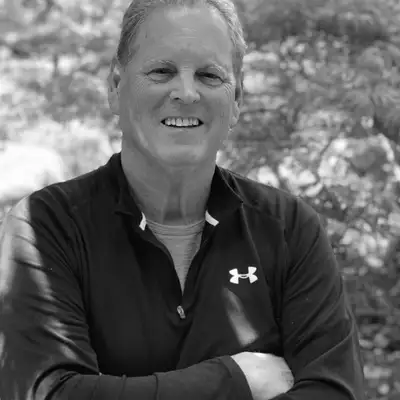
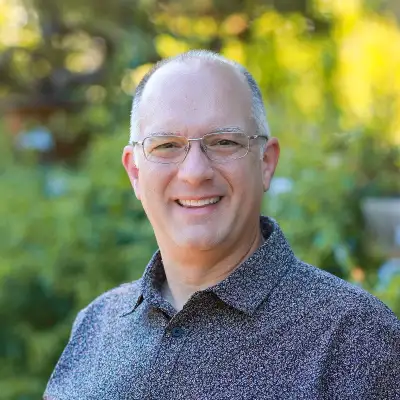
Mark Simon and Bob Marks revive their long-running cable TV show The Game, where they interview local leaders and talk widely about politics, business and sports.
Produced by Frank Bravo, BravoITC.com
00;00;25;16 - 00;00;39;08
Speaker 1
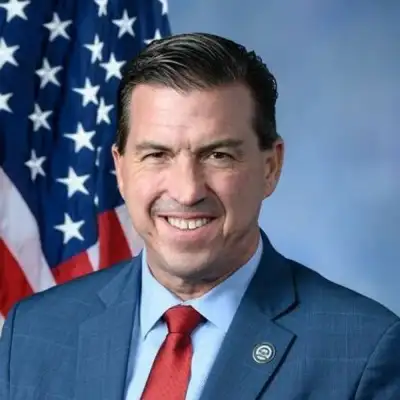
That music just makes you want to dance, doesn't it? Hi, I'm Mark Simon. Welcome to the game. I'm Bob marks, and we are happy to be joined today by U.S. Representative Kevin Mullin. Kevin, thanks for joining us again. Great to be.
00;00;39;08 - 00;00;40;17
Speaker 2
With you as always.
00;00;40;25 - 00;00;59;05
Speaker 1
So, let's talk let's plunge right in midterms. You read everything from you're going to end up with a majority of two seats to, I don't know, 30 seats. What what is being said inside your caucus right now about the expectations for the midterm elections for the party?
00;00;59;07 - 00;01;21;16
Speaker 2
Yeah. Well, first of all, thank you guys for having me on. This is always a treat for me, given our history and my history on the game. So in terms of the midterms, I saw Speaker Meredith Pelosi talking about 30 seats as an aspirational goal. That feels a little high to me, but, we we want to aim high.
00;01;21;18 - 00;01;49;07
Speaker 2
Midterms are the most part a referendum on the governing party. And I think the American people have a sense that the Republicans control Washington. They control the Oval Office, both chambers on Capitol Hill, and people are not happy with what they see with this open ended war. Not much being done in any meaningful way on affordability.
00;01;49;09 - 00;02;16;17
Speaker 2
Gas prices going up. The the closure of the Strait of Hormuz as a result of this war is driving up prices and creating global economic shocks. So, there's a lot of discussion about the president's needs and priorities and not enough about the American people's needs and priorities. So, look, the campaigns still need to be run, and this is a 5050 country.
00;02;16;17 - 00;02;36;02
Speaker 2
And with all of the redistricting that's happening, and I'm more than happy to talk a little bit more about that as we go along here. But there are ever narrowing number of swing seats in this country. So even if this is a Democratic wave, and obviously I hope it is, so we can not only gain a majority but have something of a cushion.
00;02;36;07 - 00;02;59;07
Speaker 2
The reality is, when you actually look at the seats there and the way these seats are drawn, it's a ever shrinking number of, of these swing seats. So, I certainly hope we get the majority. I would not be surprised if it's a narrow one. But look, the voters are going to decide this. And just the nature of the 24 over seven new cycle and social media.
00;02;59;07 - 00;03;23;04
Speaker 2
We don't know what the the overarching issue of the day will be when people actually are casting their ballots this fall, but just the general direction of the country. People are unhappy. Trump is at his lowest number. I saw low to mid 30s. So people are not happy and they're they're certainly my party is not immune to that though.
00;03;23;07 - 00;03;48;03
Speaker 2
People are just frustrated with politics and the dysfunction they see. But they do know that the Republicans control the levers of power. And I believe we're going to want a change, and hope that our party can bring balance to Washington and, and have a domestic agenda that speaks to their anxieties, which are very real.
00;03;48;06 - 00;04;15;13
Speaker 1
What is that agenda? Go ahead, go ahead. Mark. Okay. What does that agenda consist of? I mean, we all you know, we've seen such an interesting fall or late summer, I should say, about democratic socialists picking up some some wins. Some Trump endorsed people winning, some not. It's it's a very confusing, confused environment, I think. So what are the issues?
00;04;15;15 - 00;04;36;06
Speaker 1
I mean, all politics is local, especially when it comes to congressional races. People hate Congress, but they all tend to like their own member of Congress, which I guess is good news for you. But, you know what? What are the issues that are going to succeed here? I mean, you don't face a tough challenge. You don't have to spend a lot of time worrying about getting reelected.
00;04;36;10 - 00;04;58;03
Speaker 1
But certainly you're talking to your colleagues. You're hearing from your caucus. We have been talking to you off and on for the past several months. And I should add, we're always grateful that you find time in your schedule to speak with us about this stuff, but now's the time for us to hear what's the message? What are the issues that the Democrats are going to say, here's what's going to win for us.
00;04;58;03 - 00;05;27;12
Speaker 1
Here's what we know people want to hear. People need to know, clearly, in terms of Democrats historically at the presidential level, running against Trump with the message of can you believe this guy doesn't work? He continues to have done well. So what is what are the the 3 or 4 salient issues? What are the 3 or 4 salient messages you're hearing being put forth by your caucus saying, here's what you need to talk about to your voters.
00;05;27;14 - 00;06;02;29
Speaker 2
Yeah. So just on your first point about all politics being local, that's most certainly true in terms of incumbents who are running for reelection, speaking to the services they provide to their their constituents. But elections, especially in these swing seats, are very much becoming nationalized, where the national issues and the focus on them and the fact that in the swing states, candidates are raising money from across the country, there is a national focus on some of these swing seats.
00;06;02;29 - 00;06;26;06
Speaker 2
I mean, you certainly see that as a at the Senate level when you have statewide races like the one in Michigan, which has to be a Democratic hold, for example, and could very well tip the balance of power in the Senate. But in terms of, you know, you're talking about messaging. And yes, I most certainly this is a referendum on the governing party, but we are going to be talking about fighting for an affordable America.
00;06;26;10 - 00;06;48;12
Speaker 2
People want the Democratic Party to be fighting back not only against Trump, but, you know, there is a fatigue factor out there. People are tired of seeing this guy on TV and hearing about him. And he's he's he's certainly very unpopular at this point. But they want to know. Okay. We're going to give you the gavel. What are you going to be doing?
00;06;48;13 - 00;07;21;05
Speaker 2
And certainly affordability is a watchword. But they want fighters. They want people who are going to go to Washington and and focus like a laser on their kitchen table. Concerns starting with health care. Right. So, Affordable Care Act tax credits were not extended. There was $1 trillion, $1 trillion of cuts to Medicaid. We know it as medical in California that is falling on people across the country, working families least able to absorb those hits.
00;07;21;05 - 00;07;52;04
Speaker 2
So we're going to undo that. We're also going to assert our article one powers and the power of the purse and end this war. We will have the ability. The president is still the commander in chief. This is Trump's war, this open ended folly that we are seeing, which is costing national treasure cost 18 lives to date, with no end in sight and costing, everyday Americans at the pump at the grocery store.
00;07;52;07 - 00;08;25;11
Speaker 2
Trump has done nothing about the economy. He's made it worse. So we're going to be fighting back and repealing that. You know, as a as somebody who serves on the Energy and Commerce Committee, he has and the majority of Republicans have gutted, gutted $400 billion of clean energy tax credits, which were projects across the country creating jobs, creating economic impact in their communities, and making a transition to a clean energy economy that is driving up, I believe, driving up utility costs.
00;08;25;15 - 00;08;45;29
Speaker 2
We've got data centers being built across the country. Many states are welcoming them. But the concern is, what is that going to do to people's utility bills? Who's going to bear the cost for the development of these data centers out there? Which power AI? And more than happy to talk more at length about how we sort of strike a balance when it comes to AI.
00;08;46;00 - 00;09;17;19
Speaker 2
But, creating an affordable America with a focus on families, not foreign wars. Remember, Trump promised to end foreign wars and not get us entangled in foreign wars. He's deposed a dictator in Venezuela and brought us to war in the Middle East with no exit strategy. And Secretary of Defense is asking for $67 billion more to fight this war.
00;09;17;21 - 00;09;41;00
Speaker 2
But you've got a majority that rolls over for Trump. We are going to fight back on all of this. But you're going to hear a as certainly a message, in swing seats. But look, I'm also a political realist. You still have a president in office for two more years, unless something were to happen, at that ends his presidency early on that.
00;09;41;02 - 00;10;08;14
Speaker 2
And, we will be in a posture where we will be pushing hopefully through both houses and make it very difficult for Donald Trump to veto, the Democratic plans if we do it right and we have the public on our side, you can't do much without public opinion, but we believe we can get the public on our side to undo some of the severe damage, but also have a proactive, pro-family agenda.
00;10;08;15 - 00;10;15;15
Speaker 2
And again, you will hear even more about that after Labor Day and many of the swing seats.
00;10;15;17 - 00;10;16;09
Speaker 1
Kevin, I.
00;10;16;13 - 00;10;42;20
Speaker 3
Agree with you. If it's a referendum on Trump. The Republicans are in trouble. Should be a good year for the Democrats. On a recent podcast, Hillary Clinton said that, attacks, about communism and socialism, particularly in those swing districts that you mentioned she believes will be very effective in November. Do you share that belief?
00;10;42;22 - 00;11;13;26
Speaker 2
So the attacks on communism and socialism. Depending on the seat could be effective. You know, the Democratic Socialists of America, where they have been successful, have been in blue seats. You know, staunchly Democratic seats. New York City, for example. But to my point about the nationalization of elections, most certainly there will be messaging, trying to tag moderate to conservative Democrats with some of the more extreme positions on the left.
00;11;13;28 - 00;11;44;03
Speaker 2
We do some of the same things on, on the right in terms of the Freedom Caucus and some of the extremism you see on the right. And there's plenty of it to point to. And, essentially, you know, Republicans in swing seats right now. Whether they be pickup opportunities or Republicans defending their seats, they're going to have to answer for their sort of rolling over for Trump in this war and essentially not pushing back at all when there's constitutional or rule of law concerns.
00;11;44;06 - 00;12;12;02
Speaker 2
So there is going to be a nationalization of some of these elections. Now, I would be very concerned, just, for example, if a DSA member were to win the nomination in a swing seat, that has not happened, to date. I've said it is not officially a member of the DSA. He is he is progressive. But has announced his opposition to a number of the DSA positions, I believe.
00;12;12;02 - 00;12;37;13
Speaker 2
Although I'll be candid with you, I haven't followed Michigan as as closely as some of the national commentators, if you will. But, that's where I hope the all politics of local can kick in, in the swing seats, where you get candidates that are really reflective of the district that they are running in. And we have some Democrats who were successful.
00;12;37;14 - 00;13;05;14
Speaker 2
Adam Gray, for example, a former colleague of mine from the state legislature, he's been helped somewhat by how prop 50 redrew his district, but he still has to defend that district. And he's a very moderate Democrat that fits the mold of his very purple Central Valley district. And he has voted against our caucus a number of times in, I think, out of a sense of where his values are and where his politics lie.
00;13;05;14 - 00;13;31;21
Speaker 2
But also it's I think it's good politics, given the the conservative nature or I would say the moderate nature of his district. So finding candidates that reflect their district at the House level still matters. But I'm also, look, we have a great opportunity here to win the house back and make Donald Trump a lame duck, be a check on the extremism of this administration.
00;13;31;23 - 00;14;00;23
Speaker 2
I want to make sure we are nominating candidates that can win their seats. And I think we are doing that, and we are going to continue to do that. But I also don't mean to gloss over, you know, there are there's friction within my party about, progressives versus moderates. That frustrates me because the positions actually certainly there are extreme there are examples of extremism, but progressives and moderates, they are all under a Democratic tent.
00;14;00;26 - 00;14;26;22
Speaker 2
And to the extent that we can energize our base, yet also not alienate swing voters, I mean, that's that's the magic there is threading that needle, having an energized base that wants to be a check on Trump, but also it feels good about voting for a candidate that properly reflects their district. So, you know, people look at it like there's a political civil war and division within my party.
00;14;26;28 - 00;14;36;09
Speaker 2
I think when done right, we can energize our electorate but also appeal to swing voters. And that's how we're going to win these seats. And that's how we that's how we want.
00;14;36;11 - 00;15;02;23
Speaker 3
What's happening in these late primaries that Mark alluded to over the last couple of months is the DSA is dominating. They may not have won in Wisconsin with a candidate who opposed Thanksgiving. But it was a very narrow race. Let me give you an example. Michigan seven. Barrett is a Republican. William Russell is a Democrat.
00;15;02;26 - 00;15;30;24
Speaker 3
It's a swing district. Russell, basically says I'm not a member of DSA. I gave up my membership quite a while ago. When pressed by Manu Raju on CNN, he admitted that he gave it up a couple of weeks before that. We see candidates like him and all said, and others starting to backtrack over well documented positions that they've had in history.
00;15;30;26 - 00;15;39;28
Speaker 3
Don't you think that that's going to have an impact on the results, especially given the amount of money that the Republicans have?
00;15;40;01 - 00;16;08;22
Speaker 2
In May? I can't I can't speak for those specific candidates in what they've said. I'll be honest with you. You're you're citing, seats that I haven't studied. I just know in the, in general, candidates will have to answer for their statements. And, look, I don't think, you can say with a straight face. I didn't mean to say that way back when, you know, they said it, and they have to speak to that.
00;16;08;22 - 00;16;36;26
Speaker 2
And if their positions have changed, I think they need to be very forthcoming about why their position has changed. But look, that they will be held to account. And that's what elections and campaigns are about, is they will be called to task on past tweets or things, and they have to answer for it, but they also have to talk about where they are now, why they are the best candidates who represent that district, and that that's what campaigns are about.
00;16;36;26 - 00;17;26;01
Speaker 2
I think what I'm just since we're in the in the campaign folder here. I am most concerned, honestly, about superPAC spending. Like if you follow this stuff in a general sense, like I do, does the amount of money from super PACs, I mean, we would hear about super PACs, certainly at the presidential level, which super PAC is kind of getting behind this candidate for president, like a statewide races, super PACs play and super PACs aren't a 2026 phenomenon, but the level of super PAC spending with very little actual disclosure on where the money is coming from and money is being routed through various, committee with innocuous sounding names.
00;17;26;01 - 00;17;51;04
Speaker 2
It's it's why I authored the California Disclose Act. So you can actually see the names of the people who are funding, campaigns statewide campaigns. We need a national Disclose act, but we also need disclosure on super PACs. Now, you know, if I could wave my magic wand, we'd get rid of Citizens United. And we wouldn't equate money with speech, and we'd actually have some regulations in campaign finance.
00;17;51;07 - 00;18;17;25
Speaker 2
This court has essentially ripped away any regulation on campaign finance. So you have huge sums of money washing around our politics that are really, I think that has the potential to distort our politics. And as even House races become nationalized, really, it's not so much about all politics being local, unfortunately, it's about which super PACs are getting behind which candidates.
00;18;17;27 - 00;18;44;02
Speaker 2
Many. Much of that is completely beyond the control of the candidate. I say this as somebody myself who had independent expenditure funding in my initial race for Congress, completely beyond my control, like like literally beyond my control, to the point where you're sitting, having dinner with your family and you're seeing a television ad. Fortunately, my kids, it was positive, but it was something that had absolutely no involvement in.
00;18;44;09 - 00;19;08;00
Speaker 2
There's just a distortion happening in American politics and the the amount of money, which, you know, George will always talk about. It's not that much money if you compare to Easter candy, the amount of money spent on campaign is not that much. I'd go back and check that figure, because now more than ever, big dollars are flowing in because of some Supreme Court decisions that are really anti-smoking.
00;19;08;02 - 00;19;12;06
Speaker 2
The Democratic. But I'll get off my soapbox on that one and.
00;19;12;11 - 00;19;41;03
Speaker 1
Well, but it raises a question because some of the DSA and DSA adjacent candidates, I guess, is the best way to put it. I mean, I can understand some of them backing away from a call for defunding the police, but, maybe they shouldn't have said it in the first place. But in any event, some of these races, you do see an energized local grassroots campaign that seems to be overwhelming some of the money that's being spent.
00;19;41;04 - 00;20;03;09
Speaker 1
And I wonder, between social media, I mean, the fact is reaching voters is a lot easier than it used to be. And I wonder if it's taking some of the steam out of the money. We'll find out. I mean, some of these primaries are really hard to draw lessons from because they're so distinctive and so unique to where they are and the nature of the candidates.
00;20;03;10 - 00;20;23;24
Speaker 1
And it's always important to remember these races are not yes or no. It's always one person prepared to the other, and some of them are going to do well just because they're not really good candidates in the race. And Michigan is a good example. The woman who ran in lost was not that great. A candidate that kept talking about her accent, which was their way of saying she really not campaigning very well.
00;20;23;25 - 00;21;04;28
Speaker 1
So some of it is simply who's running and who does a good job of showing up at the campaign. But there is is there something going on here with this DSA younger generation, energized participants? That that it looks like the party hadn't fully anticipated and isn't necessarily fully comfortable with? Or is it overblown? I remember the the squad when AOC and her colleagues cast a vote against some measure because it didn't have environmental issues and it and Nancy Pelosi was on face the nation was asked about him and she said, well, there are four votes for votes.
00;21;05;00 - 00;21;19;26
Speaker 1
And it's like, why are we even talking about them? Is too much being made out of this by people like Bob, or is there something really going on here that can, in fact, undermine some of the efforts of the Democrats to take back the House?
00;21;19;28 - 00;21;24;25
Speaker 2
Yeah. So there's there's a lot there to pick apart. Just maybe.
00;21;24;27 - 00;21;28;12
Speaker 1
I like the really compound questions. You.
00;21;28;14 - 00;21;58;21
Speaker 2
So just one example. Just that, that I was actually paying particular attention to because I'm good friends with the incumbent. And that was Diana DeGette in Colorado, who represents Denver. She was quite literally on the precipice of becoming the chairwoman of the health subcommittee of the Energy and Commerce Committee, which is a mouthful, but it is the most powerful policy person on health care on Capitol Hill when we take the majority.
00;21;58;23 - 00;22;22;29
Speaker 2
Okay, well, there's the Senate, too, but let's just stay with the House. She would have been the most influential health care policy person in our in our House majority. And, she had been in office for a couple of decades, I think, which is what it took for her to get to the position with seniority to be to have a gavel of this very powerful health subcommittee.
00;22;22;29 - 00;22;42;13
Speaker 2
It's the same gavel, that an issue had as a ranking and, and the chair of the health sub. And, you know, as we know, Anna was in office for for 32 years, and it took her quite some time to get to that point. And she became the very influential chair of that health sub and then ranking member.
00;22;42;15 - 00;23;14;24
Speaker 2
So, she was toppled by a 29 year old Mallet Quiroz, who I've never met. But who to your point. Mark and Bob energized a progressive left in Denver urban area. You know, college, young people. But also, it wasn't only young people, but the very progressive folks. Keep in mind, Diana DeGette was one of the original Medicare for all people.
00;23;14;26 - 00;23;36;27
Speaker 2
But she had been in office for some time. Was was on the older side, certainly not as old as many of the candidates on the ballot this year. And she was a caught up in this wave. And that wave also caused Michael Bennet, a sitting senator, who normally be sitting senators who run for governor in a really strong position in the primaries.
00;23;36;27 - 00;24;13;02
Speaker 2
And he was beaten, by somebody else because I think he sort of represented Washington in voters minds. But it just speaks to the frustration. Look, this is, I think, not even so much about progressive versus moderate, although that's most that is definitely an underpinning. I really think it's about frustration with what's happening in America. People are looking at Donald Trump coming back to the Oval Office after leading an insurrection in this country, after leading an insurrection on on that citadel of democracy on Capitol Hill.
00;24;13;05 - 00;24;42;17
Speaker 2
And somehow he is put back in charge of this country. And and then not only is is somehow because of the way my party handled Joe Biden's age and that that really rocky transition to Kamala Harris in that short runway, they're taking it out on Democratic part, long time Democratic Party leaders and saying, this is your fault, that we are here at this place.
00;24;42;17 - 00;25;08;27
Speaker 2
So, yes, there's progressive policy there, but it speaks to people's just frustration that we are at this point. And then not only Trump sneak back in there, he leads an authoritarian attack on the federal government and in a in a shocking way. So we're going through a convulsion in this country in a reaction to what people have seen.
00;25;08;29 - 00;25;33;18
Speaker 2
But what is interesting is just running against Trump's authoritarianism. And I speak a lot about it. I think people are so kind of tired of, you know, this is now, what, 2016? He emerged, he came down the escalator. This is now year ten, really, of Donald Trump being this huge figure in our American politics. And there is absolutely a fatigue.
00;25;33;19 - 00;26;00;10
Speaker 2
People want something new and energizing. Now as a political practitioner, I want to channel that energy channel that, you know, if you look at the voting levels, they're they're spiking in primaries. If you look at the number of Democrats coming out in primaries, it's remarkable. Now we've got a channel that against Republicans in November, if we want the majority.
00;26;00;13 - 00;26;28;21
Speaker 2
And that will be crucial is to channel this energy, try to unify. If there are these two wings that people talk about and there are. But it gets blurry to me because there's so many similar positions with progressives and moderates. And I consider myself I consider myself a progressive, and a moderate center left politician. I'm a member of the Progressive Caucus and the New Dems, because that's where my politics are largely center left.
00;26;28;21 - 00;27;00;15
Speaker 2
I sort of see these things as a relatively short spectrum, but we've got to channel the energy into winning seats and flipping seats and protecting incumbents in purple seats. And I do believe we can do that when when done right. But look, it politics ain't beanbag. This is tricky. Tricky stuff on how we, pull all of this together, how we knock down misinformation and and overcome the amount of money.
00;27;00;15 - 00;27;32;17
Speaker 2
And to your original point, mark, if there were super PAC pouring money against me, for example, I would absolutely use every channel in my disposal that didn't cost a dime. Like social media, like energizing people on the ground to counter the big money. But it's, it would be it's hard if you think about what it's like on the receiving end of tens of millions of dollars of negative ads, and we just saw that in the special election across the bay.
00;27;32;19 - 00;27;50;17
Speaker 2
There was a huge gap between the two candidates in the primary in this special election over there to fill the Swalwell seat. And there was a great deal of money being put in by a super PAC, which absolutely had an effect and closed the gap. But it was not enough. And I show a Harbor will be joining us on Capitol Hill.
00;27;50;20 - 00;28;01;29
Speaker 2
But so money absolutely matters. But it's not necessarily determinative. At the risk of stating the obvious, campaigns still need to be run and the votes still need to be counted.
00;28;02;01 - 00;28;31;05
Speaker 3
Kevin, let me take you back ten years ago with the Republican Party. One of the reasons that Trump was successful initially was that he was able to generate large numbers of new voters. You can see over a ten year period he's completely revolutionized the Republican Party. Certainly. I would argue along with you that not for the better.
00;28;31;12 - 00;29;12;18
Speaker 3
But can't you see a scenario that we're headed down that same path with the Democrats when when Democrats talk about a big tent, it reminds me of Republicans and 2014 and 15 who talked about their big tent. I think it's a code for bitterly divided party. In. You know, I guess my question and Mark alluded in his column yesterday, one of the things that happens is you get these extreme candidates and they give very outrageous Pacific things that they're going to do, and they capture people's attention.
00;29;12;20 - 00;29;28;01
Speaker 3
Rather than the usual political speech that both parties historically have done. Don't you think there's a danger that the Democrats may be going through that same evolution that the Republicans went through?
00;29;28;03 - 00;29;36;03
Speaker 2
Bob, that's possible. You're more of a an expert on internal Republican Party matching.
00;29;36;03 - 00;29;37;28
Speaker 1
It didn't.
00;29;37;28 - 00;29;38;00
Speaker 2
Do.
00;29;38;00 - 00;29;43;01
Speaker 1
This whole favor. Don't don't tell. Bobby's an expert.
00;29;43;04 - 00;30;10;17
Speaker 2
So, look, I would be concerned if there was an ongoing Tea party like revolt within my party. I mean, look, because we have to channel our resources to winning seats and battling Republicans who sort of roll over for Trump, as opposed to spending money to either defend good incumbents or, you know, make sure we have the right candidate who emerges from a primary.
00;30;10;20 - 00;30;34;13
Speaker 2
By the way, I'm actually not a fan of my my d c that Democratic Congressional Campaign Committee getting too involved in primary elections. I'm just I'm just not a fan of that. I think, you know, in a primary, the voters will decide who is going to win that primary. My party has been involved in a few things to try to find maybe the best candidate.
00;30;34;15 - 00;31;00;21
Speaker 2
Nonetheless, you certainly hope that a write candidate that reflects their district that can also energize the base wins. Now this this question. Bob, you may have to check back with me in a couple of years. I don't know if this is the beginning of a Tea Party kind of revolt within my party, or if it's really a reflection of, you're not doing enough against Trump.
00;31;00;24 - 00;31;23;08
Speaker 2
And the world looks different if if we win the House and the Senate and we really are countering Trump, making him a lame duck, the, the politics and the political conversation may change there, too. And I think we can only take these things a cycle at a time. Very honestly, the way the political conversation news. The focus now is November.
00;31;23;09 - 00;31;50;25
Speaker 2
And how do we win the majority and how do we how do we swing this ever shrinking number of swing seats in our direction, but then actually do something with those gals? But I just think it's an open question. It's also an open question since since we're we're talking about just kind of party structure. Are we going through the middle of the are we in the midst of a political earthquake that is going to reform the party structure completely?
00;31;50;27 - 00;32;15;25
Speaker 2
I mean, you know, like to your point, a Donald Trump Republican, I don't even know what they would have been necessarily pre 2016. This Republican Party looks dramatically different than it did before Trump. This is Donald Trump's Republican Party. And there are a lot of disaffected Republicans out there who I don't think really feel like they could stomach being a Democrat.
00;32;15;28 - 00;32;41;13
Speaker 2
So maybe they're declined to state. And what remains to be seen is, are there some Democrats who say my party is moving too far to the left? I'm now kind of disenfranchized. We we always talk, you know, is there some other kind of third party that emerges or something? Not yet. So you still have these two camps, but divisions within the parties themselves?
00;32;41;20 - 00;33;16;24
Speaker 2
I mean, it was sort of described to me as there's actually like five parties, within this two party system, you know, the progressive moderate Democrats, the decline of states and then Trump, Republicans and disaffected, you know, Bush Republicans there. There's so with social media, with the way American monoculture is falling apart largely, and everybody getting their own news from their own algorithm, that the lack of a common conversation, it makes it harder to govern, but it's also making it harder, I think.
00;33;16;26 - 00;33;37;16
Speaker 2
Well, I don't know, maybe it's making it easier for people to organize themselves so that it's harder for kind of big institutions to sort of control that conversation. And so we may be in the midst of, of a real kind of, fracture of the traditional way we look at these parties. And so I think it's an open question.
00;33;37;17 - 00;34;00;18
Speaker 2
I mean, it's certainly makes it interesting for folks like us who are engaged in commenting and following it, but it also makes it harder to govern, I would argue, and we have a huge problem on our hands, like a $40 trillion debt, not the least of which is what we're doing to future generations. By not dealing with problems right now in a, in any kind of a bipartisan way.
00;34;00;24 - 00;34;14;13
Speaker 2
We're leaving a lot of issues, unfortunately, for the future to deal with, we need to be dealing with them now. And the, the, the political environment makes it very difficult to. Well, yeah.
00;34;14;18 - 00;34;42;21
Speaker 1
Something something I wrote, the sort of echoes is, you know, I, I, I think we're seeing a generational transition, which is transition to a new generation. That would explain some of the unhappiness with just how old some of these guys are, how long they've served. I mean, I'm old enough to remember when we went through this in the 60s and 70s, where it was many of the same messages of it is time for essentially you guys to get out of the way.
00;34;42;25 - 00;35;06;15
Speaker 1
Never trust anyone over 30. I think it was Abbie Hoffman who famously said that. The other thing that I've noticed, and it speaks to what you were saying, Kevin, is we've gone in the presidential campaign from Obama, from Bush to Obama to Trump to Biden to Trump. And what that says to me is that most people are not in either camp.
00;35;06;20 - 00;35;29;13
Speaker 1
They're just saying, would somebody please do something because we've got real problems. And I don't mean to harp on this because I mentioned that I think more than once on the show, but you've got a generation of young people who are growing up with screens, and we don't know what they're doing to them. They're growing up with active shooter drills as a routine part of their school life, which is nothing compared to.
00;35;29;15 - 00;35;46;02
Speaker 1
I mean, we went through with the air raid drills and during the Cuban Missile Crisis was like a joke compared to that. You've got, the planet burning up and rejecting the human species. And none of them can afford to live anywhere. I mean, the the problem with affordability for a house isn't unique to the Bay area.
00;35;46;06 - 00;36;08;09
Speaker 1
It's it's extraordinary in the Bay area. But I know it's all over the country. People are worried about that. So what you're seeing, I think in some cases it's transition to the idea in a focus on, as I said, somebody please do something. Which leads to my question. Thank you. Well, yeah. Like you are all very short, Bob.
00;36;08;10 - 00;36;20;12
Speaker 1
And to the point, one of the first things you guys are going to do is you're going to try to impeach President Trump, or is it a good use of your time?
00;36;20;15 - 00;36;46;05
Speaker 2
That is a that is a TBD and I can't make a projection on that. I know some folks want that to happen. The reality is there's not a two thirds vote in the Senate for removal. I don't think, as much as I want Trump out of office, I don't think he ever should have been within a football field of assuming the the duties of commander in chief again after leading an insurrection in this country.
00;36;46;09 - 00;37;11;26
Speaker 2
My anti-Trump fervor takes note, takes a backseat to to no one. But people want to know that we are doing something for them and that we are listening to that anxiety, that list of of concerns that you just laid out there. Mark, that is real. Younger people feel like they're inheriting, you know, a planet that is on fire and economy that doesn't work for them.
00;37;11;29 - 00;37;41;01
Speaker 2
They're going into an economy that is largely tech driven, with AI at the heart of it. They're worried about what their career path is that, and there is a debt being left to young people if we don't get our fiscal house in order. So there is absolute anxiety and frustration that the solutions being proposed are not to the scale of the problem and these voters.
00;37;41;08 - 00;38;06;26
Speaker 2
And it's not only young people, but it is a change election after change, election after change election. Now, as as someone in a party who wants change, meaning we take the gavel back and somebody wants a Democratic president in 28, we may be able to channel that anxiety and anger at at what is happening in the world.
00;38;07;02 - 00;38;38;01
Speaker 2
And, and when a couple of successive elections, and then we would have the levers of power, but people would want us to actually deliver a democracy that actually delivers results for people. And, you know, we certainly are an epicenter of the affordability crisis here on the peninsula, requires all levels of government to try to move those levers and build more affordable housing and create a scenario where young people can live in the community they grow up in, if they so choose.
00;38;38;04 - 00;39;15;07
Speaker 2
But we have a massive transition happening. If you just think about the role of technology and we're talking about, you know, social media and the role of, of these things, which is basically feels like it's attached to my hand, at all times. The nature of how people get their information and communicate is shifting rapidly. But just in terms of the economic changes, and I mentioned artificial intelligence, we are on the precipice of massive changes to the way workplaces operate and the career path for young people.
00;39;15;09 - 00;39;40;13
Speaker 2
And they are worried that not enough is being done to take that into account. I have been frustrated that, we have the majority of Republicans have enacted a state preemption on any kind of AI regulation, but then haven't actually produced anything at the federal level. So, yes, AI regulations would be better crafted at the federal level, but there's really nothing meaningful happening.
00;39;40;16 - 00;40;11;22
Speaker 2
And there are going to be dramatic economic changes with artificial intelligence. We have to be talking about some kind of a dividend, some kind of benefit that the public gets, from all of the economic, wealth that will be generated through the AI boom. So how can we make sure that there are benefits being felt broadly from the AI boom, that we are very much at the epicenter of here in the San Francisco Bay area?
00;40;11;23 - 00;40;39;12
Speaker 2
Just spend some time in downtown San Francisco and you'll know what I'm talking about. But it does drive prices up. Housing prices through the roof. How you encourage economic activity with that, with AI. I want the Bay area to benefit from that, those economic drivers. But we need to be thinking about the impact on working families and the middle class being squeezed and being pushed out.
00;40;39;15 - 00;41;03;06
Speaker 2
And certainly lower income service workers on the receiving end of a lot of this. And I just look, I'm just, I was thinking this morning just about the amount of wealth that is being created at the top in this country. Not not the not the 1% like the .01 percent. And the tax benefits that go to big corporations and billionaires.
00;41;03;08 - 00;41;26;25
Speaker 2
I know I sound like Bernie Sanders right now, but there is the reality of wealth inequality and its impacts on society broadly. And when you have technology like AI coming on board, that is just going to create more extreme wealth at the top with cryptocurrencies and other mechanisms. We've got a president who's $2 billion richer from serving in the Oval Office.
00;41;26;28 - 00;41;57;00
Speaker 2
There is an oligarchy in this country and not enough people are feeling the benefits. Those benefits aren't trickling down. You know, what's trickling down is the costs are trickling down to the people who are least able to afford it. And that is why people are so frustrated. I believe it goes back to this sense of this generation and younger generations, not only not exceeding their parents, but falling behind.
00;41;57;03 - 00;42;25;04
Speaker 2
And the actual that sense of an American dream is being lost and a sense of control over your own affairs and destiny being lost with the chaos that we see in our society. And people are deeply frustrated, and they are taking it out in our politics. And it's a it's a reminder of my party is going to have to deliver in a meaningful way.
00;42;25;06 - 00;42;42;11
Speaker 2
If we are granted that power. But we also are going to need a president who understands that anxiety and actually can craft a visionary policy for where the where this country is going. And we.
00;42;42;13 - 00;43;00;06
Speaker 1
That leads back to the question I asked you, which is, you know, asked is is it going to be an effort to impeach the president? And you said that to be determined? Do you think that's a mistake? Should, should. Should your caucus not spend his time given everything else people think you should be doing? Yeah, focusing on something like that.
00;43;00;09 - 00;43;28;04
Speaker 2
Well, I don't I don't think it's a good use. I don't think that's the kind of thing. Impeachment itself, I don't believe would succeed because I don't think we get two thirds vote in the Senate. So what I do think, though, is that when Robert Garcia has the gavel in our oversight committee, we hall administrative administration officials to Capitol Hill and bring accountability.
00;43;28;11 - 00;43;58;16
Speaker 2
There is this is the most corrupt administration in the history of the country. People are profiting off of power blatantly. And this is an administration that has routinely ignored the Constitution and the rule of law. And they have a compliant Supreme Court that has allowed much of this to happen. Just the fact that the president himself is above the law, according to the Supreme Court.
00;43;58;19 - 00;44;36;09
Speaker 2
These are these are deeply problematic circumstances. And you will see an aggressive accountability effort in our oversight committee. But that's the Congress should be playing that role. Not only has this current Congress given away its article one powers of the purse to the president. Tried to give away tariff power to the president. Largely, you know, undermine Congress's the House's power when it comes to the budget and appropriations process.
00;44;36;15 - 00;45;17;16
Speaker 2
They've largely just looked the other way when, you've got an administration that has unleashed an inhumane immigration policy on this country. And I toured California city in the middle of the California desert, completely inadequate facilities, health care, dental care, mental health care for detainees who are being treated like prisoners in this country. There are multiple un-American things happening under this administration, and we're going to be speaking to that, but specifically on impeachment.
00;45;17;17 - 00;45;38;10
Speaker 2
I mean, look, I've been out there. I there was a procedural on impeachment. I voted for it. I don't believe Donald Trump belongs in the Oval Office. But there's a practical reality of actually getting a supermajority vote for conviction in the Senate that I just don't believe we're going to get. So we need to be speaking to not only the the abuses of power.
00;45;38;11 - 00;46;08;10
Speaker 2
Yes, you can do that. But we need to be speaking to people's everyday economic concerns because that I believe in their mind. It takes precedent. Their day to day circumstances and what they're dealing with economically is going to be the driver. And people feel like life is unaffordable for them and they are falling behind. And the president and his governing party are doing absolutely nothing about it, and they're making it worse.
00;46;08;11 - 00;46;17;16
Speaker 2
Not only are they not doing anything about it, they're making it worse. We're going to speak to that. And then we have to actually move policy that addresses those concerns.
00;46;17;18 - 00;46;45;26
Speaker 3
Kevin, you talk about future issues and the need to address them now. There's an issue that is no longer in the future. It's coming up or on the precipice. And that's Social Security reform. Yeah. You know, we're what do we do? What's let me give you some examples. And I'm not asking you to respond to each one, but increase increase the payroll tax on younger workers.
00;46;46;01 - 00;47;07;28
Speaker 3
Move the minimum age to 65 with full retirement at 70. Until wealthy individuals like Mark that we just cannot afford to pay them their social security that they paid into over the years. Those are some of the solutions that are out there. There are others. How do we get from here to there?
00;47;08;01 - 00;47;37;26
Speaker 2
Yeah. Well, thank you for that. Social security. We need to reform Social Security. Not by privatizing it, not by mining it, but by strengthening Social Security with all the changes in the economy that I was talking about. You need social insurance programs that are on solid footing, are strong and sustainable, and whose life lines we are extending for future generations.
00;47;37;26 - 00;48;02;12
Speaker 2
So I would raise the cap. I would inject some progressivity into the attacks that funds, fund Social Security. I don't have the exact number, but I believe it's 168,000. Or maybe it's now 174,000, something like that. Don't quote me on that exact number, but basically there's a cap on the amount of income that the tax applies to.
00;48;02;13 - 00;48;30;19
Speaker 2
So lower income service workers are paying you no 100 their salary. When you do that calculation. They are paying full freight on a lower salary than wealthier individuals like Mark. So sorry. The so if you lift that cap, you modify that cap, you will bring more money into the system. And some people will say, look, I don't want to pay more taxes.
00;48;30;19 - 00;49;01;06
Speaker 2
I get that I don't like paying taxes either. But you have to look at some progressivity. It will extend the lifeline. And we need to make sure these social insurance programs are there and they're strong. The, I just think there will be an increasing need for that. Now, since we're talking about Social Security. It's such a big chunk of the budget, 15% of our budget goes to financing the national debt.
00;49;01;09 - 00;49;25;17
Speaker 2
So the last balanced budget we had was 1993, Bill Clinton, the Deficit Reduction Act, actually, in 1994. And it cost a bunch of Democrats their seats. But we need to move back, with with a balanced budget, even just as a concept being discussed again. We don't we do not have that now. We have a wars, open ended wars.
00;49;25;20 - 00;50;03;01
Speaker 2
At the same time, there are corporate and and billionaire tax cuts. The big ugly budget bill slashed $1 trillion of Medicaid for those who need their health care, lower income individuals and cut taxes for corporations and the wealthy made things permanent. I think we need to revert back to a higher level of corporate taxation. You can have a policy that encourages economic growth, but also taxes it appropriately, so we can bring some sanity back to our our our fiscal conversations.
00;50;03;01 - 00;50;41;26
Speaker 2
$40 trillion in debt, that is, that is creating ripple effects in and of itself. And then ever increasing amount of our budget just going toward financing the debt. And, you know, that 15%, that amount of money could be funding infrastructure in this country, could be of funding more affordable, accessible health care and child care. During the during the pandemic, we had the largest and most successful anti poverty program with the expanded child care tax credit, which went away.
00;50;41;28 - 00;51;10;04
Speaker 2
As the pandemic went away. But it was proven that that had a real effect on childhood poverty. There are things that we could be doing with that money instead of financing the debt. So look, both parties are at fault. But I would say Republicans with their tax cut regimes under not only Bush but now accelerated under Trump, have really put our our nation's finances in peril.
00;51;10;05 - 00;51;31;11
Speaker 2
In fact, the Treasury secretary was saying, what, we're just gonna have to grow our way out of this. I guess that's the answer. I mean, look, I'm all for economic growth, but we need to bring fiscal sanity back to Capitol Hill. And that is where, look, both parties are going to have a role in looking at our fiscal house and restoring some sanity.
00;51;31;11 - 00;52;02;24
Speaker 2
But there is a pro people way to do this. And, we haven't had that in quite some time. And there was an opportunity, I think, with Obama and John Boehner at the time, the so-called grand bargain, if going back in history now. But there have been some bipartisan discussions about ways to set this country's fiscal trajectory. In a way that would actually really save future generations from economic peril.
00;52;02;26 - 00;52;24;03
Speaker 2
And those those efforts fell apart. We're going to have to have president and a Congress that cares about the future and what these decisions today mean to future generations. And my hope is that we can move in that direction. But just saying, well, I guess we'll just grow our way out of it. That is that's just not an answer.
00;52;24;03 - 00;52;45;09
Speaker 2
It's irresponsible. I'm not surprised coming from this administration, but we need to get serious about the problems we have in this country and foisting it on future generations. So thanks for that soapbox opportunity. I know you asked about Social Security, but it has to be kind of viewed in a in a broader context about our fiscal year in this country.
00;52;45;12 - 00;53;04;17
Speaker 1
For the sake of the permanent record. Just because I'm doing better than Bob doesn't really make me wealthy. But, speaking of wealth, and I think we'll shift gears to a something more fun after this question, but the highest profile measure on the ballot in November is going to be the billionaire tax, if you take in a position on that.
00;53;04;19 - 00;53;42;11
Speaker 2
So I'm neutral on that right now. My strong preference when it comes to a billionaires tax, and I talked a little bit about it, is is one that's done nationally. And the politics aren't aligned for that right now. But if you only call out California billionaires and a number of them are already taking steps to shield that income, protect themselves, move their official residence out of state, I just know from serving on the budget Committee in the Assembly, we rely on wealthy individuals and their capital gains tax and their progressive tax rates to help fund our government.
00;53;42;13 - 00;54;11;23
Speaker 2
And I, I am nervous about what the downstream effect would be. My position is very similar to Gavin Newsom on this issue. Who has to put forward a budget, has a Department of Finance that he works with and and can see where the revenues are coming from, but also the unpredictable nature of tax revenues in California. I actually think I'm sorry my, my I we're hearing aids.
00;54;11;23 - 00;54;44;00
Speaker 2
My phone is ringing in my ears. My concern is what the downstream effects would be. And those are the governor's concerns. And I believe the next governor's concerns. Javier Becerra, about, you do not want a policy that's going to result in less money to the state budget when you have big cuts coming from Republican Washington on Medi-Cal and other intergovernmental revenues from the federal government.
00;54;44;03 - 00;55;12;13
Speaker 2
I'm concerned about what the bottom line impacts would be. And, so I've stayed neutral on that. What I'm not neutral on is that we need a national billionaires tax to deal with wealth inequality and undo the big ugly budget bills, permanent tax cuts. But look, that was structured in a way that, if if Democrats are going to it's not enough to sort of repeal that the way it was structured because it's a permanent tax cut.
00;55;12;15 - 00;55;35;08
Speaker 2
We would have to proactively be raising taxes, and that would be used as a campaign issue against my party. I mean, obviously, that's why the Republicans structured it that way, but I really believe that kind of a tax should be done at the national level. So California is not disadvantaged and it doesn't have a negative effect on our revenue streams in the state.
00;55;35;08 - 00;55;48;07
Speaker 2
But look, I get the impulse. People see the enormous wealth. I get the impulse on why they want to do that in California. But I just think this kind of tax policy is better done at the federal level.
00;55;48;10 - 00;56;09;25
Speaker 1
Yeah. Well, as you may know, Bob and I do what we call the bullpen, which is that we take a few minutes after our guest departs to disagree about almost everything. But we it's aptly named, and we always put sports in the intro intro of our show. We've been kicking around. What's going on in the Bay area sports.
00;56;09;28 - 00;56;13;21
Speaker 1
Seeing you have some thoughts, Kevin.
00;56;13;23 - 00;56;41;01
Speaker 2
Well, I am a now 56 year Bay area sports fan, and, I'm a little nervous about speaking of trajectories. Where Bay area sports is going? I mean, I was kind of making a list, actually, not a not a priority, but I had a little bit of free time and I was just listening out all of the the championships we've had in the Bay area just in my lifetime.
00;56;41;01 - 00;56;59;28
Speaker 2
And the fact that we've how lucky I am, and it's probably because I have two eight year old boys I'm thinking about, okay, how many championships are these guys going to live through in the Bay area? But, you know, I was able to see the 40 Niners dynasty live through. Of course, the Giants dynasty and the Warriors dominance.
00;56;59;28 - 00;57;27;29
Speaker 2
It has been a blessed time if you're like kind of, just mainstream sports fan in the Bay area of the big three sports, encouraged by the Valkyries and what I'm seeing there. I was invited to the WNBA All-Star game announcement. I had some meetings in Sacramento, actually wasn't able to be there, but that is a bright spot on the Bay area sports saying we're entering football season.
00;57;28;01 - 00;58;06;01
Speaker 2
But I I'm kind of a superstitious guy. I'm a little bit of an omen guy. I was worried about the Shanahan car accident and just some of the, some of the signs were getting about the 40 niners, but, I'm hoping that they will be another bright spot, but the Giants, there's been a depressing year. And Buster Posey, who's one of my favorites, was worried about, sending away all of our relief pitching and firing Bob Melvin, who's a menlo Park guy, a local product, two time manager of the year.
00;58;06;01 - 00;58;26;29
Speaker 2
I was just surprised when when he was fired in favor of a college coach with no MLB experience. But sounds like they're bringing Vitello back. He'll get another chance to prove himself. And I guess our pharmacists, I say, are like like it's mine. The Giants farm system. The Giants farm system is now ranked in the top five, I think.
00;58;26;29 - 00;58;32;03
Speaker 2
So we're going to play the long game I guess when it comes to to the Giants.
00;58;32;05 - 00;58;51;07
Speaker 1
Yeah, I was at a game the other day. And the bad news is my seats had a clear view of the field. It was a quintessential Giants game where they're in the game because of great starting pitching. They're not hitting. So it's like one to nothing. Going into the eighth inning, they give up two runs because they bring in the relief pitching and game over.
00;58;51;07 - 00;59;13;00
Speaker 1
And thanks for coming. Drive safely on the way home. It does feel in some ways I can recall talking to a friend of mine in 2009 saying, you know, I guess I'm just going to have to resign myself to the reality that the Giants are never going to win a World Series in my lifetime. And then they go on this amazing run.
00;59;13;02 - 00;59;40;04
Speaker 1
And all credit to Brian Sabian for the way he put these teams together that were really well designed for ballpark playing. But it's starting to feel that way again. It's almost like Bay area sports is reverting to form. The Warriors are going to be so. So, they're old. The Giants are constantly in a state of rebuilding.
00;59;40;06 - 01;00;09;28
Speaker 1
And yeah, I'm hopeful that they'll bring up some of these young guys. But some of those young guys were the guys who kicked away the game I went to the other day, and the 40 niners have been good for a long time. But I worry, too, that, you know, one key injury. It seems like these these guys get hurt a lot and makes you wonder what the hell's going on at their practices, because it seems they suffer injuries, devastating injuries more than other teams do.
01;00;10;01 - 01;00;14;24
Speaker 1
So it's a weird time to be as a Bay area sports fan.
01;00;14;27 - 01;00;51;11
Speaker 3
Yeah. You know, I think that the particularly the Warriors and the Giants, you have to look at the situation with the Los Angeles Dodgers and the recent sale or I guess it's still not decided of the Lakers. It seems like, again, like politics money. You know, we're talking about $12 billion sales. Even if the Warriors and the Giants get better, it's hard to compete in the environment.
01;00;51;11 - 01;00;56;22
Speaker 3
And this is really true throughout throughout all the sports teams that we watch.
01;00;56;24 - 01;01;27;00
Speaker 2
Yeah. So the amount of money is is stunning right? I'm actually old enough now. I remember in 2012 when the Warriors were being sold and there was a guy, that I played basketball with who actually had kind of a role in the existing, Warriors ownership group at that time. So I remember we had these conversations, but Larry Ellison was in the mix there, and Joe Laker came in with, I think it was 450 million, something like that, which I remember at the time, like, wow.
01;01;27;03 - 01;01;50;10
Speaker 2
450 million. And that was 14 years ago. And now the Lakers are being sold for $12 billion. So there's huge money washing around the top of our society, whether that's private equity or the big finance guys. And you know where they're getting that money. You know, who knows? I don't know enough about the sources of that income.
01;01;50;10 - 01;02;19;23
Speaker 2
But the inflation in sports franchise value is stunning. And you can't sort of talk about sports now. And the and the kind of projections on your teams without thinking about the business side of it in the ownership side of it. And, you know, I always was sort of hopeful, like, okay, the Johnson family with these local ties here, with with local is it Franklin Fund, I guess, Johnson, the Johnson family.
01;02;19;23 - 01;02;42;05
Speaker 2
But, you know, there's a wealthy, wealthy entities. We could be kind of a West Coast Red Sox. You know, maybe we're not going to be the Yankees. We're not going to be the Dodgers with that super high level payroll. But, you know, we're going to be in the game. And maybe speaking of the game, we're going to be we're going to be in the game where we have enough, capital to acquire players.
01;02;42;05 - 01;03;00;24
Speaker 2
But also you build your farm system and the Dodgers have done that. Right. They too have a very good farm system, as I understand it, despite their most recent troubles here at this season. But we'll go revert back to the annual tradition of rooting against the Dodgers to the fall. I mean, that's that's the other.
01;03;00;27 - 01;03;39;00
Speaker 1
Just made it hard to be a Giants fan is they spent decades building a good reputation within the community as a thoughtful organization that reflects the community they serve, and they read it through that away with the way they mishandled this whole set of pitchers who were going to make some sort of biblical statement on Pride Day. I mean, I, I was among the first to cover their, there their Aids day, Aids support day, in fact, sort of broke that story for the Bay area.
01;03;39;03 - 01;04;01;03
Speaker 1
And it was such a thoughtful way for them to go about it. And they've done that for a long time, but it does seem as though the ownership, the dominant part of the ownership, is less interested in that or is less at ease with the nature of Bay area. Being a Bay area sports team is not like anybody anywhere else.
01;04;01;05 - 01;04;24;07
Speaker 1
It's a terrific autobiography that Jeremy Affeldt wrote about his career and when he was a relief pitcher for another team, he said used to scare him to come to San Francisco. And he was staying his hotel room because he was afraid of what he might see. And he said getting traded to San Francisco was actually the best thing that happened to him, because it taught him that this is a unique place.
01;04;24;09 - 01;04;35;20
Speaker 1
And they seem to have lost their footing a little bit in that regard as well. So that sours the whole experience of having at least something to be proud of in terms of how this franchise conducts itself.
01;04;35;21 - 01;05;03;21
Speaker 2
Yeah, I just as as communications person before before politics that was involved in some communications work. But how they handled that pride night debacle was stunning to me for such a historically, you know, a progressive, public oriented organization. The way that was so ham handed with really not addressing it and then kind of hiding from it. And then Larry Bear had to come out and clean it up.
01;05;03;23 - 01;05;43;29
Speaker 2
It was very like. And the fact that the, the pitchers involved in the protest were sort of trotted out there one by one by Vitello was actually that was kind of stunning to me, too. So that was a dark episode. And I think because of how well the organization has done in terms of holding up diversity, promoting that which makes the Bay area special and unique for them to handle in that way was not only disappointing, but really surprising to me, actually, and hopefully some lessons learned there, but we shall see.
01;05;44;02 - 01;06;13;27
Speaker 3
It's ironic that we decided to have this little period talking about sports in the Bay area, and I take the blame for it. I asked the first question, but it comes back to politics, you know, and it's every part of our lives. Yeah. And, you know, it's it's sad because we all, we all grew up in a time where, you know, for me and I know it's true for Mark and for you, we love these teams.
01;06;13;29 - 01;06;26;22
Speaker 3
We had players didn't, you know, change every year. And, the magic of it has been diminished, I think, in all the sports that, that we love to see.
01;06;26;26 - 01;06;31;15
Speaker 1
Well, it may just be a sad commentary on who we are. Yeah.
01;06;31;18 - 01;06;50;11
Speaker 2
Well, there's always that. There's always that possibility. Let me just say on the money thing because my my committee, energy and Commerce committee, we have sports oversight. You know, sports sort of finds its way into, or under the large umbrella of energy and commerce. But the nil just the chaos in college sports.
01;06;50;15 - 01;06;51;05
Speaker 1
Oh my God.
01;06;51;09 - 01;07;13;15
Speaker 2
See more and more money being injected there. Now there's going to be some caps put in. And in terms of the name, image and likeness money, but sort of how that resolves itself, whether or not we can come together around a federal bill. I mean, it really is one of those things like politicians shouldn't be, I don't think, inserting themselves too much in sports.
01;07;13;15 - 01;08;03;04
Speaker 2
But the reality is the NCAA is a weak organization. There needs to be some kind of oversight where the chaos is occurring and college sports what the bill is called the Score act, and there's a Senate bill, but they don't really deal with they deal with the number of transfers, enter entrances to the transfer portal among athletes, but nothing really about in a meaningful way about the media contracts and the fact that that Stanford and Cal play, you know, in the, in the ACC and the divisions, the conference chaos where kids are traveling across the country during the week to play, you know, a tennis match.
01;08;03;06 - 01;08;30;10
Speaker 2
You know, I don't know how some of that maybe that's an overstatement or exaggerated, but, we need to have conferences that reflect their regions. Again, somehow we need to rebuild that. But just the the media rights chaos and the conference realignments, it's just hard to follow, who these athletes are and, and who your favorite college teams are supposed to be playing.
01;08;30;12 - 01;08;49;12
Speaker 2
And I think it does kind of speak to just a sense of, that which we would kind of traditionally sort of rely on in our society as kind of seasonal things and things that we can kind of anchors in our life. It's all kind of changing. It's just constantly shifting in the sense of lack of control over it, anything.
01;08;49;14 - 01;08;55;00
Speaker 2
And, but the federal legislation doesn't contemplate that, unfortunately.
01;08;55;02 - 01;09;12;07
Speaker 1
Sort of a lack of stability. I mean, I set the game the other day and they were playing a bunch of rookies, and my first thought was, I don't think I'm going to have to learn their names and numbers, because I'm sure they're going to be around much longer. We are going to be around again, but we're out of time.
01;09;12;09 - 01;09;18;06
Speaker 1
Kevin Mullin, thank you so much for taking the time to be with us today. I'm Mark Simon.
01;09;18;13 - 01;09;19;18
Speaker 3
And I'm Bob marks.
01;09;19;19 - 01;09;22;00
Speaker 1
And that's been the game. We'll see you again soon.