Subscribe
Share
Share
Embed
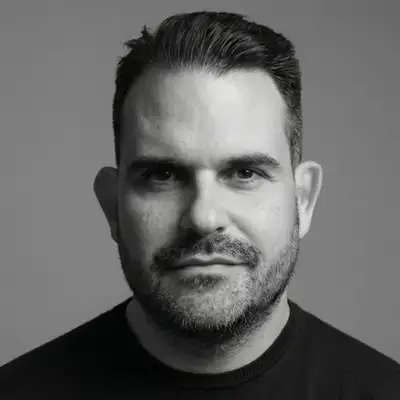
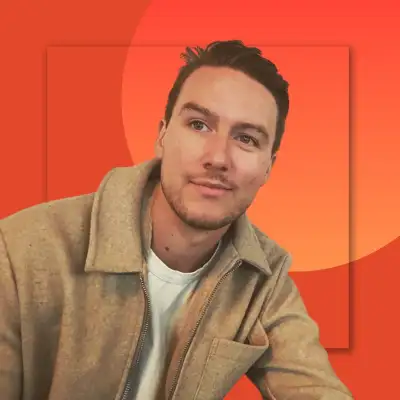
In this episode, Chris Maffeo spoke to Brad Crompton, Director at Spirits of Bermondsey (Trinity 25)
In the farming part of their chat, we dive into practical strategies for increasing sales in bars. We explore the importance of targeting independent outlets and overcoming skepticism from bar managers/owners. To drive awareness and generate interest, offering free samples and designing special promotions/events prove beneficial.
We also discuss the power of relatable cocktail names and segmenting drinks based on their approximate alcohol content (ABV) to attract customers. Tracking bar menu changes and creating a pipeline for future opportunities is emphasized.
We hope you enjoy the conversation. Share it with friends, click follow and rate it if you liked it.
About the Host: Chris Maffeo
About the Guest: Brad Crompton
In this episode, Chris Maffeo spoke to Brad Crompton, Director at Spirits of Bermondsey (Trinity 25)
In the farming part of their chat, we dive into practical strategies for increasing sales in bars. We explore the importance of targeting independent outlets and overcoming skepticism from bar managers/owners. To drive awareness and generate interest, offering free samples and designing special promotions/events prove beneficial.
We also discuss the power of relatable cocktail names and segmenting drinks based on their approximate alcohol content (ABV) to attract customers. Tracking bar menu changes and creating a pipeline for future opportunities is emphasized. We hope you enjoy the conversation. Share it with friends, click follow and rate it if you liked it. About the Host: Chris Maffeo About the Guest: Brad Crompton
The MAFFEO DRINKS Podcast is a leading drinks business podcast delivering actionable insights for drinks leadership.
For founders, directors, distributor MDs, and hospitality leaders navigating the tension between bottom-up reality and top-down expectations.
20+ years building brands across 30+ markets. Each episode features drinks builders: founders, distributors, commercial directors, sharing how the drinks industry actually works. Not the conference version. Honest conversations.
Insights come from sitting at the bar.
Beyond episodes: advisory for leadership teams, subscription with episode deep dives and principles to navigate your own reality.
Beer, wine, spirits, Low and non-alcoholic.
Bottom-up Insights & Episode Deep Dives at https://maffeodrinks.com
I'm Chris Maffeo, a drinks industry adviser and founder of Maffeo Drinks, host of the Maffeiro Drinks podcast. In this episode, I continued the conversation with Brett Crompton, and we analyzed the farming part of the process of building a brand from the bottom up. So how to get from one bottle to one case. We explored some of the most important aspects on how to do that from sampling the product in the bar, giving cocktail names that people can relate to, segment cocktails on the menu by stating their approximate ABV, track when bars change cocktail menus and create a pipeline, And also how to put the foot in the door with special menu inserts and and also like not forgetting the role of the recommended correct pricing because that's one of the keys. So let's deep dive into this episode And I hope you will enjoy our chat.
Chris Maffeo:So hi, Brad. Thanks for thanks for continuing our conversation. So we had a very interesting one on the hunting session. We discussed about your brand and how you are scouting bars, how do you create demand, how do you go and sell your first bottle into bars. Now I'd like to discuss a little bit more and articulate better what you do in terms of farming.
Chris Maffeo:So you know, you know, I'm a little I'm a big fan. I was gonna say I'm a little fan, but I'm a big fan of my mantra, which is that one case in one bar is better than six bottles and six bars, which ultimately leads to six bottles anyway. But it's, you know, it makes life much easier in terms of sales.
Brad Crompton:And
Chris Maffeo:if I if I remember, right, what we were discussing in the previous in the previous episodes, you were talking about the struggle with distributors, wholesalers and in getting, I mean, first of all, like share of mind or share of book, share of, let's say, catalogue, so to say, on them putting you not always into the right category. So sometimes putting you into the know and low, sometimes putting you into the gene category, sometimes putting you into the others kind of like liquors, which obviously like, you know, has repercussions into the way, you know, like the salespeople, I'm thinking, think about your product, you know, you become priority number 15 rather than, you know, one of the best and top priorities in terms of share of mind. So how do you get into, you know, like when you get like the first, I don't know, 10 bars in which bars or outlets in general, I mean, it could be a theater, a stadium in which you are which you're selling. How do you get them to sell more? I mean, when you start to see some traction and they start to order like, I don't know, one bottle per week.
Chris Maffeo:Mean, tell me about that because a lot of people, a lot of the listeners are interested into actually how does that happen? So first of all, it's like, what does a bar buy usually? Yeah.
Brad Crompton:How much? Well, it depends how well I sold the first time. I've got in there and if we've clicked and they understand the product, then we always say, look, we will sell to you at a minimum of one case. But it that's only if we've kind of, you know, we we had rapport and we've managed to able to to really sell the idea and they and they buy into it. If they if they're kind of a bit skeptical and they go, yeah, it sounds great.
Brad Crompton:I wanna see how it works first, which many do. You know, times are hard, costs are high. You know, apparently, are drinking less. So a lot of bars are more skeptical to them, you know, buy a case, and then it just sits there gathering dust. So if we have if we have one bottle which gets sold, we well, look, if we have one bottle or or a case, we always try and offer something extra to help entice the sale.
Brad Crompton:You know? If it's you know, because either way, you know, I think if we can sell that one bottle quickly, then we kind of prove ourselves, and that then turns into a case, hopefully, ideally. If we sell a case, then of course, we then have to try and sell six bottles before they buy the next one. So it largely depends on how much they buy into it, which also helps to facilitate extra sales techniques. So one thing we always try and do with high and offer is we'll create a sessionable cocktail menu for the bar.
Brad Crompton:And we go print off a lot of menus for them. We co brand it so it it's relatable to their customers, but also interesting enough to to stand out and say, what's this? And we we create different twists on popular cocktails with our product in it. So a sessionable G and T, a sessionable, you know, gin fizz or gin sprits, for example, or a Negroni. And then we really try and tailor it.
Brad Crompton:So we've tried two techniques with the names, which are quite interesting. And so my background is actually and I I appreciate I'm just waffling on here. My my background is actually in communications and marketing, but very much around which does help. It does help. Yeah.
Brad Crompton:It takes a lot of research away. So we always try and do things around attracting the outcome that people want to achieve. And there's always there's an outcome for everything that everyone does, even down to how many drinks you drink and what drinks you drink. So the menu could we we would rename the gin and tonic to something like the early riser or we you know I mean? Or we change the the the Negroni to something like like the exerciser or the the gym rat or something like that.
Brad Crompton:And people can identify themselves as laminarly riser. And without us having to explain what a session spirit actually is, it helps them kind of relate to the cocktail. Okay. So it's a little marketing technique there, which we've used, which has worked really well.
Chris Maffeo:That's nice. That's nice. And how do you like when I'm when I'm, I remember what you were mentioning earlier, like about the vicious circle, of like the catch 22 into them wanting to buy from a wholesaler and then, you know, the wholesaler not wanting to list you because you don't have enough outlets and you need to, you know, like to get to that level. Like, you have experience in, you know, how do you manage to kind of like tell them, hold on and like, you know, be part of this first, you know, buyers and first supporters of our brands. And once we get to a minimum of, I don't know, twenty, thirty bars, then that are buying from the same wholesalers, then we'll actually manage to get in the wholesaler and then you will make your life easier in terms of deliveries.
Chris Maffeo:So are you having this kind of conversation with them? Like how does that, how
Brad Crompton:do you
Chris Maffeo:cut through the catch 22 in a way? If you can say that, I mean,
Brad Crompton:no, I mean, look, you know, if I knew that the golden answer to that, I'd be very rich man. Know, we're still trying to cut through the cash 22, you know. We're still trying to cut through. I think what we've done in the past, what what we tried to do in the past is where we have bar managers or bar owners who go, look, you know, it's a great idea. It tastes great.
Brad Crompton:We'd really buy into it. If you are on distributor x or distributor y, I'd buy it tonight. I mean, we we've had a few of those. We've had a few chains as well. You say, you know, you have multiple bars who like it, but they're owned by breweries and there's it comes from, you know, head office.
Brad Crompton:They decide who buys who. That's a different issue as well. Yeah. So what we have tried to do in the past, I don't like to do this too much, but we have said, look, take a bottle if you agree to produce a cocktail menu or a special or something which people can identify that this product is here, perhaps we can look at doing like a takeover at the bar for a day, or perhaps we can have a little stand in the corner where I walk around with a branded t shirt and we can offer these drinks out and get feedback and see what people think. And if we can if we can see that this is a product people want in your bar, then it's much, much easier for the bar manager to drive the request upwards than it is for us to try and go into it as as as a user ourselves.
Brad Crompton:Yeah. So it is just about trying to drive awareness. And sometimes you might have to kinda fall in your own sword and say, look, take a bottle for free, but that's only the first step. And we learned that the hard way. So we we've given bottles to lots of different bars in the past when we first started out, and two things happens to those bottles.
Brad Crompton:They sit there gathering dust until they're moved out the way for something that they've actually bought, or it gets drunk but by the staff. You know, they think, oh, great. This guy's brought a bottle in. We can't buy it anyway, so let's drink it. So those two things happen if you just give the bottle away.
Brad Crompton:You all I think you always need to have something else alongside the bottle to make sure it actually gets used or sold properly. And if you've got something which customers are gonna see, so if it's a menu, if it's the staff wearing t shirts with your brand on it, because who doesn't love free merch, if it's they agreed to have you in on a Friday night where you can go around and talk to people and offer the drink at discounted price or a tasting session, then at least you know that there's something attached to your bottle, which means it can't be drunk and it does get seen by people, so it doesn't gather dust in the on the corner. Or it also means that you're there as well to really drive it forward before the bar staff really believe in it.
Chris Maffeo:This is and sorry to jump in. And like, because you did, I mean, this is very interesting because this is something that, you know, our listeners are struggling with, like whenever I'm talking to, you know, to someone like this is, you know, like all these aspects that we have discussed, like they are, they're a bit of a challenge. How do you manage to get in the cocktail menu? Because what I'm, I'm, what I'm, mean, I'm listening now, listening to you. There is an element, of course, like the cocktail list is always the, you know, the holy grail of all brands, right?
Chris Maffeo:And but I feel that now thinking about what you're saying, consumers don't tend to think in ABV levels, you know, like so they, they like they are either, let's say, you know, no, let's say, carbonated soft drinks, you know, kind of occasion or a beer or a cocktail. Especially like some more like older school kind of people, they tend not to drink cocktail because it deemed as, I don't know, like fancy or something not ripe for. I mean, if you think of a pub or a typical British pub, but when probably like if you manage to explain and I don't know if you do this, like explaining the ABV level on the cocktail on the menu, you may realise that with your session spirits, plus tonic or ginger ale or, you know, whatever you're mixing it with, you know, then it starts to get into a realm of a very decent ABV level, which may compete with, I don't know, an IPA, for example. And then you may get, you know, the source of the category would start all of a sudden get much bigger because it wouldn't, it would go out from that category and it would get into the, you know, like a lot of people that are buying like very heavy beers that actually like end up being even more alcohol Yeah.
Chris Maffeo:Than than your drink.
Brad Crompton:That's a really good point. That's a really good point. I haven't thought about that before because we've always been that's a that's a really good point. Yeah. Because in the past, when we've been on a cocktail menu, we would be highlighting the fact that we're 25%, not the fact that once you have all the extra ingredients, then it does dilute down to, you know, in a glass, it's only sort of, yeah, 7%, for example
Chris Maffeo:Yes.
Brad Crompton:Which is a really good way to put that, especially because our category of session spirit was also inspired by session ales and session IPA, which are the obviously, the the lighter version of beers. So putting those two together in that respect could work really well. But I guess back to your point around the holy grail of cocktail menus. Yeah. So I I mean, yeah, I think that's a two part of the question really, isn't it?
Brad Crompton:Because how do you get onto the cocktail menu in the first place? And then how would you how would you demonstrate yourself on the menu to to drive awareness? So we we found that cocktail menus, especially in cocktail bars where, like you said, the cocktail menu really is their specialty. That's what they're there for. That's how they get their name and how they become so popular.
Brad Crompton:We find that a lot of cocktail bars will have cocktail menu launches, which means that, you know, maybe once a year, twice a year, they reintroduce a new cocktail menu.
Chris Maffeo:Yes.
Brad Crompton:So which is a blessing and a curse, really. Because if you know if you know when they're going to do that, then you get it at the right time. You can have a call a conversation and say, look, you know, whilst you're working on this, let me let me pop in. Let me just show you this product. See what you think.
Brad Crompton:There's been so many times when I've got a bar on my list and I think, look, I wanna go. I'm gonna talk to these people. I wanna pop in. Gonna try and connect with these guys in LinkedIn. I'm gonna send them a tasting pack or or whatever.
Brad Crompton:And then about a week later, I see a LinkedIn, a post or the social media posts around, you know, new menu launch party for two for 2023. And you just think, if only I knew they were working on this menu, I could've got in earlier. And then you think, well, I can't go in now for a year because they'll they'll just say to me, well, when we look at the menu, we'll give you a shout. And that could be in three hundred and fifty days time. And are they gonna, you know, so it just gets you guys put it in the calendar and you think, right, okay, six months time, I'll go again.
Chris Maffeo:And I hear you on this one. Again, and probably what I would say is that it's a little bit like, I mean, what we do with writing and, you know, my posts on LinkedIn and so on. It's also like if you have a good system in place to track this, you know, you can actually plug it in and then, know, it builds, it's a little bit like ageing whisky, you know, like when you start, you know, you need to wait minimum three years. Like for three years, you're making no money unless you're of course, like you're selling young whisky to mature. But the if you if you if you if you have the right trajectory, and you know that this is what you're gonna do, then probably it's just a matter of time in creating that circle and cycle, so to say.
Chris Maffeo:To say, actually now, like I've got enough places that postponed it because they just launched it. But now if I get my own alerts on when they're going to launch it, then, you know, I know when to do that, you know, and then you know that in, I don't know, in September this year, you're gonna have like five bars that you can approach because they launched it August kind
Brad Crompton:of Yeah.
Chris Maffeo:So on. So it's something about like, I talk about a lot and I advise a lot on is, is to try to, I call it like off trade eyes, the on trade, you know, to, you know, to, to gain the experience from the off trade that is a little bit more structured than, you know, they've got these buying windows and these things like in all this chain. And if you manage to get that kind of mindset and system in place, then you manage to actually make the most out of it. So you know, it's you lost the battle, you haven't lost the war kind of thing. Yeah.
Chris Maffeo:Like this year, I'm late, but next year I know what to do. And then if you line them up, you know, in proper way, then probably like you will have a snowball effect next year in getting more and more listing. Yeah. You know, the moment you realize that that's what you want to do. And do you see, let's say from your experience, I mean, real data or like quantitative kind of like research, like from your qualitative experience, do you see that the cocktail list drives massively more than not being on the cocktail?
Brad Crompton:Yes. I think so. Well, I I it depends where you go really. And I I think it just ties into your point before. I think being at the right place at the right time isn't luck.
Brad Crompton:It's a practice. Yes. You know, in the very, same way that I I think if you if you look at PR and social media activity and cocktail menu creation, you can look at them all the same way. And if you have a a calendar with three different topics and it's PR, so when journalists start to look at, you know, gift guides for Christmas and summer guides and summer summer drinks you need to drink. And then you had in social media, you had, you know, different awareness days like World Gin Day and Cocktail Making Day and that sort of thing.
Brad Crompton:And then you had as well, you know, bar x, cocktail menu creation. You can really start to plan out your year really, really easily. Just a little bit a bit a bit of legwork, like you said. But In terms of the cocktail menu, I think if you go to a cocktail bar, definitely, it really does drive sales. One thing that we try to do to get around the issues we've just talked about and what could actually drive sales more so in some areas is, you know, when when you go to those bars and you get given a menu or on the table, there's a menu, but there's a little specials kind of flyer which sticks out.
Brad Crompton:And it's you know, you see the one happy hour times and you see them at, you know, certain events. If you can get yourself onto one of those, which means that the bar don't have to recreate the whole menu and reprint all their menus just to fit you in, which they're never going to do unless it's a it's a huge, huge kind of corporate order. If you can get yourself onto those special lists, which do get circulated regularly. It means you can get into that bar, be promoted outside the cocktail menu as a special, which people are gonna see first. And it means that even if they they run weekly specials, it means that you can say, look, give it a go for a week.
Brad Crompton:Let's see how it does. It's not a big investment of time or energy. You know, we'll even create the the flyer for you and give it to you. But try it for a week and see how it works. And if you do it in the right way and product sells, you know, go in and say, look, it works really well.
Brad Crompton:Either buy us now as a separate thing to the cocktail menu. Or I'll come in three months when you're looking to redo the menu. But just don't forget this because it's gone really well.
Chris Maffeo:Yeah. Yeah. And they can they can they can play as a as a foot in the door, like between the, let's say the menu, let's say the drinks menu and let's say the spirits menu the cocktail menu because one thing like and this is maybe like specific here in Prague and in some other markets that like for example like one thing that people tend to forget is that there's always like a spirits kind of menu. You know, like, for example, here, if you go to a pub in Prague, you would have a list of spirits, like listed literally by spirits. So you would have a list of gin, list of whiskeys, list of bourbon, and you name it.
Chris Maffeo:Yeah. In all the categories. And then only some places would have a cocktail list. So a lot of places would actually have a mix and match kind of thing. So you would order a gin brand plus tonic.
Brad Crompton:Right.
Chris Maffeo:Yeah. So they would actually combine the two prices of the price of a tonic and the price of the gin. And then together there would be the gin and tonic price.
Brad Crompton:Yeah.
Chris Maffeo:And then only some places would actually have a proper cocktail list. So there is a lot of confusion there. And there was also for me when I started that it was like, it what are we talking about? We're talking about the beverage menu, the cocktail menu. And this like sound like what you were saying sounds like a nice bridge in between in the markets where there are both like in some places there would be only the cocktail menu anyway.
Chris Maffeo:But it's a nice bridge to put the foot in the door until maybe if you are like, let's say four months late into that cycle that we discussed.
Brad Crompton:Yeah.
Chris Maffeo:And then say, okay, let's try, you know, try to bring a new alternative to it and then see how it goes. And then another point that we haven't discussed is that I'm very passionate about is the is pricing, you know, like in terms of, you know, people are here to make money now. Like from a wholesaler perspective, from a bar perspective, from obviously your perspective. And obviously we're always talking about recommended pricing. But there is something there in comparing, for example, the price of that IPA that you're challenging, for example, or the price of that, you know, gin and tony that you're challenging or the the spritz that you're challenging on how much money do they actually make on that versus each other, you know?
Chris Maffeo:If you manage to have that conversation, it's, you know, the bar owner may realise like, actually, I make more money if I push this kind of brand because maybe there's, you know, less excise and less, you know, less cost on the lower ABV compared to another product. And actually on this, you know, like for like, I may play on the right angle. Is this something that you talk about? Like, does this conversation come up with owners and is it something that you are actively using or it's not really like something that you are experiencing?
Brad Crompton:No. No. We definitely are. So, I suppose it begins with the conversation around where do we see ourselves in terms of how premium that we are. So, you know, if we said, look, we we feel that we are in between brand x and brand y in terms of, you know, taste, quality, experience, all those sort of things.
Brad Crompton:So that's why we we sell at this price, you know, RRP. But also, this is why we sell at this price to to venues, which means we would recommend, you know, even if we take their price list and say, look, we fit here. So we recommend you you you pricing us at this price. We've been very, very not not careful, but very, very passionate, I suppose, but we're very, very focused on making sure that we are priced fairly. That's a huge thing for us because we have some alcohol free brands who charge more than we charge for a bottle, and they and they don't have to pay duty or tax or anything like that so that that goes in their pocket.
Brad Crompton:We wanna make sure that we are affordable. There's definitely a stigma, whether it's just in The UK or it's worldwide. I don't know. You have to tell me. You know, people don't really wanna spend lots of money on an alcohol free product.
Brad Crompton:Yeah. Especially when a bottle is already sort of $25.30 pound from the shop. You know, I think a lot of people in The UK, if they buy a bottle for the home, you know, $25.30 pounds, so, you know, it's a half that weekly food shop. So they wanna make sure that they're buying a really good product
Chris Maffeo:Yeah.
Brad Crompton:Yeah. Which is why we see that the home or the house is only I think they have a 1% you're gonna kill me here, Chris. I can't think of the right phrase. Yeah. Only 1% of households are are are buying alcohol free products.
Brad Crompton:In The UK. And I think that is largely enterprise. Specific
Chris Maffeo:kind of people, I would say.
Brad Crompton:The brand owners.
Chris Maffeo:Yeah, well, probably. And but also, like, let's say people like let's call it like the close, the close circle of the brand owners, you know, like people that are really into this because they've been kind of like massaged in a nice way by what, you know, what the category is about. Maybe like some people that have, I don't know, have quit drinking totally or, you know, they are doing, I don't know, like a dry January, which is a, you know, a big thing, which I'm against, to be honest, like, because I'm more into, you know, regular kind of like moderate drinking rather than having to stop and suffer for a month and, you know, like, cut your social life for good things. Like, you know, I go out and have one drink instead of pour and still go out and even still manage to do a proper, you know, session. And, and on this one, have you have you also tried and I'm just thinking out loud here.
Chris Maffeo:Have you also tried in selling it as a as a neat product? Or it's
Brad Crompton:only a mixer mix? Yeah, definitely. As an aperitivo. Yeah. Yeah.
Brad Crompton:No. Yeah. And one of the things we have planned in the future, we're gonna be doing a bit of a social media campaign where we're gonna be asking people to try drinking our product straight on neat compared to a full strength gin neat, which I can guarantee most people won't like. But yeah. We can.
Brad Crompton:So we did a lot of research in the product when we created it where, you know, we we tried different strengths of of of our product and we thought, okay, we don't wanna go anywhere below 25%. That was kind of our you know, if you go below 25%, you start to lose the warmth in the mouth. You start to lose the bite which alcohol gives you. Yes. And then it just becomes, you know, anything lower than, you know, 20% or lower, it just tastes like watered down gin, and it's not the right experience.
Brad Crompton:So and we found that 25%, you have enough of the bite and the warmth to know you're drinking alcohol, But it's light enough for you to enjoy it straight, you know, with a bit of bit of lime in it. Of course, it still tastes like you're drinking straight gin to an extent, which is why we'd always, you know, say mix it with ice, bit of lime, and it tastes really great. But but, yeah, you you can drink it straight. So which is a nice kind of it's it's almost a quite nice unique way of selling it to a bar because we can say, look, would you normally drink a gin straight? And they go, no.
Brad Crompton:I say, well, I'm gonna ask you to drink this straight and see what you think. And you and you can see and they're they're kind of a bit like, okay. You know, kinda shaking a little bit thinking it's gonna taste horrible. And then they they try and go, actually, that's really, really nice. I go, fantastic.
Brad Crompton:Now try it with tonic. And then then you're in. So it's yeah. It's it worked quite well.
Chris Maffeo:Nice. Nice. Nice. So I think we can wrap it up here, like just for the sake of time. So thanks a lot for your time, Brad.
Brad Crompton:No, thank you for having me. Thanks for
Chris Maffeo:being here. And I'm going to leave you a few seconds to just to explain like where can people find Trinity twenty five and spirits of Bermondsey and you know like drop your contacts here?
Brad Crompton:Yeah, of course. Yeah, so of course we're spirit of Bermondsey. We've created the first session spirit and you can find us at spiritofberbenzy.com or our Instagram handle is simply spiritofberbenzy.
Chris Maffeo:Nice. Thanks a lot Brad for being here and chat soon.
Brad Crompton:Yeah. Cheers, Chris. Thanks.
Chris Maffeo:That's all for today. So thank you for joining me on the Maffeiro Drinks podcast. I hope you have gained valuable insights in these episodes. If you have enjoyed the content, please review it and share it with friends and colleagues. I would really appreciate it.
Chris Maffeo:Don't forget to subscribe and follow the Mafir Drinks podcast on Spotify, Apple Podcasts or your favorite podcast platform. By doing so, you'll never miss an episode and you'll stay up to date with the latest interviews, stories and strategies shared by industry experts. I truly appreciate your feedback and suggestions. So feel free to reach out to me on social media at maffeirdrinks or through our website mafjordrinks.com to share your thoughts, guest recommendations or topics you'd like to explore in future episodes. Until next time, cheers from the Maffeiro Drinks Podcast and remember that brands are built bottom up.