Subscribe
Share
Share
Embed
Hosted by longtime BNI leader and CliftonStrengths Coach Tammy Zurak, this podcast is your weekly boost of insight, inspiration, and action. Whether you're brand new to BNI or a seasoned member, these conversations will help you take your chapter engagement — and your business — to the next level.
Hello and welcome back to The Perfect 100.
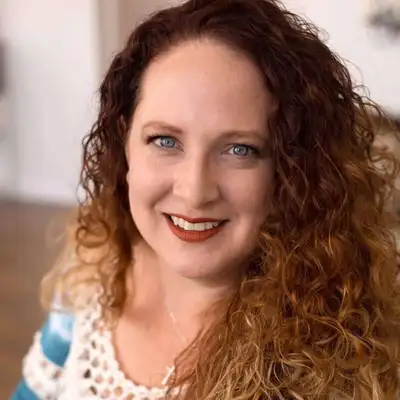
Today I'm joined by Staci Cahill.
Staci is a wellness educator, entrepreneur, sound healing practitioner, and support
director consultant for BNI.
For more than a decade, she's helped people improve their health, build businesses,
develop leaders, and create lives with greater purpose and balance.
Today we're gonna talk about the personal journey that led her into entrepreneurship.
the lessons she's learned building a business through relationships, the impact of BNI on
her growth and how her work has evolved into helping people reduce stress and improve
overall wellbeing.
Welcome Staci Cahill.
Hey Staci.
Hey, good morning, thank you.
of course, glad to have you here.
All right, I moved my timer, but we're gonna go ahead and have you tell us who you are.
So go ahead when you're ready.
Good morning, I'm Staci Cahill with Essential Wholeness for you.
I help busy people who are carrying the weight of the work, family, and everyone else's
needs, finally stop surviving and start feeling like themselves again.
When someone tells you they're exhausted, they can't handle anymore, their stress is
through the roof, or they just don't feel healthy, don't tell them to put something down
or just to rest.
Introduce them to me.
I combine holistic health coaching, sound healing, natural wellness solutions,
and get them back to the things that they care about.
So this week, I'm looking for those busy people you know spinning a lot of plates and
everyone saying, I'm fine, when really they're crumbling at the core.
I'm Staci Cahill with Essential Wholeness For You, here to help them find the quality of
life they've been looking for.
Awesome.
Love that.
All right.
So we're going to talk all things uh you what you do in your in your work in just a
minute, but let's start at the beginning.
So let's talk about young Staci.
What was young Staci like?
Talk to me about growing up and where your parents work in.
What were you up to?
yeah, I grew up in an awesome family.
I have three sisters and uh mom and dad and we had a lot of fun, got in a lot of crazy
situations, played hard.
ah I would say that I was probably the loudest and like pushed boundaries the most of my
sisters.
uh But those natural leadership skills were developed early, better or worse.
ah And we are still all very, very close.
ah
Gosh, I don't know, like my dad passed away when I was 17 and it just solidified, like my
mom and my sisters, we are rocks, we're together all the time and even though we don't
live close anymore, I don't think a day goes by where we're not talking, so.
Yeah, so what's the birth order?
Are you oldest, youngest, middle?
the baby, huh?
Well, there's one more below me, so.
Okay.
The third.
Wait, didn't you say there were three?
Oh, sorry.
Okay.
Brain working now.
I heard, I don't know why heard three, like three, three totals.
I'm with you.
We're good now.
All right.
It's Monday people.
We're recording on a Monday morning.
So what did mom do then?
How did with your dad, I'm sorry to hear your dad.
It was gone so early in your life, but what did, how did mom hold all that together?
A lot of prayer, a lot of prayer.
By the time he passed, my two older sisters were already out of the house.
It was just me and my younger sister at home.
My mom, for the most part growing up, she worked for the Girl Scout Council when I was
really young.
And then when I was older, she was a chiropractic assistant.
So she worked full time.
My dad was a teacher by trade and a newspaper man and editor for a long time.
And then went back to teaching.
towards the end of his life was substitute teaching again.
Okay, so Girl Scout Council, does that mean you were a Girl Scout?
yes, I was a Girl Scout from kindergarten through graduation in high school.
Okay, well, yeah, I'm a Girl Scout.
I don't think I joined until I was a little older than that, but yeah.
Yeah, it's changed a lot.
mean, my daughter was a Girl Scout, I think from second grade up until, well, she just
graduated last year and we did Girl Scouting and even last summer after graduation, we
were at camp together, both volunteering at the local Girl Scout camp doing all of that
kind of stuff.
Yeah, well think it's interesting, which is why I ask people about their backgrounds are
because there's always a lot of interesting little tidbits in there and uh Girl Scouts is
one that I don't feel like there's actually one of my former clients runs the, I don't
know if she's CEO or whatever her title is here locally, uh but they still do a lot you
know and I just think it's so interesting I had to pull out, it was when I was a
photographer for full time she was a client.
and I pulled out my badge or my sash rather with full of the badges and she thought that
that was the coolest cause you know, they're old.
But I think there's some foundation pieces that scouting gives you, know, that you don't
get if you're not, you know, out in the woods with his friends, you know, making Bunsen
burners and you know, things like, I don't know if they still do that today, but.
They do.
I mean, some troops do.
There's a lot of shifts now where you can do so many different activities.
There's a lot of like STEM activities and scouting now.
ah But I have always loved the outdoor stuff and the camping and hiking and that kind of
stuff.
Yeah, same, same.
Cool.
So we move on, let's move on to your working life.
So you spent 25 years working with children as a nanny.
What drew you to that kind of work?
I thought I wanted to be a teacher, honestly.
If you would have asked me when I was younger, my big goal was just to be a stay-at-home
mom.
ah And I also wanted to have an income, so I was going to go to college and be a teacher.
uh That was kind of my plan.
And then it changed a little bit.
Like I said, my dad died right after I graduated high school that summer, so my plans kind
of shifted a little bit.
And...
I got a nanny job to pay for college and was going to community college nannying and gosh,
probably four years into nannying, the guy that I was working for, the dad asked me what I
was doing.
He's like, so what are you getting your degree in?
What's your plans?
And I was like, well, I'm gonna be a teacher.
And he's like, you wanna be a teacher?
And I was like, well, not really.
I just wanna homeschool my kids.
I wanna stay home.
I wanna play with kids.
And that gives me that freedom.
He was like.
So let me get this straight, you're creating debt to get a degree that you don't really
want.
When I pay you more now than you'll ever make as a teacher, and it kind of was a light
bulb moment in my life where I'm like, when you put it that way.
So I did finish my degree, I got my child development accreditation so that I could be at
the top of my game as a nanny, but I did not become a teacher and just stayed working with
kids and it was.
Amazing, I guess still got to teach.
I homeschooled my daughter all the way through her entire education.
ah And she got into college with no problems and scholarships.
So clearly we were on the right track.
uh But it was definitely not the path I thought I would take and exactly where I wanted to
be.
Yeah, it's funny, I don't know who I was talking to this, I talking to somebody the other
day about this where you're 17, 18, whatever, however old you are as a senior, I graduated
when was 17, that's why I said 17, but I started early because my birthday's in October.
But you have to decide your whole life, it feels like that when you're going off to
college, What am I gonna do with the rest of my life?
You know, not many of us recognize, you know, early that early what the rest of our life
is going to be.
There's a lucky few that I, you know, I love listening to people's stories and hearing,
you know, I listen to a lot of podcasts with actors and they often are performing at young
ages.
You know, they kind of they may not recognize I'm going to go be an actor in Hollywood,
but they, know, they've kind of the essence of where we start.
know, the foundation is in childhood for most of us.
So, know, or our parents influence on us tends to kind of color that.
So it's always interesting to me.
And you end up doing, you're still teaching and we'll get into that.
You know, you're doing those things just in a different way, right?
It's just not sitting in a uh traditional, you know, elementary school or whatever.
The teaching comes, it just comes in different forms.
So you mentioned your daughter.
So your daughter was born, take us back to that season.
m What was your family experiencing?
I know you're story, but let's tell everybody else.
Yeah, so uh at that time I had been married for, gosh, six years.
uh We were struggling with fertility and it took us about five years.
Finally got pregnant, huge unexpected blessing.
And it was like the happiest time of my life.
And then it quickly became a season of hardship.
When my daughter was born, about three months old, my husband left.
He decided that he was not necessarily cut out for the life we had planned.
uh And I became a single mom and then shortly after that when my daughter was about nine
months old She started showing signs of severe asthma She was hospitalized the first time
when she was 11 months old and put on a ventilator And I was told they didn't think she
would survive uh After a week in the hospital on that vent uh she did she is survived and
thrived uh She was hospitalized about
18 more times in the next 24 months.
I kind of lost track of the count, but it was a very severe chronic time.
So as I'm going through a divorce, I'm also dealing with a chronically ill child who is in
and out of the hospital and trying to just navigate all of all of that the best that I
could.
So it was a big shift to expectations.
And yet it was also a time that really anchored in like a very deep knowing of who I am.
brought me closer in my faith and like support systems around me and really in so many
ways, like I would never wish that on my worst enemy.
It was heartbreaking and horrible and yet it has made everything else in life the last 20
years so much easier because when you stand on the brink of about to lose everything, you
know, your home, your family, your child, like.
Everything else is peanuts.
Nothing else matters.
so I've been able to move forward with that perspective.
It doesn't matter how hard something is.
It doesn't matter what the obstacle ahead of you is.
Putting it all into perspective and knowing like really what is important.
And that kind of shifted my professional life, my personal life, where I'm going.
Just always being able to come back to like, what's the most important thing right now?
What is the next thing?
yeah.
So what was that like not being able to really get in and out the hospital a lot sounds
like there weren't answers, right?
So what was that feeling like not being able to get those answers?
What were you going through as a mom at that time?
It was the most.
Hopeless feeling I've ever had.
I mean, obviously as a mom you want to do everything for your kids like I wanted to
protect her.
You know I am fiercely independent.
I wanted her to be fiercely independent and yet.
She couldn't be with like out of arms reach of me like our life was so dependent on being
near a phone because we were calling the ambulance so quickly like.
there was one time we were at the doctor for a well child checkup, which did not happen
often in her case when she was young.
And we were so excited because she was healthy and we were going to be able to do whatever
procedure, whatever something normal that we needed to do was.
And the nurse left the room to get it prepared.
And by the time she came back in, my daughter was blue and we were calling the ambulance.
eh It just changed so much.
So I think that the hopelessness, the fear, uh
And the desperation, I think, is really what stuck to me.
Like, I was desperate for answers.
And like you said, they didn't, the doctors couldn't figure it we were working with an
amazing medical team at Seattle Children's, one of the top pulmonologists for kids in the
country.
uh And they just couldn't figure out, like, what was triggering this crazy asthma, because
she would have a flare-up, and she would crash, and she would get so sick, we would be in
the ICU.
But then she would bounce back in record time too, and they couldn't figure it out.
And it up being a crazy, like it set the stage for the rest of our life.
Yeah, so it's, you know, as somebody who I have sports induced asthma, so, or allergy
induced asthma, and I manage it through just taking lots of allergy pills all the time,
you know, my whole life I'm on, I have animals, I'm not gonna sacrifice having animals,
unfortunately, even though I'm allergic, I'm gonna still have them, so I just take pills.
But, you know, I find that also that people trying to find solutions to things in their
lives ends up often
to take the next step into their journey, right?
And that's what happened for you.
So talk to me about solving a problem.
And you know, that's a big problem.
How did you, you know, somebody introduced you to essential oils and so tell us a little
bit about that.
So about a year into this crazy journey, I had a friend from high school reach out to me
and introduce me to some essential oils and said that they had helped my daughter.
ah To completely honestly, I was rude.
I had not slept in days.
My daughter was on daily steroids, which meant I had a two-year-old who never slept, so it
was like the worst of the worst.
ah And I pretty much told her, thanks but no thanks.
Like that's voodoo crazy stuff.
And I have a real health condition here that
I need real solutions.
And that kind of ended that first exposure to doTERRA.
About a year later, I was at a craft fair at Christmas time.
My daughter was having a good week and she could function.
So we decided to get out of the house and a local church had a vendor event.
We went to see what was out and there was a doTERRA booth.
And it was a doTERRA booth with people I didn't know that didn't know me, that didn't know
my daughter or her story.
So I played devil's advocate and I asked them the questions and I was like, tell me about
this crazy stuff.
And uh I didn't go into it expecting to find solutions, but my curiosity had been piqued
and I wanted to know.
What I found was that there was so much science that it wasn't voodoo stuff at all, that
this is actually researched and all over the world, people have been using essential oils
for centuries.
And the gal that I met, uh
gave my daughter a sample of oil to try, with permission of course, uh and within seconds
that cough that she had had her entire life dissipated and she was not coughing.
And I was like, okay, this is interesting.
uh And I still wasn't ready to take that next step, but she did offer to lend me a book
that had a bunch of the resources, a bunch of the research, and just kind of tell me more
about the oil.
So I took that book.
I went home that night and I literally stayed up all night reading the book cover to
cover.
And I took the little sample of oil that she gave me, which was the breathe oil, which is
a respiratory blend.
ah And there are some of the medications that my daughter were on that were as needed,
like inhaler.
She had three different inhalers that she was taking as needed, basically one of them
every hour.
And that first night, every time she needed her inhaler, I would put the oil on her feet
and I'm like, I'm just gonna give it a minute if like.
If in a minute she still needs her inhaler, she's getting her inhaler, but let's just try
this.
And I never had to give her another inhaler.
That night staying up around the clock with her just to make sure that I wasn't messing
her up again and reading everything I could about the oils that I was using.
And it really became the solution I didn't know I was looking for.
And it changed everything for us.
It's amazing, having had to use inhalers, is not the, I try to avoid it at all costs,
because I don't like the way it floods your body.
You feel, I get a headache.
The breathing part's great, you can breathe, but all the other symptoms, your heart races,
so I can't imagine having to give it to a child who may or may not be able to tell you
that it's an awful thing and doing it so many times.
uh
when you got the oils, can't only imagine your relief, but talk to me about the business
side of it.
Did you immediately see that this was maybe an opportunity or how did that go?
no, I was immediately adverse to the business side.
I had no interest.
uh It was an MLM, which I had done in the past and I loved the company I worked with in
the past, but it was not what I thought I wanted to do with my life.
I did not want to cross that path.
uh And I actively pushed against it.
uh
But after a couple of months of using these two oils with my daughter and having such a
dramatic change in her health, I started having people ask me about the oils and ask me
what I was doing and ask me how I was using it.
And my first instinct was not to turn around and sell them anything.
My first instinct was I need to learn more about this so I can answer their questions.
So the gal who introduced me to doTERRA was having a class.
She invited me to come and learn more.
I being the skeptic that I was, that she was gonna try and make me sell something.
So I put on my defense, and in this case, it meant I called my older sister and said, I
have to go to this thing.
Will you come with me?
I'll buy you coffee when we're done.
And my sister is one of those that is like so adverse to anything fragranced at all.
ah So it was really kind of a pull to get her to come with me, but I knew between the fact
that it was an essential oil company with smelly products,
and she was not going to be interested in any of this MLM stuff.
She was my safe haven.
She could come with me.
I could get the information I need and she wouldn't let me sign up for anything.
We get to the end of the class and I'm ready to take her out to coffee as promised.
And she suggested we go back to my apartment so we can talk.
And I was like, this is not good.
Yeah, something's up.
We go back to my apartment and she immediately was like, I think this is what I'm supposed
to do.
I think I wanna do this as a business.
Long story short, we went round and round about it I was like, I don't think this is a
good idea.
You had one job.
Like what are you doing?
And as she often is, she was right.
And she's like, well, I'm going to do this.
So was like, fine, I'll do it with you.
Like, I know how this works.
And we started a doTERRA team and it was very, very natural.
She, I did not want to do home parties.
I didn't have the time.
I was a single mom.
was working 50 hours a week as a nanny.
So she talked to all of our friends, like our
our church, our family, our friends, we lived in the same town.
Anyone and everyone that we knew collectively, she talked to.
And I talked to people I didn't know.
I knew right away that if I was going to be successful in this as a business, I needed to
get referrals from outside sources.
So as I learned more, I started teaching classes in public places, promoting through
social media and community bulletin boards, and just drawing out people I didn't know to
share what I was learning.
And that's also when I joined BNI.
I'm very, very early in my business because I needed to go somewhere.
So I wanna interject that for those that are maybe not in the area or don't know what an
MLM is, MLM is multi-level marketing.
if you, wherever you are in the world, they're typically, a multi-level marketing means
you make money by bringing other people in and you sell products to whatever it is that
you're selling to someone, but you also bring, you build under you and.
I know doTERRA is a little bit different than that, which we can talk about.
Well, might as talk about it now.
So why is doTERRA different in that way?
Many of the MLM companies, have a product that they sell, but the way that most people
make the majority of their money is by bringing in a team, having other people.
So in essence, you're selling the business opportunity and the product is kind of an
afterthought to help you get that team built.
DoTERRA kind of flipped the switch on that, where our product is what we lead with all the
time, every time, and the business is built around supporting other people.
We make more money by building a team when we support that team helping other people
rather than helping ourselves, which is a huge shift in the MLM world because many of the
times there's a competition, like I want to help this person build a team, but the more I
help them build a team, the fewer customers I have on my front line, which means the lower
income I get.
And in doTERRA actually the income increases the more people that you help, whether that's
as a customer or as a team builder.
to help other people.
It's all about education, great products, and supporting one another.
And the team building is an important part of that, but it's kind of a secondary piece
where you can have a great business without having a big team.
Yeah, and I am no way affiliated with doTERRA, but I have coached someone who, I have
coached a lady who sold doTERRA, you and I have many of the products.
um So, you know, the thing that I think when I first started working with her, I didn't
realize that you sell things, there's oils for cooking, which I enjoy, you know, um you
can have oils, you know, we use olive oil, right?
Lots of people cook with olive oil, but they have basil oil.
that you, you know, it's stronger if you don't grow your own or it's winter time, you
know, things like that.
But the, also have allergies as I've mentioned.
So there's lots of stuff there and there's, they have stuff for, I'm a germaphobe.
They have stuff for that.
So I've been, I understand the pathways of why it's good for you, you know, and it's
natural and they source.
um
Some of the oils you buy in certain places are not at the quality level, I'll just say
that, that you can get from, you know, doTER itself.
So
you mentioned BNI or joining, getting into networking, you knew you were going to do it a
different way.
So when you saw BNI, why did you think that was, this is where, you know, the right place
to invest?
So I went to the local chapter.
and I knew that if I was gonna build any sort of business working the schedule that I was
working, I needed outside help with those referrals.
So I went to the local chapter.
And it was kind of interesting.
I went to that chapter knowing what BNI was, knowing what my goal was with my business,
and knowing I was going to apply to be a member.
uh And oddly, that chapter, which I love, I was in that chapter for years, but the first
people that I met kind of did everything wrong, quite honestly.
They're like, oh, you're a single mom.
What are you going to do?
This may not work for you.
We have a really strict attendance policy.
I'm like, yeah, I know.
I've got that worked out.
Hey
in an MLM.
You can't talk about selling with a team in BNI.
I'm like, I know.
I'm OK with that.
They were being helpful, just setting that expectation of what BNI is and is not, and
tried to talk me out of it thinking that it wouldn't work.
Luckily, I knew what it was.
I knew what I wanted.
I was like, no, I'm committed.
I know what I need and what I can and can't do.
Here's my application.
And I was quickly approved and became part of that chapter back in 2012.
It's been a hot minute.
Yes, yes it has.
And so, um you know, the thing I think is interesting just to backtrack a minute and
because you mentioned it and I wanted to say something about it.
um Your sister took one track, you took another, you know, and so and it kind of plays for
when I give people CliftonStrengths assessments, they say, well, you know, I don't have
this.
So I can't I can't be like you, right?
I can't.
I can't build a business cause I don't have, you I have all this and not that.
And it's, it's doesn't matter what you have.
And we'll talk that when we get, we have a segment on that, but that you chose to build
your business one way.
She chose to build her business another, and you both were successful.
Is that true?
It is, in fact, uh in doTERRA, the first leadership rank where you're considered a leader
is called Silver.
And we hit that rank the exact same month doing our businesses completely differently.
We worked together on some events, but really how we found customers, how we supported
customers was very different.
And yet we were both very successful with building our team.
Yeah, so I think it's an important point to say that no matter who you are, you know, or
what you're trying to accomplish is we can all get it done.
We just do it differently, right?
It's figuring out what we're, what our abilities are or who we are really, you know, for
me is you're the brand.
So what you bring to the table in who you attract are the things that attract people to
you.
So it's, it's an amazing thing to think about is when you see
You know, I've often worked in sales organizations where, you know, there's always
somebody at the top because in sales they rank you.
That's just the way it goes.
And my method has always been come in, learn it, figure out who's doing it the best, ask
them to mentor me, and then take it and make it my own because I am not that person, but I
know I can take, there are processes and.
things that they're doing that are working and when you figure out how to unlock that and
maybe that's a strategy, my number one strategy, to be able to see what is somebody, what
is their strategy and how can I make that work for me.
uh That's the thing that's important, right?
Yes, absolutely.
Awesome.
what do you think you've been in I'm sorry, doTERRA for 14 years.
What do you think people misunderstand about network marketing?
think that the biggest misconception is what we kind of already alluded to, that I'm only
interested in somebody if they want to build a team, which is absolutely not true.
I would say the majority of the people that I work with have no interest in sharing the
products in any way.
They never want to build a team.
They just want to feel better.
They want to support their family.
uh And so there's always that first obstacle of like, no, I'm here to support you and your
health.
And if you want to create some financial freedom along the way or some time freedom, let
me tell you about the business opportunity.
But that's not my first go-to ever.
Yeah, and so talk to me about leadership because you still, even if you're not, you know,
there are other people in your business.
So talk to me about how you develop your leadership through that process?
So it's kind of a multi-level thing, no pun intended, where there is support from doTERRA.
They have great resources and training for anybody who wants to build the business.
uh And I myself love that leadership part of what I do in doTERRA, being able to partner
with another person.
And it's not cookie cutter.
It's not like, well, this is the only way to do it.
One of my upline mentors explains it like you're baking a cake, where you know.
doTERRA says here's the recipe of the cake, here's the ingredients, we have these
products, we have these things, mix them together, bake them this long, and you're gonna
have a cake.
And that's standard, no matter who you are, when you come into it, that's what we're gonna
do.
But how we frost the cake, what flavors we put on it, that's where each individual gets to
really pick how they wanna do it.
Like my sister and I did it totally different, and there's other people who only build
online, or people who only build face-to-face.
Thank
My passion is as a leader helping people discover what is it that they want out of a
business opportunity?
How much time do they want to put into it?
What kind of results do they want?
Helping them to create realistic expectations and then do it in their own way so that it's
a business that they can be proud of and they love the way they're doing it.
uh And developing that type of leadership and that type of relationship with my leaders
really helps to set that stage.
Well, and it's interesting parallels to, as it often is here, to BNI in itself is, you
know, when you join a chapter, there are, you know, the ingredients to bake the cake are
there.
When you do this, do this, do this, and you'll be successful.
But what you do with it is up to you, right?
Is how deeply you go into it is entirely up to you and how you maximize it is largely.
up to you or don't maximize it as the case may be.
So for somebody who wants to build a referral based business, what's one thing they should
stop doing?
say if you want to build a referral based business you need to stop putting your sale
first and start putting your listening first.
uh Referrals don't come when you're just talking at people they come when you hear what
people have to say.
Love that, yeah.
My line is always um put yourself in the other shoes, right?
It's not about you, it's never about you, it's always about the other person.
So if you lead with what's in it for them um is really what do they need and what do they
want and what are their challenges that you're gonna help them overcome.
So that's a great thing.
How about one thing they should start doing?
making connections, getting outside their comfort zone.
yeah.
I say just to, like, I've built a really successful doTERRA team.
And as we'll get into a little bit more, I've done a lot with BNI for a long time.
And I am a huge introvert.
Networking is not natural.
I don't like it.
I don't like small talk.
Yet stepping outside my comfort zone, learning how to do it in a way that does honor my
strengths.
is really the key to getting where I wanna go.
Yeah, well, and so BNI is our next track here.
you joined 14 years ago, is that right?
Okay.
Yeah.
So what's happened in your business?
What happened to your business when you first started, when you first joined?
So when I first joined like anything, there was a slow start to my referrals, uh in part
because back then essential oils weren't as trendy as they are now.
People didn't know what they were, and it was multi-level marketing in this very
business-centric organization.
And so there was some myths that I had to let people know, like, no, I'm not doing all of
this.
It's not a pyramid.
No, it's not.
All of these other things.
uh
So it was a lot of education.
It was a lot of like just helping people understand what it was, what it was not, and how
I could help.
And then from there, it quickly became a landslide.
Like my business was at least 75 % revenue from BNI and from referrals.
And that just has continued for many, many years now.
Love that.
Well, and you said um when you said it's not as trendy as it is today, that made me think
of your location.
You're in, is it Snow Homish, Washington?
Yeah, I'm in the Snohomish-Monroe area of Washington.
that's north of Seattle for anybody who doesn't know.
So very holistic, healthy, crunchy, natural vibe in our culture.
ah But even then, people didn't really know what the essential oils were.
Yes, yes.
Because, you know, I'm in middle America where the mid-south where things are a little
less crunchy.
So I thought that was worth mentioning.
uh So when we talked, you said that you'd sort of at some point in your BNI career hit a
plateau.
What were you wrestling with?
Yeah, so about six years into BNI, I think I was about six years in, uh the area that I
lived was a small town, know, small like 10,000 people or less, I think.
I mean, it was not a huge area.
Maybe it was more than that.
Now I'm going to get stuck in the numbers.
I'd been in the same BNI chapter for six years.
had already, like everybody in the chapter was a customer or had already tried the oils.
They'd already introduced me to all of their friends and family.
Like I said, I built my business teaching classes in public places.
My sister in the same small town was building her team with the people we knew.
And there was just a shortage of referrals coming in.
Like there was no doubt in me and my product.
but there wasn't as many new referrals coming in.
And it really had me kind of questioning if BNI was still the place that I needed to be,
or if it was time to leave.
I actually started looking at some other networking organizations, visited one that I was
considering joining, ah and was just kind of testing the waters.
Like I don't know, like I love BNI, I love what it's gotten for me.
But again, now at this point in my path,
BNI was my primary way of building clients with doTERRA.
doTERRA was my primary income.
I was not nannying anymore or had cut back to 10 or 12 hours a week, something ridiculous.
uh So was still single income trying to figure out, is this the place for me?
And as luck would have it, that is a time where BNI, as a corporation, bought back
or region from a franchise.
We had been franchise owned and we went to corporate, which for most of us didn't, it
doesn't mean a whole lot.
Nobody knows the difference, it doesn't mean a lot.
But what it did for me was it meant that we had a whole new corporate team of regional
support and they were looking for ambassadors and they were looking for directors and they
were looking for people who could help BNI in this new region structure, I guess.
uh
And I jumped at that opportunity.
At first thinking I was just gonna be an ambassador to like support, talk to, be part of
another chapter a little bit and just continue what I was doing with BNI and very quickly
realized that actually no, that was not the right role for me that I should be a chapter
director and started working with BNI as a director.
Awesome.
then, well, first the question is, that, was that the right decision for you, becoming a
director?
And we're going to talk more about that in a second, but before, because the next step in
your journey was COVID hits and everything changes, right?
So, how did that affect your business and BNI simultaneously?
Oh, it was so fortuitous in that this was, I started working for BNI in 2018 and at the
time my business was at the top, like between 2018 and 2020 were the highest producing
income years for my doTERRA business.
So stepping in as a BNI director was part because I wanted to keep those referrals going
and I wanted to keep that high success going and part because I was able to step away from
my other
career path and focus on my business full time.
And in doing that, I had time to give back.
And I knew that there were other small businesses, I knew there were other BNI chapters
where they needed to see that it worked because if I, with my little MLM, as a single mom,
homeschooling, like all of these things that don't necessarily fit into the BNI mold was
making BNI a priority and successful, I knew that that was something that could inspire
other people and help others.
So I wanted to give back to
BNI chapters, and then COVID hit.
And let's be honest, I'm in the health industry.
So the first couple of months of that, business was booming.
Everybody wanted support.
They wanted help.
But like I mentioned, I built my business doing in-person classes all around the
community.
And when that got shut down, that totally killed that part of my business.
And I live in Washington state, which was amongst one of the states that had the longest
shutdowns.
So it was really a challenge to keep my business going.
So as my doTERRA business was going from the highest point it was to plummeting, my loyal
customers continued ordering.
They kept my business afloat, but I was not having any growth.
And in any business, you know that there's that constant need for new business to keep
your margins high and I was missing that new business.
At the same time, BNI totally flipped from being everything was always in person to they
needed to switch all of their chapters online.
And I was uniquely positioned in that I had been using Zoom for my doTERRA team for
already a couple of years.
I had people all around the globe on my doTERRA team.
So Zoom was a natural fit, which meant
I rose to the top in my regional area of being able to help saying, this is how we do
this, this is how, and let me train you and let me help you.
And then BNI kept innovating and using these cool technologies to support chapters.
So not only did I get to visit more chapters because everybody around the globe was
online, but I got to support more people because BNI was doing like national power hour
calls.
And these were weekly calls where it was like a visitor event to support small businesses
across the nation.
And I got to be one of the handful of people in BNI that led those calls and worked with
all these visitors.
And it just totally flopped my business where before that BNI was something I did to kind
of fill in the gaps when I had extra time during the COVID years and the years that
followed.
I was doing way more with my BNI job than my business and yet
continued being able to invest in both of those.
Well, doing so much, in BNI, so much so that you had 17 chapters under your um umbrella of
people to be responsible for.
So how in the world did that happen?
my gosh.
You know, it happened little by little.
If anybody would have said, Hey, do you want 17 chapters?
Like, no, no, no, no.
Um, and not because I don't love it, but because so much of what we do as a chapter
director is build relationships and learn people's stories to help them succeed.
And you can only do that if you have so much time.
Well, during the pandemic, I had a lot of time and all chapters were online.
So where
Previously, I may have had five to eight chapters, but I was driving all over to get to
them.
I now just had to sit at my computer and I could have 17 chapters.
I was doing all of it online and I was able to get innovative in some of the ways that I
built those relationships, hosting, speed networking in our region every single week for,
gosh, I think almost five years before I was able to pass that torch on to someone else
and doing some of those other things.
So for a while I had 17 chapters.
I don't recommend it.
I don't think that I did any of them full service.
I wasn't able to give them everything they needed.
But when there was not enough people on the team, we made it work.
We adapted.
We made it work.
So having been there, done that, not to the tune of 17 chapters, but well, I was managing
director for 15 months, so I had 27 chapters, but the difference is that's a full-time
role where I worked for the company for that period of time.
the incentive to that is the business, Is your...
you're supporting that many chapters.
uh You weren't supporting them from a, you were doing it out of the, well, you know, and
I'm curious, what drew you to, was there a balance thing at some point?
Because even as a, I know there are people listening that hold roles as presidents, they
hold roles as, you know, support director consultants, they hold roles as some sort of
leadership where they're investing.
Maybe too much time, right?
It's a balancing act.
So did you hit a point where you, like, I really need to figure out how to be in better
balance here?
I did and not as quickly as I would have liked.
And I did it mostly because I, as we'll get into when we talk about the strengths, my
strengths thrive in what I'm doing in BNI and in what I do with doTERRA because they are
so uniquely connected.
uh And the ultimate goal is the same.
But what I found was that as I was spending so much time with BNI,
I started one to feel a bit like a fraud because here I am talking about how great BNI is
and how successful it is and how much it's helping my business.
And then I turn around and look at my business and I'm like, for the first time in 10
years, I don't know if I made enough referrals to pay for my membership.
ah And that was kind of an eye opening, like, wait a minute, like I have never had that
problem in all the years in BNI.
ah And when I got...
looking at it, it wasn't that I didn't have the support or that I didn't have people
liking what I was doing or believing in the products.
It was that I wasn't working on my business because I was putting all of my time into my
BNI role.
Yeah, and I feel that pain because I'm very, and when we get to your strengths, people
will see that we have some shared things that have led us down these roads.
um But I think that I've recently sat down and looked at for those very reasons.
I'm a business coach in BNI and I don't get as much as others because it's a little harder
referral.
uh You know, the amount of money and the target is, you know, a little bit different.
And there are lots of, the last guest we had on was a unicorn business.
uh So we talked a lot about that.
So if you go back and watch uh John's episode, which will precede this one uh in its
release, you can go and find that and hear more about the unicorn business.
the...
I think that there's a, in anything, there's a hard way and then there's a smart way.
uh And I am one, and I know just from talking to you that you are as well.
When somebody asks you, can you help me?
You will do it um to the detriment of yourself.
So sometimes it's like, know, so a member had asked me um why my score wasn't as high as
he thought my score should be.
You know, I wasn't at a perfect 100 back then, but I was running the chapter as the
president.
We were at a chapter success meeting and he called me to the carpet to say, you know, your
score should be better basically as the president.
And I was like,
If you knew, you know, I opened a vein important to be an eye all the time.
And there's a precedent.
We took that chapter coming out of covid.
We were at 20.
We had been 40 going in and we had rebuilt, you know, over the course of a year, we were
about a year and a couple of months.
We were back to 40.
So, you know, not recognizing the value of what it takes to make that happen.
Just wanting to be, you know.
ugly as they say here in the South.
Balance is something that is important and I think for members it's important to recognize
it's great to serve.
You and I are both chapter support uh director consultants now.
We changed our titles and that's a great way to get more.
visibility and exposure and all the things, but managing it correctly is also whatever
your role, whether you're president, your membership committee, there's maximization ways
that you can take your membership and be smart about it.
And I've created a thing around that course to teach people, whether it's BNI or anything
else, because not everybody knows how to network.
Even though we do all the things in the structure, that doesn't mean we network well.
So we can talk more about that some other time.
Reach out to me if you want more info.
All right, so let's bring it back to um the next step in your journey, which is you
discover sound healing and you bring that to people.
how did that enter your life?
gosh.
So I was working with a business coach who also was in BNI ah and we were talking because
again like I said in Washington our lockdowns lasted really long and then even after the
official lockdowns were lifted there was such a culture of fear and people did not want to
leave their house and again
I built my business teaching classes in person to strangers.
So there was a disconnect when I didn't have the pull of bringing people that I knew,
like, hey, come join me.
So I went back to hosting classes and attendance was so low.
I could not get people to come out of their house.
I couldn't get people to come in person.
So as a strategic point with my business coach, we were talking about what...
what else I could do?
How do I do this?
And in a very short amount of time, I had this like dripped on consistent hinting of check
out sound healing, check out sound healing.
And I was like, I don't even like I've been to a couple of sound baths, but what does that
have to do with me?
And then it again, kind of just God moment, like, hey, you should do this.
And here's the certification and it's on a huge clearance and you can do this and
get people out of the house.
So I started training to get certified as a sound healer as a strategic business plan to
offer something that people had to come in person to receive.
And then I got my sound bowls and started playing them and realized this is not a business
decision.
Yes, it did help my business exponentially, but this was absolutely a heart tug passion
for me.
uh
Sound healing became something that was just so natural to who I was and was an expression
of everything else I was trying to do.
How can I connect with people?
How do I help people?
How do I reset nervous systems?
And it helped me to heal in many areas of being that busy, crazy, over-scheduled single
mom that was spinning so many plates and I needed to reset my own nervous system so I
could show up.
authentically, but also from a place of rest without stopping anything.
And that's where Sound Healing entered into the conversation.
And for people that have never experienced a sound bath, what actually happens?
So a sound bath is typically a setting.
There's two ways that we do this.
There's either private sound healing sessions or sound baths.
In a sound bath, it's usually with other people.
It's in a space kind of like a yoga studio.
I mean, it can be done anywhere, but that's what most people think of.
um A spa, guests lie down or relax in a comfortable chair or couch depending on the space.
And then the practitioner will play crystal bowls or Tibetan sound bowls, sometimes it's
gongs, but it is different instruments, not like your typical orchestra or band
instruments, but instruments that are designed to create a frequency and a vibration and
allow a sound to go through the room.
That sound uh works on the body's natural abilities to reset.
That's kind of oversimplified.
And then in private sessions, it's the same, only you can use things like tuning forks or
one-on-one instruments that don't necessarily resonate through a big crowd or space.
Yeah, as somebody who does evening meditation to go to sleep, listen to, I use sleep
headphones where you can lay on them so you can fall asleep.
I can't go to sleep without listening to a meditation.
And oftentimes there are the different wavelengths of, you know, sound bowls and different
things that if I don't hear that, you know, it's like my brain won't stop.
I can't shut it down.
So I can't, if I can't stop,
focus on something else, then I cannot fall asleep because I'm too in my head about all
the things I've got to do and so on.
as a uh listener of those kinds of things, I can appreciate that, you know, it gives you,
and then the different wavelengths, how they affect your body um are also um pretty cool.
So I recommend it.
It's very cool.
All right, so let's roll over because we've been talking so much about all your story.
We're moving off of some of the things we normally do here, but let's get into it.
power of one score, um you have a total score of 80.
You have 20 points in attendance.
You have 20 points in referrals per week.
You have...
zero points in visitors, you have 20 points in one-to-ones, and you have, I have to move
my screen a little bit so I can see it, 20 points in CEUs.
How do you feel about that?
I'm so frustrated.
uh Yes.
other category.
And most of them, you can see it's even actually higher than the one.
So if they allowed us to get more than 20 points, I would.
ah But visitors has been a consistent challenge.
And in part because I have been in BNI for 14 years.
In part because my whole world is pretty much BNI.
I don't run into very many people, don't work with very many people anymore that aren't
already part of a BNI.
And then having supported so many chapters,
There are so many of the connections that I make that already have been to BNI or I've
invited them in the last 14 years.
So that is the one area that I am consistently having to put in the work.
Everything else is pretty natural.
It's like a well-oiled machine.
But I have to schedule time to go to new places, to find people, to bring in visitors.
um And that just frustrates me.
I want it to be easy.
Well, that's but an 80 is a great score and lots, you know, to your point is you know how
to get it done.
It's just hard to do, which is for everybody.
So and I'll go through the palms too.
So um this is uh six months worth.
You have no absences um referrals given inside.
You have 24 referrals given outside.
have 17.
referrals received inside 23, referrals received outside 13, one visitor.
So wasn't like you weren't doing anything.
You had a visitor, we just didn't get to the full.
And that was prior to this report, right?
So um one to one's 53.
And thank you for closed business given.
I gotta read that number.
Maybe you should read that number.
Can you see it?
can't even, I know it's over two million, but I don't know exactly where it is.
two million one to forty four five fifty one, which wow, and thirty three CEUs.
So did you looks like back in October it was a two million dollar.
that tell me what tell me about that.
Was that one referral somebody got?
Well, as you know, when you know how to do BNI, one referral can trickle to many.
And it just so happened that I had a couple of really great months where some friends were
moving and buying houses.
And so it was the whole trades team.
It was movers, was buying house, it was insurance.
I mean, it was several things that led to a really great couple of months.
Yeah, awesome.
And that's a chapter making number because your chapter's not huge.
So if you get two million bucks out of that opportunity, I'm sure your chapter was very
happy.
So as a support director consultant, you get to see behind the scenes quite a lot.
um What activities do you think actually create results?
think the one-to-ones are hands down probably the best thing.
And that is with a caveat in that if you are meeting someone for coffee and just chatting,
you're not going to see the results.
You might be able to mark that box that you had a one-to-one, but you're missing the point
of the value of the one-to-one, which means you missed the results of the one-to-ones.
So to clarify, one-to-ones are the magic sauce.
if you are strategic on how you do those one-to-ones and you build those relationships,
ask those questions, but also use the tools to really catapult your business and your
fellow members' businesses forward with more intention.
Yeah, that strategy is, because you said it, having a strategic one-to-one, um that
matters and it also matters with whom and when, right?
There's strategy all over the place there that needs to be exercised.
um And for somebody who's frustrated right now, potentially with their BNI results, you
were at that point at some point, uh where would you tell them to focus first?
would focus on the things that you can control.
So CEUs, this is probably one of the areas that if you want to elevate your score, you can
do that.
You don't need anybody else.
don't need somebody else to do the referral.
You don't need somebody else to make time in their schedule or just show up at a meeting.
You can continue to educate yourself and learn how to get more out of what you're doing in
BNI just by doing those CEUs.
And then the other piece that...
You know, I hear all the time as a director that it's just too hard to do one to one.
I don't have the time for it.
And I will tell you my golden nugget and how I consistently when I was juggling multiple
jobs and multiple things and 17 chapters, consistently able to stay in the green on the
power of one is I would calendar one day a month.
And in that one day, I would pick a coffee shop and go set up.
I would schedule four one-to-ones that day.
I would have people come to me so my commuting time was cut short.
And then I would knock out my CEUs on my commute to and from that appointment.
And if there was a gap in between, I would be listening to podcasts.
Now, it would be really easy to do that and schedule wise, make it what you need, but to
make it actually effective, I had to take really good notes.
So at the end of the day, after all of those CEUs and all of those one-to-ones,
I actually had action steps of what I was gonna do to follow through over the next few
weeks and how I was going to put that stuff that I learned and the things that the other
members told me to work on it.
So you can't just show up and make it happen in one day and expect the results because
your brain will turn to mush.
You'll forget half the things you were told, but take good notes, schedule time to act on
it.
But that really cut down a lot of commute time for me.
and a lot of scheduling back and forth because it was just geographically different areas
to meet with different people.
Well, and that's so much good information there.
And I'll add another layer that I've recently started doing because it's been helpful for
me in other areas is on Zoom, you do the, when you just in general, when you meet people
on Zoom, if you have a subscription to it, they have a notes section.
So it will take notes for you.
That notes taking thing will take notes on everything that you do online on your computer,
or you can record your conversations with the permission of the person that you're talking
to.
and you can dump that into AI, have it give you back a little summary of here's what the
key points were and these were the actions on both sides.
And that is my Achilles heel is if I don't do it in the moment, I will forget what was
said or try to find my notes.
What did I write down?
Where did I write it?
Where I can now email that to the person and we both have it.
So you said you were gonna do this.
I said I was gonna do that.
I can put it right into my CRM.
and now I have records of all the things I need so I can be more efficient.
um So if you're not doing that, I highly recommend it, um with permission of course.
All right, listen, I want to show the next screen, Leslie.
this just popped up recently in the Power of One reporting, at least that I get.
So if you're not in a core region, you may not be seeing this, but if you're watching us
on YouTube, you can see it.
And if you're not watching us on YouTube, go to YouTube, watch us there and you'll see it
and subscribe while you're there.
All right, so it does have how the points work.
you get an idea and Staci mentioned that she actually has more points in certain areas,
but you top out at 100.
because we need to at some point have a way to compare against each other, right?
Is we need a standardized system.
But the good news is, you even though you only get 100, those points in certain areas
continue.
So if you have extra referrals or you have extra visitors, it's a six month report.
So you get the, it's going to roll that.
over the six months average is gonna level off, where you can count those extra ones in
there, if that makes any sense, the way I said it.
But this guide is there for you.
So if you're curious how that all works, it's right there.
All right, and now let's go into your CliftonStrengths.
So you have number one, I'm gonna show, so Staci's done the full 34, which I'll show in a
second, but typically I show the full, the.
top five first.
your number one is activator.
You can make things happen by turning thoughts into action.
You want to do things now rather than simply talk about them.
Your number two is relator.
You enjoy close relationships.
You find deep satisfaction in working hard with friends to achieve a goal.
Your number three is significance.
You want to make a big impact.
You are independent and prioritize what will influence, I'm sorry, increase your influence
on others or your organization.
Your number four is focus.
You can take a direction, follow through and make the corrections necessary to stay on
track.
You prioritize and then act.
And number five is arranger.
You're both organized and flexible.
You enjoy figuring out how to align people and resources to get the best results.
So I think that people may have heard these things through the conversation we've had so
far.
And I know you have a unique uh relationship to CliftonStrength, so tell us about that.
So I love this Clifton strengths.
I've been using it for a very, very long time.
It is something that uh I've stumbled across because the people I was naming for did it in
their corporate world uh and started using it.
Then doTERRA adopted it and started using it.
And then I got connected with.
a gentleman who has taken the Clifton strengths and created his own interpretation of
using the assessment, using the same things Clifton did, you know, it's the same book, the
same strengths, but just a different way to use it in training.
Loved that and he was coming to my area to do an event, so I brought my daughter.
My daughter was 16 at the time and she heard things come from that presentation like.
how rare it is that anybody will ever have the same strengths in the same order.
And how if somebody isn't stepping into their strengths and using the strengths to do what
they were called to do on this world, nobody else would be able to fill that gap because
nobody else has the strengths.
And it spoke to her little teenage heart and...
uh
to her was a solution that could help her and many friends with anxiety and with
depression and not knowing where they were in the world to the point where she became the
youngest certified coach through his program to be able to build a business and work with
other teenagers, helping them understand why their strengths help them to be unique and
they're not something they should try to turn away from or walk away from because it is
such a tool.
I love that.
And let's go ahead and show, you've got the full report that, um so I put that up on the
screen.
I've often talked about on here that if only people knew what their gifts were, you know,
so to speak, I like to them their superpowers.
As a younger person, how much better they would be able to build their lives because they
would be able to kind of gain more confidence in standing tall and what they were given.
and then apply those things.
And once they learn how to maybe better success earlier, you know, earlier on, then some
of us, we struggle until we're, you know, much older.
But I wanted to read the rest of your, so your number six is, well, I'm gonna read your
top 10.
Your number six is maximizer.
Your number seven is achiever.
Your number eight is individualization.
Your number nine is intellection and your number 10 is command.
I did a comparison, I don't if I can find it, six of your top 10 are in my also top 10 and
we share three of our top five.
So, you know, even though no two people typically have the same set of things, we have a
lot of very similar things and interesting, you know, career paths where we've found BNI,
found it useful and then dove in head first and, you know, opened the veins and so to
speak.
So I think it's, I look at your story and I see patterns.
didn't just research things, you acted.
um You feel naturally compelled or do you feel naturally compelled to move once you see a
path forward?
Absolutely.
I can't not.
It's not even being compelled.
I can't not move forward.
Activators activate.
That's, know, and I love an activator.
My activator's 11.
So it's not quite as high as yours, but I love when I have high activators around me
because
they like to get things done and they like to go and do things.
And so, you know, just give them something that you need done and they will go and do it.
um And then Relator number two is also my Relator number two.
So you've built businesses through relationships, BNI, leadership, community.
Do relationships energize you more than transactions?
Yes, absolutely, but the right types of relationships.
That's the key for me.
And I mentioned earlier that I'm an introvert.
I don't like networking.
And I get asked that all the time.
In fact, in BNI, was for years, the like something nobody knows about you piece of my bio
is that I don't like networking.
And everybody would question that.
but you have 17 chapters.
Like you network all day long.
And I'm like, yeah, because.
I see that as a means to the end.
I don't wanna do the networking.
oh I will avoid open networking when I can.
I want the connection.
I want the real relationship.
And for me, that meant once I learned about my strengths and understood that gap with the
relator strength, it meant that if I went to a networking event with the idea of small
talk, I would most likely sit in my car and not get myself to get in.
But.
When I was able to prepare with questions and jump through that small talk into the heart
of who people are and to build quick relationships and trust, then I can love that because
I'm thriving in the relationship aspect.
Yeah, and I love that difference too.
And as we said earlier, you and your sister operated two different, completely two
different ways and got to the same place.
Your report, while we share the very, you know, six of the top 10, you lead with
influencing your strategic, well, as are mine, but my strategic, my number one is
strategy.
So where that's different is, you know, I'm leading with how to, how, and seeing the
forest through the trees.
You're, getting things done.
And I think it's really cool that, you know, you can accomplish anything with other, with
what strengths you have.
And so the networking as an introvert, you found, okay, you understand yourself.
So how do I make that work for me?
and then everybody else is, know, if only you knew yourself, what would that mean, right?
Is if you could figure out why you are the way you are, what you bring to the world, and
then how to get that done, how amazing would that be, right?
Awesome.
All right, so I know we are running a little bit close to the time here, so let me move on
to the quick fire.
So these are just quick questions to quick answers.
um If you could only have one, would it be essential oils or sound bowls?
essential oils, I can take them anywhere easier.
Ooh, but that's hard.
All right, in-person events or Zoom events?
Yeah, I figured you'd say that.
Most underrated wellness habit?
Okay, yes, for sure.
Best advice you've ever received.
Listen to yourself.
You have innate wisdom.
Listen to yourself.
Yes, trust that gut.
All right.
One thing people worry about too much.
what other people think of them.
Yes.
And one thing BNI members should do more of.
givers game.
Think about others.
finish this sentence.
Wellness starts with.
awareness.
and the world needs more.
essential oils.
Perfect, love it.
That's awesome, I love that.
Alright, Staci, well thank you so much for being here.
It's been uh wonderful to hear your journey and uh appreciate from Nanny to mother
fighting for her daughter's health, entrepreneur, leader, wellness practitioner.
uh If somebody's at their crossroads right now and wondering whether they're capable of
creating a different future, what would you tell them?
Anything is possible.
Believe in yourself.
Do it your way and make it happen.
All right.
Well, it's been such a pleasure to have you.
Thank you.
Thank you, it's been such a joy to be here.
I've enjoyed our conversation and just need to connect with you more offline.
Definitely.
And to our listeners, thank you for spending part of your day with us.
If you enjoyed the episode and learned something new, you know, please share it uh and
take a moment to subscribe if you haven't already.
It's a simple way to exhibit that giver's gain that Staci just mentioned.
It will help us to continue to share stories with you and insights from other amazing
people.
And don't go anywhere just yet.
Staci has...
graciously agreed to give us the gift of a reset with a sample sound bath experience.
So take a deep breath, get comfortable and enjoy.
Staci, take it away.