Subscribe
Share
Share
Embed
We’re joined in the studio by Keely Woolley for the Women in Business Radio Show.We cover what’s worked, what hasn’t, the tools we’re using, and round off with a straight chat about leadership for women in business. Become a supporter of this podcast: https://www.spreaker.com/podcast/the-women-in-business-radio-show--1228431/support.Created and hosted by Sian Murphy with regular co-hosts Michele Yianni Attard, Kay Best, Rachael Bryant and occasionally Adelle Martin.Find out how to be a guest or patron of the show at https://thewomeninbusinessradioshow.com
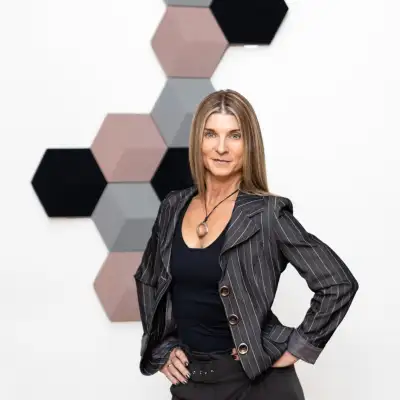
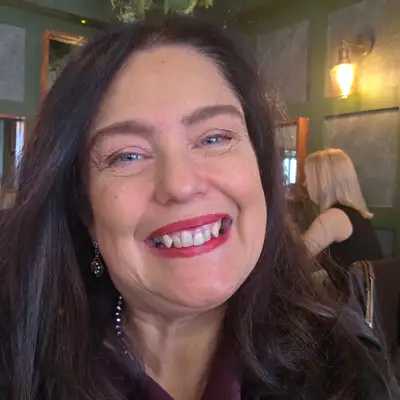

Tune in for fun, inspiration and unfiltered discussions as host Sian Murphy interviews down-to-earth businesswomen sharing ideas, tactics and stories.
Regular features include recommended books, tools, lessons learned and top tips for business.
Welcome to the Women in Business Radio Show with Sean Murphy, connecting women in business around the globe. Hello, and welcome into the Women in Business Radio so studio. I'm Sean Murphy and my co host today. Is Michael Janni Asad, who. Is the CEO of Future Insights. She is an international accountant CFO CEO any More Suits that you are. Everything else I do is and. Also director of Savvy Skills, which is a business training hub. I should know, shouldn't never never never mind, I don't know. We're never perfect. So also in the studio with us today, we are joined by Keeley Woollie, who is a leadership expert. She's an author, she's an advocate for women in business, which is people, corporates, everybody, her clients right the way across the board. Your clients aren't they And it's really sort of about leadership skills specifically, I think I'm right saying for women in business without losing ourselves, if you like, and sort of disappearing off too much into the mail energy. Does that sound yes? But predominantly really to be protecting their health and no well being and their relationships and everything that's around them because we're too focused on many others rather than our own. Rather than ourselves. Okay, so this is going to be our round up show. So over the next all, I don't know, three quarters of an hour, we are going to be going round the table. We're going to be talking about what's gone well this month, what's gone wrong, what's gone what we're reading, what we're learning, any new tools that we've taken on board, anything that we've learned about tools as well, which I think is quite nice because sometimes you know, I take on stuff I've really enthusiastic about it, and then I go and have I need to stop saying dive starting to sound like chat GPT itself. Perhaps I am the voice at the end of all of that. I don't know, but we need we dive into stuff, We get really into it, we start using it and applying it in a much deeper sense to our business, and suddenly you find, Okay, that actually doesn't work as I thought it was going to, or I hadn't thought about that. It didn't occur to me that it would do that. But in doing that, it wouldn't do this, And so it could be, you know, it could be at all we've been using for a little while, and now we've suddenly realized actually it does something now fantastic or actually didn't do exactly what we were hoping for. Yeah, and anything else I think along the way as we come into the month. So because we're right at the beginning of September, aren't we we are we. Are now and it's going into autumn. It is. So if you're listening, if you're listening to this and it's not September, that's okay. Oh, you might be listening to this in an entirely different hemisphere where in the UK. Now we're heading into it's starting to get a little bit colder, it's quite rainy, We're starting to look at our a little bit more, at log fires, we're putting our woolies on. We are going a little bit more inside. You could be in a totally different space. It could be your whole web. You could be roasting, or it could be getting even hotter. You might have noticed I'm a little bit geographically challenged. Never mind, So let's start as usual. I have nothing prepared here, nothing, So I'm going to start with everything. I'm going to start with everybody else. Michael, what's gone well for you over the past let's go over the past month. A month. Now you ask I know, I know, I'd say, oh, do you know what I love doing? I love going to appointments with clients. And then they're saying, Oh, i'd like to talk to somebody about this, maybe an ifa, I'd like to talk to somebody about this, or I've got an idea. I like joining people together, so speaking to one client and then about another client and connecting them because I think they. Will work well together. They have synergies together. And that's what's happened this month. They're like, I've got two clients doing two different things but have the same syllages that are now working on a project together. And it's it's it's sort of coming from a really powerful place, isn't it. Because when you are working directly with people, and people are your clients, very often you see them sort of at their worst. Yeah, as an accountant, and you may see them that they're worse because they they haven't done something. You know, they they've missed a deadline. So they may be contacting you and going, hey, I haven't done this. Can you become like, you know, can you be my accountant like you this sort of sorted out as web does. You know, we work with WordPress and sometimes people will be coming to us because stuff's really really gone wrong and they need it sorted out like asap. You know, can we come on board? And it's you're seeing people, you know, their websites down, they've got the white screen of death. They don't know who you are. They're ringing for the first time, and how they talk to you, and how they are and who they are. I think puts puts us. It must be similar for yourself as well. Keeley puts us in a rather unique position to be Okay, do you know those guys would work really well with those guys, Very different to when you're running, you know, say maybe a networking event where everything can be a little bit more surface and people have gone along almost on their best behavior. Yeah, you don't very often go to a networking event at the height of a period of stress. If your website's gone down. You tend to sort of stay back in the office try to sort that out. If you know, if you've missed a deadline submitting you you know, submitting your accounts and you're trying to contact an accountant to help you, you probably stay at home and do that. So we very often as business people, we see people at their very worse, when they're at their real stress points and. They're putting their place of trust in you to be able to, you know, providing the service that they need in that moment, and especially when they are in quite vulnerable moments as well, whether it is end of year accounts and that's attacks. And I'm sure you get many people were scramming out to you, but I mean even with the individuals that you know, clients that I'm working with, you know that they are quite often at the point of breaking, you know, they have reached that burnout where they just don't know what else to do, and at the point of giving up their career when they've worked so hard to actually accelerate in it. So it is, you know, as you Tehan said, it's it's trust, you know, it is. And we see people sometimes when they are at their worst, and I think there's a big deal difference. You know, if we're talking to somebody who's obviously really really stressed. Yeah, that's okay, that's okay, but there's there's a difference. Sometimes I have to say we're say lucky, but it's not something we've had, but it can. I have seen it sort of tip over into it almost becomes a little bit abusive, and that's you know, I mean you you would know you don't recommend them to somebody else. You don't go say, hey, work with these guys because at some point the two of them could end up in a little bit of a stressful situation. And you don't want that too, especially if you're recommending somebody and you've got trust in one person and you want to recommend to somebody else. You need to. I always like to use their How can I put it, I like to try before I buy and sell on yes, yes, yeah. So it's like if I am in a networking group, I know if you kind of tapped on that, if I was in a networking group, I need to try you first before I can say to my clients, use them. Because people go to networking on their best behavior, absolutely, don't they Yeah, of course golf, but they said that one of the best places to actually network is on a golf course because you see someone as they are as they are, and when you see them having these tantrums and throwing the golf clubs, y behaving, behaving, or they're cheating. Yes, exactly, you know they're cheating. Yeah, that's really funny because when I look when I'm driving and I'm going around roundabouts and to see all these like vans with logos and stuff of the company and they're driving really badly, I go, oh, yes, or. They're driving rudely, or you know, they're cutting people up. No, I'm not even going to work with you. I bet people don't realize that's an impact. It is an impact because you are marketing somebody's company. So I think what we can bring out of this is, you know, if you're sitting there and you want a service, you're looking for a web designer, you're looking for an accountant, you're looking for you know, I know you work with corporates, Keeley, You're looking for somebody maybe to come in and work with your team. Perhaps the first place you used to start is your accountant, your web designer, somebody that you're already working with, and say, do you know you know I'm looking for an accountant. Can you recommend somebody? Yeah? Absolutely? Yeah. That sort of makes not only does that make the world go round, because we're all in a community, aren't we. It's just the boundaries of those communities that shift. But not only not only that, but it's you know, there's that trust element, and we're strengthening our own little business community, aren't we by contacting You know, if I contact you, Miquel and go, hey, do you know I'm looking for somebody who can build me an extension? Yeah, i'd say I got just the. So there we go. So use I'm not saying don't go to networking events, but use the people that are already in your network. Absolutely, I trust my accountant. If my accountant says to me, this guy is good at building extensions, I'm going to trust that. There is no obligation there. If it all does go tit's up. Your accountant. But if it does, I think you know, there is always an element of understanding that you're not responsible for what this person does. It's same as you're not responsible for me or anybody else. But there's that there's that relationship. There is that relationship exactly. So there we go. I've forgot what we would do this week, and I'm saying about introducing clients to clients and the new projects and how I enjoy that. Keey, what's gone well for you this week? Well, for not for this week actually this month. So on a selfish reason, what's gone well was I got confirmed a new client yesterday, but it's working with one of my other business partners in Planet of Events. I think you've met her actually at the Women in Business Show. She was on my stand, Debbie. And but again it's really really lovely when you you know, when you have those opportunities and you know that they're going to be working someone that's going to be changing something really positive. But as I say, he was at the Women in Business Show and I think that was it a month ago at the time for. Us was the seventh, seventh of August. Yes, so it is within the month. So that was a really really positive event. And it's just so powerful seeing such incredible women that are creating new lives and new opportunities and seeing everybody trying to lift each other up and you know, just helping each other to shape another future, and you just say, starting to build relationships, new connections. You know, you don't know where they're going to go exactly, and quite often the individuals that you end up working with are the women that are actually there with their own stands and everything like this, because we see so many correlations and synergies and how we've sported you other and everything like that. So do you know That's something that I'm really very very conscious of. And in fact, I was talking about this only today with somebody else who organizes events and that sort of thing, and talking about people who go. How many visitors are they at the event? Well, I don't know, because I have no control over over a motorway closing. I have no control over people. You know, five people come in the door, five thousand, I don't know. I can't guarantee, and I certainly wouldn't. But in actual fact, the people that you want to be working with, the people that matter are the other people, are your other exhibitors. Those are the ones that you have something in common with. Exactly thousands of visitors through a door, thousands of visitors through a through a door, and all that happens is you end up handing out thousands of leaflets across the table. I've done the Business Show a couple of times, and we all know that thousands for having a stand for that, and yeah, the football is incredible, But in terms of valuable conversations and people that you're actually still continuing to get connections with, was minimal. And yeah, I've done to your events now and I've had far more you know, positive conversations, whether it's for me or them or somebody else. I've had more of that with an event that size, where you're more you know, associated with people on the stairs. Then I tell you why what I do. There are no dividers in between people. There are very very some of the bigger if you like events, and not that not that this event isn't pulsed, it's just different. There aren't dividers in between exit the exhibitors where lanyards and the visitors do not so that exhibitors can recognize other exhibitors, because it's not about visitors. It just isn't about visitors. A lot of visitors, you know. I've been to events we don't have it at the big show, and I'm not sure why, And I think it's because it's about collaboration with exhibitors that they sort of they know who they are and they stick together. But I've been to events where I've spoken to the exhibitors and because I know them so I've gone there and how high. And what's actually happened is they've paid thousands for a stand to have people who've come in for free pitching them. So they spend all of their time on a stand people coming up to them and trying to give them business cards and pitch them. You know, they haven't paid, They've come in for nothing. How infuriating. Is really infuriated? Just how infuriating. So that's why I give the exhibitors badges. So if somebody comes up to you and starts talking about you, are talking to you and with you and chatting you. No, this person is an exhibitor. They're the same as me. We're in the same room. We may be in a different space, but we did sort of collaborating and doing the same thing. And I think it makes I think it makes a real difference and takes the focus away from visitors. My focus used to be on visitors until I went from having hundreds and hundreds and hundreds of visitors through a door to actually not having that many because of COVID and all that sort of thing. That getting a diffed at, getting a different level of getting different feedback. So I spent you know, like quite a time on the on the day of that event where we didn't have that football sort of you know, flopped in a corner with my hand on my sweating forehead. Oh god, it is terrible. So I just hide here. And then when I spoke to people afterwards, this is my lesson learned. When I spoke to people afterwards, almost apologizing, Oh, actually, hmm, we had a much better day I've met so so you know I had somebody came out with three speaking opportunities. Yeah, you know, whereas before when there were hundreds and hundreds of people really perhaps nice, that was quite good fun. Yeah, off we go. You get lost, I think you do. When there's too many numbers, you're getting lost amongst it. So you get forgotten as you go through. Whereas when someone comes to your stand, they've come to you specifically for a reason. They're intrigued by it and to find out more. And the space. You know, when you if you've got visitors, tend to sort of they're like shopping, aren't they. They're window shopping, and they tend to sort of like traps past your stand. I go hi, and you give them a leaflet and they may stop and talk but then another visitors come up and they're like waiting, and you know, you're looking at one visitor and you go, oh, hang on a minute, and you're just saying hi, yeah, I'll be with you in a minute. And then you're going back to another one, and you know, back to the one you're talking to, and then the one that's waiting goes away, and the one that you're talking to things, well, you're not talking to me anymore, and it's it's me in with cakes and they're waiting, and it can be you know, sometimes you can an event can be too busy. Yeah, that's true. It can be too busy and you don't get round to seeing everybody. Do you know? What I really like about your events is the opening, the opening of the event, because everyone's there altogether, and it's great because you get to say. Oh, new people, new everybody, and it's only the exhibitors. There's no visitors there is don't come into the opening. No they don't. And I love that. Only exhibitors, so you straight away you can see who else. Is there, and then it's seen old faces again and go hi, how are you. You know, it's great and you go, oh, yeah, we should grab that coffee. Yeah, you know, if you if you don't run events, you know, if you are visiting or you're thinking of exhibiting events. These are just some of the things that you know, I think are quite important to take on board that you go, what is it I want to achieve here? And I don't think anybody has ever said I want to achieve giving out five thousand leaflets and going away again. It's one of those sort of it's quite it looks like it's okay, doesn't It sounds quite productive, doesn't it. I've given out, you know, three thousand leaflets but cost me money. But it's a little bit like people looking at a video. If somebody doesn't actually do anything or click on a button or pick the phone up, it doesn't matter how many people have looked at that video unless you're getting adverts. Of course, if you're you know, if yous make money, fine, But apart from that, it's done nothing, is it. Yeah, that's true. You know, you could apart cost you a lot of money. Yeah, So you could have spent money putting a video together, you could have spent money promoting it. You could have a load that you could be all over the show, you know, and yet loads of people have looked at it. If it doesn't actually, if there is no outcome, if there's no result, if there's no business, if nothing happens, Yeah, then all it is is just morney, isn't it down the drain? Yeah? And that's you've got a huge reach. I suppose you can say, hey, how many people looked at this? There are times when that may be relevant, but most of the time we want people to pick the phone up. Someone we can pick the phone up to, because afterwards, quite often you're making lots of phone calls and doing follow ups and if they're not valuable then you've wasted more time afterwards as well. Yeah, that's so true. Right, We've got disappearing off down a rabbit hole. So went well this month? So I was on what has gone well for me? Okay, so I've actually been able to bring some more support into my business. I now have an operations manager, amazing lovely lady. She's a project manager. She's worked for all sorts of places like University of Kent and that sort of thing. She's come in as operations manager. She is going to be helping me make sure that when I say an event is on this date and that this time, that everybody. Knows, everyone knows what it is. Say, it's taken me quite quite a while to find somebody that's good. And you know, I was offered other funding to help me find somebody as well, believe it or not, and I sort of that, no, I'm gonna I'm just gonna wait. I think this person is going to arrive. And sure enough they did. And I met her at a ladies who lte networking. Great, brilliant, that's really good, just the weirdest thing. So it just shows, you know, those sorts of networking groups, it's really weird. There was such a diverse range of women there and I didn't need it to be a woman. I didn't care who it was, as long as they sort of, you know, will say you've got that wrong or did you really mean that day rather than just go yes, you know, and to help manage guests on the radio show, to help manage exhibitors, and just you know, make sure that I'm where I'm supposed to be. And she did. She turned up. That's so good. We had a couple of I wouldn't even call them interviews. Really, I sort of new and so I suppose that went well. I just trusted that's really good, that's cool. Yeah, And I just trusted that. I didn't I didn't go out on LinkedIn, I didn't do anything. I just trusted. And it took two months. But I didn't spend anything on recruitment. I didn't do anything. I didn't do loads of interviews. I just thought this person will arrive. Let's well, we'll give it. I was going to give it until the middle of October. Wow, No, middle of September. Whomen Yeah, I was going to give it until the middle of September. So that was sort of, you know, two and a half ten ten weeks, two and a half months and she arrived. That sounds really sad. And her name is I'm going to have to change it because her name's Natalie, and I keep in my head I keep calling a Nicoler. So I'm just that's I'm going to have to say to her. Sorry, I kept in calling something James yesterday, and who's Jones. I don't even know how I got to you. Know what, I just don't bother and now go hi, and that's it. She's gonna she's she's going to have to be Nicola because I'm going to have to change it on WhatsApp because you know, we're sort of doing communication. I love WhatsApp as a way of communicating and you know, getting to calls and all of that. I think it's so simple. But of course I keep looking for her, because I do lots of stuff like that. I keep looking for her as Nicola, and she's not Nicola. Where is she? She's going to have Sorry Nicola, if you're listening in. So that has gone really well. That's gone really well. So what has gone wrong? Something must have gone wrong? Oh God, what's gone wrong? Do you know what? One challenge has been the fact that August is the quietest month and it's probably the most quite this month for many micro businesses. I've had this discussion earlier, and it's it's a reminder to me to plan in advance for seasonal and building cash buffer as vital because you know, most people go away in August because they have to because the school holidays. You know, if someone's working part time with you, more likely they may have children or other commitments, or they take that holiday around their husbands or their wives when they've got to take time off, but then it can make your business go kind of on a slow, slow kind as well, because if everyone else is on holiday, what work are you doing as well? So it's that aspect of it. So you've got to be I'm kind of saying what hasn't gone well is preparing And I say this all the time to my clients. Make sure you're prepared, you know, and then you go, hang on, mquel, you've been too worried about other people, worried about their businesses and making it's happen for them, but you haven't looked at your own. But what was the discussion that we had today about? You know, you know, I can look at somebody else's business exactly, somebody else's processes, and it's so obvious. It is what's so obvious it is wrong exactly, and I can't I can't do that for myself. You can't see the wod you're you're in the thick of it, you're doing, doing, doing doing in business, the stuff that you teach people not to do exactly when you do take that step back, and you know you can see that beautiful and that's it. I think that's something and we all do this, don't we we can't help it. But you know, if you're looking at somebody to work with, so you want you want somebody to work with you, so in other words, you're going to become their client. We go and look at what they've done, don't we, And are they doing what they're trying to teach us? I mean, goodness knows. I mean we we WordPress websites and we do occasionally build them as well. If anybody goes and looks at our websites, they're terrible, They're awful. I'm embarrassed by them, I really am. But that doesn't mean we can't do what we do. And I know that I understand that, and yet I do the same thing when I'm looking, when I'm looking at people that I might want to bring in, and I sort of have to stop. Actually, do you know? It doesn't It doesn't matter that their stuff is crap. Yeah, that's okay. Perhaps they're too busy doing other people's stuff, that's it. Exactly. Carpenters do work in their own heart, exactly. It doesn't matter what it is, it is that they don't do it in their own heart. We can't help it. You want to get home, you don't want to be looking at on your weekends or your own stuff, do you, because you're so busy looking after everybody else. It's that's the way it is. I mean, we had an accountant on a little while ago, a lovely, lovely lady who spoke so honestly about the fact that she had had to I'm not sure that she I'm not sure she went bankrupt, but she ended up in real severe financial problems with her accountancy business, and the amount of sort of how she felt about that being an accountant, and yet she you know, I didn't think any less of her. I would still have said, yes, okay, I'm more than happy for you to be my accountant. I was quite happy with it. That's because she's one being vulnerable about it, being honest human. I tell you what make it's the honesty about it, absolutely, And also I suppose also it's a little bit about the story around it, because you saw that there's a story. Had I have gone on to company's house and had a look or something and seen what was happening, or somebody said something to me about you do know she couldn't even manage her own accounts, don't you, Then it might have been, it might have been quite different. But taking a step back, I absolutely know how that could happen. Yeah, I just do. Yeah, you know we. First storytelling is so important. You see the journey that someone's come on, absolutely and they've learned from those experiences and they're now helping others to I mean, I'm sure you know as. Yeah, I've been exactly where she's been many years ago, so you know. And then I. Built from scratch again and it worked. But I just keep forgetting about August. I keep saying, But actually I don't forget because I tell my team. I say, by the way, July and August is going to be quiet months to collect any data from clients because they're going to be sitting on a beach and not thinking about taxation. So let's get the information in early or come October, September. October, we're starting to get busy again. So that is the way. But it's just that just that in between. Gaps, it is, isn't it. And so you know, I have an events business where we have business b to see, so we have consumers coming in, it's not business people people coming in. Now Sometimes are those sorts of events insane? Christmas. Sometimes they're really really busy for some people. If you look at say some of the craft events, that sort of thing absolutely round. But it's actually quite a quiet period for us because everybody's out doing absolutely manic things. They're not coming along and necessarily being calm because I haven't got the time. And so it's about understanding and being careful about who you book and what you do and how you market, and well working in the corporate world, especially the Continent, is everybody takes a holiday for three. When I used to work in the corporate world, we used to plan all of our projects as a project director, and we used to plan all the projects and we used to have to basically write off August completely, especially well not just France, France or Deadmark Audics, all of them just complete right off. Don't forget it, you know, I know we have a house in France, so I know, you know, I know that France shuts itself down, and I don't know that ever. People just accounts for it, don't they. They do. They do, even their long lunches, though, I mean they do. I mean every single meeting we used to have to plan, we had to plan it around the fact that they had twelve to two they had their dinner. I don't know and they but you know, not in the UK, you do the meeting regardless of people. That's what I love about them. They're really strict about their rules when it comes to. There's no compromise and I So that's how I structure my day. Not not every day, I mean, you know, I'm in the studio now, but most days I will work until about two o'clock. I will then have lunch. I will generally we have a glass of wine. I might start work again about seven, and so I'll start work at nine. I stop at about too, I'll start again at seven and probably I will very often work until midnight. Yeah, it does. And I have a really long break in the middle. That works works for me, and I'm afraid if it doesn't work for anybody else. I run my own business exactly. Exactly. It doesn't work for you, that doesn't work. For you one of mine. So just thinking about parents though, is that there's so many you know, parents that can't go to schools or you know, evening things and all those kind of things because of the hours. So when we. Adapt our day based on our needs, then that works. Okay, So that's perfect. So if there's any women that are actually you know, they've run in our own businesses, they can do that. They've got that flexibility to be able to do it, and then then then can reach out to you because you're in the same house. It's not that I don't ever, it's not that we don't ever answer anything, but those those are my core working hours. I do speak to people, you know, because with the running events and that sort of thing, you sort of need to speak to people when they're there. Yeah, so I want to do less hours, not more. I agree with you. I'm not sure actually what I do. I want to take some time. I've been working since I'm sixteen, so I want to take some time out. I've been working longer than. That, wouldn't I we're saying over Little Moon. When I was ten, you used to be able to work out. I had a Saturday job in the hairdressers. I mean I did when I was fourteen, but actually full time working. Oh yeah, I was at school. Anyway, Listen, we've done what went wrong? Did we do you the wrong? I went wrong? No, although I have to say it's it's not specifically business associated, but really frustrated is that I booked in my car to get an mot and it's one of these apps where you can do it and you give three dates and times, which clearly are the dates and times that you are available. So they sent through the thing on Monday saying yes, it's possible on Wednesday, and then when I went to hand the details to my husband the following the following day, I had to actually reply to them and say yes, that's okay. So my husband went to get up to go to do the car in motive and it runs out on Mondays. So you can imagine I'm a bit of a panic to get it. It's not business related, but will affect my business. It drive anyway stuff, it's just more stuff. I am very much into dealing directly with people. Actually, So I have a mechanic where he was you're cartly demoting, and I'll take it in and he will he will sort all of that out. I'll just leave it with him. He takes it around the corner, he sorts all of that out, he comes back and that's it. And actually we run storm chases digital our WordPress stuff like that. We don't have apps or bots we deal with everything on word, we do with everything on WhatsApp, and we've talked to people. We don't have any automated responses, nothing, but I hate it customer. Yeah, but it's more customer service approach, isn't it don't. We don't have help tickets or anything. And I think that's because I would press the wrong buttons. I already got that. In the people that we usually use there. When we actually contact him, they it wasn't available until you know, about two or three weeks later. And I was like, the first book and that we actually did. We did it with helpers and on the same app, and it was booked and approved and when they went over there said their clothes for refurbishments. So why I actually approved it, it's beyond me. This is. I'm not doing too well. Sign the universe is telling me something. I think I might be wrong in this. I think that if you have an mot booked, you can drive. You can, Yeah you can legally, you can drive it as long as you're going to them. Okay, all right, Yeah, you can't be perpetually driving around. You driving six months ago. Yeah, okay, that's not That's not what I understood it's just I was wrong. That could be my I was wrong. I'm trying to think what's gone wrong for me this month? You know this is really nauseating, isn't it. Stuff has sort of not gone wrong, but stuff has happened that I wasn't expecting. Okay, first I thought, okay, well, but then I thought, actually, no, that was right, that that had to happen. In fact, I should have done that. I cannot really think of anything that has gone wrong. How annoying is that? That is really annoying. I'm sure that there must be. Yeah, they must be because I get everything wrong. No, it's really good. You've been a great month. Then no, I can't think of anything that's actually gone wrong. And sorry, maybe you just adapted quickly. Yeah, I'll never think and if there is, I'll say something that I hate, I'll circle back your circle background. Right. Then let's go on to what are we reading? And when I say reading, it could be listening to watching. It doesn't really, it doesn't really matter what you what are you reading? So I'm really going into YouTube lately and listening to podcasts, and I was I'm now subscribed to Devine and because interviews and She had an interview last week with Katie Piper, and unfortunately Katie Piper had she was the lady that had the asset attack in the UK in two thousand and five. But listening to that, she's now brought out a book, Katie Piper, which is amazing about her journey. But listening to that interview, it just made me realize how strong women can be to adapt, to go through maybe crap and sorry, am I allowed to say that? Was well, we've said it. I've said crap once. It just made me realize that she's in a place now, she's found her place and you know, she's happily married, got children now, but she had to go on a journey to get where she is today. And I just, oh my word. It was a really powerful, powerful interview. And if you like you too, go to Devine and mccoil and listen to her podcast. But this one actually was a powerful one. It was just saying about strength of women, that we find that strength we and it was also talking about her mother. So she got the strength from her mother. She's now going to pass that to her daughters. And her mother was writing a journal and some bits of the journal came out about the time that she was going through about you know, going through all the treatments, and it just made me inspired by how we you know, how we are with our children and how we adapt everything. And now she's an entrepreneur running businesses, especially her charity to help other women overcome you know, she calls it a disability or deformation, that sort of thing. So, yeah, that's what I found inspiring this week. I wonder if you know, sometimes she hear people who had cancer and that sort of thing. He said, actually that they wouldn't undo that, Yeah, because it sent them on a different direction. Sometimes I feel like that, yeah, that's exactly what she was like, you know, would I would I have undone having cancer? Yes, But actually I don't know. It changed the trajectory of where I was going exactly. And I've not had much fun with it over the last month because I've been in and out of the hospital whilst they had to look at, you know, whether it had gone anywhere else. And I have to say that really was not much fun. But I don't know, I'm a It's like that film Sliding Doors, isn't it. I'm a different person for that. Having happened. It happened. It was a jolt, it was a shock. It knocked me off my path and sent me on a different one. Exactly. I wouldn't be here and I love what I do. I absolutely love what I do, and I wouldn't be I wouldn't be doing that if it wasn't for that. Yeah, that makes complete sense. But it was a horrible experience. Yeah it was. Yeah, for everyone that's going through anything, it is a horrible experience. But then you find this inner strength and then you go, I want to keep going. I want to keep. Actually a lot stronger on the other side of it, if you like then you think you're going when it's actually you're sort of going through it. You know, if I imagine myself now before I got cancer, I think, if I was, how would I cope with it? Would be I wouldn't cope with it at all. I'd just be in the corner and blahbah and god, how awful. It would be the worst thing that could ever happened. How terrible. But then you get it happens, and you sort of you get on the path of dealing with it, and you think, oh, actually, hang on a minute, well I can do this. I am doing it. Yeah, exactly, I honestly believe. I mean, when I had the burnout, I would probably still be in the corporate career if I hadn't had burnout, and I'd still be going at a thousand miles an hour and doing, doing, doing, But I firmly believe that going through the healing process that I went through coming out the other side of my burnout actually helped me to cope with the loss of my brother when he died of cancer. Because I think if. I'd still been in that DODO doing doing, doing, and not actually being present, not. Aware of it, still doing, you'd just be doing. I would have hit now. I would have hit the floor. I would have hit the floor. I would not have been out of cope with the loss of my brother at all. I think I'd still be struggling to get on the other side. But because I think it teaches you to be able to manage things in a much better way. You see life differently. You become more present, You're more aware of your surroundings, yourself, looking after yourself, and all those kinds of things. I'm ensure when you're going through all of them, you know whether it's cancer or any other illness. Is you change your lifestyles, life becomes different and you see life differently. And I think that's what the difference is you take time to take a step back. And many of the women that I speak to at the Women in Business show and I say why did you set up your business? Every single one of them has a story for why they started doing it. That's why I get people. That's why I say, don't go out and spend money on banners. If you haven't got a banner. If you've got a banner, bring it along. If you haven't got a banner, don't worry about it. Go along to the range, get picture frames, ask questions of people. Tell your story, show what's behind why you are here, because I haven't met anybody who doesn't have a story that sits behind what they're doing. Yeah, yeah, that's true every single person. Even if you're going out and buying say a McDonald's franchise, which is what should we call it as like a traditional business, you've opened a place where you're selling burgers, there is very often a story that is behind that, a reason why you've done it, why you've got the investment, why you chose to do that as opposed to a different sort of business. Always a story in. There is, and if there's not, I would question why you're doing it, because quite often, if you haven't got a passion behind why you're doing it, all of those tough days, all of those experiences that you've you've spoken about where people will end up failing their businesses and all that, it's because, you know, the reason why they pick themselves up and continue it is because they're passionate and they believe one hundred percent what they're doing is the right thing to do. I don't know why I'm doing what I'm doing, though, I actually don't I and sometimes I say like, why am I doing this? Why this? You know, we do have that moments, of course, we do ends up sounding sort of really naf When I like helping people. I like people. I like to see people going from one place to another place and for that being some sort of growth, and that really does send nef, doesn't it. Yeah, But that's your answer why you're doing the things that you're doing. There's going to be there still reason's sort of isn't it isn't I don't know, it's I don't know. I can't describe it, but I know that I keep on doing it. Whatever it is I'm doing, I know because lots of different ways that I could potentially help people. And we also have to earn money, remember. Yeah, we do. We have to earn money. We can't be you can't live on loving it. The bank manager doesn't like it. You know, we can't always work for swapsies, saying at one point I said to somebody who was doing who was swapping everything? You know that there's going to come a point where I couldn't work for lipstick and wheelbarrows. You know. Yeah, I actually have to earn some money, absolutely, But I don't know. Sometimes I'd love somebody to tell me. But I am quite driven whatever it is I'm driven to. I am really driven good, so I think, and I've learned to just actually. Take a step back. But you do it so well and not worry about that too. You you know now what goes on underneath it? Yeah, but you do you do it so well, what you do achieve, And all. The questions is is what do you feel when you see the results? What do you feel inside? I love it so when I see you know, when I see somebody maybe who isn't a speaker. We're shrugging here and going, I see somebody who maybe not have spoken before. So I know that you're an experienced speaker. But sometimes we have people on the radio show, we have people at the big show speaking. I don't have professional speakers there for a particular reason. I have people there who know their business, they know what they do, they know who they help, and they're okay speak. You know, they're okay to speak about it. Some of them have gone through the professional speaking route like you have now, but you didn't pop up and go, I'm going to become a professional speaker. What shall I speak about this year and what's the hot topic and create a product around it. And it's seeing somebody who may be quite nervous, they may never have spoken about their business before, they may never exhibited their business before, and seeing them there. They've thought about this story, they've put stuff up, and then you know, I speak to them. At the end of the day, I've had a brilliant day. I met this person. I'm that person and I'm doing this and I'm doing that, and I never thought I could do this. I never thought I could come to an event and oh I had a really good day. I love it. Yeah, so you just answered your question. We are we are? I'm waffling on as well, So are we onto reading? What are you watching doing at the moment? So one of I've got a book club that I have on Thursday nights. It's not mine, it's run by somebody else, amazing lady, and the book we're doing at the moment, and I've read it and listened to it loads of times. But when you're actually doing it as a book club and you're all discussing it, just you're going into the core of it and trying to understand the meaning behind everything and how are you related? You see it from somebody else's perspective as well. Absolutely, and some of them are like, well, you know this, this doesn't this, this doesn't work for me, This doesn't happen in my life. And you're like, well, that's great, But then there's others that is going to work for Well, the book is actually the Soul and it's opened your mind, changed your life, and it's doctor Tara's felt. Now there's a lot of stuff that she actually is talking about that I teach myself, but when you've got somebody else that's talking about it from a different perspective, and you'll really getting too the core of it. You know, you just see and feel things differently and you actually start implementing what she's actually doing. What's the basic sort of premise, So essentially it's about her. It is really about finding your path and what you actually love and trying to get to the root of it. Because quite often people talk about manifesting and everything like that and think that it's going to just occur. Well, you know, create a vision balls, Yeah, that's nice, but unless you actually take action, then nothing's going to actually work. But it's also about you know, being absolutely in alignment with your mind, your heart, and your passion, your beliefs, you know, being connected with everything with it. Cause once again, when you are connected to all of those, uh, you know, when you you know, energetically connected to it, and you're in alignment with your mind and your heart and your loves, then you're more likely to succeed in what you're going to be trying to achieve. And it also helps you to question what's going. On your life. If you wake up in the morning, I think someone succeed you said, if you wake up in the morning you turn to the next perd and you're like, oh, still with then you know that. You've got you've got to change something. If you wait your Sunday night, you're dreading going to bed at night because Monday you've got the job. You know. It's it's really about looking into your life and seeing what you truly love and what you really enjoy it. And if you're not, you've got to start questioning it. And you know it might mean stop having discussions and having some real home truths, you know, because if you are waking up and going. I can tell you that way. But it's a powerful book. Sometimes, you know, Okay, it's an issue, isn't it, Because Okay, there's not enough to actually force a change, is there when you're just okay, you know mediocre is I don't know, it's not enough for the disruption. Very often you're not feeling enough pain. And it's horrible that most people, you know, they end up having to really feel that pain before they make a change. And I think that's the thing. It's about really questioning your current situation. Because there's a lot of people say, oh, you know, don't do that because of this will happen, don't do that, So you're you're also being put off of making change. I mean, she she. Was actually married, and she was doing a career, a very successful career I think, as you say, it's a doctor. But she was just working just constantly, but not fulfilled. She wasn't happy, she wasn't join her marriage and all of those things that went with it. And when she started to really reflect on what her dream life is, and this is something that I'll talk about quite often, is is, yeah, what is your ultimate dream life? What does that look like? What does it feel like? Yes, it's the feeling. It's the feeling. You've got to taste it, you've got to touch it, you've got to smell it, You've got everything that's surrounding that. And then start working backwards from that point, because if the life you're living right now is not going to get to that point, then you've got to ask yourself how. And sometimes sometimes difficult questions, difficult things have to come up. You know, sometimes you say, you know, what do you think of this? Because yeah, it's fine, Like, yeah, I was going for adequate. Look fine, great, I'm glad I put on with it. I was a mean for adequate, possible. That's what I was going for. Thank you. But there's a problem with that, isn't there? You know when when lives, businesses, marriages, jobs, whatever it is is okay, it's not painful enough. You have to need that real pain, don't you to move you. Or a real passion. You've got clear about what it. Is that you although although you know, there's quite a lot of evidence when we're looking at sort of goal setting or achievements pain moving out of pain, we will do really quite quickly. Moving towards a goal is not as powerful, which is I think why you very often see people doing things like yo yo, dieting all that sort of thing and going backwards and forwards, is it's really horrible there, and they'll take a lot of action, really quite quickly and drastically to get out of that pain. But they've not got a clear wife or why they're doing. And then when you're moving the moving forwards, you know, so you're twenty five stone, oh kriki, I feel terrible. Lose ten stone, you know, comparatively quickly, but you've got another However, many another five stone to lose, can't do it. And that's because you've that the real serious pain that made you leap has gone. You're out of the fire and now you're bimbling. Yeah. Anyway, I the source, what was who is it by? Again? It's doctor Taras I s w Art, you. See, and me saying I don't know why I did what I did. Going to read that so my book I am back again, I am revisiting. Ten times is easier than two times by Dan Sullivan. That's brilliant book. So basically, when we're looking at growing our businesses, sometimes we look at I'm going to get you know, I'm going to grow by ten percent, I'm going to get another ten percent more clients this month, this year or whatever, and actually getting ten times the number is far easier than two times. Quite hard to sometimes get your head around. This is how I got my head around it. When I look at, say, getting visitors into my business to consumer events, if I want to double, if I wanted to double those number of visitors, I might get some more leaflets put through doors. I might do some more posts on Facebook. I might do a little bit more. I might do some SEO on a website. That sort of thing. All of that is like more work, isn't it. It's double the amount of work that is currently happening. If I say, okay, well forget about that, I'm going to get ten times the number of people a bit more. SEO is not going to do it. It's not going to cut it now. It's something really different has got to happen. So I've got to start looking at right, Okay, can I get corporates? You know? Can I get corporates to send their staff along? So can we Instead of getting people in in ones and twos, if you put leaflets through a door, your response rate is going to be one in two hundred. It takes an hour to put out two hundred leaflets. How much How much work are we going to have to do to actually, you know, do that is not going to go to ten times. We're going to have to completely and utterly change our tactics. Yeah, makes sense. And I think looking at two times actually really slows you down. You're sitting there, going got to do double the amount of SI, double, double the amount of this, double the amount of that when you're already stretched. Yeah, doubling that is you know, Oh goodness me, I can't do I can't do twice as much as I'm doing already. So that's a super book. So that's what I'm going to Okay, tools, what tools are we using? Oh? And this could this could be just a different way of organizing your post it notes. Could be could be my post it notes. You're shuffling through your phone, aren't you looking for stuff? No? No, no, I had to note to myself. So Sift analytics. What is that? So Zero's international, It's in nearly everything. It's Zero is an accountant see. Software, Yes, Zero keeping exactly, business book keeping man absolutely. Now it's got Ai adapted to Zero called Jake, and now it's got Sift analytics. So basically you can now do cash flow forecasts, you can do forecasts, you can do real time stuff now in zero, providing you put all the information in first. And it's very useful too if you want to find out what's happening now right now, what's going off the shelf, quicker, whats what categories are bringing me the most money in? And it's like management accountingunment accounts. Yes, but Sifting itself is a software. But they joint plantnership with Zero, And I've been using this a lot for management accounts, processes and stuff for clients, especially CFO work, forecast work, that sort of thing. It builds reports for investors and banks. Also talking about your own team, it also looks at your own team and what they're bringing you in financially, because with zero you've got practice manager, and practice manager tells you, like if you do time sheets in zero, it will bring all that information into it about how much staff is costing you and what they're working on. So for micro small businesses, it's no brainer, is what I'm going to say. It gives clarity, helps you make decisions, see where you want to go in the next year. So that is the system I'm really liking. Is it the sort of thing that you can get internationally? It's an international app. No, that's not what I was going to say. Is it the sort of thing that say, I'm not an accountant, so you might have noticed, But if is it the sort of thing that I would be able to use? Absolutely it's there. So basically it's there, You've just got to pay an extra subscription for it. And what I meant was it's not really specialist software that only your accountant or bookkeeper is going to be able to understand. Even your you know, your bookkeeper inside your business can understand it, but. I I, you know, as as a non bookkeeper business owner would be able. To use this as long as the information is there. And I'm assuming there's a monthly sort of cost. Is that? So the monthly cost at the moment they're free trial in it, oh okay, and then going forward it's probably going to be about I think it's about fifteen pounds. A month or dollars off that from the basic doubt. Yeah, So at the moment they're trying it out, I've been using it and I've loved it so far. I tested it on a client and it worked from bald me. So can you spell that? Sif? Is it SIFT or sift right? S y ft ah right, okay, yep. Okay, So SIFT software helping you with your management accountants and integrating. Through zero amazing. Keyley, Have you got any tools or anything that you're using? It's useful. Well. One of the things I absolutely love given is I create lots of presentations for my training acasion. But it is gamma. I don't know if you're familiar with it. It's Gaublema. There is a free level which would probably do you know as a starter one, but in terms of they've got you know, one for about six pounds and then I think about fifteen pounds per month, so it's not like huge coss and given the amount of time it saves as well. But what's the beautiful thing about it is that you can put in all your brand in your colors and everything that's associated to it. But what Gamma does is it creates, say, business proposals, presentations, you know, if you want to create some documents that look nice and sexy and everything like that. So as long as you're putting in the data that you've got. So I've got a framework that I teach and I take that information, put it into the document or actually one of the things I've just created. So I've got a corporate proposal that I'm doing is like a three stage process, but in it I've put down sort of why it's important and how it's going to help and what each stage does and everything like that. Just put it into a document PDF and then you then pull it through Gamma and what they will do It depends on how many slides you say you might say fifteen or twenty or whatever, and it will populate it for you and design it. It will create images, or it do frameworks, It do patterns everything. And in like a minute, it's done that. And all you need to do then is maybe going and say, if you don't like an image, you can ask it to change an image, or if the coloring is not right, or you don't like the pattern or the framework. That it's done for it. It does it all for it. It is genius and life saving. Okay, and that's gamma, Gamma, gamma. Okay, that's really good. Yes, I'm going to look into this. So my tool is actually an update on a tool that I mentioned a little while ago, which is called craft ah cr Aft, and it is I'm not difficult to explain. What it is really is a place where you can take notes, you can organize stuff. You can have documents, so you could use it, for instance, to store your documents for your business. You can do images, you can do really quite a lot in it. One of the other things that you can do is you can actually share a document with a team members, so you can have up to five team members that you can share and collaborate on different documents. Now, I thought I might like this when I started using it, probably about three months ago. Now, those of you who know me will know that my brain sometimes doesn't work like other people's brains, and that it can be a little bit weird. Now. Craft is a bit like an American washing machine that I had. Okay, so I used to have a huge American washing machine, great big thing. I had it for over twenty years, and it had a button that it was a huge thing. It opened up and I'm doing the hand movements again. So you couldn't put it under a counter. You can put it under a countertop. It was huge. It's top loading, so you could open it up and put stuff in. You could even put stuff in whilst it was going. Owned the lid. Stuff the stuff in stuffy powder on the top. Lid shut didn't lock, lid shut. And then you pressed the on button. And then it had the hot, cold or warm button, and that was it sounds washing machine. It was on or it was off, and it was hot, cold and warm, and I knew exactly what to do with it. Everybody knew what to do. As long as you didn't put the cat in it. You just put your stuff in, you turned it on, it cleaned it up, and you took it out again. Now that bless it. After goodness, those decades it broke and I've now got this thing where I sit and I closed the door and I can't get the door open again. You know, if I haven't put in something tough, and I look at it and there's all of these codes going and I just look at it, and then I eventually so they have to just press something. And if stuff gets boiled, it gets boiled. If it just sits there and does nothing, and invariably you just come back and nothing's moved at all, because I don't know how to use it. And that is what craft is like. Okay, it does enough, but it doesn't do too much, which is cool. I'll tell you what. It is such a fine balance because normally I'll start using a tool something like that to organize myself, create documents, do task lists, and run a calendar, and then three months down the line, I've got three hundred and fifty contexts, I've got four hundred labels. I've got it in all of the colors, all of the sizes, you know, context labels, hashtags. Goodness knows what else, and nobody can find anything. This does not have all of those working parts. Okay, it's very simple. That's all you need sometimes anyway, it's always good to go back to it. It's basics. It's always good to go keep it simple. So I've now been using it for three months and it's still working and I can't. My brain will overcomplicate it if it can, and it does. It doesn't have to be much, just a few knobs and buttons. I could be gone for weeks down in there reorganizing. It can just imagine weeks without speaking to anybody who's going out. But it hasn't happened. It's it does just enough. And it's sort of surface level as well, which is something that I quite like. You can sort of see everything. Yeah, it's a bit like an iPhone. It's all on one level, no huge menus. You know, you don't have to go hunting around for everything. So craft I recommend. I love that. I recommend that My husband in that direction. He likes to find things about document management and stories because he's got medical history as long as well. A street really and been able to. Access things is really difficult, you know, It's like you go to the doctors and they can't find anything. They know nothing about your history, and he can just go there. This is my back, this is my head. This is you want something simple, but it's complicated enough. It's a really really fine balance, you know, too simple, and you just have like word documents, you know, and you can't find anything, you can't sort anything, you can't mark anything off as done. This is this is a nice this is a really lovely balanced tool. Yeah. So, and that's three months down the line, which which is actually when you have a team, that's a really big thing. You know, these poor guys, you know, every three months. I know we're not using that anymore. Hang on a minute, we're starting on this now. But you know that costs time, it costs money, it's frustration, it's all sorts. So craft, okay, thank you. Right then, I think what we're going to do now, we are going to round up this part of the show. I think we're going to stop. We are going to have a break. We're going to listen to We've got a few interviews that came out of the Women in a Business Big show. We're going to play a couple of those, and I think we're going to have time to leave. We're going to have I hate it, but we're going to have a little comfort break. And when we come back into the studio, we're going to be talking to Keenan. We're going to be talking about leadership, different types of leadership, and also some of the lessons that she's learned along the way of Niching. We're going to burn out, I think all of these things. We're going to be chatting to her about her business journey, what she's learned and also do, and also what we can well, let's be honest, we're going to just take her everything, aren't we as much as we can get out of her leadership burn now, and also we're going to talk to her about her new book. So we will see you in a couple of probably about fifteen minutes. Enjoy these interviews. I'm with Sean Henry. Sean is from the Economic Development Group at Medway Council. Sean, good afternoon, good afternoon, pull lovely. To see you. We're here at the Women in Business Big Show twenty twenty five at Wilmington. Tell us a little bit about the work you. Do, Sean, some fantastic work and we recently expanded both of our grants. The Partners of Growth one has gone from one grand to two grand and the Parts of Green Growth has gone from two and a half to five thousand thanks to some wonderful increased budget from our wonderful cabinet that we've got. We've also got a one to one support and business advisor that we're about to reprocure that at the moment, and we're looking to basically more than double the hours due to demand. Fantastic and it is great the effort that you guys put in in building business in Medwe and especially trying to help small businesses. We love that. It's our Brendan bag Nedway is ninety five percent less than ten members of staff SMEs, so that needs to be our focus. Of course, as you love it when BAC you're going to recruit another five hundred people, but it's the small businesses. I love to see them go from one man band to ten people to two hundred. Absolutely, and then you haven't got all your eggs in one basket either, so you know, and it develops the economic footprint of that whole region. As you just intimated, there are lots of things that you have that help grants and different workshops and things that you do. One of the things. That look interests me as well as you know, because I've been involved in the business myself. I know in the past you've been involved in different places with things like coworking. What's happening on the coworking seen it in my. Way, I'll be honest. It's a little bit up and down. So you may know. We open up the latest one, which is zen Co working in the Pentagon, not as a rival to Dragon as all. I want exactly the same relationship post having Maystone with Roland to just say I've got a perfect one, but no room can you take them. It's been a bit of a struggle simply because for the last five years, if you've been working from your bedroom, the only way you're going to leave to be around people and to pay money is to be around people. And you don't want to be the first one there because then you're paying money to be on your own. But it's starting to turn around. Now give it a little bit more time. It's going to balloon, and I don't think that's going to be the end of it. Now you're on one hundred percent correct as you know, I own two or three spaces like that, and all of them have the same issue that you know. People just they don't have a lot of disposable income these days. They've been working from home and I go I might as well stay working from home. So it's difficult. But tell me a bit about the space that you've got at the Pentagon. So it's fifteen thousand square foot, is a mixture of co workspace, small office space and a wonderful event space in the middle of it, high powered internet, the fanciest coffee machine I've seen in Kent. Sorry, not a competition that. Yeah, it's absolutely brilliant, and it's got that on site business support offer that is open to everyone from off the street, anyone in Medway. Yeah, now that's really cool and it's really good. And the event space so I particularly like. I've actually run some events there at the Penticon Center, and event space is in demand and we don't have enough of it in Kent in general, and I'm sure it's the same in MOBOI. I totally agree, because we've got a few event space that the council runs, like Rochester Corn Exchange in now and we're pivoting towards more corporate events because a sad one for me is Bo's UK was headquartered in Medway. But then they realized all their stuff are working from home. They went, why are we paying for a thirty thousand square foot office? So I can say that, yeah, I've got most of most of both UK staff are in my patch. They haven't got an office, they've got no presence. But I can say that, Whereas I think when it comes to a lot of these companies that are doing more hybrid work, you might need a small office for small meetings. But every year, at least for Christmas, for you know, a chance to motivate your staff, get together, have that big team, meeting, awards, corporate events. That's the future. Absolutely that, Sewan. I totally agree with you. Sean. Look, thank you so much for speaking to us on the Business Monk Gradio Show. It's always a pleasure to talk to you. Oh I've just met Stephanie at the Women in Business Big Show here at Wilmington. Hello Stephanie, Hello, thank you for talking to me. It's an absolute pleasure. I'm fascinated. I've had a quick look at your stand and I thought I need to talk to that lady and find out what she does. Oh, I'm sure the blue stars caught your eyes. Yes, So what I do is I help coaches design their course, create it and launch. It as well. Okay, so people that are offering courses and workshops to the public, do these tend to be people that are already in the business or is there an element of people going I've got expertise, now what do. I do with it? So there is an element of I've got expertise, what do I do with it? But also, in my opinion, being a life coach or something like that, you learn your life coaching skills, but when you come to do your business and launch course, it's a whole different skill set, and I help understand that business skill set to be able to get their message. Out to the public. You're absolutely right, just by pure coincidence. For fifteen years or so, I worked as a motivational consultant and public speaker, and I also did leadership training courses. And what I've found amongst my colleagues that did similar things is they all had expertise in the subject, but no idea how to make it a business. And that's where I step in. So they've got an idea, but they don't know what to do, and they don't know how to turn an idea into income. So I help them, like I say, design the course, build it, and launch it so that they get the full package. That is brilliant. That is really brilliant. And I know so many people that come to me and go, oh, I'd like to do workshops, so I'd like to do this, or I'd like to speak in public, and I want to do it to earn money. And you go, well, how are you going to do that? And they go, I don't know. Yes, So they need freebers and this sort of thing. They need to build funnels. There's all sorts of terminology that comes in and I just talk them through it. And I'm very much about take some courage, let's get some clarity, and let's get you communicating. Absolutely. So when did you launch your business? So about fifteen years ago. I've been a coach for about thirty years, but this business in particular about fifteen years ago. And I love it, work with people all over the world. It's great. Absolutely, Yeah, And you're obviously very passionate about what you do. I am. I love I can eat, sleep, and drink business all day every day. It's my happy place. So I'm very content talking about business anytime. You like. Fantastic. So if people have an idea and they go, look, I know about this, I don't hope anything I know about GDPR or something, Yeah, but I don't know what to do with it. What happens? Do they come to you and tell you what their idea is? So I would suggest they come and have a chat with me. They can book a call with me and we can talk it through and we work out a plan, and then we'd work out exactly what needs to go into the course and then we'd build it. That is brilliant. I love that, Stephanie, I really do. I know so many people that want to do something like that but don't. Either they don't know how to do it, or they start off half cocked and do it all wrong. Yeah. Oh, that's brilliant. If people want to find out more about what you do, do you have a website or something. Yes, I've got Stephanie Thompson coaching dot com. They can find out all about me there and book a call. Cool is that Stephanie Thompson with a pee? Oh? Yes? Yes, fully loaded Thompson with the nature as. Well or the full monthing. I'm here with Keith Grimley. Keith is from the Economic Development Group at Greshenborough Council. Keith, good afternoon, Good afternoon, Paul. It's lovely to see you. As always. I love bumping into you at things like this. How's it going in Grossham? U's going really well. We've got lots going on, lots of people seem to be setting up new businesses. So what is a generally slightly challenging climate, things seem to be going quite well, which is. Good, excellent. I don't know if you know. I'm a trustee of a guk Kent rivers and we have premises in Grossham. We have the Clarendon Royal down there on the waterfront and we're making great strides there. That's because here's one of the jewels in our crown. Really, it's a really attractive building, like a lot of the architecture in the town. And actually we've got a real legacy of interesting historic buildings and the riverside that people don't always appreciate. So yeah, I hope you're enjoying it down there. Yeah, no, absolutely, and I have had with your good self the chance to explore some of those buildings. And I can't remember what it's called. Was it the old courthouse? Yeah, yeah, yeah, a beautiful, beautiful building. Yeah, it's striking, you know, real sort of almost sort of Romanesque type proportions to it, but a really important historical building right in the middle of town. And actually we're always interested in discussing new uses for these sorts of premises because actually that's you know, hand in hand really with economic vitality, is making better use of particularly historic buildings. And we've had some interesting conversations around that and others. It's not our asset, it's actually Cankang Councils, but we're always looking at how we kind of choreograph a more appealing town with the right mix of buildings and other assets. And yeah, just can speak to people actually because there's a lot going on. Yeah, absoluely. It is a challenging environment. What they call it placemaking, I think is the technical term they have for it at the moment. But it is important, isn't it. Our high streets, our town centers have suffered over the last few years from one thing and another and trying to turn that around and to revitalize them is a huge effort. Yeah, undoubtedly. I mean it's one of the big challenges, isn't it at the moment? I think, and I don't think everyone's got all the answers, but and some things aren't within the scope of local authorities obviously work for local authority growth, But I think what we're trying to do is get really close to people that are trying to get projects off the ground. So whether it's a new business or whether it's someone that's taking on a new premises or new location or looking for one, we want to be talking to them, not not just sort of offering them advice on services and how they comply, but actually in Economic Development Team, it's about getting alongside people. Is a bit of a cheerlead, a bit of a support really seeing what we can bring to bear. Say, people to running around where do they get help, what's the latest bit of assistance, whether it's a grant or apprenticeships or whatever it might be. We're pretty much abreast of that, but we really want to understand what people are trying to achieve and just trying to get the basics right and bagging a drum forum as well, promoting them, getting them inside our business network and just making it as easy as possible to do business and feel that they're part of a community, which is important absolutely. And I know because you guys talk to us on the show on a regular basis that you quite often have schemes with grants and workshops and trying to help people launch their businesses and grow their businesses in the Grocy area. And all power to you for doing that, because it is really important that we try to build the small business environment. I don't expect you to answer this because we've had government politicians that haven't been very helpful over the last few years in terms of small businesses. But grow Sums are thriving place and there's lots going on there and I think you guys ought to be very proud of it, and I'm sure you. Are, thank you, No, we are. I mean, I really like the place. It's I think what's so interesting about North Kent is you've got it's somewhere that in some respects has had its lightened hidden under a bushel, as they say, but it's full of really capable people and actually, you know, people are starting to put their heads above the parapets, start little businesses and actually, you know, perhaps doing better than they might have expected. And we just think that there's a lot of upside regardless of what's happening in the national picture and all of those challenges there for everybody. We're just finding that there's this you know, good signs of life and you know where we can We're trying to you know, really kind of build things up, I mean want to give at the moment. For example, is grow Engravesham, which as a name suggests, is helping people to grow in Gravesham. What does that mean? It's for startups or somebody who's thinking of starting up and needs a bit of help to push things over the line. But equally somebody's been trading for let's say two or three years, perhaps needing to take things a different direction, or they've got a little growth project, and so what we provide is access to a mentor through the Kent Foundation, they've been doing that for forty years. A lot of people that have been through business, been there to seeing it, got the T shirt, prepared to give their time back and so you can access those mentors as an independent person that's there to again cheerlead for your business, can give that practical advice ad hoc when it's required, rather than a training course on a Wednesday at three o'clock you can't make. And then on top of that, we're offering a little grant just up to seven hundred and fifty pounds, so it's not a lot of money. It's helpfulf people have got a bit of money to bring us the table as well, but it just makes it that a little bit easier. So grow engravesho and jump on the website. It's dead easy with treas you put you in touch with someone we think you'll get on with. If you don't, you tell us and it gets changed. But yeah, we think that's really really helpful people tell us. That's helpful. Absolutely it is, and all power to you for that, Keith. It's been a pleasure to talk to you. Thank you so much, and keep on doing what you're doing because what you're doing is a fantastic job. Oh, thank you so pleasure supporting businesses, especially small and medium sized enterprises that they're the life blood of the economy. Absolutely, absolutely, thank you Keith. Take care, enjoy the rest of your day. Here at the show and we'll see you again soon. Thank you very much. We'll do. And so we are back live in the studio now, and thank you so much to Paul Andrews of Business Bunker for doing those interviews. So Paul joins our media team up at the Women in Business Big Show and he does a super job. He goes around, he chats to people that are there exhibiting, especially if they are down in Kent and Medway, and it's just another way of talking about what you do, sharing what you do and joining us all together as businesses in well in the Southeast. So we are back in the studio now and we have with us is Keey Willina Keeley is. I'm going to introduce her properly in Umonia. But she's a leadership expert. She speaks and helps people overcome burnout. She's also an author and her latest book is Speak with Impact. It's about transforming presentation, fear into charismatic leadership. So Kelly is the boundary breaker. She empowers high performing women in male dominant industries to accelerate their careers without compromising their identity, relationships or health. So welcome, I'm going to say into the studio, Killy. But if you've been listening beforehand, you'll know that Keeley has been with us for a while as we've been going through what's worked and what's gone well and what we're doing over the past month. So welcome back into the studio, Keeley. And thank you for having me back. We are going to be I'm at it again, diving into Honestly, anybody would think I was chat GPT. Never mind, We're going to be talking about some of the things that Keeley does, some of her specialist areas, how we can apply it to ourselves. So basically, Michel and I are just going to sort of, you know, like get her to tell us everything she so once again taking advantage of our guests. We are very intriguing. Yeah, I know what you see. I think I look at it like this. If ever I need to know something, I just asking the relevant person. Welcome into the studio. So let's start off. I think with leadership traditionally leadership versus I think you have a different approach to it, don't you, And I think people I think people get leadership. And you see, once again we need to be on TV because I've got inverted commerce leadership. I think people get it confused in all sorts of ways. I think they get it confused with management. We do. Being the boss telling people what to do, being in charge telling people what's wrong. I think mainly it's with management, isn't it. But I think there's a big difference between leadership and management. So tell us where you're coming from with this traditional leadership versus. Pointing at me. I think it's more about as you turn around and say, you know, there's there's a difference between management and leadership. You know, you say you've got all the skills around management of accountsnagement of operations, management and processes. They're very hard skills and I don't mean hard to learn, although it takes time to learn. But with leadership, it's about how you show up, how you behave, how you lead with example, and how you're helping others to grow. Because you can tell someone what to do, or you can empower someone to know what to do. And when someone's been empowered to do something, they're more likely to do it because they're doing it because they want to they're doing it because they want to learn, they want a new experience, and also they're doing it because you've created that environment where they want to actually well assistant help you as well as themselves. You know, that's the whole thing about empowering someone. They're free to do it, but within certain boundaries, because you still need to have boundaries in there. But from my perspective, the leadership you mentioned traditional. Now I come from a manufacturing environment. It's a male oriented environment. I was in engineering again, maw the production side of it, supply chain, logistics. Everything I was associated to was more predominantly focused on men. I was in an organization of twenty seven thousand people and in the leadership team, the general management team was all predominantly white male Oxford, that. And brown. Well, actually that was quite smart, but there was very to a certain type of individuals. But he was also like the second tier was that as well. You know, there was hardly any diversity. And when you're in that type of environment, I mean I was thinking about it. Actually, one of my mentees I'm coaching for the speaking side, she is actually teaching women how to get careers in she was in the space where there's lots of men. Yeah, she was in the space. She saw the Discovery blow up and said I'm going to be one of those people that is going to make sure that that never happens again. And she was in quite humble backgrounds. I'm going off pieced a little bit here, but the reason being is that she went through like engineering at the same time as me and when we was actually reflecting back on it, and it's hard to believe that we went in there because where I was and where she was was in a manufacturing plant, probably ninety five percent men, and there were essentially poln calendars all the way around the plant. And she also had a rubbish a crappy old toilet, so I say, my one, just there are no women's toilets. It was on the other side of the premises. So it'd all over all smell. Yeah, So you don't want to be going in there, and if you do go somewhere, it's going to take your ages, so they wonder where you've gone. And you know, that was the norm. That was the environment, And yes, I appreciate things that have changed, but they were things that were obvious, whereas now a lot of the things that are going on are unconscious biases. It's not something that's obvious, but it still happens. You know, you know when someone's raising a hand, you know that's sort of. Did she speak? I mean, I know it sounds like it's funny, but it's not. It's all of these things that you're unconsciously aware of. It also knows women, when you're going up the ladder, and the fewer women there are, or anybody of any diversity going up the ladder, it makes it so much harder to be able to get promoted up and quite often it's a tick box exercise to get some of there. And by the way, I do not believe that someone should be promoted just because they're a woman or any divers Yeah horrible is that? Yeah? To be thinking am I here because I'm good? Or am I here because I fit a box. Of absolute And it's that that feeds in the self doubt, limiting beliefs. And also, and quite often you're here someone say, oh, you know, she's a right picture to her team and everything like that to other women. And the reason why that often happens is because there's only the token places. They're all fighting for the same position instead of helping each other to be lifted up through the organization and being able to lead by example and encouraging them as supporting them. That's actually going to put another another viewpoint, but it's a point is and it's this. I have never heard a man or a boy being called bossy. They might be striyingading around all over the place, little stompy feet when they're young with their shorts on, and they grow up and they're like that, they're called authoritative, commanding, in charge. They're never called bossy. I've been called bossy for being authoritative, decisive and being in charge. Aggressive as a word that, yes, And I've seen men in a meeting literally smashed down the phone and scream and shower and as I used to say, throw the toys out of the pram. And then if I said, well, I'm sorry, I disagree with you, and that you're like, she's a bit aggressive. When you're not conforming, when you're not saying yes, you're aggressive if you disagree with something, you're bitchy. Yeah, yeah, that's. Although I have heard men, you know, so I have heard people will talk about perhaps, you know, when men are and I can't think of a word, we might use them sort of nasty when they're bullying, bullying. Bullying, so strong a word, by the way, Yeah, but because women then may it. Maybe maybe bully maybe bullying, but there's a thing yeah, and there's a thing about both of those. But bossy do you know, we step out of where it's supposed to be and we're bossy. Yeah, And that's where a lot of the leadership comes into it, is that we go, we go up the ladder. And there's also quite a lot of women that are hidden leaders that are not seen but because they're quiet and they don't know how to navigate the career path or even know that there's an opportunity there. So it's like I call it a concrete ceiling because people say it's a glass steating. I said, no, it's concrete because they do not even see the opportunity as they and available to them. And that's what's so important. It's been how to you know, give a voice to women within the organization, trying to understand what some of their challenges are, some of the experiences, some of the unconscious bias that people may not even see, how that impacts them, how it influences their growth, their trajectory, and you know, even things like it's simple things, it's not intentional. I call it the boys club purely because they play golf together, or they go to football, they drink together, or you know, the talk shop together. Whether and that's whether they're high up in the business or you know, on the workshop floor. Sometimes women as women, we do that as well. We have a little sort of closed shop of Yeah. But the point is is that those individuals that are perhaps playing golf are seeing leader people in senior leadership, so they're seen, they're saying heard. So it doesn't mean to say that they're better than somebody else within a department. Another female, the femeil, isn't seen because she's not hanging out in the right place and not connected. Working, not taking But if they're not there playing golf, whatever sex gender you are, if you're not there playing golf, you're actually probably not taking part in quite a few of the conversations. Yes, that are actually about you know, about business. Yes, because you know, I mean we do it, don't we. We may be going out and going somewhere else, maybe going to a wine bar or whatever, but still the conversation will gravitate towards business. Yes, Yeah, if we had another business partner, that person's left out, Yes, they're not a party to a conversation we've had exactly. And you know those conversations you're seeing that the other person, say, the person in senior leadership role is seeing the knowledge that that other person has, you know, in their perspective. So it means that other people, you know, as you say, with women that are not seen in environments, they're not saying if no one's seeing the power of that person, their skills, their capabilities, what other ideas that they can bring to the table. And you know, for them, it's teaching them how to lead themselves, how to shove as a leader, and not be in the sort of the detail because quite often because women we're really good at doing. Everything and solving problems. If you want a problem solved, you know, like they used to be at work, you know, I'll go to Kili, She'll get that solved. If you want that project done, Keelia, do it. You know, if you want this done, I was get that dumb person. But the thing is is that quite often, even though you'll get that done type of person, you're not necessarily showing up as the leader that you're aiming to be. So if you want to be a director. You've got to show up. As a director and just use the language of a director. Yeah, it's just one thing I want to ask your opinion about so, and it's about that word empowerment. So I had this was quite quite some time ago. I run events where people come along. It's very peaceful and calming and people sit and do journaling and coloring that sort of thing. And I had one exhibitor who she came along sort of twice. I gave her another go, if you like. With her came a seriously aggressive husband and three children who were feral. They were quite they were old enough to be able to sit down or not be there because you know, we weren't talking about somebody breastfeeding a baby. You know, these kids were ten, eleven, twelve, that sort of age. Absolutely feral, screaming, shouting, jumping on tables. Anyway, I said, okay, that that just can't happen. They're a health of safety. There's all sorts of things. So you know, I said, okay, well, I'll give you another chance. Came along and it happened again. A nasty, horrible, aggressive man turned up. Now I felt really sorry worry for her, but I've also got an event to run now. She contacted me later and I said, I'm sorry, I can't book you in again, and she absolutely went for me, said, you know you're in the business of empowering women now, and I can't say I let it go, but I'm not getting into arguments with people. But actually, no, I'm not the only person who can take charge of that situation, is you. I can't empower you to do that. Yeah, And you said a couple of things about sort of about empowering women, And I think this is sometimes where the confusion gets because when we're talking about it, when there's a relationship, an actual direct relationship, so somebody is your line manager or your whatever, there's a relationship and you can sort of do that and there's the space to do that. Or you're creating an environment where you can influence other people to make that, you know, sort of include everybody. And I think those things get confused. And I did have a moment where I thought, oh, yeah, I do, Yes, I do want women to have their own space to be able to do what they want to do as business people. Perhaps I'm not empowering and perhaps I should. I suddenly thought, no, stop, I can't know. I don't control her that or anything. I can only control I'm not providing an environment where women are growing in that way, where anybody's growing in that way. And so is there a was I right? And is there a confusion around the empowerment? I think there's a distinct difference between that. I mean, even within a leadership role, I can empower my team to take responsibility for themselves. I can't make them do it, but I can empower. You can create, you can create the opportunities you can Maybe if somebody asks can continually asking you questions about shall I do this and shall I do that, you can maybe give them the confidence and the permission to say thanks, that's your decision to make yes, or come back to me when you've made that decision and explain why rather than just give them an answer. And in your case, with that event, you are empowering women. You're giving people the opportunity being able to bring their business or their ideas to that environment. But you're not empowering them to behave in a certain way. That's their responsibility and it comes down to you. So I don't want to spend too much time as me as an organizer. I just sort of you know sometimes, you know, I've had that said to me more than once, not in that sort of negative context. But oh, you're empowering women. You run the Women in Business Big show, You've got the Women in Business Radio show. I don't think I am. I think I'm giving people somewhere where they can talk about what they do exactly, which is which is subtly different. I think to empowering them, you're giving them a voice. Yeah, but I'm not giving you permission. Yeah, okay. So it's like you said earlier, is that we all have a responsibility now. And I'm very clear about this within organizations. This is not about saying that the organizations have been wrong. You know, they're not growing their organization and the right way. It's not about that. It's creating a culture and an environment where they understand that the challenges are different and they need to be able to support them in that process to navigate the career ladder in a way that's going to empower the women to do what they do apply for jobs. I mean, there's. There's a gender bias gap, but that's a gender confidence gap because I mean it's actually gone up now to one hundred percent. Women will apply for a job role if they've got one hundred percent. Has it gone up? It used to be about eighty we've seen Yeah, it's gone to one hundred percent. They've got to have there's a skills on the actual ever, whereas a man it's fifty five exactly, Well we should taught, Yeah, but it's okay to take those cacat reasons. Actually, it's not about all your skills and capabilities. It's about what you bring to the table, what you're you know, what's different, what separates you from something, what ideas, what vision. Exactly it's different. Yeah, I'm always up against men when I come to do CFO of Finance Director roles, always because it's always like that. Men usually do that. You know, it goes back to accounting started with men in pinstriped suits. And that's all of it. And that hasn't changed, and the salary structure hasn't changed either. And that's really because sometimes when I'm talking to guys and they've got all these qualifications, all these things, and I'm talking at groups, group sessions and passengers, I just think, what you know half the stuff they don't even know and that makes me like really annoyed that I'm up against these guys around the boardroom table saying I do an FDS, I'm doing CFO roles in his big multinational companies because of their gender. And now I feel, yeah. Well, within the company that I worked with, if you take take traditionally, every single department I used to be, you know, in terms of accounts, marketing, sales and HR predominantly at what I would say like the shop for a level to middle management all women. Yeah. And then the further you go up, yeah, that gets reduced and reduced reduced, and where you had a HR director leave the business. And then when I was saying, when it was this general management team was all white male and I said, at that time, after excellent, we can finally have like, you know, one opportunity to bring a woman into these. Alone. Behold it was a man. And I said, why you know this? You know this is a message that you're sending out exactly, and that's what recruitment, yeah, sent to us. I said, yes, because recruitment will only send you what you are asking for exactly. When you change the language, then you'll get a different answer exactly. And a different. They also changed the expectations. Absolutely, I agree there needs to be a diverse team of men and women or them or they whoever it needs to be, because you can bring innovation and ideas to a business because what you're closing is closing opportunities and doors. Yeah, but it's safe, isn't it. Going with the formula of what a person looks like, it's safe. But you know, I see something it's a little bit like this where I've seen it with also, So we're talking largely about corporates there, but in business, I remember being in a group and doing masterminding and looking at what issues were, and one lady said, I'm really hampered because I have to like her working hours, she wouldn't go out and look for clients because she needed to go and pick her children up and she needed to leave at two o'clock. She needed to come back get them school bed. So she was working from sort of nine thirty in the morning until two, and then she would start picking up with some client work again at sort of seven o'clock and shed a couple of hours. And she wasn't going and getting clients because she felt that people would be biased against her because that's what she was doing for you're a business woman, you. Do what exactly? She said, what what do I I just tell I said, tell them my working hours are nine until two. That's when you can contact me nine thirty tw or two. I will be working in the evening, but I'm not available. So this is when she said, Well, and what tell them? Said? You don't have to tell them anything. Yeah, none of their business. It doesn't matter what you could be hanging from the ceiling, It doesn't matter. What you do. You know, you could be a bat between two and four o'clock and whatever and go. You know, you could be whatever you want. It's none of their business. Yeah, yeah, you don't have to explain. And that's the challenge, whether you know, as entrepreneurs and business owners, the beauty of it is that we should be able to run it. We don't have to run the traditional nine till five, and I don't have to explain it exactly those even in the corporates, it is designed for a man's hours. Now, I'm not saying men don't look after children, because they do. But predominantly what I used to see in my working environment is that the women used to have to go I've got to go because of you know, wherever it might. Be, I've got to take little Johnny to the doctors, or or. Feel guilty because I mean I used I traveled for near on well, probably eighteen years. I traveled for eighteen years, and I was away quite often during the week, so I was away doing it. And then you're then feeling guilty because you're not there to be able to take it after them. I had to get you old minders from the age of three months upwards, and that made me feel so guilty because I was in that corporate world. Yeah, I was in a I was a senior management in this team, and they would look upon you to say, oh, yeah, what time are you getting in or if I needed to get the train or something like that. And I felt so guilty because my childminders took over as being mum and their first footsteps, their first two I missed on those opportunities. I was in a similar situation, and it's a choice. Is one of the things I just sort of want to pull out here if we're business people business women, is that as leaders, we don't have to explain. Yeah, we don't have to explain, So for this particular lady, because one of the things she said was, well, what do I say when somebody asks? So it's not their business, you're your business hours, you're working hours when you're contactable are between nine point thirty and two, that's it. What do I say? What do I say to somebody? You do just say anything to them. So what if they say why, why why aren't you available? You say, that's none of your business and go and find somebody else, because I need to do your work. Because anybody that's questioning you to that extent why you've chosen those hours when you're in business, that's nobody. That's nothing to do with them. That your clients are not your bosses and you don't have to tell anybody. And so do you think that's actually sort of part of being a leader, certainly as a business leader, is that you don't have to explain, but you do need to show that you're human, that you can make decisions rather than sort of flapping around. I suppose, yeah, I mean I think that that use the language we use is so vital as well. And unfortunately, because the things that are programmed into us at very young ages, at young ages, young age, I. Was doing it a lot yestery. Things like you know, serving, you know that that mindset that you you know you should be serving, looking after everybody. You know. Quite often you fall into the trap of people please. Isn't all those kinds of thing? And when you look at the emails, the difference between what a man will write versus what a woman will write, or what they'll last for what they say, and we do it with our partners. By the way, women are very subservient in the language they use. They use phrases, could you possibly, it'd be really nice if maybe you could all of these things that are front end the word. Just h. And it's just I'm just writing this too. It's like no because so yeah, it's one of those things. And if you see an email from you know, quite from men, but I know from the managers and leaders that used to work with, they would say I want or I would like you to do a, B, C and D. At the end of it. There might be thank you in advance, but not upfront. Possibly it would be nice, can you soft voice? And it's it sends the wrong signal, so you've got to be clear up front what it is. And by the way, This actually works with your husbands as well, because got off and with what we do is say it would be really nice if you could or could you possibly go and put the sounds out, and it's like, no, I want, I need you to do this. It can be on a time band, but not right this second, but when you ask for it, because they want to be needed, they want to feel like they've got a purpose. And I think everybody where they started. One other thing this you're talking about the language. Another thing this lady said because I did a little bit of work with him, and what we did was which, right, okay, well let's is this My hours are, this is when I work? And what she said was, I'm sorry, I only work between nine thirty and two? Why are you sorry? Why are you sorry? But it's this was this was really I don't know in her we'll call it her day job, which she comes it's really high powered woman doing stuff. I'm sorry, I only work between nine thirty and two. What are you sorry about my hour? I work? I'm contactable between nine thirty and two exactly. And we're done. You don't need to know, you don't need to know anything else. But it's the guilt behind that, doesn't it you really want the client? No, no, I but you're not going to get the client by apologizing. And I think and when it's pointed out, it's like, you know, sort of slap for it, of course, and you know this is an intelligent woman. So she wasn't arguing with me. It was just I hadn't yes, okay, you yeah. When someone asks you to do something, and because we're programmed to stay yes because it's that no, yeah, you don't have to justify it after. You can say no, thank you, thanks for considering me. No, thank you. I'm not going to be able to take that on. That's not something i want to do right now. That's not the direction I'm heading in. But you don't have to go Actually, I can't do that because I've already got and I'm going out on Sunday and I'm going to be doing this and I'm probably go to be really real. Excuses. I think you just say no, no, don't want to do that, thanks for considering it, or I know someone that might be that does. That's not my strength. And by the way we do this, I used to do all of the time in meetings when there was something that does needed doing, I would follow here. I would be the one that volunteer for everything and put my hand out even when it wasn't my core strength, which meant it would take longer for me to do it. And by the way, not only was I taking it on for me, I was taking it off. And one of the things that I learned is you just take a step back. When they ask. When someone has said about some project or something that needs to just take time, take a step back, wait for somebody else to volunteer. Stop volunteering for everything. And that's why you end up being exhausted, tired, and burnt out in these roles. And then you then get frustrated because somebody else is seemingly to you being lazy, but they're not being lazy. They're doing what they've been told to do with their job everything else on top of it. That's so true, sounds like my everyday life. It's ridiculous because we are the boss, we're bosses. We are, But it's almost it's almost conditioning, isn't it. It is conditioning. It's conditioning. I was running a Mastermind group once more. I actually got people to get post it notes and they didn't put I didn't get them to put. No. I'll just use the words just for now, you know me. In real life, it would be the world. And that was it off forehead on a post it note. Get used to saying that you don't. Have to actually say those words. Just get used to. But I tell you what people talk about setting goals, don't they They talk about setting goals and knowing what they want. What I found to be the most powerful thing is actually knowing what I didn't want, knowing the clients that I don't want very often in the currents, and but you know that that is not right for me, that I am not doing that, this is where I'm going. Just so more powerful than setting goals, that's my Although I suppose you have to have the goal to know where you're going, but sometimes we just get off track. We want everything, everything that's offered to us, that's asked of us, yes, yes, yes, yes yes. And I think that's an important thing as well, you know, whether that's in business, running a business yourself, or when you're trying to establish what direction you want to go in your career. Because I think there's this fear that if I don't say yes to everything, then I'm not going to be able to elevate up the career ladder. And the truth is it's not about that. Yes, it's important to understand, well, where is it I want to go? Directionally, where do I want to go? And then try to understand, well, how am I going to get there? But also understanding what is it that I don't want to do? What am I not willing to actually sacrifice, you know, or what am I going to be doing that really doesn't light me up, because if it doesn't light you up at all, it's going to end up getting you more unfrustrated, more upset. And it's the same with business is that we've quite often when you're in a state of lack, like you're saying, is that you get the August period where nothing's going on and when this state of lacks so they go into panic mode. And when they're in panic mode, they start saying yes to every type of business opportunity even though they don't want to do it. They hate it with a vengeance, and then they mean it means that they for that period of time they're completely frustrated, And yeah, I. Think it's one of the hardest things to actually overcome is that not volunteering. That's actually not quite so bad because you can learn to shut up, can't you? Not volunteering? But and then actually saying no, you know so? So something you know, maybe to use if you are employed is to say, right, Okay, this is what I'm currently doing. These are my current projects. This is the time that I have available. And this is where it comes down to knowing what you've got and what can be achieved. These are the resources I have available. You're asking me now to put this in? What what project? Would you like to move down? The wrong? Yeah? Where is this going to fit in my bucket of resources? Another one? But I can't do it all? What do you want me to do? What falls off? Yes? What's the what's the priority? So before, because we haven't got long, I want to just cover some of the things. So you talk about your Freedom Transformation Formula, a five step process which empowers high achieving women to accelerate their careers without compromising their identity, relationships, and health. Are you to very quickly because I've got other stuff I want? I want to talk to me? Is that this is a yes or no answer? Ready? Is that in your book here this book, no, So what is the are you able to tell us what? Like the steps like step one two the fabricate stages. The first one is all about stress management, so it's trying to understand what's driving you to feel stress and also being aware of what's going on. Everybody. Everybody has different stress triggers, absolutely, but this is also about managing their skills in those spits, you know, certain scenarios. The next one is about reinjecting vitality and energy in your body. You can't drink from an empty cap. It's great you know what's stressing you, but you need to be energized. The third one, which is the really vital one, is all about trying to understand where the limiting believes are coming from. What the self doubt, what's holding you back, what's stopping you from taking up those opportunity is The fourth one is about rediscovering your why because, as you just mentioned, quite often we're going off into a direction, but it's not necessarily the one we truly love, and quite often we fall into careers rather than actually now in the path we need to go on. So question is is, yeah, it's great that you want to be a director, but are you actually going down the path of being a director where you want to be. And the other one is. Really about how you show up as a leader, how you navigate your personal brand, and being able to strategically place yourself. You know, so you are going in the right direction, being mentored by the right people and have the right communications and strategically focusing on you. See that brings a different element into it, doesn't it, Because very often I think people think about personal brands or your personal brand in the context of a business. Yes, you know, there's a business name, but there's also you as the business owner and your personal brand. And everybody has one, don't they. Yeah, it doesn't matter what umbrella you come under. You have a personal brand. At some point, you're going to say hello to somebody. Unless you're working from underneath a table somewhere, you're going to have to say hi, and that's your personal brand. But I think sometimes people don't think of it in the context of a corporate career where they're employed and you still have a personal brand, don't und I'm going to leave that there. I want you to tell us how people can get hold of that program work with you. What's the routine? So many ways, But if you want to find me, I am on LinkedIn as a Kelley dot wally, so we're not keey dotey as kee wolly. But my website also is ww dot Metamorpho Success and I must emphasize the more is only m R but it's Metamorphous success dot com and on there. You can then either look about how you can work with me as individuals or if a corporate wants to have a discussion, because obviously with a corporate the first key stage is about having a forum for women to actually, you know, to understand what's going on in their organization because quite often from a corporate you know, from a high level, what they think is going on in the business isn't truly what's going on. So it's about women having a voice and being heard and listened to before you make a decision of what direction you need to be going in with the development of your women in the organization. Right as a sort of a corporate overview, Yeah, right, we have about three minutes left, so this is going to be challenging. One of the things that you that you put on we have a little questionnaire that we ask people to send in so it gives us some background information. One of those questions is what's something that you believed that turned out to be complete rubbish. Now, one of the things that you put was that you were advised or to expand your niche to entrepreneurs. Why did that go wrong? What was that? What was wrong about that? So the reason why I was told to do it because when you're trying to build your pipeline and look at a different organization, they say no, yeah, but there's loads of women that are entrepreneurs and business owners that are having the same challenges, which I completely agree. At the end of the day, everything I teach here, I can teach men women. I don't care who you are, the same, I can teach it. It's the same thing. However, when you're actually targeting women in corporates, what they will invest in themselves and what the businesses will invest in will be in a completely different level on the programs and how they see things and how they invest in it. A business owner, when they say that they've got to make some changes or development within their business, they will invest in themselves immediately. They won't question it, they won't argue it. Whereas if you're talking about women female executives within an organization, quite often they're not going to be investing in them themselves. They're hoping that the organization will do it for them because it's a high investment. You know, if you're going to be an executive, then you've got to invest in that you know is going to give you value for it. So they're completely different mindsets. They'll say things in a different way their learning experience, they'll want to do things differently. Quite often, what I've found is that a lot of the executives they want to do the one to one coaching because they like working, you know, specifically with you on their own career challenge, Whereas when with the entrepreneurs and business owners, they quite often like to be in a group set in because it's a lonely business. So they get to get, they get they get to share with other off So too, was it an issue of sort of it's a marketing issue, isn't it. Yes, it's a marketing issue, and about having a language that speaks to a buyer, a particular person with a particular mindset and a particular set of problems to which you're offering a particular set of solutions in the right language for them to understand, as opposed to having something that sits in between the two. Yeah, because if I'm talking to executives wanting to go at the ladder, they're not worried about burn it. They don't even know they've got burnett. I never know it. But what they do want to know is how they're going to get up that ladder, you know, accelerate quicker and without affecting their health. Right, we are going to we are going to leave it there. Keaty Willy, thank you so much for joining us in the studio today. Super a couple of shows there, and especially hearing about the leadership and really fascinating to hear about sort of getting that marketing message right and knowing who you're working with such an important thing, So thank you so much for that. Thank you to my co host Lovely a Future Insight. I'm Sean Murphy and we will see you oh next week. Tune in next week to the Women in Business radio show for more stories, ideas and inspiration to help you grow your business.