Subscribe
Share
Share
Embed
Welcome to Defining Hospitality, the podcast focused on highlighting the most influential figures in the hospitality industry. In each episode we provide 1 on 1, in depth interviews with experts in the industry to learn what hospitality means to them. We feature expert advice on working in the industry, behind the scenes looks at some of your favorite brands, and in depth explorations of unique hospitality projects.
Defining Hospitality is hosted by Founder and CEO of Agency 967, Dan Ryan. With over 30 years of experience in hospitality, Dan brings his expertise and passion to each episode as he delves into the latest trends and challenges facing the industry.
Episodes are released every week on Wednesday mornings.
To listen to episodes, visit https://www.defininghospitality.live/ or subscribe to Defining Hospitality wherever you get your podcasts.
DH - Larry Traxler
===
[00:00:00] What I do is inconsequential. Why I do what I do is I get to shorten people's journeys every day. What I love about our hospitality industry is that it's our mission to make people feel cared for while on their journeys. Together, we'll explore what hospitality means in the built environment, in business, and in our daily lives.
I'm Dan Ryan, and this is Defining Hospitality.
This podcast is sponsored by Berman Falk Hospitality Group, a design-driven furniture manufacturer who specializes in custom case goods and seating for hotel guest rooms
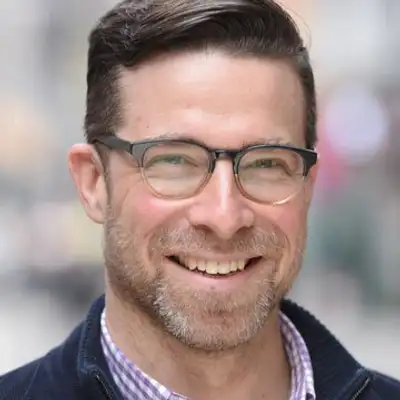
Dan Ryan: Today's guest is a 30-plus year veteran in the architecture and design industry. For 16 years, he was the SVP Global Head of Architecture and Design at Hilton Hotels & Resorts. He recently started his own advisory lab to help push design innovation forward. He's a Platinum Circle Award winner in 2024.
He's the founder of Traxworks Hospitality Collaborative. Ladies and gentlemen, [00:01:00] please welcome Larry Traxler. Welcome, Larry
Larry Traxler: Thank you, Dan. That was great
Dan Ryan: I would also like everyone to know that you've also been a mentor to me over my nearly three decades in this industry, whether you realize it or not. Actually, you do realize it. And not just in the work stuff, but also having been on safari with you, which is one of your passions, which I know we'll talk about.
I brought the crappiest camera with a, oh, with an okay lens, but you are a magnificent photographer, and I was just able for a week to ask you, "What's your F-top, F-stop setting? What shutter speed? What this, this, this?" I didn't even have a viewfinder on my camera, but since then I've upgraded and now I've become like the unofficial team photographer for all my kids' sports.
And I also-- uh, eagles or hawks will fly by and I run and get it, or bears, and I feel like I have this new skill set, so when everything shits the bed, I can just go [00:02:00] out into the world and try and take, take photographs for people
Larry Traxler: yeah, the, the lack of viewfinder made it really hard to coach you because I didn't know what you were seeing. I didn't know how you were framing anything, so it was really hard to say, you know, where your F-stop should be 'cause I didn't know how close you were to the, to the subject or how, uh, far out you were getting in terms of context.
But, um, in terms of, of, uh, being able to relax and, and, uh, uh, photography does that for me as well. I- that's how I got through COVID. I did a backyard safari. Um, and I have a whole, uh, lineup of amazing animals that I shot during, during COVID when I couldn't travel anywhere. I went from 300,000 miles a year down to, uh, 20,000 in 2020. Um, and I, I shot chipmunks. I had chipmunk babies. I've got owls. I've got, uh,
Dan Ryan: You had Minnie the fox?
Larry Traxler: Uh,
Dan Ryan: Minnie, right? Yeah, Minnie.
Larry Traxler: Yep.
Dan Ryan: The whole family.
Larry Traxler: [00:03:00] so
Dan Ryan: what that taught me, among many other things, ph- photography in particular, is anyone can become good at anything given enough reps, right? Now granted, there is a huge artistic and co- compositional factor to photography, but what I found for me is I love painting, I love drawing, I love writing, but I feel like painting, drawing, writing, there's like this hump to get over to actually start doing the work.
Whereas with a camera, I found I could just go out there and take as many reps as I wanted, especially with these digital, all these digital memory cards. And the real trick is going through and editing out, which I think helped a tremendous amount. But it was a real cr- it was a tremendously creative outlet that you gave me as a gift that I think will last me for the rest of my life.
And it's so easy to get reps, right? You just have to get out and, [00:04:00] and do it w- rather than like cleaning paintbrushes and getting canvases ready and gessoing boards and all this other stuff. So for that, I'm eternally grateful.
Larry Traxler: Yeah
you started at the right time because I started with film, uh, where it wasn't so easy, uh, and you didn't have immediate feedback. Uh, and you had to spend time in the, uh, in the dark room actually figuring out what you did and what you did, did right and what you did wrong. But a lot of times you had, you had weeks, uh, if not month in between when you shot something and when you actually developed it.
So you're I, I think when you learn in that, in that world, um, maybe you're a lot more intentional about how many times you let the shutter go, and you start thinking, about, uh, conserving some of that digital space. But, but you're right. I mean, anybody starting today, it's, it's, uh, immediate, uh, gratification
Dan Ryan: Yeah. Well, it also-- One of my favorite adages is the best time to plant a tree is 20 years ago or today,
Mm-hmm.
Right? [00:05:00] And I just, I don't know, I find photography just so relaxing and focused, and the editing process actually is even better. And, and not even with changing a lot of the values or hues or contrast, it's just getting in and just getting ones, the ones out that aren't in focus and just narrowing, narrowing, narrowing down, and that whole idea of iteration.
Um, and I think without leading you too much here, I think that idea of iteration and getting reps and finding that sweet spot, which is often really difficult to do in a vocation, um, how do you define hospitality? And how do you think all those reps in what-- in your career arc, which is tremendous, how do you think you, you created your reps to become and positioned Hilton as like what arguably is one of the top hospitality companies in the world, and how are you carrying that forward?
Larry Traxler: Listen, I think that if, if you ask me to define hospitality through my lens, it's [00:06:00] always as a creative, a, a creative leader, in that space. And, and where my journey started off with, uh, you know, Jordan Moser, it was, it was all purely about creating, uh, and creating cool things, uh, that went into cool spaces. Uh, as I, you know, progressed to HBA in, in Singapore and started, uh, really honing my focus not on architecture or spaces, it food and beverage, uh, venues, residences, sets, um, and started focusing purely on hospitality, about, you know, what is hospitality through that lens was about, you know, creating amazing, unforgettable places. Um, you know, I was doing work in India and China and, um, you know, back before anybody was really signing international contracts in India and China. Um, and then when I moved back to the States and looked at it through the lens of Ian Schrager, it was a- r- [00:07:00] was all about creating these amazing, unforgettable experiences, right?
Like, uh, if you, um, you went into The Hudson, Hotel at 6:00 PM or you came into The Clift as the lights were dimming, uh, you never forget that moment, and you feel like you're a celebrity, and you, you really feel like you've arrived at, uh, the, the right place. Um, I jumped, uh, ship from the, the creative side over to, I would say, um, more the conductor side, uh, with, with Hyatt, uh, where I was leading teams of, of creatives and designers to, uh, do those same things, I would say that then my lens shifted to more of the business case.
What is the-- What are we trying to achieve in this location? Where are we building? Who's the customer? Uh, and how do we balance all of these conflicting needs with still creating a great space,
Hmm
and someplace that's memorable? Um, moving into Hilton, [00:08:00] uh, that lens shifted again. It became, like, kind of macro, uh, macro view, um, 250 miles above, above the Earth. Uh, and I started looking at how do you create brands? How do you create brands that resonate with people? do we identify white space where we don't have existing brands or where we're trying to our existing brands into things that just don't fit? Um, and started looking at, how do I, how do I leverage a portfolio of brands in creating those spaces and business case?
It's a-- So almost every time that I've, uh, progressed to a different stage of my career, there's been a new entry into this. And so it was kind of like learning to ride a bike, right? Like you start with just the creative piece, and then you think about the guest experience and the creative piece, and then you think about, uh, the business case of hosp- hospitality and how you still create amazing experiences and creative, [00:09:00] uh, visions, uh, within that.
Uh, and then you start layering in the brand piece, and is it the right brand, uh, for this location? Is it the right customer, uh, for this location? So every time almost gets more and more complex. Uh, you, uh, you're riding a unicycle, um, you know, from the tricycle, uh, and then you're, you're suddenly you're just levitating and trying to figure out how all of these spinning plates, uh, keep spinning. you know, and so I would say that hospitality is really defined in the most recent, uh, stage as what is the business case? Who is the user? what are we trying to create? What is the place, and how do we leverage or amplify that, uh, to its maximum, um, revenue opportunity, its maximum experience, uh, opportunity, and really create something that's irreplaceable?
Dan Ryan: as I hear you say it's finding that business case for the, the, the people who are there, the guests, the brand, the overall experience, [00:10:00] I have this vision of, of like a Venn diagram and it's always shifting and you're trying to find that place where everything kind of intersects into the middle. Um, I wanna also share with the guests before we dig into that, or the listeners, um, when you were on your unicycle at Jordan Mosher creating things, your next stop was HBA in Singapore.
I just want everyone to know that my first job out of college, I worked for a guy named Bruce Jones, who still, I'm not sure how he was involved in the Singapore HBA office 'cause he was building a, a, we were building a building up in Marin County. But every morning I had to get on the phone and call Singapore and say, "Hey, is Larry there?
I wanna patch Bruce through." And we'd say, "Good morning. Hello." And then I'd patch you through and that was like very formative. And I didn't get to meet you until you moved back to the US in, what was that? 2004, '03, '05? Something in there, right?
Larry Traxler: 90, [00:11:00] '97 to '99. So I moved back in 2000. Yeah.
Dan Ryan: 2000. But I don't think I met you until in Los Angeles in 2003, '04, somewhere in there. I don't remember exactly
Larry Traxler: Yeah, I think I was, uh, by that time I had moved on. I was at Hyatt, so I had gone through my Schrager days. Um, I had, you know, that was, uh, you know, 21 hours a day, uh, uh, work and flying. I was commuting between New York and San Francisco, uh, at the time, and bouncing over to London and Paris every so often to meet with, uh, Philippe.
Dan Ryan: Wow. Okay. So finding this business case and, and being able to leverage and, and get all those three circles or four circles of the Venn diagram to kind of come together, and I love the, the spinning of the plate spinning metaphor as well, just to think about that. As you've taken your entire career arc to where you are now, what's most exciting about all the different irons on the fire that you have going with Traxworks, and what's really kind [00:12:00] of lighting you up and getting you out of bed each morning as you are now?
Larry Traxler: I would say, um, what I'm most excited about now is that I can truly say no to things. Uh, when you're at a, when you're at a large, uh, corporation, you can't say no, uh, to anything. And, and frequently as you move up the, the chain of command, you end up taking on more and more challenging projects, uh, that, uh, have a whole litany of reasons why they shouldn't succeed.
And it's your job as a leader to clear the field in front of, uh, of the design consultants and your, your team that's, uh, supporting, uh, this owner or this hotel opening. Uh, and you deal with all the issues that, uh, nobody else wants to do with, deal with or, um, can handle. Um, now I'm at that of my career where I can take on things that I really like, that I'm really passionate about. I can say no to those problem projects, uh, know, the, the locations in the world that I, I wasn't too s- too excited about, [00:13:00] uh, working in or where I, I had a really hard time a cultural connection or defining a narrative around that place. You know, a lifestyle hotel in Saudi Arabia is a tough, tough connection, uh, for me, um, just because my lens is that lifestyle hotels are about, um, you know, getting together and en- enjoying life and, and, uh, oftentimes enjoying food and, and
Dan Ryan: Having a couple drinks?
Larry Traxler: uh, yeah, and that doesn't, you know, one of those key, of those legs of the stool is removed, uh, within the Saudi world. And, you know, quite honestly, that maybe that helps, um, helps people through, uh, this current phase of hospitality where, you know, um, the socialization piece may not be defined by alcohol anymore, and it's more defined by, uh, creating other types of experiences.
So, it was a good learning, uh, opportunity, but still a tough, uh, tough connection, uh, building a lifestyle hotel in the middle of the desert, [00:14:00] um, which, uh, we were frequently tasked with. Um, so, I think, um, you know, to come, come all the way around, I, I was still on my tricycle at Jordan Mozer. Um, and when
Dan Ryan: Oh, you weren't on the unicycle yet. You were the tricycle.
Larry Traxler: No, no, no.
Yeah,
Dan Ryan: Okay. One other thing I want to interject on, I still have yet to meet Jordan Mosier. I think I texted with him or, or something on LinkedIn. I do want to meet him one of my next times in Chicago. But it is amazing the di- like the, the pod, the seed pod that exploded there with you, Mike Sumi, Adam Lara,
Larry Traxler: Dwayne McEwen
Dan Ryan: Dwayne, um, Jay.
Like such an amazing group of people that started there, and now there's this big diaspora. What do you think it was that got you-- That, that Jordan taught you, or that group of people taught you and helped you kind of kick off [00:15:00] the, the tricycle?
Larry Traxler: Well, first and foremost, it's, uh, starting, starting every project with a narrative. What is the story? What is the creative vision behind, uh, the, uh, the, the challenge, which is the project to build a restaurant, to do a movie set, to do a, a residence? I mean, that, those, those challenges or that project always started with a narrative, narrative was frequently defined around a movie or a book or a, you know, some sort of a creative, uh, obtuse connection that forced you to think in a different way every single time.
Um, and so, you know, just the beginning of a project, um, was an in- an incredible creative release. We would stay up late. We'd, you know, stay up until 2:00 in the morning thinking about what if, what if this design, circled around this, uh, notion, and that's how we made our, our connection. My first project with Jordan was in Matsuyama, Japan, straight out of college. Um, [00:16:00] and it was called Surf and Turf, and it's, uh, it was a, uh, anime, Japanese anime, uh, concept. What if anime came to life within the restaurant? so I was tasked with drawing compound curves and figuring out how to, uh, communicate to a Japanese, uh, contractor what it was that we were trying to achieve. But then I also got to fly over to Japan and spend, you know, weeks and, and a month at a time on site, showing them how to break, uh, break ceramic tiles to build, uh, to make, uh, mosaic walls, and to do things that were outside of their, their usual construct, murals on the walls with the, with the artists and doing special finishes. So I think that, um, it was the beginning point with Jordan. It was always defined around a narrative, and this was, uh, 1990, uh, before everybody was talking about starting with a narrative. Uh, but it was also the creative aspect that [00:17:00] he We, we would lose money, uh, almost every single project on design because we kept iterating and, and re- redrawing and, and asking new questions about, uh, why we're doing this, and was it true to the narrative? But we made our money on building, uh, the actual furniture, the lighting, the, the, the mugs. Uh, in, in the, um, uh, restaurant project that I mentioned in Matsuyama, we worked with glassblowers. We worked with metal foundries. We, we did sculpting of, uh, of,
Dan Ryan: But not just, just-- And I just wanna clarify for the l- for everyone. Y- it wasn't just that you were working with them. Like, you were really getting your hands dirty and, like,
Hello
with the blowing of the glass or, or welding things together or casting things. And I, I, I've heard you talk a little bit around that, and also Mike, uh, Sumi, and Dwayne, and like ev- and Adam, like there was all this, this idea...
I almost get the vision of, like, a collegiate [00:18:00] architecture studio, but with all the hot, dangerous, and sharp things to make stuff, right?
Larry Traxler: Absolutely. Yeah. And, uh, yeah, we spent a lot of time in metal foundries and, um, yeah, at, at one period of time my, all my forearm hair was gone 'cause I was trying my hand at, uh, blow- blowing glass. Eric Bladholm, who was teaching me, he's still got, um, his, his studio, Chicago Hot Glass. had no hair on his body whatsoever, and it was, it was purely from the f- the heat of the, the furnace and,
not alopecia
around.
Dan Ryan: Wow
Larry Traxler: that, that does teach you something. I mean, you ... I think, um, you know, my, one of my first formative moments while I was still in architecture school in Cincinnati before I started co-op, I actually ... My one summer that I had free, that's ... Cincinnati's a six-year co-op program, and so your freshman year you have your only break, uh, in that six-year journey. [00:19:00] Um, and then after, after your sophomore year you start working every other quarter, so you're actually in the field, learning, learning the craft, and then you come back to the creative side, um, or the academic side. My one summer off I foolishly signed up to do, uh, framing, uh, for a residential contractor.
Oof
I was out Um, but I learned. I mean, my dad's a mason, so I've always known how to build. Uh, he, he had me helping uh, you know, fireplaces and things in our backyard, and I hated him for it, but it was, it was a, it was a great learning curve, uh, for me at the very beginning of my, um, like, high school, uh, life.
But then in college I learned framing and how, how buildings come together and, um, you know, the electrical and the drywall overlay. And I think that everybody at Jordan's was curious. They were curious about the craft and, uh, the pieces that went into it. They were, um, really inspired by the [00:20:00] narrative and how that all came together. Um, and, um, the people that survived there, which a l- a lot of people I kept this great list of the, of everybody that came in, uh, and I, I had them, I had them M- Mike Sumi and Duane both remember this. Um, I had them, um, gauged by how long they lasted as well. were, there were quite a few one-day, um, entries in, but I just wanted to document them because it was such a revolving door of, of massive burnout.
And there were very few people that lasted beyond, uh, three years. Uh, I lasted, I think, seven years. Mike was there, uh, s- eight years. Duane was five years or something like that. But
Dan Ryan: Wow
Larry Traxler: the, uh, that was, that was, like, the peak. Jeff Carlos lasted forever, but, um, yeah, he was, uh, he was, he was really in a different realm.
But, um, it was a, it was a great, uh, learning opportunity, and I think that it really set me up for success, uh, later on in life because [00:21:00] when I went to HBA started asking, what is the narrative? Why are we-- What-- I know we're building a hotel in Jodhpur, uh, India, but what is the story behind this? Uh, and, and what is the craft?
How are we inserting, uh, hand-carved elements that are readily available in that area? Or what other, uh, what other artisans or craftsmen are in this area that we can use to insert into this place to give it more cultural relevance, uh, and, and authenticity? you know, straight out of the gate, um, in, in hospitality, I mean, we had, we did one or two hotels with Jordan, but it was mostly food and beverage, movie sets, uh, um, really, you know, sort of creative, uh, white box stuff. But it was really when I went to Singapore and worked with HBA that I started getting into that hospitality space and, and started applying the same, uh, the same, um, uh, challenges, right? What is the narrative? How, where is the craft? How do we create cultural resonance? Uh, [00:22:00] where, where do we create authenticity and how do we do that through, um, the sense of place or the craftsmen, uh, that we're building, uh, around?
Dan Ryan: earlier in the conversation and just in previous conversations that we've had, it, you're, you've said that like hospitality is this place navigating the waters between an idea, the business case, and the people, the guests and the people working there. But you also said something that was really interesting earlier today where it's y- you find that in this new path that you're on, uh, and actually somewhere earlier in your career arc, but it's really finding the bridge between all thr- all of those kind of competing, but also could be resonant, um, ideas.
So my question there, and I think you mentioned Hyatt, but where in your career did you first realize that like that bridge is actually the entire job or like a whole job and a, a real focus? [00:23:00] Like, because that's really the hardest part, and it's like you have all this practical knowledge and hands-on experience, but it's also now, you know, you did it at tremendous scale with Hilton.
I remember calling you and saying, "Hey, what's going on with this project?" And you're like, "Dan, I have like 4,300 projects. I have no freaking idea what you're talking about. Let's go get a beer somewhere and, but I have no idea." But when did you realize that that bridge is a whole, is a whole job in and, in and of itself?
Larry Traxler: Yeah, I think that that's part of the learning curve in jumping from the purely creative side of being in a design studio, uh, an architectural, um, studio or, or design studio and coming over to, we, we used to call it the dark side, right? If you're coming over to the developer side or the brand side, uh, you're going to the dark side.
And, and in a lot of ways, uh, creatives think that that's the part where you're selling out. But in, I, I found that it was incredibly liberating to [00:24:00] come away from a, from a design studio and then actually have some ability to control the end destiny of what it is that you're designing. Uh, when you're on the design side, it's really hard when you don't control the money, you don't control the owner developer, you don't control the operator side. Um, and when I went to Schrager, that was the first time that I actually got to be this puppet master where I-- we actually have development money, and we get to decide where it goes, and we actually control the operational side. And we control-- we can say, "Housekeeping, this is how you will work," or, "Bartenders, this is, uh, how the, how we're designing the space.
Is that good?" And sort, and get their feedback. Uh, but when you're purely in a design studio, you o- don't often have the ability, to be, be that bridge, to be able to be in the room and talk to everybody and figure out, how do you make this, um, crazy idea, uh, successful? How do you make this [00:25:00] challenging, uh, hotel location successful? Uh, how do you create that bridge, uh, between place and guest? Um, and it's not until you have those additional pieces, where you can start bridging the gap between operations, uh, the development budget, uh, the, you know, the, the guests and understanding who the guests are. Um, I think that a lot of design studios, uh, in the past have not had the ability to do that. with, uh, with the tools that are, that are available and, you know, um- mass data, um, availability and the ability to search through and filter through and find out, uh, more about things. They can start controlling their own destiny a little bit more, but you still don't own, you don't own that piece of developer side.
You often don't know the operator side and how it's gonna be managed. That's really difficult. And then so, um, that bridge piece, I think, really came about, uh, at Schrager. [00:26:00] Uh, and then when I moved on to Hyatt, we managed so many of our properties that I really had my finger on the pulse of the operations side. I knew the budgets that were coming in. I could build the team, uh, that, um, you know, I thought would be ideal for a project in Trinidad or in Curacao. and I didn't have to, you know, sort of work with whoever was already the architect of record on that project. we could actually build the team. And so i-in a lot of ways, I use the metaphor of being a bridge. Um, but I also, um, when I'm talking to new people that are coming over from the creative side into the, into the owner developer brand side, I, uh, I also use the metaphor of being a conductor. Um, you, I know you n- may know how to play the cello, you may know how to play the flute, and you may know how to play all these different instruments. You may be amazing at those, but your new job is not to do that.
Hmm
new job is to be the conductor, and you have to create a [00:27:00] symphony with the people that you're creating, that you're assembled in front of you. And so it's, it's, uh, it's, um, creating the symphony is really, um, sort of the, uh, parallel to being the bridge between all of those.
And I think that really, um, in, in my, in my current role, um, the bridge, the conductor, um, whatever that is, that's part of the reason why I called my new business a collaborative, um, because it is truly an assemblage of all these great that do really cool things on their own, but how do you bring them together to create a symphony?
Dan Ryan: 100%. And as you're saying that, I'm having a vision of like Bob Ross's palette or some famous painter's palette, but on the palette are just, are the people, right? And it's how do you get
Hmm
that titanium white and the,
Larry Traxler: Uh
Dan Ryan: the cerulean blue all to come together into this new thing? Um, I don't know if I can attribute this story to you, but it, it's about, um, Ian [00:28:00] Schrager.
It could have come from you, it could have come... I know, I've known a bunch of other people, and he's also designed collections for D.D.on and the like, so it could have come from anywhere. But speaking of opening a project, at the last... And actually, I'm just gonna share this story and then tell me if it might have been from you or if not, what it means about what made Schrager so special.
But I'm envisioning it's the end of a project, everything is almost delivered, but there's like a few bits and bobs, bobs and odd, odd pieces that are missing, like a, a toilet paper holder or a chandelier. And in that last 11th hour, they'd be like, "Hey, Ian, we need a toilet paper holder or a chandelier or something that wasn't thought of."
And he puts his hands back in his head and gets like a piece of paper and sketches something really fast, and then it gets handed off to someone, and then it gets made, and then it winds up in however many guest rooms. Is that from you? And... But, but [00:29:00] does it make sense? Is that a re- does it sound like it could be real
Larry Traxler: So, so I, I love Ian and, and he's a, he's a visionary. Uh, he's a creative, um, uh, genius in terms of the experience. but I think I've never seen him draw. Um, I've, I've, um, only experienced him saying, "Nope, that's not it. Nope, that's not it. Nope." it when he sees it,
and we're drawing furiously.
We're drawing and we're sketching new ideas, putting it in front of- "Nope, that's not it." And frequently, you know, he'll use, you know, curse words. And like, like, "Why are we taking so long with this?" I, I, I think he, he surrounds himself with people that can do that,
Dan Ryan: So kind
amazing
Rubin, right? He
Larry Traxler: Yeah.
Dan Ryan: play any instruments, but he knows it when he sees it and feels it. And he, he's so singular in his vision that when you hit that frequency, he's like, "Yes, that's it."
Larry Traxler: Absolutely.
Dan Ryan: and I, I just remember the y- I know you mentioned the Clift earlier.
That was a really important property [00:30:00] in San Francisco and in the portfolio of Four Seasons, and so many great operators had gone through that, Stan Bromley included, who seems to come up on, like, every single podcast recently that I'm talking about as a mentor of mine. Um- When you look at that canvas you were given for The Clift and how transformative it was, not just for in San Francisco, but I think also for hospitality and hospitality design in a whole, where was that on your stepping stone to, and what did you take away from opening that to where you are now in this Tracks Works collaborative?
Larry Traxler: I, I'll tell you, there were a lot of distractions, uh, when I was working on The Clift. Um, Ian was, um, it was making his foray over into London, so St. Martin's and Sanderson. Uh, there were a lot of trips to London. Philippe was busy over there as well. London was a lot more shiny, uh, than San Francisco. Um, and [00:31:00] I had, uh, I had probably an unheard of amount of autonomy, in any, uh, any, any Schrager context, because I was out on the West Coast and there were a lot of people, uh, in Europe trying to make sure that those, those properties, uh, really shined. Um, you know, the first, first properties outside of the US, first property in London, uh, a really discerning crowd.
Um, so it gave me a lot of freedom in, in San Francisco. Um, Ian probably showed up a to- grand total of four times, uh, before the opening, um, which was amazing because he can be a little, you know, with his creative visions, he can be a little disruptive uh, change his, change his mind, uh, which means a lot of changes. even having Philippe out, um, Philippe Starck out on a, a relatively rare basis, um, we were able to take some original napkin, [00:32:00] literally napkin sketches that I'm sure somebody still has somewhere, were the, the vision for the lobby, the vision for the big chair, uh, a, a back- with the backdrop of the fireplace. the vision for the Redwood Room, and it stayed very pure to that, that, uh, original vision because they kept out of it. We weren't being second-guessed. We were actually just implementing. Um, and I was literally flying over to Paris and meeting with the, uh, the people doing the mirrored, uh, cut glass that went up on the, the back, uh, back bar. I was working through every stone detail. Every, every stone joint in the lobby, uh, we, we worked through in painful, painful detail. We knew exactly where every light fixture was, every sprinkler. You don't often... And that was probably the last time that I only had one project. I literally had one project, and I didn't have to, uh, sort of [00:33:00] juggle between projects at different stages and thinking about things that were sometimes d- um, distracting. I lived on site 11 days, and I'd fly back home and s- to see Gerry three days, and then fly back out. I also had the beauty of being able to living on site on the property- I was able to fix some contractor, uh, related issues that, um, uh, Plant Construction, uh, who was doing the, the build-out, they're amazing.
I mean, they left the Clift and then they went to the Prada showroom in, in LA. they were incredibly talented, but sometimes they would get a, a mirror joint or something misaligned within a, within a, a guest room, and they said, "Yeah, we're not gonna fix that. It's within our tolerances." And so there was this magic hammer that would come out when nobody else was on site, and oops, the mirror would get broken somehow, and they would have to come back and replace it and, and get the joints right.
So, uh, you know, there's... I learned that, you know, being, um, [00:34:00] unwavering and focused on one, one property, uh, it can turn, uh, it can make you manic, but, uh, uh, you're, you're really proud, uh, in the end with how everything just sort of
Dan Ryan: Yeah. ' Cause you can go so deep into every single detail, where when you fast-forward to the 4,300 or however many at Hilton, you just didn't have the ability to tell Dan what was going on with that project. Um, but actually, I also realized I had a total brain fart. On this whole sketching thing, it wasn't Ian, it was Philippe.
Philippe at the end of it. Now, does that make sense for him doing the sketching and then passing it up? Okay. But that wasn't attributed to you. That was just from someone else working with Philippe
Larry Traxler: Probably because, uh, I had the unique grace of not, uh, seeing Philippe the beginning, model rooms, and the end.
That was literally his only presence out there. I worked with Bruno, Bruno Barioni from, from his [00:35:00] studio, mostly. And so Bruno and I are still good friends. Uh, we were, we were thrown into the fire, uh, in, or into the proverbial, uh, deep end, uh, together to make it work.
So worked with him a lot more than I did Philippe
Dan Ryan: I also wanna paint a picture for everyone as far as going from high... Well, I would say HBA, Schrager you were going domestic travel mostly, maybe to Paris every once in a while, but you mentioned flying 300,000 miles a year. What's your lifetime mileage tally across all airlines these days, approximately?
Larry Traxler: SingAir, United, American, and Qatar. It's probably around 9 million
Dan Ryan: Oh my God. Okay. So I just want to do... I'm not
Larry Traxler: eight million, eight and a half million. Yeah
Dan Ryan: Okay. I just want to do some quick math for everyone to see what that means. And this does not count go- getting to the airport and waiting, but [00:36:00] 8.5 million divided by, let's just say 500 miles an hour. That's 17,000 hours divided by 24, 708 divided by 365.
That's two years in a pressurized tube. Not counting getting to and from the airport, right?
Larry Traxler: yeah.
That's like a sentence
recently, that was great time to concentrate, to think quietly, to, to really, um, sort of, uh, write, uh, or draw. Um, but now, now, now that you, uh, everybody expects you to be omnipresent and always connected, um, it, it's, um, it's probably a little bit less productive. But those were some really amazing, amazing opportunities to focus.
And I think that I also find that I, I think, uh, creatively. I also sleep really well on planes. But I think creatively in a, in a sort of a constrained space where I don't have the ability to get distracted or, uh, walk around and, and do [00:37:00] other things. So, um, out of that two years, I, I'm hoping that about a year of that was really positive creative time as well.
Yeah
it was just watching movies and, and sleeping. But
Dan Ryan: I think I'm about a third of your progress there. I think I'm at about almost 3 million miles. But what I do miss, because since 2019 I haven't had to go to factories every five seconds, and but I do miss that solitary, quiet focus time. It allowed me to be incredibly creative, and I feel like maybe I need to build a replica of a fuselage that I can just lock myself in and fly.
At one point during COVID, I remember playing airplane noises. Like, you could hear the tr- the carts rattling and the, the sound of the, of the jets and the air and... But it helped me focus. So I, I, I feel like I need to, to dust that off.
Larry Traxler: It sounds li- it sounds like detox more than anything. I d- I don't know, focus or detox.
Dan Ryan: [00:38:00] Maybe it's both. Although there is a drink cart on a plane, so I don't know if it's detox. Okay, so Mosier, Schrager, I'm skipping over things. Hyatt somewhat ramping up, and then really at scale with Hilton. What is the biggest lesson you learned from being that bridge at Hilton that now you're taking into Traxworks?
Larry Traxler: I had a really interesting conversation yesterday with, um, with an ex, um, Hilton colleague who is now running, uh, Luxe Collective. And, um, they happen to have a portfolio of properties in Rwanda, um, the UAE, uh, Europe, They're based in Mauritius. and they're talking through their portfolio and where their pipeline is.
And I think the, the thing that I, I pulled away from Hilton that is most valuable is the ability to quickly [00:39:00] understand place, the location, how the operational constructs change, from when you're going from, let's say, Saudi to J- Japan or to Thailand. Um, because I had, um, boots on the ground, I spent time in, um, all of those places.
I think I'm at 102, two countries now. Um, I, I don't use, uh, I don't use that, um, lightly. I have to have been off of a plane, out of an airport, and had a meal to count it as a visit. So there, there are a lot more countries where I just flew in, had meetings, and flew, flew back out without having a meal that I wouldn't count as one of those 102.
But having that cultural context of, of what the competition is, um, what is happening in terms of, um, uh, those, those unique locations, cities, or countries. Um, and quickly being able to flip in my head how things need to be designed [00:40:00] differently, how the guest room expectations are different, how the back of house operational, um, uh, structure is different w- within those countries. know that. It's all in my head. Um, so it allows me to bounce quickly, uh, from resort to mountain resort or to, from, urban, um, convention center property, uh, to a small boutique hotel in, um, in Bentonville, Arkansas, or Bentonville, yeah, Arkansas. Um, you know, so being able to move and, and quickly navigate between those and understand, you know, how things have to be designed differently, I would say that that's what Hilton, in 16 years of bouncing around, between various countries.
I mean, we, um, when I left in 2025, we opened ... The last two years, we opened 1,000 hotels a year.
Dan Ryan: I can't even get my head around that.
Larry Traxler: but, you know, working on everything, um, and, and l- literally my [00:41:00] lens changed, um, from the beginning when, Blackstone bought, uh, Hilton International, uh, and merged us with Hilton Domestic.
We had to understand the whole global context, but we only had eight brands at that time. Only four of them, were essentially outside of the US. So, um, it was, it was pretty easy at that point in time, uh, navigating, uh, those waters. But over time, as we started, uh, ramping up the opening, uh, the, the pipeline and then the number of hotels that were opening each year and the number of brands that we were, uh, working on that, that's where it really started getting complex, and you had to quickly navigate that switch between brand, location, uh, program, uh, and, uh, you know, budget, uh, speed of delivery, all of that stuff.
Um, it, it sort of becomes just sort of second nature, um, when that's all you do for 16 years, so like that re- that repetition piece that you were talking
[00:42:00] about, So you get all those reps. I, and I call it like, I don't know, for lack of a better word, it's, I call it getting off the moving sidewalk. But I don't know if that's a good metaphor because a sidewalk, a moving sidewalk is actually kind of slow. You were being flung around the Earth at over 500 miles an hour, probably even arguably faster if you factor in digital communication.
Dan Ryan: Um, now that you're a lab of one, like you're a lab of your own,
Larry Traxler: Mm-hmm.
Dan Ryan: I'm curious to say, 'cause you've built also an awesome team at Hilton, right? And a leader at Hilton. Who are you becoming now that you're a la- like the org chart's gone and it's like it's you and this palette of people? Who are you, who are you becoming now?
Like, what's, and how are you taking that into the future?
Larry Traxler: I think that, um, you know, I've, I've entered into this space of, you know, having to, having to be my own IT, uh, my own accounts payable, my own, um, website, [00:43:00] uh, creator, um, my own, um, uh, consultant, and thinking about all of this stuff. So I'm, I'm sort of eating all of this stuff up, uh, trying to, uh, figure out.
You know, I just launched Trexworks in, what, mid-January. Um, January, January 10th, uh, to be exact, and January 11th I already had my first project. Um, Tim McEnaney, who was the GM of The Clift, uh, called me, uh, day one and said, "Hey, you're free. Um, I have a project down here in Dallas. Uh, why don't
Full circle.
On this with me?"
Yeah. And I'm working on it with Duane, so, uh, Duane McEwen, so it's, uh, full circle all the way back to JMA actually. I, I guess the moral of that, that story is be nice to everybody, uh, that you're working with and
Yes
Uh, so, uh, it will, it will come about. say that right now what I'm, I'm really enjoying is being this sponge to soak up everything.
And, and I've always had this crazy [00:44:00] curiosity. I'm always thinking about, um, innovation and how we can, um, flip a paradigm, uh, switch on a brand or, and how we can make it relevant or even more relevant, how we can make it more profitable, um, how we can insert some new technology, uh, into a hotel that would help, uh, enable, uh, guest loyalty or operational excellence or something like that. and so now I'm going through this, like, immersion and, uh, trying to understand what the future of the, of the design world will be, uh, what the future of hospitality will be. there's all these incredible new tools out there that I know nothing-- I knew nothing about because I was too busy at Hilton. Although we did, like, two or three workshops on AI, and I tried to get everybody enthused about this instead of scared. Um, but mostly we were too busy to, uh, deal with it. Now I have time, uh, to actually focus on this, and so I'm, I'm immersed in Claude, in Gemini, and, and, uh, Midjourney, and I'm playing around with them [00:45:00] as creative tools, with, uh, narrative tools, with, um, writing proposals, uh, quickly.
I'm-- I mean, it's amazing how quickly you can write a proposal now. Um, uh, it, it-- there's all of these incredible and new tools. It's almost like I've, I've got all these new things like glassblowers and metal foundries and things like that, except for it all lives in the digital space.
Dan Ryan: It also shortens your path to connecting all those artisans and people on your palette that you've met over the years into, and plug them into projects that are going on, right? Uh, in that symphony conducting. I-- My take on AI, I used to have this fear, I don't know, a couple years ago, that it was gonna take over everything and it's Skynet and...
But after I've been immersing myself and using it and seeing it as a tool, and I could-- this could be hubris or, um, I could just be dumb here, but I think everyone on Earth interacts with [00:46:00] information and the world around them and nature and differently from how they communicate. Are they more visual? Are they more written?
Are they more, um, is or A-U-R-A-L is, um, au- like through listeners, speak talkers. Um, but I think what I've found is I think that the promise of AI is almost like a bridge, to use your metaphor again, to have everyone create this interface that works for how they interact with the world. And it's almost like throwing gasoline on the creative process or a business process where everyone is gonna be able to turn that dial to 11.
What's your take so far in your immersion of the new entrepreneur?
Larry Traxler: listen, I think that it's like going from, uh, film photography to, to digital. It allows you to iterate so, so much faster. Uh, it enables, um, progress at a much more [00:47:00] rapid, uh, pace. I love the idea of how we're suddenly able to take things, that are digital, uh, and insert them into an architectural, fabric, and stretch it or compress it, um, to quickly, uh, make it, uh, more democratized and, and affordable. Um, I, I think that, um, AI is a no- you shouldn't be afraid of it because, um, the only, uh, your only other option is extinction. Um, you, you either get on board or you will, uh, you will find, um, a nice quiet place somewhere, uh, to live out your life because, um, you, you won't exist in, in this space anymore.
There's... I think that, um, creatively it is a s- a toolkit, uh, and it's a, a, a really amazing toolkit, uh, that people should jump on board and figure out, how it a- how it applies to their, uh, their use case or their, their [00:48:00] strengths. Um, um, and then, you know, just sort of, um, go on the, go on the ride and figure out, figure out where you land with it.
Um, it, it is, uh... I think that, um, the creatives will still be massive curators. Uh, they're, they're necessary. Um, machines don't yet, machine learning can't tell whether this looks good or balanced or, uh, whether it is appropriate for context until you tell it. Um, soon people will start creating their own, their own AI worlds within their studios, and I know, you know, the big boys are already looking at how they create their own, uh, their own ecosystem, uh, within the AI world, and creating their own bots that will leverage all of the history that they've, uh, had in their firm and, um, sort of start developing taste based on prior, prior examples.
But it doesn't the ability to anticipate what the future [00:49:00] is, and I think that's where we're, humans are, uh, necessary. We're, we're the curatorial, um, good tastemakers, uh, in that equation, that are essential
Dan Ryan: I think you learn that by singeing off your arm hairs or s- or wearing off your, the nubs of your fingers, like laying mortar and, and brick, and just figuring out the constraints of the built environment that I don't know, I don't know if AI-- I don't know how well this will age, but I don't know if AI, like, will ever have that even with humanoid robots.
Larry Traxler: Mm-hmm.
Dan Ryan: and now I'm getting in way over my skis to talk about this. But, um, one interesting thing is you started with Jordan in 1990. So nor am I an econo- uh, uh, an economist, but basically you started in '90. That means there was a big recession in '91, '98, 2001, 2008, 2020. I don't know if we really-- I feel like our world [00:50:00] is in a bit of a recession now in the hospitality design and hotel development space right now.
But going through those one, two, three, four, five different cycles, what's your biggest takeaway and experience and, and, and how can you bring that to your, to what lays a- lays ahead for Tracks Works and you?
Larry Traxler: Well, listen, I think almost every single time that I made a shift in my career, it was right around a, uh, a major economic, um, downturn. when I moved to, to, uh, Chicago, um, from Cincinnati after graduating with no job. I had jobs, uh, other job offers from my co-op, uh, uh, time, but I didn't wanna stay in Cincinnati.
I wanted to move to Chicago. I moved to Chicago the day that Skidmore laid off, like, 300 architects. Uh, and I'm like, "Oh, shit, now what do I do?" Uh, so of course I bartended and, and then, uh, found my way, found my way over to Jordan Mosers. [00:51:00] Um, when I moved to Singapore, I think I was there for a grand total of about two weeks before the Asian financial crisis, uh, hit.
Uh-huh.
When I moved back to the US, uh, just finished, uh, finished the Clift, uh, and then 9/11 hit, and I lived two blocks south of the World Trade Center. Um, when I jumped, uh, jumped ship to, uh, Hyatt, um, another bumpy period of, of economic crisis in the US, uh, in 2008 when I was talking to Hilton and Chris Nassetta about jumping from Hyatt where I was very comfortable and had a great relationship with the Pritzkers. we happened to have a pretty major, uh, downturn right after Blackstone invested, what, $56 billion in a, uh, in merging, uh, Hilton International and Hilton Domestic. So shifts in my career have always happened at the time of a point of duress, whether it be, uh, economic or, or political. Um, the thing [00:52:00] that I think that I've realized over time is that you just have to put your head down and do the hard work, uh, to get through it.
There is no, there is no, um, advantage to complaining about you're, you're in the wrong place at the wrong time. Uh, economic, uh, issues are causing, uh, causing you challenges. You just have to put your head down, do the hard work, and you'll get through it. there-- You have no other choice.
Dan Ryan: Yeah
Larry Traxler: and, um, I, I think that resilience, uh, is, is something that everybody needs to Uh, take a, take a harder look at and, and focus on as we, as we talk about AI and the challenges that are, that are happening in the current, uh, financial, uh, market.
There's always someplace, that is booming or that is, uh, rising. Um, i- just in my, um, little, uh, foray in Tracks Works, um, you know, Saudi, I had two, two big projects that were, that were poised in Saudi and [00:53:00] the UAE. As soon as the bombs started dropping, they all shifted. They
Dan Ryan: totally
Larry Traxler: They didn't stop.
They just moved to the US. And
Mm-hmm.
You know, that's even closer to home. So there's opportunities in Miami, in Atlanta, and in Colorado now. Uh, and that same money that was over there ready to do a project over there are now pivoting, and suddenly we have, uh, we have the, the, uh, the deeper experience here because we know how to get projects done here.
So it, it, it almost leveraged our, our opportunity in those respects. Uh, but there's always someplace in the world that's booming. there's always someplace or something, that's, that's happening that is an opportunity. And I think that r- we really have to widen our lens in terms of what we think about as traditional hospitality, because hospitality is no longer just a hotel.
Um, it is-- it's about placemaking, and it's, it's stretched into branded resi, it's stretched into apartments, um, it's [00:54:00] stretched into healthcare, and thinking about, what, what that hospitality or that guest-centric lens is for healthcare. Um, even, even to space, right? I mean, I'm, I'm sure that you were gonna bring this up at some point in time, but, um, that was a pretty wide stretch when, uh, Voyager came to us and said, "Can you help us with the human-centric, uh, piece of, of Starlab and, and what that means to be in low Earth orbital? w- what are the human-centric touch points that you think about within a hotel that have application to space?" When you start thinking about hospitality bridging all of those, we have, we have an, an immense amount of opportunity that is either parallel or tangent, um, that is, uh, running in retail and resi. Um, I think that people stay with, uh, with us as guests in hotels, and therefore, we have a closer opportunity to build that connection. Uh, but then when we start thinking about how that knowledge of [00:55:00] how people use and, and, uh, live in spaces, we can expand that to almost anything
Dan Ryan: A- again, I'm gonna bring back your bridge metaphor. And despite the fact that you've worked at these really big corporations, well, from Jordan, smaller, to HBA, bigger, to, you know, you, you keep going. Some people think that being an entrepreneur is starting a company and doing all the, doing, I don't know, having a startup culture, start- starting your own company where you, like you said, you're the, the, the chef, the cook, the bottle washer, the bookkeeper, all these things, which you're doing now.
But I think that there's a tension between your career path, or maybe not a tension, but it's, it's illuminating in that I think that in spite of changing either just before or just after all these big crises, financial crises or, or areas of upheaval, you've been very [00:56:00] entrepre- you've been entrepreneur that whole time, right?
Because what you're really doing is building that bridge. I always say, like, entrepreneurs are really good at having a vision and then planting that next st- stepstone to get to that vision. Your metaphor is a bridge, so we'll just go with the bridge. But it's almost like you've been building this bridge out into the unknown and navigating it.
And to personalize it as well, I remember in '98, I would call you in the morning until Long Term Capital Management blew up, and then I got laid off. And then I started a company August 28th, 2001, my first company, two weeks before September 11th happened. You were in New York for September 11th. But there's always this way of, like, waiting for someone to show you the path.
I mean, that can work, but really what I, I think what I've noticed about you, and, and you're really just kinda, like, hammering it home right now, is you... even though you've worked at all these huge companies, you've always [00:57:00] been intentional about, like, what's next and, and, and laying that next girder on the bridge into the future.
Larry Traxler: Absolutely. Yeah. Well, I think, yeah, a little bit of it is ADHD. I think I get bored quickly, and I'm al- I'm always thinking about, you know, what's next. Even with 4,000 hotels in the pipeline and, you know, 25 brands, I'm thinking about what is next or how do we make it better. I, I get, I do get bored quickly, and I'm never sort of happy with what the end product is.
Every, every new project is an opportunity to do better, uh, to do, to, uh, refine something. Uh, but within the organizations that, that I'm in, I'm always thinking about, you know, what is ... how do we make, how do we make this faster? How do we make it better? How do, how do, how do we create, more fluidly or how do we, um, uh, bridge a gap with, uh, our owners or our guests in, in a way that, um, makes the work that we're doing?
'Cause we're all putting in hard work, but how does, how does it make it more impactful? [00:58:00] Um, make it more, you know, uh, uh, profitable for the owners or make it a better stay for the guests? I think, I think thinking about that all the time, uh, is sort of just in, in our nature, and it's in a lot of our, uh, a lot of the people that, uh, are in our industry.
We're always asking about what is next, how do we, how do we make it better? Uh, and it's those people that have a fear of the future, uh, that holds them back, right? And, And,
it prevents them. Sometimes you just have to jump off the bridge and, and you leap into that entrepreneurial, into those waters and, and you, you regain that. I would, I would say that, um, uh, I'm, I'm feel like I'm a little bit at that stage. I don't think that they could've asked me to open... mean, if we, we were asked to open 1,200 hotels, I would've been like, "Okay, we'll figure that out," um, you know, "in, in one year. So we'll, we'll figure it out. We'll, we'll, uh, we need to hire here, here, and here. Uh, we need to launch another brand, and we'll, we'll do this." So you can always, [00:59:00] you, you can figure that out. But I, I think that, um, in this period of my, uh, career trajectory, most enthused about creating, spending more time now going back to my, uh, Schrager days when I was working on, you know, one, two, or three projects at a time. And I can really get into the, into the details and the weeds and, um, and start working, um, to correct or create some opportunities around, uh, issues that everybody's complaining about in hospitality.
Yeah
and there's a lot of recurring issues that, uh, uh, that, that keep surfacing and, um, I, I think that we can, we can do better.
We have to do better with less. We have, you know, financing's tough, and we have, uh, operational, uh, labor, labor costs are high. So how do we, how do we create, uh, a set of tools that enables us to still do better even with those challenges?
Dan Ryan: What do you find is the most [01:00:00] recurring issue or challenge within hospitality right now? Like you said, there's a lot of them, but like if one were to bubble to the top, what do you think it is?
Larry Traxler: Everything looks the same. If y- if I put up 15 images of a lifestyle hotel right now, um, you, and challenged you, uh, with telling me what brand that is, you would have a really hard time unless I cherry-picked very specific hotels within a very specific portfolio. Um, I think the sameness, uh, the in- e- we used to call it the Instagram moment or the, um, the Pinterest, uh, board that creates the sameness. And now it's just about all of these, you know, I, I think there's a lot of people that are chasing this idea of luxury, the idea of lifestyle, and they're looking at past examples and they're just replicating. that's creating problems from a guest perspective. Uh, you know, is it, is it relevant to place?
Is it relevant to why I'm [01:01:00] there? Um, you know, a, a luxury hotel, in, in a mountain, uh, resort shouldn't look the same as it does at a, at a beach. and I think the sameness is starting to create a race to the bottom that we've seen in the, in the airline industry, and they're trying hard, trying really hard to maintain any loyalty, uh, any sense of loyalty within their customer set now
Dan Ryan: just before you gave that answer, I, I was writing down a qu- a question that I wanted to ask, but I think you may have answered it, which is, you know, obvious- you're working at Hilton, Fortune 500. There's a sense of security and, like, a balance sheet and all this, like, fortress-type metaphors to it.
And now, I think I was gonna ask you, like, what's the freedom you're walking toward now at Traxwork? And I think you might have answered it in the sense that you're working on fewer things, going deeper, but also [01:02:00] elevating or pulling back, get, like, getting escape velocity, br- bringing the space metaphor from sameness.
Does, does that...
I shouldn't Bad interviewing question or style. You never answer the question you're asking. But, like, what's the freedom you're walking towards now or building that girder out to- out to?
Larry Traxler: think I, I might have told you that we just spent a month in, in Europe. Um, and we have, we've had the luxury of having, you know, uh, pied-à-terres in, in Paris, Rome, um, uh, London, Barcelona, and Cannes. So I can work re- work remotely. Uh, I can work from 3:00, 3:00 PM until 7:00 PM, uh, you know, CET, uh, time, and get everything done that I need to do, and then go to museums, go to restaurants, start absorbing again instead of just, uh, racing from point A to point B. Um, this year we're gonna spend a month in Europe, a month in Africa, almost a month, uh, between the [01:03:00] Arctic Circle and Iceland. Um, is all in effort, I think, to gain my life back, to gain some social aspects of my life that I, that I sort of gave up in order to succeed in, in the sort of high, uh, high-pitched race of, uh, of what, um, a corporate environment, uh, requires.
Um, but also to gain some perspective on what people are doing in different locations around the world to figure out how that applies to what, what it is that we're doing, uh, either here in the US. So I'm in projects, I'm working on, uh, projects in Morocco and, uh, Africa and, and, uh, the UAE, but some... two or three of the projects are here in the States now. how do we, how do we start taking those lessons from Rome, Paris, uh, from, Norway, from, from Iceland, and applying them, uh, to what it is that we're doing here? What are they doing better, uh, than we are? How are [01:04:00] they, solving some of the labor issues? Because a lot of the challenges that we have in the US are not unique to the US.
Um, Japan's, suffering from the same, uh, labor shortage and increasing material, um, uh, costs.
Dan Ryan: Japan is fucking awesome. Even with all those issues, it's awesome. It is just a...
Larry Traxler: s- their, their service culture is incredible.
Dan Ryan: Yeah
Larry Traxler: Japan, Thailand, I mean, there's not many places on this planet that have such a deeply embedded culture of service where they genuinely care about everything.
But Thailand--
easy to build there,
right? Thailand you could argue that, like, they have a lower labor cost. Japan, like, labor is on par with what we got going on here, and it's still awesome despite all those constraints and labor shortages. And maybe time for another podcast in the future, but when you were talking about that anime restaurant in the beginning of our conversation and working with all the, the, the carpenters and everything, [01:05:00] I have these guys on my, uh, like, Instagram feed are Japanese carpenters, and I am just mesmerized by the precision, the passion, um, just how their, their planers are working, how they sand things, the joinery.
Dan Ryan: It is like ama- I could turn around and three hours goes by just watching these guys make shit. It's unbelievable.
Larry Traxler: Yeah
Dan Ryan: you're five-- four or five months into Traxworks, right?
So you're, you're, you're an overnight success after 30-something years grinding away everyth- every single day. Um, if one thing got easier for you, what would steepen the trajectory of what's next for Traxworks?
Larry Traxler: I mean, you gotta kiss a lot of frogs when you're, when you're running your own business, right? Um, say I have a lot of conversations, and I, I that, you know, 10 minutes in, uh, the folks that I'm talking to have a different, uh, priority or, um, uh, end goal in [01:06:00] mind. Um, may also, you know, have a long-term but, uh, they're not able to capitalize, uh, anything for a year or two, and that's really hard to
You know, I may be fully on board with their wellness vision or their, uh, their notion of, of, uh, where they're, where they wanna go, um, but they're, they're at least two years out before they can start paying anybody. And I love passion projects, but when you're alone and just starting your business, you, you have to have some money coming in the door. So, um, I would, I would say that, um, you know, that finding the, the right owners who already have a track record of, of knowing what they wanna do, and I'm not entering into the earliest, uh, stage of their, uh, of their path. Um, who, uh, wants to get better, uh, somebody who's already got, um, an, an amazing small portfolio of safari lodges or, you know, whatever those may be. and then I can come on board and just take it to [01:07:00] the, to the next level or make their pipeline, that much better. Um, that's, that's truly where I, I think that I'm looking at this point. Um, and I don't have to have a lot. I, I just, I want, as I, as we talked about, I, I want four or five good projects to focus on and, and that's it.
And I think I may, you know, may be getting close to full, and then I don't have to kiss any more frogs for a while
Dan Ryan: And then Jerri will have a sense of relief because you'll be out of the house and going to visit sites, right? 'Cause she was used to you traveling all the time, and now you're together all the time.
Larry Traxler: that's hurtful, but yes. Uh, but, but I think that, um, I think on the positive side, I may be spending more time in Africa on work, which j- would please her to no end because she's been trying to talk me into buying a place in Cape Town forever.
Dan Ryan: Oh, fantastic.
Larry Traxler: yeah
Dan Ryan: if I were one of those owner developers who have more than just an [01:08:00] idea where it's actually like gaining momentum, um, how would I connect with you? How would I get in touch? And how could I tap into your palette of people and experience?
Larry Traxler: I think I mentioned, uh, we built a website, uh, TraxWorks Hospitality Collaborative. Um, I also check in on LinkedIn. I get notifications, I go in. I, I'm a bit of a, bit of a nut. I try to clean out, um, my inbox at the end of every day, uh, whether it be LinkedIn or, uh, emails. Um, so, uh, yeah, email, uh, email or, uh, LinkedIn I think are, are both, uh, uh, great resources. My website, um, sort of lays out, uh, what it is that I'm trying to achieve. Uh, and there's a, there's a little, um, ability to send me a note, through the website. And, um, I'm getting to the point where five months in now I'm gonna have to go through and rewrite the website and create some, some, uh, content to, uh, to keep [01:09:00] people coming back.
I've watched my, my, uh, uh, visitors, uh, start dropping,
Oh.
Um, maybe this is good timing for
that.
Dan Ryan: this will give you a boost and, and, and like I say to all the guests, like feel free to clip and cut and do whatever you want and stick it... You've said some great things here to just really highlight your worldview, and I'm just excited that you've been such a incredible part of my career journey and made connections and pulled me off of that palette and stuck me in places, and also asked me for recommendations to, for humans to put onto that palette as well.
So, and I think that really lights me up, lights you up. So whatever I can do to help, obviously, and hopefully there'll be a, another safari in our near future. Um, Larry, this is just the beginning. Thank you. I appreciate you. You're the best.
Larry Traxler: Thank you so much.
It And
spending time with you
Dan Ryan: yeah, and thank you to all of our listeners because without you, I wouldn't be here hounding Larry for years to be on this, and [01:10:00] I'm finally-- I'm glad it finally happened.
Uh, no, but seriously, you've been such an important part of my career trajectory and just also a friend over the years and a, a confidant, and I appreciate you. I appreciate Gerry. Um, I cannot wait to see what the future holds for you and is delivering to you. So thank you for building bridges. Thank you to all of our listeners.
We'll catch you next time.