Subscribe
Share
Share
Embed
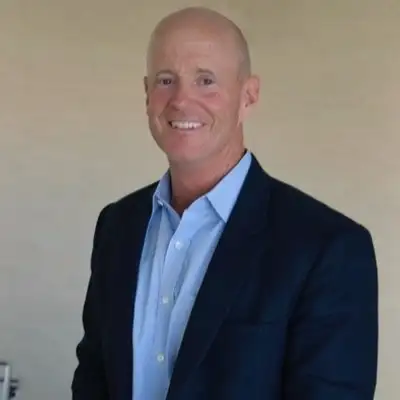
Hot Takes with Jim Baker is where real-world business experience meets honest conversation with Host, Bill LuMaye.
Hosted by entrepreneur, advisor, investor, and CEO Jim Baker, this podcast explores the challenges leaders face every day—from raising capital and managing growth to hiring, firing, sales, culture, leadership, acquisitions, and long-term value creation.
Through the Hot Takes series, Jim sits down with business owners, executives, investors, and industry leaders to discuss timely issues shaping today’s business landscape. These candid conversations offer practical insights, hard-earned lessons, and perspectives you won’t find in a textbook.
The podcast also features the Wisdom Series, in which Jim and Bill interview accomplished guests whose decades of experience offer timeless lessons on business, leadership, success, failure, and life.
Whether you’re a CEO, entrepreneur, business owner, executive, or aspiring leader, Hot Takes with Jim Baker delivers actionable insights to help you build stronger organizations, create greater value, and lead with confidence.
Presented by Sumus Development Group, LLC. Helping organizations enhance value, strengthen leadership, and prepare for what’s next.
16 Hot Takes
===
[00:00:00]
Jim Baker: hello everybody and welcome to another edition of 50 Cups Hot Takes. This is a special edition. Every once in a while we feature extraordinary people, and today I'm proud to introduce Ted Phillips to you.
Ted and I worked together, way back in the early days of my company, and it was back then called Atlantic Search Group. We otherwise were known as a SG. And as always, I'm going to interview Ted today and drink some world famous Earl Gray Tea [00:01:00] from 50 Cups. So lemme pour it into my cup here, Ted.
I'm sure you're not a tea guy, you're probably drinking your coffee.
Ted Phillips: Yeah, the coffee's done. We'll drink some world famous Poland Spring water from up here in Maine. So.
Jim Baker: Sounds good. So tell us a little bit about yourself.
Ted Phillips: Where could we start? There's so much. Well, as you mentioned yes, the first time we got a chance to meet was when I interviewed at a SG. So that was the start of what has now become a long career in talent acquisition. What else can I tell you a little bit by myself? I live up here in the White Mountains of New Hampshire.
Moved here about 15 years ago with my three boys. And so right now they are actually squatting of officially, so that's where I look at that. And the dog. And we enjoy plenty of snow all year round. It's kind of funny, people often ask, you know, you must love it up there 'cause it snows for six months.
And I said, yeah, it's wonderful. You sit outside, you sit inside and then you look outside and then go shovel. I don't ski or anything. I'm getting too old for that. So
Jim Baker: [00:02:00] So you and I worked together back in like the early nineties, wasn't it?
Ted Phillips: 92 right outta college. You were one of the first ads I answered back then out of the Stanford advocate. If you remember, you after used to run the ads back in real papers back then, . And I think the story I tell people is my parents after graduating from Syracuse asked me what did I learn, which just meant just go find a job.
And I answered your ad for a researcher. Given that I was a history major and that's all she wrote at that point. So I remember coming in for the interview and and talking about a number of things many of which included the Big East we were talking about the Big East, we're talking about the election.
At that time, I think Mr. Ross Perot was actually running and we talked about how someone with a business background needed to run the country. How ironic we are here today. So.
Jim Baker: That's true. Yeah, and we were, you know, I look back on the company and obviously we were bootstrapping at that point in time, just trying to generate as much business as possible. And, you know, [00:03:00] we're going around to conferences and, you know, you're on the cot. My brother's in one bed, I'm in the other bed.
And then we rotated every time we went. So I had the cot sometimes as well. And I can't, you know, now that I'm older and obviously sold the business. I'm kind of stunned that you know, I made people share rooms back then,
Ted Phillips: Well, yeah, that's an HR nightmare. And
I do remember that first conference. I remember it vividly. I'm still working with my therapist on that. No, I'm just kidding with you. But we walked into the room. I remember. Bags, you, me, and Mike, and I put my bag down. I said, okay, see you guys later. And you didn't leave and neither did . So I said, okay, this is how this goes.
I think that was a SaaS conference, obviously, right? It was a Suji conference.
It must
Jim Baker: yeah, yeah, And then we we have a contest. This you had got the most business cards when we were networking every day. And 'cause we were too cheap to even put a booth up, so we just went around trying to talk to people all day long.
Ted Phillips: Yeah, I remember that. I was kind of shy in the beginning, obviously outta college and just not having done [00:04:00] a, a real job actually, if you will, for the lack of a better term. And I remember you just standing there with me and we're at the conference, like you said, no booth or anything like that. And you said, go ahead.
And I said, go ahead. Where, what do you need some coffee? What do you need, Jim , you said, go, just start introducing yourself to people. And that's, that's kind of where it all took off.
Jim Baker: Yeah. Yeah. So , there were some fun times and I remember after you left a few years later, I was taking a couple of females to a, another conference. And they were a little bit older and, you know, I had brought them in from industry and they were used to the big pharmaceutical way of travel.
And we went to check in. I think it was up in Worcester, Massachusetts, in fact. And we went to check in and checked in for him. And I came back and I gave him one key and I think her name was Susan. She said, where's the other key? And I said, there's only one . And she goes, what do you mean? They go, oh, you guys are sharing a room.
And they almost literally quit on me at that [00:05:00] point in time. And I felt so bad I went back to try to get them an extra room, but the hotel was sold out so. They sucked it up for the night, I think within probably a month they had resigned at that point.
Ted Phillips: Yeah, there was no buddy system back then. Right.
Jim Baker: So you're the one of the few people over the course of your 30 year career or so that have stayed in talent acquisition the whole time and it's obviously a job that is, I. If you're good at it, it is very rewarding, but it's also wildly, frustrating and stressful since you're dealing with human beings and you think you got a deal done and you know, then the human being decides to say no, you know, on the Friday at five o'clock, you know, kind of thing.
So kind of walk us through your career and, and how you and what do you do to, maintain your level of sanity?
Ted Phillips: Well, it's, it's a great question. And it's so true because I think even when we were working together, one of the stats you had sent me on a little course where I was studying and it said something along the lines of, one in, you know, one in five might stay past a [00:06:00] year in recruiting. And yes, this . My 33rd year it's taken its toll.
I used to be six foot four and blonde, if you can look it now and see what happens. It's awful. But it's, it's been a great career. I think, you know, you have to love it. You actually had asked me, I remember this in our first interview as well, what do you think the hardest part about recruiting is? I, I had no clue.
But you indicated the same thing. It's you're selling a person in effect, for the lack of a better term, you're trying to sell a person a job versus an actual tangible product. And I think that that's both extremely challenging, but extremely rewarding when you see someone . Find a position or you help them and find a position.
True. I, I think you can have some of the craziest stories. I think one of them back then at a SG, we were trying to close a deal on a biostatistician and she said it's five miles too far south and therefore my pollen's too high. So , she couldn't take the job. And it was a Friday nonetheless. So I do remember those kind of days.
It's always a Friday. Absolutely. It's either good or bad news on a Friday. But I think you have to have the [00:07:00] love of it, and you have to just love doing what you do. Sales and interacting with people. I can talk to people all day long and that's exactly what you need to do. Be successful in this career.
Jim Baker: So during your career too, you've obviously worked for companies, but you're off on your own as well. Is that correct?
Ted Phillips: Yeah, about 22 years. I think it was about 22 or 23 years on my own, you know, I started it was very exciting. It gave me a lot of time with my boys. I think I went for, I. Every single one of their field trips for all three of them, except for two from K through 12. So they hated it. Their therapist can deal with them.
And I enjoyed all of it. It was wonderful to have that flexibility. But towards the end, the last several years, I, I missed, you know, it became too operational. I. Too many things have to do with large RFPs, whatever you might have to be doing to gather that business. Whereas the old days, you know, we could go into New York, go to Pfizer, have lunch, and you know, off you go and you're, where you're working your, your tail off.
So I, I missed the interaction pieces of it and a couple of years pre covid and post [00:08:00] covid. I've been in small biotechs as well as where I currently am.
Jim Baker: And has the industry changed over the years?
Ted Phillips: Fundamentally, no. You know, in terms of the ins and outs and the ups and downs, I mean, it's gotten harder more recently, I believe. It's gone through quite a hard time, obviously, as you well know lately, but I don't know how much it's, I. Technically change depends on what you're looking at, right? I mean, the industry recruiting itself doesn't change.
It changes with respect to how you approach it, but you always have to have that people skill, ability in order to achieve anything. So whether it's AI or whatever these changes might be, you still have to have the person behind it.
Jim Baker: Yeah, I mean, I was just wondering if there's a big push to, with AI now with the clients basically that you're dealing with where, hey, I can just, just use AI to go find somebody, so I don't need you anymore.
Ted Phillips: You know, it, it's, it's a great question. People get very nervous about it, but I still hold back to, it really comes down to the candidate experience. If you're providing a white glove service to your, your hiring managers and a red carpet experience to your candidates [00:09:00] you will . Far and beyond exceed expectations, and that's what we do here.
Where we are. We really focus on the candidates and the manager's experience and so forth. You know, try to win our awards and look at, you know, get your ratings online. You can't really have good ratings on Glassdoor, things along those lines if you don't have that human interaction piece of it. And so there's always going to be that human interaction, a great tool.
It will not replace people. Basically, you'll be replaced if you don't use it. So it's really understanding it and using it rather than being scared of it.
Jim Baker: So you were in Connecticut with us and now you're up in New Hampshire. One quick story. We used to rate the drivers in our company and you were number one when you were there. You literally, I think, went down fifth Avenue in New York and like. 10 seconds. We had to go about three miles and it was probably the most exhilarating ride I ever had in my life.
You learn your driving skills? Number one. And number two, how did you get to New Hampshire?
Ted Phillips: So [00:10:00] I learned my driving skills. I think actually working with you and going all the time down to clients, right? So we were in Connecticut and most of the clients were either up in Massachusetts. For the most part were down in Philly or the Philly area outside. So if you remember, I would always take the car that beautiful. Teal, cran dam, whatever that was, I don't know, probably the only one sold ever. And then they stopped production. But you know, would drive that thing all up and down the jersey, you know, turnpike and you just had to learn very quickly. So I loved to drive. I still love to drive. I still probably drive 25,000 miles a year and I don't even really go anywhere, so I just drove right.
It's a lot of gas in the truck. As for getting to New Hampshire a few year about. 20 years ago. Yeah, about 22 years ago when my youngest was about one or two, a friend from college had called and said, do you wanna go visit this place up in New Hampshire called Storyland? It's a, basically a place for kids right south of Mount Washington.
I said, sure. And I was in Stanford at the time with the [00:11:00] youngest, threw 'em in the car seat and for six hours heard him scream the whole way up. So , so a wonderful ride and experience, but never stopped coming up. And ultimately brought a second home here. And then ultimately we rented that home for a while.
You know, in terms of while living in Connecticut and then Connecticut after my parents passed away, there really wasn't a whole lot holding me there. There wasn't a lot of family or anything. And you know, it made it financial sense to come up here, up north. And that's how I'm here for about the last years now, full time.
Jim Baker: And you were kind of doing the virtual thing before it became the Vogue thing after Covid, is that correct?
Ted Phillips: Oh yeah. I was always trying to push clients to do virtual as well. Right. You hire some virtual candidates who certainly would've made money faster that way too. But well ahead of its time and really by default, really, you know, I had an office for a while. When I had my company, I had a couple employees as well.
I. That got old as well, and then ultimately packed back in and worked from home from there on in. So yeah, the last 15 closer to 20 years, it's all been virtual. [00:12:00] So no, no issue with Covid as a pivot, it was very simple. In fact, I enjoy going down to our corporate headquarters where I currently am down at Massachusetts.
I tell 'em, you buy me lunch, I'm there.
Jim Baker: And you know, for those that work virtual still and seems to be, there's some pressure now to get everybody back into an office. How do you remain relevant virtually? Like what are some of the tips and techniques that you do to make sure that you're not forgotten and you're not the first guy that goes you know, when there's, there's, it's time to cut.
Some people I.
Ted Phillips: Sure. It's a great question. I mean, you have to engage yourself. You, you cannot just sit back and say, I can do my job. Shut down your systems and just kind of crawl in a hole and do your work. You do have to engage. You have to engage with your co, your coworkers, your manager. I'm constantly on calls with folks, and even if I don't necessarily have to be on a call, I'll say, Hey, do you wanna hop on a call?
Rather than just sending an email just to have that interaction. You know, our company is also a completely virtual company, although we have some physical office locations, so we do a lot [00:13:00] in HR with respect to engaging the population, our, our workforce, if you will. So we might have virtual events, we might have coffee with our CEO.
We do, for instance, a walk to Wellness for Mental Health Awareness month, where we all get on an app and we walk. It's not supposed to be competitive, but you know, you go through a couple pairs of shoes trying to keep up. So there are a lot of things that you can do to stay relevant and it's always very important.
You have to be involved basically as much as you can be. you, you would expect that from a recruiter as well, of course.
Jim Baker: So let's talk a little bit about your health. So obviously you're, you got the boys, you're, you're moving, you've got your business and everything else. And then, what was it about 10, 12 years ago or so,
Ted Phillips: uh, yeah, about 2017. So I had an episode where I ended up in the hospital and it was actually just before that I take that back a step. Maybe about 2016. I was working out at a gym and I. I was, you know, I'm not, not [00:14:00] a big workout, but enough to feel like you're doing something. And I felt this like pop in my head and I said, geez, what, what was that?
That was really strange. Never heard that or felt that it, it hurt. And I had gone to the doctor and they said, your blood pressure's very, very high. I said, well, that's why I'm at the gym. And they said, no, we need you to go. And so I ended up having to go to the hospital that day and after a battery that was down in Bridgeport actually at the time, so.
That's a wonderful experience down there in Bridgeport, Bridgeport Hospital. With that being said you know, as I was walking out, one of the doctors, young guy, it's like a Doogie Hauser type, right? He would, he come up to me and said, you know, you really should be checked for MS or for lupus, and I. I said, okay, that's great.
Can I leave now? Right. You kind of just want to get out of there at the moment. Went home, didn't think much of it. He said, you know, a lot of times lupus or that, 'cause we saw some white matter on, on the CAT scans, you know, when they did the CT scan and they said a lot of times in young men at that time I was younger.
Of course high blood pressure is one of the only signs for lupus [00:15:00] 'cause it's very rare for men and it's also even rare for white men. So with that respect I went, once, got tested and sure enough I had lupus. So that was not something that I had expected. Of course, I didn't feel like I was experiencing any type of symptoms or any issues with that.
But shortly thereafter, I did end up with trouble with my liver. So I ended up in liver failure back in 2017. I was up here at that time, so my, my dates might be a little off from when I first was diagnosed. That might have been a little earlier,
Jim Baker: So let's,
Ted Phillips: was the first time up here that I was diagnosed with liver failure.
Jim Baker: alright, so let's just backtrack for a second. What was your BP like? What, what, what caused them the concern?
Ted Phillips: That was about one 90 over 1 10, 1 20. They said, I walked into the ER sideways 'cause the doctor said you should just go get checked out. And so I kind of remember just going, saying, yeah, I probably should be there. But they just, as soon as I walked through the doors, they came running 'cause they could see I was white as a ghost and kind of walking differently where I shouldn't have been.
Jim Baker: And then when you, and then after you were diagnosed with lupus, [00:16:00] would, did they put you on a, the typical that that helps with lupus or some type of medication?
Ted Phillips: Not at that time. I went down to rheumatology down there in it was Norwalk at the time, and they had indicated they wanted to kind of watch it a little bit, see what was going on. I don't think there was, there wasn't much in terms of that I, being stubborn and younger at the time, said, I'm fine. You know, there's no need to worry about this.
And of course that was ignorant. You know, of course of at all kinds of levels. So ultimately there was some medicine that was given, but at that point, like I said, I was having issues with the liver and ultimately continued to deteriorate after that 2017 first episode,
Jim Baker: So was the liver
Ted Phillips: I.
Jim Baker: to the lupus or is a liver totally separate?
Ted Phillips: Well, it, it's it's related to the lupus because when they actually, I had a transplant of course as we'll go into, but when the transplant, I asked them, what did you see? And they can tell from the pathology of the liver what caused it, and they could see the different type of inflammation caused by the [00:17:00] lupus.
It's an interesting story because when I had just graduated from college, I was actually diagnosed with fatty liver disease, and that's something that . I said, okay, that's understood. They had said suggested weight loss. My middle son actually was diagnosed with that too when he was about 12. So we think it's hereditary to that extent.
But I think that was the precursor and, you know, had I paid more attention, perhaps back then when you're 22, you're not really thinking anything other than a little blood work and, you know, you're seem invincible at that point.
So.
Jim Baker: sure. So, but with the lupus though, you didn't have all the other symptoms. You didn't have the you know, the shadow in the
Ted Phillips: rash. Yeah. You get a rash on your face or no, typical symptoms did not present. And also, of course, lupus typically attacks the kidneys first for most people. And I didn't have any issues there either. So there wasn't anything found until, like I said that later on that episode.
Jim Baker: So now you're got the liver to deal with. And what are they doing with that? I mean, you put more medication at that point in [00:18:00] time, diet, like what was the.
Ted Phillips: Diet and then waiting. There really wasn't medicine that was really used at that time. We're just monitoring blood levels. Ultimately, a biopsy was taken down there as well to see what stage it's in and kind of going from there. So that's, that was really how that was managed until it just got to the point where it.
Continued to get worse, and as it got worse then it just, you know, went a little bit sideways from there. So that last year or so during covid, but I'll, you can, I'll let you guide the questions there,
Jim Baker: Yeah, you keep jumping ahead of me a little bit.
Ted Phillips: I.
Jim Baker: So the liver is what? 2018? 2019 timeframe.
Ted Phillips: Eight 17 first failure, then I was still working a little bit. I was working part-time at the local hospital here at that time recruiting physicians. And then it got worse, especially late 18 into all of most of 19. Really started to get a lot of complications from it. You know, you could have blood infections, all kinds of different episodes.
And then ultimately, you [00:19:00] know, I was in the hospital Christmas of . Late nine 19 going into the new year and I spent all of 2020 in the hospitals, different hospitals, Massachusetts main med as I was just basically trying to survive and get through that. And that was during Covid, so that was a lot of fun.
Even the nurses wouldn't come in and see you. So
Jim Baker: What was that? Yeah, I was gonna say, I mean, you were I mean they, thankfully they let you go to the hospital. 'cause I know some people at the time needed significant care and they weren't even allowed to go in and so they bring you to the Hotel, California, but then nobody's paying attention to you.
Ted Phillips: Pretty much, yeah, lets you sit in there in a nice white room and you know, think that it's like the shining, right. You're going crazy just like here. So.
Jim Baker: So when do you, how do they get you on a transplant list? And I think there's what is it called a Melton score or something like that? So why don't you walk us through all that whole process.
Ted Phillips: So unfortunately some of that is a little bit of a blur, believe it or not, in terms of that, and I guess thankfully as well some of the things that I went through. [00:20:00] But you're right, you have to have, your score needs to be certain levels and until you hit that level, you really can't be considered for a transplant and you have to be very sick at that point.
You really are. To the point where you just aren't gonna make it. And so my scores got to that point in the summer of 2020. And basically they had told me, go home, you know. Do what you have to do, go home and rest. You can stay here or you can go home and rest and kind of say your goodbyes. It was one of those make you make your arrangements if you will.
So I did decide to come home and then I was called within a week after being put on the list that I had, they had received a liver that they felt was viable. What's interesting is the liver itself was Had hepatitis, you know, so as you well know now, hepatitis can be cured through Gilead's drugs.
I think there might be another combination now as well. So the option was to take that liver and then treat it for hep, you know, the hepatitis after to eradicate it. And that was the only real chance I had at that point. [00:21:00] So of course I was pretty much done. And, you know, you, you turn colors right?
You turn you jaundice, so you're yellow and then you kind of start turning to green and then . Then it just sits sideways from there. So I was past green almost at that point, and that's when we got the call. And then I took down to Lahey Transplant Center down in Burlington, mass.
Jim Baker: I remember that timeframe too. 'cause we had not been in touch for a long time. And I think you sent out a LinkedIn message to me, and you're basically saying, Hey you weren't saying like, you're gonna miss me or anything like that. You just simply said, I'm really sick
and, uh, I'm not gonna make it.
And, you know, of course I respond back saying, look, I can, if I can help in any way, get you to all these centers and blah, blah, blah, you're like, no, it's, I'm, I'm on the list. And, but it's too late and, you know, it's, it's quick and whatever. Then . Then you went silent, obviously, and I'm thinking the worst. And then they're like Lazarus.
About six months later, you know, you reappeared, so you get the liver transplant, and now what? Now they [00:22:00] what? Throw you out after five days and now you come home with a bunch of tubes and they throw you in a corner somewhere.
Ted Phillips: They certainly did. I was shocked. It was, I think, day six I was released. I did, I had all my, all the tubes were there. I had, you know, I. Countless staples. You know, you're cut basically from your stern 'em all the way down to your belly button and then across you really, they really get you going there. So I had to come home.
I was. You know, still bleeding to some extent. You know, it was a lot of pain, of course. So it was, like you said, it was literally five, five, maybe a six day, and I was on my way back. So I had to change my dressings, you know, things along those lines. Keep 'em not, and it was a little concerning because I'm up here so far away that I was not close to any real hospital.
The hospital here, you can have a bandaid and you know, they'll fly you outta here, but that's about it. So, you know, it might even. Well, we'll leave them alone, but . But you know, it, it was a challenge. It was a lot, it was very hard to get back on your feet to recover from that. I, at that point had been very sick for that whole year, so your body was [00:23:00] already going through a lot with all the infections and so forth that were, came along with it.
But you know, about six months later it started to really turn. You started to feel a little bit better, started to get a little strength. And when By strength, I mean, I could get up and down the stairs, right? You really need to recover. You have usually a full year that they say, we'll take just to get back on your feet.
But about six months into it, I was ready to go and wanted to start looking and started to start about one year time. I started working again. Right after I couldn't sit still . So back to recruiting
Jim Baker: Just for other people, the one or two people that may actually watch this that
Ted Phillips: more than that.
Jim Baker: Alright.
Ted Phillips: agent told me this was gonna be the Joe Rogan show. I didn't know what happened here. I don't know. You don't
Jim Baker: Yeah. , it's, I don't wanna, I'm, I'm a very humble person. I don't wanna oversell this thing.
Ted Phillips: I.
Jim Baker: for those that might be listening, that, you know, God forbid, might be going through, you know, a similar situation down the road, you come home. [00:24:00] And do you need full-time care? You know, somebody's gotta be there, I assume, help you, you know, at least for the first, you know, couple of months.
And then if so this just go into a little more detail. What are they actually doing for you?
Ted Phillips: Sure. I mean, you do need full-time care. I had someone here that was helping me at the time, and so, you know, you needed help if you were, I lived on the first floor. I didn't want to even bother to try to go up and down stairs with too many sutures to, to really have to deal with that. So I lived on one floor.
I didn't get very far the first several months, you know, really up and down to just to go to the bathroom. And you need someone to help. Cook and whatever else to dress you and so forth. You know, bathing so you can get some nursing nurses that can come in and help as well. But usually a family member is there to help.
They're just gonna have to, and it's a, it's a lot of work. It's a lot of work for them. It's, it's, it's very stressful for them. It's draining for everybody. But you know, you fight through it. You fight through it because there's a lot of bigger things in play and you just always have that will to survive and that's what drives you.[00:25:00]
Jim Baker: And then you know, and I said this facetiously before, but I'm, it's probably true to some extent because I'm sure you at least have a draining tube. But you know, when you, they throw you out after six days, which is still crazy, but that's in the insurance world for you. You know, are you coming home with an IV line still?
Are you coming home with antibiotics that are iv? Like, what, what is it that you're gonna come home with?
Ted Phillips: Yeah, I came home with transplant medicine and I didn't come home with antibiotics. I didn't have any issue there. But, but you're right. I had several tubes. I had still had a, a, you know, the, everything was still draining, bile and so forth. Whatever was draining out of there. Exactly. So I had to change that.
I. As well as keep an eye on it to make sure that everything didn't reopen. I think I had two or three tubes. I have, I actually took a video of myself changing all . You know, I, people are like, why? I am like, well, you know, you kind of wanna look back and remember and, you know, one day you might wanna sit there and say, you, you need to be thankful.
And if you ever lose your that thankfulness, you have to sometimes remind yourself.
Jim Baker: Sure.
Ted Phillips: occasionally I'll take a peek back and say, you know, remember [00:26:00] what you went through. Remember what you want and what you want to go through and how you wanna continue to help support the family and just continue to live.
And that's, that's really what it is.
Jim Baker: And are you able to, during this time, are you, do you have to sleep in the chair at night upright or can you actually lay down and, and sleep?
Ted Phillips: I slept in a recliner, pretty much a nice cup. You know, the dogs would hang out with me and we'd just sit there and watch TV and you know, just sleep in the recliner as best you could. It wasn't very comfortable, but you really didn't wanna move either. So it was nice to kind of prop yourself, kind of pivot and put some pillows around.
You just gonna kind of keep you in a little cocoon type state, so you didn't really move and open up those sutures in the beginning, especially.
Jim Baker: Yeah. And then obviously you said six months later you're, you could out start, you know, becoming a little bit more mobile and, and what have you. And if you were gonna advise somebody that's gonna go through this, knowing what you know now for that recovery piece of it for the first six months, is there anything that you would offer as tips or what you would've done differently [00:27:00] to potentially help with the recovery quicker?
Ted Phillips: I.
think that's a fair question. I mean, you know, I, I think I would've relied, I would've taken more help. People were offering to help, but I was too stubborn. I can do this myself. I can do as much as I can myself. I think that's just my nature. I would always tell people, listen, people want to help. They want to be involved.
Let them help you. A faster recovery will be for letting people do what they're there to help you with rather than trying to do it yourself. Listen to the doctors. They know best. You know, you might feel I can beat this or I can do that. And, you know, I was lucky. I mean, realistically, I've not had. Any complications, knock on wood, since the transplant.
So I'm blessed from that angle. And I do in a, I'm not, it's not lost on me that some people have complications right from day one after the transplant. So it's really just listening to the doctors doing everything they say, you know, trying to maintain and making sure you're eating properly to get your strength back.
Things along those lines. And then, . And that will come naturally. The rest of the healing will come, but getting [00:28:00] that help from whoever might be, and it might be a phone call. Honestly, you're pretty lonely when you're there all day by yourself. You know, the TV doesn't talk back necessarily. And so just taking phone calls it's probably a lot easier now with all the social that's out there and people stay in touch tremendously.
I mean, that was only five years ago, four and a half years ago, but still in the moment, it's whatever you can do to stay engaged and keep your mind moving forward. That's probably the best advice I can give.
Jim Baker: That's great advice. When you got the call for the transplant, you have to be what, within a three or four hour radius of getting to where you're going. So I'm assuming there wasn't a major snowstorm at that point in time. And you can get to where you're going.
Ted Phillips: Right. Yeah, it's about three hours just on the cusp of it to get from where I am in New Hampshire, down to Lakey transplant Center. So it's about three. And . We made it there in time, of course. And then we sat there for 12 hours. So they so they, they got you there, you're ready to go, and then they prep you and you know, you're no eating, no [00:29:00] anything, and you're just sitting there waiting for it.
But that's what happened. It was basically the . Liver came from someone somewhere down in Florida. So, you know, once that's identified, they have to fly the organ up, get it all timed out and everything, and making sure, obviously they're made sure it's a match prior. So again, lucky that it was a perfect match.
Doctor said they couldn't have asked for a nicer, better match. And it was, you know, due to an unfortunate accident by somebody else that I'm here today.
Jim Baker: So after the six months, you get back to work, you know, within a year after that. When do you, when, when was the timeframe where you. It felt like perfectly normal again, and you could just do whatever you wanted to do.
Ted Phillips: It was about 18 months, actually, the, the first six months just trying to get my strength back. And I would remember when I was outside eventually, when I could go out on my own and start to drive on my own after that, and I would . Be winded just walking up and down stairs, you're still really, really beaten up from, and it's not just the transplant, it's the years being sick before [00:30:00] it too, or however long that duration would be for, depending on who it is.
But you know, it was really probably a year and a half before I started to really feel like, okay, I can start to do things again. I can get back to the gym. I can lift some weights. You know, I remember just trying to carry my first case of water in into the house and I was like, I go take a nap. You know?
So it was amazing how much your body really. Kind of falls apart, if you will when you just can't use it. And so about 18 months I was feeling really good as well and started to resume pretty much all normal activity at that point.
Jim Baker: And there's no restrictions, right? The doc said you could just go back and just do whatever you wanna do.
Ted Phillips: Correct? Yeah. As long as there weren't any other complications or things along that absolutely was, had the green light to go do what I needed to do.
Jim Baker: Cool. That's great. So, any, I don't know, any, what's changed you, I guess, from having to go through this experience?
Ted Phillips: You have to, I've always had an appreciation for family. And [00:31:00] I, I think you really even have a much deeper appreciation when you get sick. You know, it's just, it is, it's a tough thing to go through and people go through worse. But I really think that it's changed more to really focus, especially on my boys.
They saw me numerous times, carted out of the house in a, you know, in an ambulance and taken away and. Probably thought is dad ever coming back? And so that's also not lost on me. And you know, the goal for me when I got better was to make sure that I had all my efforts and any energy that I had left to really dedicate to them so they can also heal.
You know, it's me healing physically, it's them healing potentially emotionally based on watching. Their dad, who at that time they were younger teenagers, kind of go through that not knowing. So I'm sure that's pretty scary for them as . The boys and other family members that witnessed it. So I think that that's a big part that what kept me going all the time was always knowing I had to get home for the, for the family.
And that always continues to drive me even today.
[00:32:00]
Jim Baker: And obviously with the exception of you didn't want to die, how were you reconciling the fact that you might die? During that time, what were you thinking?
Ted Phillips: You know, I personally went through a period where I was so sick it didn't matter. I really was, I wasn't depressed, but I said, if this is it, then this is it. You know, how much more are you supposed to go through, you know, when you're, when you're that sick? [00:33:00] And with all the complications that I had, and the different infections and sepsis and all, all different things. I had everything even some heart issues they looked into that was going on. So everything was kind of falling apart at once. And at that point you're, you're trying to go as hard as you can, but you also kind of realize you might not make it out of that.
And what do you do when you just try to keep your faith with it and you just try to stay strong through it? And that's really all I could do at that time. Like I, it wasn't up to me at that point. It was in God's hands at that point.
Jim Baker: That's an unbelievable story. So today you're working you got the boys, and I know they're older now and
Ted Phillips: Yes.
Jim Baker: that, of course presents itself with different parenting dynamic than when they were younger. But if you look back on it, you know, what are probably the top three things that you you learned along the way?
Ted Phillips: In terms of the boys or in terms of.
Jim Baker: With the boys being sick, et.
Ted Phillips: Yeah. Yeah. [00:34:00] You know, again I, I know I keep going back to it. I think one of the top things is always to just make sure that the dedication is there to the family. I never lost sight of that with making sure that everyone was taken care of. I, I think the top other, one of the other things I would always say that I wanted to get back to, which I got away from, which I'm back now is, is with the church.
You know, I, I did get away from church when I moved up here just because I'm Greek Orthodox and there's, there's. I dunno, there's a couple Greeks up here, but there's , there was no real church up. I could have started one probably, but I, I have found one down in Maine. It's about an hour and a half away.
It's a, it would make a day of it. I think that that's a big takeaway. I, I didn't lose faith, but I got away from, you know, attending and so forth. So I'm happy to say that I'm back with that. Those are the big things, honestly, Jim, those are really the only things that matter. You know, you can't take any of this with you.
You can't take money with you, you can't do anything. You can be benevolent. I've become very giving back. It's one of the big things I do up here. A lot of [00:35:00] giving back to the community in different ways, whatever way I can. Whether it's volunteering. One of the stories that, real quickly on a side note is when I got sick, when I came back from the transplant, I didn't know what I was gonna do.
I didn't know if I'd go back to recruiting. So I went out and bought an ice cream truck from Massachusetts. So , a full fledged, you know, big old Pete, 30 ice cream truck. And people looked. Yeah. , who wants ice cream when it snows? Six months. Right? That's what your next question's gonna be. Well, they all do , so I wasn't sure.
I figured if I couldn't go back to work physically, I might be able to sit on a truck and give out ice cream. Right. So, so I, I, the ex-wife, because there is an ex-wife involved in this story here, but the ex-wife, I think when she saw that pull up at that
time, I think that might have been the last straw, you know?
Jim Baker: What did you do? Just go around playing that dumb jingle and
Ted Phillips: uh.
it's many dumb jingles and dumb jingles, lights, everything that you need. I could feed this whole town with ice cream, so I, I did try it in the very beginning. Went around found out the [00:36:00] town didn't want you going anywhere you weren't even supposed to do to the certain laws they had here. Not even drive it.
But I said, who's gonna pull over the ice cream truck? Nobody. So. I go around a few places, you know, give out some ice cream. And I quickly realized this is a very big money losing business. . It's a really cool truck and it's really fun to drive, but it's not a really good idea. So I pivoted very quickly after the first year.
I said I need to make sure I'm recruiting, which I always have loved. And the ice cream truck is still here. And now what I do with it is we do free ice cream socials for the senior centers for the Alzheimer's Center. . The, the rec center, I coached many years when I came up here, so heavily involved with all the give backs there.
The police station does a touch a truck for Halloween, so we gave out about $5,000 worth of ice cream on Halloween. It was good idea. Thank God it was hot. So, but things along those lines. So we try to do, that's a big part of what came out of this you asked earlier is, you know, being benevolent, giving back again.
Can't take any of it with me. And that's what I, [00:37:00] that's how I look at things now.
Jim Baker: Yeah, well, ice cream truck, that's a, that's a, that's a funny story. And I, about a, I don't know, two weeks ago I was at a park with our, my son and his kids, my grandkids. And the ice cream truck pulls up and he's playing Christmas carols and it's, you know, it's March. So I don't, you know, at least pay the right music. But that's pretty cool that you're doing the free ice cream now. Hopefully the talent's not busting your chops about that.
Ted Phillips: No, there, it's, like I said, doing the local event at the police station. Everyone knows that I'm there and I'm not looking to make money. I'm just giving out the, the free the free ice cream. So again, no one really bothers the free ice cream guy. So
Jim Baker: Sounds great. Sounds great.
Ted Phillips: it's
Fun.
Jim Baker: so we always end with, five takeaways, right? Five things could be about life, could be about health, could be about whatever you want that you want, espouse your wisdom to. Joe Rogan audience gonna be watching this [00:38:00] so I'm gonna throw it back to you.
Ted Phillips: You know, you had mentioned hot takes or things along those lines. You know, some of the things that, you know, what, what's wisdom? Again, I think it, speaking in general terms you, you have to appreciate life. You have to appreciate everything in the moment. That doesn't mean go out and make bad life decisions, right?
you can't use that in as an excuse. You have to always be respectful. Love your family closely and, and your friends as well. I think some of the things you talk about, like I. That if you ask me what bothers me, I guess the things in terms of like a hot take or things along those lines is I still to this day as much as I've been through, I still get frustrated when I'm in a store and someone doesn't say please or thank you.
So I beg everyone, . Please teach your kids to say please, and thank you. I, I preached that for 24 years, I think, and still do to my oldest, so you'll get much further in life. If you can just say a simple please and thank you. Those are pet peeves for my, [00:39:00] for myself. The other one is, I was always taught when you walk in front of somebody, let's say you're in the supermarket, you walk in front of someone, you always say, excuse me, if you're entering their line of sight, right, like a golf game, right?
If you're entering that line of sight, it's a no go. And so you say, excuse me, I'm, I'm amazed today. At the lack of manners that people have or appreciation for other people in general. You see this all over the world. I mean, you see this all over this country. This country is so terribly divided and we won't get into the politics of it unless you wanna spend another hour doing that.
Jim Baker: Not today.
Ted Phillips: no, not today.
Jim Baker: Yeah, I, speaking of kids, like one of the hot takes I have on that piece of it too is what I call the puppet kid, which is, you know, you see somebody that you know, and let's say the kid's seven or eight years old, maybe even older, 10, sometimes even in high school, and you slay it a little, the kid and the kid just does this and then the parent answers for 'em, and then you ask another question and the parent answers for 'em again.
I'm like, can you at least train your [00:40:00] kid to say hello? I. Answer a question when it's a friendly person, in this case, me who knows? The family, So it's just that's my hot take today. Like parents spend enough time just raising their kids to function in society, whether they're seven years old or 15.
Ted Phillips: No, I, I agree. I think the critical thinking skills are out the window. Everyone's given up. If it's not. In front of their devices, then they, they just literally don't know what they're doing anymore. I mean, we were raised very differently. We played out in the woods and you learned, and your parents, you know, come home and if you came home, great, they'd feed you right
If you didn't come home, maybe they'd look for you the next day. I'm not quite sure with that. With that being said, today, today's world is so different. And our youth and our younger kids, I don't believe they're in any way prepared, not just for the work environment, many of them, but just life in general.
They just, they can't do anything without mom or dad as to your point, either answering for them or getting them to do anything and having them do something around the house is [00:41:00] just a challenge in itself. It's, it's poor parenting, it's parenting skills that when a parent thinks that their child is their friend first and not their child first, and that is one of the biggest
Pet peeves that I have when I see it. I saw it in even coaching. I, I was amazed when I came up here and started coaching baseball and basketball. You know, they'd all come up and say, Ted, and I don't know who Ted is. I'm coach. You know, it's things. Things along those lines where it would drive me insane or I would have, I had a team once where I had 17 kids on a baseball team.
It was basically daycare and Right, so they had that, and I had a mother bring a pizza and try to hand it over the fence to her kid in the dugout. And I said, well, I'll take that in my car if you want, but it, it's amazing what they do to these children and how they basically either helicopter them, right, either they're hovering, like you said or they're just doing everything for them and you're really doing a disservice.
They're better off to fail early in life and learn from those failures than sit here and know that someone's gonna be a backstop for them,
because eventually we're gone and they're on their own
and [00:42:00] God help them all.
Jim Baker: Sometimes sooner than later, unfortunately. And you know, so big, the best thing you could do for your kid is prepare them. So they're, you know, they're confident, they've learned from their mistakes and you know, they can get out there and they can function if they have to.
Ted Phillips: Yeah, I think the confidence is a huge thing. You have to instill the confidence. I mean, every . Good parent's gonna be hard on their kid if they're really paying attention to an extent. But there's a fine line there between, you know, scolding them versus building confidence. It's a lot easier to build someone up than to break 'em down technically.
And certainly later in life it's gonna serve them much better. So, you know, I think some parents need their own parenting class. It's something that perpetuates itself. It's unfortunate that, you know, it's, you've got generations after generations now doing this. You see parents, you go out to dinner.
You wanna have a nice talk. You see parents on their devices too, with their kids, and everyone's just looking at each their device and not communicating. And this is why nobody can communicate. Everyone's behind a keyboard thinking they're trolling somebody. And it's unfortunate that we can't be this way.
It used to be without those devices, but it's the [00:43:00] reality. It's, it's up to the parents to be responsible though.
Jim Baker: Oh, maybe you could start a new business had a parent one-on-one.
Ted Phillips: Yeah. Yeah. . Oh, it would be a lot more than that, right? . Geez.
Bring
Jim Baker: don't think anybody's gonna come.
Ted Phillips: No
Jim Baker: so I interrupt you. Is there anything else on your mind before we end?
Ted Phillips: No, no. It's great to see you. You know how I, I'd have a question back to you. How long have you been doing The Ease and and what's the t about? And
Jim Baker: Yeah.
Ted Phillips: for those that are listening, first time listeners out there,
Jim Baker: the tea is kind of like your ice cream truck. I got into the business a few years ago. It's called 50 cups tea.com for those that . We'd love some Earl Gray. Feel free to get online. We were in retail for a couple years. We had bought a a coffee shop and we thought we would convert that into coffee and tea.
But it was really coffee, coffee, and then a little bit of tea because we [00:44:00] found that the customers love coffee. They love it with sugar, they love it with milk, they love it with oat milk. They love it with everything. But actually coffee, I mean just the drinks these days. But nonetheless I realize
Pretty quickly after about nine or 10 months that retail was not me at all, and it's very difficult to make money in it. Unfortunately. We had also set the stage to get a second retail outlet going. So I ended up selling the first piece retail shop and then. The organic one we started and I didn't like retail any better.
And then the tenant, the real, the landlord rather decided to put a well-known coffee shop, literally 60 feet from me. And they also served tea. So that pretty much wiped me out at that point in time. So I pivoted to online, tea and basically for . The whole messaging is, is all around health and tea is actually very good for you.
And our tea is all organic. [00:45:00] It's customized and you know, we have different flavors different blends that you know, are gut health appropriate, stressors stress relief, I should say, not stressors. And and. Other things that will help you. So that's what we're doing right now and I thought I'd start this hot take podcast and basically talk about life's hot takes but also feature individuals such as yourself on a regular basis as well.
Because at the end of the day, we all have one, one or two things in common. One primarily thing is we all wanna be healthy we also wanna be social really. And without those two things, you really can't exist. So that was the reason for this and hopefully we could spread the word through, through hot takes and also through, you know, just really good tea.
Ted Phillips: Oh, that sounds great. Well, I'll, I'll be looking for my package in the mail, sending me samples and I'll email me my address and as long as you promise that it, when you [00:46:00] go on Shark Tank, I can come on with you for a little color, color comedy there for you. So one day you'll get there. Right
Jim Baker: Sounds great my friend. Well, I appreciate the time today and God bless you and your family and thank you for for sharing your story today.
I appreciate it.
Ted Phillips: to, great to see you. Same to you and the family. Good to see you.
