Subscribe
Share
Share
Embed
Welcome to the Amplify Good Podcast, brought to you by Anthem Creative. We’ve spent the last decade helping hundreds of nonprofits build stronger brands, launch engaging campaigns that raise millions, and navigate how to tell their story in a rapidly changing digital world.
In this podcast we share what we’ve learned along the way and feature conversations with expert guests on the leading edge of nonprofit marketing tackling topics like leadership, storytelling, exponential technology, strategy, fundraising, and how to navigate change to amplify impact and become more human.
Welcome to the Amplify Good Podcast, a podcast for nonprofit leaders brought to you by Anthem
Creative. We've spent the last decade helping hundreds of nonprofits build stronger brands,
launch engaging campaigns that raise millions, and navigate how to tell their story in a rapidly
changing digital world. Now, on this podcast, we share what we've learned along the way, but we
also feature conversations with expert guests who are on the leading edge of nonprofit marketing. We
tackle topics like leadership, storytelling, exponential technology, strategy, fundraising and
everything in between and focus on how to navigate change in order to amplify impact and
ultimately to become more human.
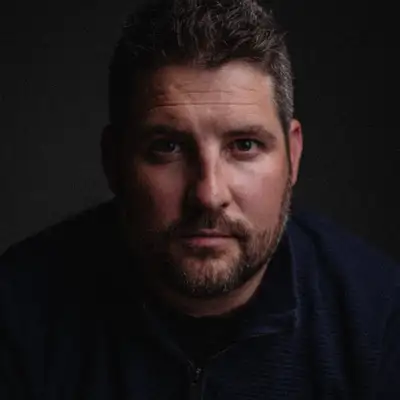
Welcome back to Amplify Good. We're sitting down with Lorne Wang today. So excited about this
conversation. Lorne is a tech founder and entrepreneur turned nonprofit leader and now
consultant with Chisel Consulting, working with nonprofit leaders and boards. I worked with Lorne
back in our World Vision Days, a phenomenal leader, very intentional human. Today we explore what does
it look like for nonprofits to become more human as we navigate an era of rapid change? There's so
much to learn here. I hope you enjoy it. Welcome back to amplify. Good. We're here with Lorne Wong
today. Now, Lorne, welcome. I am thrilled to have you here. You and I met. What was it 15 years ago? Lon
was actually my boss at World Vision for a season. And so he got an up close and personal look at
kind of my my way of working and doing things. Um, Lorne is a founder of a tech
company prior to World Vision, worked at World Vision for a number of years in a number of
different capacities. Now, Lorne, you're a consultant with chisel, uh, working with nonprofit
leaders and an author as well. I have not read your book, but I look forward to reading that as
well. I know it's more of like a memoir and letter to your daughter as well. So welcome. Really
excited to have this conversation. I will say this before I throw to you, when we were talking about
this podcast and what we wanted it to be about and what we wanted to focus on. There were lots of
different themes that came up, and I think as we're looking at the world that we're heading
into and what our clients are facing in the nonprofit sector and where it's trending, we kept
coming back to this theme of, I think the organizations that are going to thrive in the
future are the organizations that find a way to leverage technology effectively in order to
become most human and more human. And what does that look like, and what does it mean now than
ever? Since you and I have known each other, you've been talking and kind of banging this drum of
being more human. So I'm really excited to have this conversation, to talk about what it looks
like for organizations to lean into that. So thanks for being here. Thank you so much for that
wonderful intro. I'm glad to be here. Glad to have this conversation. I think you're right on point
in terms of what it means to be more human as organizations. That's going to make the entire
difference for their futures and their impact. So where did that come from for you? I mean, you've
been talking about more human for almost two decades now, but like, where did that initial
impulse come from? You've been talking about it on a personal level, so as like a personal
development and leadership development mantra. But where did that kind of idea of more human emerge
for you? Yeah, I would say for me, it started just in my teenage years, probably
typical teenager where filled with angst and feeling a bit lost doing the typical things in
terms of rebellion and, you know, drugs, theft, vandalism, all that. I did all that, but also
reading. So I really had this, um, wiring inside of myself just to read a lot in terms of like sacred
texts, epistemology, philosophies, um, trying to ask this question, like, what on earth am I even doing
here? Like, like why? Why does any of this even matter? And I think maybe about 20 years or so ago,
right before my daughter was born, uh, some, some great thinkers around this helped sharpen my
thinking around that. The question I'm really asking is what does it mean to be human? What does
it mean to be human? And that captured my imagination. And, uh, for me, I love. I
think Maya Angelou has this quote around like I'm a human being, and so nothing that's human is
foreign or alien to me, right? Because I'm human. And so that, to me, just opened the doors in terms
of, well, even the person I look down upon or have pity on or despise. Like
within them there are seeds, that of violence, of anger, even within myself. Like like we share that.
And so that empathy really connected with me. That like, I'm capable of all of that too, in terms of
atrocities. I'm going to express it that way. But that's in me. And then on the flip side, I love
Maya Angelou's reflection. Is that, like the things we aspire to in others, you know, when you're
watching a movie and your soul soars, um, something about that draws you like that too is in us. And
so that's where the human thing came out. Like where it's just this idea of like base level
humanity, like being humane to one another, dignity. But then the aspirational
flourishing side of what it means to be human just captivated me. So that's always got me going.
And the idea of more human is like this idea that we could always be a little bit more human. I
like the phrase fully human, but I don't know if we'll ever get there. Right? And but the challenge
for me is like, could I be a little bit more in this next interaction, in this next email, this
next client I'm engaging with? And I think we can all do that. And it's not about capabilities, it's
more about intentionality. And so it's just a reminder and invitation for me, especially for
myself. So I think it applies for an individual but individual level, but definitely also on an
organizational level. Yeah, I think one of the things that's always struck me about you is just
intentionality. You use that word like I in my leadership journey. You know, coming to World
Vision, I was, you know, really young still and trying to figure out my leadership style. And I
ran into you. And the level of intentionality that you brought to everything was really challenging
for me in a good way. Like it? It pushed me to recognize that my ceiling that I perceived on
myself was really just, you know, my own doing. And there was always these incremental ways of
improving myself and growing myself. And I think that more human mantra, combined with the
intentionality that I saw from you, I think, I don't know if you remember this, but you you had
like the number of weeks that you had left to live and every day you would cross that out. And
so it was like living with this sense of, you know, urgency and intentionality and an awareness of
your own mortality. And then, you know, I think even in your book, you talk about these ideas of like,
how do you just become a little bit better every day? And, you know, I saw that exemplified in your
leadership. And so this more human idea of like, how can we get a little bit more human
incrementally over time? And what would that do to us as we lean into that and embrace it fully?
Yeah, it's, uh, I'm still working on it. You see, we were young leaders back then, but I think we're
still young leaders. Yeah. Come on. And it's such an exciting time to to be alive. I'm still counting
down on my whiteboard back there. Uh, the days I. It's a daily thing. I mark it down, and it just
gives me the sense of, wow. Like, another day. I'm still here. I get to be here. And, uh, and as human
beings, we have lots of agency. So we can make today whatever we want of it. And so nothing has
to be the way it's always been done. So that always drives me I love it. So let's pivot a
little bit. I'd love to get more practical just on like the organizational leadership side of things,
the nonprofit sector. Obviously, you spent a lot of time in the nonprofit world now as a consultant.
And, you know, for us as well, working with lots of different organizations, you know, in any given
week, we're engaging with a dozen plus organizations. I'm sure you're the same. So you get
to see a broad spectrum of different types of organizations in different verticals within the
nonprofit sector and what they're doing, what their challenges are, and then you're advising
them from, you know, a strategic counsel level. What are you seeing in terms of trends and shifts in
the sector? What are your clients coming to you with? What are the pain points and challenges that
you seeing them navigate right now? Yeah, I think the most of the challenges or trends are
are obvious. Um, right now, like everyone's talking about, um, the political landscape and
corresponding policy shifts which tend to lead into funding shifts, AI. And sure, we'll get into
that at some point. Um, but I think the biggest ones that I'm sensing that's coming up a lot
that some leaders are missing is what's happening internally. And so across the
sector, I do feel like, um, there is a high level of Discord or disunity within
staff bases across a lot of organizations I'm working with. And so I think part of it might be
just a different set of expectations when it comes to like, you know, new workforce, Gen Z coming
in different sense of what what matters most and values. Um, but I also feel like I've
got a theory around, like, uh, since Covid, people have renegotiated what it means to be an employee,
what it means to, um, put their hours in in terms of a 9 to 5. And so I think that's
a trend where, um, I think I saw this morning, the Gallup organization just released their Global
workforce report. And again, like disengagement, uh, has increased again. And I think
only like 30% of the workforces are engaged, 70% are either disengaged or actively disengaged. And
so yeah, that's costing us massively right. Especially the actively disengaged. Like these are
people who, um, are maybe even, like, countering the internal mission of the
organization. And so, um, I think that is a trend that is
easily ignored because it's internal as leaders. And I got I got to, you know, say like leaders are
having a really challenging time these days. There's so many pressures, but it's easy to just
think about the outward impact and not think about the people internally. And so
I do think there's a high level of disengagement or re renewal of commitment that needs to happen
in a lot of organizations. That's a trend where the staff are just tired. They have other
priorities. They feel like they've lost trust in leadership. That's definitely an ongoing thing. And
then the other, even more internal challenge I'm finding as I'm talking to leaders is, uh,
maybe a product of their own success, uh, being stuck in a particular way of being. That
could be. I don't I'm not subscribed to any particular mode, but like, could be the person that
chases the new thing all the time, or the person that's always protecting the old, whatever it
might be, right? It's often, um, this, this trend of like, uh,
being stuck in the status quo. And that's always been there. But I think it's amplified now because
social media, we're kind of in our own echo chambers. Right? And so the same, you keep thinking
you have the same challenges that you had 20 years ago because you're hearing the same sources,
but actually something there's something new that's emerged and we're missing it. And so I do
think, like there's an internal challenge within the minds of our leaders as well, uh, in terms of,
uh, being open to thinking differently. Yeah. Is that like a is that a vision challenge? Is that
sort of like because I hear what you're saying, there's pressures externally, right? You've got
policy changes, you've got political environment and unrest. You've got, you know, AI fears and all
of these things creating external pressure. You've got funding cuts. You've got, you know, a changing
fundraising landscape. It's easy then to be like in triage mode, where you're just troubleshooting
what's happening externally and the pressures on the organization well, internally, which is the
area where you have the greatest amount of control, which is ironic, right? Because those like
policy changes, you can't really influence or impact to a great extent, but you can impact your
culture and that sense of commitment and clarity of vision as well. Like what does what does that
look like? Do you think it's a vision challenge? Is it just kind of having too many fires to put out?
I think it's all of that and it's it's natural. It makes sense, right? When you have a lot of fires to
put out, your compressed for time. Right. And I think leaders and staff right now are highly
compressed for time. And so they're in a reactive mode. And what I love being able to do when I'm
coming in with organizations is almost forcing or giving them some space to actually breathe and to
calm down and to reflect and to assess. Otherwise they're just going from thing to thing to thing.
And most leaders I got to say are are fried. Some of them are definitely like
reinvigorated. They've got their mission. They're well paced. A lot of a lot of them are, um, running
around and it's it's a challenge. It's a slog. And so I think it's really impacting the choices that
they're making as well, which trickles down to, to the staff. Yeah. We do these one day strategy
sprints where we basically get, you know, a leadership team in the room. We walk through, uh, a
framework and, you know, it's kind of like eight intense hours of, of strategy and planning. So
sometimes it's on the marketing side. And we'll do this more as like a marketing sprint. And then
other times it's a little bit broader in terms of the organization's needs. I'm blown away how often
the feedback is, we haven't done this in ten years, and often from an organizational leader or a
department leader, whoever it might be, they'll go, wow, this was so transformative because we've
never taken the time to get the right voices in the room and to pause. And like you said, take a
breath, give ourselves permission to get above the clouds and just think strategically. And so I
think it happens in little pockets or it happens in like, you know, an hour here or an hour there,
but there's something really powerful that happens when you take that space, you block out
all the noise and you just focus in for an extended period of time like that. Is that what
you're seeing, too? Yeah, yeah. We tend to do like 3 or 4 day retreats, um, which is a massive
investment of time and leadership, especially when you have so much going on. But there's something
in that process, um, not just in the output, right, of like, oh, here's a clear plan. We know where
we're going. But in the pausing, the reflecting the deep listening without
moving on quickly to the next thing that I'm hoping actually builds a muscle in organizations
where they can say, okay, plans change. But remember when we were there together 3 or 4 days and we
wrestled through some really hard things, something shifted in us and now we know we can do
it again when the next challenge comes. So I think that's the the beauty of maybe us as people
externally coming in, almost forcing a pause and some space with some frameworks and
intentionality so that they can do this deep work that they've probably been itching to do, but they
just never really had the rationale or the excuse to do so. And that kind of comes back to the more
human idea, too, right? Like when you do get in a room together or in a retreat setting, you go
somewhere else in a different environment, in a different space. You all of a sudden can like, see
each other in a different way, almost. It's like you can return to that sense of like, oh, there's a
human being behind this conflict or behind this challenge that we've been experiencing. And I
think that in and of itself can be transformative. And maybe that's part of building, like you said,
that muscle and shaping that culture around like, you know, pausing, especially when you're in in
crisis mode two. Right. Like you're putting out fires everywhere. It seems so counterintuitive.
Like, the last thing you feel like you can do and should do is to stop and pause. But I think that's
often like, what is what is most needed is like, stop. Take a breath and think clearly and
strategically, rather than being reactive, reactive and reactionary. Yeah. I think there's there's also
a, um, not just respond to the solution, but the people in the room that you're doing life and
work with alongside and yourself. So very often I'll open up a lot of our retreats with this
affirmation that we're human beings first and, um, we're souls before roles and that all of us
probably have some really strongly held beliefs about the world where the organization should go.
But we probably also have blind spots. And that includes, you know, myself as a consultant, all of
us. And so this level setting that we're human beings, yes, we have strong things, but we also have
we've got some baggage, we've got some challenges, things we don't see and opens up the space for, um,
filling the gaps in with one another as we connect. And so I think that's that's crucial. Um,
not just in terms of, like, the output or the solution, but who we're doing it with. Yeah. Come on.
So long as you look at the like landscape of the nonprofit sector in particular, what are some of
the shifts? So you talked a bit about the internal pressures and some of the external challenges, but
are there any like kind of macro shifts that you're seeing at work that are impacting
organizations, either negatively or even creating opportunities to the positive that organizations
need to be paying attention to? Yeah. Um, a macro shift that's been happening for a
while is definitely the loss of institutional trust. Yeah, right. So that's been going on forever.
Um, but I think it's at a just at another level now. Um, especially when you were having like these
mass layoffs of 30,000 people over an email these days. It's just they're just like, oh, like I belong
here. They pay me. But I don't know if they really, you know, care for me that much. And so I think
that's a sentiment that's in the air where it's almost pushing people into their own corners, into
survival mode. I'm out for myself, which is very, um, counterproductive. I'm trying to work as a team,
as an organization. So I think that's one I would say technology. I mean,
most non-profits, unfortunately, tend to be laggards. Right. They still got strategies from ten,
15 years ago. Yeah. You got a website up. But like so many things have changed, right. In terms of, um,
two way communication. Um, your ability to learn instantly. Um, so I think
that's something that some organizations are grappling and, uh, taking hold of and doing
something with others are like still figuring out they don't realize what's being said about them
right now, and that's how that's impacting their, uh, their reputation and then technology in terms
of just trying to keep up with it all. Um, and I think some people just let go and just business
as usual and others are trying to figure things out. So that would be another big one these days.
Yeah. There's a whole continuum, right, of organizations that are going well. It's moving too
fast. I don't understand it. So we're just going to keep doing the thing that we've always been doing.
Yeah, that's not new, though. I feel like, you know, getting into this space for us 11 years ago now,
when we started anthem, like, we were trying to convince nonprofits that social media was a thing
and they should be paying attention to it. And I remember just feeling like, you know, you're
banging your head against a wall and it's like, no, no, no. We're like, most of our revenue comes from
direct mail or from foundation. So we're just going to live in that world. And it's like, okay,
but the the, the change that's happening, the march towards digital has been relentless. You know,
there's there's a series of questions that I've often asked our clients when they're struggling
with this. And I'll ask them, like, Will the world tomorrow be more digital than it is today? The
obvious answer is yes. Okay, so if that's true, then is that trend accelerating or is it slowing down?
Okay. Well it's accelerating. It's obvious right. Is that trend likely to change or
reverse. And the answer is clear no. And so it's like okay so how are you adapting your strategy.
How are you changing the way that you're operating as an organization to reflect this. And
I think that was true over the last decade. Now it's like the pace and
the rate at which this is changing and advancing is dizzying. Like, I'm I'm very
closely paying attention to this. I've got my finger on the pulse of what's happening with, you
know, AI and emerging technology. I've been on the cryptocurrency and blockchain thing for a long
time as well. And, you know, the rate of change now is putting organizations in a place where, like
you either. And I hate to use hyperbole here, but you either adapt or die. And I think we're
entering into a season in an era where that is actually becoming true. You know, before whether
you embrace social media or not, you could still continue somewhat status quo. And yeah, you might
see a decline in revenue slowly over time. But I think the slowly over time now is going away and
we're just kind of running towards a cliff in a sense, and the organizations that don't see it
coming or aren't willing to put in the time to understand it and learn it and embrace it and
figure out how to, you know, adapt and benefit from it are the ones that really are going to struggle.
So I think, like, there's a whole world in there for us to get into as well. Yeah, absolutely. It's
it's kind of scary. I'll say, um, because I do think most nonprofits are moving far too slowly. Slowly.
Um, because I do sense there's a scarcity mentality still, um,
where I'm just still trying to put out this next flier. I don't have the resources or the bandwidth
to look into that next thing. And, uh, and especially successful nonprofits like you got to
be looking at that thing that started you in the first place, which was usually a pioneering spirit.
Right? That took a leap and said, hey, there's this opportunity, and I have this new tool or way of
connecting with people and bringing them together. And I think we're very often settling
and, uh, and, but I recognize it's really hard to do. Like, let me just say, like, as an outsider, like,
it's easy to say you've got you've got trade offs to make. You know, keeping the lights on. Um, versus
the next thing. But right now we're at such a tipping point that, like, you're right, like a lot
of organizations are going to have to close their doors or are closing their doors already. And so
it's it's time to go all in, or at least put more chips in or kind of slowly tap out and,
uh, yeah, there's almost no going back now. So what would you say? And this. I'll just put you on the
spot here. But like, what are the characteristics of an organization that you think has the
capability of making the, the pivot and the shift and adapting versus the ones that don't? Are there
any like when you're working with an organization, talking to a leadership team, are there any kind
of telltale signs of like, oh yeah, they're they're going to make it. They've got the right, you know,
mind, mindset and way of thinking about this versus like, oof, I just don't think they're going
to be able to make this leap. Yeah. One I think is it does go back to vision
and it's easy to have a vision. You just kind of refresh every few years and it's
just incremental. Um, or it's just it's plateau. And so I do work with organizations where the right
thing for them to do is to plateau to some degree, or to stay the course, um, Or even to
decline healthily, hopefully. But I do think you need to have a vision that's compelling enough
where demands, the resourcing, the imagination, the risk taking of your
people so that you can go there. Otherwise, um, there isn't rationale to to
explore new territory. So I think that that's one thing. Um, knowing your priorities is another,
because you can't explore every single opportunity. And so I know so many organizations
that are chasing 12 things and just leaking sideways energy everywhere, all over the place, and
they can't make any traction at all. And so I do think we're going to have to make
bets. There's no guarantees. We're going to have to place bets on certain priorities and go with it.
And so organizations that are that have a practice or a discipline of that will do it best.
And then actually on discipline, I do think Organizations that are wired to, to execute
rapidly, um, are going to win as well. It's kind of like that, you know, startup principles build as
you learn, right? Those who are like taking what what's out there, trying something and
extrapolating some type of insight, those are the ones that will figure it out in the long run. Like
because because it's it's about the number of trials almost these days. Yeah. Versus getting it
right from the start. And so the organizations that have this say typical bias for action, um, and
combined with a vision like those are the ones that are going to find the next thing because
it's not obvious right now. And so but if you have this mantra of like, oh, we're going to test, we're
going to learn. We know we can't figure it out from the beginning, but in that process, we're
going to become better and we'll probably stumble on something magical like that's where. Yeah, uh,
that's where organizations are winning. Yeah, I think it was Jim Collins in maybe Great by Choice,
where he talks about firing bullets before you fire the cannon. And this idea of just kind of
like. You know, you make these small bets and you don't bet the farm on it, but you then recalibrate
and you kind of adjust, adjust, adjust until you go, oh, that's it. That's the right way forward. Then
you fire the cannon. Um, I mean, you guys do a lot of work in the realm of strategy with nonprofit
organizations. And you talk about prioritization, like our core definition of strategy is just
ruthless prioritization, like at its core, strategy is really just saying, what are we saying yes to
and what are we saying no to? And so like that's one of the things that and our sprint is
essentially built around that whole concept. You know we board a lot of principles from
essentialism, from Greg McGowan, where, you know, he talks about if everything's a priority, then
nothing's a priority. And and actually this this part of the book blew my mind. But the word
priority didn't come into the English language in the plural to like, you know, 500, um, at 16.
Right. And it was it was like, there is no such thing. And the definition of priority is the
primary, the primary thing, and you can't really have more than one priority. And so that's often,
like you said, organizations running at a dozen things at once. And, you know, I think that's one of
the things that we often see is, is they fail to do the difficult work. Um, and in the essentialism
language of identifying the vital few from the trivial many. And I think when things are moving
so quickly and shifting so rapidly, like it's a moving target to figure out what actually matters.
But I think going back to mission and vision and purpose, when you look at those things like those
are such anchors too. And I've often said whether it was in my my leadership journey of, you know,
leading love Works or at World Vision leading teams or even now in the work we do with clients,
I often will say like, if the mission matters, it necessitates us going through this.
Whatever change, whatever transition, whatever, you know, pivot or adapting, we need to do. And and so
it's kind of like, does the mission still matter? Like does the work that we're doing still move us?
Is it still worthy of our lives and our time and our energy and our effort. And if the answer is
yes, then maybe it's worth going through the pain and suffering of restructuring the way that we do
things. And I think one of the core challenges for organizations right now is, is actually it's it's
mindset related more than it is functional or strategic. I think it's how do we
reimagine what it means. And I think this is a critical conversation that the sector needs to be
having right now. How do we rethink and reimagine what it means to be a nonprofit in 2026, in light
of this oncoming wave of, you know, AI, technology and robotics hasn't even really hit yet. And, you
know, you have so many things that are coming so quickly. And I think it necessitates this. Okay,
let's pause. Let's begin this long journey of rethinking what it might actually mean to be an
organization that does the kind of work that we do in light of where the world is going. And I
think the organizations that fail to do that are really going to struggle. Yeah, I'm right there
with you on that. I do think, um, a lot of non-profits, you know, in their attempt to kind of
mature, have almost professionalized the soul out of the organization. And so
they've lost a bit of their fundamentals and they can return on their vision statements. But like,
um, to really realize that people are actually counting on you to innovate. Right. Your your
donors want you to do something special. Those you're serving need you to do something
extraordinary because they actually are desperately in need of your services. And so, um,
but when we kind of get into this mode of, oh, like, we're, we're doing good work. You know, it's
wonderful. Uh, I'm glad it's not like, um, evil work. Uh, I'm glad it's helping somebody. Um,
if there's something that we've lost an edge, I feel like at times, amidst all the firefighting,
trying to survive and having systems in place where we've lost like the I won't say the heart,
like I know it's all there, but there is an edge when you're on mission because you're so
motivated and moved each morning to get a little bit further, to crack the code on whatever this
new offer might be or whatever this new service might be. And and I think we need to also
recognizing the humanity in all this, people need space to do that. Like they really need to have
carved out intentional time to get out of firefighting mode and
to reconnect with why they're there in the first place. Yeah. That becomes really challenging, though,
when you go back to, you know, the the study you cited of like so many disengaged,
you know, or kind of apathetic team members. And what you're seeing internally within teams is
like, because innovation is hard work. Like it's challenging reimagining how you do fundraising,
Reimagining how you, you know, do your service offering or how you treat data within an
organization, how you do donor engagement and communications, like that's that's difficult work.
And if there's no core conviction and this kind of like driving, we must it's an imperative.
If you don't have that heartbeat and impulse throughout the entire organization down to the
lowest levels of the organization, I think change becomes difficult. Like the status quo is easier.
It's simpler to live in what's familiar. But I think the world we're heading into, it demands, you
know, innovation. It demands rethinking and retooling and reskilling and all of these things.
But if you don't have that animating force and that kind of core conviction driving you like
that, we we must this work must continue, then I think it becomes really challenging. And maybe,
maybe I think organizations that are founder led have more of that impulse or that entrepreneurial
spirit. Right. The we we started this. We. We built this from the ground up versus maybe larger
organizations with a lot more red tape and layers. You know, it's it's almost a self-preservation
mode of like, well, if if I think too far outside the box, I'm going to lose my job. So I talk to
that a little bit. Like, what? What do you what do you see there. Yeah I'll say one I it is on
leaders to drive this. Um, I mean it's a hard job, but if you've taken that mantle,
um, it is on you to, um, keep that mission so close to the your heart
and every fiber of your being. Um, and to distill it in a way that people
understand. So in a brilliant leaders, um, but no one's really following as well. Right.
And, um, and they haven't been able to articulate and maybe this is an internal marketing thing.
They haven't been able to articulate what their vision is in a way that's compelling enough for
people to, to move with them. And so I've met with a lot of organizations where staff are almost
saying, just tell us what to do. Like they've almost a bit of resignation. There's so much
confusion. Just I don't because usually like an active workforce, people would have their agendas,
know weeks to go here. We should go there. But there's almost a sense of like, I don't it doesn't
matter. Just just tell me what I need to do and I'll go there with you. But because the leaders
aren't clear themselves, it's causing so much friction and wasted energy. So I do think, uh,
leaders need to carve out that space so that they can be intentional and and
hold and curate that the, the culture of the organization in a way that reflects the the
heartbeat of the organization. So that's a big thing for me. I'm losing track of what your
question is. No, that's yeah, I'll piggyback on that really quickly because I think it's actually
there's a brand component to that. There's a communication aspect to this as well. And we see
this all the time. So a huge, you know, portion of our work is in brand strategy and also developing
campaigns. In the last 6 to 9 months, there have been a number of organizations that we've worked
with where we've crafted a campaign or we've gone through a branding exercise with them, where we've
been able to take the essence of their organization's mandate and mission, vision and
purpose, and distill it down into, for better, you know, a lack of a better term into a marketing
message that's externally facing. And the feedback we've gotten from the client is this has been
more transformative on our internal culture than it has been on anything we've done externally. You
know, there's one organization that they've they've been around for 20 years. And, you know,
they just kind of let their brand drift. And there was no real sense of connection. There was no like,
you know, tagline or, or mantra that really was this kind of invigorating, you know, shared
language that the organization had. And we crafted, I think, a seven word tagline for the organization.
And they they released it internally before it went public. And, you know, their feedback was like,
we're hearing it in the hallways. We're hearing people talk about this when they're, you know,
teams are in a meeting and wrestling with the challenge. They're they're mentioning this. They're
talking about it because it's bringing them back to that core mandate in that sense of what
they're doing. And I think that's one of the things that's often overlooked is, like, you think
of branding as an external reality or something that benefits, you know, the the stakeholders that
you're engaging with on a public level. But I think there is, from a leader's perspective, like
having a one, you know, short one liner, I think long we actually did that back at World Vision
when we were together. We crafted a one liner for the work that we were doing with youth and
students and that like sticky kind of repeatable message that can kind of constantly anchor you
and bring you back is insanely valuable. And we see that time and time again. Yeah. And I often
tell organizations to even think about the way they talk internally as if
they're external stakeholders. We're looking internally because if you're using all this
jargon internally, however, you try to convert your language externally. Your internal jargon will
leak out. Yeah, right. Your internal insecurities will leak out. And so it's so important to ensure
the the language you're using, even the processes you're using internally, the the way you're
speaking about yourself is aligned because it's just going to come out. People will sense and feel
what you're really meaning behind the words, even if it's got pretty marketing language around it,
through maybe a sales call or through a one off volunteer engagement. All of that always comes out
to the surface eventually. So, um, yeah, I do think like, brand is completely an internal thing as
much as it is externally. And also, just the other thought that just came to mind is the other thing
I've been beating the drum on the last while is this idea of alignment over ambition. I've been
saying that a lot for organizations because, Um, I mean, it's wonderful to have a beautiful ambition.
You got to have that big, compelling vision. But the job of a leader is to ensure everyone is
aligned on that. And, um. And you can't have, like, dead weight
stragglers. People have an altar counter vision. Um, and sometimes maybe you need to also listen and
adjust your ambition. Right? Um, but that a level of alignment is there's nothing like it. Right. I
don't know, like, if you've seen an organization where everyone is all horses are running in the
same direction. Um, trying to solve the same big problems. It's almost unstoppable. Yeah. Right. And
it's just fun to to be in an organization like that. So, um, the work of alignment, like, I wouldn't,
like, make that secondary in any way. Like, that's that's so much a part of what a leader needs to
do. Alignment over ambition. Oof! That's worth like putting on the wall almost. You know, just saying
that our one of the core kind of purposes of our sprint is alignment. And so it's it's, you know, yes,
strategy prioritization but also alignment. And I think that's one of the we didn't intend that to
be one of the peripheral benefits or core benefits of the sprint. But as we started doing
them more and more, we started realizing teams are coming in and everyone's kind of got their own
thoughts or perspective on where they should go, and they walk out after a single day. And the
level of alignment is is beautiful. Like it actually almost creates its own energy and
momentum when you have that kind of alignment like you just described, you know, everyone is
rowing in the same direction. Like it makes the organization unstoppable. It creates its own
momentum and internal energy, which is which is really profound. Um, all right, let's start to wrap
this up long, but I'd love to get your thoughts on like where if if you were to put on your futurist
hat which, which I know you're really good at doing, where do you see the nonprofit sector going
in the next 1 to 3 years? What do leaders need to be paying attention to and focusing on in order
to, you know, not just survive this this next season, but thrive in it as well Right now.
There's so much there is so much change. And especially with things like AI, there's
it's unpredictable actually, I'll say right now and three years out, even the leading experts
don't know really what's happening other than fundamental change will happen even in the next
year. Three years is like gargantuan change. And so, um, I do think leaders
need to if you're not going to be the one paying attention to things like AI or other emerging
technologies, it's likely someone in your organization that is a go getter that is
exploring, curious, and so, um, lean on those people. Uh, and not that you have to, you know, they're not
running the ship either. You're ultimately accountable for making decisions. But but to
actually learn from those who are already within the organization or even those, like, adjacent to
your organization. Uh, because changes is definitely coming. The other thing I'd say
is with AI, you know, there's a lot of talk about like job loss and all that which will probably
happen is, um. I heard this thing with Jensen's hand of, uh, Nvidia where he
talked about how, like, you know, organizations that are cutting staff due to AI or actually, um, being
lazy. And it's because they're lacking vision. They're just trying to do the same thing, but with
less cost and less human effort. But what would it look like if instead to have an even bigger
vision, where you can have the same people in your organization equipped with AI and new
technologies to reach an even greater result, a greater impact? And so, um, I think that's something
to to pay attention to. I do think counter to AI and all the technology is the human stuff. Yeah.
Where um, I think we've already been doing it. Organizations are kind of, um,
while we're fearing, you know, machines taking over. We're really treating humans like machines. Yeah.
And we need to be really, really cognizance that humans right in our sphere
they are. They are the ends in many ways, not just the means. And so, um, yeah,
paying attention to the health of the organization, how humans are interacting, what
people are saying, sensing and feeling like in that Gallup Organization report I just read this
morning, like top three feelings people have had over the last day they surveyed was anger, stress,
sadness, and loneliness. Whoa. Right. Like, that's that's that's telling, right? That's what people
are predominantly feeling on a day to day basis. Um, you've got those are soft problems you can say,
but they're also really hard. Yeah. Right. To, to address. Um, but the really great human
organizations will will address them. Right. And so when I think of, you know, we used to say the
mantra of like, you know, whoever tells the best story wins. Yeah, I do think the most human
organizations will win. And it's not in the sense necessarily just hockey stick. Curve everything up
into the right and growth or you'll dominate your in terms of market share. But human organizations
will win because people will love working in them. They'll love waking up in the morning,
contributing towards a mission, being challenged, and feeling a sense of purpose with those that
they're ultimately impacting. So that's that's what it means to be like a human organization to,
like, really have a fulsome understanding that you're working alongside other human beings. And
this work matters as much as those you're working with. Yeah. Love that. All right. Give me
some hope here. Like your most optimistic take on things. Where are you
most excited? You know, seeing whether it's whether it's related to AI, whether it's related to, you
know, organizational shift and change, um, coming like where are you most
optimistic right now for the nonprofit sector? Where do you think the best opportunities are. I'm
highly optimistic, I think, because we're almost forced to change. And so like I'm imagining like a
new era for nonprofits. I think they've been down in the dumps to a degree for a while.
Um, but we're in a time where the world needs nonprofits. Like, more than ever. Like demands are
soaring. Um, and tools are also at their disposal now. And so
there are going to be a lot of organizations I trust that will crack the code on this. And,
um, and I do think technology ideally like maybe on the up front side where you're brainstorming
ideas and at the downstream side in terms of, um, automation, execution agents, all
that. Um, that can be really helpful, but it's still work in the middle of synthesis, distilling
Alignment, making key hard choices. Like that's actually going to be an exciting place to to play
in. If you're inside of a nonprofit organization like, oh, like, we can get rid of some of this, um,
offload some of this, you know, you know, easier, um, taxing, laborious work and actually get to the
thing that we actually came for. And so I think there's an opportunity for nonprofits to be
reinvigorated because they're going to get to do what they actually came for. Yeah. Um, and then just
like I'm curious, I don't have the answer, but there's going to be a sense of reinvention across
the sector. So I'm highly hopeful. Yeah. Same I you know, I'm I'm clear on one thing. I think the
organizations that are going to be thriving three years from now will look different than the
organizations that were thriving three years ago. And I don't know that they're going to be the
same, to be honest. And and I hope they are. You know, obviously, I want every organization to
thrive. That's the nature of what we're here to do is to amplify the impact of organizations
pursuing human human flourishing. That's our whole mandate as an agency. But I think the type of
organization that is going to be thriving in 3 to 5 years might look very different than what has
looked like in the past. And so I'm curious, you know, I'm along for the ride. We're here to learn
and support and and be wind in the sails of those organizations that are willing and courageous to,
you know, make the changes and pivots that are necessary in order to, to thrive as well. So, um,
long we can talk for hours. This is so fun. Really good to reconnect with you. I love your
perspective. And I think just if there's anything that I want listeners to take away is, you know,
human wins at the end of the day. And organizations that become more human, both
internally in terms of culture, in the way that they interact with each other, and that shared
alignment and vision is so important and vital, especially at this
current moment. And then just being that encouragement to leaders, you know, to to dig deep
and to figure out what does it look like to become a little bit more human every day. And I've
seen you do that over the years. And so really appreciate your, your friendship and, and just the
wisdom that you bring to the, to the sector, the work that you're doing with chisel. And I'm
grateful for this conversation. Yeah. Thank you, Graham, for for this space this time, but also
everything I know you've been up to in the world. Thanks a lot. Appreciate it. Where can people go
find you and track along with what you're doing? Uh, chisel consulting.com. That'd be our main spot.
So we're working with nonprofits, executives, leaders, boards and helping elevate their impact
in the world. I love it. Thanks so much, Lorne. Appreciate you. All right. Thank you. Thanks for
listening to the Amplify Good podcast. And hey, if you found this episode valuable, would you share
it with someone that you think would benefit from it? And don't forget to subscribe so that you
don't miss an episode. It would also mean the world to me if you would drop us a review on
whatever platform you're listening on, so that we can reach a wider audience. Thanks again for
listening, and we'll see you next time.