Subscribe
Share
Share
Embed
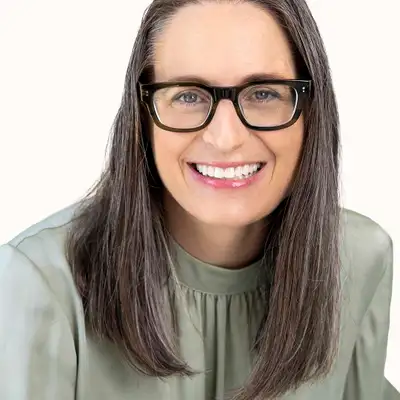
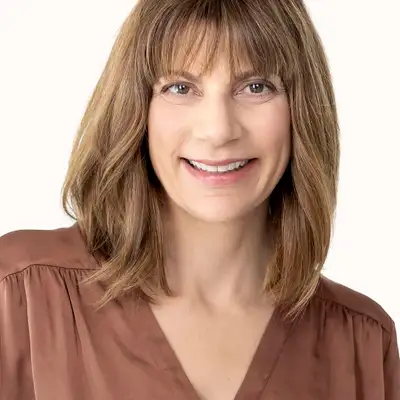
Born from 20 years of friendship, during which they navigated the trenches of autism parenting and advocacy, the Refrigerator Moms is Kelley Jensen and Julianna Scott’s way of reaching out to parents waging the same battles they were. Their purpose with this podcast is to clear the fog, silence the noise, and find a path through neurodivergence for parents that are stuck between bad choices. They tackle parenting topics such as mom guilt, tantrums, pathological demand avoidance, siblings, medication, comorbidities, social media, and much more.
Julianna Scott 00:00
Today's guest has interviewed politicians, doctors, advocates, and Temple Grandin herself. He's heard what's working, what's failing, and what nobody wants to talk about, and he's did it all as an outsider, a Grammy nominated music producer who has no reason to show up for our community. Yet he did, and he's leading the way. We're very excited to talk to Tony Mantor.
Julianna Scott 00:26
So welcome back to the Refrigerator Moms podcast, where we get honest about what it really means to raise an autistic child. I'm Julianna, and this is my co-host, Kelley. We're glad you're with us today. We're doing something a little different. Our guest isn't a researcher, a clinician, or an autism parent.
Julianna Scott 00:43
He's a Nashville music producer with over 30 years in the industry, but somewhere along the way, autism touched his world, and instead of moving on, he built an entire platform around it, autism and mental health. So we're going to find out what he's heard from parents, advocates, doctors, and the autistic people he's sat across from, and what all of these conversations have taught him about where our community is, what we're getting right, and what we're still getting wrong. So, Tony, hi.
Tony Mantor 01:13
Hey, thanks for having me.
Kelley Jensen 01:13
Thank you for coming on.
Julianna Scott 01:13
You're a Nashville based producer, singer, songwriter, founder of Plateau Music, 17 songs in the top 10, label of the year, manager of the year honors, appeared on Grammy ballots as producer of the year, and somewhere along the way, you started a very successful Why Not Me podcast in addition to a very successful podcast all about Nashville. So tell us about Why Not Me and its success and how it came to be.
Tony Mantor 01:48
Well, it was an interesting journey. Basically, it started around COVID. There was nothing to do. All my artists that I was working with, no studio, no recording, no shows, no traveling. And I was a singer songwriter before I moved to Nashville, so I'd always said that I was going to go back to my roots and record just for the fun of it. Well, because COVID happened, I did. So then I received this song called Why Not Me by a friend of mine that had written it.
Tony Mantor 02:18
And it was about never giving up on your dreams. Just keep going. And I told him, I said, you must have written this song with me in mind, because that's what I put on my social media all the time, is you're never too old, just do it.
Tony Mantor 02:34
And so I recorded it, and my promoters in New York, Nashville, Louisiana, and London wanted to hear what I was doing. So I just finished this song, so I sent it to them, and they said, oh, you got to release this. I said, nah, I'm just doing it for the fun of it, not going out there, getting back on the road again. So ultimately I did, and then I created a video to go along with it that supported our first responders.
Tony Mantor 03:00
So with any single, it's got a shelf life, usually about six to nine months. So it hit some various charts around the country and went on for quite a while, and then eventually it started slowing down. I said, well, this was fun, you know, I had a good time.
Tony Mantor 03:16
Then I get this call from a lady that liked the song, and she says, could you do something like this for us? And as it turns out, she was a speech therapist for autistic children. So I told her, I said, I really don't know anything about autism. I've just got a couple of friends that have some autistic people in their family, but they never talk about it, so I really don't know anything about it. So, long story short, I decided to re-record the song as an adult contemporary pop song.
Tony Mantor 03:51
And I did the video, and I called it Why Not Me Nashville, and I included autistic and special needs people from Nashville in the video, and it just blew up on me. I mean, it got, I don't know, a couple hundred thousand views, and it just kept going.
Tony Mantor 04:09
At the time, I was doing a podcast out of New York City that was based on business, and my part of it was the music business. So I told them, I said, you know, the last five minutes of the show, let's point a finger at the video that I've done that supports autism. So they did, and we did it. And then about 10 episodes in, they wanted to renew my podcast episodes with them, and I decided, you know, I think I'm just going to try my hand at podcast by itself and see what I can do.
Tony Mantor 04:43
So everyone expected that because I'm in the music business, it was going to be a music entertainment podcast, and I decided to run with autism, because the video and all that was gaining momentum. So I said, well, you know, let's see what happens. And I really, truly didn't know if I was going to be accepted or not, because I'm an outsider, don't know anything about autism. You know, what's he doing? Is he doing this just to get views and posts and stuff?
Tony Mantor 05:07
So I didn't know what was going to happen, and I did it, and I was going to just do like a couple of shows a month, and I figured it would last me five or six months and it'd be done. And within a month, I had so many people wanting to come on it that it turned into a weekly episodic podcast, and ever since, it's just continued to grow.
Julianna Scott 05:33
So when people were approaching you to be on your podcast, what do you think they wanted most, to tell their stories? Like, what was motivating them to reach out to you?
Tony Mantor 05:41
Yeah, because the one thing that I did before I started this podcast was I went on some of these charts and I looked at the top podcast episodes out there, and the one thing that I found that was kind of disturbing to me was that I didn't know anything about autism. I listened to these podcasts and I walked away knowing less about autism than when I started, because they were so clinical and so sterile that if I didn't know anything about it, I got lost.
Tony Mantor 06:19
And I'm going, you know, if I'm a parent that just found out that my child is autistic, I listened to this podcast, I'm going to be more afraid of autism than when I started listening. So I decided, tell a story. Tell me your history of autism. Tell me how you found out.
Tony Mantor 06:40
Tell me what caused you to find out. How did you feel after you found out? You know, I started telling stories that people could follow along, and if you didn't know anything about autism, then you might learn something.
Kelley Jensen 06:59
Well, people who have been through an autism diagnosis all have a fascinating story to tell. So kudos to you for knowing that instinctively. What is the thing you have learned the most about autism?
Tony Mantor 07:11
You know, I've been doing this for three years now, here in another couple weeks, it starts my fourth year.
Julianna Scott 07:24
Oh, congratulations.
Tony Mantor 07:26
And what I've learned is just so wide, you know, in everything, there's just so many different facets of autism that people don't know about, that people don't realize. And it's, you can't put a label on any one thing, and I can't point at any one thing I've learned, because I've learned so much.
Julianna Scott 07:51
Are you taking care of your brain? You've tried medication, you've gone to therapy, but has anyone talked to you about brain care? It is the mental health treatment no one has told you about. At Brain Performance Technologies, we help with depression, PTSD, autism, and many other mental health conditions. Our treatments are drug free and non-invasive. Reach out to us about insurance options. Brainperformancetechnologies.com
Julianna Scott 08:12
You know, you started knowing very little, knowing some friends with kids on the spectrum. So how has your perspective changed about autism? If it's not what you've learned, has your perspective changed on it?
Tony Mantor 08:26
Oh, completely. I mean, because when I first started this podcast, I knew absolutely nothing about autism. I had a friend that had an autistic nephew, but he never talked about him. He never told me what he was going through, other than at his life, about 30, he had the mental capacity of about a 13 or 14 year old.
Tony Mantor 08:51
That's all I knew about autism. So I had this perception of what I thought autism was because of that. And then as I went through and learned from people that told me their stories, my whole perception changed. And to be quite honest, when I first started this, because of the perception, and I like to use perception rather than stigma, you know, because people use stigma all the time, and I think it's a bad term. I think perception is a better term, because everyone has their perception. I had mine, and mine was, do I want to do this? Because autism isn't talked about a lot, and especially at that time, autism isn't known. It has this mystery about it, on what it is.
Tony Mantor 09:45
Do I want to jump into that? And so I decided to do it. And the very first episode that I had was such an eye-opening episode, because she was diagnosed in her 30s, and she knew that in school she was different. And she made the comment that I thought was really telling, that everybody needs to know, is that when I was in school and I was sitting at my desk, when I got up and I left to go home, autism didn't stay at that desk. It followed me home.
Julianna Scott 10:22
Wow.
Tony Mantor 10:23
You know, so that was a big statement. And then the interesting part, and this, I think this is part of the reason why my podcast blew up, because she made this comment that was so eye-opening. And it was how autistic people take things very literally.
Tony Mantor 10:46
So one morning, her mother goes into the bedroom, opens up the drapes, the sun shining, she goes, what a great day for the human race. So she instinctively thought that, okay, I've got to go down to the corner store, I've got to beat my time. Every time I go down and come back, it was literally a race, every single time.
Kelley Jensen 11:07
Yeah, that is so funny.
Tony Mantor 11:09
Yeah, she was just outside of London, and that statement resonated all across England.
Julianna Scott 11:15
Yeah, I had from England, email me, can I come on your podcast? Can I come on your podcast?
Tony Mantor 11:23
Yes.
Kelley Jensen 11:23
We all have some of those great, we all have those stories for sure. My son's name is Beau, and I call them Bo-isms, because they are just, you know, they're quite charming.
Julianna Scott 11:36
So as you look back on your music career, you know, musicians throughout history have known to, or are known to have perhaps had autism, would certainly be diagnosed today, some of the most famous musicians of our time. Do you look back at some of the people you work with and wonder if, through the lens of what you've learned, they might have been on the spectrum?
Tony Mantor 11:56
Well, you know, interesting enough, I had a singer songwriter that came to me and she says, I want to come on your podcast. And I've known her for a long time, and I said, why would you want to come on my podcast? She goes, because I'm autistic. I just never told you.
Julianna Scott 12:07
Oh, wow. Okay.
Tony Mantor 12:09
So she came on and told me her story, you know, so the beauty of a lot of the, if you want to call it the beauty of it, is the masking that goes on, is that some people mask it so well that you really can't diagnose by just being around them short bursts of time.
Kelley Jensen 12:32
Right.
Tony Mantor 12:33
It's going to take a while before you start realizing, okay, this starts to make sense, this starts to make sense, okay, this is probably what's going on.
Julianna Scott 12:44
Yeah, there's been a lot of talk about girls and masking especially, and it's interesting, I was just reading an article the other day about how for women, masking is very taxing emotionally, and for men on the spectrum, they seem to derive some real benefits from it, like they seem to be, that's an overgeneralization, but it is interesting. Now, talking about people and masking, it's just become such a big topic, and the camouflaging and what people do.
Tony Mantor 13:13
I had, speaking about masking, I had an interesting story, and this really blew my mind, because this guy was diagnosed autistic by Chat GPT.
Julianna Scott 13:32
Oh, okay.
Tony Mantor 13:34
And the reason why is because he'd use Chat GPT for three years or so, and he kept a thread going, he never just started a new one. And his 10-year-old daughter was diagnosed autistic, and she one day told him, you know, you're autistic too. And he went to Chat GPT and says, you know, my daughter just says I'm autistic, am I autistic? And Chat GPT went back through the three years and gave him like a 98%, that he was, with 98% certainty.
Tony Mantor 14:00
So the interesting part about that is he felt relieved because of it, and he just went out and started just being himself. And he was in this situation to where someone around him said to him, you're acting a little bit differently, are you okay? And he realized he wasn't masking, and then he put the mask back on. Everything was okay.
Julianna Scott 14:29
Ah, oh geez.
Kelley Jensen 14:36
So your podcast has branched out, though. I mean, 19 million downloads, it's incredible, right? You have branched out from just speaking exclusively about autism to a variety of mental health issues, and they're all so fascinating. I'm particularly drawn to the episode about anosognosia, and talk about that, because Julianna and I were just talking about it. I mean, this woman is very studied in mental health, and she didn't know that diagnosis. I mean, I really appreciate you shining a light on things like that. So tell us about that.
Tony Mantor 15:19
Well, the reason why I changed was because every year I did a special event for autism, you know, in April. So last year I was doing a 30 day straight, an episode every day for 30 straight days. And I had a lady that came to me and said, you know, we work with a lot of people that deal with serious mental illness, would you consider doing something like this for us on May, which is mental health awareness month? And that was last year, and that was six months before the, before May.
Tony Mantor 15:48
So it was around November, December of 24, and again, I had to start thinking, it's like, okay, serious mental illness, that's even another step of stigma, if you want to use that word, that's attached to it more so than autism. Do I want to go there? Because you can deal with such a wide variety of things, and because I had already started doing special episodes once a month with people that were bipolar or ADHD, just to kind of shine a light on some of these people.
Tony Mantor 16:24
I decided that I was going to do it. And in that period of time, I came across so many people that told me their stories, and I was taken back by it. I mean, I'm going, whoa, this is way deeper than I ever anticipated. And at the end of it, I decided that I have got to keep this going.
Tony Mantor 16:48
Because, yes, at the time, my podcast was called Why Not Me, the World Autism Awareness, Acceptance and Understanding. And then I decided that I have got to change this. I have got to embrace autism and mental health. Because as much as all the autistic people told me that they don't have a platform to tell their stories like this, when you get into serious mental illness and schizophrenia and anosognosia and all that, it's even less, they have less of a platform. And so I decided to rebrand last June, and I did.
Tony Mantor 17:30
So it's now, it's just Why Not Me, and it's embracing autism and mental health worldwide, where I tackle anything that falls underneath that umbrella. And interestingly enough, I had a lady that came to me, and I said, well, I'll put you in May for Mental Health Awareness Month. She was, no, no, no, no, I have to be in April for autism. I said, but your son has serious mental illness. She goes, yes, but my son was diagnosed autistic at 12. She goes, they have to know, and they have to hear that it can overlap.
Kelley Jensen 18:09
Yeah, well, we definitely talk a lot about it, as much as you hear of ADHD and a lot of other things overlapping autism, you don't hear that much about serious mental illness overlapping with autism.
Tony Mantor 18:16
Very true. So I did it, and at the end of it, she goes, I bet you didn't expect to be talking about an autistic child that became schizophrenic that killed his grandmother.
Julianna Scott 18:41
Oh.
Tony Mantor 18:42
I said, no, I didn't expect that, you know, but it turned out to be a tremendous story, you know, and she branched that. So anosognosia basically is a person believes what they are thinking. So if I see you as a demon that's trying to take you over, and you say, oh no, there's no demon there, I think you're the problem, not me.
Kelley Jensen 19:05
Right.
Tony Mantor 19:06
So I might try and hurt you, but I'm not trying to hurt you, I'm trying to save you, because that demon's trying to take you over. But in the interim, I'm hurting you.
Julianna Scott 19:20
Yeah, so it's a really tough situation.
Tony Mantor 19:21
And you asked me my perception of autism before I started and after I got going. Well, let me tell you how I look at serious mental illness now. Before, before I started the podcast, expanding it to serious mental illness, if someone went out and did something bad, my first thought was, put him in jail, throw away the key. Now my first thought is, I want to know more. Is that person just a bad person because they are out there, or is this person a bad person because the system failed them?
Tony Mantor 19:56
And many, many times you will see where these people that have done these bad things have reached out for help, they've tried to get help, but the system failed in getting that help. And then they wound up becoming schizophrenic, and maybe anosognosia took over, and then all of a sudden bad things happened, and then they're in the jail system, and the whole thing just falls apart.
Julianna Scott 20:32
Yes. Well, thank you for your advocacy. Those are very powerful stories, they need to be told. People need to hear them, and we can't thank you enough for being the one to tell them, going from the dark to the light. Can you tell us some of the autism stories and guests who have been the most inspiring?
Tony Mantor 20:44
Oh, I mean, I've had several. I mean, I've had people that's written books, I've had award-winning writers, you know, that's in the science fiction, come on this, autistic as kids are autistic. And I've had, like you mentioned, Temple Grandin came on. And the interesting part about Temple Grandin is one morning I wake up and I go to my email, and I've got this email that says, I want to come on your podcast, Temple Grandin. And I'm going, okay, somebody's...
Julianna Scott 21:19
We want that email.
Tony Mantor 21:21
Yeah, we would like her to email us that same message. I'm going, okay, somebody's playing a trick on me. So I looked at the number, so then I went to the website for the University of Colorado, and there that number was, so I called it, and it went to a voicemail. So then there was another number, and I said, well, you know what, that one was real, I might as well call this one. And I called it, and she had given me her personal cell number.
Julianna Scott 21:49
Oh, gosh.
Tony Mantor 21:50
So I called, and she answered, and then she says, yeah, I want to come on your podcast. So we booked in a time that she came on, and an hour before she supposed to be on, I see she's calling me, I'm going, oh, she's going to bail on me, you know, and so I answer, and she goes, are we still on for three o'clock? I said, yeah. She goes, I've never got my link. I said, I sent it to where you told me she was, well, here's my personal email, send it to me, I'll see you in an hour. And then she came on, and so that was, that was a very enlightening conversation, her and her mother.
Kelley Jensen 22:26
Her mother still alive, the original refrigerator mother. So it is our dream to sit down with her and hear firsthand of the refrigerator mother. Temple Grandin definitely is inspiring to us, because yes, she grew up in the time that we often reference, you know, through our name, Refrigerator Moms, the refrigerator mother theory. And her mother was deemed a refrigerator mother and defied that back then.
Julianna Scott 22:53
So, you know, definitely an inspiration to us. Who is one person that you would like to interview that you haven't interviewed yet?
Tony Mantor 23:22
You know, I don't go there. You know, it's, if I started making a checklist of everybody I'd want to have on, I'd be spending all my time chasing the ones that I might or might not get, rather than the ones I'm getting, you know, so I don't have a list. I just go out and do my thing, and hopefully enough people hear it and want to be on it to tell me their stories.
Kelley Jensen 23:44
So, Tony, I'm curious, a lot of people, they're coming to you, they're telling your stories. Has that piqued your interest? Do you do any kind of digging around and research about autism outside of what you're hearing from your guests?
Tony Mantor 23:57
Not really, and the reason why is because I don't have time, number one. But the way I look at it, the best knowledge that you're going to find out is by the people that are living it. It's just like I was on Channel 5 for Autism Awareness Month here just this last April, and it was an hour long program. It had a local charity here, Autism Tennessee, I think, and me and the host, and the interesting part.
Tony Mantor 24:21
So when he talked with the charity, she talked about the charity, and then we talked about me, well, you're on a, you've got a podcast about it. I explained to him right away that, yeah, you have to understand, my knowledge comes from people with lived experience telling me their stories. So I remember them and I try and remember the most important parts that will make people think, and that's what I choose to do.
Tony Mantor 24:52
So the interesting part was the charity had their little things that they talked about, and I talked about more of the lived experiences that people tell me. So like in one part, you know, we brought up the masking just a few minutes ago, in one part of that TV thing, he goes, I understand you want to talk about some serious things, I said, yeah. He goes, and suicide is one of them? I said, yeah.
Tony Mantor 25:22
I said three out of four people that are diagnosed autistic are males, I said, and the one out of the four is a female, of course, but the real numbers aren't real, because there's a lot of females out there masking that never get identified as an autistic person, because they want to fit in with their friends, they want to take and put on their makeup, they want to do what they do. I said, and they're literal, that if they see a joke that's been told and they might not get it, they see all their friends laughing, they're going to laugh right along with it, but they didn't get the joke right.
Tony Mantor 25:49
So when that masking starts to fail, we get into something that we haven't talked about, and that's bullying, because then they will start getting bullied and they will feel depressed, which we didn't get into. And when they start feeling depressed, then they start thinking about suicide, and they're nine times more likely to attempt suicide than a neurotypical person.
Kelley Jensen 26:30
It's very true, very, very true.
Tony Mantor 26:32
So I covered four things with them on one topic in just a brief little bit, just like I did now. You know, but the thing is, and I'm not throwing darts here, but we didn't get into the real hard things with the charity part of it. I was the one that was telling the more hard things than she was, because they do their thing and they're trying to get people to want to donate and all that, and I get that. Whereas I'm doing my thing, which is telling the stories as it's told me, and it has to be real life and lived experience, so that people will understand that, hey, I'm not just telling you because I've heard it, I'm telling you because these people lived it and they wanted to tell their story on my podcast.
Julianna Scott 27:13
That's fantastic. So, Tony, now that you've heard all of these conversations for years, what do you see has the most kind of consensus around it, and what do you see has the most difference? What commonalities are you seeing throughout these conversations, and where do people really have differences of perspectives?
Tony Mantor 27:42
Well, that's a tough question.
Tony Mantor 27:46
The similarities are the parents always worry about what's going to happen to their kids after they're gone. That is bullseye, that's probably the number one thing that they're most concerned about. But then it's blending their kids into society, you know, getting their kids so that people will talk to them. Because if they're standing beside them, they talk to the parent, they don't talk to them. You know, it's like, hey, they're standing right here, they can hear and understand everything you're saying, you know, so that's a situation. The job force, you know, trying to get them where they can work and contribute to society, the way that everybody wants to. Housing, that's a big thing.
Tony Mantor 28:28
Now, what was the other part of the question? The differences.
Kelley Jensen 28:36
What difference of perspectives are cropping up?
Tony Mantor 28:39
Well, the differences are, the one thing I, you know, the one common thing is, you know, is you've met one autistic person, you've met one autistic person.
Kelley Jensen 28:49
Yes.
Tony Mantor 28:50
You know, they're all different, they're all unique to themselves.
Tony Mantor 28:54
The differences is their approach in the way they look at things. But the one sad part that I find is, and this is true to most all of them, is that they lose a decade by the time that they find out they're autistic. By the time they figure out how they have to interact and what they do, by the time they get to the point of where they can transition hopefully into society and blend in, they've lost a decade.
Julianna Scott 29:31
So you're talking about a lot of people, diagnosed, late diagnosed people.
Tony Mantor 29:34
Late diagnosed people usually have lost 10, I've had people, I've talked with people as old as 60 years old being diagnosed.
Julianna Scott 29:44
Wow.
Tony Mantor 29:45
And that just goes to show you how far we are, how far we have to go.
Kelley Jensen 29:48
Right, in diagnostics, right?
Tony Mantor 29:50
Yeah, and the one thing that they all have in common is that once they get diagnosed, then they have a better understanding of their life.
Kelley Jensen 29:57
Yeah.
Tony Mantor 29:58
They start figuring it out. There's just so many different things, so many different narratives, you know, but the interesting part is that the ones that have figured it out, the ones that have done their due diligence, I mean, they don't tell people all the time, you know, because I've had one person tell me, it's like, man, I made a huge mistake telling a person I was autistic, because it changed the way they treated me, you know, and it's like the perception changed, you know.
Tony Mantor 30:44
So it's like they just tend to, you know, and this is another misconception. I've got an autistic guy that I interviewed, he had a great analogy of how to blend in, because he married a neurotypical woman. And it was interesting, because what they did to get along and figure each other out is they looked at it as if they were in different cultures.
Tony Mantor 31:07
So it was like if you married someone that was from Japan, you had to learn their ways, and she had to learn your way. So because he was autistic and she wasn't, he had to learn her way, she had to learn his way. And then as he told that story, because he was a speaker, the interesting part about this, and this just goes into the misconception of people and how they don't understand autism, is he said, you would be surprised at the amount of people that would come up to me after I stopped speaking and say, I never realized that autistic people could have children.
Julianna Scott 31:45
Wow, wow, that's crazy.
Kelley Jensen 31:48
That is, yeah, wow, wow.
Kelley Jensen 31:50
Well, thank you for all you do. I want to ask you one last question, and that is about your other podcast, Almost Live Nashville, your day job. You referenced how busy you are, but your day job is music, and it is that very successful Almost Live Nashville podcast. Tell everybody about that and how long that's been on. I absolutely adore listening to that podcast, it's full of so much little nuggets of insider-ism in the music. I just recently listened to the one about Ralph from Happy Days, that was incredible, it's an incredible story, and he's one of the musicians you work with?
Tony Mantor 32:24
Yeah, yeah, yeah. It's called Almost Live Nashville, and after I got the Why Not Me going, I said, okay, I've got to take and do, I've got to do what I've came down here to do, and do some music.
Tony Mantor 32:40
What I try and do in both my podcasts is I try and ask questions that nobody else asks, you know, so like if I'm interviewing somebody that's autistic, I want to dig in and get into their mind in such a way that they tell me something that other people might not realize that might help them. Now, with my music, it's not about helping people, it's just about digging out information. But so many people that interview big stars, they do what I call mail-in questions, you know, it's the how'd you get this going, how'd you do this, how'd you do that. And the artist has the answer right at the tip of their tongue, so whenever the question is asked, they just roll off.
Tony Mantor 33:35
I try and make them think, you know, it's like, how did you do this, and when you did it, how did this turn, you know, and they'll go, whoa, you know, and that's a good question, and then they'll get into it, because during all the ands and all that, they start thinking about answering the question, and then I get a good answer.
Tony Mantor 34:00
So I really try and dig deep in both my podcasts, so that we cover the things that other people don't cover, but still that people can find interesting. And then, because in the autism and mental health one, I try and cover the things that people might not know that they need to know so they can make a better perception of what's going on.
Kelley Jensen 34:22
Yeah, so I've got a last question for you, Tony, too. So what have you seen from your guests that's really positive? Like, what's really working in the autism community? And also, like, what do you love about autism now that you're in our world? What have you learned to love about autism?
Tony Mantor 34:39
Well, what I like about them is they're very straightforward, they're very honest, you know, they're not trying to manipulate, you know, they're just being themselves, you know, they open the curtains, and here I am, this is what I am, you know, and you find people that are very judgmental of people, and when they start judging people and they start finding out about autistic people, they find out that, hey, you know, they're just like you, they're just like your neighbor.
Julianna Scott 35:19
They probably are your neighbor.
Tony Mantor 35:20
Yeah, yeah, yeah, exactly, exactly, you know, so the one thing I love about it is the fact that they answer the questions, they don't seem to hold back. They're very honest in their ways. And the one thing I love about it is the fact that when they find something that they focus on, they are 100% finding out everything they can do about that particular whatever it is. I mean, I've got one guy that he can tell you, you give him a year and a team and a quarter, and he can tell you exactly what happened in that third quarter at five minutes and whatever.
Kelley Jensen 36:07
My son is like that with calendars, he can tell you any day of the week.
Tony Mantor 36:11
It is great.
Kelley Jensen 36:12
Yeah, yeah, Bo will tell me all sorts of things. My son's special interest turned into his career, so, you know.
Tony Mantor 36:17
Yeah.
Kelley Jensen 36:18
My son taught himself to read, we didn't even know that he could, he taught himself to read by looking at lawnmowers on Google.
Tony Mantor 36:26
That's how he, yeah, I know.
Kelley Jensen 36:29
We keep talking about doing an episode on special interests, because they are so great. I mean, anyone who dives in with such curiosity, it's fun and it's a great community, you know, because people interact with, and I mean, I've got.
Tony Mantor 36:49
I have people, an interesting thing that happened to me that I know that when I found out that people are listening, is a year and a half ago, I had this lady, I got up one morning on Instagram and I had a message, and this lady was in Bulgaria, and she says she has an autistic son. She moved to the Czech Republic, moved back to Bulgaria, moved to Prague, moved back to Bulgaria, moved to another country, moved back to Bulgaria. Then she found out that Belgium was autistic friendly. So her autistic son and her niece left their family in Bulgaria, moved to Belgium, and she said, your podcast gave me the strength to do it.
Julianna Scott 37:41
Oh, that's awesome. Wow, that's real impact, that is awesome.
Tony Mantor 37:47
And a theme that families do pick up and move to wherever they can get help for their child, or at least acceptance. There are parts of the world where their children are not accepted, and so kudos to her for getting out of it. And then I had her come on my podcast and her and her niece, because it was broken English, but it was good enough where they could get the point across.
Tony Mantor 38:14
But you asked me another thing, and I'll tell you the one thing that I find, I had this person ask me a question, they said, you talk with autistic people all over the world, I said, yeah, matter of fact, I'm talking with two, one tonight and one tomorrow night from Australia, you know, and I also talked with South Africa and the UK and some European countries, and they say, what's the difference that you find talking with people that are autistic in different parts of the world? I said, there is no difference, they're all the same. The only difference is how their country or how their local communities handle it.
Kelley Jensen 38:48
Yeah, and how they help.
Tony Mantor 38:51
Yeah, and community and all of.
Kelley Jensen 38:53
Yeah, very true perception, very true.
Tony Mantor 38:54
But that is the one thing that I think is probably the best thing that I would say, is that the communities help each other. I mean, I've got people that are in the UK, that are in New York City, that are in Florida, that's all over the world, and just because they've been on my podcast, they've kind of connected with each other, and they talk back and forth from time to time, you know, and I think that people find out that autistic people are just people trying to survive, just like everybody else, you know, it's just that we have to figure out some of the dynamics of it, which we're figuring out every day.
Tony Mantor 39:22
And I've had chances to have people on that I've asked to come on, but they haven't come on because they know that I'll probably ask some of the harder questions.
Kelley Jensen 39:48
Politicians, mainly.
Tony Mantor 39:50
Ah, yes.
Kelley Jensen 39:51
Well, good, you keep asking the hard questions, especially the politicians.
Tony Mantor 39:56
Absolutely, oh, I do, I mean, that's one thing, but I mean, this last month, May, I had, all the episodes with politicians, they've been great, they have been great, keep up the good work, and keep up the heat on them, because they're the only ones that can make change.
Tony Mantor 40:11
They can, and the sad part about it is that I had one senator, they had passed a bill to help autism and mental health, unanimous, but it got to the house and it got killed, you know, so they had to go back to square one six months later. So it's things like that that happen, that we the people don't realize, that they get out there, and the ones that are champions for it, they get shot down because the others don't know that much about it, or it's not the popular thing at the time, you know, so there's a lot of politics that need to be pushed aside, where they can just take and focus on what needs to be done.
Julianna Scott 40:56
Awesome, absolutely. Well, thank you very much, Tony, for everything, for coming on, thanks for this interesting discussion, and we are grateful to make your acquaintance.
Tony Mantor 41:04
Thank you so much.
Julianna Scott 41:06
And if you have enjoyed this conversation, please take a moment to like, subscribe, and leave us a review. It helps other autism families find us. Thanks again, Tony, we really appreciate it.
Tony Mantor 41:20
Yeah, I appreciate it.
Julianna Scott 41:21
Thank you for listening to this episode of Refrigerator Moms. Don't forget to subscribe so you never miss an episode. You can also find episode notes, resources, and any refrigerator paper connected to today's discussion on our website at refrigeratormoms.com, where you can sign up for our newsletter. We'd love to hear your questions and future episode ideas, reach out to us on social media or through our website.
Julianna Scott 41:43
The information shared in this podcast is meant for informational and educational purposes only. It shouldn't be taken as medical, psychological, therapeutic, legal, or professional advice. If you have questions about a diagnosis, treatment, intervention, or any medical or developmental concerns, please consult a qualified healthcare or service provider. Don't rely on this podcast in place of professional guidance, and don't delay getting help because of something you heard here. The views and experiences we talk about are our own and those of our guests.
Julianna Scott 42:12
They're not meant to serve as personalized recommendations for any individual or family. Listening to this podcast does not create any kind of professional relationship between you and the hosts or guests. Any choices you make based on the information here are completely your own, and we are not responsible for any outcomes that result from them. If this episode includes a refrigerator paper, you can find all sources and citations, along with additional notes on our website at refrigeratormoms.com.