Subscribe
Share
Share
Embed
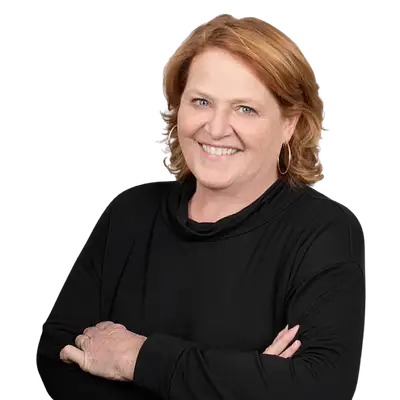
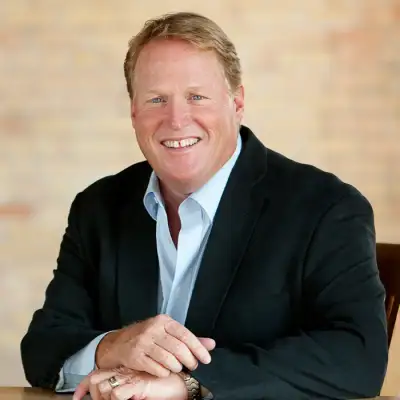

Former U.S. Senator Heidi Heitkamp and her brother, KFGO radio talk show host Joel Heitkamp, engage in animated discussions with newsmakers, elected leaders, and policymakers who are creating new opportunities for rural Americans and finding practical solutions to their challenges. Punctuated with entertaining conversations and a healthy dose of sibling rivalry, The Hot Dish, from the One Country Project, is informative, enlightening, and downright fun.
Heidi Heitkamp [00:00:00]:
Hi everyone. Welcome back to the Hot Dish, comfort food for middle America. I'm Heidi Heitkamp.
Joel Heitkamp [00:00:10]:
And I'm Joel Heitkamp. We're excited to be back today. And we're talking about healthcare. That's right, healthcare in rural communities. And we're excited to introduce our guests today. We're joined by Michelle Rathman and Jeanne Lambrew. Now, Michelle is the founder of Impact Communications. She's the leader in healthcare strategies and communications, specializing in critical access and rural health systems, and the host of Rural Impact podcast.
Joel Heitkamp [00:00:38]:
So check that out. Jeanne Lambrew is the director of health care reform and a senior fellow at the Century Foundation. From 2019 to 2024, she served as the Commissioner of the Maine Department of Health and Human Services. So welcome to both of you to the Hot Dish. I just want to bring up a couple of things. Obviously we're going to talk about rural health care, but to me, the beauty of the conversation we're about to have is it doesn't matter. It doesn't matter if you're in Maine. It doesn't matter if in your Missouri or North Dakota or sitting in a hotel somewhere.
Joel Heitkamp [00:01:16]:
Heidi, in the truth of the matter is it affects all of us. So Jeanne, I got to ask you this. You know, what are the Democrats fighting for in this shutdown with respect to health care?
Jeanne Lambrew [00:01:27]:
Yeah. So while it may seem complicated with what is a continuing resolution and what's going on in D.C. the reality for people, especially rural Americans, is pretty simple. The health insurance marketplaces, which serve people who don't get access to employer based coverage, has 24 million people. Now, there were premium tax credits for this private insurance that were improved five, four or five years ago. They're going to end in December. And we know now that people in this marketplace are disproportionately farmers. Half are small business owners, small business workers or entrepreneurs.
Jeanne Lambrew [00:02:13]:
And rural people really rely on it. I did a study in August that found that the increases in premiums, if converse is an aptitude, continue. The current policy would be 28% higher than in urban areas. Just to be concrete, people in rural America rely more on health insurance marketplaces on these premium tax credits and their loss would disproportionately affect rural Americans. And just to give an example, here in Maine there's a place called Caribou, which is on the kind of north northeast border of the state. For a couple age 60 in Caribou, whose income is $85,000, not a lot of money, they would face a premium increase of over $30,000 to just stay insured next year if Congress doesn't act. So I think it's a very important issue for people's pocketbooks. It's an important people, important issue for rural people.
Jeanne Lambrew [00:03:13]:
And I'm sure, as Michelle can talk about, it's an important issue for rural hospitals.
Joel Heitkamp [00:03:17]:
Yeah, Heidi, I wanna go to you on this one, though. You represented the very people that Gene talked about. I mean, these people were knocking on your United States Senate door saying, hey, I need some help. Do you think they get it? Do you think those people that you worked for, the farmers, the ranchers, the independent small businesses, do you think they get what Jeanne just said?
Heidi Heitkamp [00:03:39]:
You know, I don't think they would have but for the shutdown. And everybody's like, what are they fighting about? And now all of a sudden they, they are kind of anticipating what that November 1st rollout of these premiums costs will be. I talked to a guy who sells insurance who said that he has a family, that it will go from $100. They're ranchers, farmers, experiencing some really tough times right now. And it will go from $100 premium to $1,200 a month for his family. And so they're going to get it when they see those premium costs. And, and I think that the people who aren't getting it right now, Joel, are Republicans in Congress who should be making a deal.
Joel Heitkamp [00:04:24]:
So, Michelle, the administrators, the very people that run these. My wife was a longtime administrator in long term care. Are they willing to admit it? And when I say that, Michelle, because something tells me that you're going to tell me how much it's going to affect those facilities. But are they willing to stick their neck out and tell people.
Michelle Rathman [00:04:46]:
That is a great question. I just came from a National Rural Health Association Critical Access Hospital Rural Health Clinic conference in Kansas City, and the mood was very somber, let me tell you. I mean, before the shutdown, rural hospitals and rural health organizations were really feeling the pain of losing grants, for example. So are they getting it? Yes. Are they having the conversations? They are. And one of the things that we are really, you know, in my day job, aside from podcasting I talk to healthcare CEOs all the time, say you've gotta build your bench. And that means really going out there and talking to your community leaders and giving it to them straight, not about the politics, but about the policy and helping them understand what this means for families. So we talk about the shutdown and the impact.
Michelle Rathman [00:05:33]:
It's a cascading effect, as we know, because it's impacting our food security and sustainability systems. It's impacting, you know, so many of our rural communities rely on USDA field offices, for example, and they're no longer able to get that assistance because the staff has been cut so dramatically. So it's not just one thing. It's so many things that are happening. And Heidi, to your point, I mean, a lot of people right now, if the pain isn't knocking on their front door, it could be hard to imagine what that looks like. But I'm telling you, it's at people's doorsteps. And I think that shows like yours and the work that organizations like the ones that we'll talk about today are doing is so important again, to keep the conversation above the politics and really focus on the policy and give people facts because they're not going to get facts by going to federal websites right now. They're dark and very propaganda like.
Michelle Rathman [00:06:29]:
And so, yeah, I think the cascading effects come January 1, people are going to be in a, in a real, unfortunately, world of hurt.
Heidi Heitkamp [00:06:37]:
Yeah. Joel, can I ask Michelle a question really quickly? Because those of us who live in rural America know the largest employer beyond, you know, small business and agriculture is usually a healthcare facility. Do healthcare workers in rural America get it?
Michelle Rathman [00:06:54]:
I would say it depends on who you ask. Again, one of the things I think is really important is to convey the fact that misinformation, disinformation and health news deserts, I should say, are quite predominant right now. And so when you live in a rural space where there's very little outside information coming in, it's difficult to know. And you go online and you're reading whatever your algorithm wants to feed you and we consume that information. So right now, I would say for many of those who work within a rural hospital and a health clinic, leadership understands. I'll tell you, the CFOs understand, they're crunching those numbers. And you know who else understands are the billers, the coders, the people in the financial offices. Rural hospitals are having to hire, with very little budget, people to sit and answer the phone and answer questions about how to navigate what's going to happen with Medicaid, what's going to happen with the Medicare Advantage is another.
Michelle Rathman [00:07:54]:
I had an hour long conversation with a CFO yesterday about Medicare Advantage and how it's crushing rural hospitals right now in the state of Washington. So, you know, those who are in dietary services, who are working, you know, on intake and so forth, they may not understand it, but the physicians understand it. And the leaders understand it. And I say, don't let this be something that you carry on your own. Make sure that you are conveying that to your teams, not to scare them, but to make them aware of it and help them get on board with advocating for policy that stops harming rural hospitals. Because we've had enough closures. But there's a lot more coming. And I tell people all the time I, I want to be wrong.
Michelle Rathman [00:08:34]:
I don't think I am.
Jeanne Lambrew [00:08:39]:
First of all, not just the local hospitals, not just rural hospitals, but the American Hospital association said as follows, there will also be an impact on the entire community, even those with coverage, because of an influx of uninsured patients into emergency departments, causing longer waits, stress on the whole health care system, and the inability of getting care that they need. So that's factoid 1 and 2 is an analysis came out that said that the United states could lose 339,000 jobs as a result of the lack of extending these premium tax credits, which for states and local governments could reduce their revenue by $2.5 billion. That is concrete, that's real.
Jeanne Lambrew [00:09:26]:
It's on the horizon.
Joel Heitkamp [00:09:27]:
But what we just described everyone really means, if you have this groundswell, if you have people actually contacting their, their congress members, you know, they have to admit they voted wrong. I mean, they did. I mean, you look at that vote in the rural area. I don't care what state you're from. I mean, Heidi, that's the hardest thing in the world today. Way harder than what it was 20 years ago. It just seems to me that the society we live in now, people aren't willing to admit they voted wrong.
Heidi Heitkamp [00:09:58]:
Well, you know, Joel, the interesting thing about this is it's accumulative. You know, we've seen what's happened with soybeans and rice not being able to be sold. You know how the trade disruption has affected rural America. You take a look at where we are right now with giving money to Argentina and introducing Argentinian beef to shore up Argentina. You know, so you tell me, you talk to farmers and you talk to rural people every day. Is the attitude changing? Is there a willingness not to go to the local pub or coffee shop and say, gal, I wish I hadn't voted for them. But are they rethinking? And I think you've got a better finger on that pulse.
Joel Heitkamp [00:10:42]:
No. The answer is yes. When you get one on one and you don't get in public, but if there's two, the answer is no. The answer is really no. And they just first off. They're mad if you bring it up, you know, because that, that is just an admission that you're going to end up talking about it. But the answer right now is still no, whether it's whether it's Argentinian beef, whether it is soybeans, whether now they're going to lose their real hospitals. And Michelle, I want to throw this at you because the biggest challenge we had in the area where I live, in the district that I used to represent in the state senate, there's two rural hospitals, but almost every one of the towns above 1000 people have a nursing home.
Joel Heitkamp [00:11:28]:
They do. They can't find workers. That was the biggest challenge they had before this. They couldn't find workers. This isn't going to help that. Michelle, what's your take on that?
Michelle Rathman [00:11:39]:
Well, you are exactly right. Across the board in particular, if you take a look at and we'll go kind of veer into another subject, which is immigration policy and how severely impacted rural communities are not just in agriculture space, but also in healthcare, long term care, daycare and so forth. And so to your point, I mean, there's the financial impact of just the low reimbursements and then of course there's the workforce. So how do we age in place? You know, we talk so a good game about aging in place and making sure that rural communities have these resources. Yet every policy, whether it's regulatory policy, whether it's the reimbursement, whether it's workforce and now the visa programs that want someone to pony up whatever the ridiculous number is. And so, Joel, you're right. I mean, we are going to see already struggling areas to find ways to care for children and our aging population. And we're all getting there, you know, at some point in time. And I think it's interesting because that's an issue that rural communities can actually wrap their brains around more.
Michelle Rathman [00:12:46]:
Because, you know, when you talk about the elimination of long term care or skilled care, that's where people start to get angry because it's something that they really cherish. And because we have an aging population in rural America, more so than then, you know, we're not growing, we're not having more births. Of course we can't because we don't have any. We have OB deserts all over this country as well. So I think, you know, those are the kinds of things without being, you know, a lightning rod talking about immigration. Just the reality is that our rural health workforce in many areas and urban are largely made up of immigrant populations.
Joel Heitkamp [00:13:22]:
So I'm going to throw this at you, Jeanne. And then, Heidi, I want you to follow up, if you would, because you lived the very life I'm about to bring up. But Jeanne, somebody calls into my talk show, let's do a scenario, and they say that I've completely misread the Big Beautiful Bill and that actually there's more protections in there for rural hospitals, for rural nursing care, and that what I don't realize is that 50 some billion dollars really protects them. How would you answer that?
Jeanne Lambrew [00:13:53]:
Yeah, so I will just do first the numbers, then the policy. So the One Big Beautiful Bill, formerly known as, because it's no longer allowed to be called that because of a Senate procedure. HR1 included $50 billion over five years beginning next year for rural health transformation. It also reduced federal health spending by $1 trillion over the next decade. It's not even close. Map all keep going, which is what we've seen already from this administration is half of the $50 billion is prorated. So states like New Jersey and New York get as much as rural states like North Dakota, South Dakota May 2. The remaining half, half may be done formulaically, but the rest is going to be done at the discretion of this Administration. And they've said in the application, if you do what we want you to do, we'll give you money.
Jeanne Lambrew [00:14:54]:
If you stop limiting substandard plans, if you get rid of certificate of need laws that aim to control kind of unnecessary utilization, they put in a set of policies that they want states to adopt and said if you don't, you don't get that money. So I think it's going to be a real challenge for states. There's only 15 days from today before the application is due. You know, there's a lot of uses that could be in there, but we're already seeing the tensions. There's a tension between coordinate with other, you know, rural hospitals, with urban hospitals versus consolidate. Use it for things that are needed now like uncompensated care, struggling hospitals versus rural healthcare transformation beyond the five years. And then I think we've also seen a real tension between technological improvements. There's a real emphasis in the application for tech innovation, startups versus workforce.
Jeanne Lambrew [00:15:56]:
The people that we're just talking about. And I will just say going back to the immigration issue, we see it here in Maine at both the bottom end and the top end. That $100,000 fee for an H1B visa is going to hit our hospitals the hardest. The second largest user of those visas is Northern Light Health in northern Maine, where they basically struggle to get doctors. And I had to sign every single request for those visas when I was secretary, Commissioner of Health and Human Services. Everyone was urgent. That's going to be challenging. And then go to the lower end.
Jeanne Lambrew [00:16:32]:
We are proud to have legal immigrants coming to Maine as we have a declining workforce. We are the oldest state in the nation. Most percentage of people above age 65. We welcome legal immigrants. They come into our healthcare workforce at those entry level jobs that other Maine people don't want to take. They're the custodians, the people who do food service. They're the ones who, for women who are new Mainers, they can go into the caregiving professions as CNAs and work their ways up. That push from the top and the bottom for our healthcare workforce as a result of the changes that have happened are significant.
Jeanne Lambrew [00:17:10]:
But I'll just go back to your question. A $50 billion drop in the bucket for five years can't help rural America with a $1 trillion nationwide 10 year funding cut.
Heidi Heitkamp [00:17:23]:
Well, if I can just interject here, it's a typical, you know, you look at, oh, farmers are going to get a bailout, they're going to get help and we're going to tell you, you got $50 million. None of that deals with the core competencies and the core problems that we have. And shame on them. I mean, one of the challenges that we have here is we pay too much for healthcare. And we've got to figure that out. We've got to figure out how we can provide more equality in healthcare. But Joel, the Congress, if the Congress were functioning and if this administration was functioning correctly, they would be having a very serious conversation about healthcare writ large and how they can guarantee healthcare going forward.
Michelle Rathman [00:18:09]:
You know, if I'll just say, I am an unapologetic skeptic about the Rural Health Transformation Fund because if it was meant to really transform, let's be honest, it would not have been thrown in at the very last minute. And so Joel asked the question about our people, you know, our elected officials, you know, feeling like they can say that they made a mistake. I think the Rural Health Transformation Fund is the, is the make good, if you will, kind of like, "sorry you had a bad meal, here's a gift certificate, come back and see us again sometime." At the end of the day. To, to Gene's point, this is at the discretion of the Department of Health and Human Services and it's approved applications. So I will just say if you hear someone call it a rural hospital fund, please correct them. It is not I again would like to be proven wrong. I see very little money coming in for the rural hospitals.
Michelle Rathman [00:19:01]:
I think technology companies are going to be the winners. I think it's going to be that second disbursement will be a pay to play and again, a history. As a teacher, we had something back in the Bush era where it was kind of the same kind of thing. But I'm very much a skeptic about what this will do, especially in light of the fact that we've cut Medicaid, we've got Medicare Advantage plans, which is the big push of this administration. And now we're talking about cuts to SNAP and all these other things that are supposed to be a part of making us healthier. So I just don't see - a drop in a bucket would be kind of a nice way to say it. I think it's less than that.
Heidi Heitkamp [00:19:38]:
One thing that I'm going to say is that this is a president who got elected with a huge kind of margin of working class people with the idea that he was going to make life easier for working class people. And everything that we're talking about is going to make life harder, especially for working class Americans in rural America. You know, and I think, you know, to Joel's point, and he keeps bringing this up, when does that come home to roost politically?
Jeanne Lambrew [00:20:09]:
You know, I might just jump in because I've been trying to put the numbers in context in the real world setting of families lives. So just take the premium tax credits for the Affordable Care Act. For a family of four not earning a ton of money, earning like, you know, $90,000 a year for a family of four, the increase that they'll have to pay to get healthcare will more than wipe out any wage increase that they get next year because the premium increases are so much higher than general inflation, wage inflation, etc. They'll be 20 times higher than the increases in rent and food. It's just like enormously big compared to a family's household budget. And when you look at an older couple, like I'm looking at the 60 year old couple here in Caribou, Maine, who will be paying a lot more for health care, they're sixty years old, they need to pay that kind of high premium for five years before they finally get Medicare eligibility. That will wipe out most of their retirement savings. I think we can't underestimate the hard hit that will be coming to most Americans.
Jeanne Lambrew [00:21:22]:
Middle income Americans, low income Americans. When Congressional Budget Office said this, some are very crystal clear. The top 10% of Americans will get a $13,000 tax break as a result of what happened this summer. Whereas the bottom 10% of Americans will lose $3,200, which may be smaller than that big amount, but it's a bigger percent of their resources.
Joel Heitkamp [00:21:49]:
Let me, let me ask Michelle this, is this a back end way of getting rid of the Affordable Care Act? I mean, is that, is this, hey, this is something that's gonna be there a long time. It worked. It's like Social Security. It's like Medicare. It's like Medicare. It's like the silver, right? This is something we don't want the Democrats years from now to be able to declare victory on or. And I never forget this, Heidi, it's your good, good friend John McCain that stopped this by one vote.
Joel Heitkamp [00:22:21]:
He walked to the well of the Senate, walked to the front and said, no, we're not going to kill the Affordable Care Act today. So, Michelle, I'm throwing that on your lap. Is this just a sneaky little way of killing the Affordable Care Act?
Michelle Rathman [00:22:34]:
Well, I don't actually think it's sneaky. I think it's quite transparent what they're doing. I mean, if you take a look at the totality of all the different policies that are coming down, I don't think it's a secret. And you know, when you think about the fact that, you know, nearly half of all births in rural America, 1/5, are covered by -- half are covered by Medicaid. And so when you think about that, so when you see the very deliberate actions of saying we are going to cut millions of people, 66 million people live in rural America, approximately depending on the rural definition these days. When you think about how many millions of people will lose their Medicaid coverage. And now let's throw in the work requirements. So again, it's another hurdle.
Michelle Rathman [00:23:19]:
It's like, I don't know, I think about the obstacle courses that you see and people have to jump through fire hoops and, you know, and stay underwater and, you know, be put in a vat of snakes or what have you. It just feels that way to me because we've got layers of complexity. So cuts to Medicaid work requirements, cuts to SNAP, new work requirements for that, closing rural hospitals, you know, the assault on providers, being able to make a living wage, as another example, loan repayment, medical training. What more can we take? What more pressure can rural Americans shoulder? And I think sooner than later, I hope this is the case that there's a revelation that these policies are killing - not just making people sick, but they are going to kill rural Americans as a result, when we have no more access to health care in large swaths of our country. That should wake people up, I hope.
Heidi Heitkamp [00:24:15]:
Can I just add just a point there, which is I think significant because a lot of people in America say they should work if they can work and they should be getting assistance. But I love all these Senators who say, well, when they get a job they'll be covered on their workplace. What a joke. They haven't looked at what the workplace actually covers and with premiums going up, it's going to get worse. So we've just, we've talked about Medicaid, we've talked about the subsidization on Obamacare, we haven't talked about the dramatic increase, 13% nationwide of increase in premiums. Employers are going to ratchet back what they're going to cover and that's going to leave even more people with higher co pays and higher healthcare burdens. But when you look at it, I can tell you as somebody who has spent a lot of time working with people, they are exhausted at the end of the day. And it's not just the work requirements.
Heidi Heitkamp [00:25:12]:
In fact, it's not nearly as onerous as the paperwork requirements. And you take a look at kind of going forward, what, what's going to affect people coming off Medicaid. It's not going to be that they're not working and that they don't qualify. It's that they are going to be taken off Medicaid because they haven't filed the paperwork.
Michelle Rathman [00:25:32]:
Heidi, we just, I'm sorry, we just did an episode on this with the folks from KFF and we talked about the question was are states ready to implement Medicaid work requirements? And the answer is a big fat no. You know, we take a look at the, the employers in rural America, the, the Walmarts, you know, employers don't, in rural America are not the same as, you know, going into a big metropolitan area where they've got thousands of lives they can cover to offset some of those costs. So we've got a lot of gig workers, we got a lot of independent contractors. They're working, they barely qualify, but they are deserving of healthcare. And now these work requirements truly is just putting a padlock on healthcare for them as a result.
Joel Heitkamp [00:26:12]:
So Heidi, would you trust them? Because really what we're talking about here, John Thune is getting in front of every camera he can saying, look, you know, vote for the Clean CR in November. We're going to fix this regardless of the fact that signup begins November 1st, I mean, we all know that. So the point is, if you were back in one of those chairs, would you trust them?
Heidi Heitkamp [00:26:38]:
The answer is no. And I'll tell you why. Because the last time they cut a deal when Schumer basically said, we're going to give you enough votes to keep government open this spring, and he did. And the Democrats said, we don't want to shut down government, we want to have a conversation. What's the first thing the Republicans did? They passed rescissions with a 50 vote majority. And so they took that, that deal, which was to fund government, to continue to fund it at a certain level, and they unwound those things they didn't like. And so you can cut this deal tomorrow and they'll undo it with rescissions. And that's where John Thune made the mistake.
Heidi Heitkamp [00:27:21]:
I think he violated and breached a trust. And people feel pretty burned by that whole process.
Joel Heitkamp [00:27:27]:
So I'm going to throw another scenario to every one of you and then you can go ahead. We talked about employees in the healthcare industry. We talked about immigrants in the healthcare industry. Jeanne, you did a great job of explaining that. I'm going to throw this one, I guess, to you first, Michelle. It's the competitive nature of the employee because there is only so many employees to go around in the rural area. I know guys who want to work on a farm. They don't have a farm.
Joel Heitkamp [00:27:54]:
They're going to work there as a laborer, but that's what they want to do. If the exchange goes away, that farmer isn't going to be able to provide them health care. But you know what, where they're manufacturing skid steers, they can. And so they're already wanting the employee. But I'm wondering if you're seeing that, you know, from your angle.
Michelle Rathman [00:28:14]:
Well, I think there's a lot of size to this. I think about the fact that, you know, we are, we, we. There's a lot of conversation about kind of bringing back manufacturing, for example, in rural America. There is no manufacturing organization that I know of that wants to go into a community that does not have health care, that does not have quality health care, but does not have any health care, does not have any of those services, daycare, long term care and so forth. So I think we are going to be seeing, you know, a pretty significant battle between, you know, where, where, where will people be able to go to even find jobs if there's no health care in a community? So that's a pretty significant blow to any community. Economic development is essential for rural America to thrive. And when we don't have health care on top of food insecurity, on top of defunding education, I'm all about connecting dots. And I think it's just imperative that we take a look at this not just as a single issue, but remind those who are supposed to represent us that we're more than a single issue voter.
Jeanne Lambrew [00:29:20]:
I would just add that when we look at the Affordable Care act here remain, we have some farmers, but we have a lot of fishermen. These are like literally self employed small business employees who had no choice. They have tough jobs with lots of demands on their health and their only choice is going to the health insurance marketplace. We created our own here in Maine called coverme.gov so one of the things that we did in designing, and I thank Senator Heitkamp for this as well, is design private insurance with a premium tax credit, not an entitlement program, a premium tax credit that's set by competition in local areas. So if in rural areas it's extra expensive to provide health care, the premium tax credit adjusts. That doesn't happen with other programs, doesn't happen with employer-based coverage. So it's an especially important, important support for small businesses, agriculture, aquaculture, fishing industries, all those startup companies and rural areas that are the engine and the heart of our economy. And I just feel badly that it does feel targeted.
Jeanne Lambrew [00:30:35]:
Going back to the question, did the One Big Beautiful Bill go after Obamacare? Just look at the numbers. KFF put out a study that said more than half of the Medicaid cuts will come from states that took the Affordable Care Act Medicaid expansion. And when you fast forward to that last year, when everything is fully in effect, 46% of the funding for the Affordable Care act marketplaces will be gone. I mean, it's a very dramatic change that's on the horizon that I think is potentially politically targeted. I am so proud of Senator McCain and Senator Collins here in Maine voted against that bill. She voted against HR1. I'm hoping she votes for the extension of the premium tax credits.
Joel Heitkamp [00:31:21]:
So, Heidi, did the Republican governors get it?
Heidi Heitkamp [00:31:24]:
Oh, I think they get it. And you think about Sarah Huckabee, she -- or Sanders, I guess is what she wants to be known as in Arkansas. They were one of the first states that adopted a work program for Medicaid. And because there's a lot of flexibility in the Medicaid program for governors to fashion it the way they want to fashion failed miserably she didn't know how to administer it. And, you know, there's a lesson there. But they are, that they are so captive to the kind of MAGA movement and so terrified by any kind of criticism. I mean, you know who gets it? John Thune gets it. I mean, this is going to have a dramatic effect on his rural hospitals in South Dakota.
Heidi Heitkamp [00:32:05]:
You know that, Joel, and I know that. And I think he, he's, he's playing what he thinks is the long game, which is, I'm not going to be held captive to this, and I'm going to do this and I'm going to do that. But I don't think he's calling the shots. I think the president is calling the shots. Now, in the good news category there, I think President Trump has done enough damage to rural America. He might want to repair that damage and might want to sit down and negotiate, but he, he hasn't demonstrated a willingness to be engaged in this at all. And I think that the pressure point, and I've said this all along, is gonna come November 1st, when people actually see these and there becomes a groundswell, and there will be of people calling their congressional members, people calling their senators, saying, what the hell? I've had really affordable health insurance now for three years, and you're taking that away. What is happening? And, you know, I think that they would love to get this resolved before those premiums come out.
Joel Heitkamp [00:33:08]:
Well, we laid out the problems. Now it's time for a prediction.
Heidi Heitkamp [00:33:13]:
Joel, can I just. I mean, we've talked about KFF quite a bit here. That's the former Kaiser Family Foundation. They now just go by the initials. But for our listeners who are really curious about this, if you want the most reliable healthcare source of information, go out on their website and read what they publish because it is grade A+ analysis.
Joel Heitkamp [00:33:39]:
I want to know how this ends. You know, it's going to end one way or another. And so we all know how it needs to end. We've pointed that out. But let's do a little predictions to close out this conversation. Michelle, what's going to happen?
Michelle Rathman [00:33:54]:
Well, I think we are going to be - it's kind of like the aftermath, I'm a Midwestern girl, of a tornado, and we're going to have to look around and pick up the pieces and figure out how to rebuild our lives. And I think about our food supply, I think about our nutrition assistance programs, all those programs that are now at jeopardy. And we take away people's healthcare and you take away their food. I think that might be the straw that breaks the camel's back. I do believe it's going to take us decades to build back what was lost, including the data, very important data. I mean, all of us rely on sound data for making decisions.
Michelle Rathman [00:34:32]:
And so what's going to have to happen is there has to be a major shift and some significant repairing of the disinformation damage that has been done. So I'll say we have a lot of work ahead of us and none of us should shy away from it because what's our all our alternative to that? We had to keep having courageous conversations and try our hardest to stay above the name calling and all of that stuff and just be straight up with people about the realities and the facts of the situation. And I tell people this. Build your bench. Find ways to have new conversations with those who you may disagree with, but you agree on some things. We deserve healthy food, we deserve access to healthcare, and we deserve to be told the truth about what's really happening.
Joel Heitkamp [00:35:24]:
Jeanne, I'm gonna throw the same thing at you. Where do you see this ending? I mean, we've got to shut down at some point. The government has to go back to work. But what happens? How does this shake out in the end?
Jeanne Lambrew [00:35:35]:
Yeah. So I am a believer in the arc of history bending towards justice. Where it was a year ago that we were in a situation in our health system where we had record high coverage rates. We had implemented drug negotiation in Medicare, we had ended medical debt being reported in consumers report cards. We had really made some progress. Things have changed dramatically. And I think we've seen a small margin in an election cause a dramatic pendulum swing. And what our policy is probably more than what Americans want when you listen to them and really hear what their pocket, pocketbook concerns are.
Jeanne Lambrew [00:36:20]:
So it's going to get worse before it gets better. But I do believe it's going to get better because of the persistence of people, of hospital administrators, of doctors, nurses, and many politicians, if not most politicians who are elected to represent the people who they serve. And I'm just hopeful that people do stand up. They express their concerns about health care. They support the policies that help them navigate. And not only do we. I don't want to go back to where we were because we were needed improvements as well. I hope that generates a new round of health reform that truly gets the wealthiest nation in the world to be providing a fair, affordable, equitable, just health care system for his residents.
Joel Heitkamp [00:37:07]:
Heidi, you've been there. You've been in that room. When negotiations are going on, if Congress actually came back to work and actually decided that they wanted to be in D.C. doing their jobs and the curtain was pulled and you were behind that curtain negotiating out how to end this shutdown, what do you think would happen? What do you think it would take? Where do you see this ending?
Heidi Heitkamp [00:37:29]:
So I was there for one of the longest shutdowns and I joined a group of people, including Senator Collins up in Maine, to actually begin to have those conversations about how do we reopen government. So I have no inside information at this point, but I will tell you, the last time we were pressured by the debt limit. Now, the Big Beautiful Bill extended the debt limit for two years. So they don't have that pressure. That is creating a must got a drop dead date, you gotta get this done kind of scenario for opening backup government and dealing with the debt limit. But what I think is probably happening is behind the scenes, there's a group of people who are now convening quietly in hideaways. They're having zoom conversations. They're doing everything that they can.
Heidi Heitkamp [00:38:20]:
And it's going to be that group of people that is going to fashion a compromise that will open up government. Because when Schumer's not talking to Thune, you don't have an end in sight. When the President is disengaged and he's too busy, you know, I guess wrecking the White House, that's his big distraction today. And, you know, concerned about what's gonna happen with the Epstein files. He's not engaged in a negotiation. He, he likes the shutdown. Cause he thinks it gives him a tremendous amount of power to inflict damage on Democratic districts. So I think there's gotta be a group of very responsible members who are now sitting down saying, how can we resolve this? And I think for the Democrats they're concerned about this will be a short term fix.
Heidi Heitkamp [00:39:11]:
It will carry them through the midterms. And people, then we're back in the soup trying to fix this again. But at the bottom line, you need to open up government. And I think both Jean and Michelle have talked about food security. Come November 1, there may not be any SNAP benefits. And that is gonna be a huge pressure point, but it also is gonna show those new premiums. And I think the combination of absolute, essentially needing to open up government, along with the realization of what these premium increases look like for families, I think will drive an urgency.
Joel Heitkamp [00:39:49]:
Okay, I'm going to take just a little leave on my part too. As a former state Senator, way smaller scale. I can tell you this, I could count. So with all due respect to Susan Collins, Senator from Maine, I think she's pretty good at counting. And so she can throw a vote here or there when she knows that, that they're going to win anyway. So I'm not as big on the fan train as some people might be. I will throw you this. I think that the leadership's going to end up coming from the state.
Joel Heitkamp [00:40:16]:
I think that Governors behind the scene where these red states are, are going to be talking to through their Governor Association, through somebody to John Thune and saying, what the hell are you thinking? Do you realize the wet bundle that you're leaving on our doorstep? And I look for the states to be a big, big hand in helping resolve this, if we are able to resolve it. So there, I took my personal leave. Thank you. Thank you so much. Thank you to Michelle, thank you to Jeanne. We appreciate you coming on the Hot Dish.
Michelle Rathman [00:40:49]:
Thank you for having us.
Joel Heitkamp [00:40:55]:
You know, Heidi, I know you wanted to be queen when we were growing up. That was always certain, you know, [Heidi: I did not!] but the, the other six of us that were your siblings [Heidi: I wanted to be a second baseman] that's why you played first. But, but the, the truth of the matter is anyone, anyone would have to say that the individuals that organized and wanted the No Kings march to do well, it did do well for those people trying to make a statement.
Heidi Heitkamp [00:41:22]:
Well, and, and they were meticulous about making sure that there wasn't violence, making sure that these were joyful events. There were lots of flags. You know, everything that they said, this is, you know, that that was terrible about this. The Republicans and kind of fanned that flame that the, the people who went out and exercised their First Amendment rights to assemble and, and protest, guess what? They proved them wrong.
Joel Heitkamp [00:41:46]:
Well, and I would add this, the individuals that didn't want to see a part of the White House being tore down by a king, those individuals know the words to the Star Spangled Banner and they proved that. It's their country too. It's my country too.
Heidi Heitkamp [00:42:04]:
Well, and can we just talk a little bit about the President's so called presidential response to 7 million people, you know, basically tweeting out, or I don't know what they call it, xing out a video of him flying with a crown on his head, dropping brown liquid - and we all know what he meant by that - onto the protesters. That's where we are in America now. That's where we are, Joel.
Joel Heitkamp [00:42:34]:
Well, and I would add to that, you know, as he's drying, flying around in that fighter jet Looking like he was at Burger King. That Kenny Loggins came out and he said, I want my song back. Nobody gave you the authority to use that song. That song from Top Gun. And I gotta. I gotta wonder if he doesn't look even more foolish, you know, Heid. He went around saying that he heard there weren't going to be a lot of people that turned out. And so what's their answer to that? The people that hated that march are going around saying, well, it's all AI or it's just fake.
Joel Heitkamp [00:43:07]:
And some even going, Heidi, as far as to say, well, the crowd that went was paid off.
Heidi Heitkamp [00:43:12]:
Yeah, they cannot believe that that many people would come out and basically take their time, invest their kind of reputations in defending democracy. And it was a good day for democracy. I think it's a bad day for Donald Trump. Someone said, well, these are all people who didn't vote for him anyway, so what difference does it make? I said, you know what? There's organizers out there with clipboards who are saying, you as an organizer, every one of those people, you're going to bring 10 people to the polls. You're going to do what you can to turn this around in the midterms. And so it's a great organizing tool.
Joel Heitkamp [00:43:51]:
Well, last thing I'm going to hit you with here, Heid, is the fact that everybody's saying, well, he's not a king. He's not a king. If he was a king, he would have stopped the march. Well, if he wasn't a king or didn't see himself as one, he wouldn't be taking an excavator to the White House.
Heidi Heitkamp [00:44:05]:
Isn't that something?
Joel Heitkamp [00:44:07]:
He's tearing apart the people's House. It's not his. It's not. He treats it as though it's his castle. I mean, I had people call into my show that were literally crying, Heidi, with what he was doing to the White House.
Heidi Heitkamp [00:44:22]:
Well, he had started with the Rose Garden. I mean, he wanted to wipe out any legacy from Jackie Kennedy, from John Kennedy that's been preserved by Democrat and Republican presidents alike and basically paved it over so that I guess he can have a - What? So he can have, you know, some kind of fight on the Capitol grounds. I guess that's going to be some arena now for the 250th anniversary. But he's just, you know, what he's done to our house, the gilding, the gold, the kind of trashing, I mean, just absolute trashing of now, now taking down historic buildings. You know, it is, you just have to ask, when is enough enough? I mean, this is symbolic. It's not just a building. It's a symbol of where he thinks he is in terms of his power.
Joel Heitkamp [00:45:22]:
Well, when you pardon people that went into a Capitol and smeared the very thing that he was joking, he was dropping on people, and they actually did it on the walls of the Capitol. I suppose you don't have much respect for the institutions and the buildings this nation has built, but I'm going to say this. He wants a ballroom. He must want to dance. The last time I saw him on video dancing, it was he and Jeffrey Epstein picking out which woman they wanted to be with. I mean, literally, the last time I saw him on video dancing, it was the video with him and Jeffrey Epstein. So I don't know why he wants to dance so bad, Heid.
Heidi Heitkamp [00:46:04]:
Yeah, well, I mean, the other thing is, just as an aside, one of the pardoned January 6th attackers basically has been rearrested for threatening the life of Hakeem Jeffries. These are not good people. He just pardoned George Santos, who defrauded millions of people. And Trump says it out loud. Oh, you know, it's all okay because, you know, he's a good voting Republican. Yeah, I guess that's what it takes to get a pardon.
Joel Heitkamp [00:46:35]:
Yeah. Well, and we'll see what happens with one of the ones everybody's talking about soon. A really, really scary pardon come. They're all scary. Heidi, always good to talk to you here on the Hot Dish.
Heidi Heitkamp [00:46:49]:
Thanks for joining us today on the Hot Dish, brought to you by One Country Project, making sure the voices of all of us are.
Joel Heitkamp [00:46:56]:
Heard in Washington, D.C. learn more at onecountryproject.org. That's one countryproject.org. We'll be back next week. That's right, next week. You'll see us with more Hot Dish, comfort food for rural America.