Subscribe
Share
Share
Embed
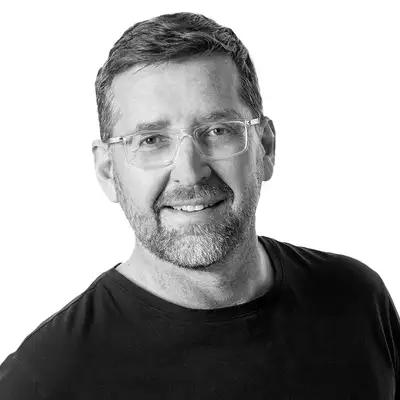


Hosted by Heath Fletcher, The Healthy Enterprise explores how innovation, technology, and leadership are reshaping the life sciences industry—from discovery and development to commercialization and care delivery. Each episode features candid, heart-centered conversations with founders, scientists, executives, and investors, sharing real-world experiences and insights for building resilient, future-ready organizations.
Created and Produced by Bullzeye Global Growth Partners — Let’s build it together!
Carlos Castan (00:00)
The worst case scenario is that there's a breach, your patient information is leaked, now you have to report it, now you can be fined, now you're viable, your reputation as an organization. That's the apex of nightmares.
Heath Fletcher (00:13)
Healthcare is the number one target for hackers, and most clinics and practices are completely exposed. Today we're talking about what it takes to protect patient data, stay compliant, and not become the next headline.
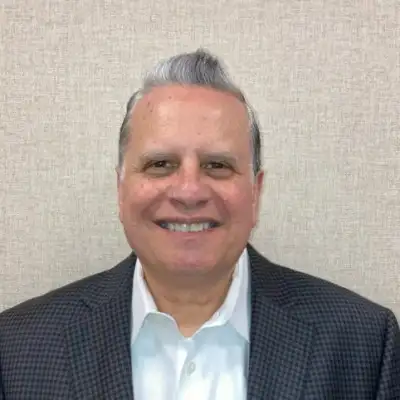
Carlos Costan is the fractional CIO that small healthcare organizations didn't know they were missing. With over 20 years in IT and as a founder of DataWorks he brings Fortune 500 expertise to the clinics and practices that need it most, helping them tackle cybersecurity threats and protect their patient data. And later, Carlos makes a clear distinction that got my attention. He says that artificial intelligence or AI is great, but what beats it every single time is something he calls
R I Real Intelligence. Stay with us.
Carlos, thank you for joining me today. I'm excited to talk to you about DataWorks and the things you're doing in the industry to ⁓ to support your clients.
Carlos Castan (01:21)
Great. Thank you, Heath. I'm excited.
Heath Fletcher (01:25)
So listen, tell me right out of the gate, what is what's the problem you're trying to solve? What's going on out there that brought you to this decision to to provide this service?
Carlos Castan (01:36)
Yeah, you know, Heath, ⁓ traditionally, we've been running into more and more healthcare ⁓ organizations and clients. And we've identified that as a whole, healthcare is really a technology laggard. And that's really impacting ⁓ a lot of different areas. it's impacting, hey, listen, direction on technology. how much do we have to budget? Hey, we're expanding.
Based on that expansion, what technology and infrastructure do we need? Very, very important. Number two, hey, listen, you gotta meet ⁓ HIPAA and high tech compliance. ⁓ and if you don't meet compliance, listen, we've seen clients you know find as as much as nine hundred thousand dollars ⁓ a couple of years ago. So that's a big impact. and then number three, listen, it's healthcare patient information that you need to protect, cybersecurity.
Very, very, very important. ⁓ the bad actors out there are very competent, very aggressive, and healthcare has to catch up. There there's no options there. So what we've been doing is we've put together a healthcare specialized IT services stack to specifically address those concerns and are leading
solution or product is our technology stack, which really covers ⁓ a virtual or fractional CIO to help with with strategy and budgeting. number two, ⁓ compliance management, which is very, very important and ongoing. Things like, hey, listen, you even have to train your employees on on HIPAA every year. And then number three is listen, let's lock up your information, computers,
and people's identities with the right security stack and ongoing services.
Heath Fletcher (03:34)
And you as you and I were talking earlier, you're talking about a very vulnerable industry. I mean, there's a lot of data that can be had and hacked. And and this is that's serious that's a serious problem, isn't it?
Carlos Castan (03:47)
Yeah, there's there's personal patient information, there's health care information, social security, credit card information. I mean it's a real treasure for these bad actors.
Heath Fletcher (04:00)
Yeah, and and then also this world this world of cybersecurity and cyber threat is is fast paced and it changes daily as they try and weave their way in and out of these systems and breaching walls and security systems that are in place. And then you got on the other hand, you got healthcare, which moves like a snail in some cases. It's a very slow moving industry and it it doesn't pivot quickly, does it?
Carlos Castan (04:29)
No. And then no, and then another thing that's very important, hey listen, if you have the in in house expertise already to do these things, and if you have the funds and the money to get these things done, it's a different story. Most small medium sized health organizations do not have that level of staffing and knowledge in house and really are are dependent ⁓ on government funds and really short on on on income all the time.
Heath Fletcher (05:00)
Is that ⁓ is that where having the CIO sit at the table is really helpful? I mean I mean maybe not even organizations can afford a full-time C CIO, but a f offering that fractional support like you were talking about kind of gives them that bench strength.
Carlos Castan (05:19)
You're absolutely right. And and our approach is that we try to meet all our clients where they're at. In in terms of technology and budgeting needs, ⁓ in terms of compliance support, in times of in terms of cybersecurity support, in terms of, hey, listen, what is your budget? We meet where they're at.
Heath Fletcher (05:43)
So where did you come from in this? Where did at what point did you kinda say, ⁓ this is something I gotta deal with? And you've got 'cause you've got a long background in this, i is don't you?
Carlos Castan (05:53)
Yeah, I I have a BS in electrical engineering. ⁓ I worked for Fortune five hundreds for Motorola and Bell South. ⁓ I then worked to a the one of the first data communications ⁓ startups ⁓ that ever came out. We did a lot of work in Wall Street with communications. ⁓ and then we basically spread out to wide area networking.
data voice integration, we constantly worked with organizations to solve their technology issues. ⁓ along the way, you know, I've been probably for the last 20 years a technology practice leader. So I have the technology technical skills and the management leadership skills to really naturally become a a CIO, a competent CIO ⁓ in my role. ⁓ As far as healthcare,
⁓ we in the last couple of years have just been referred to more and more healthcare companies because they've been the most in need, in real need. So they're reaching out to us, you know, they're waving the flag, you know, we need help. So ⁓ you know, I I like to say I had this ⁓ this brainstorm of healthcare and I didn't. It was basically s addressing the immediate needs that I was seeing. That's really it.
Heath Fletcher (07:13)
Well, I y I mean you came from the world of IT, right? And IT for the for traditionally has been kind of about security and protecting, you know, networks you know, from that perspective. So it seems almost natural that cybersecurity would become a part of that IT infrastructure. But I don't think everyone's taking it all that seriously. I mean I mean some are because some have had experiences where they've been breached and and their data's
been has been ⁓ gleaned, but you know, ⁓ d d is is everyone taking this seriously or is it still just kinda like, well, I'll wait and see what happens.
Carlos Castan (07:54)
Yeah, Heat, unfortunately, ⁓ your typical small medium sized healthcare organization is lean on staff, lean on revenue. ⁓ the the C suite has got nose to the grindstone, you know, just trying to get that organization to run, meet its commitments to both patients, the community, monetarily. ⁓ unless there's a major issue
They're not going to respond. They're going to strictly be reactive to a major something major happening. What we try to do accomplished in the most professional and persistent manner ⁓ is we say, hey, listen, the worst case scenario is that there's a breach, your patient information is leaked, now you have to report it, now you can be fined, now you're viable, your reputation as an organization.
That's the apex of nightmares. So what I try to tell them is listen, the next worst thing is listen, be aware that that will be happening sooner or later, but there are preventive things that you can do on the front end to mitigate ⁓ those kind of you know critical, terrible situations happening to your organization.
Heath Fletcher (09:12)
I mean, do they even know that to be fined means you've breached some sort of or you haven't met some sort of process or regul regulations? Is is there certification or requirements that organizations are supposed to have that they don't aren't aware of?
Carlos Castan (09:26)
you know, ⁓ number one, ⁓ they are they sh they should and or should be aware of HIPAA and high tech compliance requirements. They should be compliant. And there's a whole list. that ⁓ HIPAA basically changes that every year. Every couple of years, you know, there are changes, you gotta stay up to date. If you're not up to date and there's a breach and something happens, then you're vulnerable to being fined. Very, very important. ⁓ also with cybersecurity.
Listen, even if you have cybersecurity insurance and you're saying to yourself, I've got h cybersecurity, I'm covered. Listen, the insurance company, once there's a breach, they're gonna come back and they're gonna ask you a lot of specific questions. And if even you know, this little line, you're off sorry, you're not covered.
Heath Fletcher (10:13)
Yeah. I mean that's a risk. That's a big risk. And not only that, I mean, sure, yeah, you got insurance to cover your damages, but but what about all the people whose information just got swiped? Right? I mean that that's a whole other, you know, cascade of ⁓ of events that could go on. And and who wants to be liable to that? And you said this, it like it it will ruin your brand as an organization moving forward.
Carlos Castan (10:39)
I had a ⁓ about a fifty sixty employee healthcare practice and they were breached. Their data was breached. They had to then spend literally close to a hundred thousand dollars on bringing in this specialized legal attorney team that specializes in cybersecurity breach mitigation.
and they went through this whole complex, you know, ⁓ procedure process and this this kind of like ⁓ a secretive way where they send out notification to clients that they actually were breached, you know, but not you know, you know how attorneys are, they could really word it any way they they want. Right. But ⁓ listen, why put yourself in that situation? It's one hundred percent avoidable, you know, because even if you get breached, if you're compliant, you're covered. You're good.
Heath Fletcher (11:23)
Anyway, yeah.
Carlos Castan (11:34)
You're good.
Heath Fletcher (11:37)
Yeah. But the what you want to do is avoid being breached. That's the whole point. That's the main point. And that's what you're providing is correct. That sort of that that lock up. How do you do it? What's is it software that you install or how how is that how is that done?
Carlos Castan (11:55)
Yeah. Listen, I'm gonna tell you the most ⁓ unpredictable thing that organizations can do for cybersecurity protection. Train employees regularly. Show them screenshots of typical spams, of typical things they shouldn't be c clicking on. It's education, education, education. On the back end, hey, listen, we've got the technology, we've got these special ⁓
AI algorithms and are looking at things and so forth. But listen, there's very little we can do if we got some crazy end user just clicking on every possible crazy thing.
Heath Fletcher (12:35)
It's human error.
Carlos Castan (12:36)
So
so I I'm gonna say, you know, ⁓ listen, ninety-five percent to ninety-eight percent of all these critical breaches are initiated by humans opening up ⁓ emails and clicking on malicious links they shouldn't be licking clicking on, and it's just a matter of education. Now, hey, listen, are there very, very sophisticated, you know, third party international organizations that get into systems? Okay.
But you know, we've got some sophistication. ⁓ we we we are notified, we have some awareness. That's gonna always be, you know, a challenge, you know, on the back end. Leave that to the experts, right? But hey, when ninety-five percent of what's happening is just lack of education from people just clicking and clicking, ⁓ so that's how we address it. So listen, here's the thing that I wanna clarify, right? At the end of the day, AI, artificial intelligence is great.
But you know what trumps AI everyday are I real intelligence.
Heath Fletcher (13:41)
Mm-hmm. That's great. I like that. That's a good quote. You should use that more often.
Carlos Castan (13:47)
Train
your people. Train your people. The AI is on the back end. The RI, use your real intelligence on the front end. That's ninety five percent of the impact and and and and vulnerability.
Heath Fletcher (13:59)
Someone has to click on that link in the
Carlos Castan (14:01)
⁓ it happens so
often and you know a lot of times, you know, the these poor people, you know, are unsuspecting, you know, ⁓ and these things happen all the time.
Heath Fletcher (14:12)
Mm-hmm. And they're aware that that's what's going on out there. That's why they create these these ways of getting in through emails and and and clicking on ⁓ those kind of links. And they also probably are quite aware that the healthcare industry is lacking and behind.
Carlos Castan (14:31)
Absolutely. Yeah, absolutely. They're they're they're treasures to these hackers, you know, these these entities, these healthcare entities. Absolutely. They know it.
Heath Fletcher (14:40)
Yeah, yeah, very interesting. So ⁓ w tell me about ⁓ your company. Your a little bit more about your company. How long have you been in business and and and ⁓ and how's how's this trajectory of growth been for you ⁓ as a business owner?
Carlos Castan (14:58)
Yes. So ⁓ our business is ⁓ over twenty years old. We started in data communications. ⁓ we evolved in ⁓ basically data and voice integration. ⁓ our clients once again came to us and said, Carlos, can you take care of everything for us? Our full IT stack. and our our company right now, ⁓ we we have a significant staff. We have ⁓
Just a a local go to ⁓ IT staff of ⁓ help desk staff of five. ⁓ we expand out to two different ⁓ organizations for support. ⁓ in Pittsburgh, we have a hundred techs that are available to complement our our team. We have another fifty to seventy five techs ⁓ in Canada 'cause you know a lot of companies can only you use specially in healthcare, you know, US based support. So we have both. Right.
And then we have and then we have a team of about maybe ten field service technicians, plus we have we work with a nationwide organization to provide nationwide field service support. So we've got it we've got it really covered in an expandable manner. We're we're designed to scale.
Heath Fletcher (16:14)
Very interesting. And then as far as this CIO position, you ⁓ how how how scalable is that? Like how many more people would you need to bring on more people that are qualified?
Carlos Castan (16:26)
Yes. Yes.
right now I am the CIO for a really rapidly scaling organization. I'm the technology leader for two or three other organizations, which is just a step below being a CIO.
As we grow, we will be bringing in or cloning in Carlos's to to take on the growth. We we we we really we really do. And and listen, that's that's the way to do it. Listen, you have a professional services organization, whether it's management consultants, whether it's CPAs, you know, you know, you you grow the team, you know, you grow the team.
Heath Fletcher (16:53)
How many more Carlos's do we need, right?
And it's interesting because you're working on a very in a very digital world and yet you're still very focused on ⁓ on the human ⁓ aspect, the human touch of w of w what's involved here, not only on your client's end, but from your side of it, it sounds like it's very human oriented. Yeah as far as having technicians and people sitting in seats and advising and and collaborating.
Carlos Castan (17:35)
Yeah, we are we are seriously already ⁓ active in developing our AI capability. we wanna roll it out. Yeah, we wanna roll it out ⁓ in phases because it can only be brought out in phases. we do not want AI to be making mid level or critical high level decisions. At best it's gonna be level one type of support.
requirements and escalation. Level two, level three will definitely be deferred to human beings. And we're looking at different areas where we can ⁓ actually ⁓ deploy and grow the the AI. one of the challenges is that you know we're very, very big in having providing differentiated services. And part of providing these differentiated services is we want to train the AI. We want to own the AI
It's our specialized delivery of these services. ⁓ so that's very, very key to us. So we're we are proactively working on it, ⁓ and training on it and and testing it in different areas. Listen, ⁓ we wanna be honestly early followers. We we do not wanna be burning visionaries, because you burn your clients and your business with these burnings. So we wanna be early leaders.
⁓ hey look, ⁓ Amazon two, three weeks ago had their ⁓ operation systems completely overridden by junior coders that they were using AI for. They had to have like a ⁓ national international meeting and basically what they said, which is now using real intelligence, RI, they basically said, Hey, level the lower level guys, you you you can make decisions. Mid level type of decisions, high level decisions.
You can't program, you can't activate it. You gotta run it by the senior guys, right? Yep. Hey, absolutely. Absolutely. So we we wanna make sure that we roll this out in in a way that's productive ⁓ and and provides value to our clients as well as ourselves while mitigating any disasters ⁓ for for both of us.
Heath Fletcher (19:37)
That's where your R I comes in.
And and it's interesting too because we're talking about healthcare that we have already said, it kinda moves particularly slowly. But at the same time, healthcare is also adopting all kinds of new technology like AI and digitized services and stuff like that. So they're they're adopting some of these things. Yeah. There may be is there a myth disconnect?
Carlos Castan (20:18)
Here yeah, here is here's my
No no here here it is. One hundred percent healthcare is deploying AI and spending a ton of money and effort. But the horse comes before the cart. They're throwing the cart, the AI cart out there, and they really don't know how they're gonna really deploy it or benefit. You really have to have honestly, you have to have business, industry, organizational
Subject matter expertise. That's what you need first. Once you have that, you say to yourself, Well, how do I use this AI tool to get the outcome that we're looking to get? People don't realize that. we're using we've got AI agents, we've got this, we've got that. What's the real outcome? What's the real return on investment? They haven't thought that out yet. They really haven't.
Heath Fletcher (21:17)
No. Yeah, they're looking for ways to streamline their s their their services and, you know, sort of maximize human human hours by, you know, automating a lot of manual processes, which is great, but at the same time, do they really understand the complexity of it and how that can even make them more vulnerable, perhaps?
Carlos Castan (21:38)
Yeah. Listen, it could create more work for middle and high level managers. is it really addressing the requirement that that you wanted? ⁓ listen, everybody's always caught in tasks and activities, right? Hey, listen, yeah. How are the outcomes being impacted, right? That's really, you know, you're spending money, time, and effort. What's the outcome? You know?
Heath Fletcher (22:02)
So when we're talking about yeah, you were talking about HIPAA ⁓ requirements. Are there other certification models out there that organizations could be reaching for or getting at or is it all sort of based in on based on HIPAA?
Carlos Castan (22:15)
Hey, hey, listen.
⁓ there's healthcare organizations, the their main compliance ⁓ umbrella is really HIPAA and high the High Tech Act, you know, that covers it. ⁓ we're also helping some organizations, not that we actually do it ourselves, but the the Sarbanes Oxley or the SOC, a lot of times they require SOC compliance. Yeah, and then what we do what we do, hey listen.
Heath Fletcher (22:35)
That about soccer.
Carlos Castan (22:39)
We don't know everything. So we we basically become the project manager to find and bring in for their industry the appropriate SOC implementer or consultant to basically analyze but you know, you need somebody in the middle that knows what's gonna
Heath Fletcher (22:54)
That's part of your network. Absolutely. You make that connection. You're the networker in that
Carlos Castan (22:59)
Exactly.
Exactly and listen, let me tell you something. You think a CEO, a CFO wants to spend all this time doing this and they're saying to themselves, you know, this is a requirement. We need it. And they're like looking at themselves and they're like, But I don't know anything about this. You know? Nor should they. They should be spending time and expertise on what drives their business, not compliance technical
Heath Fletcher (23:21)
Like.
Exactly. Exactly. It's like many other things. You you need experts to you know, you need the you need the surgeon to do the to do the operation. You don't find an IT person to do that and vice versa. You you need to actually hire the right people or bring the right people in. So and it sounds like you kind of got that end covered. You've got your network of of other consultants that can do things that you're not focused on, but you guys are kind of ⁓ holding the holding the fort.
Carlos Castan (23:52)
You know what, Heath,
that's such a powerful ⁓ statement. ⁓ when you get a a really good CIO like myself, you're getting access to my network. And you can say, hey, listen, you may not have the best or whatever, but I can tell you I have people that are referenceable that have been involved and got the job done. How's that? You know? Sure. You know. ⁓
Heath Fletcher (24:15)
That proof is in the pudding, for sure.
And you're able to ⁓ work with ⁓ organizations ⁓ across the US as well as North America or
Carlos Castan (24:27)
Yes,
yes we can. Yes. Yes. We we predominantly ⁓ work with New Jersey based organizations and I think it's not our limitation, it's just a lot of these healthcare organizations are like, ⁓ hey, listen, we want to deal with somebody local, you know, so predominantly. But you know, listen, ninety percent of our work day in, day out is remote, you know, remote access to systems. That's really the world we live in, you know. so
but listen, we we just finished a ⁓ a year and a half ⁓ engagement with a surgical center out of Florida that we did a fantastic job. We brought from basically, you know, non-HIPAA compliance, ⁓ non technology compliance in like a year and a half we brought you know, to where they are. Now they can take it themselves, you know. But they were given direction, they were given budgeting. you know, we helped them ⁓ fill out their insurance claims because
The insurance companies were asking all types of cybersecurity questions and these guys were nowhere near being compliant, you know. Right. So a lot of it we were like, okay, we're aware of it, we're in progress, you know, check.
Heath Fletcher (25:37)
I mean what a sense of relief for an organization to finally make that commitment, bring yourself in and your team, and to actually know that they've actually crossed that line and said, We are now, we feel safe, you know, we feel like we've protected our our patient data, we've protected our internal systems. Like that must be such a relief for someone in an organization to say, We did it, we're done, we we we we
we've reached the you know and then implementing that as an ongoing ⁓ part of their operation.
Carlos Castan (26:14)
Right. You know, you know something else ⁓ as you were mentioning that that brought to my attention, ⁓ a lot of organizations you contact them and they're like, ⁓ we have an IT manager or we have an IT person to handling that. The truth of the matter is that these people do not have the the technical mental skills, the mental skills to to do these things. Just because you're a you're a band-aid.
quick fix person doesn't mean you're you're a critical thinker. Right. You can take variables, evaluate them. How do those variables take you to phase two to phase three? What's the what's the overall process? They they basically have, you know, guys that are sticking fingers in dykes. You know what I mean? ⁓ there's a dike sticking. we got that covered. Here's
Heath Fletcher (27:07)
That's
was gonna say, like it's a very reactive IT is almost a very reactive. You put things in place but things break and then you know things get have to be repaired and IT tends to be well historically is like, ⁓ I can't turn my computer on. and so or I can't get on the network or I can't get on the internet. And so IT is kind of predominantly been known as they're the people that fix things in organizations when the technology breaks. But what you're talking about is this is an entire other layer.
On top of that, which is more of a proactive service and a proactive plan because you're establishing what are the risks, where can this breach happen? How can this be ⁓ stolen? And so you're you're preventing what's gonna happen as opposed to reacting.
Carlos Castan (27:58)
Yeah.
The other the other thing is financial, you know, you have limited funds. How do you best allocate those limited funds that will make the most impact? You follow me? Using technology to support your business goals and plans. You know? A lot of times there are these these hey listen, this is critical to our business. but we used our budget on these PCs already, you know?
Hey listen, give s give somebody their their immediate six month plan, give their annual plan, give them their two year plan. Listen, you're gonna have limited amounts of money. These are the priorities. They're not my priorities, they're based on your business plan and your growth plan. That's what they're based on.
Heath Fletcher (28:39)
Very s yeah, very good point. Very good point. ⁓ I wanted to ask you, so I this seems like a very ⁓ incredible opportunity for you as a business and and for growth and like you said, you're ready to scale. What ⁓ model are you thinking of doing here? Is this something that you could franchise and create, you know, satellite offices all over the country? Or how do you what do you think is the best way for you
Carlos Castan (29:14)
Yeah, we it's very good. We have that plan already. ⁓ and the plan is to get ⁓ additional Carlos clones and strategically position them, ⁓ you know, the Northeast, Southeast, Midwest, ⁓ West Coast. ⁓ and the model is, you know, the model that's always worked for for humans. listen, have a management consulting appro firm ⁓ approach.
But it's basically a healthcare technology ⁓ management firm. You know? And you know, we plan on taking it to the to the next level. There there's a real need for this over the next few years. And you know, as health listen, healthcare's gonna continue to grow, right? There's no way out of it. you've got you've got the big you've got the big gorillas that these healthcare companies have to fight, right?
Heath Fletcher (30:00)
It's not getting any smaller.
Carlos Castan (30:09)
They have to fight the government on regulation and compliance. And then they have to fight the insurance companies. So they're they're these little guys getting clobbered by the big gorillas. They need help. They really need help.
Heath Fletcher (30:24)
And there's there's seems to be more ⁓ clinics, small ⁓ enterprises ⁓ coming all the time now, right? Which ⁓ you know they're not these giant companies, but they're small, very effective locations providing very specific services in certain regions. And this is who we're talking about. We're talking about protecting those kind of organizations that are small and yet still very vulnerable.
Carlos Castan (30:52)
You are w you are one hundred percent right. Look, here's here's the truth of the matter. ⁓ there's there's tr there's a tremendous drug addiction issue, you know, that that needs to be dealt with. ⁓ there's mental health ⁓ out there that you really you know, today's society it's just it's high pressure, you know. It's th you know, it aggravates mental health. And then, you know, having drug addiction issues, having mental health issues, that brings now
homelessness and home shelters that are also required. So they're all interrelated and to me they're all part of healthcare. They are all part of healthcare, whether you like it or not, that's that's the full circle of it, you know?
Heath Fletcher (31:33)
Yeah. Absolutely. It's a very good point. And so being able to ⁓ to access these services is critical for them as well.
Carlos Castan (31:43)
Absolutely. There there's very, very n there's a very, very needy population out there that that needs these services and they're not going away so soon. They're they're gonna be there. It's a challenge for us. It really is.
Heath Fletcher (31:56)
What do you see what's what's ⁓ what's happening next in your industry? What what do you see coming in the future that will either impact or improve ⁓ situations?
Carlos Castan (32:08)
We feel that we're gonna be able to get to more healthcore healthcare organizations, be able to get to more of them, help them ⁓ support their their populations better. ⁓ we're gonna do it in a more affordable manner, and that's really by deploy using our subject matter expertise to deploy technologies like AI.
All right, that's that's that's the ultimate goal. So it's subject matter expertise, real intelligence on top of everything, and deploying the tools using AI. Listen, we're gonna be able to help you deliver these services to your population better, faster, less expensively. We're gonna be able to do it. ⁓ I like to say, you know.
I don't know if CEOs or C or CFOs, ⁓ chief operating officers, but we want to help them reinvent. We want to help them reinvent what it is to be a healthcare services provider. We wanna help them. The technology is there, it's a matter of of getting the word out there. And honestly, people like myself doing a much better job of providing clarity. Clarity.
on on what this means to them. And that's a challenge for me, you know. Hey listen, I try my best, you know, but it's
Heath Fletcher (33:38)
I sounds like you're doing a great job, man. I I I think this is a really important this is very important for the for the industry, for the healthcare industry and you're clearly ⁓ passionate about it. ⁓ it's something that you ⁓ you speak you speak very strongly and genuinely about. So I'm sure that that other people see that and hear that in your voice when you're presenting it. So ⁓ amazing to hear what you're delivering here for people. wanted to
also ask you about your you lead your company. What is it about you? I mean I we talked about you being passionate and genuine and but what is it about you and your ability that that you think is most effective in your role?
Carlos Castan (34:23)
What's most effective in my role is I think although my background is technical engineering, ⁓ I've been more and more developing my ⁓ emotional intelligence, ⁓ also being able to have intuition about where markets are going, solutions and technology. So having that I try to be an excellent communicator.
And I try to have a very high level of being able to respond, high level of response. ⁓ we I see ⁓ high level lacking urgency, I see that as the biggest problem with techna technical types. They're they're very focused, they're drilled, but they don't have a high level of of response or urgency.
and that is important because when these clients who are non technical, they're down. Now they're worrying. ⁓ did they steal my information? ⁓ I had this big project to finish with a deadline today, I can't do it. Your typical IT technology companies, not so much. We have a high level of urgency. So I think it's about it's about vision, intuition, communication, and a high level of urgency.
Heath Fletcher (35:48)
Yeah, I think that's a great way to sort of differentiate ⁓ one from the other. So a great observation on that. Yeah, very good. Carlos, this has been such an interesting conversation. did we cover everything that you wanted to talk about today? I don't know if we've missed anything.
Carlos Castan (36:05)
yeah. No Heath, I think we've done a great job. ⁓ I really think the mission today was getting the ⁓ getting the word out ⁓ about hey listen, we understand your industry, we understand your most critical needs, and we were working together on specialized packages to provide solutions to those needs in healthcare.
Heath Fletcher (36:30)
And someone listening to this, they can track you down on LinkedIn, Carlos Costan, right? Yes. And ⁓ what's the website that they can reach?
Carlos Castan (36:38)
The website is dataworkslc.com.
Heath Fletcher (36:43)
And we'll put all those links in the show notes as well. So people want to track you down, they can. Carlos, thank you again for your time today. This has been a very interesting conversation, and I think this is a very important subject matter that people really need to get behind and give you a call and ⁓ get this in place because it's it to secure their future and everyone else's ⁓ information, which is highly important ⁓ moving forward.
Carlos Castan (37:10)
Great. Keith, and thank you for helping us with our mission of helping healthcare organizations. Thank you.
Heath Fletcher (37:17)
You got it. Have a good day and thanks for joining me. You're welcome.