Subscribe
Share
Share
Embed
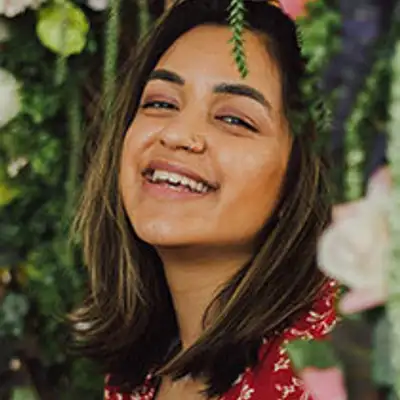
Developing your authentic personal brand is key to building relationships. Aleenah Ansari highlights how to use storytelling to create your brand and help you communicate your story and value to successfully navigate your job search now or in the future. Whether you are on a specific career track or breaking into a new industry, this conversation will help you hone your storytelling skills.
Frank conversations to help you take control of your career.
Going beyond resumes, interviews, and cover letters, each conversation brings a unique perspective on relevant topics for you and your professional development.
Presented by Pepsi, Career Conversations is produced by the University of Washington Alumni Association.
Learn more: https://www.washington.edu/alumni/career-conversations/
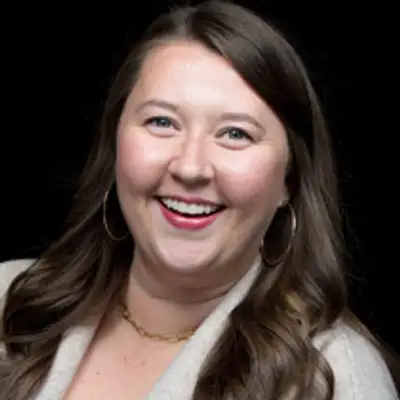
Thank you for tuning into career conversations and audio series created for the University of Washington alumni community, where we focus on deeper topics to help you create and sustain a fulfilling career I'm your host, Michaela Gormley. I'm a proud University of Washington alum who graduated in 2009 from the Foster School of Business. I'm an active member of the UW alumni community and recently finished a two year term serving as a member of the Alumni Association's gold council. The topic of today's career conversation is networking as relationship building, and I am thrilled to be joined in this conversation by Aleenah Ansari. Aleenah is equal parts storyteller, creative problem solver and a journalist at heart who's rooted in the stories of people behind code and user interfaces. In her role as a writer and video producer for Microsoft inside track, she creates blogs and videos about the experts who build, deploy and manage the tools used by almost 200,000 Microsoft employees. Her stories cover everything from Microsoft security training and underwater data center to the Yammer community used to support visa dependent employees. Her writing has also been featured in glad coffee, CNBC, the Seattle Times and more. Outside of her day job, you can find her helping early in career professionals and entrepreneurs feel more confident telling stories about their identity and work, hosting webinars on storytelling and personal branding and planning her next trip to New York City. Aleenah is also a 2019 University of Washington grad with a degree in human centered design and engineering, as well as comparative history of ideas. Aleenah, Thanks so much for joining us today. I'm excited to talk with a fellow dog.
Thank you for having me. It's so interesting to hear somebody else introduce you. I'm like, yeah, I did do all of those things because I really did.
You're like, that's cool. It is. It is probably fun and maybe a little strange to sort of hear your own bio because I feel like we hear them all the time and you're like, wow, that's impressive. When I read yours, I feel like that's very impressive, but it's probably funny to hear it for yourself.
Yeah, I'm like, that's me.
Wow, you're like, wow, I really did it OK, and we're going to keep doing it. OK, so before we get started, which UW campus did you attend? I went to UW Seattle,
OK, that's where I went to.
OK, so when I was on campus, I would always try to find fun like sort of hidden or secret spots. Did you have any good sort of quiet spots you would go to study or just spots on campus that you liked?
Yeah, I'm a big library girl. Like I grew up going to my public library. I grew up in Federal Way, which is like 30 minutes south of Seattle. Yes, one of my favorite libraries that I think is very underrated is the East Asia library. And it's like very beautiful. Great to study in because it's quiet. I'm kind of a loud person, so I had to go there when I needed to focus and like, I didn't want to run into anybody. Yeah, for the aesthetic. So I definitely missed that library the most.
Oh yeah, that's a good one. I always liked going to the little coffee shop that was at the Burke Museum.
OK Yes. And well, so it's no longer there because the work has been redone. But what is cool? It had these really cool wood panels that was part of the very cool coffee shop aesthetic that those wood panels are still in the new bark, so you can go see them.
So I love that and and there is a cute little there's some really good food actually at the Burke. I think it's called off the Res that they do something good. I really want to go for a delicious food.
Yes, it's so good. You got to go check it out. So when you're back on campus, next time, you can go check it out and I'll check out the library that you talked about. That's awesome. OK, so before we really get in to talking about relationships or, excuse me, networking as relationship building, can you tell us a little bit about how you define the difference between networking versus relationship building in general?
Yeah so I think, you know, one of the main differentiators is that everyone networks, but not everyone builds relationships. So the idea of networking, I feel like it can kind of get a bad rap. Networking sounds very transactional. Like I network with you. You give me something. Maybe I give you something oftentimes used in the context of applying for a job. So I'm networking to get a referral to get an interview. But I think relationship building is something much more powerful. It's kind of building something over time with somebody. So you're not just reaching out when you want something, not just taking, but also giving back your knowledge, your insights, sharing your own perspective and also when someone is giving you something that you might reach out and understand who they are as a fully formed person. So maybe you reach out when it's their work anniversary or congratulate them on a big launch, or you send them a podcast that reminds them of something they're interested in. I think those are ways that you can really build relationships over time versus this kind of one time interaction that might not inform your work going forward.
Sure yeah, not so transactional of just, hey, I want to unmute you so that you can give me something that's sort of getting to know someone as a person. I think that's a really helpful sort of perspective shift because we're always meeting people, right? We're always sort of getting to know people in all areas of our life. So thinking of it, sort of as an extension of that, but being a bit more intentional, probably, right?
Exactly and I think intentionality comes in, you know, even from the first match message of reaching out to someone like being intentional with who you're building relationships with and ensuring that you have some kind of common ground or that you have something to learn and something to share. Because I think, you know, in either situation, whether you're reaching out or being reached out to both parties, have something to learn from it.
Yeah, totally. OK, so we talked in your bio a little bit about that. You currently work at Microsoft. Can you tell us how you use this perspective of relationship building to land in your current role?
Yeah so I think actually everybody is in the business of relationship building, whether it's in their job title or not. So the way that I found my current role was actually kind of doing this relationship building of meeting with three people a week during my second or actually my first internship at Microsoft. And basically, I was in pursuit of finding other people who were storytellers but also wanted to be in tech. So kind of bridging creativity and strategy, that's something I had always done at Udub, as a journalist, as a writer, as a researcher. And I wanted to find people who are also bought into the idea of storytelling, but doing it at a unique context like Microsoft. So I was kind of meeting with so many people. Every time I would meet with them, I would ask, can you give me the names of two to three other people that I could chat with about what I've discussed? And I ended up finding someone named Jen Wernick, who worked on my current team. She actually moved on to work on Starbucks stories and toured the country and interviewed people at a Starbucks store in every single state. Like she's definitely a trailblazer.
Yeah, that's cool.
Yeah and I was like, I want to be like, you are my inspiration. I really admire her. We had such a great talk. And I actually pitched myself to be an intern on her team because I really wanted to learn from her and do the work that she was doing, which was telling journalistic stories at Microsoft. And she actually advocated for me internally help me basically get an interview. And then I ended up being hired as an intern and converted full time. So that team had actually never had University interns before. But it was because she advocated for me, and I think because we had this common ground that she was able to really see me in the value that I brought and communicate that to the team. And it led me to where I am now, you know, especially knowing that this role didn't exactly exist until I sought it out.
Yeah, yeah, that's amazing. I think you did say this, but you were meeting with three people a week or that was sort of your goal.
Yeah, that was advice that I got from one of my professors in human centered design and engineering because I never interned in big tech, I actually kind of fell into Microsoft like I applied online and ended up working there as a writer, which I did. Even know was possible. And so I asked her for advice and her one thing was meet with three people a week, like no matter what, commit to building your network, but also commit to meeting people who understand and value your perspective. And if she hadn't given me that advice, I don't know if I'd be where I am today.
Yeah, yeah, that's amazing. I mean, that's also a lot of work. But that but that is really, really good advice if you're able to do it.
So obviously, probably not everyone has the capacity to meet with three people a week. But I still think it's a great concept of just being intentional about meeting new people consistently and like I said, intentionally. But if people sort of want to move into that, do you? And just want to start working on being better at building relationships sort of as they're trying to build their network? Where would you suggest that they start?
Yeah, I think it's all about setting a goal that makes sense for you. So even now, I can't meet with three people a week, you know, given the rates of remote work like I got to do my job different than when I was an intern. But for me, the cadence that I found is to reach out to at least one person a month. Connect with my mentees. So I have some people that I mentor on a regular basis and then attend at least one event. So even if I can't connect with someone directly, can I maybe attend a panel where I can learn from three to four speakers and then follow up with somebody that really resonates with me? I think one of the kind of unforeseen benefits of the pandemic is now there's a lot of virtual networking events. So I tried to go to one of those. Yeah, and I can meet like five people in an hour, which is something I wasn't able to do before if I wasn't able to attend. So I think figuring out what kind of cadence makes sense for you and also the context in which you want to meet people. So do you want to meet a lot of people in an hour? Do you want to commit to finding somebody that's in your dream role every month? Do you want to kind of set up a mentorship ring and have people that you're mentoring and kind of set a cap on that setting? A goal that makes sense for you and the ways that you want to grow will ensure that you'll actually fulfill that goal of building relationships.
Yeah, totally. Yeah setting the goal is probably. One of the most important things, right, because otherwise you'll get I feel like you might get lost in just saying, oh, I'm just going to meet people, and what is that? What does that really mean? What does that really look like? So I think in trying to set that goal, is there something that people can think about or maybe do some sort of self-reflection? How do you recommend people go about even maybe figuring out what they actually want that goal to be or what they are looking for in or what they're looking to get out of sort of building these relationships?
Mm-hmm Yeah and I think that's a really good question, because even now, I have quite a few people reaching out to me and they talk about wanting to pick my brain. And even in response to that, I'll say, what are you specifically interested in learning about? Like, what's your goal in this conversation? And I think the more specific you can be with your goal or what you want to learn, the more fruitful those conversations will be for you and the person that you're reaching out to. So that's why I think self-reflection is kind of the step zero before you start reaching out to a lot of people.
Yeah, totally. So once you do kind of know what you're looking for, where do you recommend or how do you recommend people start to look for those connections? Do you in person on LinkedIn and social media? There's so many ways to connect with people. What do you recommend people do or how do they find those connections?
Mm-hmm Yeah, I think that LinkedIn is definitely a tool that I'm an advocate for, simply because we know a lot of professionals are putting their work out there. So even when I've kind of like for me, one of my dreams is to be a creative director at Spotify. Like I've always known Spotify as a company that I want to work for. And so I've used LinkedIn even to use the search feature to say like creative director Spotify and find people who are currently in that role. So it's kind of the most direct line. If you're looking for somebody at a specific company or in a specific role, it's really at your fingertips. But I think what's been more fruitful for me is to actually go through community groups or organizations where people might have a shared identity and actually are bought into this idea of mentoring and sharing knowledge. So a group that I'm a part of or a couple of groups, I'm a part of that. I really like our own trail. I enjoy Boston women collective. There's groups that are for like Muslim women in tech specifically and in those places. I know that we already have some common ground. And so if I ask a question or I see someone's profile that I think is really interesting and I tap into that common ground of like a shared identity of being a woman of color in tech, I think they're much more likely to respond back to me simply because I've done my research. But also, we want to help people in our own community because we want to continue to lift as we climb. I know that's important to me. So doing that can really help as well. And it's kind of a network of people that are way more likely to say Yes because you have something in common.
Totally yeah, there's a little bit of comfort there. And or just a familiarity, I suppose, of starting from a group where you already have something in common, just like we're, you know, we're both udub grads. If I know there's a big alumni LinkedIn group, which is maybe pretty big, but maybe connecting with people who are in your major or like I was in the business school. If someone reached out to me and said, hey, I was also in the business school and now I'm wondering about marketing or how you used your degree. I would probably be pretty open to answering their questions or at least connecting with them to see if I could help in some way.
Right and I think that speaks to the intentionality of the ask. So not just reaching out to someone and saying, hey, can I pick your brain? But really having done the research of going through their LinkedIn, their portfolio and their social media and expressing something that caught your eye? So if someone reached out to you and because they're a business student in their final year and want to make the most of their degree, then that's a really great specific question to ask. Somebody might ask me, how did you bridge the gap between journalism and tech? And in that way, I'm way more likely to say Yes and engage because they've done their research about me. But it's also a question I know I can answer. Sure in my wheelhouse, right? Instead of just saying, hey, can you dump your brain onto me so I can take what I want or sort of pick through it? There's it's just almost too broad of a question, right?
OK, so hypothetically, I've done I've done research and I've found someone that I'm interested in connecting with on LinkedIn or wherever it might be. What are some things I should think about before I reach out to them? I think we talked about this a little bit, but any tips in particular?
Mm-hmm Yeah so I think, you know, going back to what I had mentioned earlier, make sure that you have kind of a specific question or ask in mind. So even asking yourself, why am I reaching out to this person? In particular, and this is why it can be helpful if you're already building relationships and going to events like is it because you have a mutual contact and someone recommended them? Is it because you really liked their perspective on a panel and you want to hear more? Is it because they just went through a career transition that you're trying to navigate? And I think in that way, you can go into your ask with a lot more focus. So I think that's definitely a tip is to know what you're specifically asking for. The other thing I would say is to make sure that you're explaining the research that you've done and mentioning that common ground. So if you have a mutual contact or like you mentioned, you go to the same school, maybe leading with that to say that you discovered them because you're both udub alumni or because you both have a mutual friend. And then mentioning the kind of research or the reason that you're reaching out. So maybe it's because you saw a video by them that you really like or you saw an article that they wrote and you want them to expand on it that way. You you kind of have said, hey, I've already engaged with your work, and I feel like I have some even more specific questions to ask. And I think doing all those things will kind of increase your rate of success because it shows that you've done your research and that you also have done your due diligence to understand what their perspective is and that you plan to follow up specifically.
Yeah, totally. Instead I think that is a great point to be sending a sort of customized message to each person, you might have a template of like. Hi, I'm Michaela. This is how we're connected. This is what I'm interested in asking you about or this is why I'm reaching out, but not just saying not just having a copy and paste message that I'm sending to anyone and everyone I can find on LinkedIn.
Right? and I think especially for busy professionals, I know that, at least for me, I can tell the difference between somebody who just looked at my name and Microsoft versus somebody who's really done their research about me. And I know for me, like, I have a portfolio, I have a lot of writing samples. I have social media. There are so many different ways to learn about my work. And when somebody has taken the time to, like, bring up a specific article I've written or like something I've worked on, I think I'm way more likely to say Yes because it's clear that they're reaching out to me for me, not reaching out to everybody who could be at Microsoft. So I think. Sure, sure. I think this is something funny that I notice sometimes in the messages that I get, and I bet you get it too. Is it my name is spelled sort of uniquely right? And it's like the ultimate red flag of if someone doesn't spell my name right?
Yeah or doesn't use my name at all to know to know that it was probably either a mass message or maybe they just weren't paying too close attention. And obviously typos happen and things happen. But I think paying it's paying really close attention when you are sending those messages can make a huge difference to the person receiving them.
Yeah, I think for me, like especially as a woman of color, my name is really important to me because I think it carries a lot of like heritage. It's like the first way that I respect myself and the ways that other people respect me. So to that point, even just double checking, like every time I send an email or a message to anybody, I will double check to make sure I've spelled their name right, even if I think it's really common. Like I was emailing somebody named Rachel, and then I double checked and I realize that they spelled it AL, not e.l. I was like, sure, let me fix that. And then send it. And it's just like, like you mentioned, it's kind of the courtesy and the respect of getting it right, and it's also a first impression write your name. If you start with a salutation, it's the first thing that person is going to see.
Yeah, I think that's great advice in any sort of communication, right? Networking, any sort of professional communication, but also just in general, right? I mean, if you're dating, if you're however you're meeting new people, I'm always it's always sort of a little red flag if someone spells your name wrong or it just doesn't. It doesn't feel as respectful, I think, to receive a message, and the first thing that they say is not getting your name quite right.
So yeah, even as an extension of that, when I meet with people, I've noticed when people start the conversation, they'll first ask me how I pronounce my name to make sure that they're saying it correctly throughout the conversation, which I hadn't even thought of. So even just doing the work to like, double check that you're spelling it right that you're saying it right, that you're using their preferred name goes a really long way.
Right? Yeah. Yeah, I think it's always better to ask about pronunciation than just I used to feel sometimes uncomfortable asking people like, if I am I saying this right? But then I realized, oh, it's actually way more uncomfortable to get through a whole conversation and then realize I was saying it incorrectly the whole time. Then that's there's no kind of going back from that.
Oh yeah, I've been introduced as a speaker with my name mispronounced and I'm like, wow, that's OK, you know?
Great thank you. I'm glad. Glad to be here. Yeah, it's actually not my name. OK, well, I'm pretty sure we got it right. We confirmed before we started, so I'm glad. I'm glad we both practice that. OK, so. Once I've done my research, and I've maybe written down some specific questions that I want to ask this person about their role or how they got to where they are or just things about them in particular. Are there any questions that. Maybe apply more broadly that I can keep in my back pocket to ask anyone or if I get stuck and I'm like, oh, what? What else can I ask them? Any suggestions for things I can talk to someone about?
Yeah so I think one of the most common questions I ask not only an informational but also in interviews, is what brought you to your current role and what has made you stay this long, which I think is really important for perspective, because sometimes people will spend 20 years at a company and maybe this is their fifth role. But sometimes people will have just entered a role in make a shift during the pandemic, for example. And so for me, I'm always interested in like, what has brought you here? What is kind of your origin story for not just being in this role, but this company, this type of work? And I think it's also an opportunity for the person to share a little bit more about who they are and again, could be a place that you find common ground. So that's really helped me understand company culture, particularly when I'm interviewing that piece about what makes them stay helps me understand the ways that they felt supported the way that their work has been invested in or not, especially if that's why they left where they were last. It kind of opens the door to a lot of other conversations. It kind of makes it more human for the other person, which is always appreciated.
Yeah, totally. Yeah I think something I also ask is, what do you wish you had known before you started at this role or company more like, what do you think I should try next? Because that can sort of be a good advice moment. And pretty much always people have something to say about what they wish they had known or what they've learned over time. I find that those lessons learned are things that I'll write down and kind of keep with me. And then if I find myself applying those lessons, that's a great opportunity for follow up to say, hey, I've been thinking about your advice to take feedback seriously, but not personally. I actually find myself doing that a lot as a writer. So that could be a great connection point.
Yeah, that's great advice to write that down. It helps. Circle back and not forget who told you that. Maybe so you can ping back to them and say, hey, Thanks. Thanks so much for that advice. It's been really helpful. Even if it's been, maybe, maybe some time has passed since that conversation originally happened. You mentioned this earlier that when you were meeting with a lot of people, three people a week, you would ask them who else you should meet with? How? how do you go about doing that? Do you ever feel awkward saying, like, hi, who? Who else can I? Can I talk to? Or do you have any tips on approaching that, asking other people for recommendations, maybe?
Yeah, I think that this goes back to being specific about what you're looking for. So I'll usually end with kind of I'll do this at the end of the conversation to say, like, for example, oh, so great to talk to you. Like, I don't get to meet a lot of storytellers in tech, so it's nice to know that people share this perspective and that there are roles for people like me. I would love to know if other people who are doing this kind of storytelling work or have a job title like x and y. I think that would really help me hone in on what kind of job I'm looking for moving forward, and it's actually never been awkward. Most of the time they think of one person right off the bat. And usually I'll say, oh, do you? Do you want to reach out to them first? Or would it be easier if I email them directly and mention your name? So I think kind of clarifying the logistics of, oh, how should I reach out to this person? Or do you feel comfortable e-introducing us? That can make it easy and lower the friction that it can take to meet that person. So make sure that it's easy as possible, but also being specific of what am I trying to learn from the next person I chat with? And usually people are like, oh, I have this really great friend that you should meet with. I thought of them immediately when I met you. It actually is a very natural extension of a conversation.
Yeah, yeah, that makes sense. If, especially after you've had a conversation that you were clearly prepared for that you had some specific questions to ask. Obviously, this person now knows, oh, OK, this is a good. This was a good conversation. I feel I was helpful and maybe someone I could also be helpful to this person.
Yeah. And this is kind of tangential, but I think it's also important like what any time you do a one on one to send a personal follow up message, it could be an email could be a LinkedIn message like thanking them and recapping something that really stood out to you. So when I do one on ones like I'm taking notes and I might even say at the beginning, hey, I just want to take notes. So I don't forget the things that you're mentioning and even an email. You could state the thing that you were really excited about. And then ask if they know of anybody else. So it's there as kind of a physical reminder versus just something shared verbally.
Sure. I think that sort of moves into where it really transitions from just networking to relationship building in those follow UPS, making sure that you send a follow up and then maintaining that relationship. So how do people? How do people do that? How do you make sure that it isn't, it doesn't just feel like a one and done meeting or sort of transactional, but that you continue to build a relationship with people?
Yeah, I mean, I think relationship building, it's kind of a muscle, so you sort of have to establish a process that makes sense for you. So even for me, like there's a lot of people I meet with, but on my own, I know I'm not going to remember to reach out to everybody. So I set up like calendar in like calendar reminders like, oh, reach out to my mentor. Like I write down my colleagues like work anniversaries and things like that. So even having a physical or like a reminder in your calendar can make it easier to follow up when you yourself might forget. One thing I also do is I have a running document of the people that I've met with and kind of like my two to three like key takeaways, so things I might email them about or I took notes on. I'll also put them in a document just so when I want to reach back out, I can remember what we talked about and then jog their memory. So even there are people I met with four years ago when I first interned at Microsoft that I've reached out as late as a few months ago, and I actually went back to my notes and I said, oh, I remember we had this really like, I actually reached out to somebody who her dream was to be a creative director, and she ended up becoming one. And so I reached out to her to say, I remember four years ago when you said you want it to be a creative director and now you've done that, like, what an incredible accomplishment. I would love to talk more about how you did that, and the only reason I could be that specific and jog her memory is because I had done my future self the favor of taking those notes right? So it doesn't have to be like super detailed, but giving yourself something to go off of in the moment when the conversation is fresh really helps.
Right? Yeah. And I think taking notes doesn't necessarily feel awkward in the moment because, right, they can't see what you're writing down all the time. And so. Taking notes could just be writing down tips that they're giving you or things they're suggesting you read or, you know, websites or podcasts or something to check out, but you can also be taking notes on things you have in common that you might want to remember or things like that, someone whose dream job is to become a creative director and and then referring back to that. Yeah, there's no way you would remember a specific thing like that someone said without sort of writing it down. And she probably didn't remember telling you that right? But then you sending her a note to say, hey, congrats, I remember you saying this is. That's always a nice thing, a nice message to get, and a nice memory to jog for them, I'm sure.
Right and even when I reach out to people, I try to jog their memory, and I almost assume nobody remembers me just in case, like, really? I don't know if you remember me. And then what's kind of great is people were always like, oh, of course, I remember you like actually, people do remember you just might need to kind of remind them of the context. So even if they don't remember the specifics, like, I think people do remember how you make them feel the way that you connect it or if you share, if you've kind of been following their work, you can find something to jog their memory of your connection, even if you're not remembering all the specifics of that conversation you had.
Right and I think that is a huge benefit of connecting with people on LinkedIn because you naturally, it's easier to follow along with, even if you're not maybe directly interacting with them very often, but you might see updates from them. You might see position changes that they have. Maybe they have a new role or a move to a new company. And so it just they're a little bit more in your awareness sphere that then a couple of years later, if you do reach out to them, it doesn't feel as strange, hopefully.
Yeah, that's why even when I sent my back in the day when I was interning, I would send the thank you email and then even say, hey, I would love to connect with you on LinkedIn. So I can stay up to date on what you're working on. So kind of trying to package all of those things versus like connecting with somebody, like chatting with them and then two years later, being like that person, like trying to jog your memory. At least you already have a touchpoint where you can find them.
Yeah, totally. I love that. OK I think this is all such helpful and awesome information. Is there anything else that tips you have or suggestions or anything that we just haven't talked about yet that you want to leave us with?
Yeah, I would say my number one piece of advice is to not be afraid to reach out because I think oftentimes, you know, we see people were really inspired by we see people working at companies that we dream of and a lot of my mentees, even there, they're too afraid to ask. But I think that the only way to take yourself out of the race is to not even try. So you might be reaching out to people, and not everybody is going to respond, not because of anything personal, but maybe they're too busy. Maybe they're navigating their own transition. But if you never tried, then you miss the opportunity to really connect with somebody and to maybe even not only find a new role, but make a new friend learn about a new discipline. Like I've had conversations that have changed the course of my life. And if that teacher didn't tell me to just try and meet with three people a week, even when I didn't know what my story was and I wouldn't be where I am today. So the number one thing you can do is to commit to building relationships and to set a goal that makes sense for you. It doesn't have to be three people a week. It just has to make sense for your life. And even like finding someone to hold yourself accountable, like, is there a friend that you can like, go to these events with and talk about it with after? Yeah can you find something like a recurring networking mixer that's once a month? Like, how can you build it into your schedule, but then commit to actually joining the meeting or actually reaching out to someone? So that way you get that great conversation an opportunity.
Sure, sure. That's awesome. OK, so let's just sort of sum it all up. I know we talked about a lot today. How would you sum it up in a couple of bullet points of things that we can remember and sort of take from this conversation?
Mm-hmm Yeah so I think the first thing to do is to start with that self-assessment piece. So understanding what you really want to learn from the relationships that you're building, and I think it can help to understand your own strengths, your own kind of passions or areas of interests and the places or the roles that you want to have. And that way you can go into these conversations with a specific perspective or something that you're working towards. I think from there you really want to leverage LinkedIn and your community to find people. And when you reach out, be really intentional and specific with your ask because people notice when you. You your research.
Right.
And then lastly, making sure that you're following up with those emails, with those connection requests, but also finding ways to connect with them over time, so really building something, building a relationship over time versus a one time interaction. And I think that will really help you, not just get roles that you want, but build meaningful connections in the work that you're doing.
Exactly, that's how we build relationships instead of just transactional networking, right?
Exactly Yeah.
Eileen, thank you so much for joining me today and talking to me. It's been so wonderful to learn from you. If people want to continue learning from you and supporting you, supporting your work, what's the best way for them to find you or to reach out?
Yeah so the benefit of my name is I have great SEO. So if you look for lead entry, it's me. There's only one me. Thank you. One Yeah. So as long as you spell it right, so well, good luck. Yeah so you can find me. I'm on Instagram, I'm on LinkedIn and particularly on LinkedIn. I share a lot of career content and upcoming webinars on storytelling and personal branding. So if you want to get more in-depth research or work, you can connect with me there and hopefully sign up for one of my webinars. And I also offer some one on one coaching services so you can learn more about those at aleenahansari.com slash book.
Awesome do you want to spell your first name for people so they can find you?
Yes so the first name is A-l-e-e-n-a-h and the last name is A-n-s-a-r-i.
Perfect.
Pretty much all at @AleenahAnsari. And sorry, it's usually me. It's usually me.
See that is nice about having a unique name. Nobody else has your username anywhere.
No, yeah, there's no complication.
You can always get it. So you can always get it. Mine is OK, but it's not. There's a couple. There's a couple other Michaela Gormleys out in the world. So OK.
Yeah, I have a friend named Jenny Zheng, and I once searched her name and there were 20,000 results. I was like, oh, OK, go, Yes.
You're like, we have different experiences. You're well about how many other people have our name. That's how easy it was.
Literally in third grade, I was like, oh, I will never have this problem, hopefully. Yeah, you were never Aleenah A. Like, there wasn't another.
Oh, if I went on the bachelor, I guess. Wait, yeah, the Bachelor. Alina? No, Aleenah S. It's just me.
That's awesome. Well, I love it. Thank you so much for talking with us today. I'm excited. I am connected with you on LinkedIn, so I get to see all of the great stuff that you share and I'm excited to stay connected with you and to keep learning from you.
Yeah, thank you so much for having me. Awesome Thank you. We'll talk to you soon.
Bye.
Bye.
Thank you all for tuning in to career conversations. This series is one of the many programs and events created and supported by the University of Washington Alumni Association to help keep alumni, students and friends connected to the University and to each other. If you haven't already, make sure you create your profile on Husky Landing, the professional networking platform designed specifically for the UW community. Husky Landing makes it easy to connect with fellow Huskies based on your shared backgrounds and interests. It's built in tools make it simple to engage with others, join or initiate conversations, find career resources, workshops and more. It's a great tool, and it's built just for the UW community. If you are on LinkedIn, please join us in the University of Washington alumni group. It's a great way to make UW connections. Throughout the year, UWAA creates and promotes helpful career content and workshops, so be sure to look out for those opportunities on Husky Landing and at UWalum.com. I'm your host, Michaela Gormley. Thanks so much for listening and Go Dawgs!