Subscribe
Share
Share
Embed
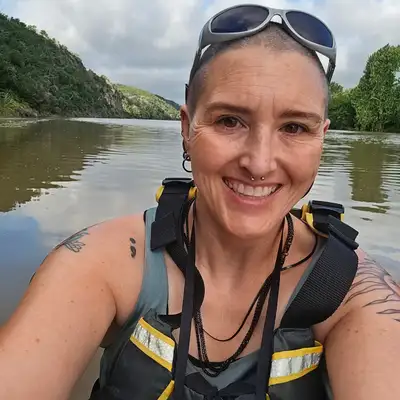
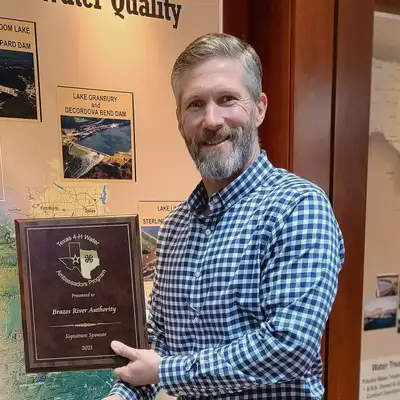
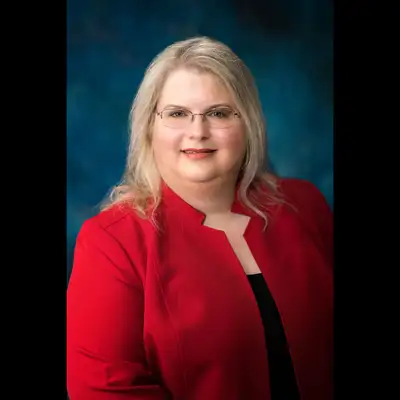
Ready to unpack the powerful stories of a Texas titan - the Brazos River? Listen as experts explain the Brazos River Basin's immense role in our daily lives. They'll cover everything from the river's fascinating history to all the work that goes into ensuring you have water when you turn on your faucet.
Hear invaluable insights on topics like why lake levels change, the important projects safeguarding our water, the many species that call the Brazos home, and even some tips for enjoying the water from Brazos River Authority experts.
This is your chance to understand the immense work that goes into developing, managing, and protecting the Brazos River Basin, which stretches from the Texas-New Mexico border to the Gulf. (The basin is the size of Tennessee, y’all, it’s big.)
It’s a huge part of our state’s story and we can’t wait to share it with you.
Tiffany Malzahn: That was kind of Waco too. Someone just happened to be at that park that saw something on that commercial barge going in the water and raised the alarm. I think it was just a general citizen.
Clay Sellers: Got questions about the Brazos? No more unknowns. Ever wonder where that water comes from or where it goes? We're Unpacking the Brazos River.
Charlie L Shugart: Copper was actually one of the first metals we ever bothered to dig up. The U.S. Geological Survey traces its glory days all the way back to 8,000 BC for coins, and because even prehistoric humans couldn't resist unnecessary accessories, trinkets. By 5,500 BC, copper tools dragged us out of the Stone Age, leaving behind Bedrock's favorite modern Stone Age family, Fred and Wilma Flintstone, to enjoy their yabba dabba doo time in peace. Long after the Bronze Age gave way to the Iron Age, copper consistently coasted in second place behind iron. That is until the 1960s when aluminum showed up cheaper and way more plentiful, and copper was demoted, according to the Encyclopedia Britannica.
Fast forward to today. The Brazos River Authority is using copper to attack teeny tiny nightmarish mussels in Central Texas. It's the latest line of defense against zebra mussels to keep infrastructure safe and increase the reliability of water transportation to meet area needs. I'm Charlie Shugart, and this is Unpacking the Brazos River. Returning to the podcast are Tiffany Malzahn, BRA's chief environmental officer, and Brad Brunett, BRA's chief operations officer. Welcome back, you guys.
Brad Brunett: Yeah, it's good to be here.
Charlie L Shugart: Now, most people don't wake up thinking about raw water pipelines, but when you realize how much growth Central Texas is seeing, this stuff gets real fast. So, for anyone needing a refresher on the Williamson County Regional Raw Water line, where is it actually running and who's depending on it?
Brad Brunett: It's a raw water pipeline that pumps water from Lake Stillhouse Hollow in the Killeen area down to Lake Georgetown. It's about 28 miles long. It's 48 inches in diameter, and it's vital to the three customers that we have at Lake Georgetown, which are the City of Round Rock, City of Georgetown, and the Brushy Creek Municipal Utility District. Those three entities use more water than Lake Georgetown can naturally provide, especially in drought times, and so we have to have the pipeline to make sure that they have a reliable supply of water. At Stillhouse Hollow, it's located in Bell County, and we've got probably, oh, half a dozen or more customers that rely on water from that lake, and some of those are wholesale customers that have 10 or 12 other customers to them that rely on the lake.
And so, when you look at where water goes from Lake Stillhouse Hollow, I think there's about six counties. Every single county adjacent to Bell County and some even further out than that receive water from Lake Stillhouse Hollow. So, Lake Georgetown is in Williamson County, so obviously, you know, the pipeline and pump station sends water to Williamson County. But we have other customers with separate intakes that are in Lake Stillhouse Hollow too that supply water again to pretty much every county adjacent to Bell County and even beyond.
Charlie L Shugart: Yeah. It has a much bigger impact than what's just immediately surrounding the reservoir.
Brad Brunett: Right.
Charlie L. Shugart: Ok. Yeah. So, Stillhouse Hollow Lake and Lake Georgetown are two of the lakes in Texas that the Texas Parks and Wildlife Department consider fully infested with zebra mussels. What does that mean?
Tiffany Malzahn: A zebra mussel is a tiny nonnative mussel that was brought to the United States and mainly the Great Lakes decades ago on shipping traffic, and they have slowly migrated their way all the way down through a variety of river systems to Texas. It took quite some time, but they did get here because they have no natural predator, because they are non-native and they reproduce extremely quickly. They also have a morphological adaptation called abyssal thread that is different from one of our native freshwater mussels, which means they have the ability to attach to hard surfaces. So, it's very easy for them to be transported from water body to water body by boats.
Their babies are very small. They can get in bird feathers, and when you have reservoirs as closely situated as a Belton, Stillhouse in Lake Georgetown all are, that is within the realm of what a bird could transport a zebra mussel from one to another. So, because they have no natural predator, they reproduce basically without any check to their population size, and they reproduce very prolifically. So, they can very quickly go from a few mussels to millions to trillions of mussels, and that's what we've seen in our reservoirs. And because of their ability to attach to hard surfaces, pipelines, dams, boats, marinas, any sort of infrastructure that's in that water body, they have the ability to attach to it. And when you have a pipeline that needs to flow water through it, having a bunch of mussels constricting the size of that pipeline is where you start to run into some problems.
Charlie L. Shugart: Kinda like a clogged artery?
Tiffany Malzahn: Yes, exactly like a clogged artery or a pipe in your house that's corroded up with a calcium deposit.
Charlie L Shugart: Okay, so birds are out here, acting as unintentional Uber services for invasive species. Awesome. So, let's talk about this new line of defense that we're undertaking. What does copper have to do with a raw water line and zebra mussels?
Brad Brunett: So, we installed what's called a copper ion generator in the raw water line a couple of years ago now. And in simple terms, zebra mussels don't like copper. I don't know who discovered that or how it was discovered, but zebra mussels don't like copper and so they don't like attaching to surfaces that, are made of copper and copper in high enough concentrations is, you know, fatal to them. They can't live in that environment. And so, we installed this system at the pipeline to basically inject copper solution where the water is withdrawn from Lake Stillhouse Hollow into the pump station before it goes into the pipeline, basically to create that negative environment so that the zebra mussels won't be able to colonize and thrive.
And it's not only the pipeline itself because with the pipeline, you know, we've got pretty high-water velocity that flows through the pipeline. And so, there are places in the pipeline likely where the zebra mussels can, you know, attach to the pipeline and cause problems later on, but they're probably never going to fill up the whole pipeline. But we have pumps and motors and cooling systems that are used to pump the water and those have small diameter pipes that have the cooling water in them. And so that's a real concern that the zebra mussels could clog up the cooling system for the pumps and burn the pumps out and cost us a lot of money replacing the pumps. And so, the idea was, after we had learned, I think other entities across the country had experimented with copper and these copper ion generator systems, and we talked to folks that had had success with them, we worked with our customers and decided that we would put that in as a line of defense, if you will, to help just better protect our equipment and keep our costs down as much as we can.
Charlie L Shugart: So, what does that look like? Describe that.
Brad Brunett: So, we have a building, if you will, a small building on the shore at the pump station at Stillhouse Hollow that has all the equipment in it. And the actual copper ion generator is a machine that takes solid copper rods that we load into it, and it turns that solid copper into a liquid solution. And then we have small lines that run from that building out to the intake structure down into the water, down to where the screens are where the water actually is pumped into the intake structure. So that copper solution is pumped from the building and injected underwater at the front of the screens where the water enters the pump station. There's really not a whole lot to see. It's just a small nondescript building out there with some piping coming out of it.
Charlie L Shugart: Yeah.
Brad Brunett: But, you know, that's kind of what would look like and how it works.
Charlie L Shugart: Yeah. So, talk to me a little bit more about how this project helps increase the reliability of water transportation to meet the area's needs.
Brad Brunett: In my mind, the biggest thing is that it protects the pumps and motors. So, we have four pumps out there and, you know, we rely on at least two of them, you know, most of the time when we're pumping. And so, it gives us the opportunity to have less downtime, if you will, and less surprises. Let's say those pumps, you know, we got a cooling line clogged up and one of the pumps burned up. It takes a long time to pull a pump, fix the motor, and work on those things.
And so, it's basically just providing a greater line of defense that we'll be able to keep those pumps and motors running and operational like we need to. And then they also do accumulate in places within the pipeline, and like the clogged artery analogy, they reduce the flow of water. And so, our system, you know, was designed back before zebra mussels were in Texas.
Charlie L. Shugart: Wow.
Brad Brunett: So, it was designed based on certain amounts of water that we would need to flow through there. And so, if we start having constrictions in the pipeline, even though we're able to pump some water, it's not as much as what we would need. So, it's, essentially, you know, two things, I guess, protecting the pumps and motors that pump water and then keeping the line free of zebra mussels so that we can move as much water as we need to.
Charlie L Shugart: Yeah. You mentioned the customers that are served by this but, explain a little bit about how important it is to be able to move that water.
Brad Brunett: It's extremely important for those three customers because the volume of water in Lake Georgetown is less than what those customers use in a given year. So, if we're having rain like we have so far, the last few months here in 2026, we haven't been pumping any water since April, I believe. And so, the lake is still in good shape because there's rain and water flowing in. But when it gets dry and if we have an extended dry period, the lake could go from full to empty in less than a year.
Charlie L. Shugart: Wow. Gosh.
Brad Brunett: You know, we have to have those pumps and to be able to move that water for those customers, otherwise they would run out of water.
Charlie L Shugart: Yeah. So okay. So, I heard you right. It's not pumping all the time. It's just whenever it's necessary, if the lake level starts to drop.
Brad Brunett: Right. Right.
Charlie L Shugart: So, you mentioned the raw water line was put in place before zebra mussels came into Texas. Do we know the date of either of those two things?
Brad Brunett: The raw water line was first placed in service in 2006.
Charlie L Shugart: Oh, okay.
Brad Brunett: That's the first time we pumped water through it. So, it was constructed, I think, in the beginning of the late 90’s and there were some problems with the original construction. We had to go back in and replace some sections of the line that weren't installed properly. But we first flowed water in 2006, and I'll defer to Tiffany on when zebra mussel showed up in Texas, but I think it was around 2009 maybe.
Charlie L Shugart: Oh my gosh, that was really close.
Tiffany Malzahn: I think they were first discovered in Lake Texoma in the Red River Basin in April 2009.
Charlie L. Shugart: Okay.
Tiffany Malzahn: And then it took several years for them to - they kind of worked their way down into the Metroplex and then, it was several years and it was kind of a surprise to us that they first showed up in Belton, Stillhouse Hollow, and then very quickly after that Georgetown.
Charlie L Shugart: Why was it a surprise?
Tiffany Malzahn: Because they skipped reservoirs between there.
Charlie L. Shugart: Oh, okay.
Tiffany Malzahn: Just in the natural progression, I would have anticipated Possum Kingdom, Lake Granbury, some of the Trinity River Lakes, Lake Whitney to have been the first in the Brazos Basin to have been infected.
Charlie L Shugart: Go down a system, not skip.
Tiffany Malzahn: Yeah, so it just kind of jumped over the Brazos, which is probably a function of boat traffic between either Metroplex reservoirs or Lake Texoma. All it takes is one. Somebody probably took their boat, didn't realize it, didn't give it time to clean, drain, and dry. Zebra mussels are real hardy too; that's another reason for their success. They can endure high temperatures, cold temperatures, being dewatered for an exponentially longer amount of time than a native freshwater mussel. They can survive upwards of five to seven days out of water. And then put water back on them, and they'll …
Charlie L Shugart: Keep doing their thing.
Tiffany Malzahn: Keep doing their thing. So, I'm assuming it was boat traffic.
Charlie L Shugart: Yeah. That's honestly crazy and a good reminder that human behavior can have a big effect on ecosystem changes. Okay. So, you mentioned that the copper is being transformed in the copper iron generator into liquid, and then that liquid is being pumped out around the screens.
Brad Brunett: Right.
Charlie L. Shugart: So that would be in the reservoir itself. Right?
Brad Brunett: Right.
Charlie L Shugart: Okay, so how do you address the people who are concerned about putting copper in the water, especially since they're literally fishing in it, drinking it, and living next to it?
Tiffany Malzahn: Our engineers modeled the dosing, and it is a very low dose level to keep those away. Then when you discharge into a body of a reservoir, they did some initial testing, it's not even detectable in most analytical analyses that we've done. So, it's a very low dose, so it should not pose a threat to the human environment, the fish populations, or anything else. We also, this whole system was reviewed and approved by the Texas Commission on Environmental Quality. We went through that process.
Charlie L Shugart: Wasn't just something we made up one day.
Tiffany Malzahn: Right. Yeah. There were other processes and reviewers and other agencies that participated in that process.
Brad Brunett: I think copper is a naturally occurring element that's, you know, found, naturally in the environment. So, like Tiffany said, it's a very low dose that we're doing and, you know, there may be other areas where there's no copper ion generator, and there's higher concentrations of copper than what we're doing here.
Tiffany Malzahn: There are Texas surface water quality standards for levels of copper. They're somewhat reservoir-specific based on a variety of different factors because how dangerous a metal can be also depends on other things like pH and temperature, hardness of the water body, and none of the modeling ever had the dosing even close to either the human health criteria or the aquatic species criteria.
Brad Brunett: Yeah. So, the screens that we're talking about are underwater in Stillhouse Hollow. There are two different levels of screens. So we have some that are very close to the bottom of the reservoir, and then we have some that are, you know, essentially halfway between the bottom and the normal elevation where we can take water at different zones. And most of the time when the lake is full, we can take water from the screens that are further up because it's generally going to be a little better quality of water.
But either way, the water comes out pretty good depth in Stillhouse Hollow, and so the copper is injected in front of these screens, and the screens are there to prevent fish and other things from being sucked into the pumps. So, there are screens there, and the copper solution is injected right there because that's essentially where the water enters the system. And if we inject the copper there, then it's going to have a presence from that point all the way up the intake structure to where the water goes into the pipeline, all the way to Lake Georgetown, and then all the cooling systems that use water to cool the pumps there at the intake structure. So, it's put in at those screens because that's the entry point to the system, and it will find its way everywhere that water goes from that point.
Charlie L Shugart: Oh, that's really interesting. Can you talk about why the comment you just made about how the water higher up is of better quality than the water toward the bottom?
Brad Brunett: Tiffany can probably do a better job of that.
Tiffany Malzahn: It's mainly a function of two things: closer to the bottom, especially when you have a large flow like a pump pulling water, and you're going to stir up some sediment. So naturally, it's going to be a little dirtier at the bottom. It's not necessarily a bad thing, but it's going to be a little dirtier because you're going to stir up some sediments. So, sediments can trap a variety of different chemicals and parameters in there. The biggest one is we'll see nutrient cycling right at that level, the sediment-water level.
But also in deep reservoirs, especially down closer to the dams where it's deepest, you tend to get what's called a thermocline, where you don't get good mixing with the surface. Those bottom layers are anoxic. They're colder and they have no oxygen. So that allows for some other activities, bacteria down there, they're breaking down. Anything that falls in that river, so trees from floods, fish that just die naturally for natural causes, there's also bacteria down in those lower layers working and doing their thing.
In that anoxic zone, it's okay, but then once you start stirring and pulling some of that up, like a lot of them will release a substance, you know, H2S, but once it gets exposed to oxygen, it can become sulfuric acid really quickly. So those are…
Charlie L Shugart: What's H2S?
Tiffany Malzahn: Hydrogen sulfide gas. That in the water, it just stays trapped down there, and no one knows it's there. But if it's exposed to air, it can volatilize either out of the water or mix with the oxygen in the water and cause pH effect.
Charlie L Shugart: That's super interesting. And that's not a Stillhouse-related thing. That's a reservoir thing?
Tiffany Malzahn: That is every reservoir.
Charlie L Shugart: Okay. So, you mentioned briefly that there are other agencies or organizations out there using similar methods to this.
Brad Brunett: One of our customers actually, at Lake Georgetown, installed a similar system on their intake structure at Lake Georgetown. So, they've got a pump station in Lake Georgetown that pumps water to their treatment plant. And so, it's the Brushy Creek Municipal Utility District that installed one of these systems about the same time that we did. There's different applications of them and I'm not familiar with all of them, but it's been used in systems like ours as well as in municipal water treatment plants where, you know, rather than pumping water from one lake to another, they're just taking the water from the lake to their treatment plant, and they do it for the same reasons we do, is to protect that infrastructure, where they're pumping the water up to their treatment plant to keep the zebra mussels from clogging things up.
Charlie L Shugart: Yeah. We know there are still reservoirs within the BRA's water supply system that are zebra mussel-free. What are some of those?
Tiffany Malzahn: PK, Lake Granbury, Lake Whitney, Lake Somerville, Lake Limestone. Lake Waco - they had a scare, but they caught it early enough and were able to control it before it got out of hand.
Brad Brunett: Procter and Aquila.
Tiffany Malzahn: Yeah. Lake Procter, Lake Aquila, then of course in our upper basin some of the smaller municipal lakes like Sanford, Fort Phantom Hill, Hubbard Creek, some of those reservoirs, none of them have it. So, it's really just Belton, Stillhouse, Georgetown, and Granger in our basin right now that we're aware of.
Charlie L Shugart: So, what can people do? I mean, you mentioned boats. What is it people can do to help prevent that spread so we don't have an infestation at the different lakes?
Tiffany Malzahn: When leaving a lake, first stop and drain your boat at that lake. Pull your plugs, drain your bilge, leave anything there. Give your trailer a good inspection. It's not just zebra mussels that can be problems. There are aquatic invasive plants that, especially in some of our East Texas reservoirs, are very devastating to the reservoir, the ecology, and anyone trying to use water from that reservoir. Give your trailer a good inspection to look for hitchhikers. And then if you're moving from water body to water body, you really need to let your boat have a good solid ten days to dry out before you go put it in somewhere else. Now, if you live at Lake Belton, and you trailer to Lake Belton, and you only fish Lake Belton, it's not a concern, you know. But the minute you want to start and say, hey, I'm going to go up and check out Lake Procter and fish some catfish, you need to give your boat a good solid ten days, you know, of being in a dry environment to let it fully dry out because that'll kill the veligers for zebra mussels, which is their baby, are microscopic, you can't see them.
Charlie L. Shugart: Oh, wow.
Tiffany Malzahn: So, you know, that will give a good ten days for that boat, especially they like the little carpet and padding to hide in there. That gives enough time to dry out, desiccate the baby so it's not viable. And it is important to note that Texas has passed a law to that effect that if you get caught transporting zebra mussels, it's a minimum $500 fine, and I believe there is, if it's commercial, it's an even increased thing. An average recreational boater could be subject to a $500 fine from a game warden.
Charlie L Shugart: Because it is just that serious.
Tiffany Malzahn: It's that serious to, you know, the water supply. As our population grows, our water supply becomes more and more critical.
Charlie L. Shugart: Right.
Tiffany Malzahn: And we can't afford to do anything that wastes it or makes it more difficult to utilize.
Brad Brunett: In addition to the pumps and pipes that we're talking about, you know, that's a big added cost in places. Like this Copper Ion Generator System costs us money.
Charlie L. Shugart: Right.
Brad Brunett: We're hoping it saves us money in the long run, but it's still an added cost. And so, in addition to the added cost, though, where you have zebra mussels in lakes, they're a nuisance for recreation. When the shells that result after they die are sharp. If they're on swimming beaches or stuck on, you know, rocks and stuff, you know, they can cut, you know, your feet if you're swimming. If you're a fisherman, you break your fishing line more often if you're fishing because the sharp edges of the shells will cut your line.
Charlie L Shugart: It really makes that big of a difference.
Brad Brunett: Yes.
Tiffany Malzahn: Yeah. And even things like your navigational buoys. That's one of the things that my team of aquatic scientists, when they're on the lakes, will go pull a buoy just on the un-infested lakes, just keep an eye on things. You do that on Belton, and you can see them physically weighting those buoys down, so that you know, even becomes a maintenance problem for that reservoir operator to have to keep an eye on them, replace them, and make sure they're there so recreational boating is safe.
Charlie L Shugart: Well, gosh, for how tiny they are to weigh down a buoy, I mean, that must be a lot of zebra mussels.
Brad Brunett: I heard Tiffany say trillions earlier and that's probably right.
Tiffany Malzahn: Yeah, in some of the lakes. Now we have been, I think, very fortunate in Texas and it's maybe one of the few times that our drought-flood cycle works to our favor, compared to other areas, that does seem to give it some natural population control.
Charlie L Shugart: Wow.
Tiffany Malzahn: When we have a drought, and those lake levels go down even a couple feet, it'll kind of knock back the population, or even a flood that raises, especially in a Corps reservoir where they have flood storage, that raises that quite a bit, that puts that level where they're actively at much deeper and less favorable conditions. That has, I think, provided us with some control of it not being as bad as it has been in other parts of the country.
Charlie L Shugart: Yeah, wow. So, is the waiting ten days between going to different reservoirs something that the aquatic scientists have to do as well?
Tiffany Malzahn: We've worked with Parks and Wildlife, and right now, we're fortunate enough, we have two boats. So, we have one boat that is tagged only for use in Belton, Stillhouse, Georgetown, and Granger, and the other boat goes everywhere else.
Charlie L. Shugart: Wow.
Tiffany Malzahn: However, we also have worked with Parks and Wildlife to come up with a methodology that is acceptable to other entities like us to use, which is we have a heating pressure washer that heats the water to extremely high temperatures. So, if we had to, for some reason, move boats between reservoirs, we have the ability to wash and clean and not have to wait that ten days.
Charlie L Shugart: Oh, that's incredible.
Tiffany Malzahn: We still try to give it a couple, you know, two to three days, but with that heating power washer, I think it heats to 140 degrees Celsius. It's really hot. And it was a really expensive pressure washer to buy, so it's probably not a practical solution for a recreational boater.
Charlie L Shugart: Definitely not something you can casually pick up on a weekend trip to Home Depot. But that's something that's important for you guys because they are out so often at the lake.
Tiffany Malzahn: Yeah. That and, you know, we never know when we're going to have to get called in in an emergency situation to do sampling or something like that. We may not always have that luxury, so being able to come home at the end of the day, give the boat a good wash, and know we're safe and ready to go is important.
Charlie L Shugart: Yeah, no, absolutely. Okay. Well, is there anything I forgot to ask about this project that we want to make sure will help people understand what it is?
Brad Brunett: One thing that some people might be curious about, the copper rods. It's solid copper rods that we put into the copper ion generator, and they turn that solid copper into a liquid solution that we talked about. And so, in terms of maintenance, we periodically have to replace those solid copper rods to keep the system running, but they last a pretty good while. I don't know exactly how long one of the rods last, but that's kind of how it works.
Charlie L Shugart: What do those look like?
Brad Brunett: They look like a, a cylinder of solid copper.
Charlie L. Shugart: Oh, okay.
Tiffany Malzahn: Just like a copper pipe but solid.
Charlie L Shugart: Yeah. If we knew what we knew now about the zebra mussels, could we have done anything different with the raw water line? Fight against zebra mussels or, I mean, would that even be in the realm of possibilities?
Brad Brunett: There are probably some things that we would have done a little bit differently, but I don't think, you know, we wouldn't have built the whole 48-inch, 28-mile-long pipeline out of copper or anything like that. That's not feasible.
Charlie L. Shugart: Yeah.
Brad Brunett: But there are probably little things that we would have done, had we have known before when we designed it and built it that we would have done. But I don't know if there's any huge significant thing that we would have done that would have ensured we wouldn't have had problems.
Charlie L Shugart: Right, yeah.
Tiffany Malzahn: And I think that's the rough thing. There are parts of the country that have been dealing with this a lot longer than we have. Honestly, the solutions are few and far between. The copper ion generator is a relatively new technology. People have been battling it for a while. I think, you know, we might could have put a copper zinc alloy grate on it. At the time when we were building it, that was probably about one of the few proven things that could maybe slightly make a difference. But it's, you know, the Great Lakes that have been battling these for a lot longer really, other than a lot of routine maintenance and cleaning, haven't really found the magic bullet to zebra mussels.
Charlie L Shugart: Gosh. Once the reservoirs get zebra mussels, mean, can they be eradicated, or do we think that once Stillhouse gets them, is Stillhouse going to have them forever?
Tiffany Malzahn: Yes.
Charlie L. Shugart: Okay. That’s awful.
Tiffany Malzahn: It depends. I will say there's been one case, like I said, Lake Waco. They happened to have a commercial barge come in to do some work at a marina. He got into the water, but somebody noticed it like right away. And they got it out of the water, the Corps of Engineers showed up Parks and Wildlife, the city of Waco, and they sent divers down. I don't know how they did it because they are so small and hard to see unless you're at a full infestation level. And they found one area where that barge had dropped some mussel shells off of it, and they were able to tarp and smother the area. No one really thought it was going to work, but it was, we have to try to do something. And amazingly, it did work. And they were able to kill those mussels off, that's the only case that I've ever seen.
We've had a close call, and thanks to a very watchful maintenance worker at Granbury, we had a very similar situation setting up. Commercial barges coming into work on a bridge project, and one of our maintenance workers said, “That doesn't look right,” and called one of our lake rangers, who was like, “That is not right,” and refused to let them put the barges in the water. But that was a very lucky situation. We just happened to have a very mindful employee working in that park at that moment those barges showed up. That was kind of Waco, too. Someone just happened to be at that park that saw something on that commercial barge going in the water and raised the alarm. I think it was just a general citizen in that case and started calling city and Parks and Wildlife, they were able to get to it. But, you know, Possum Kingdom, I think, there's over 20 boat ramps around Possum Kingdom Lake. A lot of them are private camps and resorts. We can't watch, it's not physically possible for us to watch every boat ramp twenty-four hours a day and inspect every boat. And that's what's allowed them to proliferate and move all the way down the United States, is that it's just not feasible. It's rare that you know you have a problem till you have a problem.
Charlie L. Shugart: Yeah.
Tiffany Malzahn: It's very rare that you get a city of Waco, Lake Waco situation.
Charlie L Shugart: That sounds like a plot out of an action movie. The fact that one vigilant citizen completely saved Lake Waco really shows how wild the stakes are. So, essentially, once they are there, the zebra mussels, there's no reset button. It shifts from how do we get rid of them to how do we survive living with them. And we work with the Texas Parks and Wildlife Department to help spread this message of “Clean, drain, and dry,” right?
Tiffany Malzahn: Yes, we participate in their public outreach program. And it's more than just clean, drain, dry, it's really all invasive species. Like I said, there are several aquatic plants that can be just as damaging as the zebra mussels. Fortunately, the only lake we have that has any challenges with those is Lake Limestone that gets water hyacinth and we also partner with Parks and Wildlife on managing that population. And we've been pretty effective with that, but we do contribute along with most other river authorities and reservoir operators to Parks' public outreach campaign to try to make sure the general public is aware of the impact they could potentially have …
Charlie L Shugart: Yeah.
Tiffany Malzahn: … by moving their boats from reservoir to reservoir or river to river.
Charlie L Shugart: Yeah. I have seen the billboards on the side of highways before. Clean, drain, dry in giant letters. Okay. Well, a huge thanks to Tiffany and Brad for coming back on the show today. Water infrastructure, it turns out, isn't just about digging pipes. It's an ongoing effort to protect what we've got and what we need. So, basically, Fred and Wilma might have retired back in 5,500 BC, but Copper is still on the clock. Consider that a true yabba dabba doo moment for our water supply. Take care, everyone, and see you on the next episode of Unpacking the Brazos River.
Brad Brunett: Yabba dabba doo
Charlie L Shugart: Yabba dabba doo