Subscribe
Share
Share
Embed
The podcast for high achievers who want to stay sharp, focused and full of energy despite their diagnoses. Those who know there has got to be something better than simply accepting decline.
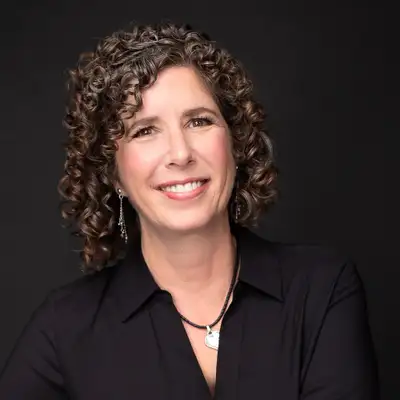
Hosted by Julie Howton, a National Board Certified Functional Medicine Health Coach who used to suffer from crippling Rheumatoid Arthritis until she learned the tools and strategies to take her power back from autoimmunity.
In this podcast, Julie brings you interviews with thought leaders in the Functional Health and Wellness space. You will get actionable recommendations to Take Your Power Back and catapult your health. No fluff, just concrete, useful steps to improve your health!
Welcome back to the inspired
living with autoimmunity podcast.
I'm your host, Julie Michelson.
And today we're joined by Dr.
Melanie Keller ND, who is a leading
global pioneer in the revolutionary
treatment of IBS and SIBO with an
astounding success rate of 90 percent and
permanent results in 12 weeks or less.
Dr.
Melanie is practicing precision
medicine through SIBO solution.
com and drmelanie.
com.
In today's conversation, we are
talking about the autoimmune
component of IBS and SIBO.
Dr.
Melanie explains just what SIBO is and
how she creates individualized treatment
approaches that work quickly and help
break the all too common cycle of SIBO.
Dr.
Melanie, welcome to the podcast.
Thank you for having me.
I am so excited for our conversation.
I always, I always have the best time
with the podcast and I always learn stuff.
And as I shared before we
hit record, we really haven't
covered in depth SIBO and or IBS.
You know, they've been maybe
little points in conversations.
So I'm excited to talk about that
with you, but I would love to
know how you came to functional
medicine and specializing in SIBO.
And I know you do other stuff and
we'll hopefully have time at least
to give a teaser for that as well.
But, you know, tell me a
little bit about your journey.
Well, okay.
Well, I, I was the patient, you
know, that's not uncommon, is it?
Um, but I also grew up in like the
pristine lifestyle in, in, in that sense.
I grew up in Alaska with mountain
spring water that we'd go fill the jugs.
We were a commercial fishing family.
So I was raised like.
Forrest Gump style on Sam
and this and Sam and that.
And so, um, the fact that I struggled
with my health and particularly my bowel
function, just putting it out there was
that, you know, kind of shocked my mom.
I was 16 years old and she's
like, when was the last time
you had a bowel movement?
And that's one of the things that I
like to kind of point out to people
is that there seems to be a time
when we stopped talking about this.
I'll say, when do we stop
talking about our diapers?
We know how our children are
functioning from diapers.
We know in the elderly, right.
Diapers might come back into play.
So it's this in between time.
Right.
So my mom was very comfortable talking
to me, but I was just like, Oh, that's
16 year old, you know, it was just.
So embarrassed.
And yet when I told her that it had
been a significant amount of time,
I mean, she almost fell over and she
was on the phone because we're rural
calling, uh, Juno to have things
flown up in a little small plane.
And of course, none of
those items worked for me.
So fast forward to
naturopathic medical school.
My gastroenterology professor was on, uh,
he had been writing his book and he comes
back and there was about two paragraphs in
his functional gastroenterology book about
small intestine bacterial overgrowth.
And I thought to myself, I, you know,
it was one of those intuitive moments to
where you just like something resonates
with you is another term where you
just go, that's me, you know, and here
I had been sitting in classes when.
Other professors would say, do this, do
that, use these herbs, increase flax,
and I was doing all the things and
it was actually making things worse.
So when I read this pair, you know,
this entry, I was like, this is it.
And I actually.
We have to do our internship, so I put
in for a lottery to be with him and I
won and then I just kind of stayed on
as even a pseudo resident after school.
Um, and then I helped form the
CBO center at the university.
And I really just specialized in
this because especially at the time,
no one was really talking about it.
And so I was talking to people from
all over the world who just wanted
to be, to feel normalized, you
know, or just say, does this exist?
And I'm here to say, yes, it absolutely
exists and there is a way to handle it.
It is real.
It is not imaginary.
Let's dive in.
So I'm so grateful because this is
really a common issue with people,
SIBO and IBS, and we can talk about
it in any which way you'd like.
Um, I, and I.
I agree that, that I talk
about poop every day.
I train my clients.
I'd say I draw them.
I don't want pictures, but
we need to be talking about
Please.
Um, and I think one of the issues is so,
you know, we only know what's going on in
our body and we don't, you know, we don't
really consider is this optimal or not.
And so if something's been a
long term pattern, people just.
Assume that's just the
way their body works.
Um, so what is SIBO?
What are some of the symptoms?
Let's, let's talk a
little bit more about it.
Okay.
So it stands for S.
I.
B.
O.
small intestine.
So that's the location.
Bacterial overgrowth and there are the
point is, is that we should not have very
many bacteria in the small intestine.
It doesn't take much to actually.
Cross over into an overgrowth
because this area should be nice
and cleaned in a sense of its main
job is to do nutrient absorption.
And then of course, uh, our
neurotransmitters along with, you know,
I'm, I'm summarizing here, but there it's
got some serious jobs that it has to do.
So it needs to not have any dust
bunnies happening in this area.
However, these bacteria are our friends.
When they are in the right compartment,
which is in the large intestine.
And so that's one of the things that
I like to clarify for people as well
is that this isn't an infection,
this is, or these aren't bad.
Um, it's that there's just too
many of them and we just need
to move them along so that they
get into the right compartment.
And there are different forms of how it
presents as far as symptoms go, I assume
you wanted to know that too, that we have,
we are measuring for specific gases that
are produced from that small intestine
area and hydrogen is really a fuel
source, but hydrogen is known as the, to
produce the form of loose stool, diarrhea,
uh, Perhaps it's some abdominal pain.
That's a bit more common in our site.
Say people refer to hydrogen SIPO.
Then we have methane and methane
are tricky little buggers.
They actually like to reverse our flow
of our small intent of our entire colon.
It's called reverse peristalsis.
They also like to
exponentiate our caloric.
Intake.
So for example, the person that's
on that 1200 to 1500 calorie diet,
yet they are putting on weight.
And, you know, so those microbes
can exponentiate the calories, which
were helpful for people when we were
hunter gatherers, or even are still.
And these microbes can actually
be throughout the entire colon.
So there are technically S I B O, or
some people refer to methane, SIBO,
but we also have a new term called
intestinal methane overgrowth, which,
you know, encompasses the entire tube,
let's say, because methane can be present
and affect us in the small intestine,
but also in the large intestine.
Then we also have cyhydrogen sulfite.
So hydrogen sulfite is
the stinky little bugger.
And that is the one that's going
to be producing that foul gas.
I'll ask people, so is
your stool or gas fragrant?
And they'll kind of
look at me like, hello?
And I'm like, well, you know, sometimes
it's, sometimes it's just windy.
And Sometimes it's silent, but deadly.
So that's a, another specific
microbe that is actually more
leaning towards our diarrheal.
So I said, hydrogen is a fuel
source for hydrogen sulfide.
They like five hydrogen.
And, um, so that is really more
predominantly this diarrheal, maybe
additional abdominal pain, cramping.
Across all boards, we can hear the symptom
of bloating, and I'll say that with
capital letters and bold, um, whether
people have visible distention, um, I've
even had men say they feel nine months
pregnant, or if it's just a sensation in
their body, either like a water retention
type sensation and, or they can feel
six to nine months pregnant, but you
just don't visibly see that distention.
Yeah.
in the conversation?
And again, I do like the bloating
especially, I think is something
that people tend to normalize.
Um, or maybe, you know, just it's
at the bottom of the list because
maybe they don't really even know
something can be done about it and,
and that this isn't, um, you know,
is there a time period because.
Life happens, things change, you
know, so is there a kind of like a
length of time where if somebody's
had these kinds of symptoms?
It's worth thinking about,
Well, because I, as you were speaking, I
was thinking, you know, a little bit of
bloating, transient bloating is normal.
That's, that's what we're,
that's, that's the prebiotics then
turning into probiotic, right?
Though these are our friends.
Um, so you might have a little right after
that particular meal or something that
was maybe off your typical eating style.
You go to a restaurant, right?
And you have it all.
Um, so having a little bit of
transient bloating is normal, um,
potentially bloating around a woman's
menstrual cycle can be normal.
In fact, that's another thing that
I'm asking somebody is like when they
speak to me, you know, they'll say, Dr.
Melanie, it's day blank of my cycle.
Such and such is happening because
I'd really like them to be in
tune with, with that component.
Um, but it's a, it is a good question.
I think that, like you
say, it's been normalized.
So that's the reason why I bring up the
autoimmune component and let people know
that it's, that there's testing for this.
In fact, interestingly, if I just
spoke with someone yesterday who,
because they've been with me for
so long, they're like, Oh, we did
that test, you know, whenever ago.
And I'm like, No, it's
actually relevant now.
Um, because when you watch their movie,
you see that in X amount of time ago,
typically months, they had an incident.
And oftentimes people don't remember
a food poisoning or they won't.
Equated to a food poisoning.
And that can be due to, well, my so
and so also who ate there or with
it or at the wedding didn't have it.
And I'll agree with them.
I'll say, yes, a hundred people
who had the salmonella chicken
at the wedding, 10 of them can
have those autoimmune response.
So I understand why.
So and so didn't have it as well.
And at the time of that food poisoning,
which is bacterial specifically,
so gastroenteritis can be viral.
And yet when we are talking about
a bacterial gastroenteritis,
they leave behind a toxin.
And this toxin is what our immune
system will cross react with and, and
respond to our migrating motor complex.
And that is our cleaning
wave of that small intestine.
So it starts in the stomach and
it goes through the small bowel.
So if somebody has had this autoimmune
reaction to that, I call it the light
switch of that, you know, migrating motor
complex, they could potentially have
what I refer to as a skip in the record.
And that skip in the record can then
lead to the propensity to have an
overgrowth because those bacteria
can't whoosh on through to the large
bowel where they're supposed to be.
They just kind of get stuck, you know,
and depending on the height or, you
know, the number of that antibody tests,
I can say it could be a little scratch.
Or it could be a groove.
And if you have the groove
in the record, perhaps you do
have to have more things to do.
I'll call them the, I'm putting them
in air quotes, the SIBO rules or
the SIBO diet or the whatever is out
there because it might pertain to you.
But then there's other people who, if
they do not have this antibody or they
do not have a significantly, you know,
out of reference range antibody, those
things may not pertain to them and they
could be doing unnecessary restrictions,
um, that we would really like to address.
I love that you brought that up, um,
because especially in the autoimmune
world, I think, you know, this
over restriction, um, is an issue.
And as somebody who has a, I
have a restricted diet to when
I, you know, to feel my best.
Um, but I am always.
Still, even at this point, reintroducing
on occasion to see, can I expand out?
Because we want the most diverse.
And so I love that you said that
because especially, you know, when
you are talking people that have gut
symptoms, SIBO symptoms, you know,
yes, we, we tend to need some kind of
a restriction for some period of time.
Um, and so, so how do you.
I know you said, you know, story,
listening to story, but if people, like
you said, often aren't connecting the dots
between, you know, oh, I had that incident
and now I have this kind of chronic
seeming thing, um, it, are you testing
everybody and what is the antibody or
like, what are you, what are you testing?
Sure.
Um, there's a few things there
that, uh, so this is technically
a test for what we'll say for IBS.
Um, I was actually at Cedars
Sinai at a time when, and, and I.
I prefaced by saying this because it's a
specific food chain, Chipotle had another
incident, okay, and I was there with the
research team and they were all like, uh,
you know, really kind of it and ironically
excited, you know, in the sense that like
saying, Hey, we have this opportunity to
test for the, for if this was a bacterial.
Versus it ended up being viral.
My point there being also is
that many people will assume that
because they're plant based, um,
oh, I don't eat animal protein.
So therefore I'm, you know,
I don't have that problem.
I'll say, well, I've eaten
romaine lettuce in the last
was going to say, or cancel or I
could like, there's a big list.
So then they'll kind of, you know, whoa.
So back to the fact that this is really
specifically treating IBS and it's very
sensitive and specific for diarrhea.
Okay.
And diarrhea or mixed,
um, so that's 1 component.
I just wanted to clarify
with the SIBO versus IBS.
Then, because you have IBS, or that's
where I call it the skip in the record
then because we can reverse this then.
You have that propensity to SIBO,
so that overgrowth, or people with
IBS, if we look at a Venn diagram,
it's around 60 to 80%, depending on
the study, that actually have, that
SIBO is the underlying reasoning for
their IBS, because we do know that
this is a diagnosis of exclusion.
Now, if we have this blood test,
though, this is what this research
team is very passionate about.
And this of course is my interpretation.
I am not speaking for them,
but that they are saying, look,
there's an extensive amount of
workup that can be very expensive.
And if you've seen a 20 something
who's had three colonoscopies, there's
a problem because they could take
this blood test and they could have
a simplified diagnosis right then and
there and not have to go through this
extensive and expensive algorithm.
Okay.
That's how sensitive and specific this is.
And while people will, I will say
debate or, you know, have this,
uh, research based opinion, uh,
that you only test people with
diarrhea or mixed, I test everyone.
So that's to answer that question.
Okay.
Now, the antibody that we're measuring
is the toxin from the, from the bacteria.
There are five main culprits
that release the same toxin.
It's called cytolethyl distending
toxin B with a little cape.
And then we have vinculin and
vinculin is this motor complex nerve.
That's what I refer to
as the light switch.
In the migrating motor complex
or this main action of motility.
That's another thing I like to clarify
for people too, is that this motility
or GI motility does not equate to what
comes out the form of our stool, right?
Because we'll have diarrheal patients
say, don't stimulate my motility.
And I'll explain to them, actually, we
do want this part cleared out so that
it then affects the large intestine
component as to the form that comes out.
I hope that.
And is that why you hear, I have
seen and heard, you know, the, the
constipation and diarrhea are not
opposite ends of the spectrum necessarily.
Right.
So, um, cause we do tend to
think, oh, constipation, slow, low
motility, diarrhea, hyper motility.
That's not the case.
Thank you.
Yes.
I want to say go motility go in
the sense that we want, we want the
right, you know, in between our meals.
So when we finish eating, there's a
specific time where this migrating
motor complex is most active.
And that includes not having a snack
or technically anything caloric,
whether it's gum or a tea or something.
This is really giving yourself
a space after meals to
allow this action to happen.
And then it's most active
while we're sleeping.
So we all know how important sleep
is, but yes, thank you for that.
Is that we, we want motility
motility is our friend.
Um, and the form of our
stool is, is different.
Um,
Love that.
So, so when you're working with people,
you're doing, which I love because
I do think there is test fatigue.
Um, and the standard, if
you have GI, anything is.
You know, they're, they're going to scope
you in one direction or another, or both,
Mm hmm.
um, and I think often people don't
realize, like, they're looking for,
you know, specific abnormalities and
they're Not going to be catching the
majority of what people are suffering
with, you know, they're, um, I
Oh, yeah, that's correct.
get answers for things
like discomfort, diarrhea.
All the things, um, unless
somebody, you know, is diagnosed.
I know my son was diagnosed
from biopsy for celiac.
So things like that, yes, we can
eventually get to, to some answers there.
But, um, when it comes to typically IBS,
um, any, all, a lot of colitises and,
and, um, SIBO, especially they're not,
they're just going to say looks good.
Oh, good.
Correct.
However, if I'm working with somebody,
it, it is And this is with all due
professional courtesy and respect to
our to our colleagues, but I am not
spending an extended amount of time
with somebody without considering.
Then having a proper workup.
Um, so for example, I was just thinking
of someone where if my go to's that are,
you know, people get results very quickly.
And if there's a hesitation there, or
even as much as they want to use, you
know, alternative, whatever the term is
right that they, they want to have this.
Um, I just had to explain
to somebody recently.
I said, look.
The reason for the colonoscopy, and this
was actually based on my intuition too,
because I would have also gone, well, I
guess we could go a couple or one more
month or one more round or something.
But then this moment I thought, Oh,
what they're looking for is microscopic.
They're looking for microscopic colitis.
And that I need to know as well.
Right.
I was like, we still need to identify
that and treat that differently.
That could be overlapping again,
the situation, but it would be best,
you know, so, or, and, or celiac.
So I am not one to immediately
tell somebody to go gluten free
if they're not gluten free.
And I've had so many gastroenterologists
thank me and even be surprised by that
and say, wow, that's really astute
of you to know that that shouldn't
have been eliminated just as a.
You know, without getting proper workup,
Gotcha.
Yeah.
I love that.
And again, gut health, just like
the rest, you know, there's often
overlapping issues going on.
And sometimes it's not, you
know, we're not in the, you
know, checking the box model.
And so I love that you're like,
no, actually I want to know all
the things that are going on.
Um,
yeah, on a case by case basis, right?
If it's, if it's somebody on their
intake where they say, I've had, I'll
call it rocket, you know, they can
eat anything they could do anything
for a majority of their life.
And then ever since it's typically a trip
to somewhere or they don't necessarily
know it was the 4th of July barbecue,
but it's, it's ever since something
that's when this blood test really comes.
Yeah.
I love that.
That I just I think the more we get these
tools that are and again noninvasive.
I mean, what a what a gift
for your patients to be able
to get information quickly.
Right.
I don't know.
So what, what is your, and I, I, I
love, I'm going to highlight that, you
know, the approach is individualized.
This is why we have these conversations
because we are all unique.
And, um, so that being
said, are there certain, say
somebody knows they have SIBO.
I know a lot of people who have
been treated for SIBO, um, without.
Success.
Um, you know, have done different
protocols, different medications,
different herbal, like you name it.
Um, are there things that are, that
are common that, you know, just.
You find in your experience don't
work or you know what I mean?
Like,
Uh, yeah, because that's, that's
predominantly the people I see.
Sometimes it's a joke of like, oh, I would
love to have somebody who's new to this.
Right?
Because then they just get the fast track.
Um, and, and it's really lovely.
Uh, my assistant and I, we used
to love seeing when people first
came to see us versus, right?
When we're like, Oh, there's
the real, you know, or they're
just like, Hey, here I am.
Um, Um, so yes, number one, this is
what I'll say and, and I, I even get
some eyebrow raises at, at events
talking to colleagues that I'll ask that
although want to pick my brain, right?
The two questions I'll ask them,
do you have them on any form
of low stomach acid treatment?
Assumption, assuming, um, giving them
betaine HCL a number one or, and, or apple
cider vinegar, which is my biggest pet
peeve having grown up in a dental family,
they, they just, whoo, they came to see me
at med school and saw those Bragg's drinks
and they were like, they just cringed.
They were like, I cannot
believe this exists.
Um, so there's my opinion on that.
Um, and.
Because, as I mentioned, hydrogen
sulfide likes 5 hydrogen, methane
likes 4, and then I mentioned
that hydrogen is this fuel source.
So I'll tell patients hydrogen
is like Pac Man pellets for Mr.
and Mrs.
Pac Man, and they will battle
it out to get those pellets.
They, and typically methane wins, but
that is why you can see a methane dominant
case with a presentation of diarrhea.
Ah,
So that's a big one.
Well, I'll say, well, you're
not your favorite health crazes.
Yeah,
cider vinegar
you know,
cure all actually.
it's the pH.
It's our enamel.
I could go on and on
I use it in like.
salad dressing sometimes
or I cook with it.
As a, as a condiment, you know, as a,
What it's created for.
culinary delight.
Yes.
But as something we drink as a beverage.
Maybe not so much.
And I trust me, I've heard
the life transforming stories.
Um, I would also then, you know, of
course my brain acknowledges that and
says, great, you know, you're outside the
out of the curve.
or, um, how long did that last?
Right.
Because it's when somebody gets benefit
from something and they continue to
do it thinking that's indefinite.
And then they can actually,
they may not even know.
And that's where it's usually me working
with a colleague, a nutritionist,
somebody who's like, are you kidding me?
I've been doing this for, you know,
and they do look back and see that
they've actually gotten worse.
So that's number one.
It's pretty significant.
And then number two is, are
they taking a probiotic?
And this will surprise people.
Um, and uh, even, even in particularly,
are they taking in probiotic foods?
Um, and so again, this
is very individualized.
However, I would rather
remove any and all variables.
So I do ask people to pause or ask
them if they ever have ever paused.
Um, and that can be dependent on their
mindset and their training, you know, and
they're in some levels programming, um,
as to whether or not they can do that.
Um, I do have a client right
now who thankfully they trusted
me to take that pause and it.
Significantly affected their sleep.
And so the probiotic is back, but
we know exactly what's going on.
We know the benefits that that person
is getting, and it's not affecting
their other things we are accomplishing.
That makes
And I love that you said that
because we're, we're discussing
quote unquote good things, right?
Yeah, exactly.
so it's something that may be supportive
for somebody who doesn't have SIBO or
IBS, or maybe even someone who does, um,
but that's where this across the board.
Just because fermented foods
could be healthy doesn't mean
they're right for you right now.
And I love that idea of I think healing
we need to kind of hold things a little
lighter Which is hard to do sometimes
when we have chronic conditions But when
we can take that experimental Approach.
It's it.
That's typically where we find healing.
And so I love that you're focusing on.
It's not do don't, you know,
it's like, okay, test see pause.
Or I watch people's body reaction, right?
I'll say, if we were to pause all these
things and I'll look to see how their
body language is, and then I'll ask
them, what do you feel of your list?
Cause I mean, there can be some
extensive supplement lists.
I don't know what's going, doing what.
And so then we'll discuss, Oh,
well, if I could keep my this
and that, and I'm like, why?
Because it helps me.
It relaxes my muscle.
And I'm like, great.
I want you to know what you're investing
in and what it's doing for you.
And then I'll say, What
about these things?
And if they get this, I call it the
shrug their shoulders and I'll go great.
Let's just pause them because we
can go shopping in them again.
They're high quality.
They're great items.
They're not expired.
You know, we'll just put them on
hold so that when we do bring them
back into this fresh new system, it
will be potentially more clear for
you, you know, because not everybody.
Know who's that vitamin D and
vitamin A are cofactors for thyroid.
And what do you know?
They could feel like they're
actually taking thyroid medication
when they're optimally absorbing
those fat soluble vitamins and
or taking them supplementally.
Yeah.
Well, and I love that the There's not
enough conversation around foundational
wellness, you know, and then people get
so caught up and I read this article or
I heard, I heard this podcast, right?
I'm going to try this.
I'm going to take that.
I was one of those.
And I always joke that my throw
spaghetti at the wall approach to
healing, you know, clearly I was
supposed to continue on and, and.
You know, do what I'm doing now, because I
shouldn't have healed with, you know, the,
the disconcerted approach I was taking.
Um, I got lucky.
I got very lucky and, um, hopefully
helping people do that in a, in
a much more orchestrated way.
For sure.
Um, so I, I love the, so these
are kind of behind the scenes.
Maybe people aren't actually thinking
these things are treating their SIBO,
but they're not realizing that these
things could be feeding or fueling
Yeah, those are things that are fueling
because when it also comes to the dietary,
or I prefer to say like eating plans or
food, um, I'll say, take all the things
you've ever done and stack all the
paper, you know, stack them like paper
in the air and then throw it up into the
air and pick the things that you like.
You know, I was a raw foodist for over
a year, you know, there's little things
that I've taken from every dietary.
You know, specific thing that I've
done that again, I'll just say
it may or may not pertain to you.
Is it in season?
You know, I really wait for blueberry
season to eat my blueberries or have them
frozen, you know, they're There aren't
things that we necessarily have to do.
Some things can be seasonal.
Some things can even supplements
can be on a pulse method.
Um, so that's just where, cause
again, I'm really speaking to people
who already have pristine diets.
They may be borderline having
orthorexia to begin with.
Um, I just had somebody messaged
me, say, can I'm, I'm going on
an anniversary trip this weekend.
I could, I maybe have a sip of wine.
You know, cause I've read that if I
is the world going to stop
is my, and I'll say, you know, again,
this isn't a doctor, you know, it's
dependent on somebody's alcohol use.
Right.
But if they are rarely
Joy is also healing too,
you know, I'm like, you're going to
that wedding, please have a sip of
champagne and a bite of, of cake.
In fact, let's make that the goal,
like I'll pass on the cake because I have
celiac and that it's just not worth it.
Well, and, but some
people are going to these.
I, you know, the gluten free, dairy
free, vegan, they have the option
and they'll still not have it,
right.
you see, and then I'll just say, but just
be open to it if you would like to, if
that's what's right for you, you know,
love that.
I love that.
What about food?
Say somebody knows, you
know, maybe they're in that.
I call it the SIBO cycle because it
so unfortunately often guys go see Dr.
Melanie.
If you want to get out of that
cycle, um, you know, and you hear
again, the list can be really huge.
So are there things if somebody knows
or even is strongly intuiting that
they, they have or may have SIBO.
Are there, are there definite
no no foods at least temporarily
while they're healing?
yeah, and that's my opinion is, is the
fermented, um, I'll point out yogurt,
for example, um, because again, this just
happened with somebody and, you know,
And again, this is, this is getting a
little, you know, into some research.
I'll call it the debatable,
but lactobacillus specifically
we know is a disruptor.
Okay.
And disruptor doesn't mean bad.
It just means it's a disruptor, right?
We can have political disruptors, social
disruptors that are do intending good.
Um, but it could be, uh, gosh, I don't
know what's happened or quite frankly,
um, I hear more often again, ever since
I tried that cottage cheese, once I had
the such and such, or I've gone down into
even the specifics of an olive with a
high powered getting on a private jet.
And he's like, Oh my
gosh, it was the olives.
And I was like, wow, even I was surprised,
but they were that fine tuned know
now, do they have to always limit?
No, it was just in that moment.
And then we were, um, I really worked
specifically with people's epigenetics.
So they were able to get in,
you know, just kind of go, well,
I bet this is what's going on.
And, um, but that was an
interesting reflection.
So, um, and again, I don't want
people to get too, is this fermented?
Is that, you know,
And olives can be really good for you.
So we're not saying don't eat olives ever
These are very specific, unique, um,
moments in time in somebody's journey.
Um, but if that might, you might say,
oh my gosh, that's maybe my journey,
then that's who we're speaking to.
And then, yeah, that that's
really the main thing.
I actually, the other thing that I'll see
people that are not doing very much of is
having carbohydrates, hydrates, they've
restricted their carbohydrates or their
VOD, not, you know, what, whatever the.
Um, and I think that's a really
important thing is, um, in particular
those with methane, if they are
on a keto diet, methane loves
fat, specifically saturated fat.
Um, so there, again, it really can be
dependent on the person, but, and trust
me, I sent somebody out the door after
our first appointment saying, will you
please go have some, some potatoes?
In fact, there's a five guys that, keto
diet and Intentionally making it that
radical coming from me and so of course
they went home and made their own and and
yet, you know, he's a 20 something and
he describes in this testimonial video.
He's like my body lit up.
He's like, I felt like an 80 year old.
In this 25 year old body and just a
little bit of potatoes, because he said,
he was like, I left that appointment and
thinking I need a new doctor because this
isn't what anybody else has said, has
Nobody else said, go eat carbs.
I I'm flying in
woman listening right now is
like, Oh my gosh, did I just
get permission to eat carbs?
Oh yeah.
No, I've actually told a woman,
I was like, look, or I've even
been on a date where I'm like, ah,
I'm not going to order the salad.
I'm going to get the fries.
Cause that's actually
better for my system.
Um,
I love the, you know, we need to remember
that our body is giving us information.
I can't tell you the
amount of people that.
Will tell me, you know, through
conversation, eventually connect the dots
that when I eat fermented foods, it makes
my bloating worse, and it's like, well,
but they read it was healthy, right?
So that, and, and so it's like, well,
you know, if your body is telling you
something, and you, you hear it, listen,
um, yeah, so I love, I love that.
So I'm guessing because, you know,
You're healing oriented that you
are saying SEPA doesn't need to be a
cyclical issue that as soon as you stop
treatment, your symptoms come back.
gosh, no.
In fact, I, I will, and it's not me.
I'm not trying to have this ego driven,
but it's, it's my observation, right.
That, um, I see people
get results so quickly.
In fact, Uh, last year, somebody,
uh, happened to come and see
me right at the holidays.
And within four days, they were
messaging, uh, in my private program,
they had direct messaging access and
they were like, my family thanks you.
And so they were having
this horrible constipation.
Hadn't had, you know, we're talking
days between bowel movements
and within four days, they were
having daily bowel movements.
Now they signed up for a
six month program with me.
And yet within days, and not only
did that maintain, you know, I mean,
of course there was some, again, it
was, was actually kind of deleting
some of the files from other things
that they heard and read and what
they were exposing themselves to.
And then they kind of learned to,
I don't want to say they have to
lean on me, but that I can be the
resource for them to check in on.
Before they look to somebody else's
experience or something, right?
Because that's the value in hiring a coach
or, you know, somebody who's really going
to be specifically understanding you.
Um, so even for me, that was, you know,
I would say that's maybe not typical,
but it's not, not typical where I
can see people get results within a
couple of weeks, and then I like to.
Educate them on the why so that
they can get to know themselves
and navigate it themselves.
Now, do I have people who
have been with me for years?
Yes, because they really like that.
I know what I know.
And, or one gentleman in particular
has this positive skip in the record.
He's a high level executive that
just needs to be able to ask me,
you know, I'm on retainer, you know,
I have, I have those clients as well.
And they consider me part of their team.
Like they just,
they got to run it by you.
yep, that's, and, and then there's always
this, that the uplevel uplevel uplevel
and, and the support that goes with it.
So, um, you know, it's, it's different,
a different personality style.
For sure.
I want to touch on almost like a teaser,
hmm.
Okay.
because I would love to have you come
back to talk to us again, a little more
in depth about intuition and energy.
So you use your intuition in your work and
you use energy in your healing modalities.
So I want to just kind of, you
know, people don't think, which
is interesting because To me, gut
is like, it's so obvious, but they
don't think of, you know, using
those modalities for healing gut.
Well, thank you for touching on that
because I, I believe we are all intuitive.
Um, I think that's part of doctor's gifts.
You know, I say if we're told
to give the diagnosis, but then
also give three differentials.
You know, what else do
you think it could be?
Um, but also that people who are
finding us are intuitive in themselves,
that they know that what, right.
I believe in your marketing.
It's like, look, if you know that
there can't, this doesn't have to be
your end all be all diagnosis, then.
I'm the person that, you
know, you are drawn to.
It's an energy.
There's a pole.
They somehow find you.
They somehow are listening
to this podcast right now.
And then it's an energy exchange, right?
I can tell when somebody, um, you
know, I often have people break down
in tears when I tell them to kind of
throw the dietary rules in the air.
Um, and it's, it's like this aha moment
in their body where they can be free
for even just a moment and, and, and,
or have that confirmation with someone.
Then it goes even deeper when, um,
I, I would say I was in the woo
closet in the sense that I was just
like, oh, wait a minute, this isn't
evidence based and, and, and et cetera.
However, what I found in, in doing,
um, a quick little Talk at a summit is
that there is really profound evidence.
In fact, especially during COVID, they
did a lot of distance healing work and,
uh, and, you know, it's often Reiki
that they're, that they're testing,
but, and there's, you know, double
blinded, it's pretty profound how
much information there is out there.
And then, of course, I can't help it.
Acknowledge what I've witnessed now.
I'm not putting any lean or spin or,
or expectations into the energy work.
I like to remain very neutral because
even placebo is powerful as we know,
but what's interesting to me is in
getting people's feedback that they,
um, That it's pretty remarkable.
I'll give a quick example of somebody
that was not fully avoiding gluten.
We had confirmation from the gastro that
they were going to do a gluten challenge.
And that can be up to the equivalent of
a piece of like to use sprouted grain
bread, two pieces per day for 21 days.
And so we did this energy work
around us and I asked them even kind
of for that individual and their
guides and what was needed for them.
And some very clear messages came
through and I delivered these messages
to this person who then utilize now,
Julie, I was expecting to hear from
this person within maybe the first.
piece of bread or you know, like I
was really not even the full piece of
bread or etc because of their history
and was almost like waiting right for
the messages and they got through the
challenge they got through the workup
and they were negative but also.
That at least rules out the celiac,
but they also didn't have the non
celiac gluten sensitivity symptoms
either, which even right now, even as
I'm telling you, I'm blown away by it,
you know, and I was like, well, can
I really attribute that to any, like,
my science brain was, On one hand, at
the same time, my clinical observation
was, yeah, this is what happened.
And even in my own health and something
I was going through and the very, very
stringent UCLA professor, you know,
personalized specialist I was seeing tried
and was like, okay, what are you doing?
What is different?
I know you're a naturopath, but
there's more to it than that.
So they had to go that far with me
before I actually had my, my book from
my energy work mentor with me that day.
And I was like, energy work.
And her reaction was a little, Oh,
and that, but she went, keep doing it.
Mm.
Love it.
Yeah.
Yeah.
And I love that you said it is true.
Um, when it comes to energy
work mindset, creating new neuro
pathways, all the, like, we think
of it as woo and new, and yet it's.
really where medicine
came from to begin with.
It is the oldest practice of
medicine and so important.
And I used to, I joke, I'm like,
gosh, I really wasn't a good coach.
I mean, people got results, but
when I started, I had all the right
components, but I, I was doing that work.
Like I was getting to that work, right?
Like I was starting with the food
and the this and the, you know,
and now I front load all of that.
Why not make the healing faster, easier,
better by working on that stuff in the
beginning, identifying at least and
opening that door in the beginning.
Oh, nice.
And so I love, I love that, you know,
I, I understand the, especially, you
know, Miss science based, the kind of
like, Oh, I'm doing energy work now.
And the best part is when, you
know, the, the case study you just
shared with us, where it wasn't even
your expectation that they'd get
through a challenge, um, because you
weren't putting your stuff in there.
You were just.
I'm just doing the work,
And now I get to, um, propose, um,
actually propose this to one of our,
uh, colleagues in looking at biological
age, you know, I said, what if we can do
this, you know, in terms of, And again,
me, I like to isolate, but I was like,
what if we only did energy work and
how does our methylation and et cetera?
So, yeah, I would love to chat more.
back and talk more about that, because.
I really do that.
That's such a.
A powerful part of epigenetics.
Yes.
Lifestyle's huge.
But it's also.
Patterns and.
And, you know, so I think we would
have a lot to talk about about that
and I know listeners would want
to hear it and because, you know.
They're, they're trained.
They get all kinds of stuff on here.
And
Nice.
Yeah.
Lucky.
So here comes the question
people tend to struggle with,
Okay.
is, what is one step that
listeners can take today to
start to improve their health?
It could be anything.
I've been on a water kick.
Um, and, and this.
Even as I say it, but it's really
important where we're sourcing our water.
So I will simplify it and say that either
we're drinking spring water, reverse
osmosis with added, um, I really like to
use specific electrolytes from seawater,
um, so that's, that's one thing where I
just like to ask people if they can either
be mindful of their water, where is it
sourced from, and what is their, um, You
know, the frequency there, the amount
that they're using, um, uh, that'll be a
not, I'm not supposed to, but
also what are you drinking out of?
oh, gosh, yes, thank you.
Um, and then again, we
can expand on the energy.
What's the energy of the water?
Um, because we can also
make adjustments to that.
I love it.
Oh, I can't wait to dig in further.
Dr.
Melanie, thank you so very much for people
that listen like I do, which is on the go.
Where's the best place to find you?
Uh, I think Instagram, Dr.
Melanie underscore ND.
Um, there's also SIBO solution.
com and intuitive edge doctor.
com.
Love it.
And we're going to dive
further into that next time.
Yeah.
Thank you so very much.
You gave us amazing gold today.
Thank you.
It was a pleasure.
For everyone listening, remember
you can get the transcripts and show
notes by visiting inspiredliving.
show.
I hope you had a great time and
enjoyed this episode as much as I did.
I'll see you next week.