Subscribe
Share
Share
Embed
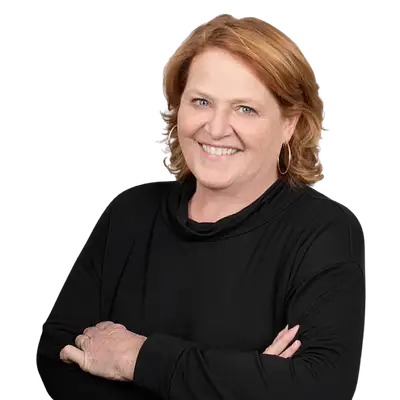
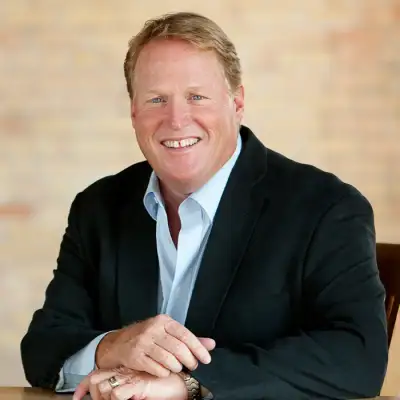


Former U.S. Senator Heidi Heitkamp and her brother, KFGO radio talk show host Joel Heitkamp, engage in animated discussions with newsmakers, elected leaders, and policymakers who are creating new opportunities for rural Americans and finding practical solutions to their challenges. Punctuated with entertaining conversations and a healthy dose of sibling rivalry, The Hot Dish, from the One Country Project, is informative, enlightening, and downright fun.
Heidi (00:05)
Hi everyone, welcome to the hot dish, comfort food for rural America. I'm Heidi Heitkamp.
Joel Heitkamp (00:10)
And I'm Joel we're joined by Cynthia Cox from the Kaiser Family Foundation. Cynthia is a vice president and director of the program on the Affordable Care Act, 4KFF. She conducts economic and policy research on the ACA. Cynthia is here today to talk about all the things the ACA has that we're lucky to have and we're lucky to have her. Cynthia, welcome to the hot dish and thanks for joining us.
Cynthia Cox (00:37)
Thanks for having me. It's great to be here.
Heidi (00:39)
And
we found out another factoid about you that my husband once upon a time installed your doorknobs on your condo because you lived in the same condo as my daughter. It's just such a small world. Yeah, yeah. Well, I mean, not just DC, but you know, it's amazing. You can sit down at an airport and find out. yeah, what an interesting area of study, especially right now, Cynthia.
Cynthia Cox (00:43)
Hahaha
Yes.
Yeah, DC is a small world in that way. the world in general.
Heidi (01:08)
You know, obviously we're paying really close attention to what's going on in Congress, really close attention to all of these increases in healthcare. But one of the sources, and I will tell you this without trying to blow any smoke, that I always tell everybody the most trusted source for data and information is KFF or Kaiser Family Foundation, now KFF.
And so we're so grateful that you're able to join us and maybe shine some light on what's going on with health care costs today. And Joel talks to farmers and to people in middle America every day. Joel, what are you hearing about health care costs and how concerned are people?
Joel Heitkamp (01:52)
Well, I think some of the people as they get closer, Heidi and Cynthia, I think they're starting to come out of the woodwork. ⁓ Here's kind of the weird thing in the beginning. I shouldn't say weird thing. I should have expected it. But a lot of people, Cynthia, who are on the exchange don't want to admit they're on the exchange because, of course, they see it as welfare and they don't want to admit they're on welfare, even though it's an absolutely great program that makes sure that it benefits the rest of us that aren't.
on the exchange but I don't know if you're seeing that Cynthia but I'm seeing more and more people now come out as though this is a problem that they have to address.
Cynthia Cox (02:32)
Yeah, I I think ⁓ there's I think also just the the way that the ACA has been called Obamacare for a long time, people didn't want to be saying that they had an Obamacare plan or that they needed Obamacare. But I think ⁓ over time, perspectives on that have evolved. And ⁓ and also, I mean, this is private insurance, but private insurance is expensive. And most people in the United States, whether you're getting insurance through Obamacare markets or through work or Medicaid or Medicare, are getting some sort of
subsidy or financial assistance to do so. It's actually very few people in the US who actually get full priced health insurance. so the ACA or Obamacare markets help people who do not otherwise have health insurance because they don't get it through their jobs. Maybe they work a job that's, you know, they're self-employed, small business owners, farmers and ranchers. know, people who just don't get health insurance through work come to this market to get
private health insurance and they get financial help to afford it because it is very expensive.
Heidi (03:36)
Well, when you step back and you take a look at it, one of the arguments that we've been hearing over the last couple of weeks is that Obamacare has actually driven up the cost of healthcare. ⁓ How do you at Kaiser kind of, or KFF, sorry, I know, for the initials, but how do you respond to that? Because you've obviously been pretty aggressive on the Republican plan for
Cynthia Cox (03:54)
You
Heidi (04:05)
high deductible, and we can talk a little bit about high deductible ⁓ health savings accounts, but how do you respond to the basic argument that they're saying that Obamacare has driven up healthcare costs?
Cynthia Cox (04:18)
So I think there's like a lot of different ways to look at healthcare costs. There's how much does an individual spend on their health insurance or their healthcare out of pocket costs. There's how much does society spend, you know, as a whole. ⁓ And there's also how much does the federal government spend. ⁓ So, you know, I think it depends on, you know, how you're looking at this. But if you're looking at it from a societal perspective, like how much we spend overall in healthcare, we do spend more now than we did before the ACA, but
actually the rate of growth has slowed. you know, we spent like the rate of growth of how much healthcare spending is growing each year is a little bit slower than it used to be before the Affordable Care Act, despite the fact that many more people have health insurance coverage and can access that healthcare, you know, in many cases better than they could before the Affordable Care Act. Then when you look at, ⁓ you know, just the people who are getting health insurance through the ACA or Obamacare markets,
⁓ That's where there's a little bit more nuance. So what people actually spend on their premiums has been pretty flat if not falling, you know, because of these extra financial help like the enhanced screen and tax credits that people get. How much insurance companies charge has also been pretty flat for the last few years. ⁓ But when you compare how much insurance companies charged
Individuals. So these are people again who do not get health insurance through work or Medicaid or Medicare. It's just the people who are buying their own health insurance. ⁓ Before the Affordable Care Act, on average, premiums were lower than they are today, much lower. But a big part of that is because back then, people who had pre-existing conditions were often excluded from having health insurance and the health insurers didn't have to pay for people's treatments. A lot of health care wasn't
paid for in that market. Prescription drugs or mental health care or pregnancy care or that sort of thing might have been excluded. So yes, premiums were lower and insurance companies were paying a lot less for care than they are today. But today, care actually or the insurance coverage actually covers people with pre-existing conditions and it covers the treatment that someone might need who gets sick.
Heidi (06:32)
Well,
and you also have ⁓ tests like colonoscopies and breast cancer that are mandated ⁓ with no fee. And so we're just getting better healthcare. I mean, I will tell you that same guy who installed your doorknobs ⁓ is also a family physician and he could, when Obamacare kicked in and people could come in and get screenings, he was convinced that ⁓ at least a dozen of his patients had their life saved.
with early detection as a result of the new healthcare law.
Cynthia Cox (07:04)
Yeah, I mean, there's so many ways that you can measure how just improved access to care has ⁓ led to not only better health outcomes, but also better financial outcomes for people. think the other thing, even when someone has a relatively high deductible plan, they still have that kind of protection from catastrophic health care costs that they wouldn't have had if they had no insurance or if their insurance had no limits on how much that.
could charge someone for their out-of-pocket costs.
Joel Heitkamp (07:36)
So Cynthia, what are the providers saying? I mean, we talked a little bit about, you know, those individuals that are using, you know, the market and coming in and seeking that help for affordability. mean, I've got a ton of farmers where this is what they do. You know, they they don't have enough employees to organize a plan of their own. So but what are the providers, you know, those folks that they're going to see to get that kind of help? What do they say?
Cynthia Cox (08:03)
Well, hospitals in particular are pretty concerned about the enhanced tax credits expiring. They're also concerned about other changes that were made earlier this year in the summer with what was called the big, beautiful bill. Also included a lot of cuts to Medicaid. And when you add all of that together, we're looking at like in the future, there's probably gonna be about 14 million more Americans who are uninsured ⁓ than otherwise would have been the case.
And what that means for hospitals is that if those folks show up in the emergency room, ⁓ the hospital has to stabilize them. They have to take on costs to pay for that person's treatment, even if that person cannot afford to pay for it themselves. ⁓ And so from a hospital's perspective, they're concerned about what we call uncompensated care. So someone shows up in the ER, by law the hospital has to stabilize them. And ⁓ so that could add
know, lot of strain to, you know, hospitals budget, especially rural hospitals that might already be struggling financially. It could be enough to tip them over the edge into either having to cut certain services, you know, that might mean like, for example, we're seeing rural hospitals cutting like labor delivery services or things like that, or just having to close altogether.
Heidi (09:21)
So when you go back and you take a look at ⁓ who is on the enhanced subsidies on Obamacare, it's interesting to me, and you can tell me whether my observation is right or wrong, that those states that expanded Medicaid have fewer people who are using the enhanced subsidies because those people, their income falls within the Medicaid guidelines. They're able to get Medicaid and a lot of them, and we can talk about how
how these people are actually working, but still qualify for Medicaid benefits. But when you look at the states and usually red states that have not expanded into, ⁓ done the expansion of Medicaid, they're big users of these subsidies. And so how does that kind of shake out politically? I mean, when it's Texas and Florida and these red states that are really
the ones that are gonna get hurt. We don't know yet what the outcome's gonna be on Medicaid. We assume that there's gonna be a lot of people driven off Medicaid who then would have to go to the exchanges if they're gonna buy health insurance. ⁓ this folly that Congress is on that somehow this is gonna affect only blue states is just crazy to me.
Cynthia Cox (10:41)
Yeah, I mean, I think so when you look at the last few years when the ACA or Obamacare enhanced tax credits have been in place, the number of people buying ACA or ACA marketplace plans has more than doubled in the last five years. But half of that doubling is concentrated in Texas, Florida, Georgia and North Carolina. like
there are really a handful of Southern states, in particular Southern red states that account for so much of this growth. And the reason for that is because these enhanced premium tax credits made health insurance essentially free for very low income people. They have a $0 premium payment. They do have a deductible, but it's $80, like eight zero, which is incredibly small for private health insurance.
And so those are the folks who, if they lived in a different state, they would be on Medicaid. They would have pretty comprehensive medical coverage through Medicaid. But because their state did not expand Medicaid, they're getting these Obamacare plans and ⁓ getting, frankly, a pretty good deal on them. And so that has ⁓ been incredibly ⁓ attractive for people to bring them into the market and ⁓ to get that health insurance.
And you're seeing that that's having an effect on the uninsured rate too, where these are states that started out with really high uninsured rates and now more and more people are getting covered.
Joel Heitkamp (12:13)
So Cynthia, here's what comes at me and hide you as well on my talk show. I get hit a lot with, look, this is only the COVID increase. This isn't the Affordable Care Act. This is just ⁓ what Joe Biden did in adding to the Affordable Care Act during the COVID crisis. ⁓ I don't care which one of you take a run at that, but...
You know, which one of you wants to answer the question that comes into my radio's show?
Cynthia Cox (12:46)
dealer's choice. Okay. All right. So ⁓ I would say that, you know, kind of looking at the long-term picture here when the AC was first passed in 2010, ⁓ you know, they're, first of all, they were trying to pass it in a budget neutral way and also, you know, working with lot of uncertainty about how much premiums would actually cost for someone who didn't get a subsidy. ⁓ And it turned out that ⁓
Heidi (12:47)
You go ahead, Cynthia.
Cynthia Cox (13:15)
While health insurance coverage in the original affordable care structure was pretty affordable for many people, it did not work for other people. In particular, there were some people who did not get any tax credit at all, but they also saw their premiums go up because suddenly that insurance coverage was much more comprehensive and it was covering people with pre-existing conditions.
This is what was driving a lot of the criticism of the ACA was that there were arguably some people who were harmed by it because they had high premiums that they maybe couldn't afford and they weren't getting any financial assistance to help them afford it. And so that's what drove a lot of the repeal and replace conversations in 2017. And of course, those measures failed. But then fast forward to 2019 when the Democrats were holding a primary election.
A lot of the Democrats at the time were talking about Medicare for all or Medicare for more or Medicare for those who want it. But Biden was talking about building on the Affordable Care Act. And what he proposed in 2019 was something that looked very much like what these enhanced premium tax credits that ultimately got passed look like. But he was doing this before we knew COVID was going to come. And so the COVID relief package was the vehicle through which they got passed.
But it's not like they were only first thought of as a response to COVID. It was justified as ⁓ a response to COVID because so many people were potentially losing their jobs or needed health insurance during a pandemic. But ⁓ the idea was already there before COVID.
Heidi (14:51)
Yeah, and I want to point out that the original Affordable Care Act mandated that all the states expand Medicaid. And that is the piece of the Affordable Care Act that was struck down by John Roberts on the Supreme Court, taking away those mandates. And so then states walked away. North Dakota, very red state, recognized very early on that Medicaid expansion at a 90-10 share, and only 10 % of it's paid for by the state government.
is a pretty good deal for our healthcare providers. I'd like to say that they were really worried about poor people getting health insurance. I think they were more worried about hospital administrators who were knocking on their door, lobbying this. you know, this is the gap filler for states that have not expanded Medicaid. And the irony is the states that haven't expanded Medicaid tend to be more conservative.
more red states, Joel. And so, you you can spin that argument that this is just COVID relief and it should have triggered off. You could make that same argument that ⁓ the tax bill of 17, which Trump passed, was a temporary stimulus package, but now we've expanded it. So, you know, they always pick and choose ⁓ what they're going to basically look at for ⁓ continuation of public policy.
but this is public policy and that has worked in terms of getting more people through the door, probably saved a lot of lives in those states and actually took a lot of economic pressure off. And this is at a time that affordability now is the buzzword, the political buzzword.
And when you look at healthcare, and Joel can attest to this, a lot of farm families, it's their largest cash outlay behind the inputs that they put in the farm is their health insurance and their healthcare. this hasn't escaped ⁓ Bill Cassidy, Senator Cassidy's notice, Physician actually a pretty good guy.
worked more in poverty medicine, so good on him, in Louisiana, and he's still fighting the fight. So, Cynthia, I know you're watching really closely. What's the chances in the next week that Congress will pass a package that ⁓ will, in fact, ⁓ stopgap this loss of coverage for so many Americans?
Cynthia Cox (17:20)
So there's a lot of proposals out there. There's everything, the Democrats have mostly unified around trying to extend the tax credits as they are, ⁓ at least temporarily until maybe buying some time to renegotiate them. ⁓ Some moderate Democrats have been willing to cross over the aisle to talk to more moderate Republicans about maybe some compromise, maybe making some changes to how the tax credits work. ⁓
And then on the Republican side of things, there's a lot of different ideas out there. ⁓ Like I mentioned, some of the moderate Republicans are willing to maybe do a temporary extension of the current tax credits. And in fact, some of them actually voted with the Democrats on that last week. ⁓
And whereas others like Cassidy, like you mentioned, is coming up with a different idea, which is maybe instead of offering this as premium support, you offer it as help for deductibles and co-insurance through this HSA or Health Savings Account idea. And then you have others who would really just rather see the tax credits expire ⁓ or who want to do something that's not really adding any new money or new financial assistance in to offset the premium tax credits. ⁓
You know, there's even some ideas out there that would effectively repeal and replace the ACA marketplaces as we know them. So it's, you know, there's just so many different options out there that like, I think the Republican party is having a really hard time unifying around one of those, or at least not getting enough votes to pass it or to bring enough Democrats over to pass it. ⁓ I do think what's really interesting just watching this play out is that I think there probably is a proposal out there.
that could get enough support of moderate Democrats and moderate Republicans to bring this forward. ⁓ But it just hasn't had a pathway, ⁓ a political pathway to get there. I think there's like an idea out there of how this could be changed to make it palatable to enough Republicans and enough Democrats, but politically it just hasn't gotten through.
Joel Heitkamp (19:23)
So, Heidi, I'm going to direct this one at you. ⁓ If you look at your caucus, you know, they got blamed for the shutdown by many people. Anybody with an eye towards it might disagree. But the truth is, think poll wise showed it was about 50-50. ⁓ Their whole focus was dealing with this, you know, making sure this got dealt with. ⁓ Now that it hasn't been dealt with, ⁓ should the Democrats still be helping?
Heidi (19:52)
⁓ you know, that's a that's an excellent question. And, you know, Democrats want people to have health insurance. They want to see solutions and but they aren't willing to buy off on some crazy notion. And I think, Cynthia, you'd agree that they have been against Obamacare or the Affordable Care Act for so many years, they just can't shift. And you know what it reminds me of?
Everybody forgets this when when President Johnson.
Joel Heitkamp (20:22)
What? Heidi,
Heidi, when you say they, mean the Republicans have been a OK.
Heidi (20:26)
Yeah, yeah, right.
The Republicans, mean, you know, John McCain and I always say, and Lisa and Susan Collins, you know, were all in and saved the ASA, right? That last minute vote, everybody gives John credit for it, you know, and I do too, but I always say Lisa and Susan played a big role. They just came in first. But when you look at kind of,
how ugly the feeling is against the ACA and against Obamacare, against a backdrop where now it's 60, 65 % of the people in this country think that it's working for them. And so, you know, the polling has shifted, but I wanna take you back to another example, which was when Lyndon Johnson passed Medicaid.
I mean, in fact, Ronald Reagan was one of the people who was and the AMA were out there. They were trying to get it repealed for years and years and years and years. And it took what, 50 years from the passage of Medicaid for the Republican Party to say, don't touch Medicaid. And so I think that, you know, they've been wrong on by they the Republicans have been wrong on health care policy for a lot of years. They they passed Part D, which was medic medical.
you know, medicine, but they never paid for it. And that was a budget buster because that was a huge component of health care costs and a huge growth component of health care costs. And so I'm going to throw it back to you, Cynthia. We pay too much for health care. I don't think there's any doubt about it. And people are frustrated. People, you know, it's not like you can go, you go to Target and say, I'm going to buy a vacuum ⁓ cleaner. You know what the price is.
You go to the hospital, well, what kind of insurance do you have? What have, who's negotiated for you? mean, it just is overwhelming to try and figure out how, number one, what are we paying for? And number two, how do we fix it? And that really builds on a lot of people saying, for all, single payer, however you're going to say it, that we are moving in that direction anyway. And I know Kaiser's done a lot of study. So there's two things I want you to respond to. One,
the work that you've been doing on the high deductible plans that I think has been really significant because it is a warning that this is a formula for disaster for low income families. But also, how do we, are we moving towards single payer and does that make more sense?
Cynthia Cox (23:06)
Okay, a lot to unpack there, but yeah, I will do my best. just to put some numbers on it, in the United States, whether you're looking at it on a per person basis or as a share of our economy, as a share of our gross domestic product, we spend about twice as much on healthcare than similarly large and wealthy countries like in Europe or Canada or Japan or Australia spend. We spend a lot more on healthcare. And it's not because we're getting
more healthcare. We actually get a little bit less healthcare by some measures. We have fewer doctors visits and shorter hospital stays than people in those countries do. But we pay higher prices for each hospital stay, for each prescription drug, for each doctor's visit. It costs more than it does in other countries. Now, yes, single payer ⁓ countries do spend a lot less. There's pros and cons of that, which I can obviously discuss, but like...
It doesn't have to be single payer. There are other countries that have private health insurance systems that still spend a lot less than we do. And the reason for that is, I mean, there's a lot of potential explanations. I don't want to oversimplify this, but one thing that is unique about the United States is how little regulation there is or how little involvement there is of the government, whether it's a state or federal government, in the negotiations that happen between
hospitals or other providers and insurance companies. So, you know, in the United States, there's like very little regulation of how much ⁓ insurance companies pay providers. In other countries, there are, you know, reference prices or, you know, direct regulations or that sort of thing that limit how much the payers or the insurance companies ⁓ spend. ⁓
on those services and then that can lead to lower prices overall for, know, whether it's taxpayers or people paying insurance premiums. ⁓ Now, like you were saying before, when we go to the hospital, we don't know how much it's going to cost us. And so there have been some efforts, even the first Trump administration used authority under the Affordable Care Act to create more price transparency so that hopefully people would be able to
at least get an idea of how much it's gonna cost them before they actually get there. But the reality is, is it's really hard to do that. It's really like just with the way that our system works, ⁓ even creating more transparent pricing is very difficult to implement. ⁓ so you often don't know. And when you have a high deductible plan, ⁓ the reality is that many Americans do not have in their checking or savings account enough money to cover.
a typical deductible is a couple thousand dollars. For many people, it's even more than that. And a lot of Americans are just living paycheck to paycheck. They don't have that kind of savings. They don't have that kind of liquid assets to be able to meet their deductible or to meet their out-of-pocket maximum. And so as deductibles go up, that can lead to cost barriers to getting the care that people need. It can also lead to medical debt.
And so we're seeing that a lot of Americans are struggling with medical debt right now. ⁓ And that can lead to other financial problems for them too.
Joel Heitkamp (26:31)
Cynthia, you got your last 10 bucks in your pocket. It's between this and getting this right and having milk. Okay. How are you going to bet on this thing? What happens?
Cynthia Cox (26:39)
you
⁓ I think that most likely what's going to happen is that the enhanced premium tax credits ultimately are expiring. mean, basically, if Congress didn't pass something by now, then at least in January, people are going to be paying more money for their premiums. I'd say maybe there's a one to two percent chance that something comes together in the last minute or maybe even in January.
I'd say it's a very small chance. think most likely what we're gonna see is that a lot of people are just gonna be paying a lot more for their health insurance next year. And ⁓ that's ultimately gonna mean that some people just go without health insurance too.
Heidi (27:22)
Yeah, that.
Joel Heitkamp (27:22)
Well,
you got to wonder if that's the goal, Heidi, right?
Heidi (27:26)
Well, I don't think it's the goal. I think the goal is to kill the Affordable Care Act and then create a crisis in healthcare once again, so fewer people, so we have more uninsured and then there's an opportunity to have a discussion. The frustration that we should all have is show us the damn plan. You've been talking about this for, well, Trump talked about he was gonna repeal and replace when he ran in 16.
We have not seen a plan and we haven't seen a plan because Obamacare is a Republican plan. And people forget that. know, Bernie Sanders doesn't like Obamacare. He wanted single payer. He wanted Medicare for all. A lot of Democrats wanted, ⁓ you know, basically allow people to buy into a federal program, just like federal employees. Those were the two big Democratic ideas.
And ⁓ John McCain, when he was running against Obama, basically rolled out the Affordable Care Act. Mick Romney did this in Massachusetts. It's the same plan. And so they can't stand it because it has a name on it they don't like, Obamacare. so their problem is that their plan got implemented and now they don't have a second plan.
And these high deductible plans, I think if you're interested, any of our listeners go out on ⁓ KFF's website and read some of the warnings about what could happen with high deductible plans. Before we let you go, I want to just talk a little bit about Medicare Advantage because a lot of people are making that decision. Is today the last day to, yeah.
Cynthia Cox (29:09)
I think you're right, yeah.
Heidi (29:11)
I mean, we're probably a little late because this will air tomorrow, that, that Medicare Advantage has been this kind of, okay, let's offer an alternative. Let's make the drug companies happy. Let's get them in. And, and now we're seeing a lot of these plans that were priced to basically get people to buy Medicare Advantage. They're ratcheting back, they're lowering their benefits and people are trying to decide, do I go back on regular Medicare with a
Joel Heitkamp (29:14)
Yeah.
Heidi (29:41)
with a supplement, know, what do I do? And so tell us a little bit about the work that ⁓ you all have been doing at KFF on Medicare Advantage.
Cynthia Cox (29:52)
Yeah, so for those who are less familiar, so Medicare Advantage is meant to be the kind of private alternative to traditional Medicare, where you get your Medicare through a private insurance company. One of the benefits of it is that it has prescription drug coverage and everything kind of built into it. ⁓ Some of the, yeah. But like, so that can make it attractive. The other thing that makes it really attractive is that they often offer like gym memberships or other kinds of benefits that
Heidi (30:10)
Some of them do, not all of them.
Cynthia Cox (30:19)
can be really appealing to someone who's turning 65 and is still wanting to stay active or that sort of thing. So it draws a lot of folks in because of those benefits and because of the low costs associated with it. But then what can happen is that when people actually get sick, they find out that maybe what they need isn't covered enough or maybe they need to see a certain specialist and the network is really narrow and they can't find a doctor who would see them.
Whereas with traditional Medicare, you can go to pretty much any doctor you want to go to. And then if people, when they get sick, when you're no longer 65, maybe now you're 70 or 75 and you might want to switch to traditional Medicare, you might not be able to get the supplemental plan that you need to get because you have new pre-existing conditions. And so I think people need to, when they're making this decision, just think about it in the long run. What is going to benefit you?
now, but also what is going to benefit you in 10, 15 years when you start ⁓ needing a lot of healthcare.
Heidi (31:22)
Yeah, it's a real important decision. ⁓ And I think you'll see all the advertising, which I think is a waste of money, trying to get people to sign on to Medicare Advantage. But people need to be very cautious about whether you stay on one of those plans or whether you transition back to Medicare, traditional Medicare with a traditional supplement plan.
because you could get trapped with much higher ⁓ G plans or much higher supplement costs because you have pre-existing conditions and they don't have to take you, unlike other kinds of insurances.
Cynthia Cox (32:04)
Mm-hmm.
Yeah, that's something that maybe a lot of people don't realize.
Joel Heitkamp (32:11)
Yeah, Cynthia, I want to thank you for joining us on the hot dish today. Yeah, really appreciate it. I hope those doorknobs are working. If I know if I know Doc, they're still turning. They're still getting in. So I do. He tightened them up to beat heck. I know.
Heidi (32:11)
Yeah, anyway, well.
Cynthia Cox (32:15)
Yeah, sure thing.
Heidi (32:25)
They probably have five screws in them just to make sure. Yeah,
Cynthia Cox (32:30)
You
Heidi (32:31)
he's an overbuilder. He's an overbuilder.
Joel Heitkamp (32:33)
Yeah, and he
and I beat you in Pinochle all the time, Heidi, but that's another thing. Cynthia, good to visit with you.
Heidi (32:38)
Not all the time, not all the time.
Cynthia Cox (32:41)
Yeah, you do. ⁓
Heidi (32:42)
Well, and I hope as this goes on, we'll know more probably by the end of the year, you'll come back. And I just think this is something that there just cannot be enough ⁓ dialogue in the public sphere from professionals like you who know the facts, who obviously aren't out there.
you know, playing a partisan role, but are out there, you know, trying to make sure that everybody in America has affordable health insurance.
Cynthia Cox (33:10)
Well, thank you for having me. I'd be glad to come back.
Heidi (33:11)
⁓
Great. Thanks.
Joel Heitkamp (33:13)
Thanks for joining us on the hot dish.
Heidi (33:21)
Joel, you know, the long awaited ⁓ response from the administration to ⁓ the mess that they made with tariffs and angering some of our best customers in rural America, especially soybean customers, $12 billion, 30 % of what they're sending Argentina. Whoa.
Joel Heitkamp (33:39)
I was going to ask
you if that was 40 billion or 12 billion, because you know what my guys notice. There's no question about that. But I think the administration must have got some pushback on that, Heidi, because they're already talking about another one. But I'll tell you what, my audience, the people that don't farm, if they do another one right away, they're going to go nuts. They didn't like this one, Heidi.
Heidi (34:04)
Well, and soybeans, didn't soybeans go down about 50 cents a bushel right after it was announced? And so, you know, this all has market implications and farmers are smarter than this. They know that they can't sustain on government, you know, on some kind of hand to mouth government assistance. They've got to have their markets. They've got to sell their soybeans. And so what are you hearing from, are they moving soybeans, anything going to the west out the ports on the west coast?
Joel Heitkamp (34:33)
Yeah, no, little bit. But I mean, really, they're still not they're still not selling soybeans. ⁓ You know, I mean, here's the thing. There are less farmers out there. Farms have gotten bigger. There's farm employees like we just talked about with the Affordable Care Act. But, you know, there's less farmers out there. So if you're going to give subsidies out like you are this 12
Heidi (34:35)
Yeah, Trickle.
Joel Heitkamp (34:57)
billion dollars, what you're going to do is tick more people because not everybody farms and there's more people that don't farm in these rural areas. So I don't know, I don't think it trickles down. I can tell you as somebody who works in a rural area who's reliant upon, you know, farmers having money. I don't see farmers out there having money. That's the answer.
Heidi (35:20)
Well, and you know, we're hearing rumors at now is the time of the year that all the farm groups after harvest that they all get together and they all talk and we're hearing rumors farmers not getting operating loans. The sugar beet farmers had devastating news, you know, and it's going to have huge ramifications for a lot of people who plant sugar beets, which is an expensive crop to put in the ground.
And you can blame sugar dumping or whatever that looks like, or you can blame the administration because they think cane sugar is better than beet sugar, which is stupid because sugar is sugar. Last time I looked, but every time you turn around, you're hearing another story and the stories coming from bankers is not good, even with the 12 billion.
Joel Heitkamp (35:56)
Yeah.
Now, let me ask you this. ⁓ Was the Indiana state legislature a sign? Was it a sign that ⁓ Republicans don't get up in the morning and fear this guy anymore?
Heidi (36:21)
I think the Indiana folks are just stubborn, probably, you know, people like us who just don't like being pushed around, who know right and wrong. It's kind of like the speaker of the house down in Arizona, Rusty, who stood up to Trump. There still are people out there who have principles. The more interesting thing is,
Marjorie Taylor Greene, basically what she's been talking about is she said, you know, I'm always about six months ahead of the curve. She said, I'll say things and then six months later, everybody's saying them. She's saying there is a lot of dissatisfaction and Trump was furious about that 60 minutes interview because it basically showed the underbelly of the MAGA movement. Huge story today in the Washington Post about how MAGA
is furious with Trump for focusing on foreign policy, which you and I have talked about before. People forget that, that they want to, it's America first. Why are we doing anything with Venezuela? And so I think, and people can see a war brewing and they don't like it. And so, you know, and Trump has stubbornly refused to pivot on affordability. He went to Pennsylvania, gave an asinine speech.
rambled on about nothing and said it was a hoax. And he's talking to people who can't afford their health insurance, who can't afford their car insurance, who can't afford to have a tire blow on their car because they couldn't take it to the tire shop. And so he's he's tone deaf. And I think I think the mega movement, along with traditional Republicans, are getting very concerned and and I but but not so concerned that they're going to take care of this health care.
Joel Heitkamp (38:07)
Well, but here's the thing. And I said this on my radio show, gotten some trouble for doing it. Quite frankly, yeah, I don't care. I said this when Joe Biden and Donald Trump were running against each other. And for our people who love the hot dish, 1-800- mad at me if you want. But 80 year old men, 80 year old women should not be president of the United States. Period.
Heidi (38:12)
No, you trouble? Trouble.
Joel Heitkamp (38:33)
When I saw him in Pennsylvania giving that speech, giving that talk, and then when I see him doing other talks, he looks like a really old man. Now, he always struggled keeping his concentration when speaking. I get that. And he always rambled on. But it's gotten worse, Heidi. His physical ⁓ ability has gotten worse. The way he talks has gotten worse. What he says has gotten worse. And this is only it's not even a year into his second term.
And so, you know, he's an old man, Hyde.
Heidi (39:07)
Yeah, and you know, everybody who's hitched their star to him, and I include an old friend of mine, Lindsey Graham, you know, when you start seeing the machetes come out and cutting the umbilical cord from Donald Trump, that's when you're going to see. And Lindsey's up for reelection. South Carolina is a state that's going to get hit by a lot of healthcare costs. He's got some baggage. I think there's some interesting candidates running in South Carolina.
not saying that he's gonna lose, but I don't, I I think that the Democrats and the Senate are feeling a lot more optimistic today because Trump hasn't pivoted, because Trump continues to stick with the line that all of this is a hoax and it's not his fault.
Joel Heitkamp (39:48)
Yeah.
This reminds me a lot of you in high school. ⁓ You had bad friends there too. ⁓ know, I mean, yeah, well, OK, you know, let's let's talk about Harlan Mueller. That's a whole other issue. ⁓ I mean, yeah, he was actually was a deputy then he grew into his share, but but he's good family friend. We're just joking. ⁓ Yeah, but I mean, here's the deal height.
Heidi (39:59)
I had good friends in high school.
He was the sheriff, by the way.
Joel Heitkamp (40:26)
This was all done because they feared him. I'm not convinced that when they get little groups of people anymore that they fear him as much. I'm just not. I don't know if it's the people around him. got a fear or what now I might be Marjorie Taylor Green and be six months ahead in this conversation, but the hot dish will save it. But I'm. He's looking old.
He's looking like he's about one step away from being feeble. I'm sorry, but we know what that feels like and ⁓ they're not going to like how it feels like.
Heidi (41:03)
Yeah, and Joel, he hasn't had a lot of wins. I mean, you can say the one big, beautiful bill, you know, okay. And if I hear one more, I mean, Besset basically saying, oh, it's gonna be on average $2,000 more in people's pockets. That's not true for the lower half of this country. I mean, they don't pay $2,000 in taxes. mean, he just, I mean, so they're creating expectations from the big, beautiful bill that will never materialize.
and they are not addressing healthcare costs, they're not addressing home ownership costs, they're not addressing credit card debt, they're not addressing the things that they could actually address and show some sympathy for. And eventually when ⁓ you start seeing Republicans holding affordability hearings, that's when you know that the worm has turned.
Joel Heitkamp (41:56)
Well, and the one thing that hasn't been talked about a lot is credit card debt. ⁓ You know, I know, but a couple K isn't going to solve credit card debt. You know that and I know that. so this has got to turn around. ⁓
Heidi (42:01)
Well, I talk about it all the time.
Think about
this, the last time I checked, and you know, I have just absolutely told my kids, you're have a credit card, you pay it off every month. Do not carry a balance. That is the stupidest waste of your money. Of course, that's what the United States of America is doing, right? Putting everything on credit. But you know, last time I checked, my son's credit card ⁓ interest rate was 28%. That's almost 30 % of the principal, and you aren't paying any principal.
Think about that. mean, and that's something Trump promised to fix and so did Elizabeth Warren. Get on it, get on it. They don't need 28%. Swipe fees, the companies that have credit cards, and Josh Hawley did this, which I thought was really fascinating. He asked them, what is your margin? How much profit do you make? 50 % profit on the backs of small business.
Joel Heitkamp (42:41)
Well...
Heidi (43:05)
Think about it, and now you see what small businesses are doing. They're basically giving discounts for people who don't pay with credit cards, because they can't afford the swipe fees. And so, you know, there's so much that you can point to. And at the same time that they're doing that, they're ratcheting back some of the good work that was done on fees, like airline fees, like, you know, fees for concerts that the Biden administration took on. And now they've ⁓ kind of reversed course.
Joel Heitkamp (43:14)
Yeah.
Heidi (43:35)
And when you talk to Republicans, you say, what's going to save you? They say, mergers and acquisitions. And I go, ⁓ trickle down. That's worked so well for you when you're dealing with macaroni and cheese issues. You're just not.
Joel Heitkamp (43:45)
Yeah, well,
I'm just going to tell you this, folks, that shouldn't stop you from having a very Merry Christmas going out there, buying a gift or two. And ⁓ just because it's got. Or dolls, but but to be reasonable about this, I'm going to tell you right now, I got you a couple of rings of deer sausage for Christmas again, so.
Heidi (43:55)
Just not so many pencils. You don't need 39 pencils.
Well,
I just want to say that in our family, we usually exchange gifts, but there was threats about not buying presents. Threats, yeah.
Joel Heitkamp (44:17)
Yeah, and there should be. We've
got enough things that plug into enough things with chords on them.
Heidi (44:23)
Well,
and it is, if you have to put a present on a credit card and you can't afford to pay the monthly amount, the best thing that you can do for your kids is keep your family financially solvent. And I hate to sound like Scrooge, but you know, being able to afford the groceries is more important than getting the latest ⁓ toy that some kid would want. I mean, we got coloring books, but you know.
Joel Heitkamp (44:48)
Well,
we shared a toy. We got a dog once for Christmas for three of us kids, and I never got to pet it. And I was the one that owned a third of it. So, yeah, folks, Merry Christmas, everybody. Thanks for joining us for the hot dish. You bet.
Heidi (45:03)
Merry Christmas. Have a great holiday. Take
care.
Thanks for joining us today on The Hot Dish, brought to you by One Country Project, making sure of the rest of us are heard in Washington.
Joel Heitkamp (45:23)
Learn more at onecountryproject.org. That's onecountryproject.org.
Follow us on Substack, Facebook, and Blue You can also find The One Country Project on YouTube, so be sure to like and subscribe to us there. We'll be back next week with more hot dish comfort food for rural America.