Subscribe
Share
Share
Embed
The Road To Your Name Podcast series grew out of a program started by Aboriginal Legal Services (ALS) in 2016 that helped people going through the justice system and their families to strengthen and deepen their cultural connections. Host, Lisa VanEvery, examines many aspects of Haudenosaunee culture and teachings with a wide range of guests.
RTYN-703_Yotakahron_final
[00:00:00] Greetings everyone. Welcome to our Yoha:te ne kahsen:na, The Road to Your Name podcast, focusing on Haudenosaunee cultural topics recorded on Haudenosaunee territory
These podcasts are produced by Aboriginal Legal Services with the technical assistance of True Seed Media. My name is Lisa VanEvery from the Mohawk Nation and the Wolf Clan. I'm the coordinator of the Yoha:ten ne kahsen:na, The Road to Maine program and the host of the podcast
This is the Yoha:te ne kahsen:na: The Road to Your Name podcast series[00:01:00]
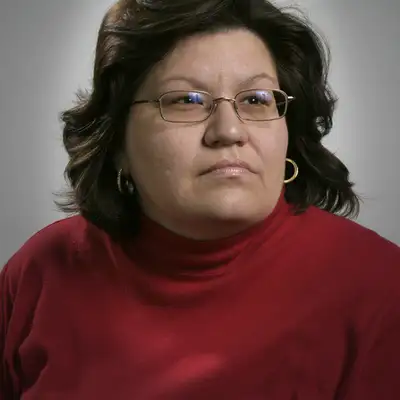
Welcome to today's episode of Yoha:te ne kahsen:na, The Road to Your Name podcast. On today's episode, we're visited by Dr. Yotakahron Jonathan, who is a Mohawk Bear Clan from Six Nations of the Grand River. And Yotakahron, I'm gonna, I'm gonna say that name so many times in the podcast that I'll get so familiar with it.
Yotakahron is a family doctor working in rural and remote indigenous communities. She also works with, uh, UBC's Office of Research Ethics as the research and project coordinator for the Interactive Indigenous Research Ethics Repository. Oh, that's a mouthful. Outside of work, Yotakahron is an auntie, a traditional doula, a [00:02:00] crafter, a tiny house builder, and is a traveler who's been to, get this, 51 countries, and to all seven continents.
Ooh, I can't wait to talk about that. Welcome, Yotakahron, to the podcast. Thank you. Okay. There's so much to talk about- ... on this podcast, so let's begin at the beginning with w- how did you know you wanted to become a doctor, and, like, when was that in your life? Hmm. I actually had to ask my mom this because I...
It's, like, as long as I can remember. But she said basically I was, like, four and I kept saying I wanted to be a vet, and then we had to put down one of our dogs. So then it changed to becoming a doctor and- I think my family since then ha- always supported me. I would go to doctor's appointments with my grandma, my mom, and my auntie.
And so yeah, I think it's just been an ongoing goal, and I feel lucky and [00:03:00] fortunate enough to have the grades and the brain to be able to complete that goal. Yeah. What was it about seeing those doctors in those appointments with your grandma and your auntie, your mom, what was it that intrigued you or interested you?
What were they doing- Yeah ... that was so interesting? To me, it, it's actually, it was, like, a bad thing that I noticed, is that it seemed like they didn't spend a lot of time explaining things or spending time- Mm-hmm ... with us. And- Mm-hmm ... I- it's like we had more questions than answers. And so for me, I, I just was like, "I wanna make sure that people understand what's going on with their health."
Like- Yeah ... why are you taking this one medication? Like, you should know why you're taking them and not just be expected to take them. And yeah, so it took a few visits like that. I was like, "Okay, this is not a good way to do it." Mm-hmm. Um, and then in high school, actually, I think it was grade nine, I went to [00:04:00] Assumption here in Brantford, and we had a...
I can't remember if it was called, like, Dreamwalkers Gathering, but it was for indigenous youth. And they had M- Mike Holmes, like, the guy who builds stuff. Oh, yeah. Yeah. But then they also had Dr. Lisa Monkman. Uh-huh. So she was the first Native doctor I had ever met. And I just remember, I remember it being high school, so, like, everybody was trying to be really cool, but I just remember, like, getting really emotional seeing her.
Yeah. Uh, she shared her story about how she wanted to become a doctor. She grew up on the res in Manitoba, where she's from, and it was just very similar. Like, single mom and- Yeah, so for me it was incredible to, like, hear myself in her story and realize that I could do it. And so I went up to her afterwards, and I was, like, really nervous, and I told her that I've been wanting to be a doctor.
And ever since then she's been supporting me, and- Mm-hmm ... I even went to her wedding, and- Mm-hmm ... actually married Wapganew, and she's a great family doctor, and I just feel fortunate to have her as one of my mentors. [00:05:00] Oh, great. That's a great story. Yeah, you know what? What, like us rez kids, sometimes we have to see somebody doing it, that, and then we know it's possible, right?
Mm. Yeah. Yeah. That's a great story. So now you're equipped with your goal, your life's goal. And you go right into, um, well, I guess you have to get a university degree first. Yeah. Yeah. What did you get your university degree in? It actually starts before that. Like, you have to start planning it in high school- Really?
all the courses you take to- Wow ... go to university. And then I was f- fortunate enough that Assumption participated in this program called, I think it was a specialist high skills major in healthcare, and so you did extra credit things in healthcare to kind of foster that, that goal for some kids. And so, um, kind of like the academic course- courses to get into post-secondary, I knew that I wanted to go to McMaster because it was close to home.
And I remember speaking to one of the, [00:06:00] like, guidance counselors at McMaster, and she said that to get into McMaster med, like, you don't need to be in health science or life science, like, you could take a different course. And so to me, like, I kept thinking about it, and I wanted to go into social sciences because I th- thought that everything I would need to know about medicine I'd learn in med school- Mm-hmm
but I wouldn't learn about, like, s- the social determinants of health and some of the anti-oppressive practice that social work courses teach you and, and then a bunch of the Indigenous studies courses. And so I did social sciences- Mm-hmm ... um, sociology with a minor in Indigenous studies. And then I applied to med school, and I didn't get in the first time, which is quite common for a lot of people.
I was fortunate that my one supervisor, he didn't have a master student when I found out I didn't get in, and so it was, like, that same day we did, like, an application for grad school. So then I got to do grad school, and then applied [00:07:00] again and got in. Wow, you didn't get discouraged by that no letter, right?
No, it felt devastating in the moment, but I had my best friend Brittany with me, and she's, and then she was with me the next year when we got the good news. And so- Oh ... it was, yeah. She- We've been friends since we were little, and so it's been really nice to have her there for those big moments and- Oh, great
yeah. Okay, so now you're in med school, and what is that like? It was very hard. So I had finished my master's the same month I started med school, so I was in two programs at once, and so that was a bit hard. And then There was, like, issues with funding. I wasn't approved for funding because they didn't only want to approve, like, one degree, not two, and so they said that they wouldn't fund the second degree.
And then- But this is, like, med school. I know. And then the banks actually denied me, which [00:08:00] is something that they typically... Once you get into med school, they typically give everybody a line of credit. Yeah? For some reason, they denied me. Wow. And yeah. And then just, like, even the first day of med, I was, like, singled out in front of the whole class 'cause I was, like, the only visible Native.
So it's, it was just, I was really trying to, like, think of it as a really positive experience, but I just kept hitting these roadblocks or challenges and, I mean, most of it was to do with racism, and it was hard to be a non-science student trying to learn science while also trying to navigate racism. Yeah.
That's, it's not surprising, but it is surprising- Yeah ... that, that, that exists in two thou- in the 2000s, right? Mm-hmm. And '20s. Yeah. You know, still. Yeah. Like, I, I'm sure that going into, like, med school, the philosophies are already so different from our indigenous knowledge that we come from, and- Mm-hmm ... now you have to navigate [00:09:00] how these people think.
Yeah. How medical professionals think, and what was that like? I think I went into medicine thinking that everybody would care so much about everything and be, like, as strong as an advocate in wanting to change everything, and I was very surprised at how much it wasn't like that. I just remember, like, we had these small group sessions, and so we're supposed to, like, unpack cases and things, and in sociology, everyone's racist, everyone's sexist.
We were raised in the same society, and you have to learn how to unpack it, right? It was just like you said it and nobody, like, batted an eye. It was just- Mm-hmm ... common knowledge. And then I said it in small group session, and it was like everybody exploded. Like, "How dare you? Nobody's racist." Like, "How dare you say racism exists in medicine?"
And this was, like, 2016. So I always preface that when I say that to people these days because that was, like, pre-TRC- Mm-hmm ... and pre, like, Black Lives Matter movement, and so it was before a lot of these shifts that we've seen in society. People didn't believe racism existed in [00:10:00] medicine. Mm-hmm. And so I was fighting a lot of those kind of notions and people, because medicine didn't agree with that, then they didn't believe it.
I guess they really didn't subscribe to APTN. Yeah. Where they could learn all that it does. Yeah. Um, yeah, that must have been very difficult with trying to learn what you needed to learn- Yeah ... to become a doctor, and then trying to deal with all of this stuff, right? How many years d- does it take to become a doctor?
So you do like an undergrad degree, and then it's three or four years, depending on the med school, and then you're a resident doctor, and you do residency. For m- family medicine, it's two years. But my training was a bit longer. I ended up having quite a significant incident of racism that was, um... It really jarred me.
Mm-hmm. It really felt like... Because it happened in front of the whole school, and there was nobody other than my friends. Out [00:11:00] of 200 students and maybe 50 faculty and staff, it was just my friends, like a dozen or so people, who were agreeing with me that it wasn't appropriate. And this also, like, it happened because they cut indigenous health from the curriculum, and so I spent my entire first year advocating to put indigenous health back into our curriculum- Yeah
because I was concerned that there was gonna be 200 doctors graduating without any indigenous knowledge or any discussion around indigenous health. And I worked really hard. I, like, formed a committee with my friends to try and change the curriculum, and they agreed, but they made me plan the sessions.
So I got Rick Hill to come in for the first session. Mm-hmm. And he talked more about kind of history and kind of placing people, because all three campuses, Mac has two satellite campuses in med school, so the main campus in Hamilton and then Niagara and Waterloo. Mm-hmm. So all three of these campuses are on our territory, and quite significant territory.
And to me it was, yeah, they needed that kind of background knowledge. And then that was, like, [00:12:00] the summer before summer break, and then after summer break, there was a panel. There- we were all female, one doctor and one nurse and one residential school survivor, and one elder and myself, and we all talked about our experiences in health.
Mm-hmm. 'Cause I kinda wanted them to get the idea that all these women who are indigenous in h- in health, or their experiences in health, that it can be really tough. Yeah. So during that session, in front of the whole school, somebody, their question was, so the residential school survivor was my cousin, and she didn't really share about the horrible stuff that took place, but was kind of like, "This is what I've done with my life, and this is how I'm trying to heal."
And, and so the response to that was like, "How do you expect us to sympathize or empathize if you're not gonna share what happened in those places?" Wow. Yeah. And it- Wow ... it was really tough because I had spent so much time preparing this course for my peers, and [00:13:00] had, like, reading lists, and I gave them, like, TRC website, and, like, you can go watch the videos of witnesses or pe- like, survivors telling their stories.
Who are prepared to tell their story and want to tell their story. Exactly. Yeah. Yeah. And I'm like, to me, it just... I- the way that I explain it now, because I've been in a lot of counseling and Yeah ... unpacking that, is- Yeah ... I was, uh, like, tr- I was triggered. And- Yeah ... to me, the way that I explain it to people who might not have, have experienced that before is like, it felt all of a sudden like there was, like, a line in the room.
I couldn't really hear anything. It was almost like a ringing in my ears. My heart rate was racing, right? Like, it felt like I, like I was under attack, and I knew I wasn't. Mm-hmm. Um, but I don't know if it was also because it was, like, my cousin. Um- Yeah ... yeah, that it was like... So I stood up and I was like, "There's n- no room for questions like that here.
We're moving on." Mm-hmm. And then I don't even remember what I said, but I know that I s- I just said that I've [00:14:00] experienced racism. And, and then I got, like, cyber bullied by the, by my classmates. We had a Facebook group. Every class did. So there was, like, 150 people saying that I was in the wrong. I made class an unsafe space to ask questions, and it just felt like I was really alone in that.
Yeah. And there was no supports. I was in Niagara Regional Campus, and I reached out to the... There was, like, nobody on campus. And then at, we were at Brock campus, and so I went to the... Even I went to Brock's, like, Indigenous office- Mm-hmm ... student support office, and there was nobody there. I don't know. It was, like, a weird day where n- nobody was around.
Um, so I really felt like I had zero support. Yeah. Um, and I just called my mom, because I... I say this to some people 'cause I think talking about mental health is really important, but, like, my- I was not in a good space. Mm-hmm. Um, and my mom, like, talked to me the entire time I drove home 'cause she was scared I was gonna hurt myself.
Mm-hmm. Yeah. And [00:15:00] so I always get emotional 'cause I feel really bad that I had to put my mom through that, but- It's emotional. Yeah. And it's okay- Yeah, yeah ... to be emotional. But yeah. So I took a break because- It felt like the school didn't support us. It didn't just feel like that. There was no support. I was basically told that I, because it was a condensed program for three years, that I had to take a break.
They were basically like, "Okay, we'll see you next year." No apology really, like nothing addressing it, and not even... They didn't even like talk to the peop- the other people in the panel. I just remember going around and like going to everybody to making sure everybody was okay. Yeah. Backlashed with two of them because they thought that the, they'd heard something was going on in the class, and they were like, "Oh, maybe like you should've just been quiet.
Maybe like you caused too much..." And I'm like, "It just added to it." And then seeing my cousin triggered, she, she was not in a good space after that either. And so I took a break. I'm really glad I did. I say this 'cause [00:16:00] it's, it was a huge thing. I think everybody who's on the track of medicine from a younger age, the road is there and you just keep going.
Mm-hmm. So I really felt like I was derailed. Yeah. I didn't know what I was doing. Like that year was actually nice though, 'cause then I actually took a break and I went to counseling, and I had friends who like were from Manitoba, invited me to sweats, and I seen some of our traditional healers- Mm-hmm ... down here, and it just really helped.
Made me step back and realize that I shouldn't lose myself in medicine, and I think that you can really easily get lost in kind of, it's almost like a keeping up with the Joneses mentality. Really competitive. Yeah. Yeah. Yeah. And so it's taking a step back and being like It's, that's actually not important, right?
Like- Mm-hmm ... being with our family and our friends, and your career shouldn't be your entire life. And so that really helped. And then I start building a tiny house, Um, 'cause I was extremely bored. Yeah. [00:17:00] And then I went back and my mom got sick with cancer. Mm-hmm. Uh, she's okay now, but it was just like one thing after another.
Took time off again, and then the pandemic happened. Yeah, my break was originally gonna be like three months or so, and then it ended up being like a year and a half or two. And so my training was like four and a half years as opposed to the three. Over a period of six years. That was really tough because it's also like financially- Yeah.
Yeah ... you don't have any money, and then you have a lot more no money. Um- Yeah, and debt too. D- yeah, like- Yeah ... I have so much debt now still, but- Tuition, like, oh my goodness. Yeah. But you gained a lot through that break though, you say. Yeah. Those institutions that we go into, we have to adapt to them, and adapt without losing ourselves, which is really challenging to do.
But you got through it, and then things happened that maybe the people there [00:18:00] got more educated- Mm-hmm ... do you think, do you think that was, is true? They got more educated? Yeah. Yeah. I actually did see and was surprised at a few of the people in leadership really did take the TRC calls to action, like, and like took Sanya's training, and like really tried, but it was because they'd seen what I went through.
Mm-hmm. And so for me, I wish it didn't have to come at the detriment of my mental health- Yeah ... and my career and my life, but there is a lot of positive changes that have happened. Um, I did actually recently speak to somebody who went to med school at Mac, and she's a doctor up in Inuvik where I worked as well, up in the Northwest Territories, and- Mm-hmm
she's like, "I gave this talk at McMaster recently, and I was so surprised." Like, the students had to do like this like workshop ahead of time, so they knew already about indigenous people and indigenous health, and she was just like so surprised. She's not indigenous, but she [00:19:00] works in indigenous communities.
And I was like, "Yeah." Like, we, we worked really hard to put that workshop in there. Yeah, so it's, it's nice to see that positive things can come from it, but yeah, it's hard. I think I'm still healing from it, and so- Mm-hmm ... it's really hard to really try to look at just the positives, but it's also really hard to- Yeah
to be like it shouldn't happen, like that shouldn't happen to anybody. No- Um- ... it shouldn't. Yeah But in a way though, what my- from my perspective, we're, we're kind of born into this responsibility that we carry all of our lives really. Mm-hmm. And I don't think a lot of other people understand- Mm ... that we feel that as a responsibility.
Exactly. That we, we need to help people be educated. Whether they're not gonna do it on their own, we need to help them so they understand us. Yeah. Yeah, 'cause we're really hard to understand, I guess. [00:20:00] So now you're a doctor. Mm-hmm. And do you have to make some choices before you actually become a doctor?
What do you have to think about? Yeah. So med school is really fun when you get into the clerkship. I mean, it's really hard, but it's really fun in terms of getting to experience all the fields of medicine. Yeah. And so you go into surgery and you get to do surgeries, you go to OB and you get to deliver babies.
And, um, so you do all the different services- Mm-hmm ... um, or subspecialties in medicine, and then you have to decide which one you want to go for. And I knew I wanted to be a family doctor, but I love, love babies- Yeah ... um, being a doula. Yeah. And so I was like, "Ugh, is it OB or do I wanna be a pediatrician?" So those two stuck in my mind of I need to eliminate those as options.
And what helped... I mean, I still would probably be just as happy in either of those two, but I also [00:21:00] like being able to see our elders and- Yeah ... talking through people through crises. Yeah, just people at all spectrums and all life events. And yeah, I think if you choose a subspecialty, you don't get to enjoy that kind of- A person's entire life- Mm-hmm
story, right? And we're holistic people. Yeah. And so to me, that's where I decided family. And then you apply for residency, and I got... I applied to UBC. They have an indigenous family medicine program, and it's the only one in the country that's specifically for indigenous training. And so you either train in an indigenous clinic, or you have, like, pre- preceptors, like other doctors who are indigenous who teach you.
You have elders who come in for teaching days. Mm. Uh, we spend some time on the land. Um- Oh, it sounds like fun. Yeah. And I honestly don't know how I could have survived residency without that program. I did experience racism, and it still was a kind of a bit of a mess and not a traditional path that [00:22:00] other people took.
I got to plan my own residency because I experienced racism. And so, like, I was at a hospital, and somebody had pulled my braid, some- a nurse who worked there. And, and then the white doctors that I was working with didn't really... weren't supportive. So my program was like, "You're not going back there." So it was tough to have to plan that path, but- Yeah
it was also fun. Yeah. So some of my friends who I have who, like, have lived their entire lives and are from the coast haven't been to as many communities as I have, 'cause I've been to so many. I've had the privilege of working in so many of them. Yeah, that I got to work in rural and remote communities and see a lot of BC and a lot of the Northwest Territories, and I think that's exactly what led me to my job today.
It was one of the... So I don't know if you know the coast, but Vancouver Island is where I was mainly, and then up the coast there's Bella Bella. Yeah, I've heard of Bella Bella. Yeah. I know someone from Bella Bella. Yeah. And then up, further up the coast is [00:23:00] Haida Gwaii. Yeah. So I got to do... I did, specifically did, like, a placement in Alert Bay, which is at the top of Vancouver Island, and then Bella Bella, and then Haida Gwaii.
So I purposely did, like, a path up there and spent, like, six months doing that journey, and that was really cool. Yeah. And the first day I arrived in Bella Bella, there were whales in front of the hospital, 'cause the hospital is right on the water. What a beautiful sight that must have been. It was so distracting.
You're supposed to be working, and I, I purposely would have to turn my back to the window. I'd be like, "Oh, there's whales," and there's eagles, and there's so many eagles that it doesn't register. Yeah. Whereas I'm like, "There's an eagle. There's an eagle." "There's a seal. There's a whale." And so I got too distracted.
But Bella Bella really, um, the community and the support of the team really stuck with me throughout the rest of my training, and so I'm signed on as a part-time physician, so typically it's two weeks in, [00:24:00] two weeks out. Mm-hmm. Yeah. I'm home for now, and then in for two weeks, going back to Bella Bella. Um- Wow.
Yeah. That sounds like a challenging journey you've had. But also with great experiences along the way- Mm-hmm ... that have led you to... And so now you probably have really great job satisfaction, do you? Yeah, yeah. And to me, like, I don't think I would be able to have gone through the program. Here I had the support of our people, my people, my family, my friends, going through all of that.
But in, in BC, it's like I had one friend, right? Mm-hmm. And so, um, going through that experience, 'cause that was, that happened the first month of residency. Mm. Wow. Um, and so, um, not having anybody out there, that's what I'm so grateful for, being able to be in community, because I don't think I would have survived it.
I, I was, like, nervous going into the emergency department, which is not something you can be nervous, 'cause you don't know what's coming in, and you're the boss and, or the [00:25:00] doctor, and you have to be in charge over your team or lead the team. But it's different to feel like you're gonna also be physically attacked.
And so I was able to be in Alert Bay and in their emergency department. And I had noticed, like, I wouldn't... I wore my hair up in a bun. I wouldn't wear my hair down. I wouldn't wear it in a braid or a ponytail 'cause I was so nervous about that. Mm-hmm. But Alert Bay, like, pulled me out of that, right? Mm-hmm.
'Cause it's like, it's all of our people joking- Mm-hmm ... around when they're in, in the emergency department. And- Mm-hmm ... so it really helped me heal from that experience. Yeah. And I, so I really am still thankful for being in that program, but being in those communities. 'Cause it would've been really, really hard to go through that and not have community support, even though it's not, like, our- Yeah
community. Um, it was Indi- It's Indigenous support. Yeah. Yep. And we all, we all, um, know what, what it's like out there. Yeah. This is something I really want to talk to you about, because it said when I introduced you, you've been to 51 countries and to all [00:26:00] seven continents. Now, tell me anything- ... because I am not a traveler whatsoever.
Yeah. Yeah. That, 51 countries. Yeah. Wow. Now, what led you to wanna go to 51 countries? I used a lot of my scholarship- money towards that. And I worked like four part-time jobs when I was in university mainly because I wanted to travel, and it really didn't start until I was Miss Six Nations here. Mm-hmm. They had the canonization of Kateri Tekakwitha, the Mohawk saint.
Yeah. What year was that? 20- '13? Yeah. Yeah, 'cause we did Idol No More stuff in 2012. Mm-hmm. And then 2013, I was invited by Norm Casey and a group of incredible elder, elders at, at the church that he was at to go to Rome with him as Miss Six and go to that ceremony. Okay. And that was absolutely incredible.
But that was the first time I was, like, overseas. It really opened my eyes [00:27:00] to just experiencing so much, seeing so much, right? Like, seeing things that you see on TV or hear about, like the Leaning Tower of Pisa or, like, the Colosseum and, and you see these things and it's like, I could actually see them, right?
And so that really, I think, jump-started a travel bug that I have not been able to kick. And then the way that, I think, our cousins and everybody jokes around, all my cousins my age are all guys, and I was like, "Oh, I'll be- go to 30 countries before I'm 30." And I completed that goal. I think I was already, like, maybe 26 when I completed that, and...
Or even, I think maybe 25, and I was like, "Oh, okay. Cool, like, I did the goal." And they're like, "No, you still have to keep going, right?" And then I'm like, "Maybe I'll do 50." And they're like, "You won't be able to do 50." And I'm like, "Yeah, I will." So I did. Um, cutting it pretty close 'cause the pandemic cut off some time that you could travel, but- Mm-hmm
yeah, it's just been, it's an- been so incredible, and I feel so fortunate. I did study abroad one of the years of my undergrad, and went to 20 countries when I studied [00:28:00] abroad. Wow. And this was, like, in the UK, and so traveling in the UK, you can go... The cheapest flight I always tell people was 12 pounds. I went to Ireland.
Mm. You spend 20 bucks on a flight, you can go to 20 countries, yeah. Yeah. Yeah. I guess you can. What's the most interesting thing you've seen in your travels? So after the journey I had in med school, I felt like I really needed to end that period of my life with a bang, and that was when I went to Antarctica.
Mm-hmm. That was incredible. I always try to describe it to people, and I can't. Like, words fail to describe that entire experience, 'cause it was... Like, you have to fly to Ushuaia in Argentina, which is, like, the farthest south you can go, and then you go through, like, the Drake's Channel and, or I think it's, it's, like, Beagle Channel to Drake's Passage, and that, those [00:29:00] waters are hell.
Those, they're really rough. And then every landing site, 'cause I went with National Geographic, every landing site, it felt like it wasn't the same space. Like, it wasn't the same place. One of them felt like you were, like, on the Mars. Like, it was all rocky, and there was penguins in all of them. But then another one was, like, covered in snow.
Another one, like, sand, right? So, like- And there's, like, nobody around. Nobody around 'cause nobody lives there other than at the research stations. Mm-hmm. And you get to hear about so many cool things 'cause I always say to people, like, if you go down on... or if you just go on a cruise with Nat Geo, like, they're all a bunch of nerds as well.
And so you learn from everybody, and they have these naturalists that go down with you, and they're experts in- Yeah ... like birds or whales or- I just got to travel with them- Yeah ... as the National Geographic people. Yeah. And then they get all excited 'cause they're like, "Oh, [00:30:00] look it. That's that bird, and this is what they're doing."
And yeah, it's so cool that they, like, they know a lot about the stuff that you're seeing- Mm-hmm ... and can explain it, and yeah. So that was incredible, and we ended up going to Elephant Island- Mm-hmm ... which was around the same time of the anniversary of the explorer. I forget his name, but- From down there, he, I think he ended up getting lost or something, but j- I just know a lot of people were really excited that we happened to be there on that date where he was.
Oh, yeah. And I was like, "Yeah, this is pretty cool." But yeah, and then, like, going kayaking. Mm-hmm. And we did Polar Plunge. Oh, yeah. And I just remember, like, trying to really talk myself into it, and they said that you got, like, a patch saying that you did a polar plunge. Mm-hmm. Like an Ar- uh, Antarctic one, and I'm like, "That's the only reason you're doing this."
You will have evidence that you did this. It's just, it was an incredible experience, and I think for me that was a great way to try to start, [00:31:00] like, moving on from- Mm-hmm ... McMaster and my medical school experience. And then, yeah, I think at the time me and my friends, I still don't know if this is true, but we haven't been able to find any Native person who's gone to all seven continents.
Hmm. You can research and see that there's, like, the first Black person, first Asian person. Well, you gotta get ahold of the Guinness Book- Yeah. And check it out. I always just, I always preface it though 'cause I'm like, "Maybe there is somebody like me who's just, uh, did it and- Yeah ... didn't write about it or anything and- Yeah
right? But- Did you do any writing on your trips? Oh, yeah. Yeah. I journal a lot. Yeah. And so I think when I post on social media, because it's everybody from the res, it's a lot of my family who- Mm-hmm ... won't be able to do as much traveling as I have. I post basically for them to know where I'm at or know where I'm going.
I'm definitely very behind right now, and- ... everyone's like, "Where are you?" 'Cause I'll post and I'll post about something I did last year. Oh my gosh, why? [00:32:00] Yeah. Like, people won't even... People will think I'm, like, um, still on the res or still traveling, and I'm like, "No, that's... I didn't post right away. A little bit busy right now."
Mm-hmm. Yeah. So what about this tiny house? Did you finish building it? So it's finished-ish. Yeah, so if you go, it's, like, on our family property. You can see it from the road. It's, I think when you build, I never understood the kind of, like, your budget, you should double it, and your timeline, you should triple it.
Yeah. And then the last 20% of the project will take 80% of your time. Hmm. And that is so true. Mm-hmm. 'Cause right now it's all the annoying small things that need to be done that I don't have the time to do. I'm hardly home. And so I was actually in it today trying to do some stuff. And so yeah, it's- Mm-hmm.
It's a work in progress. It's, yeah, it's almost done. I probably could live in it if I wanted to, but I want it to be [00:33:00] finished when I move in. And now that I'm k- like, done my training, I'm hoping that my schedule will be a bit more, 'cause I signed on, like, partially through the year, and so I had to pick up the weeks that were left.
But now I can start doing, actually doing two weeks in, two weeks out. Um- Mm-hmm ... and so that'll be nice, that consistency, and then I can actually get stuff done. Oh yeah, so you'll fly back all the time? Yeah. Oh, wow. Yeah. I recently had some family stuff go on that requires me to move home. And do you think that you'll, um, eventually practice medicine in your home community?
I don't know. Every native doc I talk to who... There's only a handful who ha- were raised in their community and everybody knows them. Uh, some of them have tried and it was really hard. I don't know if it's that people don't see you as a doctor or... Yeah, some people had experiences where they would tell somebody something and then they would be like, "Oh, I'll double check with [00:34:00] the white doctor that's also in the office."
Oh, yeah. Right? Like this white guy. Or people will... Yeah, they just had really bad experiences. Mm-hmm. Um, and for me- I don't, I like, I hesitate every time 'cause I'm like, I really wanna work h- at home. Like, every time I'm home everybody tells me all their health stuff- ... and I'm telling them what to do or- Yeah
your doc- y- talk to your doctor about this. Yeah. You should go see your doctor and talk to them about this. Um- Yeah ... but yeah, it's just been really hard to, I think, when you've seen other people have that experience. Mm-hmm. Yeah. To me- Some doctors have done it, though. Yeah. Uh, yeah. I think, to me, it's hard.
So some have, but were raised outside of the community- Mm-hmm ... and then came back. Mm. And I think that's a different kind of relationship with community members. Like, they won't have... That won't be your coach and your teachers and like- Mm-hmm ... just people who've seen you throughout your life. Guess it could be the same as [00:35:00] being a police officer in your own community.
That can be tough, too, they say. Yeah. Yeah. Yeah. And I think for me, I have it in my head that I'm gonna work away from the community for a couple of years 'cause I'm like, I'm new, a new doctor, and I've been a doctor for three years, but a staff doctor for a couple months. You wanna get a lot of experience.
Yeah. I wanna feel, like, comfortable and confident. I also want to have, I think for me, the ability to explain things to people. Our people, not just our res- res, but indigenous people really love to know what's going on, right? Mm-hmm. And they love to know alternatives to medicine. Yeah. And so for me, I really want to be able to, if I give advice to our people, not just indigenous people, but especially people that I know and that I've known my whole life, I wanna be able to say, "You should take this medicine.
If you don't, maybe we can go and somebody can get you this [00:36:00] medicine, our traditional medicines." So I wanna be able to have those alternatives for people. Yeah. Mm-hmm. And just feel when I come back and be a doctor here, people will be like, "Okay." "She, she, I guess she's a doctor now." I guess you'll have to write a book, so bring your book with you.
Everybody seems to have written a book. That is really amazing to hear your journey from high school to, from a little girl even to- Mm ... becoming an MD. What was it like the first time somebody addressed you as doctor? Do you remember that? I just remember the first day because when you go and introduce yourself to patients, "I'm Yota Galu.
I'm a medical student. I'm here working with so-and-so." And I just remember my first day, like, the first patient, I was like, "Hi, I'm Yota Galu. I'm the medical... Um, actually, wait, no." I'm Dr. Jonathan. Like, it was like a really, like, "Wait, no, actually." Because it, it, it feels like it's, like, the passage of a day, and all of a sudden, obviously you're writing exams and everything, but it just feels so weird.[00:37:00]
And I say that to my family and friends all the time, that I'm like, "Isn't it weird that I'm a doctor?" And they're like, "No." And I'm like, "I just feel like it's so weird." It's... I don't know, because it's like, I remember, I remember, like, being like 15 more years until I can apply to medical school. Mm. 14 more years until I can apply to medical school, right?
Like, this, like, goal that's been there for so long, and now that it's there and I'm, like, done. Yeah. That I'm like, "Oh." Oh, this is so weird. Yeah. Yeah I'm, I'm a doctor. I know another doctor, and what he does to relieve stress is he makes wampum belts. What do you do? Oh, yeah. Yeah. I love crafting, beading, and so I've been trying to m- make gifts for people, 'cause it's hard, I think.
It's really hard to m- miss people, like miss birthdays, miss weddings. And so most of the little babies in my life get moccasins when they're born. Mm-hmm. All my friends whose weddings I go to gets a nice beaded frame. Um, and I'm starting to shift to [00:38:00] birthdays, doing frames or s- like gifts, beaded gifts.
And yeah, it's really nice. And I can actually also gauge my stress. Mm-hmm. Um, if like, oh, I haven't beaded in the last two weeks, it's m- it must have been like really stressful, and I just didn't have the time. And so that really helps me check in with myself and, okay, like what can we shift? 'Cause beading is relaxing, and it's something that I love to do that lets me like check in with myself to be like- Mm-hmm
oh, like you're, okay, yeah, things have been stressful. What can we do to change that? I know I'm skipping around here a bit, but what's the one country you haven't been to that you want to go to next? Oh, I have so many on my list. Oh, really? Um, yeah. One, so next month I'll be going to Singapore. And that one is a very interesting, 'cause it's a city that is also a country.
Mm-hmm. And so it's separated, and yeah, that one is like one that's very interesting. I think everybody, when I travel, especially by myself- Mm ... a lot of my friends and family get concerned, but [00:39:00] I've, I think the first time I traveled to Asia by myself, I was a bit nervous. But now I'm like, it's fine. I'm so used to it that now then I bring my cousins traveling with me, and I f- Do you connect with health professionals at the country you're visiting?
It depends on what I'm doing. Yeah. Um, sometimes I do, but sometimes if it's like a conference or something. So yeah, I'm going down to Australia for a conference, all indigenous doctors. Ooh. Um, so then from there I'm gonna go to Singapore. Nice. Yeah. Well, I'll be looking for your pictures- ... of the Sydney Opera House-
online. Anything else that we haven't... We've talked about a lot- Yeah, a lot of stuff ... on this podcast. Anything else we haven't talked about you'd like to mention? What about your earlier podcast you did? We were gonna talk about that- Oh, yeah ... and mention that. Yeah. So Heartberry Podcast, me and a friend had started it.
We found that we always visited- Often over tea or [00:40:00] food, and we would talk about our experiences, particularly racism and challenges in post-secondary. And this was, like, pre-pandemic, and so it was really nice sh- you actually to get, did get to visit with people. And we would just talk, and out of that came the podcast of like, oh, like, we're just sharing our experience, and maybe people can learn different strategies, like what to do when they go through it.
Mm-hmm. Because I think I had to really learn that it wasn't an if you go through it, it's when you go through it. Mm-hmm. And so just talking to all the other folks that I know in post-secondary about their experiences and trying to see if, if they had any tips for indigenous students. And yeah, I think it really started from a really good place, and then we both got super busy.
She w- went into a PhD program, and I went into residency, and then it phased out. But I think it was really nice to- But how many episodes are out there so people can check them out? I don't even know. I think we have two [00:41:00] seasons, and I think there's probably maybe 15 episodes total. Wow, that's a lot. Yeah.
So they can go on the platforms where they find their podcasts and look up Heartberry. Mm-hmm. Okay. And, um, well, it's been so great catching up with you. I know you- Mm-hmm ... I saw you at the Beading Conference, but it's been so great catching up with you and hearing about your journey. And I think it's inspiring.
I hope we get a lot more, you know, our youth thinking about medicine. Yeah. Yeah. And you'll be there to help 'em, right? Yeah, yeah, 'cause I did a lot of mentoring in undergrad and medicine and everything, going into schools on reserve and trying to encourage kids to, to go into, uh, medicine. And then I had this really weird moment where, I think it was, like, a year or so ago, one of my friends is like, "Oh, you're like Lisa.
Like, you're going in to talk to these students, and maybe one of them will wanna be a doctor like you." And, and it just, like, got me overwhelmed. I was like, "Oh my God." Like, I'm that Native doctor that kids are seeing, [00:42:00] and- Mm-hmm ... hopefully they'll go into medicine. Just like you saw her as your mentor. Yeah.
Yeah. Yeah, a full circle. Yeah. Oh, how nice. Okay. Well, nya:weh for joining us. Yotakahron. You've given me a lot to think about, and I hope our audience enjoys listening to this episode. Nya:weh. Onekiwahi. Onekiwahi.
Nyaway, thank you for listening to this episode of the Yoha:te ne kahsen:na: The Road to Your Name podcast, which has been produced by Aboriginal Legal Services and hosted by me, Lisa VanEvery. There are 10 podcast episodes in each season. Let's meet again on the next episode If you would like to learn more about our organization, Aboriginal Legal Services, and the programs and services we provide, please visit us at our website, [00:43:00] www.aboriginallegal.ca.
And if you feel inclined and would like to make a donation, you can click on the word Donate located at the top of the homepage of our website. You can also visit us on Facebook at Road to Your Name. This has been the Yoha:te ne kahsen:na: The Road to Your Name podcast