Subscribe
Share
Share
Embed
What’s Up, Wake covers the people, places, restaurants, and events of Wake County, North Carolina. Through conversations with local personalities from business owners to town staff and influencers to volunteers, we’ll take a closer look at what makes Wake County an outstanding place to live. Presented by Cherokee Media Group, the publishers of local lifestyle magazines Cary Magazine, Wake Living, and Main & Broad, What’s Up, Wake covers news and happenings in Raleigh, Cary, Morrisville, Apex, Holly Springs, Fuquay-Varina, and Wake Forest.
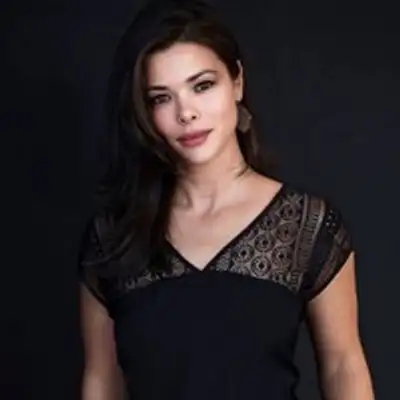
29 What's Up Wake Lynn Peterson
===
[00:00:00]
Melissa: If something seems a little fishy today, that's because it is. What's up? Wake is welcoming a guest who can school us on one of North Carolina's biggest industries fishing. We are so lucky to live in a place. Where the coast is within a couple hours driving distance.
But even so, it's not always easy to know where our seafood is coming from. Inter locals [00:01:00] seafood, who brings the flavor of the coast closer than ever. The cultural heritage of commercial fishing in our state dates back hundreds of years. Today, the state's seafood industry continues to thrive with a focus on local sustainable seafood that supports the countless restaurants, markets, and nonetheless, fishermen themselves.
I'm really excited to dive into the seafood world today with someone who connects the source to the table. Join me in celebrating the heritage of the North Carolina coast today with Lynn Peterson of Locals Seafood. Hi Lynn.
Lynn Peterson: Hello. Good morning.
Melissa: I'm so excited to talk to you. My family spends a lot of time in the Morehead City, Beaufort area.
My sons love fishing. My husband loves fishing, and we love to eat seafood. So I am, I've been really looking forward to this conversation. Let's start out. Tell us where you're originally from. You're not from the coast, right?
Lynn Peterson: That's correct. I was born and raised in Clinton, North Carolina. Okay. Samson County.
Melissa: Okay. So how did seafood [00:02:00] come into your life and local seafood?
Lynn Peterson: Well, growing, growing up my, my mother was raised in Morehead City, North Carolina. Oh,
Melissa: okay. So
Lynn Peterson: she she moved there when she was five from Norfolk. So she moved down to Morehead City. And we grew up going to visit my grandparents early year memories of being at, you know, sanitary fish market, eating a soft crab sandwich.
And I grew up a lot around that. The ocean was a big part of my life growing up. My father was had started scuba diving in the army and was a scuba instructor and kind of was a side business, so we were always going diving North Carolina Coast, down in Florida, Caribbean. So being in the underwater environment was a big part growing up and appreciating the resource.
And you know, being in Sam's County, we didn't eat. We had a lot of pork.
Melissa: Oh yeah. Oh yeah. That's very true. Yeah, we
Lynn Peterson: we didn't cook a lot of seafood at home, but when we went in the coast, we had it. And there wasn't a really, we didn't really have a good market or anything in Clinton. So growing moving into college and came NC State University.
So, and started in watershed. Hydrology was really interested in that and watersheds and that gravitated to fisheries and Wildlife [00:03:00] Sciences. Oh. So I studied Fisheries and Wildlife, NC State. Okay. And really got dug into a fisheries concentration and learning how. How like in our state, the department, you know, we have the Marine Division, Marine Fisheries manages the resource.
And then I met my, had a good buddy who my co the co-founder of the company, Ryan Beckman, and he was in Fisheries and Wildlife as well. So we got two NC State grads that learned about the resource management side of things. Okay.
Melissa: That's very neat. I I, I have met a lot of people through the CS College at NC State.
Fun fact probably doesn't mean anything to anybody else listening, but my aunt used to work in the Marine and Fisheries department at NC State, and she was an artist. So this was back before the days of technology that you can pull up all the maps and have ready, you know, access to all this. She would hand draw the maps for the department.
So I was just going through pictures recently and finding some old sketches that she made. This was back in the, you know, 19 [00:04:00] hundreds. Okay. So you started out, tell us the beginning of local seafood, if I'm understanding this correctly, you started out by selling shrimp out of a cooler roadside in Raleigh.
Lynn Peterson: Yep. So picking up that story right after college, Rhine Spec minimum, he moved down to the coast and that's where it really started. He moved to a small town of Columbia, North Carolina. Mm-hmm. On the Albert Mall Sound. And he was a, he was a wildlife b biologist for a small company He was managing he was working on endangered species, so he was managing land.
It was a lot of DOT land, but a private company outta the Sandhills. So he's down in the coast. We were hunting and fishing buddies after college. I'm two years behind him, so when I, I would, we, we stayed in touch. I get down there and go hunting, fishing. He's down there doing his job for 10 or so years, gets to know a bunch of fishermen.
That's where it kind, the, the idea started and we would go down. We'd eat all these interesting things and fish. You never see in markets like Harris Teeter, you don't ever see black drum or, you know, maybe not muck fish or ribbon fish or mullet [00:05:00] things you, you know, they eat at the coast. Sometimes called bycatch, but they're not really bycatch, they're just lesser known species and less marketing, less marketed in the public space.
But so when he was transitioning to move to Raleigh and I think he was like engaged to his, his, his wife and he was like moving to Raleigh and then he was gonna lead that job just kind of looking for what to do next. I'm working at Grow Outdoor Provision Company that time, and I'd worked there through college and I, I'd worked and run into a marketing role and so I'd already, you know.
I also play music. So I'd started building websites and that's what I was doing on the side. It's like building websites and market, you know, for the company I was working for. So we took this idea of like, hey, got all these fishermen we know, think about like they're, they're, I'm hearing their concerns and they've got all these great catch and like this stuff's not getting into the Raleigh or triangle area.
So all this great seafood that comes in. It's not making it up here to this market. And just had the idea of we, he met a shrimper and got him Luke Midget. We first started working with, and this was summer of [00:06:00] 2010, so I took my marketing experience both of our natural resource background. Ryan had met all these great fishermen at the coast.
It was just like this idea to bring it up here. Our first idea was like the, you know, use the internet and presale it via like web sales and do a CSAs were big, had just gotten big around that time. And there's a couple CSFs, which will be com. Community supported fishery version of like signing up with your local farmer to get, you know, a box of produce every week.
We, we launched with, you can pick up two pounds of fish from us every week for like a eight week subscription, and we still do that to this day.
Melissa: Okay. I did see that on your website, which I was excited to see because it's definitely something I would like to look into. Mm-hmm. And, and you touched on this a little bit, I mean, back in the day I do remember that.
When my family would plan a, a beach trip, you know, generally once a summer, once a year, my first thought would be, oh, I can't wait to have seafood, because that was really the only time we would eat seafood is going to the beach. But nowadays we do have [00:07:00] you guys as a source of, of fresh seafood that we can actually pick up from the market, pick up from grocery stores and even restaurants that you work with too.
So it's more readily available than it used to be. But now you guys have a 10,000 square foot market, which I have not been to, and I'm really wanting to go. You sell directly to grocery stores. You have your own restaurant at the Durham Food Hall. Walk me through what your average day looks like in this type of business.
Lynn Peterson: Well, those early days, it was really once a week, Ryan was doing the driving and I still kept my day job and we were doing it part-time. He'd drive to the coast, we'd set up on the weekend and sell. Friday, Saturday we started a little shop up, six Forks Road called Wind, pigs Fly. And I had a buddy that was the chef at Vinny Steakhouse that was right near there and we didn't really.
Kind of right at Tom, he was like, can you bring me softshell crabs? The, the chef Tom Armstrong? So we, we started bringing him crabs up and then we were selling tuna and shrimp on the side of [00:08:00] the road, and we were looking for different roadside spots to sell. And then eventually, by the fall of 2010, we got into a couple farmer's markets.
In summer of 2011, we were in the Western Wake Farmer's Market, the downtown Riley Farmer's Market. And over the years, we've just evolved. We called those tailgate markets, but by that. 2011, we got into the Raleigh Farmer's Market. Mm-hmm. And that was our first big, like, okay, let's build a store here. So they gave us a little stall inside the market shops and that grew into two stalls.
And now we have that and we're open Thursday through Sunday, the Raleigh Farmer's Market. So you're
Melissa: still in the same location in the Raleigh's? Yes. We've been Farmer's Market
Lynn Peterson: 14 years. Okay. And then that was our home base for retail. In the background, we had a little flex space. Our first one was, I mean, we started outta my, my back deck in Ryan's pickup truck with one cooler and up to six coolers.
So we were just going the coast filling everything and throwing a truck. Then we bought a big sprinter. Within two years, we bought our first refrigerated truck, and that was a big step. So anyway, we grow through these refrigerated trucks, a little flex space that was 800 square feet. We moved to South SA Street and we had, [00:09:00] we always had like a, we had a, we figured out early on, well, we gotta process this fish.
We gotta be able to cut it. We at the coast, that's one thing we lack in North Carolina is a lot of infrastructure to process the fish. Mm. We, we have the fish houses, we have the fishermen industry, obviously the resource that comes into these family, mostly family and fish houses. Yeah. And that comes across the dock and that it normally goes on a truck and goes up north.
So what we're doing is bringing it to the triangle. Connecting it to the, the citizens of North Carolina so they can get access to this great resource instead of it maybe trickling back down through a long supply chain.
Melissa: Yeah.
Lynn Peterson: So when it gets to Raleigh now and, and the current, you know, fast forward and this, that facility about 8,000 square feet of that. 10 is a, , cooler walk-in freezer and a cut room. So we bring all that fish in now on like five different trips to the coast. Today's Monday we're riding down to Beaufort. We got Michael down there in Beaufort and New Bern. He's gonna go all the way to Hamstead and pick up.
Mm-hmm. Just tons of stops. He's gonna stop at four different oyster farms and we're like starting our week. Aggregating all this great product from our sources, which is long standing [00:10:00] relationships. It can be anybody from a, a, a small oyster farm that's only getting us 15 bags of oysters, southern salts.
Hold fast, oyster company, we're getting those. And then this week we'll take those, 15 bags of oysters to, you know, six different restaurants and you know, that's what we do is distribute the product and then we'll make trips to One Cheese on Tuesday and Thursday, we'll go back down to the Wilmington area.
We deliver. We got, we have customers at the coast that actually we help connect dots from Juan Cheese and the Carolina Banks. We bring it to Raleigh, cut it and distribute it and run it back down to Wilmington 'cause they can't get access to. It's like a different set of mm-hmm. Species from like the northern outer banks down there, or oysters that are coming from Okracoke, have to ride all the way to wine, cheese, then to Raleigh, then back down to Wilmington to go mm-hmm.
To Dean Neff at Seabird. So that's kinda what we're doing is there's a lot of logistics relationships. Ryans that's, he connects with all the. Sources and he's lined up all what's available, what we need, and then we, we buy it. My phone's, you know, going off as we talk here 'cause [00:11:00] we got our guys in Beaufort right now reporting what he's looking at and he's like, oh, I got mackerel, bluefish, and Ryan's talking to everybody in wine, cheese, what we'll see tomorrow we'll have tuna sword, American red snapper, all these great things. That's
Melissa: a very good point though. You, you don't necessarily know what you're gonna get. I mean, it's kind of the luck of the draw, you know, as a, a, a fisherman where to go, what spot might have a certain certain type of fish, but you don't know if you're gonna get it that day or, or how much you're gonna get.
So it is kind of a. I don't know. Luck, luck.
Lynn Peterson: It, it is, I mean, there's a
Melissa: lot of luck when it comes to fish fishing, but
Lynn Peterson: well, the nature of our company, just until recently, we've, we've expanded our reach beyond North Carolina's borders to bring in like salmon from Gulf of Maine. And we're trying, we've, we, we start, our niche was local.
We're gonna bring you what's being caught off our coast. And when it's fresh, well, certain times a year we have a, a small set we have like in the. In March. It can be these like shoulder seasons between, but we were connecting [00:12:00] people to what's really happening off our coast and fresh was what we did.
Yeah. And we, we, we would freeze shrimp and sell shrimps, you know, freezes really well, but fish is, is often poorly frozen and the quality suffers. Mm-hmm. But if you do it right, you can vacuum pack and cut portion fish filets. You know, that's what we do for a lot of our resellers that sell our product at like a farm stand.
We vacuum pack and put up super nice fresh flounder filet. We put a label that tells you where it's coming from. You can scan the QR code. So that's the biggest thing we do is just connecting you to a great product, but also telling you like how it's called, where it was caught, and just really traceability is what we live off.
'cause we turn it around fast. But if we're just really just educating consumers of maybe a species they've never had before, but also, you know, making sure they understand what's coming off our coast and when you can get it.
Melissa: [00:13:00] Okay, I'm gonna talk about the word of the day. The word of the day is fishmonger.
Am I saying that right? That's right, fishmonger. It's a term that. I've, I guess I've heard before, but I thought it was a made up word, but it's not. It's a real word. And turns out female fishmongers are referred to as fish wives. Never heard that word before. So there's our dictionary word of the day. How do you build relationships with your fishmongers?
Lynn Peterson: Well, so the fishmonger, I think like we're the fishmonger. Mm-hmm. And then a commercial.
Melissa: Oh, you are the fishmonger. Oh. I think the term
Lynn Peterson: is kind of goes back to the person.
It's like a butcher. It's the, it's a seafood equivalent. Oh,
Melissa: you're the processor? Yes. Yes. Okay. Fish monger. Okay. It's equivalent of like a butcher.
Lynn Peterson: You know, butcher is [00:14:00] very knowledgeable. Brings in, you know, the whole cow or the pig and knows exactly what to do with that and break it down to, okay,
Melissa: so Fisher folk is the fishermen.
Lynn Peterson: It's kind of a young woman, newer term, but fisher, a lot of people that coast like men and women, they're like, we're all fishermen. Yes. But fisher folks is a newer term.
Melissa: Okay. And fishmonger is what you do. Exactly. Okay. So how, how are you connecting? The fishmonger with the fisher folk.
Lynn Peterson: So yeah, like Ryan Day one, it's all about relationships.
Mm-hmm.
Melissa: And,
Lynn Peterson: and Ryan, we go to all these events we meet like, or, or oyster farming is a relatively new industry. So we, we, we started out with all this wild caught fish, you know, fish like shrimp tuna mahi sword, things coming into wine, cheese where we built our business in the northern Ironer banks.
And let's say three years after we started, we met. Chris Mateo, who's an oyster farmer, and that was our first cultivated or farmed oyster. Mm-hmm. Which is called mariculture like agriculture. But Mar Mariculture is when you grow in the marine environment. And so like that's the relationship we've been working with him [00:15:00] and the farm.
He's a big part of the Shellfish Growers Association. We go down there, we, we help them, no help the nonprofit and all these people connect and build this industry. And now we have a network of like. 15 independent oyster farmers. It's like, you know, it's just like going to a farmer's market and all these small farmers, these are all small scale folks who are growing oysters in North Carolina.
Waters cleaning, you know, it's a great thing for the environment. Anyway, so these relationships, same thing goes into O'Neill, sea Harvest and One Cheese. It's from my two brothers and they're like sisters and they have a restaurant. 15 years ago, their father was, you know, running the show. And we, we, we work with that family and it's a long relationship and we get the great pick of what's coming in on the docks and it took us a while.
You gotta earn cred, number one. You pay your bills, you do what you say you're gonna do, you show up and consistency to, to be there to buy that great product
Melissa: because these, these people are mostly, like you said. From , [00:16:00] long-term family past of, of fishermen. Exactly. So they, they're probably just used to dealing with their own family, their own close knit neighbors and their fishing villages.
Lynn Peterson: That's right. I mean, and that fish house, it has a, a lot of u utility. They, they're like, it's like a. You know, it's just a warehouse, like on the dock and, but there's an ice maker in there. There's cold storage. Mm-hmm. There's a freezer and then there's a family that runs that. They also have, they're vertically integrated.
They also have a restaurant and a market attached. They're, they've done a great job marketing that, and they sell to restaurants as well. But the main thing they do is pack a boat. So a tuna boat comes in with tuna and sword. They provided that boat. They have a relationship with that boat to give them ice fuel them up, and then when they come in, they, they have, they trust each other and they, they offload their catch and they get them the best price they can for that catch.
Mm-hmm. A lot of it leaves, like I said, and goes up north on these freight trucks to where the markets are in Boston, New York. Then local seafood's there two days a week and our driver and fish buyer [00:17:00] is on, she's on the docks. Tammy's there mom. She's doing that route right now. She lives in Columbia.
She's route, she's down there. Hey, we got, she sends us a long list of what's there, how the quality looks, what the price is, and then we make our buy. She puts it on our truck and brings it to Raleigh. I mean, it's. Fishermen to the dock, which is the family owned fish house. Mm-hmm. And then our truck, and then our fish mongers in Raleigh cut it.
Either deliver it to a restaurant or a grocery store, or you come by it direct. So, I mean, it's a really short supply chain. Yeah, very. You know, it gets it to you fast and it also helps ensure quality and traceability.
Melissa: So you mentioned Mariculture. I wrote a story a couple years ago on aquaculture, which I'm assuming is the same thing.
It's essentially yes. A farm raised, but in a, not in the, the, the stereotypical farm raised type of fish environment. For example, I spent the day with an oyster farmer on Harkers Island a couple years ago named [00:18:00] Ryan, who owns Oysters Carolina. And Ryan Lisa's water space off the coast of Parker's Island for an oyster farm.
The water is out there is known to be some of the saltiest water in the country, and that's probably why there's, they were the best oysters I've ever had too, because I'm not even a fan of oysters, but I ate my weight in those oysters because they were straight out of the water, super salty. And I could literally see where my food was coming from.
That's right. Which I think made a big difference too. But I think that's must be what locals is all about, is seafood that is as local as possible, therefore as fresh as possible. And you're also getting to know the people that are catching the fish as well. So it, it makes a big difference. It
Lynn Peterson: does.
Melissa: Talk to us a little bit about the aquaculture or mariculture, like you said, industry here.
I also, on the same trip, did a tour of a caviar [00:19:00] farm. Little grocer. I'll be, I'll be the first admit. But that tour was also a quote, farm aquaculture experience as well. So not out to see, you know, catching stuff. So do you work with a lot of aquaculture or mariculture people?
Lynn Peterson: We do. I mean, so mariculture is like just the farming of aquaculture.
Mariculture is aquaculture. Mm-hmm. So as far as just aquaculture North Carolina, we have some great products. We just ended crawfish season. A lot of people don't know. Oh, I didn't even think about crawfish. So we grow crawfish in, in these ponds, which are like in fields and across North Carolina, I mean in the East North Carolina, Chaco Win entity we work with in ln Farms and they grow crawfish.
They just ended the season, but it's like April two and July. And we have crawfish, we have catfish. I think catfish is our largest aquaculture industry in the state. And then of course our big one is oysters and even clams. They grow. But so mariculture is when you're growing a product in the marine environment.
Melissa: Mm-hmm.
Lynn Peterson: So, and then we, we even have hybrid striped bass. They grow striped [00:20:00] bass and ponds. We got a great striped bass, we call it NCSU, rockfish. NC State has a great program in Aurora, North Carolina. Mm-hmm. And they're growing fish and tanks right next to the sound, but they're in tanks. So,
Melissa: but I do think that the whole farming fish industry has a bad wrap.
Lynn Peterson: It does. So
Melissa: how is this different than the ones that ha, that get the bad wrap? Are those just because they're in a different country?
Lynn Peterson: Well, some of that we, so all domestic US aquaculture is, has as high as regulated in the world. So we have a great. We have all these rules we follow. So if you just talk about shrimp for example, we haven't really figured out how to grow shrimp on land.
They, their people have tried it, it's just cost too much. Mm-hmm. By the time the end product, they can do it and it's very sustainable and, and they've tried it in Florida and I think someone's doing it in North Carolina for a while. But, but, so, but that's grown in a tank and that takes a lot of input and a lot of energy.
Mm-hmm. The problem in the orient in like Ecuador, in different areas where there's shrimp farms is like, you've got, you have. You [00:21:00] have shrimp that's in like Thailand that is grown in the natural ecosystem. So shrimp, unlike oysters, does not help the environment. If you put a lot of shrimp in a small mangrove, you're putting a lot of load on that system.
Melissa: Okay.
Lynn Peterson: So different just, I mean, so there's a lot going on because
Melissa: oysters kind of clean out the, the ecosystem surrounding the oyster farms. Yeah. That's why it makes it more sustainable in that area where the oysters are growing.
Lynn Peterson: That's right. So it's gonna be more, more sustainable and just generally, like they say, it's the greenest form of farming. There it is. Because you put the oyster, you've seen the videos where you put oysters in a tank and it's like the water's kind of murky within a day. It's cleared out. Mm-hmm. Or just a couple hours. So oyster farming improves its environment, you know, it puts when you put a lot of shrimp in the natural ecosystem, we, we, US regulations would not allow you to farm shrimp like they do.
In Thailand. I mean, it doesn't mean that it can't be done well, I mean maybe there's some farms in Ecuador or something. Mm-hmm. Where, where it's done and meets standards. But overall it's also social implications. Mm. So like fair [00:22:00] trade, you know, fair practices of employing people. True. And paying fair prices.
There's a lot going on when all this, you hear all this stuff about imported seafood and you hear like T trawling is bad, but it's mostly like industrial scale T trawling in international waters
Melissa: and mm-hmm.
Lynn Peterson: I don't know, you hear. China is in Russia's waters, you know?
Melissa: Mm-hmm. Taking
Lynn Peterson: all their resources.
But when it comes down to North Carolina fisheries, which is what we're promoting, it's tons of rules, tons of regulations, whether it's wild caught or farmed. And so it's done the right way. So when you grow catfish in a pond in eastern North Carolina, and it's processed in aid in North Carolina and comes to the market, you know, all these things are done in the right way.
We call it. I mean, it's responsibly done. It's managed. It's managed for continuity too, like. So we have one reason we have such a booming, farmed oyster industry is so we can have is because demand's up and we don't have enough wild oysters in our waters to f, excuse me, fulfill that demand. Mm-hmm. Also, it's, it [00:23:00] allows oysters to be harvested.
Growing, harvested year round. So wild oyster season traditionally is October to around March. So now with farmed oysters, we can have it year round.
Melissa: Okay. So we touched on the shrimp business. North Carolina Seafood recently became front page news with the bill in our State House and Senate proposing a ban on inshore shrimp trawling within half a mile of the coastline, which if it had passed, would've significantly impacted the state's shrimping industry and commercial fishermen.
I followed that closely because we do spend a lot of time in the Morehead City area, which is a big fishing shrimping town. What is the latest on this? It seems to me like. We've kind of just kicked, kicked the ball a little bit down the road. It's not, it seems like something that's gonna come up again.
Lynn Peterson: Oh, definitely. They're always gonna be coming after this. Mm-hmm. So it's, it's a complex issue for sure. But just overview is that they were trying to, last minute added a, a provision to a [00:24:00] bill. A bill that was supported by the commercial and recreational side. The bill was to, it was the last minute amendment put into, oh yeah, last minute we're gonna add ban, shrimp, trawling, all of sandwich.
Yes. Nobody knows
Melissa: until the very last minute, and then there was a freak out, of course. Right? Mm-hmm.
Lynn Peterson: Then, you know, just. There, there's also a study being done and that, that wasn't released yet, so they were just jumping the gun on. It's this politics, you know, whatever that is. I don't wanna get too far into it.
And
Melissa: the lobbying and all the things, I mean, all things mean, I really learned a lot from this because again, I, I, I guess I just don't pay attention enough to local politics and the way things. With the way things work, but I did pay attention to this and it was very eyeopening how they can slip a little, very important life altering amendment at the last minute, vote on it the next day without any warning and affecting so many people.
But it does seem to be that. It is gonna be something that's gonna be brought up again, I know that it started out with our, our recreational fishing. [00:25:00] Rules and laws are very limiting for, you know, people like my family that just wanna go out there, cast a line catch a flounder, oop, gotta throw it right back in because we're not allowed to catch flounder in North Carolina, but like two weeks, two weeks in September, that's it.
You catch 'em, you
Lynn Peterson: just can't keep it.
Melissa: Exactly. And even, even in those two weeks, in September, they have to be 15 inches. Or larger, or you have to, it is all very regulated in North Carolina.
Lynn Peterson: There are a lot of regulations. Mm-hmm. On both sides?
Melissa: Yes. On both sides. So, I guess this is something that we're just gonna have to stay tuned and, and pay attention to, because if we want to continue.
Not only having the freshest and, and most local seafood, which is, like I said, a huge industry in North Carolina, but it's also supporting people who this has been a part of their family for centuries.
Lynn Peterson: That's right. I think it's just important for people to ask where their food comes from and understand it, and then you would understand that like, yes, there is a, a small impact to the sound if we're, if we're going to tra shrimp.
They've [00:26:00] greatly reduced all those, the bycatch, all the things. Yeah. The turtle exclude devices, the bycatch reduction devices. They have made it much improved where it was in the last 30 years. And so if you, if you grow corn in a field, there's gonna be an impact on the environment. Yeah. Where is your food gonna come from?
Is it gonna come from an unsustainable? You know, shrimp farm in Thailand that doesn't take care of its workers and it comes here in a container ship and has chemicals on it, and
Melissa: they're not paying attention to the environment as much, much as we do here. And don't Exactly.
Lynn Peterson: We don't inspect. Less than 2% of our imported seafood gets inspected.
So is that where your shrimp comes from or is it gonna come from a family owned, you know, 30 foot shrimp boat in Pico sound? Mm-hmm. And so. It's, it's kind of like fighting over the resource, but all commercial fishermen care about the resource. That's where their livelihood comes from. Mm-hmm. So we gotta, there's a balance and, and just wiping it all out and kicking these shrimpers outta the sound.
We won't have shrimp. It's where se like 75% of our shrimp co are caught. They're like, oh, it's fine. So there's all this misinformation being thrown. They said, oh, they'll go catch 'em in the ocean. [00:27:00] But we have a very small ocean fishery. Our shrimp come from the sound.
Melissa: Yeah. Yeah. Well, and if you, if the listeners out there, if you ever get an opportunity to tour a shrimp boat, I encourage it because they will show you how they are able to release everything but the shrimp.
How they are able to take care of the land around where they're shrimping. So it's, it's really eyeopening. Tell us where is the furthest place that locals seafood delivers? 'cause y'all go to the mountains as well, right?
Lynn Peterson: That's right. Yeah. So I think it's been two and a half years ago we started going to the WNC Farmer's Mar or making a run up to Asheville.
And we have a that's expanding to a nice, a great store inside the WNC Farmer's Market. Which is right off of I 40 right past Biltmore. So we're there open Thursday through Sunday, just like we are at the Raleigh Farmer's Market. We delivered to restaurants up there and it's just been a great expansion for us in a rough spot last fall with the storm.
Mm-hmm. We got real involved in lots of work up there and just helping the [00:28:00] communities rebuild and our employees are great and we got a, it's a good place to find us and we're doing some fun stuff up there. We just started smoking fish. As well. Okay. So we got a smoker set up and the
Melissa: smoker set up out there.
Yeah. We have in Western North Carolina, our new facility,
Lynn Peterson: we just moved into a different spot in that market and so we're smoking fish, we're gonna start doing some more value added product. Those are things we do with our restaurant in, in Durham as well. Okay. That Marshall Burg Farms, you mentioned earlier, I had to come back to that, that that's the sturgeon farm.
Yes. In Marshall Burg, North Carolina Russian
Melissa: Sturgeon, which is very critically endangered, I believe. Type of fish that's mm-hmm. So this
Lynn Peterson: and this fish is, because it's farmed, it's totally done outside of any concerns. It's super sustainable.
Melissa: Yes, exactly.
Lynn Peterson: They actually have another farm in Leno, so they, they own, yes, they do.
That was the first
Melissa: one, I believe.
Lynn Peterson: And so. Well, Erwin, the, the main product, they're growing these fish, you know, it takes eight years. They grow 'em for eight years and then Yes.
Melissa: And they're massive fish. They may,
Lynn Peterson: it takes eight years to find out if it's a boy or a girl so they can finally sex the fish. Yep.
Melissa: And
Lynn Peterson: they could have fed a boy eight years and then at that point they find out it's not gonna be, it was pointless. [00:29:00] Pointless. Yep. So they kill those fish and obviously when you do harvest the C caviar, you have to kill the fish. So the meat is kind of considered like a byproduct, but it is really tasty.
It's eat, it's eaten a lot of Eastern European countries because that's where Stir and I shouldn't
Melissa: have called it. Gross. I think I used the word gross. It was, in my opinion, I don't like caviar. And I, I found the, the process to just be. I don't know. It was just weird.
Lynn Peterson: It's not, it's not for everyone. It's a very intense flavor.
Flavor. Yeah. I guess because
Melissa: it's getting, you have to cut out that the eggs and kill the, it was, I don't know. Mm-hmm.
Lynn Peterson: And they just salt the eggs and cure 'em. But they, back to that smoking. We're now working with Leanne at Marsha Bird. We're gonna start smoking that star. And it smokes really well. It's real firm.
It's kinda like. Like a smoked Turkey or chicken. Yes. It's got a real firm texture. It's a trickier fish to cook, so less people know how to handle it, but we've been trying to work over the years to help them develop markets for the meat. But smoking, it's a great way and they make a really good dip, but they're having no problem selling their Cary.
I think
Melissa: I tried that dip.
Lynn Peterson: It's pretty tasty. Yeah, it is.
Melissa: It was very tasty. I don't, I don't know if it's one that you [00:30:00] had smoked or if they had done it themselves, but I did try something when I was there. Yes. And it was very tasty. I'd never tried, I had never had sturgeon before. It's really
Lynn Peterson: good. Yeah.
We're just starting, we're gonna start helping 'em with that to get that going. But yeah, the C yards evident, evidently. For people that have had lots of caviar around the world, they say theirs is, is is excellent. People
Melissa: do love Marshall Burg Caviar, and again, it was just a personal opinion. I'm not a big caviar person.
I would listen, I'm the first to admit I would never be able to live in France and I would never be able to live in Russia apparently, because that is pretty big over there. What would you say are your biggest challenges for locals and for the seafood industry as a whole? And do we still need to worry that the industry altogether is at risk from all these regulations?
Lynn Peterson: I guess the biggest thing is our biggest challenge is just competing with the imported, you know, devaluing the value. Mm-hmm. Of c feel like at these, you know, we have this industry that is hurting for, in lots of, lots [00:31:00] of pressures on pressures on commercial fishing in the coast, whether it's access to docks, you know, because now.
They're building a brand new hotel in Beaufort and there's, yeah, that's been
Melissa: a big, you
Lynn Peterson: know, things like that or whatever, you know, those examples where we lost working waterfronts. Mm-hmm. So we have regulations. So all these things that are put on the commercial fishermen to bring in the product. And then I touched on earlier, we don't have, we do not have a lot of.
Production infrastructure in the state. So that's what we've added. So local seafood is now one of the largest processors of North Carolina fish in the state. Mm-hmm. We're processing lots of fish. So we're bringing this catch in, getting it out to people, the consumers. And so we have lots of challenges.
Just, you know, just doing business. It costs a lot, you know, paying people a fair wage. Mm-hmm. Doing it in Raleigh real estate. Yeah, that's true. We took forever to find out. We now we own our own facility. So all these things add up, but, you know, getting the product out there to people, I think they really value knowing where the product comes from and then it's super fresh and, you know, they know the supply chain that's involved and those, those, [00:32:00] but the pressures of like, well, I can get shrimp at Walmart for X amount.
Yeah. Carolina Shrimp is, you know, $14 a pound. You know, it's, you're always gonna be dealing with that. It's
Melissa: 14 times better tasting too. That's right. So tell everybody where we can find out more about locals seafood.
Lynn Peterson: So go to locals seafood.com s on local. We, you can learn a lot about us. We're about to launch a new website in a couple weeks, so, but right now you can go there.
We have a great seafood guide. You can learn about all these species you may have never heard from heard of. And then you can check out what we have in today's catch, get on our email list. That's the best thing to do. We send out an email every Thursday on the we, the actual email goes out as well. We tell you what we're gonna have.
You can place a pre-order. You also just can show up at one of our farmer's markets. So check out our market listings there and come see us. We do midweek markets, Tuesdays in Chapel Hill, Wednesday in downtown Durham. And then we have all these great markets on the weekends. So come see us.
Melissa: And also on your website, you have all the bios from the people that [00:33:00] are your, your fishermen, fisher folk.
Including seafood advocates, would I, which I had never heard of a seafood advocate before, but people from Parker's Island, okra Coke one Cheese. Did you say it was one cheese? That's correct. I was trying to figure out how to pronounce that town yesterday when I was doing research, but one cheese all up and down the coast.
So you get to know the people. That are actually fishing for your food.
Lynn Peterson: Yes. Lots of great people across, up and down the coast on that are involved in this industry and just really working on the cultural, you know, as much it's, it's a resource. It's the people that catch it. It's the people that promote it.
Melissa: Yeah. It's a heritage. It really is. Yeah. Thank you so much for being here today, Lynn.
Lynn Peterson: Thanks for having me.
[00:34:00]