Subscribe
Share
Share
Embed
Welcome to Defining Hospitality, the podcast focused on highlighting the most influential figures in the hospitality industry. In each episode we provide 1 on 1, in depth interviews with experts in the industry to learn what hospitality means to them. We feature expert advice on working in the industry, behind the scenes looks at some of your favorite brands, and in depth explorations of unique hospitality projects.
Defining Hospitality is hosted by Founder and CEO of Agency 967, Dan Ryan. With over 30 years of experience in hospitality, Dan brings his expertise and passion to each episode as he delves into the latest trends and challenges facing the industry.
Episodes are released every week on Wednesday mornings.
To listen to episodes, visit https://www.defininghospitality.live/ or subscribe to Defining Hospitality wherever you get your podcasts.
DH - Adam Lara
===
[00:00:00]
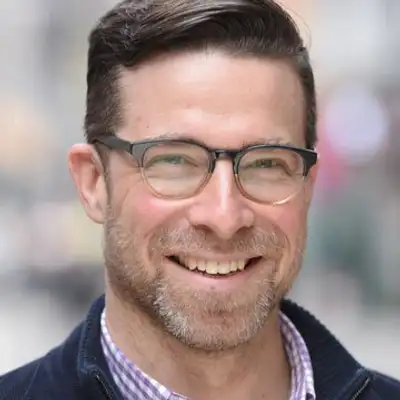
Dan Ryan: Today's guest is an architectural designer, branded environments leader, and hospitality design expert. He has almost three decades of experience leading architectural and interior design projects across hospitality and mixed-use spaces. He's passionate about creating functional, inspiring environments that combine and connect brand identity with community impact.
He's a principal at KTGY Interior Design and Branded Envi- Environments. Ladies and gentlemen, please welcome Adam Lara. Welcome, Adam
Adam Lara: Hi, Dan. Thank you very much. Great to see you
Dan Ryan: It's so good to see you. And I know in this age of consolidation and just general change within our hospitality design world, it was so good to reconnect with you at your new offices right downtown Chicago. They are incredibly beautiful, and I know that this is called Defining Hospitality, but I really got to [00:01:00] experience your hospitality walking into this beauti- it was a great party and just a, a wonderful showcase to get everyone from Chicago in there.
And I just wanted to say belatedly, thank you for inviting me, number one. And it must be super cool to just see the evolution of your company. And so w- I want us to kind of start there, and also just before we get into it, ask you, what does hospitality mean to you? What keeps you here? What-- how do you define it?
Adam Lara: for me, hospitality is-- it, it can be very basic and it can-- it, to me, it's really sort of the, the thought and the act of taking care of others. You know, hosting, uh, whether that's, you know, in a hotel, in a bar, lounge, uh, your home. It's really, it's really about the act of, um, taking care of somebody else and being thoughtful about how you do that
Dan Ryan: And w- at what point in your [00:02:00] career in creating these built environments in, in, in hospitality did you really bring that personal feeling into the projects that you were working on? Like, i- is there any moment that you can remember where that kind of clicked for you or what kept you here?
Adam Lara: Oh, yeah, for sure. I'm, um, I've shared this story with, um, a lot of folks through, through my, my career and, you know, my, my trajectory did not start with hospitality, nor did it start, uh, on interiors. Uh, you know, so my background is, is architecture, and I've been practicing in Chicago since the late '90s, and I was doing A architecture, you know, new buildings, renovations, know, working from the outside in, like, uh, a lot of architects are sort of trained to do.
And, um, there was a fork in the road at one point, sort of after 9/11, and I sort of pivoted, uh, to [00:03:00] an opportunity with, uh, DMAC and started working with Duane McEwen, who I know you know. He's been on your, he's been on your podcast. He's an awesome designer, an awesome guy. Um, but, uh, I spent a short stint, you know, working with Duane and, um, started to rethink a little bit of of where my career was going and what I was focused on um, thinking about, really thinking about how you experience a space. And it's somewhat rare or not as conventional that you experience a, a building so much from the outside. Yeah, you pass by it. You, you know, obviously if it's an int- interesting building, you'll, you know, uh, be enthralled by it hopefully, or, you know, there's a lot of bad buildings out there too. But when you think about sort of like a, a guest experience or just an interior experience, the things that you can sort of touch and feel, um, are just way more interesting, uh, in the interior environment [00:04:00] than really on the exterior.
So, um, it just really sort of made me start thinking that way and thinking about buildings and how you experience them by spending time in them, passing through them, whatever activity you have going on. It's just a lot more engaging with the space to, um, you think about it from an interior perspective, right?
You-- Um, with the percentage people spend, you know, inside of buildings, with 90% of your life or whatever it is, it's a very high amount. So, um, it gave me pause, really started thinking about that and make that a part of my journey.
Dan Ryan: That's really an unusual tract, and I've spoken to many other architects who've migrated or matriculated over into interiors. And I selfishly, being involved in the interiors from an FF&E perspective, I think the interiors are way more important, like you said, to the human experience. But it is-- I, I-- why do you think it's so rare for a big A architect, I love how you [00:05:00] say that, to transition into interiors?
Because on architecture, yes, I understand the fun and the challenge and, of building these large edifices, but if you really think about the human scale of the people walking through it, there's so much more impact on what's happening inside the building. What do you think makes that divide or that Rubicon so hard for many architects to cross over into?
Adam Lara: Uh, I think it's a lot in the training. You know, every, every sort of school or program is, is different, right? Um, and I went to U of I in Champaign and, you know, we were very focused on particular periods of architecture as well. You know, um, Wright and Mies and nothing that current even, even in the, the mid-'90s. Um, but I think a lot of architects are just really hardwired. And mean, it's important because when you think about a building, you are-- you are-- There is a human scale to it, and you think, [00:06:00] you know, through planning, through structure, you know, through spatial organization. You think through all of that as, as, as an architect.
You know, we've-- kinda some exposure to urban planning and, uh, start to bring that down to a smaller scale, and then it gets smaller and smaller as you go to the inside of the building. But, uh, I think you're kinda hardwired really think about the building as an expression, as a form, as sort of this, you know, um, creation of identity, right?
And architects are very concerned about how the inside gets effectuated. Uh, others are, are not as much. Um, you know, when you really think about it, that, that's how you're experiencing a building. That's why that building exists for inhabitants. Not there as a large 30-story sculpture. It's there as, you know, to be inhabited and experienced and, you know, enjoyed and used as it's intended, Yeah. And I also think the first time I met you, I believe you were working at Hyatt, and I believe it was in the new Hyatt [00:07:00] HQ, which to me also, of all the buildings and offices I go into across the country, to me that was one of the... That, I still think that's probably the nicest office building I've ever been in.
the one on
Dan Ryan: Yeah.
Adam Lara: Wacker? The, on, on South Wacker? Yeah. That's, um, the Paycom Building.
Dan Ryan: Yeah
Adam Lara: I think it was Paycom. Um,
Dan Ryan: I don't know who it was,
Adam Lara: that was a great space to be in with that huge interior atrium that, that spanned, I think, from 11 up to 16,
Hmm
something like that. But it was a really wonderful building, all the walnut and, uh, very modern, very reflective of sort of Hyatt's identity itself, so.
Dan Ryan: Totally.
Adam Lara: loved working in that building.
Dan Ryan: But the oth- the other thing that I, I find, and I know I s- teed this up with just consolidation and, and reorganization and, and pe- it's a, it's a real time of flux in our industry right now. And you're also one of the few people that have gone [00:08:00] from the f- the firm design firm side to the brand corporate side, and then back to the firm side.
And I think, to me, the people that I speak to who make that move from brand ownership and then back to the firm, they learn and they have so many new skills that can only help their new place grow. What do you think was the biggest, I don't know, like the biggest library of knowledge or encyclopedia of knowledge that you learned from working at Hyatt and then now at KTGY?
Like, what do you think you brought from that? 'Cause I often find, like, the brands and, and different ownership and development groups, it could be like to dealing with entitlements and brand standards, and it's almost like a labyrinth of trying to get projects birthed, if you will. And I find that the people who go from that arena into the arena of design firm or architecture firm, they just are so much [00:09:00] better equipped to navigate that labyrinth.
Do you think there's truth in that, or could you expand on that?
Adam Lara: No, there definitely is. Um, and, know, moving from just to that, moving from the design side of the table to, you know, call it the owner side, the brand sides. When I was at Hyatt at the time, uh, you know, I was on their, uh, technical services team, and at the time it was all-- I was focused on full service hotels, domestic full service hotels.
And, uh, at the time Hyatt owned, they're equity heavy, so they owned about 20, 25% of the properties domestically in the, in the full service portfolio, uh, and the sort of the five big brands that we had at the time. Um, but you kinda, you know, go to that side and, you know, then you were-- we're part of an-- I was part of an operations team, right?
So when I, when I joined, I sat with, you know, the folks in food and beverage, rooms, engineering, [00:10:00] spa, fitness group, you know. So it was, um, really- Really interesting to not sit in a room full of other architects and designers and sit and be one of like five people and there's a floor of like 50 of us and other 45 are, you know, don't have any sort of like design training experience, maybe even interest. But so you, um, but, you know, so we got to work with the ops team and, and, you know, be inside hotels and start to meet, you know, all the GMs and DOEs and room execs at the properties and really get to know them and understand how a hotel works for them, right?
Mm-hmm.
How their food and beverage works, how their catering works, uh, their back of house spaces are really important.
How all of those things start to feed in and into design, right? Because it's all-- it all goes back to design. Everything has to work and flow and, and function properly for it to be an effective solution. So, and that's [00:11:00] really what designers are. You're basically problem-solving. So it's just bringing another layer of information in, um, from like the ops side, um, that helps you, I think, be a better designer for sure. Um, and I mean, that translates into, you know, um, development because you were part of the, you know, the development team as well and, uh, the ownership side of the properties that we were working on at the time. So you had to you know, think like an owner, right? Um, think about where you're spending money, what you're doing, what's got the most priority and impact. So you're able to, you know, coming back to the desi- design side after four and a half, five years of, of doing that, uh, was a, was a big transition sort of back into it. Um, but I did it at a time when it was important for me in my career, um, to come back to design. Um, not just design management where, you know, I had 30 projects I was looking at, but coming back to design where I had, you know, fewer projects [00:12:00] and team members and, um, it was just a pivotal time and it was something that I wanted to do.
I didn't-- I knew if I stayed much longer it would be harder to come back. So I came back in a very intentional time to join, you know, Simeone Deary at that time in 2011.
Dan Ryan: And I-- as you're talking about that, what I'm envisioning is working at the brand or ownership side, or brand/ownership side at Hyatt specifically. Okay, you're doing design management, but you're not really rolling your sleeves up and working the pen or the AutoCAD or however, whatever you do. But just like really getting into the details.
You're, you're almost removed from the details and you're helping guide it. And as you were saying that, I was thinking about the fact that you are the third in like a mini trilogy of guests on this podcast. So Duane, you mentioned, Larry Traxler, and yourself, who worked at Jordan Mosher, and the stories that I heard from the two of them, and also Mike Sumi, he [00:13:00] hasn't been on yet.
I will get him on, Mike, I promise. Um, and I'm sure there's more, and I'll get Jordan on as well. But it seemed to me that experience as a foundational experience of being or becoming or, um, yeah, becoming a designer, you really got to roll up your sleeves and work with metal shops and casting things, and it just seemed like such like, okay, you're designing places, but you're also in like this maker studio where you're really getting your hands dirty.
Can you-- how does that gravitational pull fit into the story of your career path?
Adam Lara: Yeah. It's, it's interesting when you, when you phrase it that way. I probably hadn't thought about it 'cause I went from, working with Duane for, for a bit of time, and then, um, I think what I like to call is from the frying pan into the fire is when I, I joined Jordan's, Jordan's team after that. Uh, and it, it was a really, you know, amazing experience.
Um, I know [00:14:00] a lot of folks have been through there, and it's, I think in Chicago in terms of hospitality, um, it's a bit of a rite of passage is how I would look at it. And you had folks there with different amounts of, of tenure. You know, Larry was one that, uh, actually went back twice and I met him, uh, on his second tour, and that's when I, I got to work with him. Um, but you know, you had folks that, that might last, you know, a day or a week or, uh, maybe a month. Um, and then if you kinda got past that, you would probably make it to six months. If you got to six months, you'd get, get to about two years, which felt like five, and that was sort of the track that I was on. Uh, I know a lot of folks kinda were at that, in that two-year track. Um, but when you're doing that kind of design and that level of thinking, I mean, it's a little bit of, uh, of everything, right? It's, it's obviously interior design. We were doing architecture as well. [00:15:00] Uh, we were doing clearly, you know, furniture design, and by doing that and the way that we were doing it, uh, with Jordan's sort of signature style, it was branding too. You know, um, it was all sort of one thing. But yeah, you were going from thinking about, you know, the exterior of a building, maybe the blade sign, the porte cochere, whatever it may be, and then that translates into, you know, the interior space, the volume, the forms, and then all of a sudden that turns into, you know, the light fixtures and the chairs and the door pull and, know, the host stand, like everything.
Uh, we were making, you know, the shelves at the back bar, whatever. I mean, there was no shortage of things that we were trying to make. Uh, and we would work with, you know, a, a lot of local vendors and develop products that would-- You know, we'd move it from one phase to another. We were basically doing shop level drawings, you know, fabrication drawings for threaded pipe and things that would go inside of a light [00:16:00] fixture that's being cast and getting that wired and UL listed.
And so it, you know, very interesting that you-- the way you bring it up 'cause I kinda went from that extreme of doing, you know, all the way down to the threaded screw and the set screw that went on, like the door pull to keep it in place. Um, and then a few years later in my career, I'm at Hyatt and I'm overseeing, you know, 30 projects at a time and trying to keep tabs on all of them just with, you know, light touches and guidance and, and more of an editor- editorial role.
And so it was very different sort of way doing-- way of doing design, like two sort of extremes from the micro to the macro, but it's all part of the same equation, right? It's all part of the same delivery and experience of what, you know, you want a guest to go through and that sort of that journey.
Dan Ryan: I also, I also think, uh, just hearkening back, I don't know if you listened to the conversation I had with Larry, but, you know, it, it's almost as if, you know, he started off in that [00:17:00] laboratory and then went all over the world. Then he was at Hilton and in charge of like, or have... I gue- I like how you said it.
It was like editorial, um, overseeing or I, I forgot exactly how you put it. Over 4,000 projects, right? And he, he kept talking about how he was, he was almost like homesick for that Clift Hotel in San Francisco where it was like that was the last time he was working on one project and he could really roll up his sleeves and get in there.
And I'm just curious... And, and now he's on this new path where he's kinda like picking and choosing the things and getting as involved as he can and helping assemble teams. I'm curious after to where, to where you are, like at the new KTGY, like walk us through the, the recent transformation there and how you're bringing that level of detail.
I- again, you're, you're, you're overseeing, you're, you're, you're leading, um, but how are you bringing that level of de- detail[00:18:00]
into the studios and the teams and, and the leadership at the company right now?
Adam Lara: I'll, uh, I'll go backwards a little bit. So I mentioned I, I left Hyatt in 2011 to join, uh, Gina Deeri and Lisa Simeone, uh, in their studio, which at the time was Simeone Deeri. Um, you know, they were on a, a great trajectory. You know, they had, uh, developed the Elysian Hotel as sort of, uh, their, their main claim to fame, uh, on the hotel side.
You know, the, the firm had, uh, been doing, you know, bar and restaurant work for, for several years and, and prior to that, um, before they even, uh, formed that firm, they worked together at another firm that's no longer around. but, you know, so I, you know, I joined, I, I joined Simeone Deeri to help Gina and Lisa kinda run the studio. So I had effectively been sort of like in a design management role at Hyatt, right? So when I came over to Simeone Deeri, still a little bit of what my role was, [00:19:00] 'cause I, I basically came into every project that we had, uh, helped pursue every project opportunity that we had as well, and, um, and when they would come in the door, I was, uh, always a part of them.
Um, I mean, it was kinda funny because at the time they would kinda split who would take which project and be the design lead, uh, and I was involved in all of them. Um, more on the back end, more, you know, inside the studio with, with the team and, um, and the clients as well, but mostly, you know, inside with the team sort of as a internal resource.
So was still doing design editing and, and sort of management, uh, just within, within the firm. So, you know, I, I did that, you know, and that was, that was the journey. You know, we, we, we grew, and we got really exciting projects, and, um, it was a, a great time. you know, fast-forward, uh, to COVID and that whole era, which was obviously challenging for but in design firms, I think, you know, kind of went through their [00:20:00] own sort of challenge. Um, but we were looking to figure out how, how do we do what we do and, and make it bigger and more special and bring it to a new scale. So we started having conversations with a couple of different architecture firms, um, and started speaking to this group, uh, based in California called KTGY. KTGY, uh, is really well known in the West Coast for, uh, residential, multifamily residential, um, uh, vertical, anything, you know, any kind of vertical housing, matter what the product type is, you know, student housing, uh, senior, uh, market rate, uh, condos, everything.
And then there's also some, uh, more horizontal housing for sale studios doing townhomes and, uh, single family homes in a few of the different offices. So, uh, we were, we were really enthralled with them because of, well, [00:21:00] one, their, uh, the company's attitude, right? And how they regarded their teams, their, their employees, um, and just, you know, just themselves.
So, um, it was a really, start of a really great relationship. But, you know, we took our time, you know, in, in going through that. And then, uh, early 2021, um, we, we merged with, with KTGY, you know, technically an acquisition. Um, so that's kind of been part of our story and part of our transition. So for the first few years, it was sort of this blended name of KTGY Simeone Deari Design Group.
Um, it was a lot to say. It was, uh, Simeone Deari Design Group was already, um, you know, a mouthful. So we, we always knew that part of the plan would be to transition to KTGY in terms of our name, but, you know who we are, our studio, uh, on the interior side, you know, still rooted here in Chicago. Uh, nothing's changed.
You know, [00:22:00] it's, it's everything that we were coming in and only with higher aspirations to grow, to grow our team now into the other, into the other offices coast to coast.
Dan Ryan: And, and I reme- I know you said that, um, Lisa and Gina and, and Simeone Deary just as a whole, the trajectory that they were on before COVID was incredible. Like, they were working, they were firing on all cylinders. And to be there through the acquisition, and then also-- I also believe that we all are products of the shoulders that we stand on before us, right?
And if you look at, like, Lisa and Gina as this, like, dynamic doer- duo powerhouse, what do you think, like, if you, if you were to say, using that standing on the shoulders metaphor, what do you th- what was like, what did you learn the most from seeing how the two of those, uh, how those two work together?
Adam Lara: you know, it was always an interesting, you know, dynamic 'cause they were both, um, they're-- And you know them, Dan. You know,
Yeah.
Different [00:23:00] people.
Dan Ryan: Totally.
Adam Lara: equally talented
Dan Ryan: Yeah
Adam Lara: if you will. Um, but they each have their own point of view.
Mm-hmm.
Each have their own process. They each have their own sort of strengths in they engage with our, you know, our team, uh, with clients. But, you know, they were both very passionate designers, very talented designers, um, and wonderful people work with. So, I mean, that's why I never left,
Dan Ryan: Yeah.
Adam Lara: I enjoyed everyone that I've, I've worked with over the years, you know. Um, but, like, after joining on this, you know, I'm like, "Okay, this is it," you know.
Um, I found where I wanna be and, you know, 15 years later, still going and, uh, a partner shareholder now as, as part of the firm, you know, with Gina. Uh, Lisa since, you know, retired, uh, at the end of last year. Uh, Gina and I are, are still going forward and we've, we've got a great team in Chicago. Um, very [00:24:00] excited about our, our group and, we've got some really exciting projects in the office right now.
S- couple are confidential. I wish I could talk about them more, but, um, got a l- a lot of great things going on. So we're-- It's a
Awesome.
Exciting time.
Dan Ryan: And then just also in that excitement, so riding that wave from Michigan Avenue, like right in the mag- the office was what, that was technically Ma- Magnificent Mile, right? Is it?
Adam Lara: Sure was,
Dan Ryan: Yeah. Okay. Like right in the heart of it. I mean, it w- like you couldn't get a better location. Now to this amazing modern, like on Randolph, just awesome location.
How do you think that the evolution, or is there any way that the evolution of, from the Michigan Avenue Miracle Mile space to where you are now, does that, how does that change in environment tie into that trajectory narrative and the evolution of KTGY?
Adam Lara: there's-- I think there's a lot of layers to that, and I think the most important aspect of it is, is we've [00:25:00] integrated... You know, so when we joined KTGY in '21, there was already an architecture studio out on Jefferson, um, near Fulton Market. So, um, our lease was coming up, their lease was coming up, and it was time, it was time to bring the two disciplines together, and it was time to do that, uh, in a new home, um, and, and move the story forward. So, you know, with our COO, um, and others in the firm, we started going through site selection and visiting lots of different properties, and that was pretty exciting in itself, just to go and just like if you're, you know, buying your home for yourself and get to go shopping and see what's out there is really fun.
Um, but the, the real story there is how we've integrated architecture, branding, and interiors all into sort of one studio and one new home, which is what you saw in, in February
Dan Ryan: So, a- and this also goes into the idea of consolidation, which is [00:26:00] happening a lot. So like Skift, um, is buying a bunch of media outlets. Private equity has been buying design firms and project management firms. Like, there's all these roll-ups happening everywhere. Brands are acquiring all, all the other brands, the smaller ones, and, and kind of bringing them into their en- envelope.
And with the consolidation comes a lot of challenges, but also I think it's a crucible where s- new surprises rise to the top. And I know that you mentioned bringing architecture, branding, and interior design together. In this age of consolidation, what was the biggest, most positive surprise that you noticed in the growth and, and the merging of KTGY and Simeone Deari?
Adam Lara: I think the way I would best describe that is, you know, um, obviously we, at Louis Simeone Dieri, we were always on our own and up to our own devices and, and limitations. But by, [00:27:00] you know, joining something that was, you know, larger than that, um, having offices in, you know, six other locations, um, I think it gives us a lot more opportunity to, to grow and expand, and it gives us resources in, in other locations, um, in a different way.
You know, we're used to working all over, right? We work East Coast, West Coast, Midwest. Uh, a lot of our clients have taken us overseas as well. Um, but the, the team and, like, the partners that I now have, I've got 20-some odd partners, uh, in the firm. It's just such a great-- It's amazing to have a, a broader network of expertise of, uh, other passionate individuals that care about design and doing great work, and just to be able to expand that and to learn from, to learn from them as well.
Mm-hmm.
Support them, they support us. It's, you know, [00:28:00] um, it-- that part's really been... I think we, we were hoping for that, but it's been even, and more than we hoped for with the, the amount of talent and, uh, again, passionate individuals that we have throughout the firm.
Dan Ryan: Um, I remember, um, when we were in Las Vegas in, I think... Was that May? May?
Adam Lara: Yeah, it was in May
Dan Ryan: Okay, we had dinner and then, I don't remember if it was before dinner or after dinner, um, you walked... You, you led a bunch of us through a restaurant that you'd done at Simeone Diiri. Which one? What, which one was that?
Adam Lara: I think, did we take you through, uh, The Venetian? Is that
Dan Ryan: It was in the Venetian, yeah. But I don't
Adam Lara: there were, there were, um, there were three bars that we did, uh, in The Venetian.
Dan Ryan: Yeah
Adam Lara: We did those for Sands, uh, maybe seven or eight years ago at this point. Um, uh, they were all named after Italian women.
You know, so we're in The Venetian,
Dan Ryan: that's what the story was
Adam Lara: yeah, so they're [00:29:00] all named after three different sort of Italian muses, if you will. So we had Rosina, Electra, and Luca. they were all based on personifications of, you know, these fictitious women that lived in different eras, and they-- but they were part of... So our, our design was sort of centered around each one of those personalities, and the branding, uh, obviously coincided with all of that.
And there are these three casino bars, right? And they're, you know, they're semi-open 'cause they're, they're in the casino. Uh, one of them is wide open. There's no walls to it, just a back bar. But, uh, that's Luca. The other two, Rosina and Electra, um, they're a little bit more contained. And, um, they were, those were really fun projects to work on with Sands and, um, those guys have great vision over there.
They, they really let you roll with, you know, um, know, with your talent and, and your ideas. But yeah, they, they turned out really, really well.
I, and I re-
still there
Dan Ryan: yeah, I, I know. And that was what was a m- I, so the reason why I [00:30:00] brought it up, and I actually forgot about it until we were just talking, um, that's my goldfish brain working right there. But, um, what I loved about it and what I, and how you talked about, uh, Sidney O. Deer, or I'm sorry, uh, KTGY, as, as you've evolved into, uh, KTGY, just bringing all the different practices together: architecture, branding, interiors.
I just remember you lighting up walking us through there, and you... It was such a clear narrative and story a- about the three muses and how it tied to every single detail in each of them. And I think it's a testament that they were still packed on a, whatever that was, a Monday or Tuesday night.
Adam Lara: I think it was a Monday
Dan Ryan: it was a, yeah, it was a Monday night and it w- and it, and it was, I don't know, that, that laboratory of getting every- to check all the boxes, bring everything together to tell that story.
How has, how have, like, those three projects weighed into how you approach, or is there a way how those three projects [00:31:00] a- I don't know, are like a telltale of how you approach all of your projects now with this just much bigger palette of offerings?
Adam Lara: so I mean, our, our approach to projects, you know, is obviously it's unchanged. It's how it's always been. Um, there's, you know, there's always an element of branding that, that goes into all of our, all of our work. Um, and that's really sort of a strategy and positioning of, of a design. You know, whether it's a hard brand like a, a Westin or, you know, a Marriott, what have you. Um, you know, even with that, you know, you, you take those design pillars that you receive from the brand and you still have to make them your own. You still have to make them relevant for, you know, that location, for that project and that point of time and whatever those other influences are. But we always approach every project by, with a, with a full sort of, um, you know, research phase of, uh, a site's, you know, history, what was, what stood on that ground before, [00:32:00] where, what is its current trajectory, you know, what's our client's vision, how do we their, all their objectives and goals into our approach and every- So it's, it's sort of very conceptually driven and you have to develop that narrative and that sort of story, I think for it to have a strong design and have a strong point of view. And you can't be all things to all people, right? You have-- everything has to have its own specific of view. Um, otherwise it starts to feel, you know, you get, you're not sure where you are, right? But if you develop something that, you know, and those, going back to those three bars, you know, there were three Italian women because we were in a Italian inspired, you know, vertical resort. So it, it, it tied in with that, but they each were able to have their own individual personality and you'd see that, you know, effectuated through, through the design, through the branding and every aspect of the space, you know? So, um, we still, we don't always have those kinds [00:33:00] of budgets,
Dan Ryan: Well, okay, so that's, that's where I was going because the other thing is I just remember in-- when you were lighting up telling us, you were pointing out just all the different materials from j- the different marble, I think they were marbles or tra- I don't know. There were different stones and all the different metals and, and it seemed every project has constraints, but it seemed like you, you kinda were able to select some of the most incredible finishes to-- and bring them all together.
And so disparate, but they all really came together in this fabulous way.
Adam Lara: Yeah. And, and that, you know, again, that was, um, opportunity to, one, develop those three bars in tandem. So they all had to relate. They all had to have their own identity. Uh, and, you know, Sands really wanted something unique and something special. Uh, one of them had to be a little bit more of a respite, you know, from the casino floor, uh, which we all know what, what that's like.
So having that sort of like, oh, let me step out of, out of this space into something, [00:34:00] um, a little bit more calming and a little bit more where I can relax and have a really, you know, wonderful cocktail or, um... And then, 'cause a lot of the bars that you'll experience in, in Vegas, you know, they're not always all enclosed.
All of them are very, very open or half open to the casino, so you're always aware you're, you're part of that environment. But it's great to be able to step out of that for a bit of reprieve, and that's, that's what Res- Rosina is.
Dan Ryan: also, I'm, again, just going back to your career arc and design or arc- big A architecture, interiors, brand ownership, and now back at design. As you've evolved and been in big firms, small firms, medium-sized firms, is there anything from your experience that you could share with another principal or a design leader who's stepping into a bigger seat right now?
Like, is there any advice that you could give, uh, through any and all of those transitions that might resonate with someone who's debating a promotion or a career change or a, a firm [00:35:00] change?
Adam Lara: we approach our team with-- We're always thinking about, you know, our next leader and how do we set them up for success? Um, and I think, you know, th-there's a, there's a big part of that's obviously, you know, design and you're having skill sets and talents and, um, you know, what have you done. But I think what's more important is how you lead and how you listen to your team, respect everyone on your team, you know, being a good communicator. I mean, what we actually focus on a lot with our team, I mean, they're learning design every day, you know, through, through what we do. Um, that's just a given, right?
They're, they're exposed to that all day, every day. But as they're moving up and moving into leadership, you know, really focusing on those, those soft skills and [00:36:00] working, with other people and how you lead and how you get the best from everyone that you work with, that's really what's the most important.
And I think that's where a lot of the training comes in,
Hmm
is just learning how to work really effectively, um, team dynamic and then obv-obviously how that, you know, um, translates, you know, with clients and consultants and, you know, all of that as well. But I think the, the, you know, a strong team is, is what's most important in, in our studio and that, that's where we spend a lot of our focus and that, that's when we see leaders come up is like when we see that they've, um, started to hone those skills, they're open to them and they understand and they're, they're based and they're, you know, they're echoing the culture and they are the culture,
Mm-hmm.
That's-- I think for us, that's what-- that's the most important aspect of when we see folks coming up
Dan Ryan: And that, I'm glad you said culture, 'cause to me, as any business and walking into any [00:37:00] business, like, like in that Hyatt experience that I, that I've had walking into that place or even, and into your new offices, okay, it could be a nice place, right? And, and it could aesthetically be pleasing, but there's also something that you can just feel or smell or have a spidey sense about when, when it comes to culture.
And I think what a lot of entrepreneurs and other business owners don't understand is if you get the culture right and really invest in that, and there's... It's not m- there is a certain element of magic, but it's also very intentional. But if you really invest in the culture, everything else kind of becomes a clear path forward.
And I th- what do you think is the challenge for many businesses not, I don't know, recognizing that fact that really w- culture is the most important thing, and how do you do it authentically?
Adam Lara: I think one of the biggest challenges is, you know, every firm's different, [00:38:00] right? but architecture and design are notorious for sort of a very ego-driven sort of approach to design and their ideas and single point of view. And you see a lot of firms that, um, you can identify their work because it's got a certain look, right?
Um, and it becomes sort of like the, uh, style of, of that firm, sort of that, that overall aesthetic, and that just adapts to every sort of project, and it evolves. But it's, it's often-- You see it a lot. It's, it's very sort of egocentric. But, um, because the way we design is, is not that way, we don't have a signature sort of look or feel, if you will. But we have a process that we take every project through. Um, and by going through that process, inevitably what, what comes out of it has to be unique and different because it's got a [00:39:00] different set of variables and inputs every time, right? From like a, a London house to, um, Rosina, to our Charmat Hotel that we've done.
Every, every project has a different set of inputs,
Mm-hmm.
And when the way we approach it and what comes out is always, you know, like I said, very different and very unique from each other. Um, but by-- That also reflects back on the culture. So because we're not, you know, we're not designing off of, you know, Gina's ego or style or how she wants something to look from what would look the last time, that's not the approach.
It's much more collaborative because you want-- we want everyone's input, right? From our intern to our, our, you know, principal on the project. Everyone's, uh, thought and opinion on, on the project is valid and belongs there, and that's what makes those projects special. So, um, I, you know, I, I don't know if I mentioned this when you-- we came over. [00:40:00] Um, but so we have-- So we're in like a, you know, o- obviously a high-rise building with dual elevator banks and, um, typically you'll have an entry the elevator lobby
Mm-hmm.
To, to your, your suite, right? ours was off to the left. I don't know if you noticed
Dan Ryan: Yeah, that's where the margarita machines were. The cooks were set up, right?
Adam Lara: down there off to the left
Dan Ryan: It's not every day. It was just for the, it was for the party. There's,
Yeah.
There
Adam Lara: there might be some there on other days of the
Dan Ryan: Okay.
Okay, good.
Adam Lara: Not every day. Um, but you know, that, that's a small planning move, but there's intentionality around that, and it actually goes back to the culture. So, um, you know, we have an unbuilt suite across the space from us still, 'cause they're still, you know, they're still leasing up the building, and it's right off the elevator lobby. And like I said, we have about two-thirds of the floor plate, so we got, you know, a little more than half. Um, but you know, typically, you know, we've done a few of our other offices, um, some work in Irvine, uh, DC, and Denver, [00:41:00] and we're basically creating sort of like, you know, uh, a standardized approach for, like, the major design elements and the important pillars of, uh, of the studios. So this is, I think, our, our third or fourth project that we've done, uh, which
Dan Ryan: For yourselves?
Adam Lara: This is finally
Yeah.
Yeah,
That's awesome
our own studio. So, um, when we grabbed our s- we had, you know, the footprint that we had, um, what was really important to us, you know, we always sort of have this sort of, like, arrival, you know, lobby, and it becomes-- That kind of bleeds into our sort of cafe space and that's sort of our communal area, right? Um, so we didn't include that right off the center lobby 'cause if we had done that, we would have bifurcated our space into different studios. We would have had, you know, um, tables and chairs and desks on one side of the cafe and then again on the other. So we intentionally shifted our entry to be off center, so we get the cafe down at one end, and when you turn the corner, [00:42:00] marketing, all the corporate functions, interiors, all bleeds into one big space.
And that was because that need-- That's how we wanted the culture to flow. We did not want any of our teams to be separated. We want everyone just, you know, a, a clear shot away from each other for, for integration, for culture, for collaboration. Um, so it's really important that our ar- architecture team, our marketing team, everyone is just kind of in one big contiguous space.
Dan Ryan: And that, that harkens back to the story of being at Hyatt, what you loved about that, because you had, yeah, you had designers and architects and all those people who could build the built environment, but you also had experts, I think you said, in spa and operations and retail and F&B, and I know you-- it, it was about trying to hear from them what their challenges were or what's working and not working, and then you, as the designers, could make the built environment that functions for that.
I think it's really important to get all that together, 'cause sometimes you might not be having a [00:43:00] meeting, but you can just be overhearing or seeing how someone is dealing with a challenge or pres- uh, the h- solving for anything. And I think that that's that unwritten, um, I don't know, it's like that osmosis where you learn and you really can fill in and the culture can seep into everyone that's in the firm
Adam Lara: Yeah. And, and that's, you know, um, that's, that's very true, and that's very important for how we're laid out and, you know, even during sort of the COVID times when, you know, everyone was working remote and, and from home and different places and trying to get their work done. Um, I think we, we went remote from like, I don't know, end of March to, I think, right after 4th of July that year in 2020, and then we went back because, um, it was really important for us to work and for our teams to learn and grow. Um, it's really important that we're all there together and, you know, having meetings in person. Yeah, you can [00:44:00] schedule things on, on Zoom or Teams, and you can get your work done, but you learn so much more by, by being present and by, you know, all that, the, the time in between, right? Then you're interacting with, with others, whether it's, you know...
N- now we have, you know, again, you know, our marketing team, our architecture team, uh, all there together in one space. So, um, it's really, it's really rewarding. Uh, I don't, I don't know how we would do what we need to do in any other way,
you Yeah, I was, I, you know, I, I was sharing with you that I was moving my daughter into college. I think I shared that with you before we recorded, but
Wayne
Dan Ryan: yeah. Okay, good, I did. I'm not, it's on my goal for spring again. Um, but I remember saying to her at one point, I was like, "God, you know, you have four years. I know there's this whole AI thing and hybrid work," and I was like, "I really hope that there's more in-person working and it's back to kind of what it used to be by the time these four [00:45:00] years are up."
Because I just, I look at a lot of people over the past seven years who, you know, they came out of school or they went into a new work environment and they were kind of on their own, and it's, it's really difficult. It's very, very difficult to have that culture seep in when you're in that kind of distributed and hybrid workplace.
It takes a lot of effort
Adam Lara: it's really challenging to, to maintain culture, you know, through the airwaves that way. Um, it's, it's a lot more intentional and, um, I think a lot more successful to do it, to be in person as much as you can. And I think the same goes with our clients. Like, you know, interview for projects all the time, you know, over Teams or whatever.
Um, but, you know, we'd much rather on a plane and go meet with that client in person so we can... 'Cause it's a lot easier to, to form a chemistry, you
Yeah
with, with, um, particularly s- you know, someone you don't know in [00:46:00] person, uh, if it's a first-time interview or something. But, you know, we really much prefer to do those sort of meetings, uh, in person, whether by us or by them. Um, we've got all these great meeting rooms now in our, our new space, so, uh, we love to host. Um, we love having people in our office. Um,
Dan Ryan: I think it also just helps with the understanding of the client needs also, right? Every project, right, you have the owner who wants speed, you have the brand that wants consistency, and then you have the community where the project is that wants authenticity. And I think being in person, especially at the setup of a project, is really critical to understanding the nuance of all those three stakeholders and how to balance it.
And sometimes just is, just breathing the same air as those stakeholders and hearing what's going on and seeing and smell- like, just engaging all your senses around those stakeholders, you, you pick up ev- I don't know [00:47:00] what they say, how... A very small percentage of communication is verbal, right? And it's all the other stuff that's so critically important
Adam Lara: Yes. Yeah, it's, it's body language, it's their gaze. You know, are, are you, you know, are you maintaining their interest? Can you-- Are you on the right path? You can, you can, you can see by, you know, someone's, um, you know, how they're responding to-- with their, with their whole, their whole being, right? How, how that's working and, um, if it's working and if you need to shift, if you need to make a change, you know, right there. But it's just, it's a lot, it's a lot more productive way to, to, I think, to move a project forward is many times as you can meet in person and, uh, and collaborate, 'cause I mean, that's really, for us, that's really everything's a collaboration. Um, we, you know, we take our clients', interests to heart and that's, that's the motivation with all of our work, you know? Uh, we're, we're building something for our clients' clients, right? So, um, we-- the more [00:48:00] that we can do that in person, the better.
Dan Ryan: You've said the word collaboration over the course of this interview, I don't know, 10 or 15 times. And I'm-- I-- For those of you listening, you can't see, but Adam is sitting in a studio with drums, a bass, some amps, some guitars on the wall. How has having that music in the background and those instruments and b- and having a band or practicing or just having fun around that, how has that influenced your desire to collaborate and really lean into that collaboration?
Adam Lara: Yeah. I mean, um, I'm not in a band, but I've, you know, played with some other folks and, um, most of these are just for, fun as a hobby at this stage. But, um, it's similar. You know, there's parallels you can draw from, uh, if, you know, if you are in a band and how you're engaging. Um, there's a natural ability, rhythm, sort of cadence that you start to develop with others, and [00:49:00] obviously you see that in, in musicians and, you know, the successful ones. Um, but yeah, it definitely can translate into, uh, into the studio environment and again, working with our clients, consultants, our teams. Um, yeah, I mean communication, again, verbal, non-verbal, it's all critical to, you know, having a su- a successful project.
Dan Ryan: And do any of those amps go to 11?
Adam Lara: Uh, I wish. My wife probably doesn't, but there, um, that orange one's pretty damn loud on its own. That's a 50-watt head,
Dan Ryan: Oh, wow. Oh, great
Adam Lara: ever had it past, like, five or six. Um, but I would need, um, earplugs. But, um, yeah, it can make a lot of noise down here, so that's, that's a good outlet if nothing else.
Dan Ryan: Cool. Well, a- as the band is all assembled on Randolph in your new offices and incorporating all of the, what's culturally important to you at KTGY across all of your [00:50:00] studios, um, as you think to the future, what's exciting you most?
Adam Lara: Uh, I think what's exciting me most is the opportunity for our team to continue to grow, um, and, and grow in a new way. Uh, you know, again, we're still focused on projects across the country at the moment, and n- and now we're starting in even some other disciplines, you know, getting into the multifamily space. Um, and the idea of being able to scale our teams into other studios, and got, uh, offices in Oakland, LA, Irvine, Dallas, and DC. Um, the ability to sort of, uh, grow within those environments and having a place already to-- there to set up shop and, uh, start collaborating with those teams, like that, that's really exciting.
And having really great partners in, in the rest of the firm that, that wanna see that happen, and they, they want [00:51:00] us to be part of all their projects too. So, uh, that part's really exciting.
Dan Ryan: Awesome. If people wanted to learn more about you or KTGY, what's a good way for them to get in touch, Adam?
Adam Lara: Uh, there's always the website, ktgy.com. But, uh, if you wanna get in touch with me, alara@ktgy.com. Very easy. but yeah, I like
Cool
I'm old school. I'm, I'm not, uh, I think I told you I haven't listened to too many of the podcasts, and I'm not that big on social media, so email or a phone call is great
Dan Ryan: Awesome. Well, we'll be sure to put that in there, um, for sure in the, in the, in the show notes. So everyone, if you're listening, just log in or just look at your player and click on it and it'll bring you there. Um, this has been wonderful, Adam. If there's anything that I can do to help you on your journey, I'm here.
Um, I thank you for your time and for trying out this [00:52:00] new medium
Adam Lara: Dan, thank you for having me. I really appreciate it. Uh, it's been great to connect with you, and forward to seeing you again
Dan Ryan: Thank you. And to all of our listeners, thank you so much for tuning in every week. I think we're coming up on 300 episodes here pretty soon. So, you know, I wouldn't be doing this if you guys weren't tuning in, so don't forget to like, subscribe, forward this to everyone who you think might benefit from learning more about our wonderful world of hospitality design, and we'll catch you next time.
Thank you.