Subscribe
Share
Share
Embed
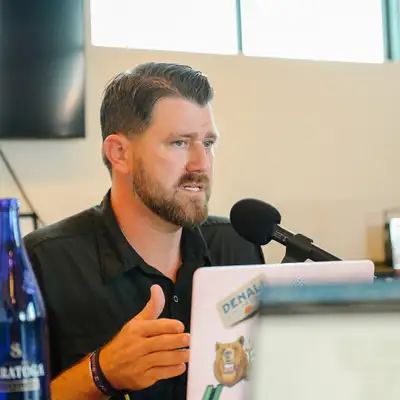
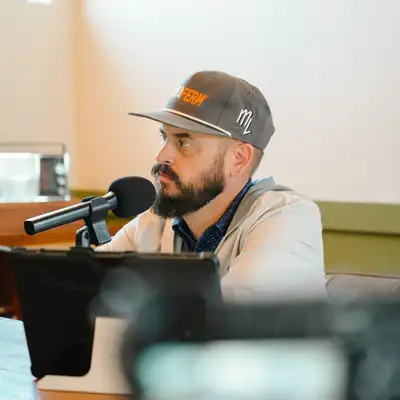
Most show families figure it out the hard way. They ask around, get partial answers, and fill in the rest on their own. Logan Newsom and Sam Silvers have been in the show industry long enough to have made most of those mistakes themselves — and they're sharing that wisdom with you.
Drench Line is a podcast about sheep, goats, and everything that comes with life in the show world. When to vaccinate. How to pick your animal. What to expect at your first major show. What nobody standing on the sidelines will actually tell you. New episodes drop twice a month, and they don't sugarcoat a thing.
Logan and Sam have been friends since they were teenagers working summers at a sheep ranch in Eden, Texas. Now they're both show dads raising their own families in world they grew up in. This show is their way of passing it on — not just to their kids, but to every family that's new to this and looking for someone to shoot straight.
Coming soon!
Drench Line is just getting started. Coming soon: voice memo questions answered on air, and guests who have genuinely shaped the show world — the breeders, stockmen, and industry figures whose names you already know. If there's someone you want to hear from, send your request to www.drenchline.com.
Be part of the conversation!
This show is built around the questions real families are asking. Got something you can't get a straight answer on? Submit your question at www.drenchline.com and it might just get answered on the next episode. Logan and Sam want to hear from you — that's not a throwaway line, it's the whole point.
Brian Faris Interview - Editing
===
Logan & Sam: [00:00:00] Okay, folks, we're gonna get started here with our episode 10 of our Drenchline podcast. We are, um, had the opportunity to come down to San Antonio, Sam and myself, and sit down with Dr.
Logan & Sam: Brian Farris, who's the director for competitive events here at the San Antonio Livestock Show & Rodeo. And first of all, before we kinda get started, we, from the Drenchline crew, definitely wanna thank him, and, and, and certainly appreciate the time and, and the, the effort and the willingness that he has, went through to have a very open kinda conversation and dialogue with us.
Logan & Sam: We're gonna kinda d- dig in and, and dive through, uh, all kinds of stuff. We're gonna get some backstory on San Antonio. We're gonna get some backstory on where he came from and kinda how he landed in this role and what that looks like. And
Logan & Sam: uh, you know, at the same time, maybe answer some questions, go through some transparency, um, have some dialogue.
Logan & Sam: I'm sure there will be plenty of opportunities to agree. There will be plenty to disagree. There will be some agree to [00:01:00] disagree. Always. Um, you know, like anything. Yeah. So, um, but, but certainly, um, I know that he is a busy person, and, you know, we think about stock show season, and we think about San Antonio and, January to February, and, from an outsider looking in, um, you know, hate to be the bearer of bad news or, or, or whatever you wanna call it, but those shows don't just happen, Overnight
Logan & Sam: January 1 to- I- ... you know- I think we- ... April ... we kinda- April ... we kinda forget as y- you know, showers that we just show up in February, and that's when we start thinking about it really is, in, in February, San Antonio. But this is 12 months out of the year for you. Absolutely. So l- as Logan said, I wanna back him up what he said, appreciate your time.
Logan & Sam: I know you're a busy man. not many places in the world, could we sit down with, you know, the competitive events director at a major- Absolutely ... stock show and get some questions answered. So, humbled- Yep ... to say the least. thank you.
Brian Faris: You bet.
Logan & Sam: Yeah, for sure. So we're gonna, we're gonna get started, and, um, I would like to, before [00:02:00] we do, just kinda let Dr.
Logan & Sam: Farris kinda give us a little bit of background and kinda what his career trajectory looked like and how he ended up in a, a very coveted position, uh, I'm sure a stressful position. I'm sure, you know, probably about Valentine's Day, you kinda wonder what it would be like, you know, if you were doing something else.
Logan & Sam: but if you don't mind, yeah, kinda give us a, give us a little history on kinda how you got to this point.
Brian Faris: Sure. Well, you know, growing up, grew up in, born in Midland, Dad was a county agent at that time in Stanton and, uh, Martin County and, you know, had we stayed up there I'd have probably been a cattle kid and, um, as fate would have it, uh, we were there for- He was there for five years, and then we moved to Sutton County and Sonora in 1979, and then that's heart of sheep and goat country.
Brian Faris: I think when we moved there, there were 110,000 Rambouillet sheep and... or 110,000 Angora goats, I think, and he said [00:03:00] 55,000 Angora goats. And, I said that wrong. 55,000 Rambouillet sheep and 110,000 Angora goats. But, um, that just tells you where things have gone- Absolutely ... uh, in the, in the industry as a whole.
Brian Faris: And so I grew up a sheep and goat kid, um, heavily involved in 4H, obviously, with my dad being the county extension agent. And, um, probably the thrill for me was getting to go with him every summer and work people's livestock and, you know, when everybody was going through weaning and shipping lambs and, and such, then we were working through ewes and culling ewes and, um, then in the fall trying to go out and buy rams for folks.
Brian Faris: And so, um, got to really see a lot of different aspects of the, of the commercial industry. But then, you know, also we showed heavily. We, I was... I guess I started raising registered sheep when I was six years old, got my first flock of eight. And, um, while we focused on those registered [00:04:00] sheep, um, still showed a lot of market lambs.
Brian Faris: My first lamb was a Southdown that showed at the Hill District, um, or Hill Country District Junior Livestock Show in Kerrville when I was six. And, um, story for another time, but, uh, it's one of those things, when you have a terminal project for a six-year-old, you might want to go ahead and let them know that that's going to be a terminal project and not, um-
Brian Faris: uh, or you'll be finding out that you carry your- Yeah ... lamb's leg through the sale ring.
Logan & Sam: Yeah.
Brian Faris: So, um, um, but that's one of those things that's part of the growing, uh, part of our industry. And so, um, grew up doing, uh, 4H and, uh, was on several of the leadership in my club, uh, as, as officer, and then ended up vice president of District 13 at that time, the old District 13, and then, um, was on Texas 4H Council.
Brian Faris: And so had a lot of opportunities, [00:05:00] uh, that 4H afforded me and, and, um, I attribute a lot of my- successes in life to growing up in the 4-H program. Sure,
Logan & Sam: Sure. Sure. I think everybody that's, listeners and obviously folks that are close to, you know, our program and Sam's and, involved in that can, can certainly contribute to that. So after that, end up at Texas A&M
Brian Faris: After high school, uh, graduated, went to Texas A&M, uh, with the idea I was going animal science, science option, but was gonna go to med school and be an optometrist. Um, professors didn't give me good enough grades so I could get into med school. So, um, I think I like to use that as an excuse, but I think more than anything, my heart just wasn't into going that route, and, um, uh, it wasn't for a lack of, of advising 'cause I had Dr.
Brian Faris: Skaggs as my advisor. And so, um, I think it was just my heart telling me I needed to stay in agriculture. [00:06:00] And as I got closer and closer to the end of my career at A&M, the whole time... I guess my sophomore year, I started working at the Sheep and Goat Center. Uh, Dr. Ramsey came on in the spring of that year, and so I've got to know Dr.
Brian Faris: Ramsey and share a lot of time with him over the years. And, um, but, you know Upon graduation, kind of thought, "What am I gonna do now?" Uh, at that point, Raina and I got married, and she went into Blinn's dental hygiene program. And, uh, so I waited a little bit, built houses for a year and a half, waited for her to graduate and get out of, out of that program, and then she started dental hygiene in Angelo, and I started my master's.
Brian Faris: Because, uh, at that point, I'd had a heart-to-heart with myself and with her, and, and I'd figured somebody needed to be the, uh, new Texas sheep and goat specialist whenever her dad was gonna retire at some [00:07:00] point. Yeah. Everybody knows... Uh, well, it's sad to say, I don't know that everybody does know- That's, uh-
Brian Faris: Dr. Frank Craddock anymore.
Logan & Sam: Yeah, there's, you know, there's probably
Logan & Sam: a, you know, a new wave. And I would say, you know, I mean, even, you know, from our standpoint, uh, you know, some listeners and, um, you know, that are maybe new to the game and, you know, that, that might not, so yeah, hit on that, uh, just, just- Yeah ... briefly if you could.
Logan & Sam: One of the best
Brian Faris: Yeah. Yeah, absolutely. So I, I mean, I was extremely fortunate, and, and I think I probably take it for granted how fortunate I was to have probably, you know, I'm a little biased, but probably one of the best county extension agents that there's ever walked the, had the position in my dad- That's right
Brian Faris: and, um, Preston Faris. And, and, um, you know, to be mentored by him, and then to also have Frank Craddock as the Texas sheep and goat specialist, um, that was very close to Dad, uh, they all grew up together, they went to A&M together, were on livestock judging team together, and then their careers took them into the same line of work.
Brian Faris: And so, [00:08:00] um, relied, you know, a lot on him in terms of my sheep background and my education there also, and then, uh, you throw Norman Kohls in that mix. Yeah. Um, I mean, Norman has, has done it all as a county agent as well, um, from pigs to cattle to sheep and goats. Uh, he's been heavily involved in all of it.
Brian Faris: And so when you've got those three that are in your corner, um, man, that's- that's hard to get around. And so, um, put a lot of pressure on me too whenever I f- came back to San Antonio in 2006 and judged the market goat show for the first time. And, um, man, that was a lot of eyes- Yeah ... that are on you.
Brian Faris: Sitting on the other side. But, but, uh, but yeah, so, um, so that's where, you know, having those kind of guys to look up to, uh, but knowing Frank's path and that he grew up in it, was born and raised in it, and- I [00:09:00] knew that, uh, we needed to keep somebody that was, that grew up in the program, um, from a commercial side, from a registered side, from a youth side, to try to maintain that continuity.
Brian Faris: So that's what I set my sights on, and, um, had a long visit with my dad about it, and he said, "Well, you're gonna have to go back and go to school and, uh, get a PhD." So started at Angelo State, got a master's there. Dr. Ingall, uh, did me, uh, real good there, and then, uh, I moved out to Las Cruces, New Mexico, and did a PhD program in, um, under Dr.
Brian Faris: Tim Ross out there, and, um, in repro, and, um... Then the whole time wanting to become an extension specialist. You know, you go through some of these steps, um, you know, because you have to to get to that, that bigger goal. To get to that point. Sure. And so, um, once I got my PhD, um, Dr. Mark Wise was the department [00:10:00] head out there at that time, and he walked in with a job description of a 4-H Youth livestock position, uh, open at North Carolina State University, and I thought, "This, this is the dream job."
Brian Faris: You know, look at the description, and you get to impact kids every day, and you get to work with livestock. What, what, what better- Yeah, sure ... could, could, could happen to you? Yeah. Um, so, uh, we moved to... Was fortunate enough to get that position, and we moved to, uh, Raleigh, North Carolina. Lived just outside of, of Raleigh, and, um, we were only there for about three and a half years, but probably have made some of our dearest friends, um, along the way in that, in that camp.
Logan & Sam: You were there... You said you were there about three, three and a half
Brian Faris: years? Three and a half years, yep. And then moved to- Then we moved to Kansas, and so, um, had a gentleman that I had coached against when I was at, or when I was on the A&M wool judging team, um, he [00:11:00] was coaching K State, and then when I was coaching at, at, uh, Angelo State, New Mexico State, um, he was still coaching Kansas State, but Clifford Spaith, and Cliff grew up in, uh, Dawson, and so he was from that Fredericksburg, Harper, Mason area, and so, um, but he was the sheep specialist up there in, in Kansas for years.
Brian Faris: , You know, a lot of those guys up there had commercial operations just like our guys did, but they were running accelerated programs. Three and two, their sheep did not look like our sheep. Yep. Yep. Um, there were a lot of outside influences, um, Romanoff in there, a lot of Polypays, and, um, them working with Dr.
Brian Faris: Craig LeMaster up at, at-
Brian Faris: at
Brian Faris: Meat Animal Research Center at Clay Center, um, they had developed a, a composite using, uh, half Katahdin, quarter White Gopher, quarter Romanov. And, uh, those [00:12:00] were baby-making ewes. And so it gives a little twist on how you view commercial production. Sure. And then the other aspect of that was, uh, moved there Christmas, and, uh, so getting around meeting producers in early part of January, February.
Logan & Sam: Then
Logan & Sam: eventually came to
Brian Faris: to Texas. Let's go back home." And, um, we moved down here with the idea that I was going to help my brother-in-law at that time, um, at the time with his landscape company. And, um, got down here, was commuting back and forth. Moved my family down in '15. I still had a semester or a year on my contract, and so I commuted that next fall, uh, back to K-State teaching, uh, up there.
Brian Faris: But when I'd be down here, I'd be helping some guys out in, uh, Kingsbury with, with genetic work doing sheep [00:13:00] and goats. Got excited to get back into the classroom, uh, be with those kids.
Brian Faris: At that time, my daughter was a sophomore, uh, had a nephew that was a sophomore, a nephew that was a freshman, and then I had, you know, my son coming up, my y- youngest daughter, and then my niece that was coming up through, all through Blanco, and then, you know, I've got all these other kids. So I was really pumped and excited about my opportunity to, to be a ag teacher.
Brian Faris: And, um, then I found out Brady was leaving as the, as the livestock director here, and, um, I thought, "Well- Maybe I ought to just look into things down at San Antonio. So I called Jeff Thane and, and asked him, actually ran into him, it was, um, here at, at San Antonio the first week of the show for the breeding sheep, and said, "Hey, I heard that the position came open."
Brian Faris: And, um, and so through the course of the next few months and [00:14:00] conversations, they were, um, they hired me to, to, to become the livestock director here. And so that was very exciting. At the same time,
Brian Faris: a
Brian Faris: disappointing that I wasn't able to be my kids' ag teacher, but at, at the same time, I think it was one of those things where, um, my kids...
Brian Faris: It, it was a pretty tough conversation because fortunately both my girls had won a scholarship, um, but Craddock had been reserved three years in a row.
Brian Faris: And,
Brian Faris: uh, one of the conversations he said, "Well, well, Dad, when am I gonna win my scholarship?" Uh, because we had said if I took that job, he wasn't-
Logan & Sam: Yeah
Brian Faris: gonna, they weren't gonna be able to show here anymore. So, um, so anyway, that, after a little bit, he, uh, he conceded that it would be okay for me to come work at San Antonio Stock Show, and it has proved to be a
Brian Faris: amazing
Brian Faris: opportunity for me and my family. Um, the kids enjoyed coming and getting a little break in their show season [00:15:00] and, uh, coming to see all their friends, uh, but not having the stress of, you know, show dad and, um- Yeah
Brian Faris: and everything else going on.
Logan & Sam: I didn't realize that. So when you took the position, your, your kids were not allowed to-
Brian Faris: Correct ... show? Yep. Okay.
Logan & Sam: Yep. All right. I think that's, uh... I'm glad that you brought that up, you know, the, a little bit of the disappointment on, you know, from being an ag teacher role because as you were talking about that whole chain of events and how everything kinda came around, you didn't get the, the extension specialist job that, you know, basically y- you had set on this trajectory to come around back to, but for everything you had been working towards and kinda molding your direction, that ag teacher role is essentially, on a smaller scale and, you know, maybe a little more honed in, still very much what you'd been wanting to do.
Brian Faris: Absolutely. Absolutely. A- you know, and, and I'm one that the good Lord guides our path. And, um, [00:16:00] you know, for us, everywhere we have been, a road has been paved. Yes. And, um, and so this was just another door that opened for us, and you know, look back, we could've done things a lot different, but I don't know that I would've ever done anything different.
Logan & Sam: Sure.
Brian Faris: Because, like you said, every step we took prepared us for this. And so, you know, if I look back- I showed at San Antonio, my dad participated here, and then he was a agent here. You know, I showed at San Antonio, then I was a s- was fortunate enough to win a scholar- or to earn a scholarship through the, through their 4-H program, uh, San Antonio scholarship, and then so went to school, um, with the help of San Antonio, and then left the state, came back.
Brian Faris: Um, even while I was out of state, had the opportunity to come back and judge, uh, in the breeding [00:17:00] sheep and the market goats, uh, and the Angora goats. So that was a blast for me. And then to come back and be a parent, and then be an ag teacher, and then now switch gears and be on the show management side of it, um, man, San Antonio has played a huge role in my life.
Logan & Sam: Sure. Absolutely. Yeah. Yeah. And, and how long have you been here now?
Brian Faris: Uh, w- just finished seven years. Okay. Yeah.
Logan & Sam: Seven years.
Brian Faris: It's hard to believe.
Logan & Sam: Well, we, we appreciate you giving us your story.
Brian Faris: Sure.
Logan & Sam: And, um, I think now it's time to get down into some meat and potatoes on this.
Brian Faris: Let's do it.
Logan & Sam: The first topic that we have on here is, is the current state of youth livestock shows.
Brian Faris: Mm-hmm.
Logan & Sam: The mission of today's major stock shows, what would you say that San Antonio's mission is? Or, or do, do you have a mission- Yes ... mission/vision?
Brian Faris: We, we, we have a mission. Um, you know, we are a volunteer organization, um, that emphasizes agriculture and education to develop the youth of Texas, [00:18:00] and that is our heart and soul.
Brian Faris: And right now we have probably never been so focused on that mission with everything that we have coming up in terms of, you know, new buildings, the, the vision for our future, um, with year-round programming, um, the other e- educational opportunities that we have for, um, individuals in our area of the, of the community.
Brian Faris: And so, um, so yeah, and I think with all of our, our stock shows- Agriculture and education is what it really boils down to for these kids. I mean, that's, that's the heart and soul of why they were started, and, and I don't think any one of us has lost the, the focus on those, those things.
Logan & Sam: Sure. Absolutely.
Logan & Sam: I think that, you know, one thing to, to highlight there that you talked about and, and, [00:19:00] and, you know, everybody that's ever been to a stock show, you know, listeners out there certainly rem- remember this, is they're, they're volunteer organizations.
Brian Faris: Absolutely.
Logan & Sam: You know, and we talked about this whenever we first got a chance to step into your office, and just how that structure looks like for San Antonio. But, you know, we talk about all the things that have to go in to planning these, and, you know, we're, you know, stock show dads, stock show moms, ag teachers, county agents, we can show up and we can bitch and think, "Golly, why are they doing this?
Logan & Sam: Why is this line-" "... not moving so fast?" But at the end of the day, those are guys and ladies and, and maybe youth that are sitting out there at night, getting there at 3:00 AM, that are volunteering their time to make all this happen. And, and I, and I'm, and I say that as a stock show dad-
Brian Faris: Mm-hmm
Logan & Sam: ... that has been on the other side that's like, "What is going on?
Logan & Sam: Why am I still sitting here?" But I think that we can all, [00:20:00] as stock show season gets closer, remember, number one, obviously in Texas, we're very fortunate of what we've got.
Brian Faris: Absolutely.
Logan & Sam: I mean, those- You bet ... our major show run, and I mean, you know, obviously, you know, Dallas in the fall and even, you know, Grand Stand and what those guys and, you know, some of the district shows, I mean, hell, we can boil it down to our county shows.
Logan & Sam: We are so fortunate the opportunities that we have for our kids to compete. And every one of those, I had an opportunity to judge in Iowa this weekend, and they have one of those showdown deals, and I had that conversation with the lady that runs it, like they're volunteer ran. I mean- Mm-hmm ... yes, there are people in, you know, your position and you've obviously got, you know, some staff.
Logan & Sam: But as you can, you know, reiterate, none of that happens... You can't put this bad boy on by yourself- No ... with, you know, a, a, a whole passel of Indians. I mean, it takes all of those guys to put that on. So, you know, that's one thing, as you kinda talked about that, and you talk about the vision and you talk about where San Antonio is, and obviously San Antonio being one that's, you know, [00:21:00] one of, you know, I would say one of two that drives the bus for our, for our major show season.
Logan & Sam: Um, the volunteers here at San Antonio seem like, I would say, you know, as good as it gets.
Brian Faris: Sure.
Logan & Sam: And, and, and certainly help make this thing happen.
Brian Faris: You know, it's, it's one of those things that we- We're in communication with our volunteers throughout the year. Um, obviously at more, more at some times of the year than others.
Brian Faris: Um, but those of us that are full-time staff members, you know, we, we are getting to put together the playbook, and we're getting to do a lot of the behind-the-scenes stuff while they're doing their jobs at their particular workplaces. And, um, and then as we get closer and closer to the show, we start continuing to, to give them more and more of the playbook that's been put together.
Brian Faris: And then without them, when February hits, and even before then, I mean, we start setting these barns up in October. [00:22:00] Um, and without those volunteers setting the barns up, then we're gonna have to pay somebody to do that.
Logan & Sam: Mm-hmm.
Brian Faris: And, um, when you start continuing to pay things out as a, as a, um, 501[c], it's kinda hard to, you know, hold some of that money back to be able to give to your kids in, in scholarship forms.
Brian Faris: And so that's what we're ultimately trying to do is, is find ways that we can give as much money back to those kids as possible. And so our volunteers, you know, we have a little over 7,000 now here at San Antonio.
Logan & Sam: Wow.
Brian Faris: But I would tell you that within just the livestock show, you're looking at about 1,500 volunteers.
Logan & Sam: Wow.
Brian Faris: Um, and so just to put some perspective on that, and we have sub-committees of, of those livestock volunteers that hit, you know, each one of our various shows. And some committees are stronger than others- Yeah ... and in terms of numbers. And [00:23:00] you look at that first committee that, that everybody's introduced to, and that's that group on Salado Creek property whenever- Yeah
Brian Faris: you, you're coming in. Yeah. And that's probably our, one of our most important groups because that's what everybody sees when they first come in. And, um, we, we recognize that's our welcoming party. And when you're not feeling welcome, it's hard to get you feeling welcome by the time you get to the barns.
Brian Faris: And so we want you to have a good experience out there and, um, but that's a small staff, and they're working some long hours and hard hours. And so yeah, the, the, um, the appreciation for those individuals and the, the grace and mercy that, um, that our exhibitors can give them out there is very much appreciated because, um, we c- we can't not do it without them.
Logan & Sam: Yep. Yeah. Absolutely. Yeah. What do you, what do you feel like, it's gonna be kind of a two-part question. Mm-hmm. What do you feel like there are some opportunities for continued improvement, [00:24:00] and what excites you the most about, about the future of, of San Antonio?
Brian Faris: Um, I think, you know, we're always looking for areas that we can improve on.
Brian Faris: And, um, so one of the things that we do right after show closes, um, you know, March we're working through financials trying to get everybody premium checks and, and auction checks and all that kind of stuff figured out. Uh, but then April we kick up focus meetings, and, um, we break down every aspect of our show.
Brian Faris: And so in those meetings we have our volunteers that ran each one of those areas, our superintendents that ran each one of those areas, and, um, and we, we try to be as hard on ourselves as possible and identify the things that we did well, but more importantly, identify the things that we need to be better at.
Brian Faris: And, um, so a lot of our, [00:25:00] our changes come out of those meetings. And so, um, to say, you know, "This is the next improvement we're gonna make," I, I don't know that I can give you that one, but know that every step we take we're trying to identify what is that next improvement we can make that's gonna make this show better.
Logan & Sam: I think as you kinda dive into that, and that was one of the things we kinda had, you know, and I'm sure that's probably an opportunity as you're sitting through those meetings, you know, you, you get to h- kinda highlight some of your successes and you have to... You know, you can say, "Hey, we had this many people here," and, "Hey, did y'all see how well that junior sh- Man, that thing went off without a hitch.
Logan & Sam: Like, we didn't have anybody show up at the office and complain, and everybody got their weight card in on time." So I'm, I'm sure you'll have some of those.
Brian Faris: Um- We wish that was- ... always the conversations we were having, but
Logan & Sam: Yeah. Uh, no, no, no mad ag teachers, no mad stock show moms. A- in, in those meetings, if you could pinpoint what is probably that biggest challenge that you have to leave there and say, [00:26:00] "Okay, that's something we've gotta get better at," or, "Hey, that's something that kinda continued to rear its head," what's, what's something that is, is a focal point it seems like in your role that can come out of those meetings that could be a big challenge for-
Brian Faris: The, probably the one that we all have the biggest challenge with are the chairs
Brian Faris: and the,
Brian Faris: And the campgrounds.
Brian Faris: If, if we wanna get right down to it, that's, that's the, the, the big thing that we have when we start coming in, we start talking about space. And, um, and you know, we aren't... We want everybody to have a good time. There, there's... We are not the, the fun police that, that are trying to-
Logan & Sam: That's Sam. Sam's the fun police
Brian Faris: to, to, to- Yeah, they- ... ruin everybody's time here.
Logan & Sam: They accuse me. I don't ever have fun, so.
Brian Faris: I mean, it, that's why we do it. We, we do it because we enjoy it and we want it to be enjoyable for exhi- our exhibitors. And so, um, but when we walk into the [00:27:00] barn, there's more chairs in the barn at move in than there are animals, you know, for the longest time.
Brian Faris: Um, you just know that that's gonna create challenges. Now, I do put a limit on the people that go with us, and, and they'll back me up on this, that they're allowed one or two chairs, that's it. 'Cause I, I, for some reason I hate lawn chairs myself. I don't, I get behind that.
Logan & Sam: Yeah. And I get it. I, I guess m- maybe explain to...
Logan & Sam: I- is it a, is it a, a safety code that y'all are worried about? Is there a fire marshal? Is there something that... And obviously too, there doesn't need to be 10 million chairs. I understand that. Sure. Yeah. Um, but what are the, the, the camp situations and what problems do they pose to the San Antonio Livestock Show?
Brian Faris: Well, I think with anything, we're, we are concerned about safety. And, uh, you know, if we look back to when I first started here, the way the barn was laid out, we still had our animal adventures over in the western part of the sheep, goat, swine barn, [00:28:00] and, uh, had some other activations over there. And so our sheep, goat, swine pens were even more densely packed than they are now.
Logan & Sam: Condensed, yep.
Brian Faris: Yeah. And our alleyways were narrower. And so, um, one of the advantages, I mean, COVID taught us a lot of things and, and forced us to make a lot of decisions that actually ended up being good. And so we said, "Well, we've gotta widen the aisles." Well, that allowed people a little more room to stand outside their pens, um, and still be close to their stock, but not be standing on top of each other.
Brian Faris: Um, and then we, we moved animal adventures to a different part of the grounds, uh, opened up that western barn, and that, that allowed us to expand and give us some space. At the same time, um, we tried to build a little more space in that exhibitors could sit down and, and, you know, be comfortable. Uh, but with that, if we [00:29:00] do have an emergency, that's gonna be one of our, our challenges, is trying to make sure that we get folks out of the barn safely, and can do that without getting somebody hurt.
Brian Faris: Um- Also, we want to make sure that we're giving people as much opportunity to sit down And then when you go in there and you look and you've got 5,000 chairs out there and only 2,000 of them are occupied, that's just space that is, is keeping somebody else from being able to, to come in there that got pushed up against a wall or wasn't able-
Logan & Sam: Absolutely
Brian Faris: to come sit down. Yeah. And so I think the The rush west and claim the land, um- It's a real thing, yep ... and plant your, plant your stake-
Logan & Sam: Yep Real thing, yep
Brian Faris: ... is, is a little tough. And then, you know, we've gone to the point that we said, "Hey, we want you to put all of your, [00:30:00] um, fitting stuff in the pens, and we don't want you, you know, have it out in, in and amongst the campground area because that's the campground area.
Brian Faris: That's for the exhibitors. It's not for the animals." Yeah. Y'all can check animals at the pens. You can check animals at the end of the alleyway, whatever, but it doesn't have to be set up such that it's in the middle of the, of the campground where people are trying to sit and, and relax and, you know, play 42 or spades or whatever while they're waiting on- Sure
Brian Faris: on class time. So, um, so yeah, we want c- we want folks to have to come in, but at the same time, man, if folks would just be considerate of their neighbors and, you know, they don't need to take up as much space, condense all that down, and that would eliminate a good majority of the gripes and complaints that we get, um, every year, and it would help us as a major stock show and, and other major stock shows 'cause we're all having [00:31:00] this challenge.
Brian Faris: Um, at San Antonio specifically though, we don't have the land or the, the space to build a tent that we can get, get y'all out to. Put everybody out there and-
Logan & Sam: Yeah, absolutely
Logan & Sam: ... let 'em, let the- Well, uh, I'm gonna just go ahead and say if you did, don't build the tent because, um, th- that tents, that, that just created more rules and regulations, and now they all have to be in a line, and it...
Logan & Sam: I don't agree. Anyways, we'll, we'll, we'll walk on from that. But, um, us as, uh, show dads and, and, uh, stock show mentors, I'm not gonna call ourselves jocks, um, can help reduce some of that, I think. And, and know that a- a- at least maybe in our, our crew, and to hear you explain that and know that it, it, it's not a, it's not a witch hunt.
Brian Faris: No. You know?
Logan & Sam: It's not- No ... y- you know, it's easy to armchair quarterback this thing, and you come in, and you're stressed, and, and you're like, "Uh, damn Brian Faris, he just wants to kick all the chairs out and all the coolers [00:32:00] out, and we just can't have no fun." But it's not, you know, at some point it is a safety issue.
Logan & Sam: Um, a- and I get that if y- you know, all the crazy things that go on in this world, if, if we needed to evacuate this barn fast and y- you know, or paramedics needed to come in, in and out, I, I get that.
Brian Faris: Yeah Like- And we've gotten better. I, I, you know, something as simple as painting lines on the floor did more for us- Sure
Brian Faris: back, you know, what, we do that four or five years ago, and, and people respected the lines. And for the most part, people have respected the lines. In some cases, we still have those that, you know, wanna push the, the edge a little bit, but, um- But we just ask that, that folks respect those boundaries that we put out there.
Brian Faris: And, and when we ask, you know, "Put all your stuff in the pens," put all your stuff in the pens. Because that's the biggest... One of the, our biggest headaches is There's... We don't want our volunteers being the bad guys. Our [00:33:00] volunteers are there because they want to be there. They, they love doing this. They need to be here with a smile on their face, patting these kids on the back.
Brian Faris: I mean, we've got some, some of the... Like, y'all said it, greatest volunteers and, and they just wanna encourage kids. Yeah. And to ask them to be the bad guy and police, be the chair police, that's not fair to them. And then as a staff member, you know, there's nothing more frustrating to me than to walk up and down this, these aisles, especially during the sheep and goat show, 'cause that's where a lot of you are that I know, and, you know, I'll ask somebody to do something, and they'll do it, and then I come back and it's, they're right back to doing the same thing.
Logan & Sam: Mm-hmm.
Brian Faris: And so we put signs up, and then signs are taken down. You know, those are the kinds of things that as-
Logan & Sam: I have not taken any signs down.
Brian Faris: As, as show management, are so frustrating because we [00:34:00] do, we, we try to put everything out there so we can, you know, make everything as equal as we can. Um- And, and I think, I, I think you've, you've been fair to me and you've had those conversations.
Brian Faris: Yeah.
Logan & Sam: You've came back here to West End Barn and said, "Hey, Sam, let, let's try to move this around, move that around." It, I mean, it wasn't like, "Get your crap and get it out of here." Yeah. It wasn't, you know, a dictatorship. Um, but, you know, I've had those conversations- Sure ... and, and, and it's always, it's always worked out, I think.
Logan & Sam: Um, so I- Yeah, and I think the, you know, I think you kinda, like, usually, you know, one of the things that we always like with our crew, like I love being back there, I call it the black hole, back there in the corner, you know? 'Cause all the action's up here. Mm-hmm. But there's a lot more space back there. It's typically not as congested, it's not as crowded.
Logan & Sam: Cooler. And it's a little cooler, yeah. I mean, you're not kinda... You know, there's that point there in the middle of, you know, the two barns where it can get, you know, really, really hot.
Brian Faris: With, or with the right north wind coming through at the right time, it can be- Yeah ... really cold.
Logan & Sam: Yeah, yeah. It can be cold back there, yeah.
Logan & Sam: For sure. But, you know, there's, there's [00:35:00] room, and I think it's kinda like what you said, you know, the, the, the g- the land grab. You know, everybody's wanting to be close. They wanna be close to the ring, whatever that looks like. I think the biggest thing, and I, and I would say, you know, like Sam said, obviously even people in our role can help, you know, facilitate a lot of that because it is, like, keep your stuff in the pen.
Logan & Sam: I'm not a chair person either. I'd as soon we don't have any of them. I would much rather have the stuff that we actually need. Um, but there's, there's plenty of room, if we're being honest. Yes. Like, there, there is. If we... You know, if, if we're efficient with our space, and I mean, this is coming from someone that has, you know, a, a traveling circus that's, that's fairly large.
Logan & Sam: And we've never had any trouble. Like, we're- we try to be efficient. We try not to bring, you know, 10 buckets of the same stuff and- Mm-hmm ... 17 different show boxes that all have the same stuff. And I think that, you know, people can probably maybe even listen to what, you know, kinda how we travel, and maybe even take something away from there of, you don't [00:36:00] have to have one of everything and one of every p- person.
Logan & Sam: Whether it's a group that travels like ours does, or some of your bigger 4H groups, or whatever that looks like, like, there's enough space for everyone to get done. There's... It never fails. By the time we're all trying to get settled in and weight cards, everybody's pulling their hair out. We're crammed.
Logan & Sam: We're not gonna have a place to fit, fit our legs. Like, what are we gonna do? And then by the time it's all said and done, we have plenty of room. Yes. Yeah. Always. In, and the next day, the y- you know, the, the finals and crosses and downs and, a- and hairs are, are done- Yeah ... and most of those people left Then you have that much more room.
Logan & Sam: Then you have- ... and most of those people left
Logan & Sam: that much more
Logan & Sam: Yep. You have more room. Um, and, and I think is a lot of this comes with time and maturity, right?
Brian Faris: Sure.
Logan & Sam: As I've gotten older, I've realized- Fact. Yep ... that's, that's not worth the battle. It's not worth the fight. It... We're gonna get through it. Yeah. And you, you know, we... I think we've came to, like, "Hey, Logan, can I use your pen to get this sheep ready?
Logan & Sam: You know, I'm, I'm running out of space over here," or, "Hey, can I get this sheep ready over here?" And kinda work together and not- Mm-hmm ... y- [00:37:00] you know, it's this solidarity that it was, I would say, 10 years ago of everybody hates everybody is... I, I, I kind of see it coming back around to like it was in the old days, um- Good
Logan & Sam: to, to an extent, is we're all kinda working together. We're helping, you know, helping each other out. I, I don't, I don't care where he bought his sheep, or how he fits them, or what he does. Mm-hmm. But if he needs something of mine, I'll let him use it. He needs something of mine, I'll let him use it.
Brian Faris: Well, and that's why, you know- Being part of these counties or, or the ag teachers, you know, we always haul together, and there's that camaraderie of, of, of hauling together and getting to know one another and, you know, being there to, to support each other rather than just having to be there for yourself.
Brian Faris: You know, there's, there's just so much more fun to that. But, um, but yeah, as, as we come in with these groups, and depending on the size of your group, we try to stall you in a [00:38:00] way that we're not gonna label tack pens, but we're gonna give you enough space that when it ti- it comes down time to, to get busy, you know, y'all can condense animals and, you know, not get animals that are...
Brian Faris: Put them in, in positions that are, are gonna be, you know, bad for them. I mean, let's face it, yeah, the sheep have gotten a little bit bigger since I would've shown them back in the '90s, but we were in five-by-five pens and we were putting- Yeah. We were putting- Yeah ... at least four to a pen. I would think. I feel like four.
Logan & Sam: Four, yeah.
Brian Faris: And so now we've got six-by-six pens- ... and people are flipping out when we put three of them in the same pen. And so, um, so just, so- It's a matter of perspective, and I think that chair deal is, is one of them. I mean, we didn't grow up taking a chair 'cause- ... you know, at that time they were all folding and had that funky straps on there and stuff.
Brian Faris: Yeah, yeah. Yeah. And we... They weren't [00:39:00] near as convenient as they are now.
Logan & Sam: Now it's a contest of who can buy the coolest
Logan & Sam: one
Logan & Sam: lawn chair.
Brian Faris: Yeah, the nice-
Logan & Sam: Yeah ... the nicest one. Yeah. You know, as you talk about that, and, and I'll... I kinda wanna be specific for the listeners, uh, and I feel like as we're talking about camps, you know, we're talking- Twofold there.
Logan & Sam: You know, groups being larger groups that are coming in, whether those are folks that travel together or, you know, bigger FFA chapters, and camps being more, you know, 17 coolers, 27 chairs, you know, three foldout tables, all of that. Um, as you... And, and, and kind of getting back to that, you know, those, those groups that are traveling together, you hit on it.
Logan & Sam: It was the same way. I grew up in Runnels County. Like, you know, we had a, we had a caravan of families that all showed together, hauled together, cheered each other on. We're right there in the mix of everything. You know what I mean? Like, that's how it was, that's how it was growing up. I, I don't think there's any question whether you're talking, you know, maybe on the, on the 4-H side or the, the FFA side, [00:40:00] that demographic has changed in recent years for 100 different reasons.
Brian Faris: Mm-hmm.
Logan & Sam: But, you know, that has kind of changed and, and you know, you still see some of them. Like, and obviously, you know, some of those counties that I would say have probably, you know, stereotypically been very, very strong leaders in those counties. You know, the ones that touch Tom Green, the Suttons, the Gillespies, the Kerr.
Logan & Sam: You know, I mean, those are ones that-
Brian Faris: Sure, sure
Logan & Sam: ... you know, Brady-
Brian Faris: Tradition ... tradition.
Logan & Sam: Those ones, like that's... They've always expected, you know, to have someone in place that they know they can rely on, that they know that can help them get through and navigate all this. Now, as that has, you know, changed, um, and you see more of these, you know, what let's call them, you know, groups that are traveling together or maybe, you know, the, the, the breakouts in the, in the, in the different demographics, what does that trend look like from San Antonio's perspective?
Logan & Sam: And not, not specific to that, but just what does that trend look like, stock show families, um, and kind of [00:41:00] how maybe that shift has happened in, in, you know, I'd say the last five to 10 years? Hmm. Why don't- Yeah, I
Brian Faris: mean, I, I think it's one of those things that, you know, you've got a strong county agent, you've got a strong ag teacher that are, are leading those programs, um, and they're gonna promote, you know, hauling together and, um, you know, get 100% behind that.
Brian Faris: I, I wish... Honestly, I wish everybody would do that. You know, at the same time, you've said it, times have changed a little bit, and um, our programs have changed a little bit. Do I wish we could, could get every one of them back to that, that, that type of format? Absolutely. But we have seen more and more groups haul together.
Brian Faris: And, um, and so I think we just from, from [00:42:00] our standpoint as a show want to manage the move-ins as efficiently as possible. And so to try to, to put everybody in individual counties or, or chapters or whatever makes that a little bit more challenging because then you get here and then you start mixing and matching and, you know, then we've got this part of the barn super tight.
Brian Faris: And so we've tried to have a little more flexibility with that. Um, but it's one of those things that, man, if there's a, if there's a club or a chapter that's starting to try to promote that, you know, I try to get... I wanna get behind that and I wanna push that and tell those kids, you know, "I may come see you if, if, if, you know, we sold you a lamb or whatever and, and we're gonna, you know, help you on feeding that animal or, or getting him drenched right or whatever, then, you know, I may swing by your pen and, and come see you, but, but haul with your county."[00:43:00]
Brian Faris: Yeah. "Work with your county agent, work with your ag teacher." And a lot... I think a lot of times we, we short-circuit this because we say, "Well, that ag teacher doesn't know anything," or, "That county agent doesn't know anything about what we're doing." Well, I think it's just as much our responsibility to teach them because a lot of our county agents and ag teachers may not have always come from a show background.
Brian Faris: And if, if they're willing to be there and learn, you know, then, you know, let's, let's pull them into the fold and let's tell them why we're doing what we're doing and how we're doing it and, um... 'cause that's just gonna help, help that program.
Logan & Sam: So I'm gonna, I'm gonna be kind of, I'm gonna be kind of direct in this question.
Logan & Sam: Yep. Um, the rumor's out there that, that some of the major stock shows are anti-anything that's not a 4H agent or an ag teacher Where, where is Dr. Faris' stance on... [00:44:00] Well, I guess, where is Dr. Faris' stance on, on guys like me and Logan?
Brian Faris: Guys like-
Logan & Sam: Obviously, obviously it's not too bad, 'cause, I mean- ... you're here on the podcast, but-
Brian Faris: Well, I'll, I'll talk to anybody, I'll listen to anybody, and that's the way I've always wanted to be since I got here at San Antonio.
Brian Faris: I wanted to be a open book and listen to the folks that maybe, you know, as, as Logan said, you know, we may be gonna disagree on things. We're gonna agree on things, and we're gonna agree to disagree on things.
Logan & Sam: Sure.
Brian Faris: And so, um, I think that there are individuals out there that are filling a role that we may not have right now available to us in some counties and some chapters, um, whether that's in whatever species.
Brian Faris: Um- And, and we can agree that there's some of those that are filling those roles that don't need to be filling those roles.
Logan & Sam: Maybe their intentions- I- ... are wrong ...
Brian Faris: I, I would liken it to, you know- [00:45:00] We need to be focused on the kids and developing kids-
Logan & Sam: Amen
Brian Faris: ... and developing kids into great adults. And at any point that we can't look that kid in the eye and tell them that we're doing this the exact 100% right way, that is when we have a problem.
Brian Faris: And that, those are the individuals that I would say that personally, those are the hard things for me to tolerate, because it's... When we have poor leadership from adults leading kids, that leads us down a path where we're not raising good kids.
Logan & Sam: Yeah.
Brian Faris: And one of the things our 4H and FFA programs have always been well known for are growing good kids, and that's what I wanna make sure that we're focused on, and doing it the right way.
Brian Faris: Um, you know, that we set the right boundaries on things, and that we are, are raising [00:46:00] those kids the best way possible. Yeah.
Logan & Sam: Yeah, and I don't think there's anybody that's, um, you know, what, no matter what camp you're in, you know, that's not gonna agree with that's, that being, uh, obviously first and foremost.
Logan & Sam: And, um, you know, and I think, I think you probably hit the nail on the head, and I, and I've always said this within our group. Obviously, we're in a role, uh, you know, and I came from a role with a parent that was a ag teacher and, and, and then jumped into the extension deal. So I feel like I still play that role with our customers that buy sheep from us.
Logan & Sam: Just don't get paid by any agency. Um, but I think that's probably where... I, I don't think. I, I know that's where all of a sudden, I didn't wake up one day and say, "I would like to have 75 families travel with me, and I would like to have to be telling them what to drench their sheep every time." I, I, I can promise you that was not the plan.
Logan & Sam: You know, like, I would much rather drench gr- Joe's and [00:47:00] Graham's, and go eat a steak dinner, and, you know, go to bed. Mm-hmm. But as we can all agree on, and, and it doesn't matter who we're, you know, who we're talking to, there, there is, there is certain people that are missing someone- That can, you know, help advise that.
Logan & Sam: And I think wrapping back around, you know, just to kinda where, where, um, where we're at within the industry, we've got a lot of families that didn't grow up in the 4H or FFA program.
Brian Faris: Sure.
Logan & Sam: We've got nurses, we've got a doctor, uh, we've got a lawyer, you know, like, it... But their kids are showing, which is, for lack of a better term, badass.
Logan & Sam: I mean- Mm ... so good that they are wanting, where they didn't grow up in that program, but they see the value in it, and they're wanting their kids to be involved.
Brian Faris: Absolutely.
Logan & Sam: Now, they don't, you know, they're, they're having to try to navigate it, you know, and that's probably how they kind of, you know, landed on us whenever we sold them sheep or goats or whatever that looked like.
Logan & Sam: And maybe they don't have someone in that role as an [00:48:00] ag teacher, as a county agent. You know, we can sit here and, you know, I think if you'd have asked me 15 years ago, you know, could I see myself in a position that I'm currently in, you know, I grew up with Marty Gibbs and Marvin and Steve as county agents.
Logan & Sam: Dad obviously is an ag teacher. You've hit on, you know, having, having Preston You'd never even think that there would be a need for someone that is a breeder to, you know, go along and help. Obviously, there's some of those counties and there's some of those ag programs that those guys, I mean, they're, they're on it.
Logan & Sam: But I think we've seen... And, you know, we, we saw it last week whenever we were at that ag teachers conference, and, and I'm, I'm wrapping that back around to talk about, you know, helping those guys that wanna be involved. We had, like, 200 ag teachers step into that conference to listen to sheep and goat production.
Logan & Sam: There were ag teachers that didn't know how to start shearing a sheep.
Brian Faris: Mm-hmm.
Logan & Sam: But they're willing to learn, and I'm always like, "Hey, buddy, if you're willing to learn," or, "Hey, if you wanna learn, young lady, stand right here," [00:49:00] and I'm, I'm an open book. Like, we'll talk about it all. Like, this is why we're drenching with this.
Logan & Sam: This is why we're gonna rinse this one at this time. Because if those guys will take the initiative, they will build that program up. Yeah. You know? And maybe they got into a deal. Maybe they came from another area. Maybe that's just not... Maybe they're great on the swine side. Maybe they're great on the cattle side, but sheep and goats, it's like,
Logan & Sam: I
Logan & Sam: don't know.
Logan & Sam: I don't know. Sure. And, you know, we... And I think we see that a lot specifically on the sheep and the goats. You know, guys that are incredibly good stockmen in the swine world, in the show pig world, or maybe in the cattle world, they look at sheep and goats, they're like, "Yeah, I don't, I don't, I don't want to do it."
Brian Faris: Mm-hmm.
Logan & Sam: We're l- we're literally, I, I would say right now, we're kinda all feeding them very, very similar. Like, it's just, it's just still livestock. Like, let's keep 'em healthy. You know, let's get to the show, all that stuff. But I think that's probably, you know, just kinda hitting and kinda wrapping that around just as things changed.
Logan & Sam: And we, uh, it's well documented, you know, the challenges that public education has on trying to get, you know, people in that role. Um, it's... so now it's kinda created [00:50:00] just a different demographic and, and, you know, a, a different look of- A gap. I think there's a, there's a, there's just, it... there's a gap. You know- Yeah.
Logan & Sam: Of- ... I was surfing on Facebook last week. There's so many, there's so many open, open ag teaching positions right now. Right. Um, uh, and county agent positions too. Um, a- a- and there's, there's still really good agents out there. There's a lot of really good agents out there, um, but small ruminant based agents, it's not like it was- It doesn't seem like it, yeah
Logan & Sam: when you were a kid and I was a kid. Yeah. Yeah. And so-
Brian Faris: Well, and I think, too, y- you know, we see a lot of camps, obviously, that people are putting on throughout the, the year. Mm-hmm. And, and I think those are great. And, and, um, you know, as, as long as we keep pushing, I think, our, our extension agents and our ag teachers and, and, um, trying to, you know, get those folks out there and, and keep them, because again, they're, they're the, the base of the program.
Logan & Sam: They have to be. Yeah. I [00:51:00] mean, they have to be.
Brian Faris: Absolutely. Yeah. And then, you know, when you look at it... A- a- and I think back to, to us, to growing up and, and thinking of the other dads that were in, um, Sutton County- And, you know, there were some that as, as their kids would be starting, you know, they're, they're learning it, and then, you know, they continue.
Brian Faris: Well, then next thing you know, they've got it down and they're passing it along. And I, I think that's the other part that in any one of us, whether it's y'all or whether it's ag teachers or county agents, um, that as we're trying to teach the parents too- Mm-hmm ... as much as the kids, that way at some point there should be a weaning period.
Logan & Sam: Yeah.
Brian Faris: You know, we might still give them some final, you know, suggestions, because that's one thing that every one of them is gonna do. But at the same time, let's get you to a point that I can wean you off of, of, of the [00:52:00] contact with me directly on every single thing, and then you can call me for some of the finer points.
Logan & Sam: Yeah. I always like- Yeah ... to say, like, "I don't have to tell you to wash your water buckets." Mm. We're past that point, you know? Yeah. And I think we can... Yeah, we can, we can all agree on that. A- and I think that that's w- what, like Logan and I doing the ag teachers deal, um, last week, um, m- myself and, and my wife Jurahee, we put on a driven camp in Fredericksburg every year.
Logan & Sam: We'll have 200 plus kids there, and we offer county agents and ag teachers free entry. If, if a county agent or ag teacher wants to come and learn, it's free to, to try to help support that system- Mm-hmm ... because we know that we, we need those. Um, I, I think the... to me, the, the sad fact of the stock show industry is, um- is the rumor mill that goes around
Brian Faris: Couldn't agree with you more
Logan & Sam: It, it is, it's, it's, it's terrible, and I, I think it's on both sides of the equator here, right? Um, uh, the [00:53:00] rumor mill that, that, that all people that y- you know, like me and Logan are bad people or we're outlaws or this or that, or, you know, Brian Farris is a bad guy- You are, you're not, you're not outlaw. I'm not an outlaw
Logan & Sam: and he, he, what'd you say? That they don't write books about the sheriff? Yeah. Um, y- you know, or that Brian Farris is making these rules and doing all this stuff just because he hates people, you know? Uh, it, the rumor mill i- in the stock show industry is, is one thing that's terrible. A- and I, I'm, you said it earlier y- you know, if I claim to be a Christian, I can't judge.
Logan & Sam: A- and that's something that I need to work on is, is not be as quick to judge everybody and judge people, and I wish that the whole industry would come to that is- You mean like blowing Facebook up? It... Yeah. Quit- ... quit being quick to judge. And, and we had that conversation- Yeah. Yeah ... on the phone, right?
Brian Faris: Yeah. Absolutely.
Logan & Sam: Um, a- and I, I, I admitted that. Yeah . That, uh, y- you know, and that's why we're here right now-
Brian Faris: Yeah, absolutely.
Logan & Sam: Yeah ... is, is to discuss that stuff. Yeah.
Brian Faris: So- social media is, can be a [00:54:00] great tool. It can also be a devastating tool. Um, and, and I think any time we get out there, the rumor mill, you know, is, is bad.
Brian Faris: Um, and, and it can cr- take us down some, some roads that we don't wanna go down. Um, and that's something as simple as a, a rule that w- that may be being proposed or a rule that has been made, and everybody's gonna give their 10 cents on it. And, you know, with the way it was posted, uh, you know, people may not even really know or understand it, but they're gonna chime in on it.
Brian Faris: And so it's one of those things, uh, i-
Brian Faris: it,
Brian Faris: it's kinda good to go back to that old deal if you, if you can't say anything nice, you just probably better not say- Mm-hmm ... anything at all. And, um, and unfortunately, you know, there are individuals out there that are not- I liken it to a, uh, a pickup football game.
Brian Faris: What's the [00:55:00] first thing you do when you get a group of kids out there and they start, you know, getting ready to play a football game? Where's the sideline and where's the end zones? So we've set our boundaries. Yeah. And so I think everybody needs to set their boundaries, and if you're playing within those boundaries, then we're doing it the right way.
Brian Faris: But when we step out of those boundaries, then yeah, there needs to be some severe consequences.
Logan & Sam: So, and I, I obviously, you know, to reiterate, uh, you know, I give Sam a little hell because his comment on, uh, Facebook- He shouldn't be dragging me through that ... which is, which is 100%... No, I wanna make, be clear though, it's 100% why, you know, we had the opportunity, you know, Dr.
Logan & Sam: Farris reaching out to Sam and, you know, having some dialogue and having the chance for us to sit down. As you, we get into that, and, you know, we kinda had, you know, us understanding, and I think that probably, you know, kinda is, is the, is the big key point here that we can take away, us, as stock show dads, ag teachers in their role, county [00:56:00] agents in their role, anyone that's involved, there's been some changes.
Logan & Sam: You know, you guys posted on the other day, you know, the, the Fast Pass being the one that, you know, we had, you know, I guess the biggest concern or, you know, heartburn. And, you know, as we walk through this, you know, maybe there, there isn't gonna be whenever it's all said and done, but help us understand what goes into that.
Logan & Sam: You know, I know you talked about meeting with those committees and those sub-committees. That is over. I, I'm assuming without doubt that, you know, you didn't just wake up on, you know, one day after the 4th of July and say, "I l- think we'll take away Fast Passes and we're gonna make them a randomized drawing."
Logan & Sam: Yeah. And we, we know that didn't happen, and I think everyone, you know, everyone out there, but, you know, specifically, you've talked about, you know, the, the first people that, that we see is those folks that are working, those volunteers that are working- Mm-hmm ... in the parking lot. And, you know, some of us have been driving, you know...
Logan & Sam: It's not like... That is such a melting pot for things to go wrong, I mean, if we're being honest. Mm-hmm, [00:57:00] yeah. We're grumpy. You know, we're worried about sheep. You're stressed. Like, all the things that can happen. And then, you know, you get there, and Lord forbid, you know, the line be a little bit long. So walk us through kinda, you know...
Logan & Sam: And obviously we wanna, we wanna hit on the Fast Pass deal and kinda what that looks like and why those changes, but what, how, help us understand how those decisions-
Brian Faris: Mm-hmm
Logan & Sam: ... take place.
Brian Faris: Sure. Well, and, you know, just to give some, some perspective on y'all's move-in, um, when you're moving in market lambs and goats, we're also mark- moving in first wave of breeding heifers and we're also moving in, um, our All Breeds bull sale, bull and heifer sale cattle.
Brian Faris: Yep. And so, um, that is our busiest move-in. And, um- You know, this is one of those things, we have these conversations about how we handle things. And gosh, it was three or four years ago, we had lines all the [00:58:00] way back, you know, down I-35 Access Road.
Logan & Sam: Hmm. Oh, yeah.
Brian Faris: And that's, that again, that's a safety issue, and that's not good for, for anybody.
Brian Faris: Um, we've got ways, you know, to work through Rail Pros to help us manage trains and things like that. But ultimately, um- We just, there were a lot of people hitting that, that barn at one time, or that lot, and then ultimately the barn. So that's when we moved the lambs and goats back to a 12:30 move in, and the last two, three years have been pretty smooth in terms of our, our unloads.
Brian Faris: Um, now granted, we've had a few, um, challenges where we're not getting trailers to the barn quick enough or for whatever reason that we, we hit a lull. Um, but those are those meetings that we address those. We recognize that, "Hey, we saw that this year." Mm-hmm. And, and then we, we have that conversation, what is it that we need to talk, talk about?
Brian Faris: Where was the, where was the hole? And, um, you know, [00:59:00] what do we, what do we put in place to fix that? But when we get to the premium pass thing, you know, that's been one of those, um-
Logan & Sam: And, and hit on that real quick- Yeah ... for folks that, you know, might not know exactly what we're talking about, why was that originally put in place?
Logan & Sam: How did all that, how did that look?
Brian Faris: What's that? The premium pass? On, on the premium pass. Yeah. So that would've happened, I guess, the year before, um, I came. Um, but what we... The, the whole effort of the premium pass was to consolidate trailers, and if we could run fewer trailers with more animals, then we're going to unload faster and get everybody in the barns faster.
Logan & Sam: Absolutely.
Brian Faris: And so, um- A- and make a little money to support- And make a little money to support-
Logan & Sam: Yeah, a little, yeah, a little burrito money
Brian Faris: ... Yes, absolutely. Yeah. Absolutely.
Logan & Sam: And that's, uh, and for guys that are listening, those are passes that were sold. There's, they sell 20? Is that-
Brian Faris: It, it depends. Most of them are 40-
Logan & Sam: Okay
Brian Faris: per, per move in.
Logan & Sam: 40 per move in, and you have to have five animals.
Brian Faris: Now [01:00:00] you have to have eight.
Logan & Sam: Yeah, that's gonna, that's gonna change. That's gonna change. But in the past we had to have five on. So guys that are listening, that's kinda what we're, you know, we're hitting on here. Yeah. Um, we try to always kinda just...
Logan & Sam: Surprisingly
Logan & Sam: enough, there's people outside that, of, you know, the state of Texas that have nothing better to do than they drive down the road and they listen to me and Sam. So sometimes we get some deals like, "What are y'all talking about? What is this?" So- Yeah ... the premium pass is a, is a deal that San Antonio has had in place where if, if you kinda condense down and you have enough, you know, on your trailer, you can buy that pass, and it does, it, it expedites.
Brian Faris: Yeah, it, it, it, it-
Logan & Sam: And
Brian Faris: you get to move to the front of the line. I mean, it's kind of a- It, it is your, you know, pass through Salado Creek Property-
Logan & Sam: Yep
Brian Faris: ... the, the staging lot, and then it gets you to grounds, but it doesn't promise you you're gonna get to the front of the line at grounds.
Logan & Sam: Right.
Brian Faris: So it gets you from, from I-35 to grounds without very much time.
Brian Faris: Yeah. Uh, and, you know, it may, you may have to wait 15, 20 minutes- [01:01:00] Sure ... uh, depending on, but you're not gonna be sitting there for hours. Yeah. So, um, so again, we, we had a case a few years ago that, you know- Some folks had to wait a little bit and, you know, they're calling me frustrated and I said, you know, "Hey, you're about to get to move a whole lot faster than everybody else."
Brian Faris: Yeah, yeah. So, um, so again, i- i- if, if everybody just keeps things in perspective, it helps. But, um, but that pass was initially, yeah, a premium pass. Um, everybody calls it Fast Pass and, and I think the... If, if I understand the story right, the premium pass was chosen because they didn't know if it was gonna for sure be fast.
Brian Faris: So, uh, we wanted it to be fast, but I don't know that everybody knew that for sure it would be fast. So, um, so the terminology is everything. So started the premium pass, and then, um, and of course the sheep and goats were selling out and, you know, it started in a [01:02:00] few species, and then we've expanded that.
Brian Faris: And these last, I know the last two years, I wanna say, um- Year and a half ago, we sold out in a minute and a half in, in some of them. And then, um-
Logan & Sam: I know talking to Andy Hart, our county agent, the pig boys, I mean, it's just cutthroat ... there, there are 120 of those between the two barrow waves and the gilt wave or the gilt show, and they go- Yeah
Logan & Sam: extremely fast.
Brian Faris: Yeah. And the sheep and goat ones go fast, too. But, um, but what we saw are... I mean, these things are selling out like a major entertainer. And so we, we had to do something a little different, because we're hearing back from our county agents and our ag teachers that, "Hey, I, I don't have speed, internet speed like everybody else does."
Brian Faris: And [01:03:00] you know, they're, they're on at the same time as all these other agents. How is it that they are... every year that they just can't get one bought? Well, they're just a little... Their internet speed's a little slower. So knowing how much of a hot commodity those are, we said, "Okay, we've gotta step back, and we've gotta reanalyze and, and do...
Brian Faris: make a change." And so we said, "Well, what would a random draw look like?" So now we'll allow the ag teachers and county agents to submit between the, uh, 15th of October and the 25th of October up to three per move-in. And so, um, I think that's the... One of the confusions is, you know, we're writing these notes, and we're giving them handout to our ag teachers and county agents and 4H agents, and then we're explaining these notes as to why we've got them in there.
Brian Faris: So we're not gonna give you everything that [01:04:00] is, that is, uh, related to that rule in that document. Um, but premium list will come out in September, and you'll be able to see all that. So with that, we've got those premium passes. You can put in to up to three. Um, but it's, it's what you need. It's not putting in three chances.
Brian Faris: It's putting in you need three because you've got that many need, that much need for that many trailers. Or, "Hey, I just need one." And then we're gonna run those through a randomized, uh, drawing for all the counties or chapters that put in for that, that particular set of premium passes. And then we're gonna figure that, run that round.
Brian Faris: And, you know, Edwards County needs one, then... and they get drawn, they get one. Um, Lubbock County needs three, and, um, they only get drawn once, well, they're gonna get one, and then they're gonna have to figure out what to do, you know, for [01:05:00] those. And so it's not a perfect system, because we recognize there's gonna be some that- are gonna have to figure out a way to haul the extras, or they're gonna have to get a longer trailer and put more of them on that trailer.
Brian Faris: So there's, there's never a perfect system that we're ever gonna be able to design around this, but we're gonna try this, and then we're gonna evaluate it, because, you know, you never know until you try something. I think that's the thing, most, most people get afraid of, of change because they don't know what the outcome...
Brian Faris: They're not f- fearful of the change, they're fearful of what the outcome's gonna be. Yeah. And so, um, we're hoping that on the other side of this, that we've found that this works really slick and that we're able to, um, get all that done. And then it's saving the agents and ag teachers a lot of heartache that are trying to log in at 9:00 o'clock on the morning that those open [01:06:00] up, and then they've got exhibitors that are upset with them because it's their fault that they didn't get 'em- Yeah
Brian Faris: didn't get, didn't get their passes.
Logan & Sam: Do, do you think that there's ever an opportunity, um, to m- maybe since this is a randomized draw and some of the s- big groups like y- you know, there's, so now there's a probability that some of the big groups like, like Logan's group or my group, we can't get a fast pass, we can't come in together, but maybe those that do consolidate and haul in together could maybe get a set of pins or be pinned together or anything like that?
Logan & Sam: Is there ever that opportunity? Or, or why did... I, I guess the real question is, is why did we transition away from that? 'Cause it used to be we could pre-pin, do things like that, and now-
Brian Faris: Yeah, and, and that was specific to the sheep and goat barn, uh, that-
Logan & Sam: 'Cause y- you know, we had talked, um, on, on the phone the other day and, and you said you, you s- wanted to still encourage [01:07:00] people to, to consolidate and haul-
Brian Faris: Sure
Logan & Sam: as much together as they can. Um, but playing devil, devil's advocate here, um, you know, if they do do that or we do do that, we're not rewarded in any way to do that, right?
Brian Faris: Um- Well, the on- I mean, I, I'd say that your reward is that you are all still coming in together. You're all gonna still get pinned together.
Brian Faris: You may end up having to wait a little bit longer, but you're all gonna get in the barn in the same, same spot. Um, you know, in, in regards to going away from the, the pre-stalling, um, you know how it is. I mean, people start fussing that, you know, "Well, some- so and so, so and so is, is always getting these pins," and, um, and, "I don't ever get the opportunity to get those pins."
Brian Faris: And then, um, and then we have some that, that, um, you know- W- we just hard to put all of those [01:08:00] together and keep everybody happy Yeah And so sometimes it's better to just step back and just do everything the same. And, um, we don't show favoritism to any... Our stalling office has no clue who's driving that truck, and so they can't make a decision based on who's, who's that driving that truck or who's in that county or chapter or group or whatever, um, as to where they get put in the barn.
Brian Faris: And, um, that's kind of where we've landed it on that. You know, to say that there's not an opportunity at some point down the line that, that we look at something different, you know, I'm not gonna say that 'cause I think we always try to keep our minds open for what is the next, next best thing.
Logan & Sam: Yeah. You gotta be fluid and, you know, adjust and I'm sure, you know, a role like you've got, it's, it's a whole lot of flying by the seat of your pants in some of those situations.[01:09:00]
Logan & Sam: You, you, you hit on it briefly. In the past, we had to have five on the trailer.
Brian Faris: Mm-hmm.
Logan & Sam: That has now changed to eight.
Brian Faris: Correct.
Logan & Sam: Okay. So with that- Three. Oh. Eight, eight on the sheep and goats- Eight ... eight on the pigs- Eight on sheep, goats- ... three on the cattle ...
Brian Faris: and swine, still on three on the cattle.
Logan & Sam: Okay.
Brian Faris: And, and the reason why, so, you know, people have said, "Why don't you sell those things?"
Brian Faris: Well, we could sell them, and we could make a heck of a lot more money.
Logan & Sam: Oh, black market fast passes are...
Brian Faris: Yeah. And so those don't, can't be sold.
Logan & Sam: Oh.
Logan & Sam: Aha.
Brian Faris: See, I'm, I'm calling y'all out here.
Logan & Sam: So, uh- So you're not gonna let it be like the Fort Worth Steer Show, where you, you know, uh, en- entered-
Brian Faris: Hey, I'm not talking about any other show-
Logan & Sam: Enter 19 of them
Brian Faris: I'm not talking about any other show.
Logan & Sam: Make sure you get your three.
Brian Faris: But no, the, the, the one thing on these premium passes is, you know, we feel like we offer a good number to, to get a, to help us get a lot of trailers unloaded, and get them through, and, you know, [01:10:00] we'll deal with the rest of traders. If we add a bunch more-
Logan & Sam: It just turns into another line
Brian Faris: It- Yeah, absolutely
Brian Faris: then it's just another line. No, yeah. And then, you know, while we're, we, we, we're gonna keep it at 500, because, you know, we still recognize that's a good value for that. And there's some that would be willing to pay more. Obviously we know that. But at the same time, there's a lot of those kids that, you know, "Hey, if we can put 10 together, and I only have to pay 50 bucks-
Logan & Sam: It's a good deal
Brian Faris: you know," yeah. Yeah. So, uh, so anyway, that's, that's what we still trying to, you know, find a way that we can offset some costs here and there, but then move some trailers.
Logan & Sam: What is, um, the only other thing, I know there was a lot of changes on that. Obviously fast pa- premium passes, you know, was, was a big deal.
Logan & Sam: There's some changes with yearling ewes- Yeah ... and does. That's a new thing. Hit, hit on that maybe real quick-
Brian Faris: Yeah ...
Logan & Sam: just kind of what, what that looks like.
Brian Faris: So, yeah, on the, [01:11:00] on the commercial ewes and does, so this year, those two shows, and the crossbred gilts, um, you know, those three shows have really grown, and we've seen those numbers continue to, to grow.
Brian Faris: And so, uh, we were able to go to our scholarship committee and make a proposal, uh, to add two more scholarships for those. And so now we're gonna have, uh, three scholarships for each of those, for crossbred gilts, commercial does, commercial ewes, and then we'll give an a- additional 5,000 for the grand champion of, of those.
Brian Faris: Um, in that, it makes it, it made it a little more difficult on the, on the sheep and goat side, you know. Well, then we've got this older group- And so, and, and, you know, at the same time, I, I step back and look at it from a production livestock scenario and go, "Do we really need to- To still be showing that
Brian Faris: to, to be showing those if they're [01:12:00] commercials at this time?" Yeah. And then, what, what's really hurts my heart is when I look at some of them, and some of them are smaller than the heavy weights- ... in, in the, in the, in the lamb and the doe division, so- Yeah ... um, or the doe kids. So anyway, that, that was something that we just said, you know, rather than having a fourth division, we're just gonna take those out because there was a, relatively speaking, a very small number of those animals that were being shown.
Logan & Sam: Yeah, I would agree with what, you know, from an out- Yeah ... we, we have not done the ewe show. I know, like, what Sam and them have, or even the doe show, for us that's always been a little challenging just living in the Panhandle and coming down, you know, the day before- Yeah, yeah ... whatever. But yeah, from an outsider looking in, it seemed like that...
Logan & Sam: Well, honestly, it seemed like if you wanted to go get you a scholarship, that might not be a bad place to jump in there and do it. But, but I agree, at some point, yeah, hang your, uh, hang your cleats up and-
Brian Faris: Mm-hmm
Logan & Sam: ... you know, go into production. Do you, do you feel like that... Was there some [01:13:00] talk around, um...
Logan & Sam: Obviously there's, there's never a good time to do it, right? It, 'cause it's gonna affect somebody. Um, but, but maybe some of those, um, exhibitors in the state that might have already purchased a ewe that's in that kinda December to January range to come to San Anton, and now they're, they're just eliminated pretty much overnight.
Brian Faris: Well, that are, are December or January borns?
Logan & Sam: Or- Yeah, 'cause come, come February, you know, they probably are, will be missing a tooth and-
Brian Faris: Yeah. And so one of the things... And, and again, I, I grew up in this industry, and so it's one of those things where we try to think through some of those things. And so, uh, and this will also, uh, be a- impacted on the registered breeding sheep side.
Brian Faris: You know, we said we were gonna, um, put them in classes based on dates, and the reason why we... And, and I'll come back around to the tooth deal 'cause it'll, it'll catch both. Um, but we have a lot of people out there that sadly don't know [01:14:00] how to tooth a, a sheep.
Logan & Sam: Mouth sheep, yeah.
Brian Faris: And so when they show up back here at our books, a- uh, to, to come into class, and we're checking our books, and, you know, they're actually a, a yearling, well, then we have to change all the books.
Brian Faris: And then, you know, if they get to the yearling class and they actually have a lamb mouth, well, they miss their class, and we can't go backwards. And so everybody can look at a birthdate on a paper and then get their... And you know, hey- People that have ethics issues are gonna have ethics issues when it's, comes to papers.
Brian Faris: Hm. And, and it's unfortunate, but that's the way it is. And so, um, but to help try to kind of curb that, we're gonna go back in there and check those mouths. So we're gonna look at these mouths on these doe kids and these, these ewe lambs, and if they've broken over and have, have a tooth, you know, because that's the worst feeling in the world.
Brian Faris: You get to the show, and [01:15:00] that night they spit a tooth.
Logan & Sam: Sure.
Brian Faris: And, you know, that one's out. Well, that one's okay. That one's not gonna be out because we recognize that that's, that's ... They've just toothed over. Are they six months older than what they said they are or what they are? Probably not. But, you know, we feel pretty strong about that those, those teeth are gonna give us some guidance.
Brian Faris: And so in our lamb, our ... We're gonna call them fall yearlings because essentially that's what you've gotta be to be a yearling in our breeding sheep show, is you've gotta be a fall born because all those are gonna cut over. And then anything that's got four teeth are gonna be aged. And so, uh, so we're gonna, you know, kind of do that as a, as a way of A way back, so to speak, or classification, you know, we're gonna go through after they've been pulled.
Brian Faris: They'll check their mouths, and they should be, be able to g- be good to go. Um, so that was the reason why we did it that way.
Logan & Sam: Gotcha. [01:16:00] As we're talking about, you know, kind of the changes in the, you know, new, new stuff, there's new stuff coming down the pipe, uh, and this, I guess, might kind of hit a little bit on the rumor mill.
Logan & Sam: Uh, l- let's, let's talk about the leg wool deal. Um, you know, I know that it was kind of brought up. It was a thing that was, that was kicked around and discussed. Um, didn't get into the premium book as far as I can tell this time, but what's, what's, what's the thoughts on that? What does that look like? Um, where did it come from?
Logan & Sam: You know, just, just generally speaking. I mean, we don't have to dive, you know, 100% down that well. We could probably spend, you know, two more camera batteries on it, but wh- where, where is that coming from? What's the place that it's coming from? What's the idea behind it?
Brian Faris: Sure. I, I think there's a lot of, of things that, that, uh, come down the pike on that one, and like you say, it...
Brian Faris: we could spend the rest of the day talking about it. Um, you know, I think it's one of those things, we've been fitting [01:17:00] boots for, gosh, how long? I mean, since we started shearing sheep.
Logan & Sam: Slicking them, yeah.
Brian Faris: And I mean, we started slicking sheep years ago. Um, but I think back to, you know, I've been fitting boots on fine wools and crosses all my life, and, um, we didn't get crazy with them, and I think what, what we've gotten to is, is we've taken that to an extreme.
Brian Faris: And, um, and when I see... look on Facebook and, and people are saying, "Well, how long can you grow your boot wool?" Hmm. You know, is that really a good thing? Because in the grand scheme of things, m- m- maybe, and this is, this is Brian Faris' opinion- I very much still go back to production agriculture, and I go back to why did livestock shows start?
Brian Faris: And it was a way to feature [01:18:00] livestock that we were raising on the farm or ranch and, you know, promoting high-quality stock. Well, when we get to that point that we are, are focused on something that has no economical value in the grand scheme of things in terms of, of production ag, I think that's something that, you know, we might need to check our battery just a little bit and say, "Why are we really doing this?"
Brian Faris: Um, I can understand the aspect of, you know, well, we want them to appear that they have more bone. Well, a- actually, let's, you know... Is bone better? Because, you know, anybody that, that's raised stock that once they get bigger boned, you have more problems with lambing, calving, kidding, you know? So, um, so th- those are kind of some of the things that I start thinking about from a, a practical standpoint.
Brian Faris: Um, I think [01:19:00] it's, it's hiding some of our structural problems. Um, you know, you can't see if one of them's as cow hocked as you think he is. You can't see if... And, and I think even the way some of them are shaped now, it, it tickles me to death, you know, the way we, we trim some of them because they're not, it's not accentuating and not helping the animals look.
Brian Faris: I think some cases it actually hurts.
Logan & Sam: Absolutely.
Brian Faris: And so, uh, makes them look narrower behind. It makes them, you know, makes them look like they're more sickle hocked. And, and so I think there's some things there, um, and so it's become this, this trend, so to speak, that has, I think, reached an extreme. I, I mean, I love the, the look of a good boot.
Brian Faris: I don't want anybody to misunderstand me there. But I also want folks to understand that there's practicality in everything, and extremes only go so far. And, um, so from that [01:20:00] standpoint, that's why I look at it. Now, when we start talking about it from a show management side, um- Think of everything else that has come along with those boots.
Brian Faris: You know, when we're trimming those, you know, and just knocking a little wool off of them, it doesn't require near all of the stuff that everybody brings with now. And so everybody taking, uh, the, the, the time and the space, it's, it's harder on us as shows to manage that space. And, um, and I think we've done a, a, a pretty good job trying to balance that of, of getting it in the pens.
Brian Faris: But then, you know, we've got people that fuss at us, "Well, you've... You're taking up too much space in our pens. We, we don't have enough, enough room now for our livestock 'cause we're having to fit our boots." Um, and then the other aspect of it [01:21:00] is I'm one that I wanna see a kid work. Uh, there ... Again, I, I get so frustrated when I see Facebook posts that, "Well, are you trying to make people, you know, lazy or, or this, that?"
Brian Faris: And I don't think that has anything to do with a kid's ability to, to work hard. Um, I just wanna see kids work hard in areas I think that are gonna have the most impact. And I think when we push kids to, um, fit boots and, and all that, I mean, I, I kinda think about is that just me telling my son to go out and dig a hole in and fill it back up again?
Brian Faris: What's, what's the reward for that? Now, if I tell him to get on the front end of one and spend a lotta time on the front end of one getting them broke down for showmanship, because we all know we can take an average showman with a great sheep [01:22:00] and beat them with a great showman with an average sheep.
Brian Faris: And so, um, I think it's just where do we... I mean, everybody's time is so precious now, and every family's time is so precious that, you know, where do we choose to put our, our emphasis? Now, there's some families, they are show families, and that's what they are dedicated to doing, and that's okay. But at the same time, we've got a lot of other families that are choosing not to do this because they go, "Wait a minute, just to be competitive, I'm gonna have to do th- that?
Brian Faris: Well, well, why?" And can we give them a really good reason as to the why? So I think that's where we're, where we're at. Um, you know, from the, the boot wool, the, the, the leg hair, it, I just... When I first heard that term [01:23:00] livestock judgers using shag, about sent me through the roof, you know, because y'all have judged livestock.
Logan & Sam: Mm-hmm.
Brian Faris: How much does that... I mean, do, do you place a class, did your livestock judging team coach or your dad tell you you place a class on leg wool?
Logan & Sam: No. So I, you know- But, but I think that brings up a good point on the evaluators, you know, like for kinda what you, what you said. Yes, there are some things that you might could hide.
Logan & Sam: I, I think it probably puts a little bit more emphasis on obviously having the right guys in the ring holding the mics. Um, I think at the same time- I know personally for us, a- and, and I will agree with one... with, with, with what you've said, 'cause there will be probably plenty to, you know, that we can, what we said, agree to disagree.
Logan & Sam: But it has went to an extreme.
Brian Faris: N- there's, there's not- Yeah ...
Logan & Sam: anybody in this industry that is not gonna agree with, you know, s- b- setting down a Coke can and seeing [01:24:00] leg wool four inches bigger on both sides, that that's not an extreme. I think that without question, it has taken some of the practicality and the real world stuff out for some of those that maybe are breeding for trends.
Logan & Sam: Mm-hmm. Um, at the same time, I don't think there's any question that I know us personally, and I would say we probably fall into that, we're stock show families. We have been-
Brian Faris: Sure
Logan & Sam: ... forever, um, that we spend more time in the barn doing things because of that, and I don't think that's an all bad thing. Um, I think we get our sheep halter broke earlier.
Logan & Sam: I think we teach them to jump on the stand earlier. I think we're just involved in them, especially during the summer, you know, pro-lating and, you know, some leg hair, and just, just, you know, kids getting their hands on them. So I don't think that's an all bad thing. But anyway... Well, actually, I might think, I'd say that's very much, you know, a, a positive I'm not 100% convinced that if those [01:25:00] families, like you mentioned, and I- I've got some of them, too, so I'm not saying your point's not accurate.
Logan & Sam: If those families were playing baseball, they might not go to batting practice either. You know?
Brian Faris: Mm-hmm.
Logan & Sam: Like, that they... Y- And, and I think a lot of it is probably like what you said, time is valuable. A lot of these kids are involved in everything, and at some point maybe they had to draw a line in the sand and say, "Okay, well, I'm...
Logan & Sam: You know, I don't have time to do... You know, to, to manage legs, so I'm not gonna show." Ugh. I have, I have trouble with that because... And we're, we're pretty efficient with our system, but our system is very much one kid's rinsing, one kid's blowing, then we've got them on bungees. You know, then they're, they're hand walking.
Logan & Sam: And so we try to, we try to be efficient with our time-
Brian Faris: Mm-hmm
Logan & Sam: ... 'cause we are obviously doing a lot of the same stuff. At some point, some kid's probably gonna have to leave and go to baseball. Someone's gonna have to leave and go to soccer. If you're efficient with it, I think that you can be... Have them fuzzy enough, have it look good, have them groomed well, and you can spend three to five hours a week, you know, doing that.
Logan & Sam: [01:26:00] Now, again, there... Some of it's been taken to an extreme. Some kids feel, or families might feel the need to do it every day. We've talked about this countless times on the podcast. We try to do legs two to three days a week.
Brian Faris: Mm-hmm.
Logan & Sam: And, you know, we usually show up, and ours are... They're good. They're, they're very...
Logan & Sam: They're groomed well, they look healthy, and it does, it's a visually appealing deal. Um, but at the same time, our kids spend a lot of time, maybe because of that, they spend more time in the barn, I would say, than I did showing-
Brian Faris: Mm-hmm
Logan & Sam: ... you know, growing up. Like, yeah, we would go and, you know, Dad would say, "Hey, let's go, you know, walk sheep.
Logan & Sam: Brace them, set them up in the yard." All right, now we go put them up. And, and now it seems like... And I would say just more of the hands-on, getting them out of the pen, jumping them on the stand, fixing a leg wrap, some of that just minor stuff. Hey, there ain't nobody that does legs that's not gonna say it's a pain in the ass.
Brian Faris: Yeah.
Logan & Sam: I mean, I mean- Yeah ... 100%. I don't know if that, from, you know, again, going back to the rumor mill and, you know, some of the things we've heard, if, if [01:27:00] slicking them off is the answer to get more kids involved, and all of a sudden those kids will now say, "Oh, I don't have to do legs, I, I think I'll show now."
Brian Faris: Yeah.
Logan & Sam: You know? And I, and I... And that's... Hey, that we... Again, we can discuss that 100 times over, but I think those might be the same kids that might say, "Ah, I don't have time to go to batting practice today because I got something else."
Brian Faris: Well, and it goes back to, you know, talking about the rumor mill. I've heard several people make the comment, "Well, the only reason Brian Ferris wants to do this is because, you know, he wants to see a Dorper win the whole thing."
Brian Faris: Oh, my gosh. I mean, I'm sitting there going, "Do you know where I came from?"
Logan & Sam: Yeah.
Brian Faris: Um- Yeah ... I mean, yeah, we showed a lot of Dorpers, but at the same time, you know, my heart's still in the fine wool, fine wool cross world. I, I l- I love those sheep, but- Yeah ... um- But you think back when we showed them, none of the blacks had- Oh
Brian Faris: had any wool on their legs. Wool, yeah. I mean, all the medium wool sheep out there, they, they had... They were all Suffolks. Mm-hmm. And so they didn't have any leg wool. Yeah. And I- [01:28:00] And, um, so that's, that's where we're... We look at that and we realize that, you know, yeah, these trends, they're, they're gonna, they're gonna come and go.
Brian Faris: This one hasn't gone, um, but I think more than anything it's gone to the extreme. And if...
Brian Faris: Here-
Brian Faris: here's... And again, this is, this is not a, a Brian Faris rule as opposed to what I think a lot of people... I, I think I'm getting a lot of credit for something that I just made a comment on one time and then somebody ran with it.
Brian Faris: Um, but I don't want it to be about me. Uh, that's, that's not what this is about. I think it's, let's do something that's positive for the industry. Now, I think if, if things took a dramatic turn and folks helped the major shows with keeping stuff in the pens [01:29:00] and out of the e- the, the fitting area, I mean the, the camping areas, and reduced all of the volume of stuff that shows up here, um, I think that's where exhibitors could really help themselves if they wanna keep this.
Brian Faris: Um, I think too if they start tightening them down a little bit and go the other direction, then let's really, you know, hone in and, and make a, a Coke can instead of, you know, a dadgum gallon coffee can. I, I think, y- you know, and I'm, I'm...
Logan & Sam: Again, I'm gonna s- speak on p- play devil's advocate on it. Sure. Right?
Logan & Sam: Um, I agree with Logan. It is... I f- I look at it from a standpoint
Logan & Sam: of
Logan & Sam: any time that I can spend in the barn with my kids is quality time. Sure. They're not in the house on the TV, they're not on a phone, they're not on a Xbox or whatever they play now. Um, it...
Logan & Sam: get
Logan & Sam: that there's some people out there, like you'd [01:30:00] said, that stated that, "Well, they're not gonna show if they have to do this," but if we change something, we hurt the other people that, that do work hard at it.
Brian Faris: I disagree with that respectfully, because, you know, if-
Brian Faris: I- it's
Brian Faris: not gonna change who the kids are that are winning. I, I'll a- I'll admit that, and, and I've always said that, you know? It, it-
Logan & Sam: We're just gonna find something else to spend our time doing
Brian Faris: ... I- i- that, that's exactly right. Yeah. And, and whether that's working also with their pig, or also working with their steer, or working on their livestock judging reasons, or their FFA creed, or, you know, food challenge or whatever that may be, going to church, you know.
Brian Faris: There, there's so many other things, and for, for families that, you know, you're dedicated to that, that's great. Don't wanna take that away from you. At the same time I wanna, I personally wanna see people, [01:31:00] you know, focus on the things that,
Brian Faris: that matter,
Brian Faris: that, that I can defend, that, that, that has a place. We- we're, we're, we're working these animals, we're running them, we're tracking them because we're managing fat cover or, you know, we're trying to build muscle in their leg or, um, we're, we're trying to, you know, make them look more like an athlete.
Brian Faris: You know, those are things I can defend. It's hard for me if I've had somebody s- come up and go, you know, "Well, what good is that, that boot wool?" You know, we had a commentator one time that he said, "I'd love to see that, that..." It was a breeding ewe. It's, I think a Southdown ewe. He said, "I'd love to see her come out to my ranch and see how much burclover she could get caught up in that."
Brian Faris: A- and then we're gonna shear that off and we're gonna throw it away.
Logan & Sam: Yep.
Brian Faris: So, so- Well, and I- ... those are kind of the some of the things- But I- ... that I look at ... a-
Logan & Sam: and again, we're talking about changing times and where we're at now. There's a [01:32:00] big separation between commercial sheep raising and-
Brian Faris: Sure
Logan & Sam: ... show sheep.
Logan & Sam: Yeah. And, and when we change these things, it, it not only affects, you know, like what kids are doing or things like that, maybe the same people will still win that are winning because they're gonna concentrate on other things, but, you know, that affects us as breeding decisions and what we do- Yep ... and that's, a- I mean, there, there's a whole list of things that it affects.
Logan & Sam: It's not just affecting-
Brian Faris: No doubt. No doubt
Logan & Sam: ... San Antonio Stock Show- But- ... Shear the Boot Wool off ...
Brian Faris: how, how many, how many sheep, really good ones, that are out there, especially finewools and fine wool crosses, that might not just, might not have quite enough boot wool To be what people are considered ideal and that would even get a shot, and they're culled and thrown out the backside, and they go to the commercial market because they don't have quite enough leg wool when they're probably a placer.
Brian Faris: You know? That they, they hit a sale spot if there's not so much focus on, on leg wool. [01:33:00] And that's, again, and I still don't want a dime- I don't think I see in a ... You know, I, I really don't. All the stock shows I've been to and, and listening to judges and stuff like that, or even talk to evaluators after the stock show, I have yet to have one say, "Man, I use that thing 'cause he had the biggest boots in the world."
Logan & Sam: Mm-hmm.
Brian Faris: Yeah. I, I have not yet to see that. Yeah. Yeah. Now, i- if you, if you have a guy that comes in here and evaluates, or gal, and evaluates the San Antonio Stock Show & Rodeo and uses the grand champion lamb 'cause it has the biggest boots in the world, we've got some serious issues. Right. Right? And I think that's our, our position at, at the majors, or our, our, our responsibility is to make sure that we've got the right people in the ring.
Logan & Sam: Sure. Yeah.
Brian Faris: But what y'all know, though, at the same time, what dictates things here also dictates things all the way down to the county level. And when I do hear, you know, kids say... And I say kids at that point because we're also- we're usually [01:34:00] talking about younger judges straight out of college or something like that.
Brian Faris: Judging shows. Judging county-level shows. Mm-hmm. And, and even jackpots to that, that, you know, "Well, that one, that one's just showier. You know, he's just got, you know, better, better boots," or "He's, he's got more leg wool," or it... You know, when I hear people say, "Well, you can tell that that kid's obviously put a lot of effort in, you know, on their boots."
Brian Faris: Sometimes Yeah Sometimes that's just genetics.
Logan & Sam: Genetics, a, a lot of times.
Brian Faris: So I'd say that's more, more than anything. Yeah. But, you know, I don't know where we'll, we'll land on this, and, and I think that's... Honestly, I think that's, that's- Is it- ... the least of our worries. I think that, I think there's-
Logan & Sam: Amen
Brian Faris: ... I think there are bigger- Issues
Brian Faris: concerns, um, you know, that I won't go into a lot of detail on, but I think y'all know where I'm coming from. Um, I think that, that there are some issues that we've gotta be more concerned [01:35:00] with. Um-
Logan & Sam: Absolutely
Brian Faris: ... now, if we get together as, as shows and show managers and, and decide this is the route that we need to take, then, you know, that's, that's the way we'll go.
Brian Faris: But, uh, uh, it's not something that you're gonna see San Antonio Stock Show & Rodeo go out and say, you know, "Well, we're not worried about anybody else. This is the way we think." And so, um, you know, all the decisions that are made, you, you asked how, um, and I didn't get to that, how these decisions for rule changes and things like that come up.
Brian Faris: Well, when you've got volunteers that have shown, have kids showing, have grandkids showing, you've got superintendents that are all from that world, uh, whether they were county agents, ag teachers, extension specialists, um, you know, university professors, [01:36:00] professionals in a, in a ag-related industry- We have the best folks to refer to when it comes to making decisions that are gonna benefit kids, 'cause that's what they've dedicated their life to.
Brian Faris: And so I think, you know, there's some question, you know, whether... or, or fear that there's this big divide between, you know, major stock shows and, and exhibitors, and I don't, I don't know that that's the case because if you look at our stock shows, most of us, uh, as I mentioned earlier, we're, we're all showing or, you know, I just graduated my youngest one.
Brian Faris: Um, but I couldn't do it here at San Antonio, but we were in the barn with all of you at, at all the other shows, you know?
Logan & Sam: Yeah. A- and I, I think, y- you know, like, like the Facebook post th- th- that I made and, and all the people commenting on there, I, I still think there's, there's still a separation, though. I, I really believe that and, and that's what I want to do.
Logan & Sam: And, and I told you this on the phone-
Brian Faris: Mm-hmm
Logan & Sam: ... [01:37:00] I, I wanna be a positive voice for, for San Antonio Stock Show & Rodeo.
Brian Faris: Mm-hmm.
Logan & Sam: I, I don't wanna be a negative voice. A- and how do we bridge that gap? 'Cause I think, I think some of the exhibitors and families may look at, y- you know, some of the superintendents and stuff that are o- at other stock shows and they think, "Well, those guys are huddled up around the water, water cooler a- and they're puppet mastering the whole thing."
Brian Faris: Mm-hmm.
Logan & Sam: Right? "And they're changing the rules." I'm... Now, again- Yeah ... so this is rumor mill.
Brian Faris: Yep.
Logan & Sam: But I'm just telling you what, what, what's said-
Brian Faris: Sure
Logan & Sam: ... in my part of the world. Right. It... They're puppet mastering this whole deal, and they're changing the rules to benefit them That's, that's what gets said out in the public, and, and that's why it's good to have this dialogue and this conversation like we're having now-
Brian Faris: Sure
Logan & Sam: is that there's reasoning behind a lot of these things, right?
Brian Faris: Oh- It's not, it- ... everything we do has a reason. Right.
Brian Faris: You know? And, and to me, i- i- it's whether it's to benefit them, you know, I, I don't know how it's gonna benefit our [01:38:00] superintendents because, you know, most of them are either retired agents or ag teachers, or their kids are out of it, or, you know, they don't have a personal dog in the fight anymore, but they want to continue to see the program grow and, and continue to not forget what got, n- not forget where we came from.
Brian Faris: And, um, so I think that's the, the big piece of that puzzle, is when we start to, to break down a rule change or a decision as to why we're gonna do what we do, um, it's, it's not on a whim ever. And, you know, we talk about, you know, how does this gonna impact, you know, this group, or how's it gonna impact that group?
Brian Faris: You know, some people have asked, you know, "Could we go into, you know, scheduled move-in times?" Well, that'd scare me to death 'cause then who do I let in- ... at what time? Yeah, yeah. You know, because then I'm gonna get, [01:39:00] get yelled at by, by somebody that didn't get the right time. And so, um, so not saying that's a bad idea, but it's something that, you know- We are gonna throw out ideas, we're gonna throw out, you know, potential changes, and then we're gonna break them down, and then we're gonna decide, is that gonna be something good for our show, or is it gonna hurt our show?
Logan & Sam: I think one of the things that you said, and I, and I think for folks listening to, you know, again, we talk about the rumor mill and, and we all hear it. Um, and, and, and, you know, b- we probably all fall suspect to, you know, talking about it also. Yeah, we're guilty of it. Yeah. Every- everyone is. San Antonio, I, I would say if, and you can correct me if I'm wrong, probably isn't gonna make a drastic decision like that without communicating with the other shows.
Brian Faris: Sure.
Logan & Sam: You know, and so that's what one thing that I think folks can maybe rest easy on. Now, if all you guys get together in a round table and decide that that's what's best, hey, then that's, that's [01:40:00] where we're at. I mean, you know, as, as stock show enthusiasts- Yeah ... that's where we're at. But I think that's the thing that folks can probably rest easy knowing is this isn't gonna be, "Okay, hey, we gotta have, you know, our legs groomed and well taken care of at Houston," but then San Antonio's gonna have something different.
Logan & Sam: You know, Angelo might have something different. It's probably gonna be a fairly even playing field across the board. There's gonna be a lot of dialogue back and forth, you know, folks voicing their opinion, folks for it, I'm sure probably folks against it, you know, just like what we sit here and talk about.
Logan & Sam: And so as listeners, I think guys can understand, and I think also going back to, you know, kind of what you were hitting on, those major decisions, number one, aren't taken lightly, and number two, aren't made on a whim.
Brian Faris: Right.
Logan & Sam: So it's not gonna be something that's gonna be a plug and play into the 2026, 2027 book.
Logan & Sam: You know, it's gonna be something that's gonna be talked about. And, you know, hopefully from our perspective, if something drastically changes, you know, we have time to, you know, plan accordingly.
Brian Faris: Mm-hmm.
Logan & Sam: Um, and so I think that's probably, you know, a, a something to emphasize, um, for the guys out there [01:41:00] listening, just, you know, kind of wrapping that up.
Brian Faris: No, yeah. Well, and, and let me expand on that just a little bit from the standpoint of, you know, we just ... We, we were talking about, we just ... We were at the 4H extension agents meeting yesterday, and then, you know, we went and talked to the ag teachers, um, Friday a week ago, and then the county agents Monday a week ago.
Brian Faris: And so, um, so all of those we're, we're, we're giving them ... Now, now this is the, the tail end of it. You know, now we're, now we're already telling you what's coming for '27. But back in May We met with our county agents and ag teachers who've had a chance to get together with their cohorts and hear back from exhibitors and hear back from their people within their, their counties, and then they submit that to the Animal Industries Committee, and then that Animal Industries Committee compiles all that and then brings that to the show and in the form of recommen- or [01:42:00] commendations and recommendations.
Brian Faris: And, you know, we joke, but that commendations list is always a little shorter than the-
Logan & Sam: Yeah, I bet that's right.
Brian Faris: There, there, there is a lot of recommendations. Yeah. But, um- Yeah That those, those recommendations are needed because, uh, they're gonna put their, their thoughts out there. Now, the one of the things that, that I found as an ex- as an exhibitor, as a show dad, you know, all of those things, ag teacher, coming into a show to manage a show and put on a different hat There were things I wanted to bring with me as an exhibitor.
Brian Faris: I'm like, "Man, I'm gonna take that to San Antonio. We're gonna change that. We're gonna make that better." And then I get in here, and I start having those conversations with the volunteers that have been here and been doing it for years, and, you know, they say, "Brian, you know, that'd be great, but we can't do that."
Logan & Sam: Right.
Brian Faris: "This is the reason why." [01:43:00] And so also know that we have that... We have great dialogue with our county agents and our ag teachers and our other major livestock shows. We usually will meet after that time in just our stock shows, and we'll talk about things, you know, what are the areas that we're having the most trouble with or that we feel like as a, as a show, uh, community that we need to take and, and push this forward.
Brian Faris: So we have those conversations, and, um, now- We are all very different shows. You know, we're all part of what I'd say the Texas major show circuit, but our size, our geographic location, um, all our time of year dictates, you know, certain aspects of our shows. And I think each one of us, it's, it's neat 'cause I think each one of us kinda have a unique identity.
Logan & Sam: For sure.
Brian Faris: And, um, so some shows are going [01:44:00] to do s- things that they can do that other shows can't. Now, chances are that's not gonna be one of these big ticket items.
Logan & Sam: Yeah. Yeah.
Brian Faris: But the big ticket items, we're all gonna come together and work together because, again, we all have those same goals in mind. Yeah.
Logan & Sam: That's, uh... No, I think, I think that's all fair, and I mean, I think that's very good dialogue. And again, you know, we can, we can always be on opposite sides of it and, um, hear each other out.
Brian Faris: Sure.
Logan & Sam: And yeah, and see, see where we land. Um, Katie, how are we doing on time? I mean, I know we're, I- It's two hours ... I know we're, I know we're going a long time.
Logan & Sam: Are we good on battery? Yeah. I was gonna, I was gonna, I was gonna do a little bit of a- ... a rapid fire and, uh, lighten the mood coming off of, you know, shearing, slicking legs. Um, okay, so Brian, these are just kinda quick questions, first thing that come to mind for you. Um, coffee or energy drinks?
Brian Faris: Neither.
Logan & Sam: Neither? Uh, are you a, you got a, you got a, you got a s-
Brian Faris: I do not drink coffee. I do not drink energy drinks. I've, I have... We got on, uh, [01:45:00] AdvoCare in 2001. We're distributors, all that stuff, and we have been faithfully committed to Spark ever since. Shameless plug for Spark.
Logan & Sam: Yeah, there you go. But- There you go.
Logan & Sam: That's somebody I need to reach out for- That- ... Sponsor today ... that, that has, uh- I tried that one time. I turned as green as your shirt. That, uh, that is the first-
Brian Faris: Now, it is not the Spark energy dr- whatever the can thing is. Yeah, yeah. It's so poor.
Logan & Sam: Yeah, yeah. Yeah, yeah. That's the first one that, uh, most people...
Logan & Sam: Actually surprisingly pro- and probably for a good thing, very few have been, uh, energy drink, uh, consumers. Uh, morning or night person?
Brian Faris: Um, it really depends on the time of year, but usually early morning. Yeah, early morning? Mm-hmm. There in San Antonio, it's both?
Logan & Sam: Yes. Okay. Uh, favorite breed of sheep? Ah, I shouldn't, I say that s- uh, I guess we've been kinda been asking favorite breed.
Logan & Sam: I guess it can be very general if, uh- Uh, y- yeah, but I mean, you're talking- I'm, I'm gonna guess here to land this plane on- ...
Brian Faris: to, to a sheep and goat guy-
Logan & Sam: Yeah ...
Brian Faris: but, um, you know, uh, it, it's hard. My heart's still... I've got strong ties to the [01:46:00] Rambouillet world, but, um, but I, I love the Dorpers. I love what they bring to us in terms of commercial ability, and then, you know, they're making some darn good show sheep too.
Logan & Sam: Absolutely. There's no, yep, no question there. Um- Vacation spot, you and the crew, where are you going?
Brian Faris: Um, well, we've, we've been to beaches, we've been to mountains, and, uh, we, we're kinda more mountain people. Mountain people. Yeah. You know what I, I hear that, uh, that means you're getting older, if you're wanting to go where it's cooler.
Brian Faris: Uh, well, I don't know. My, my wife is one that she can sit on the beach and read a book. I've gotta be doing something. Yeah. I cannot just sit. I'm with you.
Logan & Sam: Um, if you were gonna go to a concert, what would it be? Or have you... I, I say you, you probably get some front row seats to some of these guys that have-
Brian Faris: Are you kidding me?
Brian Faris: That- We're all sitting there working. We're trying to move y'all in or something. So, um- Hmm. I don't know. Zach [01:47:00] Top's been, been pretty fun lately Yeah.
Logan & Sam: Yeah I, I like that guy I can get behind that. Um, favorite stock show that you get to attend with your crew? You know, obviously, obviously, uh, San Antonio doesn't fall in that, but favorite one that, favorite one that you really enjoy?
Brian Faris: Um Well, honestly, we didn't get to... We love Fort Worth because that was our breeding sheep show. We'd go up there with all the Dorpers, and the kids, and my dad, and, and my sister and her family would come, and that was a huge family deal for us. So, and that Dorper breeding sheep world is, is a big family.
Brian Faris: And so, you know, that, that's old homecoming week, so that's great to go to Fort Worth. We, uh, we didn't go to Angelo for a long time. I did take Presley her last year, and um... But it's just so close to San Antonio- Yeah, it's tricky ... it's hard for me to get over there. Mm-hmm. And, and I'm one, I just, I wanna be there with my kiddos, just like you said, Sam, working with them.
Brian Faris: And, [01:48:00] um, so that really leaves us getting here and then going to Houston, and then, uh... And that, I tell you what, you wanna figure out what stresses you out is knowing that you've got a pen full of lambs at home, you know, or I say a pen full, two or three depending on how many kids you have at home, that you're trying to get ready for Houston, and you're doing a three-week stock show right ahead of Houston.
Brian Faris: Absolutely. So, so that, that... But we always loved Houston. You know, it was, the facilities there are incredible. And then, um, you know, just it's, it's the big, it's, it's the big fancy one. Oh, yeah. So, uh, so we loved Houston. And then, um, you know, Austin we were able to go to a couple of, of years. And, uh, my dad will tell you I'm one of the tightest people in the world, and so if, if I don't need one on feed very long, I don't keep him very late, and I don't feed any extras.
Brian Faris: And so if we, if we have one we think is good enough to, to make a spot at Austin, um, then we would've fed one, and [01:49:00] we were able to hit, hit one this last round, and we missed them by a crying hole before. So, uh, so yeah. Yeah. But I, I like all of them. I think, as I said earlier, they all have a little different flair.
Logan & Sam: That, um, I wanted to kinda wrap back around to one thing you mentioned, and you had mentioned while you were in, in Kansas, you know, the evolvement of the, of the Dorper, you know- Mm-hmm, yeah ... and, and just kind of, you know, kind of where that's at. Um, briefly talk about what, what you guys are doing at home.
Brian Faris: Um, you know, I know for a long time, and, and you know, Preston was involved in the goat deal forever, and then- Sure ... you know, the sheep deal, it seems like from an outsider looking in, specifically on the, on the Dorper game, I mean, that's, that's pretty, you know, front and center at the moment right now, I would say, as far as kinda what you guys- Oh, yeah
Brian Faris: are doing. Yeah, absolutely. And, you know, the, the one thing, um, that I will say that, you know, Sam, you, you made comment earlier that there's a big divide now between the commercial industry and the, and the, and the [01:50:00] show, show world, and I think it's gotten- Actually a little closer, if you really think about it, than what it used to be because, I mean, we gutted these lambs out and they were railed out and, you know, there was not the body and the belly and the fill in them that, that...
Brian Faris: And now we want that rib and volume in them. Yeah. And so I think that, tho- w- we are kind of going back to some of the, of those features that are better for raising commercial livestock. Um, I guess the one thing in the Dorpers, they are so good at what they do in making a living for us on next to nothing.
Brian Faris: The drought, I mean, our ewes stayed fleshy and they were productive. Um, I just, I wanna be careful that we don't ruin a breed trying to make them showy and, um I, I hate the term shallow-fronted. I dis- I despise that term. I don't mind them being up-fronted, but I don't want them shallow-fronted 'cause that takes production out of them.
ALL SPEAKERS IN THE FRAME: So I just, uh, you know, [01:51:00] I hope that we, we continue to, to raise good sheep there as we are bringing a new breed across the country into the show ring. And, um, and I think, you know, Dorper breeders would, would say the same thing. But, um, but yeah, I, I mean, I, I enjoy seeing these, these Dorpers do well from Pennsylvania to California, and every, every point in between.
ALL SPEAKERS IN THE FRAME: We, uh... I know both of us, you know, we utilize them a, a fair amount, you know, in our embryo and our recept program, and I'll never forget the first year that we had them, I just fed them like my Blackface ewes. And you know, we get to, like, three weeks before those things are lambing, and I mean, bellies are dragging the ground, udders are dragging the ground.
ALL SPEAKERS IN THE FRAME: I'm thinking that I'm gonna have to cut every one of them out of them, and, um, those things just spit them out- Mm-hmm ... cleaned them up. And you know, where we're at, Texas Panhandle, I mean, we've had a ton of guys, and obviously with the cattle market as wild and crazy as it is, we got a lot of guys that are turning sheep out, and, um- Yeah
ALL SPEAKERS IN THE FRAME: you know, [01:52:00] I'm, I'm not gonna sit here and speak for all of them and say that it, you know, that it pencils 100% better, but they're looking at that and they're thinking, "Hey, this still don't look too bad." And especially while the cattle market is as crazy, they're like, "Hey, we can kinda diversify a little bit.
ALL SPEAKERS IN THE FRAME: Maybe we don't have to buy as many stockers." I mean, there's some, there's some opportunity there, and, you know, you think about, you know, you get north of Lubbock and some of those guys up in that part of the world that have, you know, have pretty, been pretty anti-sheep for a long time. Mm-hmm. Oh, yeah. And you drive down the road and you see some-
ALL SPEAKERS IN THE FRAME: you see some hair sheep out there, and you're like, "Huh, they're s- kinda starting to come around a little bit." So- Yeah. Yeah ... yeah, I wanted to, I wanted to hit on that because I knew that, um, I knew that you guys were obviously very passionate about that breed and hadn't been involved in it, you know, uh, uh, you know, for the longest time and- Sure
ALL SPEAKERS IN THE FRAME: um- I, I think they're, they're great for, they're great for us from our standpoint is because we still have some, we have some ranch country, so- Yeah ... you know, if, if we use them as recepts, we put embryos in them, they go... When we put an embryo in them, they go straight out the barn, straight into the pasture.
ALL SPEAKERS IN THE FRAME: Yep. And, and I don't mess with them until about three weeks before it's time to lamb. Yep. And they just do [01:53:00] absolutely fantastic out there. Um, but it's also created another, you know- revenue stream for us as well- Mm-hmm ... because those that don't take the eggs or whatever, we can breed those back to a, to a hair buck, and, you know, there's a nice check every spring, late summer, whatever, when we take some of those to the sale barn.
ALL SPEAKERS IN THE FRAME: You know- We did ... we hauled some last week, and they sold like gangbusters. Yeah. Um- Even amidst all of this discussion- All, all- ... we're having with screwworm and everything like that ... screwworm, and now, now a confirmed case on, um, where was that at? In Utah. Scrapie. On scrapies. Yep, yep. Um, but they're still selling good, and, and from a, from a show guy through and through, having a commercial aspect there really helps, helps bring it in.
ALL SPEAKERS IN THE FRAME: Well, and I don't wanna prolong this too much, but at the same time, you know, one of the questions that y'all had asked is kind of some of the, you know, w- where are we, we looking. Man, I would love to start a, a commercial lamb feeding program or something like that, um, where like, much like our commercial steer [01:54:00] program, because I think it gets us back to the industry side, to the, to the real nuts and bolts of why we do the sheep world.
ALL SPEAKERS IN THE FRAME: And, um, you know, you guys are in it, but, you know, let's face it, there's a lot of kids that walk into that show ring that if you asked them to go to manage a sheep operation, they wouldn't have... They'd be scared to death. Absolutely. Wouldn't know what to do. Yeah. But, so hopefully, you know, maybe down the line we might see something like that.
ALL SPEAKERS IN THE FRAME: Yeah. No, that's a, that's a, that's an interesting topic. And, you know, kind of back to what we were talking about, there's a lot of, you know, whether it's inner city kids or just, you know, kids that are showing for more urban development areas that, you know, they don't have that opportunity to maybe see what the commercial aspect of it...
ALL SPEAKERS IN THE FRAME: They think feeding, you know, feeding, you know, their sheep twice a day or their goat twice a day or whatever their project is, and cleaning out their water bucket, that that's sheep production. And not that that's not a very important piece of it- Right ... but that's obviously from what we know- Removed from real world stuff.
ALL SPEAKERS IN THE FRAME: Sure. So- Sure. [01:55:00] No, that was, uh, that was good. Um, before we, before we kinda wrap up here, I, I know we got, you know, you kinda had some stuff, um, on, on our printout deal. You hit on the scholarships a little bit. Mm-hmm. Um, talk about the scholarships, the sale support. Um, man, where San Antonio is at, I, I know, you know, we've hit on the volunteers, but probably the guys that, you know, are sitting there in the ring and, and, and obviously, you know, using their hard earned income to support the youth of, of Texas.
ALL SPEAKERS IN THE FRAME: I mean, those guys, I don't care how many thank you notes we write, they don't get enough. Um, what, what does that look like? I mean, feel, feel good about where things are at- Well, our, our- ... where things are moving in the future? ... our junior livestock auction, uh, I think, set a record this year. They were able to break the $7 million mark, and, um, so we were super excited to see that.
ALL SPEAKERS IN THE FRAME: Um, you know,
ALL SPEAKERS IN THE FRAME: and,
ALL SPEAKERS IN THE FRAME: and we may not sell as many spots as some shows, we may not, you know, but I, I think we try to send every kid home with, with a pretty good chunk of money, and, [01:56:00] um, and that's just hats off to that committee and to those buyers. And, you know, we've got various buyers groups that form across the state and come down and support the sale.
ALL SPEAKERS IN THE FRAME: And so, you know, they do that. We can't thank them enough for, for being a part of the show. And, you know, ultimately just- To really boil it down and to think people are just giving money freely of their volition to these kids that they don't know, and, um, but they believe in what they can use that money for and the good that they can make out of it.
ALL SPEAKERS IN THE FRAME: I mean, good grief, that's just, that's such a blessing and, and so exciting. So, um, so yeah, I'm, I'm super excited about where our auction continues to go and that committee, uh, and the work they're putting forth. And, uh, our scholarships, like I said, you know, we were able to add some scholarships in the, uh, commercial ewes, uh, commercial does in the crossbred gilts.
ALL SPEAKERS IN THE FRAME: Um, you know, we, we continue to find contests [01:57:00] that we can start. We're looking at, um, at, at trying to do a drone competition, um, because ultimately, if we look at agriculture right now, drones are- They're huge ... are, are a big part of that. And so there is a group of kids out there that are really good at that kind of stuff that may not have any cares to show a livestock species.
ALL SPEAKERS IN THE FRAME: And so, um, being able to, to work that in, that, that's so exciting to me to... Um, but I think if, if I remember right, I did a, uh, added it up, and I think between livestock show, uh, ag mechanics, junior shootout, western art, uh, wildlife, uh, which is our taxidermy contest, uh, we give away about 1.91 million in February, just during the month of February.
ALL SPEAKERS IN THE FRAME: That's, uh, I'm glad that you brought that up because, you know, that's one [01:58:00] thing I wanted to hit on whenever... Uh, uh, Sam, you were talking about taxidermy? Mm-hmm. There's a taxidermy contest? There is. I mean, if you would've told Preston 30 years ago, "Hey, your kids..." When he got that sheet of all the things that he could sign, you know, have kids that are involved in 4H to sign up for, drone competition, taxidermy contest, western art.
ALL SPEAKERS IN THE FRAME: I mean, there's so many opportunities, a- and I know a lot of the other shows are doing other things. But I would say outside of the livestock sector, and obviously this podcast and a lot of our listeners are, you know, listening because, like I said, they had nothing better to do or, you know, they're wanting, you know, some insight into all the mistakes and the screw-ups that, you know, we've made personally in, in terms of sheep and goat production.
ALL SPEAKERS IN THE FRAME: But there's so many opportunities for those kids to be involved. Like, they, there's nothing that they can't find if they wanna do something. Sure. I mean, there's something. If they're involved in this program, if... They don't have to have them a sheep or a goat project. Obviously, we want them to have that, you know, from our side of things.
ALL SPEAKERS IN THE FRAME: Um, but man, there's so much going on, and opportunities, [01:59:00] opportunities for those kids, you know, just like you talked about that drone deal Texas Panhandle, like, for a long time, crop dusters have been the way, and there is a lot of aerial spraying going on with those drone machines- Mm-hmm ... um, you know, and, and what those guys are doing.
ALL SPEAKERS IN THE FRAME: So th- there's, there's opportunities that those kids can tie into things that they're interested in, that they can also utilize down the road. You bet. For sure. You bet. Well, and then, you know, we actually took a few steps a, a few years ago to, you know, n- not even... I guess to, to not even compartmentalize it to just 4-H FFA.
ALL SPEAKERS IN THE FRAME: If, if there's... Because there's some, you know, unfortunately, there's some schools that- That have... Yeah ... have done away with their ag program. Yeah. Yeah. Or their kids are in, in such a inner city urban area that they may not have access to some of the 4-H programs that they might want. Um, and so we've worked through their, uh, through some CTE departments now [02:00:00] that, you know, food challenge, um, agrobotics, you know, uh, photography, some of these things that...
ALL SPEAKERS IN THE FRAME: Videography. These things that, you know, kids are still gonna be active in and participate in, and may one day be a career option for them. Um, yeah, being able to have a competition, and then potentially have a scholarship sitting on the backside of that for those kids is- Yeah, that's huge ... that's so exciting.
ALL SPEAKERS IN THE FRAME: Yep. Yeah. Well, to wrap it up, I, I wanna say thank you again for, for having us here. Um, it, it really does mean a lot that, that you, you know, would take the time out of your day to talk to two old outlaws like us. Um, hopefully- Well, just don't be outlaws. Yeah, yeah, yeah, yeah. That, that's the main thing. Just, just don't be outlaws.
ALL SPEAKERS IN THE FRAME: I ain't bringing no chairs. No chairs. No chairs. No chairs. Um, thank you again for having us. We appreciate it, and hopefully y- you know, we can c- continue to have conversations in the future about things and, and [02:01:00] y- you know, help portray that in a positive light back to o- our community and, and- Sure ... and our followers.
ALL SPEAKERS IN THE FRAME: And, you know, I think the end goal is to, whether what side you're on, is to create participation. Um, because we know we're in, we're in a shrinking market, and we've, we've gotta continue to, to help, you know, build the future and get kids involved. I mean, that's our end goal. You bet. Yeah. Well, thanks for having me on, and I think it's one of those things where- All of us as major shows, I, I won't speak entirely on our behalf, but, but I think all of us as major shows, we want to have good dialogue.
ALL SPEAKERS IN THE FRAME: Um, we want to w- we want to know that we are doing the best for our kids, and I think everybody should feel comfortable knowing that the decisions that we make are always... We're, we're trying to make the best decision for those kids. And so, um, so before you knee-jerk on, on a, a reaction or [02:02:00] something, you know, give us a call.
ALL SPEAKERS IN THE FRAME: I don't know that it... there's any of us that are not willing to, to talk to somebody or send an email and, um, you know, and... or at least send them to me and give me a chance to, to give you the backstory behind some of the things that we do. And, uh, I think we can continue to, to be positive on Facebook, and we can be nice, and we can, you know, um, take things in a, in a much better direction along the future.
ALL SPEAKERS IN THE FRAME: Sure. Absolutely. Do you... Yep. Do you wanna do the whole thing that you- Wrap up, wrap up? Just short. Yeah. No. So, uh, yeah, again, re- reiterate everything Sam said. Um, having an opportunity to sit down with Dr. Farris was, um, I think everything we probably thought it would be. You know, again, like we talked about from the beginning, folks that are listening, if you expected, you know, Ali-Frazier and-
ALL SPEAKERS IN THE FRAME: you know, 12 rounds of a heavyweight title fight, that, that wasn't what it [02:03:00] was gonna be. There was, there was dialogue, and I think Dr. Farris said it, you know, it's amazing how far we can probably get just by communicating. And you know, everybody, like, like you said, everybody's after the same goal. Um, you know, Sam, Sam hit on it.
ALL SPEAKERS IN THE FRAME: We want kids to be involved. Uh, we want participation. We want this thing to still be around whenever our kids have kids. And I think, you know, realistically speaking, that's something that if, if we don't have dialogue and we don't have communication and we're not all on the, you know, pulling the rope in the same direction, there's a reality that, that that could be something that could be threatened, um, you know, agriculture in general.
ALL SPEAKERS IN THE FRAME: So, um, yeah, again, reiterate everything that, that Sam said. We appreciate the opportunity to, to sit here and, um, take time out of your schedule. So, guys, if you've been listening, um, again, we've had Dr. Brian Farris. He is the director for competitive events here at the San Antonio Stock Show & Rodeo. Uh, gave us a tremendous, um, conversation.
ALL SPEAKERS IN THE FRAME: Uh, lots of stuff to kick through, lots of stuff to listen to. Um, probably [02:04:00] not something you'll be able to listen to all in one sitting. Uh, that'll probably be a, you know- A long one ... yeah, unless you, unless you got a long drive. Um, again, always feel free to reach out if you've got questions, thoughts, concerns.
ALL SPEAKERS IN THE FRAME: Love to invite you to follow us on all major platforms, or you can reach out to trenchline.com. Look us up. Thanks for listening. Take care.