Subscribe
Share
Share
Embed
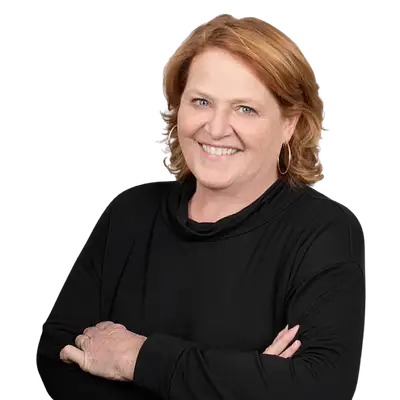
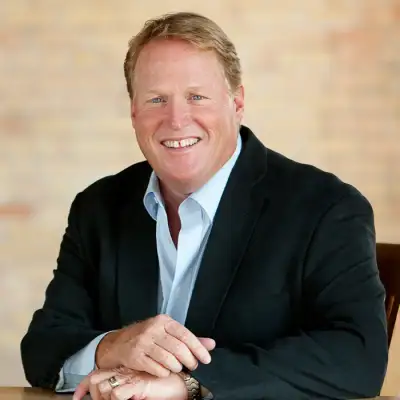
Former U.S. Senator Heidi Heitkamp and her brother, KFGO radio talk show host Joel Heitkamp, engage in animated discussions with newsmakers, elected leaders, and policymakers who are creating new opportunities for rural Americans and finding practical solutions to their challenges. Punctuated with entertaining conversations and a healthy dose of sibling rivalry, The Hot Dish, from the One Country Project, is informative, enlightening, and downright fun.
Heidi (00:04)
Welcome to the hot dish comfort food for rural America. I'm Heidi Heitkamp.
Joel (00:10)
and I'm Joel Heitkamp.
Heidi (00:11)
We're entering a season filled with important religious holidays, ⁓ really across the board. This is ⁓ a particularly significant time of year. Religion has played such an important role in rural communities. And so we wanted to explore that this week. And with us is a wonderful woman, Reverend Jane Field. She's the executive director of the Maine Council of Churches. Reverend Field, welcome to the hot dish.
Rev. Jane Field (00:38)
Thank you so much. It's a pleasure to be here.
Heidi (00:41)
Well, we're excited to have you on. I'm going to start out with the first question, which is, ⁓ you know, when you look at religion and the role religion has always played in politics, ⁓ including the Black churches, including the evangelical movement and the MAGA movement, you know, what would you say in terms of unifying, especially around Christianity, what would you say is the current state of
⁓ Christian unification this really important inflection point.
Rev. Jane Field (01:16)
That's a really complicated question ⁓ or a complicated answer to a question. ⁓ Unity is a tricky wicket these days in ⁓ Christian circles. I should start out by saying our council ⁓ has seven denominational members, five of whom are Protestant Christian mainline denominations. We also have Unitarians and Quakers. So, but I happen to be a Presbyterian minister. So I do speak from a Christian perspective.
Heidi (01:18)
Yeah.
Rev. Jane Field (01:46)
⁓ With the rise of white Christian nationalism, ⁓ what has become clearer and clearer as we do the work that we do, trying to make the world more just and compassionate and peaceful, which is our council's mission, ⁓ it's become clear that what some people self-identify as Christian doesn't jive with what the rest of us call Christianity anymore. And I've...
take into calling white Christian nationalism a political ideology, I don't think of it as Christianity. It does not look like Christianity to me at all. ⁓ It ⁓ is a political ideology with the goals of power. And that's not the same thing as the Christianity that I've known my whole life and studied and lead.
Joel (02:35)
So Reverend, what you just described about your organization, though, is incredibly ⁓ diverse. ⁓ Explain when you work with all those different denominations, how they feel, how how you can bring them together or probably a better way of asking is, they agree?
Rev. Jane Field (02:56)
They do. ⁓ It's ⁓ pretty extraordinary. ⁓ Our board is made up of seven representatives, each one appointed by their denomination and authorized to speak for their denomination and our deliberations. ⁓ And we are very unified as a body. ⁓ We did used to have the Roman Catholics at our table and they chose to leave about six years ago.
because the rest of our denominations felt very strongly that we needed to speak up for LGBTQ justice. And they could not be part of an organization that was doing that. And so despite two years of trying to keep them at our table, they made the ⁓ painful decision to leave. Since that has happened ⁓ and is in our past, we have found extraordinary unity. ⁓
It's important to know that I travel around the state visiting local congregations and from time to time we'll meet someone who says, that's not my opinion, you you don't represent me. And I have to be very clear, we are a creature of the denominations and the lane we stay in is defined by the policies of our denominations. So if they have an issue, the issue they have is with their own denomination and not with us as a council. ⁓
I'm glad I'm not a bishop. I'm glad I'm an executive director of an ecumenical council because a bishop has a trickier line to walk because those people are his people too. ⁓ But their denomination, like all of our denominations, has a process for identifying where they stand on any given issue. We take our lead from them and we have extraordinary unity as a body, as an ecumenical coalition right now.
Heidi (04:21)
Hahaha! ⁓
Well, I would be ⁓ remiss if I didn't ask a selfish question. Most of our podcast listeners know that Joel and I grew up ⁓ in the Catholic faith. We grew up at a time when ⁓ people always ask me, how do you square your faith with your politics? And I said, I grew up a social justice Catholic. And so I'm curious, yeah, I'm curious about whether ⁓ you see now with two back to back popes, both who seem to be very
Rev. Jane Field (05:05)
Dorothy Day.
Heidi (05:15)
⁓ interested in getting back to what I would consider kind of that social justice mold of the Catholic faith, whether you're seeing any movement of Catholics back into that discussion.
Rev. Jane Field (05:29)
What we see is a movement of the laity and some priests back into the discussion. And in fact, when that rupture happened in our council, we immediately amended our bylaws to provide for a way for a Roman Catholic to serve on our board. And we elected one within a year. So we have a very open dialogue ⁓ and also with women religious here in the state. ⁓ And yes, very strong commitments to a lot of the things that
Heidi (05:51)
Mm-hmm.
Rev. Jane Field (05:57)
are defined in a document we call our moral agenda, which sounds kind of creepily weird and it's not, ⁓ that ⁓ outlines what we mean when we say we're working for a more just, compassionate, and peaceful world. And we stand on common ground with our Roman Catholic siblings, ⁓ and proudly so.
Heidi (06:15)
Sister Simone is a great friend of the podcast. The nuns on the bus have provided a lot of great instruction about what's happening in rural America and bringing that, that looping that ethic back into that value back into faith.
Rev. Jane Field (06:23)
Mm.
Joel (06:30)
I know in a little bit we're going to end up talking about what happened in Maine, what happened with ICE and the different attitudes of how some people can use a religion to define what they're doing politically. I know that. But one of the things we talk about here on the hot dish is rule ⁓ and where we're at when it comes to rule and in this case, faith. ⁓ I think, as Heidi pointed out,
Rev. Jane Field (06:30)
She's a hero.
Joel (06:57)
about us. The one thing that we can both agree on as well is that we don't go to church as much as we did when we were young. ⁓ We just don't. ⁓ That doesn't mean that we're not religious. It doesn't mean that I don't believe in Christ. It doesn't believe that I'm not a Christian and try to live out the way I was raised to be Christian. But I don't go to church as much as I used to. And I'm curious ⁓ what you're seeing in Maine. Are people going to church?
Rev. Jane Field (07:28)
⁓ The Pew ⁓ survey that's done every couple of years will tell you that Maine and Vermont vie for the least churched states in the whole United States. So we have a lot of people who, like you Joel, would actually, I've heard them say exactly what you just said. ⁓ Our rural churches nationally, and I think it bears out here in Maine as well, ⁓ about 50 % of rural folks don't go to church either.
Heidi (07:39)
Really?
Rev. Jane Field (07:58)
⁓ I think it's really important to distinguish between saying somebody attends a religious service and somebody is ⁓ a practicing Buddhist, Muslim, Christian, whatever ⁓ their affiliation might be. ⁓ I sometimes am skeptical of surveys that go down those roads because you cannot say if you go to church, therefore you are a religious person. ⁓
There's also people who show up in church every week that maybe we wouldn't say are so religious. So it's a dangerous way to quantify. But it is true nationally and here in Maine that more than half of people in our rural areas don't go to church. ⁓ And I think that surprises some people. think ⁓ when we imagine rural, we think of stereotypes and
⁓ I read a great quote in preparing for this interview actually that said, you know one local rural church, you know one local rural church. can't, it's very dangerous to make broad sweeping generalizations. Another thing we do is think of white and agrarian. And ⁓ lots of rural churches and lots of rural people are people of color. Here in Maine, it's important when we think about our rural communities to remember our Wabanaki siblings.
Heidi (09:01)
Yeah.
Rev. Jane Field (09:21)
the indigenous tribes that ⁓ have made Maine their home for 12,000 years, ⁓ they're rural and ⁓ some identify as Christian and there are churches ⁓ that are primarily indigenous. So yeah, it's hard to make sweeping generalizations, but we are an unchurched ⁓ We at the council feel an essential call to be
in relationship with people like you, Joel, who would say, hey, you I don't go to church or, you know, the joke is people say I'm not into organized religion. I'm like, then you'll fit right in in the church because we're the most disorganized institution in history of the world. ⁓ But we spend a lot of our time, I spend a lot of my time as the one staff, full time staff person ⁓ at the council ⁓ building relationships with folks like that. And our programming, interestingly,
Heidi (10:00)
Yeah.
Rev. Jane Field (10:17)
draws a ton of people. We had 500 people at our town hall last January about how to help our immigrant neighbors who were being threatened with harm. And a whole lot of those 500 people were not churchy people at all.
Heidi (10:28)
Yeah.
I think when churches become relevant to people's values, not just faith, but to their values and what they want to spend their time, you're seeing kind of an enormous influence. And we have a council of faith leaders here that's led by my former state director who is doing marvelous work on things like school lunches.
doing some amazing work on, you know, kind of school funding, you know, just kind of looking at what would Jesus do and when we look at the legislature, what should we be talking about? But that raises the question, and I know you were involved in this in Maine, and we obviously, being from North Dakota, watched our neighbors go through this in the state of Minnesota. ⁓ And I was... ⁓
gratified, I think, and just absolutely moved by the role that faith leaders played in sending a message. And I think that, you when it's not what people would say, look at all those hippies, when it's faith leaders who are kneeling and praying at these events, trying to stop the violence, trying to stop, you know, the evil that was happening, that has a much larger impact, I think, on the public as a whole. And so
Rev. Jane Field (11:42)
Mm-hmm.
Heidi (11:46)
Can you explain to us kind of what happened in Maine, obviously politically pulled out pretty quickly because of some pressure from his senator who was up for reelection, but you know, talk to us about the Maine experience with ICE.
Rev. Jane Field (12:01)
Yes, faith leaders were at the forefront of a lot of the resistance efforts here in the state. Way back, as I said, in January of 25, we could see the handwriting on the wall and we started to organize. There was a group of faith leaders, I was on the fringes of it, I certainly was not a leader in it, who got our statewide hotline up and running way in advance of the surge arriving here.
so that by the time those agents hit the ground here, we had over 1,000 people trained as rapid responders and operators working the hotline 24 hours a day. And they were extremely effective in keeping our neighbors safe. one of the things that we did as faith leaders in the greater Portland area, which is where I happen to live,
was go and every day at 7.15 in the morning and at 3.15 in the afternoon to create a human barrier so that workers who were from the immigrant community that worked at a factory could get to their cars safely with ICE agents passing by on the street. And this 82 year old guy called me up and said, you know, I'm old and this was by the way, when temperatures and.
you all from North Dakota, this isn't going to impress you at all. But if you have listeners from Texas, this will shock them. It was below zero most of those mornings and most of those afternoons. It was very cold. He said, I don't do well in the cold, but if you need me to come and stand with you, I'll come. Like, we don't need you to come and stand. He said, well, I did get trained as an operator, so I take my shift on the hotline. God bless him. It was amazing. It was so inspiring. And he told me what church he went to. And ⁓ he made my day. ⁓
Joel (13:40)
You
Rev. Jane Field (13:48)
We also were very involved in grocery deliveries to families that were sheltering in place because it was too dangerous for them to go out. And the grocery store parking lots were one of the places where people were getting abducted. We had people doing school watches and school accompaniment to get kids to and from school safely, and also driving people to work. All of these things were intimately woven into the lives of our local congregations. That's who was doing this work. ⁓
there were people who weren't churched who were doing this work right alongside us. ⁓ But as you say, the dialogue that started happening between the quote unquote unchurched, which I hate that word, but it's shorthand, and the people who were doing it out of a faith commitment was fascinating. We actually got a letter in the mail about halfway through the surge from a man I've never met from Wiscasset which is up the coast, ⁓ down the coast, if you're from Maine. ⁓
saying, I'm an atheist, I'm an avowed atheist, but when I saw what y'all are doing, I had to send you some money, and he sent us a check. So it bonded people together across those differences. ⁓ And I'm proud to say that the faith communities here in Maine, Muslim, Jewish, Christian, Buddhist, stood strong together ⁓ and were an integral part of the resistance here as it went on and unfolded. And by the way,
Heidi (14:51)
⁓
Rev. Jane Field (15:13)
Susan Collins, the senator you mentioned, had nine of my colleagues arrested in her office in Portland when they showed up to pray and to ask to speak with her about ending the surge. She called the police and had them arrested.
Joel (15:27)
Let me ask this because I'll be honest with you, I wasn't shocked by what you just said. On the political side, I understand it and I love poll numbers. But let me ask this. You mentioned the interaction between the church and the unchurched. What about in this case, the ultimate victims, these people that got up every day and they worked and they're members of the community and
And they might be individuals of color that ISIS targeted, but you had a chance through your organization and the people in it to talk to them, to just talk to these human beings who became victims. What did they say about all this? How are their lives going because of all this?
Rev. Jane Field (16:05)
Mm-hmm.
They were so frightened. ⁓ It was abject terror. ⁓ They also, one thing we discovered about three quarters of the way through the surge, and I just need to say our surge was a tiny little thing compared to what the people in Minnesota are enduring. And I in no way want to compare the suffering that they're continuing to experience to what we did. But it's what I know, because I was here. ⁓ We found out that those who were sheltering in place
had no idea that there were so many people from the non-immigrant community stepping up and stepping in to help. And as they discovered it, they were.
They were speechless. They were deeply moved. They were grateful beyond words ⁓ to say, you know, why are you helping us? And we don't know what we would do if you weren't helping us. And it bonded people together across those differences of people like me who walk through the world with privilege, white skin and blonde hair. you know, I'm an old white lady. Nobody's going to mess with me.
⁓ unless I pray at my senator's office and then she'll probably have me arrested. But I did not go there that day because I have a family member who is a person of color and ⁓ who was not born here and who was very afraid at how public I was being and how that might draw attention to them. So I had to pick and choose what I could and could not do. And I chose not to go there that day. Anyway, ⁓ the folks who were
Heidi (17:27)
Yeah.
Rev. Jane Field (17:56)
because of their accents, because of their skin color, because of the way they dressed, because they had to show up to their immigration appointments. They were doing things the right way and the legal way, ⁓ were in the line of harm. They were being literally targeted. ⁓ Let's not forget that the name of the surge here was Catch of the Day, which is so despicable and disgusting. ⁓ God has a sense of humor, however.
The first Sunday of the surge, the scripture lesson was Jesus saying, I'll teach you how to fish for people. And any clergy person who didn't get in the pulpit and address the evil that was happening outside our doors should be fired, in my humble opinion, because it was the perfect opportunity to link the gospel message with what was happening in our streets that very day.
Heidi (18:31)
Yeah.
Well, I think that the real the the emergence of faith leaders into this political space when they see something that is wrong saying we need we cannot be faith leaders without recognizing the need to speak at this point in time. I think it's been a really interesting counter movement to what we've seen in the kind of as you say, not so Christian white nationalism, or the, you know,
the movement on the other side. And so one of the reasons why I believe, I think Joel agrees with me, that ⁓ our political party has not done well is we're seen as godless. We're seen as people who don't have faith. ⁓ And bringing in those values into our politics as we move away from those cultural issues, whether it's abortion or gay, lesbian, transgender issues that ⁓ divide
so many people, especially in the Catholic faith, it just seems like this is a really important point. So when you look at what you've done in Maine and you look at Minnesota, do you see this happening all across the country or are these isolated Scandinavian, you know, it's cold out so we get going kind of folks and not really a national movement?
Rev. Jane Field (20:12)
No, I think it is a national movement. And we were also getting letters from people all over the country. And I hope and pray, and I think it's true that my colleagues in Minnesota were getting similar letters from areas where there wasn't a surge happening saying, we're praying for you. We are supporting you. Thank you for standing up and resisting, ⁓ for embodying the gospel values of love and dignity of every human being. ⁓
You know, I think about my, I'm Presbyterian and I think about the Presbyterian pastor in Chicago, Dan Black, who got shot in the face with a paintball by an ICE agent. ⁓ He was there praying outside a detention center. ⁓ And speaking of prayer, I should have mentioned that a number of clergy here in the state organized a weekly prayer vigil outside our ICE detention center, which is also the county jail ⁓ in Southern Maine, the Cumberland County jail. ⁓
We were there every Wednesday afternoon, even Christmas Eve, even New Year's Eve, week after week after week, starting in October, so long before the surge, but throughout the surge, ⁓ praying for everyone caught up in that system. And we were able to develop relationships with, ⁓ there were about 60 detainees being held in Maine. None of them were from Maine because the shell game that evil system plays is to move people around as quickly as they can to states. ⁓
where their families and their lawyers can't find them. ⁓ But we were able to connect with them, in some cases meet with them, exchange letters every week with them. Every church in the area ⁓ got a letter from somebody that they could then write back to each week. ⁓ My church's ⁓ detainee was Sonia. ⁓ I'll never forget her name. I never met her, but Sonia. ⁓ Unfortunately, the ICE agents during the surge arrested
a corrections officer from the Cumberland County jail, and our sheriff got in front of the press and rightfully criticized them and called them Bush League law enforcement. And that night in the middle of the night at 2 a.m., they swept into the jail, took all of our friends, our siblings, these people we connected with, and drove them to Massachusetts in the middle of the night and then flew them to Louisiana, and they're gone.
We had put money in their commissary accounts to help them. That money didn't go with them to Louisiana. It's just evaporated into who knows where. ⁓ It was devastating. ⁓ that's a way that it is happening all around the country, even where there aren't surges. Any place where there are detention centers, there are people of faith. And they're showing up. They're standing up.
praying outside these centers, they're trying to get into these centers, there are Roman Catholic priests trying to bring ashes on Ash Wednesday or communion on Sundays, ⁓ and in some cases being turned away, which is illegal for them to be turned away from doing that. And yet they are, and they come back again and again. Yeah, don't ever underestimate stubborn clergy. We get our backs up about something.
Joel (23:24)
Yeah, good. But
the bad part is, is we also can't ⁓ underestimate how some people in our government can be evil and what exactly their motivation is and not just sitting there and accepting it. know, so hats off to you. Six of the most important people in my life are my grandchildren. And some of the older ones are old enough now to understand everything you just said. ⁓ They don't go to church every Sunday.
Rev. Jane Field (23:33)
No, we can't.
Joel (23:54)
baptized, they have their own congregations, they're active at some level, if not all levels of their church, but they don't go as much as they did, ⁓ or Heidi and I did when we were young. But it's things like this that it seems to me are going to strengthen or maybe even teach them, my grandkids, the power of faith and the power of of how, you know,
I being Catholic, my wife being Lutheran, how faith can come together to do this. And so I think what you're doing for that next generation is so important. And I'm curious what you think about.
Rev. Jane Field (24:35)
Thank you.
Yeah, I would agree. ⁓ I also believe that the institutional church, regardless of denomination, has a lot of repentant to do, as we might say in the old school. We've done a lot of damage. We've caused a lot of harm. There's been a lot of religious trauma. ⁓ But it can be redeemed. And this is how. think I know because of the circles I run in, we as a council do public policy advocacy at the state legislature level.
and ⁓ I'll show up to testify for gun safety or SNAP benefits or eviction prevention or keeping access to abortion legal and safe or sensible drug safety. ⁓ And the younger advocates who are very secular and probably a lot like your grandkids will be when they get to be in their 20s. ⁓ And they look at me and they say, well, if I knew people like in churches were like this, maybe I'd go.
I get said, that gets said to me all the time. And so we just have to keep showing up bearing witness to what we know and believe and hold dear. You know, on my wall behind my computer screen is Micah six, do justice, love kindness, walk humbly and Matthew 25. When you do it to the least of these, you do it to me. If we can just live into that and do it with integrity and authenticity, I think you're right, Joel. think.
it will bear witness to people who have written us off because of the caricatures that exist in mainstream America about what it means to be a Christian. It's kind of a dirty word and we need to reclaim it.
Heidi (26:12)
Well, honestly, Reverend, we are so grateful and it's such an important message. ⁓ Just want to talk about I made a friend at the Vatican, ⁓ a young priest called Father Manny who ⁓ was from Chicago. And when I lived in Chicago and I knew that I would be there on Sunday, I would go to Mass. And ⁓
I remember the last sermon that he preached before the Vatican hauled him to Rome, which is unfortunate for the city of Chicago. But ⁓ he said, he always wore the collar when he was traveling and people would stop him and they would ⁓ talk to him. he preached this. said, you know, they would talk about the hurt that the Catholic church had imposed on them. But he said they didn't talk about the clergy. They talked about the other.
Rev. Jane Field (26:44)
Chicago.
Heidi (27:07)
congregants who judged. And he said, so if you want, if you want to bring faith that back into people's lives, you need to approach without judgment. And I think that that is such an amazing message that you're delivering that he delivers. And, you know, so I have, have a big belief in prayer in the power of prayer, and I'm praying for all of you who are doing this, ⁓ this tough work, and really, really hope that it will lead to
Rev. Jane Field (27:10)
Mmm. Mmm.
Yeah.
See you.
Heidi (27:35)
a resurgence of people coming together in faith to change outcomes in this country.
Rev. Jane Field (27:43)
Thank you. Your words to God's ear, I agree.
Joel (27:46)
Well,
Reverend, I want to add this before I know we're about to go. But if you go before me, find a way to let me know if you got in, because if you don't make it, I'm not wasting St. Peter's time. You know what I mean? So just find some way of letting me know. Have have have the Vikings actually win a Super Bowl. Then I'll know for sure. You made it. OK.
Rev. Jane Field (27:56)
Okay.
Heidi (27:58)
You
Rev. Jane Field (28:01)
⁓ Well
I'll do what I can, but I'll tell you,
my family will say that I'm really iffy on whether I'm getting it. I swear like a drunken sailor on shore leave, I have bad habits. I'm, it's gonna be, I'm gonna come in on a wing and a prayer at the last second, but if I get in, I'll do what I can, Joel, I promise.
Joel (28:25)
I'm not the big guy,
but you'll make the cut. Trust me. You'll be fine.
Heidi (28:29)
I think so too. I think so too. Thank
Rev. Jane Field (28:30)
Ha ha!
Heidi (28:32)
you and have a glorious Easter season and keep the faith and keep the work. It is so important, not just for this country to re-examine our values and our faith, but it's so important to faith to have leaders out there who are redefining Christianity in what I would think is a more Christian kind of belief system.
Rev. Jane Field (28:35)
you as well.
Joel (28:58)
Yeah. Thanks for joining us, Reverend.
Rev. Jane Field (28:59)
Thank you. Thank you for those words.
Heidi (29:01)
Thank you.
Rev. Jane Field (29:01)
You're very welcome. My pleasure.
Joel (29:06)
know that was a great great conversation with Reverend Jane Field from Maine and now I get to talk a little leg. That's right, I get to do that with Chris Jones from the great state of Iowa where you know what he's running for Secretary of Agriculture. Chris, good to have you with us here on the hot dish.
Chris Jones (29:24)
Okay Joel, thanks for having me.
Joel (29:25)
All right, first question is why? Why'd you throw your hat in the ring?
Chris Jones (29:29)
Well, I waited a long time actually to see if someone was gonna jump in. There was not a declared candidate for a long time and I just felt like it was a duty here and I'm running mainly on an environmental platform. I think people here in Iowa are very disappointed and in fact fed up with the quality of our water here and so, you know, I've told the media that
My candidacy should be seen as a referendum on the condition of the state's water. And so that's the primary theme of my campaign.
Joel (30:04)
But, know, I'm an old rural water manager, you know, so I know what it's like to to draw out of the aquifer and move it on down the line. So do you. I get that. Have you had any indications, anything that makes you go, look, here's a specific.
Chris Jones (30:23)
Well, you know, last summer in Des Moines, 700,000 people there rationed water for two months because not because there wasn't enough water, but because the nitrate in the water was so high, the treatment plants couldn't remove it. This has been ongoing since 1992 in the Des Moines area. We've just been unable to solve this nitrate problem.
We have 6,000 private wells in Iowa that have been contaminated above the safe level with nitrate. We have other major cities here, Iowa City, Cedar Rapids, Cedar Falls, Waterloo that struggle with nitrate. And the big news story here the last couple of years is our state has the second highest cancer rate of any state in the country. We're the only state where the cancer rate is increasing.
We have about a million people in Iowa that are drinking water with nitrate above a level that's associated with a whole suite of cancers. And so the time has come for the state to confront this issue with water quality and the corn-soy production system.
Joel (31:33)
Well, and that's it, Chris, right? mean, Iowa is a farmer state in a lot of ways, and you're running for, ⁓ you know, the job when it comes to Secretary of Agriculture. And so ⁓ they put nitrate down, they put fertilizer down. They instead of 250 bushel corn or 400 bushel corn, they want 450. And so how do you answer the farmers when you go to those town hall meetings and they say, wait, you're slowing down our production?
Chris Jones (31:44)
Mm-hmm.
Well, there's a misperception, I think, that if we could just get farmers to do this, that, and the other thing and nip and tuck here, that we'd get the water quality that we want. I just, that's not true. I think, you know, the corn-soy system, we call it a leaky. It's a leaky system. And so even when all farmers are doing everything perfectly, the pollution, the water pollution is likely to be intolerable. And so we need a greater diversity of crops. We need a
greater assemblage of crops here. We need to integrate other things into this corn-soy rotation. so, you know, oats is a big one. We used to be the number one oat state. We're not anymore. know, 20 miles from my house in Iowa City is the world's largest oat mill in downtown Cedar Rapids, and they don't use any Iowa oats. They all come in from Canada. And so there's things that we could do here. We need to take cattle back to pasture. We need to get cattle out of
⁓ feed lots and indoor confinements, get them back on pasture. We need to grow forage crops for cattle, clovers and alfalfa. We could grow ⁓ orchard fruit here. Iowa, believe it or not, was the top apple state at one time. We were the number one apple state in the country. We could grow vegetable crops here. And so there's lots of other things we could do here, but of course it's going to require structural change. And so we need to start talking about these things because
Honestly, the pollution here is an existential threat for a lot of farming here. not only that, we have terrible disease problems in our CAFOs. mean, it's just, we need to rethink the system here and hit a reset button at some point.
Joel (33:52)
Well, if someone would have told me before we began this interview about the apples and where Iowa was in the past, you know, I would have called it not, you know. So, ⁓ you know, that to me is interesting enough. ⁓ Well, I want to talk about the timing of it all. ⁓ You know, Donald Trump's tariffs, what's happened to the market when it comes to soybeans, corn, everything else ⁓ is have the stars aligned here?
Chris Jones (34:02)
Yeah.
Joel (34:21)
a little bit to where it's the perfect time to consider, you know, a different rotation.
Chris Jones (34:26)
So it does, the timing and world events do seem fortuitous here, right? And so we see here really how fragile this production system is, you know, when the whims of one guy in DC can just throw things for a loop, right? And so, you know, we have fertilizer, we're stuck in the, behind the straits of Hormuz and we have diesel fuel going above $5 a gallon. ⁓
We have the tariffs affecting the soy markets especially. And so, yes, I agree the time has come for us to look at this and say, look, why can't we ⁓ develop a production system that's sustainable not only environmentally, but also ⁓ sustainable ⁓ against these world events that can just throw things for a loop. When you can only do two things,
you know, which is corn and soy. And really that's just one thing. When you can only do one thing, well, you're really vulnerable to the whims of politicians. You're vulnerable to the people selling you inputs. You're vulnerable to the people buying the grain. And I think right now people see the vulnerability. It's been exposed here in a really ⁓ quick and sort of, ⁓ you know, apparent way.
Joel (35:48)
So let me throw a what if at you. So you're in a town hall meeting, you know, outside Iowa City, outside Des Moines, and you're making your pitch to be, you know, the head of agriculture in the state of Iowa. And somebody says, look, I can't make money on oats. I don't have ⁓ access to build up a herd when it comes to taking some back something back into pasture land. What's going to be your answer to them?
Chris Jones (36:17)
So, and that's, ⁓ I hear that, right? And these things are, ⁓ they're true. That you don't just wake up one morning and decide you're growing oats, or you're gonna grow apples, or you're gonna graze cattle. That isn't how it works. And so, we plow a bunch of public money into agriculture right now, ⁓ especially through ⁓ taxpayer subsidized crop insurance. So I think it's fair for the taxpayer to participate in
what I call off-ramps. so farmers, if they want to transition to a more sustainable system, a more diverse crop rotation, perhaps a different animal production system, I think it's fair for the taxpayer to participate in that. You can't do a lot of this stuff without infrastructure, right? You need built infrastructure, you need economic infrastructure. Farmers can't go out and do that themselves. There's gotta be taxpayer participation in this.
And I think this is a much better way to spend public money than on a lot of what I call band-aid conservation, band-aid and diaper conservation, and other publicly supported programs like crop insurance. Let's use that money and let's transition farmers into more sustainable systems that are gonna give us better environmental outcomes and also give the state better economic outcomes.
Joel (37:43)
Well, you and I both know that the hardest thing to do is to change a farmer's mind. And I get that. I understand it. And, you know, not everybody in Iowa also farms. know, a lot of the people you're going to be putting your name in front of are going to be people that are in these cities with the nitrate problems. What are you hearing from them?
Chris Jones (38:06)
So I think there's the way I characterize it, especially in Des Moines, there's close to a jailbreak about to happen on this water quality thing. I think people are fed up. Last summer we saw landscaping firms laying off people because they couldn't water sod. You know, these communities couldn't fill their swimming pools, stuff like that. It's not just, you know, the drinking water component. It affects life in these cities. And I think people are fed up with this after 35 years.
Only 5 % of the people in Iowa live on farms. 95 % live elsewhere. And so I think there's a realization here that the Secretary of Agriculture needs to serve all Iowans, right? We need better outcomes from this industry that are gonna be beneficial to all Iowans and not just farmers and not just agribusiness.
And so I really think farmers are starting to realize this. And we've put farmers on this pedestal and farming is part of the culture of this state, let's face it. I mean, it's more of a part of the culture here than maybe anywhere else on earth. We've put farmers on a pedestal. It's good for us to have them there, but if they wanna remain in that position, some things gotta change.
Joel (39:30)
You're a blue candidate in a red state. How do you get around that?
Chris Jones (39:36)
So, and it's gotten redder here too. But I think this thing with water quality really transcends party affiliation. And so we've got a Republican candidate for governor, there's five of them. One of the Republican candidates for governor is actually running on some of the same things that I talk about. And so I think there is ⁓ some real bipartisan or, you
real agreement across the political spectrum that something needs to change here. You know, this is just the production system we have here is gone on for 50 years now. We've got 99 counties in Iowa, 70 of them are losing population. A lot of our rural towns are in serious states of decay. We once had 4,600 school districts in Iowa. Now we're down to 320. Is this really the rural Iowa that we want?
You know, is this is the rural Iowa that the corn, soy, kefo system has brought us. Is that what we want? I think there's a lot of people in both political parties that are saying no, that's not what we want. We want something different. We want a better rural Iowa.
Joel (40:49)
It's going to be interesting. You know, the campaign you've set in front of ⁓ individuals is, you know, it's not the norm. ⁓ Most people to get to be secretary of agriculture are trying to find ways to advocate upon the federal government how to get more and more and more when it comes to a subsidization of corn and soybeans. and the thing that they're the most upset about is is the tariff. So if you're able to connect.
⁓ I think Chris is going to get a lot of the national attention.
Chris Jones (41:24)
So I've had one person say that, ⁓ you know, there's been nobody like me run for agriculture commissioner. There's only 12 in the United States that are elected. There hasn't been anybody like me since Jim Hightower. And so I think at least people will know that there is an election for secretary of agriculture in Iowa. think a lot of people, you know, don't turn over the ballot and.
even realize that we elect this person. And so this year, they're gonna know that there's an election for this position. I mean, you're right ⁓ that ⁓ this is gonna get noticed. A lot of Democrats don't like me. You know, there's a lot of establishment Democrats that are, you know, pretty pro agribusiness and ethanol especially. You know, we've had the first in the caucus, first presidential caucus here for
All these presidential candidates have come here and had to kneel at the altar of ethanol. But, you know, some Democrats now are realizing, Tom Harkin is one of them. You know, he's one of the fathers of the industry. Now he says it's one of the worst mistakes he's made is to get behind ethanol. And so I think there's some Democrats that are ready to say, yes, we need to do something different.
this pollution that we have, the decay of rural Iowa, Democrats want to throw that on the backs of Republicans, but I'm telling you, Democrats have participated in it every bit as much as Republicans.
Joel (42:59)
Chris, where do people go? How do they find out more about your campaign?
Chris Jones (43:03)
ChrisJonesForIowa.com, four is F-O-R. ⁓ I also wrote a book about this. The title is The Swine Republic. It's been well received and I also write a sub stack, riverraccoon.substack.com.
Joel (43:18)
You bet. Chris, great conversation. I tell you, you know, some of the things you brought forward, I'm going to track. And I know a lot of people are going to track as a talk show host. You don't hear too many people in egg states, in egg states saying what you're saying. So if if nothing else, you're courageous as hell. So thanks for coming on the hot dish. You bet. Chris Jones, ladies and gentlemen.
Chris Jones (43:36)
That's right.
Okay, all right Joel, thanks for having me.
Heidi (43:47)
Thank you so much for joining us today on The Hot Dish brought to you by One Country.
Joel (43:53)
You know, and you can learn more about us at onecountryproject.org. Be sure to follow us on Substack, YouTube, Facebook, and Blue Scott.
Heidi (44:02)
And of course, we will be back next week with more of the hot dish comfort food for rural America.