Subscribe
Share
Share
Embed
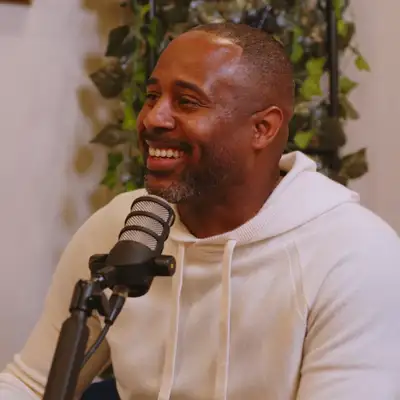
WAHBL Podcast (When All Hell Breaks Loose) is your go-to source for real, raw, and uplifting conversations about overcoming life’s toughest challenges. Hosted by Chris King and Monique LaRue, this podcast dives deep into the personal stories of resilience, faith, and growth, providing practical advice on how to thrive when everything feels like it’s falling apart. Whether you’re navigating loss, career setbacks, or personal struggles, each episode offers inspiration, actionable steps, and a reminder that even in the darkest moments, there’s hope on the horizon. Tune in for empowering discussions, audience engagement, and thought-provoking interviews that will help you take life’s toughest blows and turn them into victories. For more information, please visit our website at https://wahblpodcast.com and follow us across social media @wahblpodcast
Are you feeling financially stressed? Is your money kinda funny and your change kinda strange? Well, if you're like most of us, you're living from paycheck to paycheck because over 90% of the people are living from paycheck to paycheck. And so you're also feeling the pinch of inflation and trying to get above water and and and tread water and make ends meet. I once heard somebody say, I'm not even trying to make ends meet.
Chris King:I just want them to get close enough so they can wave to one another. And if that's you, you are in the right place. Because here at the When All Hail Breaks Loose podcast, we want to give you practical tips on how to succeed during life's toughest challenges. And today, we have a fabulous guest that's gonna do just that. With over twenty five years of experience in the finance industry, he has helped countless people achieve their financial goals.
Chris King:He's building wealth. He's built wealth. He's helping others do the same all over the country, all over the world. And I want to welcome not just my friend, my pastor, the stewardship coach, Lee Jenkins. Thank you so much for joining me so much.
Chris King:Welcome. Welcome. Welcome.
The Stewardship Coach:It's great to be on your show. I have admired your show from afar, and I said, you know what? That's on my bucket list.
Chris King:A bucket list.
The Stewardship Coach:On your podcast.
Chris King:Well, you well, hey. We we gonna we gonna keep it going. You gotta keep on coming. So let's go drop some gems.
The Stewardship Coach:Would love to.
Chris King:I'm so excited. You know, you have over twenty five years of experience. Just briefly let us know, those that don't know you about your experience and what you what you've done over the years.
The Stewardship Coach:Well, I work my way backwards. Right now, I'm a pastor, senior pastor of Eagle's Nest Church in Roswell, Georgia, a church we started, twelve, thirteen years ago with 20 people, and now we're 3,500 plus. And so God has really done a great work. So a lot of people know me as pastor Lee, but what they don't know is I have spent more time in business than I have in ministry. I spent twenty five years in the investment business, was trained on Wall Street, and then came back to my hometown Atlanta and started my investment career and had twenty five years working with some of the top firms in the world, working with millionaires, a few billionaires, managing the investment portfolios for them.
The Stewardship Coach:So I guess you could say I know a little bit about money. I've been able to build wealth, but more than that I've been able to help other people build wealth. So now one of my callings is combining my passion for the faith world and my passion for finances. So I like to intersect those two, faith and finances, and see if people can reach their potential in both areas.
Chris King:You know, I'm glad you said that because I'll never forget, there was one time I asked you to be my mentor. Yeah. And I gave you three things that I wanted to accomplish in the end of the relationship. And one of those was help me make some money. Help me be build wealth.
Chris King:That's what I say. Help me, pastor Lee, build wealth. Yeah. Right? And so I've been listening to and I will tell everybody, this man is the real deal.
Chris King:You know, what he he is who he says he is. And so I'm excited because I know you're gonna drop some gems. And you talked about being bringing the faith and finance together. I've heard you say that money decisions are spiritual decisions.
The Stewardship Coach:Yes.
Chris King:Right? Yeah. Help explain what you're talking about when you're saying money decisions are spiritual decisions.
The Stewardship Coach:Well, for a person of faith who believes in the bible, who serves Christ, we believe that we are stewards and God is the ultimate owner. So in the gospels, they talk about this parable of the stewards, you know, and and so a steward is a person who manages assets for somebody else. So I was a steward. I called myself an investment advisor, but I was the steward of my clients because I managed their investments and my clients judged me on whether or not I got them a good return. Well, when it comes to our faith, we are all stewards of God's assets.
The Stewardship Coach:Now, relatively speaking, what we have is ours. Okay. Our car, our house, our clothes. But absolutely speaking, it belongs to God. Because if it wasn't for our health and our strength, if we didn't have air in our lungs, we wouldn't be able to enjoy any of those things.
The Stewardship Coach:So really, God blesses us with what we have. So if what we have belongs to God, then that makes what we do with what we have spiritual. And that's why I like to say every spending decision is a spiritual decision because what we have belongs to God, and we're supposed to be trying to please God with it. Wow. So based on that, what do most people's spending decisions tell you
Chris King:about their spiritual life? Well,
The Stewardship Coach:believe it or not, most people don't even connect their spiritual lives to their financial lives. Yeah. A lot of people don't even know they're supposed to connect it because a lot of folks don't know that the Bible is full of incredible financial knowledge. In fact, there are over 2,000 verses in the Bible that deal with how to handle money and possessions. 16 out of the 38 parables in the Bible deal with how to handle money.
The Stewardship Coach:Jesus said four times more in the New Testament about money and possessions than he did about heaven and hell. Wow. So but we don't talk about money in church. Mhmm. We don't really talk about money a lot at home, and we don't learn about it in school.
The Stewardship Coach:So people don't know what to connect money to. They just try to make it every week, every month, and very few people look at it as a spiritual activity. Wow. You said a lot there. And when you're talking about spiritual activity, you know, we talk
Chris King:about wealth building and you've had some formulas of wealth building. You know, I asked you in in in in our conversations, help me build wealth.
The Stewardship Coach:Yes.
Chris King:What is you've shared with me your formula for building wealth. I find it to be very interesting. Yeah. Help others. What is your formula for building wealth?
The Stewardship Coach:Well, of all, have to understand that wealth starts on the inside. Okay? And it manifests itself on the out outside. So first you build wealth from the inside. And I like to say wealth is starts from the inside out.
The Stewardship Coach:Mhmm. Okay. So if you don't have the right mindset, if you don't have the right habits, if you don't have the right perspective, then and then if wealth comes into your life, it will be more of a curse than a blessing. So wealth now can be great, but wealth can also be dangerous. So how do you build wealth?
The Stewardship Coach:I have these about four or five things Mhmm. And they all start with the s. Okay. Okay? So the first thing is you have to see money the right way.
The Stewardship Coach:Right. K? You gotta see it. In other words, that means your perspective has to be healthy about money. And a lot of people don't have healthy perspectives.
The Stewardship Coach:Maybe it's the way they grew up. Maybe it's stuff they heard in church like money is the root of all evil, and that's not the truth. It's the love of money that's the root of all evil. Or maybe a person comes from a background where they talked about rich people. They made everybody rich seem like a crook.
The Stewardship Coach:Mhmm. People have a lot of financial hang ups. So a lot of people don't see money the right way. So the first thing I try to help people with is their perspective. How do you see money?
The Stewardship Coach:What kind of relationship do you have with money? And is that relationship healthy or not? So for the Christian, that relationship is simply what I said before. God is the owner. We are the steward.
The Stewardship Coach:Whatever we do with our money should please God. So that's the way we see money. Also, you gotta see money as a tool. Okay? So money is not the end all be all.
The Stewardship Coach:Money is just a tool. For instance, if something breaks in your house, you don't worship the hammer. Right. Right. You know, the or the screwdriver.
The Stewardship Coach:In fact, you don't even go to Home Depot for the hammer or the screwdriver. You go to Home Depot to get the tool to help you to fix whatever you need to fix. Mhmm. Money is just a tool for us to do different things with. So we gotta see money the right way, and then we gotta see it as a tool.
Chris King:So with that being said, a lot of people speak of being wealthy as a destination. Yes. Right? So that in of itself is is wrong based on what you're saying.
The Stewardship Coach:No doubt.
Chris King:Right? Just being wealthy is not a destination. Yeah. But it sounds like obtaining wealth is a tool to do what God has called you to do
The Stewardship Coach:Yes.
Chris King:And to bless others. Right? So that I'll be honest with you. I've heard you say that a a bit. Uh-huh.
Chris King:Now that just came to me right there. So so I just had that Man. Epiphany. I like that. I like that.
Chris King:The angels are singing. Give them some money.
The Stewardship Coach:I need to just let you talk. Come here.
Chris King:You're this. Man, you're drop a chip. Man. So what else? You gotta see it appropriately.
The Stewardship Coach:So you gotta see money the right way, and most people don't see it. It. And seeing it just means your perspective. But our perspective is based on experiences, based on what we heard other people say, and most people's money perspective is not healthy. Mhmm.
The Stewardship Coach:K? Once we get that right, then we have to seize money. K? Seize it. That means how you're gonna go get it.
The Stewardship Coach:Yeah. How you're gonna, build it? How you're going to acquire it? How you're gonna apprehend it? And a lot of that has to do with our jobs or with our careers.
The Stewardship Coach:And our careers should produce what we call income. Okay? Because that's how most people get wealth. Now some people inherit wealth. Some people marry wealth, some people win the lottery, but for most people we have to work for it.
The Stewardship Coach:K? So what we do every day, our work is so important to God And a lot of people aren't maximizing their God given potential when it comes to work. So they want money, but then they're not in the right soil.
Chris King:Okay. Let's go there. K. Okay.
The Stewardship Coach:Alright.
Chris King:He'll help us maximize them. Hey, look. I'm expecting something after this. Right? Good.
Chris King:Good. What do you mean by maximizing their potential to to work?
The Stewardship Coach:Matching the seed with the soil. Mhmm. Okay. We're the seed. But if you put a seed in bad soil or put a seed in soil that's not conducive to the seed.
The Stewardship Coach:Okay. For instance, if you try to plant a cactus in Minnesota, it won't take. Right. And that doesn't mean anything is wrong with the cactus. That doesn't mean anything is wrong with the seed.
The Stewardship Coach:It just means the seed and the soil are incongruent and neither one of them are going to reach their potential. K? So the skill level that we have, calling that we have, the anointing that we have, what we were born for has to match what we do every day in our career. Mhmm. Let me just say this.
The Stewardship Coach:People ask me, man, how does it feel to have two successful careers as a business person, as an investment adviser, and as a pastor? I said, I'm doing the same thing. He said, what do you mean? I said, my skill set has not changed. For instance, I used to be in sales Mhmm.
The Stewardship Coach:Because as an investment adviser, you had well, first, had to market yourself as an investment adviser because if people don't know you, you know, so you have to market yourself. Then I was in sales. Okay? Because I have to sell the client. Then I was in fundraising.
The Stewardship Coach:I had
Chris King:to ask them to to
The Stewardship Coach:give me money so I can invest it. Then after they invested it, I was in customer service. That's exactly what I do as a pastor. Yeah. I'm in marketing.
The Stewardship Coach:I'm in sales. I'm in fundraising, and I'm in customer service. So where am I going with that? The reason I have been successful financially is because the soil, my job, my work, my career matched the seed how God made me. Wow.
The Stewardship Coach:And so I tell people in order to reach your financial potential, one of the things you wanna look at is what are you good at? How has God wired you? And try to match that up as close as you can. It may not be a perfect match. Right.
The Stewardship Coach:But it would be nice if it's at least a 75% match of what you do every day. Wow. Hopefully, that makes sense.
Chris King:That makes sense, and it raises some questions too that had nothing to do with finance but fulfillment. Right? So Yes. I'm not gonna go there. Right?
Chris King:Because I'm like, is that how people can be more fulfilled
The Stewardship Coach:No doubt.
Chris King:In their in their jobs and in their careers?
The Stewardship Coach:One of the reasons people aren't fulfilled is because they aren't matched in the right career, how god made them versus what they're doing. So by the way, you don't have to have a lot of money Mhmm. And to make a lot of money to be fulfilled. I know people who are multimillionaires, and they're not fulfilled. I know people who are, and I'm just using this as an example, are school teachers, who are, in law enforcement, and they don't necessarily make a lot of money, but they are very fulfilled.
The Stewardship Coach:Right. Because that career matches how God wired them and made them. But I will say it's gonna be tough Mhmm. To make a lot of money and to be fulfilled if it's not a good match.
Chris King:Wow. So with that and bringing in income and if people wanna be wealthy and and and build wealth, what about side jobs? Yes. Right? And side hustles.
Chris King:Because a lot of times, you know, I I've been in corporate for many, many years, and we realized that corporate may not make you rich.
The Stewardship Coach:That's
Chris King:right. Yeah. And so what about those side jobs? How should we look at those side jobs, side hustles, and what's what are good ones?
The Stewardship Coach:Yeah. Well, everybody's talking about multiple streams of income these days. Some of that is taken from a verse in Ecclesiastes. It says divide your portion to seven or eight because you do not know what kind of misfortune may come. Mhmm.
The Stewardship Coach:And that that just means diversify. Everybody when they invest, when you live life, you should diversify because you don't wanna put all your eggs in one basket. However, when it comes to side hustles, you wanna make sure your number one hustle is good. Okay? So before people start talking about side hustles, I like for them to look at their main hustle and find out are you maximizing your core competency?
The Stewardship Coach:Because your core competency. If you do that well, then you can all have offshoots of your core competency. So I'm really big on people honing in on their core competency and then looking at what side hustles can come from that core competency. For instance, I'm a pastor. Mhmm.
The Stewardship Coach:I speak a lot. I can turn my speaking into books Mhmm. Into podcasts, into social media clips. I can coach people in different things because I'm a financial expert, I guess you could say. So that's how you do it.
The Stewardship Coach:You just take what you're good at and you diversify. But I will say this, it is good to have more than one hustle. More than one. But you gotta make sure that the hustles are integrated because if they aren't, you're gonna be more frustrated. Wow.
The Stewardship Coach:I I think that requires a workshop. Like, know, perfecting
Chris King:your side hustle, you know, what about side hustle? Yeah. So we gotta put a pin in that. Okay. I do a workshop on that?
Chris King:Yeah. Because you said a lot that really can help some people there on bringing, you're making sure that it's integrated.
The Stewardship Coach:Yes.
Chris King:A lot of times we try to diversify our side hustle and we become spread too thin mentally, emotionally, financially, and everything else. So, and it becomes more of a burden than something that's adding to
The Stewardship Coach:you. Absolutely.
Chris King:That was that was a jewel. So first see it, seize it.
The Stewardship Coach:See it, seize it, and then you sow it. Sowing it means
Chris King:Uh-oh. When you are a a person
The Stewardship Coach:of faith that you don't eat all your seed. Mhmm. You sow it back. And the way Christians sow back some of their seed is through giving.
Chris King:Mhmm.
The Stewardship Coach:Through giving generously to the kingdom of God. So our giving should be one of our priorities.
Chris King:Mhmm.
The Stewardship Coach:It should be baked into our stewardship. It should be the priority, really. Just like paying bills is a priority, giving should be that. But it should be done with joy. It should be done because it's our way of thanking God for what he has given us.
The Stewardship Coach:So you start with how you see money, then you go to how you seize money, which is your career, and then how you sow money.
Chris King:So this is the When All Hell Breaks Loose podcast. Yeah. So I gotta ask you. When all hell breaks loose Uh-huh. Right, I'm not thinking about a lot of that.
Chris King:Right? So for example, losing your job. Right? A lot of people right now may be in a place where they're starting over. And so how do I start over and build, with with those principles?
Chris King:Yeah. How do I start over and build when I've either lost my job, I'm starting over through divorce, or I've had loss of a loved one, or or I'm widowed. All these different things can happen, just bad financial decisions. Mhmm. How do I start over with either saving or building something when all hell breaks loose?
The Stewardship Coach:Okay. There is a definition called insanity. Mhmm. And insanity is continuing to do the same thing over and over, but expecting different results. No.
The Stewardship Coach:If you do the same thing over and over, you're gonna get the same result you've already gotten. So a lot of people, when all hell breaks loose, when they have to start back over, some people don't learn the lesson. They so you gotta analyze what went wrong and then say, will I do different this time? Okay? So that's the first thing.
The Stewardship Coach:You gotta be committed to doing things in a different way. And by the way, a different way could mean different career Mhmm. Getting on a budget versus not being on a budget, hanging around people who think bigger Mhmm. Than your your broke friends. Wow.
The Stewardship Coach:You know? I mean, it it money doesn't just fall out of the sky and make situations better. We have to make it happen. We have to be proactive. So the first thing you have to do is learn from your mistakes.
The Stewardship Coach:Okay? And then secondly, you have to just go back to the fundamentals, the basic things, and then you gotta give it time. Mhmm. But here's the problem. You can get very discouraged when you have to start over Right.
The Stewardship Coach:When you're trying to rebound. And that way so what you do then is you gotta hang around the right people. You gotta read the right stuff, and then you gotta celebrate the small victories. Celebrate the small victories. So I've had a a time in my life where I mean my me, my family, we were rolling and then the two thousand and eight recession hit and it was the first time in my adult life that I got crushed financially.
The Stewardship Coach:Not just for a month, just for six months, not just for a year, three years. Three years I lost over 50% of my net worth. Okay? And actually it was more like 65%. So I felt like, in a sense, I was starting back over.
The Stewardship Coach:And I applied these principles. What did I do wrong? And some of it wasn't my fault. The economy happened, but the biggest thing is what do I need to do to regain my footing?
Chris King:So how do you catch up, right, when you're starting over? Right? So some of us, you know, coming out of school or whatever, you're getting your footing, but some of us that have made bad financial decisions or just starting over from life just life and right? How do you catch up?
The Stewardship Coach:Well, it takes time. Okay. So number one is you gotta realize that our job, if you're a person of faith, it's in Luke sixteen ten. It says if you're faithful in the little, you'll be faithful with much. Let me rephrase that.
The Stewardship Coach:Whatever you do with the little will either qualify you or disqualify you for much. So the key to getting much is what you do with the little. Right. So when you have little you treat it like it's much. You say look this is all the money I have but I'm gonna budget it.
The Stewardship Coach:This is all that I can do, but I'm gonna give it my best shot. This is the only car I have, but I'm gonna treat it like a Mercedes. And the Bible says when you're faithful in the little, then God looks at it as if you could do that with the little then I can trust you with more. So when you get the breath knocked out of you, when you are starting from the bottom, you literally have to reprogram your mind and and and say, alright. This little bit I have, I'm gonna treat it like it's a lot, and I'm gonna expect God to do something supernaturally as I am faithful to do all I know how to do.
The Stewardship Coach:In fact, I would say do your best and let God do the rest. So but here's the problem with that. Discouragement Yeah. Can set in. Impatience can set in.
The Stewardship Coach:Then you start looking at other people and what they're doing and you feel like a failure. Well, goes through that. Most millionaires I know have had a season like that. But in those times, you just gotta be encouraged through the word of God, be encouraged through other people, and then just keep your eyes on the prize. So there is no magic to it.
The Stewardship Coach:The only magic is God doing some extraordinary things, and he will do it if you are faithful to do what you're supposed to do.
Chris King:As I hear you talk, I hear you mention about seeing it, seizing it, mindset Yes. Being faithful, and our responsibility to be managers. And so when I think about poor financial decisions or just getting the wind knocked out of Right? Of course, there are life events that some things like you said, the the economy bottomed out during that time, and you were a victim of that. Well, not a victim.
The Stewardship Coach:It wasn't my
Chris King:I was a victim.
The Stewardship Coach:I mean, it wasn't my fault
Chris King:that
The Stewardship Coach:they conned. I didn't create the subprime mortgage crisis. Yes.
Chris King:You have those moments, but other as I'm hearing you, I'm seeing I'm hearing that most people, though, it's self sabotage. Yes. Yes.
The Stewardship Coach:For most people.
Chris King:It's self sabotage. So now that brings you've talked about spending decisions being spiritual decisions. Right? Do you do you think there's a correlation between mental health and financial health?
The Stewardship Coach:Oh, no doubt about it. First of all, a lot of Financial financial frustration can lead to, some really challenging mental health issues. So a lot of people become depressed and discouraged because their finances aren't right. In fact, financial pressures and frustration is one of the leading causes of depression. Wow.
The Stewardship Coach:So when we get the air knocked out of us, when we have to start over, when we are hoping for a rebound, the problem is not just the financial rebounding. Sometimes we gotta rebound emotionally. I mean, when I hit rock bottom, and rock bottom is different for everybody. But when I hit my rock bottom, man, I was so discouraged, probably right on the edge of depression. And it wasn't even my fault.
The Stewardship Coach:I didn't do anything. It's just the economy went bad. And you could say, well, you should have had money saved. Well, did, but I didn't have three years Right. Worth of, you know, a rainy day fund.
The Stewardship Coach:I had a rainy day fund, a rainy month fund Mhmm. And a rainy year fund, but I didn't have a rainy three year Right. Fund. So I was beating myself up. I shouldn't have made that investment.
The Stewardship Coach:Maybe I should have come out of the market. I mean, it was terrible. And I realized that I was very discouraged, and that's one of the things that the enemy tries to do is discourage people when they make mistakes or when life happens. And life happens to everybody. Matthew five forty five says it rains on the just and the unjust.
The Stewardship Coach:So whoever you are, no matter what your faith level is, you're gonna have some rainy days. Right. So the bottom line is there is a strong correlation between financial success and or financial failure and our mental health. Wow. So going back to your principles, you got see it.
The Stewardship Coach:See it. Seize it. Seize it. Sow it.
Chris King:Alright. What's the last one?
The Stewardship Coach:Well, actually, there's two more. Then you gotta save it.
Chris King:Okay.
The Stewardship Coach:Okay? That means you always put money away for your future. Always it it's and you're always thinking about if you have a family, how can you bless the next generation? How can you secure your future? That's all savings is Saving is simply making provision for tomorrow because tomorrow is coming and you gotta be prepared for tomorrow and tomorrow are are things like retirement, kids college education, or just living a life without financial pressures.
The Stewardship Coach:You have to plan for those things. So that's what I call saving. Looking at your future, where you wanna be, and making provision for it.
Chris King:So how do I do that when I'm living paycheck to paycheck?
The Stewardship Coach:Well, you gotta make some tough decisions. There is no magic. You live in paycheck to paycheck, which means that whatever's coming in is going out. So there are only two things you can do. Maybe three if you combine them.
The Stewardship Coach:Number one, you can cut your expenses. Mhmm. That means you gotta do some surgery on some stuff, and it's gonna be stuff you don't want to cut. I've had to do that before. When I hit that bottom yeah, you just have to look at things.
The Stewardship Coach:I mean, you have to say, we can't do this. We can't go on vacations. We can't eat out.
Chris King:Right.
The Stewardship Coach:We're gonna have to bring our lunch to work. We can't do this. So you cut expenses. The other thing you could do is increase your income. Get a side hustle.
The Stewardship Coach:Get an extra job. Work overtime. Or you can do a combination of the two. That's the only way to get out of the hole. And then you just pray like everything depends on it.
The Stewardship Coach:You work like everything depends on you, and you pray like everything depends on God. Wow. Wow. So in thinking about that, I'm,
Chris King:as we continue, I have so much that I wanna ask you because with that, we're look, we've been told that building wealth in real estate is the fastest way to build wealth. But nowadays, mortgage rates are high, home prices are high, and incomes are Everything else is higher, but incomes is not The income level is not raising at the same percentage rate as everything else. How do I now save for a home? Because years ago we were told save 20%. Well, 20% Yeah.
Chris King:Like some people don't even see line have line of sights. So how do we save for homes and and do that? How do we do that now?
The Stewardship Coach:Well, first, I wanna make a statement that, I don't know if real estate is the fastest way. I think it's one of the safest ways, the most stable ways over time. It's not as volatile as a lot of things, and homeownership is kind of the foundation of most families in America that and it's one of the easiest ways to build wealth over time. The stock market is also something that people ought to look at. And then of course having your own business could build wealth.
The Stewardship Coach:Back to your question. What do you do with these high prices of homes? Well, first of all, you don't have to have 20% down payment. You know, if especially if you have pretty decent credit. Alright.
The Stewardship Coach:So, here's what you have to do. First of all, would say don't wait on prices to come down because they probably will not come down very much and that's for various reasons. It's really because of supply and demand. Okay, and there's nothing anybody can do about that supply and demand. If you have more people chasing something.
The Stewardship Coach:And that means the prices can stay up and even go higher. Right now because of what happened during COVID-nineteen for those couple of years, a lot of people stopped building. A lot of people stopped manufacturing things. So but the demand didn't slow down because people got stimulus checks and and people were still making money. They were just working at their home.
The Stewardship Coach:So now you got all this money chasing a few products. Prices went up. Mhmm. And they're not coming back down. K?
The Stewardship Coach:So you have to lower your expectations. I hate to say that. So if you could afford a $500,000 house or whatever the starter home price is depends on where you live. Now that same starter home is 700,000. Right.
The Stewardship Coach:So now you gotta get something a little smaller than what you expected, but it'll still grow over time. So that's that's one thing you can do. And the only other thing is just make more money where you can, you know, get more house, but interest rates probably will not be coming down. And I want to say a quick word about interest rates because all the young people, they were like, oh man, rates are so high. I said, well, it's high to you all because y'all have only been an adult for ten years.
The Stewardship Coach:I said, but when you look at historically, I mean, my first house that I bought thirty something years ago, my rate was nine and a quarter in the late nineteen eighties, okay, or in early 90s, and I had good credit. If you had great credit, it was not eight and a half. Okay? And so a lot of people with bad credit, they were paying 13%. So rates being 6%, seven %, five %, that's incredible.
The Stewardship Coach:I mean, historically speaking. So the bottom line is I don't think rates are gonna go down a whole lot. If you see a house and you can qualify for it, it may have to be smaller than what you expected, but you need to jump on it.
Chris King:And that goes back to your perspective.
The Stewardship Coach:That's
Chris King:right. Right? Because a lot of times we see other things out there in social media and everything else, and we want these we have these grandiose ideas of what we're about to walk into and what we can do, and we tend to get ourselves in trouble. Alright. So still back to see it.
Chris King:Yes. Right? See it. That's right.
The Stewardship Coach:See it.
Chris King:Seize it. Seize it. You got sew it.
The Stewardship Coach:Sew it.
Chris King:You got Save it. Save it. Mhmm. Then what's the last one?
The Stewardship Coach:The fun part. Mhmm. Spend it. There we go.
Chris King:My But
The Stewardship Coach:remember that that's at the end. Most people flip that thing. Okay. And they put spending in the front. Spending means your lifestyle.
The Stewardship Coach:Your lifestyle choices. Spending is important, but you still have to be strategic about it. And one of the best ways to be strategic is to have a spending plan or commonly referred to as a budget. Yeah. K?
The Stewardship Coach:But everybody has a different lifestyle. You mentioned what people see on social media and all of that. One of the biggest impediments to people building wealth is the comparison trap. We used to call it back in the day keeping up with the Joneses. Right.
The Stewardship Coach:Right. So I'm saying one of the ways or one of the things that we have to resist is looking at what other people do and then basing our spending off of what somebody else did. They bought a new house. So now all of a sudden, we feel like we gotta buy a house. They got a new car.
The Stewardship Coach:They got a Tesla. They got a Mercedes Benz. That's what gets people in trouble. You have to spend according to what your finances are and according to what your goals are. And and that's what we're going to be held accountable to by God anyway.
The Stewardship Coach:So spending is fun, but spending still should be strategic. Right. Right.
Chris King:Well, Lee, stewardship coach, pastor, I wanna thank you for your time. But before we go
The Stewardship Coach:Okay.
Chris King:Hold on. Alright. Before we go, there's something I just I just been dying to do. Now I respect you as a pastor Uh-huh. But I often think I've heard some of the things that you you you teach in regards to finance.
Chris King:And sometimes I'm just so amazed at how you phrase it. You're so polished, man. You're so cool. Why are you cool as the other side of the pillar, man? I mean, so it's like so I look at myself as sometimes the not so polished version of you.
Chris King:Right? And we we dressed almost alike, man. We we have some similar history. And so better yet, I look at myself as hood pastor and you the good pastor. Alright?
Chris King:So I wanna play a game with you. Okay. And we're gonna call this hood pastor, good pastor. Okay. So I'm a say things like I would say or maybe questions and or maybe advice or whatever.
Chris King:And I want you to tell me what you think about it or how you rephrase it. Okay. Alright? We good? I'm good.
Chris King:Alright. So this is good pastor. I wrote some things here. Now and this one comes from something that you just said not too long ago about mental health.
The Stewardship Coach:K.
Chris King:So hood pastor. Alright. Alright. Hood. Are you ready?
Chris King:I'm ready. Alright. Hood pastor says, most of y'all ain't depressed. Y'all just broke. That's what I would say
The Stewardship Coach:That's what you
Chris King:to the congregation.
The Stewardship Coach:Okay. How
Chris King:would you phrase that? And, you know, it's just the polished lee version.
The Stewardship Coach:Oh my god. Alright. Most of say that one more time.
Chris King:I gotta do. Most of y'all you gotta get an amen. Yeah. Yeah. I ain't depressed.
The Stewardship Coach:Y'all are just broke. Man. Alright. I would say that being broke is just a temporary condition. Okay?
The Stewardship Coach:So don't allow being broke to define you because it's just temporary.
Chris King:So you make people feel good about yourself.
The Stewardship Coach:Yeah. That's right. So you can feel good about being broke because it's just temporary. Alright. How about this?
The Stewardship Coach:Being broke don't last always.
Chris King:There we go. There we go.
The Stewardship Coach:Yeah. Trouble don't last
Chris King:always. Being broke
The Stewardship Coach:don't last always.
Chris King:There we go. Alright. Here here's another one. Here's now now tell me what you think about this. This is what her pastor would say.
Chris King:Okay.
The Stewardship Coach:Alright? Okay.
Chris King:When the bill collect the calls Mhmm. Your house, tell them that Jesus paid the cost, and then go get credit repair.
The Stewardship Coach:I didn't go get credit repair. Oh, man. Alright. Well, I would tell the people, you gotta you gotta pay your bills. Okay?
The Stewardship Coach:Stop running. Face the music. Okay? And you cannot cure what you will not confront.
Chris King:Good. Oh, man. Look at you. Okay. Okay.
The Stewardship Coach:I'm running. Financial problems running from you. Right. So go on and confront it because you cannot cure what you will not
Chris King:There we go. Alright. See, that's what I'm talking about, man. Alright. Alright.
Chris King:How about this one? If you see something on sale that you hadn't been able to afford up until then, accept your breakthrough. God is trying to tell you something. That's your opportunity.
The Stewardship Coach:Oh, man. Alright. Let's see here. In Proverbs, it say a a man who doesn't have control over his spirit is like a city with walls broken down. Boy.
Chris King:Okay. So
The Stewardship Coach:back in the bible days if a city's walls were broken down the enemy could just come in and wreak havoc.
Chris King:Man.
The Stewardship Coach:So we gotta be able to control ourselves and say no even when it's a 30% sale.
Chris King:Boy, I'm about to shout, 30%. Oh, say no.
The Stewardship Coach:Just say no.
Chris King:Boy, it's crazy. Alright. Alright. One well, we got this one. So if the store accidentally now this is one.
Chris King:Okay. Okay. This is true. This well, all of these are true. Okay.
Chris King:But if the store accidentally refunds my money and I still kept the merchandise Wow. Is that a blessing from God or am I stealing?
The Stewardship Coach:That's stealing all the way. That's all the way stealing. But see, people would say, no. Somebody just blessed me. Luke six thirty eight said, you know, give and it'll be given.
The Stewardship Coach:Pressed down, shaken together, runneth over. It doesn't apply to that. Okay. No. You gotta give it back because honesty and integrity is one of the hallmarks of a person.
The Stewardship Coach:And oftentimes, we are tested with situations like that to determine whether God can trust us with more.
Chris King:You know what? We're gonna drop the mic on that one. Man, like I told y'all, this man the real deal, man. He he not new to it. He true to it, man.
Chris King:I I love you. I love you, man. I've told you. And one of the reasons why I wanted to invite you on the show is also to give you your flowers, man, publicly, man.
The Stewardship Coach:Thank you, man.
Chris King:Because, I mean, there are times I might sit send you a text and be like, hey, thank you so much. But truly, I wanna give you your flowers publicly. Man, the way that you run business, the way that you mentor, the way that you shepherd, the way that you run your family, I watch you up close and from afar. Wow. And from the bottom of my heart, man, thank you.
Chris King:I believe it is a God and divine appointment for me to come into contact with And I love you and thank you so much. But before we go Mhmm. I got one more question to ask. Okay. One more.
Chris King:Alright? Now this is why I'm I'm about I'm about to get you now. For real, one more question. Let me hold $20.
The Stewardship Coach:I let you hold $20.
Chris King:Yeah. I got $20. Oh, yeah. You see, he reappeared. I
The Stewardship Coach:gotta be generous.
Chris King:Yeah. Look at look at that, you family.
The Stewardship Coach:You don't even have to pay me back. Alright?
Chris King:It's not a loan, this man. Here, boy. Man, I wanna thank you so much. I love you again. Appreciate you.
Chris King:You gotta come back.
The Stewardship Coach:Keep
Chris King:dropping gems. And for y'all that don't know, look, it is even if you have hit rock bottom, whatever your rock bottom is, there is hope. It's temporary. And you've got to first see money the right way. Yes.
Chris King:Then you've got to seize it. Then you've got to sow it. Then save it, and then you spend it and create your lifestyle. I am so honored. Look, guys, this has been just straight wisdom and not from somebody that just read about it.
Chris King:This is somebody that has really lived it out and walks it out every single day. So I wanna encourage y'all. You know, stewardship coach, how can they find you?
The Stewardship Coach:Well, you can find me on Instagram at the stewardship coach. And, of course, I have a website, LeeJenkinsstewardship.com, but the stewardship coach is where you can find me. I'm also on TikTok as well, but most of my followers are on Instagram, and I'm getting ready to go to YouTube very soon. So look out for the stewardship coach.
Chris King:Good deal. Once again, I thank you. I love you.
The Stewardship Coach:Thank
Chris King:you. Everybody go check us out on When All Hell Breaks Loose podcast on all your streaming channels. That's YouTube, that's Spotify, Apple Music, or wherever you listen to audio or stream podcast. Go out, When All Hell Breaks Loose podcast, Share it with your friends, your neighbors, even with your enemies, but share it with love and tell them to go check us out. Subscribe.
Chris King:Like us and subscribe. This is some real good stuff here. You'll never find it where we give you practical tips to go through and succeed through life's greatest challenges. And I wanna encourage you, life is worth living, and so are you. Y'all be blessed.