Subscribe
Share
Share
Embed
Since 1986, Convene has been delivering award-winning content that helps event professionals plan and execute innovative and successful events. Join the Convene editors as we dive into the latest topics of interest to — and some flying under the radar of — the business events community.
Convene Podcast Transcript
Convene Interview, ep. 32
*Note: the transcript is AI generated, excuse typos and inaccuracies
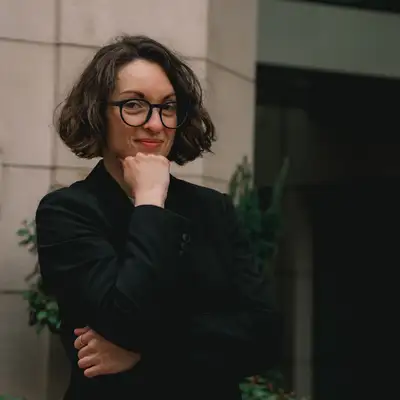
Magdalina Atanassova: This is the Convene Podcast.
Today, we’re exploring why friendship might be one of the most powerful—and overlooked—drivers of better business events, stronger teams, and more engaged communities.
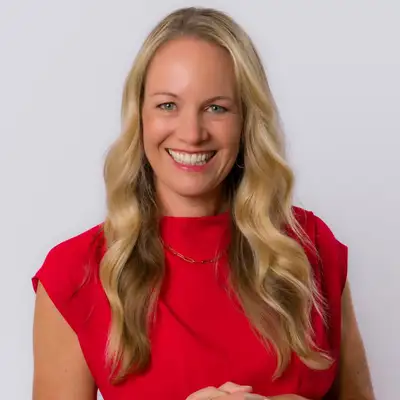
My guest is Business Events Summit keynote speaker Shasta Nelson, a leading expert on human connection, author of The Business of Friendship, and Chief Friendship Officer for the U.S. Chamber of Connection, whose work helps organizations build high-trust, connected cultures.
In this conversation, we unpack the science behind meaningful relationships, why loneliness is quietly impacting workplace performance, and how event professionals can design experiences that foster real connection—not just networking. We also explore the three conditions every relationship needs to thrive, and how events can become catalysts for lasting belonging.
We start now.
Hi, Shasta, and welcome to the Convene Podcast.
Shasta Nelson: How fun. Thanks for having me.
Magdalina Atanassova: You've become one of the leading voices on friendship and human connection.
What first convinced you that relationships deserve really to be studied with the same seriousness as leadership culture or well being?
Shasta Nelson: I love that. Well, back in 2008, it seems like archaic now to those. So long ago,
I started one of the world's first friendship matching sites. And it was fascinating to, like, just watch how I started realizing that it wasn't based on personality, it wasn't based on,
you know, getting the right match and needing to find the right person.
And started really realizing that our chance of building friendships came down to skills and conditions and that we could measure it and that there was, like, a way to actually accelerate how we connect.
I could be matching you up and just having you meet people ad nauseam. And that doesn't turn like, we have a harder time turning contacts into meaningful relationships. Most of us don't have a problem meeting people.
We have a problem getting to the place where we feel met by those people.
And so that was really a great laboratory for me for years to really study, like, who does succeed in building the relationships, relationships they want, what's happening here,
you know? And then a couple years later, like, the data really started kind of catching up and we started seeing just that, what a huge impact.
Like, most of us were lonely, and when we start seeing how lonely we actually were, it was affecting. You know, it's worse than smoking 15 cigarettes a day. It's worse than being a lifelong alcoholic.
It does more damage on our bodies than being obese. So it's worse than not exercising.
And so really when you just start kind of looking at the need,
and the need is huge. Like, in our workplaces, over 60% of us feel lonely on a regular basis. So the need is huge. The cost to us Individually and to our organizations is massive.
And then when you realize there's, like, a science behind how we can actually solve this,
all of those together, I'm just like, oh, my gosh, why is nobody talking about this? We need to be doing this.
It's a big deal. So, yeah, I've been passionately on this horse for almost two decades.
Magdalina Atanassova: Thank you for doing all this hard work, because I believe we've all seen this very cute video on social media where there is a little girl on a bicycle passing by another girl.
And the girl seeing the girl on the bicycle is just saying, hey, can I be your friend? And the answer I sweet, yes. And they just run together and play.
And I wish it was that simple.
Shasta Nelson: When we're grown up,
I know we overcomplicate things. For sure, we have all these other things that get in the way,
but in some ways, it's easier as adults. I know it's like we have way more ego and a lot more of other things that we didn't have when we were kids.
But when you think about, like, when anybody who has kids at home going to school, I mean, the drama of, like, feeling left out and of, like, she said, I wasn't her best friend anymore and he didn't want to play with me.
I mean, it's just. It's not always easier as an adult. We actually can have more skills and more awareness of what we can do to be more successful, and we have more control over our schedule.
So there are some things that come as benefits as adults.
So one of the things that I teach is when we look at all the.
Every study, every social study that's ever been done on what builds trust, on what makes a healthy team, what makes a healthy marriage. Why do you feel closer to this person than that person?
Like, all. They're all studying different things,
but all of them have three things in common.
And we can use different words for those three things, but every single thing we want from our relationships is a synonym of these three words.
An example of these three words or an outcome of these three words. And these three words are positivity,
consistency, and vulnerability.
And what came easier to us when we were younger was the consistency.
We had to go to school with the same kids. We had to share a cabin at summer camp. We had to play outside during the day with the same people on our street.
So the consistency was really more automatic for us as kids. And that's one of the reasons why it felt so much easier nowadays. You know, our best friends, we sometimes don't see more than once a year, we don't live near them.
This is one of the reasons why I'm so passionate about workplace friendships, though, is because the workplace is the number one place we are making friends as adults because it's the closest thing we have as adults to like, what we had when we were kids going to school.
And the upside is I always kind of joke from stage, like, we actually get to be paid to hang out with our friends. If we can build our friendships there in a way that benefits the workplace and our lives.
It's not, not a bad.
Magdalina Atanassova: Yeah.
Magdalina Atanassova: Now that you put it this way, definitely I see the overlap of school versus the workplace and I really connected when you said it's how we're being met,
it's not meeting people, but feeling that we're met where we are.
Shasta Nelson: Yes,
yes, yes. And that's honestly, that's where most of our loneliness is today. I often say, you know, I'll have reporters call me and they'll say,
ah, we have this loneliness epidemic. We read the loneliness numbers. What can we do to go make friends? And people? How do we go meet people?
And I always say, like,
most of us aren't lonely because we're not meeting enough people. We're lonely because we don't feel met by the people we know.
Most of us don't have a problem where we need to go know more people, we need to feel more known. Like, most of us aren't just starving for more interaction, we're starving for more intimacy.
And so that's not, that's not true across the board. So when we look at the loneliness data, if we can kind of geek out on the data for a moment,
I compared loneliness to being hungry. So we know what it feels like in our bodies to need food.
And we would say so if we use that as a metaphor, we would say about 20% of our.
Of our world is starving for lack of food. And so that's the same. So in that the metaphor is for we don't. They don't have enough interaction, they don't have enough social relationships.
And so, yes, one out of five of us need to figure out how to interact more and meet new people and hang out with people. But most of us,
two, three out of five of us, it's actually like we're getting enough calories, but it's not nourishing enough. So we would be socially malnourished and so we can actually feel full.
I often talk to, like, people who are in event businesses, customer Service, sales, healthcare,
a lot of them are actually peopled out and yet still lonely. And so it's kind of like eating so many empty calories.
We can just be stuffed and like, just need to come home and sit in a room all by ourselves and like shut the door and be in silence. And that does not mean that we're not lonely.
It just means we're not getting the right kind of social nourishment.
And so, yeah, when we talk about loneliness, it's important to kind of talk about it being a range that yes, for some people it is. They're, they're not getting out of the house enough.
Their world has shrunk from health issues. Like, yes, but most of us,
our health, our loneliness is coming because we aren't prioritizing a few people and feeling really close and deeply connected.
Magdalina Atanassova: I think that's a perfect parallel when you compare it to food, because we all can relate to empty calories and not nourishing our bodies the right way.
Shasta Nelson: Yeah, just to take that metaphor a little further, you know, in schools we would say that if you send kids to school hungry, physically hungry, we know they can't learn. And so we have a lot of programs in order to help me get food into schools.
And it'd be easy for schools to say, not our problem if kids aren't eating, like, we're here to educate them. But if you can't educate them because they can't learn because they're hungry, then we need to figure out a way to get food to them.
A lot of workplaces say to me like, I don't care if people are lonely. Not my problem. Like, they can solve that on their own time. But if you look at the data and lonely employees are more likely to have turnover.
They treat their customers worse. They, they don't have good patient care, they have more accidents, they, you know, we can just go down the list. They have less empathy, they aren't as creative, they're not as, they don't take ownership.
So yeah, when you want to like be a workplace and say, I don't really care if my employees are lonely, I'm like, well, that's costing you billions of dollars in our workplaces.
And what look like if we would see this as just as important of a need as hunger and food and say, what are the things, what are the minimum things I can be doing to help foster better relationships in my workplace?
Even if it's all self interested? I mean, even if it's like, I don't even care if My employees have friends. But I want better outcomes. I want more creativity, I want more engaged employees.
I want better customer service satisfaction scores. Like, even if it's all self interest,
I'm always like, focus on friendship.
Because, yeah, it is. The parallel to food is legit. It. I mean, it's a physical need we have. We're wired to need food, we're wired to need water, we're wired to need rest, and we're wired to need connection.
Magdalina Atanassova: Yeah, we're social animals at the end of the day.
Shasta Nelson: Absolutely.
Magdalina Atanassova: And I think that's why a lot of my guests here on the podcast are highlighting the importance of meeting face to face and how important events are, especially right now with AI with remote work.
After the pandemic, we know all the issues that kind of surfaced.
But meeting planners rarely are asked to design for friendship.
So why do you believe friendship underpins so many of the organizational goals that can be achieved if we were prioritizing at events, friendship, and not just, you know, learning, like you mentioned?
Shasta Nelson: Yeah, I mean,
so many things that come up for me there.
So when I go into an organization,
I always say a culture is nothing but the group's friendship with each other, the group's relationships with each other.
We can measure the health of any friendship. I can come in and do an assessment of any two people, and I can come in and do an assessment of the health of a department or an organization based on how connected everybody feels and what that connection looks like.
And when we talk about connected, going back to, like, the three requirements,
how positive does that connection feel? Does it have more reward than negative?
How safe and reliable and trusting is that? And that's built on consistency.
And the third one is vulnerability. How do I feel known? Do I feel seen? Do I feel like I can be myself? Do I feel like I can bring my ideas?
Do I feel like I can brainstorm things and be creative here? And so we want. We can measure. That's the cool thing about the relationships, is we can actually kind of come in and we can track this.
And so what's fascinating is when you're talking about a workplace, we can see, like, all the things that people want, you know, whether it's engagement or collaboration or retention. Like, those are all downstream from our relationships.
And so if we aren't, we need to, like, deal with the problem first and say, we, most people don't know how to build healthy relationships. We need to be teaching that.
We need to be modeling it. We need to be giving permission for it. We need to be Saying it's. It's okay to do that here.
You know, one of my big studies I did for the book I did called the Business of Friendship, and it's all about the workplace relationships. And one of the studies I did in there was,
how many of you have a best friend at work? And it was similar to Gallup's numbers, which is like about 20 to 25% of people say they have a best friend at work.
I then ask how many of you would like a best friend at work? And it's about 80 to 90% of people want a best friend at work. And then I ask how many of you think your boss or your organization wants you to have a best friend at work?
And that those numbers, like, plummet because we still have these weird feelings, like we're supposed to stop talking to each other if our boss is walking by. You know, like, we still have this fear that we're not supposed to be too friendly and have friends.
So we can see all, all the research. I mean, the research is solid, my friends. I mean, Gallup for over two decades has shown us that when we have a best friend at work, we are seven times more likely to be engaged at work.
And then there are so many organizations. My book is chock full. And there's more coming out of, like, the. The research of, like, when we like who we work with, when we feel like we have friends at work, it makes such a difference.
Like, we do not need to be questioning that anymore. We don't need to be having a conversation like, is it appropriate to have friends at work? Like, we've moved past that and we.
The convers we should be having is like, how can we do this in appropriate ways? How can we do this healthy? How can we teach and make sure that we're teaching the best behaviors and helping us all do this in a way that benefits everybody?
Like, we can be talking about the how, but we should not be talking about if anymore.
And, you know, events are interesting because then events are kind of like one of the last.
Like I said to the event professionals at the business event Summit, I said,
you're kind of like my favorite people because you're the last people on earth. I think whose like job it is is to like, actually for you're professionally paid to bring people together.
I mean, that's like the solution we need. There's so many other things where we don't know if we're supposed to be building relationships. We have questions about it, but events is like, where we get to Come together.
And it's like summer camp when we were kids. Like, this is the place where we get to spend do activities and have big late nights and early mornings and, like, run into each other.
I mean, events are like the mag.
So to me, events have. We have this incredible opportunity to maximize those events and to really name what most of us know.
I'm a speaker, so I'm all for, like, yes, let's have speakers. Let's have great information.
But we all know that at the end of the day, people come back to events for the relationships. Like, they're coming for the people.
That's what lights them up. And we know that if they leave an event and are like, felt kind of left out, felt like everybody was a clique, felt like they didn't really meet anybody, they're less likely to come back if they feel like they're building free friendships.
Like, they will want to come every single year. That is the stickiest thing we have in our event business is, like, helping them feel and that that can be measured.
We could be tracking differently. Like, I think about how many of our event evaluations are, like, tracking satisfaction or how great the speakers were. But what if we tracked, like,
how many people did you meet that you actually will follow up with at the end of this conference? You know, how many people did you see at this conference more than once, have more than one conversation with at the same conference?
How many people here did you feel like you met that could be beneficial to your business? I mean, like, what if. What if we actually tracked relationships and could give to our sponsors and to our organizations, like, the relational ROI of, like, this is what's happening.
These are the relationships that are being built when people come. I mean,
it's happening, but we could be so much more intentional about it. Sorry, I don't even know if I answered your question.
Magdalina Atanassova: You did, you did. It's perfect. I love it. And when you said, you know that. That we can track those relationships, I think,
at least in my professional path, and I've been in events for over 20 years now,
I think that's the one thing that everyone's trying to capture so badly.
Those important relationships made and how things evolved after that.
And I think now maybe with technology is becoming easier, but especially when I started learning about events, like, 20 years ago, it was like,
it's so cool if we could know that and know the. For example, those two medical doctors met at this conference, and then they figure out this cure for this.
Yeah, right. And then they became friends and like all the story.
Shasta Nelson: I love that. I love that.
Magdalina Atanassova: Yeah. I hope more event professionals are more strategic about it now and capturing it through data and all the technology that we have and all the apps and stuff.
I'm not sure, so I'm not implying anything, but I have to say that's.
Yeah, it's. Yeah, yeah. When you say it's like, yes,
has to happen. If it's not happening, it has to happen.
Shasta Nelson: Yeah, I love that. I mean, those would be the great stories to mine. You know, whenever I go into an organization to speak, so I get brought in to teach the science of friendship or like, you know, how we can build a culture that accelerates trust and wellbeing for everybody.
And it's interesting because I often will say to whoever's introducing me or to the CEO of the organization or whoever, I'll say,
would you be willing to get up and share about a friendship at work that has helped you or benefited you? You know, because helps set like that, that does more to give permission and normalizes.
Like, we all need friends. And if you would talk about a friendship that's been incredible for your career or a friendship that has made a difference to you as a leader, that's helped you be a better leader because you have this friend, like, start with like that.
And I think, like what you were just saying, wouldn't it be cool if we actually had people up on stage talking about some of the stories that have come out of the relationships they've made, you know, at these events and just start normalizing?
Like, yeah, I was able to write this book because I met so and so at this 10 years ago and it led to this, which led to this. But I love that idea.
That's so great. And I think we can, we just can model that so much more. I mean, we talk about relationships mattering, we bring them together. We kind of just hope it happens.
But we also, we often like network for people. Like, it's not conducive to real building relationships. We often don't talk about it enough from stage. We don't set the tone, we don't cast the vision, we don't teach it.
So, yeah, I think there's so many things that we could do to keep optimizing those. Those relationships. But I incredibly grateful for all the event industry professionals who are helping really bring us together and gather us, because we don't.
We may not be able to measure it all yet, but it is happening.
Magdalina Atanassova: So I have to ask, how did you model that from the business event Summit stage, Like, how did you entice the audience to open up and make friends?
Shasta Nelson: Yeah, well, it was, it was hard in that setting because I had 18 minutes.
So. But what we can always do, even in just whatever amount of time was what I loved is that I had the opportunity to open the conference, basically. And so when we can set that tone from the very beginning, from the stage where we can get up and say like,
a,
we all love relationships, B, like, this is gonna, this is an opportunity. You are here for a few days, like, just like lean into that.
I give everyone a shared framework. I like, it's. It does make a difference when we can say from the very beginning of an event, like, let's just acknowledge we all came here wanting to belong.
We all walked in this door worried, are we dressed right? Are we gonna fit in? Is everyone else all know each other? Like, anything we can.
Every single one of us walked in here and we want to feel connected.
So, like, here's the things we can do to feel connected. And so when I can help normalize that from stage, cast the vision for it, give the framework, give the research that just kind of makes sure everybody is like, okay, this matters.
That makes a massive, massive difference. But then if you have more time and as I did in the masterclass afterwards, we can actually do way more audience interaction. We can do Q and A.
I love facilitating speed friending. I did some speed friending, which is like curated, guided,
fun,
meaningful conversations and groups of three.
So I'm making sure in almost in every single audience that I teach and participate in that nobody's walking out of that room without having met three to four different people in a meaningful way where they're sharing stories and getting to know each other.
So, yeah, to me,
I'm not there just to talk about connection. I'm there to help facilitate connection.
Magdalina Atanassova: I love it.
Magdalina Atanassova: And what responsibility do you think event professionals have when it comes to, to really resisting, to manufacturing the connection?
Shasta Nelson: Yeah, I mean, I always talk about how we aren't there to like, force people, but we absolutely can set the conditions that make the biggest difference. And so we know what conditions make a difference.
And I, I can keep kind of repeating those, but we can take that, I teach it on a triangle. We can take those three requirements on the triangle and we can reverse engineer our events and say, okay,
positivity. So we know that people need to feel five pleasant interactions for every negative stressor or feeling that they.
And so, like, how do we want people to feel? And we can actually break down our events. Like I break down my events when I do like a retreat or like an off site, and I'll be like, how do I want people to feel when they arrive?
And I name the feelings, I want them to feel welcomed, I want them to feel safe and I want them to feel excited. And then I can reverse engineer and say, what can I do that would help people feel welcomed, safe and excited?
Well, they'll feel safe if they know where the bathroom is. If they feel like they're sitting in a comfortable chair, if they're really like those kinds of things, they'll feel welcomed.
If I've got, if I'm at the front door welcoming every single person in, shaking their hand, making eye contact,
if I introduce them to somebody, if I have them at an assigned table where they can sit down and feel like they're like, have a spot waiting for them, I can help them feel excited when I've got music playing when I get up and welcome.
Like, how can, like, so we can kind of start making decisions about how we want them to feel. And then at every step of that conference, we can do the same thing.
And so we, we're not forcing somebody to be excited, we're not forcing somebody to feel welcomed. But we absolutely can set up the conditions that help increase that, that possibility.
So we know how to kind of create positive interactions. And that's not just go have a party. It's like actually thinking, how do I want somebody to feel at that party?
And like, what am I doing to make sure that that's conducive? And then when we think about consistency,
I would love for conferences, like, I think a lot of us optimize for meeting people and for novelty and for kind of mixing. But we know that relationships take consistency.
We know that if we meet 20 people but don't remember any of their names, we're not going to feel as close as if we three people really well.
So what can we be doing to set up repeatable opportunities better at our events where people are seeing the same people?
I went to one conference where they, they actually grouped us into groups of five or six before the conference of all, we were all new people. And so we all got on a zoom beforehand and the five or six of us were together,
introduced each other. So we walked in feeling like I was part of a pod already. And with expectation was that we would sit together at the opening meal and the closing gathering together.
And so I already felt like had people to look for at the opening thing. So I never Walked in and was like, oh my goodness, I don't. Everyone knows everybody.
I'm the only one. But I immediately had a feeling of like,
belonging. And then it was designed where we were gonna be at the end of that conference together, sharing what our takeaways were and then setting up an accountability to follow up.
30 days if we were gonna do that thing. So that conference already set up at least four times where we before, after the beginning and the end where we were going to be seeing the same people.
Those people are still people I'm really close to today. So, I mean, we can do more to be thinking through of how can I create consistency for my people?
And then vulnerability is one that we often just leave to chance. And I'm never talking about just forced revealing without safety. I'm never talking about getting up in front of a room and embarrassing ourselves.
But it's like, what can I be doing where it's actually conducive for people sharing, you know, and so often we just have events where the music is so loud nobody can share anything.
And you know, or we. And so just be thoughtful about like if I know that first two people to become friends, they need to feel positive things. They need to see each other repeatedly and they need to get to know each other and have a chance to learn things about each other.
Positivity, consistency, and vulnerability.
What can I do differently to help make those three things happen better?
Magdalina Atanassova: I love it. And I need to say, by the way, I'll link to your book for everyone that needs to get more resources on what's to learn more and geek on the data and the research that you've done.
So there will be a link, quick link to get it.
Shasta Nelson: Awesome.
Magdalina Atanassova: Awesome.
So I wonder if you're advising an event organizer that's designing a conference from scratch or, you know,
maybe it's a. It's an event that's coming up in the next year.
What would you have them stop doing or start doing to help people live with stronger relationships instead of, you know, just more business cards or that empty chatter, you know, the room.
Shasta Nelson: Yeah, yeah, yeah, yeah.
Some of what I was just saying, I think, I mean, I think it would be stopping trying to just keep busy people busy all the time.
Like stopping kind of just encouraging people to always be constantly meeting new people all the time. I mean, there's some people who love that maybe, but for most of us, we're not going to feel close to anybody unless we're kind of bumping into the same people.
So thinking through how to do that.
And I think just, you know, I. An event planner. I have a big heart for event planners. Oh, my gosh. Yeah. This is our industry,
and they're. There's a lot. And so it's very easy to, like, plan the. Get the venue, get the food figured out, get the speakers. I mean, we all have that checklist.
And I often don't think we do enough to say, and then what. What are we actually doing for relationship building?
Because we often plan events. We just fill the schedule with fun and. And we hope that relationships happen.
And they do, and they do. But I do think that we could stop acting like programming and.
Or, you know, I don't know that stop so much, but it's definitely at least start treating relationships as important as we have, with safety and content and so many of the other activities that we do.
There's a lot we could do for relationships if we would stop and pause and brainstorm. And we don't even have to reinvent the wheel. Like, we know what works. We know what things we can kind of put in.
We. There's. There's enough great practices out there now. I noticed at PCMA that they had a new member orientation that for all the new members to come, like, those things are.
Make such a difference.
Such a difference. So it helps when we just think of, how can I move this large group into smaller groups in different ways that help gather them? How can I help them run into each other again and maybe follow up?
How can we do more at the end of our conference to increase,
like, what's your big takeaway? And to be sharing some of that and, like, find one person to follow up 30 days from now and put that in the calendar to, like, follow up on that.
Like, anything we can do that kind of helps give permission and sets the conditions for that kind of stuff is just so, so, so important.
I think it's kind of engineering more for repetition and escalation rather than just for, like, novelty and meeting.
Magdalina Atanassova: I love it. And I don't think that's something I hear enough from guests on the podcast or that I see being done,
designing for repetition and meeting the same people throughout the same event so you can strengthen relationships. So thank you for highlighting that.
Shasta Nelson: Yeah, yeah, yeah. No, I think we're more likely to come back if we actually feel like we made enough of a connection with a couple people that we will recognize them next year and that we will remember something, you know, and that takes.
That takes more than. And all of us. I mean, all of us are in events or in lives where we're meeting so many people and just having so many relationships.
So it's hard to be memorable. And the best way to be memorable and is like, start deepening a few friendships, you know? And so, yeah, we just live in a world and this is not.
This is not event specific. Like, this is just our world.
We have optimized for breadth and like, the more people we have on LinkedIn, the more people we know on social media, the more people we meet, we think our sales are gonna go up.
The more like we just are optimizing for the more business cards we can get that somehow. And that just isn't playing out that for our success or for our health or for our happiness.
And so I think really starting to not worry if we're not every single person at the conference. And instead we're so much better off. Like deepening a couple.
Magdalina Atanassova: I'm wondering after your business event summit session, what conversations really stayed with you after you stepped off the stage?
Shasta Nelson: After my masterclass, a beautiful woman came up to me, and I could tell she was very emotional. She kind of turned her back to everybody else so that they wouldn't see and was just.
Just like, teared up. Like, this is really. I did. I had no. She goes, I had no idea. I was lonely before today.
And, you know, my job is not to go around just like making people feel lonely. But I'm naming what is true inside of us.
And I think sometimes those of us who are so good with people, who have great people skills, clearly, and who are out there just surrounded by people all the time, it can be very, very easy to miss the fact that we are lonely and that we want more meaningful relationships and that we do.
And I think about the so many event planners and meeting planners and people in the. In the event business are so good at taking care of everybody else. Like, their whole job is just taking care of other.
Making other people's plans happen and doing all these things, making sure everyone else is comfortable, making sure everyone else feels supported, making sure everyone else else feels seen.
And who's doing that for you?
And I think to name that,
you know, so that conversation just is such a. That one just pops into my mind right away. Just knowing like, that when we're talking about this, like this matters. This is a subject that really, really matters.
It touches people deeply and just kind of shifts something inside of them. That one always matters. You know what the other thing that's so interesting is? I always ask at the beginning of every of every keynote, I always ask, like, raise your hand if you have attended a keynote or a workshop on friendship.
And like no hands go up. And I say on loneliness. And like no hands go up. And that's like I've, I go into HR audiences, I go into like hospitals and healthcare settings, which loneliness is the number one public health issue of our time.
Like, you would think that when I ask you if you've done a workshop on loneliness, like a lot of hands would go up. No.
Still to this day,
and which makes it a really fun subject to teach. I will say that my heart aches and I'm always like, I hope I'm not your. I hope I'm only your first.
And I hope that there's many more coming. But you think about how much we talk about leadership or AI or you know, wellbeing. And we all, we talk about these other subjects over like every single subject, every conference.
We have like one of those topics and to, to have people still not knowing how to build relationships and like the science of relationship, when this is like undergird, in my opinion.
It undergirds all those other things.
You can't be a great leader if you don't know how to build relationships. Like, you can't teach well being if you don't know how to like build relationships. Like, you can teach AI, but you don't want to teach AI without also teaching people how to build relationships.
Like, to me it's just, it's a very big missed opportunity.
And so when people come up afterwards and yeah, that's probably one of the other things that I hear a lot of is like, how come we never talk about this?
Why is, why am I 50 years old and this is the first time I've been taught how to build friends, you know, And I'm just like, yeah, like we have treated it like it should just come automatically.
And it did. For so many generations. We lived in the same place, we grew up with the same people. People knew who we were.
We didn't have to go make new friends.
But that is not the world we live in now. And nobody taught us how to do it differently. So all of us, it's to our benefit that we actually realize these are skills we can learn.
Like, this isn't something that you just have to leave to chance. You don't have to feel bad if you don't have the relationships you want.
It's not because you're not a good person. It's not because you're not likable.
It's fun to teach that people light up over and feel hopeful around.
Magdalina Atanassova: I agree 100%. And I just want to say to our listeners, no matter if you're part of an events team or you own an event,
always think of your event planners. Because event planning has. Is always in the background. It happens somewhere there. Somebody's taking care of everything.
Just go and ask those people how they are during the event. It would make such a difference for them,
really. It will touch them in so many ways.
Shasta Nelson: It will, it will. I mean, I. This is one of my big heartaches is,
you know, I'm often asked to come in and teach leaders,
for example, how to build connection with their teams, for their teams, or, you know, so it's often to come in and they want it for the roi for, like, how it will help other people.
And I'm always like, yes, everything I teach will be for that. But, like, first and foremost, usually the people I'm teaching are the people who are hurting and lonely themselves, you know, and so, like, why not just be direct and be like, let's teach it to ourselves and let's make sure we have the chance.
Because absolutely, some of our bestest professions, like just the people who are the most caring and the most busy and the most taking care of everyone else and the best people skills, those are.
I'm seeing. That is the profile of loneliness today. It is not this. You know, we have this picture of, like, this person who is awkward and doesn't have any, like, social skills and is like a recluse.
And, like, that's not loneliness. Like, that's just somebody's isolated. But, like, loneliness is like most of us. I always say,
how you answer the question, how loved and supported do I feel today?
How loved and supported do I feel at work?
And how we answer that question is like a reflection of how lonely we are. The loneliness is just means there's a gap. It just means that if I can't be, like, 100%, I feel so loved and supported.
Loneliness is the difference between your 40% and 100% or your 60% and your 100%. Like, loneliness is the hunger that isn't filled right now. And we're filling it with. We're trying to fill it with so many other things that aren't working.
Going back to the food metaphor, we can be malnourished and still be getting calories. We can.
We've gotta start looking and looking and actually asking ourselves, like,
how can I do this profession better in a way that I'm Taken care of and feel socially healthy.
Yeah.
Magdalina Atanassova: And I believe one of the ways we trying to fill the void is technology. Right. Social media,
all the ways we can connect now and we believe oh if I use my phone pretty much I'm connected so I'm not really lonely.
What do you think we're mistaken there for actual genuine connection?
Shasta Nelson: Yeah. I mean if that were going to
Magdalina Atanassova: work,
Shasta Nelson: if that were going to work it would be working already. Right. Because we're increasing our screen time and our loneliness is going up. So the two are not correlated. Unfortunately the studies are.
I will say they are.
There are some people who use a lot of social media and a lot of phones are reporting feeling more connected. There are. I'm not a, I am not a social media technology hater.
It's. It's helping resource and equip us to people that we wouldn't be connected to otherwise in really great ways.
But we absolutely do not see you know I, I view a lot of social media or a lot of time online as like eating potato chips. You know it's like fun, it's helpful, it's yummy sometimes but it's not.
We do not want to diet that consists of it. So we've got to figure out how to do the in person just still does something and this is where events is like So I just still come back to that like this is the one place where we are kind of given opportunity to just be like we get to just be together without it being a one hour lunch or a 30 minute Zoom and where we just get
to like be face to face. We get to play together. Play is so underrated. I just did a. My latest book is will be coming out next year and it's on the six points of connection and how we all need six different types of relationships.
The people who are thriving. It's only about 17% of us are thriving and we have six relationships in common. One of them and one of the most important ones of those six is not even.
It's not even like friendship in the traditional sense. It's people we play together. It's a community of play. So our pickleball communities or our opportunities to just go do fun things together like as kids that was what we did so well as play together.
Play is so underrated. So yeah when we conferences we get to come and play together and PCMA did that amazingly like all the activities that we did in Puerto Rico all the different activities and fun things that we got to go do the hikes and the boat rides and the parties.
And so playing together is so bonding. So, yeah, we've got to get together. It's hard to do that on Zoom or just on phone calls. So getting in person really, really matters.
Magdalina Atanassova: Imagine we're having this same conversation ten years from now.
What would have to change for you to say that we finally started treating human connection as a strategic priority rather than just nice to have?
Shasta Nelson: Hmm.
Well, I mean, in the event world, I think we would be tracking relationships the same way we track or in organizations at the same way we track safety and wellness.
We have metrics for those things. We measure those. We want the accidents to come down, you know, and so I think we could start kind of actually seeing it as putting it on our dashboards, seeing it as a priority,
budgeting it as infrastructure, rather than just kind of perks planning it as the central thing, as opposed to, like an after afterthought of, like, oh, and then we probably should do an activity where they get to know each other, but, like, actually sitting down.
I mean, I. I used to have a dream. I. I don't necessarily anymore, but I used to have a dream of, like, I want to be the person that comes on teams and just brainstorms how to redo this conference for relationships.
You know, I just think, like, that. I think if we were to sit down and actually be like this, if we were. If this were the most important thing, let's just pretend it is for a minute, what would we do differently?
Like, to me,
that was. That would be a fun conversation to have.
And so I think, like, down the road, I think we're going to just realize more and more, especially as AI and as technology and as we're on Zoom more, I mean, we.
We. You know, during the pandemic, during, when Zoom, like, I think we all kind of thought, well, maybe we're just going virtual events, or maybe it's just going to be, now that we have the technology, why get together in person?
And it's just made us want to get together in person even more. So I think we're going to see that. I hope we're going to keep seeing that, where the more technology advances, the more we realize, like, what's been lost and what we can help rekindle and what we have to do differently.
Like, we can't just keep doing the same thing and expecting different results. Like, we know better now. We know what builds relationships. We know how important they are. Like, the science is irrefutable.
So, like, let's actually start pretending we believe it let's trust the data and let's actually redesign our workplaces and our events with that in mind. So I'm hoping that 10 years from now, like, when I go into an audience and I say, how many of you have heard a keynote on friendship or a training on.
I mean, I'm hoping that everybody's like, oh, yeah, we hear about it at every single conference. Like, that would be my dream.
Magdalina Atanassova: And maybe,
just maybe, we'll stop hearing that loneliness is an epidemic globally and one of the biggest issues that we have currently.
Yeah, maybe that would be a good indicator.
Shasta Nelson: It would be. It would be if we could start seeing those numbers come down. And here's what happens when the. When the loneliness comes down.
Like, when we are lonely, we have less empathy. And you see that happening in our world right now. Like, oh, my goodness, who wants to live in a world with less empathy?
When there's high loneliness, we are. We see threats more. We walk into a room, and if we feel lonely, we feel. We walk into a room and we see, like, all the things that could go wrong and all the people who aren't smiling at us, and we view everything as negative.
Whereas if we feel connected, we walk into a room, we see all the opportunities, we see all the safety, we see all the smiles. Like, we have the science to know when we feel lonely.
Like, one things the of one of the psychology 101 classes that we took when we were in, like, freshman year of college was like, you stand at the bottom of a hill with a weighted backpack on, and you have to estimate how steep the hill is.
And if you're standing by yourself, you estimate that hill to be steeper of an incline than if you have a friend standing next to you, you guess it to be less steep.
Like,
don't we want to live in a world where people see hills less steep, where people recover from stress faster, where people have more empathy and more compassion, where people are more hopeful, where we trust more.
So a lot of people are just like, I don't know if I care about loneliness. And I'm like, if you, like, want a world,
a workplace, an event where there's joy, where there's peace, where there's connection, where there's satisfaction, where people feel safe, then you absolutely care about loneliness.
I don't want to live in that world any longer than I have to. So, yeah, if we can reverse that number to your point, like, we would all benefit in huge, huge ways.
Magdalina Atanassova: Ways,
absolutely.
Shasta, thank you so much for being on the podcast. And sharing some very important insights with our audience. And I hope we've just sparked a few ideas through your insights to our event professional audience.
And now we'll see more friends coming out of events. Who knows?
Shasta Nelson: Yes, please. And thank you for having me. And thank you to all of you who are listening for the incredible, beautiful events you're putting together and the way you gather people and provide for people.
Thank you. Thank you. Thank you.
Magdalina Atanassova: Yes, I'm joining the thank yous.
Remember to subscribe to the Convene Podcast on your favorite listening platform to stay updated with our latest episodes. For further industry insights from the Convene team, head over to PCMA.org/convene. My name is Maggie. Stay inspired. Keep inspiring. And until next time.