Subscribe
Share
Share
Embed
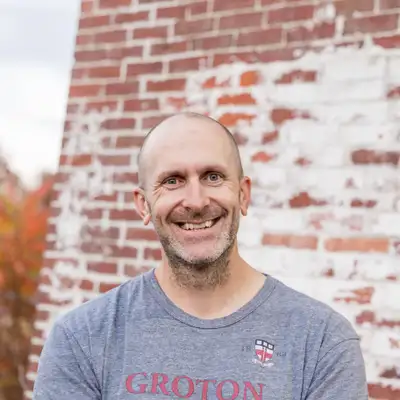
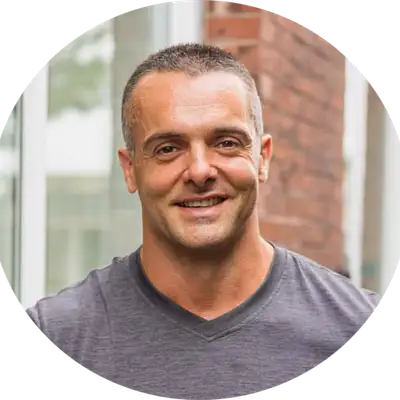
Most people don’t need more motivation. They need a different approach. Hosted by Gary Donia and Peter Brouillard, Different Life draws on years of experience helping people navigate pain, movement, recovery, and performance — but the conversation goes far beyond health alone.
We talk about:
• Strength training as a life skill
• Back pain, mobility, and injury recovery
• Pelvic floor health and durability
• Sleep, stress, hormones, and energy
• Performance and longevity over 40
• Discipline, habits, and identity shifts
• Parenting and modeling health
• Relationship-based healthcare
We discuss these not as isolated topics, but as part of a bigger question: What does it look like to live differently, not just try to live better?
If you feel stuck in patterns that no longer fit who you want to become, this show is for you. Because better often keeps you in the same cycles. Different changes your trajectory.
Gary Donia (00:00.558)
All right. Hello and welcome back to different life. So buddy with Peter and Gary. Yeah, let's go. so we were just talking before the show started and it actually, without knowing it, we were having a conversation about what the show was actually going to be about. The show's how prevalent it is. Yes. It just shows how prevalent it is. we're discussing how we're in the process of buying two new computers and we're adding two new employees. We're adding two, two more employees, two new computers should be easy enough. We've already bought these
same computer, we have the same, we have ThinkPads, and should be easy, right? Was it easy, Peter? No, so I went on last night and the thing that I wanted to buy wasn't available anymore and then the model that I wanted to buy, well, I had to go research it because there's literally like 100 computer choices. It's so stupid. I just want something to do the thing. It is also not slow. Lenovo, if you're listening, please. I know there probably are. Yes, of course.
is probably listening to our show. please, like, you don't need 100 of anything. Like we just recently bought a car. Right. And I know like you did as well. there's this process of like, hey, there's, there's a million models. So we bought a Subaru. So there's all the different Subarus. And then inside of each of those models, there's like, there's all the different things. There's a premium and then there's the adventure series or the whatever. And then even inside of that.
Oh, is there subcategories? Yeah. So we bought like a Subaru Forester premium. I should be done at that point. No, no, no. Would you like the sub package a one two or the B is like, I don't know if a Chinese food menu. I was like, I don't freaking know. What is that? Well, well, you like you get the thing. Well, it will automatically stop if you're about to like run over an old person like backing up. It's like, okay, well, that seems important. Maybe I should get that. But there's so many like it just I just want the car. Give me something that gets me from A to B.
safely with like four wheels ideally and and like just be done with it and then last but not least please pick out a color one of like 14 choices of colors like my god same thing with the computers right so so what in in the end did you buy a computer no i didn't buy a computer because i didn't have enough time i had to go to bed like you got overwhelmed yes like you were like annoyed i have to wake up at four in the morning i had to go to bed and you were just like i'm done with this it was going to be the last half an hour of the thing that i wanted to do and it just
Gary Donia (02:26.766)
took me way longer than I thought. And I'm like, well, I'm not just gonna make like a snap choice. So I need more clarification. So I went to bed, so now I have to do it again today. Yeah, it's frustrating. It's so annoying. All these companies giving us so many freaking choices, but then that leads right into what I wanted to talk about today, which is this concept of more of less. So I actually heard somebody make this sort of phrase recently. I just like the sound of it. We often talk about like, I like to live simply. At least I think I do.
I think I probably don't. think you hold on. So you said this before the show. I think that you live simply in your personal life and I think that you don't in your work life. I think I live simply in some ways, right? So for instance, hate clutter, right? So my house is very much like free of clutter. Like we don't like we don't we're the opposite of a hoarder. Nothing's on the counter. Nothing's on the counter. Like we don't keep things like we're not using it. I'm constantly getting throwing stuff away. Like I have no like emotional attachment things like if we're not using it, it no longer needs to exist for the most part. I mean, there are some things that
you know, like our kids' jerseys from when they were little, like we hold on to some of those things. But like for the most part, like if we're not using it, it's gone. So I think I live simply that way. think Those are things. Those are things. You also don't live complicated in your personal life. Like you don't have a whole host of array of things that you're doing that are different from each other all of the time. Like you have these big buckets, right? Yeah. Do you spend your time with? Yeah. I feel like that's fairly simple. Like that's not complicated at all for the most part. For the most part. I think I do sometimes overcommit.
like like my time your personal time? Yeah, like I people asked me like just recently, our friend Lindsay reached out to me via text and was like, Hey, my kid, she has a younger sons. We're looking for somebody to run like a pitching clinic. You know, we thought, you know, would you be able to do that? And my first instinct is like, Yes, I would, I would love to do that. Because I like to teach pitching and stuff. But then I after I texted back like that answer, I was like, where on earth am I going to put that like in my schedule of things? So I tend to overcommit, I think from a time perspective, which I
Like I long for the days. Like when I watch like a show from like the fifties or something like that, like a TV show, or I see, like we were just in Nebraska and I see these simple farm towns where like these people basically live on their farm. They work on their farm. Their life is the farm. They don't really go anywhere from the farm. Like it's everything that happens on this one farm. I'm like, or the other day we were talking about little house on the prairie, like the show, little house on a prayer where they used to like bring eggs to the market.
Gary Donia (04:53.134)
And in return they'd get like fabric. Yeah, you know and they go harder system Yeah, like a bar like I kind of long for the days of like that just simple is way less Just way less of everything. It's like 10 % of what we do today. Yes. Yeah, it seems so great I'm sure they had their own I think intuitively most of us believe that to be true Yeah, I mean I you know you make fun of me for this but like I'll do the thought experiment like if if I could have all of the wonders of modern medicine like not dive infections and pneumonia bacteria things like that, yeah, but live and like kind of like a
like a hunter gatherer society where, but because it's like simplistic. You're moving a lot, you're eating real food, you have community, right? Like those are the foundations. Those are like all your favorite things. Yeah. And like, but it's simple too. Like there's not a lot there. Like I have a job, right? I'm going to go catch some shit or I'm going to pick something. That feels simple to me. And it also, but I think that it's easy on the mind. I think our minds get too scattered. I agree. So what do think happened? How did we end up with? So, so we'll give a, we'll give like a counter point to both of us. Cause we both.
I think we both seek that out and we both think it's amazing. However, we're really kind of shitty at executing it like here. Like at work. Like here we do more and more. We just keep doing more and more and more. There's always ideas. There's always like ambition, adventure. What's the new thing? Cause that's like. So why do think that's different? Why do you think it's different in our work life? not because if we both say that we want that, why do we not want it here? But we want it in our personal life. Like what is like, we've even tried to put self limiters on it.
on each other because both of us tend to jump at opportunity. Yeah, the answer is yes. Right. Right. And then you figure it out. I think we're both pretty good at that. But it's so it's fun to do it. Right. Yeah. And I think in the moment, it's hard to say no to the thing that your brain knows is fun. But then over time, what happens is like, it's like, it's like mental clutter, right? So like, so you do a great job at like, and we do a great job here of keeping like the place not cluttered physically. Yeah. But like,
When you accumulate so many tasks that you're beholden to, or you have so much going on all at once mentally, it's like mental clutter. And then you're scattered in many directions. And then it's hard to do anything. And then you get, you kind of get lost in the minutia and it's like the whole multi-tech, the plague of multitasking. Which like doesn't exist. Like scientifically speaking, like the idea of multitasking, can literally only do one thing. You're doing many things, not as well, all at the same time. Right. And you can literally only do one thing at one time.
Gary Donia (07:17.218)
No matter what you think you're doing, you say you're multitasking, but in that, like right now, we are podcasting. If I were to like look at my computer right now, to like do something over here for like, for the recording, I'm no longer really paying attention to you, which does happen sometimes during the show. Cause I have to like do that. There's literally, it's impossible to do both things at like once or do them really well, but literally one thing has to happen at a time. One thing has to be the front of like your attention. And so.
So in the end, know, that it creates like, you know, multitasking doesn't like exist, even though many people thrive off this idea, like, I'm a multitasker. They write it on their resumes and they do all of that. let's, let's do a thought experiment then in real time on this business. Do you think that this business would help more or less people that would have a better service if we, if we took our own advice and what this podcast is, and we actually, we actually did less and put more of that.
more of that one thing that we're good at? Or do you think that the direction that we're currently going in where we have a new pelvic health center, we have a new podcast, we have like a new meeting room, we have this like new space that's coming up, we have like an intern program starting. So what do you think about that? So I think all of those decisions were always made through the frame.
of is this like the best thing for the people, right? Even though it complicated our lives a little bit. Like, is this thing going to help our people in anything? And is it something is it still in line with the things that we do really well? Like, for instance, at one point, I think you brought up the idea of like, maybe like a massage therapist or something like that. And I was like, No, that's not that's not who we are. Like, that's not what we do. Right? Like we want to stick with that's not what we are experts. Like we are experts at physical therapy, personal training, and whatever. And so as long as everything that we're adding,
Right. Is in line with like, what are the, what's the thing that we do the best and does this new edition like do that and do it better for the people that we're trying to serve. you think that we're doing it too fast? Well, I think there's a difference between doing more and doing it too fast. That's the, no, I don't. however, I think like in our case, we were, we've done selectively more and it's been in line with our, our values.
Gary Donia (09:37.431)
opportunities are presenting themselves. just in terms of like, for instance, for our own personal mental health and our own personal satisfaction fulfillment, genuinely. I'm significantly mentally more strong than you. I know you believe that. You tend to stress out a lot more than I do. mean, so we're going to equate stress to strength? Because you have to like, I gotta pay the bills. I have to pay people for money.
I'm responsible for employees. equals weak. Oh, is that what it is? This is highly rude. Hiding your stress is strong. It's very healthy. Emotionally resilient. I don't really get very stressed out. I do, when I feel like there's too many decisions to be made. All at once? Yeah, all at once. If there's too much to decide at once.
Yeah, like I was like that, the idea of decision fatigue, right? Like I was talking to one of my clients recently and she said the same thing. She's like, I have so many decisions to make. I you actually witnessed part of the end of this conversation that she literally can't like she just like tries to and then has to stop because she can't. It's like overwhelming. It's stressful. The brain goes on like sleep mode. It can be literally about like, what should I eat for dinner? Yeah, she like can't make that decision. Right. And so and I think for us, if we ever get to that point,
with the business side of things because we tend, this is not simple, right? This certainly is not simple. Although it's not overly complicated. I think, for instance, going back to the Lenovo example, again, if you're listening, please get rid of 97 of your 100 computers and just give us three choices. High end, middle end, low end. Where do I stand? Yeah, right. Just tell me where, who is this for? Is this for the graphic designer? Great, that's not me. Is this for a business?
So if this is personal, like just basic use, that's awesome. That's for somebody else. me that. I wonder if they went with that business model if they'd sell more because more people would buy. 100%. They've done studies on this. I think I've told you about the study. at scale though, cause I just wonder like they're such a big company. sell to so many different niches. Yeah. I still think they would sell. probably sell even more. Like I told you that study about the jam or the jelly that they sold outside of like the grocery store that one time. And then there was, there was the one, the one time they did it, they had like a hundred choices.
Gary Donia (12:03.254)
And it was say $5 for each jar of whatever and they sold whatever they sold. Then the next week they did the same thing, but there was three. And they were $10 like each one. They sold not just dollar wise more, they sold more overall jars of jelly. sure. the three choices. their revenue. Yeah, because so many people walked up to the table and were overwhelmed by the hundred because they're trying to taste each one and figure out which one to like. And then they ended up just like walking away.
Whereas when there was three choices, let's just call it strawberry and grape or whatever, right? They're like, I love the strawberry. Let me have that. And they would buy it because there was less choice and less decision fatigue. And therefore they would make an actual decision. And so I think, I think in the same case with like these computer companies and stuff, I think they like over, I think they overshoot. I think they're trying to please everybody. Just focus on like the things that you do really well, make a really great product, a great computer.
and make my life easier and I will pick one of those things and that's like super easy for me and so I know, well I'm blanking on who it was, there was a famous like executive or CEO, I think it was Steve Jobs, like it is many of the times, when he returned to Apple, the first after he, because he found, you he started Apple, then they kicked him out, then they brought him back. When he came back, the first thing he did was wipe out like 70 % of the products.
He's like, are, we're trying to do too many things. And we kind of stink at all of them right now. Let's just focus on the three that we do really well. And that was the iMac at the time. And let's go from there. And then they've added, you know, obviously things from there, but like the original premise was like, let's just, let's make this super simple and, and do it really, really, really well. And I think going back to our business, even though we're making all of these, like we have a lot going on right now, right. It still falls in line with essentially like,
the three or four things that we do really well, which is physical therapy, personal training, health coaching, right? it's like those are the services. That's the services. And even though we're adding rooms and we're adding square footage, and we're adding people to those, it's those things. So we haven't really left that like we've kept it simple from that. Like this is the part, this is the product. Like we don't do like you said, massage therapy, we didn't add Pilates, we didn't like, we're not trying to become like a giant wellness center. We don't have
Gary Donia (14:22.56)
nurse practitioners giving you like IV, whatever that thing is, IV therapies, or we're not doing peptides. Like we were sticking with the things that we do really, really well. And I think that's why we've been successful. So I think we're a little busy right now, like a little clutter because it is happening fast, but we haven't left. I also think that we're like that because we're trying to solve some of the problems that we find ourselves in, which is like square footage and so on and so forth, which is what, you know, part of the hubbub and you know, right.
Anyways, so after talking through it, I would say we're still doing we're still more of less like our less we're three things. If that's how you define it. so what our offerings are for the most part, right? There's a lot going on. Everything is like in line with that. But I think, yes, I think this probably applies to our people to write the people that we work with. Like what do you encounter when when people come to you as either personal training, or health coaching or what especially those two, when they're trying to get going on something or it's the instinct to just
They want to like do all of it at once. the interesting for most people is to find out all of the information because if you think that you have all of the information that everybody tells you, then you'll know where to start. But I think that does the opposite now because the people that come to us aren't experts in the health and wellness field and not experts in how to train themselves. mean, can search the thing, right? But I have Instagram, Peter. Yeah, they're experts. And that's the thing is you get all of the opinions of all of the people that have, that are all very different in various ways.
And then so then now you have way more information than you need. So let's, let's, let's go back to your hundred jellies. Now you have a hundred things floating around your brain that you think, okay, I have the information. These are the hundred things that I should start working on when it comes to like losing weight, for instance. Right. But then it's so overwhelming. You start to like, maybe you like try 10 things, but you don't actually understand because you're not an expert as to like what the foundational like things that you should work on are that will give you the most.
like the most results. Yeah, it's like that like 20 % to get the 80%. Yeah, so you're focusing on like you're putting a lot of effort into this thing that gives you maybe 1 % of the results and then this other thing gives you 3 % of the results, but you miss the foundational the one foundational element of losing weight. You don't really get that one right. And so then so overwhelming you do so many things at once you try to make the change. You don't get the results you want three weeks later. You like you're overwhelmed. Your kids are like you know not getting the care they need because you're trying to focus on yourself and you're not getting the progress.
Gary Donia (16:50.188)
And then so it all goes away because you can't make it work because it's too much. There's too much information. There's those funny like Instagram videos where the person will come on and be like, okay, so like I'm getting like 200 grams of protein. I'm taking creatine. I started like, you know, peptides, I'm taking estrogen. I'm like, you know, doing that. They list like, you know, 14 things and they're like, okay, like what do I do next? And they forgot to exercise. They're just like, okay, well what.
you know, I've done all the things I'm doing zone two cardio, I'm doing this and there's like, clearly that's not even sustainable to like do all of those. There's too many things. And in general, I would say like you layer the cake one change at a time. Like it's really difficult when you don't have the habit built around a certain thing you're trying to change to change more than one or two at the very most things at once, because you'll just do them worse. It's like the multitasking, right? You won't do them as well. And what you're really trying to do is you're trying to pick a thing
to get better at, do that for a while until it's a habit, and then now you stack that. Now what's the new thing, right? But again, the problem is if you're not an expert, you don't only once you've mastered that thing. yes. And so for weight loss, for instance, what's the one thing? Is it's like, well, eat real food. Don't over complicate it. Be honest with yourself, have some accountability around it. Are you eating mostly real food seven days a week? If the answer is no, then you should probably start with that. And then everything else.
can be farther down the list because it doesn't do as much for you. But what about, so the person does that, and they just feel like they're not doing enough, in the sense that, okay, all I'm doing is eating whatever, vegetables, or I don't know, what is real food? Chicken. Meat, vegetables, fruit, and nuts. Snickers. Snickers. Because I love those.
Could you understand why somebody would feel like, okay, well, I know I'm supposed to also be exercising. Like this guy's an idiot. What's he talking about? Like, I'm gonna do this for how long? I'm wasting time. Like I'm wasting, like this guy's, what's he talking about? You know what mean? Like how do you get them past that feeling of like, I'm just not doing enough? So we are inundated as a society with the need to change now and not the understanding that change takes time and real change that's sustainable takes even longer.
Gary Donia (19:07.982)
And so you must so the huge buy in is I try to get all of my clients to really understand that they have to focus on like, what's the one year approach? Where are going to be in a year? How do we slowly improve our habits over time? So in a year from now, we're in a very different place. Not next week, not next month, not even three months. So far away. Yes, but it's not on the grand scheme of your life. A year is nothing like seriously, if I said to you, like in a year,
we're gonna wave a magic wand and you're gonna be a totally transformed human being, you're like, well, I'll take that pill. Unfortunately, it requires the work, but the timeline is still the same. In a year, you're still gonna be a year older. What you do with your time right now decides who that person is. So like, might as well get to work on it and get to work on the foundational things and let it go slow because slow is permanent. So the person who's listening right now who feels like overwhelmed.
who feels like they have too many things going on, who like feels like out of control or like they can't make decisions or like whatever. Like what's a good thing, like what's a good thing to do? Like, like what would you do if you were that person? Right? I didn't know where to start. Right now it doesn't even have to be on like losing weight or like health or whatever. It's just basically like you feel like in your own personal life, there's just, you feel like there's just too many things. You have more of more, right? And you want to get to more of less. Like what would your process be of like starting that?
like getting more of less. Yeah, so I guess, and I tried this in my own personal life, my process would be, well, because time is finite, you only have so much of it's like a budget, you can only spend it on so many things. And if we get if we get pulled too thin, and we're spending too much time on everything, then we're not really getting enough of the thing that we're spending time on. So I guess what I do is, is I take an audit of my life, and I look at a day and I say, what am I spending time on every day? And then how does that go for the week? What am I spending? What categories? What giant categories domains as they say,
are you spending time on? Right? So for me, the ones that are the most fulfilling are like my family and friends or my social life, my physical activity, like how's my physical health and then my job, right? Those are the three buckets that I spend the vast majority of my time in. And then so, so then I can categorize those three things and say, well, what inside these buckets are the activities that actually help those things be the most fulfilling? Right? Do I love my job? Do I love my family and friends? Do am I functioning at my best?
Gary Donia (21:32.407)
And so then really then it's just teasing apart like, well, what can I throw away? Like, I bet you there's so much bullshit, there's so much clutter in my life that I'm spending time on that isn't actually serving the purpose of improving those categories. So if you can peel away first the bullshit and then spend more time on the substance, that would be my process if I were to take an audit. Are you aware that I have been attempting to help you do this at work?
in my own Gary sort of way. By making fun of me and bleeding me in front of stuff. How dare you? By shaming me. I never do By shaming me into compliance. Like when you post something on a channel and I say, please get off this channel and I do whatever. So I'm aware. So what I've learned since starting here is when you and I were here together and we're just the two of us, right? We both were very involved in everything.
Because it was just us. You have to. We had to be. We had to know every like thing that was going on in the business in order to get things going like the right way. So whether it was the finances or the marketing or the social media. We wear all the hats because you do all of the things. Right. So but as time has gone on, I became acutely aware that I can no longer like I could no longer do that and do some of the other things really well. So there had to start to become this differentiation of roles. Sure. Right.
people own other like people are responsible for this task, this role. So I basically removed myself from like, say, finances. I trust you to do that. I don't need to know. I like you, you fill me in periodically at some meetings, whatever. But in general, I'm just like, okay, that's, Peter's got that. Like, I don't need to be involved in that. In fact, it's like, you know, too many chefs in the kitchen, right? Like, Peter will handle it, you have a sort of an outside advisor that you work with, obviously, some accountants and another one of your friends. But so there's other people that you're doing that. So that's like your thing.
when it comes to more or less interviewing and hiring people, it's your thing. Like I don't need to be a part of that. Like I like to know what's happening. I like to like, I might say hi to the person and give me my like two minute read, which is usually dead on. But like, I don't need to be part of that. you're lazy and you want to spend time. Nor can I be part of that. Right? So there's things that I was like, okay, I got to get it. But then I started noticing, I was like, he's not doing the same. Like he's having trouble because it's your business. Letting go. totally get it. And you want to know like what's going on and whatever.
Gary Donia (23:51.471)
that you had trouble sort of like letting go of some of the things and that you were getting overly stressed because of it. Because there were so many decisions. Because if it's too much, yeah, again, it's the bucket of time. You only have so much of it. And then you can't do things well or it starts taking away from like your personal relationships or your time for like physical activity or whatever, right? And so what I started doing was in my passive aggressive whatever kind of way was like kind of
pointing to situations where I was like, P, this might be a good time for you just to like, trust us and let us do it. Yeah, like we have it like it's under control. We will give you final say like we just recently came up with a new logo for the pelvic health center. Yeah. The team of people worked on it for a while. And then it was like, here you go, Peter, because you should know it's your obviously it's your business you should have, but you don't need to be involved in like the 10 hours that led up to that.
Right. That's 10 hours. You should be doing something else. You don't need to be involved. You have to trust the people to do it. And then, and then you look at it and say yes or no at the end or hey, what about these ideas like you like you did? Right. And so, so I've been like trying to identify areas of the business that I feel like, okay, he needs to like, and other people can step up into the responsibility. Yeah, now we're identifying other members of our staff in addition to the two of us that can also take over certain things because we want them done really well. you and I can't do everything.
And so we've had to do that. And I find at least I don't know what you find that I feel significantly better about like, what's going on right now in terms of these things are all getting done. They're getting done really well. Our team is kind of getting done in categories that have no input directly from myself or in some categories from you, right, because they're taking the ownership and the lead. Right. And so the answer is yes, I've noticed I appreciate it, of course, as always.
But I would also say that delivery could have been better. Yeah, it's just you. It's who you are. I only expect so much from you. But the people who but what I've noticed too that I'm finding so much joy from is that the people that we are asking to do these things are really enjoying that process for themselves and they're taking a lot of pride in it. Sure. And they're stepping up to the plate and they love having a greater role in this company. that's man, what else can you ask? And that creates like more satisfaction for them. I think in the end,
Gary Donia (26:08.642)
because we've simplified it and we've taken it away from ourselves and we're giving them things but not too many things. So again, more of less, right? Like we're doing less. But more is actually getting done. Like as a whole, we're producing way more. We have felt the acceleration of expansion for Correct, like we have the podcast but we have somebody who helps us with the marketing of the podcast. have YouTube channels and Instagram, we have a TikTok, we have all these things, we're producing a ton of content. A lot of it's happening without you and I.
Yeah, actually being involved. And so we're creating more, we're creating more, you know, we're creating more space, we're creating more staff, we're doing more, more, more, more, more. it's actually like, sort of with less of like our time, but like the product is overall better, we're creating more. I don't know, it's not like, it's not more of more, but it's like, it's like, if you learn how to, how to delegate that out a little bit, like in parts of your life, that you can still accomplish a lot.
but you don't feel like you're taking on more, right? So you feel like less cluttered. also delegation is a skill. And also like, again, it empowers people when done correctly and sort of you're not telling them what to do, but you're asking them to be a part of the process. And oftentimes people love to be asked to step up, right? And they will do it if they're asked. So that's great. Right. And so I think it's been a good lesson for us of like allowing the company to, you know, or just in our own personal life, like when we start to feel like,
it's becoming too much and we're not producing good quality stuff or we're getting overwhelmed and we're not making decisions. Because I think the other thing just and we'll use the company again as the example is I don't think like if we hadn't started doing that, I don't think we could have made all these very rapid decisions that we just made in the last like without without something else suffering, right without something else suffering or we might not have been in the headspace to do that because they were overwhelmed with like, my god, we're gonna like add another person gonna add
How are going do that? We can barely keep up with what we're doing now. Because I think we have felt like that before. Like you and I have felt like that before. Like can we even do this right now? Who's going to do all of this stuff? Who's going to do the work? But now we know we have people that can help us and do that. And we're trusting them and we're offloading some of that stuff. That we can very quickly make those decisions knowing that we have the systems in place. We have the team in place. We have all the stuff that allows us to continue to expand and grow without feeling like we're doing more and more. that's great.
Gary Donia (28:26.072)
So I say overall in general, like again, so for anybody to apply this to their life is maybe so that you don't overwhelm yourself, start with a category. What is our category that you find fulfilling in your life? Identify it, take some time, sit down, say, what are the things in this category that I currently actively participate in? Don't bullshit yourself. List them all out. And then what things in there now separate them out into like, well, what things are actually fulfilling for this part of my life? Let's say it's like, let's say it's family and friends.
What are the things that I do that negatively affect this category? Well, be honest with yourself. Can I take out the negative things? Do I have control over this? And then great. And then can I spend more time on the things that actually lead towards a fulfillment in this category better? That's how I would do it. I mean, I it's a great place to start with time. I think I know one thing that always makes me feel better is just getting rid of stuff. You know, like just cleaning up an area or
or getting a dumpster or just donating to Goodwill. Anytime I can remove something from my environment, it gives me like mental peace of mind. So when I'm feeling my most overwhelmed, even if it has nothing to do with that stuff, right? And maybe it's just like, I have so much going on here, I'll find myself pacing around the house.
just trying to find something to get rid of. Right? I'm like, okay. It's your piece. Yes. It's like, it's like, it's almost like a form of like meditation or something for me. But that feeling of removing clutter, removing something from my life gives me like just a little bit of like peace that I can then.
move forward with whatever the thing is that's really my hang up, which is usually like I'm trying to make a decision or get something done. But I feel like that helps me. maybe that could be applied to anything. It doesn't have to be like actual physical clutter. could be anything that's clogging up your life. You feel a release from the pressure that it brings you because it's unwanted. I most people can find something to get rid of, whether it's physical or something that's taking up their time or whatever, right? Like there's something, or if you're trying to do too much on like your health and wellness journey.
Gary Donia (30:20.302)
If there's too many things and you're overwhelmed, pull it back and go just to the most simple, like the simple core of it. Like I just have to like eat well and move. I just stick with like that. Find a way. It can just be a walk. doesn't matter. And it doesn't need to be five days a week. Just start with something. Right. And it doesn't have to be like, don't do cardio. It doesn't have to be strength training. doesn't have to just freaking just start with moving and start with like eating well, like whole like real food.
And that's going to get you most of the way there. And it's simple. This blow people away, but the actual program that you do like in the gym is the most is literally the like one of the least important things. Like the actual, the actual exercises on the paper are probably like one of the least important things. Like that is not like sometimes people think I got to get the perfect program. No, you don't. You have to go to the gym. Just go. Just go do something. Yeah. Yeah. Perfect is the enemy of good. Right. And that usually keeps us from like moving forward at all. So anyway, so more
more of less. I like it. think we have to continue to look for ways I think here for us to figure out like how to do more of less while still growing like the company is still working towards our goals. Yeah, still like, you know, providing for all these people who work for us. We can do less, but by doing less, we'll actually end up doing more. I agree. And I think that's like the best way to go. Sweet. All right. Everybody talk to you later. Bye.