Subscribe
Share
Share
Embed
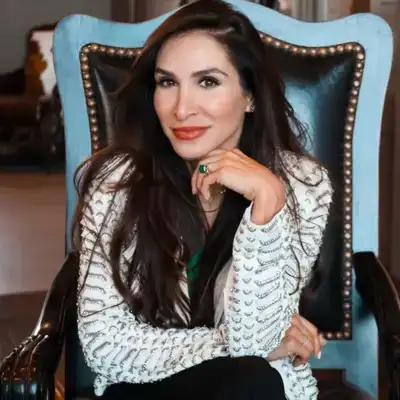
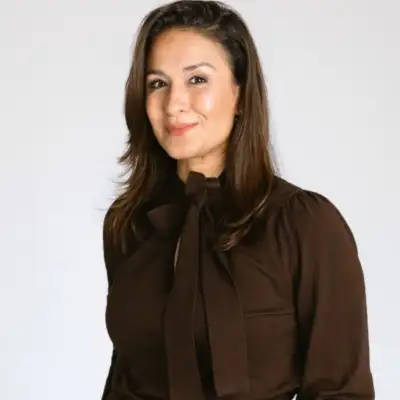
Join host Sarah Zubiate Bennett on Let’s Talk Local as she uncovers the stories, people, and places shaping Dallas, fostering a stronger and more connected community—let's get to know the real Dallas!
Times are changing faster than most of us could have imagined a decade ago. Technology has become central to how we live, and while it brings a lot of good, it's also reshaping human behavior in ways we're still trying to understand. Attention spans are shrinking. Face to face interaction is fading. And with the rise of AI, it's getting harder to tell what's real and what's not.
Sarah Zubiate Bennett:All of this is impacting our families in a big way, and it's something we cannot ignore. The idea of a house divided means something much more than rooting for different teams now. Division runs deeper, and as parents, it's on us to help raise our kids to learn how to navigate it. So today, I've invited some of my closest mom friends into the studio for an honest conversation about what life really looks like inside our homes. We come from different backgrounds with different faiths, political views, and perspectives on the world, but we're all trying to answer the same question.
Sarah Zubiate Bennett:How do we prepare our kids for a world that's changing this quickly? This episode of Let's Talk Local means a lot to me, and I'm glad you're here for it.
Sarah Zubiate Bennett:Hi. Oh my gosh. You guys are some of my really good friends, so I'm happy that we're doing this. What inspired me to want to have some of these ladies on the show with me is the fact that we all have kids that overlap, some that don't, some of us have four kids, I have two bonus kids, I think I'm the only one that's married and divorced here. But we all vote differently, not all of us.
Sarah Zubiate Bennett:I don't think it's important to point out who votes how unless they want to share it. But we are still the type of women that show up for each other. We teach our children how to respect different viewpoints and look at it as an asset, something valuable in this world that is being fragmented and chipped away at very rapidly. We are losing ground in terms of being able to function as a society with different opinions. It's a topic that I'm very passionate about.
Sarah Zubiate Bennett:I hate this. I hate the divisiveness. Any books that you all have read, Machiavelli, The Art of War. These long time books show that fragmented aspects and spaces within society allow for us to be controlled easier.
Sarah Zubiate Bennett:We all have a strong faith. We're all raising our children with faith. And because of that, I believe that we're better equipped to encourage unification and respect because we have that particular value system.
Sarah Zubiate Bennett:So, I wanted to start by sharing that and ask each of you if you would mind sharing just a little bit about about yourself, your family. Mhmm. If we can maybe start with Jay and then we can just loop around like that.
Julianne Folk:My name is Julianne, but my friends call me Jay. I am a mom of four, so I have a set of twins just like you, but Badass. My boy twin Well, our life is anything but slow and so I like to call our houses organized chaos because I'm extremely organized but it's nonstop. It's a 100 miles per hour all the time. So, I have three boys and one girl and I am married to Nick Folk who is a kicker in the NFL, nineteen years.
Julianne Folk:We've got two more years. Nineteen So, we're going into '19 with two more to go. So, I started the league with no Grays and now I'm still in the league with many Grays. So, that will show you the timeline of our time in the league. But, yes, we we go to school with you, our kids, our twins have overlapped.
Julianne Folk:We've become friends since kindergarten. Yep. You and I are very similar.
Sarah Zubiate Bennett:We are.
Julianne Folk:We are both very high energy. Very opinionated but accepting, just go getters. And so, I think that's what drew us early on. Yeah. And, we're both devout in our faith.
Julianne Folk:And family Very is number one, no matter what. Yep. But, I think we both are always pushing our children to want more, to look for more, just like ourselves we do as well. And so, yeah. That's my house summed up in little blurb.
Julianne Folk:And I have two dogs, I have to just add that to add to my craziness of my house. Four kids, two dogs, and craziness. So, yeah, that's my little spiel. I'm a I went to school for sports broadcasting, got my degree in journalism, did sports broadcasting for a long time, but with Nick's career being as fickle as it is Yep. And having all these one year contracts, I ended up doing freelance and then I got pregnant with the twins while working for the NBA and so I kind of put that on the back burner, became a trainer, went back to school for that, I've been doing that for a while.
Sarah Zubiate Bennett:And now, trains a lot of us.
Julianne Folk:I train a
Sarah Zubiate Bennett:lot of
Julianne Folk:yes, I do. It's just it's just a passion mind It's just keeping people fit on their toes. She's really good. And, I'm a writer, right? I write kids Yes.
Julianne Folk:Books. I write historical fiction, children's stories that incorporate history, unsolved mysteries, and America and the world and I try to bring them to the classroom to help kids get off the couch and wanting to learn more. Beautiful. Sorry, that was a mouthful right there. Get a microphone in front of me and I light up like a Christmas tree.
Julianne Folk:We go. There we go. I'm gonna turn it over to Danielle now. Okay. Yes.
Julianne Folk:Thank you, Jay.
Danielle Shermer:Hi. I'm Danielle Shermer and I have two boys and we cross over I think all of we all have one at least one child that's around 13 years old.
Sarah Zubiate Bennett:That's right. Boys. That's true. We do. Boys.
Sarah Zubiate Bennett:And a girl. And
Danielle Shermer:a girl.
Julianne Folk:A She can hold her own with the boys. She
Sarah Zubiate Bennett:She can.
Danielle Shermer:So I've crossed over with school Mhmm. Sarah and Jay, and Clarisa and my oldest played soccer together.
Julianne Folk:Yes. And that's how we know.
Danielle Shermer:I know that.
Clarisa Lindenmeyer:Uh-huh. Yes.
Sarah Zubiate Bennett:I did know that. But I just remembered. Played
Danielle Shermer:on the school team.
Sarah Zubiate Bennett:Yeah. Oh, cool.
Danielle Shermer:Mhmm. So I am and then I have a younger son, and I am the marketing director of the largest youth theater company in the country.
Sarah Zubiate Bennett:The country.
Danielle Shermer:Yes. And then my husband is also in film In and film
Sarah Zubiate Bennett:and production. Production.
Danielle Shermer:And so we have kids that have played the sports, but have now found this, like, real passion and talent for the arts, which has been just the craziest thing to watch. I don't know why I thought that wouldn't happen. I was a theater major and rich in films. So you would think that we would know that. But we were so focused on soccer.
Sarah Zubiate Bennett:And you're an artist
Clarisa Lindenmeyer:as well.
Danielle Shermer:And an artist. Mhmm. And so, it's been a real trip this past year watching them like totally come into their own in ways I never I never imagined. But yeah. Yeah.
Danielle Shermer:It's it's really it's it's the coolest thing. But yeah, I'm a doll I was born and raised in Dallas. Mhmm. Kinda grew up in the same kind of North Dallas community. Mhmm.
Danielle Shermer:Feel very tied to it. But I'm just so excited to be here and talk about this.
Julianne Folk:Yes.
Sarah Zubiate Bennett:Yeah. Thank you, Yeah.
Danielle Shermer:Thank you.
Clarisa Lindenmeyer:What a treat. I often joke because I sit in a lot of business meetings where people sit around and do their introductions. Often a lot of men, and it takes them forever.
Julianne Folk:Kind of like me just now, so I apologize. Apologize, yes. Don't point your finger.
Clarisa Lindenmeyer:And so, and I'm like, you know, we're all at the same table. And so, but this is making me laugh because we're here to do it, right?
Danielle Shermer:Yes.
Sarah Zubiate Bennett:So,
Clarisa Lindenmeyer:my name is Clarisa Lindenmeyer, and as we've already said, I met the crew through baseball primarily, and then other sports with some basketball and some soccer.
Sarah Zubiate Bennett:Yes.
Clarisa Lindenmeyer:Biggest gift ever, and as the story goes, we have an older son, Knox, 16, who's a Jesuit. And so, we learned a lot on him as we all do on our first. And I was tired of playing sports with people that I didn't like or enjoy, I should say. And I told my husband, I said go find us a team. We're gonna like the people.
Julianne Folk:He's like how am
Sarah Zubiate Bennett:I supposed to do that?
Clarisa Lindenmeyer:And I'm like figure it out. Sports is yours.
Julianne Folk:It's on you.
Clarisa Lindenmeyer:So, he was so excited. He's like, look. He's like, I found this team. It was like Carrollton Farmers Branch, right?
Julianne Folk:It's all Saint
Clarisa Lindenmeyer:Rita families and they have a spot and I think this is gonna work. And then he met our other dear friend Lucinda and she was wearing heels to
Clarisa Lindenmeyer:the baseball game and he
Sarah Zubiate Bennett:was like, my wife's You're going to love in.
Clarisa Lindenmeyer:Oh gosh. And so, the rest is history. Truly a gift to meet all of the families and do life in some form or fashion. What an amazing community. I mean you guys get to experience it in a really real way.
Clarisa Lindenmeyer:We also go to church at Saint Rita. Yes. So, it's been it's been a wild ride. As I mentioned, we have three. So, I have a 16 year old a 13 year old Cannon, and a nine year old Sloane.
Julianne Folk:That's how we met.
Sarah Zubiate Bennett:Oh yes.
Julianne Folk:Sloane and Ben were some preschool together.
Sarah Zubiate Bennett:Well do you
Danielle Shermer:know what Sloane and Finley have the same birthday.
Sarah Zubiate Bennett:Yes. The exact same birthday.
Clarisa Lindenmeyer:I love Well, actually you coached Cannon before anybody. My gosh. Walnut Hill.
Julianne Folk:Oh, last time you're on the team. Just moved on. Yes. Tampa. With our red jerseys, I remember.
Julianne Folk:Were babies. Yeah.
Clarisa Lindenmeyer:I think they were four. They were four. Yes. You guys knew each
Danielle Shermer:other before we
Sarah Zubiate Bennett:did. That's crazy.
Julianne Folk:So and then Ben
Clarisa Lindenmeyer:and Sloan. Yes. Ben
Julianne Folk:actually loves Slum. We reconnected at
Sarah Zubiate Bennett:the ranch.
Clarisa Lindenmeyer:Oh my gosh. Yes. And Sloan would
Sarah Zubiate Bennett:be like, Ben, Ben, Ben, Ben, Ben,
Clarisa Lindenmeyer:and Ben loves some Sloan.
Julianne Folk:Ben loves Sloan. Sloan's mhmm.
Sarah Zubiate Bennett:How can you not love Sloan? I I know. This is amazing. Know. They're both like Yeah.
Sarah Zubiate Bennett:Firecrackers. Beautiful. So Firecrackers.
Clarisa Lindenmeyer:I have three kids happily married most of the time.
Sarah Zubiate Bennett:Yeah. But married married. Was he drafted? Was Matt drafted? I just saw that.
Sarah Zubiate Bennett:Okay, so Matt, he's actually been on the show before and we have clips with him, he's absolutely brilliant the But, best physical trainer I just saw that he was drafted and I was like, that man has never seen that. I googled because I was looking He up that would never I just did it for the show looking up stuff from Clarisa and Matt and things to say and I was like, how did I never know this? Do you
Clarisa Lindenmeyer:know what's
Sarah Zubiate Bennett:in baseball?
Danielle Shermer:All three of our husbands played A professional sport.
Sarah Zubiate Bennett:Yes. Well, Matt
Clarisa Lindenmeyer:never played professional.
Julianne Folk:No, no, high level.
Clarisa Lindenmeyer:High They played in college.
Danielle Shermer:And he dropped it
Clarisa Lindenmeyer:in high school.
Danielle Shermer:That's crazy. Yeah.
Sarah Zubiate Bennett:Yeah. That's so interesting. But
Julianne Folk:I have a theory. I have a theory that No. This is No. I I've met a lot of women married to professional athletes over the years. Yeah.
Julianne Folk:And, I think that athletes who go far are attracted to women in their own right, who are independent, who are driven because their entire life, they have a set goal in mind and they are dedicated to that craft and so they push. And so, I think they look for someone who can also hold their own Level just like that. And so,
Danielle Shermer:That's a
Julianne Folk:good I theory. You're all very strong women who have their own careers and their own goals and I feel like athletes are also driven to those
Danielle Shermer:For sure. Type of
Sarah Zubiate Bennett:women
Julianne Folk:because that's what they're used to. That's just I've met that and Yeah, that's interesting. It made sense. So tell
Sarah Zubiate Bennett:us what you do professionally. What do I do? Speaking of successful I
Clarisa Lindenmeyer:am a COO at a private credit firm. I joined recently in the last six or seven months. And I couldn't be happier. It's wonderful. I solve really hard problems every day, mostly around people.
Julianne Folk:Mhmm. Mhmm.
Clarisa Lindenmeyer:Which we all know in business, that's the key. Yep. Worked for a very entrepreneurial CEO, which is great. He's in growth mode, so it's very fun and exciting. And in essence, we're a private lender, right?
Clarisa Lindenmeyer:Which you hear a lot about on the news right now. But you know we've been around for twenty plus years, and it's great. I'm back in the office five days a week.
Sarah Zubiate Bennett:Oh my gosh.
Julianne Folk:How is that?
Clarisa Lindenmeyer:That's different. Yeah. Is it nice or is it different? It's actually real, it's both. It was definitely time.
Clarisa Lindenmeyer:And it's flexible, right? Like I'm sitting here today, the kids come first and that's just a non negotiable. But it was time, and I stare at downtown and SMU every day and feel really grateful. Yes. And connect with the employees.
Clarisa Lindenmeyer:We have endless conversations about in office versus hybrid as a topic, Which I have many thoughts on. I didn't Me it didn't occur to me, I had not been in office five days a week since I had NOx. Wow. Now, had I had worked on-site, I had clients, I
Sarah Zubiate Bennett:had
Clarisa Lindenmeyer:hybrid. The company I worked for before was a venture backed fintech and it was globally remote. It was globally Before COVID.
Julianne Folk:Yes. I did
Clarisa Lindenmeyer:not realize that.
Sarah Zubiate Bennett:Do they not have an office space even still?
Clarisa Lindenmeyer:Oh I mean, no. I mean, we had offices, but the intent was Got a remote workforce always. Got you. And so, I've lived on every side of it, but being back in the office has been great. It's been a shake up, right?
Clarisa Lindenmeyer:Different I mean it's funny to watch your kids adapt all of a sudden to changes. It's like all of a sudden it's like, okay, Cannon, make lunch for your sister. I think
Julianne Folk:they're adjustable. But kids are adaptable. Have to be.
Danielle Shermer:They
Clarisa Lindenmeyer:are. They have to be. And so, yeah. Life is good. Good.
Clarisa Lindenmeyer:I used to talk a lot about and I still believe this in designing your life.
Julianne Folk:Mhmm.
Clarisa Lindenmeyer:And women in particular, I think it's incredibly important.
Danielle Shermer:Mhmm.
Clarisa Lindenmeyer:People are like, what does that mean? And I'm like, means something different to everyone?
Sarah Zubiate Bennett:It does. I'm like what works? I speak with Lily about this all the time.
Clarisa Lindenmeyer:And how do you make it work? Well,
Sarah Zubiate Bennett:this is beautiful. Thank you for giving us that robust background, that's helpful. But I want to pour into kind of why I asked you to be here, right? A lot of the more meaty aspects of where we are today. And yes, I didn't really say much about myself, I think I'm the only remarried person here.
Sarah Zubiate Bennett:My husband now, even though he was never athletic, he's super driven. He's super freaking driven. But the twins' father is an athletic human as well. So yes to that comment, but as far as all of us, we are high charging people within our own respective spaces. We love our families, family comes first or second to God, but like all of us have that foundation.
Sarah Zubiate Bennett:Mhmm. But what I wanted to pour into is navigating this world that feels increasingly divided. Can you each, as briefly as possible, maybe not all of you want to even weigh in on this. Sure. But how is it that you speak with your kids about ensuring that they don't feed into that divisiveness?
Sarah Zubiate Bennett:And how do you speak? And I know all kids are different, but is there any type of theme? Maybe while you all are thinking, I know at least my theme is because I'll just reference the twins, because my two bonus sons, can't get in to as much because I don't have as much control there. But with at least Lily and Lewis, I very much talk about our faith. We actively read from our Bible, we are constantly challenging the misnomers between Catholicism and the Protestant faith because my husband's a Protestant, I'm a Catholic.
Sarah Zubiate Bennett:But we both support each other and foster a lot of intellectual debate and conversation around faith. Mhmm. So for me, I'm always pointing back to it, and I'm like, okay, well let's talk about how Jesus emulated this type of how did he conduct himself in divisive times? Yes, he threw over tables at certain points and became angry in the table, but we must draw boundaries and show respect for people at all times. Always.
Sarah Zubiate Bennett:Right? But I want to know kind of the themes in your own home.
Danielle Shermer:It's interesting because I've been thinking about it recently. Do I share too much with my kids? Because I'm a very we're like an open book type of thing. Almost like but it makes me wonder like are there some things that I just I don't know. Mhmm.
Danielle Shermer:Like I told Finley last night, he he brought up something about my past and he was like, was that trauma from your child or something? He's nine, but he's like a six year old person. Oh, he's like the deepest. Right.
Julianne Folk:So I can see him saying that.
Danielle Shermer:And and I said something to the well, I don't, you know, I try not to traumatize you Mhmm. But I'm this is my first time being a parent, so I know I'm making mistakes every And he's like, but you're a wonderful mom. Aw. You know, mom. And I'm like, but I make mistakes.
Sarah Zubiate Bennett:Yes.
Danielle Shermer:And so I think this is something tricky that I'm always how much do I say and how much do I let them because I think in my house, it was just don't talk about things.
Clarisa Lindenmeyer:Yep. Just keep it. But I want but
Danielle Shermer:I don't think that's I don't think that Nope. Does anything. We need to talk about all the issues. We need to understand that everybody's different. You know, back then, was a much now it's a smaller world because everything you're
Sarah Zubiate Bennett:Connected.
Danielle Shermer:As is Interconnect. Accessible and and and before, you could kind of just live in a bubble Mhmm. And not really no one really knew anything about you, really. Now, can just, you know, Google your name and can find out everything. So it's this in our house anyway, I try to lead obviously with faith.
Danielle Shermer:And like last night, I was having a conversation with Wesley and and talked about God and how God would handle would want us to handle a situation. But it's it's hard because they they are on tablets and things. So they see things and I just I just want them to always remember that that everybody thinks differently and prays differently and and and and that's something I'm always saying. Just because this how I'm choosing to raise you does not mean it is the end all be all. And people are are all have different ways of Uh-huh.
Danielle Shermer:Of thinking and praying and Mhmm. Living their life. Right. And that's okay. And we don't judge.
Danielle Shermer:Right.
Julianne Folk:That's the
Danielle Shermer:main thing.
Sarah Zubiate Bennett:Yep.
Julianne Folk:We don't really talk about politics in our house. When I became a mom, decided early on I'm gonna be very present, but my main goal is to make sure I raise respectable kids that are kind to everybody, who have a good moral compass Mhmm. Who have a good sense of faith, but just know that we treat everyone with respect. And so, that's kind of how our what our household is built around is, you know, are you being kind? Yes.
Julianne Folk:Are you putting others first? Mhmm. Is this something that if Jesus was sitting next to you, would he be applauding you saying, great job, that was a great decision, or would he be sitting back being like, we probably should have made another decision. And so, like, for me, I had a conversation with one of my kids the other day, because we're going through this weird transitional stage where they're still very innocent, but they're about to go through puberty. The emotions are changing.
Julianne Folk:Mhmm. It's becoming more about me, me, me, me, me
Sarah Zubiate Bennett:Mhmm.
Julianne Folk:And less about others. Mhmm. And so, we had to sit there and I had to be like, listen buddy, you know, at the end of the day, you're gonna make your own decisions. And, at the end of the day, it's up to you whether or not you get to heaven or not. I can build all this foundational work and teach you ways how we should act, how God wants us to act, but at the end of the day, you're the one that's gonna have to do it.
Julianne Folk:Right. So, we started talking about like, hey, my focus for you right now, what I would really like you to get out of this time period is how can we put others first? Mhmm. How can we not think about ourselves? And then, I had to bring up all these different, I won't bring them up here, but I had to bring up all these different cases where I was like, what could we have done better?
Julianne Folk:So, in our house just, because I could go on about this for a long time. Basically, faith is the the foundation for everything. Like, at the end of the day, what would God say about these decisions that you're making? God teaches us to treat everyone with respect, and so, whether or not you're a republican or a democrat, like, everyone our goal at the end of the day is to treat everyone with kindness. Mhmm.
Julianne Folk:And so, how do
Danielle Shermer:you keep politics out these days? Because I think it's almost impossible.
Clarisa Lindenmeyer:We're very politically
Sarah Zubiate Bennett:charged as a family.
Julianne Folk:Well, we're very open, like I am too I am very open, like you said, like how much is too much? Well, if they're coming to me with a question, I'm going to answer their question. Now, do I get into the meat of Depends on who's asking me. It depends what the topic is. And if it's something I don't think they're ready for, I'm like, hey, this is a really good question.
Julianne Folk:I give them part of the information, but I'm like, this is something we'll talk about a little bit more down the road when I think that you're Yes. Ready for it.
Clarisa Lindenmeyer:That's what
Danielle Shermer:I say too.
Julianne Folk:But right now is not the time. Right. But if you're gonna come to me with a question, I'm gonna try to answer it the best I can, because otherwise, you're gonna go try to find it somewhere else.
Sarah Zubiate Bennett:Right. Right.
Julianne Folk:Right. And, would rather be
Danielle Shermer:the person.
Julianne Folk:Same. We really don't, and that's just our house. We really don't talk a lot about politics. It's more about, like, right versus wrong. Having a moral compass.
Julianne Folk:Mhmm. And, where does your moral compass lay? Mhmm. And then, some sometimes, we may have to get into politics, but I try to steer that away right now because there's so much out there in the media and on social media. So many opinions to where I'd be like, I'm educated, but I don't know if I'm educated enough in this topic to really give you
Sarah Zubiate Bennett:I see. Yeah.
Julianne Folk:An opinion or a fact. I don't know how factual it is. So, we're just going to keep trying to keep that moral compass going and try to make the best decision we can. We're going to slip up, and that's okay, but it's how we react to those slip ups that define who we are down the road.
Sarah Zubiate Bennett:Yep. About that?
Clarisa Lindenmeyer:I would add very briefly, critical thinking. I think what I do not accept is I hear this, oh, so and so is bad, or so and so is good, or okay, why?
Sarah Zubiate Bennett:Good for you.
Clarisa Lindenmeyer:Yeah. Prove that. How do you know that?
Sarah Zubiate Bennett:Or have
Clarisa Lindenmeyer:you just heard that? So, the other thing is, could you argue the other side of that topic? You know, and that forces you often to understand why someone you think that thought or feeling is you have a strong opinion about it. But why do you think they feel that way? I just think that just an essential life skill, critical thinking, and asking those questions.
Clarisa Lindenmeyer:And so, really, I just cannot stand blanket statements without proof or facts. And so, talk a lot about that, and then I think remembering that different groups in the world have different motives. And understanding when business is business, mom motives are very different, right? So, you have to who's your audience?
Sarah Zubiate Bennett:And
Clarisa Lindenmeyer:why are they delivering information? So, yeah, critical thinking is at the core I think of how we handle those things.
Sarah Zubiate Bennett:You know what, I love that. And something that was started pretty recently and it just came to me because I didn't plan on bringing this up, but my son Lewis started this future voices column and he writes a lot about artificial intelligence. Oh, Yep. Christians needing to pay attention, we're the first this is the first generation in history to score lower than their parents. Right.
Sarah Zubiate Bennett:But the critical thinking behind it all, Neuralink, Mind Uploads and Digital Gods, The Faith Behind Chat GPT, what's really driving us. So we get deep into the weeds about really complicated topics, but when it comes to the critical thinking component, it's like a weekly exercise for that kid. I make sure that Lily's there too, but because she just needs more support on the school side, right, dyslexia has its challenges, she can't write as often, but he's able to churn these out every single week. But to this, even to the comments that used to be made when they were much younger about you stating, do I share too much? They were in fifth grade, they were learning about what they were being taught in Catholic school about abortion.
Sarah Zubiate Bennett:And I was like, we're gonna all buck stop here, shut your books for a second, I need to tell you a story. Yeah. I've interviewed someone, Rollin, we dug into the depths of that, and as well as father Josh. And less than one percent of people in the world have had abortions from sexual abuse.
Clarisa Lindenmeyer:Mhmm.
Sarah Zubiate Bennett:So I shared with the twins about just the unique situation and how my mother actually took me for an abortion at 15. And I said, so you are sitting here and you were talking to me about kids that frustrate you. Kids that you paint as bad. And I said, I did things as a child that I was just predisposed to do. Mhmm.
Sarah Zubiate Bennett:And I said, I carry trauma. I carry ancestral issues spiritually. And I said so every single person that you believe might be acting in a way that's harmful, we need to pray for them. Truly pray for them.
Julianne Folk:We don't know their story.
Sarah Zubiate Bennett:That's right. Don't understand.
Danielle Shermer:Don't judge.
Sarah Zubiate Bennett:Yeah, exactly. But it's that Critical. That remark of saying someone's bad, someone's mean, someone says, okay, let's just ask ourselves possible questions about this person's home life. Again, I don't know, but we might ask questions to say why. What could be leading
Clarisa Lindenmeyer:them to And be that label this
Julianne Folk:if you don't know those answers, then how can you formulate your opinion
Sarah Zubiate Bennett:on That's right. You guys actually have these kind of deeper probing
Julianne Folk:conversations. We have these conversations all the time.
Sarah Zubiate Bennett:Good. So maybe that's why our kids are friends. I think there is a lot of overlap there, right? Whenever you find that parents are constantly having these conversations.
Julianne Folk:Well, I also think that has a lot to do with the parents.
Sarah Zubiate Bennett:That's what I'm saying.
Julianne Folk:If it starts from the parents Well, I feel like, and this is a totally different topic, a lot of people rely on technology to parent these days, where I feel we are all women who put the technology aside.
Sarah Zubiate Bennett:Yep.
Julianne Folk:And, we have those real conversations and we're there and with them all the time, and I think that's why we're all drawn to each other. Because we don't rely on other people to do the teaching, but we step in when it's needed. Yep. Mhmm. And I think too many kids these days don't have parents stepping in having these conversations, and that's kind of why we're at where we're at
Sarah Zubiate Bennett:right now. Yes.
Julianne Folk:Too many other people saying, oh, they'll do it, or they'll do it, when in reality, it's like, the minute I became home, that became my job. I'm going to do it. Mhmm. And, I'm going to try to do the best of my abilities, but I may mess up, but at least I'm trying. Mhmm.
Danielle Shermer:Well, like, I like kind of what you were saying, I remember the first time we talked about sex
Sarah Zubiate Bennett:Mhmm.
Julianne Folk:And it
Danielle Shermer:was cause that wasn't talked about really in our
Speaker 5:in my
Danielle Shermer:house. Yeah. And I think that led to interesting consequences. Mhmm. Yeah.
Danielle Shermer:But they were learning about the immaculate conception. And I was like, do you know what conception
Sarah Zubiate Bennett:is? Mhmm.
Danielle Shermer:I'm like, how are we teaching immaculate conception without these kids even knowing what that word
Sarah Zubiate Bennett:is? I was like I did the same. Yes.
Danielle Shermer:That our first conversation about sex because I was like, I'm sorry. I can't talk to you and Yes. Help you test without knowing what that is and I made it very it was was very technical
Sarah Zubiate Bennett:like this is this is scientifically valid.
Julianne Folk:Know how scientifically they're conceived?
Danielle Shermer:Do you know what it takes? Okay, you know an egg and a sperm. Okay, do you know how those come to
Julianne Folk:fourth grade?
Danielle Shermer:Just remember Wesley And being like, he was not like, he did not see it coming.
Julianne Folk:No, we're like okay, that's enough, okay, thank you. Moving on.
Clarisa Lindenmeyer:Well, the statistics are incredible, right? So if you're not having that conversation, the internet is. Yeah, right. A percent.
Sarah Zubiate Bennett:That's right. Do any of your kids have social media? If so, when did you allow them to get it? No. Willy Knox doesn't at Jesuit?
Danielle Shermer:No.
Clarisa Lindenmeyer:Okay. He's probably one of like, you know Wow. One or two out of the 1,200.
Sarah Zubiate Bennett:Can I tell you, I'm gonna be that? Yeah. Me too. That's who I am.
Julianne Folk:Okay. So I
Danielle Shermer:guess they're a Wesley? Wesley has it, but he doesn't have a phone.
Sarah Zubiate Bennett:Okay.
Danielle Shermer:Well, he does, but it's just Yeah. For And he doesn't he does I I have access to
Julianne Folk:it. Yes. It's very it yes.
Danielle Shermer:But I even had a I and it's only for his theater.
Sarah Zubiate Bennett:Uh-huh.
Danielle Shermer:And that's just because he wants to get an agent, and I know and I know for sports, it's it's a very controversial thing. We just started it.
Sarah Zubiate Bennett:Uh-huh.
Danielle Shermer:And this is the thing You
Julianne Folk:don't need to just
Clarisa Lindenmeyer:No. I'm not trying to
Julianne Folk:just No. I'm
Danielle Shermer:I'm saying these the main thing, because I knew he wouldn't have access whenever he had it, was I didn't want him to feel self worth from likes. How many Exactly. Likes he got.
Sarah Zubiate Bennett:It's so
Danielle Shermer:And so we don't talk about that. Yeah. He doesn't and I I I think there's a way I can disable them which I need Yeah. To. But I control if he wants to post something we talk.
Danielle Shermer:I mean, it's a
Julianne Folk:it is a
Clarisa Lindenmeyer:very managed Yeah. Yeah.
Danielle Shermer:Yeah. Because and what's crazy, I see so many of his friends and it's not like that. Yep. And I see those messages It's not filtered
Clarisa Lindenmeyer:at all. No.
Julianne Folk:No.
Danielle Shermer:And it was a very hard decision and it was a decision that I didn't take lightly, but we've done it.
Julianne Folk:Well, I don't
Clarisa Lindenmeyer:even say that. I actually lied. Knox does have Twitter, but he doesn't have it He on his has a Twitter account because all baseball recruiting happens on
Danielle Shermer:Yes, it does.
Clarisa Lindenmeyer:We found All
Danielle Shermer:recruiting does know.
Clarisa Lindenmeyer:On X?
Julianne Folk:You freaking joking On all social, I think it's all social media. I think it's not
Sarah Zubiate Bennett:a way.
Clarisa Lindenmeyer:Instagram or as well. These tournaments, right? So, last summer he played soccer ball and I kept seeing different parents post screenshots of something and I thought, I don't know where this is happening. And I was like, oh, that's a Twitter account for the tournament. And so, went and he had been tagged in multiple videos for having great plays, he had no account.
Clarisa Lindenmeyer:So we made him an account so his name And got associated with he manages it from my device.
Sarah Zubiate Bennett:But yeah, there are reasons. There are reasons.
Clarisa Lindenmeyer:Absolutely. And you know, the conversation about are you going to send them to college without social media, that's not good either. The world is coming at them at warp speed. Father Josh, I've heard the story around him and his daughter and how they navigated Snapchat. These children do not text each other, do not call each other.
Clarisa Lindenmeyer:Couldn't even consent everything of asking for someone's phone number.
Sarah Zubiate Bennett:I'm like It's bizarre.
Clarisa Lindenmeyer:It is bizarre. And they snap for Insta, you know? And it's just, I know,
Danielle Shermer:it's So how does Knox do that without having how does
Clarisa Lindenmeyer:he It's manage been interesting. We've kind of navigated this choice based on him and how he has pushed and what he's asked for. Nox is a homebody in general. Cannon is far more of a social creature. And Matt was like, yep, we're not gonna have this issue with Cannon.
Clarisa Lindenmeyer:Yeah. And so, he I think is like, yeah, I feel like I miss out. Kind of like sometimes you feel like you're not in the inside jokes.
Julianne Folk:Yeah, yeah, yeah.
Clarisa Lindenmeyer:That's the way you would describe it. Yes. But everything about that decision and all the decisions we make, we have been talking about for so long. And we have real conversations and
Sarah Zubiate Bennett:I was like,
Clarisa Lindenmeyer:would you have us done it differently? And he's like, no. It's not always easy, but I totally get it.
Julianne Folk:I understand
Clarisa Lindenmeyer:why. Oh, he gets how addictive the phone is, even in its minimal capacity. Know, and there's just always more time to be more grown up.
Danielle Shermer:And I do have to say, Wesley, he does not want to be in group chats at
Sarah Zubiate Bennett:all.
Danielle Shermer:He understands how this can affect him mentally Yeah. Too. Mhmm. And he's like, I don't want that. Mhmm.
Danielle Shermer:So this was a decision that with him having Instagram was purely just for
Sarah Zubiate Bennett:his craft. Theater. Do know
Clarisa Lindenmeyer:what I mean?
Danielle Shermer:And he knows that. Yeah. And he doesn't wanna turn it into anything.
Julianne Folk:Of course. I so respect
Danielle Shermer:And I so respect him because he fully understands the repercussions of I think these kids, this generation, we've drilled it into the
Sarah Zubiate Bennett:Yes yes yes.
Clarisa Lindenmeyer:We
Danielle Shermer:probably I don't know if every parent has, but we've drilled in what what could happen if you make one
Julianne Folk:Yes.
Danielle Shermer:Stupid mistake.
Julianne Folk:That's right. Right.
Danielle Shermer:Live with it for the rest
Clarisa Lindenmeyer:of your life.
Sarah Zubiate Bennett:Yes. Yes. And it it is it is sickening. Just the way that people prey on our innocent children. And for me, my main thing that I constantly tell the twins is listen to me, the first time I allow you guys to get snap, a boy's gonna send Lily a pic.
Julianne Folk:Yep. It's
Danielle Shermer:true. No, I know, I know,
Julianne Folk:it's 100%.
Sarah Zubiate Bennett:For me, is knowing that her innocence will be robbed. The second I and I have to do it, I will do it at the same time for them, that her innocence will be robbed the second she gets Snapchat. And I'm not necessarily saying our crew here, I'm talking about Because my neighborhood crew of those boys, they do not care. They don't care. And for me it's just I know unfortunately
Julianne Folk:So you're protecting your dogs. I am.
Clarisa Lindenmeyer:You cannot
Sarah Zubiate Bennett:No. Unsee You can't unsee it. And the way your brain, we all know, your white matter deteriorates everything, but having these images in your brain
Clarisa Lindenmeyer:Oh, it's Mhmm.
Sarah Zubiate Bennett:It creates a lasting impression on how you perceive and interact with the world. Mhmm. And because I had such young introduction for myself with AOL
Julianne Folk:Right, dial up, oh I remember. Yeah, we're
Sarah Zubiate Bennett:not gonna talk about that here. But I made really, really poor decisions as a young kid, like seventh grade, because that's when I was by myself with my friend, like whatever. So that is my whole thing for me. It's scary. Yep, it is scary.
Sarah Zubiate Bennett:For me,
Julianne Folk:the phone is so addictive anyways. I want them to go out there and have other passions, and if you're so consumed with social media and the phone, you can't go and explore and see what you're capable of, and I guess, so Annabelle's in fifth grade and their big app right now everyone's downloading is Coverstar. And Yeah. What is that? Coverstar is kind of like a Snapchat It's
Sarah Zubiate Bennett:like a Snap Blunt.
Julianne Folk:But it's for For instance, yeah. However, and you can you can monitor it, it's not allowed in our house because like you said, people can like it. And once you start liking things, then people start Trying your values
Clarisa Lindenmeyer:to it.
Julianne Folk:Consumed on on the likes. Yep. And I'm like, we don't even need that poison in our house right now. You're only in fifth grade. Yep.
Julianne Folk:So, I've just cut it out completely, and the twins don't even ask, but they also know it's a hard no at this Yeah. So, it's like, it's a waste of breath at this Yeah. And, I I don't know, you know, like, I approach everything day by day, week by week, month by month, year by year. So, right now, it's a hard no. Mhmm.
Julianne Folk:And then, next year will be a hard no too, because middle school high school will reevaluate things, and it still may be a hard no, but we're just they know it's open communication, we're just gonna take it day by day, but right now, it's like zero social media. Nothing that can distract you from your dreams and your goals you're working on right now. Mhmm. Because they have that going.
Sarah Zubiate Bennett:So Clarisa, you are you have a background in tech. Yes.
Clarisa Lindenmeyer:Right? Yes.
Sarah Zubiate Bennett:And so it's interesting to me that you that Knox only has that x account. Yes.
Julianne Folk:I love that though.
Sarah Zubiate Bennett:Can you tell the viewers and listeners a little bit about how you talk about discernment with respect or even if it's not discernment so to speak, that exact word, do you talk about what they what value system and what precautions they must employ when engaging with if it's any AI system in the future. Because clearly I'm speaking to my children about that. Absolutely. Why Lewis is writing about this in very detailed, comprehensive ways that adults probably don't even understand at Right. This So I want to know how you're approaching it.
Clarisa Lindenmeyer:You know, I don't think I have it figured out, because every day it feels like we're contradicting ourselves. So we have a very we've always been this way since they were little, like device light approach to life. I mean don't get me wrong, we have the rainy Saturdays where we watch
Sarah Zubiate Bennett:sure, TV all of course.
Clarisa Lindenmeyer:Know, Knox is a really good student and he spends a lot of time studying, but that means he spends a lot of time on a computer. I mean that's just it. So we're not rigid in it, You hear about the people that are like, we don't have a TV. But my husband and I also have this conversation, I'm like, they have to embrace AI very quickly. And I speak openly, I mean we talked about the open book moment.
Clarisa Lindenmeyer:We talk about sextortion, we talk about predators, what that could look like, what that means. Since they were little, we've been talking about no matter what happens, no matter what you do, you're safe. That's right. Safe where? Safe with us.
Clarisa Lindenmeyer:Okay,
Julianne Folk:yes, yes.
Clarisa Lindenmeyer:I don't care what you think you've done, we all know that as soon as a child feels ashamed, that's when we've lost And so online, the capability of feeling shame is so much more significant. So we're like look, here's what has happened to people, here's what could happen, here's what you need to be prepared for, and if anything ever happens to you, that sinking feeling in your stomach like my life will not be okay, come. Tell us, we will help you no matter what. Now, I think it's like building a plane and flying it at the same time. That is what we are all doing in navigating AI.
Clarisa Lindenmeyer:It's like, you have to keep up, you have to keep up in the work world, we know it's gonna change our personal lives. And our children are at this interesting I mean you know, kids ten years younger, right, than Knox, a six year old. I mean their parents, are they having a different discussion about college education? Yep. Right?
Clarisa Lindenmeyer:They are.
Danielle Shermer:They need to be having it.
Clarisa Lindenmeyer:And so we are also, I think the age of our kids, in this very interesting transition. The future is like literally replacing the present at warp speed. So, I definitely don't have it figured out, but I think that when I have new information, they have new information.
Sarah Zubiate Bennett:Great. Okay, appreciate that. And so, I'm gonna I'm gonna go into the political arena just for a second because, again, I'm not saying who votes how, but I'm wondering if any of you have done this. So I have very much pulled up my ex account, my Instagram feed, propped it up on cast it onto my TV, and I'm like, this is how my algorithm shows has been built. Yes.
Sarah Zubiate Bennett:This is why I am reading this story and not this story. That's right. This is why I have formed opinions like I have. And however, I had these opinions formed from the time that I was in college, because I grew up a staunch Democrat. I was the most outspoken Democrat ever, coming from El Paso.
Sarah Zubiate Bennett:I was women's rights, and you know, sex, drugs, rock and roll. Mean, she was like, we are that people whatever. So, I kind of had a huge transformation in business school. And then I converted to Catholicism in college. Well, I was baptized Catholic, but I But went through my confirmation it was with my professor and really understanding economics that tied me more to the political party that leans a little more conservatively.
Sarah Zubiate Bennett:I voted both sides of the ballot since my political views changed, only because of strict finance economic books that I read. So my views are not shaped based on the algorithm, but what I explained to them was this is why my feed reads this way. Mhmm. And I have pulled up an article, it was a reel, and I've had them dissect it. What context clues can you take from this particular still shot?
Julianne Folk:You had your kids do this? Yeah. Okay.
Sarah Zubiate Bennett:And I was like, what context clues can you take? What do you believe just by looking at the primary photo, which politically leaning party has written this? And they're like, we think this. And I'm like, that's correct. And this is what I see.
Sarah Zubiate Bennett:This is what other people see. I've asked Shannon to send me things on her feed because she primarily votes left. Right? I think 100% of the time. And so I'm like, start sharing your stuff with me, and I've showed it to my kids.
Sarah Zubiate Bennett:I'm like, this comes up on miss Shannon's algorithm. So do you understand how she's able to view different viewpoints from my own? Mhmm. And they're like, yes, ma'am. And I'm like, okay.
Sarah Zubiate Bennett:Knowing that, can you understand how if you're not probing into the exact time, place, and manner in which this person is being grilled by Congress, and by understanding the inner workings of Congress, you might be led to believe that this person is actually testifying Mhmm. Which this person was not. So they were like, yes ma'am. And I'm like, it's complicated, right? They're like It's not black
Julianne Folk:or white.
Sarah Zubiate Bennett:Yeah, and they're like, is so difficult. So it is like a weekly thing for me, as Lewis is kind of picking what he's gonna talk about.
Julianne Folk:It's a great exercise. Yeah.
Sarah Zubiate Bennett:Let's let's but I'm writing a book on how to do this. Great. I'll read
Julianne Folk:it. I need it. You know,
Sarah Zubiate Bennett:because for me, I'm realizing parents aren't doing this, and the only reason I'm really doing this is because my kid freaking has a desire to like write this thing, which is a lot of time. Mhmm. Yeah. And it's it's his passion.
Julianne Folk:So you wanna help him to better understand Exactly.
Clarisa Lindenmeyer:And it's
Sarah Zubiate Bennett:the way he's volunteering and he's growing his mind. And I think one of the schools that is primarily going to be partnering with us is Disturchen. And I'm speaking with them because they have complex thinkers there, Right. Like really cerebral kids who are willing, who are strong students and willing to invest the time in this, and one girl from Ursula. So, anyway, like, this stuff is happening in my household.
Sarah Zubiate Bennett:Like, on the political spectrum, on the, like, on the AI spectrum. Mhmm. Is this happening in any of your households? And if so, tell me about it. I wanna I wanna learn.
Sarah Zubiate Bennett:If so
Danielle Shermer:I have talked about algorithms and how other people can think differently about the same subject because they're fed different information. Yep. And so we do have conversations about that. And we do talk about AI. Yep.
Danielle Shermer:I mean, because we have to.
Julianne Folk:Of course. You have
Danielle Shermer:to. Right. And and think and school talks about AI. And sometimes we have to use Solvley to get through a math. So yes, we're having those conversations.
Danielle Shermer:I don't know if we're having them enough, kind of like what Clarisa said, we're building the plane and flying it at the same time. And I don't know I mean, we use AI a lot at work, and we're we're a artistic company. And so we we have lots of conversations about that. Like what can we use AI for and what can't we
Sarah Zubiate Bennett:Right.
Danielle Shermer:When we're all about being artists. Mhmm. Right? And Yep. And what it does to the environment and all those things.
Danielle Shermer:Mhmm. But, yeah. I don't know if I'm doing enough Mhmm. But we do have those conversations.
Sarah Zubiate Bennett:Okay. Mhmm.
Julianne Folk:Okay. I'm going to be very honest. I we do not talk politics in our
Speaker 5:house. Yeah.
Sarah Zubiate Bennett:You said that. Yeah.
Julianne Folk:Just I said that. And I just think it's the stage of life in which we're in and for one, my husband's gone six months out of the year. Of course. Course. I'm doing everything, the job of two people Two but I'm by myself with four kids and so, it's literally survival mode, but like I am big on, I think right now at this stage of life and and I probably should, that's why I wanna ask you more questions about that, especially for my twins who are going into eighth grade, who I feel like could take in the information, understand, and form their own conclusions, and and the other ones I don't think are are there yet.
Julianne Folk:But for me, it's more been like, okay, making sure we I've instilled in them a good work ethic, faith, but also like prioritizing their time and learning how to get things done and do them well. It gets gets your mind
Sarah Zubiate Bennett:It's perspective. It's perspective. Yeah. But,
Julianne Folk:for me, I I would love to read that to figure out that perspective and then maybe form my own and and bring in like kind of incorporate it into my own way. Yeah. But, I need someone like you, because that's Mhmm. My mind is so on so many other things right now, that I'm not in the trenches like you are. And so, I think that's it's important that you bring out your message, you write this, and we continue to educate ourselves.
Julianne Folk:I'm always trying to educate myself on something else. I'm not as educated on that right now, but I am totally open to it.
Sarah Zubiate Bennett:Yep. Okay.
Danielle Shermer:I think a reason that we talk about it a lot in our house is because I think that we, and maybe this is just in my mind, I think that we are more left leaning, which is not the norm in our community. So growing up in Dallas, it was not like that. Like I remember when they would talk about the elections and everyone was voting for Highland Park is the the bush. First Is it? Yes.
Danielle Shermer:Well, growing up it wasn't like that. Like Oh, everyone was I remember the election and there was a mock election at school. Uh-huh. And and I who was it that ran against the first Bush? Was it Dukakis or or no?
Danielle Shermer:Anyway, I just remember what our house had talked about the other side. And then I went to school and I almost felt like I can't talk about, like I couldn't vote Yeah. The way Yeah. That I
Julianne Folk:believed about. Right.
Danielle Shermer:Right. Minority. But I also think that's you know, my dad was an immigrant and he Yep. Came here from El Salvador, to flee from a war. Yeah.
Danielle Shermer:Mhmm. And so but we were but my grandparents were devout Catholics. Mhmm. And so there was this dichotomy of like Yeah. The more conservative Yep.
Danielle Shermer:Side Yep. But an immigrant Yeah. Fleeing a war. Yeah. And so I think that
Julianne Folk:And isn't all of your family from California as well?
Danielle Shermer:Well, my husband is from Mhmm. And I lived in California. We met in California. Yes. I mean, and and so his family is primarily more left leaning.
Danielle Shermer:But I think it's an interest and so I always have to remind my boys because we do talk openly Mhmm. In the house that this is not I I don't know if it's the norm or just I don't know. I that everyone thinks differently. Yes. And and but I I think that we talk about that because I don't know, maybe I'm wrong, but I just felt like in our community that's Really?
Sarah Zubiate Bennett:I don't know. Okay.
Danielle Shermer:Don't know. No. I know a lot of people who who vote left in our community,
Sarah Zubiate Bennett:but I wouldn't think Uh-huh. I think You don't think that's the norm? You don't think that's the majority? For Catholics, no. Interesting.
Sarah Zubiate Bennett:Even though the church
Danielle Shermer:now, I mean, it's All all of my
Sarah Zubiate Bennett:family from El Paso, they're Catholic and they're all Democrats. Yeah. 100%. Yeah. And my cousin's a judge.
Sarah Zubiate Bennett:Yeah.
Danielle Shermer:But it's interesting because my dad's side of the family Mhmm. Are more left, and then my mom's from the South and are very, very
Sarah Zubiate Bennett:right. Okay.
Danielle Shermer:Okay. Very
Sarah Zubiate Bennett:Okay.
Danielle Shermer:From Mississippi.
Julianne Folk:Yeah. Mhmm.
Danielle Shermer:Like the Delta Of
Julianne Folk:Mississippi. Yeah. Yeah. Got you. Aren't you passionate about politics though too?
Danielle Shermer:I am. I'm a I'm a very political person.
Julianne Folk:Well, when I when I think of you, I think of someone who's just very passionate in Yes. Yes. In all your views. And that's something I love
Danielle Shermer:about you.
Julianne Folk:If we don't always see have the same opinions, I love that you're not scared to voice
Danielle Shermer:Oh, that. No. Mean, you
Julianne Folk:don't judge people for their views.
Danielle Shermer:No. Not all mean, growing up here, I mean most of my friends were Republican. Okay. And I think I was always Same. Different in Really?
Julianne Folk:That's how we learn though. When you can have those debates because like you said with the algorithms, I'm reading one thing Exactly. That's all that I'm thinking about. But if I have a friend who I'm having a conversation, oh, why? I didn't hear that.
Julianne Folk:I didn't know. Right. So, think it is important
Danielle Shermer:to And that's the problem is we don't talk anymore. Yeah. That's the And wants to Yes. Talk about That's the problem. And it's okay Yeah.
Danielle Shermer:To think differently about things. It is. It's okay. Yes. With that no God, how boring would life be if
Clarisa Lindenmeyer:we didn't?
Julianne Folk:That's know why I think it is though? I think people have gotten very bold. So, think people are scared to talk these days because They're gonna be of repercussions We're gonna touch on they're scared of the repercussions of how people are gonna react. That's right. And I
Danielle Shermer:know you've had Bernie, we won't talk about it, but you've had
Julianne Folk:that happen to you recently Mhmm.
Danielle Shermer:To
Julianne Folk:where you just voiced your opinion, it wasn't affecting anyone else, but someone took it personally and just came at you. And so, I think people are getting very bold with I I'm all about freedom of speech. I mean, I was a journalism major, but I feel like we're kind of taking that to a new extreme to where I can say anything I want With no repercussion. No repercussion.
Sarah Zubiate Bennett:Think is wrong. I do think it's wrong.
Clarisa Lindenmeyer:What about you Clarisa? As you guys have been talking, think all I keep thinking about is my mother, who is an exceptional woman. Love you mom. And she was raised Methodist in a very tiny town. Her family was from Kentucky, I would say they were largely conservative.
Clarisa Lindenmeyer:My mom is white, my father's Mexican American.
Sarah Zubiate Bennett:Oh, okay.
Clarisa Lindenmeyer:So they have a unique story. And I think a lot of who she was and how she raised us, of course, is kind of how I view the world. Which I always like to say I am unapologetically in the gray on many things. Yep, me too. I have opinions and strong ones, but And I work really hard at keeping relationships with people that think very differently than me, and think So, a lot like it's funny, my mom was a Methodist, she met my father, who was a Mexican Catholic.
Clarisa Lindenmeyer:And they got married, she converted. They had the first Catholic wedding ceremony ever in Rockwell, Texas in a Methodist church. Is interesting. We grew up, and she's a communicator and a counselor, and we grew up just kind of talking about everything.
Sarah Zubiate Bennett:Yeah, all the time.
Clarisa Lindenmeyer:And she would kind of be like, you know, if there was something about Catholicism she thought was too rigid. Yes. Came her Methodist side. So we just had this blended, which Catholicism and Methodist is already very similar. Similar.
Clarisa Lindenmeyer:So, that was kind of her approach to the world, is like take what works and what doesn't. Like don't focus on it so much, or figure out a way to not alienate those around you, but she just wasn't rigid.
Danielle Shermer:That's so funny because my dad, when we would talk about our issues with Catholicism, we have gay family and
Julianne Folk:Yeah.
Clarisa Lindenmeyer:Lots of other Yes.
Danielle Shermer:You know, things like that. My dad and I would say, I don't want to go to church. And he'd be like, Danielle, it's an hour out of your day to just go and just meditate. Yes. And whether you want to listen
Clarisa Lindenmeyer:Yep.
Danielle Shermer:Or not. Mhmm. It's an hour out of your week. I'm sorry, not day. An hour out of your week to just think about the week you had and what you want to have in the next week.
Danielle Shermer:Mhmm. And I thought that was like so profound because you don't have to
Julianne Folk:It's a great approach.
Danielle Shermer:Yeah. Especially And you end up listening. Yeah. You know what I mean? You do.
Danielle Shermer:And it gets in there.
Clarisa Lindenmeyer:Well, the traditions.
Danielle Shermer:Right. And so it's the same type it was the same sorry to interrupt. No, But it was the same type of mentality. Take from it what works for you. For you.
Danielle Shermer:Mhmm. And if and and just meditate on the rest, you know.
Clarisa Lindenmeyer:Well, it's the same with the political topic, it's just being so rigid, and that's all we've already been talking about. That's the algorithm. There's a lot of money to be made, ton of polarizing people, clicks, and all the things, and you just have to see that. Mhmm. Know?
Clarisa Lindenmeyer:I think I'm coming.
Danielle Shermer:Actually, a lot people don't.
Julianne Folk:No. It's very easy to
Sarah Zubiate Bennett:get Very swept up in
Clarisa Lindenmeyer:easy. But you know, in speaking about religion, think it's also interesting with our kids because I was at dinner with an amazing group of women, very left leaning, very active in I wouldn't say Democratic Party, but definitely that side of politics. And we were talking about somehow church and religion came up. And I was talking about raising my kids Catholic. And I think all end up in a different place, if I'm honest.
Sarah Zubiate Bennett:Yeah, yeah, of course.
Clarisa Lindenmeyer:And I was having this conversation with Cannon, who's extremely cerebral and very well read, and he questions everything. And we have lots of conversations about this. And I was just telling them that we have made the decision, and my husband is not very religious, he supports all of it. But we made the decision to raise our kids in the religion of their ancestors and our family and in tradition in a global institution. There.
Clarisa Lindenmeyer:They can make their own grown up decisions And later in I'll support them in that. I will certainly entertain conversation around that, which I think is important to have right now as well. But I think, you know, we're navigating all of this for ourselves, but then we're creating and growing these little humans that are trying to figure it out for themselves. They have to be able to critically think and see past a lot of the labels.
Julianne Folk:Well, I I did not go to a private Catholic school growing up. I went to a public school. My parents are devout Catholics. My dad literally goes to Mass every day. I love that.
Julianne Folk:Yeah, he's fantastic. And so, I grew up going to church, I was an altar server, but it really wasn't until I had kids that I really started asking more questions, and started digging in a little bit deeper, and I think it's when you have kids, have more skin in the game. You have so much more worry, and so, I can no longer control things on my own. I had to rely on God and and prayer. And so, it was only after having kids that I really started building my face.
Julianne Folk:So, the other day when I was talking to my kids, or one kid in specific, I was like, listen, my job, I I have you in this Catholic school, and you're learning a lot about Catholicism, but at the end of the day, it's gonna be your decision whether or not you believe in it, whether or not you practice it, and so, I'm not trying to push anything on you. Yep. I'm trying to expose you into as much as possible, teach you so down the road, you can form your own opinions. And, I feel like kids these days, even if they go to this Catholic school, which I love, and I love the the faith aspect of things in Mass, I feel like what I don't want to happen is they feel like it's pushed so much so often Mhmm. For so long that once they're they're out of school, they're like, hey, I'm done.
Julianne Folk:I've had this pounded on me, so that's why
Clarisa Lindenmeyer:I I rejected him.
Julianne Folk:Yeah. That's why I try to incorporate, like, service into our house. So, at the end of the day, maybe we're not reading the Bible, but like, we're serving others and we're realizing what we have. And so, that that's my whole take on religion right now is trying to make it part of our life and not necessarily beating it down their throat, like Mhmm.
Danielle Shermer:Because I think that happened to me. I went to Catholic school
Julianne Folk:I hear that happens a lot.
Danielle Shermer:Saint Rita, Ursula, and the Loyola Marymount. I went to Catholic school in my own I hear a lot
Sarah Zubiate Bennett:of 100% Catholic education. That's crazy. Uh-huh.
Julianne Folk:Well, my my husband's brother did too. He ended up marrying, and who I love, a Jewish Jewish lady. A Jewish lady and he's now taken more of a approach to Judaism and so, it's very interesting and I embrace that. Actually think it's fantastic when they come to our house for Christmas, we have the menorahs out, we have the dreidel I'm like, okay, Steph, what do
Sarah Zubiate Bennett:you want to cook?
Julianne Folk:What do we need to do? Let's teach our kids.
Sarah Zubiate Bennett:I think that's so important. I do too. Yeah, it
Clarisa Lindenmeyer:is. Yes.
Danielle Shermer:And like, I mean, I'm Palestinian, half Palestinian, and my uncle married a Jewish woman as well. And so I have Jewish cousins, and I think that just adds so much depth and meat
Sarah Zubiate Bennett:to the that I think is particularly beautiful. I have recently, over the last few years, become way more spiritual. But it's also because my life came to like this halt, this screeching halt after my father passed and I went off to treatment. But it was after that that I really delved into my spiritual life and how I needed to shed layers of a bunch of stuff, trauma, lies, all this stuff from my past. I let it all go when I came back from this treatment center as part of this whole program, which changed my life.
Sarah Zubiate Bennett:And then I was introduced to these people who have these, like in the Catholic church they're mystics, but in the Protestant space they're prophetically gifted people who can see and experience things that I just can't do justice. No, I mean someone very close to me who, and Shannon can attest to this. The things that this one particular person in our orbit sees, knows, understands, they can see, you know, your guardian angels, ancestral demons on everyone. On everyone. And not only that, has insight to every person that a person cannot or should not know.
Sarah Zubiate Bennett:So because this person is very close to us, My kids and this person have exceptional conversations regarding this because my little girl is very spiritually sensitive. Shannon, am I not lying? Isn't this true? Like like you cannot make this up. You can't make this up.
Sarah Zubiate Bennett:And the thing is because of this person's abilities, I've really taken 10 steps back and I'm like, my God, this stuff is real.
Julianne Folk:Were they born with these abilities or is this something they acquired over time?
Sarah Zubiate Bennett:Born with and have developed. And
Julianne Folk:have developed.
Sarah Zubiate Bennett:Yeah, because I mean being able to function in a world normally with this, unless you know what in the world you're dealing with, it's terrifying. It's overwhelming. And this person so now we do these things at our ranch, which Shannon has attended. Oh, The you're Yeah, Catholic, the King and stuff. They're not even Catholic.
Sarah Zubiate Bennett:Or your spiritual yeah, They're more spiritual, but we have Catholics that go, we have Muslims that go, we have like It's open for
Julianne Folk:that's the
Sarah Zubiate Bennett:thing, yes, literally, people of all walks of faith. Know, Shannon, she's you know with a woman, and Yeah. Like she's had faith in her life, but I think like now, it's like impossible to deny, right? You can't. You can't It's make it too
Danielle Shermer:It's too insane. I want
Julianne Folk:to meet this person. I do too.
Sarah Zubiate Bennett:I'm fascinated now. It's interesting because, yeah, the person is among us, but no one knows. But it's interesting because based off of this kind of entrance into my life, and having a daughter and having this person, it's like, okay God, like I'm seeing you and this is real. This is real. Like this stuff is not made up.
Sarah Zubiate Bennett:What I thought was just archaic, like, you know, church needing to control stuff and narratives, I have now totally one eighty ed, but there's still a lot of things that I'm like, no, I'm not buying that. I know that you see this. I know that you believe this to be true, but I believe that there's a different way because I believe I serve a God that is gracious, that is loving, while, yes, he is a God who, Old Testament, like a God of wrath, jealousy, whatever, but Christ died for us because basically as humans, we all just suck. We can't constantly live this sinless life. We just cannot do it.
Sarah Zubiate Bennett:So, I have really dig deep into my own faith, and the kids have been along with me for that spiritual transformation. Again, they have several days a week conversations with this person because they're always around. And so, it's it's been crazy how my life has changed and how now their lives have changed, and my husband is a different human. He
Julianne Folk:is. Different human. Mhmm.
Sarah Zubiate Bennett:Different human for the better. Mhmm. After all of this work, healing, it's crazy, and you can't make it up.
Julianne Folk:This is my opinion, but I think for it to work, the whole family has to be on board. For it to work. And I feel like your family, everyone's been on board and been
Sarah Zubiate Bennett:Now, very after I crashed and burned.
Julianne Folk:Literally, that's what it took.
Sarah Zubiate Bennett:That was the miracle.
Julianne Folk:Me crashing and burning, it was God. For was
Sarah Zubiate Bennett:all of us. I know. Because I'm now like, every single conversation that I have is rooted and grounded in my faith, but it's because of this insane world that you literally cannot make up until you experience it yourself. And that's why Shannon recently was like, you did not tell me that it was this much. And I was like, I know I kinda couldn't, but like now you know.
Sarah Zubiate Bennett:We're
Danielle Shermer:gonna talk
Julianne Folk:on the side after this. Really
Sarah Zubiate Bennett:curious. It's crazy. It's crazy and it's real and it's not until people experience it like Shannon, like me, who understand okay like you're not making this up. And it's cool because it's at least really made me triple down on my faith. I go to confession once a month, I'm really like, okay God, I it's different.
Sarah Zubiate Bennett:And so, that's why I think all of not I think, I know. Yeah. All of my conversations are deeply rooted in this because, of course, my son Lewis is literally like, how is this real? Right? Because he's super cerebral.
Sarah Zubiate Bennett:He, like Monty, they don't have any of these senses that I have, that Lily has, that a lot of other people actually have and don't talk about. But this other like, mine is not what this lady's is. Do you guys so if you had your kids watch this when they were older Mhmm. And you wanted to say a few things about what they hope that they learn from you and what you had to say during this interview. What would you say that you hope that they would learn from this conversation in a world that's just growing in its divisiveness and how you want them to show up differently than their peers?
Julianne Folk:I always go first. Gonna let someone else go first.
Clarisa Lindenmeyer:Jay's sitting this one out. No, know.
Julianne Folk:For sure. I just need to think about it for a second.
Clarisa Lindenmeyer:I'll go. I don't have the answer served up, but I think well, I would say I hope you stay close and true. Yep. And I tell my kids very unapologetically that I have every I mean I'm Mexican, everybody lives on the same block.
Sarah Zubiate Bennett:I tell the twins this all
Clarisa Lindenmeyer:the I'm like, you can go live your life, you can go anywhere around the world, you can do whatever you want to do except for it's dangerous.
Sarah Zubiate Bennett:Yeah, yeah, yeah. That's right, that's right.
Clarisa Lindenmeyer:But I'm like, I need you to live near me. I want to do life together with you for the rest of your life. And we are very fortunate to do that with my husband's parents, and his brother, and my parents, one And of my it's just so I want that for them. And I'm a big believer in say what you
Sarah Zubiate Bennett:want, Yes. Get
Clarisa Lindenmeyer:So, stay close and stay true to yourselves. I think it took me a while to feel comfortable in my own skin, right? I remember probably not until college, my mom was like, go to college, be yourself, make friends who love you for exactly who you are. Yeah.
Sarah Zubiate Bennett:You're easy to love though.
Clarisa Lindenmeyer:And thank you. But you know, I I see a lot of me in Knox as he's figuring out his way. And Canon was kind of born comfortable in his
Sarah Zubiate Bennett:case. Yes.
Clarisa Lindenmeyer:Right? And Sloane has two brothers and she's just fierce. And so, I want them to be themselves, and I want them to be empathetic towards others. We talked about this this morning when Kanye was really frustrated with Sloane for something she was and she was being a pain. And I was like, show her some empathy.
Clarisa Lindenmeyer:She's really frustrated that her new shoes broke. And he's like, well this and
Julianne Folk:this and this and this. I said, that is
Clarisa Lindenmeyer:not empathy. Empathy is she's having a feeling, you love
Julianne Folk:her,
Clarisa Lindenmeyer:meet her there. And that in and of itself, if we can remember
Sarah Zubiate Bennett:He's gonna be a good husband for He someone will be.
Clarisa Lindenmeyer:Yeah. So I think that's what I'd want them to know, and that as I always tell them, I love them more than life itself.
Sarah Zubiate Bennett:Mhmm. I love that, thank you. How about you all?
Danielle Shermer:I think Clarisa just said something I'm really trying to teach my kids because I so look up to them because I didn't have the confidence either, and both of my kids are so confident in who they are. Mhmm. I tell Rich all the time, I would have been so much more successful if I was like Wesley in his confidence. He is unapologetically himself. Now, I see that sometimes creepy and like even yesterday he was like, mom, people think I'm annoyed.
Danielle Shermer:I go, Wesley, do not listen to what people think about you. Mhmm. Because those people aren't your people.
Sarah Zubiate Bennett:Mhmm.
Danielle Shermer:The people who are your people won't find you annoying. Right. That's right. Don't don't make yourself smaller
Sarah Zubiate Bennett:That's right.
Danielle Shermer:For them. Amen. He doesn't. And he doesn't. Yep.
Danielle Shermer:And I I so I just think that's the coolest thing and I don't want him to lose that. Mhmm. And so that's why I'm like, just be yourself. Yes. And like, you know, he talks about going to a school that a lot of kids at Saint Rita don't go to and I'm like, go for that.
Danielle Shermer:Yes.
Sarah Zubiate Bennett:Do that. Yes.
Danielle Shermer:That's what you should do. Mhmm. Now, who knows what what will end happening. And I think Finley already is just who he is and he doesn't care Yeah. Give a shit about what anyone else thinks.
Danielle Shermer:I love it. I just that's my big message is be yourself, be kind to others, listen to others. Mhmm. I think everyone turns off, especially at a young age if if someone says something that people are just so quick to turn off.
Julianne Folk:Yes. So Yes.
Danielle Shermer:Be yourself Mhmm. Listen Mhmm. And be kind. Mhmm. Right.
Julianne Folk:Man, I talk to my kids all the time, so they're probably like, well, we've heard everything you have to say at this point, but I mean, I think I tapped on this earlier. It's just like, my prayer every night, my prayer multiple times a day is, Lord, just I pray that whatever is on my kids hearts and their minds, just please be there with them every step of the way. If there's something they're passionate about, please help them achieve that and please help me be a tool. Please help me to be there and and help them escalate them to that. I just I don't need I'm at a loss for words because, I mean, for me, I just told my kids, I'm like, listen, I know you all have dreams right now, but God's got a plan for us, so just trust in his plan.
Julianne Folk:Mhmm. And it may change over time, but as long as we have faith in him, then he's gonna steer us in the right direction. And so, Davis Gage, you wanna be professional soccer players. Well, then pray about it. Mhmm.
Julianne Folk:Alright? Just rely on your faith and just know that he's gonna lead you the direction you're supposed to go in. But if you if that is your dream, then you gotta work hard. I think that's something I would tell them is like, nothing is off the table but if you want something, you have to work hard and you have to go after it. No one's gonna give it to you and that's what we say in our house.
Julianne Folk:It's like, you can't be lazy. If you want something, you have to be exceptional.
Sarah Zubiate Bennett:That's right.
Julianne Folk:If you want these big dreams Mhmm. You have to be willing to put in the time and you have to be willing to give up things along the way. And and then if you are and you're faithful, things will work out for you. So, I think for me is nothing is off the table, nothing is off limits. If you want something, I'm here to support you, your family's here to support you, we're a unit together and just keep pioneering forward.
Julianne Folk:But at the same time, we're gonna do it with respect, we're gonna do it with that moral compass I keep on going back to, keep doing it with faith and if you do that, then good things will be in the works down the road. I just don't know what those things are yet, but Mhmm.
Danielle Shermer:That's so interesting, Jay. I I was putting Wes to sleep last night and he was really down about some audition he has coming up and he thinks that he's messing it all up. And I was like, God had the last thing I said to him was like, Wesley, God has a plan for you. Mhmm. And you just have to trust that.
Danielle Shermer:Work hard, but trust that. And and then he finally went to bed because he was, you know. So I think reminding kids of that Right. Mhmm. That there is a plan, but you also have control of your destiny.
Sarah Zubiate Bennett:That's right.
Danielle Shermer:You know what I mean? That there's it's that marrying of both.
Sarah Zubiate Bennett:Mhmm. Mhmm.
Danielle Shermer:Right? Well, and
Julianne Folk:I think really quickly, just to tap back onto this, like for me, I really my faith really came first and forefront when I started praying and I started, I'm like, guys, pray and see what happens.
Clarisa Lindenmeyer:That's right.
Julianne Folk:Because Yeah. For me, not that it's it prayer never normally happens when when you're expecting things, Like, the things that you ask for normally, there's a right time and place for it. But, for me, it's like, it's amazing what prayer can do when you see you pray for something and God God answers. Amen. And so
Sarah Zubiate Bennett:Not always how you expect it.
Julianne Folk:Not always your timing, but then you can sit back and be like, wow, now I see why it wasn't the right time and so I tell my kids, you gotta pray. Like you said before, put it out there. Put it out into the world. Don't It keep it
Sarah Zubiate Bennett:is so true. It's so true. It is so true. Just recently, you guys, for the longest time, I've been so sad because you all know, I don't take the Eucharist, I don't partake in the Eucharist because I'm divorced. And so whenever we divorced, I was like, okay, let's get annulment.
Sarah Zubiate Bennett:And at that time, he was remarried the twin's father was remarried to another lady who wasn't Catholic. So it wasn't a priority for him. Mhmm. And I was sad because I was like, I know. I know God that it's like a big ass because it's a ton of paperwork.
Sarah Zubiate Bennett:So he's engaged to this beautiful woman who is Brazilian, a Catholic lady, but here's the interesting thing. Because I you know how I was telling you, like, I I thought the churches, like, always just wanted to power grab? This person in my life who can see things saw and confirmed that I had ancestral curses and demons that prevented me from ever having a successful marriage. So it was only a matter of time. AM is the one that told me this, that my marriage to Monty would kind of run out of time.
Sarah Zubiate Bennett:Fast forward in learning this, because this person can see stuff on still images, she recently said, oh my gosh, on this picture, you don't have that mask or the serpent tied around your head. That was absolutely And something was that's when I was unable to move in my office when this lady was praying over, the Jamaican lady. And so now when I'm going through and filling out all this annulment paperwork, what I told Susan Sheets at the church, was like, Oh my gosh, this annulment paperwork is written by people in the Catholic church who could probably see this person in my life, and they're having to prove that there was never a marriage to begin with. And I said, and they're going be able to prove that, because this woman sat with me from Jamaica, knew nothing about my family, or my life, or my anything, my trauma, but she sat and told me, baby girl, you've never been married. And I was like, I have a next she's like, no, no, no, you've never been married.
Sarah Zubiate Bennett:Fast forward, after I got out of treatment, blah blah blah, and this thing has been lifted, my marriage has transformed, my husband has transformed,
Danielle Shermer:we will
Sarah Zubiate Bennett:make it till death do its part. And it wasn't just me, was stuff with him as well, but now when I'm filling these thick documents out about this annulment, you guys, I will be granted an annulment. Mark my words. Mhmm. What I wanna share with my kids is the annulment hasn't happened yet, and this is proof.
Sarah Zubiate Bennett:This is freaking proof, and I literally reversed my stance. I was like, they're not a bunch of power grabbers. This is written for the tribunal to actually like, read through. Understand
Julianne Folk:and be able to say yes or no, these people were actually married or not. But Sarah, I remember when we first met, you were very upset about not being able to get an annulment at first. Just think back now. I know. The timing wasn't right.
Julianne Folk:No, that's what I'm saying. God's time. That's what I'm saying. It's God's time. So, it's crazy.
Julianne Folk:Yes. Well, is this is is Yes. Just God's timing really quick, but this is football. But it just it paints a very clear picture. So, Nick had a great career.
Julianne Folk:We just left the Jets. We went to Tampa Bay. He is battling this injury, he's not telling anyone, which I've told my kids now, if you have an issue, come to one of us like you've said, help you through this problem. Do not keep anything Well, he kept it inside, he told me, but he didn't tell the team. So, Monday night football, he goes out there and he misses three kicks.
Julianne Folk:And I it literally, I'm like, this never happens, like, is what is going on right now? And so, we wake up the next day, I have death threats, I have people posting on all of my family photos like, the most horrendous things you could possibly ever imagine. Oh my gosh. Nick ends up going on IR the next day and then for the next year, not one team will look at him. And I'm like, what is going on right now?
Julianne Folk:Like, he's been a proven kicker, he's done well
Danielle Shermer:Mhmm.
Julianne Folk:He's the hardest worker in the locker room, every coach loves him. I don't understand. So, for a year, I would drop off I would drop off the kids at school, I would go in to the church Mhmm. And I would just kneel and I would pray. And I prayed the same prayer.
Julianne Folk:So, prayed every day. And I was very specific, and I'm gonna get back to that why I was very specific. I said, Lord, in my heart I know that he's not done with his career. I just know he's too good of a of a kicker to end to end on this note. So, Lauren, my prayer for you is, I don't care if he ever goes to the Pro Bowl again.
Julianne Folk:Mhmm. I don't care if he wins any awards. I don't care if he's ever the highest paid kicker in the league. All I'm asking for you is to please give him another opportunity to prove his worth. And after that, I don't care what happens.
Julianne Folk:Okay? So, like I said, did that every day for a year, maybe a year and a half. Well then, we're midway into the season and I'm really frustrated and this is a true Jay thing to do, I send my mom and my mother-in-law a message saying, hey, I don't think I love Nick's agents by the way, just we are very close. I don't think they're doing a good job, he should be on the team by now, and I press send. I looked down and I'm like, I just sent that to his agents.
Julianne Folk:So, the entire message saying they're not doing a good job sent right to his agent and his agent responds, well, I'm glad I know how you think right now, and I was like, great. Okay. A week later, I had to call him and apologize, but a week later, the Patriots called. And, he went on to reform his entire career. He did.
Julianne Folk:He broke records. He did. But, but to this day, even though he's finished for the last three years, very first Mhmm. He has not been voted to the Pro Bowl. Yep.
Julianne Folk:He has not been even though he should be, he's never been the highest paid kicker in the league.
Danielle Shermer:Mhmm.
Julianne Folk:Everything I prayed for, God listened to, but I was very specific and now God is taking it very specific. So am I. So so another piece of advice, kids, if you want something, be careful how specific you are. Let's leave
Speaker 5:it open ended because God can do amazing things.
Julianne Folk:Oh my God. So but it was his timing because had he gone immediately, there was that big almost tornado, our our house was damaged, I had babies at home Yeah. Like Yeah. Yeah. So, yeah.
Julianne Folk:It's God's timing. It works out when it's meant to be, but All
Sarah Zubiate Bennett:the time.
Julianne Folk:Yeah. I believe that was a turning point for me like, prayer, he listened to And, I think it was the fact that he was so specific that I'm like, okay. He really is hearing everything we have to say
Sarah Zubiate Bennett:right now.
Julianne Folk:And so, every time know. Nick is very so, the last couple of years, Nick's gotten like kinda frustrated. Nick and I literally said, I'm like, Nick, it's my fault. Nick, I did this. I was very I said this, I said this, he's listening to me, so if you're gonna blame anyone
Danielle Shermer:Blame me.
Julianne Folk:You blame me. It's my fault. But you're playing. And you're that was gosh, that was been when BIM was one year that was it's been seven years since then. So like It's beautiful.
Speaker 5:Yeah. Mhmm.
Sarah Zubiate Bennett:But I think it's beautiful. And again, I'm just I'm grateful to you guys for your honesty and your the candid conversation because it's it's a space where I think we need to be leaning into this stuff more.
Danielle Shermer:Yeah.
Sarah Zubiate Bennett:And rallying around and celebrating and laughing together, and not allow ourselves fight against active polarization. Mhmm. Yes. Because we will all, I believe, wind up in a spot that's pretty dismal if we don't start actively cultivating this type of message, just to work against it. And so thank you for your time.
Sarah Zubiate Bennett:Thank you for your stories. This was fun, so fun. Thank you. Yes. It was fun.
Sarah Zubiate Bennett:And I just hope that we covered enough.
Julianne Folk:I do wanna say one thing and you've talked about this really quick, we've talked about this really quick. Sorry. One thing. No. Never mind.
Sarah Zubiate Bennett:We didn't
Julianne Folk:get Jay's show.
Danielle Shermer:No. Don't. No. I'm too
Julianne Folk:horny. No. No. We No. You and I talk about this all the time.
Julianne Folk:You're Iron Man? No, no, no. This has nothing to do about me. Okay. No.
Julianne Folk:We talk about this all the time, and I think it's important if we're talking about like overall message. I think it's the lack of parenting these days.
Sarah Zubiate Bennett:Of course.
Julianne Folk:And that's and that is why our society is the way it is with technology. Yep. We have too many parents, like I said before, that are relying on like a screen or one of the fun parents.
Danielle Shermer:Yep.
Julianne Folk:And I
Danielle Shermer:think that is I think that's the we have a lot of parents who wanna be like the fun Yeah.
Julianne Folk:With all the kids. Yes. And like That's right.
Sarah Zubiate Bennett:The ones throwing cool parties.
Danielle Shermer:I wonder what you're seeing
Julianne Folk:all the pieces. Is the biggest thing for me is like if you're like, I can do whatever I want and I'm not gonna get in trouble. Yeah. And, I have many friends we don't see the same way parent like that. And, so, like, we're talking about social media and technology and I'm like, I think you've gotta keep, you have to associate with like minded people because at the end of the day, if you don't, if I let my kid go to someone's house and we're not like minded, they're gonna be too exposed to things that would never be acceptable in their And own so, I know we've talked about a lot, but like for me, I just think like it's a parenting crisis right now, not just technology.
Julianne Folk:It is absolutely What
Sarah Zubiate Bennett:parenting presents.
Danielle Shermer:Well, was just saying to Clarisa, I can't even imagine what's because I've heard stories in high about just the rampant drinking and the parents Yes. Like, you know.
Clarisa Lindenmeyer:It's incredible. Freshman year, you still feel a little bit like they were just middle schoolers Mhmm. And Still have some innocence to Still some innocence. And you know, obviously most of them aren't driving and so and Knox just turned 16, so he really didn't drive his freshman or sophomore year. And so, there's this a little protection you feel like.
Clarisa Lindenmeyer:Very quickly you start to see it slip. And then by sophomore year, you would think they're a sophomore in college. I mean, it's just kind of like
Julianne Folk:I can do what I want. I can do
Clarisa Lindenmeyer:what I want. My friends are doing what they want. And yes, there are a lot of parents that I And I understand you wanting your kids to feel comfortable in your home and bringing their friends into But your I will say, because I've talked to people, they do not feel like they feel like if they tell their kids no, they will lose them. They'll lose them to somebody else's house. Now, I disagree with that.
Julianne Folk:Yeah, me too.
Clarisa Lindenmeyer:100%. See it. Where it's like it's just easier to let them have the white claw and do it at my house when they're 14.
Danielle Shermer:And my parents were not strict with drinking, and I think I drink more because of it. I think I made
Clarisa Lindenmeyer:more Because they were
Julianne Folk:lax? Yes.
Clarisa Lindenmeyer:And so much of that, my parents were quite strict. I think so much of it is about the person, right?
Sarah Zubiate Bennett:And the combination Of of the
Clarisa Lindenmeyer:of course. My mom talks about this a lot. She talks about parenting with a rubber band that if it's too tight, everything breaks. But if it's too loose, everything Everything goes falls through. And every kid is different.
Clarisa Lindenmeyer:But I will say, giving them, creating a safe community. Where it's like, no,
Sarah Zubiate Bennett:I know if you go to Ms. Zubiate Bennett, as
Julianne Folk:my kid is saying, I've never said it, Zubiate Bennett.
Clarisa Lindenmeyer:Know, that I know what we're getting and I know what her rules are and I know all the right questions, right? And we have to do that for each other, but it's our job to create safety and number I for
Sarah Zubiate Bennett:agree with you. That's what I told your mom with the house renovation. I was like, I want to be the house for the parents that parent like us, because I know there's going be plenty of
Julianne Folk:cool, fun party pads. Lots. Right?
Sarah Zubiate Bennett:And I'm just like they can still have a really good time here. But it's going to be a house with rules. With rules and expectations about not doing anything illegal, that's because people are not allowed to drink until they're 21.
Clarisa Lindenmeyer:And there is a reason
Sarah Zubiate Bennett:for That's right. Course, people that read, people that understand science and read science, they know brain development significantly alters if you introduce certain types of substances. Systems, I'm talking like systems from technology, the white matter, the alcohol, the hemp, THC, all this stuff. If you start introducing these systems and things, right substances too early, your brain will never reach Ever. Its peak And so for me, I'm like why do we want to do that?
Sarah Zubiate Bennett:Right. Why? Well,
Julianne Folk:I think and this has been my mindset since day one, like like you guys, very very driven, I had a list of things, and I'm just now starting to tap on them again, that I wanted to achieve, but once I had kids I realized, look, I have one shot at this. Mhmm. So, I'm gonna give it a 100% Yep. Because if I mess it up right now, there's gonna be long term repercussions. That's right.
Julianne Folk:So, I told myself, and not everyone's like this, this was just me, I was like, I'm gonna give parenting a 100%, I'm gonna have to put some of my stuff on the back burner. And, I don't regret even though I still have a lot of things I want to accomplish down the road, but I'm like, I have a short period of time to mold these beings into being good people. I can't start when they're in high school. They've already formed their their personalities, they already have their opinions, so I've got to start at age, so that's advice I would say to parents too, like, don't wait till middle school to start enforcing rules. Right.
Julianne Folk:This needs to be from day one, so they know the expectations, so it's not like, hey, you know, nos are all of a sudden part of the I don't know how to respond. This these are my parents' rules.
Sarah Zubiate Bennett:What percentage do you think Clarisa? What percentage of parents do you think are more like you that's Very few.
Clarisa Lindenmeyer:Few. Now I will say this, and this is why we've touched on this theme, I think it's important to say. It is another active decision to keep relationships with people that are not like you.
Sarah Zubiate Bennett:For sure.
Clarisa Lindenmeyer:And that goes for politics, know, socioeconomic Right. Where you were raised, where I mean every aspect. Truly diverse teams, right? It's like, we know how to solve problems differently because we grew up in El Salvador.
Julianne Folk:Yes. Right.
Clarisa Lindenmeyer:And so, I think that you asked me about the percentage. I mean, 5%? Maybe. Maybe 5%. And I will say this, what witnessed, because so our older son's at Jesuit, obviously St.
Clarisa Lindenmeyer:Rita feeds into that school often for boys. But we did public school the whole way through, with him through middle school and our other two are in DISD as well. I see a different, a slightly different track, especially with the parents from the TAG school. I see a little more safety in numbers. Yep.
Clarisa Lindenmeyer:I believe that. It's Me also funny conversation, and this is why it's so good to have different groups, but you know, with some public school moms and they're just like, oh, kind of like we sold out and went to Jesuit. Yeah yeah
Sarah Zubiate Bennett:yeah yeah yeah It exists both ways.
Clarisa Lindenmeyer:Or people don't know that Travis is such a good school. I'm like, no, DISD does the top 1% of schools, they do it wonderfully. It's the masses way of But I do see so I think I also think some of those parents are a little quieter, they're not as much on the social scenes. Yes. So, maybe I don't see it quite as Right, that makes sense.
Clarisa Lindenmeyer:I do think, you know, it exists and it's there, but I think the kids have to know that that's what's expected of them also.
Danielle Shermer:Yep. I think it's becoming more people are becoming more and more aware. I hear about it Yeah. Like from people outside being
Sarah Zubiate Bennett:like, sex starts early.
Danielle Shermer:Sex starts
Sarah Zubiate Bennett:before even ninth grade
Julianne Folk:for some of these kids. And that again goes back to that point, fear of repercussions. That's right. And and I say that because I had a next door neighbor who, they were gone, their daughters threw a party for Texas OU weekend. It was 04:00 in the afternoon, and there were high schoolers that were like 15 doing shot shotgunning beers in my front yard.
Julianne Folk:And I'm thinking to myself, if your parents had taught you that drinking is not acceptable, you have a certain level of fear, at least you're gonna go to the backyard to do it, but by doing it in the front yard
Sarah Zubiate Bennett:The baldness.
Julianne Folk:Middle of the day, the baldness, you don't fear Anything. Anything.
Danielle Shermer:What nothing.
Julianne Folk:How old are they? They're 15, 16 years old. And then, that next day, someone left their car there. After mass, you can tell they had gone to church, they had on their church attire, he found a beer can sitting in the front He he goes on one knee and shotguns a beer at 10:00 in the morning. And to me, that was a huge wake up call.
Julianne Folk:It was a really good learning experience for saying, okay, obviously this kid is not getting
Sarah Zubiate Bennett:Mhmm.
Julianne Folk:What he needs at home. He he he's Yep. No one is parenting him right first or in this sense. So, for me, I'm having those conversations. Yep.
Julianne Folk:Is not accepted, this is not tolerated in our house.
Danielle Shermer:Well, just something else that I like really make sure is not that, no, you that this is something you cannot do or will not do, but why?
Speaker 5:Yeah. Absolutely.
Julianne Folk:Just like you said. Why?
Danielle Shermer:That's your brain.
Sarah Zubiate Bennett:That's right. Like, you
Danielle Shermer:you know, and the and the things like, you should want more for yourself.
Sarah Zubiate Bennett:That's right. Exactly.
Julianne Folk:You drink, you won't get to go to that high level soccer too. Have kicked off that team.
Danielle Shermer:Exactly. And if you really want to make it as an actor, you have to be in rehearsals. Go to sleepovers
Julianne Folk:every day. No. That's right.
Sarah Zubiate Bennett:Love that at least all of us share
Clarisa Lindenmeyer:that. I think it's really important to note, because you mentioned the Jesuit versus Cistercian thing, and I do have to say this, we've been so impressed with the school. Mean, about this though, it's 1,200 boys.
Sarah Zubiate Bennett:That's right.
Clarisa Lindenmeyer:And I have watched what they've done to cell phones, which was, yes.
Danielle Shermer:They needed to do Amazing.
Clarisa Lindenmeyer:How they work every year, right, to change things. But it goes back to what I mean, they are not the parents of
Julianne Folk:these children. No. That's right.
Danielle Shermer:And Joshua, it's amazing. I'm not saying anything.
Clarisa Lindenmeyer:Of course. My dad
Danielle Shermer:went there, my brother went But
Julianne Folk:it's It's
Danielle Shermer:just just unfortunate. It's It's It's unfortunate.
Sarah Zubiate Bennett:It's majority of parents who are there are not like us. And that's hard for me because I constantly think to myself, okay this is legacy for my kid. But then I think, and of course there's baseball and friends and all this stuff, but then I also think, what am I trying to teach? Is there I don't know. I'm still praying it.
Sarah Zubiate Bennett:Feel
Julianne Folk:like there will be some kind of sign to where your gut is like this is the right decision. I feel like you will have that moment.
Clarisa Lindenmeyer:I know.
Julianne Folk:I And I feel like Lewis is opinion in opinionated enough. Be like, is where I really I could see
Sarah Zubiate Bennett:him loving
Danielle Shermer:have the same conversations sisterhood.
Sarah Zubiate Bennett:Cannon. Really?
Clarisa Lindenmeyer:Yeah. Okay. No, Matt was like, oh this has been so perfect for Knox, he's like, I just I
Sarah Zubiate Bennett:don't know if it's going
Clarisa Lindenmeyer:to be as perfect for Cannon. And actually have different opinions, but I understand why he thinks that, But I mean, you know, Town View Tag is not I don't think that's for Cannon. And it's an amazing Sure
Julianne Folk:it is.
Clarisa Lindenmeyer:Yeah, he wants wants sports. Yep. Yeah. He, you know.
Sarah Zubiate Bennett:With Lewis. With Lewis. It's like, that's what's so hard because I'm like, how can I
Julianne Folk:not different spectrum right now? My boys wanna go to Jesuit, but with the team that they're on Right. For soccer, they have to go to Frisco and they go to school out there. Yes. And they're excited for that too, but they will have grown up in a Catholic bubble and then that will Yes.
Julianne Folk:Be a huge cultural shock, which I'm great with. I'm excited for. The diversity
Danielle Shermer:is beautiful.
Julianne Folk:The diversity I think is great. And change. But but yeah, it's navigating what is best for your kid at that time. What I always tell my kids, I'm like, nothing is permanent. Right.
Julianne Folk:We will try something
Danielle Shermer:That's right.
Julianne Folk:And if it doesn't work, we'll try something different next But we do have one rule in our house, And I guess it could vary some, but if you start something, like a team, we've got to finish it. Alright? And then we never have to do it again. And so I guess we'll just see where
Sarah Zubiate Bennett:I'll add to the last of this. I think you're doing the right thing. Show your mom, show your parents, whomever. Like if you look at all of the data that's come out, especially a lot of the industries and careers that will be affected by artificial intelligence, professional sports is one of the most guaranteed, solid, safe avenues in which they could possibly develop So their that's just one bit of info, but I'm constantly pouring into that with the kids about What professions are seeing meeting here for kind of an entire development of AI transformation to rely more on an open class system for pulling in all of the different data every hour for our companies because people, a lot of left brain people are being replaced very quickly in the workforce to reduce cost. And so this is just, I won't go on a whole tangent here, but it'll be part of, you know, the whole I'll
Julianne Folk:say this fast.
Danielle Shermer:We talk about this a lot in my house because rich in film.
Sarah Zubiate Bennett:Yep.
Danielle Shermer:And I'm sure you guys talk about like how but I do think with creativity with our kids
Sarah Zubiate Bennett:For we
Danielle Shermer:talk about it. I think the pendulum will swing and people want authentic art.
Sarah Zubiate Bennett:Absolutely.
Danielle Shermer:And I think
Sarah Zubiate Bennett:Without question. Uh-huh.
Danielle Shermer:And so I'm like, let's lean into that. They want people on stage and real people. They're gonna want to for a while, it might go one way where you see fake actors on film and all that. But I think people will want authentic parts.
Clarisa Lindenmeyer:People want to be connected. Yes.
Sarah Zubiate Bennett:We as humans want connection, authenticity, so that's why I'm constantly leaning into that
Clarisa Lindenmeyer:conversation. Businesses are going to have to automate of course, right?
Sarah Zubiate Bennett:Sure.
Clarisa Lindenmeyer:And drive value for their shareholders.
Danielle Shermer:That's
Clarisa Lindenmeyer:right. Whatever the stakeholder is. But that has to happen and that's always been happening. AI is just the next But bit of I think it's going to be interesting to watch and it's similar to when digital came into the space and overtook traditional marketing. It's the new flex will be human.
Clarisa Lindenmeyer:I watched the CEO of Lowe's go on CNBC and he was talking about how they're repurposing a workforce. He used all the right words, but he was talking about not just replacing them with They're taking a lot of workers and making them handyman in
Sarah Zubiate Bennett:But people's
Clarisa Lindenmeyer:the new flex will be human. Isn't that crazy? You know,
Sarah Zubiate Bennett:yes, but I slightly disagree with that. So I do think that it's a flex to be human in some respective areas. But when you're looking at cost cutting for accounting, for entry It's level, legal
Julianne Folk:the entry level position you'll see go first.
Sarah Zubiate Bennett:That will be absolute swap for human. There will be no human entry.
Clarisa Lindenmeyer:Well, but I'm talking about, yes, that's why I said on the back end, this is gonna happen regardless.
Danielle Shermer:For
Clarisa Lindenmeyer:sure. I'm talking about from the brand perspective.
Sarah Zubiate Bennett:Yes. You're saying, hey,
Julianne Folk:no we're not getting rid of it, we're just repurposing. Right. So you know we're a losing very smart
Clarisa Lindenmeyer:way of saying, you know.
Julianne Folk:His wording was yeah.
Clarisa Lindenmeyer:Right, and I do think that people, because the consumer, they want the price cuts. They do. But they also want to work with a company that feels like it values their humans
Danielle Shermer:for sure.
Clarisa Lindenmeyer:So I just think we'll see more of that in the marketing
Sarah Zubiate Bennett:We'll universal income, but I won't even
Clarisa Lindenmeyer:That is gonna be so interesting.
Sarah Zubiate Bennett:It'll be interesting, but it'll happen. I just do
Clarisa Lindenmeyer:our hobbies.
Sarah Zubiate Bennett:I know, and we all do lime, we all use lime to do our skills.
Julianne Folk:That's right.
Sarah Zubiate Bennett:I'm not joking. I'm constantly like you realize that this is gonna be how people Mine
Julianne Folk:is a new app that's being developed right
Sarah Zubiate Bennett:And about to be debuted. It's the twins' father. And he's been spending This has been a passion project. For years. Yep.
Sarah Zubiate Bennett:And he's finally there. And I'm just like, people are gonna use this app to hire for It's going to evolve. It is going to evolve. But people will be spending time on their skills, their talents. They can probably have additional income from this app.
Sarah Zubiate Bennett:Mhmm. But I truly believe he's at the right place at the right time with this.
Clarisa Lindenmeyer:It's kind
Sarah Zubiate Bennett:of a god thing.
Julianne Folk:This is really funny. I know you've gotta go, but it just made me think. I love history. Know I've got it. I love history, but it just made me think if you talk about AI, and this may sound really dumb, but I love history.
Julianne Folk:Uh-huh. And right now, we have all these history tests and we were just talking about the industrial revolution and I imagine this is kind of what they experienced back then. Had farmers doing everything by hand. Yep. And then, the cotton gin
Danielle Shermer:Yep.
Julianne Folk:Was built. Then, the interchangeable parts were built and then you went from having all these farmers doing all this work to all of a sudden it's like one farmer and the machinery and we adapted. Mhmm. We figured it out. So, I mean We'll figure
Sarah Zubiate Bennett:it out.
Danielle Shermer:We'll figure
Julianne Folk:it out.
Sarah Zubiate Bennett:We always do. Mhmm. It'll I all look love you all. Thank you for being here.
Danielle Shermer:Thank you, Sarah.
Julianne Folk:This was good.