Subscribe
Share
Share
Embed
Welcome to the world of Peptides. New episodes every Tuesday.
The problem is the cat is out of the bag
and you can get Reta online
you can get it down the street
people buy peptides online
they buy them on TikTok shop
they buy them from unknown sources
I'm concerned there's gonna be a Sentinel event
this is not going away this is just getting bigger
we are just on the cusp of this
and peptides is leading that charge
this is the future of medicine
this is going to change everything
welcome to the very first Peptide Show from Longr
where we speak with the people who matter most
in the business of peptides
I'm Richard Skaife venture capitalist and entrepreneur
we've got some brilliant guests lined up
and some big conversations coming
each and every Tuesday if you enjoy the episode
you could really help the channel grow with a like
and subscribe and if you really enjoyed the episode
why not share it with someone who's peptide curious
you can find us across socials with links in the bio
very few doctors become household names
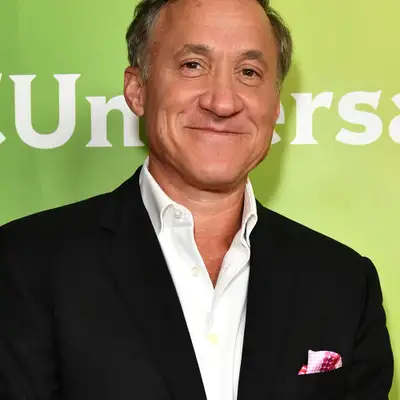
Doctor Terry Dubrow is one of them
for more than two decades
he's occupied a rare place
at the intersection of medicine and popular culture
now he believes
we may be approaching
one of the biggest transformations
in medicine itself
the impact of GLP-1s fascinated him
so much so that
decades into an established
career as a plastic surgeon
he went back to study obesity medicine
what followed was an obsession with peptides
longevity and what he believes
could be the next frontier of medicine
but there is a contradiction
doctor de Bro
is optimistic about where science could take us
yet he believes that
unless doctors
are brought back into the centre of this market
something could go badly wrong
so how much of the peptide revolution is real
and are we watching the future of medicine arrive
before medicine itself is ready for it
my guest today is Doctor Terry Dubrow
welcome to Peptide Show
Terry
thank you very much for joining us on Peptide Show
thank you for having me
I'm very excited to talk about this
tell us a little bit about your journey from television
to peptides um
when did you uh
discover uh these
these therapeutics and
and what have you been doing with them in the
in the space
so my first discovery of these therapeutics was really
when every
everyone else heard about them with the GLP-1 drugs
I had heard of injectable peptides
that weren't approved before
but because you know
I'm board certified surgeon and licensed in California
I really wasn't interested in the idea
of injecting things that weren't
well tested and weren't approved by the FDA
but once the GLP-1 drugs got FDA approved and became
like the biggest
game changing
pharmaceuticals in the history of medicine
I became so obsessed with this area
that I actually studied for
and took the American Board of Obesity Medicine
certification exam
became board certified in obesity medicine
and then after that
just got obsessed with all things peptides and this
this new frontier field of medicine
that's going to change everything
and in this news frontier field of medicine
what do you think is the
kind of the most exciting thing
setting aside GLP-1
which have clearly been absolutely revolutionary
but what what do you think is most exciting
in terms of what comes next
well I think it's all about the longevity
escape velocity concept
this concept that you can use things like peptide
and targeted short chain amino acids to theoretically
and I believe
this is gonna happen in the next one to three years
reverse aging I mean the idea
the ability to alter the DNA
we are just on the cusp of this
and peptides is leading that charge
now you're at the cutting edge of medicine you know
and you you talked about you know
going away and studying uh
you know specifically so you can you know
become more proficient with working with peptides for
for our for our listeners and viewers who are
who are not in the United States
where would you say the
the US sort of healthcare system is
in terms of its awareness of peptides
and how much work needs to be done
before there are more doctors
um because I think
you know probably we agree that patient demand is
is gonna be exceptional uh
people are talking about 50% of
you know advanced populations
could be accessing some type of peptide therapy
well this is a very interesting time
this field scientifically is a little bit in limbo
right now it's the wild
wild west
because we've been using peptides in this country for
now five
six seven years
they've exploded in their popularity
but our federal government has changed
the ability to have medicines access
licensed physicians ability to prescribe these drugs
in 2023 the Biden administration took these peptides
and essentially
recategorized them to what's called category 2
in other words we can't prescribe them okay
so in category 1 we were allowed to prescribe them
follow the patients
monitor them and see what the result was
but they changed that to a position where
those same peptides that weren't FDA approved
but we were allowed to prescribe
were now completely unapproved
and actually strictly illegal to use
and so we were able
then
to prescribe them to our patients through a loophole
where it's called Fuo for research purposes only
so we still do prescribe them
but it's not exactly allowable
but our administration
the new administration with RFK Jr
at the helm of the FDA is trying to change all that
in fact you probably know that last month
the FDA advisory panel
decided and voted and allowed the top
sort of seven
so we physicians can prescribe them again
the problem is when you make them unapproved
like in Australia okay
I just recently did 60 Minutes Australia
where they treat them like opioids
they're completely unapproved
they're illegal all that does is send the peptides
into the black market
now you don't know who's prescribing them
you don't know where they're coming from
you have no idea about their purity
absolutely so in many ways um
you know
they they've they've really sort of helped create uh
the the genie
which is now well and truly out of the bottle you know
I think there's sort of
sensible conversation around this being a
sort of a potential 2027 um
reclassification going back to where you were um
what do you think that looks like for you
in terms of the the
the the volume of people are gonna want to ask
do you have to access these therapeutics
and what are you most commonly being asked in terms of
you know guidance and
and peptides people are most interested in
so it's interesting in terms of the volume as you said
all that did restricting them
was sort of advertise that these things could be useful
a year using peptides in this country to
which is estimated
that it's like 3 to 5 million people use them okay
I'm one of the most searched terms on Google
I mean it's every
practically
every patient I have who comes in for a consult says oh
I'm on this peptide that peptide what do I think about
we spend most of the time
not really talking about plastic surgery procedures
but peptides
I think these are so effective in so many ways
the problem is they're not
they haven't been really
truly studied in the human model
are never gonna spend the billions of dollars required
and FDA approved
because they can't have a patent on them
they won't get a return on their investment
so it's gonna be it needs to be reclassified so we
physicians can prescribe them again
and figure out how to use them
I mean in a way
they're sort of
they're sort of in the realm of over the counter drugs
right where the studies aren't actually clear
how to use Tylenol for this
for that I mean
because Tylenol was originally
FDA approved for one very specific purpose
but as you know
we use Tylenol for a whole host of things
we have figured out how to use these drugs
the same thing needs to happen for things like BPC 157
TB-500
those are sort of
the two most common ones that people want
to use to reduce inflammation if you have injuries
and then there's of course MOTS-c
we need to have these medications
allowed to get back to our purview
and allow us to represcribe them and get lab tests
get feedback from the patients
because as I've said many times elsewhere
the black market you know
the alley of the gym
gym bros and TikTok influencers are gonna
are gonna sell them and then it
it all hell has broken loose
and we have no control at all
when when you look at
and I'm gonna call it the GLP-3s and the
the prominence of use
I don't think there's ever been a therapeutic
which has actually yet to be approved
through its final stages of clinical trials
and when you stand back and you look at you know
I can't put my pin on anything which is similar
anything that's ever occurred in the past
it's really mind blowing I mean
you're talking about with that GLP-3
you're talking about retaglutide
which is commonly known as Reta
you're gonna see Reta everywhere
and you are seeing it everywhere
it's it's interesting
I was listening to this brilliant podcast
of these scientists talking about AI
and they just happened to chat on the podcast
two of them we're on Redda and this is
Redda is the new drug coming out from Eli Lilly
that's gonna be a trillion dollar drug
which is like the ultimate version of a GLP-1 drug
it's like Mounjaro with glucagon
so it's gonna be a fat burning
weight loss drug that is much more effective'cause
they've already gone through phase 3 clinical trials
but it's not FDA approved
but as your audience should know
this is one of the
the drugs that's being the most compounded
even though
Eli Lilly has already sent out notices to everyone
saying we're gonna sue you
this is illegal stop using this drug
and you can get Rada online
you can get it down the street
someone went into a Bodega a
a market in Manhattan
and at the front of the cash register
including Retta that you could get right there
so yeah it is
it is pretty wild and I
I think you know
it is we talk to people all around the world
and it is very much a a US phenomenon
but you can start to see it's happening in
in other markets as well um
this awareness of a let's say
a medication of which is
yet to have formal market access approval
and let's go into protocols and dosings
what what do you
where do you sit in terms of GLP-1s and
and microdosing is it always about the macro dose
okay so
as a licensed physician who does prescribe these drugs
I of course stick to the FDA protocols right
where you start a patient who's doing it
hopefully for the right purposes
for obesity with a BMI over 30 or a BMI over 27
with a comorbidity like diabetes
you can prescribe them for them
and you start them at the lowest dose
let's take Monjaro or Zepbound
same drug 2.5 mg
you do it for four weeks
then you go up to 5 mg and so on and so on
but it's very clear that these drugs have effects
that are positive far beyond what they do for obesity
in fact they actually have indications by the FDA
to prevent recurrent heart attacks
they're very good for reducing fatty liver disease
or for patients with NC especially GL yeah
especially the GLP-3s
I mean that I think is one of the most outstanding
and I mean there's been some
pretty astonishing studies on semaglutide
and alzheimer's and dementia
sadly didn't get the sort of reads
I think a lot of people were hoping
but there
there really is so much that's just not known beyond
beyond weight loss and so to that point
to your point it's very clear
that minimizing the effects of blood sugar
making insulin more sensitive
allowing the body to have less inflammation
related to circulating sugar in your blood
has far reaching effects
so it makes sense that for some individuals
who are not diabetic
might consider using even smaller doses
what are called microdoses
maybe half the starting dose for obesity
and try to reduce what we call inflammaging
meaning the inflammatory effects of sugar on aging
coined inflammaging and so
if you can reduce the sort of chronic
by potentially microdosing these GLP-1 drugs
maybe that's part of what I call preservation longevity
maybe ultimately
that you'll just have a lot less of those sugar
and it'll be an important part of the sort of
you know
aging process and even potentially reverse aging
fantastic now
you're a well known well respected uh
you know spokesperson in the media
uh what do you think is the most common misconception
that the the mainstream media
not the specialist media um
you know have about peptides
what what
what frustrates you the most
I I think that they're just generally dangerous okay
that if even the the approved ones
the GLP-1s like you're cheating
and this is a shortcut and it's not safe
and in 15 years all of our
we're gonna grow third heads
and terrible things are gonna happen
and cancer is gonna result from these unknown
long term effects that is complete BS
first of all
the approved GLP-1 drugs have been around for 15 years
and been used on diabetics
we have more than enough data to know
not only they're safe they're very effective
in terms of the other peptides
these peptides
once appropriately figured out and studied
these are targeting all of those systems in our body
that we want to do positive things for us
physiologically this is the future of medicine
this is going to change everything
and you know there are scientists and researchers now
like David Sinclair at Harvard
that very well known anti aging researcher
once we figure out what to attach to these peptides
that's going to change everything
you should know that Reta
retouched as it's called okay
that's about to come out
that are actually being studied by Eli
Lilly and others
and they're attaching things like muscle maximizers
things that are
but they're gonna give you muscle development okay
they're gonna add things to these that potentially
could make you smarter could turn back the clock
could reduce arthritis inflammation in your body
could take grey hair back to black hair
all of this stuff is coming
so my message is stop restricting this
if you nobody's gonna study this
nobody's gonna spend billions of dollars
you've got to put it back in the hands
of the physicians so that we can at least
figure it out in the safest way possible
when that happens
what do you think physicians sort of need to do
is there commonality of standards protocols
do people need to build technology
if we got technology entrepreneurs
and can be managed and can be reported on
what's missing so
I think what's missing is a centralized
physician reporting site like a website or a program
where physicians can enter their experiences right
their empiric experiences with their patients
and share information and that look
if if we can't spend $1 billion
actually studying these drugs on randomized
controlled placebo trials like they do at the FDA
and when you've got a lot of money well
there's another level of investigation
where we basically share our doses
and that from that will come out
what we call the standard of care
we will learn just like
when we know how to do a new operation
and other physicians interact at meetings
and papers are published in our peer reviewed journals
of our experiences let's go to the physician
peer experience and figure it out
on that level
that's a way we do a lot of things in medicine
let's do it at the clinical level
it's been done for many
many different things and that will work
so less of the randomized control trials
because they are gonna be very difficult to fund
more of the real world evidence
uh advancing
you know good
common standards and protocols and safety disciplines
uh things which really need to be enshrined in this
you know amazingly interesting category
is it sort of
continues to expand and explore in 26 and beyond
yeah it's true
I mean if you think about
remember when we went from open surgery
to surgery done less invasively laparoscopy
where we remove your gallbladder
by making three little incisions
and putty scopes in
those weren't put through randomized
clinical placebo controlled trials
we study it we tell our experiences
we write up papers
let's do exactly that with peptides
that works and that will work
what scares you most about peptides at the moment
what keeps you keeps you thinking or keeps you worrying
or challenges you well
they buy them on TikTok shops
they buy them from unknown sources sources where
you know these ingredients come from
where where do they come from
they come from China
they come from Pakistan and they may have heavy metals
I mean look
in a drug that a person thought they were taking
but at least
they sort of thought they knew how to use it
and lo and behold
it had it was laced with fentanyl and they die
I'm afraid the peptide boom is getting so big
that it's gonna start to be laced with some
not necessarily a fentanyl
but some heavy metal or some endotoxin
that slowly starts to erode the
our ability to control these things
and people are gonna suffer greatly
I mean people have been put into the ICU
from the use of these peptides
ask any ER Doc they have seen them
they're gonna see them more
so I'm concerned there's gonna be a Sentinel event
just like there's going to be
I'm sure in artificial intelligence
where some
for LLM escapes and breaks into a nuclear power plant
and takes over and leaks radiation
I'm concerned this Sentinel event
could happen with peptides
and that's gonna be that's very scary yeah
and of course
it would be the peptides that get the blame
because that's the
way the media tends to report these things
uh it's not the adulterant um
it's it's the molecule
well uh
we won't finish on a gloomy note
uh we asked the same question to all of our guests
um 10 years from now
what do you think the pet world looks like
could be in general could be for yourself
could be for patients where do you think it will be
well paint us hopefully a rosy picture OK
by the way it is a rosy picture
I am so excited
this is why I've coined this phrase preservation
longevity do whatever
if you're alive
and you're listening this or seeing this
which by definition you are
this is the most exciting
time in the history of humanity
to be alive if you can keep yourself preserved
it's very clear that in the next few years
there's going to be peptides
there's gonna be injectables
there's gonna be solutions
that allow you to stop the aging process
arrest cancer in its tracks
and make you look better and feel better
and imagine okay
there already is a drug that can alter the DNA
in the cholesterol forming cells in your liver
to instantly lower your liver
uh liver's cholesterol
your cholesterol in your blood okay
imagine a drug we can inject in you right
that turns your cells that make collagen
back to the way they did it when you were nineteen
all of a sudden you've got
instead of needing a facelift
by doing a simple injection
maybe once a month under the surface of your skin
the future is amazing so take care of yourself
preserve yourself because if you're not preserved
things that are gonna come to us
this is so exciting and it's in the form of peptides
and peptide related molecules like that
Terry this truly was a fascinating conversation
thank you very much for joining us on plattside show
thank you for having me