Subscribe
Share
Share
Embed
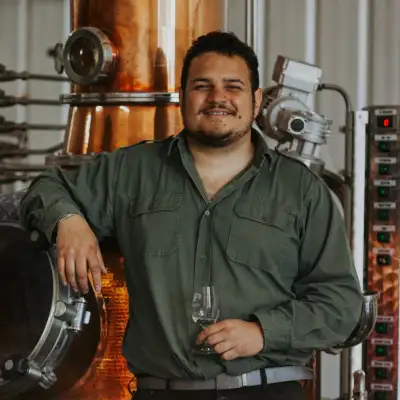
In Episode 035, I chatted with Sebastian Barnick, Director at Pleasant Land Distillery. Starting life in the Royal Navy, he became a certified distiller and WSET educator with a wealth of experience in wines and luxury spirits. He is an NPD professional and runs a sustainable contract distillery in the UK. I hope you will enjoy our chat.
Timestamps
(1:36); Origins of a Liquid and Brand
(7:48); Rectifying Vs Distilling
(11:10); Disconnect between Pricing and Quality
(18:42); The Bottom Up Era
(20:04); Value Chain Construction
(27:01); Where Do The First 10,000 Pounds Go
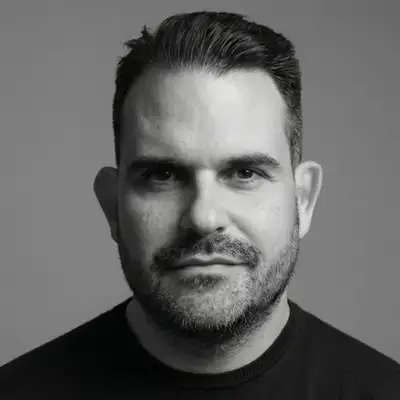
About The Host: Chris Maffeo
About the Guest: Sebastian Barnick
In Episode 035, I chatted with Sebastian Barnick, Director at Pleasant Land Distillery. Starting life in the Royal Navy, he became a certified distiller and WSET educator with a wealth of experience in wines and luxury spirits. He is an NPD professional and runs a sustainable contract distillery in the UK. I hope you will enjoy our chat.
Timestamps
(1:36); Origins of a Liquid and Brand
(7:48); Rectifying Vs Distilling
(11:10); Disconnect between Pricing and Quality
(18:42); The Bottom Up Era
(20:04); Value Chain Construction
(27:01); Where Do The First 10,000 Pounds Go
About The Host: Chris Maffeo
About the Guest: Sebastian Barnick
The MAFFEO DRINKS Podcast is a leading drinks business podcast delivering actionable insights for drinks leadership.
For founders, directors, distributor MDs, and hospitality leaders navigating the tension between bottom-up reality and top-down expectations.
20+ years building brands across 30+ markets. Each episode features drinks builders: founders, distributors, commercial directors, sharing how the drinks industry actually works. Not the conference version. Honest conversations.
Insights come from sitting at the bar.
Beyond episodes: advisory for leadership teams, subscription with episode deep dives and principles to navigate your own reality.
Beer, wine, spirits, Low and non-alcoholic.
Bottom-up Insights & Episode Deep Dives at https://maffeodrinks.com
Welcome to the Maffeo Drinks Podcast. I'm your host, Chris Maffeo. In episode 35, I chatted with Sebastian Barnick, director at Pleasant Land Distillery. Starting life in the Royal Navy, he became a certified distiller and WSET educator with a wealth of experience in wines and luxury spirits. He's an MPD professional and runs a sustainable contract distillery in The UK.
Chris Maffeo:I hope you will enjoy our chat. Hi Sebastian, how are doing?
Sebastian Barnick:I'm very well. Thanks Chris. Happy to be here.
Chris Maffeo:Fantastic. So it's a great honor to have you here now that I met you and the rest of the family in Berlin. Today it's going to be a very interesting episode because it's something that I don't really talk about that much on the side of production and liquid development and the distillery side of things. I usually take care of the commercial side of things after we leave the distillery.
Sebastian Barnick:The commercial guys always forget about us. They've already sold it.
Chris Maffeo:And that's very true. But yeah, sometimes it's, you know, a lot of people will have like a lot of complaints about production in, especially in big companies. It's the yin and yang the drinks business.
Sebastian Barnick:It's nice to have someone to blame.
Chris Maffeo:Exactly. That's the thing. If a it's customer, know, with the customer, you can't blame the customer. So you have to blame production.
Sebastian Barnick:Absolutely.
Chris Maffeo:So let me ask you a few questions. So, I mean, you've got your own brands, but you're also producing on behalf of other people. So they they come to you and they want you to help them produce a liquid and help them with the brand. So how does it start? And I know that there's no right or wrong question here, like, you know, right or wrong answer here.
Chris Maffeo:But does it start? Usually, does it start with a brand? So do people come with a brand and they want to, you know, attach a liquid to it? Or do people come with a liquid idea, the idea of a liquid and then they want to build a brand?
Sebastian Barnick:Every every single one of those. And more, You know, I'd say sort of 90% of our business is producing things for other people. So we have a whole load of different motivations that people come with. I think it's the number one thing and actually a lot of people who don't know their motivation, you know, some people have not put enough thought into what they're going to do I think and you'll be able to see that as well in this sort of you know thousands of craft brands that are out there. You know but I think it's really important, critically important, to have your motivation in the front of your mind because launching a brand is not easy.
Sebastian Barnick:It's such a tricky thing to do, there's so much work involved, you know, blood, sweat and tears throughout, you know, you're going to be having lots of sleepless nights. So if you don't know why you're doing it, then you're not going to get very far. There's so many different motivations, know, some people have a real financial one that like, you know, we want to launch a brand to make lots of money and we want to sell at a 12 times multiplier with celebrity buy in and all this sort of stuff. And then you have people who want to do a family legacy business, who want to be there for a really long time and have sustainable slow growth that pays them well well into the future. And then other people just love the craft, they've always wanted to make something and they love playing with flavours, love doing all sorts of different things, but then also people who want the occasion, so you know that they have like a 'I want to make the perfect drink for sipping on the French Riviera because I like the French Riviera and I want to make something to drink there.
Sebastian Barnick:It's awesome, like it, you know, why not?
Chris Maffeo:I love like the, I mean, you know, I'm a big fan of the target occasion. When you are when you're clear on what occasion you want to cater, then it makes life easier from a from a taste profile perspective. I mean, you're not going to do something very heavy. Like you can play with the liquid and with the flavor so that it can accommodate that kind of occasion.
Sebastian Barnick:Yeah.
Chris Maffeo:Do they know what it takes to, you know, like to get, to get into this business?
Sebastian Barnick:Yes and no. Yes and no. Yeah, said to you on email before that I'm going to say it depends about a million times with the questions you ask me. And in fact, I think it might, there's a competition for the motto of the distillery. It's either going to be, it is what it is, or it's going to be, it depends.
Sebastian Barnick:Because I say that too many times every day, but yeah, it depends on the background they come from. It's a real diverse range of people and they have a real diverse range of experiences. When you're working with people in the trade, I think you have a really, you know, they have some experience, they know the deals that they get, they're always optimistic that people are just going to buy their product based on what it's, you know, if we build it they will come. I think that's something throughout, I think people have been seeing how easy it's been in the past fifteen years and only now they're starting to see just how much real graft it is to make your brand work. From the distilling side of things, from the actual production, there's a little bit of knowledge out there.
Sebastian Barnick:Think two sections of people have a lot to answer for. Firstly, you have big brands with marketing campaigns where they tell you so much bullshit about how production works. And people listen to it, they hear it, they get it advertised to them on the tube, you've got whatever 20,000,000 case a year brand telling you how artisanal their process is. And then the other side, you've got people who have all been doing the gin boom. So you have rectifiers where the process is really easy and you go, right, okay.
Sebastian Barnick:So I've got on one side brands who are making you know x many million cases of whisky a year and they're saying oh we do it in this way and then you know you've got other people saying we make you know a 100 bottles a year and all it took was me playing around with some ingredients. It leaves most people looking to launch a brand with very little to go off. You know, people use the information like they do when they you know when you're sick and you Google your symptoms? Yes. That's exactly what happens with distilling.
Sebastian Barnick:People googled it, they looked on a Reddit thread or something about how to make rum and everyone's an armchair expert.
Chris Maffeo:The only difference is when you Google something you have something on your finger or whatever, like it always ends with a mortal disease. When you Google something about the drinks business, you probably end up having buy out for billions and then celebrities having sold to big multinationals and then everybody thinks that they can launch a gym brand and sell it to Diageo or for Noricard or anybody like just to make some super multipliers as you said.
Sebastian Barnick:Yeah,
Chris Maffeo:Let's clarify this because I think that a lot of people in the business, despite having, you know, being in the business, they don't have it very clear. Know, like, can you can you explain very briefly, like the difference between, you know, rectifying and distilling? To clarify when, especially especially, mean, obviously, when it comes to, gin, which is the biggest user.
Sebastian Barnick:Yeah. So, well, there's three sections really. You've got compounding, which is where you buy a spirit and you add flavorings to it, or water or sugar and that you then have a mixed product basically like you would for a liqueur or like you would for a bathtub gin and that's called a compounded product. And rectifying is where you buy in a neutral spirit from a producer, like a big commodity producer. It's what happens at the end of every year, you have the grape lake or the wine lake and grain lake and these are basically continental overproduction of wheat or grape or whatever, sugar beet, whatever raw material and instead of just letting it rot what happens is they typically have enormous, they used to be state run, now they're mostly privately owned distilleries with the distill to neutral.
Sebastian Barnick:So they make neutral spirit and that gets used in medical procedures, gets used in your hand sanitizer bottles, they add some chemicals to denature it, but a lot of it's the same stuff. It's a huge commodity bulk product and people ship millions of liters of this around the world at over 96% and by law gin has to be made with a neutral spirit. So to make your own is really challenging and not particularly cost effective, especially when you can buy this neutral spirit at less than 1.5 per litre of pure alcohol. When I talk about litres of pure alcohol, mean litres of alcohol at 100% equivalent. This is how we distilling we talk about alcohol because it makes the most sense before you start adding water and all this sort of stuff.
Sebastian Barnick:You've got to move it around in a simple universal term. So rectifying is where you take neutral spirit, you add your flavors to it, be it botanicals, be it, you know, flavor extracts or chemicals or whatever you want. And then you re distill it to create a clear spirit that tastes of whatever you put in there. So, you know, you want to make a gin, put, you have to taste predominantly of juniper. That is the law, despite a lot of brands out there not really following that.
Sebastian Barnick:You have to add your juniper, your coriander, angelica, all that sort of classic stuff to it, and then you distill it and you capture that vapour. And that vapour then is condensed and then diluted with water and that then becomes your gin. That's very easy to do. The technical barrier to entry is minimal. All you need is a license, a rectifiers license and a 50 liter still you can buy off the internet for, you know, couple £100 and a heat source and some water.
Sebastian Barnick:And then you can make your own gin. And that's why everyone does because you can.
Chris Maffeo:The thing with gin is a little bit I mean, it's very similar to the beer to the beer industry, The whole thing with craft, you know, with homebrewing and distilling, you know, like it's very, very similar. I mean, with different legal aspects, of course. But basically, that's that was one of the drivers of of the the gin boom. The the the issue that I see, for example, in the gin categories that everybody seem to play in the same price band. You know, everybody think that they can claim that kind of like, I don't know, $30.35 pound euro, you know, limit.
Chris Maffeo:That create and that has created and it keeps creating a lot of confusion for consumers because they have no idea what they're buying and they just rely on price because they used to rely on price on, I don't know, whiskeys and rums and and so on. And but, you know, like, at the end of the day, they're just getting confused by by a price point that has that has nothing to do with the what you put in it.
Sebastian Barnick:So that £35 price point comes back to the cost of goods. So the cost of goods for all of these guys, you know, unless you're doing millions of bottles a year, is pretty similar. So they'll be reliant on the cost of the neutral spirit, the cost of fuel, and then the price of duty. So alcohol tax. Yes.
Sebastian Barnick:And then you have naturally, you've entered into a DRINKS ecosystem, which you talk about a lot on the podcast.
Chris Maffeo:People have margins and stuff.
Sebastian Barnick:And you can say whatever price you want, but people are only going to pay so much and the drinks are always going to cost a similar ballpark, right, with gin. So it's a gin and tonic is the occasion for 99 of gins. So, you know, people are going to always pay probably between £5 and £10 for a double gin and tonic. And you have to work your way back from there and funnily enough it normally ends up between £30 and £40 a bottle into retail or from retail. So people are squeezed on margins because when you're a small start up business you don't have the economies of scale.
Sebastian Barnick:The bottles all cost between sort of net ATP to £2 for your glassware. You know, your labels are all going to cost a similar amount as well, or unless you want to go really crazy, so you're constrained. And then in terms of liquid, you have to taste predominantly of juniper. So you are already know you're playing in the same field as everyone else. Ingredients know you can add sure you can add you know saffron or whatever you want to and that will add a premium but how much premium do you want to go Because if you leave that 30 to 40 band, people either can't use you in cocktails or you're not making enough margin or the distributor's not making enough margin, you know, and energy costs what it costs.
Sebastian Barnick:We're constrained by our raw materials.
Chris Maffeo:Yeah, no, no, I can imagine. No, but my point was more on the lower end of things that I feel, I personally feel cheated when I know that there is not some, you know, it's not a great product that actually gets sold at the same price as a product that I that I consider higher in in quality. So what you're saying is that basically, that's the that's the minimum barrier. They cannot go lower because otherwise they wouldn't make any money.
Sebastian Barnick:But
Chris Maffeo:then the other guys are also not, you know, playing with the margins.
Sebastian Barnick:So it
Chris Maffeo:all ends up in the, know, like, that's what I mean about the confusion, the commercial product, a good quality product, or very averagely, you know, rectified product.
Sebastian Barnick:And
Chris Maffeo:they all sit in the same price band.
Sebastian Barnick:Then it comes down to the salespeople. Because, for example, I used to work for a luxury spirits brand agency. When I was there, probably six years ago, we were seeing cocktails in Central London going for £25 plus per cocktail. And this is crazy money, we were like this is insane, but we would use the best aged whiskey, you know, it was the whole thing. Now you go into Central London and they're making these cocktails with like Bulleit or something, which is, you know, again a bulk commodity product that sells millions and millions of cases a year that you can buy a whole bottle for less than £20.25 pounds This is just a crazy, it's a really confusing time to be in.
Chris Maffeo:Absolutely. And let's, let's talk about that because then we can go back to distilling, but let's start the bottom up as we usually do. Guess I'm a bit I'm a big advocate of the fact that it all starts from the glass now from the, from the glass at the bar sitting at the bar or the bottle, of course, in a specialty on off trade or, you know, license and, and, you know, so what you're what you're saying, I mean, your experience is basically that there was a trend at some point in which you were actually paying for a premium cocktail because of the premium ingredients that were going into that. Yeah. And then once that they broke the barrier of the whatever that could be, you know, 10, 20, 30, or dollars.
Chris Maffeo:Then at some point, it all everybody got used to paying that money. And then they started to recuperate margins, you know, from a drinks cost perspective and then using more commodity brands to still accommodate that price point. Is that correct?
Sebastian Barnick:There's a bit of both, right? So we've seen the on trade get absolutely hammered through the pandemic. We've seen them get hammered again with the cost of living crisis. And we've also seen big brands get worried about losing market share to craft. And their strategy to fight back is by supporting the on trade, giving them money, giving them stock, giving them everything, and they're going right, these bars are going right, we need to survive.
Sebastian Barnick:Can we sell a supermarket? You know, you can get it in a budget supermarket for £18 a bottle. Can we sell this at £25 in a cocktail? And sometimes they can. That's the reality.
Sebastian Barnick:So it's a really complex ecosystem at the moment. I was talking to my old boss because we were looking at a pricing strategy for our own product, the vodka, and we were like, you know, because I've always worked with luxury, I thought luxury price, but luxury liquid, luxury bottle, you know, all of this. And he was like, you know, said 6 years ago, would have told you go luxury. Now I don't know anymore. I don't know anything anymore.
Sebastian Barnick:Everything has changed.
Chris Maffeo:This is very true. That's very true. So the the the top the top down ears are gone.
Sebastian Barnick:Very much so.
Chris Maffeo:Is this is the bottom up era. Absolutely. And sometimes, I mean, you know, I get I get some comments on my LinkedIn posts when I talk about how to do it bottom up. A few people comment is like, yeah. But this is too difficult.
Chris Maffeo:You can't do it like this. It's too slow. And I was like, yeah. But this is this is the way. I mean, you either do it this way or you're out because, you know, top down is not an option anymore.
Chris Maffeo:So, you know, you either learn to do it bottom up or, you know, the top down helicopter money kind of approach doesn't work anymore.
Sebastian Barnick:And actually, you know, the money, you know, that that's another thing to come back to is throwing money at things does not work. Does not work anymore. Not for, not for the little guys, certainly. Cause we run out, you know, we are not too big to fail. This is
Chris Maffeo:No distillery is going to be bailed
Filiberto Amati:out by the government. That's for sure.
Sebastian Barnick:You know, we have to now make a sustainable long term business, And you do that by building relationships, having a really good value chain, making sure everyone is looked after, making sure you can afford to do promotions with people when you need to, and you still have enough in the tank to pay the bills. That's the way forward.
Chris Maffeo:And let's actually dive into this aspect because, you know, talking about value chain and, you know, like the, let's say, blending the commercial and production aspect of things. When when people come to you, do they understand where to put the money? What goes where? Like, how do they approach the value chain? Do they approach it, you know, top down or bottom up?
Chris Maffeo:Know, like, they
Sebastian Barnick:Chris, it depends.
Chris Maffeo:You know what I
Filiberto Amati:mean? Depends.
Sebastian Barnick:Honestly, we, we get, you know, you know, Goldilocks with the, it's an old fairy tale, anyway, she's, I'm not going go into it. It's not a good analogy.
Chris Maffeo:Fairy maids on a DRINKS podcast.
Sebastian Barnick:Absolutely. Yeah. We talked about the holistic distillery the other day. I'll get my healing crystals ready.
Chris Maffeo:So what what what let's say, let's put it this way. Like, what do you think is the right way to think about the the the value chain or what's the best approach from a customer point of view?
Sebastian Barnick:So, know, I think you have to think where so this, you've got to go back to the beginning, why are you doing this? Is it for the financial reasons? Is it for creating a legacy? You know, is it for the occasion? Right, why are you going down this road?
Sebastian Barnick:Because you know you need to work out how much money you need to be making to make this happen. For example, one of the brands we own, one is called White Cliffs Gin, we're based in the Southeast Of England, We have, in White Cliffs Country, we have the White Cliffs Of Dover and Beachy Head and all that nearby. We know that people here are generally middle class. Most people commute into London. They spend a lot of money on transport in return for slightly cheaper accommodation in a more rural location.
Sebastian Barnick:We know that people, spend a lot of time by the seafront. We know we get a lot of tourists down here. We know that the restaurants here are mainly gastro pubs, I would say, so pubs with a good menu and good quality food and then a few sort of local regular drinking establishments where you can get your English warm beer as the French like to call it. And it's very traditional but there's also a sort of semi urban crowd of commuters who have the quality of London and like to indulge in that in a local context on the weekends. And we also know that people have a price ceiling, people are not spending £25 on a cocktail in Kent.
Sebastian Barnick:In fact, they're probably not drinking cocktails at all. It'll be a spirit mixer serve and we know we come back to it's going to sit between seven or five to 10 pounds for a double. So we know the bar wants to make 80% gross profit on that, and we know then how much it needs to be per shot. 28 shots to a 70 cl bottle plus, you know, you add 10% for wastage and then you go back to how much it's got to cost into the distributor and because they're going to want their 20 to 30% now, some distributors want, you know, just for logistics, which is crazy. And then, you know, you come back to how much money do I need to make?
Sebastian Barnick:Then you have your cost of goods and you say right, if my cost of goods is, you know, three times this, we're not going to make this, it just comes out of our margin because we know that people are only going to spend this much. So you have to make the product fit. Who's going to be drinking it? When they're going to be drinking it? Where they're going to be drinking it?
Sebastian Barnick:And then also what your attitude towards the business is. Pursuing a growth model now where you make no margin or very little margin is a really risky strategy, but some people want to do that And they've got the backing to make that happen. So it's really complex. There's no right or wrong answer. Don't think.
Sebastian Barnick:I think it depends on how you want to do it.
Chris Maffeo:And this is very interesting. Mean, what you're saying. So let's say there are some people that come to you with a big volume game like you know, like to build a brand at scale, so they are happy to work with a lower margin, but building on the scale.
Sebastian Barnick:That does happen and that's exactly how it happens, but I think it's wrong because often people come with a very top down mentality. Know, an example we quoted for a flavored agave spirit brand, right? And they said our first year's volume is going to be 160,000 cases and they said how cheap can you make it? And I was like guys this is not grounded in reality and you're asking all the wrong questions like should be how good can you make it?' Not like, you know, and also 160,000 cases, I mean, who's going to buy this? And they're like, you know, everyone cocktails, you know, we see it being consumed by everyone and it's just saying all the like wrong buzzwords, know, like if there was an error buzzer for someone, every time someone said this product is for everyone, they would have done it every single step of the way.
Sebastian Barnick:And you're like, this is crazy. And they're like, we're going to work with someone else. And I said, look, guys, honestly, good luck. I've got no more to add.
Chris Maffeo:That is the issue. I mean, many times that I've seen now that that people create a liquid top down. So that's that was the reason of my question now, like on how do they build the value chain, if they build the bottom up or top down because they they start from the ingredients. They start with a bunch of like botanicals and very expensive spices and so on. And then it just adds up.
Chris Maffeo:And then when you add the margins of the distributor, you know, importers, wholesalers and so forth and retailers, then all of a sudden it becomes like a crazy price on the shelf. Yeah, or, you know, or at the bar, and then nobody's gonna buy so then then it becomes a luxury product, but almost by mistake, you know, by wrong value chain. Yeah. And not by the brand essence. And then there is, there is this thing that I noticed that it's like this is not a luxury product, but it's priced as a luxury product.
Sebastian Barnick:Yeah, and honestly, a lot of the times they just shouldn't be. The reality is that it's just expensive because they've not done their cost of goods, they've not looked at their supply chain properly, they've not analyzed the value chain, and then they've gone we want this and this and this and it all adds up. In the end you've got a product that's £50 that should be, you know, 30.
Chris Maffeo:Do people when they come to you, do they understand the kind of like the balance between production and commercial in terms of investment? I like to think like, where do the first £10,000 go? You know, where should they go? Should they go in, in stock and ingredients? Or should they go in, you know, marketing commercial?
Sebastian Barnick:Chris, it depends. Honestly, from what I've seen, people either typically overspend on production or they underspend and they rarely hit that just right moment. Now would say that if your outfit is you're a startup brand, found a lead, you've made a liquid, I would say put probably about 50 of that, so 5 grand's worth into production, leave 1,000 for logistics and then 4,000 into marketing. And then the rest of it is you get out there and you sell it and you sell those first, know, because what's that going to get you? Like 3,000 bottles?
Sebastian Barnick:So you got, well, not even, not with the price of glass at the moment, it's probably going to be more like 2,000. So you put that into there and you a, you your, you bootstrap, you go out, you sell it bottom up, and you can sell those couple of thousand bottles by yourself and you will sell that within a few months. And you can sell it for money, you get paid, and you can reinvest into buying more stock, you know, for products that don't require aging. That's definitely the way to do it. For products that require aging, you're in a slightly different ballgame because you've got to be looking three years, five years ahead, and then you typically need funding.
Sebastian Barnick:Or you need to have this as your secondary income, I would say, to have a comfortable life.
Chris Maffeo:For sure for that, for minimum for three years. Yeah,
Sebastian Barnick:absolutely. And then, yeah, you know, you've got to be making that volume three years in advance. And I mean, you know, running a distillery and or even just laying down a cask of whiskey, that's expensive. Know, thousands of pounds to do that. So if you want to be making 100 barrels a year, it's a hell of a lot of investment.
Sebastian Barnick:It's a tricky one and you're taking a big gamble based on what your future sales volume is going to be. None of us can tell the future. Not yet anymore.
Chris Maffeo:Not yet, not even chat GPT can tell the future. No, Just I did learn from the past. And this must be a very interesting thing that, you know, for you now, because it puts you in a very, you know, kind of like honest conversation with your customers. Because, of course, like, if I come to you with $10, and, you know, of course, it would be nice for you to set to to, you know, to get all the 10 grands. But then you already know that if I don't manage to sell it out, I won't reorder.
Sebastian Barnick:Absolutely. I get honestly, I send customers a, I call it a liquid design brief template, where I ask them a lot of questions, one of which is what's the project budget? And in England most people don't really like talking about money, so often you know they leave that blank and they don't tell me. I try and ask them, oh we don't feel comfortable because you know, can understand people get burnt in business doing things like this and they don't see it from my perspective that if I charge them this, you know, £10,000 out of their first £10,000 they're never going to come back because they're going to be sat on all this stock, you know, just trying not knowing how to sell it, with no budget for marketing, with no budget for logistics, no nothing for activities and promotions. I wish people were a bit more transparent with me on that.
Sebastian Barnick:There is nothing new under the sun as the old expression goes. So, know, I've seen all sorts of budgets and I think that there's a, you know, I'm in it with them, you know, because if they never come back, then it's just a one off And it's like selling one bottle to one bar to use your adage.
Chris Maffeo:No. And this is and this is honestly like it's the is the honest conversation that probably is lacking very often in the business now. And that's why these people are reluctant to to leave that kind of information, because then they think you you may use it against them rather than for, you know, for them. But then ultimately, that's, that's the talking about the longevity and the long term aspect of the business, because I want you to come back to me all the time, you know, like, you know, like for for new production and keep on coming back to to produce a new batch. Because because of that, you know, like, you know, you don't want to sell out, a pallet of stuff and then see you and goodbye.
Sebastian Barnick:Yeah, absolutely. I've seen that many, many times. Also seen from the other perspective is where people go, I want to make a product as cheaply as possible and then sell it for £40 And
Chris Maffeo:this is what I was referring to in the beginning, like in that question on the £35 when, you know, sometimes it's super cheap and it's like, why are you selling it for £35?
Sebastian Barnick:And, you know, most people come and they reference Smirnoff, Grey Goose, you know, these big brand products. I hope maybe Dadejo is not going to come and assassinate me. I don't think that'll not yet. Yeah, and they see that it's a commodity neutral spirit blended with water. And they go, Why can't we do that?
Sebastian Barnick:It's like, well, you haven't got the budget.
Chris Maffeo:That's all for today. Remember that this is a two part episode thirty five and thirty six. If you enjoyed it, please rate it, comment and share it with friends and come back next week for more insights about building brands from the bottom up.