Subscribe
Share
Share
Embed
The Sunmico B2B Marketing Podcast for Tech Scale-Ups is a strategic resource designed specifically for CEOs, founders, and marketing leaders in the B2B tech sector.
In an industry defined by rapid change, staying ahead requires more than just ”great tech” – it requires actionable frameworks and fresh perspectives on growth, positioning, marketing, branding, transformation, GTM (Go-To-Market), demand and lead generation.
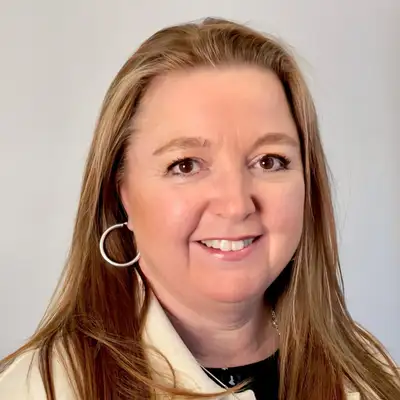
The Sunmico Podcast is curated by Mimmis Cleeren, CEO of Sunmico. With more than 25 years of international experience in B2B marketing, business transformation and growth, Mimmis uses this platform to challenge traditional marketing norms and provide tech leaders with the blueprints they need to scale.
We know time is a scarce resource for any tech executive. To deliver deep marketing and scale-up expertise in a format that fits your schedule, we have pioneered an AI-native production workflow:
• Original source material: Every episode is built upon Sunmico’s proprietary research, articles, lessons learned from tech industry events, and real-world consulting cases.
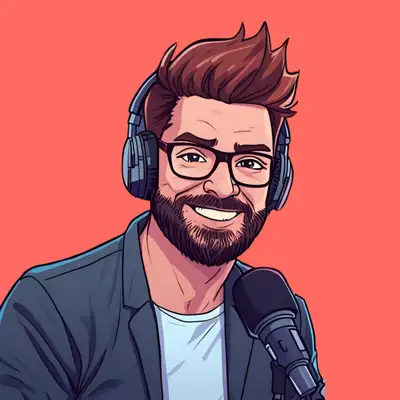
• Curated insights: Our AI hosts, Mike and Marie, synthesize complex B2B topics into high-impact, 10-20-minute briefings.
• Continuous learning: By leveraging AI, we can transform our latest strategic reflections into audio content at the speed of the market.
Visit https://www.sunmico.com/ for more B2B marketing resources and consulting services to help you grow.
Hi, and welcome to the SUNMICO AI podcast, where we explore strategic marketing topics that are relevant to scaling and growing your business. I'm Mimmis Cleeren, CEO of SUNMICO. We are a B2B marketing consultancy firm specializing in helping tech companies with transformation and growth. Today's episode is about leadership. I believe this will be of interest both to senior leadership teams in tech scale-ups , but also for those specifically leading the B2B marketing function.
Mimmis:I personally take a keen interest in leadership issues since I often step in as Interim CMO or Interim Head of Marketing or Interim Head of Communications at tech and IT companies. In October 2026, the annual leadership conference called Chefdagen is held in Stockholm. This episode summarizes the main takeaways from last year's conference as I feel they are very timeless and still useful.
Marie:Today, we're diving deep into effective modern leadership, specifically the kind that, well, doesn't just get by, but actually thrives when things are uncertain and change is basically constant.
Mike:There are key takeaways synthesized from Chefdagen 2025. It was a big gathering of senior leaders all focused on navigating this complex world we're in now. So our mission for you, the listener, isn't just a summary. We want to pull out the really battle tested principles, the non negotiables. We're looking for strategies that high stakes organizations - think police forces, big corporations in turnaround mode - are actually using right now.
Marie:Right. The stuff that works under fire. And we've structured this to give you a kind of playbook.
Mike:Yeah.
Marie:We'll unpack four big themes. How leaders stay resilient and, you know, keep their integrity during a crisis. Then, how they build a really magnetic, human focused culture.
Mike:Crucial these days.
Marie:Yeah, absolutely. Then, the actual frameworks they use for execution, getting things done, and finally, how values and purpose anchor everything.
Mike:Sounds good.
Marie:So, let's start with segment one, leading with resilience in high stakes environments. It's maybe a bit cliché, but true leadership really shows itself when the pressure is highest, right? When there's zero room for error.
Mike:Absolutely. And what really jumps out when you look across different sectors like defense, law enforcement, even crisis comms, is this reliance on, well, clarity combined with pretty radical decentralization.
Marie:Interesting combination.
Mike:Take National Police Commissioner Petra Lundh. She's leading, what, 40,000 people. Her strategy isn't about centralizing power.
Marie:No.
Mike:It's about clear goals, more officers, more efficiency, but achieved by dismantling the slow cumbersome meeting culture. She's pushing decisions down.
Marie:Down to the front lines.
Mike:Exactly. Where the actual work happens, giving them the mandate to act.
Marie:And you mentioned defense. That sounds a lot like military thinking. Mission focused decentralized action.
Mike:It is. General Michael Claesson, Chief of Defense of the Swedish Armed Forces, calls it mission type tactics. Delegating initiative responsibility.
Marie:Okay, but when you have these huge critical organizations, isn't there a risk? Doesn't decentralization sometimes lead to, I don't know, chaos, conflicting priorities?
Mike:Well, that's the potential downside. But they manage that risk through process and clear communication.
Marie:How's so?
Mike:While they delegate the how, the overall mission, stays incredibly clear. And General Claesson pointed out something really key for civilian organizations too.
Marie:What's that?
Mike:Dealing with what he termed organizational anxiety.
Marie:Organizational anxiety. What does that actually look like in a non-military setting? Like a regular company?
Mike:It often looks like analysis paralysis. You know, the fear of making a decision that might get criticized.
Marie:Right.
Mike:Or being afraid to suggest something new, something innovative.
Marie:Right. Sticking to the safe path.
Mike:Exactly. The military gets past this because they have a really disciplined structured way of handling feedback.
Marie:Okay.
Mike:It's not focused on blaming individuals. It's about learning from every single situation, good or bad. That structure lets them improve constantly without that paralyzing fear of making a mistake.
Marie:That transparency, that integrity piece seems vital. We see that same idea in the corporate world too. Like the Max Burgers case.
Mike:Yes. Richard Bergfors.
Marie:Yeah. The former CEO. He talked about navigating a really intense media storm. And when that pressure hit, his approach was defined by first, taking complete ownership himself.
Mike:Not blaming the team.
Marie:No, refusing to blame the employees. And second, actually fighting back hard against incorrect reports in the media.
Mike:Taking a stand.
Marie:Right, and he felt that instead of dividing them, taking that strong public stance, actually welded employees together, it built solidarity.
Mike:That willingness to protect the team grounded in honesty and respect, that seems to be the common thread, doesn't it? In all these high pressure turnarounds.
Marie:It does.
Mike:Patrik Hofbauer at Telia, during their big transformation, he stressed the same things: respect, speed, honesty, accessibility. When everything feels uncertain, people need leaders who are a reliable, honest anchor.
Marie:Absolutely. Integrity under fire. That's the real test of resilience.
Marie:Okay, so if that's how you handle the crisis, how do you build the organization that's ready for the next one?
Mike:Good question.
Marie:That brings us to segment two, building the human centric organization of the future. And it really starts with the fundamentals, like that quote from Oneflow CEO, Anders Hamnes, "Your product will never be better than the people you hire."
Mike:So true. And hiring the best people today means understanding what they demand. Well, the sources are really clear. The next generation of managers, they have some non-negotiables. They expect a clear path for growth, for mentorship.
Marie:Okay.
Mike:They demand real flexibility / hybrid models, actual work life balance, and they want a culture built on mutual trust and autonomy.
Marie:Micro-management is out.
Mike:Totally out. It's the quickest way to lose your best people.
Marie:And that focus on trust? It connects directly to the core psychological needs people have at work. Professor Micael Dahlen shared some striking data.
Mike:Yeah, that was fascinating.
Marie:When employees look to their leaders, what do they prioritize most? Overwhelmingly, it's hope. That was 55%.
Mike:More than half.
Marie:And the second biggest, trust at 33%. Add that up, it's almost 90% seeking emotional and psychological stability. It's not just about the salary.
Mike:It really changes the leader's job description, doesn't it? If hope is number one, you can't just give a quick pep talk. Leaders need to visibly model the behaviors that make the future seem achievable, seem positive. Setting ambitious goals, yes, but connecting the day to day work to a bigger compelling vision.
Marie:And this isn't just nice to have stuff. Dahlen's research showed a direct link.
Mike:To the bottom line.
Marie:Yeah. The top 100 most financially successful companies globally, they consistently had the highest scores for employee well-being.
Mike:So taking care of your people is good business.
Mike:It drives success. And part of taking care of people is ensuring inclusion. Aaron Kroon gave a definition I think is really powerful. He said, "Diversity is fact. Inclusion is a feeling."
Marie:Explain that.
Mike:Well, diversity is measurable, right? It's about who's in the room, the demographics, that's a fact.
Marie:Okay.
Mike:But inclusion, that's the psychological climate. Do those diverse people actually feel like they belong? Like they can contribute their best work without holding back. That's a feeling.
Marie:Creating that feeling requires.
Mike:It needs clear KPIs, measurable goals for D&I , absolutely. But beyond that, leaders need real empathy and sometimes real courage to stand up for those core values when they're challenged.
Marie:And speaking of challenges, diversity naturally brings different perspectives, which means conflict is inevitable.
Mike:Right? Guaranteed. Yeah. It's not a bad thing, but you need tools to handle it constructively.
Marie:Like the position versus interest model.
Mike:Exactly. It's a very practical way to approach conflict resolution. The position is what someone says they want. I need X.
Marie:The demand.
Mike:The demand. Yes. But the interest is the underlying need or fear driving that demand. Why do they need X?
Marie:How does knowing the difference help?
Mike:It completely reframes the discussion. Let's say someone's position is "I demand to work from home three days a week." If you just argue about the position, you get stuck on logistics, company policy.
Marie:Right, you butt heads.
Mike:Yeah. But maybe their underlying interest is about status - they feel undervalued or unheard. Or maybe it's certainty - they need predictability for childcare. If you understand the interest, can often find other ways to meet that need, even if the original position isn't feasible. You solve the real problem.
Marie:So you shift from an argument 'you versus me' to more of a collaborative thing 'you plus me versus the problem'?
Mike:Precisely. You build the relationship while tackling the issue. It's much more productive.
Marie:Okay, so we've got the culture piece: hope, trust, inclusion, resolving conflict constructively. Now, how do we translate all that positive energy and motivation into actual focused execution?
Mike:That's the critical next step.
Marie:Which brings us to segment three: Tools for strategic clarity and execution.
Mike:And before you even pick up a tool, you have to understand the psychology of change itself. Ylva M. Andersson, a change management expert made a key point.
Marie:Which was?
Mike:That resistance to change, It's usually not logical. It's an emotional reaction. It comes from a perceived sense of loss.
Marie:Loss.
Mike:Yes.
Mike:And crucially, the feeling of loss is about twice as powerful psychologically as the feeling of winning or gaining something. Leaders often forget that hidden emotional cost.
Marie:So if change feels like loss, leaders need to address those emotions directly. That's where the SCARF model comes in, right?
Mike:Exactly. It's a framework for understanding the five key psychological needs that get triggered during change. Status, Certainty, Autonomy, Relatedness, our sense of belonging, and Fairness.
Marie:It's a good reminder that while we're focused on the strategy or the restructure, our team is thinking, Where do I fit? Is this fair? What does this mean for me?
Mike:It's fundamentally human and knowing SCARF helps leaders avoid two big mistakes Andersson warned about.
Marie:Okay, what are they?
Mike:First, don't just jump straight to presenting the solution. That makes people feel powerless, ignored, their status need isn't met. Right. And second, while you need to listen, don't let the discussion devolve into just venting or, you know, a group therapy session.
Marie:Find the balance.
Mike:Yes.
Mike:Listen to understand the concerns, validate them using the SCARF lens and then involve the team in figuring out the path forward. Give them back some autonomy and relatedness.
Marie:Okay, so managing the psychology is step one for execution. Step two is actually prioritizing. We need a way to stop the daily noise from drowning out what really matters long term.
Mike:Absolutely critical. And that's where the Rocks, Pebbles and Sand model comes in. Annika Kvist presented this.
Marie:Explain that one. It sounds practical.
Mike:It's super practical. It's a hierarchy for thinking about your work and your team's work. The rocks are your big, critical, strategic initiatives. The few things that really move the needle long term.
Marie:Like a major new product launch or building a whole new e-commerce platform.
Mike:Exactly. Then you have the pebbles. These are the important projects and activities that support the rocks, usually within the current year.
Marie:Such as?
Mike:Maybe recruiting a key manager for that new platform or training your sales team on the new product. Important, but secondary to the rock itself.
Marie:Got it. And the sand?
Mike:The sand is, well, it's everything else. The daily flood of emails, urgent but minor tasks, most meetings, the stuff that feels pressing but often doesn't contribute much strategically.
Marie:Ok, so Rocks, Pebbles, Sand. What's the key insight here?
Mike:The key is the order. You have to put the rocks in the jar first.
Mike:Meaning you must intentionally allocate time, resources, and focus to your strategic rocks before everything else.
Mike:If you let the sand fill up your jar first...
Marie:Which is easy to do. The daily stuff is always shouting loudest.
Mike:Exactly. If the sand fills the jar, there's no room left for the rocks or even the pebbles. By prioritizing the rocks, you guarantee that the most important long term work actually gets done.
Mike:You stop the tyranny of the urgent.
Marie:That makes a lot of sense. Structure serving strategy.
Mike:Always.
Marie:Okay, let's pull it all together in our final segment, segment four. The foundational pillars of modern leadership. We've talked about crisis resilience, culture, execution tools. What's the underlying foundation?
Mike:It really comes down to values and purpose. Anna-Karin Hatt talked about leaders needing a low center of gravity.
Marie:Low center of gravity, like in sports.
Mike:Sort of. It means being stable, grounded, anchored in your core values. That's what allows you to stay calm and clear headed when everything around you is chaotic.
Marie:Yeah.
Mike:Like during economic downturns.
Marie:And there's research on this, isn't there, about leaders forged in different economic times?
Mike:Yeah. Really interesting stuff from KTH and the University of Herefordshire. They found a correlation. Leaders who emerge during economic booms tend to be a bit more narcissistic.
Marie:Makes sense. Maybe more focused on individual success when times are good.
Mike:Perhaps. Whereas leaders forged during recessions tend to be more empathetic. They naturally adopt more of a "we're all in this together mindset."
Marie:Adversity breeds empathy and a focus on the collective, which ties into purpose.
Mike:Absolutely. Shared purpose is huge now. Jesper Brodin, the CEO of Ingka Group, you know IKEA, he put it very starkly. Said, "Sustainability is a gold mine."
Marie:Gold mine! That's a strong statement.
Mike:It is. His point is that it's not just a nice to do anymore, it's fundamental to business. He argues that failing to transition to sustainable practices is actually a massive brand risk now, an existential threat almost.
Marie:So purpose isn't just about feeling good, it's about long term survival and relevance.
Mike:Exactly. It drives everything, innovation, supply chains, energy use.
Marie:And the final piece, the big disruptor, technology, specifically AI. How does that fit into this human centric, purpose driven leadership model?
Mike:Well, we saw a practical example from Nordlo. They developed an internal tool, Nordlo GPT, and it dramatically sped up their process for responding to tenders from weeks down to just two or three days, huge efficiency gain. But the real insight wasn't just the speed. It was how they implemented it. They made it a priority to involve employees directly.
Marie:Not just imposing it from the top down.
Mike:No, they used the AI implementation as a chance for widespread internal learning and knowledge sharing. The focus was on augmenting their people, making them more effective, not replacing them or making them feel threatened.
Marie:So technology serves the people and the purpose, not the other way around.
Marie:Okay, let's synthesize this. What's the big message for you, the leader listening in?
Mike:Yeah, I think the overarching message from all these sources from Chefdagen is that success today demands a really dynamic blend.
Marie:Blend of what?
Mike:Human centricity is key. Really focusing on providing that hope and trust people crave. Then you need strategic clarity using practical frameworks like Rocks, Pebbles, Sand, and understanding the psychology with SCARF. And underpinning it all, an unwavering commitment to genuine core values and a clear sense of purpose. It all has to work together.
Marie:That's right.
Mike:And we found that the absolute bedrock is that psychological safety. Remember hope and trust were the top things employees look for. Yet there's constant pressure just to execute faster. Right? Just focus on the pebbles and sand.
Mike:So here's the final thought, maybe a provocation for you to take away. If your organization is only optimizing for speed and execution, just churning through the pebbles and sand, and you're forgetting to actively build that foundation of hope and trust.
Marie:Yeah.
Mike:Are you really setting yourself up for long term performance or are you maybe unintentionally eroding the very resilience, the hope and trust you'll desperately need when the next big disruption hits? Because it will hit.
Marie:That's a sobering thought.
Mike:So the question becomes what's one single concrete action you could take this week intentionally to build hope within your team?
Marie:A powerful question to end on. Thank you for joining us for this deep dive into these critical leadership principles. Go put them into action.
Mimmis:That concludes today's deep dive into B2B marketing strategy. Visit sunmico.com for more resources. This episode was AI generated using NotebookLM from materials created by SUNMICO. There may be some strange pronunciations of certain names and concepts by the AI generated voices. Thank you for listening.