Subscribe
Share
Share
Embed
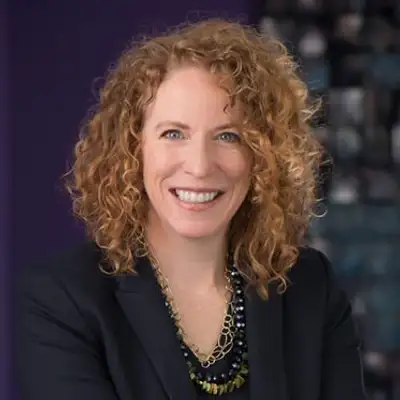
"Everything we're doing with AI is a form of delegation. The second you start to think of it as delegation, you'll get less frustrated about 'oh, it didn't do anything.' But did you tell it how you do it? Did you tell it the 37 steps that go into making the thing the way you like it?" — Susan Diaz

The Number is a business podcast about the numbers that actually run your business.
Each episode focuses on one number. Revenue, profit, cash flow, capacity, time, valuation, customer cost, risk, or exit readiness.
Hosted by Wendy Brookhouse, and often joined by Kelsey MacAulay, the show breaks down what that number means, why it matters, and how it should influence the decisions you make as an owner.
Some episodes feature guests. Some are honest conversations. Some are solo deep dives.
If you own a business and want better clarity, better decisions, and better outcomes, it starts with knowing your numbers.
[00:00:00] Wendy Brookhouse: Hello and welcome to the podcast The Number. Our number this week is six million, and our guest is Susan Diaz, the CEO and founder of Northlight AI. So we will get to what six million means shortly, but welcome, Susan
[00:00:18] Susan Diaz: Thank you for having me. I'm so excited to be here
[00:00:22] Wendy Brookhouse: Kelsey, kick us off. What's the first question you wanna ask Susan?
[00:00:27] Kelsey MacAulay: I wanna ask, you make a really specific distinction in your book. You're not talking about AI access, you're talking about more of AI literacy. Can you explain what the difference is and why that matters financially?
[00:00:41] Susan Diaz: Okay, I'm gonna try
[00:00:43] Kelsey MacAulay: to start off with, but that's what really curious. Like
[00:00:46] Susan Diaz: start me off nice and easy, friend.
[00:00:49] Wendy Brookhouse: Deep end,
[00:00:50] Kelsey MacAulay: Wendy said hello. You're good
[00:00:53] Susan Diaz: It's true. All right, so when I talk about AI literacy, uh, and then connecting it to financial, it's pretty much the way that folks look at financial literacy, right? You, you need to have, like, a base level of understanding, you know, w- what money's coming in, what's going out, what your goals are, how to invest, what does that mean?
[00:01:13] You know, that, the difference between savings and investment, and all, all of that good stuff. And so it is my thinking that we're all getting to that place where you're gonna need that in, in AI as well. You've, you've, we've done it in the financial, we've done it in health, um, where you need to know when to see a doctor, what's an ER thing, you know, that kind of stuff.
[00:01:34] And so, um, to my mind, AI literacy goes beyond just having a couple of chats or a few threads on ChatGPT or Claude or your, your preferred thing. Um, and it goes into understanding what you're trying to achieve and how AI can just sort of be an amplifier there. And then perhaps, like, a l- less talked about thing is that ability to use AI as your second brain, and really have it help you think, sharpen yourself.
[00:02:03] And I often talk about the idea of this book called The Big Leap and, and how in, in The Big Leap he talks about these zones, and there's four zones. There's the zone of incompetence, the zone of competence, the zone of excellence, and then finally the high holy grail, which is the zone of genius, which a lot of people are just uncomfortable even saying the word genius, leave alone, you know, trying to spend your time in your best genius.
[00:02:27] And so I feel like when properly applied and utilized in your business, it frees up your time to sort of spend it in that zone of genius. And then going back to the investment versus savings, I find a lot of people talk about how much time is saved, but time saved on its own is gonna get filled with Slack messages and in emails and whatever else, unless you, you invest it, right?
[00:02:50] And, uh, and so I think that's really the call that I'm issuing to people. Like, think about it like that and you'll find great gains.
[00:02:59] Kelsey MacAulay: So compounding your time
[00:03:02] Susan Diaz: Indeed
[00:03:02] Wendy Brookhouse: I think that's really interesting perspective. So this is a great book, uh, S- Swan Dive Backwards. We're gonna get into the title a little later for sure, Susan. What would you say is the biggest thing you were hoping to achieve with this book for business owners?
[00:03:22] Susan Diaz: Um, okay. So I work with a lot of small businesses and, and I found quite early in the process that people were, were starting to use AI potentially way before some of the, the larger companies started to use it, purely because we are more agile, we have more access, we're able to, like, there's less layers of decision-making, um, and, and such.
[00:03:44] And so when I started to think about this book, I'll be honest and say the, the first thought was, "Hmm, I'm doing all of this stuff with AI. Some people know about it, some people don't, and what the book is gonna do for me is it's gonna be a lead magnet, and it's going to sort of open doors where I can have some deeper conversations with people.
[00:04:04] They will have spent a few hours with my thinking." Um, and so it was not, it was not for the audience. I was doing it for me and my business. Um, uh, and then along the way, to write a good book, you really do need to get focused on what the audience gets from it. And so I pushed the idea of writing a book for, for quite a while 'cause I was like, "Eh, it sounds like a lot."
[00:04:26] Also, AI changes from day to day, and, you know, I don't wanna be in a position where my book is gonna be obsolete in six months because the things I mentioned are, are no longer in existence. Um, and then I think that's when it came to me through a lot of conversations with people, both people who are inside my AI mastermind as well as, you know, clients, friends, partners.
[00:04:47] Um, the, the need of the hour was really more getting people to understand the bigger opportunity and not the tools or the, you know ... People love a prompt or they love, like, somebody who says they did this agent using a, using a tool. Uh, but that's really the least of it, right? You're, you're jumping straight into the execution without using it for the thinking.
[00:05:13] And so with this book, what I wanted people to do is to really understand the sort of macro concepts, to really understand what is possible, to really understand things, if you're not a technical person, to understand things like shadow AI and the, the fact that, you know, some companies have blanket bans even now in 2026, and they say you can't really use an AI tool or you can only use like, I don't know, like Copilot because it comes with your Microsoft Office.
[00:05:40] And no shade to, to Copilot, but, like, nobody seems excited about that, and they're constantly sort of talking about how, "Oh, I wish I could use Claude and do the things that you're doing." Um, and I'm like, really, that's the, that's the least of it. Start with, start from, from, you know, the 30,000 foot and then work your way downwards is, is what the goal of the book is.
[00:06:03] Kelsey MacAulay: Com like, organizations are fairly complex, and I know in your book you lay out four different archetypes. I think it's the d- uh,
[00:06:11] Susan Diaz: The diver
[00:06:12] Kelsey MacAulay: pathfinder, operator, and the big thinker or big,
[00:06:15] Susan Diaz: The bridge builder.
[00:06:16] Kelsey MacAulay: build... Sorry, yes, bridge builder.
[00:06:19] Susan Diaz: Yeah. I lay
[00:06:21] Kelsey MacAulay: I only read it once. I'm sorry
[00:06:22] Susan Diaz: No, that's pretty cool. I love that that's resonating, 'cause I really think that, you know, when I, when I decided I wanted to write about specific archetypes and then made a quiz that, that accompanies it, the intention was to help people feel seen. Like, too often you hear the sort of narrative, um, that, you know, it's so easy, just do it.
[00:06:43] Like, I mean, I built this website in a night, or I, you know, created an agent in 25 minutes and stuff. And, and well, good on you, but n- not everyone is built for that level of, of adoption. And, you know, if, if that's not you, how, how are we making sure that you're feeling seen in this environment, right? And so, um, y- y- if you think back to v- various quizzes that you have in the, in the sort of en- environment of, like work, think of the Kolbes and the, um, uh, you know, Myers-Briggs
[00:07:16] Wendy Brookhouse: color are you?
[00:07:17] Susan Diaz: Yeah, exactly. And so there's a sense of belonging that comes from it. You feel like people see you. You feel like there's more people like you. You're not alone. Um, and so that's why I, I built out these four archetypes and, you know, it, it's been going well, 'cause I speak to people who've, who've read the book and who, who...
[00:07:37] Like, that's the thing that they wanna talk about. And so I'm like, "Okay, well done, Susan and Claude." 100%.
[00:07:43] Wendy Brookhouse: Credits due.
[00:07:45] Susan Diaz: you know, if I, if I do the AI thing and I'm not using it myself, that's disingenuous, right?
[00:07:53] Wendy Brookhouse: Well, here's the thing that I love about that archetype. Like, we talk about these, uh, different other assessments you can take so that people understand each other better. But when you think about the bringing AI into your organization, by doing this assessment, you actually know what roles you need filled. As you do that, and now you have a way to actually, "Oh, he's the... Uh, she's like this, he's like this. I need him to do this and her to do this," versus the other way, then it's a mismatch and you're expecting things from them that aren't innately where they're good
[00:08:28] Susan Diaz: Yeah, I think so. I mean, I like to think of it like, uh, again, mentioning another type of quiz is, you know, the love languages that people talk Like, where you're like, once you understand someone's love language, you're, it's just easier to, it's easier to communicate. It's easier to, you know, show up.
[00:08:45] It's easier to work together. And so, um, it's a, it's early stages yet, but I think there's lots of things that can be done with it. And 100%, in terms of like, um, teams, it's important. Like, if you put together a whole bunch of divers, I talk about this in the book, it's like you put together a whole bunch of divers, you're gonna have a lot of movement and nothing documented, or you're gonna have, you know, a lot of like pilots and nothing that goes forward.
[00:09:11] At the same time, if you have someone who's a pathfinder, who's more research oriented, maybe they're not really pulling the trigger on something which, and you're just like gaining more and more information, right? And so I think having a mix when you, when you're in a team is, is really great, which may lead to the, the question, what happens if you're a smaller team and you don't have all of them?
[00:09:32] Wendy Brookhouse: That's a great Let me ask that you, Susan. Susan, what you have a smaller team and don't have one that fits all those archetypes?
[00:09:40] Susan Diaz: Well, if you do have a smaller team, then you just use it in your future hiring, whether contractors, whether that's people you're hiring full-time, whether that's partnerships that you're nurturing, right? And, and so you, you sort of get an understanding of what parts are going well for you, and then map it back to, to the archetypes and, um, see if you can...
[00:10:01] We can't all have everything on day one, right? Even inside of a company that exists that has like, I don't know, 300 people, you could have 240 Pathfinders, in which case you may, that might explain, you can't fix it overnight, but it might explain why maybe it's going a little slower than you had hoped.
[00:10:17] Kelsey MacAulay: We talk about jobs. Was it 35,000 jobs on Indeed for AI policy roles or something crazy that? I and these jobs didn't exist a few years ago. So, like explain that coming in and retooling and thinking, like where's your thoughts on that?
[00:10:36] Susan Diaz: Honestly, like I, I hate seeing those headlines which tell you, you know, like, "Web designers are dead," and, you know, like software is, is, the SaaS industry is bleeding. And, you know, ch- that sounds great when, when you put it into a headline. It's a super clickbait, you know, people are gonna read it. But I think that three or four years into the thing now, we need to start having a more balanced view about how, how the real change is happening, right?
[00:11:03] Um, it seems like a lot of human fears are wrapped up in, in those, in those headlines. And to my mind, it's like, okay, just look, look left for a second, and then you'll see this, this one statistic, and that's just one type of job, 35,000 AI policy jobs. Now, if you go and look for other jobs, you know, people who are building certain tools, people who are helping, you know, set governance models, people who are, you know, helping automate things.
[00:11:28] There are so many jobs that exist today which quite literally didn't exist in 2022. Um, and now if you sort of maybe compare the numbers, which I haven't done, w- we will potentially do it at some point. If you compare how many jobs are being lost, if you look at these software, the big tech who's talking about 8,000 jobs are, you know, cut from Meta or, you know, 12,000 jobs are cut from somewhere else, and they're all using AI as the excuse.
[00:11:56] But like, as financial folks, you know that's never the full story. You probably mismanaged something along the way, and you need to take out a big chunk of overhead, and the easiest way to do that is by taking out a whole chunk of people and blaming it on AI. And I'm willing to bet that these jobs are gonna come back in a little while because they'll discover the machine alone can't do it, right?
[00:12:16] And so
[00:12:17] Wendy Brookhouse: There's a lot of articles out right now about how whole sloughs of people were laid off. They tried to replace with AI, but what they're finding is to make the AI work properly, it takes more time or it costs more in tokens than the people who they let go
[00:12:34] Susan Diaz: That's correct. And that's why a lot of these decisions are made in these, in these vacuums where you're talking theory and you're talking, you know, numbers on a page, and you're not really fully understanding how well people are applying it to your actual, you know, roles, right? um, if you look at m- many enterprises at this point, um, they're not really integrating AI into their, into their everyday processes.
[00:13:02] It's sort of left on an individual basis. It's like, you know, buying a license equals AI adoption right now. It's like, "Great, you, you've got that Copilot. Off and figure it out on your own."
[00:13:13] Wendy Brookhouse: Enabled
[00:13:15] Susan Diaz: know? Exactly. Exactly. And, and again, it's not new. Like remember when CRMs came out, or like i- if you, if you think even before, like if you think about like ERP installations or E- that took years and cost like multiple six and seven figures, and you would still have adoption issues at the end of it where, you know, people weren't using it, or it was all still manual, or it was all still in people's heads.
[00:13:39] And so I think there's a great co- uh, there's a, there's a component of mindset in it, you know, which I think people are missing at this point. 'Cause as long as you're operating in a way ... I've heard people ask the question, "Well, if I use AI, am I not just training the machine on how to do my job and therefore making myself more likely to be obsolete?"
[00:14:00] It's a valid fear. Like, is, is, is leadership addressing that? Um, and if you're saying, "Oh, you're not gonna lose your job," like how, how true is that? Like, if, if jobs in lower level, I don't know, communications and government service are going to go, um, and then you're not actually talking to your people in those roles and telling them what hap- what happens in two years if, if a machine can actually do all of the things that, that they're doing right now.
[00:14:28] Are you upskilling them to do something else? Are you gonna let them go? So I feel like the hard questions have to be asked and, um, it, who's gonna ask them? I don't know yet.
[00:14:38] Kelsey MacAulay: Well, it sounds a lot like top-down too. Like the management has to be ownership, management has to be all on board, push it down to get the I- AI literacy in said organization. So like where's a good place for them to start if they don't have a clue? Because all they think AI is, is ChatGPT
[00:14:56] Susan Diaz: I think you need to use it yourself in order to learn, right? And so even if that is ChatGPT, which is probably not in the l- in some of the larger enterprises, even if it's Copilot or, or Gemini or, or whatever it is, and in some organizations when you actually think about it, the cost of these things, people will ask me often about a paid account at the smaller business level or, or like a business account at some of the larger things.
[00:15:19] For the, for the individual paid accounts, it can be as low as 20 USD. And some of the Claude, for example, business accounts where you can use 25 or 30 people, it's $2,000 a month. And so really if you, if you think about it, these are not impossible numbers. These are, these are manageable numbers if you, if you plan for them.
[00:15:38] And also in the case of smaller businesses, if you take a real good look at what else you're paying for, that might now not be necessary, right? And, um, and then, and then put it together. And so I think leadership needs to use it. They need to like really take their day-to-day jobs, whatever that looks like, and, and spend some time using AI.
[00:15:57] And I'm not saying they're not, I just feel like maybe the level of execution that people are doing at very senior levels, um, is not as high. Like an example, uh, I have, you know, friends and colleagues in various consultancies and larger agencies, um, and many of them, they're still making their presentations for regular meetings and proposals and stuff by themselves.
[00:16:22] Now, in a smaller business, I think we've been making slides using AI for like two years now. I mean, it's a, it's a relatively simple hand off, right? And you can do, you can ... It's not to say that you can't actually make it look better on your own. Some of it comes out looking bland, and if you look at an Instagram, you'll find everyone using these dreadful beige carousels, which, um, which is Claude's signature idea of what, um, looks good visually.
[00:16:51] Um, but you can certainly ... Like, it doesn't have to be that or nothing, right? I mean, it can be, it can be somewhere in between. And so I feel like really starting to understand that piece about where can this help me in my own business at a leadership level, whether it's a team or, you know, it's a, it's an organization that, that, you know, you have like a founder who's working on it.
[00:17:14] I think that's where it starts.
[00:17:15] Wendy Brookhouse: I read a post today about how somebody was like, he, he follows the 10/80/10 rule. 10%, what does he want, his thinking and everything like that. Let AI do the 80%, and then he goes in and does the final, like say polish, make sure it's saying the right things, et cetera, so that it's good. So I think that might be an interesting way to position it for leaders as well, is y- it's not gonna do everything
[00:17:43] Susan Diaz: Yes, I love that. I, I like that idea of quantifying it in that way, and I love that the person, instead of saying 80/20, said 10/80/10, 'cause there is a garbage in, garbage out that the software world has understood for a very long time that we are only now beginning to understand, right? And so, um, I feel those are reasonable expectations.
[00:18:04] The better the driver, the better the quality. So you can definitely get an 80% out of the, out of your AI if you, if you put in the work. The truth though is a lot of people are probably getting closer to a 60%, and that's where that frustration, you know, that gap where you feel like you... I've heard, have had questions from people about why, I mean, why is th- sometimes it feels more difficult.
[00:18:27] Like, look at the amount of info I have to give it, and then look at the number of things I have to feed it. And I'm like, well, it's just one or two times though. Specifically if it's repetitive, if you're doing something that you're doing regularly, um, you know, whatever that looks like. You don't really need to spend as much time if you're briefing it well
[00:18:47] Kelsey MacAulay: No, not at all. And I think that's like that 10% of like people only put in 6% instead of 10%, and then they end up at 60%. I mean, that's, for me with ADHD and everything else, it's been wonderful 'cause I'm like, "Oh, this is just logic," and I just can just I need this, this, this, this. Act like this. Think like this.
[00:19:05] This is some reference points. This is what it should look like. I mean, it, to me, it's been a,
[00:19:09] Wendy Brookhouse: And you don't have to, you don't have soften any of your language.
[00:19:14] Kelsey MacAulay: None.
[00:19:14] Susan Diaz: No, not at all.
[00:19:16] Kelsey MacAulay: it's great, but it's, it's wrong a lot of times. You always have to say, "Okay, go double-check everything. Oh, I had this hallucination." Like, okay. Um, so like on that trend, w- where have you seen business owners making like the biggest mistakes right now in the AI?
[00:19:34] Because, know, people are just shipping stuff and then sending it without double-checking, and then it's, you get a lot of garbage
[00:19:42] Susan Diaz: Well, yeah, you're right. I mean, I think the biggest mistake really is just focusing on every new thing. Like letting the, the headlines guide them. Like, oh, it's, it's ChatGPT has something new now. Oh, you know, Claude does it, like Claude has code, now ChatGPT has Codex, and so they're sort of flipping and flopping from things.
[00:20:02] And I've had a lot of, um, questions around how to move things 'cause everyone made this sort of mass exodus to, to Claude, like about at the start of, uh, of 2026. Um, and so I think just letting that narrative drive how you're operating is, is a, is a big mistake to, to my mind. Like pick a thing and then stick with it and like make it better.
[00:20:25] Because it truly does understand more and more whichever model you're using. Um, it, it does understand more as you work on it. It does begin to, to grasp like context. It does ... It doesn't need you to retell it stuff. And, um, and so I think that, that, that is something I'd like to see people change. Like commit to the process, commit to the job, not, not the tool.
[00:20:48] Wendy Brookhouse: I feel like there's a lens that we could put on this. It's almost like training a new employee, right? You know, 'cause I think a lot of people when they bring a new employee on, they're like, "Ah, g- it's faster to do it myself." And that might be at the front end, but then all of a sudden they're starting to do stuff, seeing stuff, and helping, adding value because you took the time to train it right
[00:21:08] Susan Diaz: Yeah, 100%. Everything we're doing with AI is a form of delegation, right? You ... And the second you start to think of it as delegation and you, you're gonna get less frustrated about, "Oh, it didn't do anything," but I'm like, "Okay, but did you tell it? tell it how you do Um, did you tell it the 37 steps that go into making the thing the way you like it made?"
[00:21:28] You know, did you ... Um, and that's what, that's the part, and maybe we can touch on the workflow a I think that's the part that's a real challenge for people, is when I ask, w- "How do you do it today without the AI?" And then once you've documented that, how would you like to do it with AI? Like, once you've put it all down, you'll start to see a few areas where you're like, "Oh, maybe this could be something that AI can help with," or, "Maybe, you know, step 24 can be something that AI can help."
[00:21:56] But it seems like people, regardless of the size of company, have, um, have a problem with documenting things, 'cause it's not un- it's not sexy. It's not, you know, fun. It's not great headlines. Um, but that really is what we need to do, is, is understand what you're trying to achieve, and then insert the AI into the process.
[00:22:16] Kelsey MacAulay: Well, that's, that's comes back to the value of the company, right? It's one of the biggest things you sit down and talk to people. "Okay, Susan, you're the business owner. Where's everything?" "In here, in my head," and nothing's written down. And then you have to tell the person, "You don't-- might not have a valuable or a sellable business because y- you're the, you're the problem," because it has to get out, the processes.
[00:22:41] I mean, it's, uh, from going through this for years and then doing it myself, yes, sometimes it's painful 'cause it's not, it's not my unique ability. You know, I'm not excellent at this or a genius at this. I'm not incompetent. I'm competent, but it doesn't give me energy. So I look at that for, you know, talking with business owners preparing to sell or selling, and it's all about what's written down.
[00:23:03] Susan Diaz: Mm-hmm.
[00:23:04] Kelsey MacAulay: And I'm hearing more and more in the AI spec, like it's even more important and having all the stakeholders on board as well.
[00:23:11] Susan Diaz: I agree. I think that, you know, y- y- as a business owner, if, if y- if you're told that your business has no value, that is tragic. You've, y- you're pouring blood, sweat, tears into this, and, and, and you really, like, whether you articulate it or not, you're expecting it to have some value at some level, even if you're not gonna sell it right this minute.
[00:23:31] Um, but when you actually get down to it, like how much of it is, is documented? Like simple things. W- who's your client? Who, who... How do you sell today? What's your sales process? Um, if you talk to sales coaches, most of them will tell you that when they start first, they really have to help people document a sales process 'cause nobody's put it down.
[00:23:52] Like, what is your inbound? What is your outbound? Like, how do you, how do you respond? How do you follow up? Like, 'cause these kind of things, people will jump straight into, "I want to reach out to folks to get business in using AI." I've had many requests that have come in for stuff like that. And I'm like, "Yes, it's possible, but like, how are you reaching out to people today for, for your business?"
[00:24:15] And they'll be like, "Oh, we don't reach out to people today for business." Okay, so how else are you getting business? 'Cause you're obviously afloat, and you're doing the thing, and so there must be something. So is that documented? No, usually not, right? And so I really think that... And, and here's the beautiful part.
[00:24:33] It's so easy with AI. There's not a lot of things that are super easy with AI, but documentation is. If you clearly tell it what you're doing and you, you create your own, like, policy or your, your playbook or whatever it looks like, that's, I'm, I'm sure you folks can speak to this far better, but that's value.
[00:24:51] That's your, your actual intellectual property put down somewhere
[00:24:56] Wendy Brookhouse: and to your point, Susan, with the technology we have now, like you could have a Whisper app open on your phone as you're doing something and just talk it through out loud so that you're not necessarily having to sit there and type it, just talk about it, or video yourself doing it, or whatever. Like, there's different ways to capture it other than sitting down and going, "Number one, number two," right?
[00:25:20] And then you can fine-tune over time as you go, "Oh, yeah, there's that piece I'm missing." And then I love your idea of once you have that all documented and out, number one, your business is more valuable and sellable. Now we can go in and go, "Where can AI play a role and how?"
[00:25:37] Susan Diaz: Yes. Absolutely. And, and you f-, it, it flows so much easier when you come at it from, from that direction, right? And, and you're im- like, most often people will, will default to communication uses for AI, quite simply because it is in a chat format. It- you assume that that's the best way. It also in some ways might be, like, a lower risk usage for things, um, than trying, you know, major strategic stuff.
[00:26:05] Um, but you have to take it beyond that. You have to take it into, into the thinking and into the, the back end of your business, um, which, which is where the real change can happen
[00:26:17] Wendy Brookhouse: we go talk a little bit about the back end, Susan? 'Cause I feel like we all know about Chat, we all know about Gemini to some degree, and Claude, and Claude seems to be really trying to get into your back end to help with that. Um, what d- what questions should we be asking around the back end side?
[00:26:35] 'Cause I think you're right, that is the untapped goldmine in terms of using AI
[00:26:40] Susan Diaz: Yeah. Well, first of all, it has to be secure in some way, right? I mean, I wouldn't jump ... So when OpenClaw came to the market, for example, um, and then everyone was, like, jumping on it, and everyone was, like, trying, like, giving the machine all of the access. And I'm like, I'm all for trying things out, but I'm not, I wouldn't recommend that anyone did that.
[00:27:00] Especially because, like I said, too often people make it seem like because this is non-code, that it's entirely non-technical. It's not true. Like, using a complex agent tool is still about as technical as it gets, right? And so from the back end, I think I would, I would worry about security first for most people.
[00:27:17] Like, you wanna make sure that you're in a secure connection. So if you're at an enterprise level, then maybe you have enterprise licenses. If you're at a small business level, you may have the lower cost, but you still have it as a, a business license. Um, that's the only way to get the whole thing to stay in your instance, right?
[00:27:36] You, if you're connecting it to your email and to your calendar, and you're connecting it to your, you know, other, like, your, your presentations and those of, those things, um, definitely would say start with, with making sure that you have the right, like, licenses to do it. And then beyond that, depending on what you're doing, like, are you customer heavy?
[00:27:56] Then you might need specific tools that are to help you manage that sort of ticketing system. Are you sort of, uh, more online and deliverable heavy? In which case you might need certain kind of checkers and you might need, you know, certain kind of email integrations, and you might need follow-up tools and those kind of things, right?
[00:28:13] And like I mentioned that proposal thing from before, if you send out a lot of proposals, you might need to integrate it to, like, a presentation tool or, you know, whatever else in order to make sure that you're getting, um, things out in a, in a format that you, you would do as your company without AI
[00:28:29] Kelsey MacAulay: Speaking of adoption, let's get to the number. what does 6 million mean to you?
[00:28:39] Susan Diaz: Well, the, the reason I mentioned 6 million in the, in the, in the book is because, um, the first weekend, I believe it was the, it was November, um, the, that ChatGPT launched in 2022, and that first weekend they had 6 million users who signed up. And I feel like it was by far the biggest adoption of anything ever.
[00:29:02] And, you know, for me in, in my life as, as like a, a long-term marketer, I've seen a lot of AI tools come and go. Like this is ... Much as people assume that AI was born in 2022, it wasn't. It, AI has existed since 1955 in, in various formats. Um, generative AI has only just hit the building, you know? And so, and that's making it so much easier for all of us to understand.
[00:29:29] So to me, that 6 million number was, was a, was a beautiful number. It's like this many people instantly understood that things were changing. They understood that shift. We're never going back to a time where ... Well, if they all screw it up and y- because the money is all a bubble and everyone's just increasing the values of everything and it's all a bit of a joke, sure, maybe they'll all run out of money and they'll shut it down and AI will be gone.
[00:29:55] But unless that dire circumstance comes to pass, we're gonna have this for, for, for, forever. So I think 6 million has now become I don't know how many millions of people who've used it. I wasn't in that 6 million, by the way. Like I was, I, because I'd seen so many tools, I'm like, "I g- how good can this be?"
[00:30:13] And so I was like, "I'll sit out this first weekend." Also try not to work on weekends, so I didn't try that. Um, and so on the Monday or the Tuesday, I had a friend say, you on this thing?" And I was like, "Oh, if she thinks it's, it's awesome, I should probably go and And, and then I went and, and then I never left.
[00:30:31] Wendy Brookhouse: That's so funny. Um, so I really have enjoyed our conversation about AI, but I'd like to do a little bit of a pivot here and talk a bit about Swan Dive Backwards because I think there's a hack in how you built this book and how you put together. Can you explain what you did, and how you used AI in it too?
[00:30:54] Susan Diaz: Yes, I d- I have. But in, not in the ways that you ... When I say I've used AI for my book, most people's as- assumption is that I used AI to, like, write. Like, it, it has authored the words, and it has some of them, but that's not the, that's not the real possibility. So how this started was, 'cause I had this book idea and I was sort of like, you know, going back and forth with it, and I wasn't really taking any action.
[00:31:18] There were some notes somewhere and, you know, I would just give it a pang of longing, like, "Oh, one day I'll have the book." And then there were these, um, sort of friend/business peers of mine, um, down in the US, and they are also podcasters who w- were like, "Oh, we're just going to record our podcast over 30 days, um, and then we're going to put it together into, into a book.
[00:31:44] Um, and we're gonna use AI to do it, and we're gonna do it as an experiment to see how it goes." And I ... And they threw down a challenge and said, "Anyone else who, who wants to do it is, is welcome to do it as, alongside us." And I don't know if anyone else was crazy enough to accept, but I did, um, because I was like, "Oh, great.
[00:32:02] It's December. It's already filled. Let's fill it some more with like, you know, um, podcast stuff." And so I liked the container. I liked the fact ... I mean, I have a podcast that has 275 episodes, so there's enough content in there for several books. However, when you put it into a container like this, when you're like 30 days and you record, I ended up recording 25 episodes, 13 of which were with guests, and the remaining were, like, solo teachings, which basically became the chapters of the book.
[00:32:29] Um, and so when you record it that way, you've got the structure built in. And so once I did that, I started to put each transcript into, I used Gemini first, 'cause Gemini is really good at, like, data analysis. Um, and also it just doesn't get enough play on my, on, on my roster, so I'm like, "Let's give Gemini something to do."
[00:32:49] And so I had Gemini come up with 10 to 15 points inside of each interview, um, and then I had it, like, sort of cross-reference. It's like, "Oh, this thing that Kelsey said, how does it relate to what Wendy said?" And so that's the, that's the brain power I think that it took off of my plate. 'Cause if I had to do all of that myself, like, y- no, it's, it's too, it's too
[00:33:11] It's not that it's not possible, it's that it would've taken a, a lot longer. So between December and May, I got the book written because of this. And in my crazy head, I thought it's possible to do it in three months, but it became clear that that wasn't, not, not gonna work. Um, and so I was just sort of like, I gave myself some grace.
[00:33:30] I was like, "This is an experiment. It's not necessarily intended to kill ourselves. Um, so we'll just allow it that little bit of extra breathing room." And what happened along the way, which maybe I didn't, didn't expect, is the fact that it ended up marketing itself, if that makes sense. 'Cause I was sharing the behind-the-scenes and I was taking you through the stuff.
[00:33:50] And so it was, it was- That wasn't the goal. It's not, I'm a marketer, maybe it should have been. But it ended up just sort of being a beautiful little, you know, byproduct of the thing
[00:34:03] Wendy Brookhouse: Oh, that's awesome. As we run, uh, close up today, Susan, perhaps you could talk a bit about where the title of the book came from and how that can translate into maybe the first action someone who is listening to this podcast should do
[00:34:18] Susan Diaz: Okay. So the title is, I mean, I hadn't realized that I would, I would say this, but a few times I've mentioned, oh, I'm ... When, after the first weekend when I wasn't a part of the thing, my reaction to AI in general has been I, I cannot get enough this. Like, y- I, I'm a small business. What was possible was limited because of, like, budget and time and those kind of things.
[00:34:41] Um, and so this really was, was one of those things which to me was, it redefined everything. It redefined how things could happen. And so I would say this thing, I'm like, ooh, I swan dived into it, or I swan dive backwards. A swan dive is basically when a swan goes under, under the surface of the water and, like, goes all the way deep where it's only the feet up there, but still stays anchored in, in that quest, right?
[00:35:06] And so, um, I, I said this a couple of times and then, um, she w- her name is Alison Garwood Jones, she was one of my instructors many, many, many moons ago at University of Toronto, and she saw me mention this one time and she's like, "I think you should name your book that." And I was like, "I don't need to be told twice by experts what to Um, so that'll be it. So that's how the name came to be. And so I, what I say, what the philosophy, and to answer the second part of your question there, Wendy, the philosophy that I want you to f- to sort of absorb is that, like, just go boldly into the thing. I mean, there, there's no fear. It's a machine, you can turn it off.
[00:35:50] So all this stuff of it's going to, you know, take over our jobs, it's gonna destroy humankind, it's gonna be, you know, like one of those movies, you know, like an Avengers movie with, like, a machine gone bad. I mean, those things are, are entertainment for a reason, and we are probably quite far away, if at all, um, on that path, right?
[00:36:14] And so I think just being unafraid and stepping into the ring, 'cause often people will ask how there's so few women who, w- who are involved in, in, in AI. If you look at all of the, um, all of the bros who are building this thing, they look pretty similar, like, and there's no real representation in the thing.
[00:36:34] And so that worries a lot of people and I'm like, "Well, you can't actually impact that until you get into the ring and play." That's how democracy works. That's how any decision-making process works, right? If you wanna ... It's kind of like saying, "Oh, I don't, I don't want somebody in office," and then you don't vote.
[00:36:49] It's not gonna happen.
[00:36:51] Kelsey MacAulay: Perfect. Well, thank you. I, I totally agree. Um, thank you for this, Susan. This has been wonderful. And where can people buy your book?
[00:37:02] Susan Diaz: It's on Amazon. Um, I wish there were options, but as, as it stands right now, it is the easiest. This is a self-published book, so it is the most seamless process of self-promotion, or sorry, self-publishing. Um, it's a little self-promotion too. Um, but, you know, you can find it on Amazon Canada if you're there, or if you have listeners outside of Canada, it's on all the other, um, Amazons as
[00:37:25] Kelsey MacAulay: We'll link it in the show notes too
[00:37:27] Susan Diaz: Thank you. That would be awesome.
[00:37:29] Wendy Brookhouse: So great to chat with you, Susan, about this stuff. Like, awesome. I know that... I think and I took lot away from this conversation
[00:37:36] Kelsey MacAulay: Absolutely. Yeah
[00:37:37] Susan Diaz: I love that. Thank you. Thank you for having me. I can talk about this endlessly, so I loved that you were like, "Let's do this." I mean, I sent out, uh, for the backstory, I sent out Wendy, um, an advanced copy of the book, and I'm like, "Do you wanna, do you wanna read it?" And she's like, "Yeah, I, I will." And then she comes back and wants to interview me, and I'm like, "I love it.
[00:37:56] I love it." Now this is gonna be the start of my little roadshow podcast situation, so thank you for helping me kick that off.
[00:38:01] Wendy Brookhouse: Our pleasure. So we'll catch you next time on The Nover.
[00:38:05]