Subscribe
Share
Share
Embed
Welcome to Skinside Out, where science meets beauty, the ultimate dermatology podcast! Dive deep into the fascinating world of skin health with expert insights, evidence-based discussions, and myth-busting truths. Each episode explores the medical, cosmetic, and surgical aspects of dermatology, while keeping you informed about trending skincare topics. Whether you’re a skincare enthusiast, medical professional, or just curious about how to achieve your best skin, Skinside Out is your go-to resource for staying informed and inspired.
58 - Skinside out
===
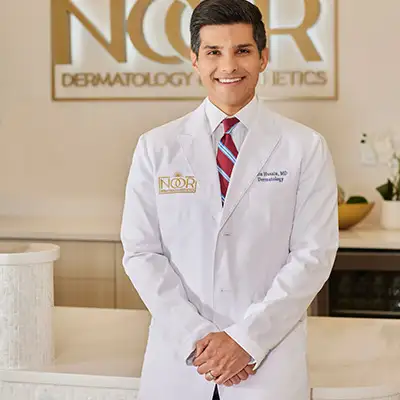
Dr. Zain Husain, MD: [00:00:00] Welcome to Skin Side Out. I'm your host, Dr. Zane, with two special guests today, Dr. Powers and Dr. Johari. So are both medical oncologists who have, um, an interest in cutaneous oncology, so I want them to kind of give a brief intro
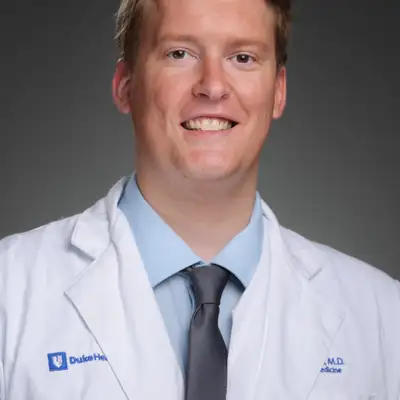
Dr. Powers M.D.: Thanks for having me. So I, my name is Eric Powers.
I'm a medical oncologist and assistant professor at Duke Cancer Center in the Cutaneous Malignancy Group. I have a special interest in melanoma, but also particularly squamous cell carcinoma advanced squamous cell carcinoma. Um, I did my medical school at UNC and then my training residency and fellowship at Duke, and I've stayed on as faculty there.
I have a busy clinical practice, but also interested in, um, expanding and growing our clinical research program and offering new clinical trials to patients.
Dr. Zain Husain, MD: Fantastic. [00:01:00] And Shakeeb?
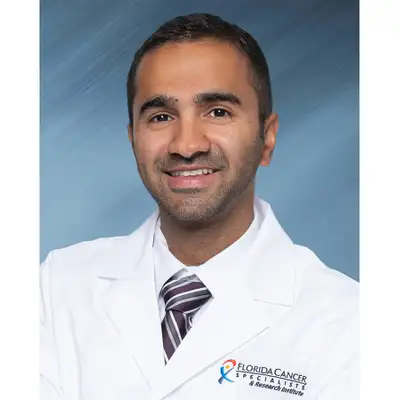
Dr. Shekeab Jauhari: Hey, Zain. Thanks for having me. So Shakeeb Jahar. I'm a medical oncologist. Um, I have traveled quite a bit through the country for my medical training.
I did medical school at the University of Miami. My internal medicine residency was at the University of Pennsylvania, and my fellowship training in oncology was at Duke. Um, I've had a strong interest in clinical research and clinical trials for a number of years. After I finished my training, I was in private practice, actually conducting early-phase clinical trials for patients with novel cancer therapies, um, in Florida.
And over the last few years, I've actually worked in the pharmaceutical industry directly, again supervising and leading clinical trials with new treatments for patients with cancer. Mm-hmm. And that's what I'm currently doing.
Dr. Zain Husain, MD: Yeah, very interesting. It's two very diverse, um, paths, but we're ultimately helping patient care, especially our [00:02:00] cancer patients.
So let's kind of discuss how we work with each other. So I'm a dermatologist. Um, you know, I am, you know, typically the provider that you come to for surveillance for your skin cancer screenings and, you know, we do our full body skin examinations. Um, you know, if we find something that is concerning for skin cancer, we do a biopsy, send that off to the dermatopathologist, and they give us a read and let us know what the diagnosis is.
So that is kind of the point where, you know, we have the diagnosis, and then we're coming up with a treatment plan. So if it is, you know, a basal or squamous cell carcinoma, um, typically, we are treating that in the office. I'm a Mohs surgeon, so I do skin cancer reconstruction. Um, so a ver- vast majority of those cases that we kind of handle in-house.
But where we look to oncology, um, you know, my colleagues, um, you know, help us out with more advanced [00:03:00] cases. So when we have squamous cell carcinomas that have, you know, clinical features or stages that are higher, um, we have concern of spread to lymph nodes, um, and same with melanomas as well. Like, when we have a deeper melanoma, um, and there's, you know, worry about potential lymph node, um, me- Involvement.
So that is when we have our oncology colleagues, you know, kind of bring the patient in and kind of do a multidisciplinary, um, kind of workup for them. So I wanna kinda take it, um, at that point where you would kind of-
Dr. Powers M.D.: Yeah ...
Dr. Zain Husain, MD: take over the patient care.
Dr. Powers M.D.: So, um like you were just saying- Mm-hmm ... um, vast majority of these skin cancers are diagnosed at the dermatologist office.
The vast majority are cured at the dermatologist office. Um, there are a small subset of patients, particularly patients with a diagnosis of melanoma, but also a small subset but still a, a large number of [00:04:00] patients who with advanced squamous cell carcinoma, advanced basal cell, there's some other less common ones, that, um, we can't adequately treat or completely eliminate them from the body just by cutting them out with- Mm-hmm
for instance, Mohs surgery or- Yeah ... um, just freezing them off or burning them off in the office. Mm-hmm. So those cases, which is a lot of mostly melanoma because it tends to be the most aggressive form of skin cancer, but also there are certain features of squamous cell carcinomas and basal cells that would give Dr.
Hussein and, um, other dermatologists pause and make them think, "Hmm, I don't think this is something that we can adequately address here just in the office." And so they may need more advanced, um, or e- extensive treatments and evaluation to try and figure out the extent of the cancer, but also, um, if this is something that would require you know, either a larger surgery or, or potentially even [00:05:00] medicine to treat.
So, um Like I said, mostly melano-- many melanomas often get referred to a general surgeon, um, or in the case of at a academic center like, like Duke or UNC, other big academic centers where there are sub-specialized divisions within the oncology department, surgical oncologist, um, who I work closely with medical oncologists like myself and some of my colleagues and sometimes especially in squamous cell carcinoma, radiation oncologist too.
And often the patient will meet with each of us, and we will discuss the patients, um to come up with the best treatment plan, um, as well as the best plan to surveil or watch them over time. So after treatment, we have to watch them closely to make sure that the-- if the cancer does come back, we catch it early.
Um, so it's a very multidisciplinary approach, um, and there are some nu- there's a lot of nuance, but, um, [00:06:00] it-- this with melanomas and more aggressive squamous cell carcinomas, it requires a team of several doctors and specialists to really evaluate the patient and determine the best treatment.
Dr. Zain Husain, MD: Yeah. So it's that multidisciplinary care that's so crucial with these patients because complex, right? And, you know, we're going based on guidelines, right? So like in oncology, the guidelines are set by, um, a body, right? And they have these guidelines published, and they're periodically updated. So Dr.
Jahari, like when you're looking at these guidelines, they're constantly evolving, so but there's also judgment calls that you have to make as a clinician. Not everything is black and white. So how do you manage those, um, those cases?
Dr. Shekeab Jauhari: Yeah. So I, I think, um, as Dr. Powers was saying, it's, um, really critical, um, to have that multidisciplinary approach to thinking about each patient, um, involving the expertise of the surgeons, [00:07:00] radiation oncologists, and medical oncologists.
Um, yeah, truly each case, each patient is unique, right? So each patient brings unique features with respect to their cancer, also with respect to their medical history, um, and, um, yeah, with, with their, with respect to their ability to tolerate treatments as well. Mm-hmm. For every patient, the goal is cure, right?
Mm-hmm. Is to be able to fully eliminate the cancer, um, and also to, um, minimize side effects to the best degree as possible, um, and to, um, ensure and retain quality of life, right? So I think, um, there, there has to be a tailored approach that's taken, and so there may be different elements that are captured from radiation, from surgery- Mm-hmm
or from, um, drugs, right? To, to deliver that outcome.
Dr. Zain Husain, MD: Yeah. I always found it really interesting sitting in these tumor boards, um, and kind of hearing all the perspectives, all the specialists on every [00:08:00] particular case. I always find it fascinating what you guys do, and it's kind of like the meeting of the minds and, you know, just kind of hearing different perspectives and the various nuances, complexities, um, that help guide patient care so.
Um, what we're gonna do now is we're going to divide the discussion into the two most common skin cancers that we deal with, so squamous cell carcinoma and melanoma, with these advanced skin cancers. So we'll start off with squamous cell carcinoma. So Dr. Powers, if you can kind of go over Just how squamous cell cancer progresses and how treatment is guided based on where you're at.
Dr. Powers M.D.: Yeah. So like I was saying earlier, most s- skin cancers are either basal cell or squamous cell carcinoma, and the vast majority of squamous cell carcinomas are gonna be completely cured just by essentially cutting them out, and that may involve Mohs [00:09:00] surgery, it may just involve cutting a wide area around it.
Um, but a portion of squamous cell carcinomas are what we would call high risk, meaning there's different features of, of how they are growing, different features that the dermatologist or even the pathologist, when looking under the microscope, can estimate the chance that this cancer may come back if you just cut it off, or the chance that it may spread to a lymph node, or less commonly, to another organ in the body, um, even if you cut it off completely.
Mm-hmm. And so those are the patients that we typically will see referred to an oncology practice, a, a large academic center, and get multidisciplinary evaluation with a surgeon, medical oncologist, and a radiation oncologist. And, and those sorts of features that, um, would give the dermatologist c- clues that this is not something we can just cut off and just- Mm-hmm
ignore afterwards would be most [00:10:00] importantly, the size of it, and larger- Mm-hmm ... tumors especially may not even be amenable to things like Mohs surgery or just cutting- Mm-hmm ... or burning off in the office. Um other features are location, especially on the head and neck- Mm-hmm ... Especially in really sensitive areas like the lips- Mm-hmm
the ears, the nose central parts of the face, which these are all areas that get the most sun exposure, so they're very high risk- Mm-hmm ... locations. Also, thin areas of skin where it-- there's potential, you know, higher chance... It's, it's potentially easier, at least we think, for these cancers to start to spread.
and other features are how quickly it's growing whether or not it's growing back already, it's already been cut off, and if it's recurring or growing back, that's telling us it is a more aggressive tumor. Yeah. Um, a- as well as certain features that the pathologist will report on their report.
Mm-hmm. You may see if you ever have had a, a s- a squamous cell carcinoma removed and looked at the pathology report, they probably said [00:11:00] something like, "Well differentiated." Mm-hmm. Um, those are sort of lower risk, and then they might say, "Poorly differentiated," and that's just one of our markers for how aggressive the tumor is.
So poorly differentiated tumors are a higher chance of coming back. Yeah. Um, so those are a lot of the the, the features, Mm ... as well as things like the, how deep it is growing- Mm-hmm ... into the skin, whether it's starting to go grow into nerves on the biopsy. Mm. Those are all features that really suggest that this- Yeah
is something we need to take a more aggressive approach in treating- Yeah ... or we might be dealing with it coming back within a couple years. Yeah. Um, and so those are the types of patients that we will get in our on- oncology office- Mm-hmm ... and then have a, a sort of multidisciplinary meeting with the different specialists to determine what the, the best evaluation and treatment plan is.
Dr. Zain Husain, MD: Yeah. In dermatology, there's different, um, ways that we score these, um, these tumors, and I personally use the Brigham classification. Is [00:12:00] that what you guys use at Duke?
Dr. Powers M.D.: We use the Brigham a lot. We use the AGCC a lot. Mm-hmm. You know, there's, you know, NCCN has their own. Yeah. But they're all sort of similar.
Yeah. And we just oftentimes, you know, we don't even we, we don't focus on the exact number when we're treating the individual patient. We just sort of have, you know, have an idea. Um, but these are very useful, especially early on in determining who are the patients you really need to have a more aggressive, aggressive treatment.
Dr. Zain Husain, MD: Yeah. And as dermatologists, we're trained in dermatopathology, so when we're looking at these slides, we are looking for those high-risk features. Perineural involvement is one of those key features that we're looking for, and when I'm seeing that on my most patients, 'cause sometimes, like, you can be fooled, like it looks like, you know, your ordinary squamous cell carcinoma, and then I'm getting in there, and then, like, I see that it's actually invading into neurovascular structures, and, you know, that brings it to another ballgame.
Dr. Powers M.D.: Mm-hmm.
Dr. Zain Husain, MD: And that's when I get my oncology, um, colleagues involved.
Dr. Powers M.D.: Yeah.
Dr. Zain Husain, MD: Yeah.
Dr. Powers M.D.: Yeah. These are [00:13:00] often signs, and they can be surprising too. Mm-hmm. You could... I'm sure you've had many patients where you cut off a, maybe a smaller lesion. You're not as concerned, and then you're surprised when that pathology re- when you're looking at them- Yeah
under the microscope. So yeah, I think it's really important, um to take all these factors into account.
Dr. Zain Husain, MD: Yeah. And there's a subtype of squamous cell called keratoacanthoma. Mm-hmm. So these scare patients 'cause they kinda grow up like volcanoes very quickly, but they're well-differentiated tumors. They're actually not as aggressive- Yeah
as they look. So they may look really scary, like it just pops up overnight.
Dr. Powers M.D.: Mm-hmm.
Dr. Zain Husain, MD: Um, but it's reassuring from that clinical standpoint.
Dr. Powers M.D.: Yeah. Oftentimes too, you know- Mm-hmm ... I think that's one of the, the, um, scary things about melanomas, is that they are often not very large- Mm-hmm ... tumors on the surface.
Yeah. And what's just on the surface on the skin is- Mm-hmm ... often the tip of the iceberg, whereas- Mm-hmm ... basal cells can grow and become quite large. Squamous cells- Yes ... tend to grow and become quite large. And certainly the larger the tumor is, the worse. Mm-hmm. Um, but a lot of times it's these other [00:14:00] sort of under-the-surface features that get us- Yeah
really worried.
Dr. Zain Husain, MD: Yeah. So Dr. Johari, um, so once we have found a tumor that needs advanced treatments, what's the next step? What do we do?
Dr. Shekeab Jauhari: Yeah, sure. So as Dr. Powers was explaining, the, um, the approach is for cure, right? And so, so curative approaches involve, um, either surgery or radiation or a combination of both.
Mm-hmm. Um, if a patient is considered to have an advanced squamous cell cancer, right, those, those might be kind of more involved procedures- Mm-hmm ... than what one would be able to undergo in the dermatologist's- Mm-hmm ... office. Um- And then there's also the question of whether patients may require drugs as well- Mm-hmm
um, in association with surgery or radiation. And in sc- cutaneous or skin [00:15:00] squamous cell cancer, um, one kind of established drug option is immunotherapy or immune- Mm-hmm ... therapy treatments. So these are medications that can be provided either intravenously or under the skin and function to activate a patient's own immune system to fight the cancer better.
And in skin squamous cell cancer, these immune therapy treatments can be used in certain cases, um, either before surgery or after surgery- Mm-hmm ... or even both. Mm-hmm. Um, and they can be quite effective in, um, shrinking tumors down- Mm-hmm ... and having good outcomes after surgery. So these are one of the tools that medical oncologists or doctors like us- Mm-hmm
who prescribe drugs can reach for in certain cases, um, particularly if tumors or the cancer is [00:16:00] larger, right? Mm-hmm. If we have more concerns about it coming back- Yeah ... we might reach for that tool.
Dr. Zain Husain, MD: Yeah. I find immunotherapy so fascinating. It completely changes the paradigm of how we treat things. Like instead of using chemotherapy, these cytotoxic You know, medications that kill cells, the bad cells.
Here, we're using our immune system and, um, you know, manipulating it essentially to, you know, go after the bad guys, the bad cells. Mm-hmm. And I think it's just really, really fascinating science.
Dr. Powers M.D.: it's very interesting and if you go back 15-plus years ago, particularly in melanoma but in other skin cancers, um, these tumors, particularly melanoma, don't tend to respond well to chemotherapy.
Mm-hmm. I do use it sometimes in squamous cell carcinomas, but it is really interesting that, um, the important and crucial role our immune system plays in treating and taking care of our own skin cancers. Um, patients who have weakened immune systems are at much higher risk of developing skin cancers.
At, at Duke we have [00:17:00] a very big organ transplant, Mm-hmm ... program, and so we have a lot of organ transplant patients, and they are about 100 times more likely to develop sca- squamous cell carcinomas- Mm-hmm ... and other skin cancers. Okay. And that just goes to show where they're on strong medicines to suppress their immune system.
Mm. There are a lot of skin cancers that can start to grow and hide and evade- Mm-hmm ... the immune system. And so it is really fascinating within skin cancer especially, it sort of led the way in all of our cancer types in, in showing sort of the power of the immune system because these drugs are also used in many, many other cancer types.
But particularly skin cancers tend to have the highest responses- Mm-hmm ... to these medicines, and so I think that is really fascinating.
Dr. Zain Husain, MD: Yeah. Um, isn't that what, like, um, you know, Jimmy Carter was treated with- Mm-hmm ... his melanoma, and he lived for quite a few years after his diagnosis.
Dr. Powers M.D.: Right. Yeah. Yeah. Just to give, um, just a, a, a, a quick example or just to illustrate the point with, [00:18:00] um before immune therapies with what we would call stage four melanoma, melanoma that has spread to other organs in the body with our treatments prior to these current immune therapies we have the average life expectancy was a little over one year, and now it's anywhere from, depending on which- Mm
agents you get, it averages anywhere from four to as high as six years on average. And there are- Mm ... patients who live with stage four melanoma- Mm-hmm ... from immune th- with immune therapy for 10 years or more. Um, and so it really, they, they p- it's really completely changed, um, sort of the prognosis of getting that diagnosis.
Dr. Zain Husain, MD: Yeah. And Dr. Johari was mentioning that you can use immunotherapy prior to therapy. Mm-hmm. So neoadjuvant use, um, as well as, you know, after the treatment. Um, so I think there's a lot of really good data showing like neoadjuvant use is very successful-
Dr. Powers M.D.: We know [00:19:00] that for melanoma so for a more aggressive melanoma in the, in what we would call stage three melanoma.
That means melanoma where we can detect that the person, the patient already has lymph node involvement or it's already started to spread on the biopsy sort of- Mm-hmm ... um, as little satellite lesions that are- Mm-hmm ... separate from the main tumor. Um, but that's considered stage three melanoma.
Mm-hmm. And we've had a, a, a couple of really important studies the past few years that getting immune therapy, even just two or three treatments prior to surgery, one, it has a pretty good chance of eliminating the melanoma- Mm-hmm ... prior to surgery. Some patients- Yeah ... avoid surgery, but even in patients, most patients proceed to surgery.
Mm-hmm. Um, when the pathologist looks at the melanoma that was cut out of the patient- Mm-hmm ... There's a high chance of that melanoma actually being dead already and not being viable tumor. And those patients have a much lower chance [00:20:00] of having it come back compared to- Mm-hmm ... if we just wait until after surgery to do- Mm-hmm
the immune therapy, which we still do in certain cases. Um, and even if you do it after surgery but not before surgery, that's still better than no immune therapy for certain stage two- Mm-hmm ... and certainly almost all stage three patients.
Dr. Zain Husain, MD: Yeah. Very interesting. Um, so kind of going back to, um, I know that we had a discussion on squamous cell.
Let's go a little bit deeper into melanoma and just kind of going back to, you know, from diagnosis, what we're looking on pathology, um, on the report. So Dr. Dari, like when we have a pathology report, we are looking at certain features, um, for melanoma. What's the most important thing that we're looking at, um, typically?
Dr. Shekeab Jauhari: Yeah. So the, the depth of invasion- Mm-hmm ... um, of what we call depth of invasion, um, on the pathology report is very important, [00:21:00] and what we know kind of from, um, many studies, right? That have been done is that there is, um, a direct correlation between depth of invasion and- Mm-hmm ... and the risk of spread- Yeah
and also kind of how well patients do over time. Yeah. So that will be the, the most important feature that your doctor will kind of be looking at on that report. Um, um, and, um, the goal again is to ensure that the melanoma is eliminated entirely kind of from the skin and from the site of involvement.
Mm-hmm. And so there may There may be a need to have to go back in sometimes and- Mm-hmm ... kind of do a second procedure to remove kind of further tissue. Um, but that depth of invasion- Mm-hmm ... will be really crucial in informing kind of what additional therapies may be needed afterwards as well.
Dr. Zain Husain, MD: Absolutely.
Yeah, so, you know, when I am treating these patients, um, I'm typically treating, you know, melanoma in situ, um, which [00:22:00] is melanoma that has not invaded into the dermis, or, you know, we're kind of limiting it to the superficial part of the dermis, like up to .8. Before we get into that discussion of sentinel lymph node biopsy, so Dr.
Powers, if we have a deeper melanoma and I am referring a patient to you for a sentinel lymph node biopsy, um, what does that mean? And- Yeah ... what does that entail?
Dr. Powers M.D.: So the way melanoma typically spreads is what happens is there's the primary tumor that's in the skin that you get biopsied and- Mm-hmm
individual microscopic tumor cells will pinch off of that tumor, and these are microscopic. We cannot see them to the naked eye. These cells, you need a cluster of- Mm-hmm ... at least a couple hundred for them to maybe become visible on a scan or to the naked eye. So these microscopic cells can pinch off, and like Dr.
J- J- Dr. Jahari was saying, the deeper the tumor, that means there's a greater chance that these tumor cells could pinch off- Mm-hmm ... and spread. And so typically what happens is, um, they [00:23:00] spread through what we call lymphatic vessels to the lymph nodes. Um, you can sort of think of it, and I like to explain it to patients as the lymph nodes there's an...
what we call a lymph node basin. It's... I think of it sort of like the wastewater treatment plant. Every part of the body- Mm-hmm ... you know, if you have a melanoma on your cheek that wastewater treatment plant or lymph node basin is typically underneath the jaw or in the neck. If you have melanoma on your back, those lymph nodes it tends to go to would be your armpits on the left or the right side.
Same with the legs, would be in the groin. And so those lymph nodes, um, and then they - the melanoma travels through lymphatic, which are similar to blood vessels, but they drain waste from cells. And those lymphatic vessels are call- are similar to sort of the sewer, and they just drain the waste from those cells to those lymph node basins.
And so We know that the vast majority of melanomas, if they spread, the first place they're going to go is to whatever that regional [00:24:00] sewage treatment center is or that lymph node basin is. And so, um, instead of just going and just cutting out random lymph nodes there what we do or what the, the surgeon will do is they'll actually inject a type of dye, it's a, it's a safe radioactive dye, right next to the tumor, um, usually the, the morning of or the day prior to the surgery.
And that dye will then go through the lymphatic vessels, and it will go to anywhere from usually one to four lymph nodes in most cases. And those are what we would call the sentinel lymph nodes or the lymph nodes that if the melanoma were to have spread already, those are the most likely lymph nodes they would go to.
And then during the surgery, the surgeon would take those lymph nodes out, and that does two things. One, it, it tells us if this melanoma is actually more aggressive in a higher stage than before. So we often see this with stage-- A patient will come to our office, and they will be [00:25:00] stage two based on how deep it is, um, on the initial biopsy, and then they have their surgery to cut the primary tumor out.
But then the sentinel lymph node was positive, and so they bump up to a stage three. And that really affects the likelihood of it coming back in the futer- future, and then we talk more about immune therapy, um, as a means to reduce that chance. Um, but also by cutting it out you're cutting more of the cancer out of the body, so it has- Mm-hmm
uh, we think a therapeutic benefit as well. Um, but really it's about trying to get a better sense of what is that sort of micro-- what are-- is there more small microscopic melanoma cells in the body? Because we, our scans will not pick those up. Mm-hmm. Um, and so the only way to know is to actually get an extra, another, you know cut more out of the patient to examine under the microscope.
And so this is a really sort of us trying to be thoughtful about it and, and- Mm-hmm ... taking out [00:26:00] no more than we need to, but the most likely area that, that the melanoma would have spread to.
Dr. Zain Husain, MD: Yeah. And although sentinel lymph node biopsies are safe, they still have some morbidity associated with them, right?
So it's not always easy for the patient, and we wanna limit the amount of- Right ... morbidity. Um, and another thing about sentinel lymph node biopsy, it doesn't confer increased survival, right? Correct. That's the biggest thing. Um, so it may be therapeutically, you know, beneficial, but it's not going to increase survival for these patients.
Dr. Powers M.D.: , They may have a, a longer time before it comes back at least.
Dr. Zain Husain, MD: Got it. Um, like we had mentioned with squamous cell carcinoma, we also have a multidisciplinary kinda team effort with, um, these melanoma cases. So is it similar to how you deal with your squamous cell patients, kinda have this team kind of role?
Dr. Powers M.D.: Um, it is. It, there are some similarities. Mm-hmm. I'll say it's different.
We, we tend to use a lot less radiation actually for melanoma these days- Mm-hmm ... particularly [00:27:00] because immune therapy is so effective- Mm-hmm ... at lowering the chance of it coming back. And you know, immune therapy treats the whole body- Mm-hmm ... whereas radiation just treats a very targeted area of the body.
So we actually use less, um, radiation in melanoma with, with some s- specific exceptions. So the radiation oncology is, is usually less involved with melanoma. Um- You know, melanoma is largely at the more advanced stage is gonna be treated between a surgeon and a medical oncologist. But a lot of the, um discussion is pretty similar.
I will say a big difference is that melanomas-- the melanoma surgeries tend to be smaller than the squamous cell surgeries we see, um, because the primary tumors tend to, that we get at least at an academic center, tend to be smaller than squamous cells. Squamous cells tend to be these big- Mm-hmm ... Potentially disfiguring lesions, and surgery can have really important cosmetic- Mm-hmm
uh, complications, and so larger reconstructions with plastic [00:28:00] surgery is a lot more important. So there- Yeah ... often is, is, um, more-- It's, I, I... You know, generally, I would say there's more multidisciplinary discussions sometimes for squamous cells. Interesting. There's, there is still a lot for melanoma, and there's a lot of nuance about sometimes when to do surgery versus when to- Mm-hmm
um just you know, if there's, um, you know, growing tumor, should we do surgery now? Should we try immune therapy first? Mm-hmm. Um you know, is there a point where the immune therapy we're worried it's not working, and we need to go ahead and, and do a surgery, for instance, in a, for a, a lymph node or somewhere like that?
Um, you know, very limited surgery at least, um So very, very much a, a, a multidisciplinary- Mm-hmm ... um, approach with, with both, for sure.
Dr. Zain Husain, MD: Great. so obviously we're hearing a lot about immunotherapy and its benefits. So Dr. Johari, I know that you work on the drug development side and the pharma side. Um, where do you [00:29:00] see the future?
Where are we going with therapeutics?
Dr. Shekeab Jauhari: Yeah, I think that's a great question, and I think, um, there is a lot of excitement, you know, in, in oncology in general. Um, there have been tremendous strides made kind of over the last 10 to 20 years, right? Mm-hmm. With new drugs becoming available for patients and really having, um, allowing for meaningful impact, right?
And, and improvement in outcomes and quality of life as well. Um, and so for, for skin squamous cell cancer, um, we were talking about immune therapy and how this has helped, um lead to im- im- improvements. There are other classes of, um, therapies that are used for squamous cell cancer as well. So one class is called, um, EGFR inhibitors.
Mm-hmm. Um, EGFR is a protein [00:30:00] that sits on the outside of the cancer cell, and there are drugs that can be provided that specifically go after EGFR on the surface of squamous cell cancer. Um, so one treatment is called cetuximab. That's been around for, um, some time. That can be used in lieu of immune therapy sometimes, um, or even after immune therapy and can be effective for squamous cell cancer.
And there are, um, new forms of EGFR inhibitors that are currently in development, um, in clinical trials that may provide opportunities, um, for improvement in, in treating this specific kind of cancer in the future. Another thing that's interesting in skin squamous cell cancer is the use of injectable kind of therapies. Mm-hmm. [00:31:00] Right? And so instead of providing the immune therapy treatment everywhere throughout the body, right? Actually administering an injection with that immune therapy directly into- Mm-hmm ... the, the tumor or the cancer, and that can function to make for a more powerful treatment where the cancer is and also prevent side effects- Yeah
right, in other parts of the body. Um, so those are kind of, um, two areas of development in squamous cell cancer that are exciting to me.
Dr. Zain Husain, MD: Mm-hmm Anything in the melanoma realm from either of you?
Dr. Shekeab Jauhari: Yeah. So, um I think in, in melanoma in particular, there's been a lot of efforts made over many years to improve outcomes and treatments.
So on the immunotherapy side there have been combinations of immune therapies, right, that have been developed, um, through [00:32:00] studies. They work on different parts of the immune system, but function overall to create a stronger immune system response against the cancer. Um, and now there are actually a, a few different options approved and available for patients with melanoma and still others that are in clinical trials.
I think there are other really exciting and scientifically interesting, um drugs in development for melanoma. Um, one is, um cancer vaccines, Mm-hmm ... for melanoma. And so these are treatments where- A patient's own cancer or tumor can be removed and, um, can- that can be used to develop a personalized vaccine, right that targets their own cancer in their body.
So really a drug that is different for a different patient, right? Mm-hmm. And that can be combined with [00:33:00] immune therapy and provided to reduce the chance of melanoma coming back after surgery, for example. Um, just recently there was a very large cancer conference that was in Chicago- Mm-hmm ... this past weekend where there were updated results presented on just this kind of approach that showed really impressive outcomes, um, after five years of treatment in patients.
Um, so that's something that excites me in, in the- Yeah ... melanoma space.
Dr. Zain Husain, MD: Very cool. What clinical trials are you guys doing at Duke?
Dr. Powers M.D.: Um, well, we are currently, we are looking at different more novel forms of immune therapy. Mm. I think a lot of what we are looking for in immune therapy is we have very effective options.
We're always trying to figure out what, um, if we can find safer forms of immune therapy. Mm. Most people tolerate it pretty well, but there are some bad side effects related to it causing inflammation, [00:34:00] attacking your own body. Mm. And so there's a, a, a couple currently right now we're enrolling a trial of looking at a, a, a novel combination of immune therapy, which we think may potentially be more effective, but more than what is currently approved, but, um, particularly also less toxic.
Um, and so that's a, a, a, a big area of of study for us. We're looking at like Dr. Jahari said, different forms of injections, um, which is, which is in itself a, a type of immune therapy, but it is more of a localized, um, immune therapy. And this is looking at a specific virus that we hope will stimulate the immune system to then go to where it's injected into the tumor itself, and that's something that we are we have a couple of studies currently looking at Um, in in melanoma, and we have, in other forms of less common forms of melanoma, we also have things that we're [00:35:00] different treatments that we're looking at.
I, I would say a common theme with all of them, we tend to use immune therapy to refer to these drugs that we commonly give. Um, I think you know, drugs that we're talking about is a specific type of immune therapy called immune checkpoint inhibitor therapy. Um, but I think most of the research in, especially in melanoma looking at new therapies are just all forms of immune therapy trying to utilize our immune system in different ways- Mm-hmm
to specifically attack the cancer and recognize the cancer and avoid attacking the patient's normal parts of their bodies. And so I think utilization of the immune system and finding different ways to, um activate it is really the, at the forefront within, um within certainly within melanoma and often with a lot of, a, a lot of our advanced skin cancers.
Dr. Zain Husain, MD: Got it. Um- With the tumors, are we starting to [00:36:00] look more at their genomic sequencing and using that to tailor therapy?
Dr. Powers M.D.: We are. There's already a, a, a, a, a, one important mutation. It's called BRAF, which was tested for, we test routinely in patients with stage III or IV melanoma. Um, and we do have oral anticancer, what we call targeted therapies, um, that are very effective in shrinking the the cancer mel- melanomas with this mutation.
Um, and those are FDA approved, they have been for years. They tend to be used mostly in the second line in stage IV melanoma. They tend to not produce long, durable responses where immune therapy has that potential to... A, a much stronger chance of producing a durable response. So we are already doing it, that.
There are some other mutations which there have been smaller studies looking at other mutations, um, I won't go into. They're, they're more obscure, and they don't have [00:37:00] FDA approval yet in melanoma, but we do know that they're effective in certain patients with melanoma. There hasn't been, I would say, compared to other types of cancers like lung cancer especially, um, or, you know, gastrointestinal cancers, there haven't been a lot of mutations, specific mutations that have led to specific targeted- Mm-hmm
treatments in melanoma. Melanoma tends to be more about just getting the immune system excited and, you know not necessarily fo- honing in on one specific mutation, but that's certainly an area of active research, um, and can help us, we're hopeful could help us better tailor treatments for patients.
Dr. Zain Husain, MD: Got it. What are your thoughts on gene expression profile, like tests like the Castle test, for instance? Mm-hmm. Do you use it for your squamous cell melanoma- Yeah ...
Dr. Powers M.D.: patients? Um, I'll say, you know, typically I do sometimes. I'll say most of the time when I've seen it, it's, it's the, the dermatologist- Mm-hmm ... has ordered it already.
Yeah. I think they've been really thoughtful in trying to see, okay- Mm-hmm ... [00:38:00] what are the you know, they have some clues based on what they're- Mm ... seeing in their p- patients, but then they wanna get extra, um, information. And there are validated tests for especially squamous cell, um, that are looking at the mutations in that squamous cell.
These are not mutations that patient got necessarily from their parents, but these are mutations that the s- that the cancer itself has acquired over time, and there are certain mutations and, and profiles of mutations that will help us i- if they're present, give us a sense that this is a more aggressive tumor, more likely to come back- Mm
and then versus a tumor that is less likely to come back. And that can actually sometimes be the deciding factor in, hey, this patient maybe after they get it cut off should get radiation to that area to lower- Mm-hmm ... the chance of it coming back. And so those tests can certainly be useful in squamous cell carcinoma.
Dr. Zain Husain, MD: Yeah. Yeah, I've definitely ordered, um, you know, those tests on patients and It doesn't necessarily change the way I practice though, right? Like, [00:39:00] I'm still gonna be seeing these patients at regular intervals, so- Mm-hmm ... but it's just more data.
Dr. Powers M.D.: Right.
Dr. Zain Husain, MD: And I think it's always better to have more data, more knowledge so that can help the patient.
Dr. Powers M.D.: Mm-hmm.
Dr. Zain Husain, MD: All right, so I think that we had a pretty nice discussion on, you know, advanced squamous cell carcinoma and melanoma. So last question for you guys. Do you think that we will be able to cure cancer in our lifetime? 'Cause it seems like we're getting, you know, pretty close. What are your thoughts?
Dr. Powers M.D.: Why don't you go first?
Dr. Shekeab Jauhari: You know, um, when I, when I usually kinda get this question- Mm-hmm ... I, I usually respond by saying that actually cancer is, like, hundreds of different diseases. Mm-hmm. Right? And we each-- Like, we make progress, like, on each one. Like, and we're on different tracks with each one, and we've done tremendous for some.
Mm-hmm. Right? And for others, we have a long ways to go still. Yeah. But I have to tell you, after this oncology conference I attended [00:40:00] this past weekend- Mm-hmm ... I don't know, I'm feeling pretty optimistic. That's awesome. I just wanna say yes. Yeah. But, but I, I, I think it's really remarkable what's, what's happening- Mm-hmm
in terms of the level of progress and development- Mm-hmm ... that we're seeing, um, for, um, f-for cancer with, with drug treatments in particular. Mm-hmm. Um, you know, at, at this conference this past weekend, there was a presentation about a new drug called a KRAS inhibitor- Mm-hmm ... um, for pancreatic cancer. And, um, the, the data was presented at the conference and, um, demonstrated that this drug a targeted therapy improved or doubled survival for patients with pancreatic cancer.
Um A protein on the cancer cell that was previously considered undruggable, right? Mm. That nothing could be developed to treat it, right? And so that just gives me a lot of- Mm ... hope and optimism for what's possible for the future. [00:41:00] Yeah.
Dr. Zain Husain, MD: Yeah.
Dr. Powers M.D.: And your
Dr. Zain Husain, MD: thoughts?
Dr. Powers M.D.: Um, I, I think, you know, I, I 100% agree with Dr.
Jahari about, you know, there's, cancer is not one disease. It is hundreds- Mm ... if not thousands of different diseases. And even within types, there's hundreds of types of squamous cell carcinomas and- Mm ... forms of melanoma and, and variants of other types of cancers. Um, so it is a, a huge challenge and, and, you know, cancers in general are probably some of the most...
They're the most challenging diseases to treat because while they're not thinking consciously, they evolve. S- Mm ... like, like any other organism on Earth, they ev- they, you know, organisms on Earth evolve over millennia. They, they evolve over weeks- Mm-hmm ... and years, and whatever treatments we throw at them, some of them are just going to learn.
Mm. Not consciously, but they're going to learn and grow and respond and gain resistance. Mm-hmm. And so, um, I would never [00:42:00] I'm, I'm very optimistic about where cancer research is growing. Will we ever be able to make the cancer of every single patient go away forever? I would not have... I, I wouldn't counsel anyone against- Mm
having that expectation- Mm ... because it is an incredible opponent- Mm-hmm ... that we're dealing with. Um, but like Dr, Dr. Jahari was saying with his example with KRAS mutations and pancreatic cancer, doubling the life expectancy of patients with a disease like that- Mm ... is, is really incredible. Mm-hmm. Um, and so I think we're going to make major advances and help people live longer.
Um, and what we're seeing a lot, um, and especially in melanoma, um, is patients with what we would consider incurable or stage four melanoma- Mm ... is they are living with it like a chronic disease sometimes for years- Mm-hmm ... 10 plus years even. And so I think being able to, if it, even if it can't go away completely, um, having more and more patients with advanced cancers and being able to live their lives [00:43:00] and, and maintain a quality of life for a l- a long time, um, we are gonna make quite a, a bit...
I'm very optimistic about the advances that will be made in these in the coming decades, um- A- as we have just gotten so much better at recognizing what is truly important in fighting cancers rather than sort of, um, you know, 50 years ago when we threw all of these toxins- Mm-hmm, mm-hmm ... at patients and cut off huge parts, you know, did huge surgeries.
Mm-hmm. Um, now we're being much more thoughtful and targeted, and I think it's, it's really changed, um, and it's gonna keep changing.
Dr. Shekeab Jauhari: I think it's a really important point Dr. Powers made is about how, you know, we, we think about cancer being, um, a death sentence, right? Um, and, um, I think, um, cancer needs to be taken very seriously, right?
And, um, as Dr. Powers mentioned, right, like, th- there are, um, you know, while therapies i- improve, right, I, [00:44:00] I think, um, it's really important to have realistic expectations about the diagnosis and how impactful it is, right? And what we are able to achieve today, right, with the tools that we have, we still have a long ways to go.
But I think the way that things are evolving are such that it, it, um, can be possible in the future, um, for many cancers to become like chronic conditions, right, that can be managed with careful treatment new treatments, surveillance, and kind of working closely with their doctors and care teams, um, and, and ultimately for patients to have, um, the best quality of life possible.
Yeah.
Dr. Zain Husain, MD: Yeah. I'm feeling hopeful too, and I'm really glad I have colleagues like you guys who can help me take care of my patients with, you know, advanced skin cancer. So, um, thank you for all the work that you do. Um, so this wraps up our episode on advanced squamous cell carcinoma and [00:45:00] melanoma. This was a really insightful you know, discussion with some experts here, and I'm really grateful for you guys to take the time.
If you guys have any questions, please, um, ask away. Please follow, like, and subscribe. But until next time, it's Inside Out.