Subscribe
Share
Share
Embed
🎙 Bringing wine stories, tips, and expert interviews to everyday wine lovers. 🍷
19 - Winecentric - Drew Bledsoe
===
[00:00:00]
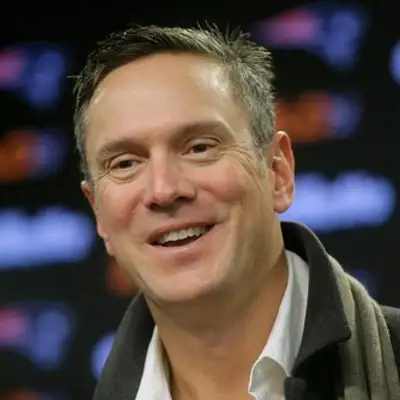
Matt Weiss: Welcome to the Wine Centric Show where we talk to the titans of the industry. And boy do I have a titan here today. In stature and in prowess, this man is a former number one NFL draft pick in 1993. He is a now wine maker of some of the greatest wines in Washington state. He is none other than Mr. Drew Bledsoe.
Welcome, drew.
Drew Bledsoe: I love that dude. Yeah, I'm gonna go with Titan from now on. I'm gonna put change my bio. Uh uh, just titan of the world.
Matt Weiss: You could put it on a business card. You should put it on a label. I highly recommend using it, and I'm, I, I haven't patented it or anything, so go for
Drew Bledsoe: I will, I'll, I'll footnote you. Don't worry.
Matt Weiss: Okay. Thank you. Appreciate
Drew Bledsoe: Asked me for citations and how, how I became a Titan. I'll just say Matt said it. So, um, uh, then, then we'll go with that.
Matt Weiss: I am accredited. [00:01:00] So there you go.
Drew Bledsoe: I.
Matt Weiss: drew, I'm sure we could talk about cliches in football and all that, and we are gonna get into that, trust me, because I love the whole perspective on athletes making wine and that stuff. Um, and there's, I mean, you're. Playing career was wildly interesting, but this is the wine centric show, so everything is centered around wine.
Um, so let's start there. Okay. Uh, you are the owner proprietor of Double Back Winery of Bledso Family Winery. I. And Bledso McDaniel's Winery. So three different wineries. Uh, let's just talk about your wine journey first. I think the story goes back to your playing career. You were inviting teammates over to drink wine.
Was there any standout wines that made you go, oh.
Drew Bledsoe: that's actually kind of a cool story. Um, so we, we, you know, got into the league, started drinking wine because we were supposed to, we were supposed to act like grownups, you know, go to dinner and [00:02:00] it's, you can't, you know, you know, go to a nice steakhouse and order, you know, a Coors Light.
Um, and, uh, um, so. But then very quickly, you know, discovered, wow, this is, this is way more interesting than, than what we were drinking before. And so we started, you know, started collecting wines, different wines from different areas. And, and like most people, um, you know, particularly of, of, of my age in that generation, you know, red wine in America was Napa.
And so we were buying a lot of Napa wine. Um, you know, and then, um, you know, eventually discovered that we liked stuff in Walla Walla better. But we can get back to that in a bit. Uh, the reason that, that, that one wine is a, is a cool story. The, the, the one that, uh, the one that really like stood me on my head and, you know, really, um, kind of changed things for me.
Uh, it was a 1998, uh, Vaire, uh, from Napa. Um, Delia Vaire, but Tony Soder was the, was the winemaker. Um, and then Tony Soder, you know, eventually, I think it was very soon after [00:03:00] he made that wine, moved to the Willamette Valley and started making Pinot Noir and opened, you know, soda Winery, which is one of our favorites.
But I got to go to dinner with Tony. Um, uh, this is probably three or three years ago maybe. Um. And I'm recounting this story to him like, Hey, you know, you, the one wine that a wine epiphany that we all have, uh, was a wine you made. It was a 1998 vaire and he started to get tears in his eyes, um, because he goes, that was the first year that we got to integrate the hillside fruit that I planted for Delia.
And it was the last wine I ever made for her. And it was the best wine I ever made when I was in the Napa Valley. It. you know, you in this journey, you get down this rabbit hole with wine and, you know, there's a lot of, you know, dorkiness and so on that goes with some of it or whatever.
But then you see one of these iconic wine makers. Um, and he has, you know, a wine that he made and that was really important to him. Like, [00:04:00] like it really mattered because it was sort of the realization of this vision he had with this hillside fruit for, um, for, um, aire. And, uh, um, yeah. So it was a cool story, you know, I was like, I was just, I was just telling him, Hey man, I like the wine you made.
And all of a sudden discovered that that particular wine was really important to him.
Matt Weiss: that gave me chills just listening to you recount that because there was something in you where his passion in that resonated some, and it translated, I mean, it, it literally transported you. Um. That's cool. Thank you for sharing that. 1998 Viader, uh, made by Tony Soter. Go see if you can find it out there and maybe you can have the same, uh, experience as Drew.
So I have to challenge you on one thing because you said, oh, people aren't going into restaurants and ordering Coors Light. There's no way. Brett Favre, who you played against in the Super Bowl, was going into steakhouses and ordering Napa cabs or Burgundy and stuff. He was ordering Coors Light, or dare I [00:05:00] say, Mickey
Drew Bledsoe: Yeah, he probably was and, and, and, and shots and, uh, you know what? Whatever else he could find. Yeah. I, you know, but that's, you know, that's Wisconsin. It's a little bit different. They, you know, I don't know. We, I, I think I'm, I'm, I'm pretty sure Brett, he, you know, he could. Act properly if he needed to in the right setting, he would just be guzzling the wine, not, uh, not, not slipping up.
Matt Weiss: Sure, yeah. It's hard to guzzle, uh, you know, 14 to 15% Cabernet, but yeah, he could probably figure it out. Um. So, okay. That's really cool. And I was thinking when I was a kid growing up, watching sports, you know, and like my first entree into professional sports, I was lucky to watch the 86 Giants, uh, that was in the 86 Mets.
That was like my first, when I really started paying attention. Uh, by the way, we're gonna have to get a Coach Parcells story from you later. But, um, I always had the impression. That [00:06:00] athletes didn't drink during the season. Come to find out that's very different. Um, talk to me about how that became Okay.
And like the relationship in season with wine.
Drew Bledsoe: Yeah. You know, um, well, I, I think we were probably more buttoned up than the previous generation, and I think they're probably more buttoned up now than we were then. Um, you know, if we were gonna go out out, we would go out on, generally on Monday night. I. Um, and then Tuesday was our day off, you know, so that was sort of our weekend, right?
Um, you know, if we're gonna go have more than just wine with dinner. Um, but then, you know, if we, if we went out to dinner on a, on a Thursday, you know, we weren't getting hammered, but we'd have, we'd have, we'd have wine with, we'd have wine with dinner. Um, you know, and I, yeah, we weren't drinking and getting drunk, but, but we'd have wine with dinner most nights, you know, and, um, you know.
Matt Weiss: And that was totally cool amongst league,
Drew Bledsoe: yeah, yeah. No, the league, there were no, no rules with the, with the league, you know, unless you, unless you had a [00:07:00] problem, you know, then you, then, then, you know, the, your team would intervene. But no, there were no, there were no, there were no rules, um, on that, on that front. You know, there were, there are legendary stories of guys going pretty deep on Thursday and Friday nights.
Matt Weiss: Nice. Yeah. When, uh, Channing Fry, former NBA champion was on the show who does, uh, chosen family wines not too far from where you're, uh, doing your Oregon project, he was saying that he really was, uh. Indoctrinated into the world of Wine by Coach Popovich. Was there somebody in the NFL that was like that, that was like, oh, I mean, I know you said like, oh, well we're supposed to act like grownups.
We, but was there like a, a, a pied piper of like, try this wine.
Drew Bledsoe: Well, we were sort of getting into it around the same time. You know, there were, um, quite a few of us on the team, but Damon Huard and, and uh, when he signed with us in, in New England, he was, he was really like a fellow wine geek, you know, with.
Matt Weiss: He's from Washington
Drew Bledsoe: Yeah. He went to, uh, we went to the University of [00:08:00] Washington.
We played together just for one year, um, with, uh, the Patriots. And then he and, uh, Marino went on to, uh, they, they ended up starting, uh, passing time, uh, up here in, in, uh, Washington. They're making some killer wine too. Um, almost as good as ours. Uh, but not quite. We're that competitive thing. Never really leaves.
Uh, but they are making really serious wine. They're doing, they're doing a great job, but. You know, when we, when we first, you know, set out to, to look into doing this, there were gonna be four quarterbacks. We were all gonna go into it together. It was me and, and, uh, Damon, uh, Dan Marino, and then Rick Meyer.
Uh, my buddy. We were, um, we were drafted the same year. We were the top two draft picks in 93, and we've been great friends ever since then. Well, then Rick went on to start, um, actually acquired, uh, uh, a winery called Mirror, uh, which is sort of a play on his last name, but it has deeper meaning than that, um, in the Napa Valley and, uh, making some kickass wine, uh, in, in Napa.
So if you have to drink Napa, I recommend, uh, mirror, you know.
Matt Weiss: Yeah. Another, uh, [00:09:00] Notre Dame quarterback there.
Drew Bledsoe: we were gonna go into business together. Um, and then it turns out, you know, you have four chiefs and no Indians. That doesn't work very well. You know, um, you know, quarterbacks,
Matt Weiss: No, it.
Drew Bledsoe: notoriously, quarterbacks, there's only one on the field at a time, and we're kind of used to being that guy.
So we each have our own businesses now.
Matt Weiss: Yeah, I was gonna ask, how competitive does it get in the wine business like? Yes. So first of all, I mean it's a rising tides lift all, all boats kind of scenario. I know, you know, that's how Napa Valley became what the Napa Valley is, is because they really leaned into each other's wines and supported each other's.
Back in the late sixties and early seventies when Napa was starting to make good. World-class wines, but you're a competitor by nature. You're, you're, you competed at the highest level of athletics. Um, how much do you, and be honest, how much do you think about like, oh man, my partners over here, they got 95 points and I already got 93 or something like, does that enter into
Drew Bledsoe: Yeah, you know, the, um, I don't know the scores, the, the [00:10:00] scores are the scores. Um, you know, those are, you know, the, the critics. You know, they've been really good to us. Um, obviously, um, but sometimes, you know, you, you just realize that's a subjective thing that where they're tasting 300 wines in a day. So we don't get too tied up in that.
But I will tell you that the, the, the great thing and the difference is, you know, now, you know, with, with other athletes coming into the wine world. And one thing that I, that I'm really happy with is that there are a lot more. Um, athletes coming into the wine world that are really serious about making great wine.
Um, you know, I feel like in the nineties, early two thousands, you know, there were, you know, there, there were quite a few, you know, athlete wines out there, but not very many of 'em were actually serious projects. You know, a lot of 'em were sort of endorsement deals. Like, Hey, you can, you can use my name, put it on some cheap, shitty bottle of wine, and, uh, and we'll, we'll, we'll sell some juice.
Uh, but now, but now you, you know, you see, you know, uh, like Channing, you see Sidney Rice. Um, you know, obviously the quarterbacks that I mentioned [00:11:00] earlier are making serious wine. I, I haven't tried, you know, Dwayne Wade's wine, but I know he is making serious juice down there. Um, you know, so the, you know, a lot of the, a lot of the, the, the athletes that are, that are getting into, actually I had some of, uh, Annika's wine, um, Sorens Dam recently.
Uh. Uh, Danica Patrick is making wine and she's making real juice. You know, so, I mean, there are, you know, there are a lot of, um, a lot of athletes now that are, that are getting into it, that are actually really serious about trying to make excellent wine, make real wine, and, and we are very supportive of each other.
You know, we really, truly are. You know, you said, you know, the rising tide and that's really true. And then, and then with our, within our community in the Walla Walla Valley, um. And Washington in general. You know, we're still the little brother, you know, to California. And so there's sort of a collective competition with all of us to try to, to rise up.
Um, so there's a lot of open sharing of information, um, really trying to help other people be successful. And then within that we're trying to be the best. So, [00:12:00] so, you know, we share all the information. Like here, we'll give you the playbook, but we're still gonna kick you outs with the same play. Kick your ass with the same playbook.
Um. You know, so it's, it, it's, uh, but it's a different kind of competition, you know, in the, in the NFL, you know, you want, you want the other guy to lose and you want him to lose as bad as possible, you know, especially if it's the Jets. You want him to lose really bad and never win a game again. Um, you know, where, uh, but in the, in the wine world, you know, I, my quote unquote competitor doesn't have to lose in order for me to win.
And matter of fact, it's better for me if they do well. Um, that's credit for my business. Um, so that's, it's, it's kind of cool in that way, Matt, where it's like, okay, yeah, we, we wanna lift each other up, uh, and support each other. Um,
Matt Weiss: Yeah. And it's that competition that's driving you like, oh, he made a really good wine. I want to do that and make it my own spin on it. Totally. I would say, and you might disagree or agree with this, but I think uh, former met Tom Seaver probably led the [00:13:00] way for making Real Juice. May he rest in peace in California?
Like he wasn't out in front like publicly putting his name on it. He was just making really good wine outta California. So I think he kind of laid the groundwork for
Drew Bledsoe: Totally agree. Totally agree. He was probably the first one to, to actually do it in the real way. You know, like, and he was, you know, famously he was out on his tractor. Like he was out there, he was doing it, you know. Um, so yeah, he was, he was, I think I, I, I could be totally wrong on this, but I think he was probably the first one that really broke that mold, you know, as a, you know, hall of fame baseball player that then goes into the wine world, but doesn't just slap his name on a bottle actually.
Own property and, uh, and, and made very real wine. But he was, uh, but he was, but he was one of one I think for quite a while in terms of approaching it that way.
Matt Weiss: Yeah, really being into it. Alright, let's get into your wines. Let's talk about it. And let me preface this by saying this is a celebration of Washington State Wine. I have my little uh. Trustee, thank [00:14:00] you Eileen er, who, uh, helped set this interview up this, uh, Washington State Handy wine book. But for those of you listening and you're thinking, oh, like, yeah, like, I like California wines, I like Napa Valley.
Um, let me just tell you, and Drew, you know this already, but Washington State and especially the Westerns or Eastern Washington, you know. On the other side of the Cascades from Seattle, it is a geological dynamo. You had these unbelievable Missoula floods come through over 15,000 years ago and just rocked this area geologically.
That was already, you know, based on volcanic soils. Then you take on top of that, that it is like basically a desert. The average rainfall is. Seven inches per year and you just have this, um, and then, but you're close to Mount Rainier. Uh, you have unbelievable weather and it's just. It's, it's, it's amazing place to grow.
Fruits, vegetables, and wine grapes. Uh, [00:15:00] so you doubled down on double back. You to speak further to not just being an athlete, to slap a name on the label, not just only did you not buy it, uh, an existing vineyard. You decided to plant a vineyard.
Drew Bledsoe: Yeah. Yeah. You know, I, it was when we, when we decided to do this, you know, I wanted to do it in the most real way. Um, I wanted to start with a, just a piece of dirt, um, and plant a vineyard. And we, and we helped do that. My wife and our, and our four kids actually got out and put vines in the ground with our own hands.
Uh, we had real pros that were doing most of the planting, but I think there were like four rows that we put in the ground with our own hands. Um, and, and really wanted to see if we could bring something outta the ground and, and, and make really world class wine. Um, and, uh, and we have, you know, it's, it's been, but it's, it's, it's, it was just really cool for me.
And, you know, you start to talk about the geology, uh, of, you know, of where I grew up. Um, you know, I, I, I tell people now, if I'd known I was gonna be a [00:16:00] geology nerd in my professional life, I would've paid a little more attention in geology 1 0 1. In, in college, uh, that was the class. We, we all, we all called rocks for jocks because the, uh, the geology professor was a football fan.
If you showed up, then you'd get an e. Uh, but now I'm like, every, everywhere I'm drive we're my wife, she, she just laughs at me. 'cause we'll be drive just driving around and I'll start looking at. Rock formations as we're driving by and I'm like, wow, look at that man. How all of a sudden it's tilted that way?
How did it get like that? You know, like, and, um, so, but yeah, the geology of our, of our region is actually, it's, it's, it's, it's, it's pretty amazing. Um, honestly, largest lava flows they've ever discovered evidence of in the history of the world happened in the northwestern United States, starting like British Columbia, Montana.
Um, all down across Idaho, parts of Utah, Northern California, Oregon, Washington, and all the way out into the Pacific Ocean, where this lava is in places miles thick. Um, you know, going back a few billion years. And then you referenced the Missoula floods. You know, one of our geology, uh, [00:17:00] buddies in, uh, at Whitman College in Walla Walla, um, his, his quote is, uh, he says, uh.
You know, if you're a geologist and you're a good geologist and you get to go to heaven, the first thing you ask God for is to rewind the tape and watch the Missoula floods. He goes, it's like geology porn. Um, and, and so, so you see, uh, because these, these floods were just biblical in, in, uh, in nature, you know, just these massive, massive cataclysmic floods that came across the entire, uh, northwest and all of that comes together.
You know, to, to create, well, actually, both the, the Walla Walla Valley and the Willamette Valley of Oregon were formed by the same geology. I. The big difference, as you said earlier, you know, at our vineyard in, uh, the Willamette Valley, um, we'll get on average 44 inches of rain. Uh, and in Walla Walla, I think at McQueen Vineyard, it's, it's actually less than average.
It's like four to six inches of rain annually, and that falls in the wintertime. Um, [00:18:00] you know, so you have, you know, the, this, this geology that underlies these two amazing wine, uh, grape growing regions. Um. And then just radically different weather, you know, where we're a desert, where we get these really, really long, hot summer days, still get big diurnal swings where it cools off, you know, 40 and 50 degrees from the hottest part of the day to the coolest part of the night.
Matt Weiss: grapes. Love that because it helps them really develop.
Drew Bledsoe: you get longer hang time, maintain good natural acid in the wine. You're able to hang longer on the vine, develop, uh, develop complexity. Um, and then within our Walla Walla Valley, we have five different vineyards. And each of those vineyards within the valley, even though they're very close to each other, they're, they're, they're really radically different from each other.
You know, McQueen Vineyard, which was our original estate vineyard that's up on top of this hillside, the vines go right into this volcanic basalt. It's really windy, high stress, low vigor. You know, it's a really hard place for things to grow and that, that really forms the backbone of double back Cabernet.
You know, that's the structure, you know, [00:19:00] that's the, that's the power, uh, in the wine. But then you go to the bottom of the hill into the Rocks District, which is made famous by, um, really by, uh, ous with their Syrah. But, uh, but it's a fantastic place we're going. Bordeaux varietals also, but it's only about a mile, mile and a half away.
Uh, but it's in like the rolled river rocks. It looks like the Rone Valley. Uh, so those retain, heat extend your growing day. And those, those wines are just voluptuous pretty, you know, um, red fruit really full. And so that's kind of the yin and the yang of those two vineyards. Uh, and then, um, and then we have three other vineyards that, that, that fill out the rest of it.
But just a, it is a, it's a really fascinating place, uh, for grapes to grow because it's not homogenous, you know, it's like the, the wines from the different parts of the valley are, are really unique.
Matt Weiss: Damn Drew, you are not just a jock for rocks. You're really like a, a rock jock, um, rock jock nerd. Hey, that, I mean, one of the things you said about double back and where it's uniquely situated made me [00:20:00] think about why did you separate the wineries of double back and bled so winery because. I don't know most, I think most wineries would've just had one label and then you could have identified single vineyards.
What was the thinking behind that?
Drew Bledsoe: You know, one of the, one of the advantages that, that, that we've had in this, in this business is that, that we really are our own target demographic. You know, we still buy and collect wines. Um, and to me, um, one label with, and maybe I'm just not smart enough to track all of this in my head, but, but one label that, where it's the same label, but then there's a lot of different.
Individual vineyards, it's hard for me to keep track of them. And so we wanted each of the wines to have their own distinct identity, uh, and their own reason for being. Um, you know, double Back is a state grown, very best cabernet that we can make every single year from the Walla Walla Valley. And that's simple.
That's, that's what that is. That's what it'll always be. It's what it's been from the inception, uh, Bledsoe Family [00:21:00] Winery. Uh, more accessible price points are a little bit lower. You know, we were just number 17 in the world and Spectator with our Bledsoe family cab. Uh, and the biggest reason for that is that we were their highest rated Cabernet under $90 in the United States and was priced at 50 bucks.
Uh, and so the idea there is we can overdeliver, uh, at that price point, um, and make the wine accessible for more people. We can also play around a little bit. We got some S Raw, some Rose, some Chardonnay, and then we do some, some fun club wines with, you know, these one-offs with Cab Fr and Merlot and Malbec and, and you know, just, there's some really fun stuff that we do under that label.
Um.
Matt Weiss: Is the V only, uh, club
Drew Bledsoe: Yeah. It's club only. Yes, exactly. Exactly.
Matt Weiss: Okay. I'm gonna need some of that.
Drew Bledsoe: it's, it's awesome. It's awesome.
Matt Weiss: By the way, this is a good moment. I just need to pause because, uh, are you, I think you're drinking coffee right now. I know. It's like early. Good. I'm gonna send you some coffee. I make some coffee. Uh, we'll put it up there on the screen with a local roastery [00:22:00] called Carbo Coffee, , .
I make with them a tastemaker series it's a pacamara blend, so it's like imagine a single vineyard, single varietal coffee. And I am gonna send you some and, uh, maybe you'll send me some er in trade, but, uh, we'll, alright.
Done. I love it.
Drew Bledsoe: then the, uh, the third, the third winery, which is more recent, Bledso McDaniels, that's, that's focused on Willamette Valley Pinot Noir within a state vineyard that we, that we own down there. And then we still buy some fruit down there. Um, and that one, you know, Josh McDaniels, uh, our, our winemaker and for those football guys out there, football people out there, that's not the same.
Josh McDaniels, that's the football coach. It's different than, um, um, I like to, uh, I like to point out that our Josh has not been fired, uh, multiple times. The, the other Josh has, um.
Matt Weiss: Or left your job after being hired by the
Drew Bledsoe: Yeah, exactly. Exactly. Um, but, uh, but our, but our, but our, our, our Josh, um, um, you know, he is been our winemaker for over a decade now, and I really felt like his name.
[00:23:00] Deserved to be on the front of the bottle, not just the back of the bottle. Um, and so we, we decided to, to name that one Bledso McDaniels, um, out of respect for him. But, and, but we wanted these, these wineries to each have their own distinct identity. Um, and I don't know if we, our, our, our mission was to make it not confusing.
Um, sometimes I think maybe we made it more confusing. Um, but, uh, but the, the goal was for, for each of these to, to, to have their own identity.
Matt Weiss: Well, you made your marketing team work harder. I can tell you that from, uh, having a wife who's in marketing, but, uh, they, they like that they need the challenge. You know, what do they do anyway? Um, okay. I understand the change for Bledso McDaniels because that's a different state. It's a different varietal that you're focusing on.
Focusing on, so that makes sense. Uh, I also. Uh, question about Josh McDaniels. He is a really highly regarded wine maker. He made wine for, uh, Figgins who Figgins was, uh, birthed at a Leoni, which these were talking about like the flagship [00:24:00] wineries that really put Washington State on the map. Was there any point in the interview process with Josh that you just might have suggested?
Dude, do you mind changing your name?
Drew Bledsoe: Yeah. Uh, you know, it's, it is, uh, yeah, it's been, it's been funny for him, um, because, you know, people go to, to Twitter or X or whatever and, and, uh. They send him stuff, uh, but he gets two. He gets two things. First of all, he never ever has gotten a football tweet that said, good job, nice win. Uh, it's always critical.
It's always, what the hell were you thinking per down, you know, you or when, uh, or when, uh, you know, Josh agreed to take the Colt's job and, and, uh. And then left him at the altar like, Hey, if I ever see you on the streets of Indianapolis, I'm gonna kill you. You know? Um, and so he gets criticism and hate.
And then the other thing he gets, people send videos of their son playing high school football saying, Hey, I think my son could play for the [00:25:00] Raiders. I think my son could play for the Patriots Patriot. Uh, and so he'll respond to him like, Hey man, I'm just a winemaker. Your kid likes a good, looks like a good player, but, uh, I can't really help here.
Uh.
Matt Weiss: prowess, how Josh should respond back. Right. It'd be like,
Drew Bledsoe: Exactly, exactly. Yeah. Is he, uh, is he a hard worker? Does he wanna be a seller rat? Because, you know, we, we, we've got interns, uh. But no, he, uh, it's been funny for him. He did get to meet the, the two joshes got to meet, we went back for a Patriots game when, uh, when Josh was coordinator for the Patriots last time.
And, uh, we went in the locker room after the game and uh, our Josh said, he goes, man, it was great for me to have the other Josh there because he was the only one. I was bigger than in the entire locker room. He goes, it's a very emasculating place to be with all these giant, super athletic humans. And then, uh, the other Josh McDaniels is a few inches shorter than our Josh.
And, but my, what I wanna do, and I, I've pitched this a few times, I just can't get anybody to take it up. I think it would be good television would be to do, uh, like a job shadow with the two [00:26:00] joshes and, and film it. You know, the winemaker gets to go follow the football coach for two days and then a football coach gets to come follow the winemaker for, for a couple days and, and then distill that down to an, I think it'd be pretty fun television, right?
You get to see these two different worlds through the eyes of, of guys that did. That are, that are, you know, mutually fans of each other.
Matt Weiss: I think that'd be fantastic. I have the perfect videographer. Uh, if you wanna produce it and gimme the access. I'm ready.
Drew Bledsoe: Yeah. That'd be super fun. I think we could probably get out, we the, I think the problem was, the first time I pitched it was when Belichick was still there and he didn't want any cameras anywhere around him. But Vrabel Vrabel I think would, uh, uh, would be, you know, more open to something like that, which would be pretty cool.
Matt Weiss: Yeah, he'd be up for it. Um, okay. You brought it up. I tried to, you know, stay back for as long as I could. Let's just talk football. Indulge me for a moment. Okay. All right. First of all, your dad was a Husky. I. How do you choose Washington State?
Drew Bledsoe: yeah. You know? Yeah. My, so my old man played offensive tackle for the Huskies back [00:27:00] in the sixties. He was captain of the HU of the Husky football team back in the day. Um, you know, when I was being recruited, you know, he, he, um, he really wanted that to be my thing, you know, he is like, look, you know, you don't have to go follow in my footsteps because I wore those colors.
Uh, and then, you know, I think we all just really fell in love with Mike Price, who was the head coach of Washington State. I. You know, he came in and sat down at our table and, you know, my mom didn't advise directly on any of those decisions, but we can all tell when our mom likes somebody. Uh, and, uh, and I could tell that my mom really liked Mike Price and, and trusted him, um, without her ever having to actually say it out loud.
Um, and so that was really, it was really that simple. You know, the trips I took, it was Washington, Washington State. I went to Stanford. Um, I always like to point in that I point out that I did get into Stanford for those that gimme shit for going to wazoo. Uh, uh, and then, uh, and then I took a trip to Miami 'cause Dennis Erickson was down there.
He knew who I was. I knew I wasn't going there, but I wasn't turning down a trip to South Beach from Walla Walla [00:28:00] in January when I was a senior in high school. Um, and, uh, but.
Matt Weiss: You are smart.
Drew Bledsoe: But just loved, uh, loved, absolutely loved, uh, loved wazoo, loved everything about it, and most importantly, met my wife there. And, you know, many, many years later, we're still, we're still going strong.
Matt Weiss: Yeah. And you, uh, you did well by them, so, okay. That, that makes sense. It wasn't like, uh, you know, screw you, dad, I'm going to the competitor. You, it was, it was well supported by the family.
Drew Bledsoe: Absolutely. Absolutely.
Matt Weiss: Yeah. And your dad, by the way, not only do you guys make great wine and are, you know, helping to amplify the message for Washington State wines, but your father or your grandfather was a state senator in the, in, in, for, for Washington state.
Is that right? Or somewhat big in politics.
Drew Bledsoe: he, uh, yeah, he was, uh, and then, uh, was the head of the, um, um, department of Fish and Game. Uh, he was the director of agriculture. So yeah, he was, uh, after being a World War II pilot, um, came back, started a [00:29:00] cattle ranch, and then, and then roasted the rinks and, and, and politics. So, uh, yeah, I was, uh, I felt kind of bad for my dad, um, for, for a long time and, and being in eastern Washington.
Forever. He was Stew Bledsoe's son. So Stu was like a big name, particularly in Eastern Washington. And then, uh, about the time that was fading, then I, you know, rose up to wazoo. So then he was, then he was my dad. So he was sort of, he was either Stew Bledsoe's son or Drew Bledsoe's dad, both of which I think he was proud of.
Uh, but uh, you know, I don't think there was a, a long period of time where he just got to be Mack Bledso and uh, and be a big deal on his own.
Matt Weiss: He's a big deal on the wine centric show. Um, and. What I was gonna say about that is also, uh, Josh, Josh McDaniels, the, the Josh, the wine making. Josh McDaniels, his dad was mayor of Walla Walla.
Drew Bledsoe: I, that I don't know that if, and if that's true, I'm, I'm gonna be pissed at Josh that I don't know that, um, I. I,
Matt Weiss: Well.
Drew Bledsoe: maybe [00:30:00] he was, I don't know.
Matt Weiss: A tidbit about him that you didn't know. Um, okay. So I just have to say, and I know you've heard this a million times and you've said this a thousand times, but like, I just think about the day when you got injured, September 23rd, 2001. And if you look at it in a vacuum, obviously it's life changing if for your life.
Um, and, and for many great reasons as well, but also like you can't look at that day in a vacuum because that's. What, like not long after nine 11, like less than two weeks after nine 11, you think about what going on, what was going on in the world, that, that, that in that time, what a mind bender that must have been for you in general.
And I don't bring that up to talk gossip or to talk, you know, trash. Although I do think you slowed down before Mo Lewis hit you by the way.
Drew Bledsoe: Well, I, I mean, shoot, there was a train coming down the tracks. You're not gonna, you know, you're not gonna run into it as fast as you can. Um, but what I, what I was, what I was trying, I [00:31:00] was going out of bounds. It was third down and I saw him coming. Well, I knew if I just kept going straight, I was gonna be short of the first down.
So I was actually kind of trying to. Trying to stop and let him go by so that I could lean back in and get the first down. Um, and, uh, unfortunately didn't work out very well. Ended up, you know, running headlong, you get ended up getting hit in the ribs by the train. Uh, and, um, yeah, didn't, didn't work out very well, but went back in the game though.
A lot of people, a lot of people don't, don't, don't remember they actually went back into that game. Before we figured out that I was dying. Um, and, um, so yeah, survived it, you know, survived it. Spent five days in the hospital with a tube in my chest. And, and, um, but I'm just glad that I read that our, our training staff and doctors recognized that there was something that was really wrong.
'cause I was trying to go home. Um, and had I gone home, uh, I would've gone to bed and not gotten up.
Matt Weiss: Yeah, you've told this story a lot and thank you for sharing again. 'cause I, I know that's like, well maybe at some point you're numb to it at this point. But, um, [00:32:00] you know, for those that are listening and they're just wine fans, they're like, what? What are they talking about? Well, uh, drew got injured. I. And it w could have been life threatening.
Like you said, he spent five days in the hospital for internal bleeding, but thankfully came out the other end of it. And this is the part I really want to get to, and, and I don't want to talk about a gossip, but I just mean like, as a point of reference for people, like the way you handled yourself, the humility and grace, uh, because Tom Brady.
Became on, came on to be Tom Brady, and you still had a magical run in that time. But like, he took your job, uh, he Wally pipped you or Lou Gehrig do, and uh, and you went on to be successful after that. But like, I know that's not easy. No human being could just stand up and, and go through that. And, and I'm sure, and I know like there's some interviews where you, you got a little snarky, but you still handled yourself well.
How do you get through that? Like what's the lesson
Drew Bledsoe: Yeah. You know, I mean, I think there, there, there are a couple, a couple points. Um, Matt, you know, we at first, [00:33:00] first and at the, at the highest level, you know, we all have decisions to make bad things happen to everybody. Um, and, uh, we all have decisions. All right, well how am I gonna. How am I gonna handle this, right?
Am I gonna, uh, am I gonna make it about me? Um, or, um, in, in this instance, you know, like when you're part of a team, it's the team first. That's what matters. Um, and that's an easy thing to say when things are going well. Uh, it's a much harder thing to, uh, to actually put into practice when things aren't going your way.
Um, but I had made that commitment and, and to be part of a team and so to support the team in whatever way I way I could. Um, you know, and, and, um, you know, and so that's, so that's what you do. The other thing I always point out to people, you know, also, um, I've never felt, I, I've always had a problem with professional athletes that talk about not being treated fairly.
Like, wait a second. You're getting paid to play a game, right? Life has been good to you. You know, you've realized everybody's childhood dream. Uh, [00:34:00] you get to be a, you get to get paid to play a game. And so, you know, I, I really, um, in spite of, you know, personal feelings about whatever it was. For me to say, Hey, life's life's not been fair to me.
Oh, that's bullshit. You know, like, I got to be an NFL quarterback. You know, that's what we all pretended to be when we were at recess in grade school. Right. Um, life's, uh, life's been pretty damn good to me. And so for me to take a situation and say, Hey, this is totally unfair, well that's, that's kind of, that's disrespectful to the rest of the world.
Um, you know, to, to talk about how my life's been unfair. Um, and, you know, so, and I, and I always had that perspective going in that, you know, how cool is this? I, I get to do this. Um, and so, you know, and you know, and at the end of the day, you know, it, it is kind of cool because, you know, because of the way that, that, that, that.
That went down afterwards in the way that I handled it. And I wrote 'em a nice thank you note in the, and put, took out an ad in all three of the local papers and, and left a thank you note to the Boston fans. And, and, um, you [00:35:00] know, now when I go back there, you know, still completely embraced by, by that whole community, um, you know, had I taken the, the, the selfish, uh, approach, you know, probably wouldn't be welcome back there with open arms, arms the way that I am.
So it all, it all worked out. Um, but ultimately it's just like, Hey, look, what's the right thing to do in this situation? The right thing to do is to step up and be supportive.
Matt Weiss: Well, I can just say that, uh, Mac and Mama Bledsoe would be truly happy about that. And the grace that you handled that situation with, um. Let's transition back into wine and with that great thing you talked about being a team. Did I read that you are now having a full time harvest team
Drew Bledsoe: Yeah. Yeah. We, we, so the, the word sustainability gets greenwashed in the world right now. Sometimes, you know, it's, it's a, it's an important word and we all recognize that, but, uh, but sometimes it's marketing bullshit and, and, um, um, but for us it has a pretty deep meaning. Um. [00:36:00] You know, first of all around the environmental piece, you know, we've always been very responsible with how we do things.
Um, you know, our vineyards are, have their own ecosystems. We have a lot of biodiversity. We try to create, um, you know, a truly natural environment around all of the, the vineyards, um, you know, specific cover crops. We don't mow as much, so we cut down on diesel usage and water and, and you know, so we, but those, that piece to us has always been kind of the obvious piece.
You know, look, you're, if you're producing something that comes from the land, you should take care of the land to me. That's just common sense, right? Um, but in 2019, we started our own farming company. Um, you know, when you think about farm workers, particularly in northern latitudes, you're generally talking about contracted seasonal labor.
You're talking about people that work for you for, you know, seven, eight months, and then they have to figure out how to feed their family in the wintertime, whether that's going on welfare, whether that's going south, what, what, whatever that is. Um, so we made a commitment when we started our farm company that first of all, they were gonna be at, at least among the highest paid in the northwest, if not the highest.
I, [00:37:00] I don't know where we rank, but I know we pay 'em very well. Um, they have, uh, retirement benefits. Um, our farm workers have health benefits, so they don't have to worry about what happens if their kid gets sick. Um, but most importantly, um, you know, they have stability in their lives. They don't have to worry about where their next paycheck is coming from.
Um, for the first time, really in their modern family history, they, they, they, they have like a consistent paycheck coming in all year round. So they can, they can, the kids can go to one school, they can stay there and. Um, so it was a, you know, it was a feel good for us, even though it doesn't look good, you know, initially on a, a profit and loss statement.
You know, it's like, wow, this is, this is more expensive to do it this way. But the cool piece, and this is really the epiphany, you know, for me as a business owner is that, um, I. It's ended up being really good business, you know, these people, um, and by the way, they worked their tails off all year round. You know, we we're bottling, we're bottling.
Right now they're packing boxes, you know, in the wintertime they're help with shipping. You know, like they're, they're, they're amazing, um, [00:38:00] amazing people. Um, but also they now treat our vineyards as if they own them. You know, they talk about our vineyards, not the boss's vineyards, right? They're not showing up and working at a vineyard to, to, to collect a paycheck.
These are vineyards Now, uh, we're what, six years in now? Um, these are vineyards that, that, that these people know more intimately than anybody else in the world. Um, and they really treat those vines as if they own them. And they also then have very specific knowledge. When it comes to, you know, pruning, when it comes to canopy management, they, they really intimately know what these vines need.
And like, and because of that, we've seen, um, we've seen across the board our, our, our fruit quality continue to go up. Um, and, you know, so taking care of the vineyards, taking care of those people, all of a sudden everything that's in our building, um, is very high quality. Um, it's actually created [00:39:00] a different kind of problem for us, which is a really high class problem.
When it comes time to do blending trials, you know, we've got our state reserve, which is the best of the best that we make. Then we've got double back, uh, then we've got Bledso family cabernet, and then we've got a catchall in our family wine's, everything else. Well, all of a sudden now, the, the bottom tier.
It's really great. And so these blending trials, you know, they really become splitting hairs. Um, now there still is a clear delineation, you know, in terms of style, um, between those three wines where, you know, the, the, the estate reserve, it's just this beautifully elegant, um, just really pretty, pretty wine that has great complexity.
Uh, and, uh, you know, it really is the best of what we can do. But the elevation has been in our blood soap family Cabernet, which is technically our third cab, because of all this amazing fruit that comes in, it all gets the same attention. Um, and that's, uh, it's, it's a really cool problem to have, you know, when you go through [00:40:00] blending trials.
Matt Weiss: Tribute to the team and to give some perspective to that. Traditionally, wineries would have, you know, a vineyard manager on staff. They might have an assistant or two depending on the size of the winery. And then on top of that, then you would just hire harvest interns or people that you would pay on an hourly basis to come in and work, harvest.
And then you feed them, you house them for the harvest, and then they're gone. What you're doing is you're having a dedicated team year round, paying them like a, a salaried employee, taking care of them as a family. And like you said, that really changes
Drew Bledsoe: It really truly does, you know, and it's, um, you know, and it's just, it's something that, that feels really good. Um, and then also I think, comes through in the bottle, you know, like, like it actually comes through in the wine, you know? So it's, uh, it's, uh, it's, it's cool when you, when you get to realize that doing the right thing.
Actually really support your business. It's not just a feel good thing. [00:41:00] It's not just, you know, marketing. It's like, it's like, no, this actually is producing a better product for us also. Uh, and so that's a just such a huge win to know that, that you're doing right, but it's actually benefiting your business.
Matt Weiss: How involved are you in the day-to-day wine making decisions?
Drew Bledsoe: Uh, very little. Um, you know, I, I, um, I've learned a lot, um, over the last, what, 18 years. And I tell people now that I've learned enough that if you gave me perfect fruit, I. I could make you a perfectly average bottle of wine. Uh, but, you know, um, stylistically I'm involved in, in directionally where we go. My wife and I are involved in blending trials, but when it comes to the actual day to day decision making, I trust Josh with that completely.
Um, and, uh.
Matt Weiss: Has there ever been a [00:42:00] moment where you guys disagreed or, you know, came head to head about like, I don't agree with that, or, this is not the way I
Drew Bledsoe: Yeah. You know, we. We generally, I would say we agree on most things. Um, and when we don't, we're, we have a good enough relationship that we're able to talk through things until we come to a mutual agreement. Um, and so we really haven't had moments where we've had a, you know, completely opposite viewpoint of, of, of something.
Um, you know, we've just, on the business side, there have been some decisions where, you know, we're going one direction and we we'll pull back and say, Hey, let's rethink this. Let's really, let's really think through this. And, and we, um, we do have some great advisors. Um, that bring common sense into the equation.
Uh, we're married to them. You know, it turns out, when it turns out, when we listen [00:43:00] to these women in our lives, we generally make better decisions. Um, and then we have a,
Matt Weiss: Know that
Drew Bledsoe: and then we have this. Yeah. It's frustrating when they're always right, isn't it? Uh, it's really annoying. Um, and then.
Matt Weiss: My wife was just on before here trying to tell me about how I should organize the bottles and back, and she was trying to take the bledso one outta the middle. I'm like, no, this is his wine. It needs to go in the middle. And uh, ultimately we figure it out, but she's usually right. It's really freaking
Drew Bledsoe: Yeah, I know, I know. Yeah. So we, but no, Josh and I, we, we, our, our decision making, um, process, um, it's very respectful of each other. We think through things and if there's something that we're not sure about or we have a difference of opinion, I. You know, we'll generally work through that until we come to a consensus.
Um, and then on the, uh, the, you know, stylistic decisions, blending trials, um, if there's a tie breaker again, you know, that, that would, my wife gets to, to break the tie, you know, but, but we're generally, when we've done that, we've, in most instances, we've been able to come [00:44:00] to a, a strong consensus with all of us.
That it's one of these two, right? It's either this one or this one, and you're usually talking about one or 2% difference in terms of what, what's blended into the, uh, into the, into the bottle. And then, um, Mara gets to break the tie and, uh, and we trust her, uh,
Matt Weiss: What does morally like to drink at home?
Drew Bledsoe: you know, um, she, um, um. We, we actually, we drink a lot of pinot noir in the house.
Um, you know, um, she's, um, yeah, a lot of domestic pinot noir, a lot of stuff from the Willamette Valley. She's from Portland, so it's kind of cool for us. You know, my hometown valley is, is the Walla Walla Valley, and her hometown valley is the Willamette Valley. So we actually have wineries in, in both of our hometowns.
She's a, a very kind. Wine snob. Uh, she, she, uh, uh, she will tell you that she's not, but, um, I know that she is. And so I'll open, I'll open something and, uh, she sort of has levels, like I'll open something and if it's an average [00:45:00] bottle of wine, she goes, perfect.
That's great. I won't drink very much. Uh, you know, and, and, uh.
Matt Weiss: That's a.
Drew Bledsoe: It is, right? She goes, oh, this is, oh this is this, this is perfect. I didn't wanna drink very much tonight. So, you know, thanks for opening this pretty bottle of wine. Uh, and uh, um, and then, uh, and then there's, uh, and then there are, oh, oh, this is good.
You know, that's sort of another level, like, oh, I like this. Um, then there's, you know, the next level, which is, oh, I actually, I actually really like that. And then every once in a while I'll open something for her and she'll like, oh my God, what's that? And unfortunately, um, she's never said that with an inexpensive bottle of wine.
I've tried, I've tried forever and ever to just like, oh yeah, maybe, maybe she'll like this, uh, $25, you know, bottle I found on the, the bottle shop. And, um, she's like, oh, that's pretty good. And then, you know, opened, you know, some, like, you know, 25-year-old Barolo that's been in the cellar. She's like, oh my god, what's that?
I'm like, God dang it. Yes. Yeah. So un unfortunately she has a, [00:46:00] uh, unfortunately, or fortunately, she has a very expensive palette. Um, she doesn't wanna be the one that's gonna describe the wine or give it language or any of that, but she knows what's good and what's not.
Matt Weiss: Yeah. Well, that's a good person to have sign off on the, on the last, you know, of, of the consensus for the blending trials. Um, I'm, I know we're getting at time, so I have, uh, a couple of quick questions. One, one last football question and then, uh, another wine question. Uh, so football question first, just because I, I gotta know.
Uh, you played for Bill Parcells. He drafted you. for everybody out there vines you were talking about, they need to struggle. They need to dig deep into their root sys in, develop their root system in order to make grapefruit. That's what helps 'em make grapefruit. I would say Bill Parcells would think the same thing about quarterbacks, except that he started you year one.
Um. Can you share something [00:47:00] about that or Parcells
Drew Bledsoe: Uh, it is just notoriously an absolute pain in the ass. Anybody that tells you it was a pleasure to play for him, for him is lying. Um, but I was just recounting a story. Um, I know yesterday, um, 'cause people were asking me about what, you know, what was it like when you first started the winery? And I said, well, there's a Parcells quote that actually applies.
He told me my rookie year. Uh, we're at practice and he goes, blood. So you don't even know what you don't know. Uh, meaning, you know, didn't even know what I was supposed to learn, you know? Um, and, uh, you know, that was the case then. And, uh, it certainly was the case when we started the winery. Uh, like I didn't even know what I didn't know.
You know, not only did. Not have the knowledge. I didn't know which knowledge I was trying to, to, to acquire. Right. Um, and, uh, so, you know, that's, that's the process of like, okay, well what, what do I need to know before I can actually even even learn it? Um, but yeah, Parcells was a pain in the ass, but he did, he did start me right away.
And then my second year we threw the ball more than anybody else in the [00:48:00] entire NFL, um, which I think shocked a lot of people that we were just airing it out. But it was because that's what we had to do to win.
Matt Weiss: Was that the 70 attempt game, was that in your
Drew Bledsoe: Uh, that was my second year. Yeah, yeah, yeah. Through it.
Matt Weiss: Most, most attempt, most completions in the game. Alright, um, back to Washington State Wine. So a lot of. I would say secondary wine fans are like, oh, well what do I know Washington for? You know, like, oh, it's kind of like Alt California. Um, this is their words, not mine.
And I think one of the struggles is like, you look at Napa Valley and you think Cabernet Sauvignon, right? I mean, that's the calling card. Washington State doesn't necessarily have a calling card. Do you think there should be? What are your thoughts about
Drew Bledsoe: Yeah. You know, I, I, I, I, I, I think that cabernet is our, is our thing as well. Um, there is some amazing Syrah that's, that's, that's, that's grown in, in, um, in the Walla Walla Valley as well. But what I tell people is that if you, if [00:49:00] you, if you wanna find something that combines the best of the old world and the best of the new world.
That's Walla Walla. Um, you know, we've got the old world structure. We've got, we've got tan, we've got natural acidity in the wine that presents this, this beautiful juiciness in the wine. Um, but you don't have to lay these wines down for 30 years before they're drinkable. They're actually pretty good when they're young.
Now, they do age well. Uh, but then you have that structure. But you also have beautiful new world fruit, um, where some of the, the, you know, and these are stereotypes of course, but, but, um, and, and I'm, I don't mean to just lump everything into one category, but a a lot of the, the New World stuff, which would be Napa Australia, there, there just gets so big, there's so much fruit, so much oak, so much, you know, um, uh, you know, just, they're just over the top.
So much alcohol. They're just, they're hot. Um, and so those wines can kind of overpower, overpower you a little bit. Um, where the stereotypical old world wine really austere, you know, really tannic, you know, um, and, uh, they're kind of [00:50:00] harsh when they're young. Um, where I think we kind of find the middle ground between those.
Um, and, um, you know, the other thing I tell people, I, I had, I had one guy tell me, tell me this, is, he was a saw at a, at a restaurant. Uh, and he goes, well, Washington cab, he goes, yeah, that's what I, that's what if people are at a table and one wants, um, uh, an Oregon pinot and one wants a California cabernet.
We're like, no, go to Washington. You know, you've got that balance and elegance. Um, you know, that the pinot drinker is gonna, is gonna like, but you still have that, that, that power that the cab drinker's gonna like.
Matt Weiss: I always say Washington State is the wines world, virtual bridge between the old world and the new world. So well said.
Drew Bledsoe: Preaches into the choir, man.
Matt Weiss: Drew, thank you so much for coming on the Wine Centric show and sharing your stories. I will tell everybody out there, uh, get yourself some Bledso family wines. Whether it be the double back, you know, that might be, it's, it's save up for that [00:51:00] one, but it's worth it.
And, uh, get yourself some Bledso family wines. Get yourself some Bledso McDaniel's wines if you like the Pinot Noir and you will drink deliciously.