Subscribe
Share
Share
Embed
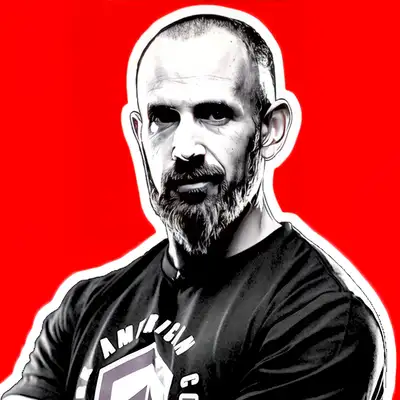
Hard Hat Chat is your backstage pass to the gritty and sometimes mind-blowing world of construction. Hosted by Justin Smith, CEO at Contractor Plus, and Gerritt Bake, CEO at American Contractor Network, this show is all about keeping it real—no corporate fluff, no sugarcoating. Tune in each week for straight talk on growing a contracting business, avoiding industry pitfalls, and sharing the occasional “holy sh*t, did that really happen?” job site story. Whether you’re a seasoned pro or just getting your boots dirty, you’ll pick up hard-earned insights and a few good laughs along the way. Join us, throw on your hard hat, and let’s build something awesome.
Justin: Hello everyone and welcome back to Hard Hat Chat. I’m Justin Smith, CEO of Contractor+.
Justin: With me is Gerritt Bake, CEO of Build PRO. Gerritt, ready to dig into something heavy today?
Gerritt: Always ready, Justin. Especially when heavy means lumber shortage, labor shortage, and a wake-up call for every contractor out there.
Justin: Today’s topic is The End of Cheap Labor.
Justin: For decades, many contractors counted on inexpensive labor, whether union or non-union, newer workers, immigrant workers, day-labor crews. Cheap labor has been one of the pillars holding up margins.
Justin: But that’s changing fast. And it’s time contractors adapt or get squeezed.
Gerritt: The math’s shifting. Wages rising, skilled trades aging out, demand staying high, compliance and regulation costs going up.
Gerritt: The old playbook isn’t working anymore.
Justin: Exactly. And we want to walk our listeners through what’s changing, why it matters, and more importantly how you can shift strategy to stay profitable without cheap labor.
Justin: Let’s start with the macro changes affecting labor in 2024 to 2026.
Justin: First, demographic shift. Many experienced skilled workers are hitting retirement age.
Justin: Replacement labor isn’t coming in fast enough. The pool of cheap, experienced labor is shrinking.
Gerritt: And younger workers are harder to recruit into trades.
Gerritt: Many have student debt, want flexible hours, or prefer office jobs.
Gerritt: Construction doesn’t look as glamorous when social feeds are full of sanitized corporate clips.
Justin: Right. And for those who do join, they expect better pay, better treatment, better scheduling. Cheap rates aren’t attractive anymore.
Justin: Second, labor laws and wage pressure. Minimum-wage increases in many states, rising insurance costs, stricter compliance with safety and benefits. That drives up cost per worker.
Gerritt: Add competition not just from other contractors, but from other industries hiring skilled labor at similar or better pay.
Gerritt: Skilled carpenters, electricians, plumbers have choices now.
Justin: Third, inflation and material cost pressure.
Justin: When everything from concrete to screws gets pricier, relying on cheap labor is no longer enough to maintain margins.
Justin: Margins get squeezed from both ends, materials and labor.
Gerritt: So the result? The era of cheap-labor-rely-to-win-bids is ending.
Gerritt: More cost, more risk, thinner margins unless you evolve.
Justin: Let’s talk about what this means for small and mid-size US contractors.
Justin: Bids based on old labor assumptions undercut profitability.
Justin: Chasing lowest labor cost compromises quality or delivery time.
Justin: Turnover rises because workers expect better treatment.
Justin: Skilled labor becomes scarce, so retention, training, and efficiency matter more than ever.
Gerritt: In short, cheap labor is now a liability, not an asset.
Gerritt: Contractors clinging to the old model risk collapse.
Justin: But all is not lost. There is a path forward, and it requires shifting mindsets, systems, and business models.
Justin: First shift, productivity over labor cost.
Justin: Invest in skilled labor and tools that boost output.
Justin: A skilled crew with good tools delivers more per hour than a large low-skill crew.
Gerritt: Training, certification, planning, and equipment increase per-hour value even at higher wages.
Justin: Second shift, value-based pricing.
Justin: Bid on craftsmanship, quality, speed, reliability, warranty, and reputation.
Gerritt: Clients pay for value, especially when reliability matters more than bargain pricing.
Justin: Third shift, retention, culture, and crew management.
Justin: Treat crews well with fair pay, benefits, safety, and respect.
Gerritt: Loyal crews work faster, make fewer mistakes, and reduce rework.
Justin: Fictional example. Meet SolidCore Remodeling, a mid-size contractor in Ohio.
Justin: Until 2024, they relied on cheap subcontracted crews.
Justin: By 2025, shortages and quality issues forced change.
Gerritt: They shifted to fewer jobs, in-house trained crews, better pay, and better tools.
Justin: After 12 months, profitability per project rose 18 percent despite higher hourly labor costs.
Gerritt: Quality and reliability beat cheapest bid.
Justin: Another strategy, diversify services.
Justin: Custom woodworking, energy-efficient retrofits, high-end finishes, renovation consulting.
Gerritt: Specialty services cushion labor inflation.
Justin: This transition requires better estimating, scheduling, training, branding, and transparent client communication.
Gerritt: It’s heavy, but the alternative is worse.
Justin: Risk management matters more now.
Justin: Build buffers, adjust contracts, and manage expectations.
Gerritt: Transparency builds trust.
Justin: Contractor Reality Check.
Justin: Are bids based on 2018 labor rates?
Justin: Is labor treated as disposable?
Justin: Are margins shrinking despite price increases?
Justin: Is skilled labor harder to find?
Justin: If yes to more than two, you’re still living in the cheap-labor era.
Gerritt: Recognition is the first step to survival.
Justin: In Part 2, we’ll cover new bidding models, training, pricing frameworks, and future-proofing strategies.
Gerritt: Real talk. No fluff.
Justin: Stay tuned.
Justin: Welcome back to Hard Hat Chat.
Justin: The new playbook starts now.
Gerritt: Pay more, expect more.
Justin: Cheap labor creates mistakes, rework, and callbacks.
Gerritt: High-skill labor lowers total job cost.
Justin: Upskill and cross-train.
Gerritt: Pride in craftsmanship improves quality and retention.
Justin: Automate admin work.
Justin: Scheduling, estimating, CRM, follow-ups.
Gerritt: More time doing paid work, less paperwork.
Justin: Focus on profitability per job.
Gerritt: Precision over chaos.
Justin: Transparent pricing builds trust.
Gerritt: Show clients how skilled labor reduces stress and delays.
Justin: Strategic subcontractor partnerships only.
Gerritt: Cheap subs destroy reputation.
Justin: Fictional case. Blue Ridge Homes in Tennessee.
Justin: Value-based pricing, skilled subs, better systems.
Justin: Results, 30 percent higher close rates and 20 percent margin growth.
Gerritt: Skill beats cheapness.
Justin: Respect matters.
Justin: Cheap labor culture killed pride.
Gerritt: Respect brings craftsmanship back.
Justin: New Labor Economics Plan.
Justin: Update estimating templates.
Justin: Invest in tools and tech.
Justin: Train and cross-train crews.
Justin: Focus on quality jobs.
Justin: Build your brand.
Justin: Communicate reality clearly.
Justin: Raise internal standards.
Gerritt: That’s the blueprint.
Justin: Final takeaway after the break.
Justin: We’re back.
Justin: Cheap labor is over.
Gerritt: Workers choose leadership now.
Justin: Investing in crews builds loyalty and profit.
Gerritt: Customers notice pride and care.
Justin: Skilled labor builds reputation and value.
Gerritt: Cheap labor builds horror stories.
Justin: Skilled labor builds legacies.
Gerritt: Treat your crew like family.
Justin: Are your workers building your future while you help build theirs?
Gerritt: That’s leadership.
Justin: The new economy demands better talent, systems, and leadership.
Gerritt: The end of cheap labor is the start of a stronger industry.
Justin: That’s the new standard.
Gerritt: That’s the new era of the trades.
Justin: Hard Hat Chat signing off. Stay sharp. Stay skilled. Stay respected.