Subscribe
Share
Share
Embed
A podcast community for real estate and tech leaders, investors, operators and innovators.
A new era is upon us. Tangent💚Proptech unites Proptech founders💡, Real Estate investors and operators🏢, Venture Capital investors, urban leaders🏙 and passionate creators🌎 who are improving our communities and cities. Join us to learn how we can solve present day challenges with innovative technology and greater collaboration.
Join VC investor Zach Aarons and Proptech entrepreneur Edward Cohen, to learn about housing innovation, the future of work and climate tech. We examine these themes through interviews and conversations with Proptech CEO's, real estate owners and operators, and venture investors, and how we can leverage tech and collaboration to help solve the housing crisis, figure out the future of work and how to decarbonize the built environment.
If you would like to get your company’s or organization’s mission featured on Tangent, email us at community@tangentproptech.com.
Stay curious and always be learning! 🤓
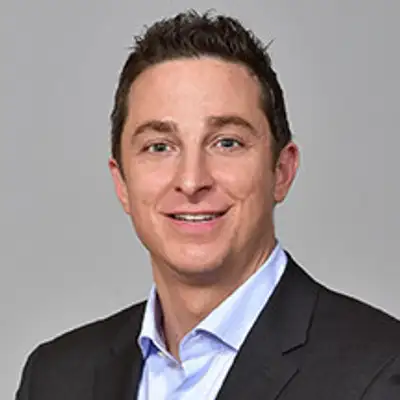
Will Parrish / Lula
===
audioEdwardCohen11292512814: [00:00:00] Maintenance is the largest line item in property management, and somehow it's still one of the least modernized. Work orders come in through text messages, emails, phone calls, and then they get routed through coordinators, vendors, and even spreadsheets. And somewhere in that process, things break. maintenance and repairs make up over thirty-three percent of the property management market. That's not a side function. That's one of the biggest operating budgets in real estate. And yet, many teams are still running it like a call center. Today we're joined by Will Parish, co-founder and chief customer officer at Lula. Hi, Will. Where does this podcast find you?
audiowilliamparrish21292512814: Edward, I'm in Overland Park, Kansas. Uh, this is, uh, LULA's corporate headquarters, and, uh, looking forward to chatting today
audioEdwardCohen11292512814: So before we, we dive into maintenance and so many exciting stuff that you're [00:01:00] working on, tell us, you know, why, uh, did you found Lula? How did that come to be?
audiowilliamparrish21292512814: Yeah. So y- you know, Beau, uh, is our CEO and my business partner. We had been looking for different opportunities to work together for a number of years. Uh, he'd been involved in a, a number of different businesses. He's a serial entrepreneur. Uh, I had spent a lot of time in corporate America and, you know, we originally founded Lula as a B2C play to help homeowners instantly connect with, uh, fully vetted contractors.
when he pitched the idea, it was really based on an experience that he had, uh, moving into his first home with his wife, and, you know, the AC went out almost immediately. And he did the things that everybody else did. You go on Google, you go to Angie's List, and it just was a really frustrating process for him.
And I think I'm lucky that he's got such an entrepreneurial mindset that, you know, he immediately thought of, like, well, what could the solution look like? And so he approached me with the idea for what eventually became Lula, and I was, I think, just tired enough of corporate America at that point that I said, "Yeah, sure, let's do this thing that there's no blueprint for doing [00:02:00] that, we can't just go out and copy another business.
Like, it sounds crazy, but yeah, let's try it." And so, we dove in together and I guess as they say, the rest is history at this point. So we're, we're nine-plus years in and, uh, who would've known? But we have a real company here
audioEdwardCohen11292512814: first kudos for the, the bravery, the guts, and, you know, for trusting your, your partnership. I think that at the end of the day, i-it's not only what we do, but who we do it with. deciding to build in the maintenance space, of all problems, you know, it certainly requires a, a solid foundational team to do that. and also
kudos to you for leaving corporate America. Thomson Reuters, is that correct?
audiowilliamparrish21292512814: That's, that's correct. Yeah, I was there almost 20 years. It was a great place to work, met a lot of great people. But I, I'm sure a lot of people share this, this feeling that, you know, you just the last 10 years or whatever that I was there, I just felt like I really wanna do my own thing. I wanna make my own decisions and have the responsibility for those decisions.
And so, you know, when the idea came and the time was right, I was nervous of course, and a little hesitant, but was also happy [00:03:00] to make the leap, uh, just knowing that it'd be more fulfilling whether it worked out or not,
audioEdwardCohen11292512814: Usually the, the hesitation is, uh, supported by people around you, not necessarily by your, you, in that case, I'm assuming.
audiowilliamparrish21292512814: Uh, you know, and, and still all these years later, I'll run into somebody occasionally and it's like, "Hey, how's that app thing working out?" And it's like, "Well, I..." You know, and it was an app then, but you have to tell them like, "Yeah, it's, it's a real company. We've got, you know, an office and employees and all that."
So, uh, I'm glad, I'm glad I did it and, uh, super proud of where we're at today.
audioEdwardCohen11292512814: That's fascinating. uh, let's talk about maintenance, uh, the problem. You know, why it's still so archaic in many ways or so inefficient? I mean, like I said earlier, maintenance is a third of the property management business, and it still runs on text and spreadsheets. So why has it been so hard to, to modernize, to, quote-unquote, "fix"?
audiowilliamparrish21292512814: I think when you look at the maintenance space, y-you can't necessarily solve maintenance problems without people that understand maintenance. But I also think historically there's not a lot of people that have a deep understanding of maintenance [00:04:00] that also understand, like, how to build and deploy meaningful technology.
And so I, I think people kinda get stuck in this in between where they recognize, like, even though maintenance isn't the most exciting part of the industry that we're in, it is actually really technical in nature, right? Like, you need somebody who understands, what maintenance means at the work order level.
But you also need somebody that understands operationally how to, like, deploy change and, and like I mentioned, how to build technology. And so it kinda tends to be like a low-tech area of most businesses, it really, you know, if you would ask, like, how we ended up in this space, it's, it's product market fit.
we never started this company saying, like, "We want to solve SFR maintenance." fact, I don't know that we were totally sure that SFR was a space, let alone a specific industry, right? like I said, we built a B2C app to help homeowners 'cause that was the pain we were feeling. And after doing that business for about a year, you know, me being a former senior sales leader in corporate America, I kinda hated the idea that we would invest money to bring on a homeowner and they had one home.
You know, I'm like, "How can we get ten thousand homes?" And that's when we started to [00:05:00] get some product market pull from the SFR space, which is like, "Hey, we've got these decentralized assets." As you mentioned, we've got sort of these somewhat archaic systems to try to tackle this problem with maintenance.
You guys have got this technology. Come over here and see if there's a solution that matches. And I think we've been really fortunate that it, that it has matched, and we've been able to, like, iterate and continue to improve our product so that it is a solution that's meaningful, I think, in the SFR space.
audioEdwardCohen11292512814: And we will certainly jump into the, the solution and everything you're doing around AI. but before then, um, to your point, the term SFR only got popularized or entered the mainstream, you know, just over 10 years ago, may- maybe less than 15 for sure. we're not in the early innings anymore, but we're, you know, in terms of real estate cycles, we haven't had more than one and a half cycles or, or if you
will. so wh- when maintenance operation breaks down, uh, where does it usually happen, uh, in single-family rentals? Is it in the intake of the order, the coordination [00:06:00] of the solution or, or the vendor execution?
audiowilliamparrish21292512814: Well, it can be in all three. I think it's probably a little bit of a loaded question, which I appreciate. Uh, but I really-- the, I think the front end of the work order is the most important, that intake process. And it's just because, I mean, you've seen what a work order looks like when it's submitted by a resident.
There's no structure of any kind to it. Sometimes it doesn't even really describe the problem. It certainly isn't going to address the cause. It also might not be in, in, you know, great English or, or formatted in a way that's easy to digest what the problem is. And so a lot of folks are sort of forced to just accept that. if you're a property manager, if they're a property manager, that work order might come to you in that format. And, you know, you might not have the bandwidth to really sit down and try to dig into what was meant there or triage it or clean it up. So once you send that out to a vendor, that sort of sloppy data on the front end just follows through the full work order of the, the full life cycle of the work order.
You know, like, sometimes now your, your, your vendor out in the field has got an unclear, uh, idea of like what it is they're supposed to be addressing or fixing. And so it [00:07:00] can break down in all of those areas, and, and we've seen it break down in all those areas for some of the operators we work with.
But really, I think the intake is the most important piece because if you've got good process and procedure around the intake, if you've got a systematic way that you like to categorize the, the work orders based on like what service vertical it is, now you've got a cleaner output for the pros out in the field.
But also that's when you can start to use data and scorecards for vendors and like really start to manage the business. But it all starts with that stuff being kind of standardized on the front end of the intake.
audioEdwardCohen11292512814: Mm-hmm. So just to put this, uh, scale into perspective, how many work orders are you coordinating per year?
audiowilliamparrish21292512814: Uh, I think we did well over a hundred thousand last year. I know we did over a hundred thousand in twenty twenty-four, so I'm probably selling us way short there on, on twenty twenty-five. I need to get some updated data there. I don't know, maintenance is an overachieve, but yeah, in excess of a hundred thousand in twenty twenty-four.
continued to grow by about seventy percent year over year and project the same again this year. And again, I just think that's a reflection of the product market fit. like you said in the beginning, it is a third of, [00:08:00] of the business for a lot of these, uh, owner-operators and third-party property managers.
And it's also just inherently the messiness because-- or messiest because even if you're, you know, you're really good at maintenance, there are still work orders that just, just go wrong, frankly. Like that's, that's how maintenance works. So, but yeah, we're doing it at scale. Um, we've learned a lot of lessons, um, some because we were fortunate the technology we built addressed an issue in the right way.
others we've learned by mistake, you know, uh, trial and error. But, we like to think we've got a fairly well-oiled machine today.
audioEdwardCohen11292512814: That's awesome. I mean, at that scale, 100,000 plus, th-this isn't repairs only. It's basically you're running a national operations business inside your portfolio.
for a startup as well, it's, it's amazing. so walk us through what actually happens when a property manager, uh, sends in a work order today, with Lula
audiowilliamparrish21292512814: Well, first they can come to us in two different ways, and it depends on how we're working with the customer. Sometimes we actually handle the intake instead of the property manager sending it to us. The resident is submitting it through Lulu's portal. and those would be for customers where we're operating really more like a managed service, [00:09:00] which is to say like we are their maintenance arm.
and so in, in that case, we handle all the front-end triage with our product Lumi, which uses, you know, AI to do all the interaction. We also have a voice AI component where it can take calls and triage, uh, over the phone. and again, the benefit of that is we get structured data and a structured output from that, so that that work order looks and feels the same every time to the vendors we're gonna dispatch to.
So, so we'll handle that piece on the, on the front end. It also, if we're doing the intake, it allows us to handle scheduling right at that time, which is actually a crucially important part. when the work order's coming in, the resident is interacting with you, like that's the time to schedule, right? if the process is the work order's been entered and then they send it to us, now we reach out to the resident, that person might not be engaged anymore.
And you know, sometimes it could take you four to twenty-four hours to get that scheduled, which is just a one-day delay that's unnecessary. but from our end, uh, whether we've handled the intake or it comes to us through a property management software like AppFolio, for example, uh, we will immediately reach out to the resident to do triage and de-escalation.
So, you know, we wanna make sure we understand the work order. We're gonna ask some clarifying [00:10:00] questions. , If we can get pictures, that's great. If it's a mechanical, we definitely want pictures, so we can run that through, uh, one of our partner programs and, you know, get the, get the age of the mechanicals, the likelihood of failure, those types of things before we dispatch if we don't need to.
if we get through all those steps and we do need to dispatch That's where Lula's a little bit different. We have our own, uh, vetted vendor network, and so it's a managed network. It's not just, "Hey, we give you access via email or, or a list of pros that you can use." No, we, we actually use our algorithm to dispatch to the Lula Pro network.
These are pros that have raised their hand to be a part of Lula. We only accept about 15% of the applicants we get. Uh, we handle all the compliance, so we make sure that they're insured correctly, licensed correctly. We do the background checks. Uh, we put them through competency checks, and then, of course, there's ongoing, check-ins as well just to ensure that they're still fitting those criteria.
so yeah, we'll dispatch that using our algorithm to the top pro, uh, based on the service vertical in that area. you know, based on experience, uh, resident ratings on previous jobs, sometimes pricing. and then it'll go to them, and the, those, those [00:11:00] pros out in the field will use Lula Pro app out in the field.
Um, and so what that allows us to do is really the full check-in, check-out thing. So, you know, we know when they're en route, we know how long they were on site. We can, you know, validate that they've been doing the things that they said they were doing. Once they're finished with the job, they close it out, it comes into an internal QA process here.
This is really our opportunity to look at the before and after pictures. We'll send a review to the resident so that the resident can tell us if the job wasn't done correctly as well. and then we'll close it out, and we push all of that back into, the property manager system of record. The real benefit here is, like, we've built out integrations with almost all of the top property management software platforms in the market.
And so as these, , statuses are being updated by our pros in the field, we can push real-time updates back into their system of record. So they don't have to swivel chair, they don't have to call Lula and ask what the status of a, of a work order is. They can see when it's scheduled. They can see when we're en route.
They can see the before and after pictures. really everything that's in there. So say we, we manage the full life cycle of the work order from intake to invoice. Uh, and [00:12:00] we do. The only difference for some customers might be how that intake occurs, whether it happens in their, PMS system or whether we handle the intake.
audioEdwardCohen11292512814: Basically a a three-sided managed marketplace effectively,
audiowilliamparrish21292512814: Yeah, which, which definitely layers in its own difficulties to, to manage and build out. But yes, that's, that's effectively what we
audioEdwardCohen11292512814: two-sided marketplace, you know, no matter what, is already hard enough to, to manage. You know, you, you have the chicken and the egg, and in your case, you have the chicken and the egg and the hen or
whatever.
audiowilliamparrish21292512814: Right.
audioEdwardCohen11292512814: let's talk on the, on the vendor side. I mean, you built a network of thousands of vendors across dozens of markets.
you know, you've briefly mentioned how you vet them and maintain quality and, yeah, I mean, that's-- I'm sure that's a critical part of your business. But how do you maintain quality at that scale? And, and when you think about expanding, I mean, is that, is that the first thing you do in new markets?
It's like, okay, are there even providers here that are high quality? Because if we-- if there aren't, I mean, we know there are homes and there are people renting homes there,
but if there aren't providers then we can't create them or, or train them [00:13:00] fast enough, I guess.
audiowilliamparrish21292512814: Yeah, that's a great question. Uh, I mentioned it earlier that, you know, a lot of the things we've gotten right through iteration, and then we've also been lucky that we designed things correctly the, the first time. Uh, I think this is really one of them. Like, I, I won't go into too much details. I think there's a lot of, like, proprietary information here.
But
audioEdwardCohen11292512814: No, don't share any secret sauce.
audiowilliamparrish21292512814: we spent years in one market. We were just in Kansas City, and we were crushing it here, but we were so afraid to take that leap. With-- Because of your question, we're like: How do we do this in a different-- How do we do it in Atlanta? 'Cause I think that might have been the second market or two maybe was Indianapolis.
so we built out a process of, like, h-how do we think we can do this while automating as much of it as possible? Like, we will never be a heavy headcount company. , One of our, key mantras is, like, solve with technology before people. And so we sat down and we're like, you know, what, what could, what could this look like if we automated it?
And the process we built out then six, seven years ago, however, however long that was the first time we went to a new market, is, I won't say largely unchanged, but very similar to what we do today. And so we're in [00:14:00] fifty-two markets across the US today, but we can open a new market and deploy in four to six weeks, , just using that same process.
And so a lot of that front-end automation, like I would say eighty percent of that process is automated before it gets to our provider success team. And then naturally the human layer where we wanna do some of those interviews, we wanna do the competency testing. Um, at this point they've already validated all the, um, you know, that they've got the insurance and the background check and all those things.
and so that's the team that really manages on the go forward. Uh, and you're right though, anybody who's in this business knows just because somebody's a good vendor today doesn't mean they're always gonna be one. And so there has to be ongoing scoring and really that's the benefit. We, we had to make a decision way back when we had pros that said, "Well, we don't wanna use your app in the field."
And it's a two-sided marketplace as you mentioned. So we're like, "Do we allow them to not use our app?" 'Cause we really need these pros, right? We've got jobs coming in, we don't have pros to serve them. we held to our guns and said like, "No, if you're gonna be on the Lula platform, you have to use our app in the field."
And that has really been a saving grace for us. that's what allows us to have a managed network because now we have [00:15:00] KPIs all day, every day on our pros and providers. So we know who we need to put on hold and coach, who we need to move off the network. We know in real time what gaps we might have in a particular ser-- Like, you know, maybe the report shows that we need another plumber or two in Cincinnati, for example.
Like just having that real-time performance data has been critical to us to keep the managed network up and performing at a high level.
audioEdwardCohen11292512814: gonna talk about AI soon, but I'm just thinking how you were doing all this stuff before AI pretty much.
audiowilliamparrish21292512814: Yeah. It doesn't mean we weren't automating it though. It's like
audioEdwardCohen11292512814: right. No, uh, you know, it just goes to show that AI, you know, it came to change everything and it, it will change everything, but, people were successfully automating and vetting and, you know, doing customer-facing, stuff at scale before AI as well, so,
audiowilliamparrish21292512814: Yeah. Well, that's kind of like on our what's next on the, on the pro side is like, you know, we figured out how to open a market in four to six weeks before we had these technology advances. And so like, like what's next on the pro side for us probably looks like [00:16:00] why only 52 markets instead of 250? Why, you know, why four to six weeks instead of like, I don't know, four hours, three days?
I, I don't know. But like, I think what's possible has, has changed so much, so rapidly, so quickly that that's an exciting part of our business as well,
audioEdwardCohen11292512814: Absolutely. if I understand correctly, your pricing model, you, you offer a f- flat rate pricing across things like HVAC and appliances. h- walk us through that and, you know, what... You know, by making maintenance predictable, in this case, what actually changes for the operator?
audiowilliamparrish21292512814: Yes. So it became evident to us early on that particularly in the owner/operator portion of this, of this space, like there was an appetite for everything to be flat rate priced. The, the problem with this is, anybody you know that's on the operator side, they can build out a price sheet that's as long and deep as you want.
But operationalizing it at scale is really difficult because you have to have headcount. a work order is not like described in one way on your flat rate sheet. It's not necessarily described in the same way on the invoice. So you need a lot of people to [00:17:00] tie that back to the flat rate sheet.
You need a lot of people to catch that the pricing's not right. Like it's just not really scalable from an operational side o-on the client side. But it was evident to us that there was a real appetite for it, and so this is actually a good opportunity for us to tease this. So, in addition to the things you mentioned, which we'll talk about in just a second, we are actually launching, uh, silently here over the next few weeks, uh, about six hundred and fifty standardized flat rate prices for Handyman jobs.
So effectively, every Handyman job we do will be flat rate. It's a predictable pricing for our customers going forward. Um, we're super excited to announce that. This isn't the official announcement for that, but like I don't mind teasing it that like we're, we're testing it on the back end and it's looking good.
But the way that we do this, and people ask all the time, "Well, how do you guys figure it out?" And there's really a few variables here. There's, there's your parts. there's the labor side, right? And then obviously we have to make money somehow on the work order. And so what we're basically doing is just looking at averages and medians and saying like, "Hey, where is a number where we can give our customer a predictable price?"
And we might win some, we might lose some, but overall, [00:18:00] it's gonna end up in a wash where we are making what we need to make. The customer's getting a really, really competitive price and a predictable price. And I think that's what the market wants. I think o- well, I more than think, I know over the next year we'll have additional announcements that will be really powerful on the flat rate side.
Uh, I think they'll be industry changing in some ways as well. But for today, you know, those prices we have and any customer that reaches out to us, we're always open to sharing them. Like they are best in market prices. When we show those to customers, it's not like they're like, "Yeah, that, that price is okay, but I like the fact that it's consistent."
It's usually like, "That's a great price, and I like the fact that it's consistent." So they've been really, really popular with our customers.
audioEdwardCohen11292512814: turning maintenance from a surprise or unpredictable expense into something that you can actually underwrite or, you know, predict, that's tangible. That, that changes things
audiowilliamparrish21292512814: as we see, you know, future iterations of these programs that we're building and, you know, we've got some additional ideas around that stuff already, you're right. It, it... I don't think it's overselling to say some of that could change the industry, and I know that this is what the operators in the space want.[00:19:00]
Like, they wanna be able to know and predict what maintenance is gonna cost ahead of time and make it a line item where it's, it's budgeted, and they feel pretty comfortable that that's what it's gonna be
audioEdwardCohen11292512814: And thank you for that, uh, breaking news/soft launch, Tangent listeners will appreciate it. let's see. So in terms of your sweet spot, who are you working with today? you s- you mentioned third-party managers, owner-operators, mom-and-pops, institutional. who are you working with today?
Who is your ideal customer?
audiowilliamparrish21292512814: There's obviously not a lot of people in this space that do what we do. so when we started out, we were a young company. But I don't think we really even realized that some of those competitors were competitors. Like, we were just focused on how do we make Lula a company.
And so in the beginning, we focused really strongly on what we call regional accounts. Uh, I think that one's kinda the narwhal crowd, you know, four hundred door third-party property manager in, in Atlanta or, uh, in Sacramento, right? w-when you work with customers like that, you have to be a little bit flexible in how you work with them.
And so [00:20:00] we actually learned a lot in that space. And what we found was we started to see a, as people kind of came across us and heard our name, a natural pull upstream. So it's a little bit of a tricky question to answer. We've got around two hundred and fifty customers across the US today, which for a SaaS company doesn't sound like a lot.
For a company that's providing services on the on the maintenance side, like, I think that's a lot of customers. you know, the majority of those customers are, I would say, regional in nature. We also have a lot of larger customers where we do a, a lot of revenue with them, right?
Which is kind of natural. Like, if you look at the distribution, a number of customers that skew towards the regional accounts, revenue customers maybe skewed a little more upstream. we have found we do a lot of work in that sort of mid-tier with the owner-operators. So think of those funds and asset managers that are, you know, between two and ten thousand doors.
They own their own properties. They've got kind of a light, operation when it comes to headcount. Um, they have some people that know what they're doing, but they're looking for a a partner to effectively, uh, outsource maintenance, right? So they [00:21:00] want us to be their maintenance arm.
They want us to be a managed service to sort of take care of that piece for them. And I think we really found a really strong, like, product market fit with those customers. one of the things that I like most about those customers is that they, from the beginning of the engagement, they view us as a partner and not a vendor.
And so we've actually been able to iterate some really cool product improvements from them. Instead of them being upset about how something went, they're like, "Hey, what we'd love for you guys to do is you should have this as a flowery. You should do flowery roofing." And so we said, "Okay, you know, tell us how we should price that," and kinda built that out with our partners.
Um, and we do a lot of product enhancements out of those, uh, those partnerships as well. So not to not answer the question about ICP, we've always thought that we kind of have, we kind of have two, which is larger scale owner-operators and then some of these third-party PMs as well.
audioEdwardCohen11292512814: that, you know, builds so, so much goodwill and, you know, design partner, determining your, your roadmap together that you build for them, think that makes a whole difference. you mentioned before briefly AppFolio. Um, talk about integrations and [00:22:00] how important it is or how have you been prioritizing integrating with PMSs or, other systems that your clients use?
audiowilliamparrish21292512814: I mean, we'll integrate with any partner that makes sense if we've got, you know, a large number of customers or prospective customers. We've also done custom integrations with, um, some of the larger owner-operators where, you know, maybe they have their own usually a Salesforce-based platform of some kind.
think one of the things people probably don't realize about Lula is that half of our employees are on our engineering and dev team. So like a lot of people say they're a tech company, like whether people think of us that way or not, like we very much are just based on the, you know, the distribution of our employees.
think AppFolio was the first integration we did. Uh, we came to a realization a few years ago. W-we have a customer portal, and we were-- you know, we would present it and do a demo to any customer we onboarded. And the feedback was like, "This is great," but as you can imagine, people don't want to swivel chair.
They don't want another software platform they have to have open on their browser or, you know, however they might access it. And at the same time, we knew that [00:23:00] visibility is like the most critical part. For any of these customers that are sending us work orders when, you know, whether it's somebody within their org, if they're an owner-operator or if it's the asset owner, if it's a third-party PM, when that person asks you like, "Hey, what's the status of this work order at this address?"
You wanna be able to give an answer, right? And so that's when we kind of had this aha moment. We hounded AppFolio for a long time to get them to let us into their stack marketplace. Uh, once they finally, uh, agreed to let us in, we built out that integration quickly, and it was immediately successful. just based on their footprint in the market, you know, I think some sixty percent of our customers at that time when we finished that integration were AppFolio customers.
we kind of made our way through the industry from there. Of course, you know, we integrate with, you know, Rentvine, Rent Manager, Property Meld. we've got a Yardi integration. Uh, I know I'm missing a few here, and, uh, hopefully my, my partner who's, uh, our head of partnerships, who's located right over here, doesn't, doesn't get upset if I forget a few of them.
But If we've got a customer that's interacting with us at a significant level, we want them to have an integration because [00:24:00] w-we know the more visibility they have into the work order, the more confidence they're gonna have in Lula's ability to perform, right? It's only that unknown that makes people uneasy, but when they can see it, they're comfortable that we're doing it the right way.
audioEdwardCohen11292512814: critical that visibility builds trust and, you know, ongoing that they can report what's going on, the latest. I think that makes a whole difference, especially when, when they're used to not having visibility into some of these things. Oh, did the vendor make it? Did they solve it?
audiowilliamparrish21292512814: Uh, I'll, I'll give a quick, uh, plug to our chief data officer as well as our, our product team. We did just launch a new product enhancement, uh, that we just call, we call Ask Lula. And, you know, you talk about leveraging AI, this is a pretty simple way to leverage AI, but funny, you know, everybody sees what AI can do, and then we show it to them, and they're just blown away.
And really what it is, is it touches every data point within our database on a work order level. And so you can ask Lula, you know, "Hey, what's the status of this work order?" And it'll tell you the status of the work order. But I think where people get really impressed, so it, it'll tell you, you know, it was dispatched on this date.
Pro arrived at this date on this time. Pro closed it out on this date at this [00:25:00] time. You can access, access your pictures. But where people get really impressed is when you ask follow-up questions like, "Okay, well, how far was the breaker from, the door?" Or, "What color was the, the carpet that was put down?"
Like, these types of questions, we have access to that information too, and so it really allows them to, like, self-service in real time all of the information they might want otherwise or might have to otherwise reach out to Lula or go searching in their PMS for. And to me, that's a game changer because when, their boss or their, their asset owner's reaching out to them with questions, it's like they can ask those questions in real time and get answers.
So it's-- thus far the feedback has been pretty amazing on that product. And again, it, you know, it feels like a reasonably, basic way to deploy AI, but there was such a want and desire for it from our customers, and it's been super popular.
audioEdwardCohen11292512814: where has AI actually earned its keep so far in maintenance? I mean, you briefly mentioned a couple, but you know, it seems like an area where AI is ideal, least the, the intake or the customer-facing [00:26:00] part. just curious, where have you adopted AI since you are a company that were already born and successful before AI? how have you integrated, how do you see it impacting maintenance overall?
audiowilliamparrish21292512814: Yeah, we, we see it a lot with our services team, which is, you know, really where we w- we're acting as maintenance coordinators on these work orders. And so they're the ones who are really watching those work orders through the process. Um, you know, at least the ones that don't go happy path, you know, whi- which is to say all the way through our system to completion without any human intervention at all.
We, we love those. Uh, and we focus a lot on making sure that number continues to grow. But a- as far as AI, yeah, I think there are some, some obvious ones, whether you're talking about maintenance or another area, which is like,, y- menial tasks, right? Repetitive tasks, those types of things. And so, you know, we've been able to use AI to help us, like, customize customer rule sets.
So, you know, maybe it's around resident responsibility or preferred vendors or different things when we onboard customers. Flagging that information and serving it up to our services team to make sure that we're interacting with the work order in the way that the customer wants us to interact. [00:27:00] obviously, with, with the launch of our Lumi product, we're using it on the intake side.
We also use Lumi internally for work order intake, and that's an easy one. just to be able to do the triage and de-escalation, you know, with the resident in real time. and the voice AI piece of it as well is really cool. you know, we've been able to use that, even implement a little bit of hospitality.
I've listened in on some of the calls that we've done with customers there and, and to hear the voice intake, you know, be able to say like, "Oh, congratulations on your new home," or, "Let's get this worked out for you so you can get to work on time." Like, you know, just things that you would try to train your, your staff to do is really cool.
so in- so intake's an easy one, I think. another l- bottleneck for a lot of companies, and, and it can be for us too, is really around the invoicing piece when you're processing work orders, um, at the end You know, there's gotta be a layer of oversight there to make sure that the work was done correctly.
But we can also agree that some of these things are, like I said, happy path, which is to say like, "Hey, if that work order was at a price that our data says is fair, it was under the MTE, it has before and after pictures, and it's from a trusted pro, I don't need to spend a lot of time looking at that because [00:28:00] ninety-nine percent of the time, the answer to that is it's good to go.
Let's process it through the queue so we can focus on the ones where we have more questions." and really for us internally, this is a services, uh, time saver, which is just using voice AI for some of the more repetitive things that we get, you know, rescheduling calls if we need to reach out, basic questions through, like that ask Lulu function I mentioned before, we can use voice AI to do that as well.
So we've deployed it both externally within our product. we'll see more of that once we've kind of fully launched the Foresight product, which, has a lot of cool AI features in it. But we've also used it a lot internally. Like I said, one of the things that's most important to us as a company is using technology first to solve problems instead of just throwing additional headcount at it.
And we were really fortunate early on that one of the first C-level hires we made was a chief data officer. before we even had a CTO or a COO, really, I was playing that role, which is, you know, not, not the role that I would be in full-time normally.
And so, knew how important data was gonna be in this space. he's really kinda taking the lead within the organization as, you know, how we deploy AI in meaningful ways. and then We've got a lot of stuff in pipeline [00:29:00] that we're really, really excited about that I think, you know, is really gonna change the way we're able to service our customers, but also the way our customers interact with us.
audioEdwardCohen11292512814: so according to our friends at AppFolio, AI adoption among property managers jumped from 21% to 34% in the last year. that's a third of them. That's,
that's, uh, quite significant, especially for, you know, a, a cohort that isn't... Uh, I wouldn't say it's, it's, uh, laggards when it comes to tech adoption.
Eh, depends who you ask, but definitely not, early adopters.
Uh, by definition, right? You, you don't
wanna break things. You don't wanna disrupt, uh, entire properties or entire portfolios. but yeah, that is a significant jump. So, how... Yeah.
audiowilliamparrish21292512814: ahead. I was just gonna say so, so much of our space is taken up by what you would, you, you normally consider like SMB, small businesses, right? And so I think they get beaten up a little bit about tech adoption, but that's also the nature of small businesses sometimes, which is, you know, sometimes they struggle with process and procedure and operations.
And I [00:30:00] think adopting AI is, is largely the same, which is to say I-I'm certain the overwhelming majority of the industry is open to adopting AI if it means they can operate better or more efficiently. it's just tough to do if you don't already have the process and procedure buttoned down on the back end.
Just, just kinda my take on it. I think they're open to it. It, it's more of a it's easier said than done in some cases.
audioEdwardCohen11292512814: taking this to the, you know, not to the, end goal, but the, the end game in terms of where we're going with AI and robotics and, humanoids or, or task-specific robots, which I think is gonna be more likely what we get, in practice soon enough. is this where you see Luna going in five, 10, 20 years?
audiowilliamparrish21292512814: Yeah, I hope so. And I think with, you know, recent advances in AI, I don't think any of us can say where it's gonna-- what it's gonna look like in five years, so that timeline just gets a lot shorter for us. But the ideal state of where we would go, which is maybe unattainable, is a hundred percent happy path on a work order, today I think
audioEdwardCohen11292512814: Happy Path is fully managed
audiowilliamparrish21292512814: Just happy path is we don't touch it. Our [00:31:00] technology takes it all the way from intake to invoice. I think we do around fifty, somewhere between fifty and sixty percent, um, are defined as that today, which feels like a good number. I don't know that there's any industry standard there, right?
if it was like, what does it look like in an ideal state five years from now? I think it would be that it's all automated and that we're getting the same output, which is successful solutions. We've got the same ratings from the residents, you know, which is around four point eight out of five usually.
Like if everything goes smoothly and there really aren't human touch points, that's, that's sort of like the, the, the perfect solution to me. Now, I don't know that a hundred percent's ever really attainable, right? It's maintenance. Like there's always gonna be that one or two percent that just tend to be a little messy and, and really need sort of some human interaction there.
But yeah, I think that's, that's where we'll be. we also are working really hard, when I mentioned foresight earlier, to put the same tools that we use within Moola i-in the hands of our customers so that, maybe it's not us that they have managed at all. Maybe we give them the tools and they manage it themselves, but it's still utilizing the same technology that we use.
[00:32:00] It's still using AI to your advantage in a way that's already been sort of shaped and formed from our learnings for you as opposed to you having to figure it out.
audioEdwardCohen11292512814: Mm-hmm. Mm-hmm. industry standards when it comes to outsourcing maintenance, I mean, what kind of ROI do you promise, or if at all, when talking to a new customer that it, you know, they want to outsource it, they've been doing it themselves. sure you'll be able to do it better, faster, more affordably.
like, how do you think about ROI? Or does that question even come up at all, or they just, they're just happy that someone with experience is taking maintenance away from their plate?
audiowilliamparrish21292512814: the way that you asked that question tells me you know a part of the answer there, which is largely they are just wanting somebody that they know is a professional that focuses on maintenance to take it off their plate. So I think for a long time in this business, there was a feeling, particularly among third-party property managers of like, that's what the asset owner pays me for, is to figure maintenance out.
And our take early on was like, "Right, and the way that you figure it out is by letting us handle it because we're [00:33:00] pros at it." and so that actually seems to be something that is a more commonly held belief amongst that customer base now than it was three or four years ago, which is, like, just rebooting the same way of doing things.
You know, hiring a vendor manager, bringing on our own vendor list, trying to figure out scorecards if we're that savvy. you know, having a maintenance coordinator sit over the top of all these work orders. I think people are recognizing, like, if there's a company like Lula that just says, like, "Our entire focus is on maintenance, it's on getting the work order from intake to invoice through that life cycle," you know, I'm gonna let them do that.
And I think the biggest thing for us, ear-earlier you mentioned the flat rate catalog. There's a perception among people that's like, "Okay, well, you're just an aggregator, so you're just taking the same vendors I get, and then you're just adding a pop-up on top of it, so you're more expensive." And it... I think they're starting to come around and realize that's not the case.
Like we, we don't get the same price that they get. We've got such bargaining power with these vendors because of how many work orders we can feed them that we really get to negotiate those [00:34:00] labor rates down. Now we get buying power, uh, on products, right? Um, supply. So, like, you know, our HVAC, the reason we have such great flat rate pricing there is because we also get really great prices on the equipment.
we're just able to put together a, a more compelling price for the customers as well. And so there was never really a question about providing a, a better service experience for the owners and the residents. It was, I think, really early on it was the price, and the flat rate catalog has really gotten rid of that objection at all because if a customer asks us about the price now we can just show them the catalog like, "That's our price, right?"
And if they agree that that's a great price, then we're in agreement the price isn't an issue. So I think it, it really is allow-- like taking that off their plate, showing performance numbers that shows like we are actually providing like meaningful benefit on the maintenance side. And once they see that and have comfort that we're a good partner, it really allows them to focus on like just higher impact things within their business.
And they all wanna grow their account. They just get so distracted with something like maintenance where there are just so many touch points throughout the day that, think it makes us a good partner and we're really... [00:35:00] we're fortunate to be where we've been. But over the last 12 months with some of these customers, we're really starting to see traction and like feel real partnership, if that makes sense.
audioEdwardCohen11292512814: you know, I, I say this often, but this is truly the, the unsexy part of owning and operating properties that the owner and the operator doesn't wanna deal with. by definition, like they would probably rather deal with it with anything
else
audiowilliamparrish21292512814: it's the same for us, Edward. You know, there's nothing like meeting somebody new who asks what you do, and if you just say, "Well, I, you know, I founded a technology company based in Overland Park," and usually that's enough to get through the conversation, but they might say, "What's your technology do?"
And I feel like the second I say maintenance, if they're not from an industry that deals with maintenance, like it's just the eyes are glossy. They're like,
audioEdwardCohen11292512814: give peace of mind. You can sleep at night. You're welcome
audiowilliamparrish21292512814: That's a much better way to describe it, yes
audioEdwardCohen11292512814: That's, yeah, that's as simple as that. do you implement any hardware? software is, is, is nice and everything, but, you know, for like very specific issues or recurring issues, water leaks or other kind of stuff, [00:36:00] have you looked into hardware sensors or other type of technology
to help
audiowilliamparrish21292512814: Yeah. So we, we don't utilize that today. We do have, I would say, recently started an ongoing partnership conversations with some different companies around, like, just as you're mentioning, like sensors, things of that nature, um, how we can integrate those into the Foresight software platform once we start selling that into the market.
internally we don't, but again, there's-- it's kind of an interesting business because we've got, you know, this, this software product that we're taking to market, but also we utilize that technology internally to manage these work orders. And so it's almost like anything that we envision as being a benefit for a Foresight customer is inherently a benefit for BlueList customers as well.
So yeah, today we don't. I don't, I don't have anything great to give you on that front, but it is something where we, we recognize like, hey, as we look forward to what's next, what's, you know, next for the rest of this year, next year, uh, we have looked and talked about different things that we can do
audioEdwardCohen11292512814: For an operator listening now, where do you see operators fail when adopting [00:37:00] systems like Lula?
audiowilliamparrish21292512814: I, I think there's a natural tendency for people to try to own everything on the build side. So even for the, you know, the folks that are upstream a little bit and a little more savvy from an organizational perspective, there's still an appetite to build everything themselves. and, and you know, sometimes that works.
We, we do interact with some folks that have done a good job there. That's why we integrate into those platforms to make sure... Like, we feel like we've got a pretty good idea of how maintenance works at this point and what they're gonna wanna see. And usually, when we show them what kind of KPIs we track and what kind of data we have, they're very much open to integrating with us so we can feed as much in as possible.
you know, get into, like, less savvy organizations, like, you really have to have standardization and op-optimized platforms and processes i-in those companies before you can really implement another company, unless you're just handing everything over to them. Like, if it's something like Lula, where you're just gonna say, "Take all my maintenance," we can usually provide a roadmap of, like, how we should interact with you that, that works pretty well.
Um, but if, if it's an organization or a company where it's just, you know, just hasn't reached [00:38:00] any kind of operational efficiency yet, I think those, the companies can be tough to work with. And they're well-intended as well, right? It's just that when you don't have those processes and procedures in place, it just makes it difficult.
as far as Lula specifically, it, it's almost like mindset is, is where the difference is. When people view us as a vendor and have kind of a traditional mindset with a vendor, those are the relationships where it's like, you know, you do 1,000 work orders and you do great. You're, you know, you're four point eight out of five stars, and then you mess up one plumbing work order, and they're like, "Well, we're not using you anymore."
A-and when they have the partnership mindset, which is, like, the things you and I have been talking about, like, "Hey, maintenance is a real headache. My-- Me spending time focused on that is not what's best for moving my business forward. It's not what's best for scaling my business," then we can work together and build together.
And so I think it's almost like of those things that I mentioned, whether it's, like, having things operation-- ha-having things buttoned up operationally versus just having the right mi-mindset of partnership. The mindset of partnership makes almost everything go smoothly, honestly.
audioEdwardCohen11292512814: [00:39:00] Great points there and great mindsets. crucial to set expectations accordingly and, you know, just, set up for, for success regardless if there are bumps in the road, 'cause there will be bumps in the road.
last but not least, collaboration superpower. If you could choose one person, historic or living, to do a partnership with besides Bo, who would it be?
audiowilliamparrish21292512814: Yeah, I hate to cop out here. I'm sure that this is one that everybody says, but I would have to go with, uh, '80s TV icon MacGyver. I don't know what we're collaborating on here, but I know that guy's gonna figure it out. A- if I recall, there are at least two things he needs every time. One of them is gum, and one of them is, like, anything else.
And from there, he can pretty much get you out of any situation. So, um, that feels like an obvious answer. Sorry if you've gotten that one multiple times before.
audioEdwardCohen11292512814: That's the first time. It's not a cop-out. Uh, he's also known as Maguir in Spanish,
and,
audiowilliamparrish21292512814: See, he's world renowned
audioEdwardCohen11292512814: he's-- Exactly. He's well-known, [00:40:00] uh, very underappreciated, and maybe someone should have chosen him before to do a partnership with. But I think that's perfect for, for you and the Lula team. Will, where can Tangent listeners learn more about Lula and connect with you?
audiowilliamparrish21292512814: yes, uh, they can learn, learn more about LULA at our website, www.lula.life. and of course, we're very active on LinkedIn. Uh, any of your listeners who wanna connect with me there, uh, can find me under Will Parrish.
audioEdwardCohen11292512814: Thank you so much for coming to Tangent today and sharing your background, your exciting company, and your experience with us
audiowilliamparrish21292512814: Yeah. Thank you very much for having me. It was a great conversation, and look forward to seeing you again Muchas gracias. If you learn something new or enjoy the conversation. Text a friend the link to this episode right now.
You can find links, resources, and ways to connect with us in the show notes