Subscribe
Share
Share
Embed
The top CPG podcast in the world, highlighting stories from founders, buyer spotlights, highly practical industry insights - all to give you a better chance at success.
Abbey Thiel
Bring on a food scientist early on because like, I'm sure you and I, we can look at a formulation and even if everything is hunky dory right now, you can kind of know like, what are five bad things that could potentially happen? And that at least you have like a game plan because as you scale up, right, these things are going to happen. They'll be like, oh, my formula is great now. And I'm like, yes, because you made it in your kitchen, but when it's like sheared, when it's made in large amounts, when it's pumped, when it's at these higher temperatures, like, there's several things that are going to change.
00:42
Adam Yee
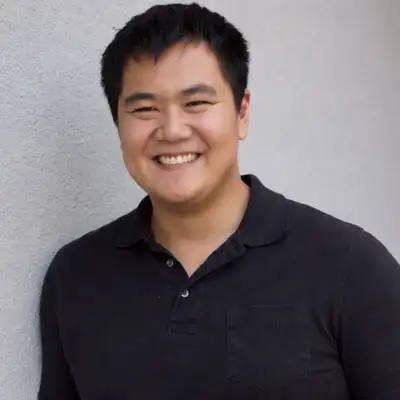
Hey everyone, this is Adam Yee, food scientist and podcast host of startup CPGs R&D RADIO where you interview food scientists and product developers and what they do and how they can help you build your CPG business. Today I'm interviewing Abbey Thiel, a food scientist, science communicator and consultant specializing in food formulation, ingredient functionality and technical problems solving for food and beverage brands. With a PhD in Food Science from the University of Wisconsin, Madison and postdoctoral training at Wahenigan University and research, Abbey has worked across research, education and industry innovation, with particular expertise in confections and frozen desserts. She's also the creator of the YouTube channel Abbey the Food Scientist, which is a six year old YouTube channel with over 150,000 subscribers. There she helps hundreds of thousands of viewers better understand the science behind food ingredients and processing.
01:37
Adam Yee
Abbey is also passionate about making food science accessible to younger audiences. She's the creator of a candy science coloring book and a would you rather Food Science edition, a book designed to get kids excited about the science behind the food that they eat every day. Throughout our work, she aims to bridge the gap between food science education and real world product innovations. In this episode we get into food microstructures and how that relates to sponge candy and a fascinating discussion on ultra processed foods and the contract manufacturing trap that we've seen that quietly kills small brands. Enjoy this episode with Abbey. I'm sure you'll learn a lot. Hello, this is Adam Yee and welcome to R&D RADIO for another exciting episode.
02:22
Adam Yee
And today I'm here with my friend and fellow, I guess content creator Abbey Thiel here to discuss a lot of things I think. One, love to hear what you're doing now. But two, you also have an awesome YouTube channel that I think everyone should listen to, especially if they're kind of starting a food company, because I think it's Just you simplify it down to kind of the average everyday YouTube listener. Right?
02:44
Abbey Thiel
Yes. Hi Adam. It's great to be here. And yes, that's exactly why I started my YouTube channel is for many years I taught at universities, but also my friends and family had so many questions and kind of like a fun game for my brain to be like, how do I break this down so everyone can understand it?
03:01
Adam Yee
I love it. So Abbey, just really quick, can you go over your background and just in general why you started this YouTube channel and just how has it grown? It has a huge following and it's always very impressive seeing your work there.
03:14
Abbey Thiel
Well, thank you. So it's funny, I did my Bachelor's through PhD in Food Science at UW Madison and it was actually during my PhD when I started this channel and that it was purely like I needed a creative outlet. Like I had no goal, no aim. It was like I was supposed to be writing my dissertation, which really sucked. And so it was like I just had to like have something to build. And so during my PhD, I just started talking about like food science or things I was interested or teaching certain concepts. And then over the years I continued to like, I moved to the Netherlands to do my postdoc and then it was just like I work on it on the weekends. It wasn't like a full time YouTube gig or something like that.
04:01
Abbey Thiel
But it slowly started to snowball and like I said, I didn't see this coming. But like how I got into product development was like I put myself on the Internet on YouTube and then people like started contacting me and at first I was like, you want me to help with what? Like formulate your original product or like, because I didn't think about it like that.
04:23
Adam Yee
I love that. And you not only do YouTube, you also do books as well, right?
04:26
Abbey Thiel
Yes. I've written a book on food science careers called I actually have it right here. Careers in Food Science from Undergraduate to Professional.
04:33
Adam Yee
Oh, that's an official, like, yes. Science book. Well, what do you call it? Textbook. That's what you call it?
04:38
Abbey Thiel
It is. It was actually real published. But now I like, I'm getting into kids content because I just think it would be such a cool world to be in if like kids grew up knowing they could become a food scientist. So I like, I made like a candy science coloring book so they like learned there's actually science behind candy. But it's like a super fun like whimsical coloring book and like I'd love to do more of that.
05:03
Adam Yee
So I'm in grad school right now, and I'm with a high concentration of just smart, nerdy academic people, right? What have you noticed that academics do kind of struggle with when it comes to communicating food science?
05:16
Abbey Thiel
Oh, my goodness, so much. I will tell you, like, when I started my YouTube channel, I had no right to be on YouTube.
05:24
Adam Yee
Oh, don't say that.
05:25
Abbey Thiel
Because I think grad school is very isolating. Like, you're doing all this work alone so many hours of the day. I was, like, socially awkward. I didn't know how to be in front of a camera. I had no idea how to record, how to write a script, how to do lighting. Like, absolutely none of those skills. And that's very scientist, right? And so the first couple years, it honestly was just unlearning a lot of the things that, like, the formal education system had worked so hard to teach me. Like, I wrote, like, a scientist, right? Like, if I wrote a script early on, in my early days, like, it had zero emotion, right? Cause scientists don't write with emotion. You just, like, state the facts. And so it was a very long process of learning.
06:09
Abbey Thiel
Like, a normal person doesn't want to read a scientific paper. Like, you have to tell them why it's important to them. You have to include emotion or talk about. Here's one thing I did really struggle with people, like, if you talk about yourself, like, if you, like, start in a intro of a blog post saying, like, this is where it came up in my normal life. And that was very taboo to me at first. It felt very uncomfortable to be like, this was happening in my life. Like, I don't know.
06:35
Adam Yee
I've learned that as well with content, right? And I think with businesses, too, you generally want to do, like, a founder story, right? And then try to build kind of rapport that way and then educate people. I guess in terms of, like, for beginning food businesses, it can be kind of difficult to understand what's going on in food science, right? Or what's going on in your food products specifically. And I guess, what have you found to be resonating or useful to people who don't really have a good grasp on food science?
07:04
Abbey Thiel
That's an interesting question. I think what most people struggle with is honestly just appreciating that there's a lot of technical aspects to food, because, you know, like, we've grown up with food all around us, but no one ever told you, like, there's a reason that this browns or there's a reason that this spoiled in two days Instead of two months. A lot of the founders that I work with, often they contact me after like a catastrophe has occurred. And it's like, well, if you just had consulted me earlier or had any food scientist on earlier in this project, like this was predictable that all these popsicles were gonna brown in the warehouse. Like, there just is not a lot of knowledge that there's so much science behind food.
07:46
Abbey Thiel
A lot of people think there's like a lot of art behind food, especially in like candy making, which I do a lot of. But it's still just telling people like this is a science. Right? There is absolutely a science to it. And you should maybe get some experts involved if that's not like your background.
08:03
Adam Yee
And how many years have you kind of like worked on your PhD for this and postdoc?
08:08
Abbey Thiel
Six years.
08:08
Adam Yee
Love it. So I mean, this is legitimate though, I would say like not very well known scientific field, right?
08:14
Abbey Thiel
Yes. And I feel like in grad school maybe you'll notice this now that you're starting it. Like, my specialty was ice cream. I was in like a ice cream confection laboratory. We did research on these products which first off, people are like, what are you researching? And it's like so much like new ingredients, texture, how to make them more nutritious. But like that kind of blows some people's minds. But like, they are actually really complex and like interesting scientific foods. It's funny because, like I was recently working with a very maybe small to medium candy company. It was family owned, zero scientists there.
08:50
Adam Yee
Interesting.
08:50
Abbey Thiel
Like their grandpa founded the company and he used to make all the candy. It was his and it's been passed down like almost two generations now. And they contacted me because like they had one candy that was just failing. Like they had to waste so much of it. And it was like the people that are making the candy now didn't understand. They sort of cut some of the steps out or didn't follow the process that the grandfather used to or like did it faster or boiled things that shouldn't be boiled. And I just had them honestly send me a video of their process and gave them like 10 things that immediately made their candy better.
09:24
Adam Yee
Oh, wow.
09:24
Abbey Thiel
Yes.
09:25
Adam Yee
Do you have any examples, like our specific cases? Because candy is all about, and correct me if I'm wrong, I'm not a candy expert, but it's all about managing water and sugar and heating, right?
09:35
Abbey Thiel
Yes. So I can tell you about this. This was a very recent and fun project for me. Have you ever heard of sponge candy? It's like kind of a hard candy, but then you add baking soda, and it aerates it into, like, a foam.
09:47
Adam Yee
Isn't that like, an Australian thing?
09:49
Abbey Thiel
Might be. And then usually it's like a little square piece, and then it's coated in chocolate.
09:54
Adam Yee
Yeah, it's honeycomb. Right. Or is that what they call it?
09:56
Abbey Thiel
Oh, maybe it is called that. And so there were a couple things that at this point. So this is like a foam. So they add the baking soda, and you want to keep the bubbles in, Right? Like, everything you want to do after that step is to keep these bubbles in. And, like, I had to be like, you are specifically doing things to break the foam, which is why you can't sell this candy. Like, I want you to understand. Like, I love talking about food microstructure. Like, what does it look like under a microscope? That's my favorite thing. So I'm like, imagine there's these delicate little bubbles. You need to do everything to keep that in there. But they were doing things like they were using gelatin, and. And that's normal, but they weren't hydrating it.
10:35
Abbey Thiel
Like, you need to treat gelatin to make it do its job. And what they were often doing was boiling it. They were putting it in boiling water, which then gelatin breaks down, like, into tinier molecules and is not gonna function the same. And so I had to be like, no, you put it in this temperature of warm water. You never boil it. And it has to be in that water at least 15 minutes or it's not gonna be able to support the foam. Like, these ingredients have a job. Once they finish it, they have it in, like, a big kettle, right? And they just would go, like, plop onto a table. And I'm like, you cannot do that with a foam. All the bubbles are gonna pop. Like, it's delicate. You wouldn't just, like, take your baby and throw it on the table.
11:16
Abbey Thiel
Like, pretend this is your baby, guys. Like, it's like, do you wanna make the money or not? You have to be careful. So it's steps in procedures that when you don't understand the science, you're like, kind of like, why would it matter? I just put the gelatin in water. Like, then I pour it in. Kind of not thinking about, like, time really matters. Temperature really matters. So it's like that sort of thing. And I totally get if you don't have any scientific background, not even saying food science, like, you don't think about those things 100%.
11:49
Adam Yee
You know, you remind me, I just took a food functionality course, actually. An ingredients course. And you know, the professor there is an expert at casein specifically. Right. And that's a really complicated molecule. And we just spent like maybe like 10 lectures talking specifically about casein. Right. So like there are people who spend a lot of their essentially life's work figuring out sometimes even just one molecule or one system. Right?
12:12
Abbey Thiel
Yes, absolutely.
12:13
Adam Yee
And we still don't know.
12:15
Abbey Thiel
No. Right. And casein is such a tricky one. I actually am involved in this very interesting project still when I did my postdoc in the Netherlands, is making casein via precision fermentation. So animal free casein, which you can imagine is incredible. It's super complex because casein is so crazy. Like crazy complex.
12:34
Adam Yee
Yeah. So. And people already doing that like perfect day or.
12:38
Abbey Thiel
Yes.
12:38
Adam Yee
You know, a few other guys, but.
12:39
Abbey Thiel
They're doing it with like whey, which is so much simpler. Right. Like, so I think that's the big feat is that you can do it with simpler molecules that like has obviously been done. But it's like how complex can you go with getting a yeast cell to create these proteins we eat? I don't know.
12:55
Adam Yee
Yeah, we had a kind of a preliminary project. I think they had to scrap it. My. At the biotech startup I used to work with and. Oh. But there's like three different subsets of casein and you can't ferment all of them because that's going to cost too much money. You know what I mean? Like, that's so interesting.
13:08
Abbey Thiel
Yeah. And then which one do you pick? Like. Yes, I agree.
13:12
Adam Yee
I love that. So microstructure is your game. Obviously it is a very complex topic. When you talk to someone like, I guess, how do you generally explain? Let's just for example, microstructures. Right. Like do you draw diagrams? Do you make examples? How do you generally translate really tough technical knowledge to someone like either a kid or a business owner can understand?
13:33
Abbey Thiel
Absolutely. For this sponge candy project, I literally drew pictures. I'm a big fan of like a little diagram using like shapes and be like, this is a air bubble. Especially in something like ice cream, you have air bubbles, ice crystals, fat globules, networks. And I do this on YouTube too. Like I will make my own animations in Canva with different shapes and be like, okay. And then when we do this process, the fat globules make a network. And that looks like this because I do think for people it's really hard to imagine that food. Like what do these different molecules look like? That's really hard to imagine. And I think that if I can give them like a picture and be like, this is what you need to think of. And this is why I'm saying you need to do X, Y and Z.
14:18
Abbey Thiel
That's why those steps are important. That it kind of brings it to life a little bit more.
14:23
Adam Yee
Yeah. I think we're kind of taught throughout all food science kind of these like, let's say fats or proteins or water, air, what do they do and what, how they interact. Right. And it's a lot of technical knowledge for some. A lot of the food businesses I work with and I'm sure you work with don't have like the scientific degree, right?
14:40
Abbey Thiel
Absolutely. This is the case when I first started consulting. I was so surprised at how many don't have any type of scientist. And this is why I think I will literally get emails where the subject line is like so and so desperate for help because they have like a, maybe a medium company, no scientists, which is like, they all have business backgrounds, say, and like, I understand and respect that side. I don't have that type of background. But all of a sudden maybe their relationship with Walmart is at stake because they have a yellow treat and Walmart wants it to be white and they don't know how. You know, this one company getting it white because they have no one that can sort of like problem solve without just stabbing in the dark. Like, how do we change it to match what Walmart wants?
15:26
Abbey Thiel
Like, this is millions of dollars. What do we do? And then they're like, okay, then we email Abbey.
15:33
Adam Yee
Well, I mean, that's such a good example of like how food scientists can be useful. Right. Like we do solve these technical challenges. Quite often the crisis, whether it is prior development or even food safety. Right. Like, crisis is generally happen. And there's a scientific reason why these crisis happen, especially if things are hard to explain. Right?
15:53
Abbey Thiel
Yeah. And this one, this was pretty basic. They just needed to aerate their syrup. They didn't realize, like once you add air bubbles, it looks white. Like the eye sees it differently. So like sometimes it is just blatantly obvious. But people always wait until like something very bad has happened.
16:09
Adam Yee
Yeah, right. I mean, when you aerate like egg whites, right? Like, yes, it's clear. And then when you whip them, they turn white. Right. Because of the eye and how it looks at things. And we are used to that through our lab work. Right? Yes, we do very simple experiments to kind of see that. But the average person just doesn't know.
16:26
Abbey Thiel
I agree, but I'm like, if my advice would be, like, bring on a food scientist early on, because, like, I'm sure you and I, we can look at a formulation and even if everything is hunky dory right now, you can kind of know, like, what are five bad things that could potentially happen? And that at least you have, like, a game plan. Because as you scale up right, these things are going to happen. They'll be like, oh, my formula is great now. And I'm like, yes, because you made it in your kitchen, but when it's like sheared, when it's made in large amounts, when it's pumped, when it's at these higher temperatures, like, there's several things that are going to change.
17:00
Adam Yee
Yeah. One of the most common things I run into is drying ingredients, like drying different components of ingredients. And when you think about it in, like an operations scale up perspective, the hours you're going to spend drying, that is essentially just not worth it. And I find that always an interesting thing, especially with, like, funny enough chili crisp companies that want to, like, dry their own ingredients.
17:22
Abbey Thiel
So many years ago, my first internship in the food industry was spray drying. This dryer was like two as tall as, like, two floors of a building. And I learned so much because you think, oh, we'll just put in a liquid ingredient and we'll dry it and it'll be so nice.
17:39
Adam Yee
You say two stories tall.
17:40
Abbey Thiel
Two stories? Yes.
17:41
Adam Yee
Okay. Wow. Wow.
17:42
Abbey Thiel
It was huge. And it was so hot in there. It was disgusting, to be honest. You think, like, okay, I'll just put a liquid in through the dryer and it'll come out nice and fluffy and dry. And it's like, no. Each ingredient either helps it dry or hurts it. Like, fat doesn't dry very well. You can't have like, high fat. But it was like, even something you think sounds so simple. Let's just dry it. It's like you actually have to understand the ingredients and how much you can have of each.
18:10
Adam Yee
Oh, yes, 100. Agree with that. Let's transition to kind of the trends you see, because you kind of have this platform that does give people who, I would say, observe things and then reach out to you as kind of a simple barrier to entry. I'd love to see hear what you hear often from these, like, either requests. What have you observed in the industry that you find really unique and interesting right now?
18:31
Abbey Thiel
So I did not plan for this, but actually I do a lot of videos of, like, why is every ingredient in ice cream or like, every ingredient in bubblegum explained? You Know, like, why is there such a long ingredient list? And I thought it would help the normal person, like, be like, okay, that's why food scientists are using this. But actually, what it ended up doing is I get a lot of requests for manufacturing help, because I guess the people that find those videos are searching, like, why is my gelato. Why are there chunks in my gelato? Or, like, what is every ingredient in my gelato doing? Because I don't even understand. Now there's a problem. And so a lot of times, like, I put a video out there, but somehow it attracts something I never. I honestly wouldn't have predicted.
19:18
Adam Yee
I just imagine someone, like, frantically Google searching about, like, functionality of ingredients. Right. Why is my gelato breaking? Or whatever. Right. And then they find your YouTube video. Right?
19:27
Abbey Thiel
Yes. And it's like, I got a notification from YouTube. My YouTube channel is 6 years old this year. And I was like, that blows my mind.
19:34
Adam Yee
And how many subscribers do you have?
19:36
Abbey Thiel
150,000.
19:38
Adam Yee
That's. Oh, man, that's amazing.
19:39
Abbey Thiel
Yeah. Is it still is crazy to me. Like, I can't believe it, but it was, like, this weird backwards way to get a lot of leads. I'm sure you see this too, Adam, with all your podcasting, but by the time I have a call with someone to, like, get like, what is the problem? What is the scope of work? They feel like they know me. And sometimes it's weird because I'm like, this is our first meeting, and they're already like, no, I want to work with you. And I was like, you should maybe interview some other people.
20:07
Adam Yee
And they're like, no, that's great for me. And I do a lot of podcasts. Like, the audio component does help, kind of, but I think because you have the video component and you're in a.
20:16
Abbey Thiel
Do you think so?
20:17
Adam Yee
I do think so, yeah. I think the more sensorial aspects that you see in a person, the more they know about you.
20:23
Abbey Thiel
That could be true. You should do more video.
20:25
Adam Yee
No, I hate my face.
20:27
Abbey Thiel
You get used to it. I will tell you Become desensitized.
20:31
Adam Yee
Yeah. I mean, it's the same with your voice, right? Like, you obviously hear your voice. I hear my voice. Right. I agree. It's on the list. Also, I don't want to deal with YouTube comments. That's. That's actually kind of the big one.
20:41
Abbey Thiel
Yes, this is true.
20:43
Adam Yee
And pros and cons. Right? But in general, like, I think it's amazing that you just. People are so kind of attached to kind of your credibility and your content that they do want to work with you in some regard. Oh, yeah. So would you say that a lot of these, like, technical problems, then? This is what I'm curious about, actually. Like, we're seeing this trend of like, ultra processed food, Right. So a lot of people want to take out things. Have you discussed or worked with people who want to take out things, or have you suggest or do they generally are convinced to add something in?
21:15
Abbey Thiel
I would say I get a lot of work where the person, their initial thing they always tell me is they want it to be natural. And I have learned the hard way that I really need to probe them. What exactly do you mean? Because everyone has a different answer to what is natural. And I'll be like, you need to tell me. Make me a list of ingredients that are absolutely not acceptable to you and ones that are acceptable to you. Because natural, like, it's difficult. We all think it's something different. And I've had this issue with people that want all natural. So I have a subset of products that absolutely. It's like we want the shortest ingredient list possible. But I also feel like there's another set of projects where it's adding in an ingredient.
21:59
Abbey Thiel
But usually it's like, I feel like so many people want a chocolate or an ice cream, but add protein or fiber or adaptogens or electrolytes or probiotics or prebiotics. And so that's like specifically trying to squeeze an extra ingredient into like, an already delicious food, which is sometimes very difficult. So I think it really depends on the project right now, I guess has.
22:27
Adam Yee
Ultra processed food come out? I think one thing is, like, seed oils has been something that's been really interesting, right?
22:33
Abbey Thiel
Oh, my goodness. Yes.
22:34
Adam Yee
We all have a different definition of seed oils too, which is kind of funny.
22:37
Abbey Thiel
Yes. Okay. First, I actually learned the most interesting thing about ultra processed food. There's obviously a lot of research being done because people tend to think, like, it's the chemicals, it's the ingredients people are adding, and that's why we're all so unhealthy now. But there's a ton of research that says it's actually more to do with the food microstructure, because anything that, like, melts in our mouth, we don't really have to chew. We just eat so much of it because our body realizes how much we ate. Like, we're supposed to, like, chew. Like, our jaw muscles are supposed to be working. But so much of a food, especially Americans, I've seen, we love really soft food. Like food that's already been like chewed for us.
23:19
Adam Yee
Like sandwich bread.
23:20
Abbey Thiel
Yes. And so our body doesn't receive the same signals because like our mouth doesn't work and we can eat really fast because we don't have to chew these foods, which is why we consume way more calories than we're supposed to. So like people are thinking about it really wrong. Being like it's the chemicals actually. It's sort of like how easily broken down the structure is.
23:42
Adam Yee
That's an interesting take. It makes sense. From what I hear about ultra processed foods, I don't think it's. You defined it very well. I don't see it as a prominent argument for ultra processing, but I think that's actually really important. It makes sense when they classify it with their anova system.
23:56
Abbey Thiel
Right. Like it all came down. I'm like trying to think of what I read. It's more about like eating. Right. Like something you can eat really fast. You eat a lot of. Of course, like I do this, like give me a bag of Cheetos and I'm like, why are the Cheetos gone? Because like I can eat them so stinking fast.
24:09
Adam Yee
We could definitely go like really in depth on this. But I love nerdy out about this type of stuff. Yes, I do feel like the ultra processed food and one could argue it's a very similar to like what we as food scientists worked with a clean label. I would say a decade ago. Yeah, I'd say that ultra processed food, it's still hard to define and therefore I do think like companies and startups do have to define it very clearly, especially when working with a food scientist as well. Because we also have a different definition, they also have different definitions. So aligning that is very important.
24:41
Abbey Thiel
Right. And I think I worked on, I don't know, I guess this would probably be considered ultra processed. But I had a really interesting project this year on like a microwavable pasta meal. It was like an Italian sauce and the noodles. I've seen so many founders run into this problem, which is why I want to share this story is this guy founded the product. It was already on the market. Right. Like he's selling it. And then he got into a big argument with his co manufacturer which I hear this story all the time. But what he didn't know until this point was he didn't even have the formula for his own product.
25:16
Adam Yee
Yes, that happens all the time.
25:17
Abbey Thiel
And I was like, oh my gosh. You have to think about like ownership and who has the formula. So what he had to hire me to do was reverse engineer his own product. Like, he sent me the product and I had to give him the actual formula, like make the formula, because he did not have the recipe. He did not even have any processing conditions, like times or temperatures. And I'm like, you can't. You don't have control then. Right, yeah.
25:46
Adam Yee
It's actually the one of the biggest pitfalls I've been hearing quite often. Right. Not having the IP set with your contract manufacturer because you know, they have a purpose in their business. Right. And yes, I think food scientists seem to be this intermediary technical profession that helps with managing IP in the early stages or solving it in the later stages.
26:06
Abbey Thiel
And I recently, I was on a call with someone I was working with and they're like, oh, yeah, the CO man is my friend. And I was like, no, no, he is not your friend. You are friendly with him. But, like, his incentives can be very different than what your incentives are as the founder. Like. Right. Because that co man needs to make money and you just want to be careful. You don't want to mistake them as like your best bud.
26:31
Adam Yee
Yeah. I think often I have told people you need to have a contract.
26:34
Abbey Thiel
Yes.
26:35
Adam Yee
Like, that's why it's called contract manufacturing contract. Right. Because sometimes surprised how many people don't have contracts.
26:40
Abbey Thiel
No, I agree. Or like, I always tell them now because I've had like so many projects where it's like, oh, the CO man tried to raise prices and now we don't want to go there. But we also can't go anywhere else because I have none of the information. And so, like, whenever someone is starting out, I'm like, you better read that contract with your CO man. Like, you have to make sure you own the formula or game over at some point.
27:03
Adam Yee
Yeah. For sure. You need some kind of visibility and just sometimes just. Founders just don't know. Right.
27:07
Abbey Thiel
I think it's all about not knowing. Like, how would you know if this was your first time? Yeah, yeah.
27:12
Adam Yee
Us as food signers, we work with Excel formulas and make formulas all the time. Right. So we kind of know that and we understand that, but founders don't. Right?
27:20
Abbey Thiel
Yes.
27:20
Adam Yee
Some. I'm sure you've worked with a lot of people use teaspoons and tablespoons, right?
27:24
Abbey Thiel
Yes. Oh, absolutely. I have to be like, no, we can't go forward like that. We can't.
27:29
Adam Yee
Guys, love it. We're going to wrap up here, but I think you have this really cool project I want to bring to light.
27:34
Abbey Thiel
So I'm actually working with a company to make like a food science app where it's like you could take a course on introduction to food science or food chemistry. And it's like it has all, like, you should repeat everything, like every three days. Like you start as a beginner and then you can get introduced to new topics, like, okay, food preservation or now we're talking about, like, different ingredients. So I'm really excited. We are still making some of the content, but I love teaching food science. It is my favorite thing. So I'm really hoping this fall we can launch it, like as college classes are starting. I was kind of thinking, oh, I'm so excited to see what happens.
28:12
Adam Yee
Love that. And we're going to wrap this up here, but where can we find you if we want to learn more about you and the work you do?
28:18
Abbey Thiel
Yes, you can Find Me on YouTube. The channel is called Abbey the Food Scientist. My website is Abbeythefoodscientist.com and then I'm also very active on LinkedIn. Just look up my name.
28:28
Adam Yee
I love it. All right, well, Abbey, it's good to catch up with you and it's awesome to hear about the cool work you do.
28:34
Abbey Thiel
Oh, thank you. It's always so fun to talk to you.
28:37
Adam Yee
Thank you for listening to startup CPG's R&D RADIO. I hope you guys enjoyed this conversation. We've now arrived together at the end of another episode of the Startup CPG podcast. I'm proud to be part of the team that's part of the top globally ranked podcast in cpg. As you may know, we're not just a podcast. We're a community of brands and experts and you should join. You can sign up@ startupcbg.com and you'll then get invited to our online Slack community. And be informed on great guests and amazing networking opportunities to get you in front of buyers, investors, brands and more. Thank you for listening and have a great day.