Subscribe
Share
Share
Embed
In Episode 063, Chris Maffeo and David Wood from the Liana Collection share valuable insights on the three stages of brand distribution.
He provides expert advice for startup drink brands on self-distribution, the role of small and large distributors, and the crucial importance of building trade relationships.
The discussion also covers the complexities of working with wholesalers, the necessity of immersive brand experiences for sales teams, and strategies for national and international brand expansion.
Emphasizing the need for founders to stay actively engaged in the trade, David and Chris highlight the evolving role of salespersons in today's digital age.
Tune in for a comprehensive guide to scaling your drinks brand successfully!
Time Stamps
00:00 Introduction to Brand Distribution Stages
00:55 Advice for Startup Drink Brands
02:34 Scaling with Distributors
03:26 Importance of On-Trade Chains
11:11 Managing Relationships with Wholesalers
16:30 Building Brand Demand
24:11 Role of Sales Reps and Founders
32:58 Digitalization of Sales and Social Media
37:24 Conclusion and Contact Information
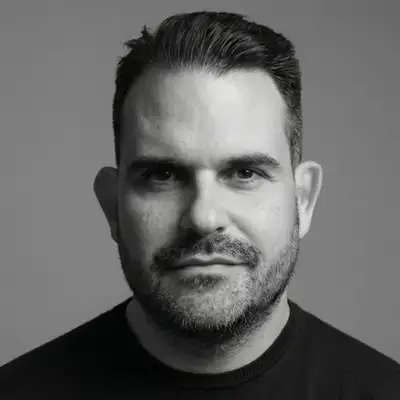
About The Host: Chris Maffeo
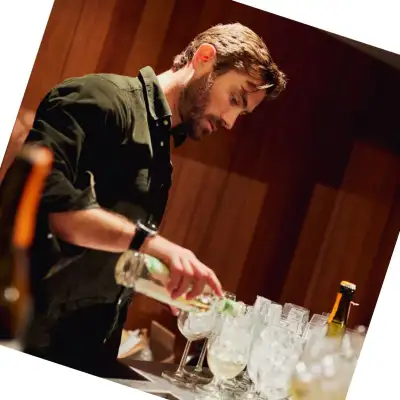
About The Guest: David Wood
In Episode 063, Chris Maffeo and David Wood from the Liana Collection share valuable insights on the three stages of brand distribution.
He provides expert advice for startup drink brands on self-distribution, the role of small and large distributors, and the crucial importance of building trade relationships.
The discussion also covers the complexities of working with wholesalers, the necessity of immersive brand experiences for sales teams, and strategies for national and international brand expansion.
Emphasizing the need for founders to stay actively engaged in the trade, David and Chris highlight the evolving role of salespersons in today's digital age.
Tune in for a comprehensive guide to scaling your drinks brand successfully!
Time Stamps
00:00 Introduction to Brand Distribution Stages
00:55 Advice for Startup Drink Brands
02:34 Scaling with Distributors
03:26 Importance of On-Trade Chains
11:11 Managing Relationships with Wholesalers
16:30 Building Brand Demand
24:11 Role of Sales Reps and Founders
32:58 Digitalization of Sales and Social Media
37:24 Conclusion and Contact Information
About The Host: Chris Maffeo
About The Guest: David Wood
The MAFFEO DRINKS Podcast is a leading drinks business podcast delivering actionable insights for drinks leadership.
For founders, directors, distributor MDs, and hospitality leaders navigating the tension between bottom-up reality and top-down expectations.
20+ years building brands across 30+ markets. Each episode features drinks builders: founders, distributors, commercial directors, sharing how the drinks industry actually works. Not the conference version. Honest conversations.
Insights come from sitting at the bar.
Beyond episodes: advisory for leadership teams, subscription with episode deep dives and principles to navigate your own reality.
Beer, wine, spirits, Low and non-alcoholic.
Bottom-up Insights & Episode Deep Dives at https://maffeodrinks.com
Welcome to the Maffeo Drinks Podcast. I'm your host, Chris Maffeo. In episode 63, I continued the conversation with David Wood from Liana Collection from episode 62. I hope you will enjoy our chat. One last thing, if you enjoy this podcast, you will also like the Mafayer Drinks Guides, where you will find all you need to build your brand bottom up.
Chris Maffeo:You can subscribe free or paid on mafayerdrinks.com. David, like based on what you were saying before, it sounds like if there are like three stages for for brands in in terms of distribution stages, no, like the part in which they do stuff on their own and they try to build their own small presence on their own, like without having a distributor in a market. And then they go on onto having it, you know, a small dedicated distributor and then somehow they feel the need to scale up to a bigger distributor or they dream about having a bigger distributor. Maybe there's, you know, expectations change versus the smaller one. Like we had, I was having this discussion with Jack or Ewing from, from Dapi Share, for example, in a previous episode.
Chris Maffeo:What's your take on that one? Like on making sure that, you know, say a recommendation from your side on brands on understanding what's the right setup for the right brand life stage.
David Wood:If you're just starting out as a drinks brand, my advice would be to get as far as you possibly can on your own. Learn about the right people in the trades and understand, build the relationships with as many, you know, of the stakeholders in the trade as possible, be that wholesale reps or, you know, key bars or the supermarket buyers and try and do as much as you possibly can yourself. And the two reasons for that are you need the knowledge and the understanding of how how the process works. And secondly, it's cash flow wise and a a smart use of of cash. If you're a distributor and a new start brand comes to you with absolutely no volume whatsoever, they're inevitably gonna ask probably for quite a high retainer fee to make up for the margin that's not, not, not existing.
David Wood:So my advice would be as a startup brand, as far as you possibly can and give yourself a target, like a target, a case case sales target or turnover target to get to before approaching a smaller distributor. I think if you're a small independent, maybe, brand, working with a business like Liana Collection is a fantastic thing to do. If the volume is there, both parties are are incentivized to keep driving the volume as much as possible. The issue is if you're still a quite a small niche brand, going to a big distributor is tough to get their buy in, and they're most likely gonna be focused on the highest volume brands within their portfolio. Jack's decision to move to proof, I think, is is is a brilliant one.
David Wood:You know? I think what once once you've scaled the drinks brand to the level that George and Jack have got Duffy share rum to, they have proven themselves in the market as the number one independent rum brand. You know, they're in a huge high volume category, and they wanna continue their growth. And proof are a great partner for that. You know, they're a big national company.
David Wood:They've got connections with everybody you'd probably want to work with. And the other thing is their cash flow of importing and distributing stock. Doing that as an independent brand is hard. And if you've got the right partner who, who are able to alleviate that cash flow for you, you can focus your spend on brand building or whatever it is you're good at as a founder.
Chris Maffeo:I'm interesting to know your view on the importance of multiple on trade, you know, like chains, on trade chains, for example, in this scale that the brand has to reach, let's say on its own before actually approaching a distributor. Because like one of the conversation I'm having is like, you know, I'm always talking about, especially of course, independent on trade and independent off trades or bustle shops and so on, like as we discussed before, you know, those are the ones in which is a clear interest because they need to differentiate themselves from on and off trade, you know, like chains. But then sometimes there's a feeling, I think I was discussing this also with Jack. If you don't get to that threshold of having those kind of chains supporting you on rotation and so on, then it becomes a bit of a of a struggle. But, know, every brand has a different kind of take on this one.
Chris Maffeo:Also, like depending on the the the time horizon that they set to themselves now on on where they want to reach a certain number of case and the resources available, you know, if they are founded, if they are self founded and bootstrapping or not. What do you think about that importance of of of actually going wider sooner?
David Wood:You can't scale a drinks brand without working with multiple operators. And the multiple operators are so much easier in some ways to manage, even if you have to invest slightly more into them. One decision maker, he or she might work and manage a 100 venues or 20 venues. The thing with those 20 venues is now centrally managed. They have a, you know, a buying policy.
David Wood:If you've got a commercial agreement with those, with that one person, the volume is huge, you know, in comparison to 20 independent bars, you know, working with 20 different buyers who have 20 different kind of philosophies on buying. It's preferable to only work with one person. That said, if you lose that one person, the impact on your volume is huge. So I think, I think you do need to do both. I was starting a drinks brand tomorrow.
David Wood:I would be talking to independent accounts and the multiples at exactly the same time. Often bigger chains nowadays are not dictated to by Diageo and Pernod because they need to be delivering a a reason for people to spend more money when they go out and they do need interesting brands, you know. So if they're able to pick up, you know, a really exciting new brand to the market, that's now a really interesting conversation. So my advice would be if you're launching, do both straight away.
Chris Maffeo:This is very interesting because, I mean, there are different, let's say, theories around that. Is that kind of like intersection between being approved by a buyer, you know, and then having a certain demand in the market. And that demand could have been created by, you know, social media or trainings or, you know, other things, but there must be that kind of like expectation of rotation as well, because I think I was discussing this with Nick in a previous episode that we were saying, you know, like sometimes you get, you know, all the prerequisites are in place, but then the buyer doesn't get it. But sometimes also the buyer takes a bit of leap of faith on your brand and then stocks it, but then there's no demand for it because nobody knows the brand. And then automatically there's no demand.
Chris Maffeo:And then you stay there for a few months and then all of a sudden that account is kind of like burned.
David Wood:It's interesting. It's it's also the category that your product is in, you know, if you're a cocktail ingredient going into a multiple operators a lot easier than if you're a lager, you know, for because the lager is the badge and people are so brand loyal to the lager that they drink. And if they've never heard of a lager that's on the bar before, they're likely to go with a brand that they have heard before. Whereas the cocktail ingredient, you know, similar to that, the Lyanna collection portfolio, we're within a cocktail that people are not buying the brand, they're buying the drink and looking at the ingredients within it. And that's a much easier thing to go into multiple operators straight away because the volume will be driven by people wanting to drink margarita or a espresso martini that happens to have your product in, as opposed to going onto the bar and saying, I want that beer there if they've never seen it before.
David Wood:So I guess my answer probably changes slightly. And a really good example of a brand didn't go to on trade multiples straight away and prove themselves would be Lucky Saint, the non alcoholic beer. They went into bars, pubs, independents, focused massively on training and developing people's knowledge behind the bar of the product. You know, they had a great advertising campaign over a period of time. And then come dry January, I think last year, that's when we saw a massive amount of, lucky saint taps going into multiple operators.
David Wood:And the reason is that they built a brand and a consumer base with independence. And now the entree groups were ready to see the product on the bar and and know that there would be a good rate of sale.
Chris Maffeo:It's a great insight what what you're bringing because it's true that if you are the, let's say, the modifier on that drink, you know, like then you're not, you kind of like putting the foot in the door and, you know, like you're not visible. You're more on a stealth kind of way, you know, and then sees your foot, the multiple entree to justify that kind of switch of brand rather than obviously being the the tequila in the margarita, you're much more visible than if you are substituting, let's say, Cointreau in the recipe. It's very interesting what you're saying, but also like the insight that you bring it from, you're saying that I like is that there is also that element that with small independent stores, the learning curve is much faster because you've got 20 individuals and if you multiply that by five bartenders, then you've got 100 people that all of a sudden are working with your brand. And then if you are really careful about the insights that you can gain from them, you can really see, okay, actually like this now there's a pool of 100 people that told me that in this drinks, it works well in this drink.
Chris Maffeo:Although I thought that it would work well in that kind of drink. And, and then you have better insights to actually then go to a multiple on trade operator and a buyer and say, you could do this because I've got these learnings from, you know, three months, six months working with these kind of bars now. I bring back the point that you were saying earlier about the, the fact that it's good to differentiate yourself. So you, you were, you were talking about, you know, and, and you were talking about the fact that, you know, you've got many accounts doing a very small amount per drink because that's, you know, that's how you use the brand as a, as a, as a modifier mainly. And that helps you differentiate the risk is a little bit like a kind of like investment strategy.
Chris Maffeo:Now you, you know, you invested a little bit in many accounts rather than to your previous point about one buyer that has twenty, fifty, 100 accounts. And then if you look at that one, then all of a sudden, maybe 50 to 60% of your business has gone overnight kind of thing. Yeah. How do you play that level of kind of like granularity in distribution? No.
Chris Maffeo:Because you I guess you need to work with a lot of wholesalers because it if you start to go around the country and not being based in only a couple of cities, all of a sudden for you as a distributor, you know, the amount of wholesalers you work with, you know, increases massively, you like to reach those kind of venues that are, that are trying the product that are working with the product and so on. So how do you manage the relationship with those smaller, so to say wholesalers that may not be like super strong in your sell in, but but they play a huge role in the scale of the brand.
David Wood:If you're working with any wholesaler and you're a niche product, like a lot of the brands in Niana are, you're not always top of the conversation in terms of the volume for the rep. They're not gonna be seeing us as someone that could get them, you know, two fifty cases of house vodka in any bar in in that we might be working with. It's it's much smaller increments, obviously. The key is firstly not working with distributors, with with wholesalers until you know that there's enough demand to make it worthwhile, both both your time and theirs. Secondly, it's all about the relationship, with that person.
David Wood:So constant communication, constantly talking to them and looking after each other and sharing leads and keeping that human relationship part of the battle and being honest with wholesalers, you know, it's so easy to tell a white lie and say, we've got 50 bars looking to stock this product when you know you've only got a couple of guys who, who are going to do a small amount of volume, you know, it's better to be honest and in the long run, build a business together nice, nicely and progressively. We did this with specialty drinks with our spirits brands in the early days. You know, we, we waited until we had the demand and slowly, once we had the demand, we knew that we could slowly build lots and lots of points of distribution. And when you look at our, our volume in specialty compared to even two years ago, you know, we're a thousand percent up year on year. The volumes build and build and build and build.
David Wood:And when they look back and, you know, realize that these are higher margin products that are doing some now really good volume across lots and lots of points distribution, then you demand respects as well. So I think that would be the key. Go into a wholesaler once you've got true volumes and also only work with a wholesaler if you know you can find more volume and make and build, build the business together.
Chris Maffeo:That's very interesting because what, what I, what I hear from you, if I understand correctly, is that it's a little bit like the same kind of like way of thinking of what you were recommending before about a brand approaching a distributor, no? It's just like more down the line into the value chain of things. As a brand, you don't reach out to an importer and a distributor until you don't have enough demands that you have created on your own. And then also as a distributor, you know, you have to go in with your own sales team before approaching a wholesaler in that region that will help you scale the brand because otherwise it's not really worth for them.
David Wood:We're just about to launch in Manchester. And this last couple of weeks, the conversations internally have been who are the key wholesalers that we need to be working with up there. You know, the Liana Collection for a long time has been massively focused on London. And as we move out, we are going to have different players in that market. You know, our, our spirits brands are going to have new wholesalers that we're going be wanting to work with and champion.
David Wood:And, and also, you know, expand on the existing wholesalers that we do work with. You know, specialty is a good example there, actually. They've got a great presence in, in Manchester. We're looking forward to building even more business with them up there. With our cider brands, St.
David Wood:Port Orchard's, you know, the conversations this week have been our existing partners, someone like Daila drinks who are amazing partner to work with and someone like Euro boozer or pig's ears, you know, brilliant craft beer and cider wholesalers. The relationships we forge with those guys and the business we've built in London is, is really sizable. The issue is none of them are really that focused on Manchester as an area. So we are gonna have to find, you know, new partners to help us in that in that city and the surrounding cities, late leads in Liverpool, namely. It's the age old challenge, you know, don't over promise if you're gonna work with a wholesaler to get the demand sorted and, you know, go into the relationship honestly, knowing that you can really build volume together.
Chris Maffeo:Really like trying to, you know, to grow that demand bottom up rather than dreaming top down and then, you know, you disappoint people and sales guys become, you know, depressed and, you know, they don't get the results. And then all of a sudden you become like a burden kind of brand to, to carry.
David Wood:Yeah. Advice to brands that were starting from a scratch, don't overthink wholesale, you know, focus all of your time on the end user, you know, talk to customers and the distribution will sort itself out. That's always the way keep forcing the demand sell, sell direct if you have to, before showing the wholesalers the volume that you've created. And wholesale is a really messy game, you know, in the drinks industry. You know, there are so many wholesalers, everyone got different prices.
David Wood:You know, some of them are amazing partners and some of them are not great to work with. Some of them are really respectful. Some of them are disrespectful, being honest about it. And, you know, it's a messy game and, but it is so important and it's imperative to work together. You know what?
David Wood:I think all of the partners that we work with from Venus and Octrea specialty, Matthew Clark, you know, the reason that we work well with these guys is that we all respect each other and we built business together. We've walked away from one don't work with is because we don't have, you know, didn't have a great working relationship and, you know, the terms weren't right and it wasn't a two way relationship. But all of that mess that is getting your product delivered to lots of customers shouldn't be a focus, like focus on building the demand with the end user and wholesale and route to market is something that will work itself out.
Chris Maffeo:Even here in Prague, know, like I've got some brands that I talk to, you know, English brands or, you know, American brands, Irish brands that I know they're not, let's say, officially distributed here in Czech Republic, but I find them in bars, you know, and bar owners are actually buying them online, paying, you know, a double excise or getting like, you know, the EU, the, the British excise or the French excise, or, you know, which is higher than the, than the Czech one, just because they want to have that brand. So it means that that brand has actually created that demand overseas, you know, and there is, there is a kind of like a fertile ground for that brand to grow now. And I guess, you know, whether you talk about countries or regions, you will see when it's the right time to reach a new city, you know, because all of a sudden, if you start to ask to get asked for orders from Manchester or Edinburgh or Cardiff, then all of a sudden you start to feel okay. It's it's the third call that I get is the sec sixth call that I get is the eleventh call that I get.
Chris Maffeo:So now it's probably the right time to to do it. And in the beginning of care, it's better to, you know, to self distribute the brand there because ultimately it's about that bar owner or that bartender that is keen on your brand to actually sort out what you were saying, you know, like they will sort out the, the, let's say the invisible hand of distribution will sort itself out that, and that boxer will actually end up in that back bar at some point. Then you need to actually work it and and systematize that because otherwise then it becomes messy. What she was saying before about the different kind of, wholesalers, it's also that, you know, from my experience, there's always that kind of like intersection. Again, I I love this metric season and and and stuff just to get my thinking right now.
Chris Maffeo:And is the intersection between like the ones that focus on categories versus the one that focus on geographies, you know, like because some of them may be category focused, but then wider in an area. So they don't go that deep. They go much more horizontal than vertical. But then some others may go super vertical into an area, but then quite, let's say, horizontal in portfolio. So they may be like multi multi category.
Chris Maffeo:What is your experience, for example, in The UK? Like, is it like rather like a a mix of these, you know, wholesalers or or do they skew towards certain categories? Or
David Wood:There's kind of three types of wholesalers in The UK. There's four types of wholesalers. One is beer and cider specialists. One is spirit specialists. One is wine specialists.
David Wood:And the the other is composite. All of those. They've all got advantages and disadvantages. The the ones that try to do everything, that's really, really tough. Usually they're national businesses.
David Wood:And usually the reason that they're composite is because they have nationwide demand from big customers that want to use them exclusively for all of their drinks. So Matthew Clark's a really good example. They are a huge composite wholesaler that will sell kegs of beer, bottles of water, champagne, niche spirits, everything. And that's a really hard business to get right because the sales team need to be experts in all of those categories, which is impossible, you know, to know all of those businesses, all of those brands, all of those categories is is is really hard. What you're kind of left with there is much more of a transactional wholesale approach.
David Wood:It's more about price. And if you want to really know about the products, you're probably going to need to speak to the brands. Now, if you go into the specialist wholesalers, wine, for example, wine could be Berkman's wine cellars, and Notre and Co. They were a wine specialist. Same with Bebendum before they went to Matthew Clark.
David Wood:They were a wine specialist. Le Carb de Preine, who are another wine specialist. I really I really like those guys, actually. They will come and talk to you and give you an incredibly detailed consultation on your wine list to the degree where the rep will be very, very well trained, knowledgeable, you know, likely have decades of experience, you know, across, you know, the different varieties and regions of of wine, and you have a far more bespoke, experience. And also you don't have to put kegs of beer into your warehouse and your lorries.
David Wood:And it's, it's easier to hold less stock, easier to forecast the rate of sale on your, and you're an expert in that industry. Those wholesalers are for me are the best because they are really specialized on one thing. But to answer your question, I guess you need both. You know, somebody needs to service the big national groups, and that's where Matthew Clark do an amazing job. And someone needs to service the independent scene who need consultation and, you know, a knowledgeable approach to the categories.
Chris Maffeo:It's a great overview that you explained there because it's ultimately, that's the reason why I like all these matrices. If you see, like, my my trainings and my, you know, seminars, it's, I'm full of this kind of matrixes just because I like to frame the issue, you know? Like I've had zillions of conversations through the years in many multiple countries with multiple people and there's always like a, you know, people are for one option or for another option. There's no right or wrong ultimately. It's just like watch what's right for you at that moment, no, and in time, and at least let's understand what we are talking about as, you know, let's frame the problem and then we try to see what's the best solution for you other than, you know, like, no, you should go with specialized wholesalers.
Chris Maffeo:No, you should go with national wholesaler. And then you have this faction driven arguments in a meeting room. No. What you were saying that I really, it's interesting for me and, and, and it's also about the role of the sales rep now, because it's connected to the, it's kind of like two questions in one, you know, like it's connected to the previous thing that you were saying before, about the importance of the founder, you know, because you've got founder led stories and founder led brands. So there is an element of that, the importance of that founder being present in the trade, no?
Chris Maffeo:And if you can showcase that founder into a certain bar, then, you know, like then all of a sudden it becomes like, wow, like, you know, I can really talk to the creator of this brand. But then the counter effect to that is that obviously, I mean, we're not ubiquitous, you know, we cannot be everywhere, all the time now in the trade. So you need to have that kind of level of, ability to translate that message down the chain, whether it's with a distributor, with their own team, you know, the founder has the team of the founder and, you know, the, the brand ambassadors, and then they come to you and you've got your salespeople. And then you've got the wholesalers and the wholesaler sales force, you know, like, we tend to forget all the layers that are there in that kinda like that that game. I don't I don't know what's the name in English.
Chris Maffeo:Like, we call it like the the the wireless phone, you know, like, you play as a kid, know, that you say you whisper something in the ear of the person next to you, and then you wonder what what's left of that message after after 10 passages. No? So the first question would be, how do you manage to translate that message and ensure that that message is consistent? And then the second thing like that, that we, we can deep dive later, but it's also like the role of the salespeople that I think has changed throughout these last years, you know, that we see more and more. I was having a comment on LinkedIn the other day and somebody commented that the only sales guys that are, you know, going forward nowadays are the ones that can build demand for a brand from a social media perspective, you know, like Instagram stories and conversations and stuff, you know, like it, it, it has changed, like the role has changed into what we call building demand.
Chris Maffeo:No, whether it's the branded page of a brand or or like the last sales guy of the last distributor in the remote lens that actually can't speak the same language of the founder. That's why I'm kinda like building these two questions in one.
David Wood:The truth of any brand in the world of in any industry is the story being told firsthand by the most educated person from that brand is is how brands grow, you know, retelling that story time and time again. And the further down the line, the more diluted it can become. So top of the tree is obviously the founder. Secondly, under the founder is is the sales team, whoever is selling that brand. And the question is how powerful are those two conversations?
David Wood:Nothing will ever be as powerful as sitting down with the founder of a drinks brand and listening to their story. That relationship is then, you know, secured for the rest of time. And founders of drinks brands should be spending 90% of their time talking to people about the brand. You know? Don't worry about the back of house financing.
David Wood:Talk to end users about your brand story and forge forge the relationship. That's obviously not something that we can do in every single bar in every single country in the world. So that's where the salesperson comes in. And this, this is the most important thing for brands that are going to go into distributors. My advice would be take that sales team to the distillery or the brewery and completely immerse them for as long as it takes.
David Wood:So for our brands, a great example would be our cider brand, Sanford Orchards. Every year we go to the cider works for the harvest, which is kind of September time. We walk the orchards. We see the growers producing the apples and the crops that are essentially going to be pressed. See the cider works pressing apples, creating cider.
David Wood:We understand how that process is working. We can see the impact of sustainability and the focus of sustainability. We can see the community coming together. You know, we can try the cider that's being pressed in front of our eyes. We learn how that product is made.
David Wood:We see the people behind it. We understand the history of that brand. Once you've done that and you then start speaking to customers about it, that is the second most powerful way of telling the story after the founder. And that's really, really scalable. You know?
David Wood:We just last week, we went to Italy as a as a full team, the Nianna collection, to meet our new brand who we're just about to launch with. And we spent two days immersed in the brand, and we came back completely inspired and very, very knowledgeable. And some of the brands that we worked with in the past, we haven't had that experience with, and it's so important to have the credibility of walking into a bar and being able to say, I know this this place. I've been there. I know the people.
David Wood:I and and as a result, you can be not as powerful as the founder, but, you know, have a massive impact.
Chris Maffeo:I mean, this is super, super valuable, like what you're saying. And I think it brings back to one of my mantras that I've it is about like winning your home turf first, you know, and focusing on your home turf because then you can maximize that level. You know, we were discussing that in the episode, like about the Costwall distillery, for example, now that, you know, when you are in bars in London or the Costwall and so on, like it's much easier for consumers, bartenders, people to go and come and, you know, come and visit the distillery, whether, whether it's a beautiful distillery, like super organized or whether it's like a, a hut in the middle of the farmlands, you know, but, but you'd still get that kind of feeling. No. And obviously the further you are from that thing, then, you know, increasing costs there will be for traveling there for people to manage to get there even as consumer and so on.
Chris Maffeo:And that's why, like, it's important for me to really win that home turf first, you know, before you actually venture overseas, you know, because then it's so much more difficult to fly people.
David Wood:That's why you need to know, if you launch with a new distributor in any country, fly them all over to your distillery, get that distributor to understand your brand. And it might cost you, you know, a couple of thousand pounds, but that is one of the best things you can possibly spend money on because the knowledge that those people will have and the experience and the credibility is absolutely invaluable. Look at somebody like Sipsmith. You know, they were the first new launch dis gender celery in London for however many years, maybe a hundred years. I'm I'm not sure.
David Wood:And the number of bartender I I would recommend I I imagine a bartender from more or less every single pub and bar in London or the vast majority have been to Chiswick to see Sipsmith and have that immersive experience. And it's such it's such a kind of unfair advantage if you're able to have people visit your site. And and that builds the brand. That builds a huge hometown following who can then spread the message around the world for you having experienced it themselves. So, yeah, I I agree.
Chris Maffeo:Yeah. Absolutely. And, and, and also like then how do you manage to actually lengthen that inspire inspiration now? Because I've done these trips many times and I've organized them myself on the brands I was working for, and there's a lot of churn and there's a lot of rotation of people and, you know, like, and then sales guys leave and come and so on. So you cannot do it all the time.
Chris Maffeo:But then if, if you have a way of doing it, that it could even be like a webinar or it can be like something done online until you get up to speed now because if a distributor has got, I don't know, 10 salespeople, then you manage to do it for six and then the the new four are not in, but you can just bring them in, you know, the next month. Like you just have to, you know, keep that momentum going until you actually have the next lot of visits to the distillery or the brewery or whatever that is. No. And one, one, one last thing on the previous question that I was asking about the digitalization of salespeople. What do you, what is your experience on that?
Chris Maffeo:And what is your take on, on that? Because I see it more and more that the successful people are the one that are really sales guys. Mean, that are really out there, you know, at events, you know, I was recently now like the other day at the world class final, then there was Prague Cocktail Week. And you, you see people that are, you know, being present at the Mira Hospital, the XP in Bratislava where I had the seminar. It's the same people that are meeting each other and going on and on and on, you know, like, and you, you see this presence online and so on, and it becomes more and more important, especially on brands with small budgets according to me.
Chris Maffeo:But what's your take on that?
David Wood:I think it was a really powerful tool. You know, I think someone that does it really well is Paul from Fare, sad drinks.
Chris Maffeo:Yes.
David Wood:Yes. So he's been working and he's a part of the business, has been for a long time, and he is, you know, constantly out and about in bars and posting and, you know, showing you amazing new cocktails using the brands and connecting with the right people in the trade. And he's he's so organized and very, very, diligent and hardworking and he's created his own personal brand, you know, and it it's something that I think people respect in the trade. And I think, you know, being on Paul's Instagram as a bartender is a is a probably a bit of a badge of honor now. And, you know, just giving a little bit of love to somebody for putting your brand on the bar goes a hell of a long way.
David Wood:If somebody is organized and diligent enough to keep doing it day out, day in, day out, the long term advantages of, you know, one constantly sharing positive news and two creating their own personal brand that bartenders wanna be part of. And those are positive things. It makes it easier to to be on the next menu with that with that manager, and it makes it easier for people in the trade to follow follow the brand and see see see where its listings are. So I think it's a really powerful tool.
Chris Maffeo:Yeah. I agree. I I was having this conversation with Paul Ledkopf from Few Spirits, and and we were talking about the fact, like, bringing back your point about being the trade. Don't worry about the back of the house and the the, you know, the finance and stuff, you know, like and he was saying, like, you have fire yourself as soon as possible from everything you're not the best person at, except the only role that he was saying, like, it's it's being the founder. I mean, you are the founder.
Chris Maffeo:There's no one else that can be the founder because you founded it.
David Wood:Look at look at, Jared at Zip Smith. He's the brand ambassador and the face of the brand. He does it amazingly well.
Chris Maffeo:Is that kind of element of again, if we make it on a matrix, you know, like, is this kind of like scale reach and depth of reach now? So you need to be out in the trade and be visible and be seen as at conferences, at bars in those places where you are live. But then at the same time of being, you know, in podcasts, in media, in PR, like magazines and so on, because, you know, that's the way you amplify the message. No. And it's, it's a little bit like I was now in Bratislava with the guys from Mirabar when they organized this amazing expo.
Chris Maffeo:And, you know, I was there like speaking live for one for one hour, but there was 100 people being there, you know, that I've seen it. But then like, if I amplify that on social media, then all of a sudden there's a thousands of people, you know, that I can reach with that same message. No. So I need to be out there personally, but also, and, and I think like, is that kind of intersection that some people are really good at being super locally relevant, but they have a very bad personal brand because they don't like social media and so on. And sometimes it's like, know, it's not that I like social media.
Chris Maffeo:I mean, it's tough. I mean, it's it's it's hard work to be out there on social media. It's not that I I love doing it. It's just that it's a necessity nowadays because that's the only way to build demand for for your brand, whether it's a personal brand, whether it's a podcast, a brand, there's a distribution company, you know, that's the way you are seen on what you are doing. Agreed.
Chris Maffeo:So building on that, let's let's wrap it up because I'm aware of your time and, you know, I want to give the opportunity to you as a business owner to be visible and add any, you know, brands that want to reach out to you and, you know, possibly enter The UK market with with you. Like, so how can how can people reach out to you?
David Wood:Yeah. Great. I if anyone's ever looking to explore a distribution model and wants to have a chat, easiest way is just to go on the nianacollection.co.uk. Drop us a drop us a an an an email on the contact us page, and we're always always open to having conversations and talking to founders about, you know, brands that we believe in. So, that's the easiest way.
Chris Maffeo:Fantastic. So thanks a lot for your time, David. Like it was a great, great chat and I really liked it. And I think people are going to really get a lot of values from it. Hopefully, we we meet soon in person and we can have a few a few
David Wood:We'll drinks something in the diary, Chris. I'm sure at some point, we'll have a have a have a cocktail or two together.
Chris Maffeo:Absolutely. Absolutely. So thanks a lot for your time, David.
David Wood:Top man. Thank you so much for having me, Chris. Take care.
Chris Maffeo:That's all for today. Remember that this is a two part episode sixty two and sixty three. If you enjoyed it, I have a small ask. Please rate it, comment, and share it with friends and come back next week for more insights about building brands from the bottom up. One last thing, if you enjoy this podcast, you will also like the Mafare drink guides.
Chris Maffeo:You can subscribe free or paid on mafaredrinks.com.