Subscribe
Share
Share
Embed
Congressman Kevin Mullin joins The Game for a wide-ranging conversation on the SAVE Act, voting rights, the war with Iran, Democratic strategy for the 2026 midterms, and California’s unpredictable governor’s race.He also discusses his endorsement of Eric Swalwell, the debate over a billionaire tax, and his work to make hearing aids more affordable. After the interview, Mark Simon and Bob Marks break down Mullin’s comments and discuss the latest political fallout in California and beyond.Time Breaks / Chapters00:00 Intro and welcome00:26 Congressman Kevin Mullin joins the show00:39 Mullin on the SAVE Act and threats to voting by mail03:02 Voter ID, access to the ballot, and democracy concerns05:31 Georgia voting laws and whether voter ID can work08:29 Why turnout could surge in November11:16 What message Democrats should run on in the midterms15:28 Iran, terrorism, and divisions inside the Democratic Party18:03 Bob challenges Mullin on “imminent threat” and presidential war powers19:09 Mullin on diplomacy, Congress, and international alliances22:05 What Democrats would do if they retake the House or Senate25:07 Town halls, activist pressure, and being in the minority30:11 California governor’s race and the possibility of two Republicans advancing35:57 Why Mullin endorsed Eric Swalwell for governor40:15 Billionaire tax debate and California’s fiscal reality45:20 Mullin on hearing loss and making hearing aids more affordable48:37 Interview ends49:08 Mark and Bob discuss the Cesar Chavez allegations52:38 Postmortem on Iran, Trump, and what happens next56:16 Final thoughts on the California governor’s race57:05 OutroThe Game is hosted by Mark Simon and Bob Marks and produced by Frank Bravo, BravoITC.com. You can see more information about The Game at TheGamePeninsula.com.
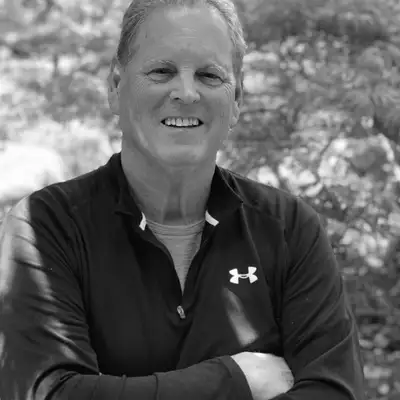
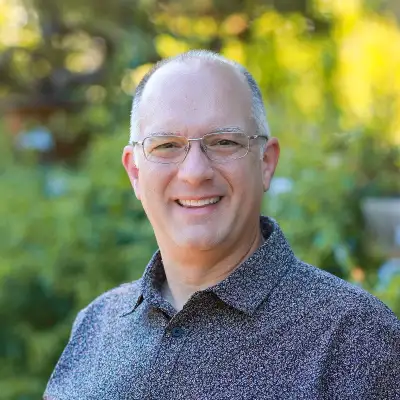
Mark Simon and Bob Marks revive their long-running cable TV show The Game, where they interview local leaders and talk widely about politics, business and sports.
Produced by Frank Bravo, BravoITC.com
00;00;25;26 - 00;00;36;25
Speaker 1
Welcome to the game. I'm Mark Simon. I'm Bob marks, and here we are with our friend Kevin Mullin. Congressman Kevin Mullin, thank you for joining us. In your second term. Correct.
00;00;36;27 - 00;00;39;06
Speaker 2
Second term. Fourth year.
00;00;39;08 - 00;01;14;07
Speaker 1
Here, running for reelection. Faced a couple of guys who are running, I think, against you in the Democratic side from the left, which are. Well, we will dwell on that too long. But let's talk a little bit about the midterms, because, you know, the Senate is trying to figure out at least the Democrats are how they can block the Save act, which would dramatically change voting procedures, particularly in California, where it would essentially do away with vote by mail, which was one of the things you've been when you were in the legislature, a significant advocate for.
00;01;14;09 - 00;01;22;07
Speaker 1
Yeah. Tell us a little bit about that. What are the chances of this thing passing? And if it does, what happens? And wait, can you do to stop it?
00;01;22;10 - 00;01;46;22
Speaker 2
Well, look, the save act would be a dramatic change to the way elections are run in America, right? It would create a requirement for birth certificates to register to vote. I actually have no idea with my where my birth certificate is at the moment. I'm sure that would create a barrier for those registering. It would also create, identification requirements just to cast a ballot.
00;01;46;22 - 00;02;11;00
Speaker 2
And there are there's discussion now of an amendment on the Senate side to essentially ban voting by mail. And, I have in my hand right here a draft executive order, just a draft that actually would have no force of law even if the president issued this executive order. But essentially he wants to federalize elections. Take that power away from states and localities.
00;02;11;00 - 00;02;33;17
Speaker 2
He wants to ban voting by mail, which is creating quite a bit of heartburn within the Republican Party because, Republicans really have geared their get out the vote efforts toward voting by mail. So this would be such a dramatic shift if any of this eventually sees the light of day, I am optimistic that Democrats in the Senate will hold firm.
00;02;33;19 - 00;03;00;07
Speaker 2
I think you're going to see, however, a president continue to push on the Republicans in the Senate, including Leader John Thune, to to move this off the floor. So the next couple of weeks are going to be pivotal here. But there's really, I think, you know, there will be there would be judicial actions to try to block this if, in fact, it became law.
00;03;00;10 - 00;03;30;04
Speaker 2
You know, and the voter identification question, just to take that for a second. Voter identification itself is is very popular. When you ask the basic question, do you think people should present some identification? But there are just some really practical challenges with that. Just in terms of who has IDs, what kind of ID would be required. And I'm sort of open on just that, that one question about presenting voter identification.
00;03;30;06 - 00;03;58;03
Speaker 2
But it would have to be married to a whole other set of policies to open up access to voting. And from essentially the beginning of Trump, the first Trump administration, red states have erected barriers across this country to voting, taking away early voting, purging voting rolls. So this is consistent with an ongoing attempt by this president to limit access to the ballot box.
00;03;58;03 - 00;04;24;02
Speaker 2
It is anticipated Democratic. We're going to use any lever we can to fight it. I'm the co-chair of something called the Task Force on Strengthening Democracy. We're going to be calling this out. And this honestly, the Save act is just one piece of a whole number of actions a politicized Department of Justice, FBI agents going, going in and seizing ballots from the 2020 election because we have an election deniers, a president, which disqualifies him, in my mind, to be the president.
00;04;24;03 - 00;04;45;23
Speaker 2
He he denies any election that he's not successful in. That's who we have with the loudest megaphone in this country. I'm deeply worried about a free and fair election in November. I think we will prevail. But attorneys general in states across the country are meeting about what would happen if Ice or National Guard troops were stationed at polling locations.
00;04;45;28 - 00;05;08;04
Speaker 2
The kinds of things that if I uttered ten, 20 years ago, you would think I was a conspiracy theorist. And I am not. But there seems to be absolutely no guardrails with this president and his politicized Department of Justice in terms of trying to affect the election itself. And then ultimately, we have we have a speaker who's going to have to seat a Democratic majority.
00;05;08;04 - 00;05;31;16
Speaker 2
And if we have a free and fair election, I do believe the House Democrats will be in the majority and possibly the Senate. But there's a process under which the existing speaker would have to seat members. So we're at like Defcon five when it comes to these democracy issues. So you're going to be hearing quite a bit from me and many others about these issues as the election year unfolds.
00;05;31;19 - 00;06;01;04
Speaker 3
Kevin, the a lot of the same arguments were made when Georgia decided to change its policies in terms of voting. Jim Crow 2.0 that was used everything. In reality, they did it. And voting in Georgia has gone up in the last election. There are more people participating. Isn't, you know, let's focus. Would you support a bill that was simply required voter ID?
00;06;01;07 - 00;06;11;23
Speaker 3
And let's say it required a birth certificate, but included funding to subsidize counties to provide birth certificates to people who could not afford it.
00;06;11;26 - 00;06;39;06
Speaker 2
But just on the face, that seems like there would be major workability challenges. It would have to be married to a whole host of reforms that this Republican majority has shown no appetite for. We should be looking at the California model, where we in San Mateo County led the country on in terms of all mail ballot elections, postage paid early voting, multiple voting center sites.
00;06;39;06 - 00;07;06;28
Speaker 2
If people prefer to vote in person, the model we have right here is should be a national model. It expanded throughout California, some of it further by the pandemic, but out of necessity. But the kinds of reforms we put in place here in California, I believe, and and others have differing opinion, but I believe this is the model, and we should have this model be adopted by the states, but not imposed by the federal government.
00;07;07;00 - 00;07;29;29
Speaker 2
Right. We have a president who talks about nationalizing the elections, which is his way of saying Republicans in Washington should be dictating how voting and elections administration occurs. And that is absurd. It's unconstitutional. It's illegal. I think it would be thrown out by a court. But just think about the mindset that this president has now the Georgia model.
00;07;30;01 - 00;07;54;06
Speaker 2
Bob and I talked briefly with Stacey, Stacey Abrams, who was in town for an event. She's been a leader in Georgia on voting rights because of some of the restrictions and changes. There's been such a push on my side to look at that and make sure that voters are overcoming those barriers, but that still takes a lot of work.
00;07;54;08 - 00;08;22;08
Speaker 2
I think even with additional barriers put up this fall, I think that people on my side of the aisle are motivated. Midterm elections are a referendum on the governing party, and it is clear that Trump and the Republicans are running Washington right now, and people do not like what they see. The policies are almost universally unpopular, and the people are going to be hurt this November.
00;08;22;10 - 00;08;29;15
Speaker 2
And we may have to overcome some of those barriers that are put up in various states. But at the end of the day, I think we will prevail.
00;08;29;17 - 00;08;51;21
Speaker 1
Well, the obvious political conclusion you draw is that the reason they're doing all this is, is their afraid they're going to lose. And so they're trying to throw barriers up. But to Bob's point, I guess the more you talk about voting and turnout, the more people become aware, oh, there's an election. I want to show up, and the more they hear somebody trying to stop them, I would think that would drive people more.
00;08;51;24 - 00;09;05;18
Speaker 1
I mean, I wouldn't be surprised if there's a substantially higher turnout than normal in November. The more they do this, the more people will say, well, okay, I didn't even know there was an election. I'm going to go vote now and I dare him to stop me.
00;09;05;20 - 00;09;37;11
Speaker 2
I think that's right, Mark. And you see, in some of these special elections, traumatic over performance by Democrats, which look, I'll be very honest, doesn't mean that somehow the Democratic brand has healed itself. And we've gotten over the 2024 election debacle, if you will. But really, it's a referendum on what's happening in this country, a reckless war with no clear aims of actions by this administration going around the Congress completely.
00;09;37;13 - 00;10;07;15
Speaker 2
And our Republican speaker, allowing that to happen, a deadly immigration enforcement policy. Just the images that people are seeing of people being killed in the street, because of an inhumane enforcement policy by this administration, you are going to see a reaction by the public to this, this November. And it feels, reductive to just kind of speak about it in political terms.
00;10;07;15 - 00;10;30;11
Speaker 2
But this is where the public will be heard on the popularity of these policies that they see on the nightly news or online. And I think there's going to be a dramatic turnout, from my side in November in reaction to what is is being seen. And yes, it is still, what, seven months away now? Less than that.
00;10;30;13 - 00;11;04;25
Speaker 2
But I think, opinions are hardening. And this war, which I think people are looking at saying, why? Why are we doing this? What was the imminent threat to this country? It's going to drive gas prices up. The Republicans are already owning terrorists. And the impact on prices this is the administration, I think, largely was put back in place to deal with cost of living issues and prices and inflation, and they have done quite literally nothing about that, in fact, made it worse.
00;11;05;02 - 00;11;16;18
Speaker 2
And people at the at the bottom line are going to vote their pocketbook. And, this administration really has done nothing on affordability challenges facing.
00;11;16;21 - 00;11;43;08
Speaker 1
You sort of referenced this, which is, you know, the Democrats have run against Trump three times, and it really doesn't seem to work for whatever reason. You said the Democrats have yet to improve their brand. I know you just put out a survey. I want to hear from you. Is America heading in the right direction? It can only I think we can all safely guess what that might have been the answer to you from your constituents.
00;11;43;08 - 00;12;10;25
Speaker 1
And by the way, if politics is reductive, it's the only way Bob and I look at anything. So that's a sad commentary on us, I suppose. But, what is the message? Because it can't just be we're not Trump. That is not a proven successful message. What are you hearing in your caucus? What what are the messages of the political experts you deal with are saying, here are the here are the talking points that really need to drive our message in the midterms.
00;12;10;27 - 00;12;48;28
Speaker 2
Right. Well, that is I think is still being formulated. But let's be very clear. The midterms, the the midterm upcoming is going to be a referendum on the governing party. And it always is. And people are not happy with the governing party and the affordability issue. You're going to hear quite a bit about affordability. You're going to hear quite a bit about the draconian cuts that Republicans have put in place that we should, on day one, reverse out, and that you're looking at almost $1 trillion impact on Medicaid cuts across this country, which are going to overburden emergency rooms.
00;12;48;28 - 00;13;08;12
Speaker 2
The entire health care system is going to be impacted by some of the cuts that were put in place by this majority. This is a majority that declined to take up extension of Affordable Care Act tax credits. People are going to be paying hundreds of dollars more for their health care because of what has been done by this majority.
00;13;08;12 - 00;13;33;08
Speaker 2
So certainly there's going to be a contrast to to that, in terms of restoring some of the cuts, restoring Affordable Care Act tax credits, none of that will be easy, of course, with Trump still in the white House. But you're going to hear quite a bit about health care. Democrats do. Well, just on that issue, looking at the politics of it, just general affordability issues.
00;13;33;08 - 00;14;02;10
Speaker 2
Utilities. Look, gas prices are going up. We have we are embroiled in a war in the Middle East, largely, because of all impacts. We, if anything, have to be pushing a clean energy agenda and decoupling from some of our foreign interventions and really have a domestic clean energy policy. I'm working on those issues on the Energy and Commerce Committee.
00;14;02;12 - 00;14;37;16
Speaker 2
But but you're going to see quite a bit of contrast, I believe, just on basic affordability issues. And almost universally in my caucus, we are opposed to this war. And and what's unclear is where we will be six months from now. This is the dominant issue right now. I think the president is looking at this and seeing a disaster unfold in terms of what this means for him domestically is going to probably at some point want to declare victory and pull out of this war.
00;14;37;18 - 00;15;11;25
Speaker 2
But I also hear that there are some movements around ground troops to try to secure a certain areas in Iran. So we're getting very conflicting messages. The classified briefings don't reveal much that I don't already see on CNN. There was no consultation with Congress in any meaningful way before this action was taken. So just the war alone is going to be a dominant issue, and the lines could not be more clearly drawn in terms of the party's approach on the war.
00;15;12;00 - 00;15;28;22
Speaker 2
And again, almost universally, my party is opposed to what this president is doing when it comes to the war. So there will be stark contrast drawn between what a Democratic House and Senate would look like versus what we have right now.
00;15;28;25 - 00;15;56;00
Speaker 3
Three years ago, there was a resolution in Congress saying that, Iran is a leading state sponsor of terrorism in the world. It passed and not a single Democrat voted against it. Now, same resolution comes back. 53 Democrats voted against it. You were not one of them. But what does it say about changes in the party and the direction of the Democratic Party?
00;15;56;02 - 00;16;22;01
Speaker 2
Well, there was quite a bit of support to simply acknowledge that Iran is a state sponsor of terror. And I would be the first person to tell you a nuclear Iran is not good for stability in the region and certainly not good for our safety. I was concerned at the original bombing run that that the president simply did not consult Congress at all.
00;16;22;02 - 00;16;53;11
Speaker 2
I've been supportive of War Powers Resolution that Congress needs to assert its authority on, on issues of, of war and peace. But, there is, I think, the symbolic nature of voting against that resolution about Iran being a state sponsor of terror. I think you saw some very progressive members of my caucus really not wanting to associate themselves in any way, shape or form with what's happening right now in the Middle East.
00;16;53;11 - 00;17;18;26
Speaker 2
And that's what that motivation was. As far as I'm concerned. There's really no dispute. It was really a statement of fact that Iran is a leading state sponsor of terror. And again, a nuclear Iran would be deeply problematic for the region and for the United States. But there was no imminent threat to our homeland and no real rationale.
00;17;18;28 - 00;17;45;16
Speaker 2
This is a war in search of a rationale right now. And I'm deeply concerned about what this president is doing, drawing us into the war at this level. You've got NATO turning away from this international relationships being framed by this president. It's, a strategy that I think is deeply problematic. In fact, let's put it this way.
00;17;45;16 - 00;18;03;01
Speaker 2
It's a strategy that that I simply have no clue what it is, because he certainly hasn't shared that in his senior. The defense secretary and secretary of state have not shared that at a meaningful way with the Congress. So it's a deeply troubling.
00;18;03;03 - 00;18;32;22
Speaker 3
I have a problem with the term imminent. I looked up to the term imminent, and it says an impending danger or a looming event that is likely to occur, occur at any moment, or is about to happen very soon. Seems to me that that should not be the standard here. We should not wait until Iran has the ability to attack Europe or send a ballistic intercontinental ballistic missile to us.
00;18;32;24 - 00;19;03;10
Speaker 3
Let alone their nuclear program. So how do we determine that? And also, Trump is playing by the same rules that Obama played by another presidents have. They didn't get congressional approval. Obama didn't when he attacked Libya. That war went on seven months. We you know, I understand the desire for Congress to kind of re-impose its role that they've advocated and the executive branch has taken away.
00;19;03;16 - 00;19;09;17
Speaker 3
But why should he be operating any different than Obama?
00;19;09;19 - 00;19;49;18
Speaker 2
Well, I I've heard that argument. I too would be concerned about a nuclear Iran. That's why we had a JCP. We had, diplomacy employed to try to get Iran to comply with regard to their nuclear program. Donald Trump essentially walked away from that. There has been no real meaningful engagement to try to limit Iran's nuclear ambitions. I just don't believe sending our troops into harm's way without a direct and imminent threat makes sense.
00;19;49;18 - 00;20;16;22
Speaker 2
There are other measures that could have been taken in the region to try to limit Iran's nuclear capabilities and what's going on here. So he he's going to do this maybe for regime change. We now have the son of the former ayatollah who will be installed, who's 30 years younger. We're going to be dealing with this problem for for decades to come because of, of what has occurred here.
00;20;16;24 - 00;20;41;01
Speaker 2
So the situation is we are we are. No, I don't believe at the end of the day, we're going to be much safer as a country than we are right now. So I don't understand the rationale for this regional war, which really is going to have all sorts of domestic implications. Bob, so appreciate your your look at the history.
00;20;41;04 - 00;21;05;24
Speaker 2
But I do know, you know, there has been efforts in the past. So, Michael McFaul from Stanford put put a piece out. He talked about how George WHW Bush had U.N. support and congressional support for his war against Iraq. McFaul says Clinton had NATO support for his war against Serbia. George W Bush had UN support and congressional support for his war against Afghanistan.
00;21;05;25 - 00;21;39;01
Speaker 2
Allies and partners joined, and Obama had UN support for his war against Libya. Allies and partners joined. So there is I just, as a federal policymaker, feel better when there's international support for what is happening in a broad way. And our international allies are turning away from Trump and his administration. We are going to have to rebuild alliances all over the world, in a post-Trump world.
00;21;39;07 - 00;22;05;09
Speaker 2
And they're going to we're going to have to clean up the mess, which I guess is Democrats job. But that will have to happen in a post-Trump America. And hopefully there's a Democratic president that believes in international alliances and at least at a minimum, consulting, the elected national legislature of his country before sending our troops into harm's way.
00;22;05;12 - 00;22;27;28
Speaker 1
Well, he really nailed down Japan support just the other day. So I guess the question is, let's suppose that, you know, the war goes on through the rest of the year up to and including the midterms. Democrats take back the House, possibly the Senate. What what would you do? Would you cut off funding? Would you pass a war resolution?
00;22;27;28 - 00;22;52;26
Speaker 1
And unless he has support of Congress, he can't proceed. I mean, the point you make is valid. The question of imminent. The fact is that Iran has been an imminent threat to anybody in the neighborhood or beyond for years, for decades. So, you know, imminent means right now, essentially, and whether they're a nuclear threat or not, they have been a threat to for violence and warfare everywhere else.
00;22;52;28 - 00;22;57;26
Speaker 1
But so what did the Democrats do if you take over? Do you how do you stop this?
00;22;57;28 - 00;23;22;19
Speaker 2
We would assert our congressional powers. Mark, we would have a speaker who, at a minimum, understands article one of the US Constitution and doesn't allow the president to simply do whatever he wants, which is what we have right now. And Republican Speaker Mike Johnson, literally whatever the president wants. In fact, the speaker owes his position really to Trump.
00;23;22;21 - 00;23;48;07
Speaker 2
And because Trump knows that Mike Johnson will simply allow Trump to to run roughshod over the Congress. At a minimum, we will be asserting our article one powers. The speaker, Hakeem Jeffries, will make sure that that happens. We will move War Powers Resolution. There will be oversight over this war. Congressional funding, all of that will be looked at.
00;23;48;14 - 00;24;19;12
Speaker 2
Of course, if there are troops on the ground, there would be a look at making sure that troops are protected. But, The reality is, we simply don't know. We don't know the outcome of the election this fall, and we don't know where the war will be sitting at that point. Come January of 2027. If there are indications right now that that the president may be looking to end this.
00;24;19;17 - 00;24;55;02
Speaker 2
Given the unfolding chaos there and the impact on domestic prices and so forth, he may be looking for an exit strategy even as we speak. So anything about 2027 really is hypothetical at this point. And we'll have to continue to monitor. But what we do need, we do need a stronger JCP away. There has to be a stronger nuclear deal with Iran with support from our allies throughout the region.
00;24;55;06 - 00;25;07;10
Speaker 2
And I'm concerned, too, about what the impact will be on our regional allies in the Middle East. So a lot to consider, going forward.
00;25;07;12 - 00;25;30;18
Speaker 1
You've got a town hall coming up soon. You and I have had some sort of off the record exchanges about the demands that the noises of your constituents tend to make on you. What are the expectations? I mean, you know, you're in a position where there isn't much, you know, in a real sense that can be done when you're in the minority, particularly this.
00;25;30;19 - 00;25;50;29
Speaker 1
The minority is structured now with a a House Republican majority is very small, but their main tactic is to avoid any votes that might lead them somewhere they don't want to go, as they do, try to carry out the president's wishes. Are you getting grief from people? I mean, their marches coming up again at the end of the month.
00;25;51;01 - 00;25;56;23
Speaker 1
Are you getting grief from people that somehow you're not as aggressive as they'd like you to be?
00;25;56;25 - 00;26;24;20
Speaker 2
I think people are upset that Donald Trump is the president, and that the National Democratic Party somehow stumbled into the situation where we have a President Trump getting elected again and putting an authoritarian government in place, essentially ignoring the Congress, ignoring the rule of law, ignoring the Constitution and inhumane policy. All of that. People are deeply disturbed at what they are seeing.
00;26;24;23 - 00;26;49;22
Speaker 2
And on the natural, they want the opposition party to pull any lever can to block this authoritarian government. And I can tell you that there have been a number of discharge petitions. Not I don't want to get too deep in the weeds here in terms of legislative process. But essentially the minority party, the Democrats in the House, have been peeling off Republican support to sign on to discharge petitions.
00;26;49;23 - 00;27;15;00
Speaker 2
And when you get to 218 signatures on a discharge petition, you move that item to the floor. And that's how we passed an extension of the Fordable Care Act tax credits off our floor. But it's being held up in the Senate because they have a different process. And of course, you've got the filibuster process there. And and Republicans control the Senate.
00;27;15;03 - 00;27;41;15
Speaker 2
But there have been a number of moves made by by the opposition party, our House Democrats, to force action upon the majority of Republicans. Now we need to take the gavel back. We need to win the majority, hopefully win a substantial majority to really be able to move legislation off the floor, to be a check on Donald Trump, to make him a lame duck for the remaining two years of his presidency.
00;27;41;15 - 00;28;14;07
Speaker 2
I think all of that is possible. Going forward. But people are just deeply upset at what they're seeing. And I, I share that with them. And I am using any means necessary through my communications channels. I'm going to be having a numerous town halls, going to the floor next week, and doing a five minute speech for the dozens of folks watching C-Span, to call out the elections.
00;28;14;09 - 00;28;37;17
Speaker 2
The nationalization of elections that this president wants. I'm going to be calling out what the Save act could mean to the fall election. You know, I'm old enough to remember when Republicans were the party of states rights. Maybe when when Bob marks was in Republican politics. But they were the party of States rights, and now they want to nationalize elections.
00;28;37;18 - 00;29;13;00
Speaker 2
It's absurd what is happening on the democracy front by this authoritarian president and his allies in Congress. And we are going to do whatever we can to block it and, and make sure that we're empowering localities and hopefully having some of California's reforms eventually put in place around states across the country by incentivizing, at the federal level, not imposing a federal policy on states and localities.
00;29;13;00 - 00;29;34;13
Speaker 2
So we're affirming the role that states and localities have in the elections process. But I'll be speaking out loudly about that. And, it's but, look, it's being hard. It's been hard being in the minority party guys. I came from a supermajority in Sacramento where we were moving policy. Moving bills into law, getting money for the district.
00;29;34;14 - 00;29;53;20
Speaker 2
It's been very hard when you don't have the gavel and the power, and we're in an oppositional mode. And I believe that's going to change come January of next year. But we still have to have a free and fair election, and we still have to mobilize our voters and make sure that people turn out. And that is how we settle these things in America.
00;29;53;23 - 00;30;11;09
Speaker 2
Despite the president wanting to control elections and intimidate voters from participating. We're going to show that this is a country that still believes in elections to settle matters. And you will see that I think a lot of Claire come November.
00;30;11;11 - 00;30;41;27
Speaker 3
Speaking of elections, let's come back to California in 44 days. California will have a primary election. The Berkeley Institute LA times poll came out a couple of days ago. It shows the two Republican candidates, one at 17%, one at 16%. The candidate you've endorsed, Eric Swalwell at 14 and Katie Porter at 13. We've been talking about this for months.
00;30;42;01 - 00;30;57;10
Speaker 3
And when we started, it seemed like a fantasy. But, do you think the unthinkable, where two Republicans may be the candidates in November is possible? And what can the Democrats do about it?
00;30;57;12 - 00;31;33;04
Speaker 2
Well, the both the two of you have been following this even longer than I have. This is the most unusual gubernatorial election since I've been paying attention to California politics. Pretty extraordinary to not have, say, a statewide figure or even a celebrity figure with with almost universal name ID being in the pole position. That's why I think, people so many candidates were drawn to this race because Kamala Harris, took a pass on it.
00;31;33;06 - 00;32;01;29
Speaker 2
Alex Padilla, Adam Schiff, are our U.S. senators up? Took a pass on it. So you really have a field of candidates who maybe normally wouldn't necessarily be looking at the governorship? So you have a very divided Democratic electorate. There are still about 16, 15 or 16% undecided who will I think break, in the coming weeks here.
00;32;02;06 - 00;32;24;05
Speaker 2
I find it really hard to imagine two Republicans getting through to the fall. It would, of course, be a national story. It would probably. I've heard some folks say it would trigger a recall as soon as that that governor were elected. We'd be into a recall cycle in early 27. I'd really hope we avoid that and the chaos that goes with that.
00;32;24;08 - 00;32;51;12
Speaker 2
I think you will see a Democrat one and possibly two, get through. But I'd love to hear your you know, sometimes I think I'm a little too, too close to these things within the kind of political bubble. We'd love to hear what you to think. If if you think that's a real possibility. And, Bob, you may be more in touch with some of the folks in Republican circles, although it's I don't know if it's the same kind of Republican Party than when you were active.
00;32;51;14 - 00;32;57;13
Speaker 2
It's a different, different Republican electorate in California right now. But we'd love to get your take on that.
00;32;57;17 - 00;33;27;01
Speaker 3
Yeah. I mean, the two Republican candidates are not the kind of people that I would like to see as governor in California. I guess what concerns me is it's been going on for a long time, and I keep hearing and I've been saying that exactly what you said, that Democrat, a Democrat or two will emerge and it will change the dynamics.
00;33;27;01 - 00;33;35;04
Speaker 3
But 44 days and it still hasn't happened. So I don't know. I don't know what the answer, Mark.
00;33;35;06 - 00;33;54;20
Speaker 1
I tend to think this is one of the sort of fatal flaws of polling. The question is, if you had to vote today, who would you vote for? And I always think there's a certain percentage of people who say, I don't know the first time, and then they're pressed because the pollster has to get an answer. I don't believe the undecided is only 16%.
00;33;54;25 - 00;34;19;25
Speaker 1
I think we have you know, I think when people say, well, okay, if I had to decide today, I'd pick so-and-so knowing that they really haven't decided yet. And so I think in this case, the polling may be a little misleading. I do think it will galvanize on the Republican side. The Republicans will, I think, rally around one of them, probably, Hilton, and the other one will drop off.
00;34;20;00 - 00;34;52;28
Speaker 1
And I think we're already seeing the emergence of three, maybe four Democrats from the rest of the field, as it were. And I think as they campaign, as they begin to do, you know, other than Tom Steyer, we really haven't heard much from any of these folks as a campaign. You know, the campaign has not really focused yet on, hey, we're getting close to deciding, Kevin, you're is where where is anybody that, you know, 44 days to the election, the ballots drop in less than that about a month and a half.
00;34;53;05 - 00;34;56;06
Speaker 3
No, that's that's 44 days. Four days. Ballots.
00;34;56;07 - 00;35;16;28
Speaker 1
Okay. But but on the other hand, that doesn't mean 44 days is done. It's when people really begin to focus. So I think all this reflects a campaign that has gotten off to a slow start. And some of that is because there's so many candidates. I think the money has stayed off a little bit. But I don't think that's going to be the case.
00;35;17;04 - 00;35;40;11
Speaker 1
I think, you know, if you look, if you read the tea leaves and that's all we're really doing, you see some consolidation around. Eric Swalwell, the East Bay congressman that you have endorsed. You see some of it galvanizing around Katie Porter because people think it's time for a woman to be governor. Matt Mahan is clearly the billionaire's favorite candidate.
00;35;40;14 - 00;35;57;11
Speaker 1
We have seen, though, that that doesn't necessarily get you past 5%, even with all that money. So my first thought is, as late as it seems, it's still early. Well, let's talk a little bit about Eric Swalwell because you have endorsed him. Tell us about him. Why you why you think he's the right guy?
00;35;57;13 - 00;36;33;00
Speaker 2
Yeah, well I was. I'm going to take credit for this. I was the first congressional member to endorse, he's a Bay area guy. I've gotten to know him. In my years now in Washington, I've seen him be the fighter that he is. He takes a backseat to no one. When it comes to battling Trump, I think even though our styles are different, I share his alarm at what he is seeing with this authoritarian president and his repeated attacks on California.
00;36;33;05 - 00;37;00;05
Speaker 2
Given California sort of stature as the most populous blue state. And I think that that fighting kind of a mentality fighter for California, fighter for democracy, I think is going to resonate nonetheless. Being a member of Congress, it's an unusual path to the the gubernatorial mansion, so to speak, even though the governor no longer lives in the mansion.
00;37;00;07 - 00;37;25;24
Speaker 2
It's an unusual path, right, to have a couple of a current sitting member of Congress, a former member of Congress, and then whatever. Tom Steyer is a wealthy climate activist, sort of separate themselves, has been really fascinating to see, just sort of putting my analysts hat on and then, to to have the amount of money being moved toward Matt Mehan, who I've met very briefly, seems like a nice guy.
00;37;25;27 - 00;37;48;10
Speaker 2
I was just surprised, honestly, that he ran, given I think he's just two years into the the mayorship in San Jose. But clearly there, you know, I think he believes there's a lane, a moderate lane in the middle to get some of the not no party preference support, maybe a little bit of Republican support in there. I just don't know how vibrant that lane is.
00;37;48;13 - 00;38;20;01
Speaker 2
There's great concern about, you know, the power of billionaires in California and across the country. I'm just sort of waiting to see his campaign. I mean, I've, I, you know, he's raising a bunch of money. But to your point, this election is coming like a freight train. And I haven't seen anything on the airwaves outside of the Tom Steyer ads, which, my one of my twin sons, eight year old, said, I'm sick of seeing Tom Steyer.
00;38;20;03 - 00;38;24;29
Speaker 2
That's a direct quote. My.
00;38;25;02 - 00;38;34;24
Speaker 3
Political political consultant point of view. That's that's something that you're really happy to hear. Yeah. You're right. The campaign.
00;38;34;27 - 00;39;02;24
Speaker 2
But also just remarkable the amount of money being spent by Tom Steyer to be, you know, around like 10 or 11%. It just shows you the limits of money. Now, I don't want to understand it too much. If he drops another 50 mil in the next 40 days. It might be just enough. I'm certainly hopeful. Somebody like Eric Swalwell with with a a long standing track record, was taking a lot of votes.
00;39;02;26 - 00;39;24;11
Speaker 2
He's taken a lot of positions. Has taken a lot of death threats for being a brave and standing up to this president. I think he's got the right metal, if you will, to be the governor of California at a very difficult time. So I'm certainly I'm hopeful that he gets to the top two and is successful, but it truly is a one of a kind election.
00;39;24;11 - 00;39;48;12
Speaker 2
And I think it is going to create a little bit of a conversation around the top two. That would still have to be if we change the way we do primaries in California, that would have to be undone, if you will, by the voters. So there has to be enough concern, I guess, broadly within the Democratic electorate to undo the top two, with a subsequent election.
00;39;48;14 - 00;40;11;20
Speaker 2
If a Democrat gets through, I think that conversation will sort of fall melt away. But yes, if there are two Republicans that get through, that absolutely will trigger a conversation around doing away with the top two. I still tend to think, at a minimum, there'll be a Democrat that gets through June and it turns into a pretty standard Democrat versus Republican fall election.
00;40;11;21 - 00;40;15;27
Speaker 2
If I had to put money down on Kelsey or whatever.
00;40;15;29 - 00;40;47;09
Speaker 1
If you want to, if you want to sort of nutshell the description of what a strange political year it is, you've got a billionaire running as a populist. At the same time, it's likely there will be an anti billionaire tax on the ballot. What's your take on the billionaire tax. And is that unhealthy for California. I mean at the same time there's a group of billionaires that decide to anoint one guy, and it's almost like they're fueling the argument for this tax.
00;40;47;11 - 00;41;18;27
Speaker 2
Yeah, I think it's going to work against their efforts to to oppose the billionaire tax. I get why people want a billionaire tax. But having served in the legislature for a decade, having voted on budgets, this is a pretty straightforward issue for me and that the reality is we rely on capital gains tax revenues. We rely on the progressive income tax structure that we have in place.
00;41;18;28 - 00;41;44;09
Speaker 2
And we do rely on wealthy individuals living in California and paying those taxes, which fund our schools and our health care and our infrastructure and the whole panoply of services that state government provides. So, look, I don't want the geese that lay the golden eggs to move out of state. Like that is just a practical budget reality. It's the same concern that Governor Newsom has on this issue.
00;41;44;12 - 00;42;11;28
Speaker 2
I am not opposed to looking at a more progressive income tax structure at the national level. Just if you'll allow me the soapbox briefly. We have had a regime of tax cuts now, permanent tax cuts. The corporate tax rate used to be 35% under Bill Clinton the last time we had a balanced budget. It's now 21%. We have a $39 trillion national debt.
00;42;12;01 - 00;42;32;04
Speaker 2
We are funding wars, and we're funding government without properly bringing the revenues in to pay for it. And all we're doing is mortgaging the future for, for for my kids and your kids and your grandkids who are going to have to deal with a national debt. We have got to get our fiscal house in order. And that should transcend Democrat versus Republican.
00;42;32;04 - 00;43;05;08
Speaker 2
But the reality is we have to have a more coherent fiscal policy at the national level. So I would be open to looking at our tax structure nationally. But you don't want to disadvantage California versus other states when it comes to tax policy. It is too easy to relocate to Texas or, Montana. We need to, on some level, be welcoming and welcome those tax dollars that fund our services in California.
00;43;05;12 - 00;43;18;26
Speaker 2
So I'd much rather see a that kind of attacks on the national level than a disadvantage in California strategically and and budgetary. So that's that's where I come down on that issue.
00;43;18;28 - 00;43;46;00
Speaker 3
You know, I saw an interview earlier this week with the governor of New York, Kathy Hochul, and she was lamenting the fact that so much wealth has moved out of New York, that it really was hurting their bottom line in terms of the kind of deficits that they're facing. So I just thought that that was an interesting situation that she brought up.
00;43;46;02 - 00;43;46;29
Speaker 2
Yeah.
00;43;47;01 - 00;43;47;25
Speaker 3
Yeah, yeah.
00;43;47;29 - 00;44;12;05
Speaker 2
We have to be always with one eye on, you know, where your emotions are, one place when it comes to policy. And yes, I get the impulse, but you really do have to think about the downstream effects. That it may wind up costing us more money. When when people exit the state. And that is absolutely counter to what the goals are of that.
00;44;12;05 - 00;44;34;13
Speaker 2
So I get it. I, I am not a absolutely not a fan of the wealth accumulation at the top. We absolutely need to have a more progressive structure, but I think that's best done at the national level. And when we get the gals and we have the Ways and Means Committee and can control some of the fiscal levers and hopefully a Democratic president.
00;44;34;14 - 00;45;00;28
Speaker 2
2028. I hope you have a more coherent policy. And I think Democrats should really be the party of fiscal responsibility again. This is just traumatic. What you're seeing in terms of spending and and without the appropriate tax revenue. The interest on the national debt is eating away at all these policies that we care about. And I consider myself a pragmatic progressive.
00;45;01;03 - 00;45;17;21
Speaker 2
We're not going to be able to fund a whole host of federal programs unless we get the interest on the national debt under control. So generational responsibility, we need to own that as a party and once again, take the country in a different direction than it's going right now.
00;45;17;23 - 00;45;19;29
Speaker 1
Been on for a while. Go ahead.
00;45;20;01 - 00;45;48;27
Speaker 3
I was going to say, and bringing it back to you personally, it's estimated that 30 million people in this country, have hearing loss in both ears. I know that this is something that you've dealt with for a long time. You're talking about some legislation. Given the fact that hearing aids are very expensive. That might provide some financial help.
00;45;48;28 - 00;45;51;10
Speaker 3
Talk a little bit about that.
00;45;51;12 - 00;46;18;04
Speaker 2
Thank you for that, Bob. These are these are efforts that are going to be hard to pass into law very candidly. Helping Medicare recipients afford their hearing aids as one approach. Another is $1,000 tax credit, which is getting some Republican support when you push some tax credits. There's an unofficial hearing aid caucus. And that absolutely transcends parties.
00;46;18;04 - 00;46;50;09
Speaker 2
And it's actually enabled me to talk to some of my Republican colleagues who really are sensitive on, on these issues. We also have a legislation making it easier to repair. Hearing aids. So the hearing aids I have right now, $4,600 out of pocket. These are enormously expensive devices. There are some a cheaper over-the-counter ones. But if you want the ones that are digital and actually attuned to your hearing loss, they're enormously expensive.
00;46;50;09 - 00;47;18;02
Speaker 2
And I'm sure some folks are going without, buying these hearing aids because of the cost. And I can tell you, you know, the way our insurance companies sort of approach this, it's as if this is a cosmetic change. And I can assure you. Especially in a line of work where you're talking to people and communicating, it's absolute necessity to, to have these to, to function properly.
00;47;18;03 - 00;47;46;04
Speaker 2
So it's really made me sensitive to that issue. A broadly, I've met with some folks who are, some venture capital folks who are interested in funding experimental research on, you know, stem cells and other genetic, Looking at the genetic DNA to actually fix hearing loss. So we're talking and I'm talking about the devices and how to make it more affordable.
00;47;46;06 - 00;48;16;16
Speaker 2
But there's an incredible scientific work being done with some at funding, which is NIH funding and scientific belief in science and so forth. Is is going to be an ongoing issue, apparently with this administration. But we need to be funding research into actually fixing hearing loss. And I think I would love in my lifetime to be able to see real advances there, to get on the front end of this and be able to fix some of this, to make the device conversation of a very different one.
00;48;16;19 - 00;48;37;11
Speaker 2
But thank you for bringing that up, Bob. And it's it's just one of those sort of issues along with, you know, democracy and clean energy and building an economy for all. You look for issues that you can sort of specialize in. And this is one of those kind of sub issues. That I'm trying to build some, some expertise on and hopefully be able to do some bipartisan work on.
00;48;37;18 - 00;48;59;14
Speaker 1
Yeah. You posted a video about this in which you discussed your own congenital hearing loss. I guess it's been in family for a while, and that's something a sort of personal thing that you don't normally hear people disclosing. So good for you for raising the issue. I think we've taken up enough of your time. Bob and I are going to stick around and do a little postmortem here.
00;48;59;14 - 00;49;05;17
Speaker 1
But Representative Kevin Mullin, as always, thank you for being on the game with us today.
00;49;05;19 - 00;49;08;17
Speaker 2
Great to see you both. Let's do it again soon.
00;49;08;19 - 00;49;14;00
Speaker 1
Oh, you will trust us. We will.
00;49;14;02 - 00;49;37;23
Speaker 1
Bob, the one thing I didn't ask him about because I wasn't sure how to broach the subject. I assume you saw the news about Cesar Chavez and the accusations against him. This is a this is a man who has been a particularly California icon. And I'm going to read the story in the New York Times, but it was astonishingly well sourced.
00;49;37;25 - 00;50;03;01
Speaker 1
Normally these stories, as you know, there's a lot of anonymous people, or it's just one person, somebody else's word. These were multiple sources who confirmed each other's stories over and over again. You know, and I used to have up until today, over my right shoulder. One of my proudest possessions was a great boycott poster autographed by Cesar Chavez.
00;50;03;02 - 00;50;28;05
Speaker 1
And you can see I took it down. We're seeing people race to change the names of streets and plazas and their statues of them all over the place. Is there anything, anything other than this is a tragedy to to conclude about this? It's just it's mostly it's just mind boggling the amount of faith in hero worship that they put into this guy.
00;50;28;07 - 00;50;33;24
Speaker 1
And then to discover that, you know, there were a lot of things wrong with him. Yeah.
00;50;33;26 - 00;51;00;02
Speaker 3
People, you know, want to have icons. And he certainly is one. But as you point with the New York Times story, this is not something where there was an incident that took place. What kind of a he said she said, this is very, very egregious behavior on his part. That apparently went on for a long time.
00;51;00;05 - 00;51;16;03
Speaker 3
You know, it is. I think it's tragic. I think it's sad. We've seen it happen with other other people. Maybe not this specific circumstances. But, you know, it's part of the world that we're in right now.
00;51;16;10 - 00;51;39;27
Speaker 1
Well, the other thing that strikes me about, you know, you read about the Epstein files, and one of the things you see is how this group of people support each other, took care of each other, covered up for each other, rely on each other, out of mutual interests that extended beyond the personal conduct of this terrible, terrible man.
00;51;40;01 - 00;52;06;05
Speaker 1
And you see it again in a similar way, in this particular instance where people were so protective of his image and what it meant to their movement that they felt they couldn't say anything. Right. And, you know, it's I mean, you and I have been around political people for a long time. We know, you know, it's a human endeavor, which means they're going to be human beings and they're all going to be flawed in one way or another.
00;52;06;08 - 00;52;32;13
Speaker 1
In fact, it's an interesting question. What drives people to run for office? And in some cases, there is some. When you look at some of our presidents with Clinton and in Obama, both of them had their father leave them. I mean, there's something driving these people. But this idea that power sort of entitles you to certain behaviors, I guess, is not yet something that's gone by the boards.
00;52;32;16 - 00;52;38;14
Speaker 1
It's. You're right. It's a tragedy more than anything else. Is there anything else we should talk about, Bob?
00;52;38;17 - 00;53;12;14
Speaker 3
Well, you know, I think about talking to Kevin about the war in Iran and, you know, it. The day this happened, the war started. Beth Santer, who was a deputy director of intelligence for Obama. Described this as high risk, high reward. And I think that's a pretty, pretty good description. What we're seeing now is the risk side is at an extraordinarily high level.
00;53;12;17 - 00;53;38;29
Speaker 3
And so, you know, I, I have mixed feelings about it. I, frankly, was against it originally, and still am. But, you know, I think it's important. I wanted to see how Kevin, really is reacting to this and how the Democrats are going to play this going forward. You brought up a point. What should we do?
00;53;39;01 - 00;53;59;25
Speaker 3
You know, okay, we're in a mess. So what should we do? What's the solution? How do we get out of it? Do we provide $200 billion in funding? That Trump is requesting or, you know, what do we do? So much of it is pointing fingers and not saying, here's where we are. Where do we go from here?
00;53;59;27 - 00;54;22;03
Speaker 1
And one of the complications that overlays all this is that it's Trump. And so he does things that just make you feel sick about the whole thing showing up at the at the dignified return in a baseball hat that is part of his merch program. The remarks he made about Japan understanding what it means to do a surprise attack.
00;54;22;06 - 00;54;45;11
Speaker 1
And obviously, a lot of times it's deflection to distract us from other things. You know, pay no attention to the man behind the curtain, but, it colors, you know, if you had asked me, you know, I'm the natural. Should we stop Iran from being the major exporter of terrorism and getting a nuclear weapon? Is it?
00;54;45;12 - 00;55;09;22
Speaker 1
To me, it's a no brainer. Yeah. I don't want them to be able to send off a nuclear bomb. But there was a terrific piece in the New York Times by David Sanger, who's one of their top international reporters, about if they decide to go after the nuclear, their arsenal, their store of nuclear materials. It's 100 miles inland and 100 miles under the ground.
00;55;09;26 - 00;55;38;22
Speaker 1
This is not a simple undertaking. And so for all we've done, when we're all, you know, when all is said and done, we've dropped the last bomb. He leaves and says, we won. Well, you know, they're they're still able to rebuild their capacity and we know they will. And, you know, and if we've learned anything from Afghanistan and from Vietnam, you know, a grassroots guerrilla effort to continue fighting is very, very difficult to stop.
00;55;38;27 - 00;55;50;23
Speaker 1
And they have no reason to stop. They have the incentive to keep fighting. And the more you kill them, the more people show up saying, well, I'm I'm outraged by that. I'm going to do something about it.
00;55;50;25 - 00;56;16;25
Speaker 3
Yeah. You know, one other point on the governor's race. The one thing I learned over the years running campaigns is that elections are really about math. They come down about math. And if you accept the fact that the Republican candidates are going to get 35 to 40% of the vote, because, you know, that's kind of the base here in California.
00;56;16;28 - 00;56;45;04
Speaker 3
Then what's going to happen now over the next month, you're going to see Democrats attacking Democrats. And you never know how that's going to play out. Yeah, they're going to jockey for position. And so that's what makes me wonder if, in fact, the Republicans could possibly emerge in this election. As Kevin said, it's something we've never really seen before, something like this.
00;56;45;07 - 00;56;47;27
Speaker 3
And there's certainly high stakes.
00;56;47;29 - 00;57;05;20
Speaker 1
Yeah. Yeah. Well, it just, you know, the the times they are estranged, they just keep getting stranger and stranger and that's as good a note as any to stop our, our conversation for now. We'll be back soon. But thank you for being with us on the game. I'm Mark Simon.
00;57;05;26 - 00;57;06;27
Speaker 3
I'm Bob marks.
00;57;06;28 - 00;57;10;08
Speaker 1
And we'll be back. Trust us. Thanks again for joining us.