Subscribe
Share
Share
Embed
The top CPG podcast in the world, highlighting stories from founders, buyer spotlights, highly practical industry insights - all to give you a better chance at success.
00:10
Moira O'Connell
Alignment early on is so crucial to any investment, and that could be in terms of valuation. So in the early conversations of a fundraise, aligning on valuation expectations before either party spends too much time, if you're super far apart on valuation, you might just never meet in the middle, regardless of how much you love the product as an investor, how much you need the money as a founder, if the investor isn't going to buy in at a valuation that you'd accept. So I think kind of aligning on that earlier than you think would save a lot of people a lot of time.
00:43
Hannah Dittman
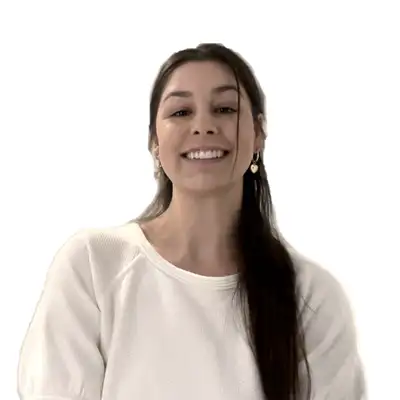
Hey everyone, I'm Hannah Dittman, Finance and Operations host of the Startup CPG podcast and today I'm joined by Moira O'Connell of ASTO Consumer Partners. Moira brings a deep finance and consumer investing background, including time at El Catterton and Bank of America before joining ASTO. ASTO partners with high growth consumer brands at the established growth stage in their journey. That gives her a unique vantage point into what enduring businesses look like once they've scaled and what earlier stage consumer founders can learn from that roadmap. In this episode we talk about the business profiles growth investors look for how founders can determine whether an investor is actually the right fit and what to prioritize early to build a healthy, enduring company.
01:27
Hannah Dittman
We also dig into lessons learned from high growth brands that have gotten it right, common mistakes along the way, and the financial and strategic foundations that become increasingly important as a business scales. It's a really practical conversation about building today with the company you want to become in mind. And if you're looking to connect with buyers, investors and industry experts in real time, you need to be in our community. Join our Free Slack community with over 40,000 members. Get access to exclusive events and trade shows where you can meet those buyers and investors in real life, tap into free resources and more. Text CPG to 833-605-7002 that's 833-605-7002 and we'll get in touch. Enjoy the episode. Hey everybody, welcome back to the Startup CPG Podcast.
02:23
Hannah Dittman
This is Hannah and today I'm excited to be here for an Investor Spotlight episode with Moira o' Connell of ASTO Consumer Partners. Moira, welcome to the show.
02:31
Moira O'Connell
Thanks Hannah. I'm so excited to be here.
02:33
Hannah Dittman
We're so happy you're here and part of the Startup CPG community. I'd love to dive into a brief background of your experience and the path that ultimately has led you to ASTO.
02:44
Moira O'Connell
Yeah, so I started investment banking at bank of America. I was in a very generalist role in what's called the financial sponsors group, so covered private equity firms. Any transaction that a private equity firm would do. So it could be a growth investment, but more likely than not it was an lbo. So were underwriting a lot of debt financings. It was across all different industries. So a lot of it ended up being industrials. As I was there in the late 2010s, so like 2018, 2019 and a lot of distribution companies were getting acquired then. And so I got to work on a lot of heavily cash flowing loans. So it was a fun time. But got to work on a few consumer deals while I was there. So worked on a deal with Conair and worked on a deal with Michael's, the craft store.
03:32
Moira O'Connell
So found my love of consumer there and decided to make the switch and go to the buy side. Landed a job at El Catterton, which is a large private equity firm focused wholly on consumer. I knew that I wanted to focus on consumer, but I didn't know exactly where within consumer I wanted to focus on. So I was in the growth fund at Catterton. So a lot earlier stage in terms of deals than what I was looking at in banking. We focused on anything that consumers touched. So food, beverage, fitness unit based concepts like restaurants or facial care salons, consumer tech, really anything that was broadly defined as consumer we would look at, which was great. Got a broad set of experience, worked on all of fitness names, a lot of food and beverage, a lot of beauty, a little bit of health tech.
04:22
Moira O'Connell
So very interesting. I was there for a few years before I was introduced by a mentor of mine to one of the founders of ASTO, Clayton. And I wasn't actively pursuing new opportunities, I wasn't really sure what I wanted to do. And El Catterton was an amazing place to work and I was learning a ton. But Clayton really brought with him an operator mindset to ASTO that was really attractive to me. And so he partnered with Ryan Goldberg, our other partner, who was also a former operator. Both of them had pivoted in the more recent decade to investing, so they have a great investing track record as well. And we're starting ASTO and it felt like a really great place for me. I loved spending time specifically on the CPG investments that I had worked on at Catterton and at ASTO.
05:08
Moira O'Connell
We're wholly focused on cpg. That's really where Clayton and Brian's operating experience was, where their investing track record is and where the rest of me and the team loves spending our time. And so I just love the strategy at ASTO Moved over a couple of years ago when were having our first fundraise and now I've been at the firm for a few years and I've been working with the team and we've deployed a good amount of our first fund and it's been an exciting time.
05:33
Hannah Dittman
Congrats. And I think a Fund 1 experience is so awesome because you get to have such a different lens than coming from a place like El Catterton. I'm sure like for people that haven't maybe worked on the other side of the table as a intimately might not realize what a different experience that probably is. But I would imagine, I'd imagine it's going from working at Petsy to go work at an emerging startup. In some ways it's a very different experience. So how cool. You've really seen it all and really covered so much of consumer this will be a very well informed chat today and we're lucky to have you here speaking with us.
06:10
Hannah Dittman
I'd love to dive a little bit more into ASTO and understand a little bit more about the criteria stage you guys are focusing on mandate, differentiation and all the things that make ASTO.
06:23
Moira O'Connell
Yeah. So I would say broadly speaking our criteria for just a brand and a category is anything with a regular replenishment rate. So fast moving consumer good. Theoretically something like apparel could fit within that if there's a replenishment component. But our core pillars are really food, beverage, beauty, personal care, anything you can find at a Target or a Walmart really. So that's again where Clayton and Brian have spent most of their operating tenure, where Robbie and I have now spent most of our time in the investing world. So it's what we really know very well and can be the most value add on in terms of stage. We look at businesses typically above 40 million in sales, I would say and profitable. So I like to say that we fall in the like late stage growth world.
07:09
Moira O'Connell
So somewhere between typical growth equity and private equity, typically taking minority stakes in brands. Oftentimes our checks will be a mix of primary and secondary capital and our checks range from 25 million on the low end up to 75 million and then we can go higher than that with co invest from our LPs so we've gone up to 100 and even more than that in terms of equity check and currently our fund is 350 million which we're investing out of and we've deployed around half of that today in all these late stage consumer brands. And I would say in terms of differentiation, it really is like operating backbone that Clayton and Brian bring to the table and then Robbie and I are more so the investment background that the firm has.
07:54
Moira O'Connell
So Clayton Christopher, one of the co founders has founded and scaled and sold three successful beverage brands. So his first one was Sweet Leaf Tea, which our other partner Brian was actually his CFO at and they sold that to Nestle. Then he founded Deep Eddy Vodka which they sold to Heaven Hill Distillery. Then he went off and was one of the co founding managing partners at CAVU for their first two funds. Incubated water, loose Sparkling water out of that which ended up selling to private equity and then after that decided to do more of the late stage consumer investing that we do at ASTO. In the meantime, Brian was the CFO of SkinnyPop, which turned into Amplify Snack Brands, took it public and sold it to Hershey a few years later and then also pivoted more to the investing world.
08:39
Moira O'Connell
I'd say both of them in the beginning were doing earlier stage investing. I think given the founder network that you develop, you love angel investing, supporting founders early on and then both realized that with early stage investing comes with a lot of zeros as well. And with those, we like to think of those all as relationships as well. And so moving to the later stage allows you to just get a little bit deeper on diligence and really believe that every single portfolio company is going to be a wild success. And so you invest a ton more time in a concentrated portfolio versus a wide array of companies where you might have 100 investments and definitely can't spend time on all of them.
09:19
Moira O'Connell
So I actually think within our world, the later stage world, we get to spend more time with the businesses and really flex the operating muscle even more so than some of the earlier stage investing world.
09:31
Hannah Dittman
So well said Moira. There's so much to unpack there. I think the deep financial background and operating background you guys bring, even though it is later stage companies that you're focused on, where a lot of product market fit has already been figured out and all this stuff, they're still grappling with a lot of existential operating questions and challenges that some boardroom support really helps with. Like they're thinking probably expanding internationally sometimes that a lot of first time big things happening or expanding into like an adjacent category or something like that.
10:01
Moira O'Connell
Yeah, that's exactly where we love to play is we love when a brand has obviously proven Product, market, fit. And now it's time to think about, okay, I've brought our business to 40 million, 50 million, 100 million. What other categories are out there where we can extend our brand equity? What other channels are out there? Maybe we've only built this brand in Target, or maybe we've only built the brand on Amazon. How, as an Amazon founder, how does retail work? Or vice versa? Or to your point international, there's a ton of growth levers that just go unexplored when you're trying to prove that customers love your product.
10:34
Hannah Dittman
Yeah. And it's so helpful at that point to have some like deep operating experience and some really credible strategic and data oriented thought leadership and insights there. Because now you've got an existing business that you don't want to disrupt, it's going really well and you're kind of on the cusp of the final frontier and a lot of times, but you also kind of need to make these big swings and the bigger, I should say, your company gets and you're making these critical business decisions, these become higher stakes decisions as you go where you really want to keep a handle on the existing core component of the business as you like, layer on all these new things. So having a partner who really understands and has done it before is a huge value add. I'm sure.
11:22
Hannah Dittman
If you could kind of profile out, I know we've talked a lot about your check size and we're kind of dancing around this world of ASTO. If you could kind of profile out a couple of examples of what a sweet spot company profile might look like for you all, I think that would be super helpful. And obviously caveating with there's no one size fits all answer for this, but I think just some color or some relevant examples might be helpful.
11:47
Moira O'Connell
Yeah. So I'll talk about some of our more recent investments. So one that we made right after I joined was in a business called Clean Skin Club, which is the clean face towel business that is based in Miami. Founder, owned, operated, run, bootstrapped until we got involved and they really built their business online. So we got involved when it was a pretty large Amazon and D2C business at that point, pretty strong subscription component to it, but they hadn't really touched retail yet. And so were able to just dive deep into the cohort data on Amazon and on their owned website and see that there was just such a strong pull from consumers in terms of using this product every day. Being able to continue to efficiently acquire new customers and generate really strong lifetime value out of them.
12:36
Moira O'Connell
And so retail as the next frontier would both create a halo for their online business, where people might buy their first time in retail and then switch to a subscription model online or just keep buying in retail, so trying to meet the customer where they are. And so when we got involved, they did a small test into Target and now are selling extremely well into Target Nationwide, building out the next frontier of their retail roadmap and continuing to really just crush it both online and in store. So that was one of them that's done extremely well. Another one that we got involved with back when Clayton and Brian were doing SPVs is called Bloom Nutrition, which I think most people now know for their energy drink or the Bloom pop soda. But when we invested, it was just a supplements brand.
13:24
Moira O'Connell
And so we invested alongside another one of Clayton Bryan's investments, Nutribullet, which is C4 Energy, and really tapped into that distribution network and our beverage know how to build the beverage side of the Bloom business. And what's interesting about that is a supplements business has a completely different margin profile and growth profile as a beverage business. And so the supplement side was quite profitable. And so you're able to subsidize the really expensive launch of a beverage business with some of the profits from that supplement side of the business. So it's a really interesting dichotomy and I think a few brands are following that lead and doing that today. But we saw that Bloom had amazing customer loyalty and amazing brand recognition. So taking the head start and then building a beverage brand from there was really exciting to us.
14:14
Moira O'Connell
And so I think the core pillars of, like, what got us excited about both of those brands was with Clean Skin Club and Bloom both showing amazing customer loyalty, that's the crux of it, I think for us it's just, do you have an amazing product? And they were both of decent scale when we invested, profitable, etc. So take those from a P and L standpoint and then just seeing for Clean Skin Club, what are the growth levers? A lot of that was retail. So understanding, like how much is really the size of the prize within retail. And Clean Skin Club created its own category. These dry face dolls didn't exist before them. And so it's a little bit hard to imagine what the size of the prize could be. But seeing how they grew in the online channel really gave us conviction around retail.
15:01
Moira O'Connell
And then for Bloom, it was really understanding the brand equity that was there and what customers trusted them to do, what their customer base was looking for. And a lot of that was around like clean energy in like kind of the fitness, performance, nutrition world. So providing them with a amazing tasting clean energy drink was something that was pretty high in demand and that came from a lot of customer surveys. So I think just at the crux of it's customer loyalty and understanding your customer and where they'll follow you. And that might be into different channels or it might be into different product categories.
15:35
Hannah Dittman
Very well said and articulated. I think that paints a really clear picture. The one question I'm teasing out for all the founders listening is a lot of the business profiles you guys are focused on are kind of already pretty clear winners. They've gotten to like a pretty big scale, right? They're like 20 plus revenue, they're profitable, they've already proven traction and demand. They still have a lot of untapped potential. So what is the reason why they need a financial partner? Like, if I'm a founder listening to this, what would be the things in my mind that would make me feel like that is a path I should be thinking about or pursuing?
16:14
Moira O'Connell
Yeah, so we like to say we get involved when the binary risk is a little bit eliminated. So product market fit is there, the company can keep existing without us. It's really execution risk. So can you fully capitalize on all of the opportunity in front of you? And I think with Bloom, for example, Beverage is an entirely different beast than any other category out there. And so tapping into people who've done it before is really important with any channel expansion as well. Like Clean Skin Club moving into retail, or let's say another one of our portfolio companies, Starface, they were really underpenetrated and remain under penetrated on Amazon. And we've had a few brands like Clean Skin that have been really built on Amazon, so we understand how that channel works, what a margin profile should look like, the right hires to make.
17:03
Moira O'Connell
So it's really about executing on the opportunities in front of you and having the right board members and people at the table that aren't afraid to also operate alongside you. Like for Starface, for example, we saw a huge opportunity on Amazon. I was in there interviewing the person who's going to lead their Amazon P and L. So it's really people who aren't just going to attend a board meeting once a quarter. It's people who will sit beside you when you're making hiring decisions, building a budget able to help you at a really tactical level. Instead of just saying this sounds like a good plan, let's go after it. But really being more in the weeds on the decision making and more granular around what that looks like.
17:42
Moira O'Connell
And one other thing, sorry to add to your point, around some of the businesses that we invest in are profitable. So a lot of our checks will go towards secondary to founders or management teams or early investors who've been in it for a little while. And we don't view that as necessarily a bad thing. I think a lot of times de risking your personal life in a way allows you to focus more on the business. And so we don't really shy away from secondary. If your business is profitable and you want to take some chips off the table, that might allow you to focus on the business more and just allow you to then grow with someone else to make your remaining stake in the business more valuable than your stake would ever be without a partner.
18:21
Hannah Dittman
I think that's so thoughtful and I love investors that have that mindset and approach because it really feels like you have empathy and understanding for the founder, not just greed and wanting to kind of like ride the coattails of a successful founder, but really want to build alongside them. Could we just double click on secondaries and what you just said, for anyone unfamiliar with the financial concepts, what exactly does that mean and how does that all work out if I'm the founder?
18:50
Moira O'Connell
Yeah, so there's kind of two concepts, primary capital and secondary capital. Primary capital would go right onto a company's balance sheet to be invested inventory, marketing, spend, building out the team, et cetera. Secondary capital goes into existing owners of the business, goes into their pockets. So as a founder, let's say you've never raised money before, you own 100% of your business, we could buy 20% of your stake and all of that money goes to you. Or we could put some money on your balance sheet and that'll reduce your ownership in the business, but not necessarily put money in your pocket. So it's a question of valuation and how much you get diluted, but it's really just a different use of the proceeds of a raise that you do.
19:33
Moira O'Connell
And so when I say secondary, it's to cash out a small portion of a founder or other investors stake in the business. And to your point made before, it's a little bit of a human concept. So you obviously don't want to give someone too much at one point to disincentivize them from working hard and running the business if things go south. But you also don't want a founder of a business that you're invested in to worry about having to send their kid to college one day or whatever the everyday stresses of someone is and what might distract them from the business, just making sure that they feel like their home life is taken care of a little bit such that they can then put more energy towards the business.
20:13
Hannah Dittman
And I think that's so important when we're talking about investment partners and the different investment shops and the different profiles of business. When you're getting investment, like when you're getting a really early stage pre seed, early early stage investor even, you know, you might be first institutional capital as well. So I hate to say first check because yeah, that's so that could be anything.
20:32
Moira O'Connell
Yes.
20:33
Hannah Dittman
If you're focused with an early stage venture capital partner and not necessarily a growth partner, you're probably not tackling those type of questions. The check size is really small and it's all about how do we get some fuel into this business to grow it to eventually unlock future potential opportunities. Can this live? We have like planted this little seed. It's getting some water to sprout. When you're coming in later stage where you are like, you have to be thinking about the experience of what that founder's journey actually has been like.
21:03
Moira O'Connell
Yeah. Been building for five years, whatever it might be.
21:06
Hannah Dittman
Bootstrap probably too. They might have some years. Maybe they weren't even like fully paying themselves a salary or absolute bare minimum. They've been like pulling their hair out, stressed because especially if it's first institutional capital, I mean they haven't had a cushy anything to rely on. Maybe they haven't even been able to buy themselves a house. Like there's so many other things that they've put on hold probably in their life.
21:26
Moira O'Connell
Right.
21:27
Hannah Dittman
To be able to get to where they've gotten. And I think that a huge impetus for an investment partner at that stage with that company profile of why they might want to partner. It's a lot of mental peace, both in the sense of feeling more confident in some very hefty business decisions that could tank a business that you've cultivated into like a beautiful little flower that you're hoping it's going to turn into like this big rose bush. Or it could also be, you know, it can feel do or die. Like, oh my God, if I don't get to an exit at some point, like all of this sacrifice and all of this, everything has been for nothing.
22:01
Hannah Dittman
And I think putting some fuel and wind in their sails to relax the mind and re energize and get re excited for that whole next chapter that they're about to go on is very prescient and it shows the empathy that you all have and understanding of the operating side, which matters a lot in an investment partner. You know, reflecting back on a lot of the companies that you've worked with, a lot of founders listening and are probably closer to a million run rate. They're dreaming of being the 25 million revenue brand and I think I'd love to take some time to learn from someone who seen a lot of them.
22:34
Hannah Dittman
What do you think the big inflection points or things that need to go right are to get you from the million dollar spot to a profile that's a little bit more hypergrowth oriented, which is closer to that 25 plus mark?
22:49
Moira O'Connell
Yeah, I think the first 5 million of any company is probably the hardest to get. I think nailing product first and foremost is the best way to get your initial customers, but also keep them coming back and returning customers are the most efficient source of revenue for you. Hopefully you don't have to continue to remarket for them, but it'll boost your margin profile to the bottom line so much quicker if you can have five customers that come back forever versus 10 new customers that don't repurchase. So nailing product is probably the best way to do that. So that's probably number one. Number two is just nailing your messaging.
23:25
Moira O'Connell
So on your packaging, in terms of what do you want a customer to see when their eyes are fleeting past them, the ad that you're serving them or against you and 10 other beverages on the shelf, what are like the two key messages that you want them to take away? And so is it no sugar, Is it high protein, Is it no artificial flavors, whatever it might be, just understand what customers are looking for and why your product is serving a purpose in their every day or every month routine. So nailing packaging is quite important as well. And then just investing in your business from a people perspective, I think it's very underrated in who you surround yourself with. And a lot of founders will build solo or as a team of two and spend the rest on marketing.
24:11
Moira O'Connell
But if you do make an extremely pivotal hire early on, it can change trajectory of your brand. So that's not to say hire a bunch of people right out of the gates. But building alone is also a lot less fun than building with someone who you really trust. So potentially reserving some early capital that you raise to make an amazing hire and potentially compensating them with some equity will be well worth it in the end. So I think surround yourself with people who can help you. And I think a lot of times you can find people who can give you advice and that advice can be free. So try to capitalize on that and network a little bit to try to find those people.
24:48
Hannah Dittman
I think of any industry, like when I think about other industries out there, network is so critical for cpg. I think there's just so many parallel problems and watch outs that you can avoid by learning from other people. And so many things are relatable and helpful and I think the stakes are just higher. Like in tech, if something goes wrong or a bug happens, obviously bad, but it can get fixed without burning a lot of cash. In consumer businesses, when there's a problem, you can die completely.
25:21
Moira O'Connell
If you have a problem with your product, if you have a problem with like some manufacturing glitch and you don't catch it, bad things can happen with like burning cash on inventory and then all of a sudden you're insolvent or whatever it might be. And a lot of founders have made these mistakes before. So just trying to meet those founders and learn from them, and that's also what's important about getting the right investors on your cap table is what parallel experiences have they had? Have they invested in your industry before? Because then they've likely seen a lot of those stumbles too and can help you navigate them when they do happen or prevent them from happening in the first place.
25:54
Hannah Dittman
Yeah, so many of us have learned the hard way, unfortunately. It's a hard way industry. Yeah, it's a hard way. Or learn from other people's hard ways. Speaking of, I would love to ask you, what do you wish more founders or operators knew or understood? Or what pieces of wisdom have you acquired sitting in your seat at the table that you think would be helpful for. For other people to know?
26:16
Moira O'Connell
Yeah, so many lessons learned and so many still to learn, I'm sure. I think from an investor's perspective, like alignment early on is so crucial to any investment and that could be in terms of valuation. So in the early conversations of a fundraise, aligning on valuation expectations before either party spends too much time, if you're super far apart on valuation, you might just never meet in the middle, regardless of how much you love the product as an investor, how much you need the money as a founder, if the investor isn't going to buy in at a valuation that you'd accept. So I think kind of aligning on that earlier than you think would save a lot of people a lot of time.
26:54
Moira O'Connell
I would also say that Investor alignment in terms of just where the growth levers are and where they want management to focus their time, and where management wants to focus their time is also key. So we typically take minority stakeholders. So we don't like to push anything on our management teams and oftentimes we don't really even have the ability to do so. But we feel like we're rowing in the same direction because upfront, when we built our underwriting model, we aligned with them and were saying, like let's say with Starface, for example, we want Amazon to be this big this year, this big the next year, it's going to take X amount of investment. And we aligned with that, with management on that.
27:32
Moira O'Connell
So all of us moving towards the same direction, checking in periodically on the KPIs associated with that and not just us underwriting that and then not having that conversation early on. So I think just alignment is key.
27:46
Hannah Dittman
I think that's really well said and I feel like that showcases a lot of the thought again that you guys has investment partners because, yeah, you have a lot of learnings and understanding of both sides of the table and how the other party might be not fully thinking in the same way that you are. I think competent founders and investors both have a wicked good understanding of business, but sometimes the things that they're anchoring on and focusing on, or what they bring to the table as compliments, not substitutes. So it's really important to really have a good understanding of both brains. And I think that you'll get the best out of both sides when that happens. And there's so much to be gotten from both sides, which is why the partnership can be so beautiful and exist in the first place.
28:29
Hannah Dittman
But I think completely, really being on the same page, like you're saying, makes a big difference. Is there any portfolio company learnings, market shifts or changes in the retail landscape, or anything externally going on that you think might be relevant for other founders to understand that might not have as clear of a purview into a wider set of subjects that you do. Any thought, leadership or insights that you think are top of mind or topical right now?
28:57
Moira O'Connell
So I recently attended a consumer AI conference where it was a very tactical experience of founders and operators sharing how they've been incorporating AI into their everyday business practices. And what I found that was really interesting that someone shared was that AI is changing how hiring fundamentals have looked for them. And so when the founders that we're working with are hiring someone now, one question to ask is what that person has done with AI to advance themselves or their role or their team. And I found that to be a really fascinating question to show hunger to like grow with the business, grow with the times, make the most out of you as a resource to your company. And I also think in those interviews, the founders themselves can learn a ton and you can see relevant examples of people adding value.
29:53
Moira O'Connell
So it's always a really nice question to ask because you get to see really tactical examples of what people have done in their jobs.
29:59
Hannah Dittman
Very well said. If I'm an early stage founder and maybe I'm a little earlier on in my journey, what pieces of advice would you have for me as I chart out the milestones and paths forward? Like some of the things I'm thinking are maybe a channel focus or when should I consider growth opportunities, how much should I prioritize team building, things like that, the bigger existential board level questions that you might be able to help with.
30:26
Moira O'Connell
Yeah, in terms of just prioritization of growth, I would say quality of revenue above all else. So not just growing for the sake of growing and opening new doors, but are those doors really productive and incremental? So making sure that if you get a quick Costco rotation that it's going to boom and bust thereafter. So micro revenue a ton this year, but maybe not next year if it doesn't go so well. So are you really ready to go into Costco? So really thinking through the quality of the revenue and long term building your business not just to an exit, but if you were to own this business forever, what do you want your revenue profile to look like and how do you want to best serve your customers?
31:06
Moira O'Connell
So I think at the end of the day, all of that does boil down to just being obsessed with your customers and being obsessed with your product and giving customers what they want.
31:14
Hannah Dittman
Great piece of advice. And I think especially on the early side, it's easy to get distracted from the big picture vision because you're fighting for existence, you're fighting for growth. I mean, it's so easy to see like the shorter term win and not think about the long term implications. And I think you're sitting in a seat where you can really see how that plays out a couple steps down the road. And I think that's really helpful. Well, Moira, I could ask you a million questions. You're such a wealth of knowledge. I love this conversation. I hope everyone appreciates what a thoughtful lens that you're coming with, because I can definitely recognize it. I'd love to kick us into a slack case study. Question though. As you know, startup CPG has the largest Slack community in the industry with now over 40,000 members.
31:55
Hannah Dittman
I'd love to pull a question directly from our channel and have you answer it as a case study for any founder that might have a similar question. Today's question is investor websites are vague. How do you know which firms are actually a good fit for your type of business?
32:09
Moira O'Connell
Yeah, it's so funny. We're going through a website rebuild right now that honestly might have launched today or it might be launching tomorrow, but we're trying to make that extremely clear. I would say our website is now going to have revenue thresholds, exact categories that we invest in. I think the best place within an investor's website to look would probably just be their portfolio and seeing if they've invested in your category before, trying to find out which year they invested, if that's on their website so that you can approximate the scale that the company would have been at that time. But honestly reach out to investors on LinkedIn. I think maybe some won't answer you, but I know it, most will. Especially within the consumer investing world. I think we try to be as approachable and open to founders as possible.
32:54
Moira O'Connell
And I know at least at ASTO we love building the relationship extremely early. So if you reach out to us and you're not quite at our stage, I'm always happy to take a phone call with you. I don't want to waste your time. So if you want to just hold off on that phone call until you're of our scale, then also happy to do that. But just asking investors where they play. And there's also a wealth of resources out there like Drew Fallon at Iris Finance or the folks at fractional CFO firms like Propeller who are financial resources for brands and then also very plugged in with the investor world. They have a great sense for who plays where and can also help you build out your finance function at the same time.
33:33
Moira O'Connell
And that was like kind of a free advertisement for both of those, but I think that they're also just great resources and we recommend them to a lot of our portfolio companies. But I know that they are just so tapped into the investor world and know who plays where, so I think those are really good resources that you can use.
33:49
Hannah Dittman
Shameless Plug also for startup CBD here I love we have a podcast episode.
33:54
Moira O'Connell
With Drew as well and you guys.
33:55
Hannah Dittman
So definitely check out that episode. Drew has a lot of insights to share too. We have a top investor database at startup cpg. It's a free online resource. So if you go there, we try to put as much detail and average check size as we can for every investment firm and create a little CRM for you so you get a better understanding of where people might be playing or sitting. Also podcasts like this, obviously our Investor Spotlight episodes hopefully unpack a little bit more about where people are investing and what they're focusing on. And the one addition I would make is most websites will have an average check size.
34:29
Hannah Dittman
So even if they don't have profitability information or revenue targets or the range that they're saying is so broad, or they're saying we do pre seed to series A and you're like, what does that mean? Or if we're first check in, what does that mean? Not always, but you can kind of approximate where someone might be willing to go based on the check size that they're focused on. Obviously if the minimum check size is $5 million, they're probably not leaning into pre revenue, pre seed type businesses. Echoing Moira's point, reach out to investors. As we said earlier, it's a network business and asking some honest questions to investors sometimes can be the most valuable nuggets you can get. They have a completely different perspective than operators do in the industry typically and are focused on a much different level lane oftentimes.
35:15
Moira O'Connell
Yeah. And funny enough, a lot of us are friends with each other, so if a deal is too early for us, we'll pass it to some of our friends that do play earlier.
35:23
Hannah Dittman
So true. It is a really tight community. Growing I would say, but definitely growing. But it can be pretty tight and it's a friendly community as well as it is on the founder side too. Well Moira, this has been such a fun chat. I love your energy and your passion. Your knowledge is like top notch here. I wish we got the chance to dive into even more questions to show you off a little bit more. For founders that do want to get in touch and ask some follow up questions, what's the best way for them to do so? And second part of my question, do you have any advice or opportunities for those interested in joining your team at ASTO or investing in general?
35:58
Moira O'Connell
Yeah, so you can always reach me on LinkedIn. I try to be pretty good about my InMail and if any founder is ever rolling through Austin, please stop by our offices or hit one of us up on LinkedIn or over email and we would love to grab a coffee. We host Happy Hours every so often, so we'd love to get you on our list. We're Also always in other cities. So LA, NY, et cetera. Always at Expo and whatnot. And then in terms of joining the ASTO team, so we just hired analyst, so that position is currently closed. He's awesome and we're super excited about him. But as we get into later funds raise fund too. We'll always be open to meeting great people within the industry.
36:37
Moira O'Connell
So again, just feel free to reach out on LinkedIn and always happy to have a conversation, even if it's there's not a role open now, there might be one open later.
36:44
Hannah Dittman
Just like investing, roles can take sometimes six months of relationship building before someone's ready to pull the trigger on you. And in general, investing, hiring is tied to fund cycles. So when someone raises a new fund is when they're ready to do hiring. So being waiting in the wings can sometimes be a good thing. Well, yes. Anyway, thank you so much again for your time today, Moira. Awesome chat, awesome insight updates. I'm super excited to continue to follow along the ASTO journey and really appreciate all the wisdom you shared.
37:11
Moira O'Connell
Appreciate you. Thank you.
37:14
Hannah Dittman
Well friends, we've now arrived together at the end of another episode of the Startup CPG podcast, the top globally ranked podcast in cpg. And if you love this podcast, you'll love our Slack community even more. Here at Startup cpg, we're a community of brands and experts and you should join. Sign up @startupcpg.com you'll then get an invite to our online Slack community of over 35,000 All Star CPG members, hear about amazing events near you and all our special opportunities to get you in front of buyers, investors, brands and more. It's a free community. So what are you waiting for? I'll catch you on the next episode and I'll see you on the Slack.