Subscribe
Share
Share
Embed
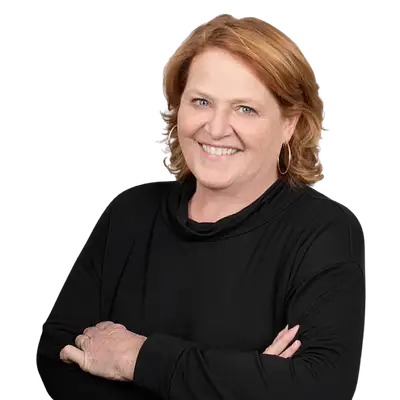
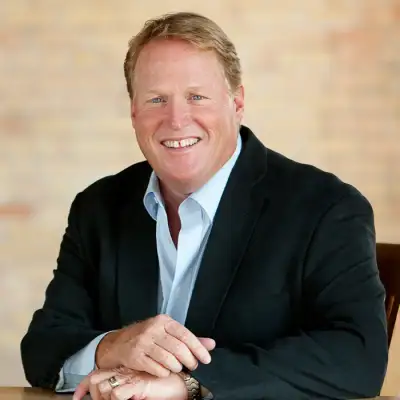
Former U.S. Senator Heidi Heitkamp and her brother, KFGO radio talk show host Joel Heitkamp, engage in animated discussions with newsmakers, elected leaders, and policymakers who are creating new opportunities for rural Americans and finding practical solutions to their challenges. Punctuated with entertaining conversations and a healthy dose of sibling rivalry, The Hot Dish, from the One Country Project, is informative, enlightening, and downright fun.
Heidi (00:05)
Welcome back to the Hot Dish, Comfort Food for Rural America. I'm Heidi Heitkamp.
Joel (00:09)
And I'm Joel Heitkamp.
Heidi (00:11)
You know, today we're going to talk about something that is near and dear to my heart and touches almost every rural family. ⁓ And that is access to rural health care, ⁓ mental health care and addiction counseling. And ⁓ there are very few people who, when given an option, wade into this territory. When you look at professionals, ⁓ this is a tough area to practice in, but we have an incredible person who has elected
to choose to do those kinds of services, not just in rural America, but also ⁓ as an expert in Native American trauma and Native American mental health and addiction. And so her name is Tami DeCoteau And I have to tell you, ⁓ full disclosure, she's kind of like a sister or at least a niece. I'm not sure Tami, you fit in between there.
but my family has known you for years and years and actually knew you when you were a student and knew you when you were moving up the ranks and watched this incredible career, watched you build a practice in rural America, in places like Bismarck and across the state of North Dakota. And so I wanna start out just by asking you why this area, you could do a lot of different things with your enormous talent. Why did you choose to
⁓ engage and provide this service.
Tami (01:38)
Well, Heidi, I tried to leave the state a couple decades ago and I said I would never come back. But you know, your values change as you age. ⁓ And I think as a young person, I didn't realize how much attachment to place matters. ⁓ Not just, you know, the land, of course, and the environment that I'm used to, but also my family connections are here, my tribal connections. And at the end of the day, the work that I really wanted to do was with our upper Midwest tribal
communities and so that led me back here. I've been back now since 07 I think almost 20 years and ⁓ I'm really glad I came back. There's a lot of work to do here. I don't know if that's good or bad ⁓ but my heart is really in reservation ⁓ and rural areas and even though my primary location is here in Bismarck that's the work that I really love.
Joel (02:31)
So Tami, when you look at the body of work that you're doing now, did you always know how extensive it was? How big the need was?
Tami (02:43)
I didn't, and I think I continue to be naive about that. The more that we grow and expand into serving other areas, the more I realize how much work there is to do. Case in point is when I opened the Dickinson Clinic a few years back, ⁓ I was not aware of how heavily impacted.
Western and Southwestern North Dakota is with human trafficking. And there's just an enormous amount of need in that area. And so, you know, again, as we continue to expand, I continue to learn more and more about need and garrison with our clinic in garrison. That's really helped me understand agricultural ranch culture and the needs out in that area. And I'm really happy to see, you know, sometimes we have like older gentlemen coming in and their coveralls, taking a break for the day, coming in and seeking
services and ⁓ I'm happy to see more and more of that happening and as the word is getting out we're seeing some of those really hard to reach populations reach out for services in those areas.
Heidi (03:42)
So Tami, how much
has telemedicine affected your ability to have a broader reach?
Tami (03:49)
a lot. ⁓ It makes services to rural areas more accessible. It's certainly, you know, COVID pushed everybody in to telehealth services, but that might have been one of the good outcomes of it is it really forced us to reach into that area and develop those services and, and get used to doing that. ⁓ It's not ideal always. It's not a perfect fix, but it does help with our rural access issues.
Joel (04:16)
So Tami, when we watched you grow up, we always knew this was going to be a calling to work on the reservation and to help any way you could. ⁓ The question is, how do you find others that are as trained that, ⁓ you know, that do this as well? Because you've got a lot of people that work with you and work for you. And so this isn't just somebody or something you just qualified to do.
Tami (04:43)
Yeah, I'm really fortunate to have access to some really solid survivors, some really solid therapists ⁓ and providers in the area. ⁓ I think honestly, I didn't set out to get this big in my practice. ⁓ The truth of the matter is I worked in the federal government for a few years in my initial career, and that taught me that I'm a really terrible bureaucrat. ⁓ And I felt like really smothered and limited, and I needed to do more, and I needed to get
outside of that system. And once I went into private practice, I got really busy really fast and couldn't handle the workload. And so the growth has been really like wanting to do more and as opportunities are available and somebody contacts me and says, I'm interested, there's an opportunity, I take it. So it's hard to get people, providers to come to North Dakota. It's practically impossible to get somebody from outside of the state to move here.
And that's a huge problem. Fortunately, we also have really skilled people within the state. ⁓ And so I mostly wait for an opportunity. That happens just through relationships over time, building partnerships with other agencies, ⁓ working collaboratively with other providers in the community. ⁓ And eventually, some of those step forward, and we find out that it's a good fit for us to work together, and they're interested in joining the team.
Heidi (06:14)
You know, Tami, there might be some people listening to this podcast who have been fortunate enough never to need help mental health or their family has never needed mental health or addiction assistance. Always had well behaved kids who family always got along and had no need for some additional help. But that's not.
almost anybody's reality these days. And so can you give us a general sense of who comes through your door and what your practice looks like in terms of where people are right now with mental health as you evaluated in rural areas, but what trends you're seeing right now in terms of growth of needs.
Tami (06:57)
The people who come through our door are...
just real people who have real life problems who are courageous enough to ask for help. And I think that is the myth about mental health in this state is that the people that we see are these really deep end folks who are quote unquote, everybody's afraid of being called crazy. Everybody's afraid of being seen as a weak person. And that's not what outpatient behavioral health is about. It's about I don't know any of those people who
don't have any need for mental health. We all have a need for mental health and how we seek it may be different for each of us, but this is one option. ⁓ And so the people we see are people who are having problems with their own behavior. Maybe it's addiction, maybe it's a problem with emotion, a relationship problem, trying to navigate a divorce or trying to figure out how to manage ⁓ a relationship with a child. ⁓ And so any range of those individuals
people who are having a life transition issue or struggling with grief and aren't quite sure how to navigate those things ⁓ in a safe way or in a way that doesn't impair their functioning. Some people are having trouble with functioning because the emotional issues have reached ⁓ a level that now it's really kind of interfering with and messing up their life. ⁓ So I just really encourage ⁓ folks to the extent that they're able to
to share their positive experiences in mental health because we still have a lot of stigma to address in our state.
Joel (08:36)
But Tami,
going back to Heidi's question, something gets them to that door. Something gets them to the point where they're going to come through that door. That guy with coveralls that you described earlier, you know, he wasn't waking up in the morning saying, boy, I wish I could do this. But, you know, obviously there's a trust factor there. How do you get him to the door?
Tami (09:00)
So, ⁓
I mean, I wouldn't say it's all me. People are making choices and they're being courageous on their own and they're seeking help. I think part of working in rural areas, I always use the phrase, you have to massage the community. ⁓ And part of that is like showing your commitment to the community, being integrated enough into the community that people begin to get to know you and trust you ⁓ and being consistent enough that they know that you're gonna stick around because there's a high burnout rate
rural health care. And people come and go. And it's hard to trust providers if that's your experience, if you think, this person isn't going to stick around. I'm going to unload my whole life to them. And then next year, they're going to be gone. And I have to do it all over. So ⁓ that's part of the difficulty in building rural health care clinics is finding people who know rural health care, who are committed to rural health care, and know how to navigate those rural communities. And so that's part of how they get into the door.
And other part is for us to be reaching out for collaborative partnerships to schools, to the healthcare professionals, to the nonprofits, ⁓ letting them know that we're there, helping them understand what services we provide and how they can access us. And people start making referrals. And in rural communities and small towns, the work gets out pretty fast. You know, we use social media and we do some old fashioned newspaper advertising, but I think the best referral source in rural communities is word of mouth.
Heidi (10:32)
Yeah, without a doubt. the one thing I'm sure a lot of people have questions about, because we hear so much about how cutbacks in Medicaid, how changes in how the federal government approaches addiction, whether it's, you know, kind of, you know, reductions in ⁓ availability of resources. How are you funded? I mean, how do you bill and how concerned are you about some of these changes, especially the changes
in Medicaid, what percentage of your practice is Medicaid dependent?
Tami (11:06)
⁓ A little less than half of our practice, probably somewhere around 35 % of our practice is Medicaid.
and the rest is private insurance. And so since we're a private practice, we bill insurance. I do have a few small grants, but the bulk of our revenue comes from insurance revenue. We have some private pay individuals, but those are kind of few and far between. ⁓ Whenever there is some sort of cut or shift that impacts Medicaid, ⁓ I don't think people understand that the highest percentage of Medicaid individuals are children. ⁓ And they're children who are underserved, ⁓
underinsured or not, you know, they're children who have the highest need. And so we see a lot of those kids in the practice because we are trauma specialized. We see a lot of kids that are a foster adopt ⁓ that just come from areas where there's just a really high need and higher rates of trauma exposure. And that group of individuals has impacted the most. Some providers, yeah, go ahead.
Heidi (12:07)
So I want to unpack
the trauma piece, Tami, ⁓ because of people like you, I think I was one of the more knowledgeable about the impacts that trauma has spent a lot of time educating myself, spent a lot of time talking about this issue, as you know, in the United States Senate. Can you just give people kind of a snapshot of what trauma-informed treatment is, why we are so heavily focused on
trauma and why that is important for mental health recovery.
Tami (12:41)
Sure. So trauma, first of all, does not have to be some kind of traumatic event. It can be, but oftentimes it's repeated in chronic exposure to stress that affects the nervous system in a really similar way. And when that happens during a child's developmental stage, then the nervous system actually, for lack of a better way to phrase this, it kind of grows in the wrong way.
And now we have children whose nervous system doesn't regulate properly and is overreactive to any kind of perceived stress or is perceiving threat where there is none. ⁓ And that happens in two ways. One of the things that's traumatizing for young children is not just what happens to them, but what doesn't happen to them. So the lack of available, ⁓ consistent and nurturing caregivers is also traumatic because the nervous system in the brain
grow in a healthy way when there's access to that kind of connection. And so even when abuse is not present, ⁓ children grow up with...
problematic nervous systems and developmental problems that are the same and similar to a traumatic event when they do not have consistent care proper nurturing caregiver giving. And so we see both of those and of course, oftentimes both are true for children that they've had both the exposure to trauma and the lack of available caregiving.
Joel (14:15)
So I'm assuming that, as you pointed out earlier,
of the tribe needed this service. Did it increase with farming? Because what I'm hearing ⁓ from a lot of farmers that are all across the country is that they're struggling right now. Economics are hard. They're sitting there thinking that they're failures in life. They're looking at their bank account. They're looking at their bankers who aren't writing them operating loans. I mean, have you seen that?
increase through the local economy.
Tami (14:52)
Yeah, I mean, I personally did not grow up in a farming family. working in Garrison has been my only real exposure to agricultural farming families. And it's helped me understand all that they deal with and how much agriculture is involved in what's happening economically and like to bidirectional. They influence each other. And I would say a half of what we're processing in
right now in our rural areas with our farm community is the stress about the economy. ⁓ And I have never before in more than two decades of doing this work had so many requests for new patients to be matched with a therapist who matches their political ⁓ point of view.
Heidi (15:44)
Really.
Tami (15:45)
People are really stressed out about what's happening nationally and even worldwide.
Joel (15:51)
this.
Heidi (15:53)
So basically they're coming in and saying, I want a therapist who understands what public policy, know, effects of public policy, somebody who understands why it is that I am financially stressed.
Tami (16:06)
Or they're coming in and saying, I want somebody who won't judge me for my conservative values. Or I want somebody who won't question ⁓ that I'm leaning left. I want to be able to vent about how my political perspective ⁓ is causing stress for me without having a therapist who I perceive to have their own political agenda.
Heidi (16:11)
Okay.
Wow. ⁓ And that is so critical that that therapist listen and not judge not ⁓ interject their own political beliefs. I mean, you could just see, well, you know, that's what you voted for. Guess, you know, don't like the tariffs, the tariff wrecked your market, you know, too bad for you. I mean, that'd be a horrible outcome. Yeah, I
Joel (16:49)
Well, let
me me Tami ask it this way, though, in not red, blue kind of a question, ⁓ but political in your years of doing this. Are people more political? Are they thinking more about politics? Are they involved ⁓ mentally more in politics?
Tami (17:09)
100%, 100%. And maybe part of that is also that we have so much access to social media and AI. And there's sort of unusual phenomenon happening as people are becoming more more exposed to social media and AI. And we're still not really equipped on how to manage these things well or to understand how they work.
People don't understand that a lot of what they're seeing is clickbait, ⁓ or if they're using an AI tool, they don't understand like, we gotta think about this as a machine. It's a machine and it's not a supplement for relationships and it's not a supplement for critical thinking. And it's designed for you to use more of it. So it's gonna give you what you want. ⁓ And so if people have maladaptive beliefs,
or anxiety about something related to politics and they're using their AI system or their social media to read more about that. They're going to be fed more more and more of their own political agenda that's not necessarily balanced or accurate information. And there's, mean, this can get to the point where it leads to kind of a delusional state for some people.
Joel (18:23)
I just want to follow up to that, Hyde. ⁓ How much of what you just described initiates action? You know, I'm not just talking about suicide. I'm talking about violence. I'm talking about, you know, things that one might just simply never be accustomed to doing, but now they're physically acting on
Heidi (18:23)
So yeah, go ahead.
Tami (18:48)
I don't know the answer to that. think that if that my clinical observation is ⁓ what they're acting on is more interpersonal stuff and it's creating conflict in relationships and even like some breakdown in family systems because we have different, you know, different family members on different sides of the aisle and we don't know how to talk about, we don't know how to talk about our disagreement. It, you know, it turns into an argument.
Heidi (19:17)
So Tami, just so people understand you are a national leader in trauma. You're a national leader as a therapist. People look to you. ⁓ If you went to your national association and you talked about what you're seeing right now in your rural practice, and I stood up and said, okay, Tami, what are you doing about it? What do you need help with? What do we need to understand in terms of research? How do we fix this? Because you hear this all the time. In fact, the Pope just came out.
with a warning about artificial intelligence and what that means for the future of humanity. And everybody, mean, some people are gonna say that's totally exaggerated. But if you're seeing these consequences right now, what is the answer and how are you training your therapists to deal with it?
Tami (20:08)
⁓ you know, I, I think AI is here to stay. ⁓ and it can be a really useful tool. Like it's saving my life in some ways because it does work for me. Like the detailed oriented stuff, the piddly stuff that I don't want to do. I mean, I can do a full, ⁓ research citation, ⁓ on.
on a specific topic in 20 minutes. And that used to be a day, two days in the library. It's fantastic. But again, I think we need to understand how these things work and what they're actually capable of doing. And they can't be supplements for human to human contact. They're not ⁓ a relationship. ⁓ They don't know how to regulate our nervous system. They're going to tell us more of what we want to hear. And I know AI companies are now being mandated to put more safeguards in place against these
things, ⁓ we are nervous systems have not evolved as quickly as our technology has. And our nervous system is not meant to be connected to everything all the time all over the world. And it's overwhelming and it's dysregulating. And that's what we're seeing in the office. And part of trauma informed care is just care in general is that we're teaching. It's not just talk. A lot of people think, well, it's talk therapy. I could just go to my neighbor in therapy. You should be learning skills that
Heidi (21:15)
That it.
Tami (21:27)
help you learn how to regulate your nervous system. We're actually building in neurological resiliency and teaching other skills in terms of functioning and relationship. ⁓ And then anything that sort of stuck in the nervous system in an unconscious way gets processed out. So we're not reacting to it all the time anymore.
So I don't know that there's one quick, easy answer for what are we going to do about AI? Part of me says, well, we got to embrace it because it's here. And I think it can be a really useful tool. We just have to be smart about what it actually is, that it's a machine, and that there has to be appropriate oversight. ⁓ And it can't be our only source of information. And it can't be our only source of connection.
Heidi (21:47)
So if you...
As an aside, we have a lot of people, especially AI companies are saying we welcome regulation. Let's have an open conversation about this. But they're literally raising millions of dollars to fund candidates who refuse to regulate or even have this conversation.
on artificial intelligence. So it's really important that people understand and really think about where is that money coming from to attack candidates who are saying, look, you know, exactly what Tami said, it's here to stay, we get it, but we also need to have a conversation about the effect this is having on our society and more importantly on our children. And so ⁓ you saw ⁓ graduation, young graduates booing any graduate speaker.
graduation speaker who was basically touting AI. You see what's happening and Joel sees this on his show, the backlash on data centers. If people saw that as critical infrastructure that they were going to benefit from, maybe there wouldn't be as big a backlash, but we're seeing it in North Dakota. We're seeing it across the country, this kind of backlash without a healthy understanding of what this tool, how this tool should be used.
Tami (23:21)
how to use it appropriately, right? If I ask, ⁓ if I survey people in North Dakota about...
what are your fears? They're probably going to say, well, AI is going to usurp all of the working positions and we're going to be jobless. ⁓ And I think what most people really want is to be like a better spouse, a better parent, to have more time with their families, to maybe not work so hard. And if we can figure out how to use AI for those things so that we can be more present, more relational, better at the things we want to be better at, then that's a good way to use it.
Joel (23:57)
I am so glad to hear you say not work so hard because that's a debate everybody has, know, whether or not we work harder than our parents. And I think Heidi and I both agree that certainly more hours anyway, we put in far more hours than what our parents did. That being said, there's a lot of people listening to you right now, Tami, that are saying we want one of those. mean, we need a Tami. Now, I know that you.
must attend national conferences, you must know others in the profession. How short is that in the Native American community? How how how desperate are they for ⁓ a Tami Dakota?
Tami (24:38)
⁓ I think tribal communities in particular are really in need of more providers in their areas. When I graduated, and I won't time stamp this because it will really age me, but it was more than 20 years ago, ⁓ the entire country just surpassed.
a hundred Native American PhD psychologists in the United States. ⁓ I don't know where we're at now. Maybe it's 150, maybe it's 200. Whatever it is, it's probably still not enough. But there are some programs that are working really hard to train folks on how to do that ⁓ kind of work and put them out into the field. think that
those programs, well, they were like so well thought out and legislation was created for, you know, UND's Indian psychology program. There's two more in the United States. The pipeline never really got finished because they didn't develop the internship postdoctoral portion of that to get people into those communities. ⁓ And, you know, the Veterans Administration figured that out decades ago is that the biggest, most effective way to recruit is through internship postdoc experiences. That's where they get
like 75 % of their staff is through those experiences. And we didn't finish that pipeline. So a lot of these folks are coming out of their programs and not having a placement site on the reservation. it's also the case that even if you're working in the federal government, if you're working in a rural area, the pay scale is going to be lower. Housing is difficult. Maybe you're living in Minot to work in Garrison or living in Bismarck to work in Washington.
you still got to deal with roads. You still got to deal with unpaid road time. You still got to deal with the cost of gas right now. ⁓ You don't as a private practice and a business person, I'll tell you, you don't make money serving rural people. You lose money. I would make more money.
closing down my rural clinics and keeping all my providers here in Bismarck. Because it's a money loss for every hour that we're out of the office on the road paying for mileage. And there's a higher no-show rate in our rural areas. There's no way to get compensation for that. You just have to eat those no-shows. And when you're working in private practice or working on commission, that matters. So we do it. I mean, I do it anyways because it's important. And it's like a passion project, I guess.
And I love the work and it matters and rural folks deserve quality care also.
Heidi (27:15)
Yeah. So Tami, this is the portion of the program where I make you queen for a day. You get to... And I don't mean you get a cake. I don't mean that you get like a mink stole or whatever that used to be when we were kids. I mean, you get to now dictate policy, rural mental health policy for the future of our country. What changes do you make? What...
Joel (27:22)
I was earlier, Terry.
Tami (27:22)
That's what.
Wow.
Heidi (27:43)
additional ⁓ services do you provide? How do you see the future of building a future of more TAMI Dakotos ⁓ out there in rural
Tami (27:55)
Yeah, I mean,
couple of the changes that I would make is what I just talked about is making funding available for road time, ⁓ making funding available for mileage, but also like building your rural system, you know, the startup cost to building a clinic and the time that it takes to build out not just your staff, but your referral sources. ⁓ None of that gets paid for, you know, that's all part of like business startup.
So another change that I would make is ⁓ making funding available to support early graduates or people who are just coming out of graduate school so that they get loan repayment. ⁓ Other kinds of things to entice and attract rural health care providers in North Dakota I think are important. you know.
even if people love this area, at the end of the day, they have to make a living and they need to be paid what they went to school for. ⁓ And they need to offset the cost of college and living in rural areas. ⁓ And so making funding available to rural areas, making funding flexible for our tribal communities, making sure that funding is flexible enough to allow for culturally sensitive programming. ⁓ I think, you know, my experience here has been build it
and they will come. We have lots of providers, our U Mary's putting out really ⁓ lots of master's level therapists, ⁓ Minot, all of our university systems have social work, master's level, PhD level counseling degrees. We have the folks here being trained here and a lot of the folks that are being trained are from North Dakota and will stay in North Dakota because they're connected here. We have to make the jobs available and the jobs have to pay adequately.
Joel (29:42)
So Tami, last one for me. I know we got to get going, but how hard is it to get the success stories to talk, to come out and say, look, I did this. It worked. They use me as a testimonial. How hard is that?
Heidi (29:42)
And okay.
Tami (30:01)
think it's harder here in this region than it is in other regions just because there's still so much, you know, people are private people in North Dakota. And there's a lot of stigma. mean, we are pull yourself by your bootstraps. We don't show a lot of emotion around here. ⁓ We prioritize productivity.
over anything else and there's value in that. That's one of the things I love about North Dakota, but the con is we don't do emotion really well. And so, and people are ⁓ not comfortable with it. They're not comfortable with sharing their stories and they're worried about being judged. But there are brave people who will step forward and tell their stories, even if it's not sharing that private stuff. When I'm at my rural clinic in Garrison, excuse me, I really...
⁓ appreciate when there are farm, agricultural, rural folks sitting in the waiting area talking to one another. ⁓ You know, because everybody knows everybody and instead of trying to be really private and not let anybody see that they're in the clinic, that they'll oftentimes visit about various things in the community and sometimes even share what's going on with them. And ⁓ those folks are doing a lot to break down that stigma.
Heidi (30:58)
Yeah.
Yeah, they always the great hope is, ⁓ Tami is that there will be more shows like Shrinking, more shows that normalize like this is not that this is like going for a checkup. There's nothing to be ashamed of to actually have a conversation with someone who can help you process how you're feeling, help you process ⁓ your your trauma.
so that you build a greater level of resiliency. But, you know, God bless you. God bless you for the work that you do. Maybe at some point in the future, Tami, when we ⁓ see, I think we're up against ⁓ how many years since you guys issued the Commission on the Status of Native Children report, spent three?
Tami (31:59)
I think it's been two
years since we issued the report.
Heidi (32:02)
Yeah, and I know Lisa, I talked to Lisa Murkowski, great friend of mine, we did this together. She is steadfastly trying to implement all of your great recommendations. So we'll try and talk about that because that work is really important. And when we started, I think all the folks like you who signed on, who gave your time, you guys basically said, look, we're not doing this. So this can be another report on a shelf where that that's not what we're doing.
Tami (32:13)
that's fantastic.
Heidi (32:31)
And so we've seen so many reports like this about the challenges of Native American populations go by the wayside, but Lisa's not letting that happen.
Tami (32:40)
That's really good. I'm
very proud of that report. The commission worked really hard. I'm really grateful to you, Heidi and Lisa Murkowski for making that happen. it's not only is it visually beautiful, ⁓ it's right on. And it was so evident, like there was a through line in every tribal community and every region we went to. They were all saying the same thing. But when we got to Hawaii, Hawaii kind of pulled the message together for us, the Indigenous Hawaiians, and made it really clear that
what matters most is identity and belonging. And if we're going to heal, we have to support programs that support and reconnect Indigenous people with their identity and their sense of belonging. Yeah, that's part of it.
Heidi (33:23)
and their place. Yeah.
Joel (33:25)
Tami,
Tami, good to have you on the hot dish. We could do this all day, as you know. I personally hope you work yourself out of work. I'm not so naive that. Yeah. I'm not so naive to think that's going to happen, but at least a man can hope. So thanks for joining us on the hot dish.
Heidi (33:35)
Ha ha ha ha.
Tami (33:36)
I would be okay with that. I'll be an old lady wearing a funny hat like raising chickens.
Heidi (33:46)
Yeah,
Tami (33:47)
Thank you so much.
Heidi (33:48)
thanks
Tami so much.
Joel (33:52)
Well, Heidi, have to say this week's question has me thinking. ⁓ Jim wants to learn more about Sherrod Brown, and he asks, what are the chances of Sherrod Brown reclaiming that Senate seat in Ohio?
Heidi (34:06)
Well, first off, he has a different opponent than he did two years ago. And that is to his advantage because the person that he's running against is somebody who was Lieutenant Governor, but really has never been in politics by all accounts, kind of a lackluster character. ⁓ And so a better opponent this time around, certainly a better political landscape this time around. And you got to remember, Sherrod only lost his race, his reelection race.
by less than 4%. If we see a huge shift in Ohio, let's say that we see a 10 point or eight point shift to back to the Democratic Party and Sherrod's, the tea leaves are basically there for Sherrod to once again resume his position in the United States Senate. And so I'm very, very bullish. I believe Sherrod will be.
⁓ successful in this race. The other thing that I'm hearing, and I haven't talked to Sherrod directly, but that he's just having fun out there. He's visiting with people. He's back to kind of his, his, ⁓ his, good old blue collar roots. And, and, know, Sherrod always wore a canary on his lapel. Always. I mean, everybody's wearing the American flag. Sherrod wore a canary. And it was to remind them that the working class was the canary in the economic coal mine.
that if the working people weren't doing well, the economy wasn't doing well. And I think if there is one thing that brands him as a politician, it's that commitment to working people. And so I'm very convinced that Sherrod has truly a major opportunity to return to the Senate. And I think that will be great for the United States Senate because working people once again will have.
⁓ a champion unlike any other champion and you can point to Bernie and AOC and but but Sherrod is where the rubber meets the road and so I'm really excited about Sherrod's race. The other thing I want to say Joel is that that governor's race is very very tight and I think that the Republicans were wrong to nominate Vivek Rajaswamy ⁓ as their candidate. I think that he's
Flawed by lot of connections with Doge and flawed by a lot of connections with the Trump administration. And so if this is a ⁓ anti-incumbency, anti-administration turnout, I don't think he's the best person to put at the top of your ticket running for governor.
Joel (36:46)
Well, I want to thank Jim, you know, for for sending that question in. You know, a guy could take that one step farther and let's do it another day, Hyde, because so many of these Senate races are close. I mean, look what's happening in Texas, Heidi, now that Donald Trump has injected himself into that race. And so everything's going to get interesting.
Heidi (37:01)
Alaska.
Yep, and expensive. Let me tell you, expensive. Some people are saying Florida and Texas. ⁓ I just can't stand it.
Joel (37:10)
Yeah. What the heck? It's it's a tree that money grows on, Heidi. It's just a tree.
Yeah.
Heidi (37:23)
I want to thank everybody for joining us today on the hot dish brought to you by One Country Project.
Joel (37:29)
You know, and you can learn more about us at onecountryproject.org and be sure to follow us on Substack, Facebook and Blue Sky.
Heidi (37:38)
We'll be back next week with more hot dish comfort food for rural America.