Subscribe
Share
Share
Embed
What’s Up, Wake covers the people, places, restaurants, and events of Wake County, North Carolina. Through conversations with local personalities from business owners to town staff and influencers to volunteers, we’ll take a closer look at what makes Wake County an outstanding place to live. Presented by Cherokee Media Group, the publishers of local lifestyle magazines Cary Magazine, Wake Living, and Main & Broad, What’s Up, Wake covers news and happenings in Raleigh, Cary, Morrisville, Apex, Holly Springs, Fuquay-Varina, and Wake Forest.
60 - Whats Up Wake - Restaurants
===
[00:00:00]
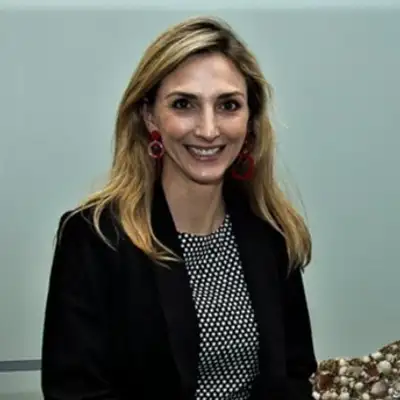
Melissa: Today on What's up, wake, we're diving into the heart of the local dining scene with someone who knows it inside and out. I'm joined by Amber Makis of LM Restaurants, a family owned restaurant group that's helped shape the way the Triangle eats, gathers and celebrates. From Carolina El House to Verna Agora to Birdie's Ballroom and Vireo, not to mention their latest smashing [00:01:00] success smash on Glenwood South.
Amber and her family have brought us some of our favorite local spots. We'll talk about what it's like working alongside family, how the Raleigh restaurant scene continues to evolve. And what exciting things LM has cooking Next. Welcome, Amber.
Amber: Thank you.
Melissa: Thank you. Thank you so much. Okay. So for listeners, can you start out by telling us a little bit about LM Restaurants your family?
Are, are y'all from Raleigh?
Amber: So my parents are originally, my dad is Greek and my mother is Canadian, and they met and they immigrated to the United States. Where did
Melissa: they meet?
Amber: In Montreal. Oh. And their, their, their story of how they met is like quite, you know, hysterical.
Melissa: Yeah.
Amber: And we'll save that for another, like, for another time.
Okay.
Melissa: Yes. I, I should have an episode that's like how, how we met. Yeah. Yes. Maybe that'll be a Valentine theme one day. Okay. Um, so. LM restaurants, your parents started it.
Amber: That's right.
Melissa: [00:02:00] And did you grow up in Raleigh?
Amber: So my parents moved to South Florida, so I was born and I call, I say I'm half raised in Florida.
Okay. But really my heart and like my other half of my raising was done here in Raleigh. Um, and so the restaurant LM was founded down in Florida. Okay. With a little. 48 seat restaurant. And I always say it's like the quintessential family restaurant. Mm-hmm. My, um, my aunt was a server, my grandmother was the hostess.
My mom was cooking in the kitchen. She was the chef. And then my dad worked at the bar. The oyster 'cause it was an oyster, an oyster bar that they opened.
Melissa: Does he have a, a restaurant background? Neither of your parents?
Amber: Neither of my parents do. Okay. So my father's comes from a very small village in the southern part of Greece.
And actually his family was too poor to even send him off to middle school. So he's got like a fourth or fifth grade education. And then my mother was in fashion design [00:03:00] up in Montreal. 'cause it's a huge fashion capital. And when they immigrated to Florida, they were looking for a business to invest in.
And they saw this little itty bitty restaurant and they're like, we could do restaurants. You know, and that's how it all began.
Melissa: That's so neat. And I love to hear that, that he didn't have a stereotypical. Education background. Mm-hmm. But look at 'em now.
Amber: That's the thing
Melissa: that's amazing,
Amber: is truly the American dream.
Yeah.
Melissa: With,
Amber: you know, no education, just a lot of hard work and, um, self-taught learning. My, both my parents are lifelong learners.
Melissa: Verna Agora is a Greek restaurant. Yes. Is that right? Yes. Um I'm asking if that's right. I know it's right because it's one of my favorites. It's also one of the most beautiful, a beautiful restaurants in Raleigh too, especially up on the, the upper, um, what is it called?
Balcony. Not balcony, but, um, the, the
Amber: rooftop.
Melissa: Rooftop,
Amber: yeah, just the rooftop. And it's like under the historical oak trees. And there's a really great story about, um. So Verna came to be [00:04:00] in 2003, um, because there weren't a lot of Greek restaurants in the area and my dad missed, you know, his like cultural foods mm-hmm.
And whatnot. And so we were like, we're gonna open up a Greek restaurant. So he's got a place to go and eat and enjoy the foods from the village.
Melissa: And it really does kind of feel, I'm, I've never been to Greece. I would love to be visit Greece one day, but it, it feels like you're in Europe when you're in this restaurant.
What brought your parents to the Raleigh area from Florida?
Amber: So my parents, um, after the seafood s Channy, the, the Oyster Bar, they got into, they were very early franchisees of Miami subs. Um, they were number three. Oh,
Melissa: okay.
Amber: And the franchisor told my parents, all right, you know, we're expanding. Go find a territory.
So my parents drove up and down 95. My mother was like, we can't go past the snow belt. So that kind of put the blocker on going back north.
Melissa: I don't blame her one bit.
Amber: And as soon as they drove into Raleigh, they were like, [00:05:00] this feels like home and this is where we wanna raise our family.
Melissa: So were you a teenager at that point?
How old were you when when they I was
Amber: 12. 11.
Melissa: Okay.
Amber: 1112. That's where I was like, half my growing up was down in Florida. Half my growing up was, was done here.
Melissa: And did you, were you always a part of. The restaurant business. When you were growing up, did you work in the restaurants?
Amber: Always, always, always, always.
From the time I was like itty bitty. I used to entertain, um, the guests at the Oyster Bar. My dad, you know, probably not, you know, allowed nowadays. 'cause they tell you you can't feed raw oysters to, you know, your kids. But I would be toddling around and I would eat, you know, an oyster at two years old, like a raw oyster.
Melissa: Wow.
Amber: Yeah. The guests would be like, oh my goodness, you know? Yeah. Yeah.
Melissa: Well, at least they're safe. You can tell they're safe,
Amber: but they, that, that's, that's it. And you know, in, seventh, I was seven and eight years old running the drive through and whatnot as part of my summer job and working in the business throughout my growing up.
Melissa: Did you also know that when you that, that this is what you wanted your career to be as well?
Amber: [00:06:00] No, not at all, really. So I actually kind of pushed away from it. Um, I was very, I'm very fascinated by humans and I wanted to go into medicine. So, okay, I love science. And I was on my way to medical school actually when my father looked at me and he goes, Amber, come and work with me for one year.
And if you don't like it, go off to medical school. Um, and one year has turned into 23 years now, and I love it.
Melissa: Okay. So you have, you haven't looked back and had any regrets?
Amber: No. Good,
Melissa: good.
Amber: And when I look back in my life, I'm like, oh, I was entrepreneurial, you know, right from the beginning.
Melissa: Yeah. So how do you work in a family environment?
Honoring what your parents have created, but also trying to make it your own.
Amber: Ooh, that's a good, mm-hmm. That's a great question. Yeah. Um, and one that, you know, we're constantly evolving and, and I'm sure you know, and work and working through, so there's some like beautiful things about being in a family run business.
Um, you know, you're, you're together, you get to spend so much quality time [00:07:00] together. Um, you get to create something, um, together, which sometimes a lot of families don't get that opportunity to. But it does create, you know, um, a different like, change of thought. Right. You know, I'm bringing in newer ideas that I learned at graduate school and my parents have, you know figured it out, you know, all along
Melissa: along.
Yeah. And they didn't go to graduate school? They
Amber: didn't go to graduate school. Yeah, exactly. And, um. It. So it's a lot of, like, I I call it like planting the seed and you know, showing them a different perspective on how to do it. But I'm also gonna say I've learned a ton. There's so much wisdom in what my parents have done.
Um, 'cause they've learned as they say the hard way. Yeah, right? Yeah. They've made mistakes and whatnot. And so leaning on their wisdom and then leveraging, kind of looking ahead and, you know, doing things in possibly a new and modern way.
Melissa: It sounds like it's a, a really good mix though, because you guys are, are clearly very successful.
You continue to grow. Um, other than Miami subs, [00:08:00] was Verna Agora the first restaurant here in Raleigh or was it Carolina Ill house or,
Amber: so it was Miami Subs. Mm-hmm. And then it was Carolina iHouse in 1999, um, over off of Creekside Drive. Okay. And then we. You know, expanded that brand. Mm-hmm. And then my parents had the opportunity, um, to acquire Atlantic Quest down at the coast and, um, and Wrightsville.
Melissa: Right. And
Amber: Wrightsville Beach. Yep. Okay. Yep. My parents, it was so funny. Um, you know how things are like, very ironic. Mm-hmm. My parents had just been to the coast and they were looking at Blue Water going like, oh, that's so beautiful. You know, one day, you know, wouldn't it be nice to own a restaurant like that?
And about a week later, a broker called my dad and was like, Hey, I got the fresh catch. And it happened to be the Blue Water Oceanic package of restaurants for sale.
Melissa: Wow. Okay. Okay. So they really planted roots here in North Carolina.
Amber: They did. This is home
Melissa: to be in Raleigh and at the, at the coast now, but I, I, I think I saw they still own some restaurants in, um, or LM owns restaurants in Florida as well still.
Amber: So we boomeranged back to [00:09:00] Florida. Mm-hmm. Um, in 2019. So we were out of Florida for quite some time. Yeah. And then in 2019 we had an opportunity to go back and help, um, reshape and redevelop Pompano Beach. And so it's been a really fun, exciting project.
Melissa: It, I've never been there, but that sounds amazing too.
I wouldn't mind visiting Pompano Beach. That sounds pomp, that sounds beautiful. I'll just put it out in the universe. Maybe I can go. What would you say is the biggest advantage of working with family? And disadvantage, I mean, either way.
Amber: Both. Both ways. Both ways. Um, I think the advantage is, is you have the ability to like speak your mind.
Melissa: Mm.
Amber: And, um, you know, not be worried about your job, right? Mm-hmm. So you can be a, you can take more risk and speak up a little more
Melissa: brazen,
Amber: and you'd be a little bit more brazen and go, okay. Like, Hey, here's what I really think. Right? Whereas I, I would suppose that other companies you may like hold back, right?
Mm-hmm. Because you don't wanna look. Stupid or make mistakes and stuff like that.
Melissa: Yeah.
Amber: Whereas, you know, at the end of the day, we are a [00:10:00] family and we will always love each other even, you know, through the mistakes and whatnot. Yeah. So I, that is
Melissa: a good point.
Amber: So that's probably one of the biggest advantages.
Mm-hmm. Um, one of the disadvantages is probably the same thing as the advantage. Sometimes we can be very vocal and, conversations can get heated and stuff. And so sometimes you, you,
Melissa: and I've heard Greek families are also, they're kind of vocal anyway, right?
Amber: Yes, very much so. Yeah. Yeah, yeah. Yeah.
Melissa: I mean, in a good way.
Amber: Yeah.
Melissa: And lively.
Amber: Yes. We are very lively and we speak with our hands and we speak loud and you know, people are like, you're arguing. And we're like, no, no, no. We're just having a conversation.
Melissa: I think I would fit right in. Um, okay. So you've been a part of the Raleigh food scene for decades now. Yes. Since you were just a, a babe yourself.
How has, how has it evolved over the years? Because I know looking from the outside in our, our restaurant scene has changed so, so much. Mm-hmm. Especially in the last decade, but really even before then. So [00:11:00] you've seen the, the whole evolution and it's continuing to change. How would you say that it has changed?
Amber: So there's so many like new restaurants and new concepts, you know, coming in and I think I'm a big believer in competition is good for our industry. Mm-hmm. And our industry works off of, um, agglomeration. So when there's like a grouping of restaurants, everybody rises. Whereas, you know, some people view competition as bad.
I'm like, no, no, no, it's good. Bring more restaurants in and,
Melissa: and. These big name chefs too. That's right. We've got some excellent chefs that have come to town.
Amber: We have phenomenal chefs. Mm-hmm. And that just, which
Melissa: brings in more chefs,
Amber: right? Right. It brings in more chefs. Mm-hmm. It brings in more talent. It gets the community really excited about food and interested in food and wanting to, um, kind of invest in the food scene.
And so when everybody kind of gets excited about food, you, you watch the whole community grow.
Melissa: And even, um, in more recent news with the James Beard Awards that have been handed out, I mean, that, that's brought in a whole new [00:12:00] level of excitement,
Amber: a new spotlight has been like
Melissa: definitely
Amber: is on our community.
Melissa: Yes, definitely. Okay, so what would you say having been in, in South Florida, and I'm sure you've traveled a lot and seen a lot of different restaurant markets. How would you say that Raleigh is unique? Oh my goodness. I have never thought about that. Um, I, I, I interviewed Scott Crawford and I, I remember him talking about how Raleigh, um, he came to Raleigh from Charleston.
Amber: Mm-hmm.
Melissa: And when he came here, it was kind of on, um, a precipice of so much change that. All these new big name chefs that were coming were really able to create Yes. Kind of a new vibe,
Amber: a new vibe, a new
Melissa: category. Mm-hmm.
Amber: It was a category, you know, when, when Scott joined the community mm-hmm. It was a, a vibe that Raleigh had never really, you know.
Mm-hmm. Seen, you know, seen [00:13:00] before. So I would say we're still in some ways an emerging market.
Melissa: Mm-hmm.
Amber: Um, and we haven't fully matured. And so it's exciting and the opportunity is. For more chefs to come in, it's a great place for them, you know, because it's such a growing community to start a business and, you know, be a part, be part of what's, what's there.
Melissa: And I would think have different, um, different themed, not themed, um, but different tastes. Like there's, there's. Emerging Indian restaurant scene here as well, and, and there and Greek and there, there's, we have so many different things that it's, I guess we can't fit in one box because we have,
Amber: we have so many,
Melissa: we have a little bit of everything.
Amber: We have a little bit of everything, and it's been really exciting to see the, like the Indian cuisine, you know? Yes. Really start to grow and emerge. And I think it's because of the, the demographics here of Raleigh, right. We have a lot. People who have moved to the area. That's true. From
Melissa: all over the world.
Yeah. With RTP. Yeah.
Amber: Yeah. From all over [00:14:00] the world. And so, you know, or people who, um, have traveled and have seen different things. So it's a really interesting, interesting time for Raleigh.
[00:15:00] So what are the current challenges in the, the restaurant indus industry?
Amber: There are so many, so many, so many questions. Yeah.
Melissa: Where do we start?
Amber: Where do we start? And I, I'm like I have this theory. You, you know, we had COVID, VID and then you had the supply chain flux, then you had the labor shortages and um, now you're getting squeezed in the middle of the p and l. What I say is like, it's like a death by million slashes on the p and l.
The profitability is an incredibly, you know, it's difficult right now, however it is causing, you know, whenever there's a challenge, you see that people start to get creative and you know, the market starts to shift in response to, you know, those challenges. So that's kind of where we're at. Um, right now we are facing credit card fees that are crazy expensive and there's not a lot of competition in the credit card market space.
So there's some [00:16:00] legislation up at the federal level to create or get rid of this duopoly that we have and create some competition in the, in the credit card space. So those are little things that are, um, little big things that are happening.
Melissa: Yeah, I'm sure that's something that adds up because everybody uses credit cards.
I mean, it's not, oh my goodness. It's not a cash based system these days anymore.
Amber: That's That's it.
Melissa: Yeah. So I guess, I guess that, um. That's really something that I, as a consumer, don't think about because I don't have to think about it
Amber: and you wanna hear something, you know, even like crazier. And it wasn't until somebody like pointed it out.
So we collect sales tax on behalf of the local government and when a consumer puts, you know, their charges on a credit card, were essentially as a business, assuming the credit card charges, you know, to collect the tax for the state.
Melissa: Hmm.
Amber: Right.
Melissa: Wow. There's a lot behind the scenes with things like that, that would not cross my mind.
Amber: Mm-hmm. And so, and that's not just impacting [00:17:00] our industry. Think of all Yeah. The like small businesses and all like mm-hmm. You know, all the retailers. So it's not just in the restaurant space.
Melissa: So what can we do to help with that? I mean, is there anything we can do? Should we be using
Amber: cash more often? Um, maybe just go, like, talk to your your representatives mm-hmm.
And let them know. Um, so there's some legislation that we're trying to look at mm-hmm. To help create some relief for the small business owners and for, you know, businesses who are adopting or, you know, collecting sales tax on behalf of the state.
Melissa: Okay. Yeah, that's a very good point. I'm glad you mentioned that because again, it's not something that would have come to my mind.
Amber: Yeah, no, I'm not
Melissa: swipe away and don't worry about it and think everything's fine. You know?
Amber: I know. It's like the part of the business that's not like, you know, super fun and exciting to talk about.
Melissa: It's
Amber: not the sexy side. It's not the sexy side. I wasn't sure if I was allowed to say that. That's
Melissa: fine. Joe can cut it out if he needs to.
Amber: Sorry. Sorry Joe. But yeah, it's not the sexy part of the business. Mm-hmm. And so, um. There's a lot of like infrastructure part of the business that [00:18:00] goes on to help support, um, the retail and the restaurant industry.
Melissa: So that being said, what does it take nowadays to make a restaurant successful? Is there any secret sauce?
Amber: Yes, there's absolutely. Okay. There's a formula. Um, so it starts off with like having a really great location
Melissa: Mm.
Amber: And having a great, you know, product. So having great, delicious food that is incredibly consistent. And of course like some hospitality takes a lot of hospitality. 'cause at the end of the day, it's creating these like human connections.
Um, when we interact with our guests and, and our team members. And our team members are the ones who are interacting with our guests. And you hear the stories of just marvelous things going on in the industry. And, um, the more of those that happen, that's when the restaurant is incredibly successful.
Melissa: Let's talk about the idea of entertainment venues like smash. I had never heard the word [00:19:00] entertainment until I was researching for our talk today. Um, at smash you've got food drink, you have games that's like, um, table tennis, electric darts. Um. Shuffle. Shuffle. Shuffleboard.
Amber: Shuffleboard. Yep.
Melissa: Do you see entertainment becoming more of a, a commonplace Absolutely.
From here
Amber: on? Absolutely. So the way that I was listening to somebody the other day talking about humans or crave or craving experiences, right? Mm-hmm. You know, coming outta COVID. Yes. We're six years out, but we're still kind of trying to. Figure out the new way. And so rather than just going down and, um, sitting and having happy hour or sitting and having like a traditional dining experience, people want more, they want more to the experience.
So the idea behind entertainment, and especially SMASH in particular, is like you can have a drink in hand. You're being social, you know, with whomever you're out with. You can have a paddle or a dart. Mm-hmm. Or, you know, be playing shuffleboard. So it's an interactive, more interactive experience.
Melissa: And [00:20:00] it's a place that you don't have to go to location number two.
No. It's all in one.
Amber: Yes. That's
Melissa: it. Yeah. That's it. And even though Glenwood South is such a, a walkable location mm-hmm. And district, um, I think it's really neat that you can just stay in one place and not have to go.
Amber: It's kinda your whole experience for the
Melissa: evening. Yes, exactly. Yeah. Park wants don't have to leave.
Yeah. I, I love the entire idea of smash. I'm really excited that that's a, a part of the landscape now.
Amber: Yeah. Mm-hmm. We were excited too. Try something new.
Melissa: That being said, Glenwood South has been in the news recently.
Amber: Mm-hmm.
Melissa: Getting a little bit tricky with nightlife.
Amber: Mm-hmm.
Melissa: How do you handle that as a business owner?
Amber: So this is where I like to challenge our team and you know, let's take a leadership approach with it.
Melissa: Mm.
Amber: So we have a gentleman on our team who is working with the downtown Raleigh Alliance and, you know, meeting with the police chief and, you know, meeting with our representatives about, okay. 'cause it's not just about Glenwood South, but Right.
It's the greater community, you know, at, [00:21:00] at large. How do we have a safe community for people to go out and experience? What the town and you know mm-hmm. What we have to offer. And so meeting with them, okay, what can we do? Um, so we'll do walks up, you know, around our buildings and, you know, look at our business practices
Melissa: mm-hmm.
Amber: And to see are there things that we can do, but then also, you know, meeting with them to, to figure out, okay, how can we work together as an entire collective?
Melissa: And it's really been in the conversation a lot. Um. About downtown Raleigh as a whole.
Amber: Mm-hmm.
Melissa: Because it's not just Glenwood South, it's, it's really a, a, a bigger question of, um, keeping the entire area safe.
Bringing in new businesses, bringing in more customers so that people want to go downtown more often. That's, but I will say we are so fortunate to have downtown Raleigh Association because they're so hands-on.
Amber: They are, they're
Melissa: incredibly hands-on and they, they really care about the, the wellbeing of downtown and the businesses there.
So they do. Yeah. I think I, I think [00:22:00] they will go a, a far away in, in making. Everyone feels safe and, you know, all the businesses succeed.
Amber: It's on, it's on the right path. It's doing well. Yeah. And it's on the right path. And, you know, recovery comes slow.
Melissa: Mm-hmm.
Amber: And so, but I'm excited to, I, I use the saying nose of the plane.
Is the nose of the plane going up or is the nose of the plane going down? And I would say right now, the nose of the plane is going up and the community downtown is starting, you know, is healing and on the right path.
Melissa: Well, and it's also there, there's been so much growth in Raleigh mm-hmm. In recent years, especially since COVID.
Yes. And it's, it's kind of a. Keeping up with the growth and all the, the growing pains that come along with it as well.
Amber: That's it.
Melissa: Mm-hmm.
Amber: Absolutely.
Melissa: So for anyone dreaming of opening a restaurant in today's landscape, what kind of advice would you give for a burgeoning restaurateur?
Amber: Um, I would say it's a lot of hard work.
Melissa: Mm-hmm. Gotta be ready to work,
Amber: gotta be ready to work. Yeah. You know we, we say count me out. We, we say, we have a silly [00:23:00] saying. We're like, our love language in our, in LM is hard work. Mm-hmm. Um, but that's part of our success. Right. So. Opening up a restaurant, I would say it is, you've gotta be a well-rounded business.
You know, so you or you've gotta understand marketing, you have to understand basic hr. You have to understand how to manipulate, not manipulate in a negative way, but how to manage the p and l and influence the results on your p and l.
Melissa: See, and I knew that I was out. When you started saying p and l.
Amber: Okay.
Melissa: That's when my brain, I'm sure you saw it behind my eyes going like the, the cartoon with when it starts turning and turning. Yeah. That's why I was like, yeah, out. You got the wheel going. Yeah, I'm out. I'm firing myself right now.
Amber: And you know, and, and so many people, 'cause they see like people love to cook.
Mm-hmm. And so they're like, oh, I love to cook. I wanna open up a restaurant. And what they forget is like, really you're opening up a. Business. Yeah. And so, you know, what is your product offering? Who are you gonna market to? What's your pricing strategy and whatnot? Um, and [00:24:00] so you have to have a little bit of knowledge or the capability to learn that in order to be successful.
And one of the things I'm most proud about is we have, um, a legacy of creating entrepreneurs and giving people a skillset. So if you come and work at lm, one of. My, my parents and also, you know, my commitment is we're gonna teach you a lot about the industry and, um, people have gone out and opened up and had successful businesses inside and outside the restaurant industry.
Melissa: I love to hear when a successful business owner is also a mentor. Yeah. And that's what it's sounding like to me, so I love to hear that. Okay. I'm, I've got a, a, a two part question.
Amber: Okay.
Melissa: What is your personal mm-hmm. Favorite menu item? Out of every one of your restaurants, and you have to name it. Oh, you have to name your favorite child.
I was just about to say, it's like
Amber: naming my favorite
Default_2026-03-26_7: child.
Amber: Yeah. I'm like, can I name, can I name a few? Sure.
Melissa: Yeah. Yeah.
Amber: Okay. I'll allow it. Um, so I'm addicted to the french fries at Carolina [00:25:00] Alehouse.
Melissa: Mm.
Amber: They are beer battered and they're actually custom made for us, and they are like, so crispy, but yet you get the potato 'cause they're like just thick enough that you get the, like, the potato flavor.
So I'm actually craving french fries right now.
Melissa: Okay.
Amber: Um, I, I could
Melissa: go for some too.
Amber: Yeah. Over at Verna Agora, they have got a roasted lamb dish. So it's been it's a. Lamb shank, slow roasted in like tomatoes and herbs and it's like fall off the bone. It's so delicious. Mm-hmm. And it reminds me of the village, you know, back home.
Um, let's see. At Oceanic, my favorite. We have Parmesan crusted oysters that are to die for with this like aioli sauce that you just like wanna keep, you know, dipping the oysters in so many, and you should know
Melissa: you've been eating oysters since you were two.
Amber: That's right. That's right. These ones are cooked.
Melissa: You're an oyster connoisseur.
Amber: Um, and let's see. Oh my goodness. I don't know. I like also so many different, so many different things.
Melissa: Okay. This is my second part of the [00:26:00] question.
Amber: Okay.
Melissa: If you had to say you're a, a go-to restaurant or a favorite restaurant that you like to go to, that is not lm,
Amber: okay.
Melissa: In Raleigh, where are you going?
Amber: Recently,
Melissa: now I'm gonna get you in trouble with LM restaurants and other restaurants.
Amber: Oh no. But I'm like the crazy person. Back years ago, back in like oh seven, I reached out who was the food writer in the NNO? I was addicted to a dessert at Frazier's and they had this like chocolate with this like caramel crunchy thing on top.
Oh my goodness. To die for. Mm. Um, actually while I was at grad school, I would fly home, grab a couple of them, bring 'em back to school and like stick 'em in my freezer. 'cause I love them. That
Melissa: Wow.
Amber: That much.
Melissa: Yeah. That does sound amazing.
Amber: Yeah. So I'm really big. Like, I, I have mad props for other ur mm-hmm. Who really, you know, enjoy what they're, what they're doing.
Melissa: Yeah. So if you had to name one that you're gonna go on date night, where would you want to go?
Amber: Oh my gosh, it's been a long time since I've been on date night,
Melissa: young children.
Amber: Um. [00:27:00] I am like in a total,
Melissa: already new spots that you haven't tried yet. There's some really good new names that I haven't tried, I'm excited about.
I'm Diana
Amber: go to Che's Aja.
Melissa: Oh, she is on my list for people I'd like to interview. Oh, she's, I've heard amazing things about her.
Amber: She's lovely.
Melissa: Yeahs
Amber: lovely, lovely, lovely. She and I sit together on the restaurant association board.
Melissa: Oh, good. Okay.
Amber: And yeah, so like, I'm dying to just go check out her restaurant or her new restaurant that she's, you know, doing in coordination.
With the other chefs, with a few other chefs. Yep.
Melissa: Yes,
Amber: yes. Just really cool, you know, stuff that she's doing. So
Melissa: Big Cat, cat, big Cat. Is that what it's
Amber: called?
Melissa: Cat Big? Yes. I'm excited to learn about that as well. Okay. So you, you got, I think you, you didn't make anybody mad at your answer. I hope you're good.
What are you excited most about this year, the rest of this year with lm?
Amber: Ooh. Um,
Melissa: now that SMASH has opened and kind of getting settled in,
Amber: getting settled in, we have got a new restaurant, [00:28:00] new brand opening up in South Florida. It's a little like beach restaurant, so I'm super excited about that. Um, do you get to go down often?
Not as often as I would like to. But
Melissa: does your, does your dad go to Florida more? Like, does he oversee that?
Amber: Yeah. My mom and dad live in Florida. They're base camps in Florida, but they're up here like every two weeks. Okay. And they come and they visit. Great. Because I've got the grand babies, you know.
Melissa: Oh yeah.
You, you, you've got the reason that they have to come back. That's
Amber: exactly it. They no longer come back to see me. They come back through, they come back to see the ba, the Grand babies. Um, so super excited. It's World Cup this year for Carolina El House. So how do we continue to, reinvent and write and keep a 26-year-old brand fresh and new and, you know, modern, um, continuing to, you know, work on birdies 'cause that's, you know, growing and especially now that like it's beautiful, you know, spring so they people can sit outside bird breeze.
It
Melissa: is beautiful. Yes. Thank you. Yeah, that
Amber: was a passion project.
Melissa: Such a neat outside area
Amber: it, right? Mm-hmm. It is. It is like it's a special little, you know, [00:29:00] courtyard that you can't really find in downtown.
Melissa: Yeah. It's really an oasis. Because I, I walked in and just kind of looked over and went, whoa, you don't expect that in downtown Raleigh or any downtown,
Amber: any, anywhere.
Melissa: Mm-hmm.
Amber: Um, Viri has just lo launched our launched brunch and so, you know mm-hmm. Looking for ways. So not a lot of like super big, big projects, but it's like, how do we go back and constantly, I'm really big on constant improvement. Mm-hmm. And how can we tweak and grow our brands and stay relevant and, you know, continue to be great community partners.
Melissa: Yeah. And stay fresh.
Amber: And stay fresh. Mm-hmm.
Melissa: Yep.
Amber: So what's going on?
Melissa: Thank you so much for being here. How do we find out more about LM restaurants?
Amber: So lm rest.com is our website and that lists all of our concepts.
Melissa: And speaking of hiring, I saw on your website that you guys are always hiring, so reach out and, and, and look for job openings too.
Amber: Yeah, we are always hiring and I would say like the biggest myth in the restaurant industry. That is just about like flipping burgers so people can make a [00:30:00] ton of great money. Mm-hmm. Um, we have got a bartender who's been with us over 15 years. She's got a master's degree, but she makes more money bartending.
Wow. Yeah. Four days a week at a Carolina Ale house, you know? That's neat. It was really, really cool, you know, and. You know, we have summer students down at Oceanic and Blue Water. They can make like $30,000 in a summer.
Melissa: Wow.
Amber: Yeah. You know, if, if you're, if dang,
Melissa: I might have to move there for the summer
Amber: if, if you're, and, and we have bartenders down in Florida that are making over a hundred K, huh?
Yeah. And I know what, like this is where like our industry does not do a good job talking about. There's a lot of career opportunities and you learn so, so many great skills that are transferable.
Melissa: Definitely. Yes. Customer service skills. Yes. That's it. Mm-hmm.
Amber: How to have a conversation, how to juggle a multitude of things going on all at once.
Mm-hmm. And whatnot.
Melissa: Thank you so much for being here. Thank you. You, it is very nice meeting you. I've heard so much about you, so I'm so glad to finally meet you.
Amber: It was a pleasure meeting you as well. Thank you for having me.
Melissa: Thank you.
Amber: Thank you.
[00:31:00]