Subscribe
Share
Share
Embed
Welcome to Defining Hospitality, the podcast focused on highlighting the most influential figures in the hospitality industry. In each episode we provide 1 on 1, in depth interviews with experts in the industry to learn what hospitality means to them. We feature expert advice on working in the industry, behind the scenes looks at some of your favorite brands, and in depth explorations of unique hospitality projects.
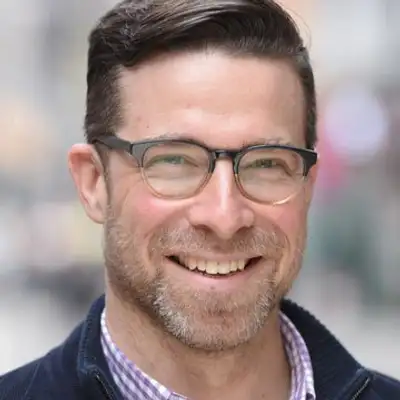
Defining Hospitality is hosted by Founder and CEO of Agency 967, Dan Ryan. With over 30 years of experience in hospitality, Dan brings his expertise and passion to each episode as he delves into the latest trends and challenges facing the industry.
Episodes are released every week on Wednesday mornings.
To listen to episodes, visit https://www.defininghospitality.live/ or subscribe to Defining Hospitality wherever you get your podcasts.
DH - Fabiola Troncoso
===
Fabiola Troncoso: [00:00:00] hospitality, it's making somebody feel welcome first, and sometimes you may stop at that, right? Sometimes the space you are in, a hotel, a restaurant, it's just that.
It's just made you feel welcome. But I think it's also making you feel comfortable. And if they get it right or if you get it right as a host, making somebody feel special,
What I do is inconsequential. Why I do what I do is I get to shorten people's journeys every day. What I love about our hospitality industry is that it's our mission to make people feel cared for while on their journeys. Together, we'll explore what hospitality means in the built environment, in business, and in our daily lives.
I'm Dan Ryan, and this is Defining Hospitality.
This podcast is sponsored by Berman Falk Hospitality Group, a design-driven furniture manufacturer who specializes in custom case goods and seating for hotel guest rooms
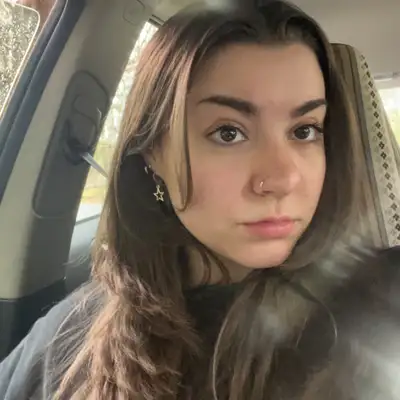
Dan Ryan: Today's guest is a [00:01:00] hospitality design leader, interior designer, and planning expert. She spent her career leading hospitality and interior design projects for major hotel and design firms.
She has advanced through multiple leadership roles in interior design, managing projects from concept to execution. She's a design and planning director at Hyatt. Ladies and gentlemen, please welcome Fabiola Troncoso. Welcome, Fabiola
Fabiola Troncoso: Thanks, Dan. Thanks for having me on here. Like I said earlier, a lot of big hitters, so thank you very much for inviting me
Dan Ryan: Hey, you know what? There's a lot of wonderful people on here. There's a lot of people that where our career paths have intertwined, and I think that from your days in New York City, especially from Rockwell, yes, I, I remember you from there, but also from Geoffrey Beene's when they were on 20th and 5th, I believe.
And I lived on 20th between 7th and 8th, and I would walk past, and I would always stop in there and drop off donuts [00:02:00] or whatever. It was just so convenient. I feel like we were in the neighborhood, so we were very intertwined. So
Fabiola Troncoso: close.
Yeah, and
building too
Dan Ryan: oh my gosh, it was so outstanding. I think McCarten might've been on the...
You were up in the penthouse. McCarten was on, like, the fifth or sixth floor, I think.
Fabiola Troncoso: I remember that.
Yeah
location. I mean, I saw a ton of people just, you know, out and about on the street
Dan Ryan: Oh yeah, that Fifth Avenue corridor is j- was just like so full of... Now it seems like most people have either gone way downtown or up into the Flatiron area.
Um, and Rockwell always stays at Union Square with Blaine as their anchor
Fabiola Troncoso: I know. I just, um, I, I came across a couple people from Rockwell at BDNY, and I asked about him, of course, and he's still there. It's great to see
that.
Dan Ryan: he's amazing. He's,
Fabiola Troncoso: awesome
Dan Ryan: I really wanna get him on here too.
Fabiola Troncoso: you totally should
Dan Ryan: yes, Blaine, this is to you. This is to you.
Fabiola Troncoso: his dog,
Dan Ryan: he loves my dogs, so that's really, [00:03:00] like we have, that's our share, our really shared connection
Fabiola Troncoso: There you go
Dan Ryan: But I think the most important thing about why we're speaking right now is, and, and that I wanna tap into your experience because there's so much shifting. People w- going from design to brand, from design to ownership, from ownership to design, from brand to design. And I think that y- this conversation will give a lot of our listeners, I think, just some color on what the different journeys are.
And not all journeys are one direction. And I think just seeing how you've grown and how you've evolved at Hyatt has been pretty cool to watch as an outsider, but also do some really cool and innovative projects with you as well. And we'll talk about that as we talk, but first, why hospitality? What does it mean to you?
Fabiola Troncoso: Wow, it's a big question. But one that I latched onto from the very beginning and I fell in [00:04:00] love. I mean, hospitality, if we can just distill it to the bare minimum, the simplest form is a human connection. It's making somebody feel welcome first, and sometimes you may stop at that, right? Sometimes the space you are in, a hotel, a restaurant, it's just that.
It's just made you feel welcome. But I think it's also making you feel comfortable. And if they get it right or if you get it right as a host, um, making somebody feel special,
Hmm.
And that is, that doesn't happen very often. But when it does, you don't ask for it. It just happens, and it's fantastic to feel. I mean, I've experienced it.
I'm sure you have, too
Dan Ryan: Yeah, and it's also-- I, I like that spectrum. It's just, okay, at the very basic, it's a human connection. Then it transitions to a feeling of warmth, to just feeling incredibly special. And I like that.
Fabiola Troncoso: Yeah. Just
tapping into, you know, [00:05:00] getting the bits and pieces of, of that other person and, you know, as simple as... Actually, I'll tell you a story. Also at BDNY, um, I had an experience where I was having dinner at the PDR upstairs, and there were a couple of PDRs, so it wasn't just our small party, it was a couple of... there was only one bathroom, one stall. And I went over there with a, a coworker, and somebody just, you know, from the, from the restaurant just said, "It's right over there." Great. She walks in, a completely different person that I had not seen before from the hotel- from the restaurant staff brought over a chair for me to sit on while I waited, waited.
Dan Ryan: Wow
Fabiola Troncoso: I didn't, I didn't think I looked uncomfortable. I just kind of stood there, and immediately the chair's out. little things like that that I just like above and beyond that I'm like, "Amazing. Somebody recognized that that's uncomfortable. You're standing." I was in heels.
Maybe he saw that. Who [00:06:00] knows, right? But, um, just l- the little touches I think really go a long way
Dan Ryan: Agreed. But a lot of that has to do with intention and thinking about all the different outcomes that might happen, right? And also going back to BDNY and something I wanted to talk to you about is we've been doing these fast-track projects, right?
Fabiola Troncoso: Mm-hmm.
Dan Ryan: we, we did a big panel at BDNY on the main stage on the first day, and it was very well attended.
And I've been to so many of these conferences. Every single topic comes up. It's all AI this, AI that, how do we... But it didn't come up once, maybe in joking because we were saying, "Oh, we didn't even talk about AI in this one." But if you think about that Hyatt Centric Fisherman's Wharf, it was from the time the owner told the design firm, Whitespace, to go until the last containers were delivered, it was [00:07:00] like 11 months, 10 months.
And I think that that had to do with the intention of the ownership group bringing designer, purchaser, general contractor, long lead FF&E items, and brand
Fabiola Troncoso: Mm-hmm.
Dan Ryan: The table at the very beginning with that intention. And it was anticipating that, "Hey, we need to start construction on Super Bowl Monday and finish by the time the World Cup happens."
Do you see that kind of intention on all the different types of projects that you work on?
Fabiola Troncoso: I wish I could say yes,
Dan Ryan: Okay. So
answer
us why.
Fabiola Troncoso: not. You know, that was such a successful project, and then what I love the most too, and, and what I, what I like to see on a lot of projects is I didn't, I didn't realize you were gonna be there at the model room,
Dan Ryan: Mm-hmm.
Fabiola Troncoso: But you were there. So literally, we all walked out of that model room with the [00:08:00] c- with the comments.
So you're gonna go do your thing, owner's doing their thing, design team knows what they need to do. I have provided my feedback. It's like we did not waste any time, and I thought that was really fantastic to see. Now, there are other, um, where, you know, they may have the best intentions at the beginning, but if the...
if you don't bring the right people to the table, that has not been planned well before that kickoff, it just does not happen the way that you wished it would, right? So I'm sure, um, you know, George and, and the team at EOS had a lot already thought... had thought a lot about what needed to happen and, you know, there's probably a lot of planning behind it. Yeah, I mean, I think the answer is I, I wish it happened more often because, you know, when we [00:09:00] are involved at the beginning, we can be part of the conversation, and we're very collaborative at Hyatt. instead of, you know, the opposite that might end up causing more delays or frustration because now we're providing feedback. But, you know, if we're joining late, then there's that possibility.
Dan Ryan: one of the outcomes of that moderated discussion on the fast track hotel that came up, 'cause we were mostly talking about independent hotels. There was, uh, Anna, who has brand perspective from both, uh, Marriott and Sonesta. I, I think the outcome was that many of the brands could have almost like a, a quick response team for these opportunistic renovations because there's so much deferred CapEx that's out there When you really wanna put the pedal to the metal and make an under-a-year renovation happen, it is nice to be able to circumvent the normal processes.
What I'd al-
Yes
uh, for approval and involvement, because many ownership groups wanna keep the [00:10:00] brand in the dark until the very end 'cause they think-- The perception is, is that it will slow everything down. But I can also speak from my experience in speaking from my experience with you, with Marriott, with Hilton and even with Accor, if you-- if they know it's a fast project and that there are all these milestones that need to get hit, and we need to run things, like use brand standards as a g- almost a guideline,
Fabiola Troncoso: Mm-hmm.
Dan Ryan: they will adapt and improve and make the project successful and do whatever it takes.
But it's almost like going back to that idea of just being seen or, and feeling that warmth. You need that connection, but you also have to know how to ask. So from your experience being from the design side and now on the brand side, what's a successful way that an ownership group or design firm can bring you in and also highlight that, okay, this is, this is a live one?
Fabiola Troncoso: and I'll speak from experience. I, I'm not allowed to say too much [00:11:00] about the particular project, um, but it's, it's a project that is coming down the pipeline where the ownership group, um, they're not new at hospitality.
and they're bringing us on board very early, very early on just to have that very initial conversation of, "Hey, brand, you know, we'd love your input, your insight, your experience on programming.
Let's put, you know, um, together. Uh, let's have the conversation about this particular location, this particular brand." or the location might be unique to the brand, so we kinda have to kind of think about this slightly different. And we love those early on conversations. And it's not just me in design. I mean, we, we bring in other experts, um, at Hyatt to, to talk about m- the brand, the global brand team, the design, um, aspects of [00:12:00] it, programming of course with... You know, we involve our operations team. So it's really key, and I think when it starts that way, to your point, there's intention. already know the goals and objectives of the owner. can kinda work simultaneously and side by side so that we can come in and come off as needed and, you know, come in at the right time and provide support. Um, so far it's been working really great. Um, so it doesn't always happen, but when it does, it's, it's very successful
Dan Ryan: recognizing the fact that there is so much deferred CapEx and renovation and new build that, that hasn't flooded the market, it's like, it's like everything is out waiting, I call it behind this dam that we're waiting to break that's gonna flood.
Fabiola Troncoso: Yes
Dan Ryan: can you share any of the most successful instances where ownership or design might s- might bring you in? Because to me, it's all about [00:13:00] collaboration and not compartmentalization. So how do you bridge the gap between that compartmentalized thinking and then the collaborative thinking?
Fabiola Troncoso: Exactly. Like, I like to think about it as like we are a team. Just like there's an architect on rec- a record, you know, there's your interior designer, there's a, I don't know, IT consultant, all of these different consultants, we too form part of that team, and we just come at it from different perspectives and experiences.
It's not necessarily about, um, fight or I'm telling you, you know, "This is the brand standard and we must do this." It's like you said earlier, I mean, honestly, at Hyatt, our, our... They're just guardrails, and we're so flexible. We know that not every project is the same, not every brand in, depending on the market, is the same. Therefore, we wanna have those conversations. We wanna be smart. We wanna make the right decisions, uh, together with, alongside the owner. [00:14:00] So for me, it's honestly about expressing the expectation, the objective, and having great and fluent communication. I, I like to keep in touch. You know, um, sometimes that's easier than others, uh, just depending on how that owner, developer, even designer, um, sees the brand. But, um, to me, that's, that's what it's, what it's all about, just communication. Pick up the phone, you know, send a note. You need us... If you need something, you know, return comments, return quickly. Let us know. Like, we're always willing and we'll adapt and/or bring, you know, others as needed.
Dan Ryan: I also find that when that alignment is not set up with an intention and a commitment right from the beginning, this also came out of that, um, the panel. Specifically at BermanFalk, I [00:15:00] find that we f- we wind up eating so much time value engineering after the fact. But if you get everyone aligned from the beginning and you're in a collaborative mindset, you're not value engineering and, and wasting time, you're engineering value right from the beginning and unlocking value for the owner and the hotel
Fabiola Troncoso: I love that. Engineering value. I'm gonna have to keep that in mind.
Totally,
Dan Ryan: I should get that trademarked. That was like the mic drop. That was my...
Fabiola Troncoso: should.
Dan Ryan: Yeah
Fabiola Troncoso: you know, I'm gonna go back to something that, that I've heard a lot here since I started at Hyatt. Agile ways of thinking and working. as I mentioned earlier, not every project's the same.
We like to test. constantly learning from each other, right? I mean, and within just my team, I concentrate on new builds and conversions. Um, I also do some renovations, as you and I have worked on. and then there's a, a whole team that's set up specific to renovations, and [00:16:00] we're constantly like, "Hey, how can we improve this? It worked really well on this project. Let's try it out. You know, let's, let's test. Let's test and learn."
Dan Ryan: agile thinking is an actual methodology of thinking. And one of the ways that these fast-track projects came up in my brain, it had been marinating there for, um, more than 20 years, but I read this book, uh, called The Machine That Changed the World. And it's a story of how when Toyota started building cars after World War II, they came to Detroit to observe how all the Detroit automakers would make things.
And one story that stuck out to me was The Japanese engineers and designers were amazed that at the end of the finish line, there were these two huge union guys with big wooden mallets that were hitting the doors to get them to seat just right.
Uh-huh
why don't we just design a better hinge with our hinge [00:17:00] supplier and think about that and, and really lean on their expertise?"
So that's, the hinge assembly just works and the door just shuts. And I think a lot of that agile thinking, and also as it relates to just-in-time or lean production, is something that we could all, all learn from. And I'm curious, on your journey going from designer to the brand side, what was the biggest surprise to you that you weren't expecting when you ch- to bring that chair metaphor of intention?
L- like, what was the biggest surprise for you when you went from the design chair to the brand chair?
Fabiola Troncoso: So many things. So many things. I mean, you know, honestly, hospitality, like I said, I've been in hospitality since I started my professional career and never m- never left, and I don't think I will ever leave it. It's one of those things where I'm constantly learning.
Mm-hmm.
Never not learning, and for me that is so important.
I always like [00:18:00] to evolve, learn in my professional but also my personal. There were so many different things that now I see from a, a very different perspective. I think the biggest one is probably how do you add value? So let's, let's do a wow where it needs to, and perhaps let's remove, subtract. Not everything, you know, needs to be overly designed. I think simplicity in certain areas can go a long way. and for, for me as a designer to get to that level, yeah, I think that's probably the biggest evolvement in being on this side,
No
We're trying to focus on the revenue-generating spaces, um, but also look at design with kind of that lens and that perspective. But also looking at ourselves and how we travel, what do we pay attention to? What do we actually touch and feel? What is important to guest, the traveler, the, you know, the, the people, uh, within the [00:19:00] space?
Dan Ryan: Hmm. I love the wow because every quarter we do these rocks, which are initiatives, and we always think about, you know, what's a clear measure of success? Okay, we all know what that is. And once you establish that project or initiative and you, you envision the end, okay, good, that's what success looks like.
But then the next question is, what does wow look like? And wow means you might not get there, but it at least helps you think a couple steps beyond what success is.
Mm-hmm.
You come up-- how did you land on that idea of the wow as the focal point?
Fabiola Troncoso: Well, 'cause the wow does not mean costly,
right? High impact
Dan Ryan: Or it doesn't have to mean it. It could,
Fabiola Troncoso: have to. It
Dan Ryan: but it could, yeah
Fabiola Troncoso: but it doesn't have to. And I think to me, cr- thinking creatively, with your fast conversion projects or your renovation projects that maybe have a really tight timeline, even in new builds, right?
I think that's what the [00:20:00] perspective that on the design side you sometimes lose.
that's where I feel the brand is valuable because we can always, like, reel it back in. It's like, let's step outside of the zoomed in conversation. Is it too fussy? Sometimes it's th- some ideas are too fussy and either they can't be executed correctly, and then it's no longer a wow. If you're not-- If it's too difficult, too fussy, too, um, costly, may not get there, right? And so sometimes it's good to have that conversation and that honesty and just say, "Hey, you know, we've been at this. It's doesn't seem like it's gonna be feasible. Let's think about something different."
Hmm.
The approach.
You know, maybe the wow is still the same or the impact is still the same, but it's a different way of thinking about it.
Dan Ryan: we all know what's gonna work, but it's always good to think about that wow. And the wow might not be achievable, but it, it creates an extra frame of reference for once you've gotten to what your [00:21:00] clear measure of success is.
And that could also be something to think about on the next project, a future renovation, an add, an additional scope that an owner might add later. But I think it's really important to think about the wow, because it might not be possible now, but wo- wow is just a, like, it's a good thing to check in on.
Um, you've worked at some incredible design firms, from Rockwell to Jeffrey Beers to KTGY Simioni Uri, From your experience working at any of those to just all the other designers that you might interact with, is there anything that a designer might not see from the brand perspective that they really, that you think they really should see?
Fabiola Troncoso: I think we're always kind of looking at it differently than the designer.
one of the things that I think maybe they don't realize is that w- because I am the design lead or I am the, the, the go-to person, uh, that they're constantly, you know, communicating [00:22:00] with, um, we come with like a wealth of support. So it may not just be my perspective, and it's never, it's never about my personal. That's the one thing that I always like to... There will always be a little bit of that, of course. Um, but I- that's one thing that I always like to kind of check in with myself and make sure that, um, you know, it's never about your personal preference.
However, that's what I would say to a design team. Like it's, it's not just me. Yes, it might be taking me a couple of weeks to respond, but you know, it, it's, it's really thought through, uh, from different perspectives and experiences within the experts at Hyatt
Dan Ryan: with all the design firms that you're working out, working with and all the designers, and now that you're on the brand side, is there anything that the brand or is there a c- a, a challenge that the brand doesn't see from the designer perspective, even though you are a designer and have that experience?
Are there ongoing, [00:23:00] challenges that the brand might not see from the designer's perspective on a project?
Fabiola Troncoso: not every design team is either as experienced, uh, you know, or experienced in hospitality specifically. Um, and/or smaller teams may not have the same resources. So the expectation getting consistency in specifications, documentation, you know, we, we see it all. We see from very simple perhaps unfinished, where we to request for additional information. So I think that's probably the biggest thing for me that I, that I've been seeing that it's... I pick up the phone, you know, "What's going on?
Dan Ryan: Yeah
Fabiola Troncoso: Uh, what's happening?" And/or sometimes too, uh, you know, going back to what we said at the beginning is like the, the communication.
Like, "Hey, I haven't [00:24:00] X. What's going on? I haven't heard." And it may not be the designs, the designers, right? It might be held up the ownership side and, and/or been cut out and they're still kinda working through it, or all of a sudden is through a, a budgeting exercise.
And always, um, interesting on this side because we are not in every conversation. not in all the calls. And so there might be, you know, a portion of time that goes by before I can connect with either a design team or the owner, any of the players. And I might just be thinking, "What's taking so long?
Why are we not to the next?" Right? But then you pick up the phone, you have a conversation, and then you start to learn a lot of things. So I think that's, that's really the biggest, um, that I'm seeing on this end
Dan Ryan: Yeah, I think also just having restated Rockwell, Jeffrey Beers, and KTGY, the level of deliverable and documentation from those, and they're not alone in that, but [00:25:00] there's a spectrum
Yeah
of deliverable and documentation where everything ticks and ties and it makes sense, it makes the process easy for every- But then there's also, you know, someone who's really junior or might not have that support or d- or not the hos- There's always that firm that's never done a hotel before, and they, they're learning and building the plane as they're going.
Fabiola Troncoso: Yes. And for me, as you can imagine, coming from firms, I guess I always thought that everybody kinda knew the same information and everything was really tidy. Everything was, you know, just very well put together. We also had other resources. Um, but you're right. I mean, some of these firms, you know, they're new.
Um, it- it's challenging when the new design team in hospitality comes with a new hotel
Mm-hmm.
Um, and perhaps even with a [00:26:00] new contractor
Yeah.
Yes. I, I've, I have an experience like that. has been successful is that we're always constantly in communication. We're always collaborating.
I think we meet up probably a little bit more often than not, that's been good. I think everybody is willing to collaborate, so that's been successful on that, on that side.
Hey everybody. We've been doing this podcast for over three years now, and one of the themes that consistently comes up is sustainability. And I'm just really proud to announce that our sponsor, BermanFalk Hospitality Group, is the first within our hospitality industry to switch to sustainable and recyclable packaging, eliminating the use of styrofoam.
Please check out their impact page in the show notes for more info.
Dan Ryan: Yeah, and let's-- Going with that spectrum of deliverable, right? How can, let's say [00:27:00] a hotel owner, they have this relationship with a designer or architect, but it's their first hotel. They bring them to the table, which is, it's fine. It's their hotel. They can, they should be able to do what they want. Um, do you find that that type of firm or person is-- Are some into asking for help and others aren't?
They're like, "I got this." Like, can you dissect that a little bit from your experience?
Fabiola Troncoso: The, the owner that, that's new that's
Dan Ryan: the owner that might hire a firm, a design firm that's never done a hotel before, right? But they have a great provenance, a great track record of all these other projects but it's their first hotel. Are, are there some that are more reticent to ask for help versus others that are like, oh, they wanna get your advice and experience?
And then c- 'cause in essence, you're almost becoming like a design coach, right? So how can you-- how do you add value in those situations?
Fabiola Troncoso: Correct. And I think that's when I that conversation with the owner and I just say, "You [00:28:00] know, I'm here to support." Sometimes I do end up having to go a little bit above and beyond and, you know, I'm happy to do it. I want the projects to be successful. The end of the day, you know, we're a team and it's also gonna...
Our name's gonna be on the door. So we want
it to be successful. I'm willing go above and beyond, but it needs to be understood, right? If he says, "Yeah, sure." Okay, great. Does the interior designer know that I'm gonna be stepping in a little bit more, I'm gonna be a little bit more hands-on? Because you never wanna be in a position where it's, a lot of friction, 'cause it doesn't work well, right? But when it does, and when they're understanding, like when I actually first started at Hyatt, actually at Alvaro,
Oh
at Montoya, he sent me off to immediately, like I didn't know...
I knew nothing about the project. He's like, "Let's keep it that way. I don't want you to know anyth- much about it." He's like, "I just want you to, you know, jump in here with fresh eyes. The owner already knows that you're coming in, and you're coming [00:29:00] into the design team studio, and you're gonna be collaborating.
You're gonna be like zhuzhing and, and kind of modifying some things." The project was already in construction, so there were some things that we could not touch. It was a definite challenge, but like challenge accepted. Like, I was pumped for this, especially 'cause the ownership side already knew, the design team already knew.
They were let- "Let's have this collaborative session together in person," you know, where we're touching, we're feeling, we're making decisions right in then there. Somebody's taking notes. We're coming out, and that's a direction. And I think, you know, when you work and approach it that way, it's so, so successful.
It's also, um, you know, I have no ego. I'm, I'm here to help. It doesn't always get reciprocated the same way, right?
Dan Ryan: Yeah
Fabiola Troncoso: Some design teams are like, "Just because I have never done a hotel before does not mean that, you know,
Oh,
I
That,
I'm doing."
uh, totally. And that I wanted to be careful and, and mention that. Yeah, uh, because they, most of them have an incredible experience, [00:30:00] right? Just not in hotels, but every hotel has a nuance. So in a way it's like you're coaching and you have to kinda be warm and intentional and, but also help them see around corners and, and, and check out their blind spots.
Yeah
more of like exactly design coaching and just more of like, "Hey, heads up," or, you know, "This is my observation. Have you considered?" Just to kinda like put it, like plant it in their heads, like maybe they had not considered it. Maybe they had, and there's a reason for
No
why they did what they did. So it's really just a matter of learning on our side, learning who we're working with, their strengths and their weaknesses, and supporting where their weaknesses are really. Like, just kind of plugging in that, that hole
Dan Ryan: thank you for bringing up Alvaro because he, I think he's been out on his own for a year now, and I need to check in with him. I miss him. Where is he? Okay, I g- I have to ch- I gotta check in with Alvaro. Alvaro, you'll be hearing from me soon.
[00:31:00] Um, Again, going from design firm to brand side, when you were getting comfortable in your new workspace and your new team at Hyatt, what was the first thing that really surprised you after you made that transition?
Fabiola Troncoso: I know the answer to this 'cause I think I'm still struggling a little bit. The amount of internal that the design department with and communicates with is immense
Hmm.
And is that because there's like a 360 v- view on every single project from operations to F&B to everything?
to answer your question, yes, but it's, it's various reasons, right? So we, the design team gets involved before, so with development,
before it's even a signed deal. we support development. communicate with feasibility. We communicate [00:32:00] with, operations, of course. We also have different team members involved depending if it's a managed property, a franchise property, or an owned, a Hyatt owned. So that comes with different teams, and I think, you know, actually to go back to your previous question on, like, what is something that, um, the design team may not know from, from the brand side is, is that, and it's just like I, I'm one person and, uh, just like they are, and I have many projects. Um, and I have a, a, a lot of...
A, a big team.
Mm-hmm.
So I think that's the biggest, that was the biggest thing for me. Uh, because, you know, in a design firm, I mean, 100 people. Uh, Rockwell was my biggest, but we were divided into studios, so you're never really collaborating, communicating with, with everyone
Dan Ryan: obviously there's been a lot of shuffling and changing and restructuring going on in our world on the design side, the ownership side, the brand side, um, the [00:33:00] management side. Is there s- so if there's a, through either a restructuring or a, also just a, a, an intended career path where if there's a designer that wants to, has a design experience and wants to get on into the brand world, is there something that you wish you knew as a designer before you made the transition to brand?
Fabiola Troncoso: I don't think that I, that I have that experience, I could see if I were to have that conversation with a design team, with a designer that is looking to make the switch, recommendation would be not every brand structure is set up the same. Not every design, team within the brand is set up the same. So even within Hyatt now, you know, we have Bunkhouse who does It's a lot more involved. We have also the, team, the lifestyle team in New York City, and then [00:34:00] there's us at the Chicago office, and I'm sure there's differences even within our own organization. So that's just something, you know, for them to do their, their own research, and not everybody's set up the same way just to see what fits them.
Dan Ryan: one of the things that I'm also curious about is if you had your I work at a design firm designer hat on, when a new project lands on your desk or it gets kicked off in some way, is there something in that process from when you were a designer that you might have done differently at the start of a project now that you have all your f- all of your brand experience?
Fabiola Troncoso: I think so. There's a level of finding information that I feel like as a designer I never took the time to do early on. For example, okay, new project, great. Who's the owner? Look into what the owner, you know, other properties they've [00:35:00] developed. Who are they? Who are the players that you're actually gonna be communicating with?
There's just a lot more. You know, like, maybe if, I've never visited the, the city that it's in, the that it's in, you know, maybe do a little bit of research, which did a, a little bit of that leading into concept, but never really about the owner, and I think that's something that's really i- important and interesting. Um, because then you can learn a little bit more about them, you can communicate with them better. You know what kind of and what level of excellence that they're looking for or what is exciting to them, and you can speak to them and have a better presentation. I think that that was something that I, I never really did and I do a lot of now
Dan Ryan: I think that that resonates back to your definition of hospitality as well, right? On that scale of just like there's a connection, but there's always... Then there's warmth and then a level of like comfort y- where you're truly comfortable and understanding. And I think that that something [00:36:00] I've always gotten from you, you probably don't even realize it, but you, sometimes you can recognize when someone is genuinely curious,
Fabiola Troncoso: Mm-hmm.
Dan Ryan: like that's you.
And I think you even said you're a life- you're a lifelong learner. You're, you're always wanting to learn and do all these things. And, um, yeah, I think extra curiosity and thinking of that whole, the wow filter that you can throw on something can even help with that curiosity.
Fabiola Troncoso: Oh, I'm constantly curious. feel like my poor internal conversations, like there's never a dull moment up there.
Dan Ryan: I, yeah, I call those my hams- the hamsters running around in my head.
Fabiola Troncoso: Exactly, I have a lot of those. They're my little work bees.
Dan Ryan: Yeah
Fabiola Troncoso: Uh, constantly asking questions or asking the why. And you know what's interesting about hospitality and why I said earlier that I'm constantly learning is new generations, new human tr- travelers are changing.
You know, what we seek is different. technology is changing. [00:37:00] So there's always that time as like, yes, we've been doing this for a long time, or this is the standard, but like can we question it?
Hmm.
Like, should it change at some point? Like, are we actually still using that? Like, let's talk about it
Dan Ryan: I think that's a great tee up. I, I prided myself on that panel, earlier this week that we didn't bring up technology or AI because it was all about the human connection to get things done and intention and commitment. But with technology and all the different brands that you're working on, and I love your idea of that just connection or the efficiency and warmth how does Hyatt bridge the gap between efficiency and warmth with respect to technology?
Because that must be so incredible, and I also just from my experience find hotels are just always laggards on the tech stack of things. But how do you navigate that as, as Hyatt or the, or at least the, the projects that you work on?
Fabiola Troncoso: We are very [00:38:00] careful when it comes to technology. We don't want to just say, "Oh, here's a new trendy thing. Let's, let's plug it in and now it's gonna be part of our standards." I think for us, comes to mind when it comes to technology and what I find myself saying a lot is intuitive. Something that keeps coming up, a reoccurring conversation with owners and teams is, guest room lighting controls. I don't know if you ever stay at a hotel that maybe you're, like,
Dan Ryan: No, but it's, you know what's so funny? Because you said, uh, intuitive and, and I- as you were saying that I wrote down invisible.
but it made me think of when we, when we did the alignment call for this just to like get set up about what we would talk about, you really lit up on lighting.
So I'm j- I was gonna ask you how does lighting bridge the gap, but you, you went there
Fabiola Troncoso: I went there.
Dan Ryan: and you lo- yeah, you li- you light up so much, or wh- when we spoke about lighting. I don't know why either, [00:39:00] but
Fabiola Troncoso: you're
Dan Ryan: now I'm excited. Yeah.
Fabiola Troncoso: even know.
Dan Ryan: Yeah
Fabiola Troncoso: what's funny actually? Well, my husband, you know, he's also, he's an ar- trained architect, also in the design industry, and he is one where when we are a date in a restaurant, at a party somewhere, in a hotel, whatever, he's like, "Oh my gosh, the lighting.
Did you see that?" And he's like, "What? What? What's going on?" And he's like, "Go like this." And then your hand, you could see your hand, like, going like, "Do, do, do, do, do, do." He is so in tune with lighting, and maybe there's a little bit of that that's now made it my way,
Dan Ryan: Mm-hmm.
Fabiola Troncoso: but you're right. Um, well, I think lighting can make or break a space.
Number one, just design. Finishes look different depending on how you're lighting them. A successful back bar really relies heavily on of lighting, not just the back bar, but, like, the bar itself, right? There's different layers of lighting. and I think that's kind of the, the detail that I like to get into with the design team and with the consultants and, you know, having those, like, conversations. but [00:40:00] back to the original question is, like, for us, it's intuitive because, for example, like, we still re- require, um, USB-C and A. We're just not quite there. We're, we're close, but we're just not quite there. And, you know, we wanna make sure, again, back to that comfort, we wanna make sure that everyone from different walks of life but also different ages that come into our properties have a way to connect and/or we're not, you know, implementing these.
Lighting controls are really difficult to, to control. Um, intuition for placement is key. I mean, I've been in several properties, some not Hyatt where I can't find the light switch. I've
I l- I love that.
The light on.
Dan Ryan: Yes
Fabiola Troncoso: have had to unplug TVs because the remote wasn't working and the TV was still on, and that's a lot of light for me.
I'm also, um... So my, my bedroom, T- [00:41:00] TMI, but, like, my bedroom is, is, it's black. It's painted black, and I have blackouts.
Hmm
And I have to close all of the doors, all, like, nothing with lighting. It affects me a ton. So maybe that's what it is, is that in order for me to get a good night's sleep, it needs to be pitch black, just blacked out.
I look at that a lot in hotels. And when we, you know, when it comes to drapery, it's like, "Mm, we're gonna get a lot of light leakage." There's a lot of that that comes from my comments and notes. You're right. You've just made me learn something about me.
Dan Ryan: Hmm. Well, I, I actually-- I've interviewed one lighting designer, um, from Mexico City on this podcast, and the whole world of light is amazing, and it's something I often don't consider. But it's kind of like signage. You don't notice it unless it's off, right?
Fabiola Troncoso: Mm-hmm.
Dan Ryan: But so much thought has to go into just making the wayfinding or the light work, and so much intention.
I think I keep coming back to that word [00:42:00] of intention.
Fabiola Troncoso: cause if you don't notice it, I think that's the whole point, right? Like that's why we push much on ... So for example, um, you know, I, I, I support the classics and luxury portfolios here at Hyatt, and within the classics, you know, you have your, your kinda lower tiered, um, I wouldn't even say lower tier, but your upper, upper, um, upscale level, and then all the way to a Park Hyatt, for example. And not all of those brands are gonna have the same level of technology, you know integrated. And so one of the things that we are trying to focus on here is kind of looking at that. Is there anything that we can say, okay, for Hyatt Centrics, 'cause sometimes we do get, um, l- level hoteliers that have done select service properties but maybe not full service, um, into, [00:43:00] into that brand, and, you know, are there things that we can, we can implement N- not, not focusing on the design. I think the design is, is still very unique to each property and, um, following kind of the, you know, the brand ethos. But are there, are there things that we can say, "Just do this. Keep it simple, intuitive." Again, you know, just kinda going back to being helpful and not having them spend the effort into something that we've seen it done successfully.
Why not roll it out?
Hmm.
So those are kind of the conversations that we have often, and sometimes it, it, it gets implemented, sometimes it doesn't, and/or, um, you know, it gets tested, tested out.
Dan Ryan: that idea of intention keeps c- coming up, and I think in doing anything, call it the wow [00:44:00] filter When you start with something, there's a commitment and I find that whenever I intend to do something with a... Or set out to do something with a clear intention, I think we were talking about this the other day, like at Miraval, where it's not just you're going to a spa, you go there with an intention, and they have these coaches that come in and,
Fabiola Troncoso: Mm-hmm.
Dan Ryan: and help you develop that intention if you don't have it, so you can go on a bit of a journey.
But I wanna shift gears into something you enjoy doing, and that's throwing pottery on a wheel. When you're sitting there with that lump of clay, what's the intent? How do you define your intention before throwing it down on the wheel?
Fabiola Troncoso: I think that intention comes before I'm even in the studio.
Dan Ryan: Oh
Fabiola Troncoso: I make the decision, am I going the studio? And sometimes I consciously make the decision not to because of my state of mind. Honestly, I feel like since I've been throwing pottery on and off for I think now years it's taught me a lot [00:45:00] about myself. And, you know, I'm always little bit on the go, always like, "Okay, I'm not doing anything. What, what should I do next?" Like, always, like, on this list. And that's one of the things that I think pottery has helped me do is just to calm down,
Hmm
because it knows if you're not. And if I'm stressed out and I'm trying to do something too fast, nothing will come out of it.
Dan Ryan: That's where you get the wobble
Fabiola Troncoso: wobble, and you know what? start over. And so it's been great. I love it. Although right now I have long nails, so this is... I cannot have a manicure
Oh
I throw pottery. I'm usually with just my bare nails, unfortunately, since I've been throwing pottery.
That's one of the things that I do miss. These are just because of BDNY, but they're coming off. Um, so yeah, pottery has been, has been, great
Dan Ryan: [00:46:00] with this journey and the exploration of your design to transition to brand, always being curious, throwing pottery now for the past two years, if you were to magically appear on the west side of Union Square Park in New York City after your first day of-- your first day working at Rockwell, let's say you met yourself on the sidewalk there, the, the Fabio I'm talking to now.
Yeah, but you met... You, you were able to teleport to the you at the beginning of your journey. Yeah. What do you say to yourself?
Fabiola Troncoso: I would say slow down in your youth, look ahead, plan forward what is next. I think that I maybe went too hard at the beginning, and then pulled back a lot, and I feel like just having more consistency with that, that energy that you're putting forth. I [00:47:00] really was, it my all, like 20, I think.
And, um, you know, you burn out
Dan Ryan: And then the current you would run upstairs and give Blaine a high five
Fabiola Troncoso: Yes
Dan Ryan: you're on this journey, you're in the middle of this journey. You're doing really awesome and creative things at Hyatt. As you look to the future, what's exciting you most?
Fabiola Troncoso: Honestly, the, uh, as you know, a lot of the brands have gone through, a lot of changes and so have we, and really excited about the team that, Emily has, has put together. We all come from different walks of life, different experiences, um, it's really interesting some of the conversations that we're starting to have. think we're all being curious and we're asking the right questions internally, and I don't know, I just really see a lot of, um, collaboration, a lot of good things coming from our, our team.
Dan Ryan: I see it.
Fabiola Troncoso: For me, [00:48:00] because I started in lifestyle when I first started Hyatt, um, and then now I'm overseeing classics and luxury, and so it's been a, a, a wealth of knowledge learning new brands. primarily I have most of my projects right now are in luxury with a bunch of Hyatt Centrics 'cause they were initially part of the lifestyle brand. So for me, something exciting is kinda starting to, like, dip into those others that are newer to me.
Dan Ryan: This has been really a wonderful conversation, Fabiola. If people wanted to learn more about you or reach out and learn more about Hyatt, what's a good way for them to connect?
Fabiola Troncoso: Well, definitely I'm on LinkedIn, or Instagram on a personal note
Dan Ryan: Cool.
Fabiola Troncoso: Yes
Dan Ryan: we'll put the Hyatt, company website up there as well. Um, this has been so wonderful for me, especially after just having had breakfast with you earlier th- was it earlier this week? It feels like, uh, [00:49:00] two weeks ago.
Fabiola Troncoso: so, honestly.
Dan Ryan: Wow.
Fabiola Troncoso: right?
Dan Ryan: Yeah, and we've been wanting to do this forever, and we've done innovative projects together, and just to kind of tie it all together after such an amazing week with this moment of just reflection and introspection with you has been wonderful.
So I owe you a debt of gratitude, so thank you
Fabiola Troncoso: Well, thank you, and right back at you. I mean, I think I've discovered a few things about myself just having this conversation
Dan Ryan: Wonderful. And a renewed appreciation for Blaine, which we all need as well. B- I think Blaine is gonna become this character throughout all of these conversations.
Fabiola Troncoso: Why don't you bring him on here?
Dan Ryan: I've tried. He's nervous. Blaine, if you're listening,
Fabiola Troncoso: no.
Dan Ryan: want you
Fabiola Troncoso: maybe I can have a conversation with him because I was a little nervous. But you know what? You're such a wonderful podcast host that it's comp- it's just a conversation with you.
Dan Ryan: Thank you.
Fabiola Troncoso: and Ryan.
Dan Ryan: It's just me. It's no big deal but seriously, this has been wonderful. And also [00:50:00] without all of our listeners, we wouldn't be approaching 300 of these conversations where I get to satisfy my curiosity and learn and share my learnings with all of our listeners who are, who are passionate about what we do in delivering hospitality in all of its shapes, sizes, and forms.
So if you know someone who might benefit from hearing this conversation, if you're considering going from the brand side or from the brand side to the design side or any of the above, please listen, pass it on, like, subscribe. We grow a lot by word of mouth, so I appreciate you listening, and we'll catch you next time