Subscribe
Share
Share
Embed
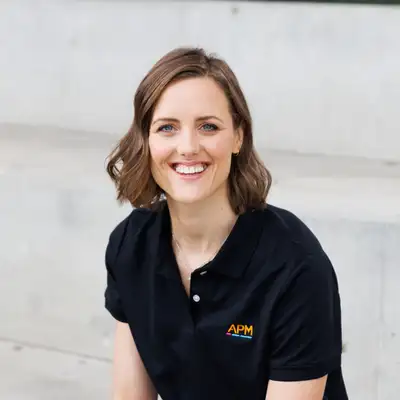
Join Australian Paralympic legend and APM Ambassador Ellie Cole as she explores disability and inclusion in the workplace.
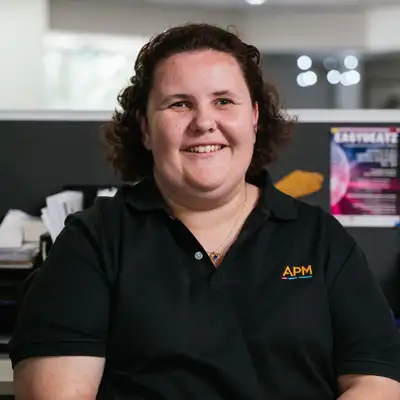
In a special limited-run series, Ellie sits down with team members from across APM to discuss how their own experience of disability helps them make a difference for other people.
She also speaks with some of APM's people and partners about the impact of hiring employees with disability, with advice for how employers can support inclusion and diversity in their business.
Ellie Cole's Couch is produced by APM.
APM is a global health and human services provider enabling better lives through employment, workplace, health and wellbeing, disability and aged care services.
Learn more at apm.net.au.
This podcast was recorded on the Country of the Gadigal people and on Whadjuk Noongar Boodja. It was also produced on Whadjuk Noongar Boodja.
APM acknowledges Aboriginal and Torres Strait Islander people as the Traditional Custodians of this Country throughout Australia and their continuing connection to land, sea and community.
We pay our respects to them and their cultures, and to their Elders past and present.
Ellie: Ellie: Hi everyone,
Ellie: I'm APM Ambassador Ellie Cole and today
we will be discussing visual impairment
Ellie: and the vital role of accessibility in
both in employment and in everyday life.
Ellie: I'm so delighted to introduce you to
today's guest Ayesha and her beautiful
Ellie: seeing eye dog, Princess, and together
we're going to explore the unique barriers
Ellie: faced by individuals with visual
impairments in the workplace and discuss
Ellie: practical steps that employers can take
to create more inclusive environments.
Ellie: We'll also touch on the importance
of community support and awareness
Ellie: in making public spaces
accessible for everyone.
Ellie: Ayesha, thank you so much
for joining us today
Ellie: and bringing along a very special
guest as well.
Ellie: Princess, who is still awake
but I don't think will be by the end,
Ellie: not because of the content
of the conversation,
Ellie: because it's a very relaxing
environment to be in.
Ellie: Are you able to introduce your name,
your age and your role at APM?
Ayesha: Ayesha: So my name is Ayesha Patterson.
Ayesha: I'm 32 and I'm a LAC Community
Ayesha: Capacity Builder at APM Communities.
Ellie: Ellie: Now tell us about where you grew up.
Ayesha: Ayesha: I grew up in Mandurah,
which is south of Perth.
Ayesha: Lived there my whole life
and I still live there.
Ayesha: It's great because you can be
close to Perth
Ayesha: to get to and from,
but you're not in the city.
Ellie: Ellie: Yeah.
And what was it like growing up there?
Ayesha: Ayesha: Everyone knows everyone so,
Ayesha: and you kind of have that environment now,
Ayesha: with my work, people come in and are like “hi, Ayesha”
and they go, “how do you know that person?”
Ayesha: I'm like, “oh, you know went to high school with them
or, did some community work with them.”
Ayesha: Which is kind of cool.
Ellie: Ellie: And, tell me about what it was like
going to school in Mandurah.
Ellie: Did you go to a school that helped you
Ellie: with your vision impairment
or what was your schooling like?
Ayesha: Ayesha: My schooling, I went to a private school.
Ayesha: But I didn't advertise
that I had disability.
Ayesha: I had very
good vision at the time that I thought,
Ayesha: but even though I could hardly see
anything,
Ayesha: and I just wasn't accepting of the disability,
it took me a while to accept.
Ayesha: So I wore magnifying glasses
because glasses were cool.
Ellie: Ellie: Glasses were cool?
Ayesha: Ayesha: Yeah.
Ellie: Ellie: That's a bit backwards
from what I grew up with.
Ayesha: Ayesha: I know.
Ayesha: And I would borrow my friend's notes
Ayesha: and everything
just so I could still do school and
Ayesha: I learned how to listen a lot.
Ayesha: Yeah, I didn't use any equipment
Ayesha: or anything until after high school.
Ellie: Ellie: So it sounds like when you were growing up,
even with a disability, you really learned
Ellie: how to adapt to your surroundings very,
very quickly and just to make things work.
Ayesha: Ayesha: Yeah.
Ellie: Ellie: Yeah, I think it’s a really
amazing skill to have,
Ellie: and I think a lot of people in
the communities are really starting
Ellie: to identify a lot of the strengths
that people with disabilities have.
Ellie: And, you know, there's so many stories
like yours where you have difficulty
Ellie: navigating some things in everyday life,
but you just happen to find a way around it.
Ellie: And it sounds like you had friends there
that helping you with your notes.
Ayesha: Ayesha: Yeah, they did, but that was my stubborn stage.
Ellie: Ellie: Yeah. You mentioned before, it was
a little better when you were younger?
Ayesha: Ayesha: Yeah. So my vision has been getting
worse as I've gotten older.
Ayesha: It will lead to complete blindness.
Ayesha: So the condition I have,
the cells in my retina are dying.
Ayesha: So all the ones that are in charge
of your peripheral vision,
Ayesha: night vision, color, depth.
Ayesha: And then I have cataracts over
the top as well.
Ayesha: So that makes life interesting.
Ellie: Ellie: I bet it does.
Ellie: Do you have memory, when you were younger,
of ever being able to see clearly, or is it
Ellie: something that has been degrading
since you were a young child?
Ayesha: Ayesha: Before I was four so one of those random circumstances,
I was bitten by a Redback (spider)
Ayesha: and I didn't get the anti-venom,
and it caused the eye condition.
Ayesha: So before that, yeah, I can remember seeing stuff.
Ellie: Ellie: What was it like for you to grow up
and go to school with a disability?
Ellie: You said that you were very good
Ellie: at camouflaging it for a while,
but I'm sure the penny dropped eventually.
Ayesha: Ayesha: Oh, yes.
Ayesha: The penny did drop with a lot of people.
Ayesha: But I've just met up recently
with a school reunion, and
Ayesha: I turned up there with my seeing eye dog,
and they're like, really? You're blind? What?
Ayesha: We had no idea.
Ayesha: And then other people, like, yeah, we knew.
Ayesha: But yeah, it wasn't until after I left high school
that I would, I actually,
Ayesha: you know, accepted my disability
and said, stuff it, I don't care what people think.
Ayesha: And it was the best thing I ever did.
Ellie: Ellie: Yeah, absolutely.
Ellie: I think, it's really empowering
to get to that point as well.
Ellie: And I heard you mentioned before that
Ellie: it took you a while
to accept having a disability yourself.
Ellie: Let alone sharing that information
with the rest of the world, which,
Ellie: you know, you should only do so
if you feel like you're in a comfortable
Ellie: and safe environment
to be able to do that.
Ellie: So what was it like for you to,
Ellie: take the time and digest that information
and come to terms with the fact
Ellie: that you did have a disability
and come to terms
Ellie: with accepting
that part of yourself as well.
Ayesha: Ayesha: It was the best thing I ever did.
Ayesha: And, you know, accepting that,
Ayesha: because now, like, everything
Ayesha: that's happened in my life is,
Ayesha: mainly because of
I have a disability, which is great.
Ayesha: It's led to lots of opportunities,
Ayesha: and being able to share and empower
and advocate for others has been great.
Ayesha: And also for myself.
Ellie: Ellie: What kind of opportunities are you speaking
to you when you say that
Ellie: having a disability has led
to a lot of opportunities in your life?
Ayesha: Ayesha: So it led to me to be able to
travel around Australia
Ayesha: a lot, because I got to represent
WA with sport.
Ellie: Ellie: Really? You're an athlete?
Ayesha: Ayesha: Past. I’m injured, so I don’t do sport now.
Ellie: Ellie: I can't believe you've waited 15 minutes
to tell me you're an athlete.
Ayesha: Ayesha: Yeah, so I used to do goalball
and then tenpin bowling.
Ellie: Ellie: So how did you become involved
in the goalball team?
Ellie: I know quite a few of the girls.
Ayesha: Ayesha: I was looking for something to do,
Ayesha: and a sport, something to keep me busy.
Ayesha: And this youth person, who’s in Blind Sports Australia, WA here.
Ayesha: Was like, we've got this sport,
Ayesha: we're looking for female people,
Ayesha: do you want to come and have a go?
Ayesha: And I went up to Perth and watched it
Ayesha: and I was hooked like straight away.
Ayesha: And then competed and represented WA
Ayesha: and all that from 2012 to 2015.
Ellie: Ellie: Incredible.
Did you ever make the Australian team?
Ayesha: Ayesha: No, almost.
Ellie: Ellie: And then you became injured?
Ayesha: Ayesha: Yeah.
Ellie: Ellie: I'm not surprised to hear
that you became injured because
Ellie: from my experience playing goalball
and from what I've seen, it is brutal.
Ayesha: Ayesha: It is.
Ellie: Ellie: Absolutely brutal on your body.
Ayesha: Ayesha: Yeah.
Ayesha: At the time, there was only 4 or 5 women,
so we were competing
Ayesha: against the guys every training session,
which was very chaotic.
Ayesha: And then yeah, took up
tenpin bowling from 2016 to 2020.
Ellie: Ellie: As someone who had joined an inclusive
sporting team in terms of goalball
Ellie: as well as your tenpin bowling,
what was like that like for you
Ellie: to be able to step into a whole new
community there based on sports?
Ayesha: Ayesha: It was amazing to people
Ayesha: to not think about disability
because we all had different disabilities.
Ayesha: A lot of people would forget
Ayesha: they actually had a disability,
which is awesome.
Ayesha: And then having the confidence
in your coach to be able to say
Ayesha: you can compete against other people,
it was really cool.
Ayesha: I found it really interesting.
Ellie: Ellie: Just then when you said a lot of people
forget that they had a disability,
Ellie: because in my experience,
I forget all the time.
Ellie: It's it's fascinating
to have a difference or impairment,
Ellie: and it's almost like you yourself
Ellie: don't feel any differently
until someone else tells you that you are.
Ayesha: Ayesha: Yeah.
Ellie: Ellie: And so when you step into a team
or a place that's really inclusive,
Ellie: no one's telling you
that you are different.
Ellie: And it can be really empowering.
Don’t you think?
Ayesha: Ayesha: It’s so empowering, yeah.
Ayesha: I find that with my role at APM as well,
Ayesha: being capacity builder, I'm making
sure that the community is accessible
Ayesha: and also people with disabilities,
they feel empowered and
Ayesha: I had someone come up to me last week,
they had a full conversation with me,
Ayesha: and they never did that before, you know,
12 months ago, which was amazing.
Ellie: Ellie: Yeah, that's really nice to hear.
Ellie: Now I see that you've brought
Princess along here today.
Ellie: You have a seeing eye dog.
Ellie: What role does Princess
play in your day-to-day life?
Ayesha: Ayesha: What doesn’t she do?
Ayesha: She's my sidekick.
Ellie: Ellie: She guided you in pretty
well today.
Ayesha: Ayesha: Yeah. She's my eyes. Literally.
Ayesha: If I didn't have her,
I would be banging into stuff and,
Ayesha: she gives me a lot of independence
to be able to get out and about.
Ellie: Ellie: What was your life
like before Princess came into your life?
Ellie: What is it like now that
she's in your life?
Ayesha: Ayesha: So there was a gap between
Ayesha: the two dogs because
she's my second dog,
Ayesha: and I was on a waitlist for four years.
Ayesha: Between the two dogs
and going from full independence,
Ayesha: having a dog to going back to my cane,
Ayesha: and having to relearn how to use a cane,
Ayesha: and then also having my eyesight,
Ayesha: you know, go down
quite a lot in that space.
Ayesha: I noticed that I wasn't doing a lot of stuff,
what I used to do.
Ayesha: I would rely heavily on friends and support
just to be able to go out and about.
Ellie: Ellie: Yeah. Ayesha: Ayesha: But now I can get on the bus
and go to the shopping centre
Ayesha: and meet up with a friend for a coffee, or
Ayesha: go up to Perth for a favourite activity,
Ayesha: me or my friends would go
to Fringe Festival.
Ayesha: So, you know, this year I was actually
able to meet her at a
Ayesha: really nice place and go to the theatre
which was great.
Ellie: Ellie: Walking throughout your community,
accessing the communities,
Ellie: what’s some of the biggest challenges
that you face, just in day-to-day living?
Ayesha: Ayesha: A lot of people try and pat her while I'm
Ayesha: giving commands or walking,
which can distract her and me.
Ayesha: I call them ninja patters, because
they just quickly put their
Ayesha: hand down and try and pat,
and then they walk off.
Ayesha: So yeah, me,
my friends, we call them ninja patters.
Ayesha: And then the other issues I have
a lot is taxis and Ubers.
Ayesha: Unfortunately, a lot of them refuse.
Ayesha: I've had some try and put the
dog in the boot of the car,
Ayesha: or they see the dog and they drive past,
Ayesha: which is it's always an ongoing
Ayesha: issue all over Australia, unfortunately,
Ayesha: refusals for taxis and Ubers.
Ellie: Ellie: I've heard of a lot of experiences and,
and I've read a lot of,
Ellie: I've seen a lot of media
about that as well.
Ellie: About people that use seeing eye dogs
trying to access any kind of transport,
Ellie: and the difficulties
that they face with that,
Ellie: and that can be really challenging
and a huge barrier for people to be able
Ellie: to access communities as well.
Ayesha: Ayesha: Yes, totally.
Ayesha: But buses and trains, they’re great, you know.
Ellie: Ellie: Yeah.
Ayesha: Ayesha: Or you find a really good taxi driver like I have at home,
and he picks me up for work,
Ayesha: drops me off at home.
Ellie: Ellie: What about some of the challenges
that you face day-to-day
Ellie: just living with a vision impairment?
Ayesha: Ayesha: I try and not look at it as challenges,
Ayesha: or limitations, like limits.
Ayesha: But I try to come away with solutions.
Ayesha: But the most frustrating thing is trying to find
the right top or the right pair of shoes.
Ayesha: Normally I wear, multi-colored flats,
Mary Jane shoes,
Ayesha: and the other day, my friend goes,
you realise you're wearing
Ayesha: the two different shoes, and I'm like,
oh, oopsies.
Ellie: Ellie: I'm sure she understands.
Ayesha: Ayesha: Yeah, so we've run back into the house and, you know,
Ayesha: we found the other shoe, but it's just hilarious.
Ellie: Ellie: You know what?
Ellie: I've actually done that
quite a few times myself
Ellie: because I don't have a vision impairment,
Ellie: but when I go to bed, I leave a shoe on my prosthetic.
Ellie: And then when I was an athlete,
I used to wake up
Ellie: in the middle of the night
almost to go to swimming training.
Ellie: So I would get change in the dark.
So I guess it is similar.
Ellie: And because I already
had a shoe on my foot, I would just grab
Ellie: what I thought would be the right shoe,
and the amount of times
Ellie: I went to training
with two different shoes on
Ellie: because I couldn't
feel the difference in the shoes either,
Ellie: one of my feet was plastic,
so it's quite common.
Ayesha: Ayesha: Yeah.
Ellie: Ellie: What are the assumptions that people make about vision
impairments that’s the most common,
Ellie: the most common things that you see
people make assumptions about?
Ayesha: Ayesha: I think the biggest assumption
is that they think that everyone
Ayesha: with vision impairment can read Braille,
and I don't,
Ayesha: and a lot of people in the community
actually don't read Braille.
Ayesha: Some a lot of people do, but not everyone.
Ellie: Ellie: When you were growing up, what was it like
for you to be able to access employment?
Ayesha: Ayesha: Because I know in my community
where I grew up in Victoria,
Ayesha: everybody wanted a job at the age of 14.
Ayesha: And, you know, it was
Ayesha: pretty difficult for me to even get a job
with a physical impairment.
Ellie: Ellie: For you, what was it
like trying to gain employment
Ellie: when you were able to enter the workforce?
Ayesha: Ayesha: It was so challenging. Yeah.
It took me forever to get jobs.
Ayesha: And then I would have to go to TAFE,
do all the qualifications,
Ayesha: and then you go and try to find a job,
you put the interview in,
Ayesha: and then the biggest barrier was,
do you have a driver's license?
Ayesha: So I'm like, no,
why would I have a driver's license?
Ayesha: You don't want me driving?
Ayesha: And then as soon as you'd tick no,
that would be it, you know?
Ayesha: And before APM I was working,
Ayesha: I was able to find casual employment
for non-for-profits,
Ayesha: but a lot of the mainstream, event management work,
Ayesha: as soon as you turned up to the interview
with a cane or seeing eye dog,
Ayesha: they would go nope, sorry,
we've already filled the position or,
Ayesha: you know,
you didn't have a driver's license,
Ayesha: so we've given it to the other person,
even though we've done
Ayesha: the qualifications together,
just really, really sad.
Ayesha: And having that knockback, it,
Ayesha: quite affected my mental health.
Ayesha: And it's also affected
other people's mental health with,
Ayesha: you know, the whole applying for jobs.
Ayesha: But, I was lucky I managed to get a job
Ayesha: at APM Communities,
through volunteering
Ayesha: and then customised employment,
which has been great,
Ayesha: that the customised employment,
Ayesha: has come about.
Ayesha: There's a lot of people now
with disabilities can actually get a job.
Ellie: Ellie: And these types of people
that you're speaking about
Ellie: that have been able to secure employment
Ellie: through the customised employment
that APM do.
Ellie: They're the people that you were speaking
about before, who you know,
Ellie: were being knocked back for jobs
and it was affecting their mental health.
Ayesha: Ayesha: Yeah, well, I was able to get the job
through customised employment.
Ayesha: And I've met two other people,
Ayesha: who have managed to get customised employment
not just through APM, but other organisations.
Ayesha: It's been great.
Ellie: Ellie: So what was that process
like for you to find APM
Ellie: and then to go through the customised
employment to be able to secure a job.
Ellie: What was that process
like, walk me through?
Ellie: How you found it, what it was like for you to go
Ellie: through that process,
how you felt going through that process?
Ayesha: Ayesha: It was very exciting
but daunting at the same time.
Ayesha: So I was volunteering on a project,
Ayesha: that runs
Ayesha: they wanted people with disabilities,
to help run this project,
Ayesha: which I ended up overtaking and running it
completely, which was amazing.
Ayesha: But so came into volunteering
and then the community
Ayesha: capacity builder at the time,
APM manager was like, are you looking?
Ayesha: I was talking to him
and he said, oh, you're looking for a job?
Ayesha: And I said, yes,
because the casual employment that I had,
Ayesha: you know, the grant had just run out.
Ayesha: He goes, oh, send me for your résumé and,
Ayesha: a list of your skills and experiences
Ayesha: and I sent him through, like,
a three page, word document.
Ayesha: And he goes
“how have you done all that in your whole life?”
Ayesha: And I was like, yeah.
Ayesha: Cause, you know, you volunteer
and keep yourself busy.
Ayesha: He goes, oh, okay, I'll send it through
Ayesha: to some people
and see if they're looking for anyone.
Ayesha: And the next minute
I got a phone call from,
Ayesha: lovely lady Penny and Kerri.
Ellie: Ellie: How did that moment feel when,
if you think back to a few years ago,
Ellie: fast forward to receiving that phone call
Ellie: two months after your interview
and then being offered that role.
Ellie: Did that feel like so liberating for you?
Ayesha: Ayesha: Oh yeah, after I got the phone call
I hung up and,
Ayesha: I did a little dance on the spot
and it was full on wooing
Ayesha: and rang my mum straight away at work
and she's like, I'm currently at work.
Ayesha: I'm like, “I got a job,
I got a job”, but she's like, okay.
Ayesha: And you know, we went out and celebrated
because it was the first time,
Ayesha: you know, someone had looked at
Ayesha: skills and experiences and created a job,
which is amazing.
Ellie: Ellie: Yeah. It's incredible.
Ellie: When you just explained
that you had done a little dance
Ellie: and that you were so excited, like
I could just see in your body, then just
Ellie: how excited you were
that feeling that you had.
Ellie: It must reinforce
just how important it is for you
Ellie: to be able to provide that
for other people through APM, right? Ayesha: Yes.
Ayesha: Ayesha: Yeah, I, I'm very excited with
what I do at APM,
Ayesha: and every day is different.
Ayesha: Probably the biggest achievement
was last year.
Ayesha: City of Mandurah won
the accessibility awards
Ayesha: and I was able to help them win
those awards, which was amazing.
Ayesha: With all the work done to, with
other people with disabilities,
Ayesha: to make the town and city more accessible.
Ayesha: It's incredibly empowering.
Ellie: Ellie: What kind of accommodations
Ellie: did APM make to the workplace
in order for you
Ellie: to be able to flourish at work, if any?
Ayesha: Ayesha: So the biggest accommodation
is that they made sure
Ayesha: I had enough desk
space for me and Princess.
Ayesha: So we have a corner desk.
Ayesha: So I have one side of the desk
and she has the other side.
Ayesha: So we're not running over her paws
or banging into her.
Ayesha: Gave me a tour of the whole office,
so I knew where everything was.
Ayesha: And then, so like if there's anything
Ayesha: you need, or we need to make more accessible.
Ayesha: So I put tactile markings
on the microwave, so.
Ayesha: And the tea and the sugar and the coffee.
Ayesha: So that was really good
that they let me just go in and tactile
Ayesha: the on and off power buttons
for the microwave and,
Ayesha: made sure that I had a space
where I can toilet Princess.
Ayesha: So I've got a screen reader, JAWS,
Ayesha: I had to learn how to use
JAWS on my computer.
Ellie: Ellie: JAWS?
Ayesha: Ayesha: Yeah.
Ellie: Ellie: What is that?
Ayesha: Ayesha: Job Access with Speech.
Ayesha: Ayesha: It's a screen reader.
Ayesha: So if you opened up my work laptop, it would
start talking to you straight away.
Ellie: Ellie: You've mentioned before, the independence
that Princess has given you to your life.
Ellie: But how has employment changed your life?
Ayesha: Ayesha: Gives me a purpose to
Ayesha: get up and have a schedule instead of
just lazing around and doing nothing,
Ayesha: or going. “Oh, I might do
this today,” but actually,
Ayesha: I've got work,
you know, three days a week.
Ayesha: It's been great to be able
to also have the money
Ayesha: aspect as well, which has been great.
Ayesha: But yeah, having that set schedule
and having a work
Ayesha: life balance has been amazing.
Ellie: Ellie: If a workplace, an organisation,
a company want to make their place
Ellie: more inclusive for people with vision
impairments, what are the
Ellie: the things that they need
to be considering?
Ayesha: Ayesha: So one of the easiest things would be,
you know,
Ayesha: if someone walks into your workplace,
actually introduce yourself instead of
Ayesha: just assuming
that they know what they're doing
Ayesha: or if they are actually
in the right building.
Ayesha: And there's been a few times where
I've gone, is this the right building?
Ayesha: And saying
Ayesha: a person like, you know,
hello, I'm so-and-so.
Ayesha: Instead of
just started talking automatically.
Ayesha: So I've been a few times
where someone will come up to me.
Ayesha: I have no idea who they are,
but I've just continued talking.
Ayesha: And then my friend goes,
do you know who I am?
Ayesha: I have no idea.
Ayesha: And just voicing directions,
Ayesha: a lot of people gesture or say,
oh, this way, that way.
Ayesha: But I think having specific directions and
Ayesha: allowing the person to get lost
if they need to,
Ayesha: sometimes getting lost
is the best way to find your way unfortunately.
Ellie: Ellie: It's also a great metaphor for life.
Ayesha: Ayesha: And yeah, just don't assume like,
a person might walk in with vision impairment,
Ayesha: but they might be having a good day
and they might be able to see you or,
Ayesha: they might be having a bad day.
Ayesha: Or they might have different fields of vision.
Ayesha: So they might be looking away from you,
but they're actually seeing you.
Ellie: Ellie: So if you were to live in a perfect world
where it was completely accessible
Ellie: for you,
Ellie: I'm thinking about what communities
can do better to support
Ellie: others with vision impairments.
Ellie: What would a perfect community
look like for you?
Ayesha: Ayesha: Perfect community.
Ayesha: Something where you can go into somewhere
that's fully accessible.
Ayesha: Not many people are going to stare at you
or go, you know, you have a disability.
Ayesha: What are you doing here?
Ayesha: Because that still happens.
Ellie: Ellie: So a lot of cultural change?
Ayesha: Ayesha: Yeah, a lot of culture change,
Ayesha: and yeah, we’re really good
with the infrastructure changing.
Ayesha: But I think yeah, a lot of attitude
and culture I think needs to change.
Ayesha: To make it not for just people
Ayesha: with vision impairment,
but anyone with a disability,
Ayesha: and you would find that too.
Ellie: Ellie: I do. But do you find it’s
changing for the better?
Ellie: The more that people are becoming aware
and educated around disability?
Ayesha: Ayesha: Yeah. You know, and I think,
social media has played
Ayesha: a huge role in that because, you know,
back in the early 2000s, late 2000s,
Ayesha: you didn't have social media or people
out in the community with a disability.
Ayesha: So, and now it's a NDIS made the news, you know,
Ayesha: and then you've got people
with disabilities out in the community,
Ayesha: running their own businesses or,
Ayesha: running their own
social media accounts, which is great.
Ellie: Ellie: Tell me about your role at APM.
Ellie: What does that involve exactly?
Ayesha: Ayesha: So it's two facets of community
capacity building.
Ayesha: So one is creating projects
Ayesha: in the community to help build
Ayesha: people skills and experience
that have a disability.
Ayesha: And then the other part
is going to local governments
Ayesha: and making
Ayesha: them be more accessible and inclusive,
Ayesha: and making sure
that they can understand about disability,
Ayesha: but also NDIS.
Ellie: Ellie: Yeah.
Ellie: So is that more policy
or is that making the actual
Ellie: government organisations
more accessible internally?
Ayesha: Ayesha: Internally.
Ayesha: But also, just changing their attitudes
and the way that they think about,
Ayesha: disability, kind of lucky in Mandurah
Ayesha: that the person who’s the
Community Access Inclusion officer, she actually has a disability,
Ayesha: she's in a wheelchair and she,
she gets it, but she contacts
Ayesha: me and, like, “how can we make this
event more accessible?”
Ayesha: And the biggest one was, last year,
Ayesha: this big, huge event called Crab Fest.
Ayesha: And it's probably the biggest festival
that Mandurah has.
Ayesha: And I was able to help the whole events
team for the City of Mandurah
Ayesha: make their event more inclusive.
Ayesha: You know, there was about four of us
all lived experience with disability.
Ayesha: I think that was the great,
Ayesha: take that they listened to actual people
with disabilities.
Ellie: Ellie: If we look at, businesses who want to
employ someone with a visual impairment,
Ellie: what advice would you give to a business
Ellie: that wants to support people with vision
impairments who are either working there,
Ellie: or maybe you want to engage someone
with a vision impairment to work there?
Ayesha: Ayesha: Don't be scared of employing someone
with vision impairment or disability.
Ayesha: Look at their skills
and try and accommodate or arrange,
Ayesha: ways that the person can
still do their job,
Ayesha: and not, you know, give them a task
that they can't actually achieve.
Ayesha: So someone who's completely blind, you know,
you don't want them to create a visual pin up board.
Ellie: Ellie: And also if they're wearing
different shoes, just go with it.
Ellie: Well we really do want to thank you so
much for coming in today.
Ellie: I have learned so much about
vision impairments
Ellie: and I know that the rest of the world is also
going to learn so much from this video,
Ellie: so I really appreciate your time
and your insights today.
Ellie: I really do appreciate
you coming in.
Ayesha: Ayesha: Thank you.