Subscribe
Share
Share
Embed
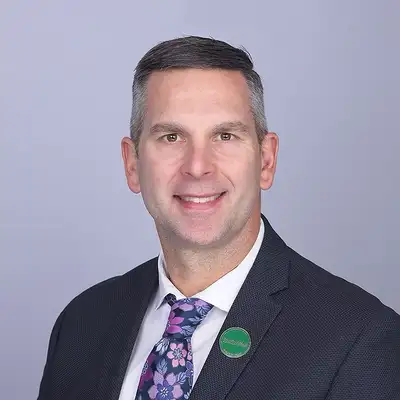
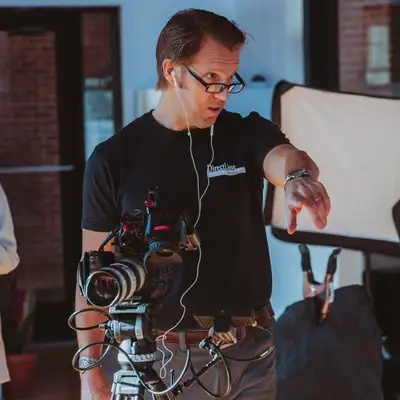

Eric Feeney talks with #friends! Eric is the founder of the nonprofit organization Friends of Feeney. Their mission is to help children and families who need assistance after heartbreak and tragedy. www.friendsoffeeney.com
That's all right.
We're not mad at you.
It's freezing in here, dude.
Yeah.
Yeah.
Korean barbecue. They're really good.
So you guys got some a little kick?
Oh. Is the music all right?
Yeah.
Spectrum
again.
I got I got A.D.D.,
so it's going to have to start.
There's that.
That's actually not a problem.
That's actually.
Just a little bit.
Perfect.
You don't have to turn it off.
Ready?
All right, all right.
Beanie talks with friends episode 163.
What's up Matt? How you doing?
Ready to riff?
Hey. You're the. You're leading me
You lead in the future?
I love it.
Matt McCarty in the house.
How you doing?
Lovely.
Co-Founder of Free Flow.
Yeah.
Free flow.
Free flow analytics. Free code media.
We have subsidiaries. Nice.
Subsidiaries of just us.
But still, it's a big word.
I only teach third grade.
We got, co-host,
business pants,
podcast host, podcast host.
But this is not unfamiliar.
Although you're like,
I feel like I'm in a real thing right now.
We could see you and hear you today.
I know, shocking.
Where's Damien at?
Damien's in Portland, Maine.
He's got my other coho season for Maine.
I think he's probably getting his tonsils.
The guy's got.
He's got a great sense of humor.
That guy like it dry?
He's a dry dude.
All right, so it's Feeny.
Talks with friends.
My name is Eric Feeny, founder
and president of Friends of Feeny.
It's a nonprofit.
We help children and families that need
assistance after heartbreak or tragedy.
I use this podcast,
Feeny talks with friends,
and I talk to wonderful people in
the community that are doing great things.
And you're all right.
You're all right.
You're in the community at least.
Maybe we leave a
wonderful person
and we're about to find out.
So I'm really excited.
We've been talking for a while
to get you on, but you're a busy man,
you know, three kids,
and you must start up a lot.
Happen all the time?
Yeah.
What do you want to talk about first?
Hey, man, I'll talk about anything
you want.
Want to talk about.
You want to talk about a will?
We're at Luna Pizza, right?
There you go. Pizza? Yeah. Pizza.
You talk about what I do.
The Red Sox, I don't know.
What's your favorite pizza?
So I'm a cheddar pizza man.
Oh, because cheddar is naturally lactose
free and I can eat it.
All right. Yeah, I get it home.
Cheddar pizza.
I like it.
I wonder if they'll make that here.
Should have told me
what have had a cheddar pizza.
No one cares.
I've asked every every establishment.
Alex, I promise you, next time you come,
Alex, we'll have cheddar pizza for you.
Alex is a good friend.
Episode 70 I did a Barstool Pizza
review at the beginning.
I cooked pizza at the end.
Go back and check it out.
Alex, thoughtful was our toy drive.
Always donating. Great guy.
Oh, while we're
on it, let's thank some other sponsors.
Direct line media.
Thank you, Stephanie and Dave.
Without them, this would not be possible.
We got float 41 to fix IV.
Parkville Management,
people's Bank, Salem, Bob's
Keating
Agency, insurance, Brook golf Law Group,
and we got a new one,
the JCC, the Mandell JCC.
You ever been over there?
I have, yeah, it's lovely there.
Yeah, yeah.
I swam a mile this morning feeling great.
Hey, I have seen a person swim well, so.
Yeah, I feel like we're the same.
Oh, I have a I have a week pass for you.
I don't have it on me.
I one week,
one week free pass over here somewhere.
If not, I'll get it to you.
I want to thank the JCC
for being sponsors.
Great friends over there.
I just had Colonel.
There was a Colonel Mike caber.
He does kettlebells.
You ever do a kettlebell workout?
Yeah.
Oh, yeah. Stauffer.
You sleep
great that night? Yeah. That night.
So the is great.
You'll see their logo on our podcast page.
Their brand new sponsors.
Thank you so much for sponsoring.
I got a week pass for you. Nice.
Sally and Bob, what about Sally and Bob?
You ever been over there?
Once a month.
I've been here for six years,
and I still have not sampled the full
the fullness of the West
Hartford culinary experience.
Well, there you go.
I like to give you a gift card
to Sally and Bob.
So being a good friend and joining us.
Thank you Helen. Yeah. Me on the podcast.
Yeah I was there this morning.
I'll show you my couple two pictures
we're going to do.
Boom. There's my lunch crew
I was with here.
I was with, my crew there.
You could see Dave, Dave, Billy and Scott
right here.
And then my man Caesar.
Boom. The chef Caesar's a great guy.
Check it out.
Get the, You like eggs? Benny's,
hash browns.
All day they do.
Oh. My weakness. Yes.
Got a car?
But, yeah, I, I don't mean to be clear,
but I will.
All right, so let's get right into it.
I teach third grade.
Pretend you're speaking to a third grader.
Explain what e s g is to a third grader.
Okay, so there's
probably what you've heard about.
Yeah. And then there's probably.
And then there's what it is E
and SMG stands
for environmental, social and governance.
And it's data.
It's just information environmental
information social information governance
information that gets used
in finance, stock
market, game valuation and value.
And how much is that asset
worth. Whatever.
So very, very simply, it's
just information about the environment and
how it can affect
things in finance okay.
All right.
So when someone goes to invest in
say Nike or a stock
they check their ESG rating
or how's our ratings.
And those are kind of a different thing.
So think of it this way.
If you were to invest
a lot of people, a lot of older people
invest in utilities like energy utilities.
They do that
because energy utilities are tax efficient
and they throw off a lot of cash.
So if you're going to retire, you
don't want to sell, but you want the cash.
So you buy things like utilities or bonds.
Let's say you're going to buy a utility.
Let's say that utility
has all of its plants, power plants
on the coast of North Carolina,
which Duke Energy has a bunch.
ESG is the information that
you get from using ESG data
is how many of those power plants
will be underwater
in the lifespan of that power plant
because of climate change
or sea level rise.
If you don't believe in climate change,
people can agree.
That's right.
You can do the same thing.
If people in this country
are don't have access to health care,
how does that affect, you know,
a health care stock or some stock
you never thought of like, you know,
if I don't have access to health care,
am I going to be ordering Uber Eats?
Very much
because I'm spending all my money
on health care and there's Uber pay.
There's a lot of ways you can look at it.
It's just information.
What it is is information
that Wall Street stock market,
for as long as that's existed,
pretty much ignored the margins.
And then it got mainstreamed during Covid.
So everyone was talking about it,
how important it was.
And then the recent administration
has basically banned it and said,
we don't want you to see that
because they
associated that with being woke
or being liberal or something like that.
So it's just information
that's really how does free float use ESG.
So we came from ESG.
Both Damien, my partner, and I built,
various pieces of ESG models for large
financial companies.
MSCI is where we go first. But,
now what we do
is we're sort of
a, a fringe inside of fringe.
The thing that we do
when you invest in anything,
most people look at the
the stock or the bond
or whatever it is
and they say, how much is this worth?
I want it to go up.
We say, who is running this?
So we don't look at an asset and say,
you're buying an asset.
You look at it and say,
you're buying a collection of people,
you're buying their output.
So in a very simple way
we're saying how good is management?
How much do we trust them?
Who are they.
Have they performed in the past.
We we treat boards of directors and CEOs.
We treat them like sports teams
because you know everything.
Who's your favorite team? Yankees. Knicks.
The worst.
Should we stop the podcast right now?
But you know everything about the Yankees.
Yeah. When you were growing up.
Yeah, yeah, yeah. Okay.
I like this analogy.
Yup. So, you know everything, you know,
like Derek Jeter's shoe size, you know,
which way that's,
you know, every position he's ever played.
You know, like, you know like is
he better in July than he is in October.
But you know he is. Right.
But well he's Mr. November.
Let's let's correct you.
Okay.
Reggie Jackson
that one George okay.
But I assume you go to target right.
And you buy you know
I don't know bananas or toilet paper
at target or whatever you buy. Yep.
Can you name one executive at target? Two.
Can you name one board member or target?
Can I spin that on you?
Can you name? Yeah.
Brian
Cornell is the executive chair of target.
Was the CEO.
He actually just fake stepped down
and replaced himself with Michael.
This is what we do all day.
I can also tell you that at target,
there are two board members,
not one, but two.
So we all know about diversity.
Dei gets talked about a lot.
There are not one, but two board
members on target who are on boards
of other companies
who reverse their diversity policies.
Trump.
Oh, is that why some people are banning
target and not shopping there? No.
Exactly right.
They basically backtracked
on all of their diversity targets,
and they were a little late to the game.
They did it largely
because of, you know, internet
trolls, outrage about,
the bathing suits or something.
Yeah. Merch.
Yeah.
But so one of the questions
that we try to answer, three, four,
which is in ESG, mostly
because it's information
people don't have or don't think about,
but it's not technically,
it's not the same thing
people think of when I think of ESG,
where the G
the governance part, who governs.
We try to tell you who runs the company.
How do we know their job? What do they do?
What about well, some people will invest
based on say that could be a turnoff
for someone for someone that the CEO did
the switch change the day?
Someone could go, hey, I don't want to
invest with them because of that reason.
Gotcha. For any reason you want, right?
Like you,
you're
you're so it just is incredibly impactful
locally, right?
Do you know which companies operate
locally that are publicly traded?
It's a very small number.
But in West Hartford.
Oh. In local? Yeah.
Local.
Yeah. Okay. Gotcha.
Gotcha. Pratt. Whitney. Yep.
Like there are Raytheon or Raytheon
is now Pratt and Whitney. Yep.
Let me guess.
Black Stanley and Decker
Stanley in New Britain and Decker.
Sure.
They're they're publicly traded.
So there are some couple, right. And
you can invest in those companies
simply because they're local.
Okay, good.
Good. Bad. You know, deep analysis.
If you're in the stock market but you want
ROI, don't you want you want to return.
Yeah.
But sometimes that return goes beyond
like,
look, if you're going to invest
in the stock market,
the chances that you'd be throwing
darts at a dartboard is you zero, right.
Because they're people have way more
information with you as a normal person.
This is actually part of the reason why
we made our data a lot of our data free.
We have a website, Sizzler analytics.com.
You can it's a free.
Just put an email address, sign up
and you can see every board
in the world and they're active directors
and how they perform on certain things.
Just a couple of things.
It's a lot of information.
But we believe that
you're in it.
You're in information disadvantage.
You have no idea. No. Right.
Which means for you
picking a stock is like,
you know,
if somebody comes in the door here
and says, like, oh, you should buy
Coca-Cola right now, it's hot.
You'd be like,
all right, let's do it, I guess.
So give it to me.
But that's like,
you know, it's not necessarily
the best reason to buy the stock.
We're
we're trying to like lower that asymmetry.
But you can buy a stock for any reason.
There's no like rule that says
you have to buy it for x, y or z reason.
So we're just giving people a different
way to look at the stock today.
Very cool. Very cool.
All right.
Fun little game.
So sports yeah.
You have to start sit or cut.
So you got to start environmental social
or grievance.
You got to sit one and you got to cut
one is a ranking of importance governance.
Yep. You you cut social
and you have an environment on the bench.
Okay.
Any reasoning?
Because I can take care of everything.
Right. Good governance if I.
So one thing that people don't know
when you buy stocks most stocks
give you a vote. I'm entitled to a vote.
It's an alternative democracy
entirely different from it's
not entirely different, but it's, it's
outside of the federal democracy, right?
You go, you vote for president, you go,
you vote for Sherry cancer, you go.
You vote for your elected officials
in your retirement fund.
You can vote for who's on the board.
It's your children.
Right. So
one of the things that I can do with
governance
is I can say, oh, I don't like the way
this person is managing the environment
at this company.
I will vote against them.
So it's like a sneaky you can
you can campaign and tell your friends and
start social posts.
Oh yeah.
There's a way to have you ever done so.
I mean, we've done it. We're not really.
So we're in the business
of sort of selling data
and making that data available
and doing the assessment.
We're doing something
that no one's really ever done before,
which is Moneyball for directors.
We are like, what?
You know, what the early baseball,
you know, sabermetrics for analytics
revolution was about.
We're trying to do that for directors,
which means the case we make
is that these people don't perform
well or they do perform well.
We don't make the case that you should
or shouldn't vote them out.
I especially like clients,
institutional asset managers
and institutional investors
don't want you to tell them what to do
if they say they want to give themselves,
you know, so I want you to tell it.
But that means
you can make the decision
any way you want,
like with your vote, with the information.
So I think I can cover everything
in governance with a vote.
I can pull lever
in the alternative democracy,
and I can say I can file
what's called an exempt solicitation.
I can tell every investor in the world,
this is why I'm voting this way.
You should vote this way too.
There's methods to do that.
You can put up blog posts.
You can do dumb podcasts like that.
You know, like whatever, you can do that.
So that's not dumb.
Very funny,
entertaining and financially, informative.
Come on.
Business pants.
Where'd you think of that
title business pants?
We thought it was funny
because, you see big boy pants,
but you pull up your business pants
and let's you just a picture of jeans.
You know, it's just we're ridiculous.
Everything we do is, like, try to you
guys.
Yeah, but it's unique, right?
Can you compare yourself as anyone?
No. That's irreverent. That's what it is.
There's my industry. They are
convinced that they know.
Everybody pretends
like they know what they're doing.
But for the most part,
no one really knows.
And you can name like directors if I fact
name some companies ready, right.
I mean,
I always quick to say is Nike, Nike.
Oh, you were mad at Nike.
Yeah.
Well,
because they sued for being too white.
No, Nike just got sued by the,
Equal Employment Opportunity Commission.
Which was the commission
the government commission put in place
for the civil rights movement.
Yeah.
Because of discrimination
against black people in this country. Yep.
And now the Trump's in office.
He appointed, woman
who basically believes that white men
have been discriminated against.
And so they sued Nike
for discrimination against white.
Yeah.
White people, but also primarily white
because Nike had policies that said,
we are going to try to level
the playing field for all employees.
They sued them saying
you're discriminating against white.
Where does that
what's the status on that lawsuits?
That's the kind of that what we were
we weren't angry at Nike
so much as we were saying, Nike,
you should absolutely fight this.
And here's an easy way to fight it,
because when we looked at Nike's,
the diversity of Nike's executive team
and the diversity of the EEOC
executive team,
they were almost entirely white
and almost entirely male,
which means the joke was sort of like Nike
if if they're saying
you're discriminating against white men,
you should say
they're discriminating against white men.
Also, just countersuit
because this it's ludicrous.
But at some level it's all press.
It's all political show. And then Jennifer
or Jessica Garner, Jennifer Garner,
the actress has a oh, yeah.
Jessica Garner.
Yeah, she's got a new IPO.
Did you like that
mission, baby for the couch?
Sounds tasty.
Yeah, I know we had for.
So you said another one IPO.
Let's talk about that IPO.
Initial public offering.
It's just when a stock goes
from being a private company to a listing,
public exchange,
just that first obviously initial move.
That's it IPO.
So IPO is past tense.
There are companies that never IPO.
They just stay private forever.
That's actually the majority of companies
than the companies that IPO.
And after a long time
they can IPO for short time.
There's really no rules.
IPO allows you to access capital
in public markets.
So it means I can sell stock to everybody
instead of just a couple of very wealthy
private investors.
What about a bro PR so a broker.
Yeah. Did you did you.
Yeah.
Yeah. Yeah. Damien coined that term.
Has that, has that caught on.
Yeah. With with you.
I think I heard a neighbor say it once.
No, I mean, it's a term he he made up
because when you track, ideas
are really hot, right?
This year, SpaceX is going to IPO.
So is OpenAI, which is makes ChatGPT.
There are a number of really big.
So they're currently not
allowed to be invested in by the public,
but they're going to be IPO.
So then the public can invest
in public invest.
And that's why it's like a big deal
because the public really likes Elon Musk.
Oh yeah.
And and ChatGPT
also some of them both are massive liars.
I don't know, to do liars.
But the,
the, the fact is that
so the pros do it,
they are going to go public.
Damien looks at all of the IPOs,
all the upcoming IPOs
or the ones that have just happened.
And what he says is not what is hot, what
company is hot, but who is running it.
Just like everything we do
and what we find
increasingly actually it's gotten worse
over the last few years.
Is it used to be like all men and then or,
you know,
during the pandemic, people were like
there was more access to capital,
there were more women involved.
There are more women in the C-suite there.
And now it's back to being awesome.
So he calls him bro.
That's the bro all male IPOs happening.
It's it's what about like a guy
the barstool guy who will come out
very popular guy has a lot of money says
oh I'm going to invest in this next thing.
You know people listen to this guy
he's called David Page.
Yeah. Todd.
Todd. Yeah.
When he does the, stocks, he's page views.
Maybe that's when he's gambling,
but then he does the pizza and then
something he does.
But is that a bro?
Is that part of the bro pod thing?
Is he he's obviously not giving
researched information and he and people
just following him because I thought
that's what I thought the bro
I thought the bro thing. Yeah. No.
Yeah.
David
Courtney is part of a different ecosystem.
He's, he's one of the blowhards.
It is like you go into your search
to search for stock tip on YouTube.
You'll get a trillion hits and everyone's
and yelling into a camera being like,
you got to buy this while it's hot.
Or here's my three reasons why this stops,
you know, rebound or whatever.
Oh yeah, you remind me of the guy,
the bald dude who's the most famous guy
that does that. Oh, yeah.
With the tie. Yeah.
And he's got a really big podcast.
And I don't,
I don't listen to Dave Ramsey.
Okay. Yeah. I hate to,
he does a lot more like
personal finance advice, which is fine.
Whatever.
But there's a whole cottage industry,
blowhards.
Right? Like,
personal
finance advice can be very complicated,
but it also can be save more than you
spend.
Yeah, right.
That's how you spend more than you can
buy on credit sparingly.
Pay off of it, right? Like you don't.
Did you hear that, listener?
That's great advice.
It's really not that hard, right?
But Dave
Ramsey turned it into an entire industry.
20 books and like,
podcasts and it's industry.
So, you know,
Portnoy is part of that blowhard economy.
Yeah.
Going out and saying like,
this crypto coin is going to do it.
Yes, he did that.
He did that with crypto actually.
That's and he does that with gambling too.
And people just like invest and he,
he put out a loser.
He put out men's hockey
in Michigan over Duke and he lost.
So I want to think who what guys were like
oh I'm going to do that
because Dave's doing it.
I'm going to invest.
You can talk yourself into anything, man,
like I can.
If I gave you a gamble right now,
I gave you an over under.
Right now, you could probably
talk yourself into both sides of that.
You might have a really strong opinion,
but I can probably convince
you one way or the other
if I was just persuasive.
But snake oil, sales people.
Right. Like, not cool. I mean,
you want real things in your life.
The real things are hard work.
And they're not as complicated
as people make it sound like.
You know,
I don't know in my opinion
you're going to invest in the stock
market, get an index fund that
and and as no the absolute bare
minimum amount of expense like
because they're charging for the next one
and just sitting there
sitting until you retire and don't
think about it, don't worry about it.
In fact, Warren Buffett had a bet
with a hedge fund manager,
a ten year bet where they said,
Buffett said, I bet anyone a lunch.
Which means that
if you invested in just the S&P 500,
which is like 500
biggest stocks
in the US, 90% of your assets
in that index and 10% in cash,
you could outperform any other.
No, but no one's going to help. Okay.
When you said SVB, S&P 500 is that you can
you can put your money in all of them
just like that or you fund us.
Yeah. Oh, just disperses it.
You take a 500 bucks,
thousand bucks, whatever.
You know Robinhood account in 20 minutes.
You can do balance some stocks,
but there is some other tradable asset
that is that's all 500 stocks okay.
You put 500 bucks and you say like
I want to buy that, asset like spies.
That would be oh yeah, I have Robinhood.
Yeah. So there you go.
But it's not doing well.
And I haven't looked at it in a while.
And maybe I got to talk to you about that.
That's the best way to do it. And Nike's
one of them.
Look at it for a while.
You individually stocks.
So I should I have left over so I,
I pick some individuals
and that could put the rest in S&P.
My advice is always pick things
that you love the companies
because you use the stuff
and don't worry about it then.
And or
like the vast bulk of your money
into just yes be 500 or the Russell 1000
or some like basic
index and P 500.
They're called index funds.
Just buy one of those.
Sit and forget about it.
Do you not?
Is it easy to access and get your money
in and out of Robinhood?
Do you do you use Robinhood?
I use Robinhood a little bit.
I do up most of my trades.
Fidelity
does that when they're peanuts, right?
Do they use the term peanuts or no?
No is something else
I did a lot of, every time
you buy something that like they do
fireworks, it's
very cheesy to make you think
it's like it was fun in that way.
Yes. Okay. Which is brilliant marketing.
Let me see if I have.
Robinhood is actually horrible for it.
I mean, the only thing I own right now
on Robinhood is Bitcoin,
because I think it's funny.
Yeah, yeah.
It's the Robinhood stocks okay.
We'll talk more about that.
I don't want to get all personal on my
oh back
to business pants your boy Damian.
So our motto be a good friend.
Hold the door, pick up trash,
give compliments, be charitable.
What makes Damian a good friend?
Oh, nothing.
That's for you and Damian.
Damian, I'll send this to you.
No. Look, how did it start?
Where did you meet them?
We had.
Well, a couple did it. MSCI.
What's that stand for?
It used to stand for something.
Now it doesn't work, but it used to come
from Morgan Stanley Capital International
as a part of mortgage. Gotcha.
And then it flipped off to its own thing.
All that company does is risk
analytics for stocks and index creation.
That's what it does. Like,
so we were doing
he was mostly governance, and I was doing
as he probably was going to
let using the data, whatever.
And we met
mostly because we were totally irreverent,
like we didn't take yourselves too
seriously.
We thought most of the
we saw a lot of comedy and we would
we would share funny things that companies
would say, you know, like for quirky
things he likes to do things like.
So there's something called the CEO pay
ratio
that is the CEO of a company, say
they make $1 million.
Oh yeah.
But the average that's Starbucks
is a hot topic, right?
Starbucks.
Yeah.
The CEO pay ratio at Starbucks is,
I think, 1400 to 1, 14,
17 to 1 or something like that.
So it's basically the average.
The median worker at Starbucks
made $17,000 last year.
The CEO makes 1400 times that.
Okay okay.
So yeah yeah I like this ratio.
It's like a way of saying like how much
discrepancy like how big is this.
You see, over time, Damien,
the quirky things that he likes to do
is like he likes to look at,
one that he looked
at was the relocation ratio.
Because when a CEO is hired,
the company will pay relocation
services to move them from wherever
they were to wherever the company is.
Yeah.
And he will say,
did you know the CEO made five times
the average worker's salary
just to move, to move.
Right. Like that just happened.
You guys just mention that. Yeah.
He does stuff like that
all the time. He always finds little.
He likes to say, you know Brian Nicole,
who's the CEO of Starbucks
had a 1400 to 1 ratio.
Means that Brian Niccol
made as much as the average worker
by 10 a.m..
The first day of the year, right?
Like that's the kind of.
That's the way he thinks.
Yeah, that's good math.
And very, catchy little catchy. A little.
So we we bonded over stuff like that.
So it's like Juan Soto
gets like $100,000 in a bat or some.
There's some math there.
There's a version of that. Right.
And we get outraged
that one Soto gets a thousand for at bat
because you're like, what am I getting?
I'm only getting like,
you know, up to 60 average.
Yeah, yeah, I really get it.
But no one pays
attention to the fact that.
What do you get for Brian Niccol?
He made not $86 million
his first year, right?
86 mil a year.
Yeah, well, that's not for a year.
That's like his first year with his bonus.
Gotcha.
And then the secret way it works
is when they bonus you.
If you're CEO and you get a million bucks,
they will give you,
you know, $100,000 in cash
and they'll give you $900,000 in stock.
And they'll say to you, if you perform
at a certain level, you get all that.
If you last three years before we get
that stuff, first of all, they never
don't perform at the level.
You get all the stock,
even if you're the worst company.
Right? Like so. That's all.
And number two is
even if you don't last two years,
you always get one.
Anyway.
Choose number three
is if the stock just does
whatever the market does
no better than the market.
Basically,
if you have nothing to the company,
you're still getting paid your 900,000
you got is not $91,000, 900,000
plus the increase in the stock price.
So when you take Elon Musk
just got a monster pay package, $1
trillion extra package, the stock he had
and I say extra he had stock.
If he hit all of the performance metrics
that they laid out,
he would have been worth $1.6 trillion.
Then the board
and the investor said, well, to hit
all those numbers, we're going to give you
an extra trillion dollar stock of that.
I mean, we are it's absurd,
like out of this world.
Ridiculous.
This is the level of absurdity
and people don't really know,
and they don't pay attention.
And they say, well, he's worth it
if he can, you know, go there
more or less or something like that.
It's like no one is worth it.
Wow. No one's worth it.
I mean, friends, imagine if,
like, Elon Musk gave 1% exactly
what gets going.
Oh, maybe there's no school
or delay
or it's,
Man.
Yeah.
You have two minutes.
I expected a delay today.
I thought it would be a delayed analysis,
and we might not have school tomorrow
because it's going to snow again.
1 to 3in during bus time.
And now that that'll be a two hour
on a Wednesday, though.
We already getting out early.
So I'm going to get the kids.
They'll go to lunch.
They come back. They go home.
It's going to be a great day.
It isn't that long enough to get together.
Together?
Yeah. Then a couple sneezes.
Oh that's great.
Speaking of.
Yeah, we'll get, we'll,
I was going to say, girl, dad, walk it.
Dad, my last podcast was at walk
at school with Christina Connors.
She went to walk at school.
Her teacher, Mrs.
Rivera, was the music teacher.
When Christina was in fourth grade. Mr.
Verdi goes, hey,
you have a beautiful voice.
You should say extra classes.
Well, Christina, Christina went on to be
like a famous singer inspired by Rossetti.
I had him in my classroom.
So go back and check out at episode
160 Christina Connors.
Good stuff.
So we try to inspire students
to do good things.
You know, if the kid likes art,
lead them in the art direction.
Math, science, something,
you know, find it, find their path.
So that's really cool.
I'm a girl. Dad. Yeah. Man.
Girl. Dad.
Our last two podcast guests. 161 Rob.
Girl dead.
162 Marcus.
Girl dead, owner of Maximum Beverage.
Matt Whitney. Girl dead.
So there's a lot of us out there.
Out there.
How about,
where'd you just go with the girls?
North pole?
Pick a pole.
We went to Damien.
I was funny, North Pole, because
we, we were in Alaska.
It turns out it's cheaper to fly to Alaska
if you have a.
We had friends we could stay with.
It was cheaper to fly to Alaska
with all of our gear,
like a bunch of moves for three days,
than it was to go to Okemo for three days.
Geez.
With five people,
I wonder if I have friends that.
Do I have friends that make this happen
or what?
Episode seven Seth Wickersham
Yeah, that's right,
he wrote a book on Tom
Brady, wrote a book on quarterbacks.
He's making the rounds
now. He's killing it.
Did you read the book?
I read both books. Yeah. Nice.
Did he get you a signed copy?
Nah, I had to get
it. Good guy.
Seth? No. Wonderful.
He's very thoughtful and kind.
I'm trying to get him to wear, like, a
Feeny pen or something when he's on tour.
Or when they do the ESPN interviews.
And, you know, you got the bookshelf.
Yeah, yeah.
Can I get the magnet in the back?
Come on. Set the masking to match.
He had the sign in his yard for a while.
Remember that? Yeah.
Yeah I know
his yard is like three houses down.
Good dude. Good dude.
Also a neighbor, Susan.
Do you know Susan and, Jason?
Yes. Susan.
Ivana. Yep. Yep.
She was episode 139 oh, release.
Coach. Author.
Great.
Over a thousand views.
There.
The people on my.
We are the least successful.
By like me.
I don't know how that works out,
but that's how it worked out.
You're doing great.
You're doing great. Good neighborhood,
good community.
You know?
Oh, yeah.
Back to your co-host.
What are three keys? So.
Oh, I left out one sponsor,
New England door and security.
Watch what I'm going to do here
with New England door and security.
What are three keys
that make you a great co-host?
Wow, I never had a read and like that.
Oh, shout out to Eric and Yori.
Damian's Damian is much the he's the host
and I'm just I'm a guy that shows up.
I'm a talk
a decent talking head.
Data.
I see data for the tips.
Data.
Don't be afraid to screw up
because the minute you are, you suck.
Right?
Like, as soon as you turn
on a microphone camera.
I spend my life in front of microphones
as a musician before day.
And if you're afraid,
you come off as afraid.
And, I guess the last one to, the,
active listener, which I'm not very good
at, actually, but I wish I was.
That's very cool.
I say that all the time
when I ask the three keys.
Listening is always a key,
no matter your occupation.
Teacher, real estate agent,
all the kids in class.
That's why you have two ears
and one mouth.
You should do twice as much listening
as you do talking.
Does it work?
Does it work? Yeah.
Great question, Mr. Feeny.
Mr. Feeny, you know, I hear Mr.
Feeny about 250 times a day.
Yeah,
but that seems like an undertaking, right?
Middle school teachers here at about 100
times, high school
teachers about 50 times
elementary school, 252 or 300 times a day.
Are you going to go to start teaching at,
Sedgewick?
My next move is going to be vice
principal somewhere.
So yeah, yeah,
I'm in 22 years, nine years at Kingsbury
School, where I went to school as a kid
in Waterbury, Connecticut, 13 years
at Wolcott, where my daughters went dream
come true when my girls were there.
It's great.
But now they're seniors.
Crazy seniors in high school.
Yeah, off to school.
My oldest is 15, so I see.
I see it coming. It's coming.
Yeah. Education is great.
You went to Brown? Did.
I went to Brown.
You did for a basketball game once.
I went to the.
I went to Yale versus Brown Riley Fox.
My dude it was Brown is so funny.
They, a kid, the football team was in,
you know, the north bleachers,
the football teams
rollin up and heckling a Yale player
and a kid half court at halftime,
threw the ball, made it in the whole
crowd, came in and rushed the court
like he won the championship.
And the refs were like,
what are you guys doing?
Get off the court.
This is a safety violation.
It was so funny.
But brown, beautiful campus. Yeah.
Cool school.
That woman was there 25 years ago now. So,
then you got computer computers and music.
Yeah.
Which is basically their
their way of music production
as live in the studio produced,
produced music,
made weird music, experimental music.
You know, it was early in digital music.
And you did some of that, like Kanye
or you like Kanye or.
No, I mean, I did before
he went full Nazi.
Oh, that's right.
I was going to ask for the other guy,
but I knew that I was going to
still, bring him up.
Who's a,
what's the band that was at Wesleyan
and at Wesleyan before?
I don't know, I always think about that,
but can you play an instrument?
I mean, I can't.
Am I able to or am I good at, Yeah,
I am.
You look like a guitar player.
Yeah, it's
good to say I was the lead singer.
And what was the name of the band?
The the last one.
And when I just graduated
college, moved to New York City,
and we played all over the city,
but we played CBGB's for, for,
the vertical gin line,
vertical gin line, which was a
misquote of,
from The Bonfire of the vanities
that my the guitarist
thought was funny having a lot,
but that's what the name was.
Very cool, very cool.
We do another game.
You ready for another game?
Yeah, I will do.
It's called first, last,
best, worst first last password.
Was it sponsored?
Oh, this is sponsored.
We'll say Luna Pizza sponsored it.
We're here at Luna Pizza.
Thank you Luna Pizza for sponsoring.
We're going to get our drinks. Last
weekend's best is going to be the food.
We're going to be leaving.
Here you go. There you go, there you go.
Well, no, mostly it's going to be podcasts
or or so your first podcast,
your last podcast, most
recent your best one and your worst one.
First one.
I don't even remember the first one.
It was a probably nightmare.
We came out hard.
We just left MSCI.
So we came out
hard and talked about the industry stuff.
We had a quick following though,
because we launched the I launched
a podcast and I
so all the people at MSCI
and also that podcast
for that, the last one
was last Thursday.
We're actually behind,
we're usually twice a week
and then we have a second show
we do once a week.
But, we talked about.
Talk a lot about,
Musk and Epstein and, you
know, accountability
or lack of accountability
in the business world
for Epstein talks about,
AI stuff.
Best.
So there's a run a long time ago, we did,
where we dove into Boeing
right after the planes fell in the sky.
And we found all these actually
launched the company,
but I think the data for our company,
because what we did is
I looked at the board of directors
of Boeing because we couldn't figure out
why the CEO hadn't been fired.
Two planes fell out of the sky,
400 people, 350 people died.
And the planes are grounded worldwide.
And the CEO said,
we're trying to figure out why.
So we did a deep dive.
The way accountability works at a public
company is is
the CEO's boss is the board
the board's boss is the investor?
Yep. Okay.
So you get to choose the board. The board.
Then what is it responsible for?
Removing the CEO, hiring new CEO?
We can figure
out why he started
job is Dennis Muilenburg.
So we did a deep dive on the board
within 30 years of the board's past.
And we found that two thirds of the board
that existed at the
when the plane saw this guy
were, clients, either
directly or indirectly, of one person
on the board's lobbying firm.
So there was a guy on the board,
he owned the lobbying firm.
He's an ex Reagan administration guy,
and they almost
all used his lobbying firm.
So we start asking like,
well, is the CEO even in charge?
Is it that guy who's in charge?
Is he brought all his friends to the board
and they make the decision.
So and that's what launched our analytics.
But we ended up getting we did
a couple of episodes where he did that,
like did this deep dive
and we got a call from a whistleblower
who said, you're on the right track.
It was one of those like tinfoil league
conspiracy theories.
Nice, I like it.
Did you have him on the air?
No, no it was
it's a little too volatile to do that.
And he basically said keep going.
You know you're absolutely right.
You know you totally nailed it.
Did the guy end up getting fired?
He was he had been fired, which is like
one of the things that we were like,
you think you caused that or.
No, no, no. The whistle.
No no no, that that CEO, did he get fired?
Oh, he ended up getting fired. Yeah. Yeah.
I mean, they never get fired.
They step down, and take their package
and all their stocks get all their stuff
and never get fired. For
real. For the most part.
Is he rehired somewhere else?
No. He was on the board of a,
a, private startup
that was doing, like,
AI and farm equipment, that kind of thing.
That was a couple years ago.
Yeah, I remember that.
Oh, that's cool.
That's that's interesting stuff.
You looked into that?
I mean, like, we like good shows,
but that one was a while ago,
and I one sticks out
because some of the actually like
we got a whistleblower called.
Yeah.
Worst.
And we've had some, we had,
worst exactly on this one.
We ran for president for Oh.
Yep yep yep.
We had him on the show.
We had him on the show before, you know,
he was running for president,
and he was going on every podcast
he could find.
So it wasn't like he'd
listen to our show on it.
Come on.
He's got anyone who invited you. Just.
Oh, come on, I missed.
I missed the boat on that.
Yeah, he missed it.
And, it's a sad day.
What does that say?
Like, who was crusading against diversity,
equity and inclusion?
He was crusading against,
you know, at the time, it was,
critical race theory and stuff like that.
And we had him on the show, and
Damien, he we played a
quiz game with them
where you rate a headline
from worst to best, like,
give it a 0 to 10 is a good headline
in Batman and Damien Page headlines
specifically to troll one page.
The headline that was, you know,
5% of fortune
500 company CEOs are women.
And Damien was like,
is that a good headline or a bad headline?
And Vivek was like, that's irrelevant.
Like it's it's it's I don't know why
we why we talk about that at all.
And then we got into it
where we were saying,
well,
on average,
women are actually more educated than men.
Women have all the same experience.
Wouldn't you expect executives, CEOs
to be roughly close to 50%, at least,
like some proportion
of what exists in the talent pool?
And he ended up saying,
and then we got down the path of,
like, systemic bias and all these like
educational gaps, all these things.
And he ended up
sort of admitting, saying out loud,
how did he say that?
He was like, well, there
there was systemic bias against the way
these people were taught.
And we said on the show
that it's critical race theory.
And like you just described, critical race
theory was like the systemic bias.
Is it gaps? Yeah.
Like black people and diverse people
face equality
and understanding that bias
when you start expected it.
And he quit.
He quit the show.
Hung up. Sorry, guys, I gotta go.
This is great, but I'm really busy now
and I gotta get out.
So I got nice.
That might have been are the worst
and not the worst
because it was like a bad show.
The worst
because it was like a train wreck of
who else did you have on like, famous
names? No.
No one.
Famous people.
Like we had a senator from Illinois on.
In fact, you know, a bunch of people
on our space governance experts
who would be famous to teach,
you know, governance.
So, yeah, you gave the friends,
you gave a Feeny Talks a friend
shout out one episode
we did a long time ago.
A while ago, we got we're going
to do it again now. Like,
we'll have to have you come on and play.
Quiz. Oh, I would love that.
Let's see. Where. Where are you?
Are you sure?
I think it.
March 12th, 2020.
There it is.
Let's go.
Heyday
business.
Oh, and then Seth, I mentioned Seth.
Yeah, let's.
Let's have me back on. That'd be great.
We can talk.
I'll ask you, what's the, plc?
What's an SSD
as a Social Security?
What's an IEP?
Oh, that one is, like, extra help.
Yep yep yep yep.
Espec espec.
That's very good. Okay okay okay.
Yeah.
What do I know?
Smarter balance assessment Consortium,
an individual education
program is for, like, on your way.
Yeah, a lot of good stuff.
Wow, that was good. Good.
Oh, some upcoming events. Oh, girl.
Dad, I supposed to give you
the slap bracelets for your girls?
Oh, we just had 90s
night at the, Wolfpack game,
but in the
90s, they made these things illegal
to cheat, putting people.
Oh, yeah. You're right.
Thanks for pulling on my whole.
My whole event are those 80s and 90s.
They fix them?
No, they used to be metal, actually.
You're right. Yeah, right. Right.
And now it's like a different.
Yeah, it's a different thing.
They'll love these.
Dillon, my youngest,
is going to show up at school. Yes.
Did she give you the sticker?
She did. Yeah.
Yeah. Okay. Cool, cool.
I gave it a sticker.
I was like, you dad's coming on.
Write me some questions.
She's like, ask him about being a podcast.
So I'm like, I already know that. Thanks.
Give me some inside source.
Know what I did? No. It's fine.
How about new park, bro?
You ever go to New Park Brewery?
Yeah.
Yeah, yeah, I'm not a drinker,
but we go down good pizza.
Oh, yeah.
And they got a food trucks outside
sometimes.
Yep, yep.
You know, a great guy I want to thank.
Tom. Great.
I just saw him
the other day, made a great donation.
We hosted the 150th podcast. There it was.
We had a band at the end.
It was great shout out.
Do you know?
Oh, do you know Frank De tank is.
I know Frank attend from, old school.
Old school?
Yeah. This is Frank
the tank from Barstool.
He lost 300 pounds.
Podcast guest one 103.
It was cool to have him on a record.
Podcast.
Let's go. Yeah.
Sherry Kanter you mentioned her.
She was like 70 I'm making that one up.
But yeah
but you sound like the throw it out there.
Actually I have a Rain Man. Yes.
This year down 35 she was start way off.
We have we've done.
When we launched
we were doing daily juice
first two years with daily
and then we moved to twice a week.
We have a thousand easy I, I can't
remember I can't remember Thursdays.
They have cool titles.
Yeah.
Some things that.
Oh we oh yeah we talked about IPO
bro P0 I iPod.
Oh yeah.
Oh chief operations
I knew that one CFO finance
officer d I
we mentioned VC venture capital.
Venture capital I ESG yeah Alaska.
We talked about ring doorbell.
Oh that's kind of crazy.
That's Super Bowl ad turned that.
Yeah.
Did you how did you feel about that
I those creepy I have ring doorbell.
You don't have a ring doorbell
I have the Google and
yeah.
What was that.
So the guy I can type in
and look through everyone's ring doorbell
for my dog, I totally sure
whether it's like ring is watching
and they'll tell you where the dog is,
or you can see the ring network or what
that is.
But they put it
they killed the partnership with,
I mean, they they pulled it,
they had a partnership
with another company
that they were doing this
with when they pulled that partnership.
And then the CEO of ring has been out,
you know.
Who's that?
Oh, God.
That guy's name is going to escalate.
Who's on their board?
Well, business is on that board.
You mean to Jack and, they're a couple
like multi borders, but it's,
these are so Amazon's with ring rings
with Amazon.
Yeah yeah they own them.
So one of the things
that people don't know is when you go,
for instance you go to a liquor store,
you want some beer.
You're looking at the wall of beer and
you're like, oh man, I really feel like,
I like some light IPA this
and it looks like a craft beer.
They're almost all owned by two companies,
Anheuser-Busch
and who, InBev and, Molson Coors.
Oh, okay.
So there might be there's modelo,
and like, there's
another there's a couple other companies,
but you go to like target
and you buy like, you know, like,
you know, like toilet paper.
And almost every brand is one of Scott's
charm and all of fall under one company.
A lot of these things are actually.
Oh, is that a monopoly or.
No, it's not.
They do brand differentiation.
And you could argue that it is a monopoly,
but it's there's not a barrier to entry.
So are you a monopoly.
Do you need a barrier of entry
to get in the market?
Anybody can make toilet paper
if they really wanted to.
And what about like, this is crazy.
Maybe off topic, but Kirkland,
how does Kirkland.
They were like, oh, that's Tito's,
but it says Kirkland on it
or that's title is club
but it says Kirkland on it.
How does Kirkland get away with that?
Costco's
brand is Kirkland and Costco actually,
went to sources, a
so you can't really unless you happen
to have that formula for something
you can't really like, claim.
You know, you have the only formula
for toilet paper so they can go out
and they can find the same source,
and they can go to the substance
and undercut it, undercut it,
or like buy in a different way or,
and they can put up the same products,
their generic products.
So but Kirkland to
their credit, is like pretty good.
Like 80% is good. Yeah.
They're more quantity, right.
They'll just get you to buy more
because it's cheaper.
You can get like a
you go get olive oil for berry.
Oh stop and shop right.
Cost 25 bucks for like one thing.
You spend $25,
you get something, you know 50% larger.
Yeah.
It's Kirkland brand and both of them
are like watered down olive oil.
It's not like single sauce.
Who's the CEO of Costco
CEO Costco is wrong.
Fat Chris from that choice.
What about,
shoot.
Oh, Whole Foods and Aldi's.
What's with that connection?
They say the same foods that Aldi's
that you can get at whole Foods,
but it's a lot cheaper.
Maybe a different label as well.
Similar to the Kirkland deal
they're selling you.
Just it's a there's something
the brand is not selling you anything.
The food's not.
And that's also Amazon, right.
Also Amazon. Yeah. Amazon
conspiracy to confirm or deny.
The movie Melania Trump movie.
Yeah. Was it was.
Yes. Was it was a way to get money
for Bezos just to pay. Right.
So what did you talk about this yet or.
No we did a little bit.
But it was just a blatant graft.
Right.
Like, because the movie's not doing well.
Well, depending on who you ask.
The most expensive documentary ever. Yeah.
And it had and I think.
Where
did you see it?
And I watched one of clips that I got,
I don't feel like I don't need.
I read, I read reviews, but conservative
reviews, and I read, liberal reviews.
And the fact is, it just sounds like
another dumb documentary.
It doesn't sound like there's
anything new.
And I didn't.
I mean, she's not going to say this
first, like, so I can't be like,
yeah, my marriage sucks.
And I wish I could go back to, you know,
living in New York,
you know, walking on is one way.
And then I got say that.
So, Yeah.
And then they wanted to double troll you.
They they hired
the director who was, like,
implicated in a number of issues.
Brett Ratner, but
not Harvey Weinstein.
You know, I mean, very similar.
It was gross stuff.
It was gross stuff
from many sources. Right.
And he hadn't done that.
This was his first gig for real, you know,
big gig since since the MeToo movement.
And of course, it was hired by Amazon
to direct the Melania documentary.
He had never done a documentary.
I was going to say was my next
question was Albany's Jews?
Yeah, yeah.
You want conspiracies?
Give me one.
Let's give one to the friends
you don't need.
He you don't have to make them up.
That's the thing.
Like the conspiracies come in
small and large versions. We
in a show last two weeks ago,
we were talking about,
you know, how this one company,
Franklin
Resources, which their finance company
on their board,
it's owned by, like, members of the
of a family.
They might have used to be
Franklin anymore, and.
But they have a list of skills
of every board members.
Now, imagine, like, you're
looking at, like, left handed
hitter, right handed hitter, you know?
Yeah. Great.
And, you know, infield flies, whatever.
Like they write that kind of stuff down.
Like, I have this skill in international
marketing and his skill and,
you know, whatever, one of the skills
that every board wants to talk about is I.
So you want to smell conspiracy?
We have the skills of the directors.
When the guy
who's like the nephew of the owner.
Never worked outside of finance
and he's worked at this company for 20
years, is the guy on
the board with the eye skill?
I mean
that's simply so they can put in a chart.
You know 20% of our board has air skill
and investors
don't get a check and conspiracies.
And what's it how do you have skill in AI?
You just type in what you want to search.
Like what are we doing here? Gemini?
Something.
And then you have the skill.
That's the thing. There's no rules.
You know, rules like skill.
Punctual, good at Microsoft Word.
I that's the thing. Like the funny.
The funny thing about it to me is
we focus a lot on Melania's documents,
which is pure graft,
and make it like bribery effectively.
But we don't focus on
the small little like, like
the little white
conspiracies or the boards,
like even just for fun little tiny things
that just don't quite add up, like,
you know, like
people know that, you know,
like when you go, you buy a pound of pasta
off the boxes, you know, one word
that they're like 12oz and you know that.
But those are the small conspiracies,
right?
Like, make it look
the same. Make the box.
The same size.
Just change the weight number
at the bottom on a board.
Yeah. I've been on a board for 20 years.
I've never done anything except finance.
But we need I skill just waiting there
somewhere I can we can fudge that.
Right. Like the little sponges.
When you add all those up
oftentimes are worse
than any Melania documentary.
Oh boy.
All right.
We'll look into that. That was awesome.
Getting a lot I'm learning a lot.
This is great. Great podcast.
We're here Matt McCarty.
You got some upcoming events.
I'm going to be at a couple of conferences
that if you are a governance person,
you would know what they are.
But but otherwise
just doing shows, pumping out data.
We're in a
of data crunch right now.
But it's it's high season for us.
So crunching the numbers, do you guys want
to sponsor our parade t shirt.
You want to get your logo
on the back of our parade t shirt.
How much is sponsorship? 150 bucks.
Our sponsor. That. Let's go.
All right.
Cool, cool.
We got some upcoming events where this is.
This is a Lions Club.
But I was the ambassador of vision,
so I'm very proud and love these guys.
April 25th.
Great pancakes.
Jerry and Barry make the best pancakes.
So it's at 8 to 12, right down the street
from your house, right
by the stop and shop.
Check it out.
April 25th.
Do you golf?
September 12th.
Come hack it up, foursome.
Come on. It's fun. Let's say.
Let's say that I have golfed.
You're in. He's in
July 11th.
Hartford Athletic
Giannis jog.
March 22nd. Our golf event.
Oh we're doing a great or is yet or watch
or is very
oh resource Swedish company.
They're like a $3,000 watch down at luxe
bond and green. Yeah
$25 a ticket to get into the raffle.
That's something you could,
you'd be interested in.
Now gotta watch. Okay. Yeah.
Tulsa time.
All right. Gotcha.
We wanted to film.
That's going to be on June 18th.
We're doing a whole event down there.
Come by.
Cool stuff.
So you're going to sponsor?
Yeah, it's.
It's pretty cold out.
Do you want to buy a winter hat?
20 bucks.
Think about that.
I'm through for three.
Ask it on the podcast for you to
cool shit out the side like you want to.
I got to be,
They call me Feeney.
Gets whatever you need. Feeney gets
when a thing.
People's bank.
I want to thank,
Saint Tim's and Saint Thomas.
They made a donation.
People's bank made a donation.
We usually shoot for an hour.
We did.
Or we usually shoot for 50 minutes.
With Feeney, we're over an hour.
We got into conspiracies.
We talked some, you can go down.
Coming down to 20 minutes.
ESG, I love it.
No, it it's great talking with you.
Check it out. Business pants free float.
Any closing remarks?
Just good luck.
And stay frosty out there
on three will say, be a good friend. You.
You'll come say what? Up to the camera.
This is my guy right
here. Aiden Fox in the building.
What's up?
Watching pace.
Pace Riley Fox, episode 93.
Just watch what up. Riley Fox.
How's the foot? I'm doing better walking.
Great to see you
when you come in on the part.
He's Aiden Fox, coming soon.
Thank you. See you.
Will say, be a good friend
on three, one, two, three.
Be a good friend.